
25 November 2026 · 7 min read
Red Sea Snorkeling: Best Spots in Egypt by Town
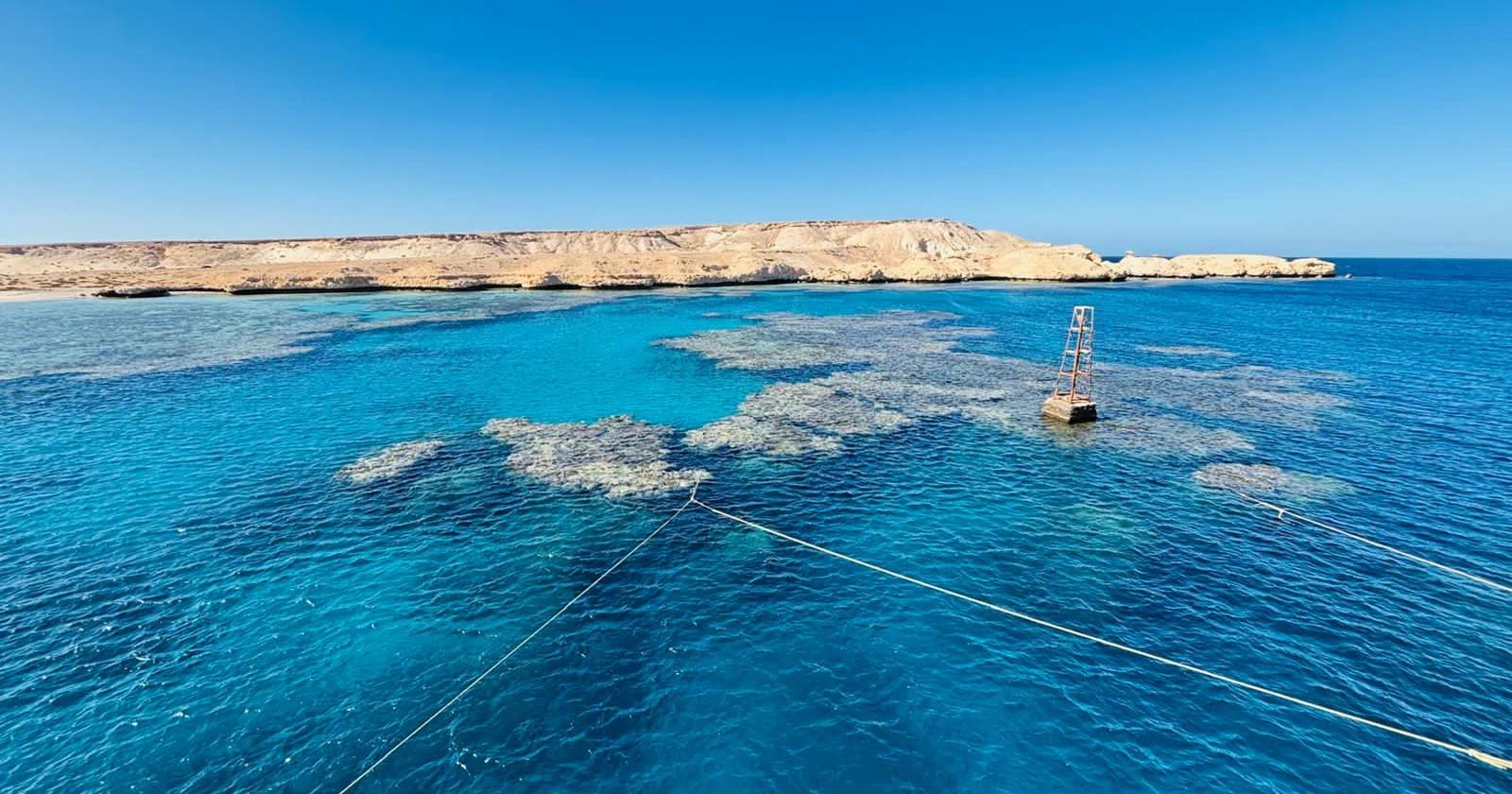
Red Sea snorkeling splits cleanly by town. Dahab is the one place you can walk into a reef from the beach whenever you like. Hurghada and Sharm El Sheikh are boat-trip towns, where a day boat takes you out to a sheltered reef or a national park. Marsa Alam sits apart again: its shallow seagrass bays at Abu Dabbab are one of the most reliable places anywhere to snorkel alongside a dugong. Below is what each town actually offers, using Coral Playground's own site data rather than a generic "best of Egypt" list.
Red Sea snorkeling by town
The table below compares the four towns on access, typical conditions and what pulls snorkellers there in the first place. All of these are also full scuba diving destinations, so the reefs below are chosen specifically for being shallow and sheltered enough to work without a tank.
| Town | How you get in | Typical current | Best for |
|---|---|---|---|
| Dahab | Shore, walk-in | Weak, sheltered | Independent snorkelling, seagrass macro life |
| Hurghada | Day boat | Weak at the sheltered sites | Dense fish life in an easy stop |
| Marsa Alam | Shore or short boat | Weak | Turtles, and a real chance of a dugong |
| Sharm El Sheikh | Day boat | Variable to strong away from the shallows | National park scenery, Tiran's plateaus |
Hurghada: boat trips to the Giftun reefs
Hurghada snorkelling is almost always part of a day-boat trip, since the best spots sit offshore rather than along the town's own shoreline. Gota Abu Ramada, known locally as "the Aquarium", is the standout: a shallow oval coral block in 5 to 16 m of water with weak current, built around a dense crowd of bannerfish, masked butterflyfish, sweetlips and glassfish, with barracuda and jacks gathering just off the block. It is listed at Open Water level for diving, which gives a sense of how gentle the conditions are for a snorkeller floating on the surface above it.
Coral Playground's site data also flags Big Giftun and Small Giftun as snorkel-friendly, even though the dive sites themselves are set at Advanced Open Water for their walls and current. Boats running the Giftun islands typically pick a sheltered shallow patch for a snorkelling stop while divers head for the deeper wall, so ask your boat which part of the reef is planned for the non-divers in your group. Start at dive centres in Hurghada if you want to book directly, or browse the interactive map to see how close each reef sits to the marina.
Dahab: shore snorkelling at the house reefs
Dahab is the Red Sea's shore-access town, and it is built around exactly the kind of shallow, sheltered coral that suits a snorkeller with no boat and no schedule. Lighthouse, Dahab's home reef at the northern end of Assalah Bay, is the easiest starting point: a gently sloping sandy entry leads over seagrass where seahorses shelter in pairs, before the reef wall rises into coral "bommies" thick with fish.
A short drive south, Three Pools opens with a trio of shallow, sand-bottomed coral lagoons just 3 to 4 m deep before the reef proper begins, and The Islands is a shallow maze of coral formations that Coral Playground's own guide describes as ideal for training, snorkelling and photography. Both sites are calmest at high tide, when crossing the reef top on entry and exit is easiest. Reef fish, blue-spotted stingrays resting on sand patches and the occasional turtle are typical sightings at all three. The full area guide is at Diving Dahab.
Marsa Alam: snorkelling with turtles, and a chance of a dugong
Abu Dabbab is the reason Marsa Alam shows up on so many snorkelling shortlists. It is a wide, shallow, shore-access bay with weak current, where seagrass meadows shelter an unusually dense population of green turtles and a resident dugong, both of which graze close to the surface and often tolerate a respectful, distant observer for long stretches. Coral Playground's own site guide is explicit that these are wild animals on their own schedule, so a sighting is never certain, but few sites anywhere offer better odds. Keep clear of the seagrass itself when you kick, since the meadow is the reason the whole ecosystem, and the encounter, exists.
Further offshore, Shaab Samadai, known as Dolphin House, is also tagged snorkel-friendly, with shallow coral pinnacles around a protected lagoon where a resident pod of spinner dolphins sometimes rests. Access there is zoned and runs only through licensed operators to protect the dolphins, so book it as an organised trip rather than turning up independently. For the wider area, see the Marsa Alam diving guide.
Sharm El Sheikh: boat trips to Ras Mohammed and the Straits of Tiran
Sharm does not have Dahab's shore-access house reefs, so snorkelling here means joining a day boat, usually into Ras Mohammed National Park or the Straits of Tiran. Ras Mohammed was established as a marine reserve by Egypt's Environmental Affairs Agency in 1983 and covers an area of 480 km², according to its Wikipedia entry; boats here tie up to HEPCA-maintained mooring buoys rather than anchoring on the reef. Coral Playground lists several of the park's signature dive sites, including Jackfish Alley and Shark and Yolanda Reef, though both run to depths and currents that suit certified divers rather than snorkellers; ask your boat which stop includes a shallow snorkelling area.
In the Straits of Tiran, Jackson Reef is the better bet for non-divers: Coral Playground's own description calls its two shallow coral plateaus a site that works for "hardened deep divers and snorkelling families alike," even though the eastern wall where hammerheads gather in summer is a serious current dive for Advanced divers only. Closer to Na'ama Bay, Eel Garden is a shallow, weak-current reef listed at Open Water level that also suits a calmer day. Expect a national park fee on Ras Mohammed trips, usually paid in cash on the day; check the current amount with your boat operator.
Staying safe and looking after the reef
Snorkelling feels casual, but the Red Sea has real currents, real boat traffic and real sun. The Divers Alert Network lists drowning from water inhalation, being struck by a boat, strong currents and hypoxic blackout from extended breath-holding among the genuine risks for snorkellers, alongside sudden cardiac events in people with existing heart conditions. Stick to sites with weak current if you are inexperienced, snorkel with a buddy, stay aware of boat traffic above you, and if a current does grab you, swim parallel to the shore or the reef rather than fighting straight against it.
The reef needs looking after too. Keep your hands and fins off coral, do not touch, chase or feed any marine life, and give nesting triggerfish and resting rays a wide berth. Wear a long-sleeved rash vest rather than relying only on sunscreen, since reflected glare off the water burns faster than you expect. None of this removes the risk entirely, but a sheltered site, a buddy and a little planning go a long way.
Frequently asked questions
Where can I go snorkelling in Hurghada?
Most Hurghada snorkelling happens from a day boat. Gota Abu Ramada, known locally as the Aquarium, is the classic choice: a shallow, sheltered coral block with weak current and a dense crowd of reef fish. Big Giftun and Small Giftun also have shallow, sheltered patches used for a snorkelling stop alongside the dive boat.
Where is the best place to snorkel in Sharm El Sheikh?
Sharm snorkelling is almost always a boat trip rather than a shore dip. Operators run day boats into Ras Mohammed National Park and the Straits of Tiran, where Jackson Reef's shallow coral plateaus work for snorkellers while divers head for the deeper wall. Expect a national park fee and a current briefing before you go in.
Where is the best place to snorkel in Egypt?
It depends on what you want. Dahab gives independent swimmers shore access to calm house reefs. Marsa Alam is the best bet for turtles and, at Abu Dabbab, a realistic chance of a dugong. Hurghada is the easiest day-boat option from a big resort town, and Sharm pairs snorkelling with Ras Mohammed's scenery.
Do I need to be a strong swimmer to snorkel in the Red Sea?
You should be a confident, comfortable swimmer. The Divers Alert Network lists currents, boat traffic and breath-holding blackout among the real risks of snorkelling, so pick sheltered, weak-current sites such as Gota Abu Ramada or Dahab's house reefs if you are inexperienced, swim parallel to shore if you feel a current pulling you, and never snorkel alone.
Will I see turtles or dugongs while snorkelling in the Red Sea?
Turtles are a regular sight on many Red Sea reefs, and Abu Dabbab near Marsa Alam is one of the most reliable places anywhere to share the water with a dugong. Coral Playground's own site guide is clear that encounters are never certain, since these are wild animals, so keep a respectful distance and let them set the pace.
Ready to put a date on it? Browse dive sites and dive centres by town, or use the map to see how the shore and boat sites above sit relative to where you plan to stay.