
Abu Dabbab
Abu Dabbab
Overview
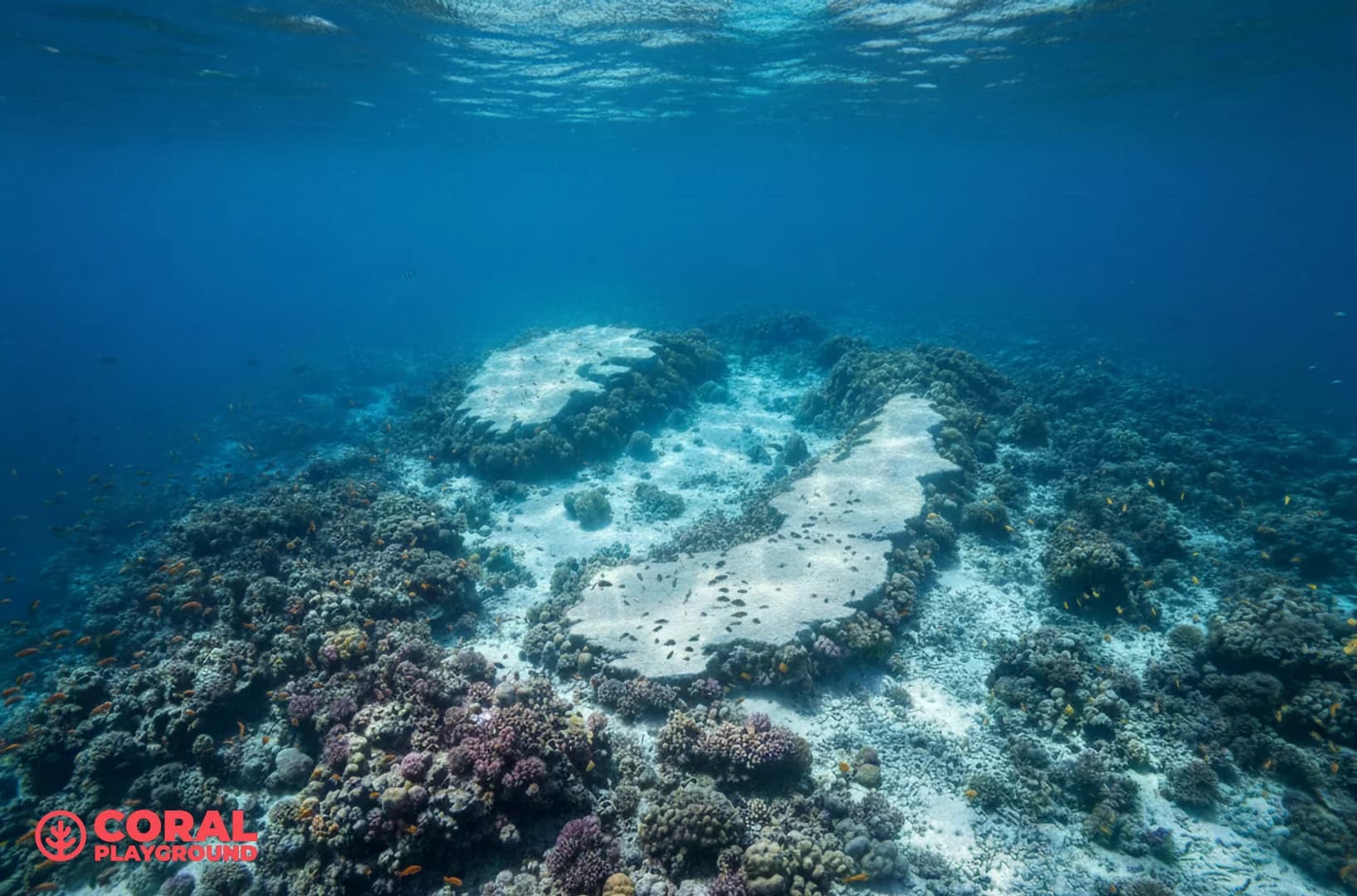
Abu Dabbab is the gentle giant of Marsa Alam diving — a wide, shallow sandy bay that happens to be one of the most reliable places on earth to share the water with a dugong. Where most Red Sea headliners are about walls and current, Abu Dabbab is about patience and big, slow encounters in calm, sunlit shallows. Easy shore access and forgiving conditions make it a favourite for beginners, photographers and anyone hoping to tick off the "sea cow."
The Dive
The bay shelves gradually from the waterline, with seagrass meadows and sandy patches spread across a broad, flat profile. You can spend the entire dive between the surface and about 12m, drifting slowly over the grass beds where the marine life feeds, while the bottom slopes out to a maximum of roughly 20–26m toward the mouth of the bay for those who want a little more depth. There is little to no current most days and entry is a straightforward walk-in from the beach, which is why it suits Open Water divers and snorkellers alike. The trick is to swim slowly, scan the seagrass, and let the animals come to you.
Marine Life
The stars are the resident dugong and the unusually dense population of green turtles, both of which graze the seagrass and often tolerate respectful, distant observers for long stretches. The sandy flats hide guitar sharks and blue-spotted stingrays, while the seagrass shelters seahorses, pipefish, octopus and a constant traffic of reef fish. Two cleaning stations on the offshore coral pinnacles round out the dive. Encounters are never guaranteed — these are wild animals on their own schedule — but few sites offer better odds.
Good to Know
Abu Dabbab is divable year-round, with calm mornings offering the best light and visibility, which frequently exceeds 25m in the clear bay water. It is an easy shore dive reached by road from Marsa Alam, with a managed beach and facilities. Keep a respectful distance from dugongs and turtles, never chase or corner them, and stay off the seagrass with your fins — the meadow is the whole reason this ecosystem, and the encounter, exists.
Depth
1-26m
Visibility
15-30m
Current
weak
Access
shore
Certification
Open Water
Species
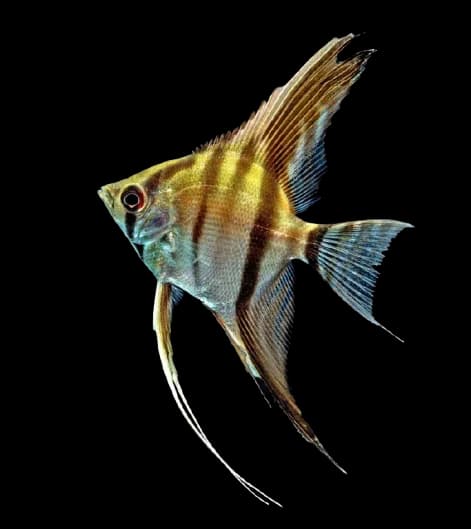
Angelfish
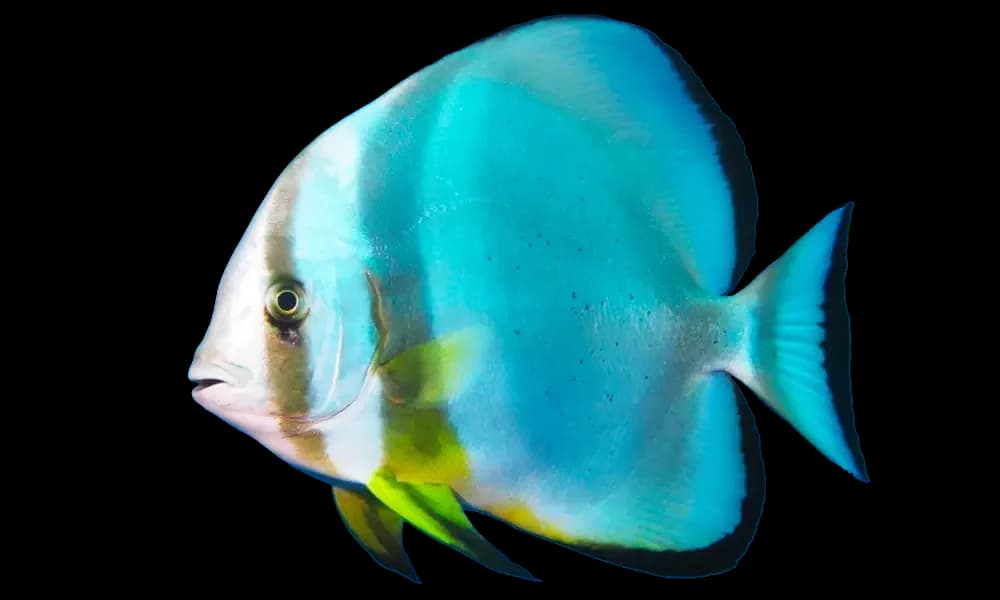
Batfish
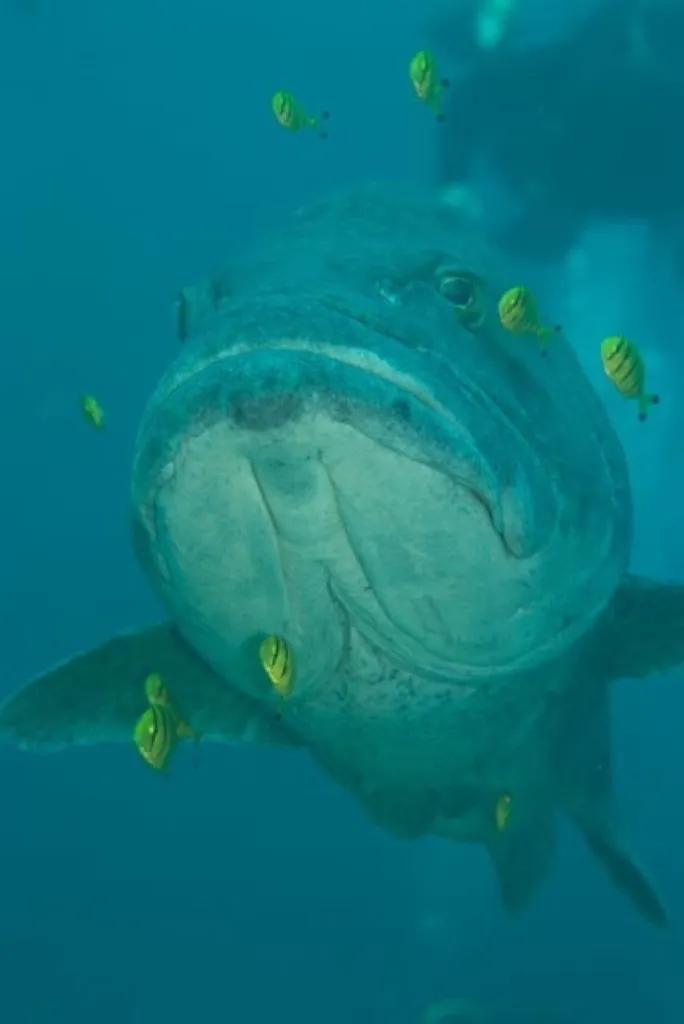
Black Grouper
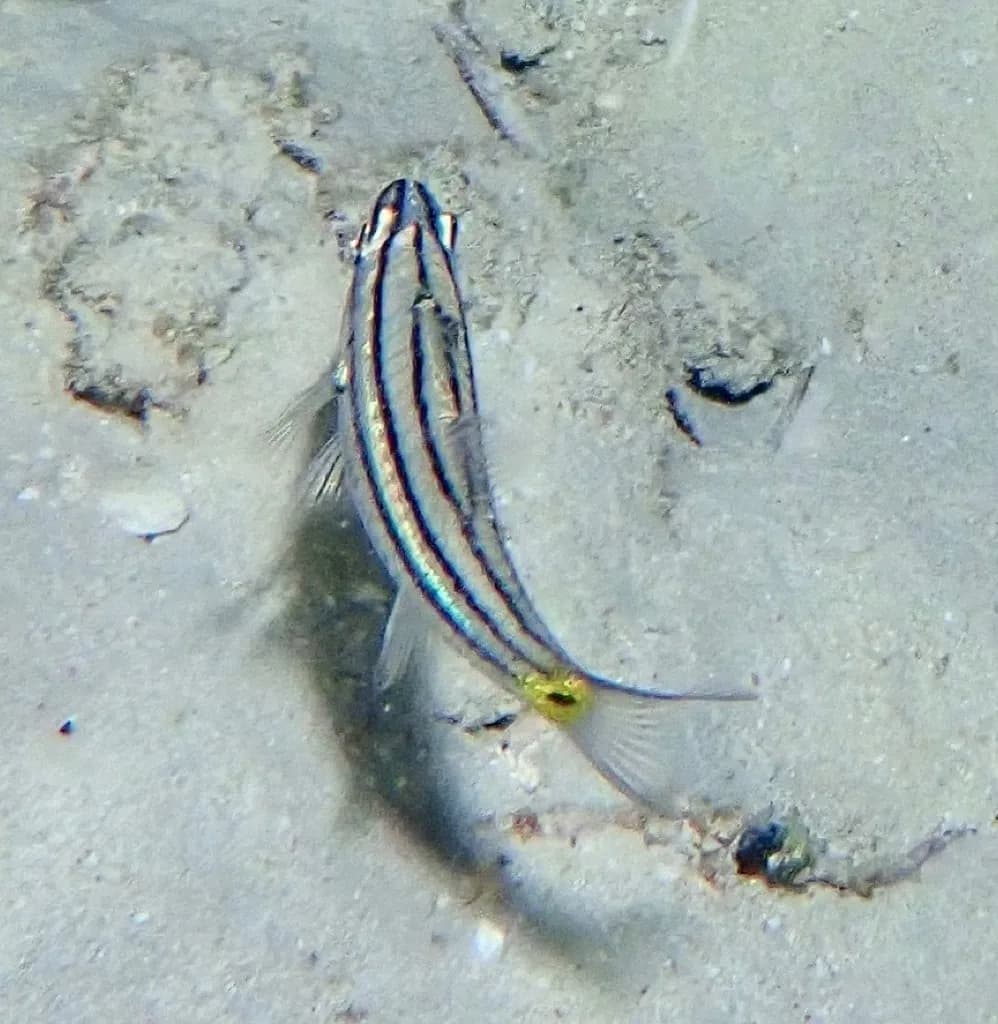
Cardinal Fish
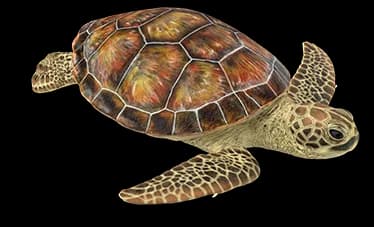
Turtle
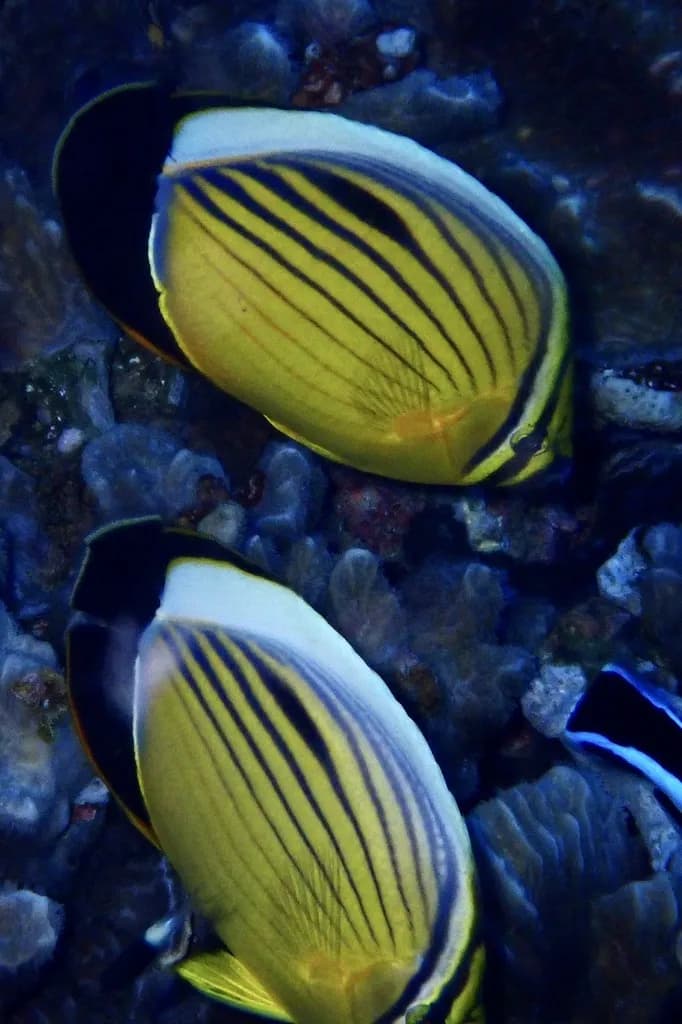
Butterflyfish
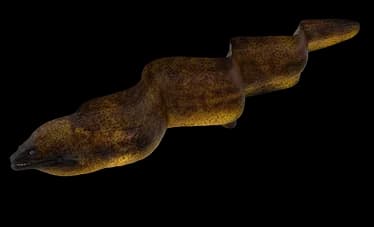
Moray Eel
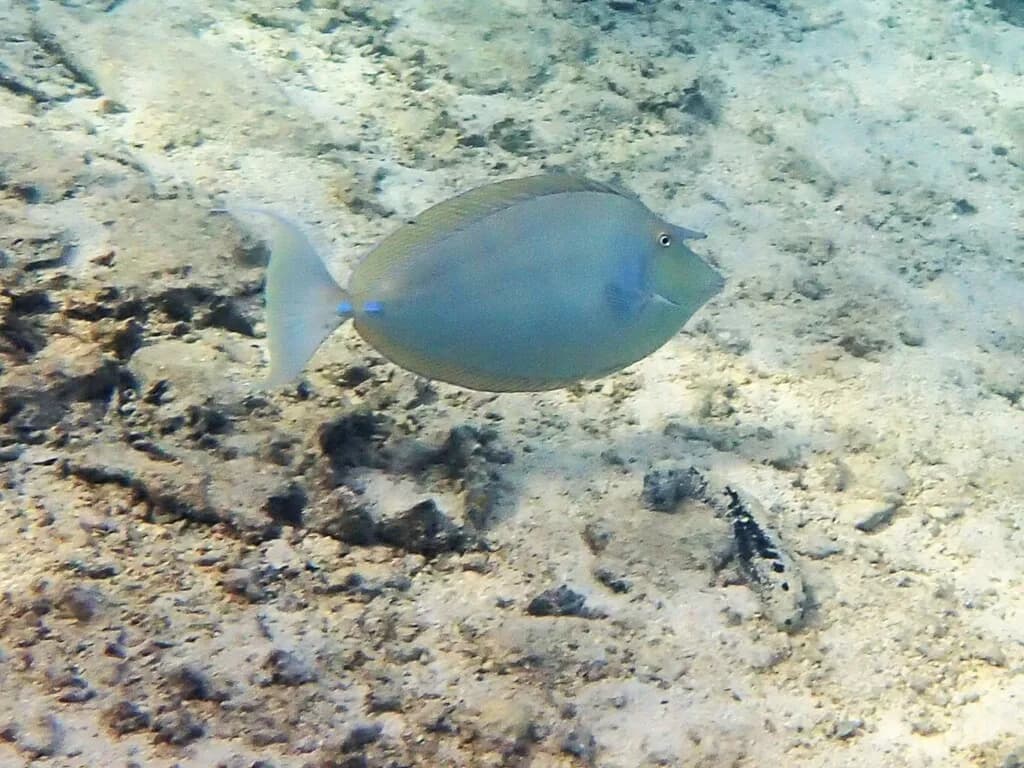
Unicorn Fish
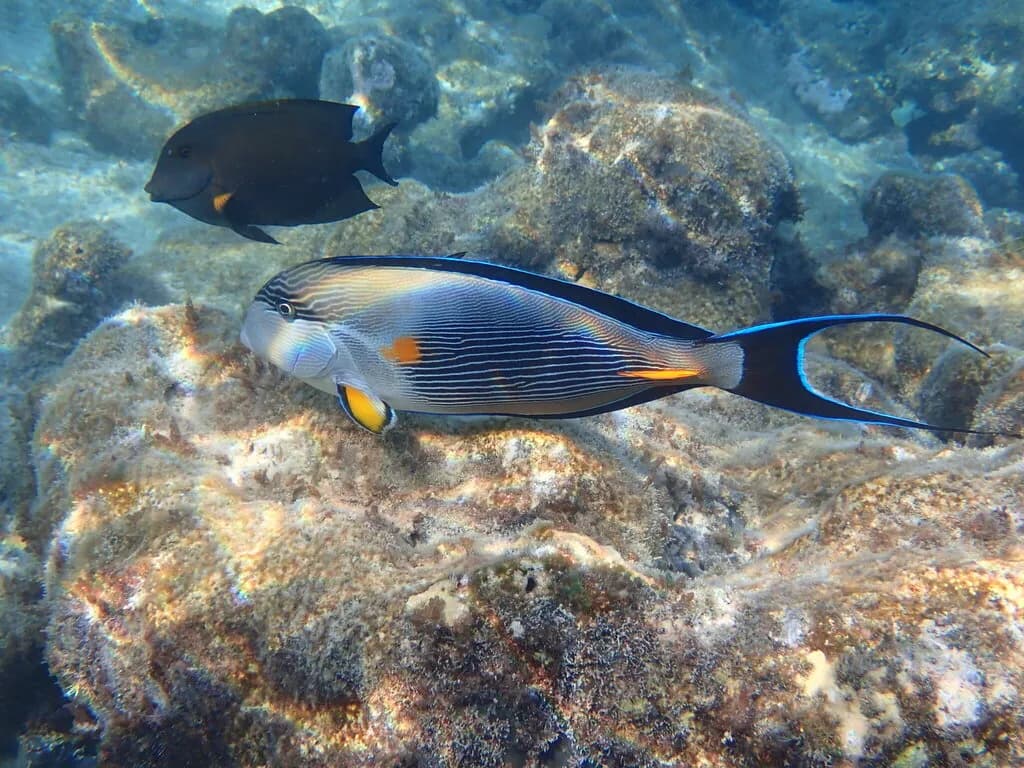
Doctor Fish
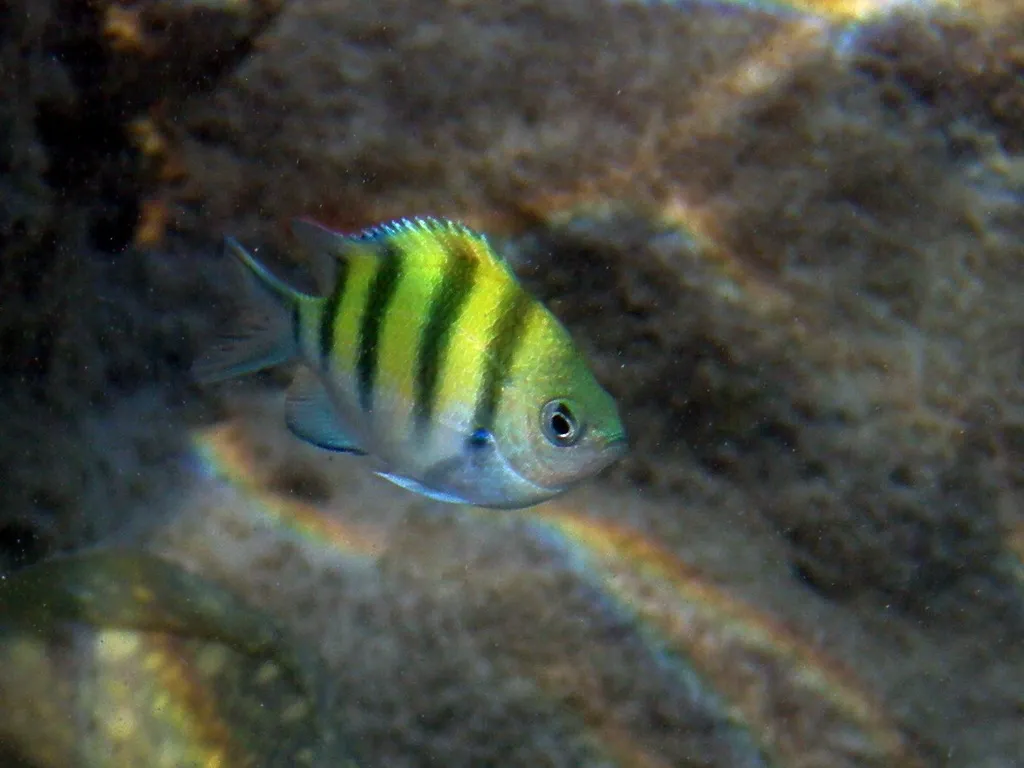
Sergeant Major
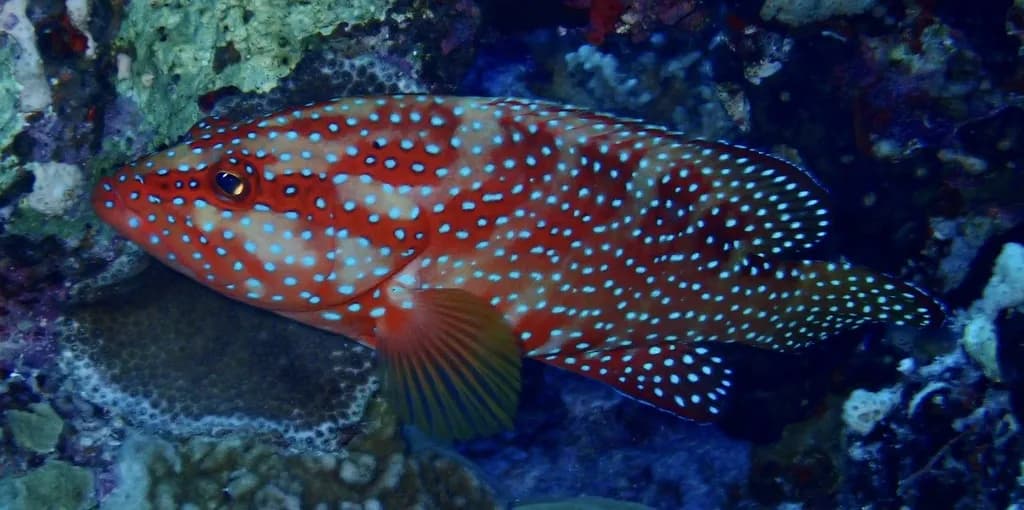
Coral Grouper
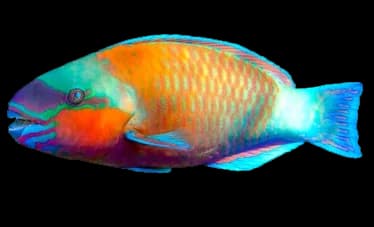
Parrotfish
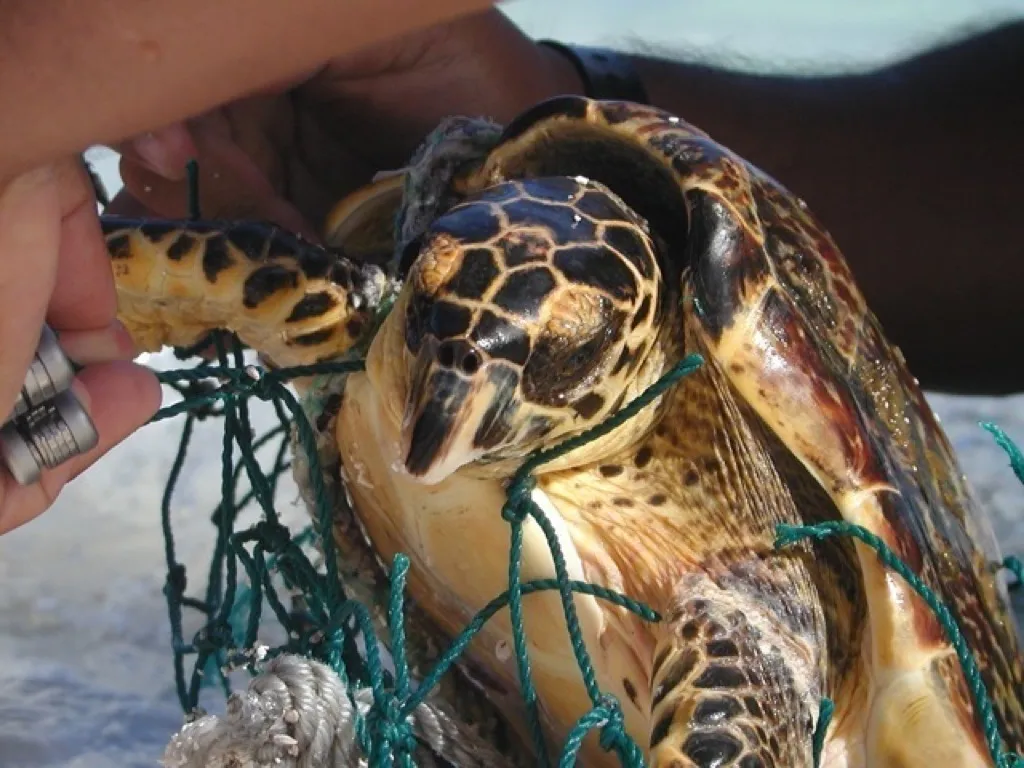
Hawksbill Turtle
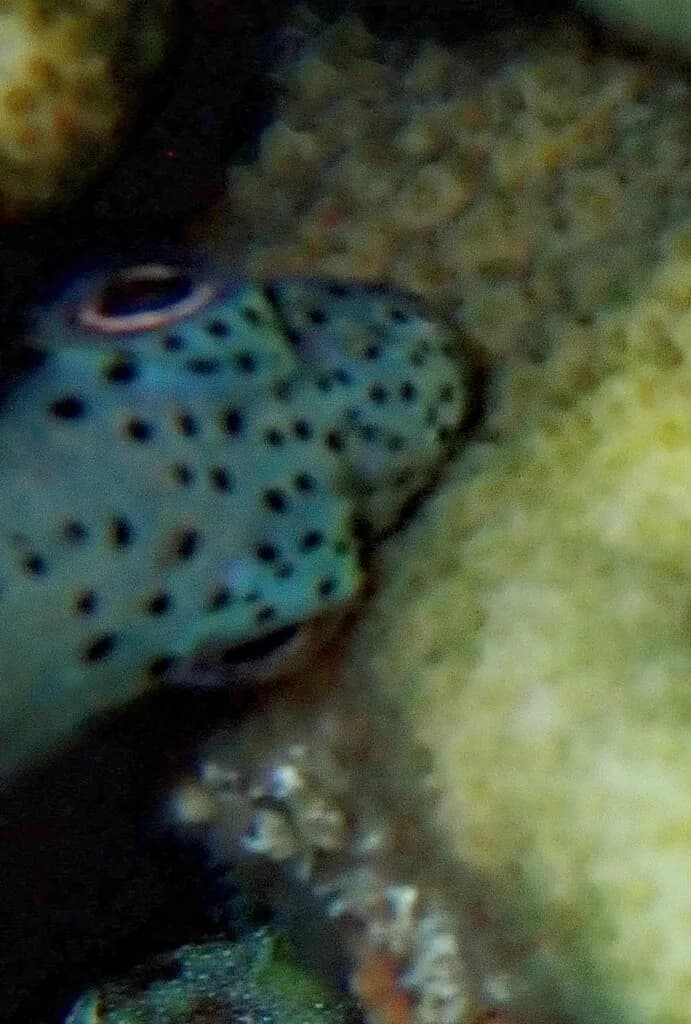
Blackside Hawkfish
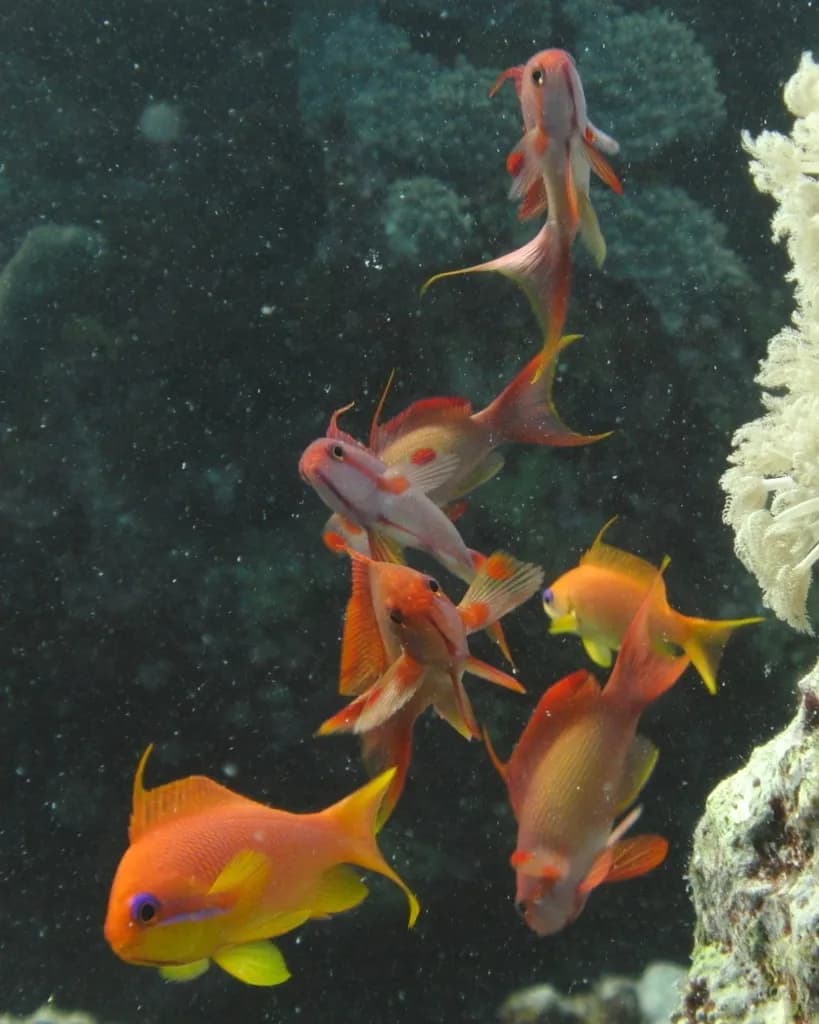
Anthias
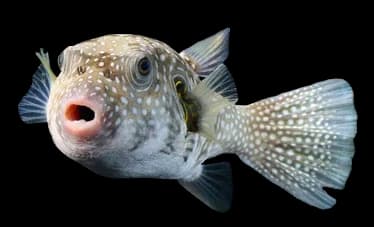
Pufferfish
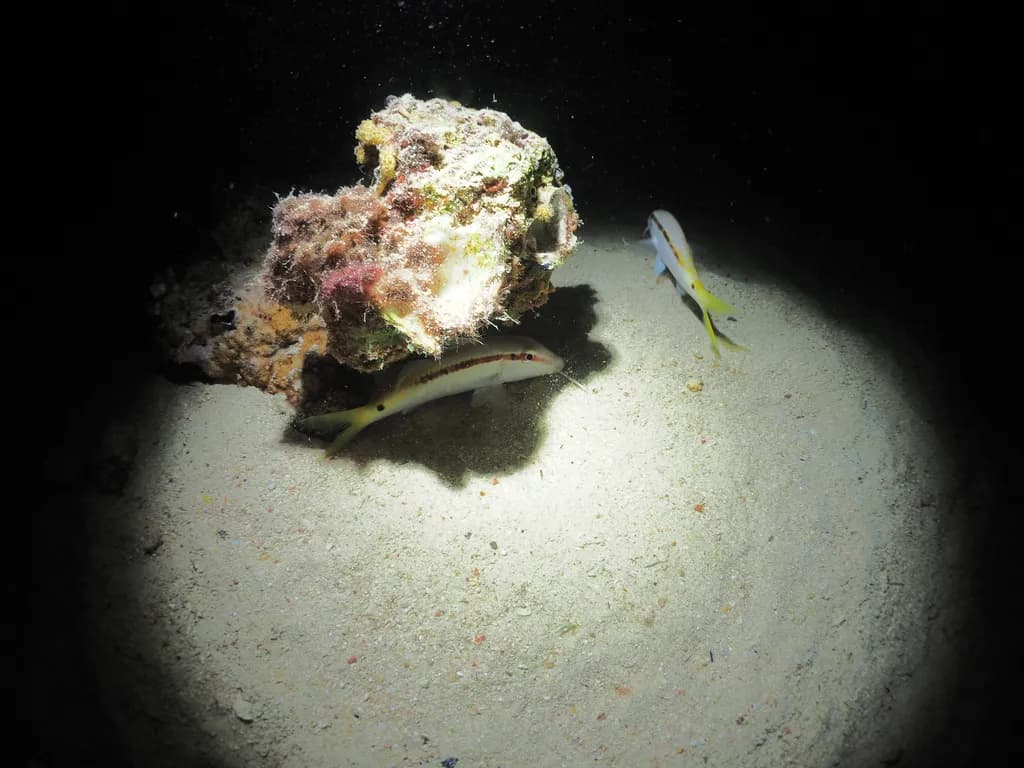
Goatfish
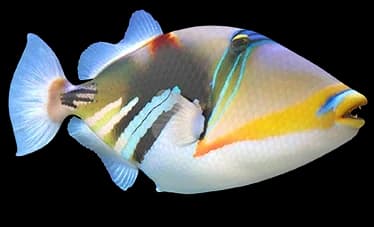
Picasso Triggerfish
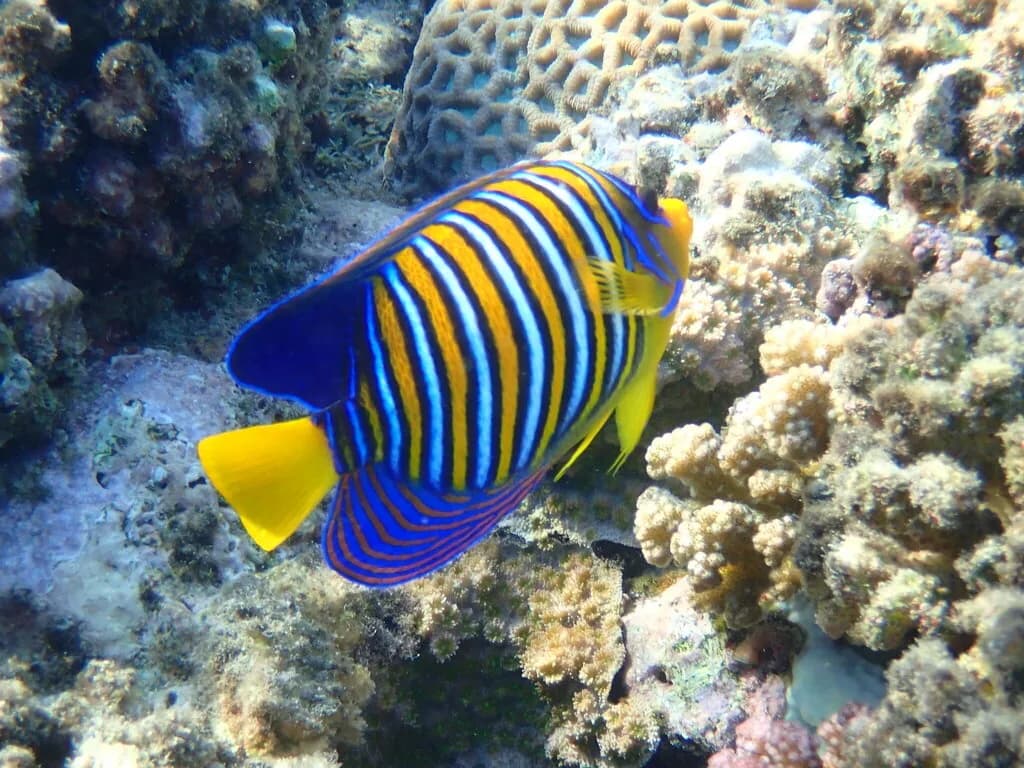
Regal Angelfish
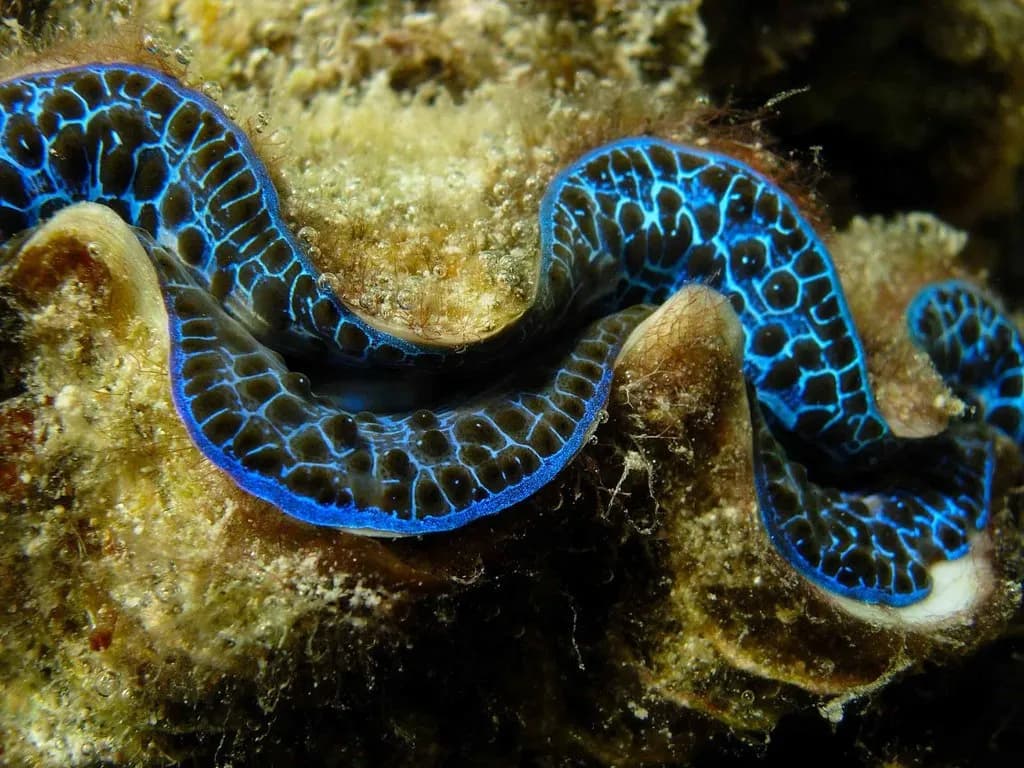
Snails
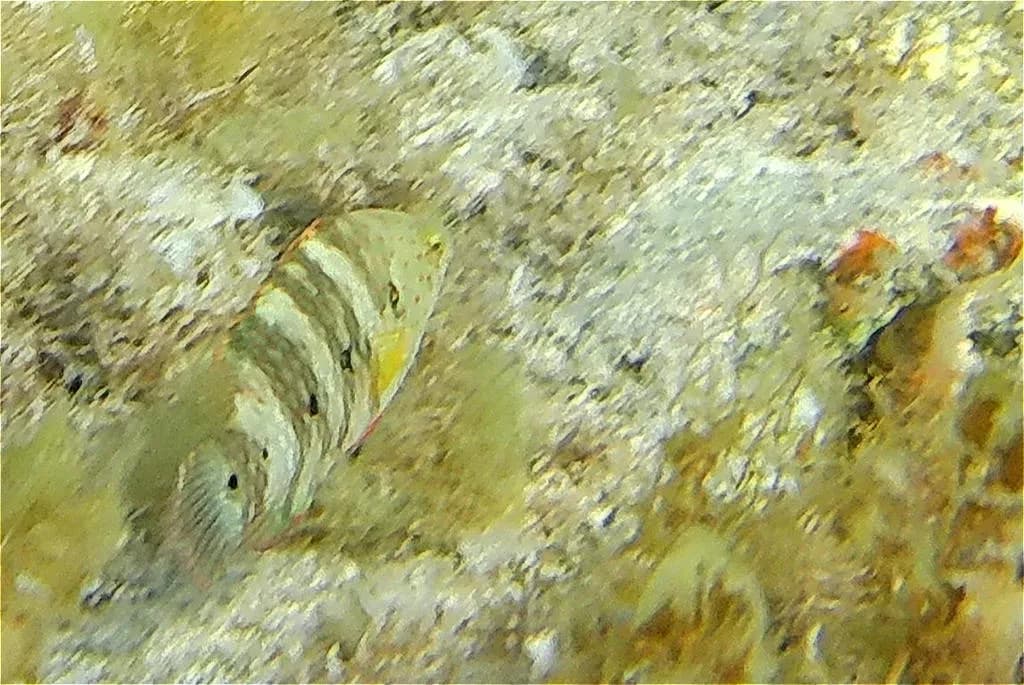
Splendour Wrasse
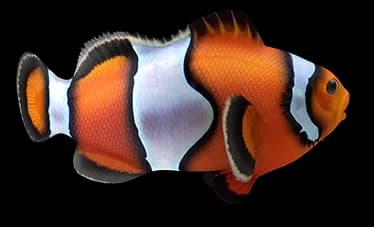
Clownfish
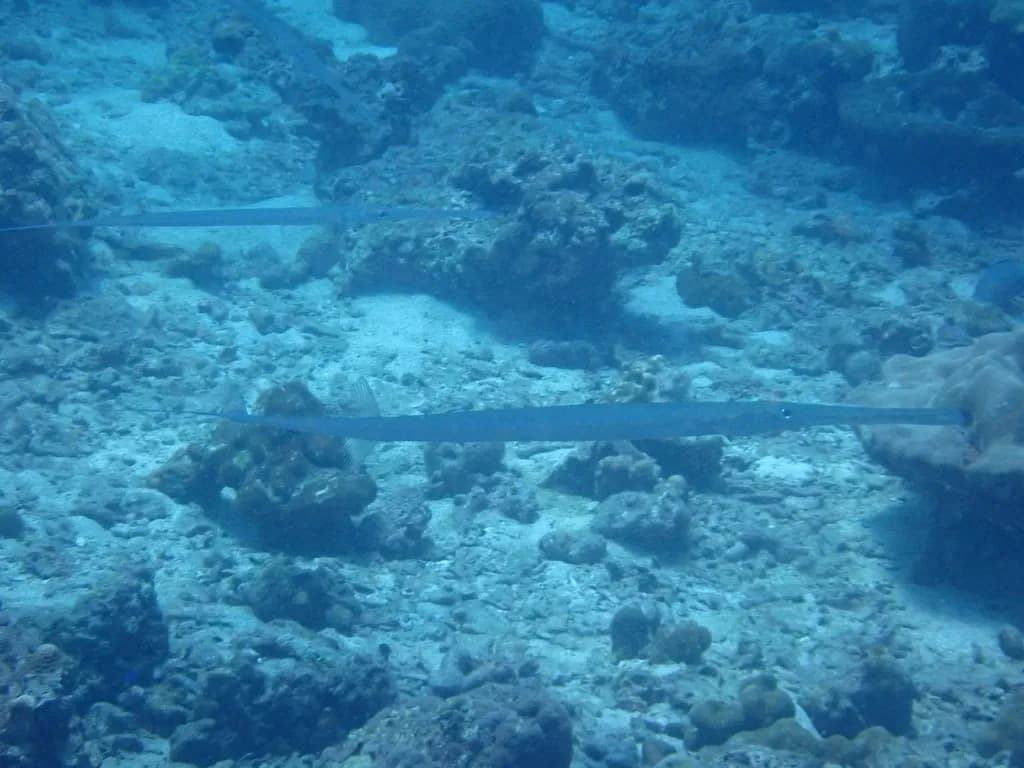
Cornetfish
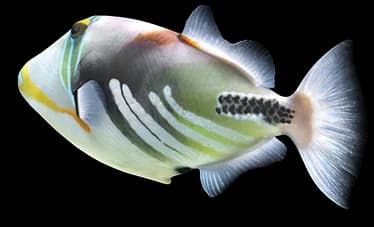
Triggerfish
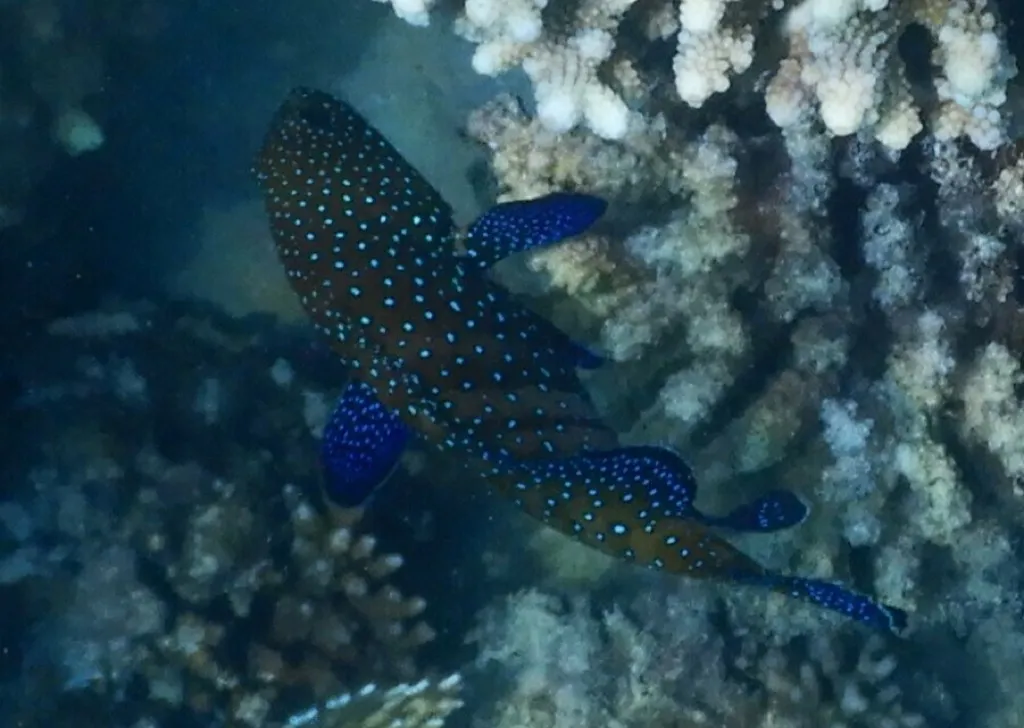
Peacock Grouper
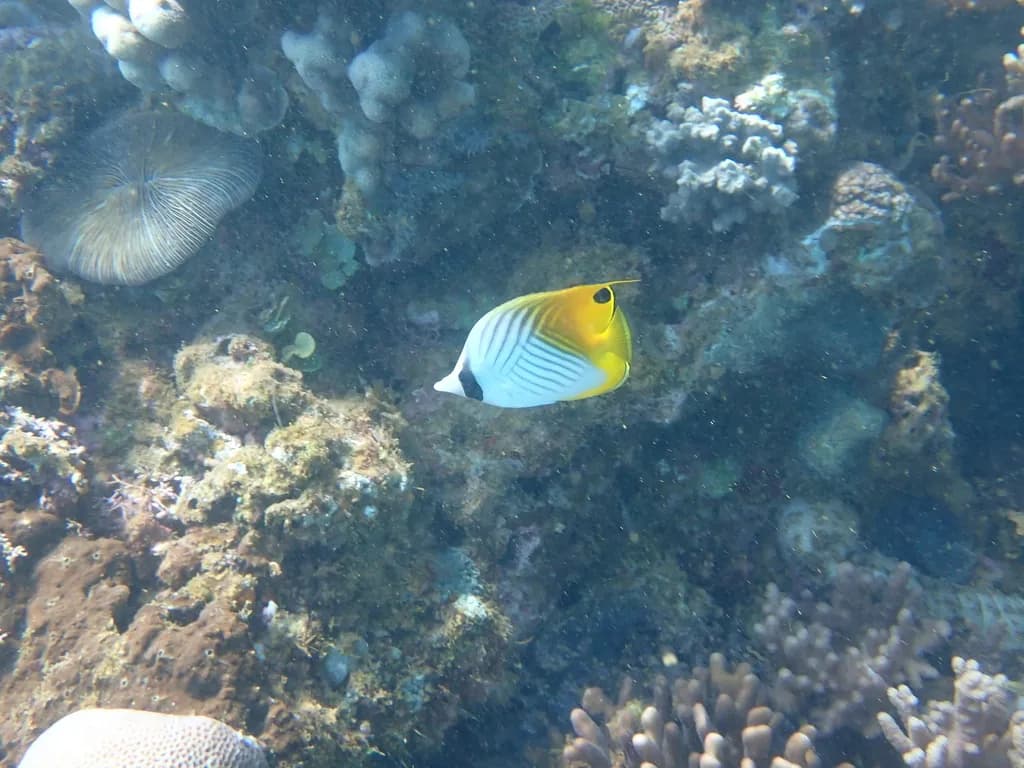
Threadfin Butterflyfish
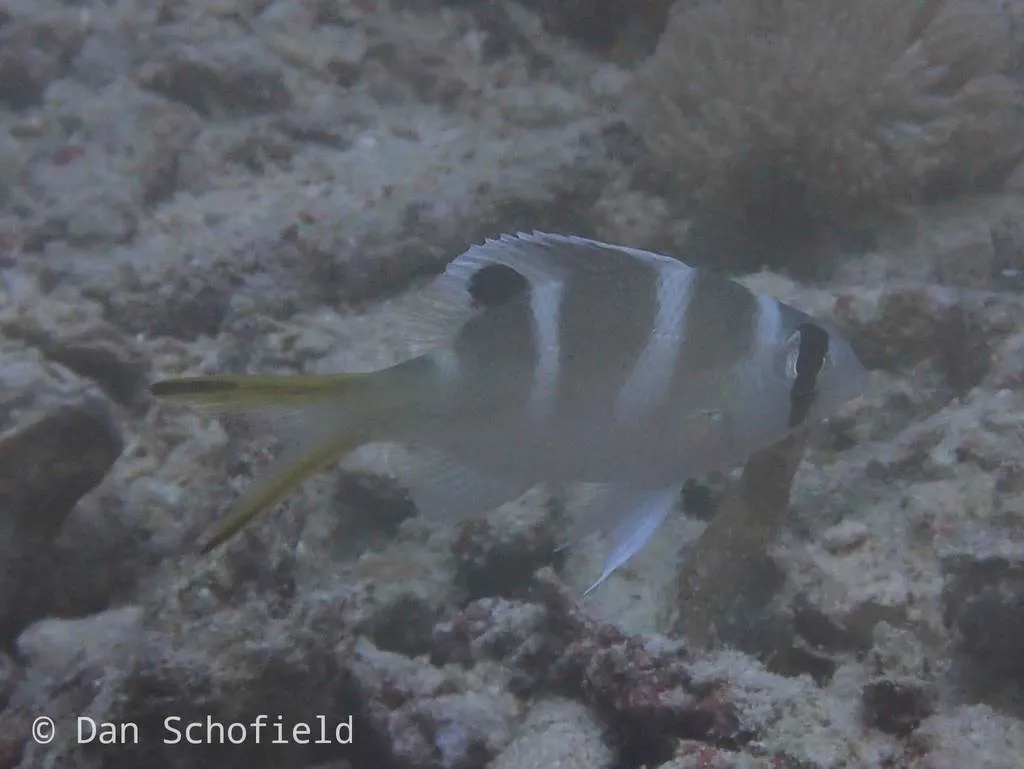
Bream
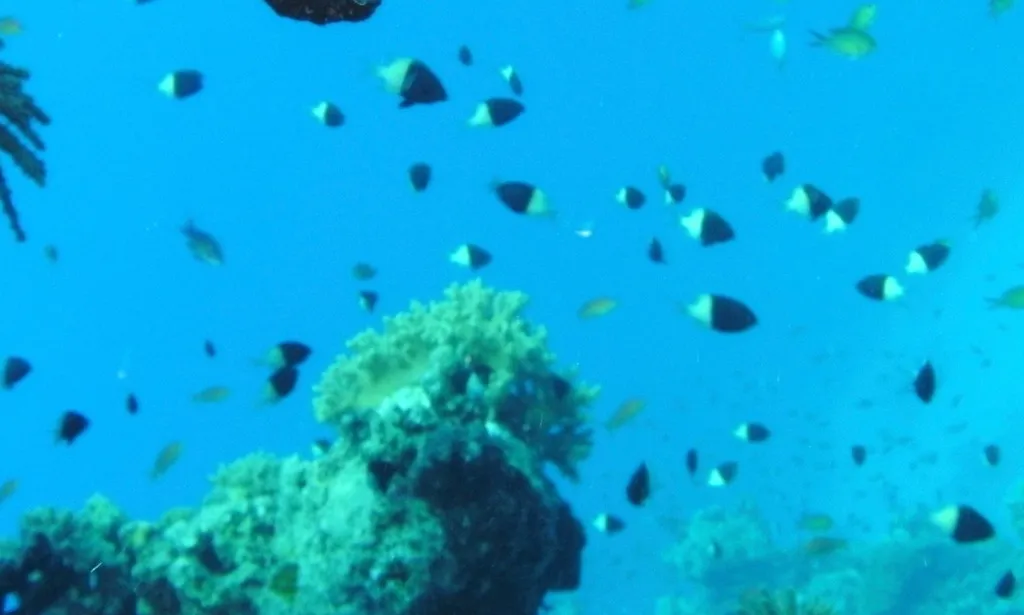
Bicolour Puller
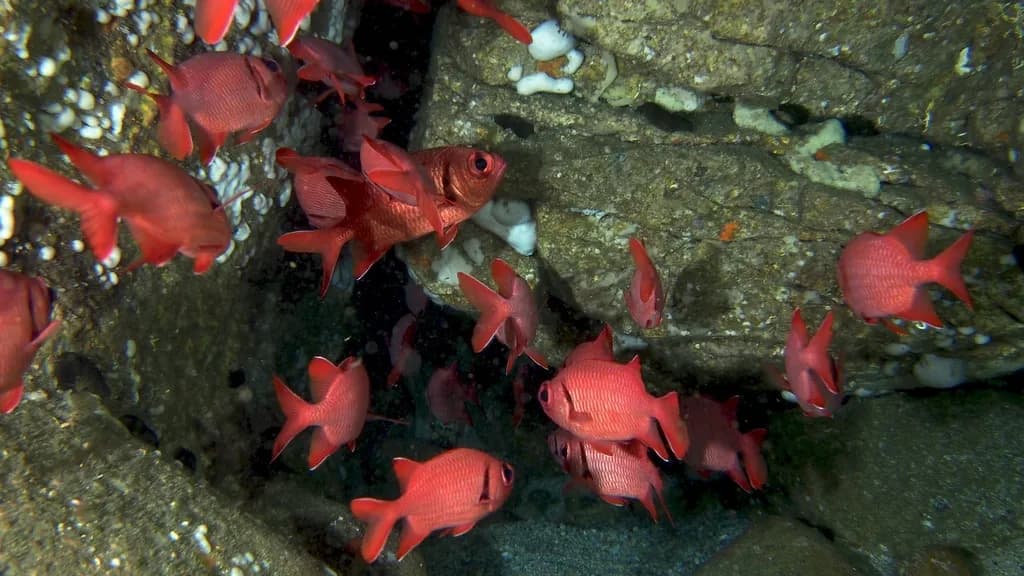
Soldierfish
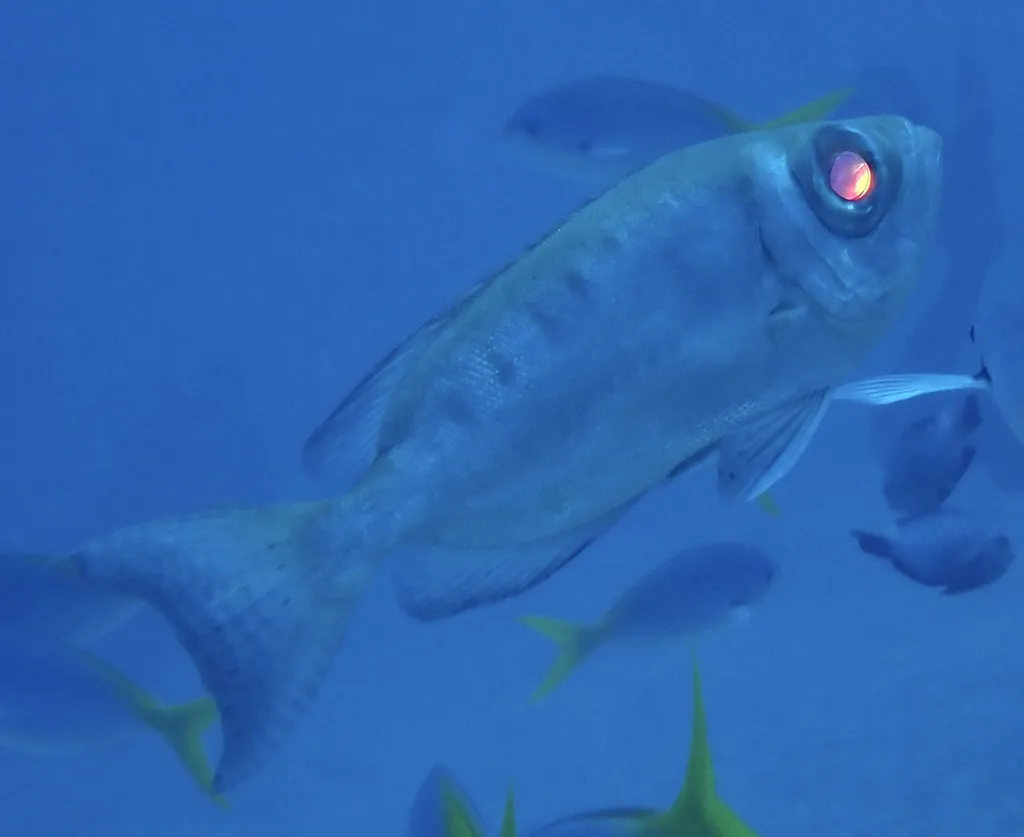
Bigeye
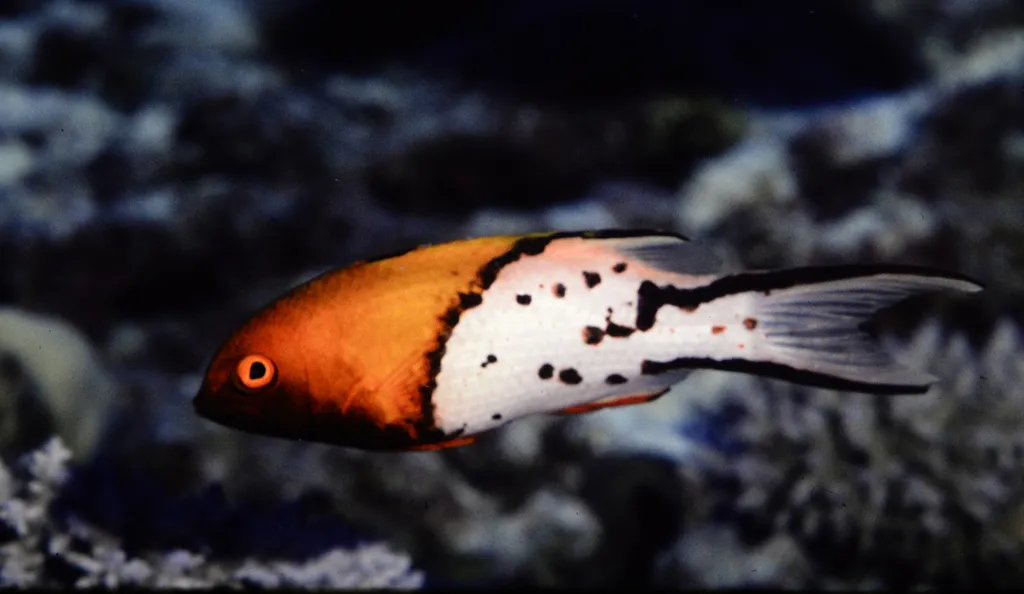
Lyretail Hogfish
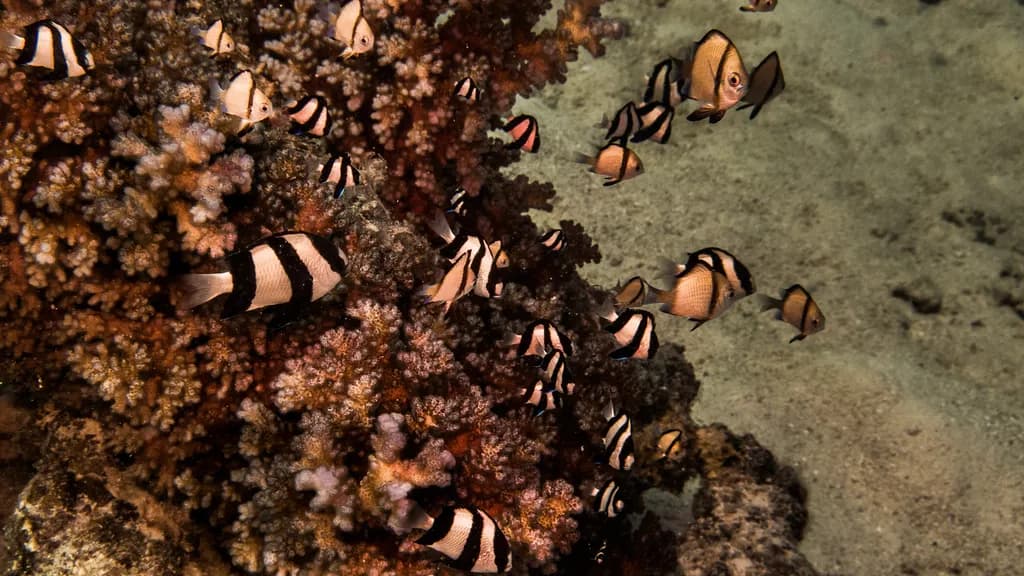
Humbug Damsel
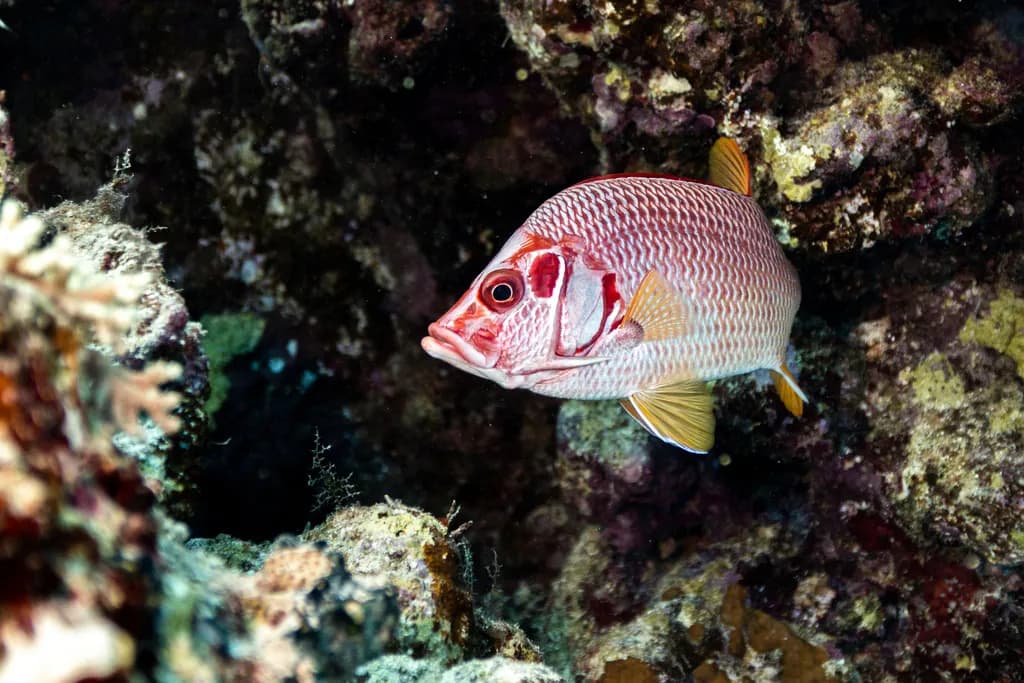
Squirrelfish

Trevally
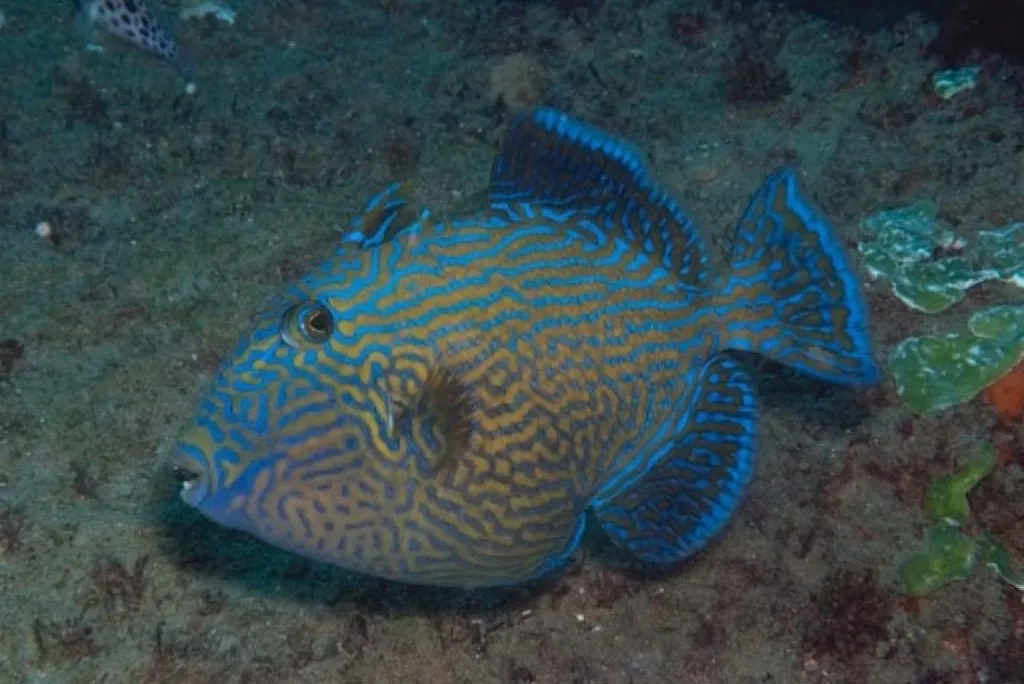
Blue Triggerfish
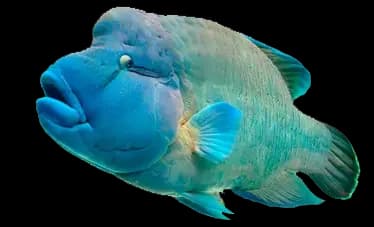
Napoleon Wrasse
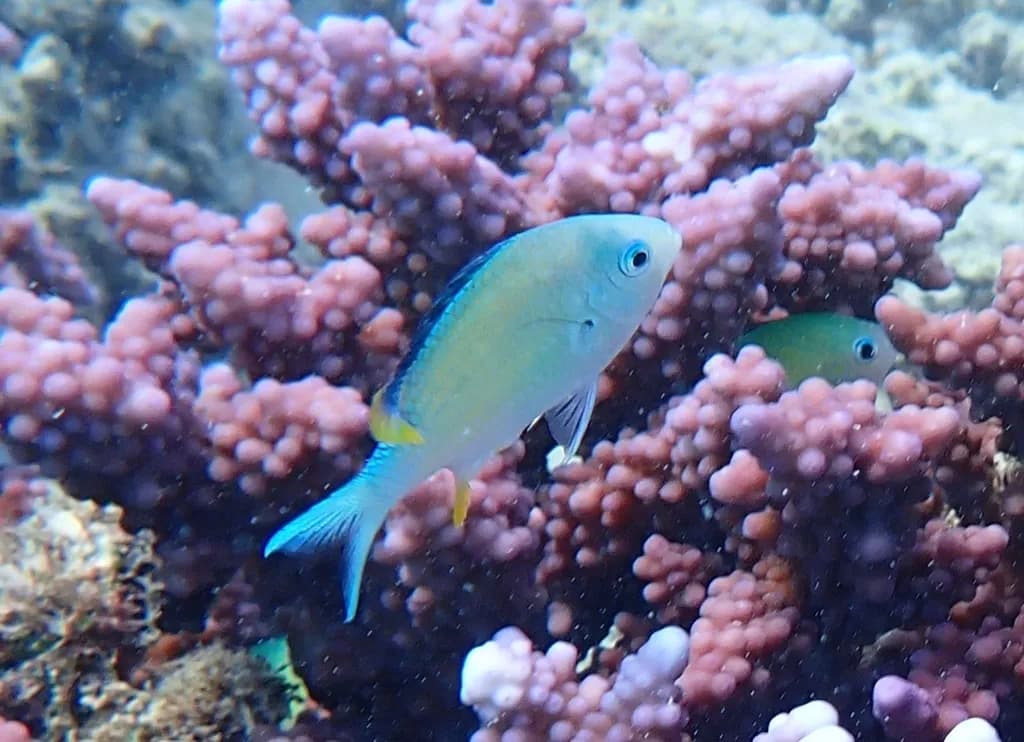
Bluegreen Puller
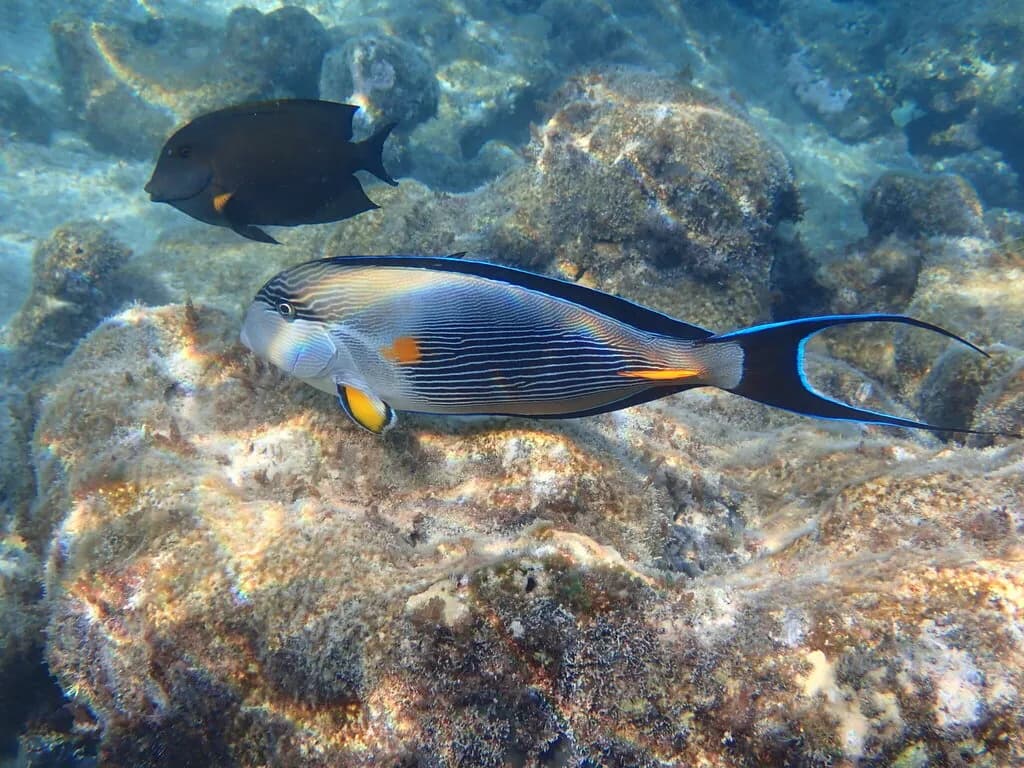
Surgeonfish
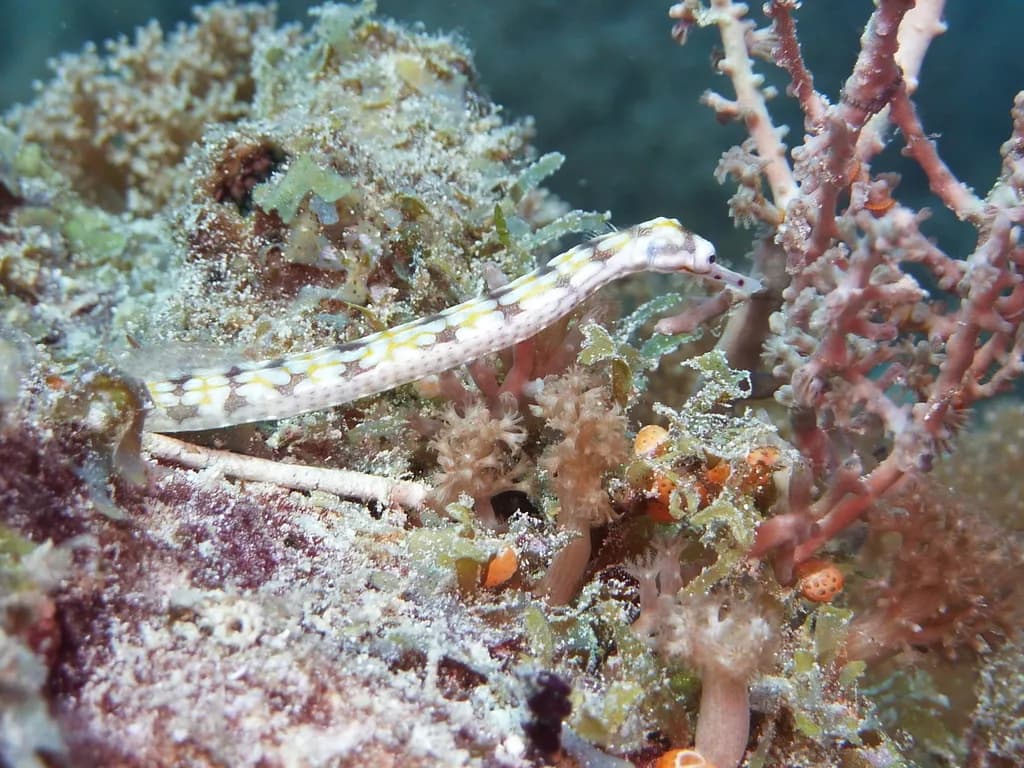
Pipefish
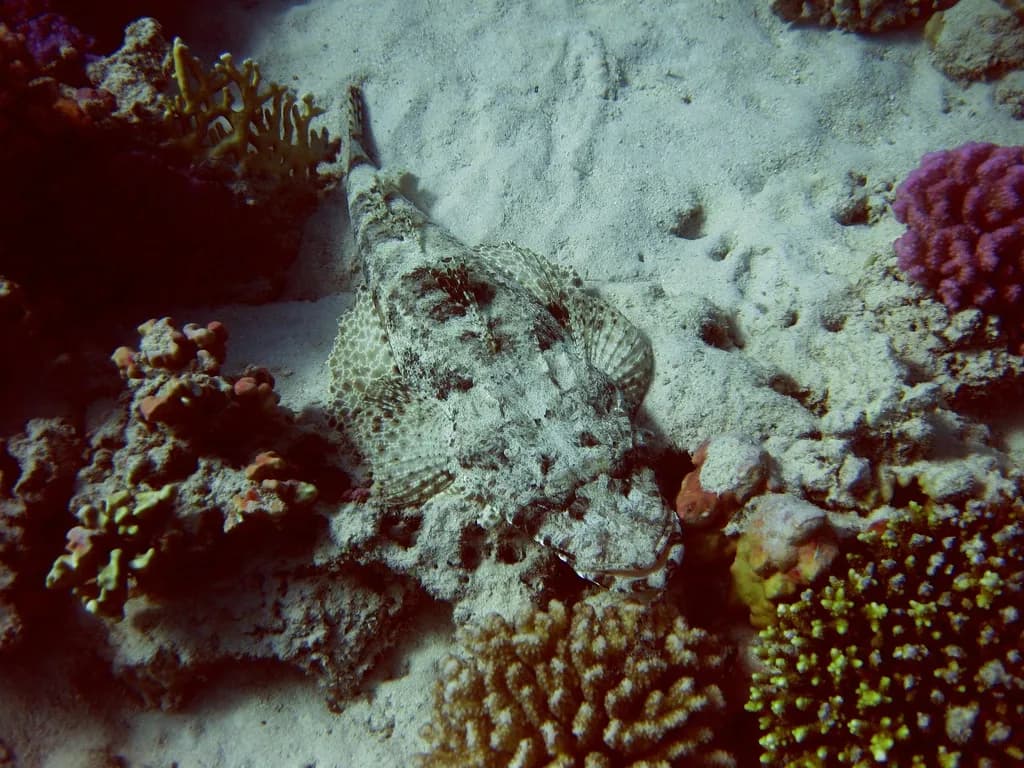
Crocodilefish
Red Snapper
Emperor Angelfish
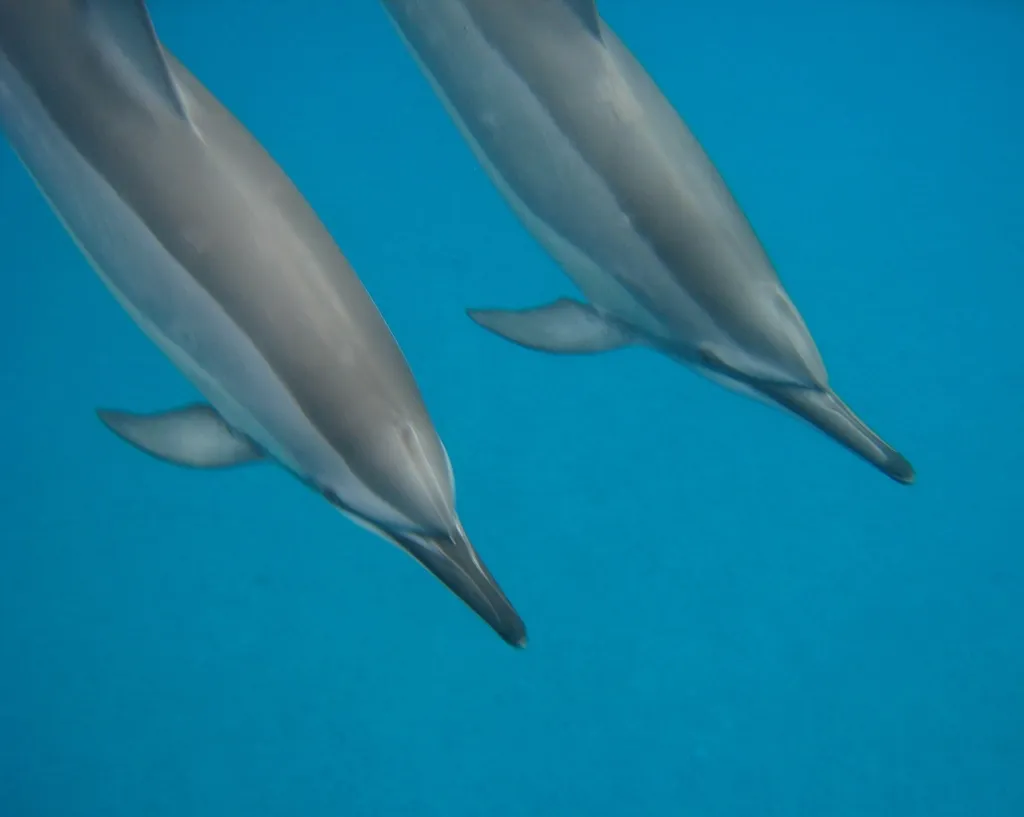
Spinner Dolphin
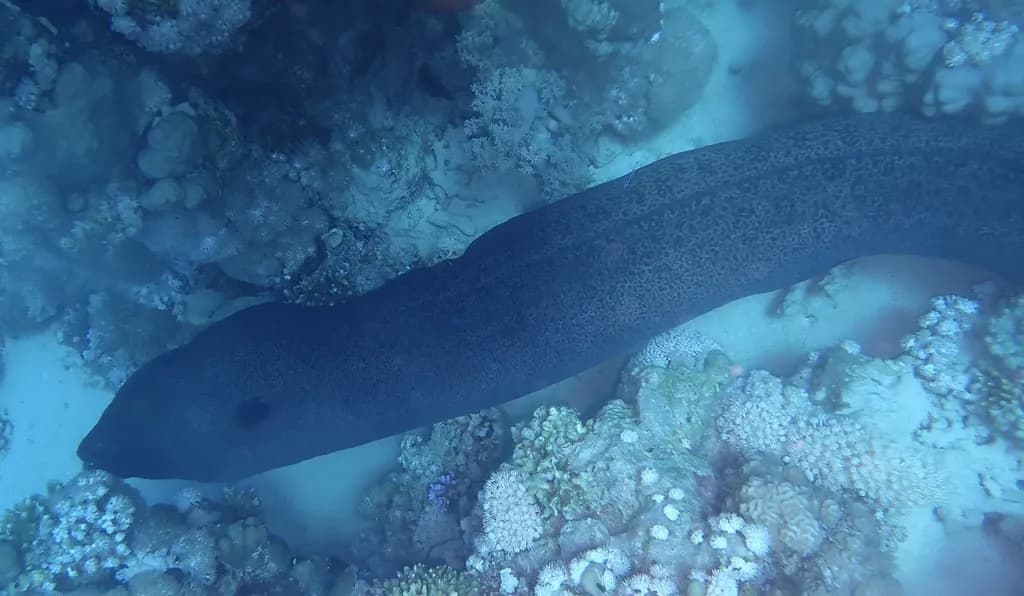
Eel
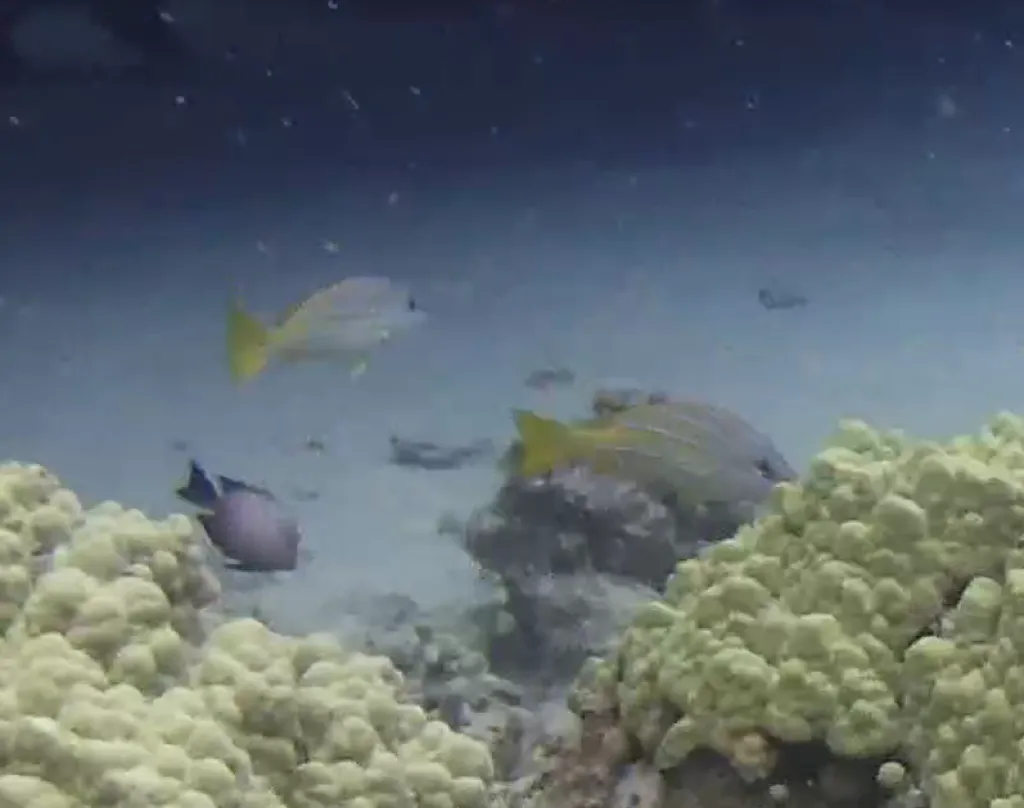
Bluelined Emperorfish
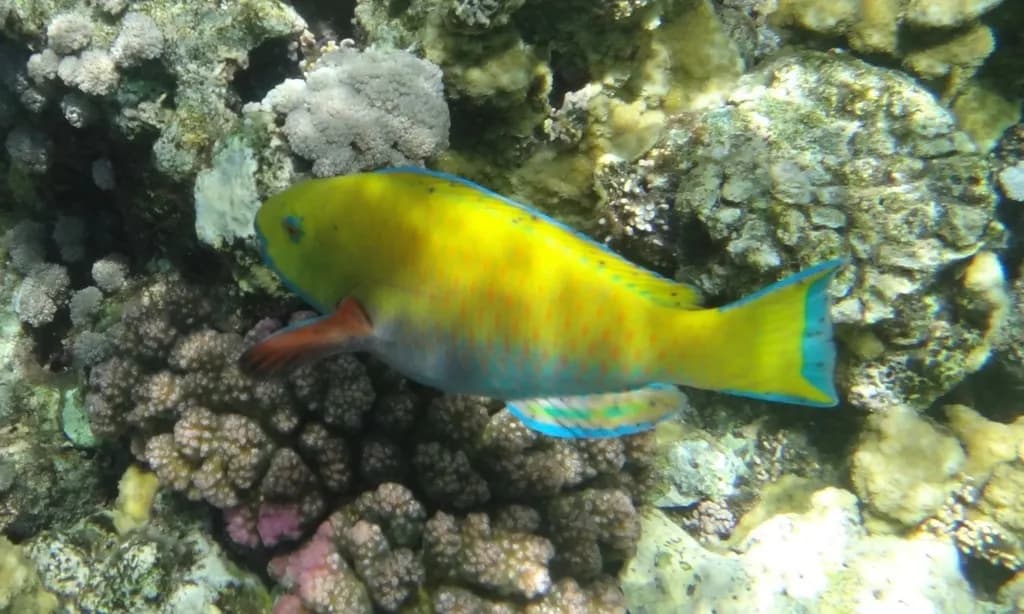
Steephead Parrotfish
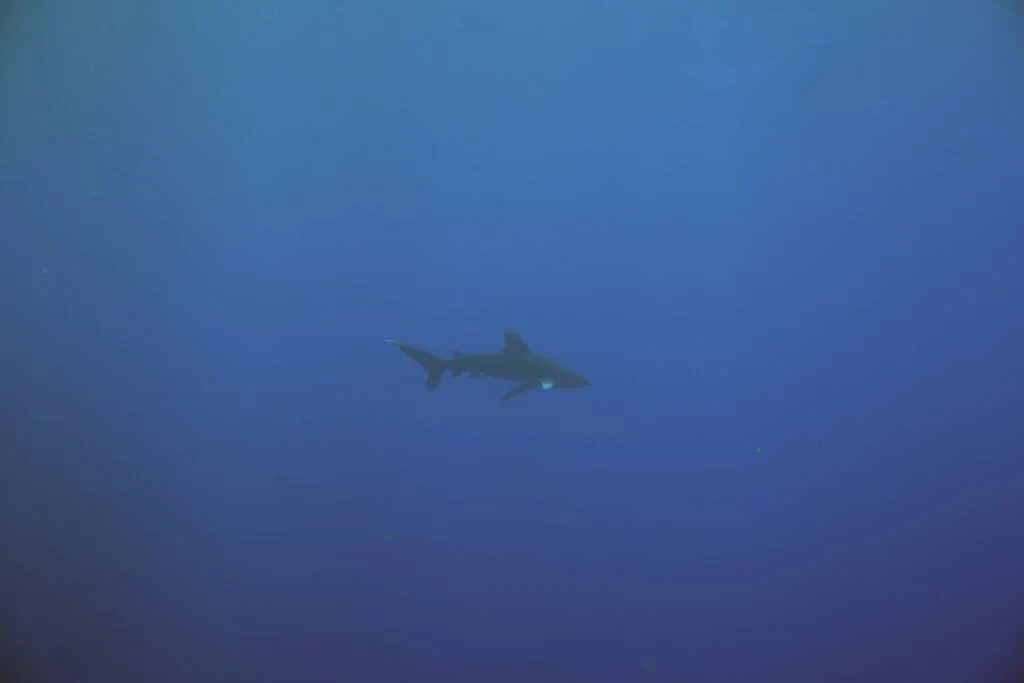
Oceanic Whitetip Shark
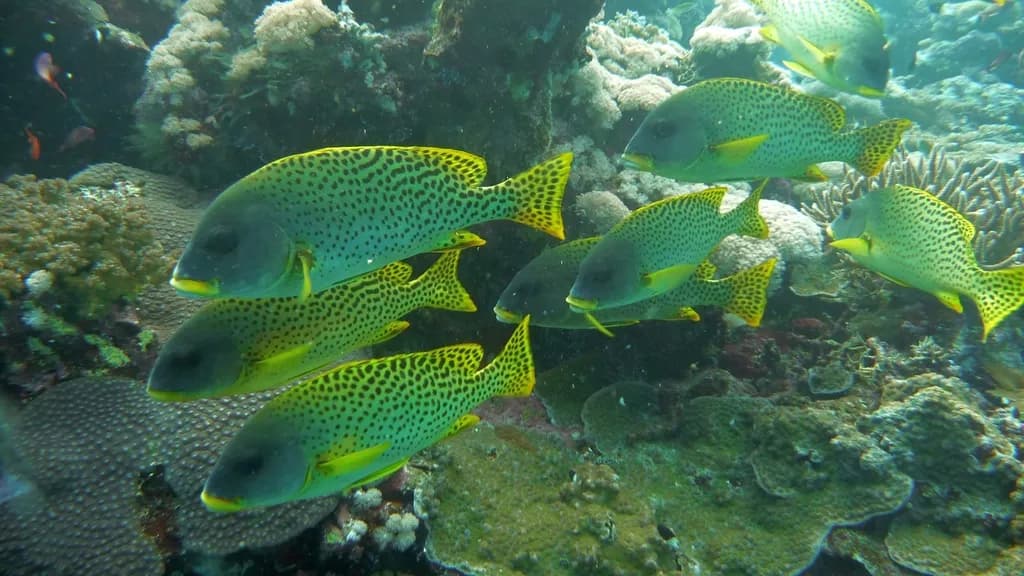
Sweetlip
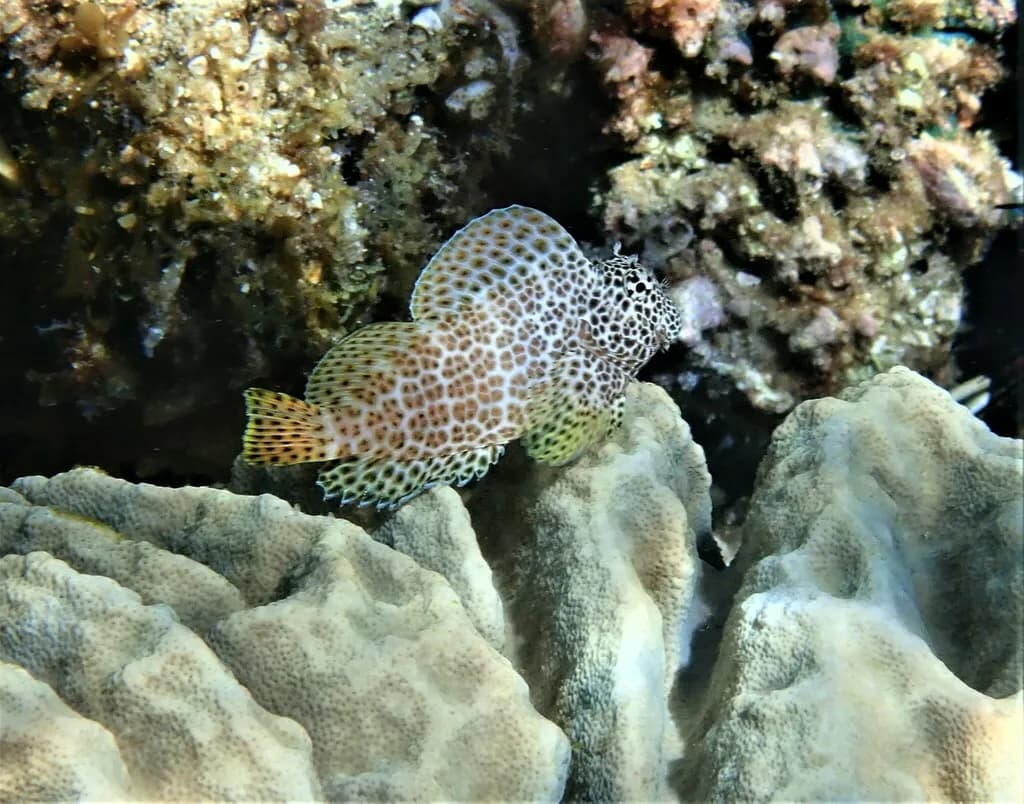
Leopard Blenny
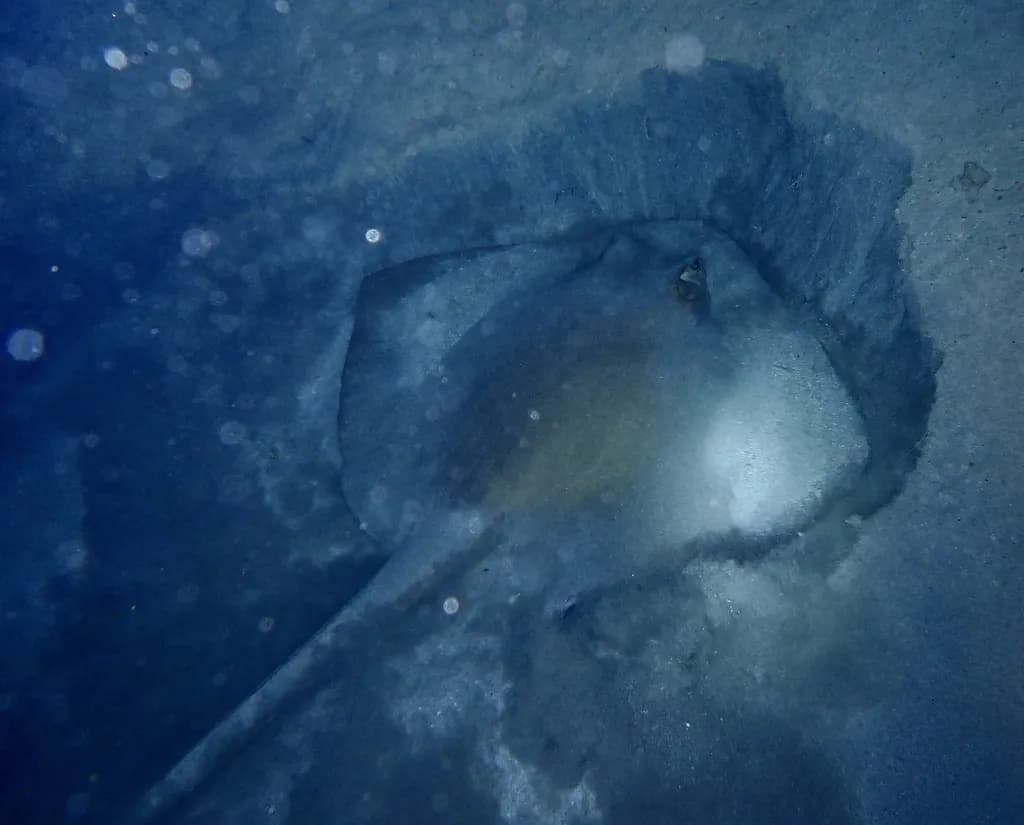
Feathertail Ray
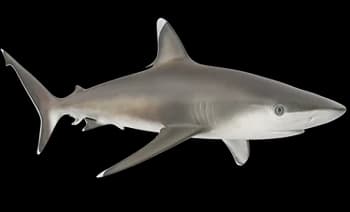
Whitetip Shark
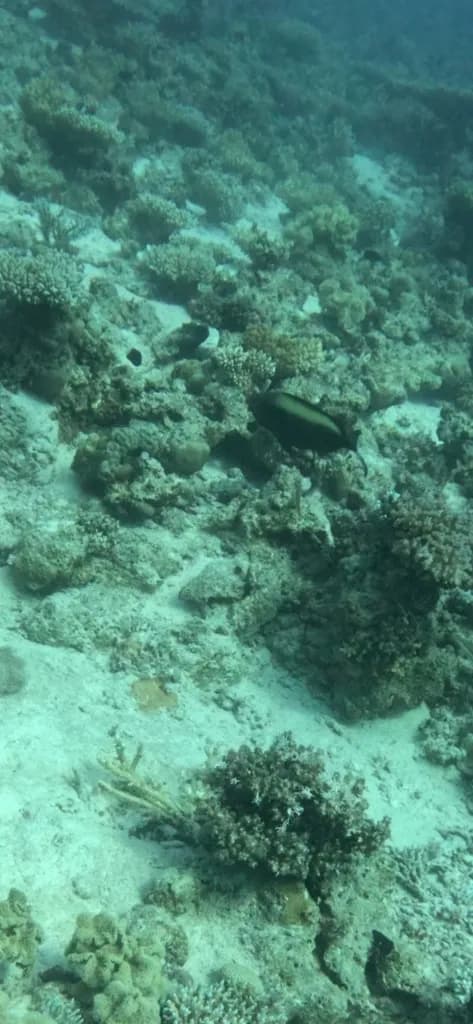
Bicolor Parrotfish
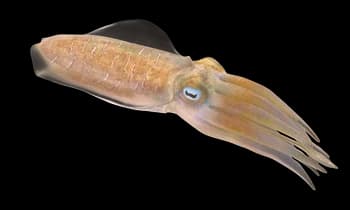
Squid
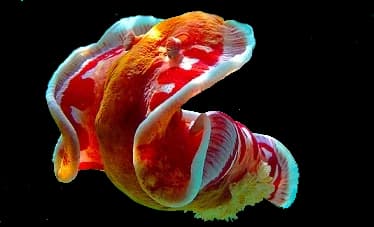
Spanish Dancer
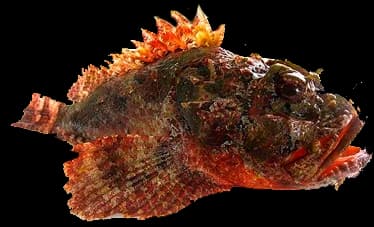
Scorpionfish
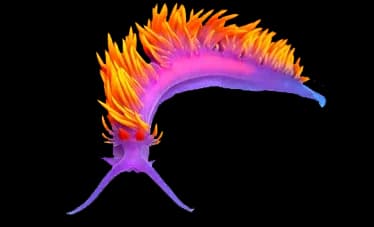
Nudibranch
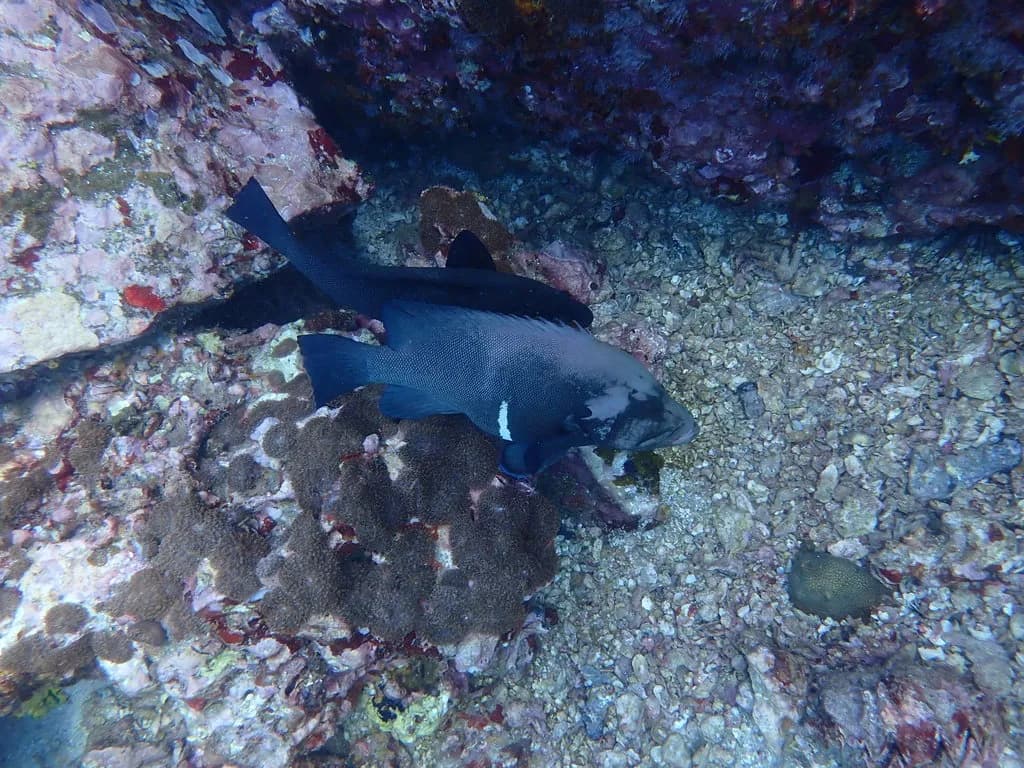
Redmouth Grouper
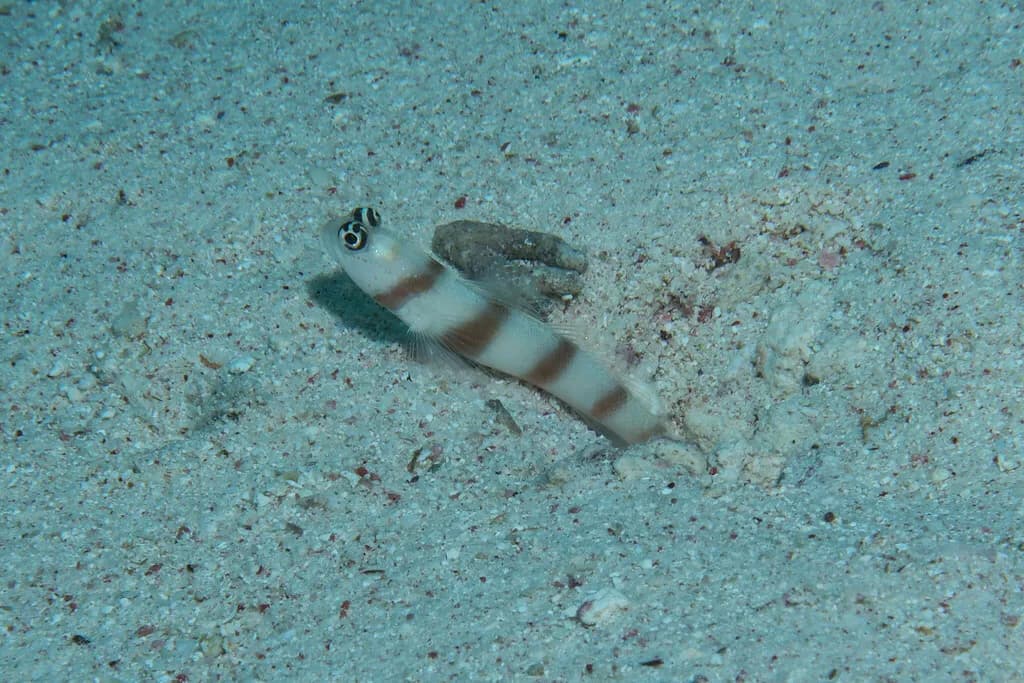
Gobie
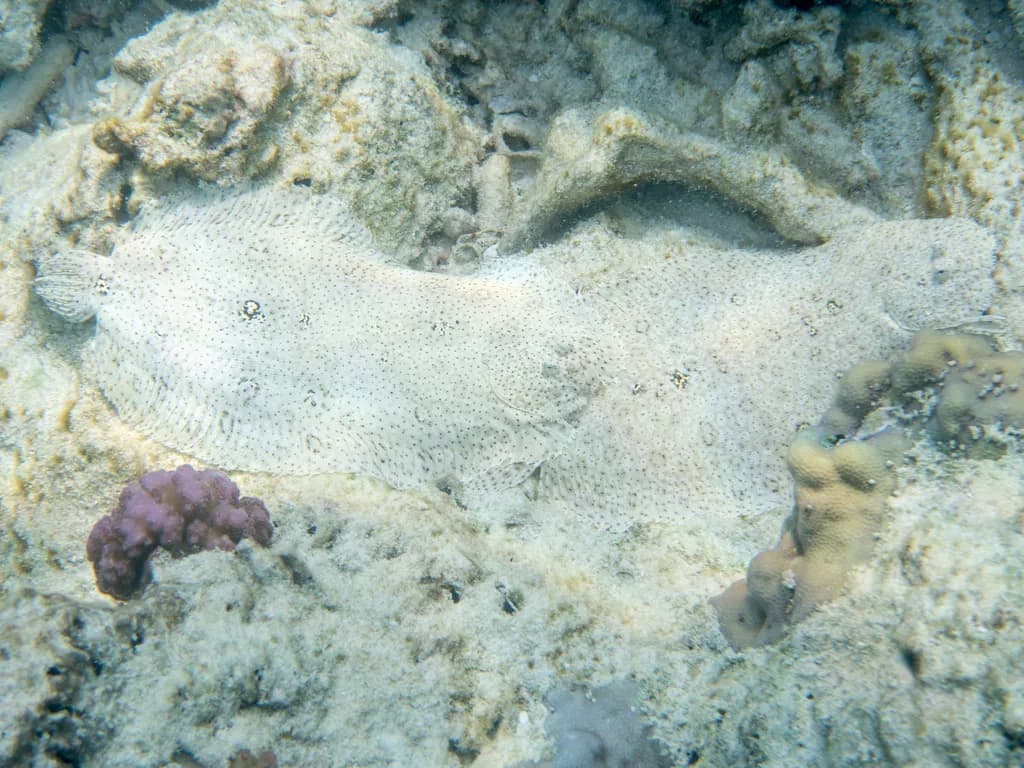
Moses Sole
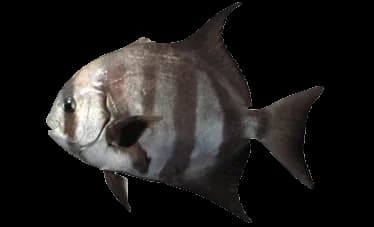
Spadefish
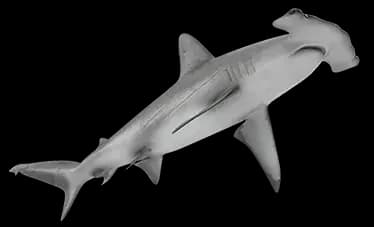
Hammerhead Shark
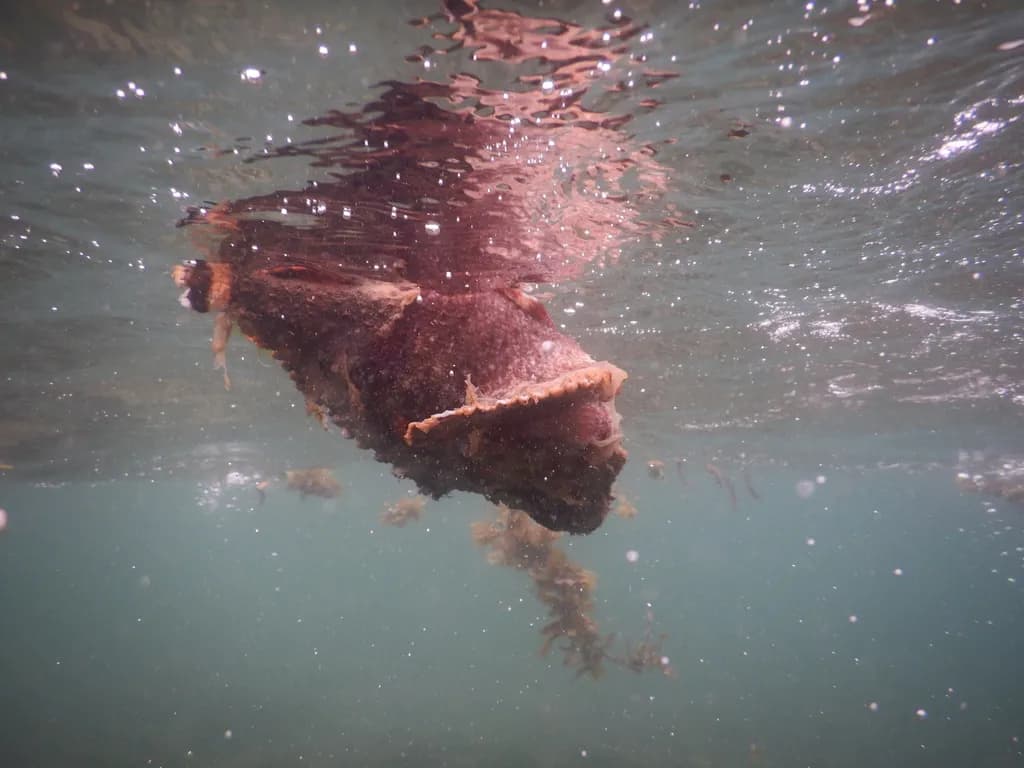
Stonefish
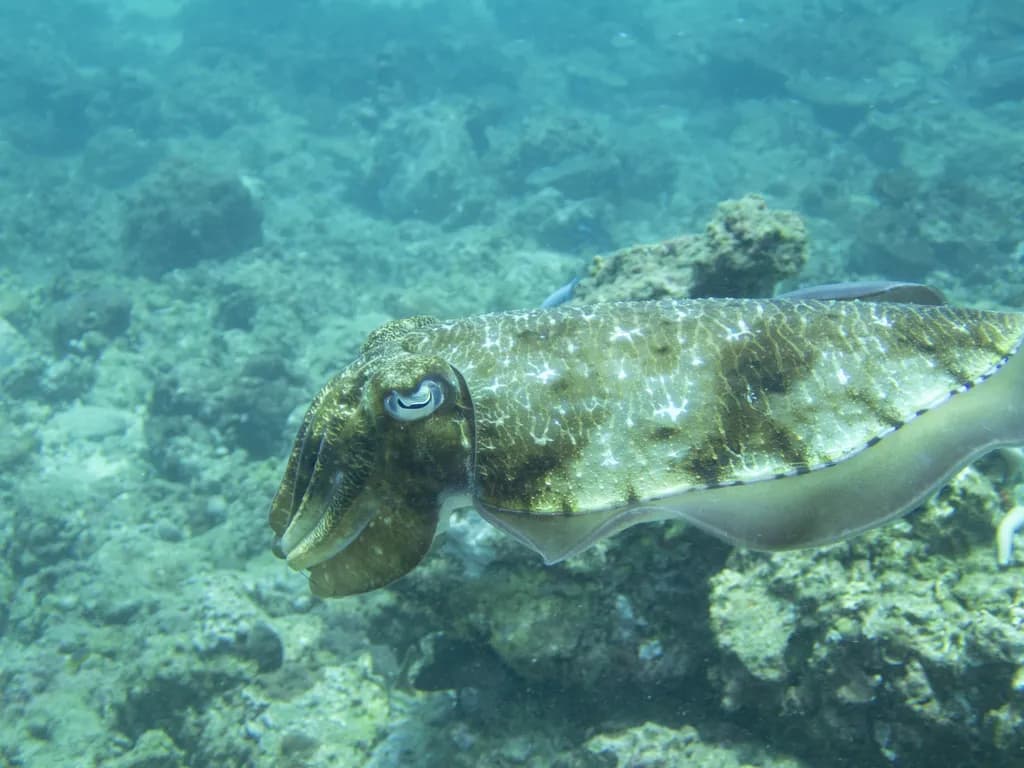
Cuttlefish
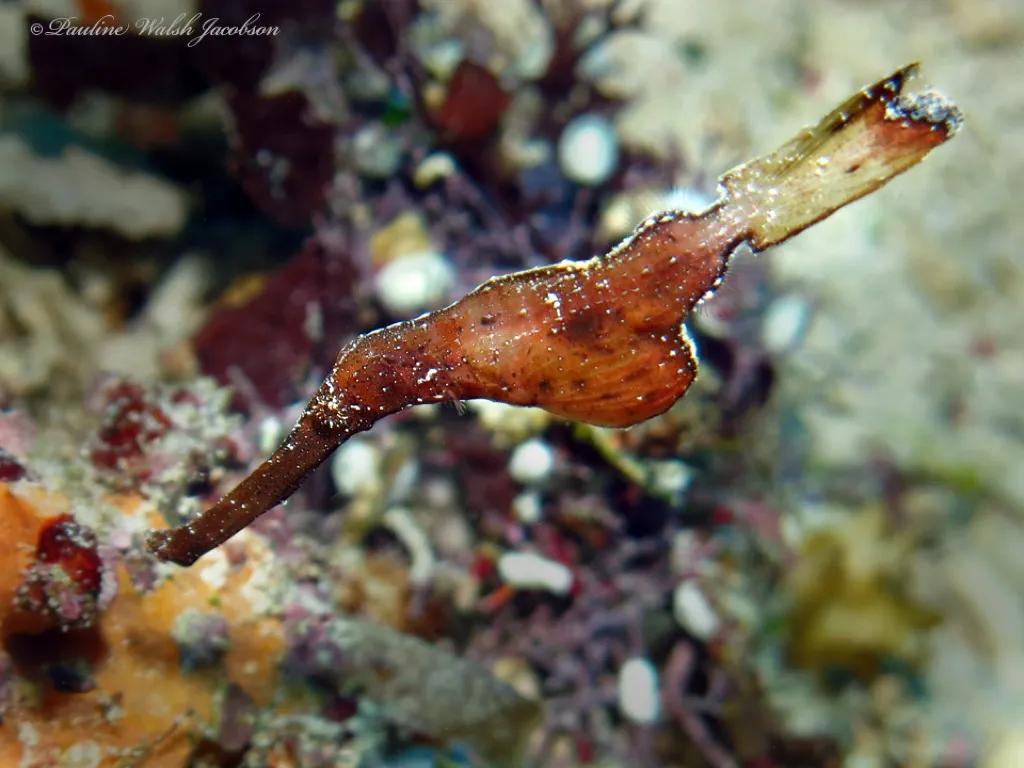
Ghost Pipefish
Dolphin
Jackfish
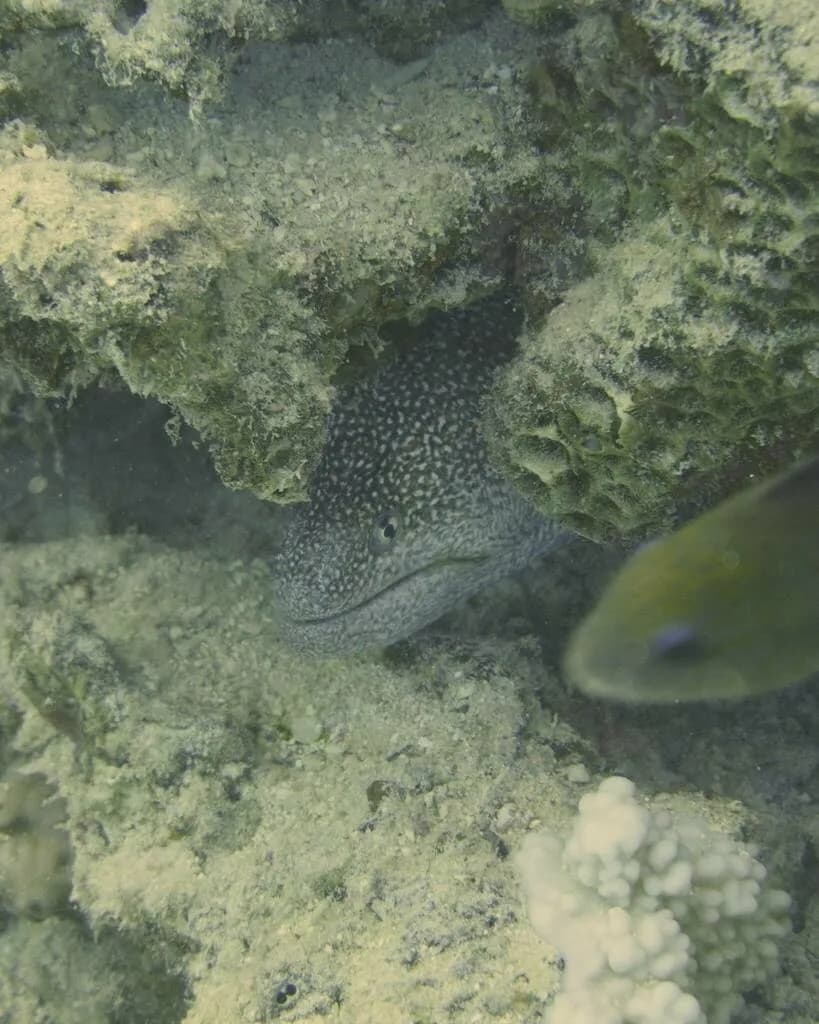
Yellowmouth Moray
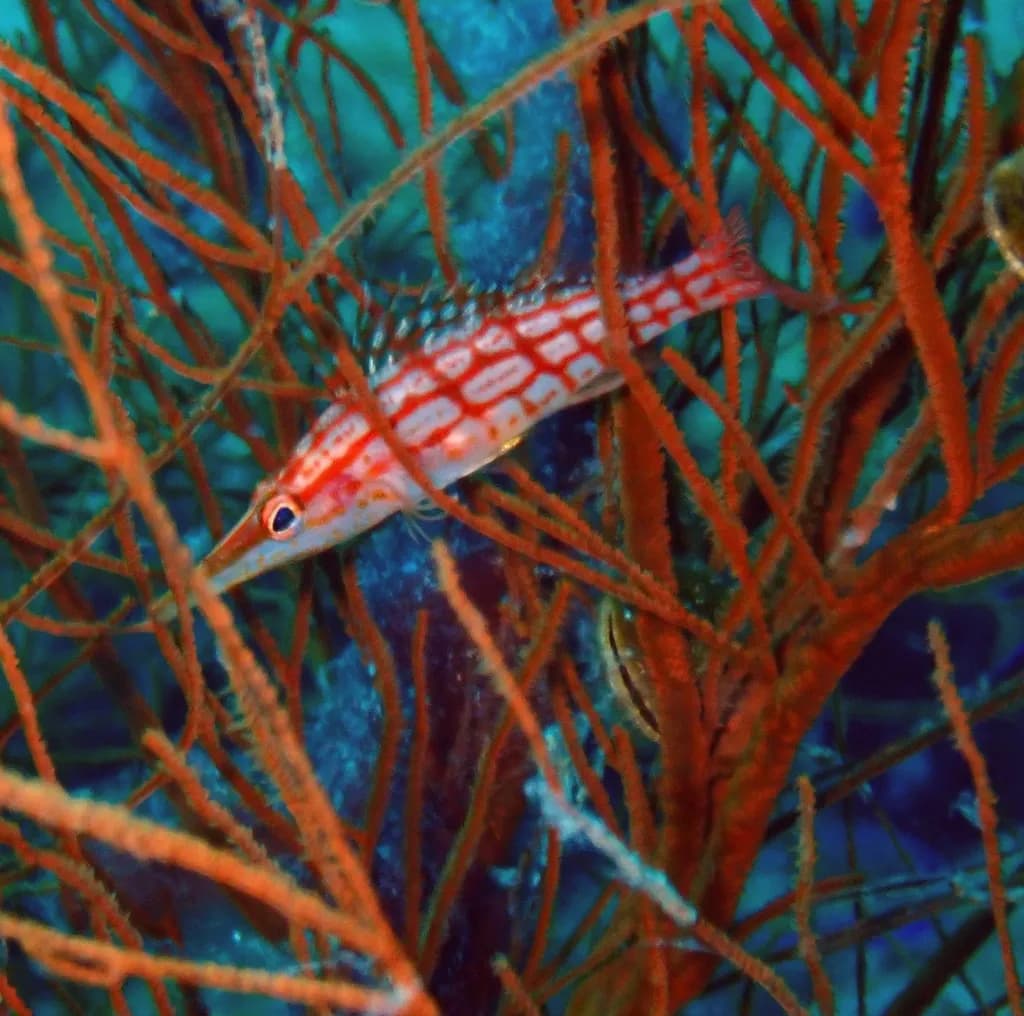
Longnose Hawkfish
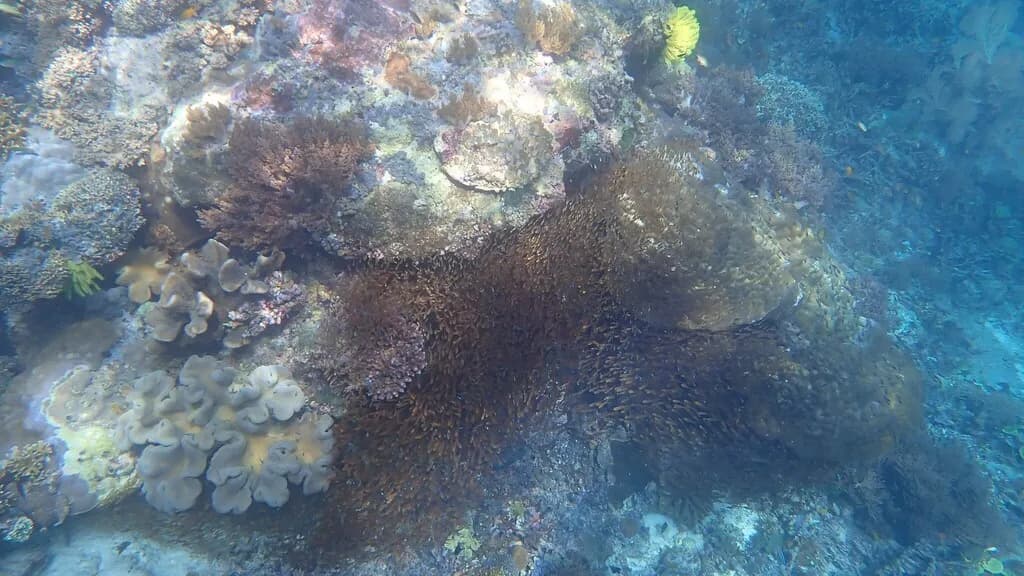
Pygmy Sweeper
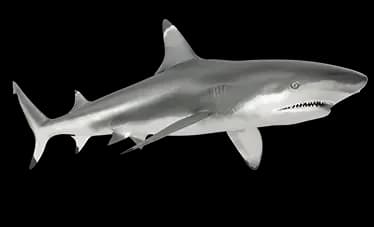
Blacktip Shark
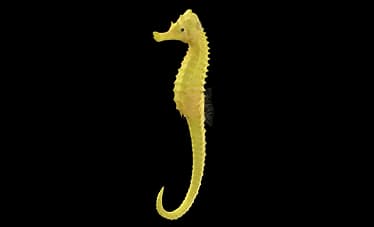
Seahorse
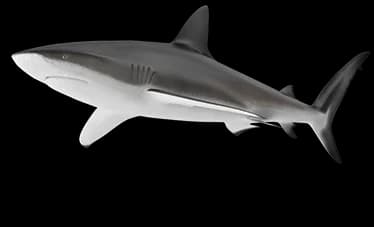
Grey Reef Shark
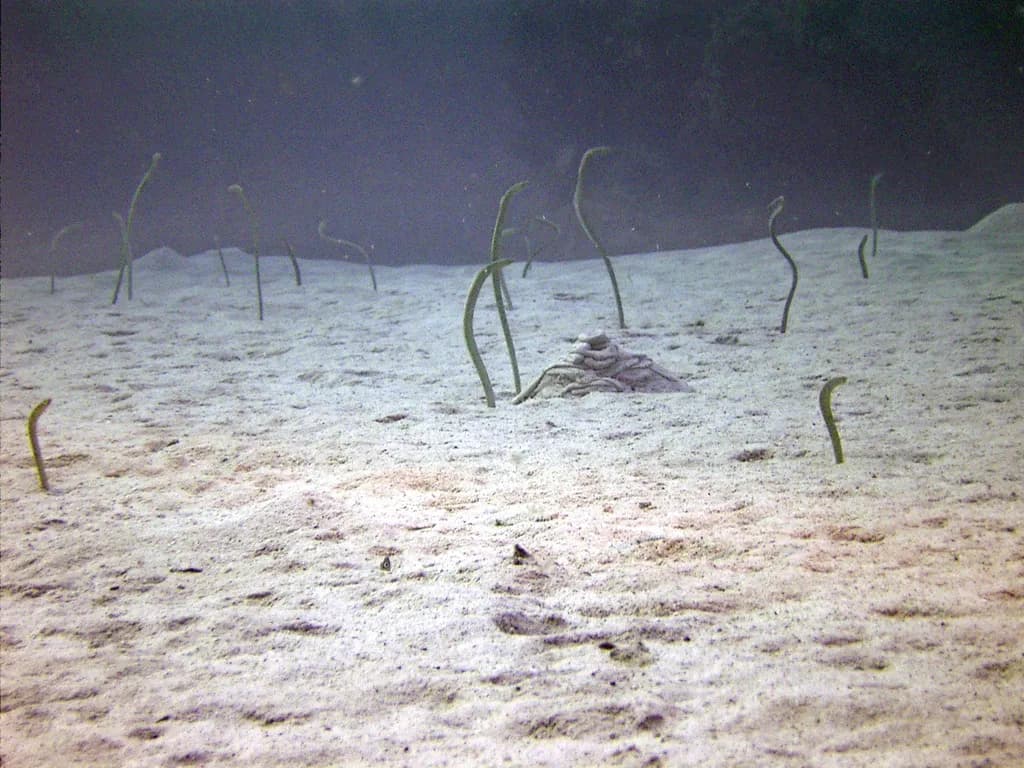
Garden Eel
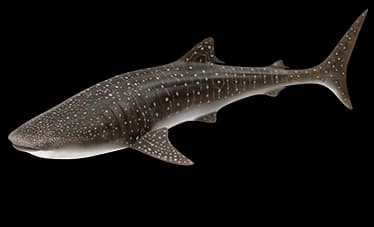
Whale Shark
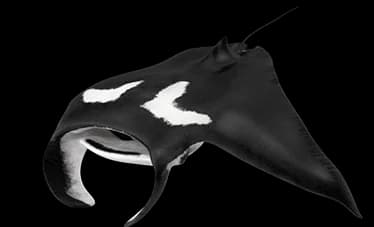
Manta Ray
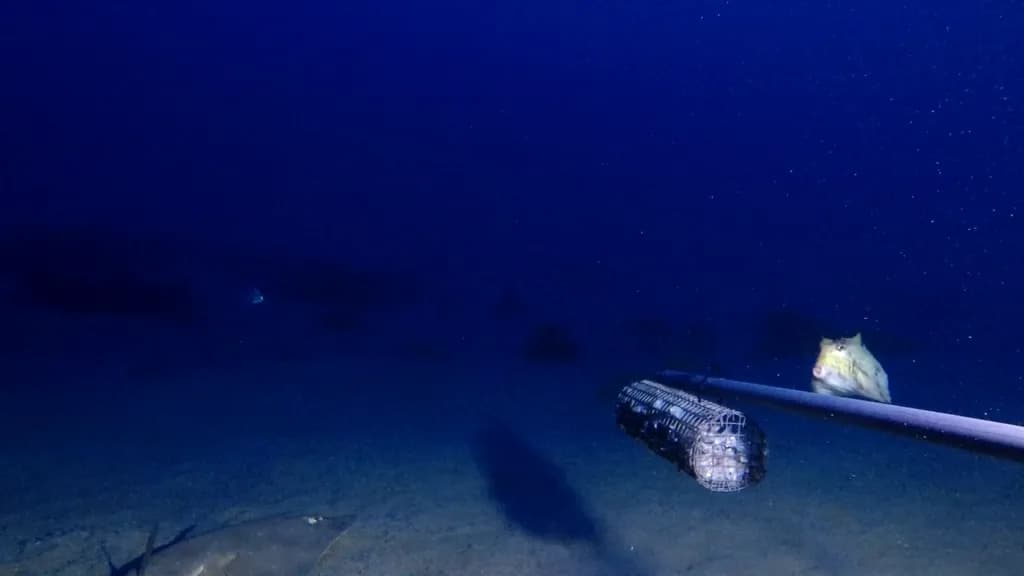
Guitar Shark
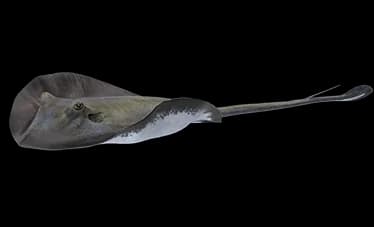
Stingray
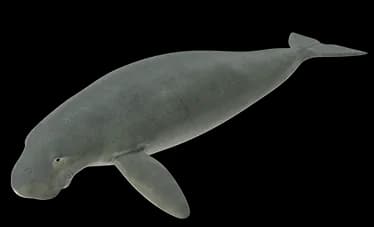
Dugong
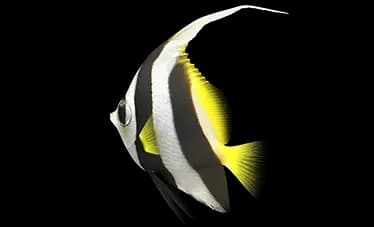
Bannerfish
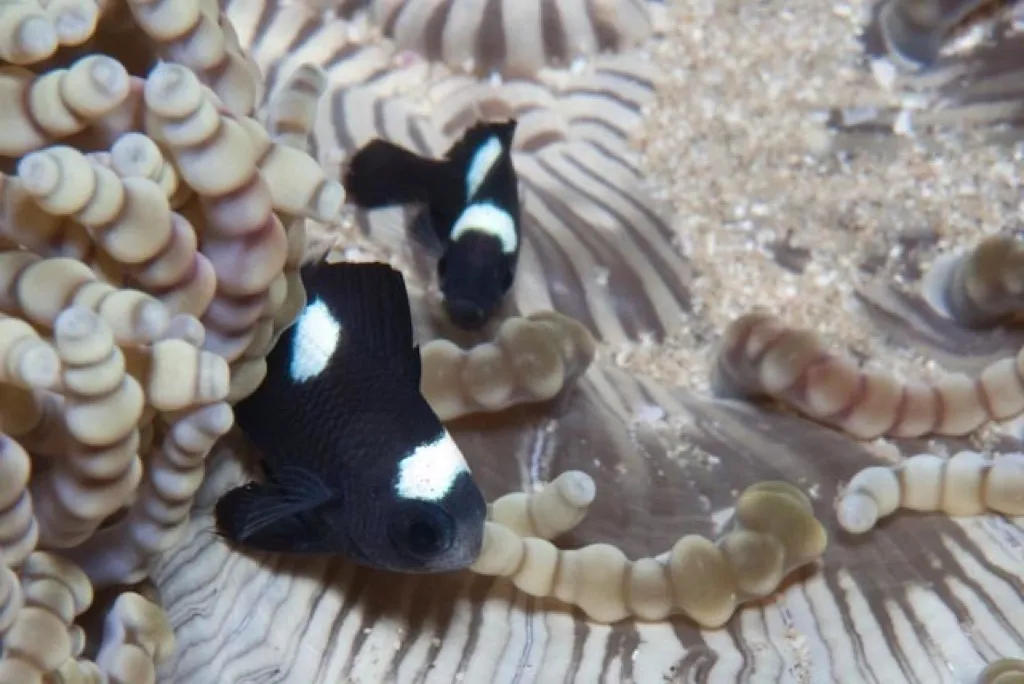
Domino Damsel
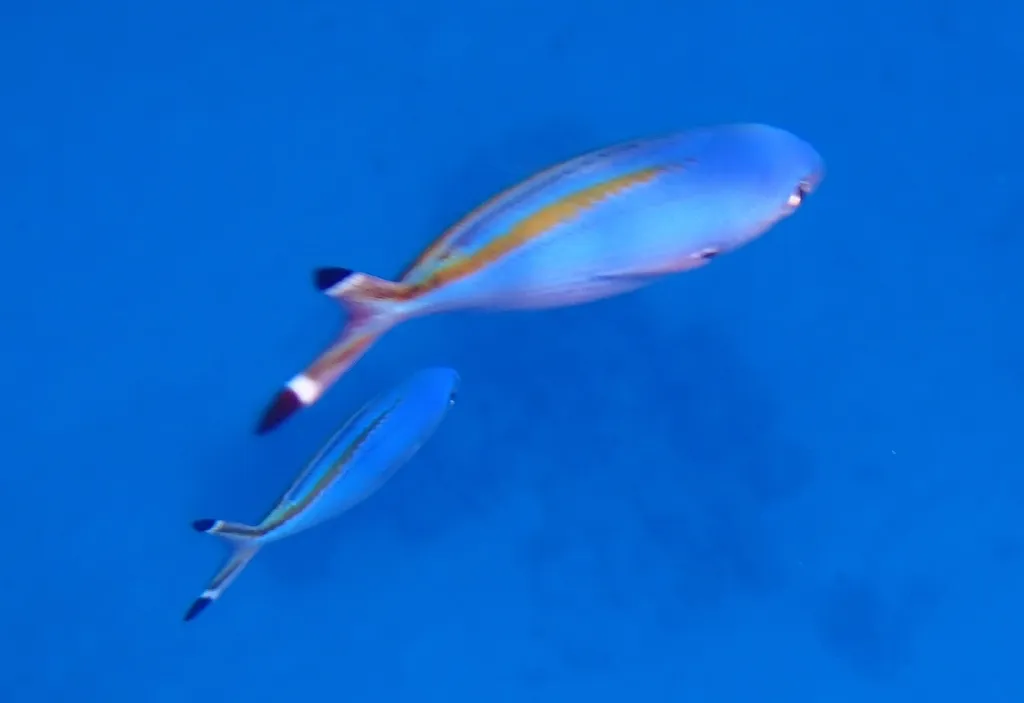
Fusilier
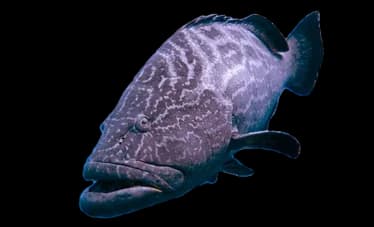
Grouper
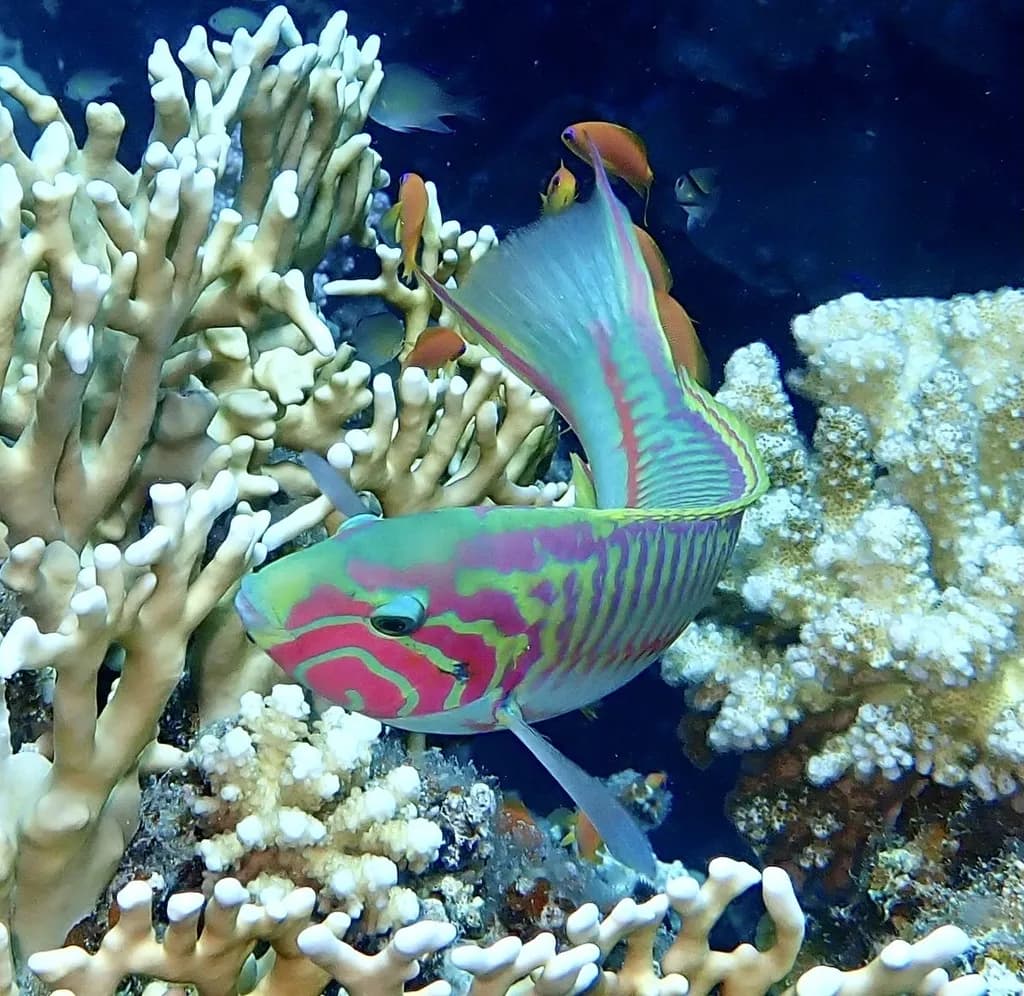
Klunzinger's Wrasse
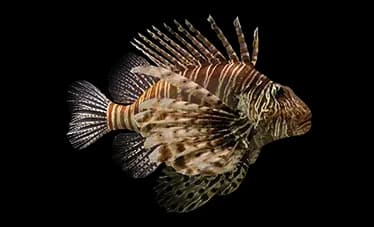
Lionfish
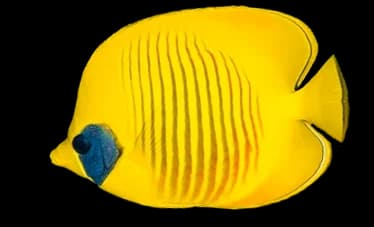
Masked Butterflyfish
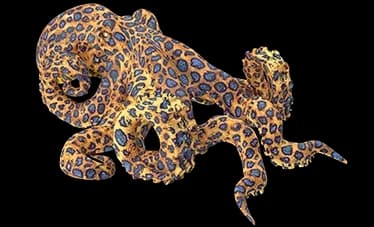
Octopus
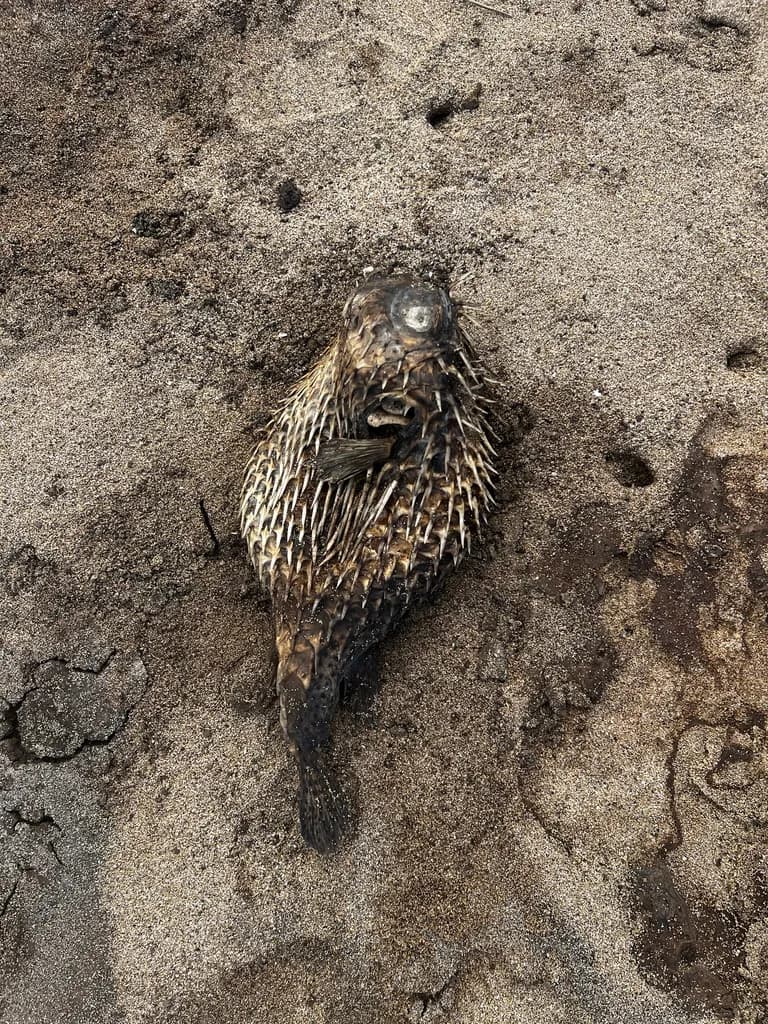
Porcupine Fish
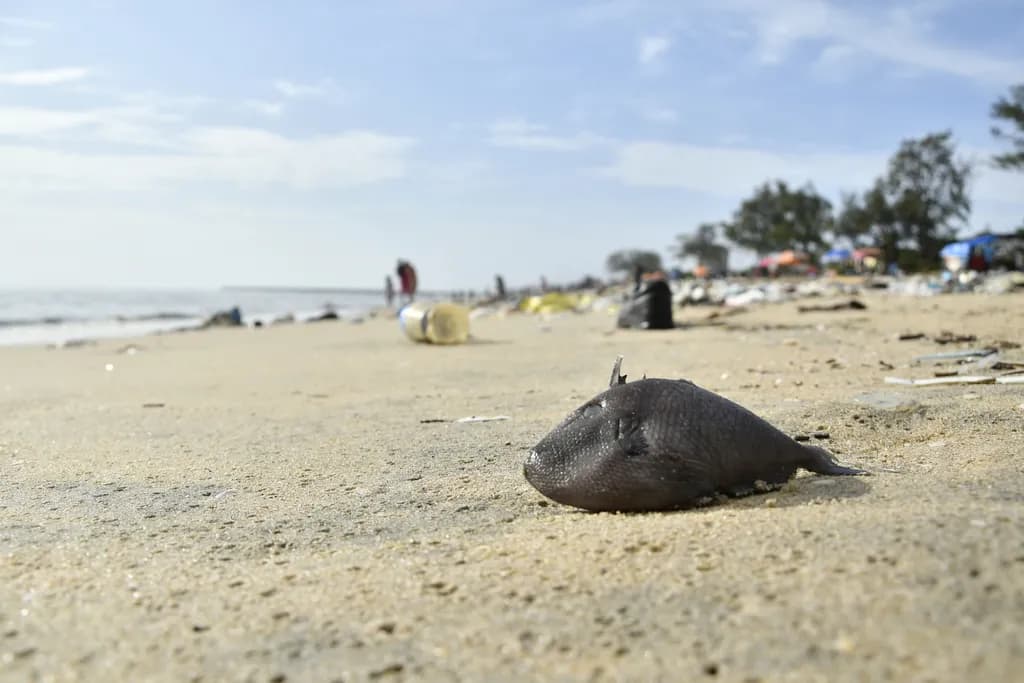
Redtooth Triggerfish
Snapper
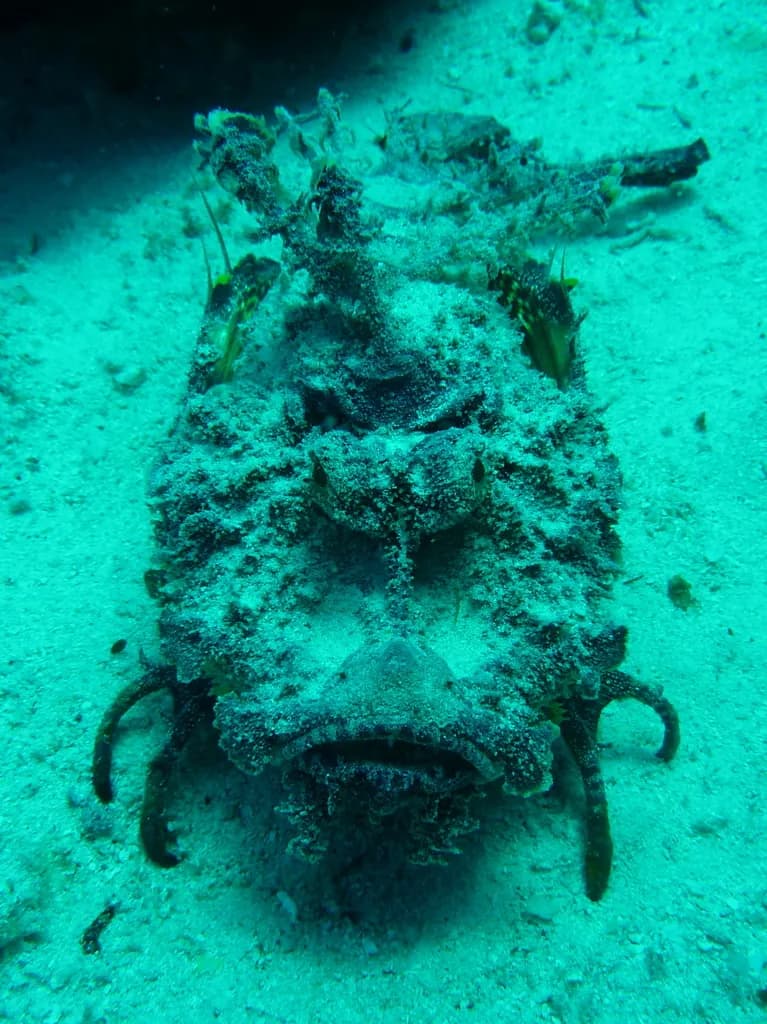
Spiny Devilfish
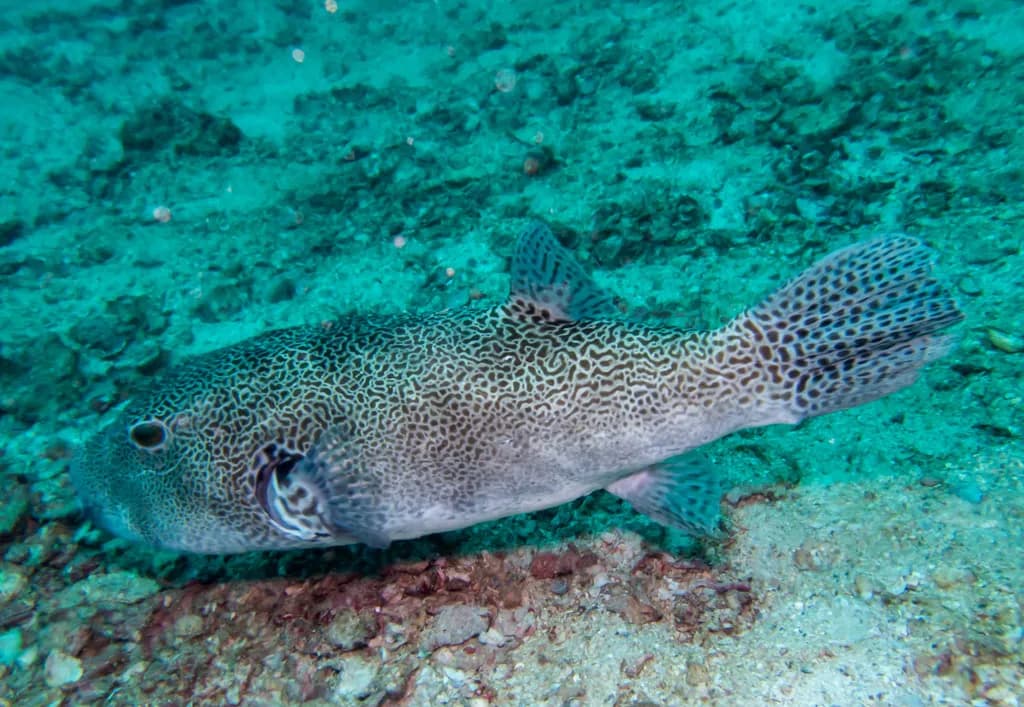
Starry Pufferfish
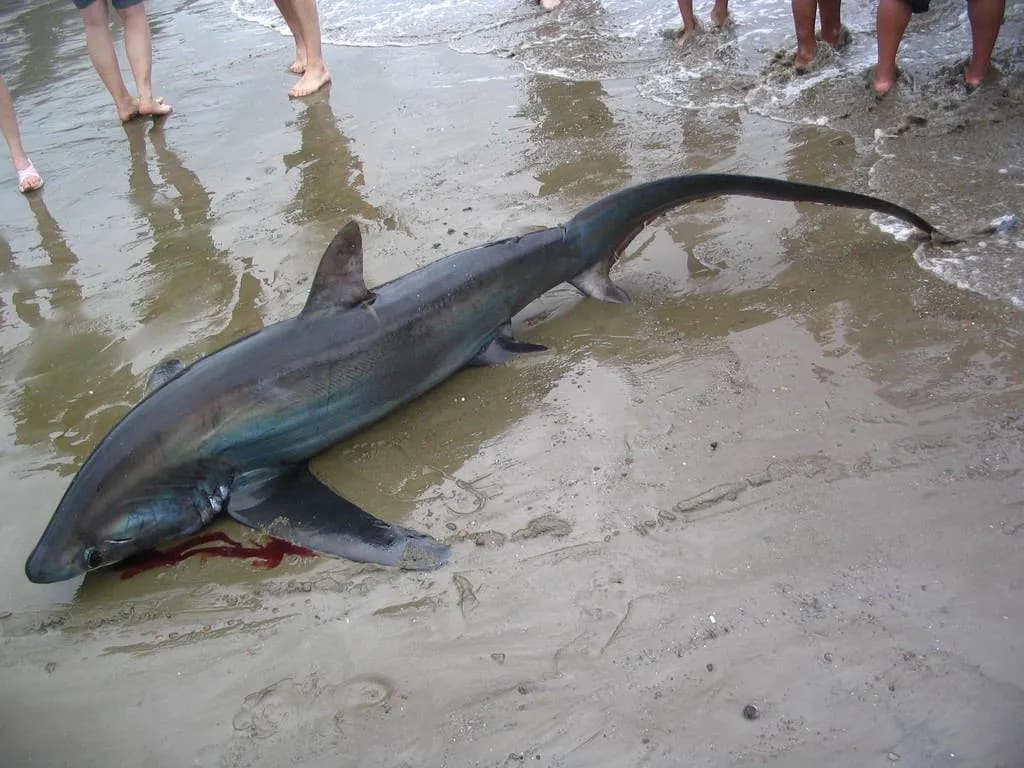
Thresher Shark
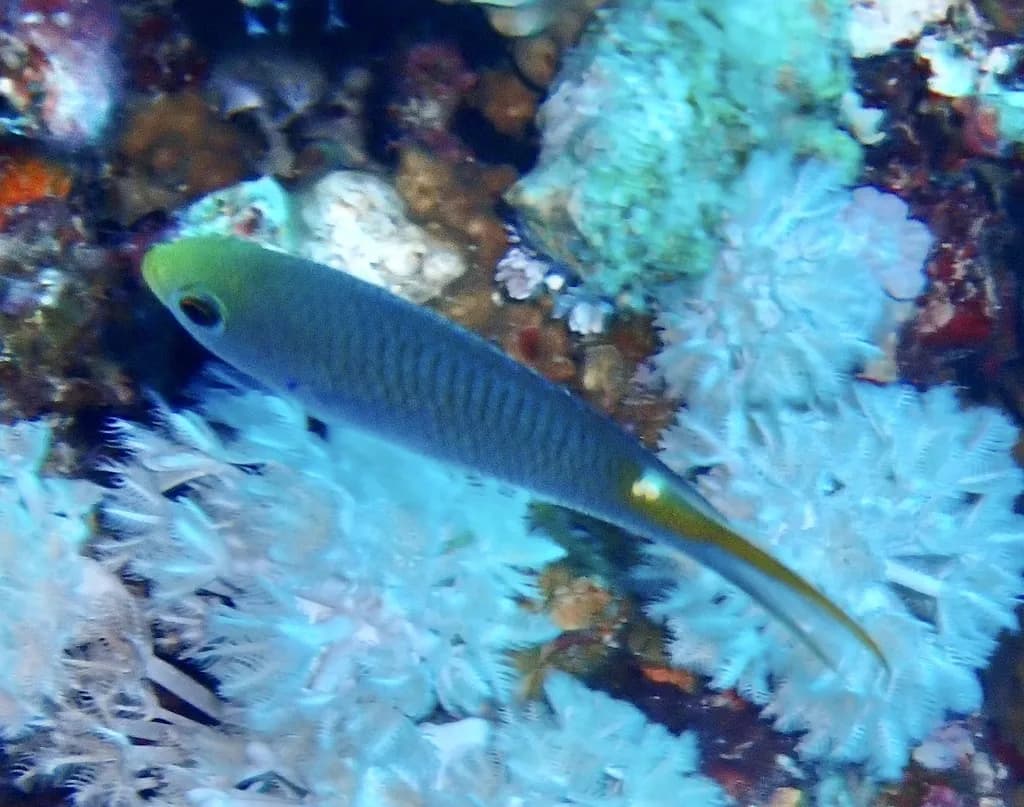
Arabian Damsel
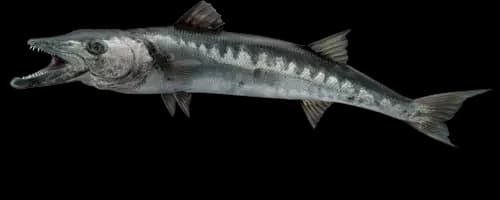
Barracuda
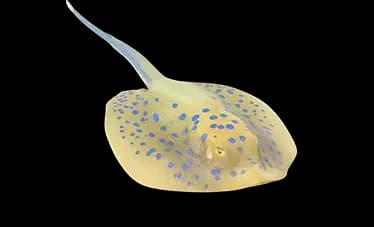
Blue Spotted Stingray