

image not available
Zabargad Island
Zabargad Island
Overview
Zabargad is the dramatic centrepiece of Egypt's deep south — a large island in remote Foul Bay crowned by a 235m olivine peak (the "Topaz Island" mined for peridot since pharaonic times), ringed by a sheltered lagoon and circling reef. After the exposed walls of nearby Rocky and Big Brother, Zabargad's southern Turtle Bay is a welcome change of pace: an easy, beautiful coral dive with caves, seagrass and the occasional wreck, calm enough to anchor over for the night.
The Dive
The marquee dive is Turtle Bay on the sheltered southern fringing reef. The reef edge runs at 10–15m before meeting a sandy slope dotted with coral heads that descends to around 35m and then drops to the seabed; the most rewarding diving hugs the reef wall itself, which is densely overgrown with hard and soft coral and broken at regular intervals by recesses, crevices, small canyons and caves that lead toward the inner lagoon. Most of the island's perimeter can be dived — wall, slope and sandy patches — and conditions are generally mild, with any current usually gentle and easy to plan for. Two old wrecks (a Russian-era spy ship and a smaller vessel) lie in the bay and are sometimes worked into the dive.
Because the south coast is protected and the topography is forgiving, Turtle Bay suits even relatively inexperienced divers, and the sheltered moorings make night diving possible — a rarity this far offshore. Other sides of the island are more exposed and current-prone and are chosen by the guides to suit the day.
Marine Life
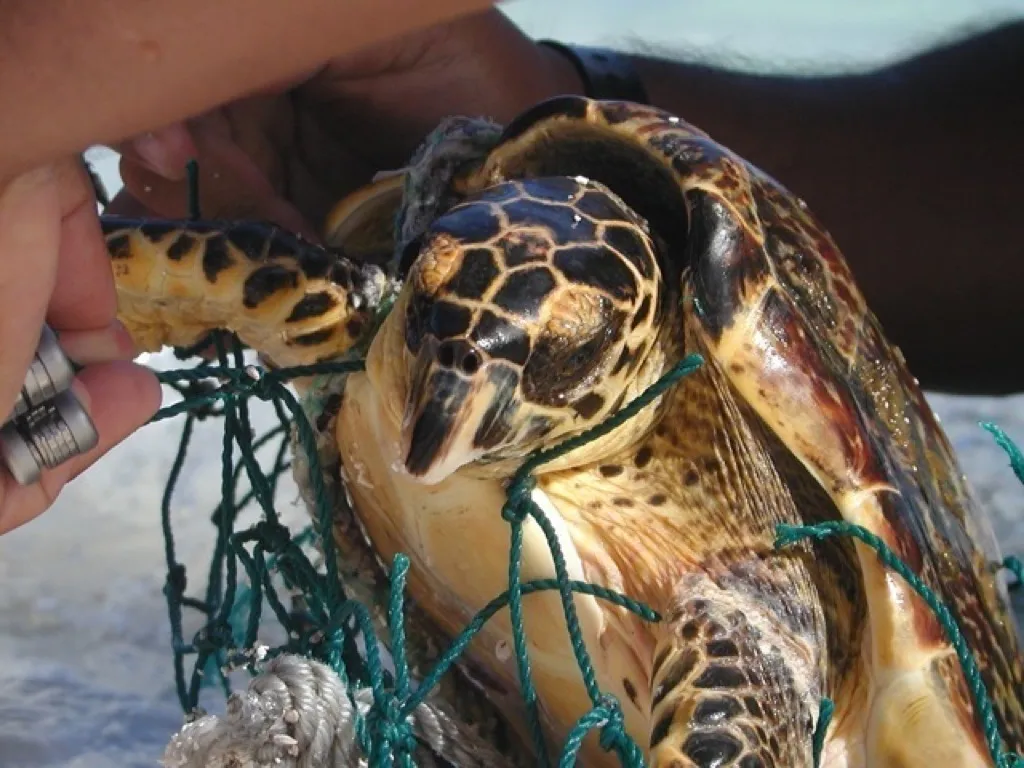
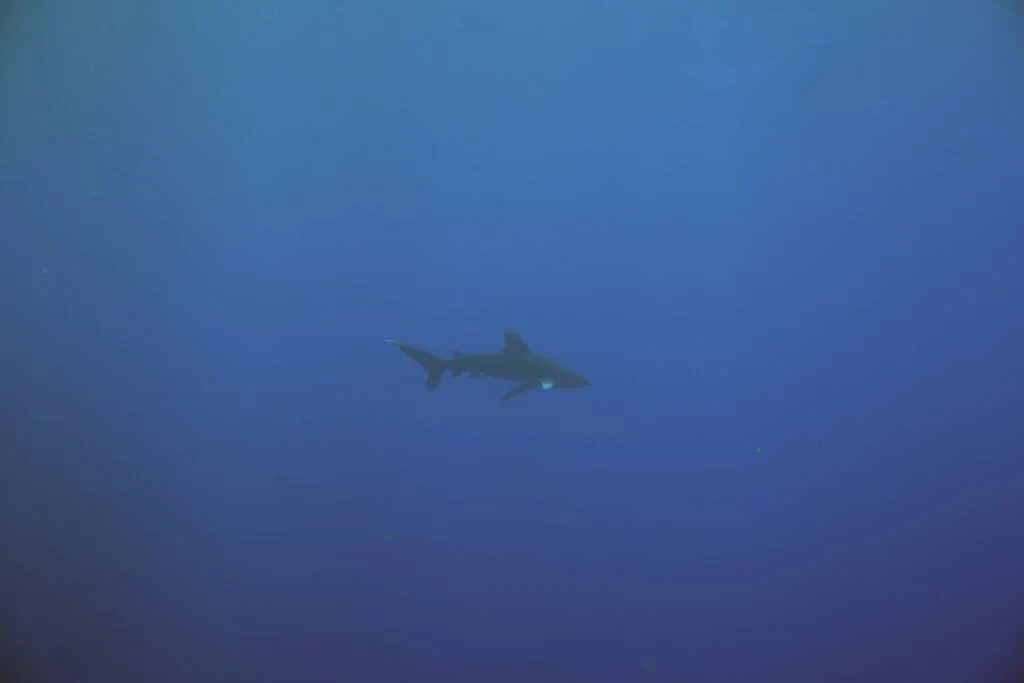
The reef is rich and varied: healthy coral gardens, gorgonians and anthias along the wall, with green and hawksbill turtles grazing the seagrass beds that give Turtle Bay its name. Reef fish are abundant — napoleon wrasse, groupers, snapper, goatfish and morays — and the sandy slopes hold rays and macro life. While big pelagics are less reliable here than at Rocky, sharks do pass the more exposed points, and the overall biodiversity is exceptional.
Good to Know
Zabargad is liveaboard-only, reached on Deep South / Rocky-Zabargad-St John's itineraries from the southern ports (Port Ghalib/Marsa Alam or Hamata), and is almost always paired with Rocky Island 5km to the southeast. Calmest seas and best conditions run roughly March to November; visibility is typically 20–30m. It is the gentle, photogenic counterpoint of the deep south — a place to slow down, work the caves and walls, and dive at night under the shadow of the peridot mountain.
Depth
5-35m
Visibility
20-30m
Current
weak
Access
liveaboard
Certification
Open Water
Species
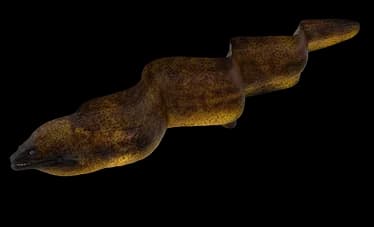
Moray Eel
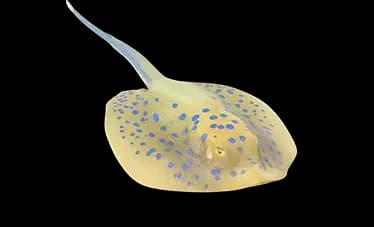
Blue Spotted Stingray
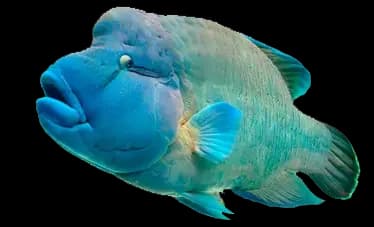
Napoleon Wrasse
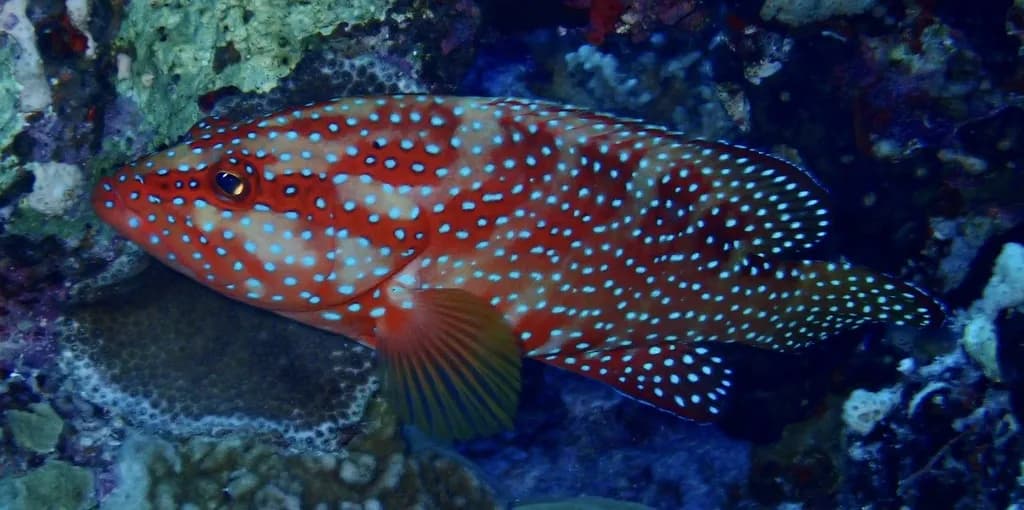
Coral Grouper
Hawksbill Turtle
Oceanic Whitetip Shark
Butterflyfish
Bannerfish
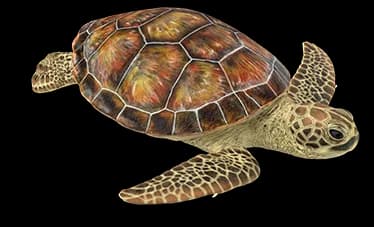
Turtle
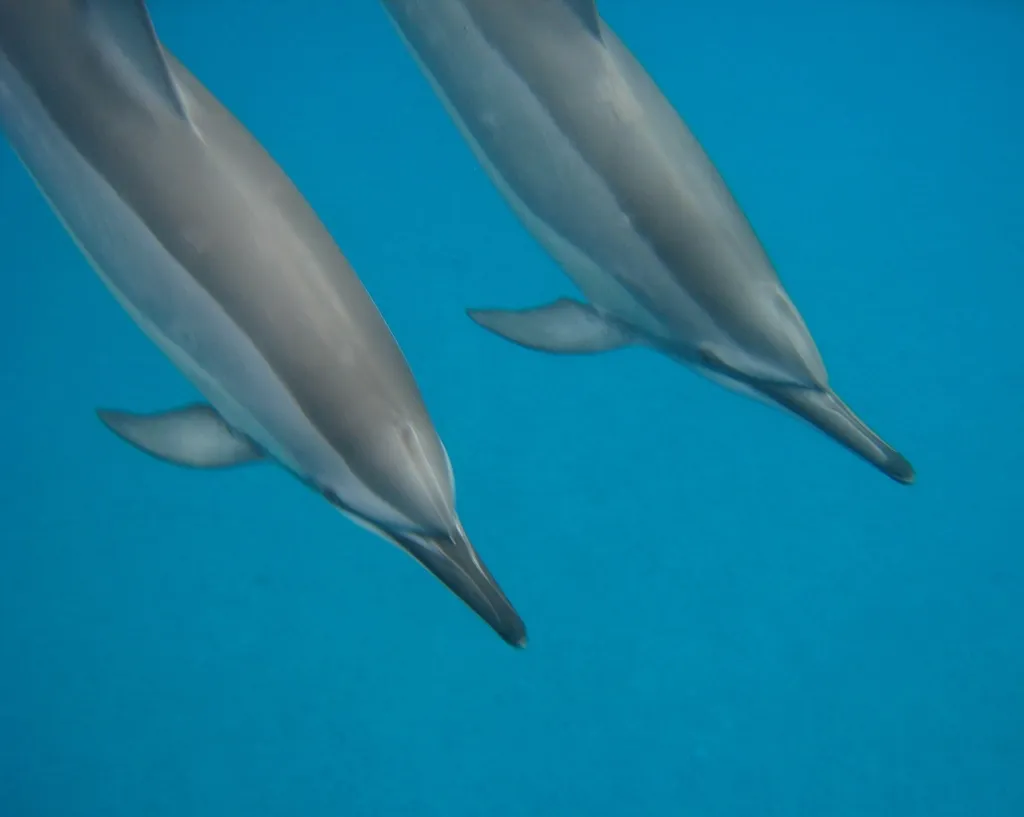
Spinner Dolphin
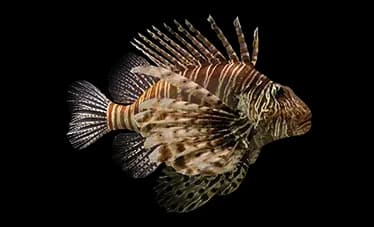
Lionfish
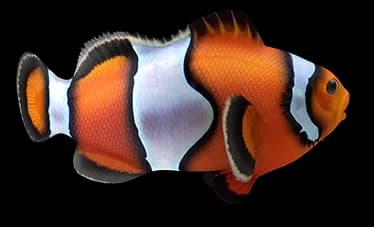
Clownfish
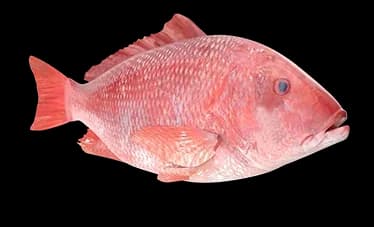
Red Snapper
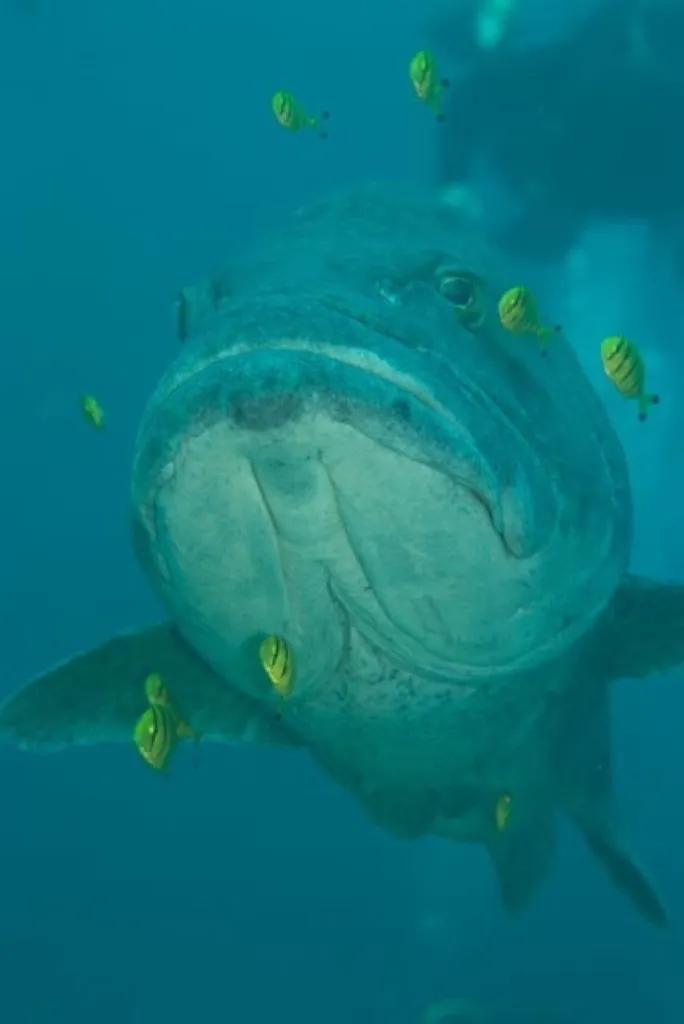
Black Grouper
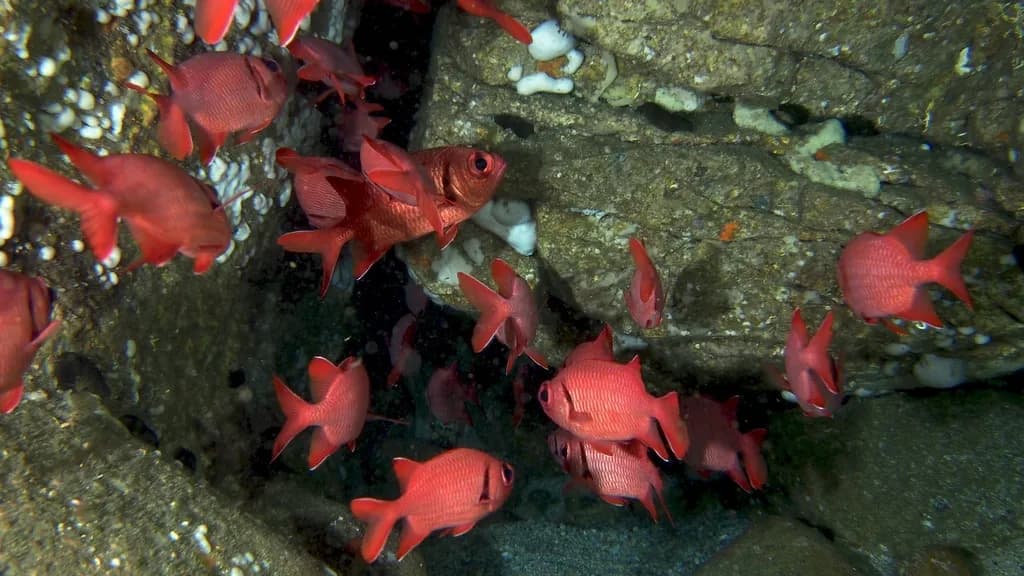
Soldierfish
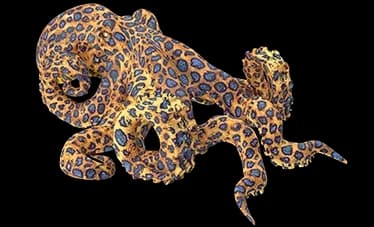
Octopus
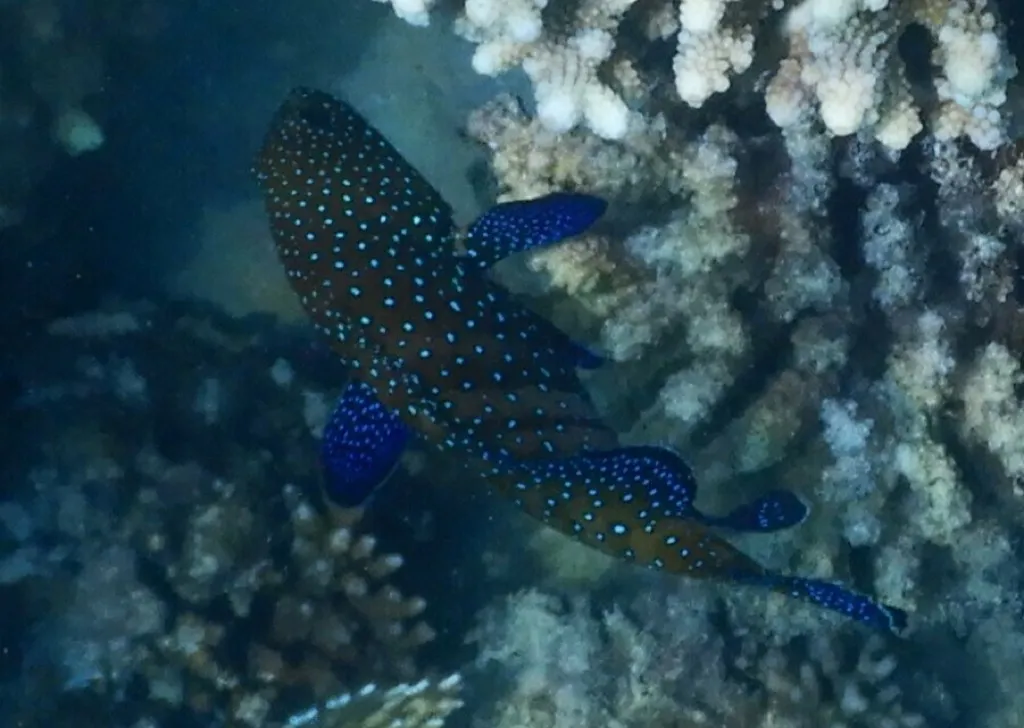
Peacock Grouper
Blackside Hawkfish
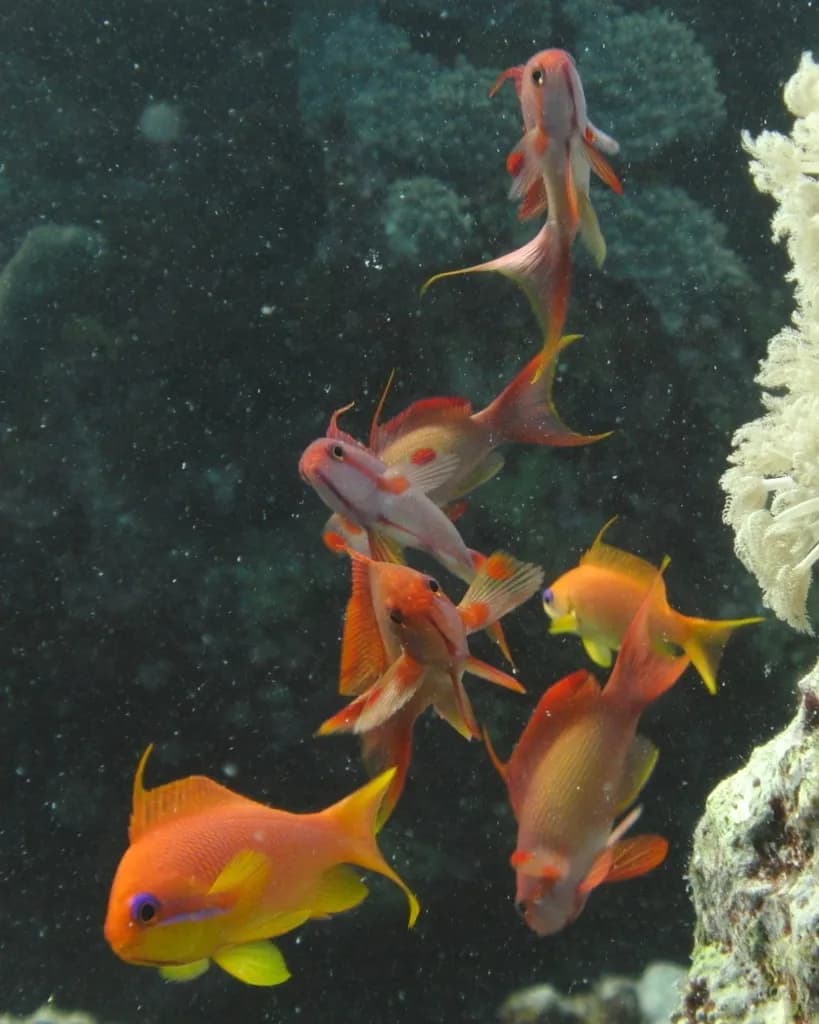
Anthias
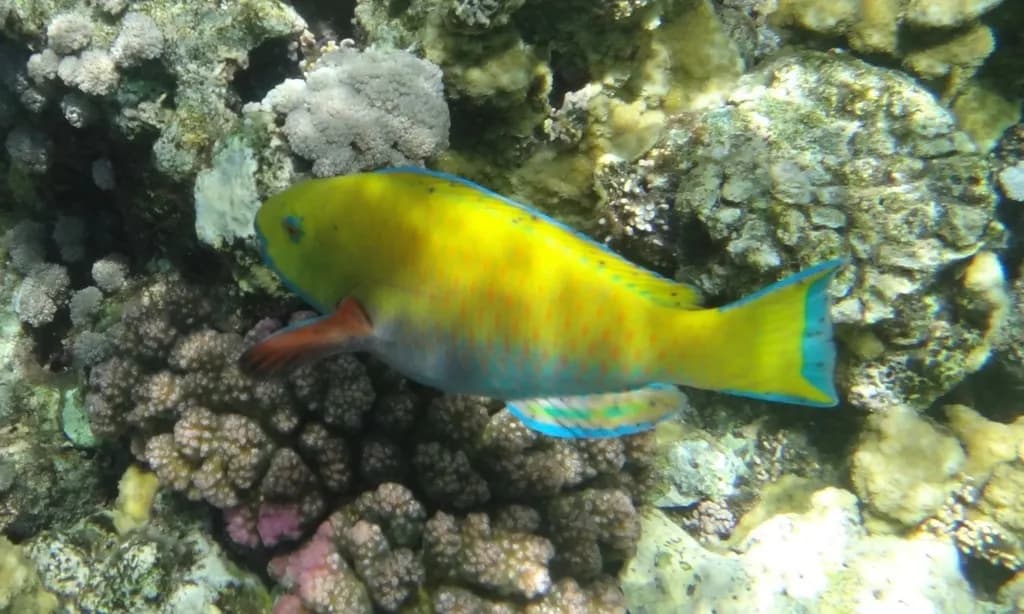
Steephead Parrotfish
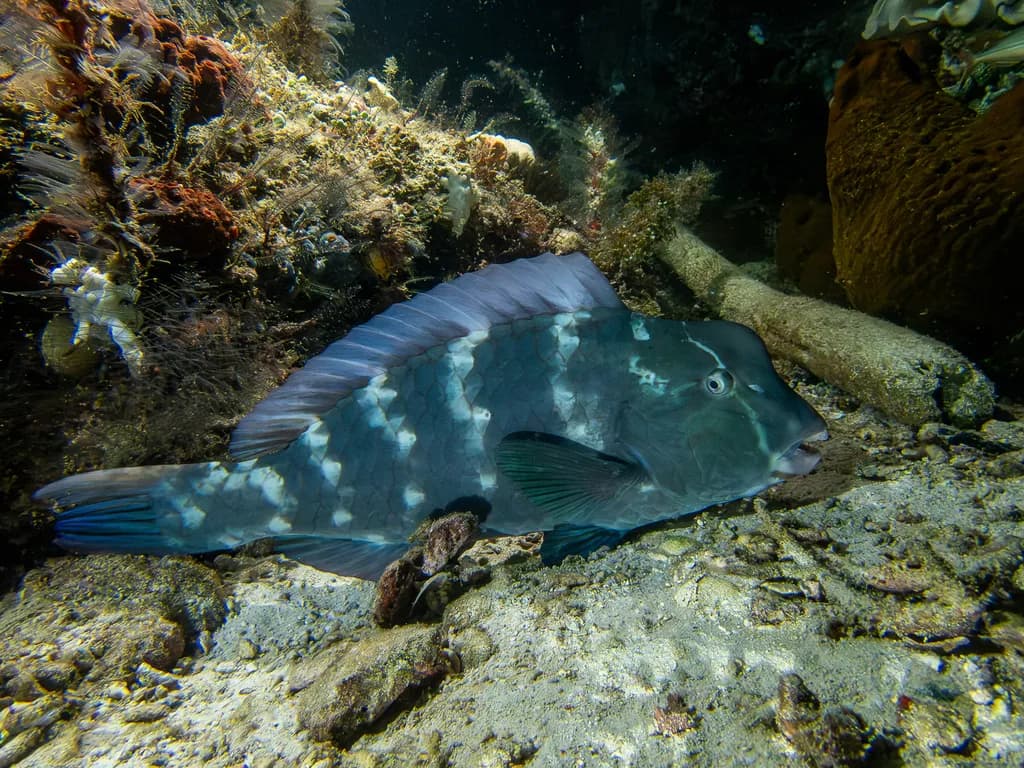
Bumphead Parrotfish
Masked Butterflyfish
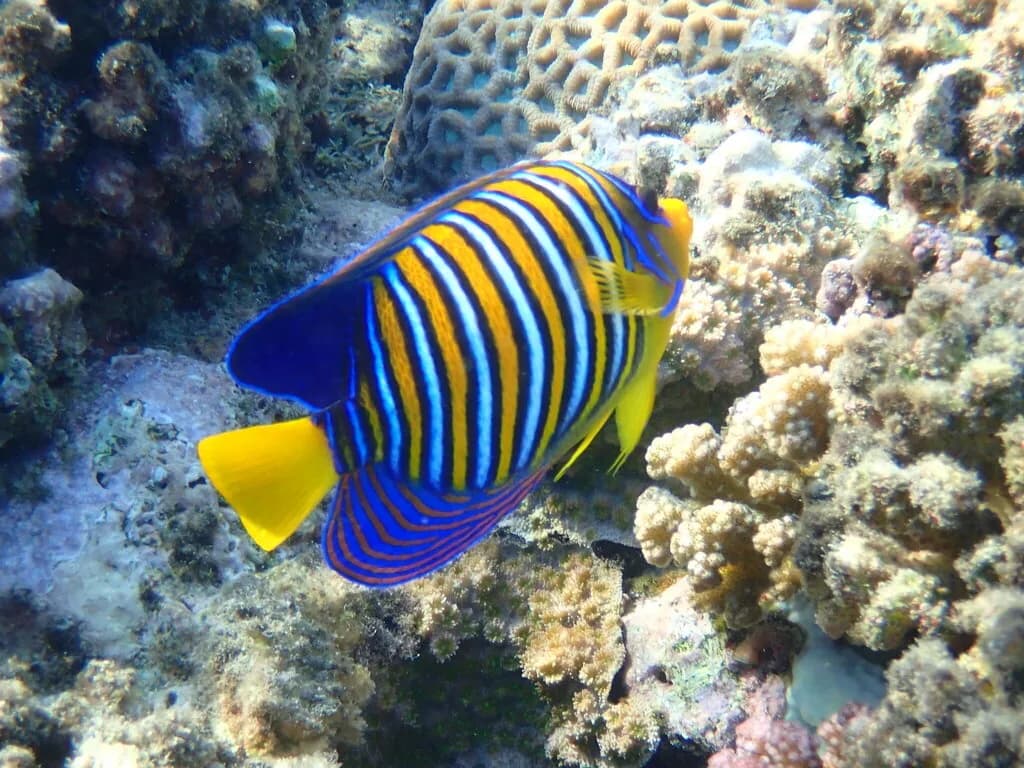
Regal Angelfish
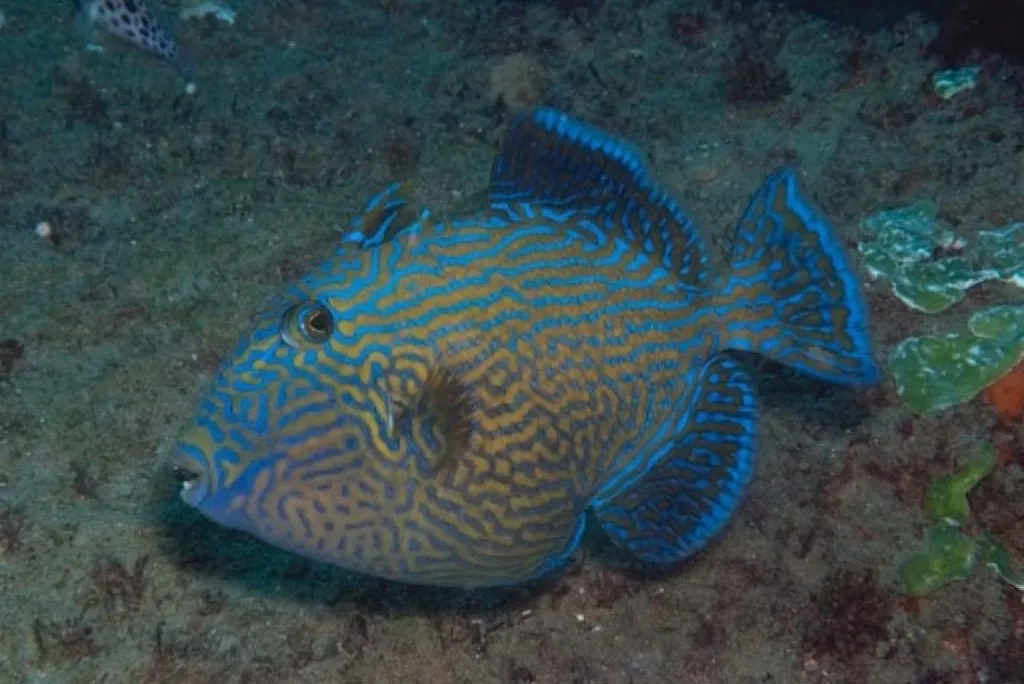
Blue Triggerfish
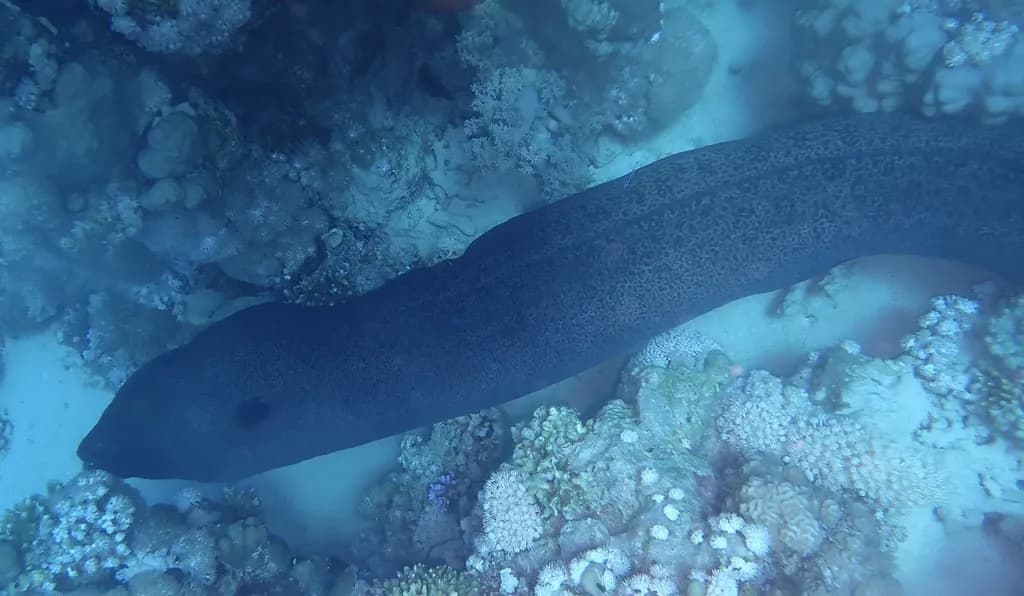
Eel
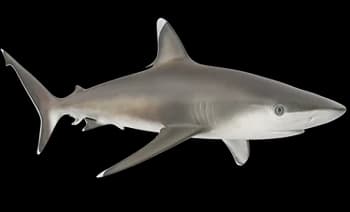
Whitetip Shark
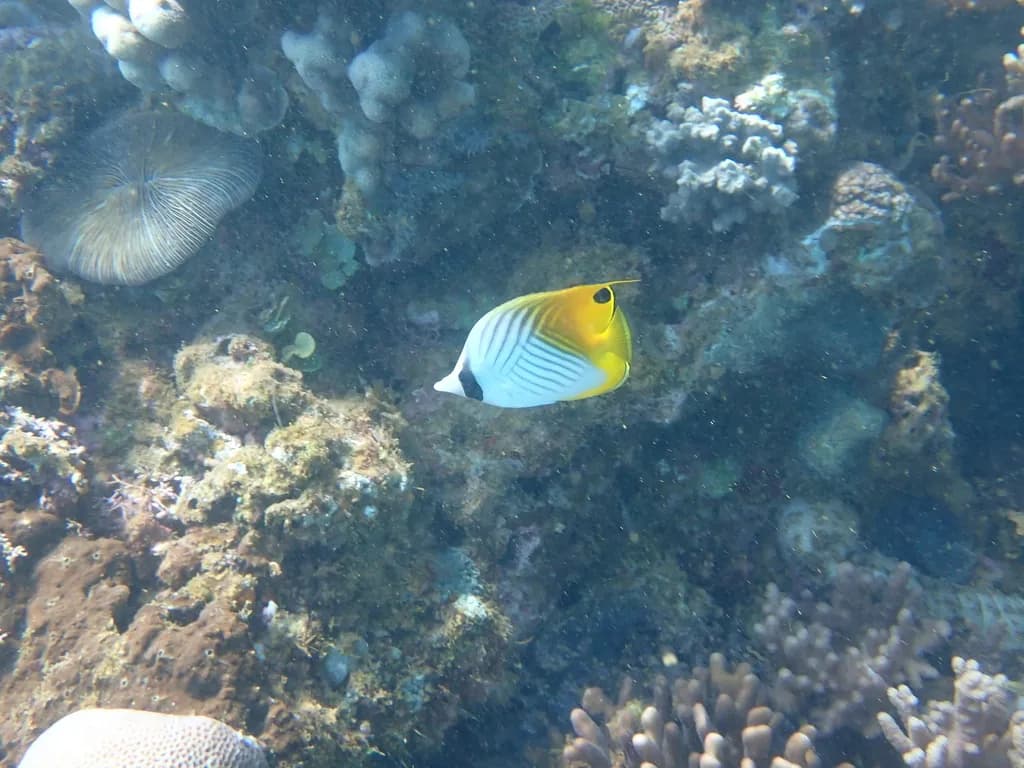
Threadfin Butterflyfish
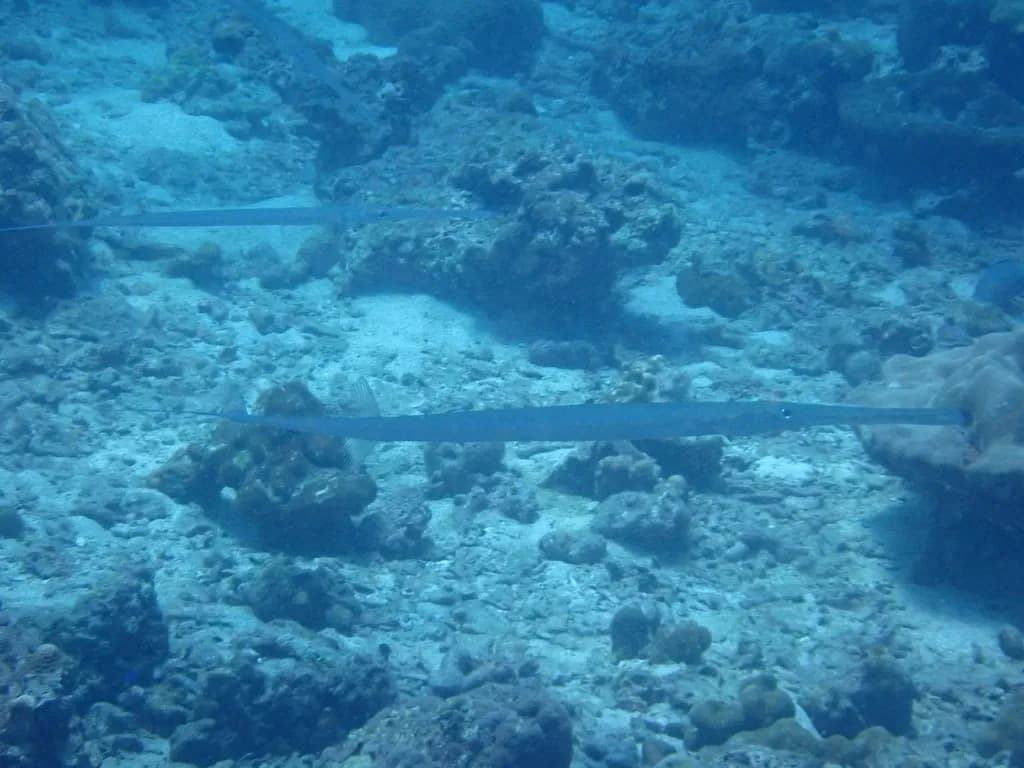
Cornetfish
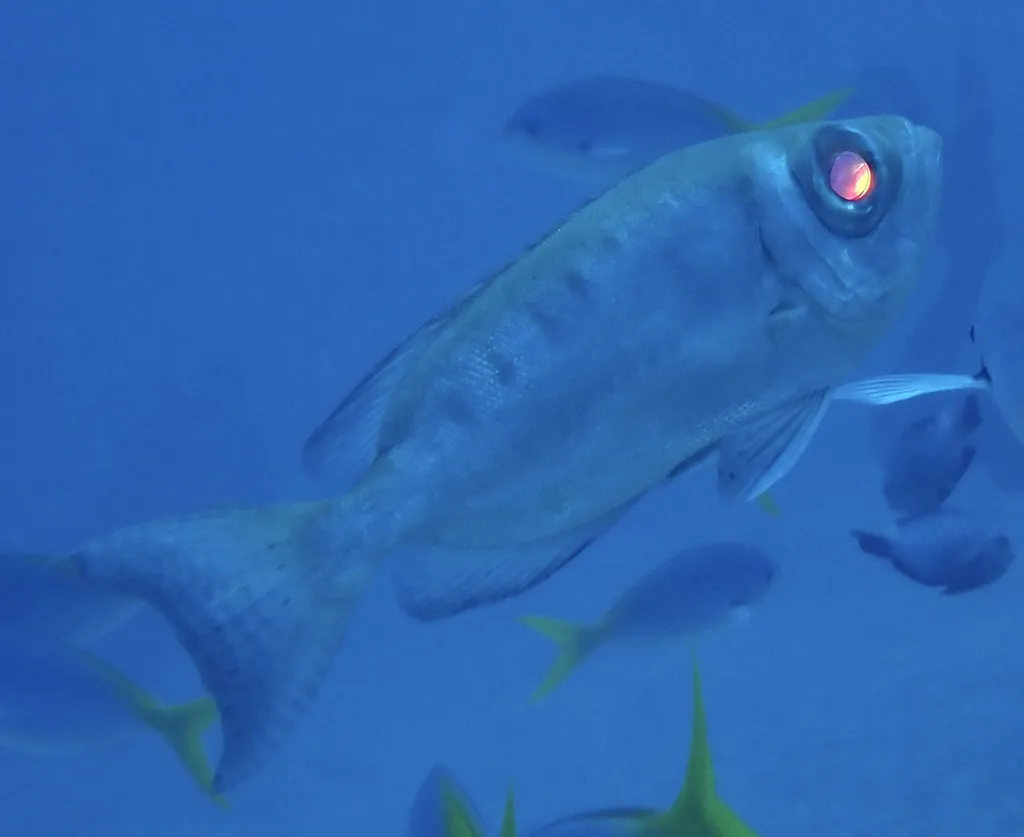
Bigeye
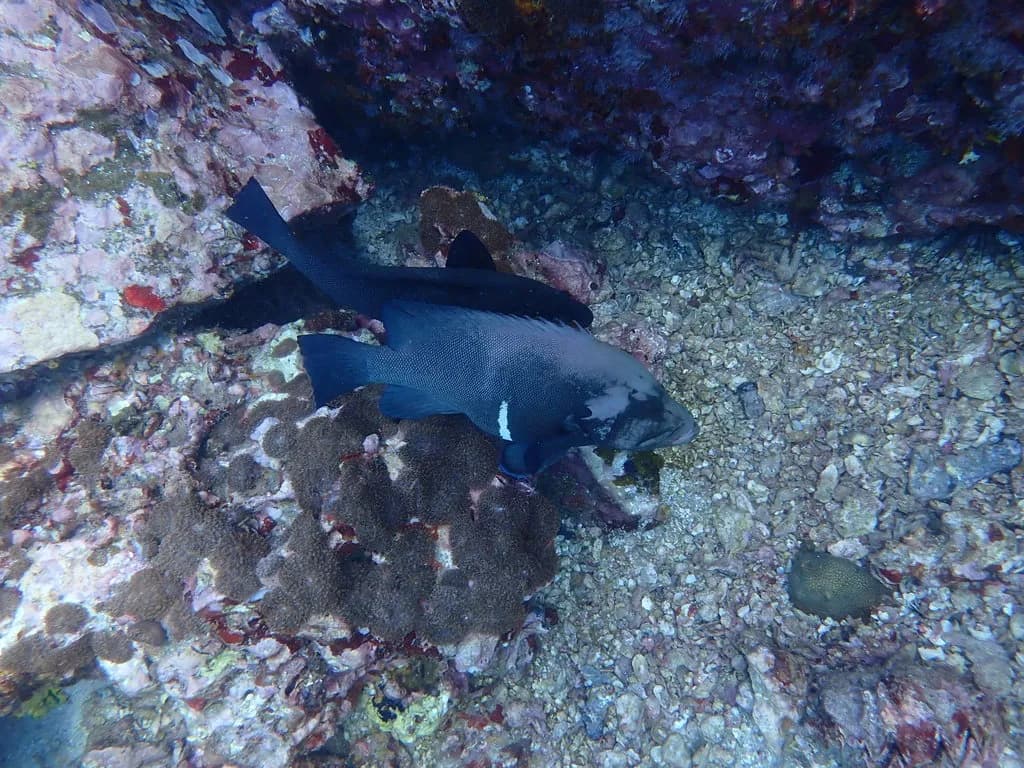
Redmouth Grouper
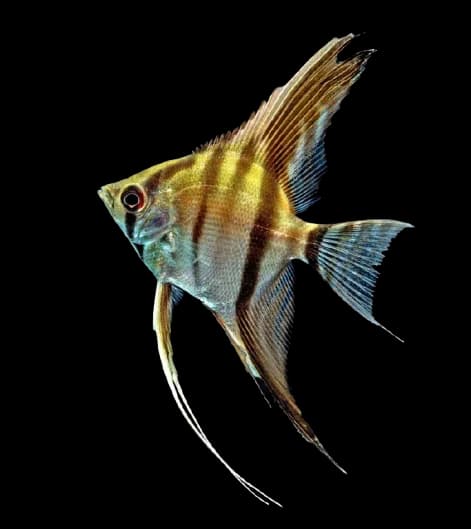
Angelfish
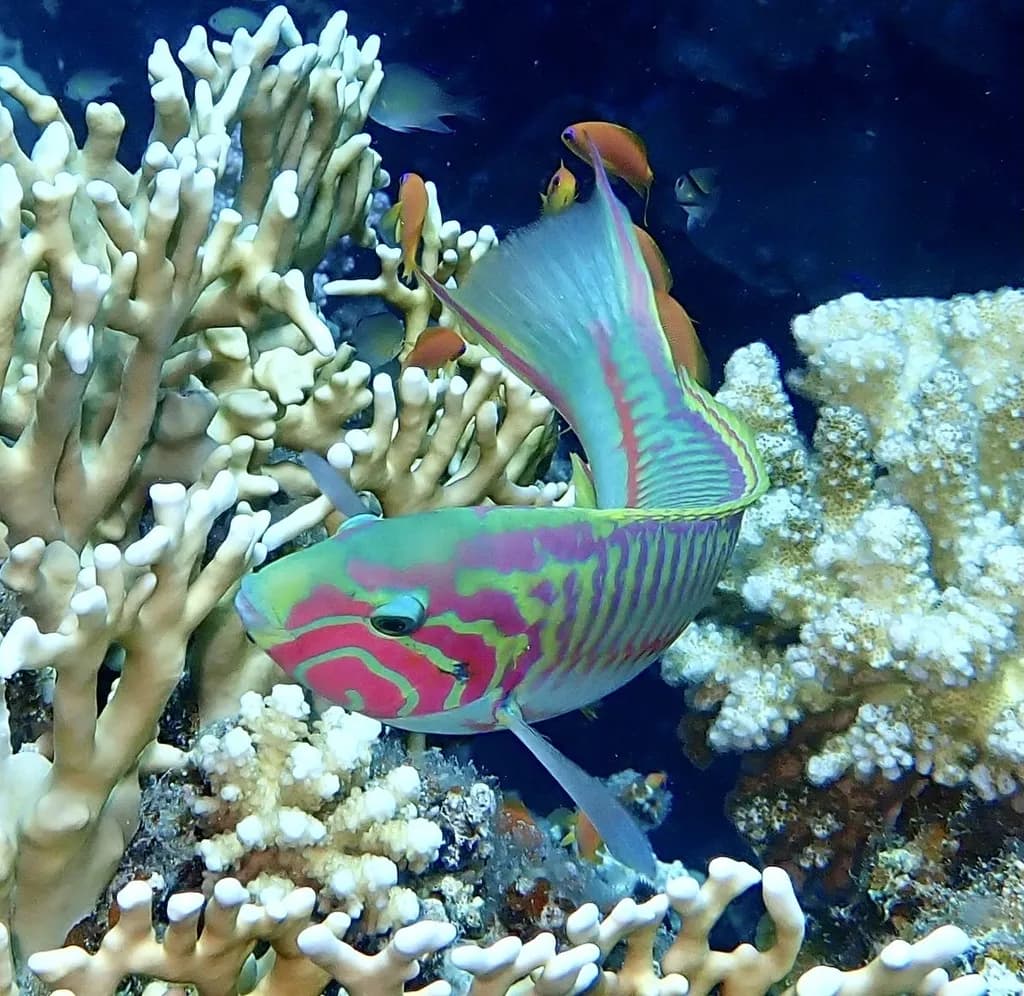
Klunzinger's Wrasse
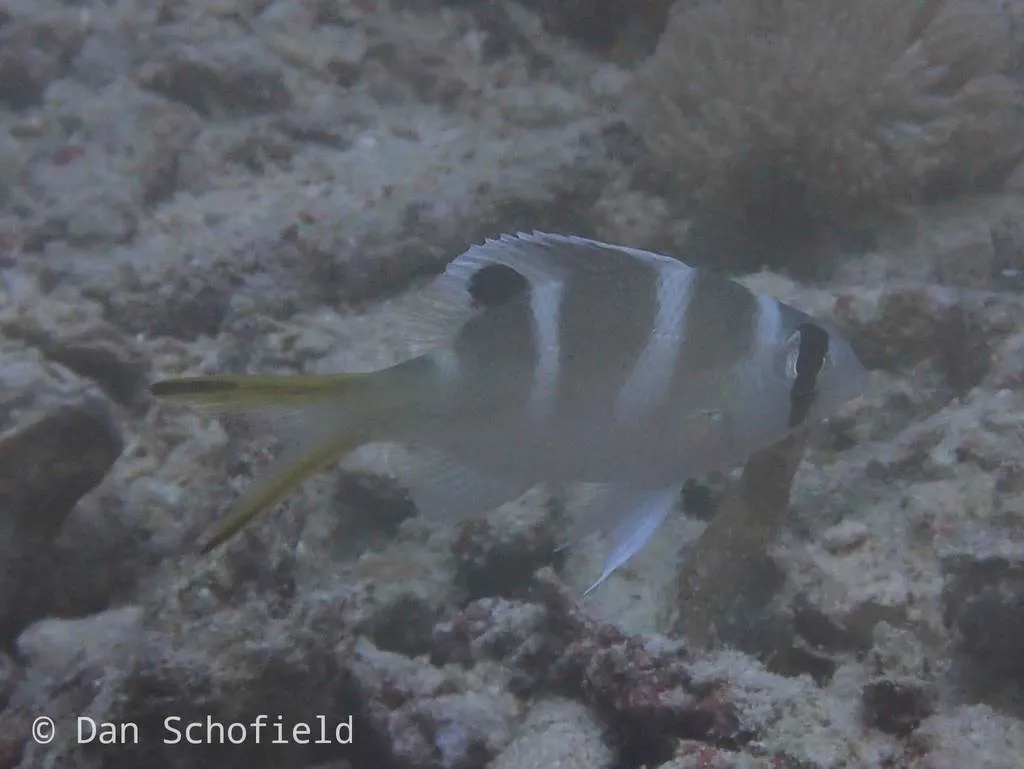
Bream
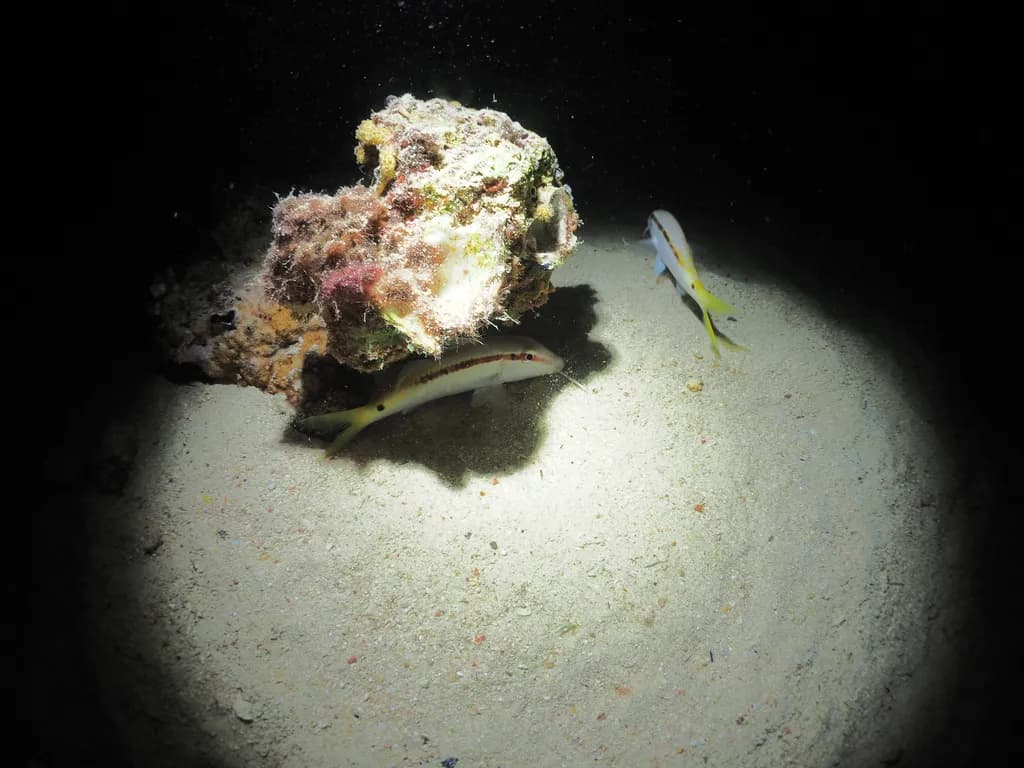
Goatfish
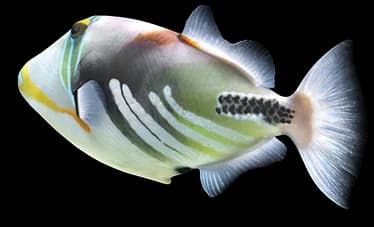
Triggerfish
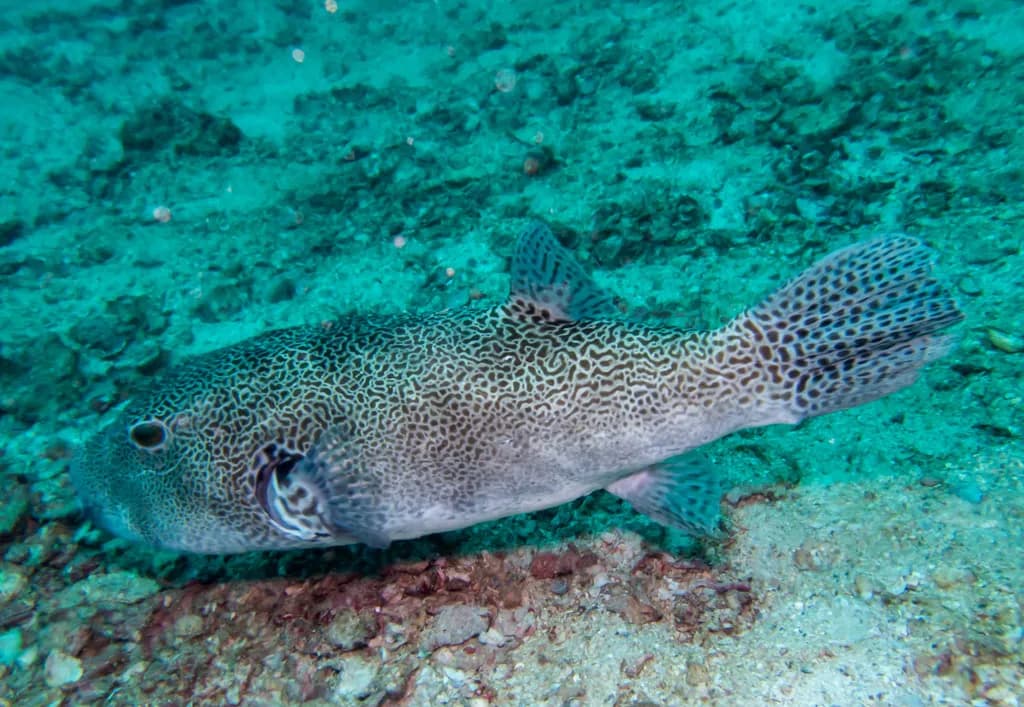
Starry Pufferfish
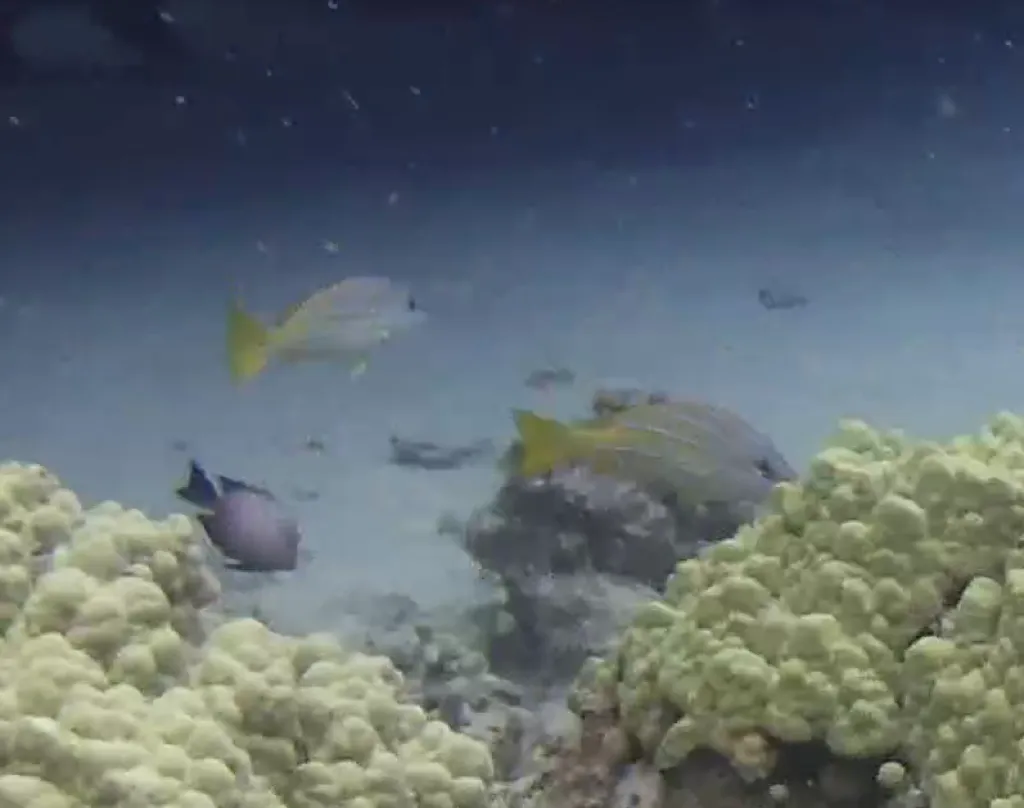
Snapper
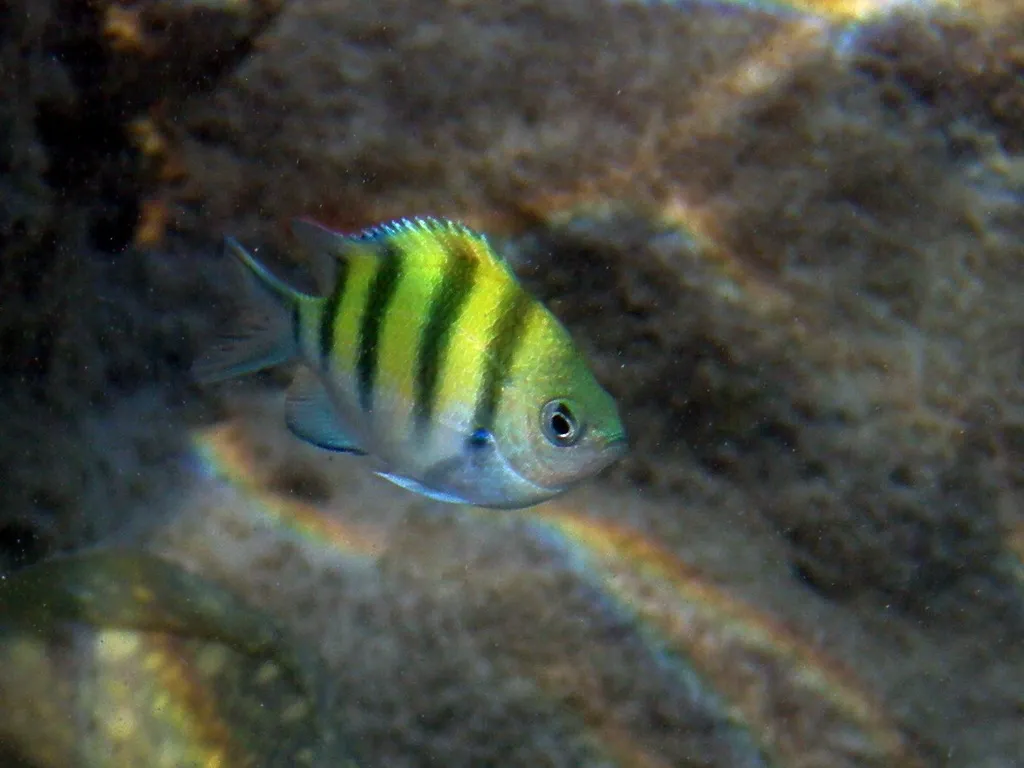
Sergeant Major
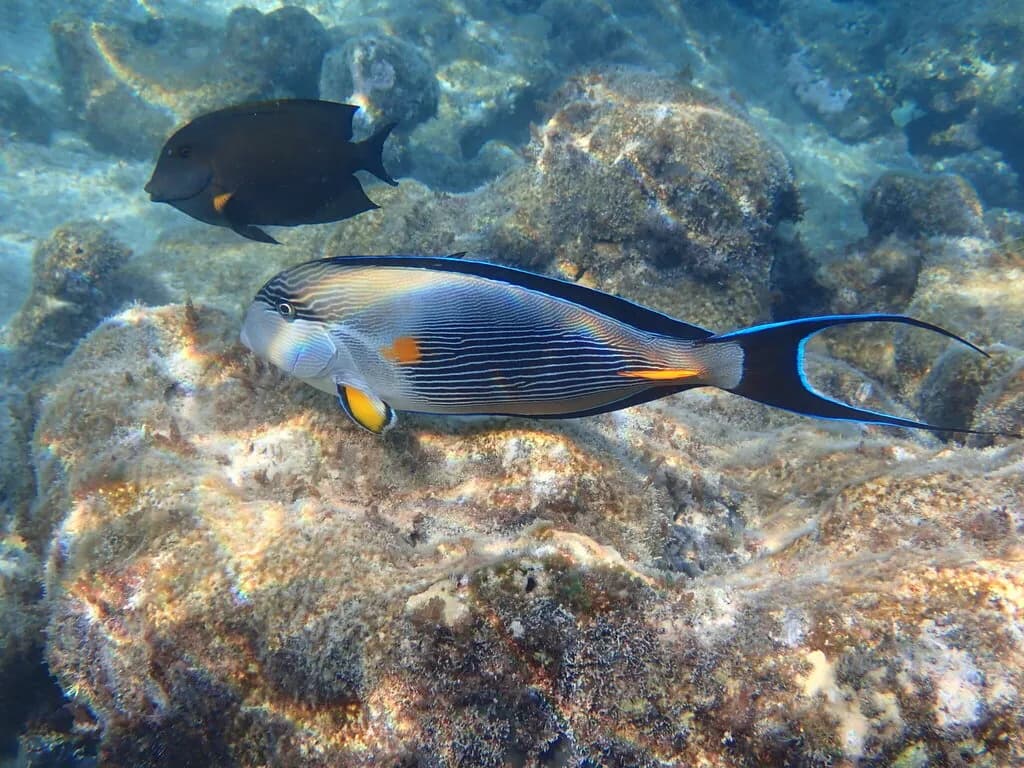
Surgeonfish
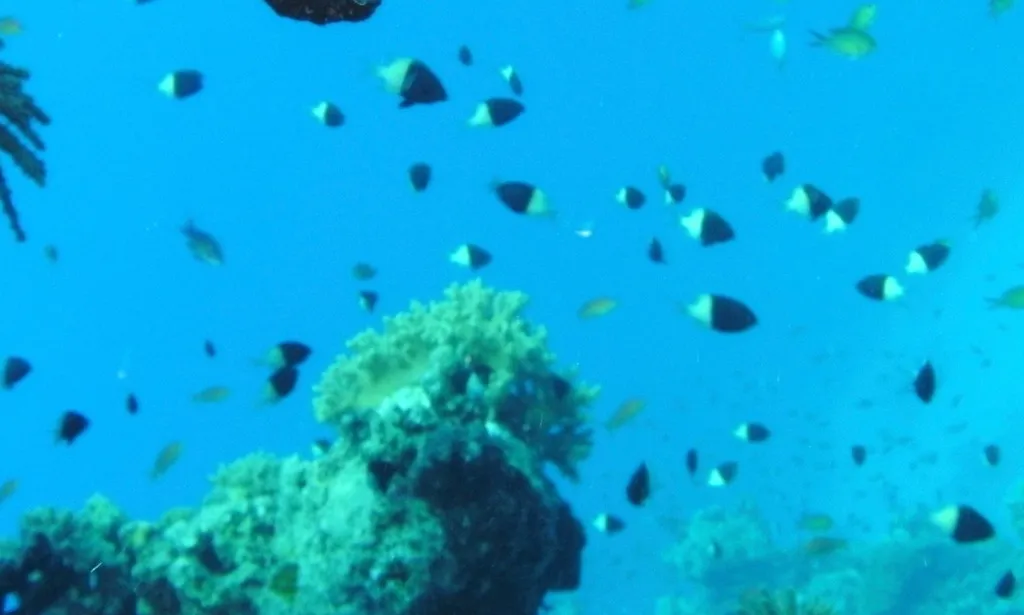
Bicolour Puller
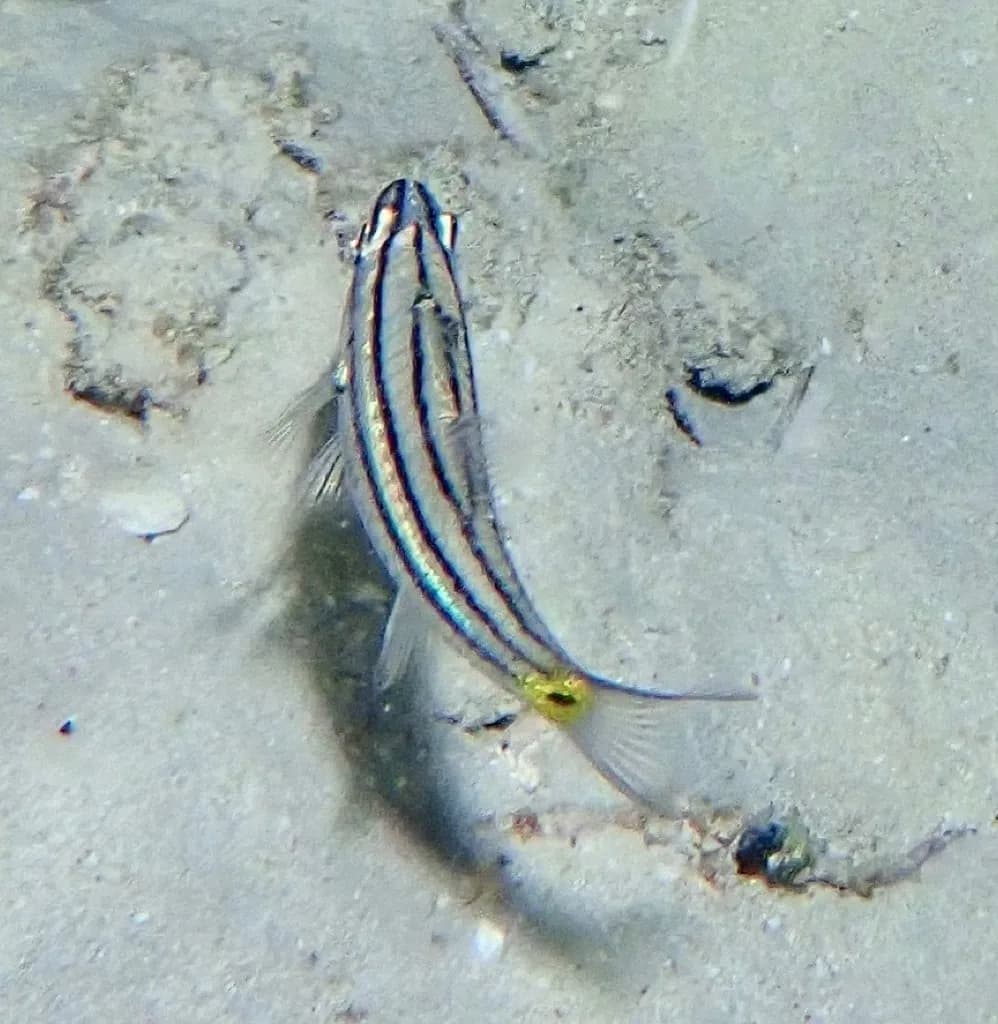
Cardinal Fish
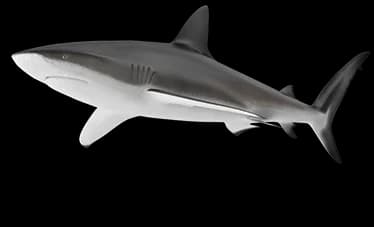
Grey Reef Shark
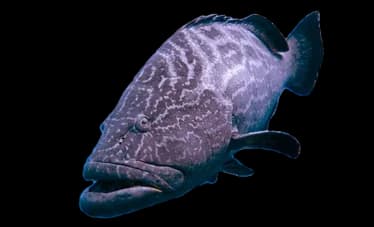
Grouper
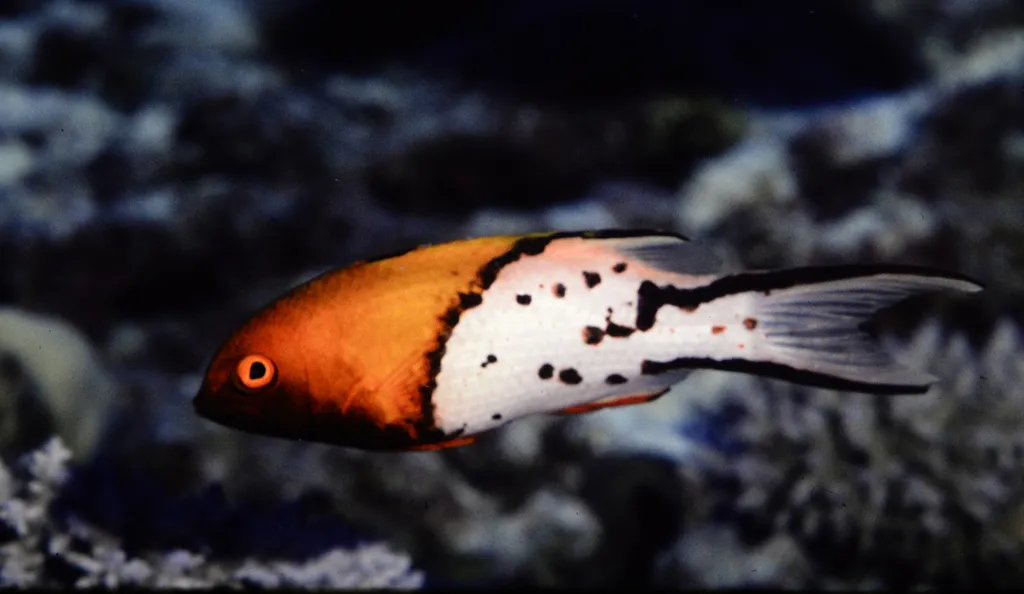
Lyretail Hogfish
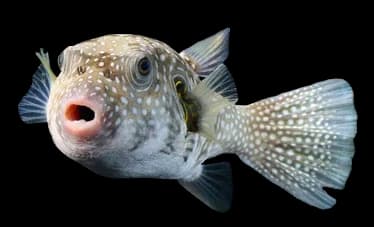
Pufferfish
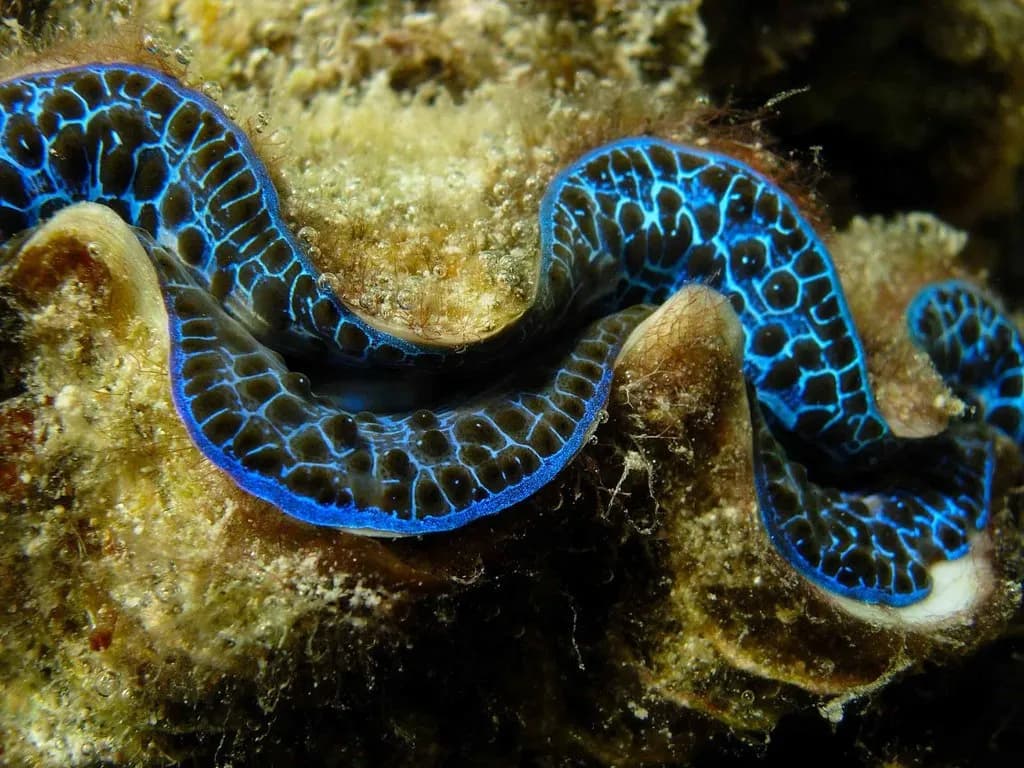
Snails
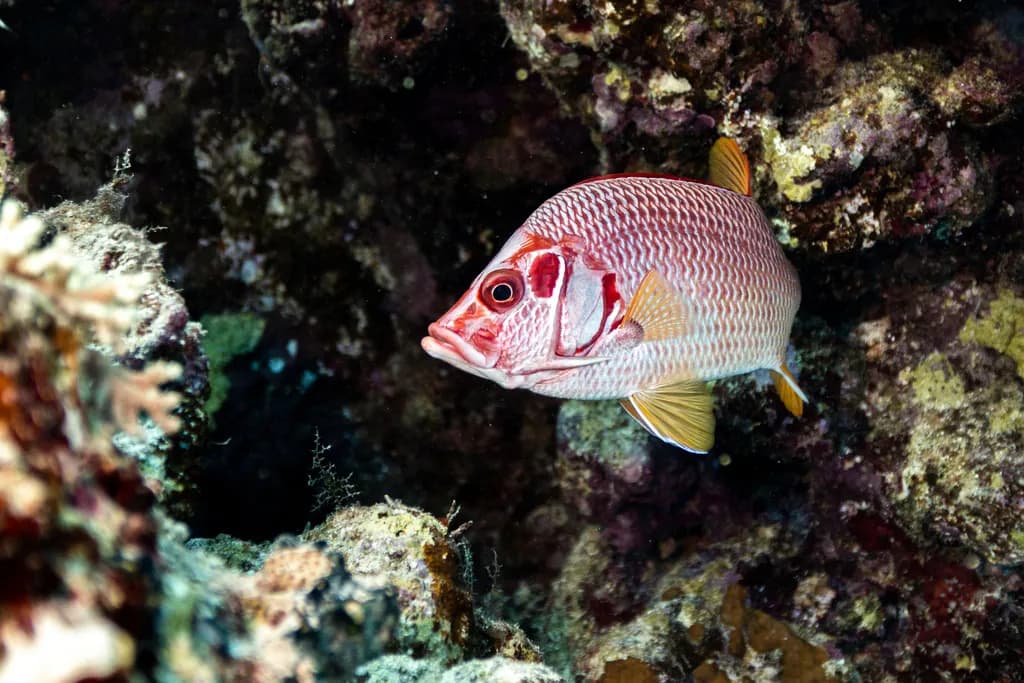
Squirrelfish

Trevally
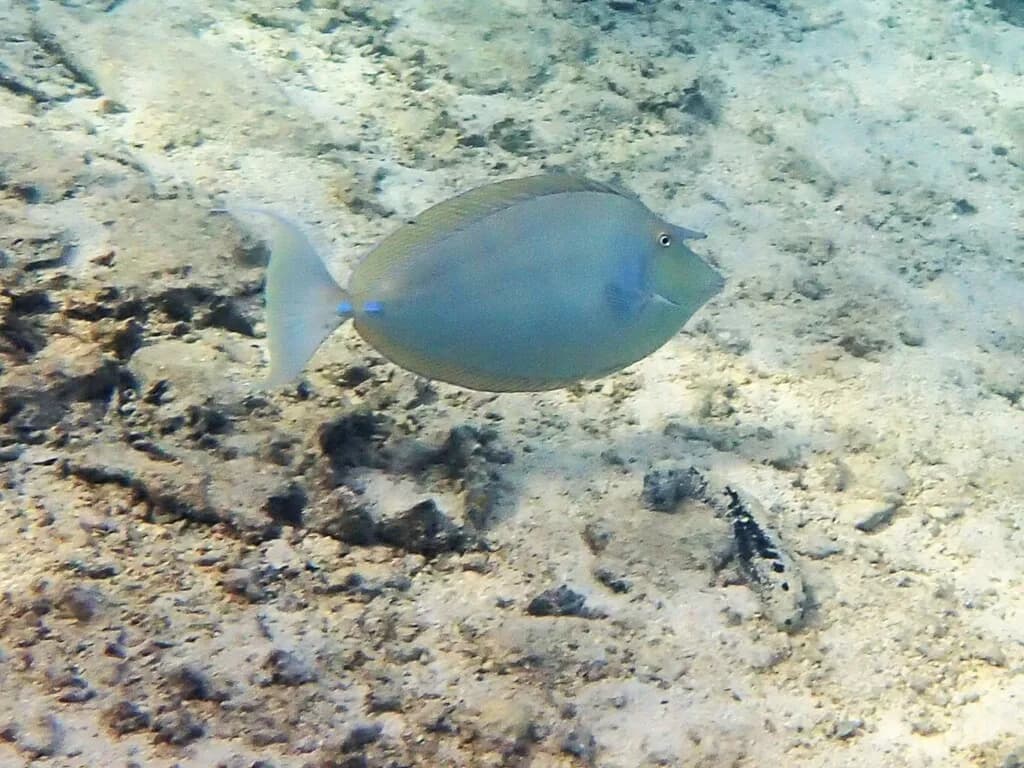
Unicorn Fish