
Daedalus Reef
Daedalus Reef
Overview
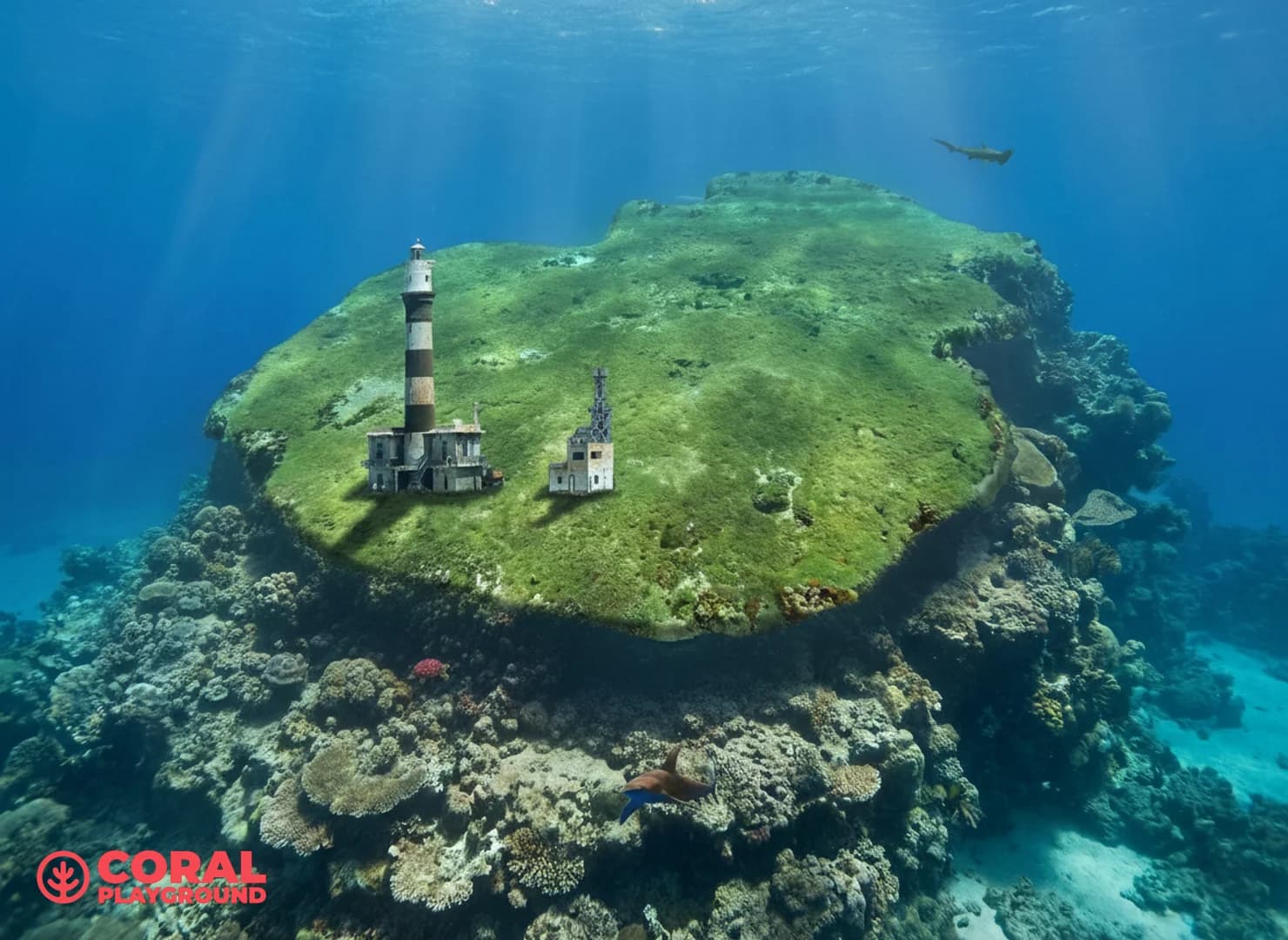
Daedalus is the far-offshore shark reef of the Egyptian deep south — a lone, near-circular coral platform marooned roughly 80km out in the open Red Sea east of Marsa Alam, crowned by a 19th-century lighthouse and reachable only by liveaboard. Its isolation is exactly the point: cut off from the coast and sitting in a marine park, it has some of the most pristine coral and the most reliable big-animal action in Egypt, drawing experienced divers chasing schooling hammerheads, oceanic whitetips and the occasional thresher.
The Dive
The reef is a roughly 400m-wide oval rising sheer from very deep water, ringed almost entirely by vertical walls that plunge far past sport-diving limits. Dives are run as drifts: the boat drops you on a corner and the current sweeps you along the wall while you hang at a sensible recreational depth — most of the action sits in the 15–30m band — and watch the blue. The northern and southern plateaus and corners are the classic stations, where divers hold at the edge of the drop-off and wait for sharks to materialise out of the open water. Currents here are genuinely strong and can change direction, the walls give no shallow refuge, and there is no land to swim to, so trips are run by experienced guides who read the conditions and pick the corner. A reef hook, good air consumption and disciplined depth control are part of the toolkit. The northwest wall is famous for a dense forest of anemones, and the coral cover — soft corals, gorgonians and hard-coral gardens fed by the constant current — is as good as the Red Sea gets.
Marine Life
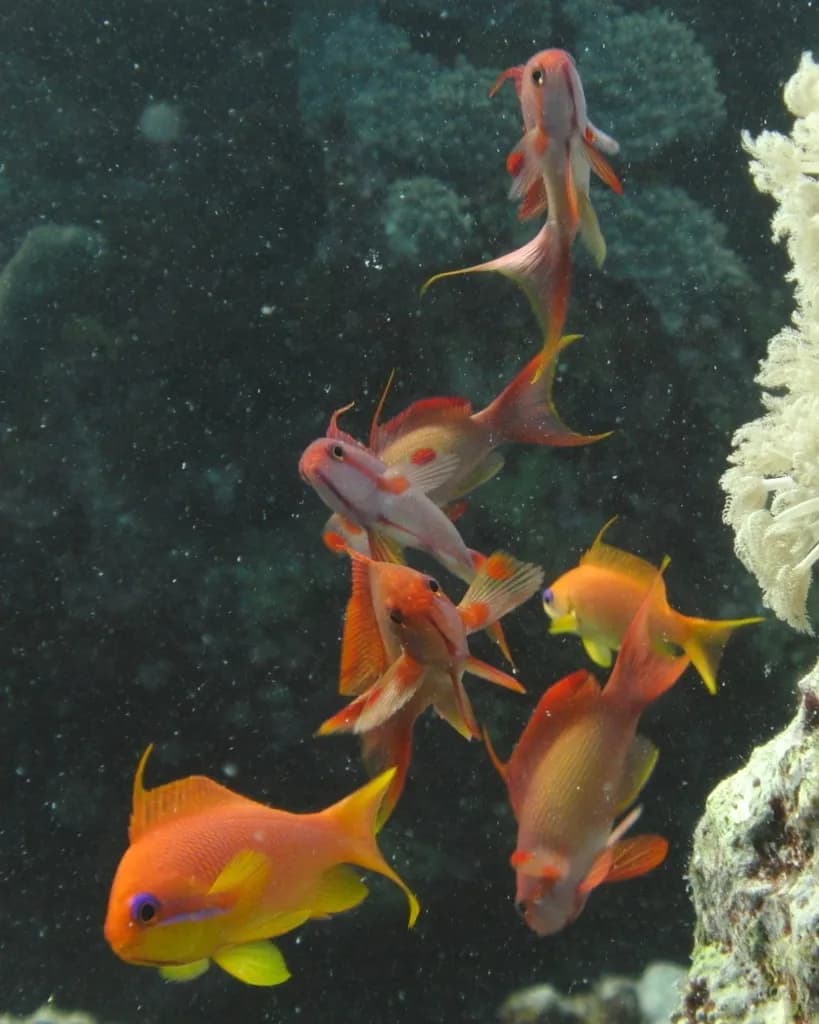
Daedalus is a pelagic magnet. The headline act in late spring and summer is schooling scalloped hammerheads, sometimes massing in numbers over the plateaus; bold oceanic whitetip sharks patrol the surface and shallows in autumn; and the southern reef is the spot to look for the elusive thresher. Grey reef and silvertip sharks are near-permanent residents, and the blue brings giant trevally, dogtooth tuna and big jacks. Napoleon wrasse, turtles, fusiliers and even passing manta rays round out a cast that is consistently world-class. The walls themselves are upholstered in soft coral and reef fish, so there is plenty to look at even when the big animals are shy.
Good to Know
This is an advanced, current-swept, deep-water site for confident divers comfortable on drift dives with no bottom and no nearby shore — it is not a place to log your first deep dives. Visibility is routinely 30m or more, and the season runs roughly March to November, with the hammerhead peak in the warmer summer months and the oceanic whitetips most reliable in October–November. The only way in is a southern Red Sea liveaboard out of Marsa Alam or Port Ghalib, usually combining Daedalus with the Brothers and Elphinstone on a "Deep South" itinerary; weather can force the crossing to be abandoned, so a degree of flexibility helps.
Depth
5-40m
Visibility
25-40m
Current
strong
Access
liveaboard
Certification
Advanced Open Water
Species
Anthias
Whale Shark
Stingray
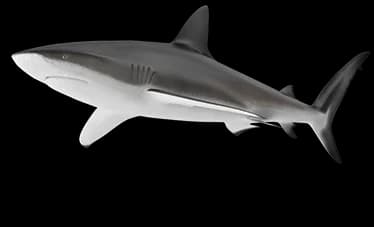
Grey Reef Shark
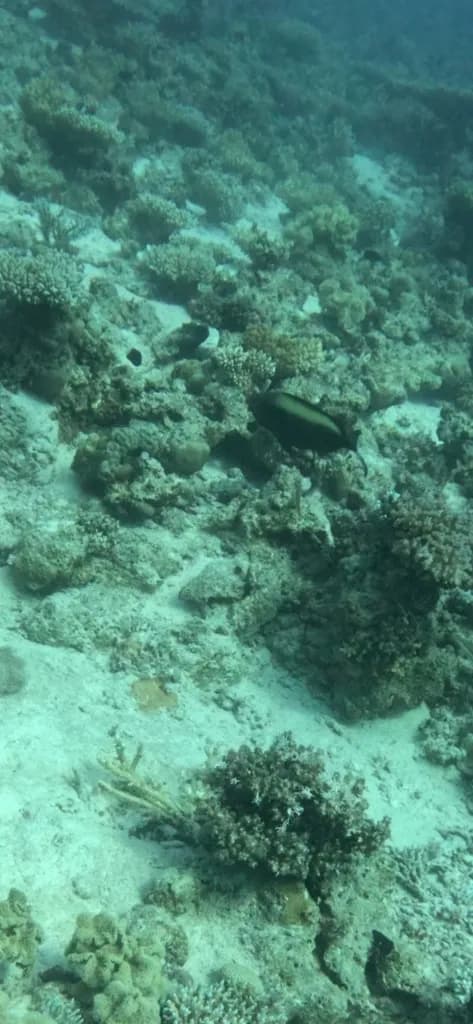
Bicolor Parrotfish
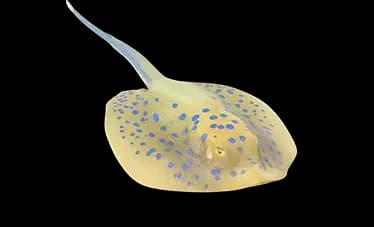
Blue Spotted Stingray
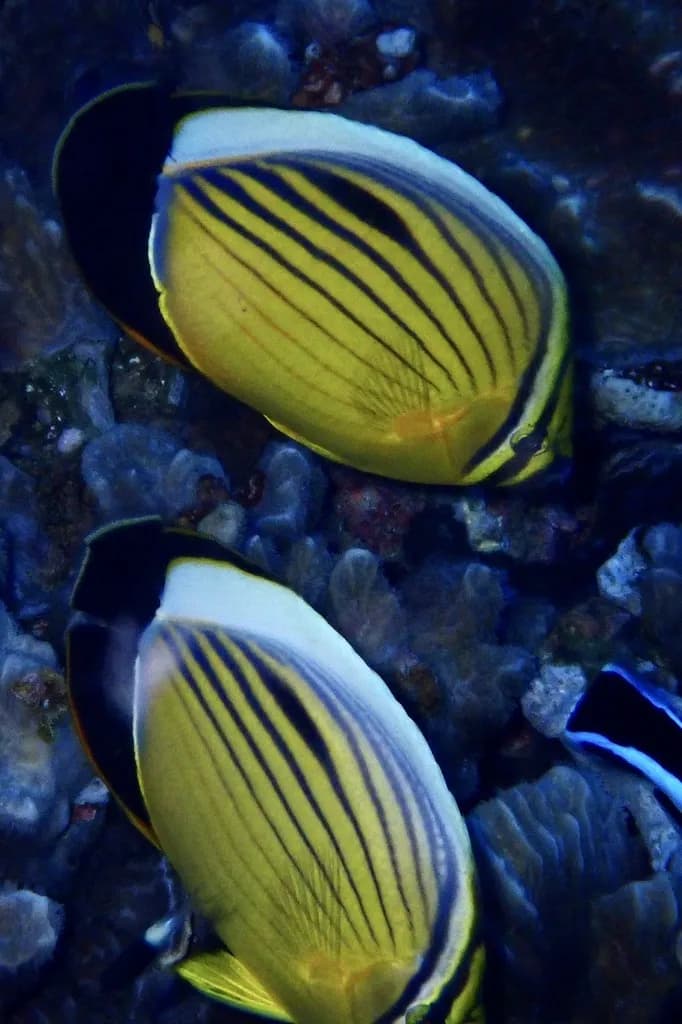
Butterflyfish
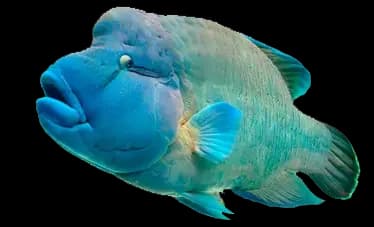
Napoleon Wrasse
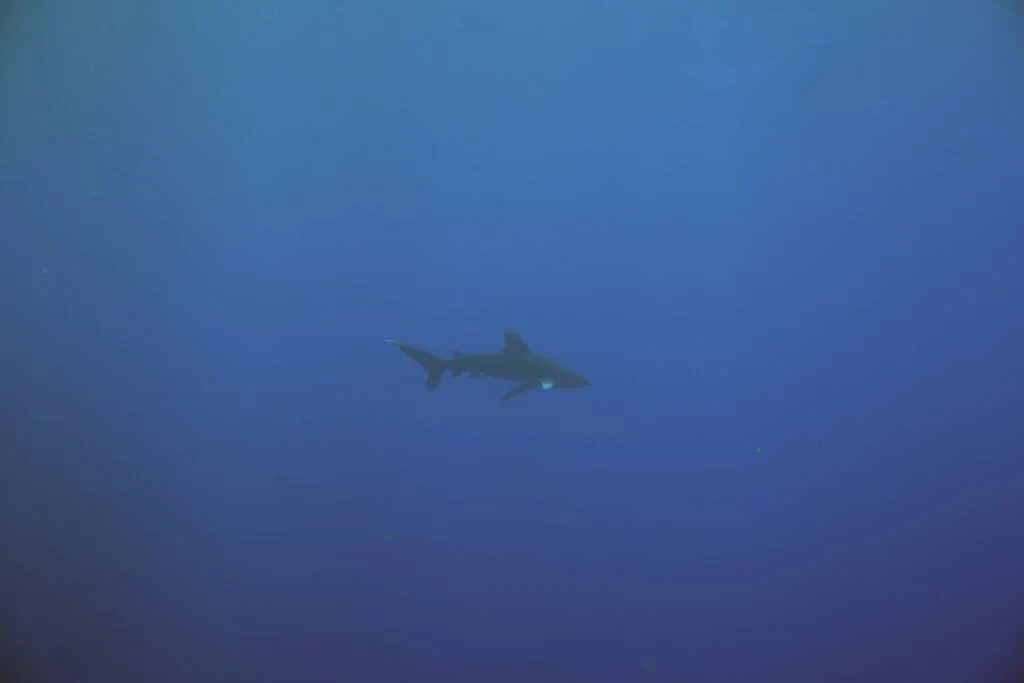
Oceanic Whitetip Shark
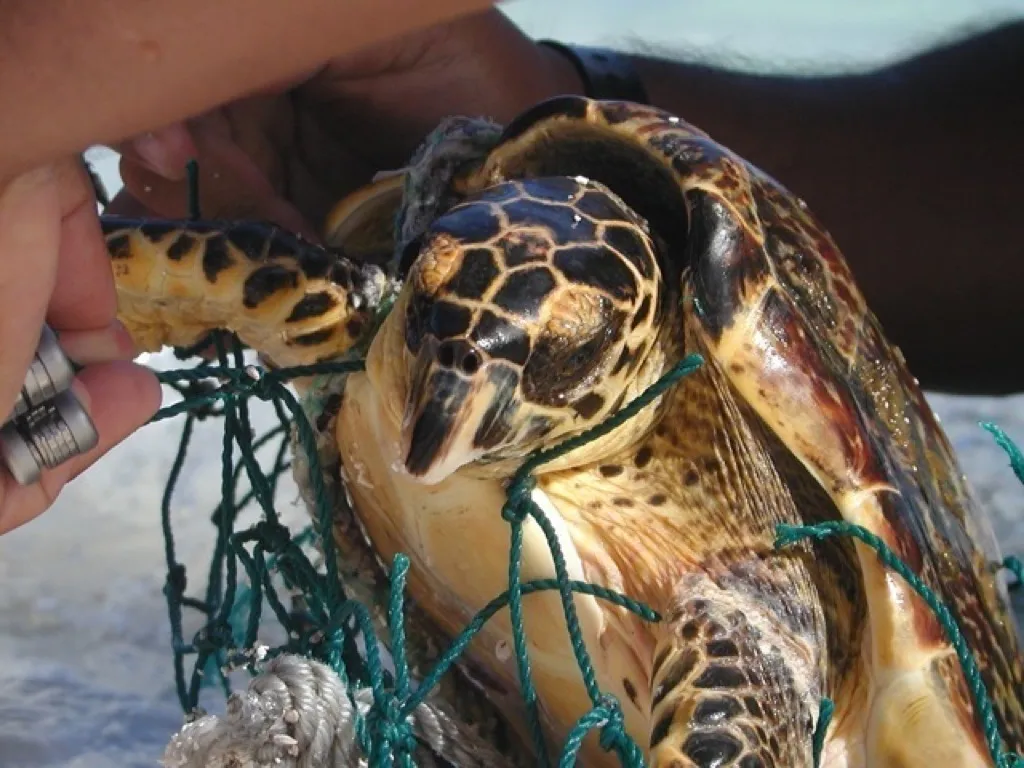
Hawksbill Turtle
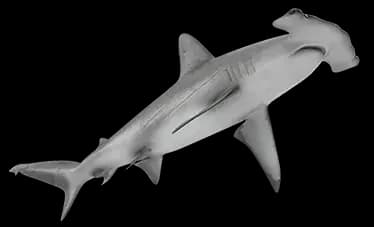
Hammerhead Shark
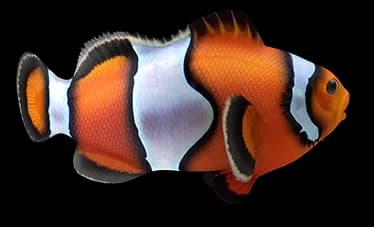
Clownfish
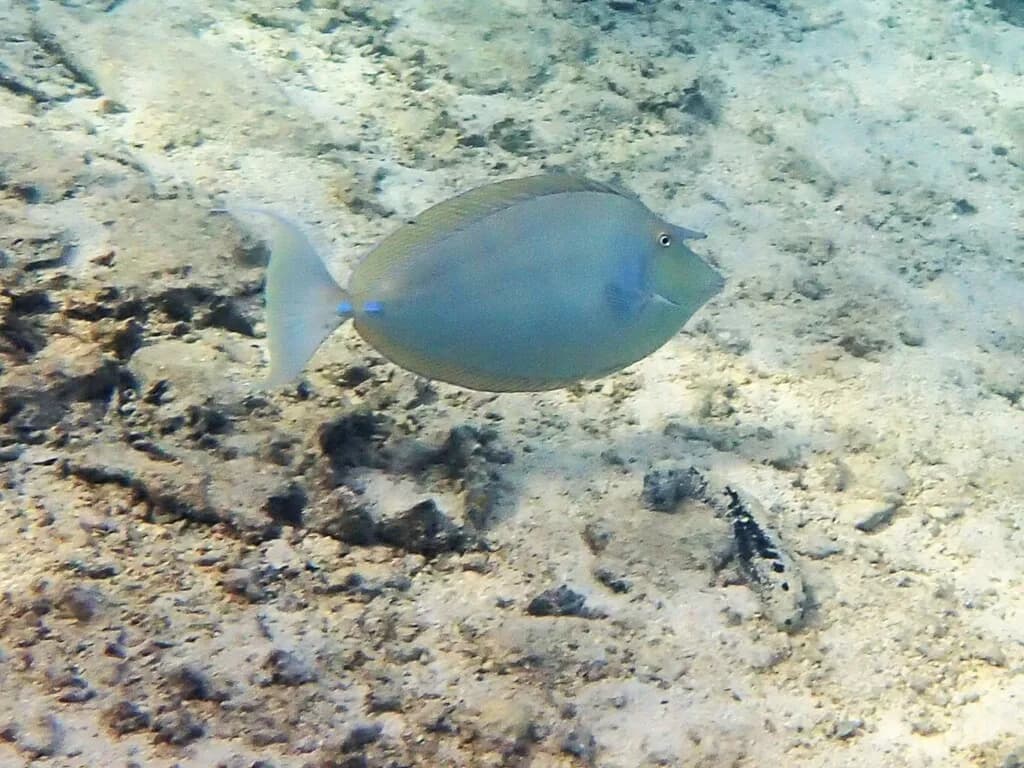
Unicorn Fish
Blackside Hawkfish
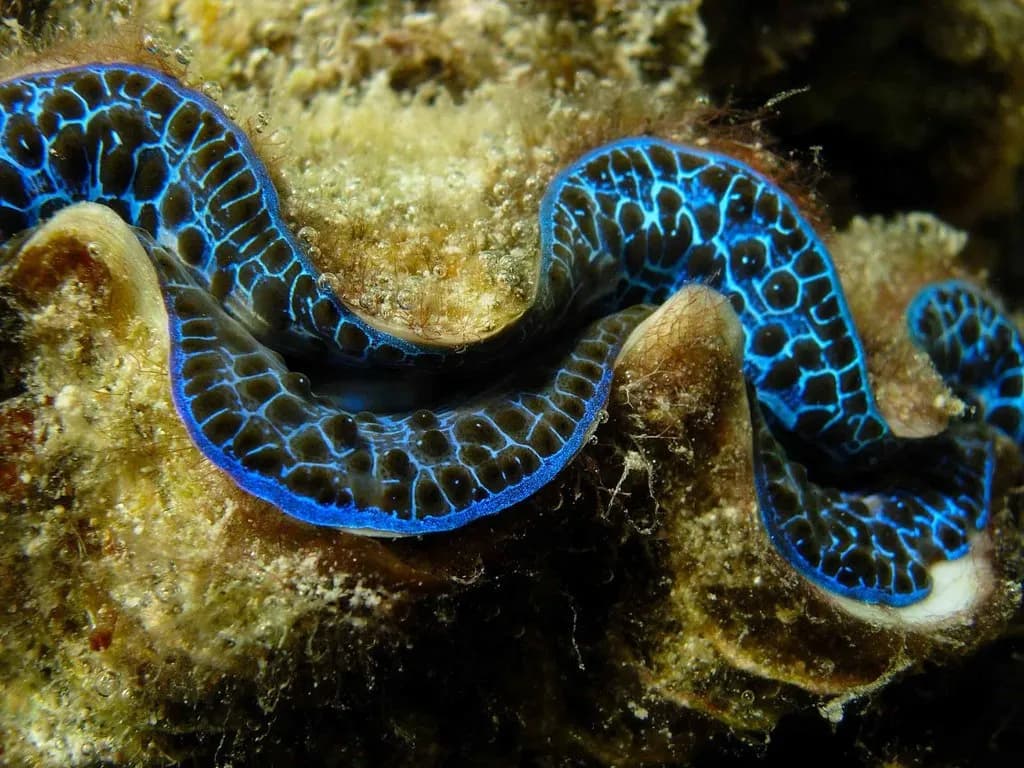
Snails
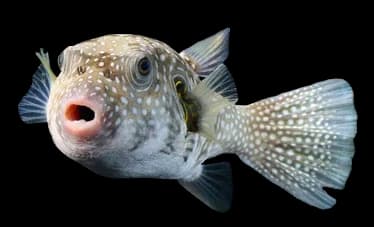
Pufferfish
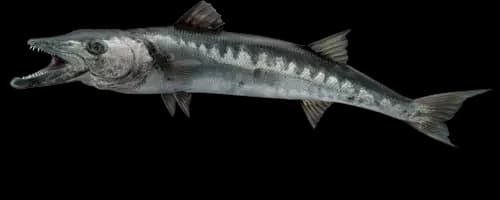
Barracuda
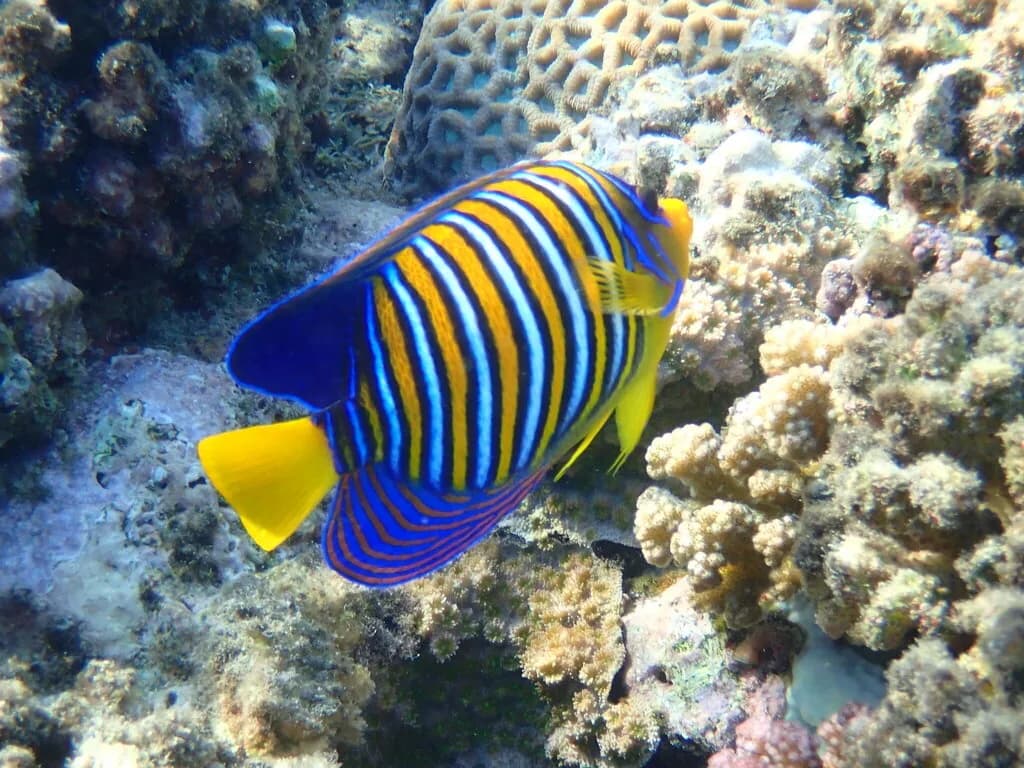
Regal Angelfish
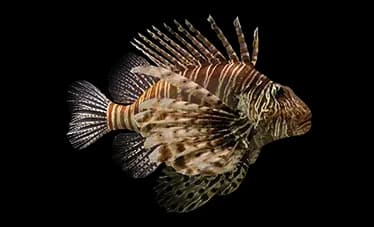
Lionfish
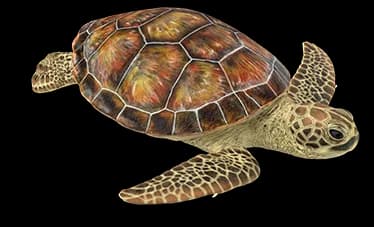
Turtle
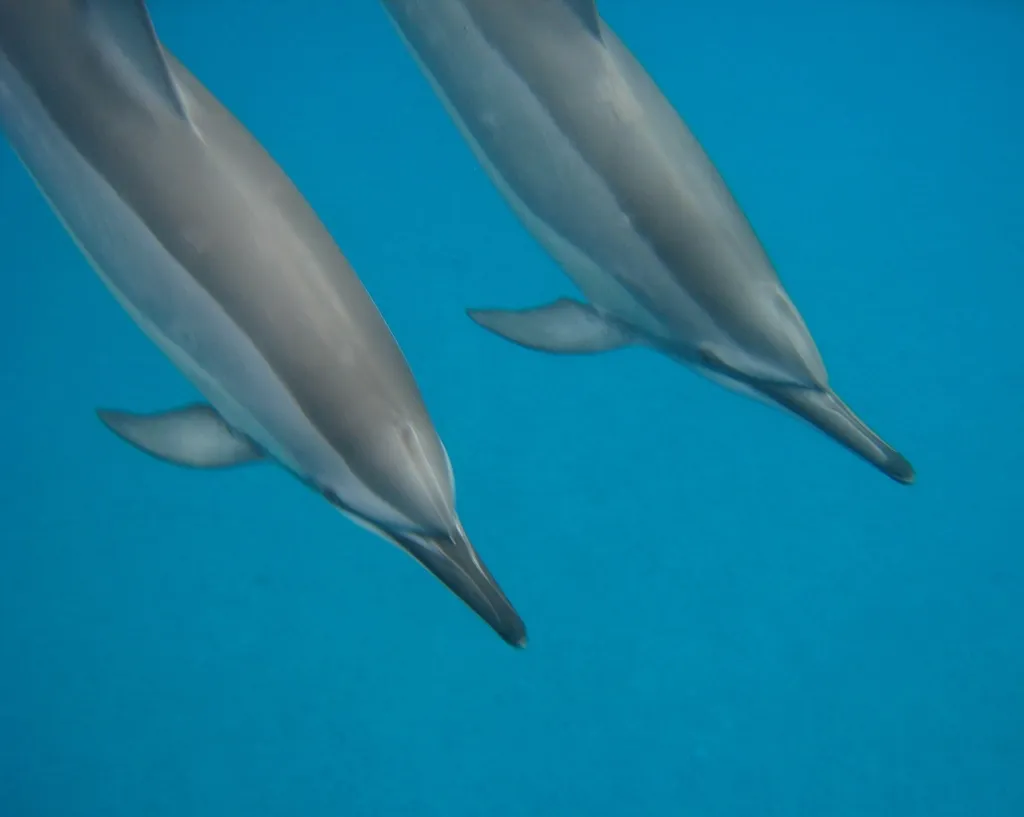
Spinner Dolphin
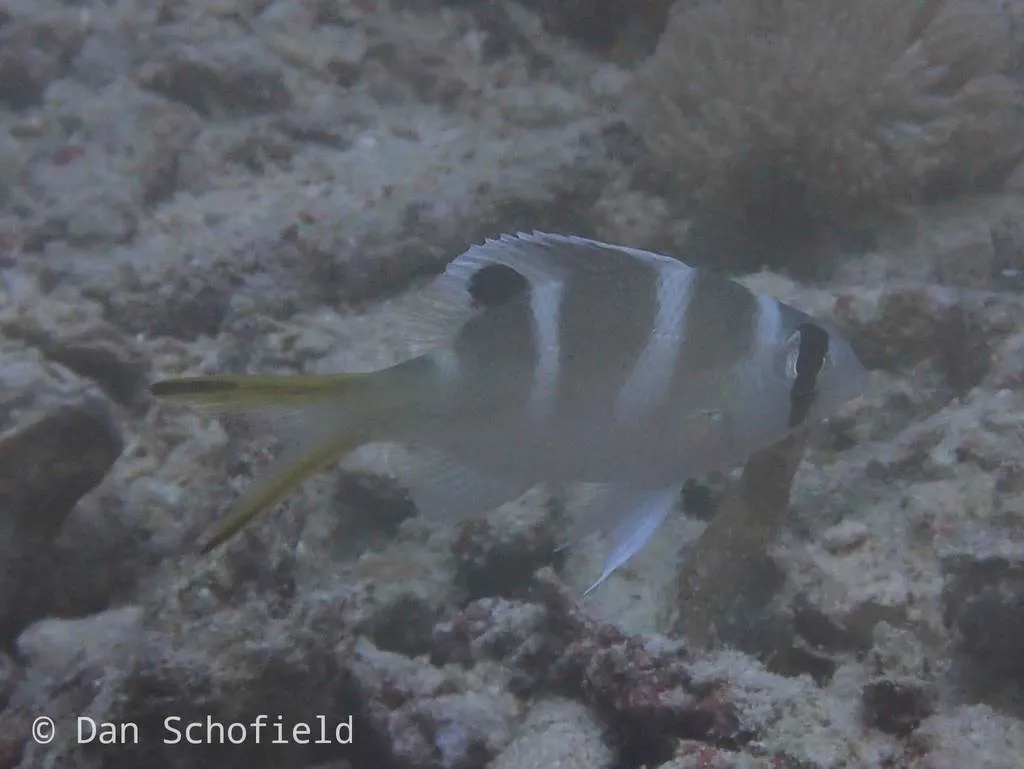
Bream
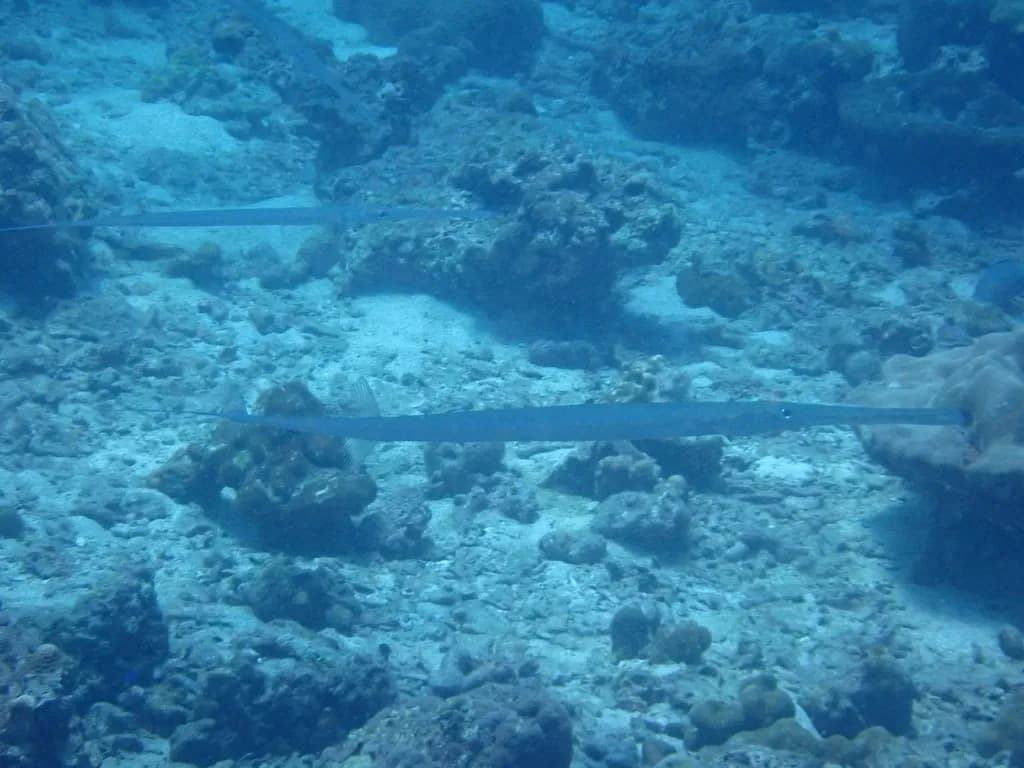
Cornetfish
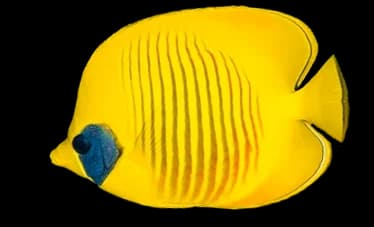
Masked Butterflyfish
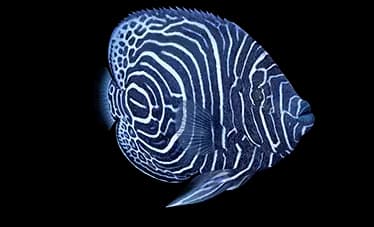
Emperor Angelfish

Trevally
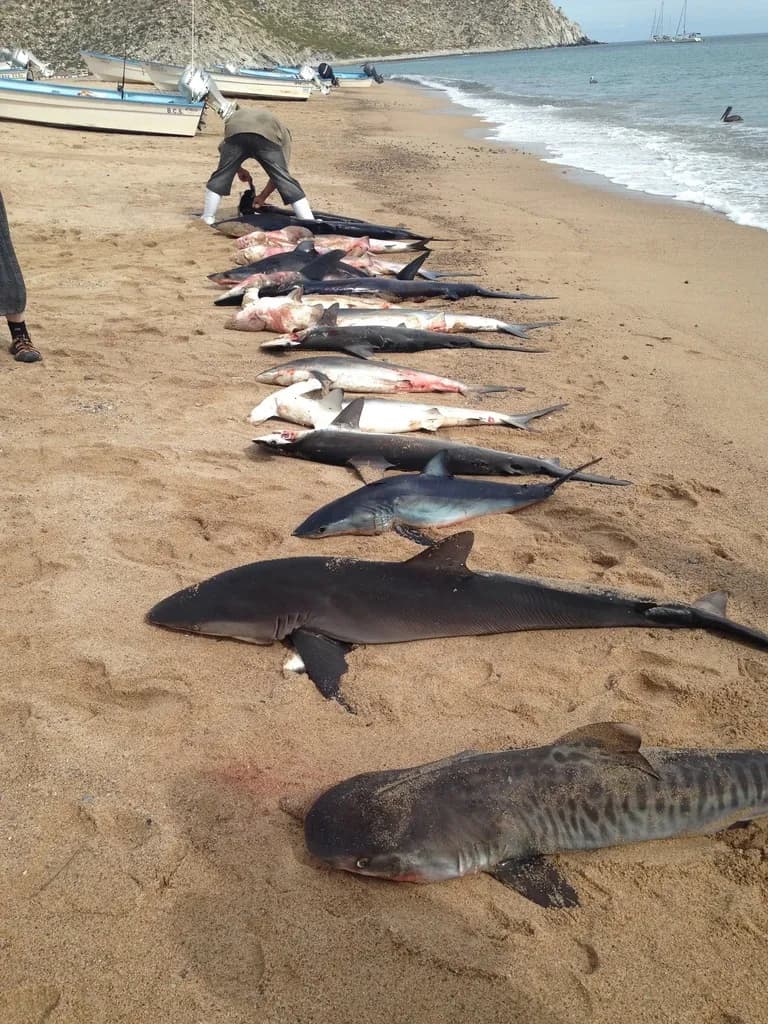
Silky Shark
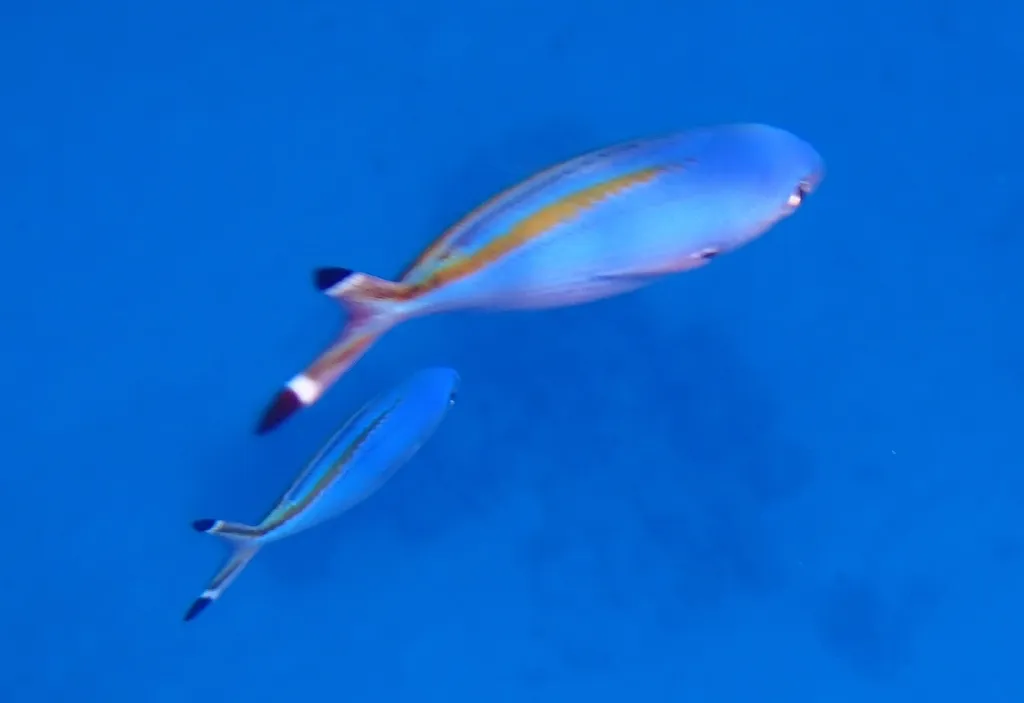
Fusilier
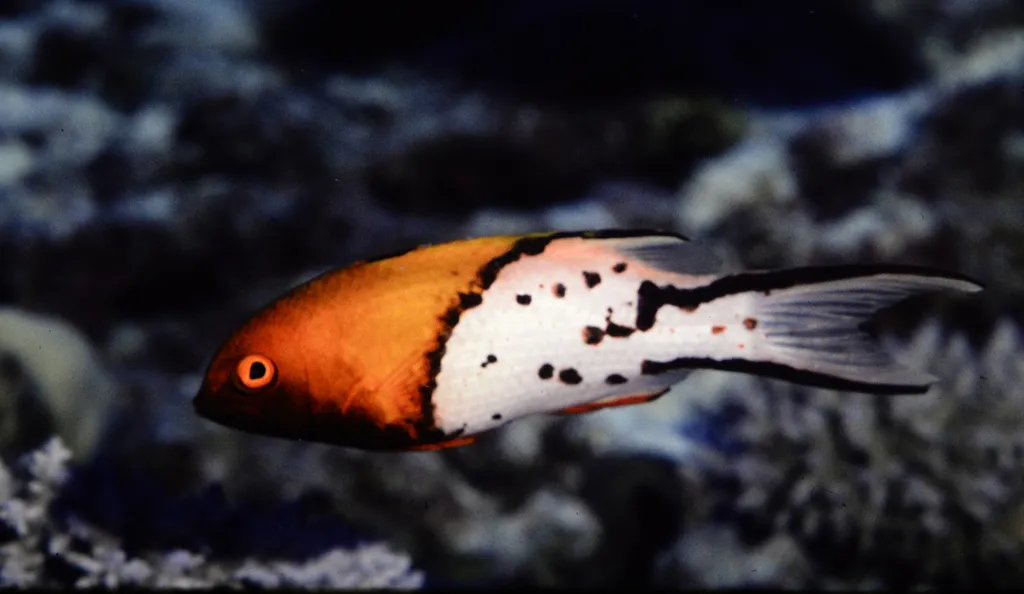
Lyretail Hogfish
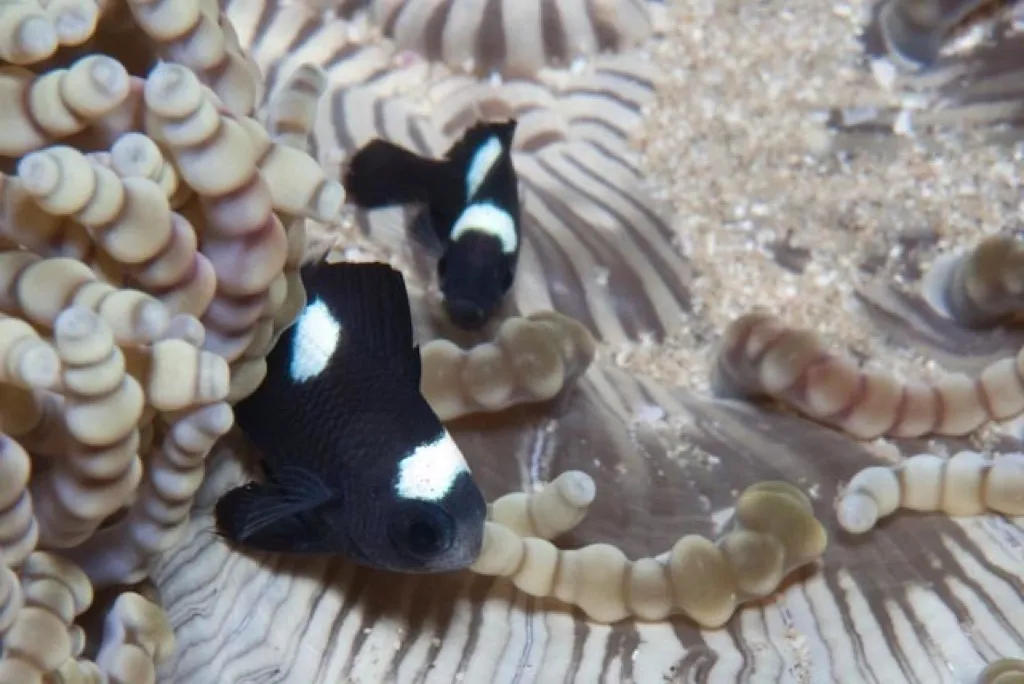
Domino Damsel
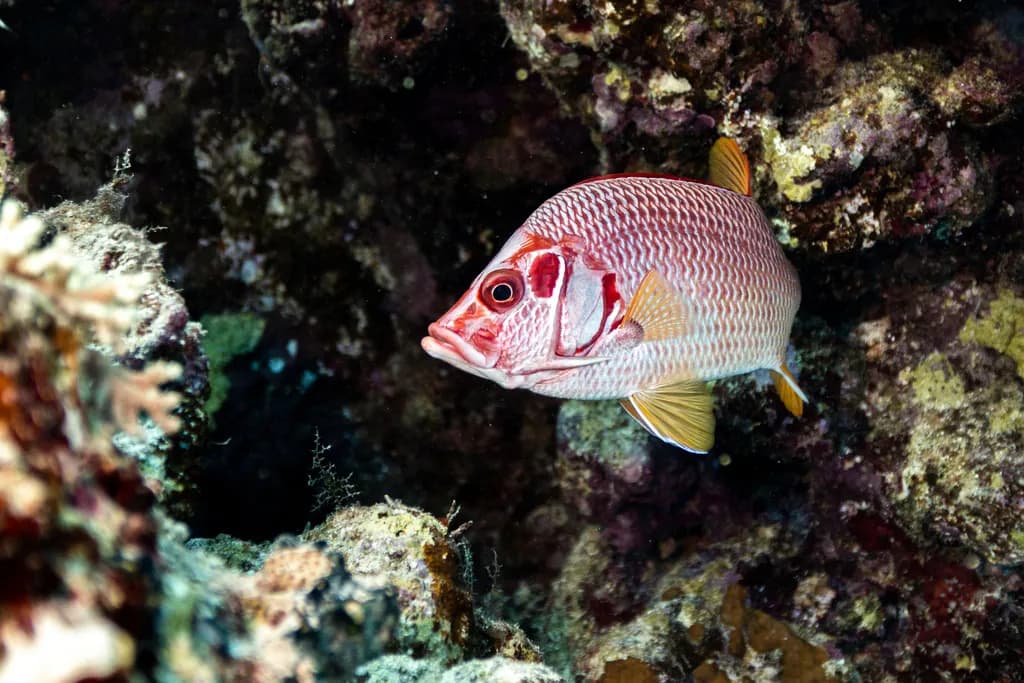
Squirrelfish
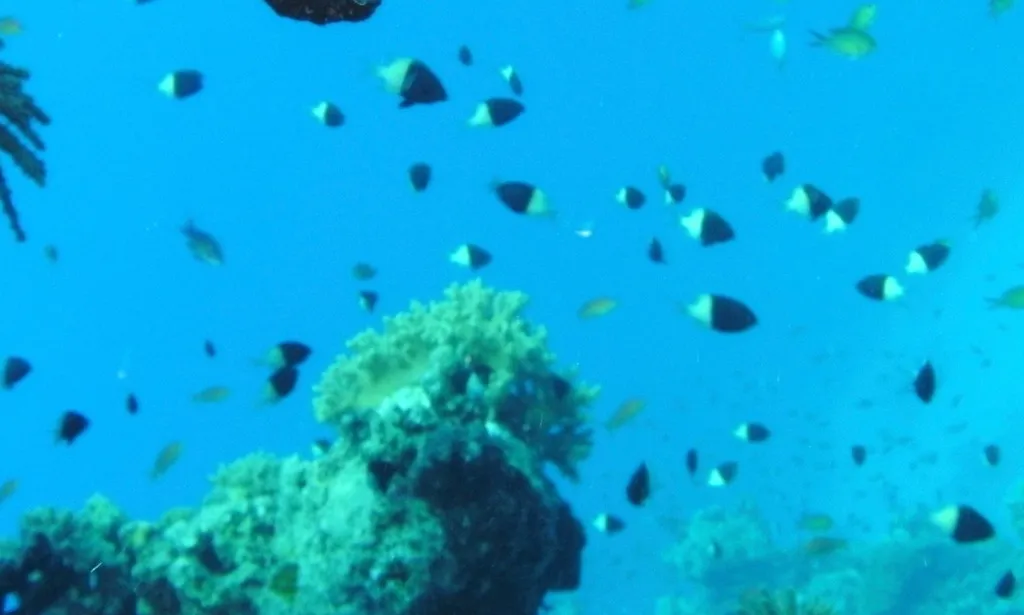
Bicolour Puller
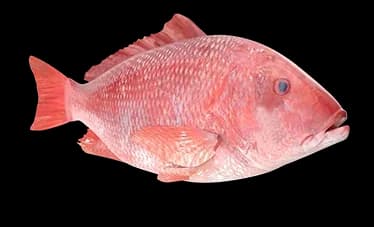
Red Snapper
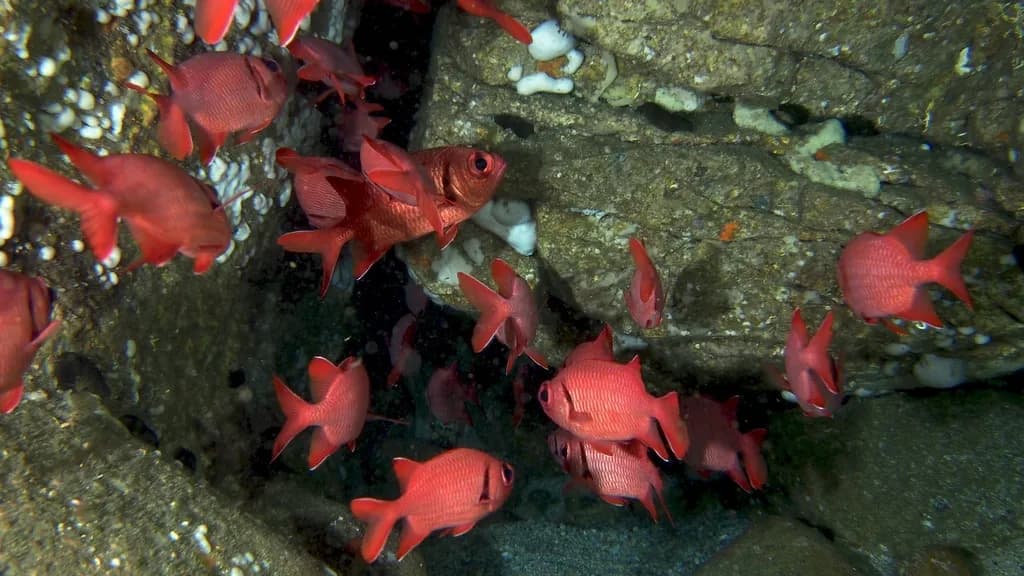
Soldierfish
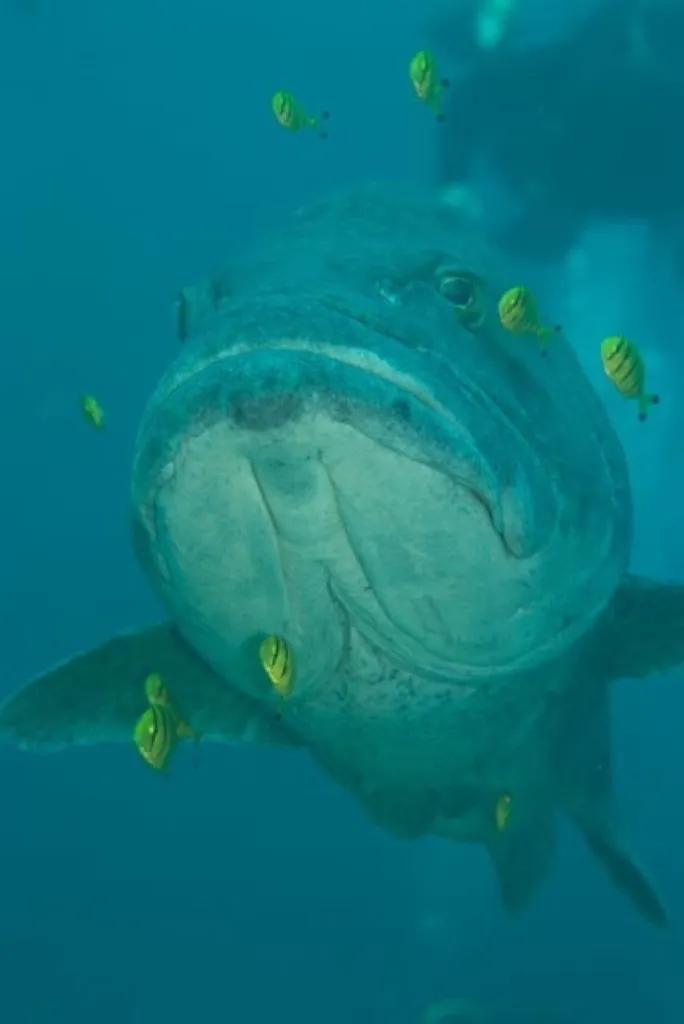
Black Grouper
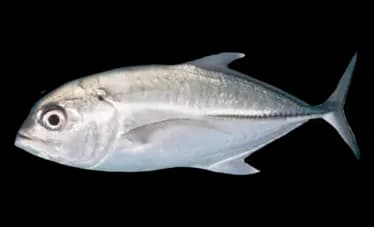
Jackfish
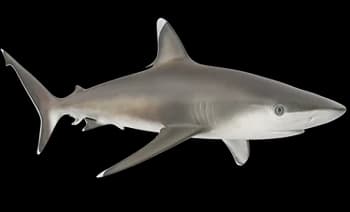
Whitetip Shark
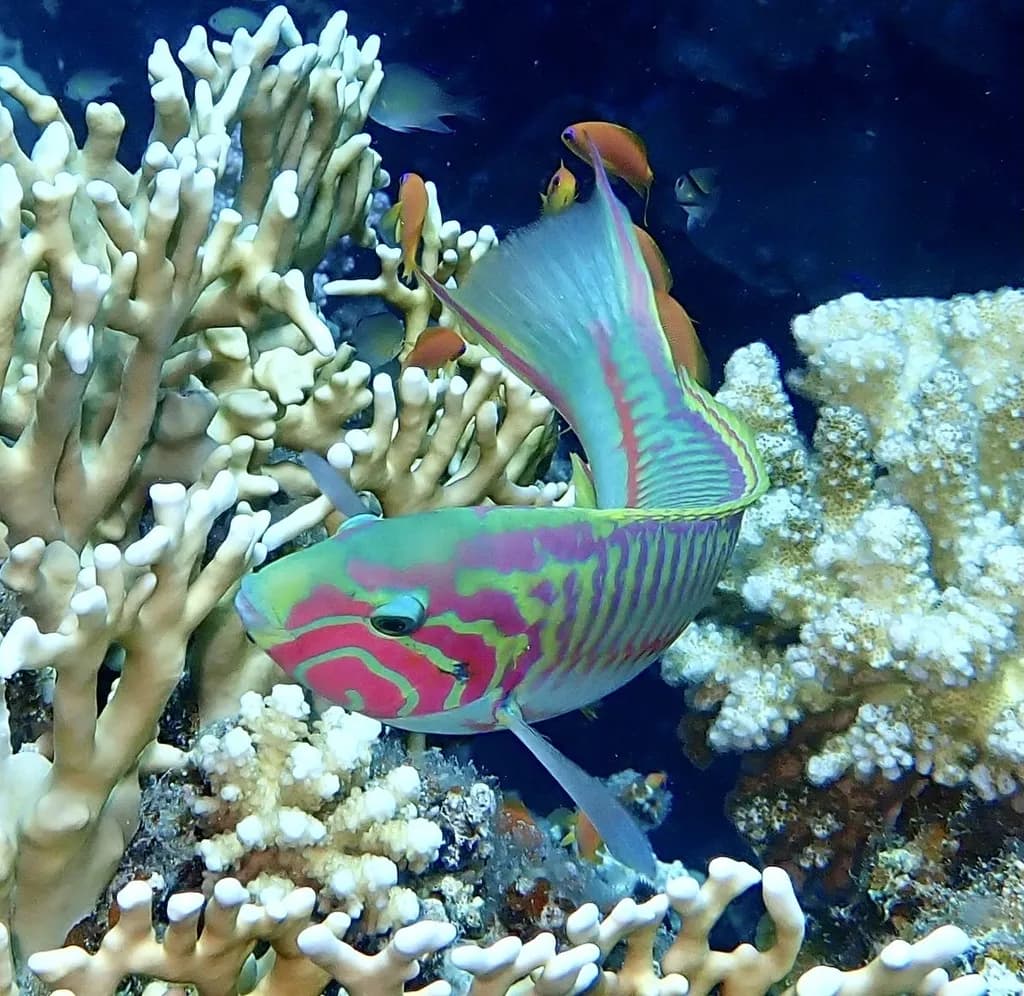
Klunzinger's Wrasse
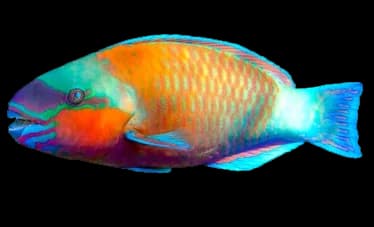
Parrotfish
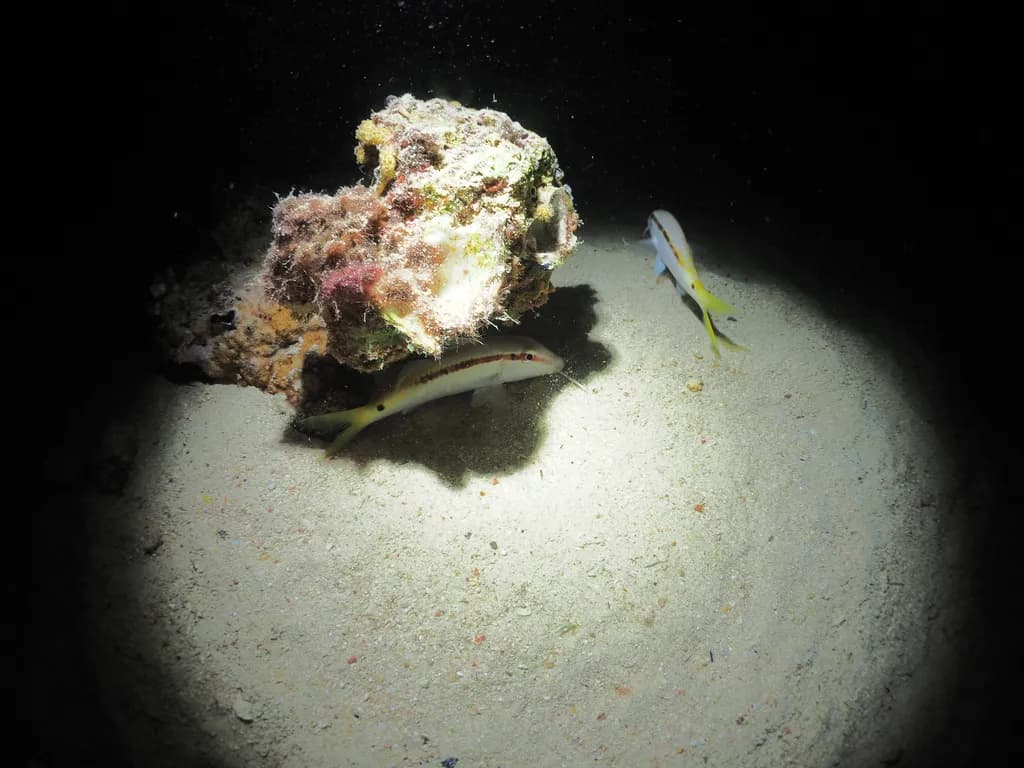
Goatfish
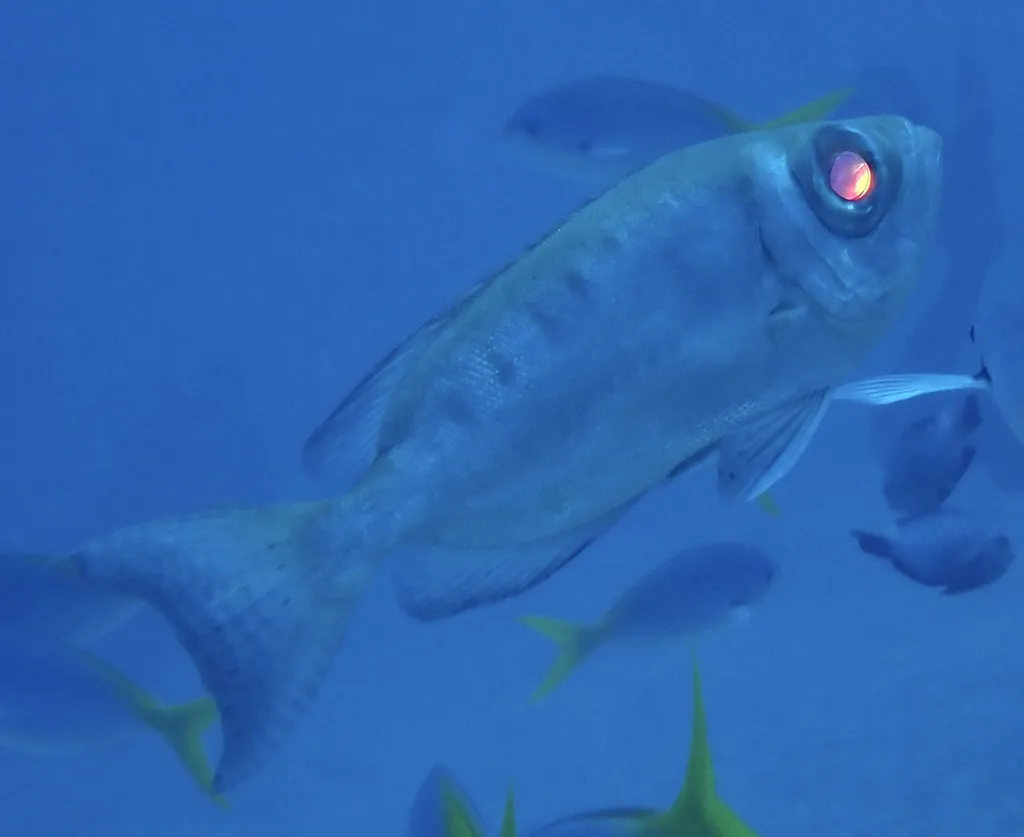
Bigeye
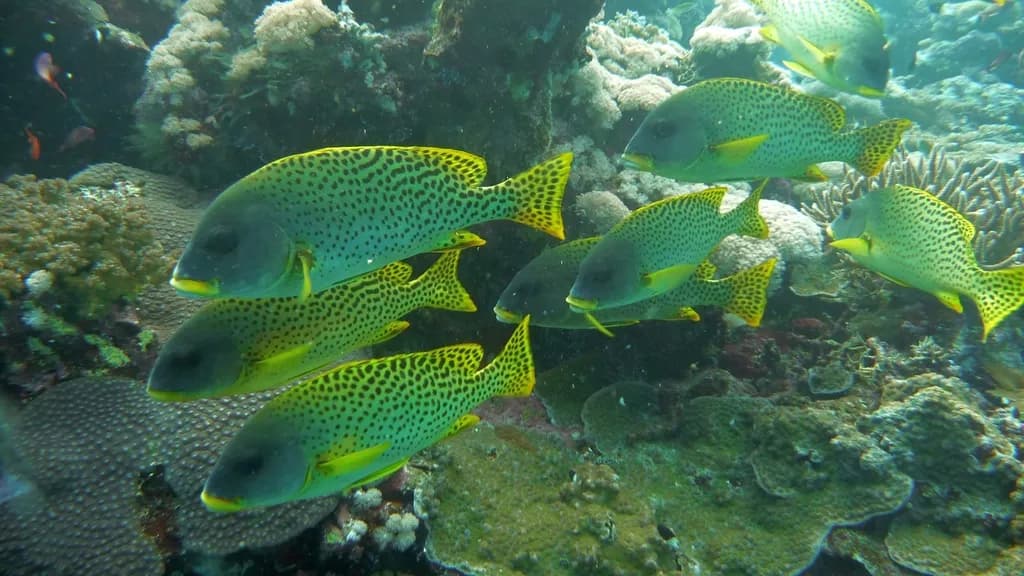
Sweetlip
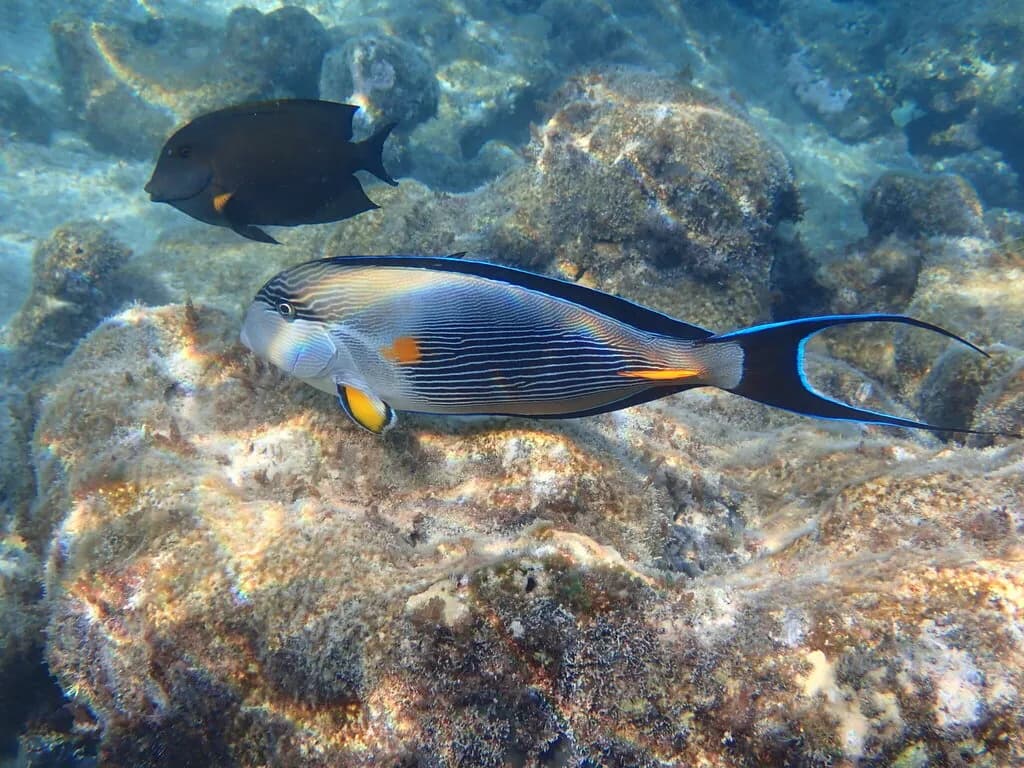
Surgeonfish
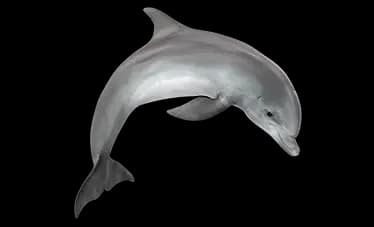
Dolphin
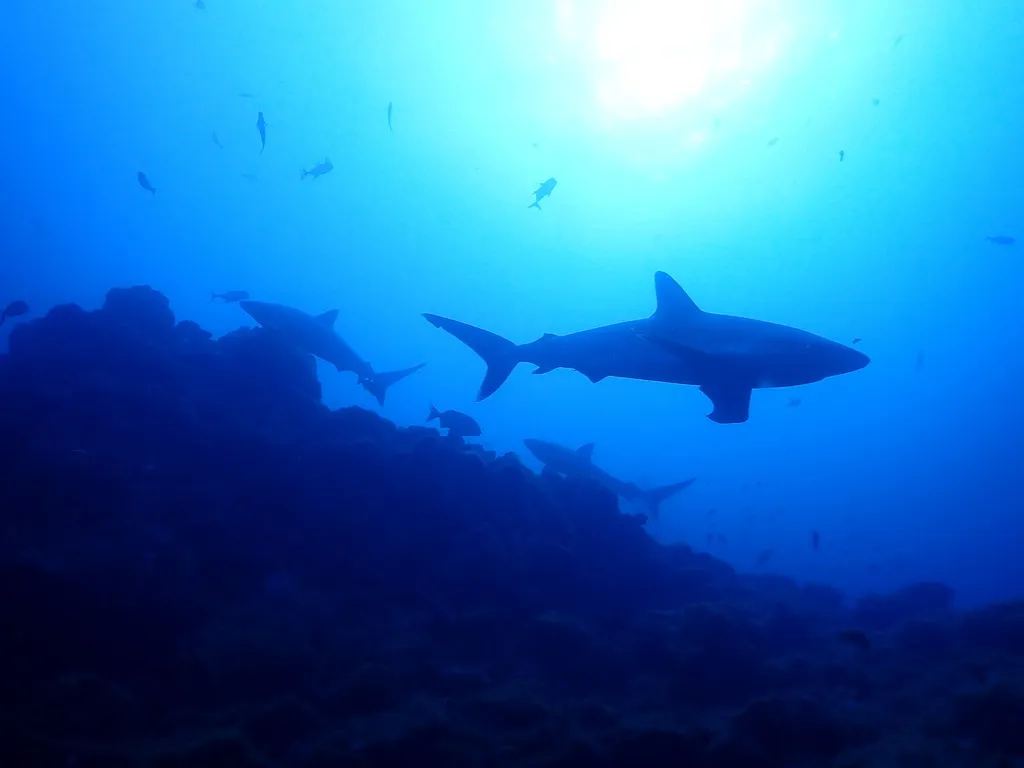
Silvertip Shark
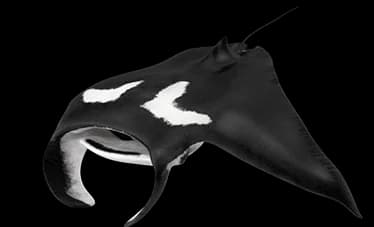
Manta Ray
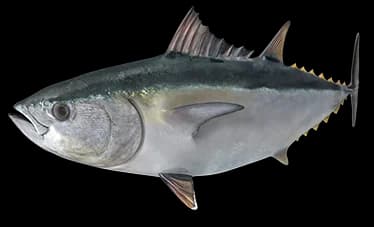
Tuna
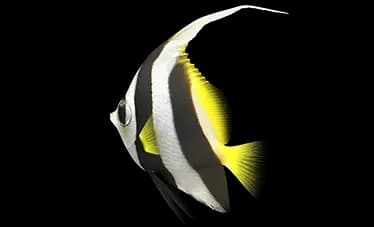
Bannerfish
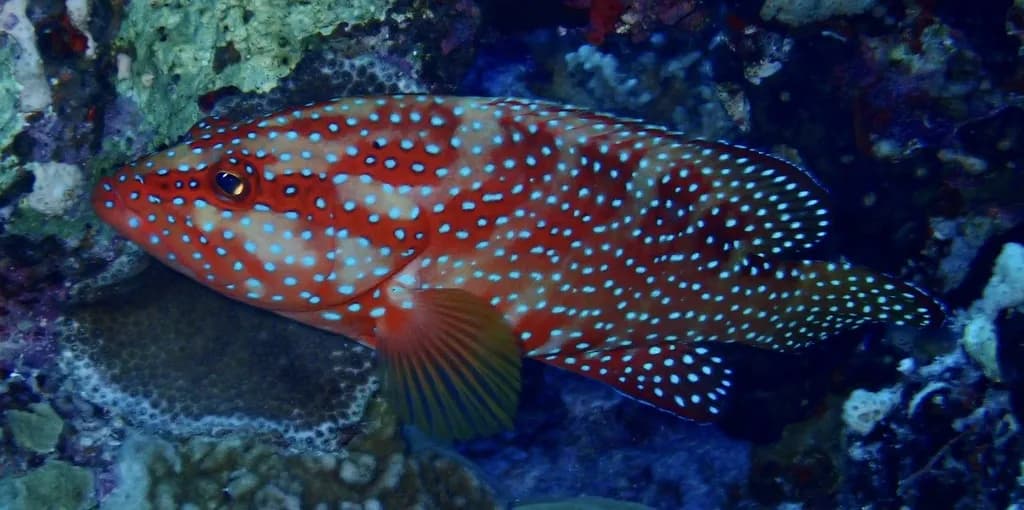
Coral Grouper
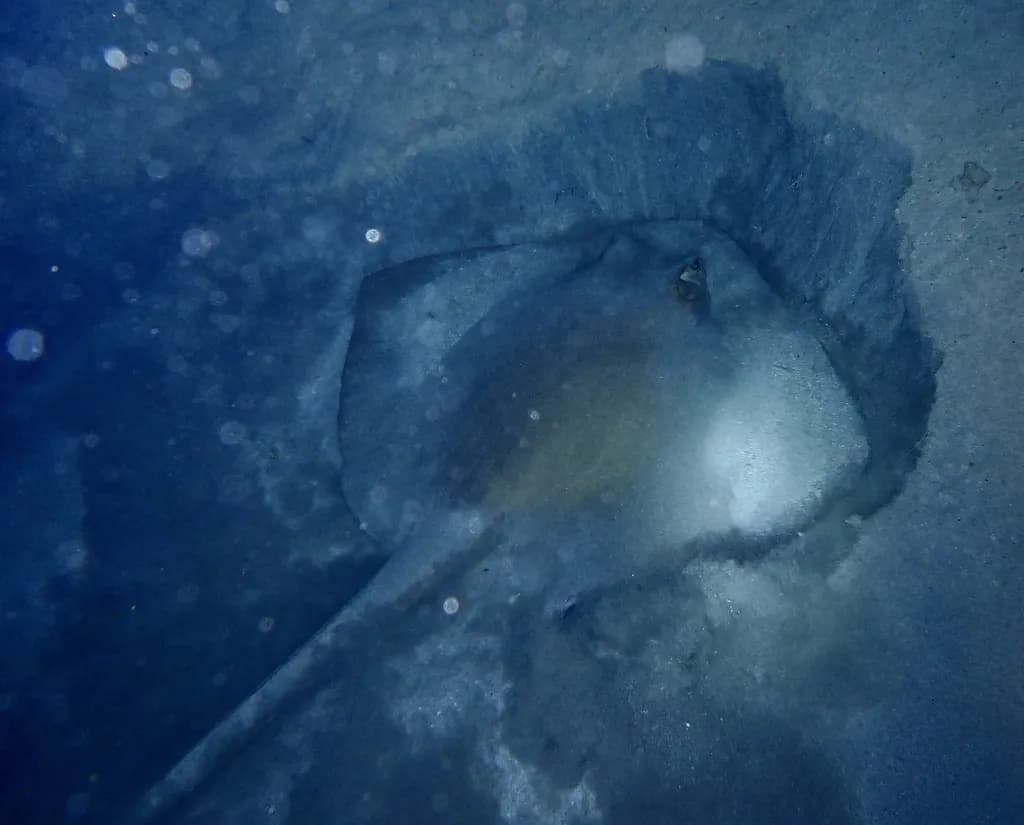
Feathertail Ray
Moray Eel
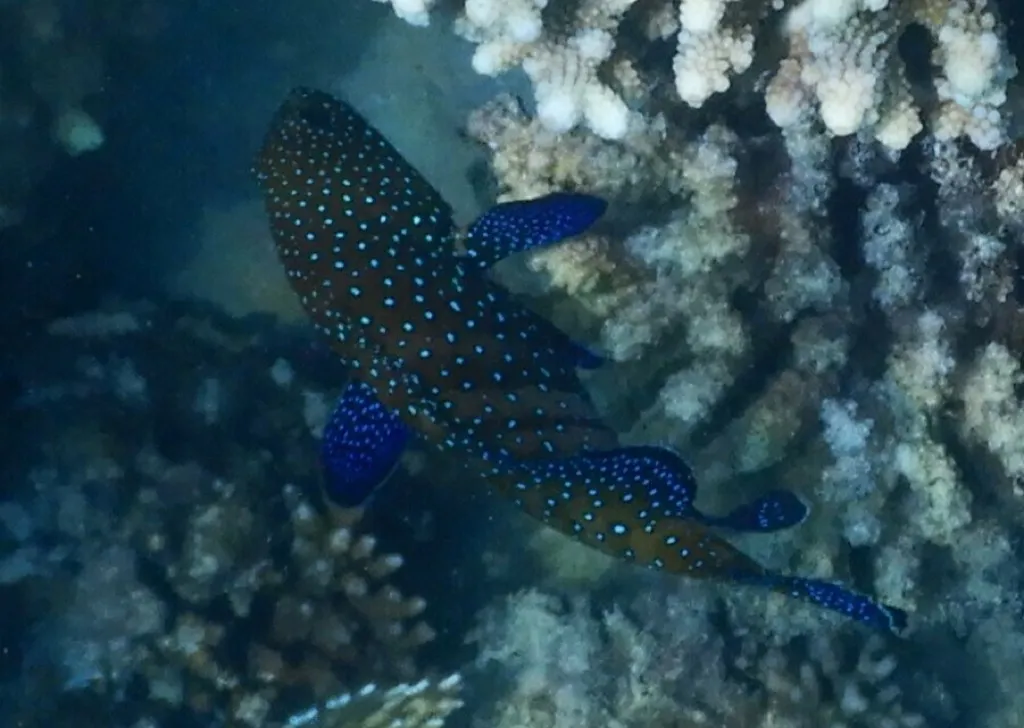
Peacock Grouper
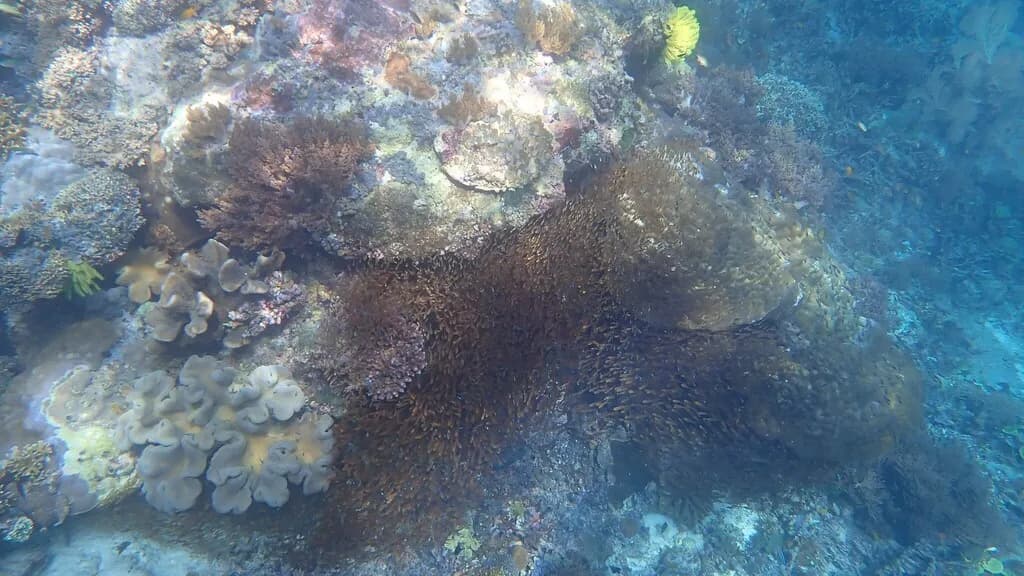
Pygmy Sweeper
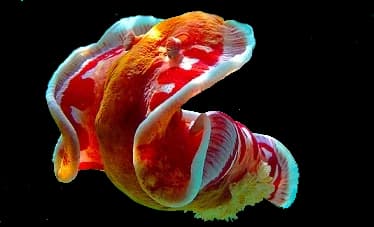
Spanish Dancer
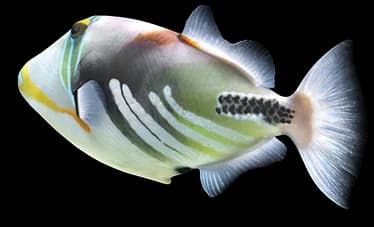
Triggerfish