
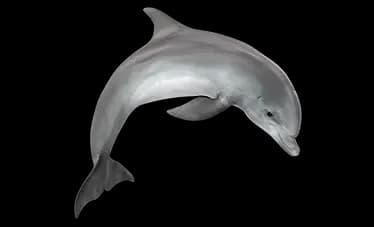
Mammal · Least Concern
Dolphin
About
The common bottlenose dolphin, or Atlantic bottlenose dolphin, is one of three bottlenose species in the genus Tursiops. The name "bottlenose dolphin" was once used for this animal alone but now refers to the whole genus. Because the species shows considerable genetic variation, even between neighbouring populations, many researchers expect that further species will eventually be split out.
- Family
- Delphinidae
- Avg size
- 250-380 cm
- Habitat
- While dolphins as a group occur in every ocean and even in some rivers, the common bottlenose dolphin keeps to warmer waters, inhabiting temperate, subtropical and tropical seas worldwide, with a global population estimated at around 600,000. Some populations live close to shore and others well out to sea; the offshore animals are generally larger and darker with proportionally shorter fins and beaks. Offshore groups may migrate up to 4,200 km (2,600 mi) in a season, whereas inshore groups roam much less.
- Behaviour
- A highly social species, it lives in groups called pods that average about 15 animals but can range from pairs up to more than 100, and occasionally over 1,000 for brief periods. Group makeup depends on the age and sex of its members and can shift over time, while geographic range shapes much of the dolphins' behaviour, including how densely they travel. Pods take several forms, including nursery groups, juvenile groups and bands of adult males.
Where & when
Where & When to See It
Amphoras
occasionalYear RoundLittle Brother Island
occasionalYear RoundNumidia
occasionalYear RoundPinky Wall
occasionalYear RoundRas Bob
occasionalYear RoundRas Nasrani
occasionalYear RoundShaab Sabina
occasionalYear RoundShark & Yolanda Reef
occasionalYear RoundShark Observatory
occasionalYear RoundThistlegorm
occasionalYear RoundThree Pools
occasionalYear RoundWhite Knight
occasionalYear RoundAbu Dabbab
occasionalYear RoundAbu Hashish
occasionalYear RoundAbu Kifan
occasionalYear RoundAbu Ramada North
occasionalYear RoundAbu Ramada South
occasionalYear RoundAida
occasionalYear RoundBanana Reef
occasionalYear RoundBelina Wreck
occasionalYear RoundBig Brother Island
occasionalYear RoundBig Giftun
occasionalYear RoundBlue Hole - El Bells
occasionalYear RoundBluff Point
occasionalYear RoundCareless Reef
occasionalYear RoundChrisoula K
occasionalYear RoundDaedalus Reef
occasionalYear RoundDunraven (Beacon Rock)
occasionalYear RoundEel Garden
occasionalYear RoundEel Gardens
occasionalYear RoundEl Erug
occasionalYear RoundEl Fanadir
occasionalYear RoundEl Mina Wreck
occasionalYear RoundElphinstone
occasionalYear RoundErg Abu Ramada
occasionalYear RoundErg Sabina
occasionalYear RoundErg Somaya
occasionalYear RoundFar Garden
occasionalYear RoundGiannis D
occasionalYear RoundGordon Reef
occasionalYear RoundGota Abu Ramada
occasionalYear RoundHabili Ali
occasionalYear RoundHamda
occasionalYear RoundJackfish Alley
occasionalYear RoundJackson Reef
occasionalYear RoundKimon M
occasionalYear RoundKormoran
occasionalYear RoundLaguna Reef
occasionalYear RoundLighthouse
occasionalYear RoundMiddle Garden
occasionalYear RoundMoray Garden - Golden Blocks
occasionalYear RoundNapoleon Reef
occasionalYear RoundNear Garden
occasionalYear RoundNorth Gabr El Bint
occasionalYear RoundPanorama Reef
occasionalYear RoundParadise
occasionalYear RoundRas Abu Helal
occasionalYear RoundRas Burg
occasionalYear RoundRas Disha
occasionalYear RoundRas Ghamila
occasionalYear RoundRas Ghozlani
occasionalYear RoundRas Katy
occasionalYear RoundRas Um Sid
occasionalYear RoundRas Zaatar
occasionalYear RoundSalem Express
occasionalYear RoundSha'ab Sharm
occasionalYear RoundShaab Abu Nugar
occasionalYear RoundShaab Eissa
occasionalYear RoundShaab Eshta
occasionalYear RoundShaab Petra
occasionalYear RoundShabrur Um Gamar
occasionalYear RoundShag Rock (Kingston)
occasionalYear RoundShark's Bay
occasionalYear RoundSiyul Kebira
occasionalYear RoundSmall Crack
occasionalYear RoundSmall Giftun
occasionalYear RoundSodfa
occasionalYear RoundSoma Bay Garden
occasionalYear RoundTemple
occasionalYear RoundThe Alternatives
occasionalYear RoundThe Barge at Bluff Point
occasionalYear RoundThe Canyon
occasionalYear RoundThe Caves
occasionalYear RoundThe Islands
occasionalYear RoundThe Ulysses
occasionalYear RoundThomas Reef
occasionalYear RoundTower
occasionalYear RoundTurft El Shahed
occasionalYear RoundTurtle Bay
occasionalYear RoundUmm Gamar North
occasionalYear RoundUmm Gamar South
occasionalYear RoundWoodhouse Reef
occasionalYear RoundCarnatic
occasionalYear RoundFiddle Garden
occasionalYear RoundAbu Ghalawa
commonYear RoundShaab El Erg
commonYear RoundAbu Nuhas
commonYear RoundShaab Maksur
commonYear RoundRosalie Moller
commonYear RoundFury Shoals
commonYear RoundTurtle Reef
commonYear RoundShaab Sataya
commonYear RoundSS Turkia
commonYear RoundEl Fanous West
commonYear RoundShaab Claudia
commonYear RoundSha'ab Samadai (Dolphin House)
commonYear Round