
Elphinstone
Elphinstone
Overview
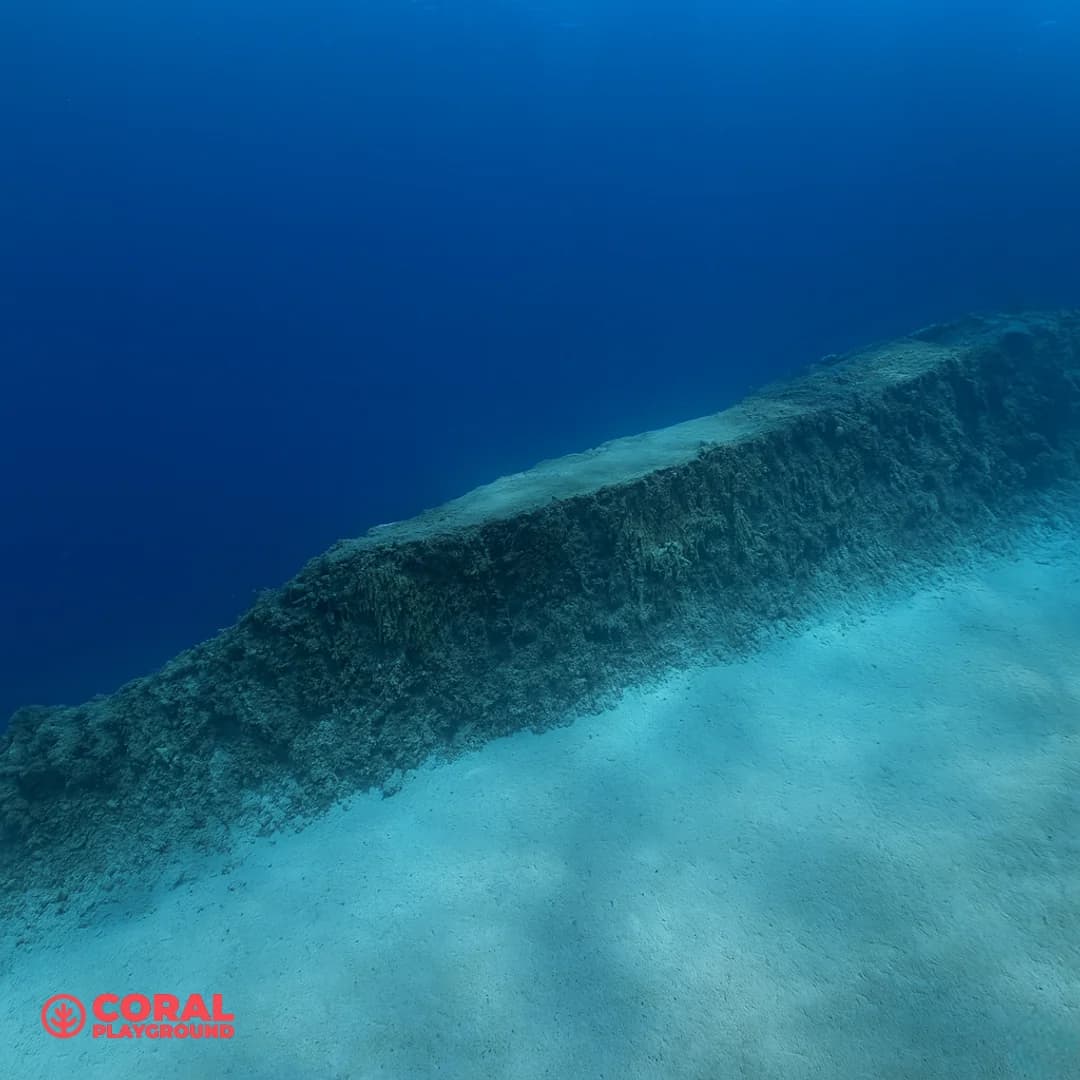
Elphinstone, known in Arabic as Sha'ab Abu Hamra, is the most famous reef of the Marsa Alam region and a name that makes experienced divers grin. A long, narrow finger of reef standing alone in open water, it is defined by two plateaus, two sheer coral walls dropping into the blue, and a near-permanent current that makes it one of Egypt's premier drift and shark dives. This is a big-water dive with a wild, exposed feel.
The Dive
The reef runs roughly 350m north to south and is barely 40m wide, ringed by walls that fall past 100m on either side. The northern plateau begins around 20m before dropping sharply into open blue; the southern plateau sits a little deeper, sloping from about 25m down toward 35m, where the seabed gives way to the abyss. A recreational dive typically works the walls and plateaus between 20m and 40m, riding the current along the coral face — going deeper buys little but risk, as the wall simply keeps falling. Because the reef sits angled into the prevailing current, water moves almost constantly across both plateaus, frequently strong, which is exactly what draws the big animals in.
This is an Advanced Open Water dive at minimum. The combination of open-sea exposure, depth and current means good drift technique, a surface marker buoy and a switched-on guide are essential.
Marine Life
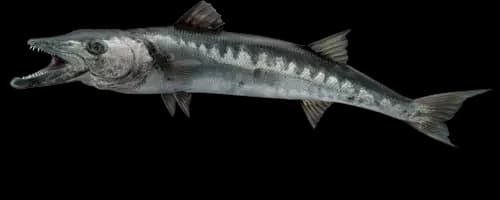
Elphinstone is one of a handful of places on earth where divers reliably meet the oceanic whitetip shark (Longimanus), usually in the warmer months when these curious, slow-cruising pelagics patrol the plateaus. Scalloped hammerheads pass in schools, grey reef sharks hold station in the current, and the walls themselves are smothered in soft corals, gorgonians and clouds of anthias. Tuna, barracuda and trevally complete the big-fish cast.
Good to Know
The shark season peaks from roughly May to November, with oceanic whitetip encounters most frequent in late autumn; visibility usually runs 20–30m. Access is by fast day boat from Marsa Alam (often under an hour) or as a highlight of southern liveaboard itineraries. Conditions can change quickly and the current is no place for inexperienced divers — build a conservative plan, stay with the group, and keep one eye on the blue.
Depth
20-40m
Visibility
20-30m
Current
strong
Access
boat
Certification
Advanced Open Water
Species
Angelfish
Dugong
Bull Shark
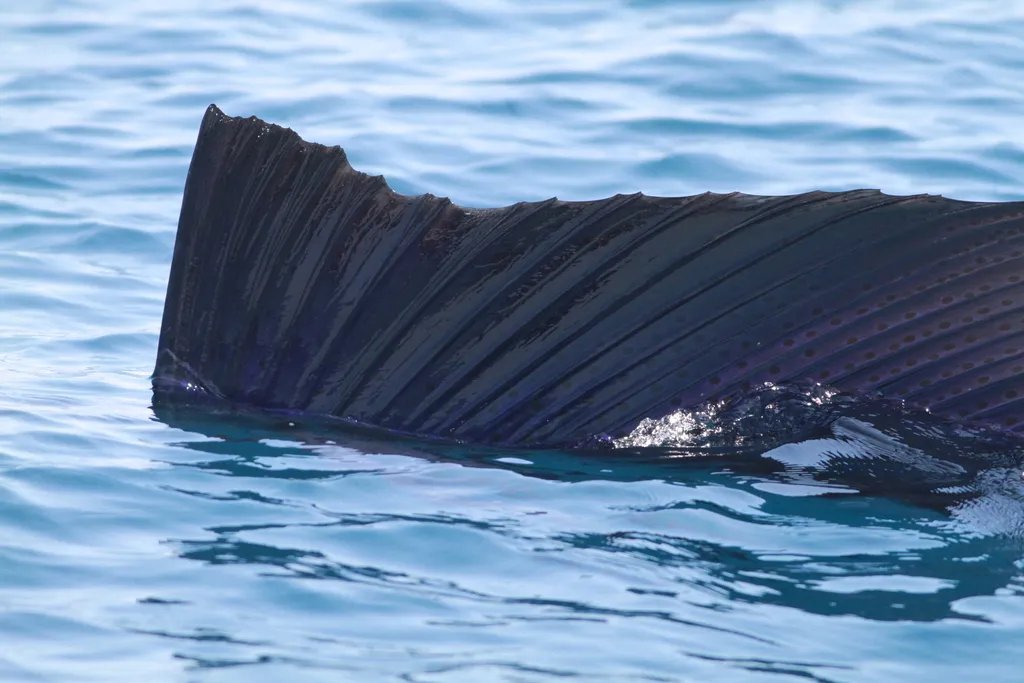
Sailfish
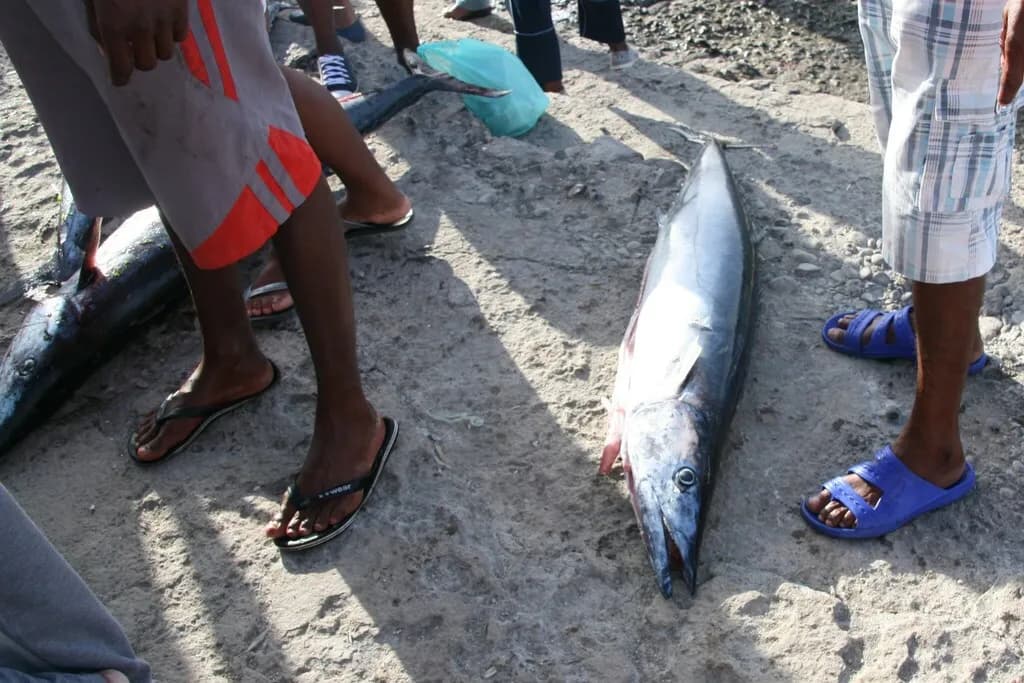
Wahoo
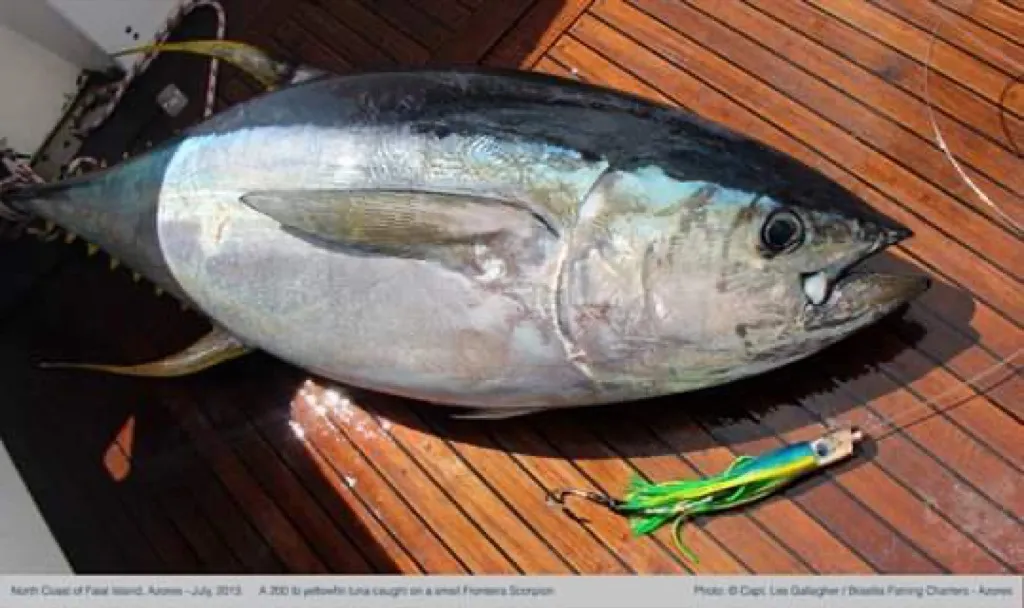
Yellowfin Tuna
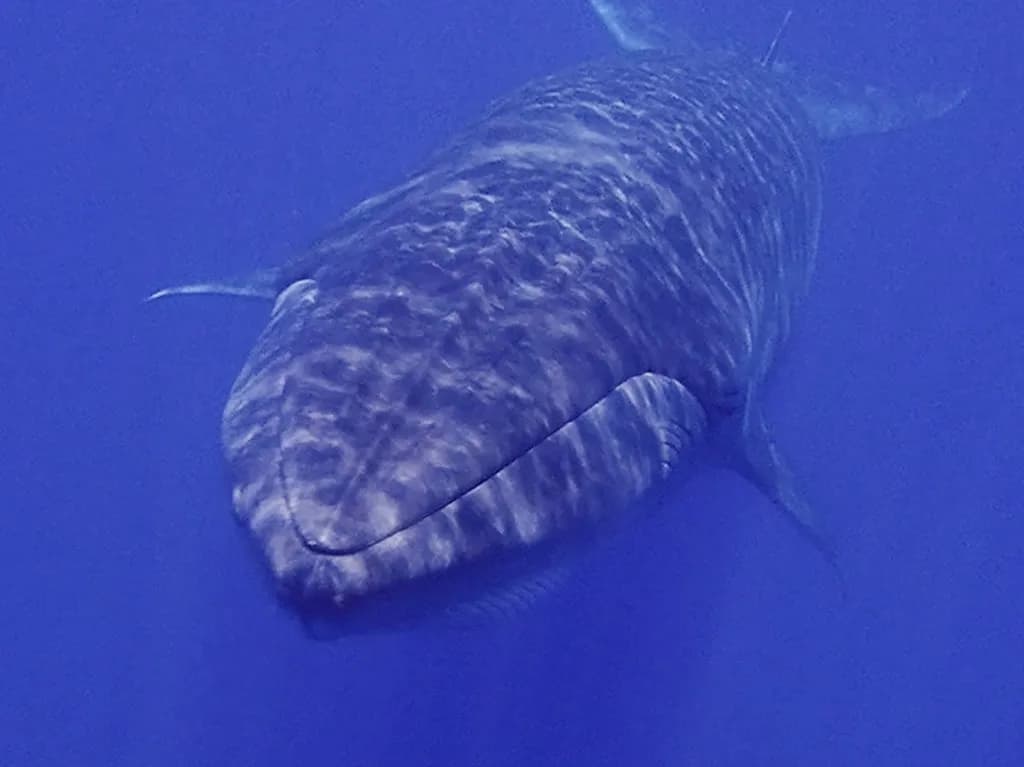
Whale
Barracuda
Stingray
Black Grouper
Blue Spotted Stingray
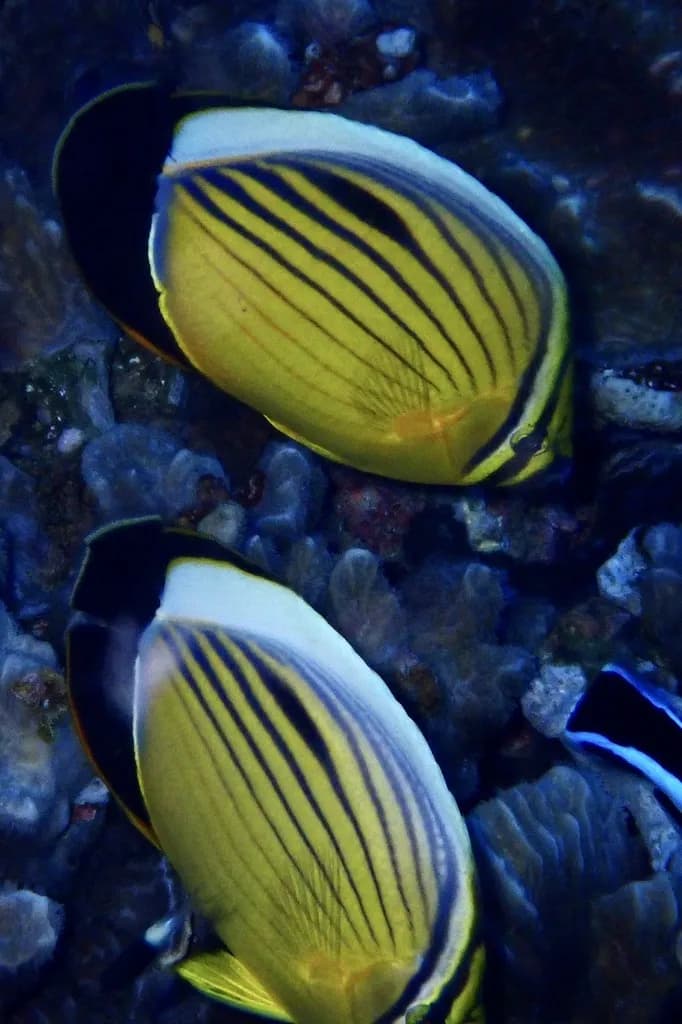
Butterflyfish
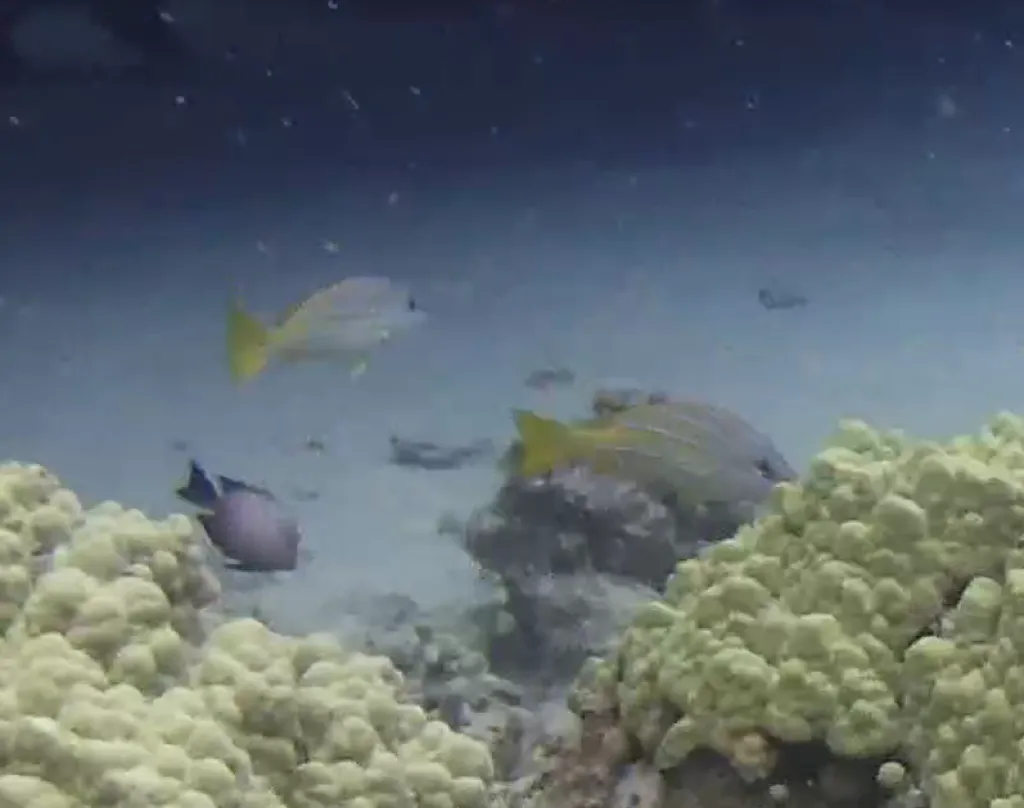
Bluelined Emperorfish
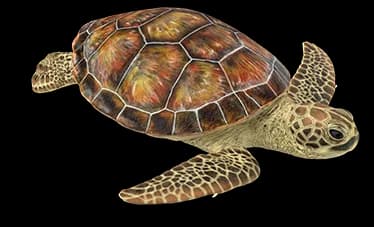
Turtle
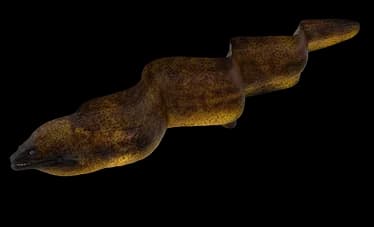
Moray Eel
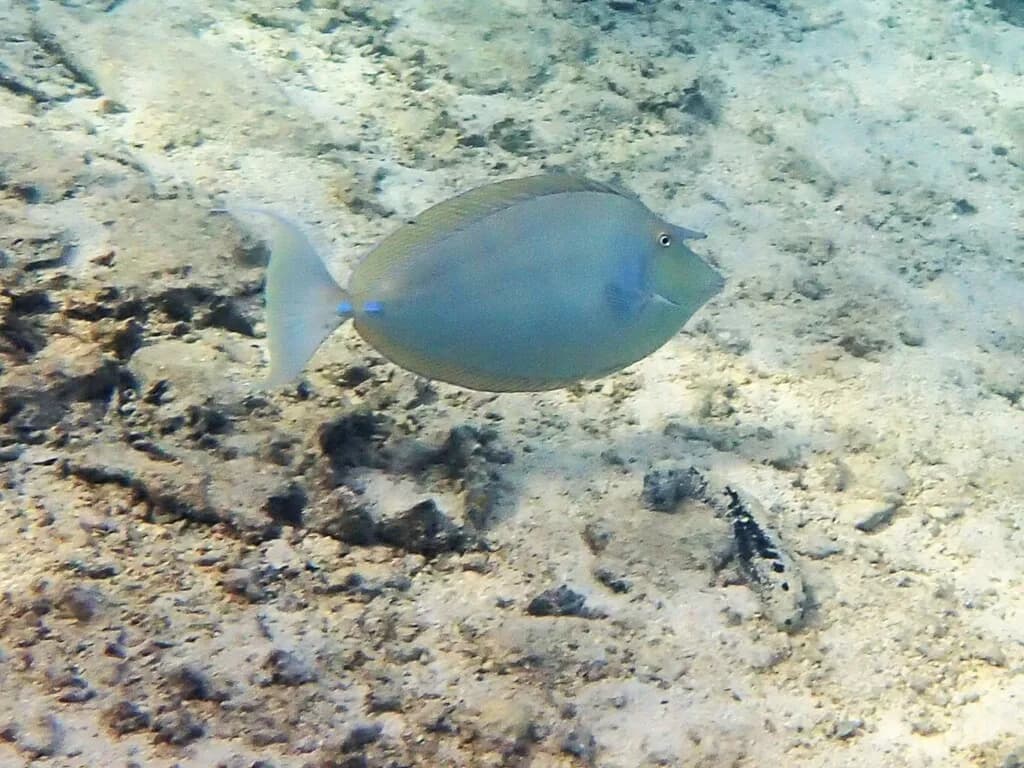
Unicorn Fish
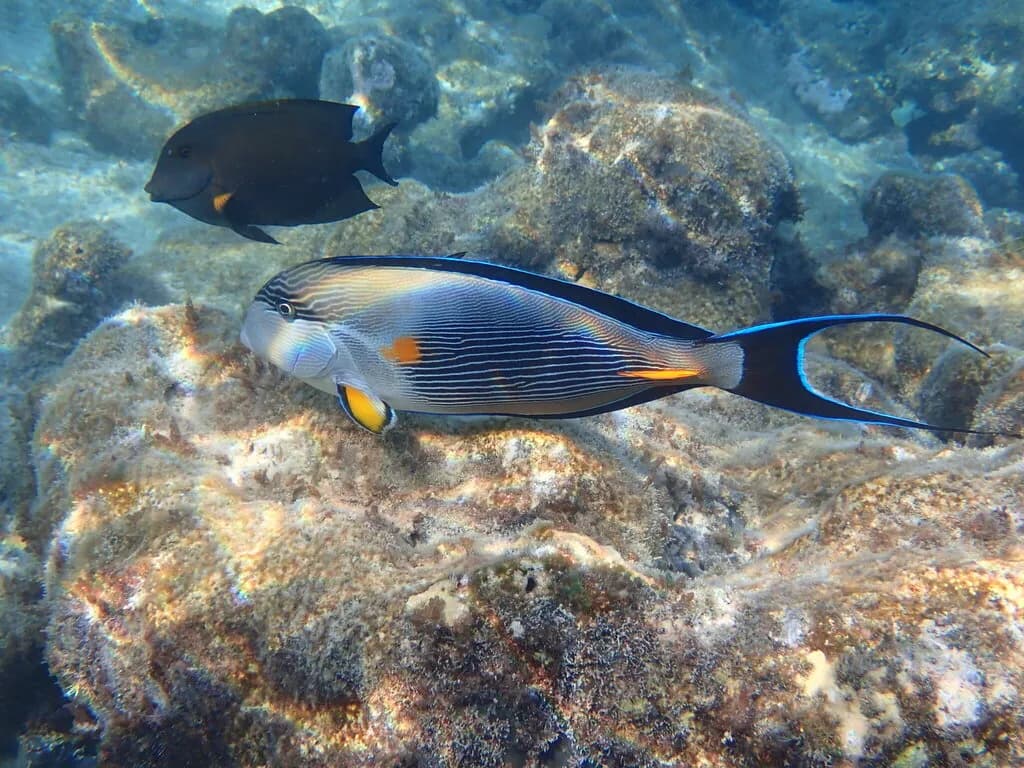
Doctor Fish
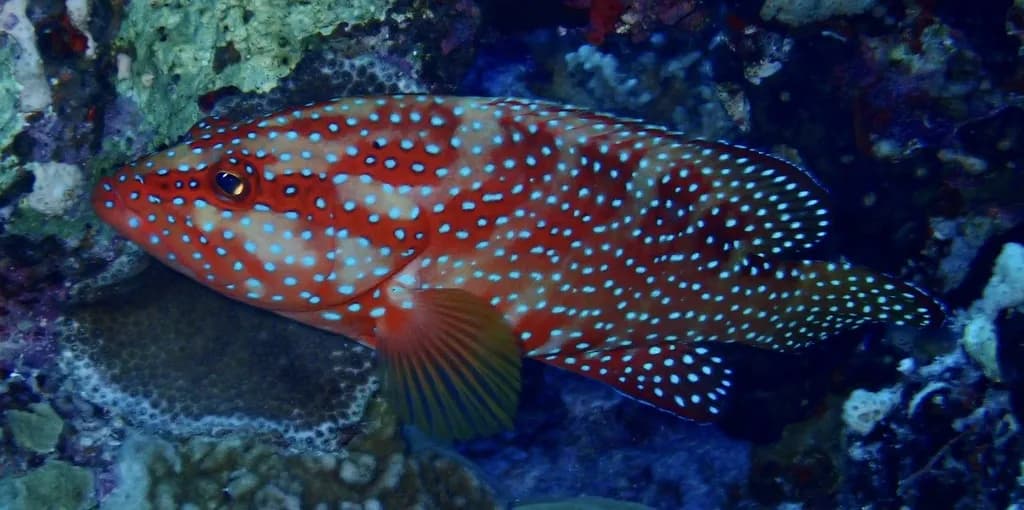
Coral Grouper
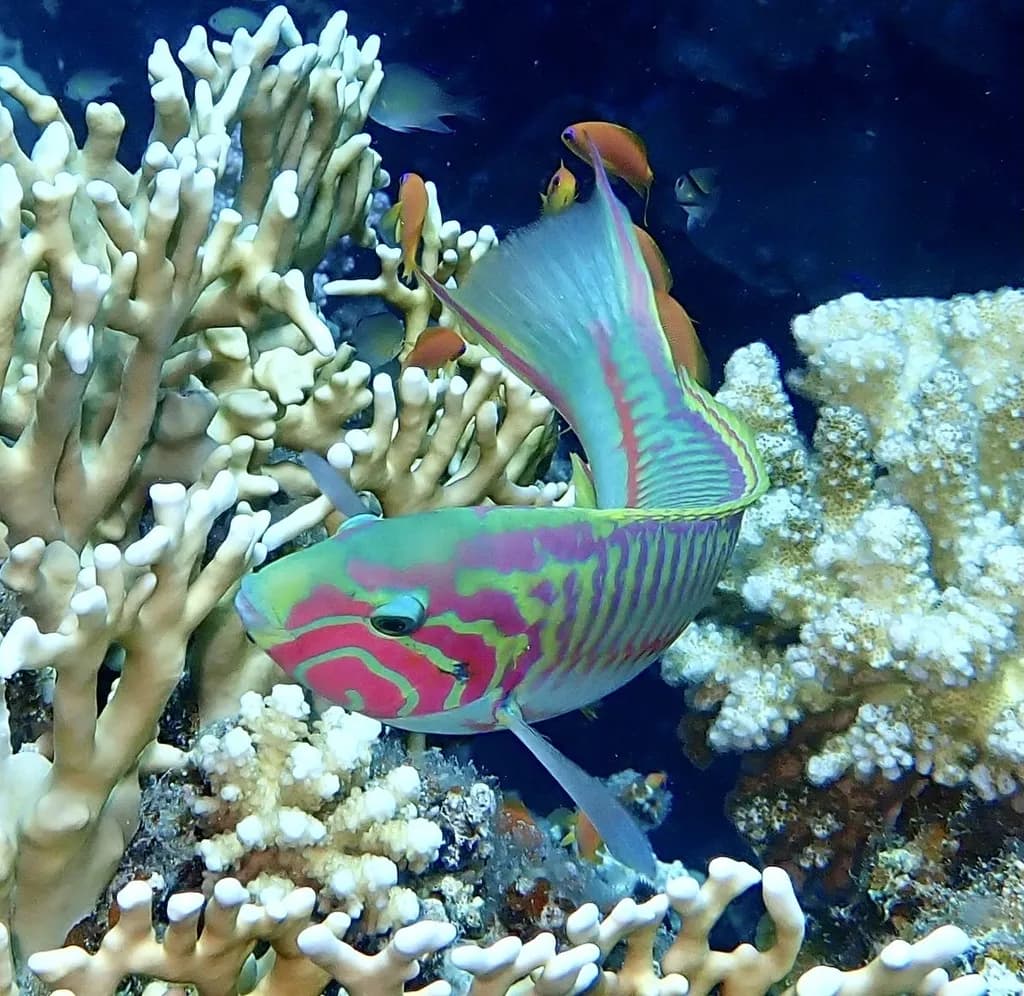
Klunzinger's Wrasse
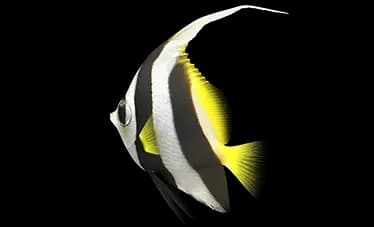
Bannerfish
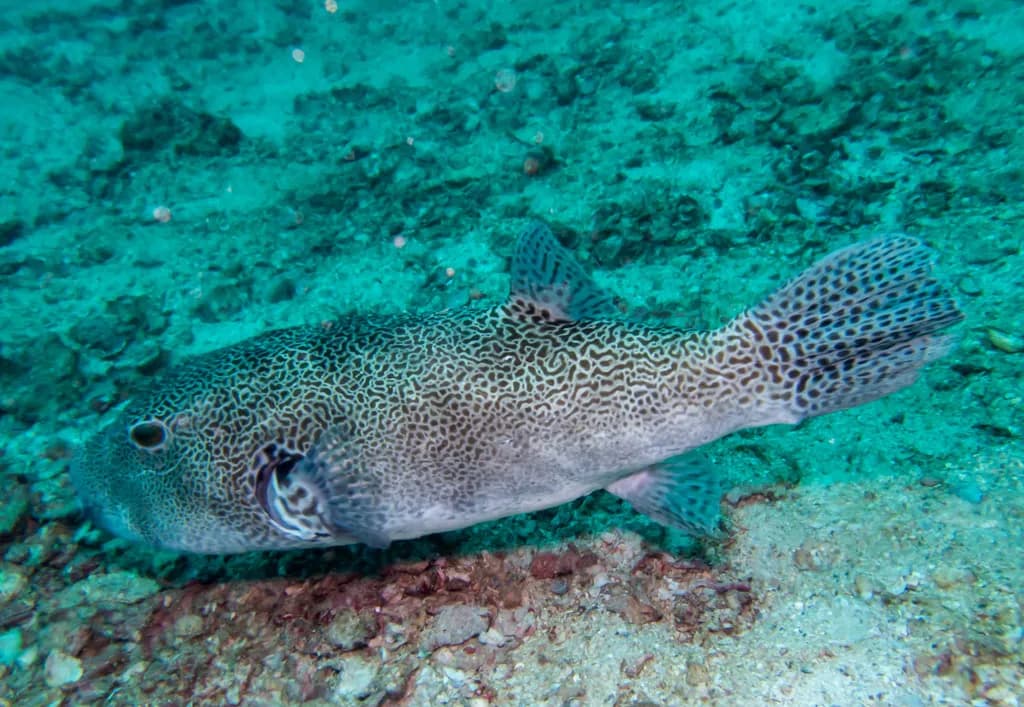
Starry Pufferfish
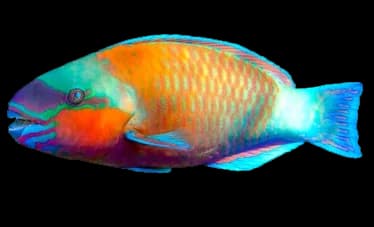
Parrotfish
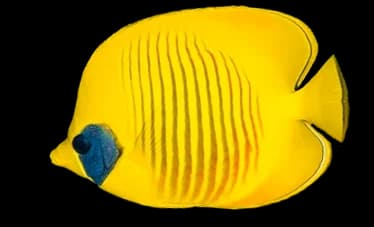
Masked Butterflyfish
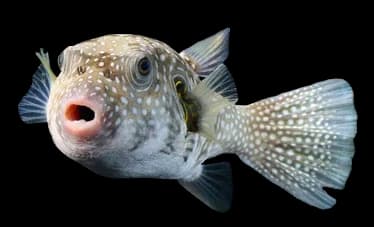
Pufferfish
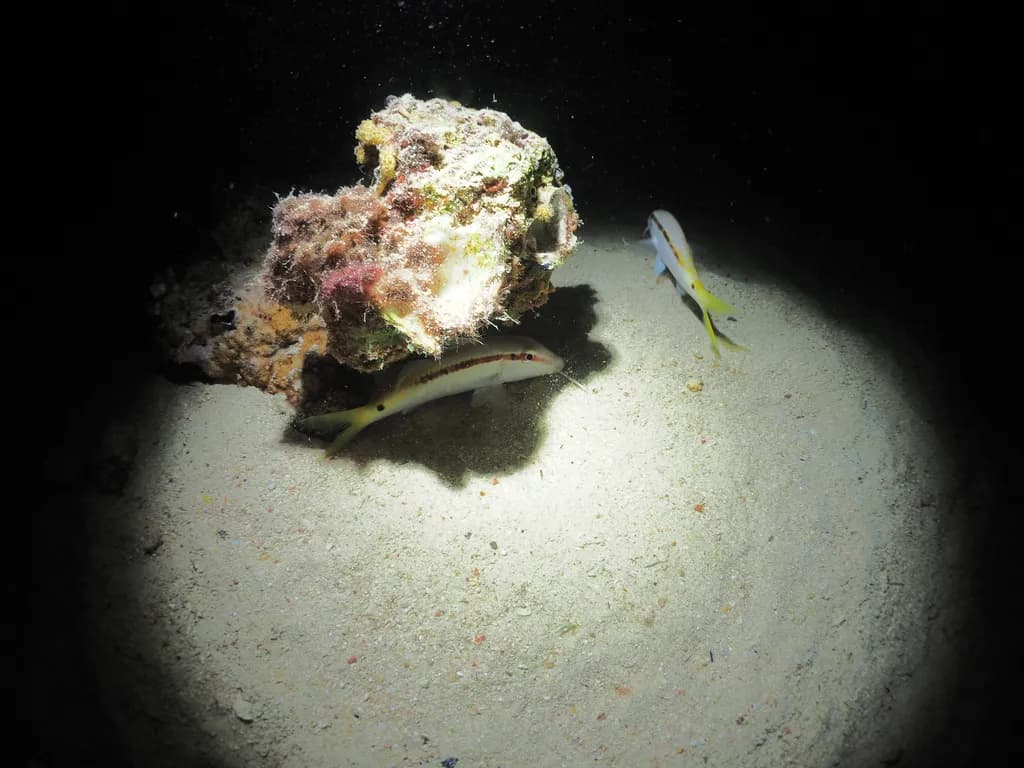
Goatfish
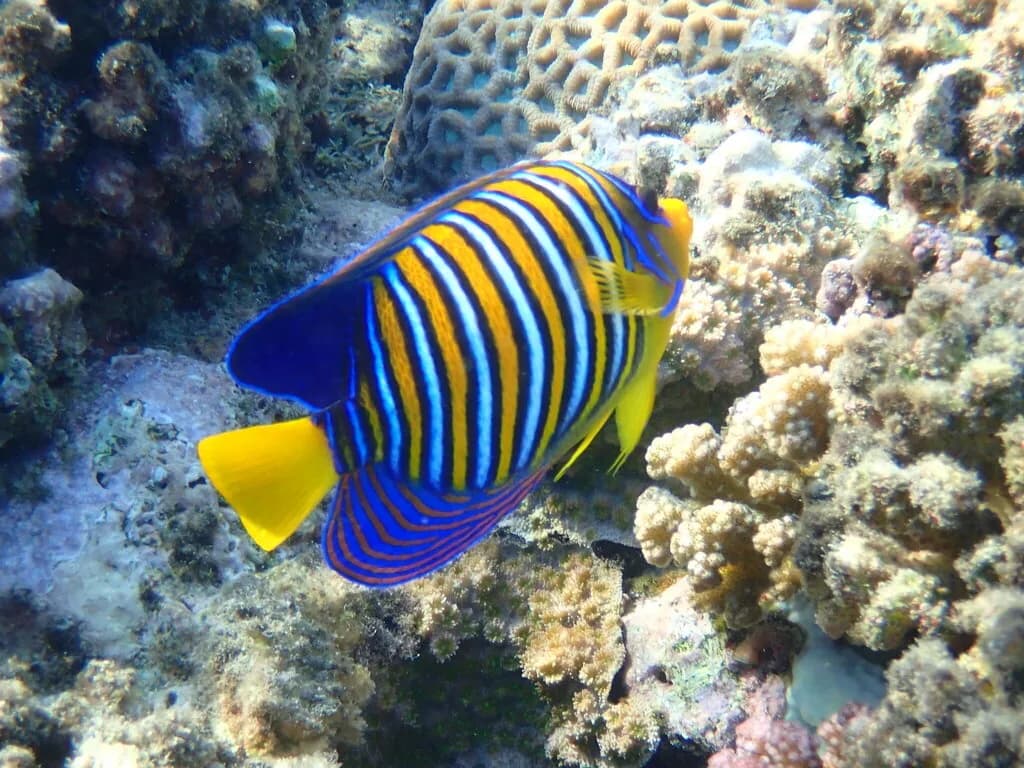
Regal Angelfish
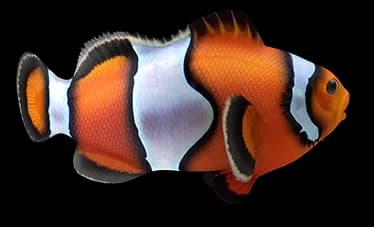
Clownfish
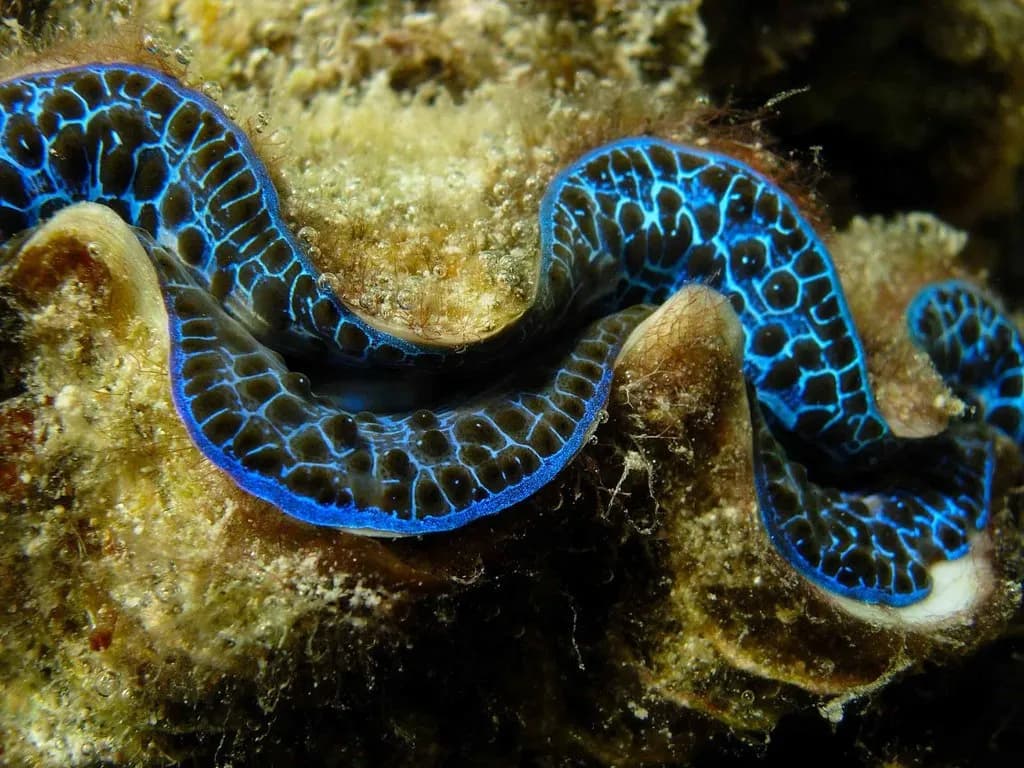
Snails
Splendour Wrasse
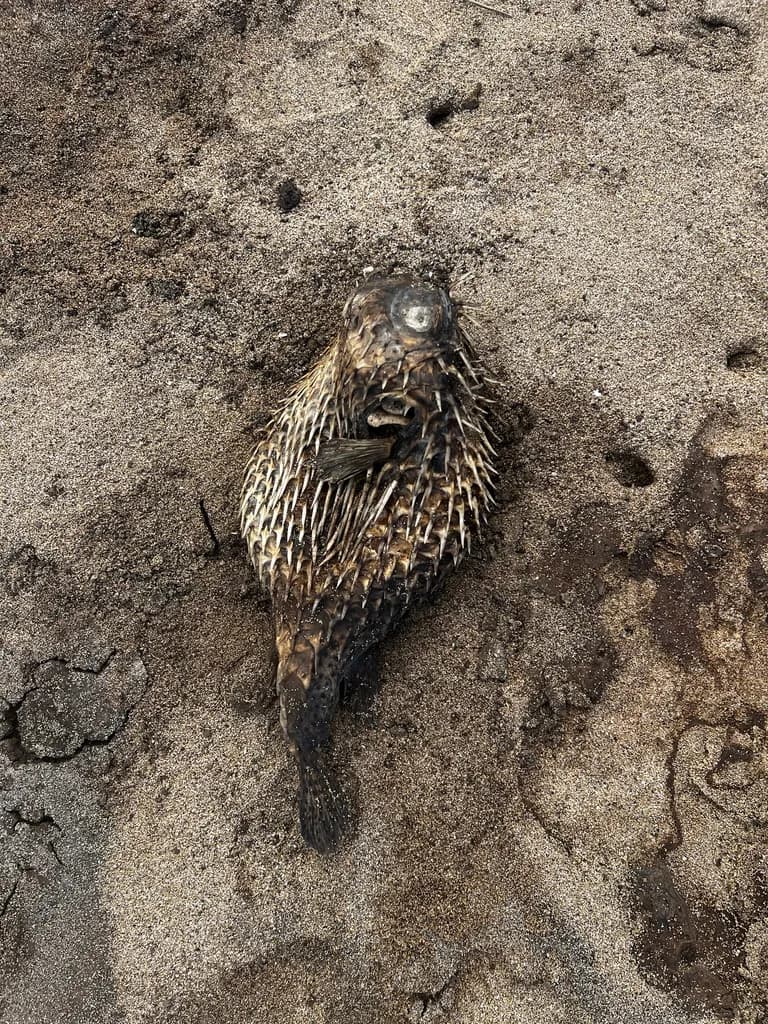
Porcupine Fish
Triggerfish
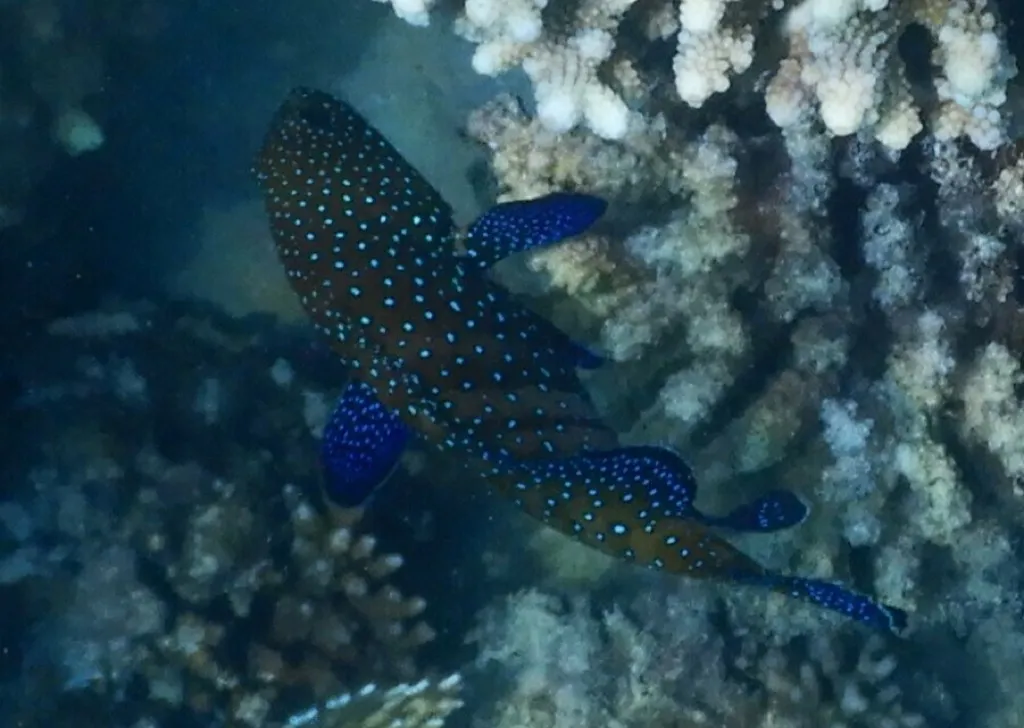
Peacock Grouper
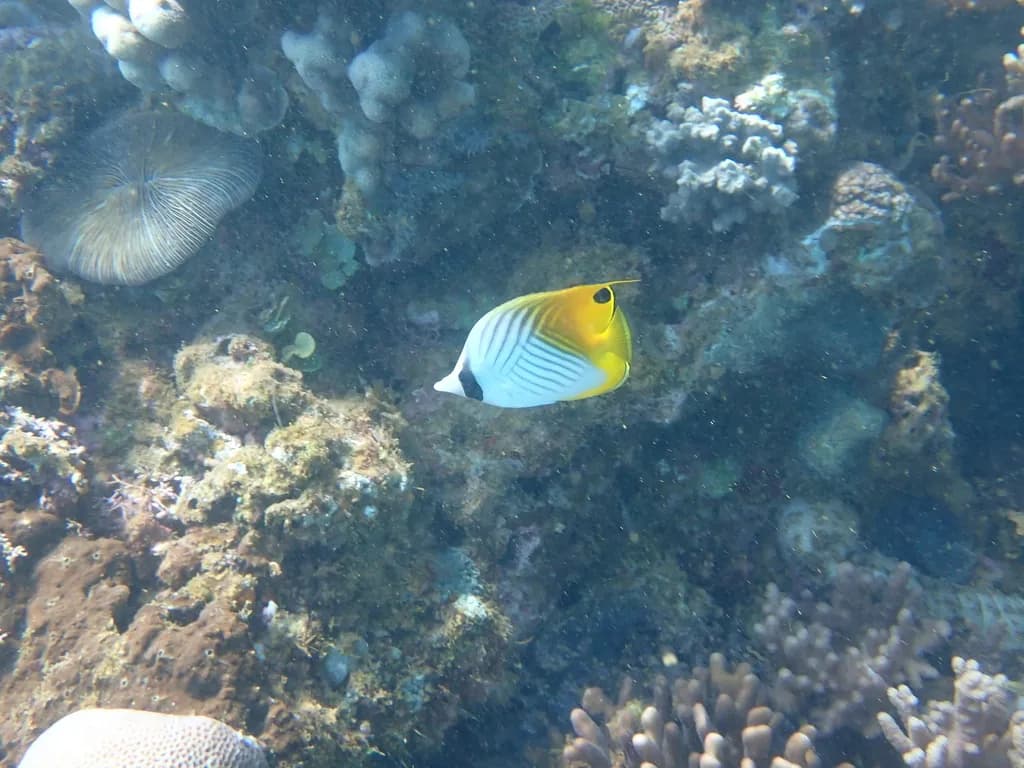
Threadfin Butterflyfish
Bicolour Puller
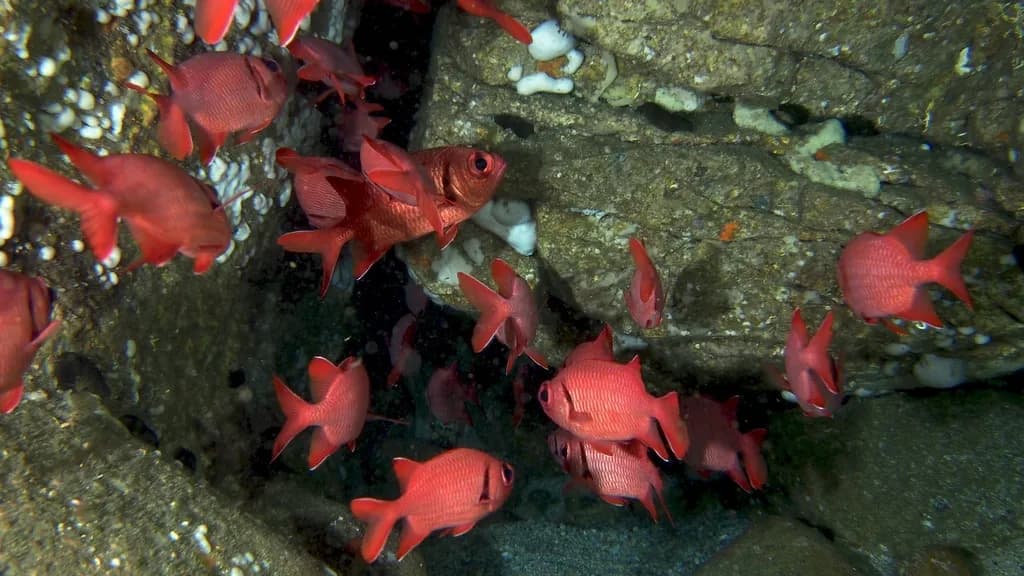
Soldierfish
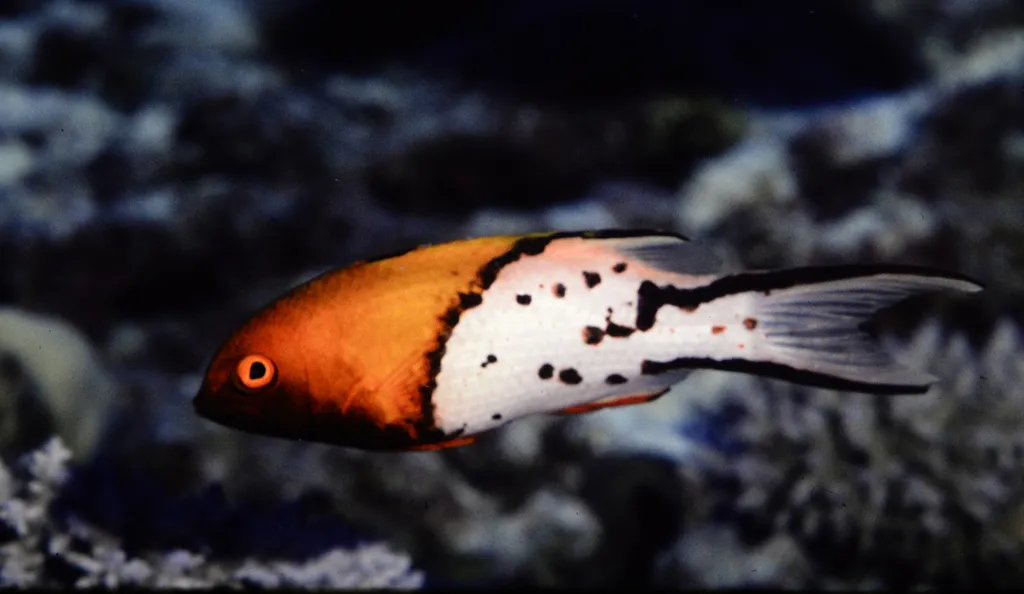
Lyretail Hogfish
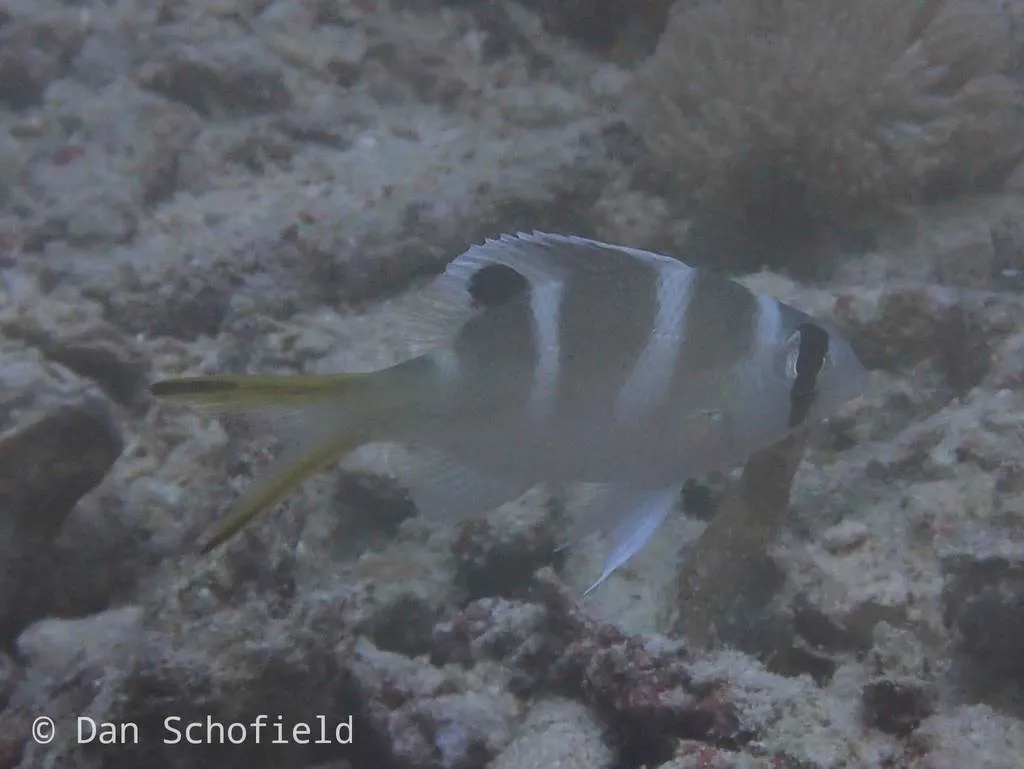
Bream
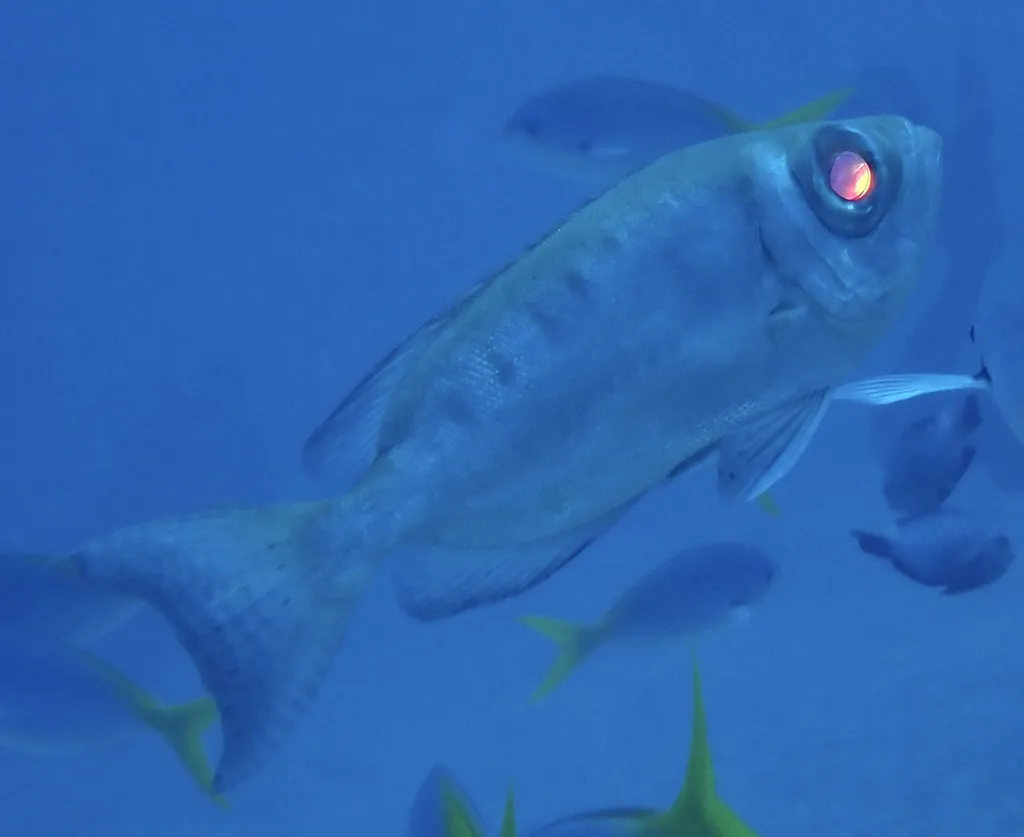
Bigeye
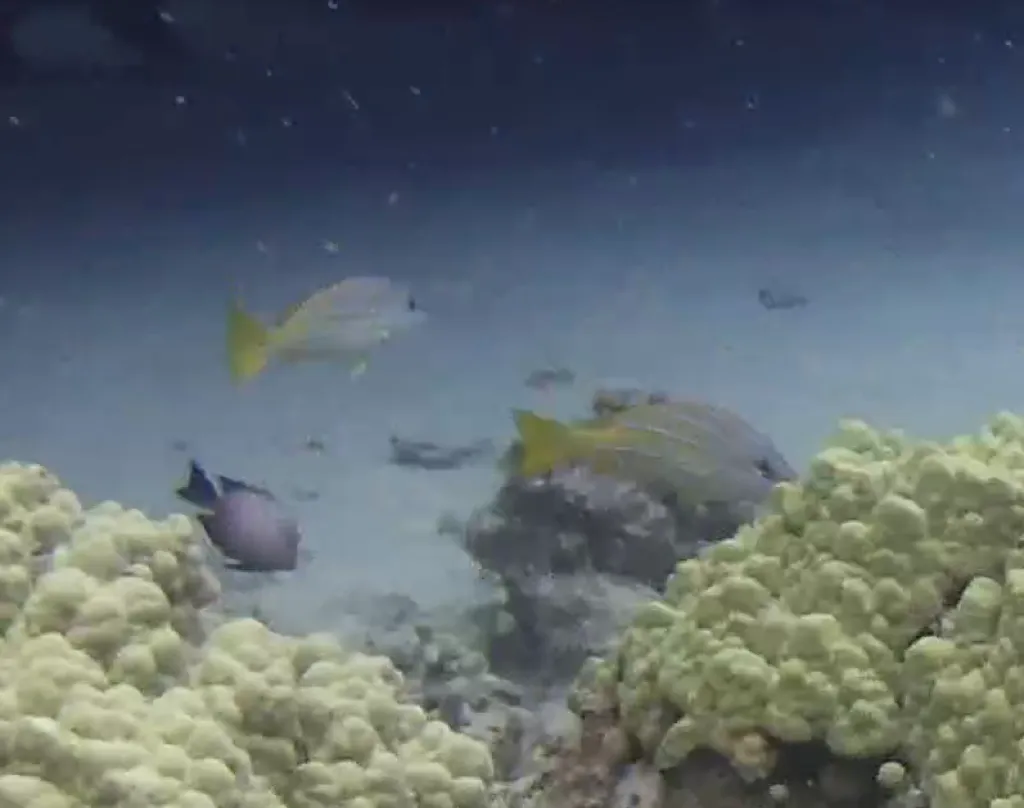
Snapper
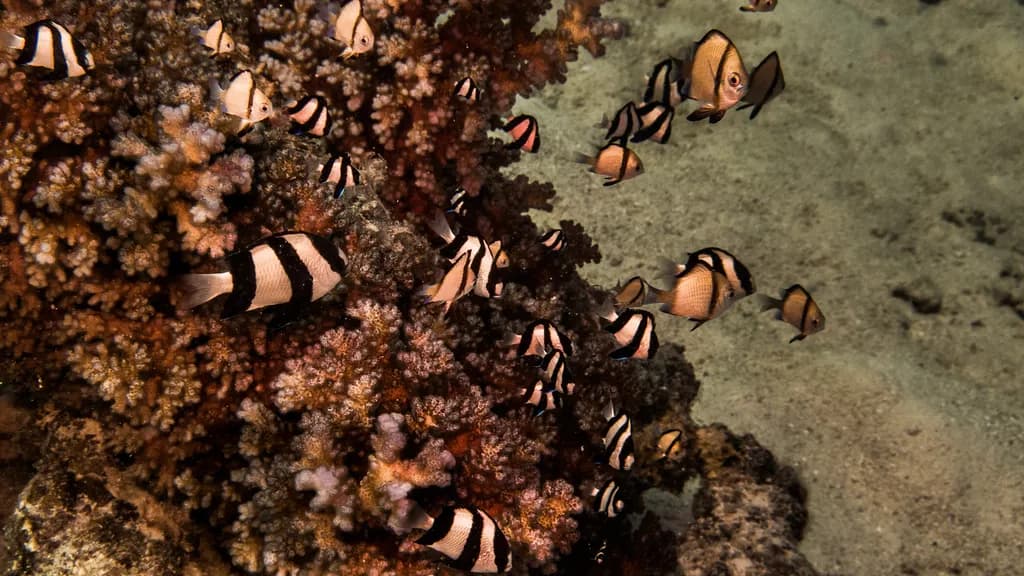
Humbug Damsel
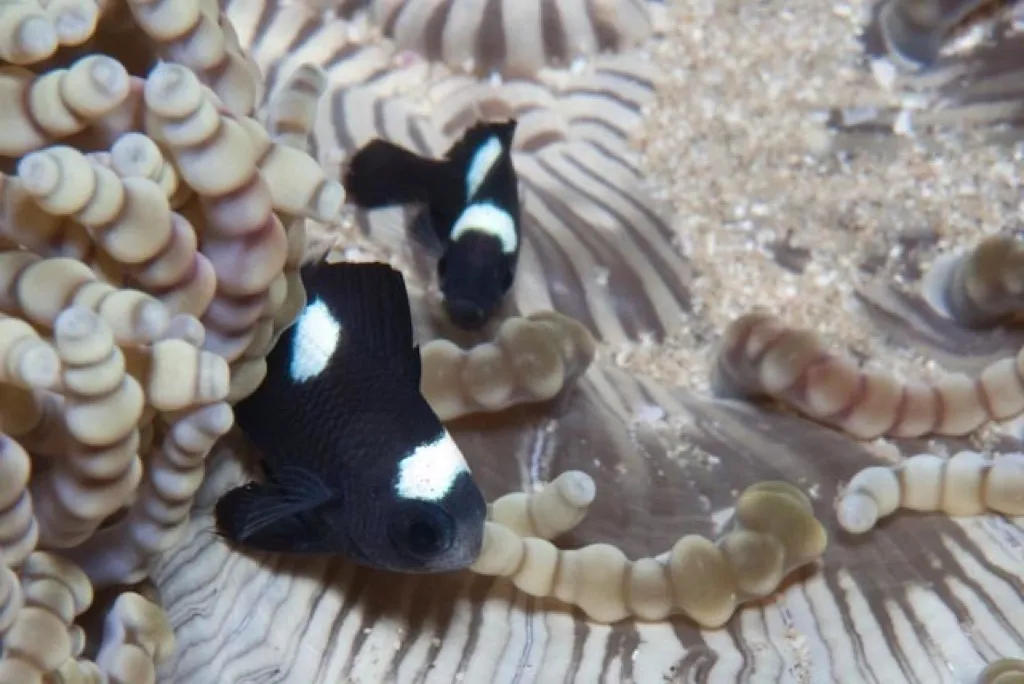
Domino Damsel

Trevally
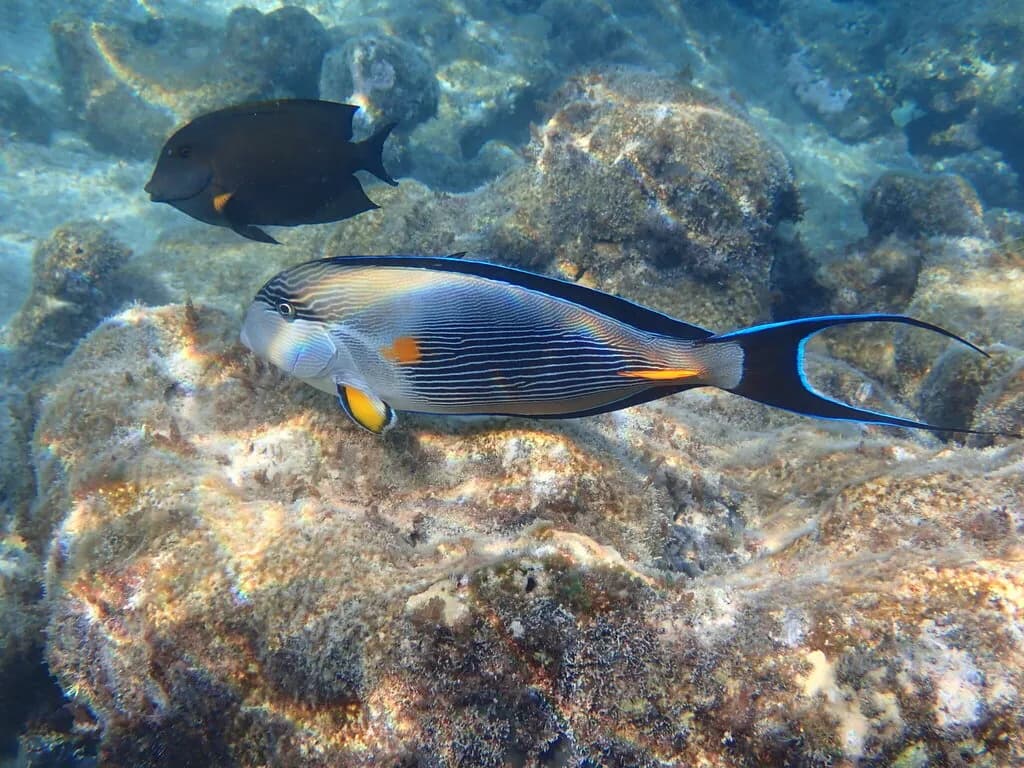
Surgeonfish
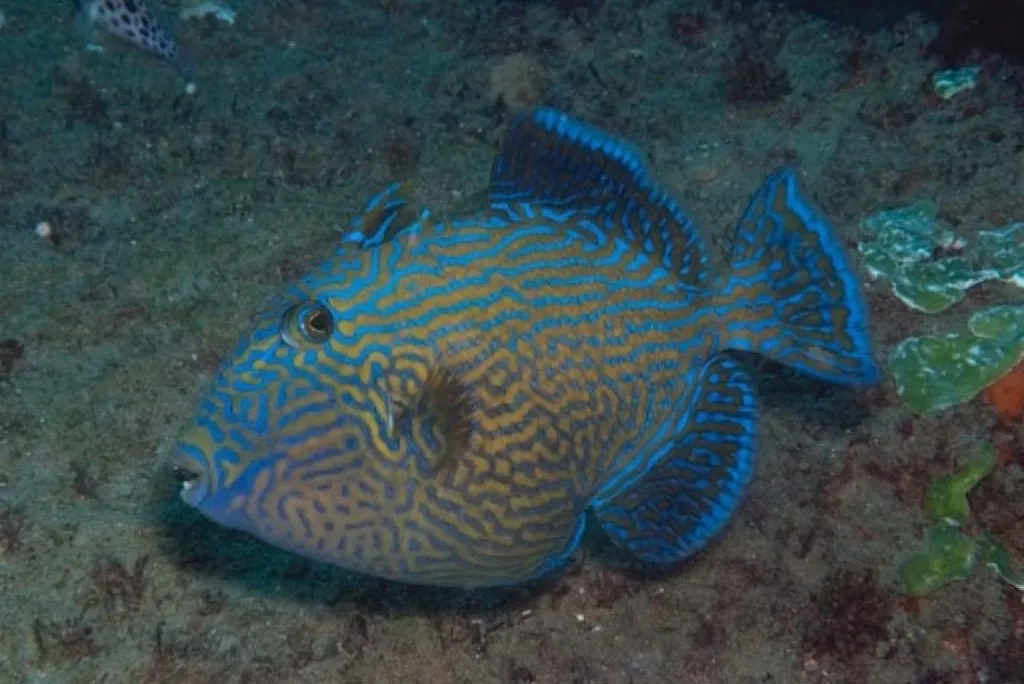
Blue Triggerfish
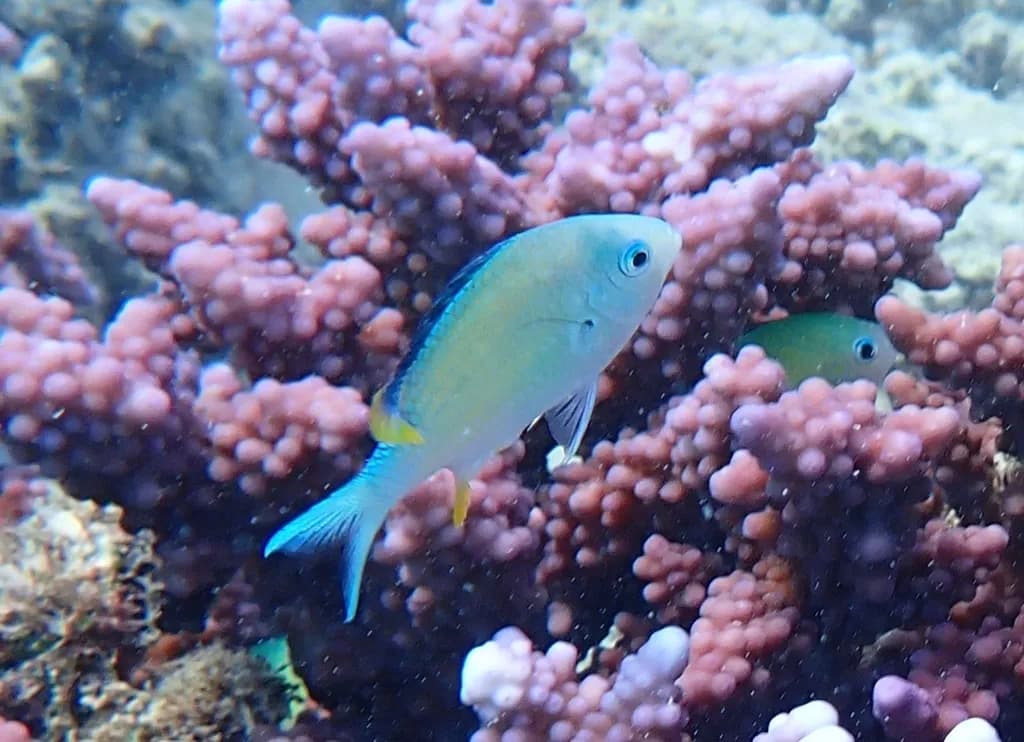
Bluegreen Puller
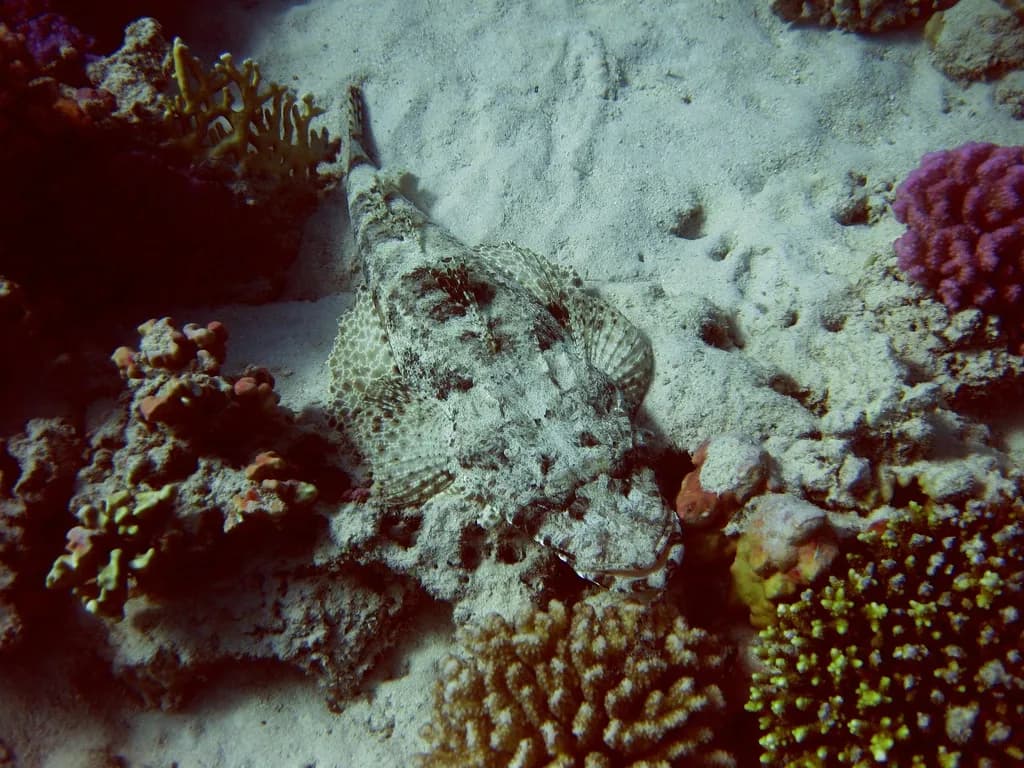
Crocodilefish
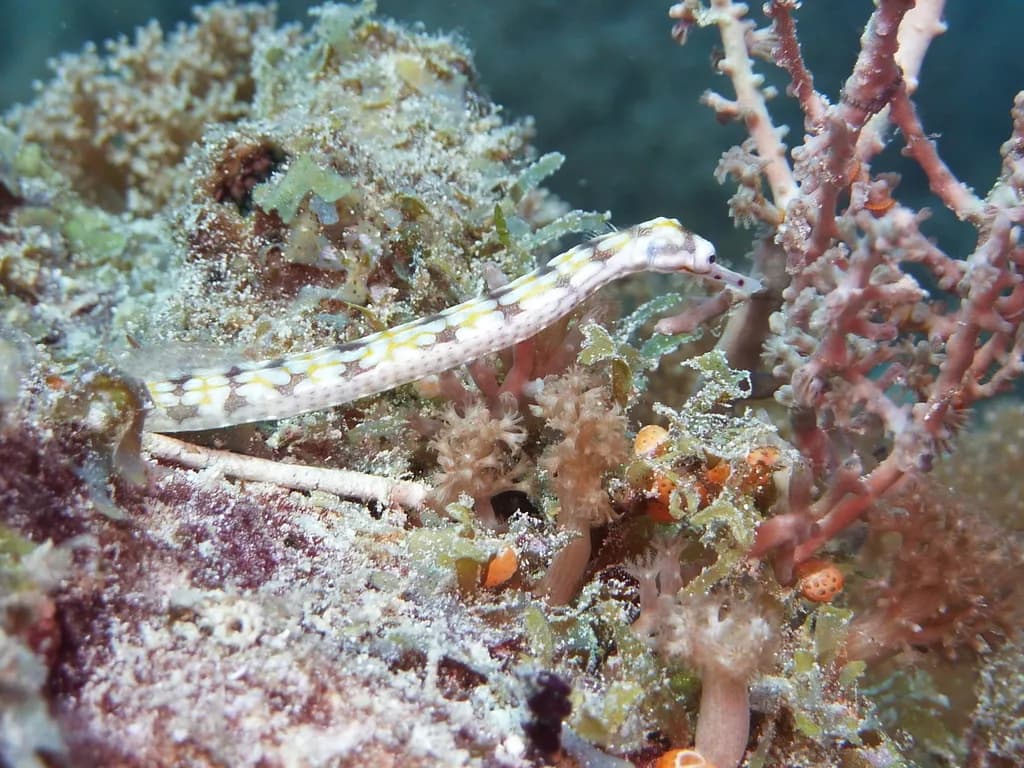
Pipefish
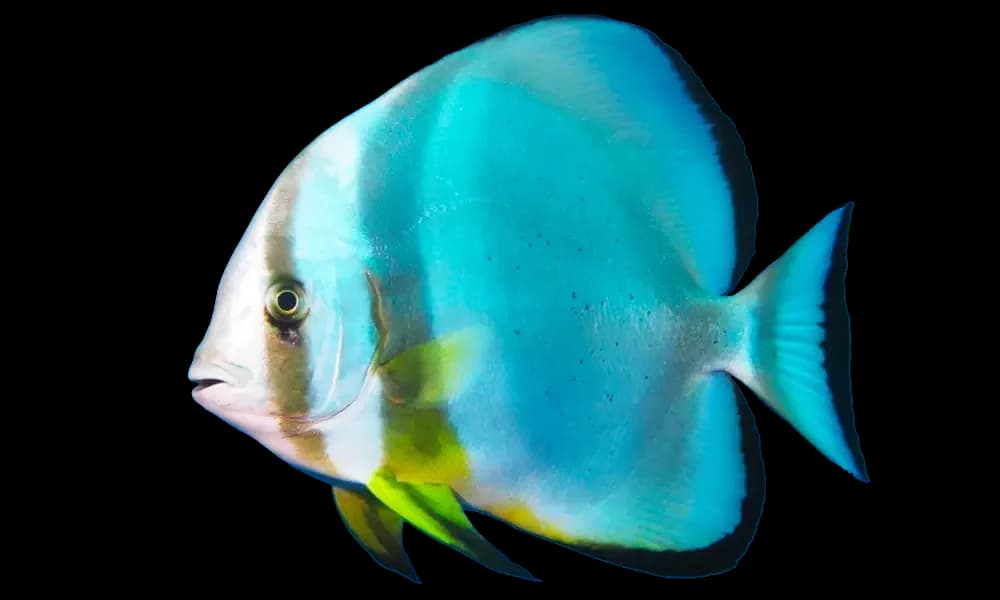
Batfish
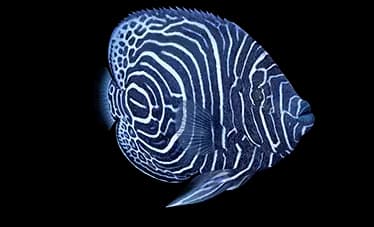
Emperor Angelfish
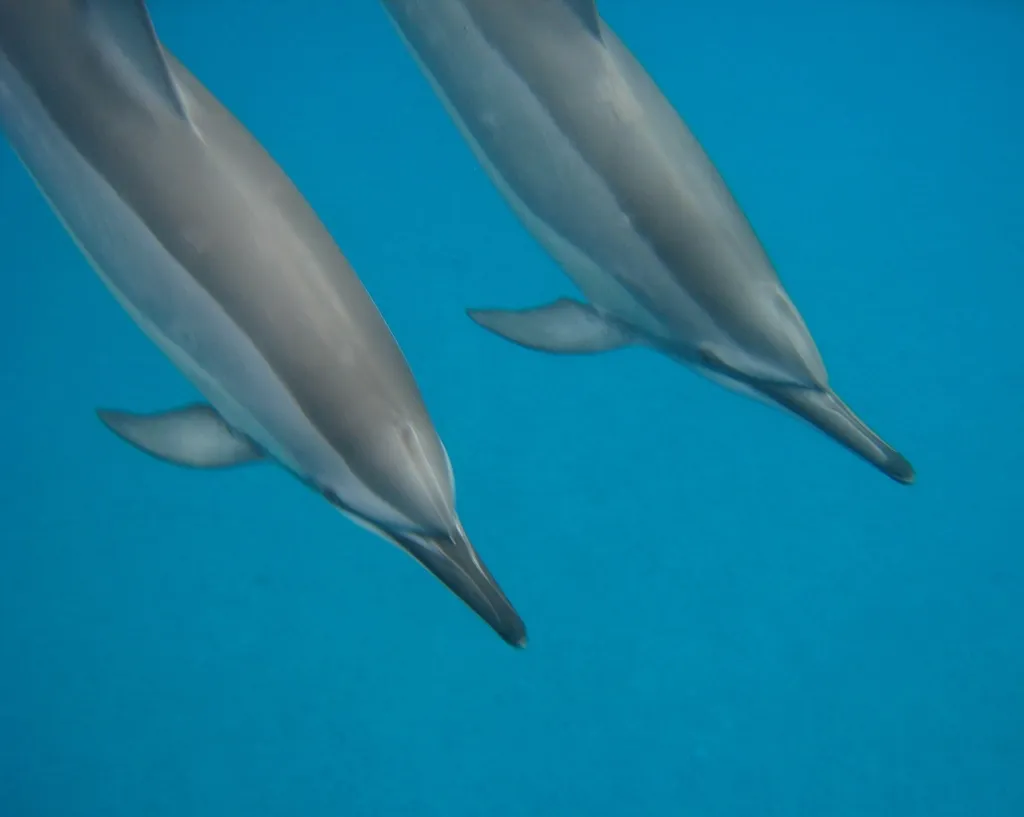
Spinner Dolphin
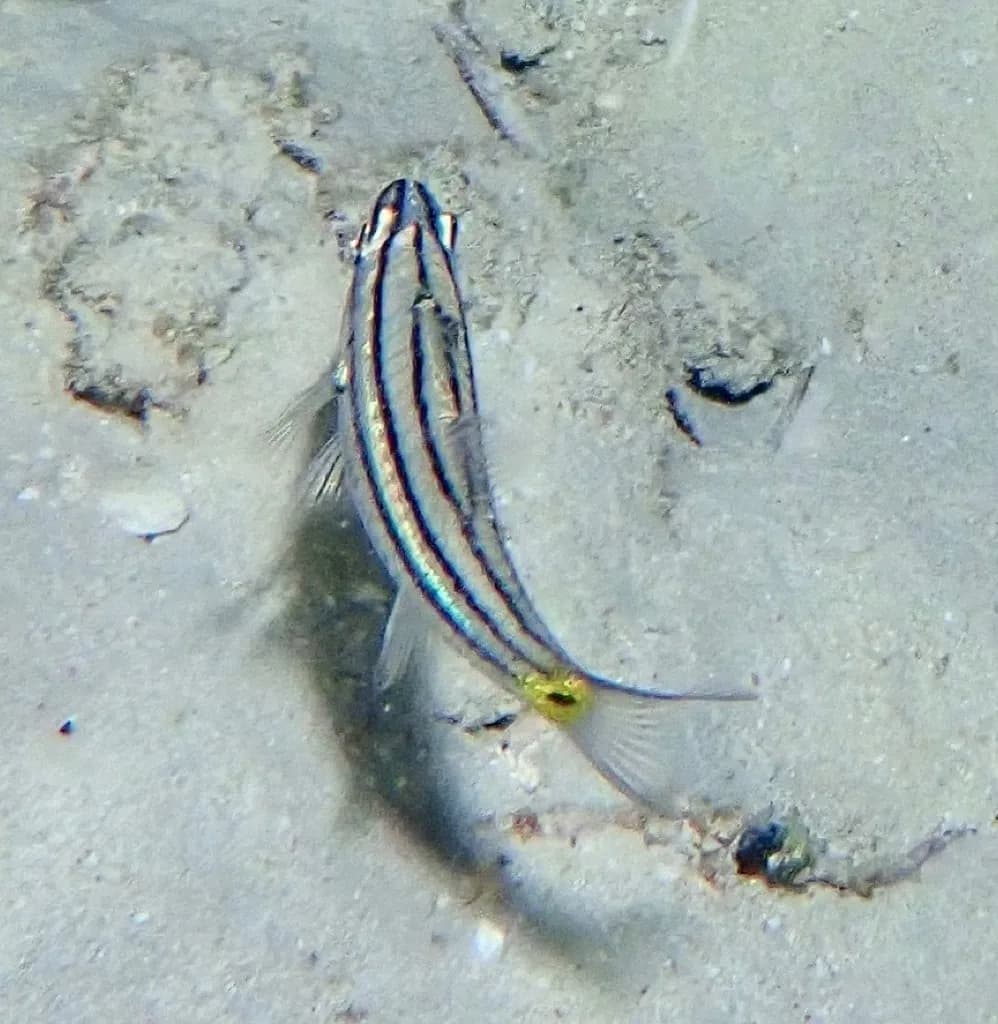
Cardinal Fish
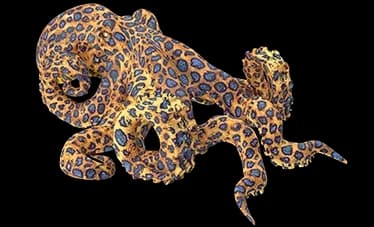
Octopus
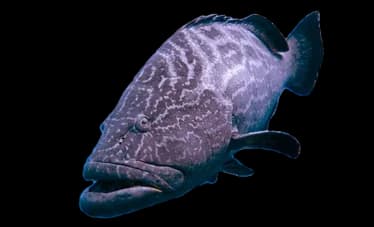
Grouper
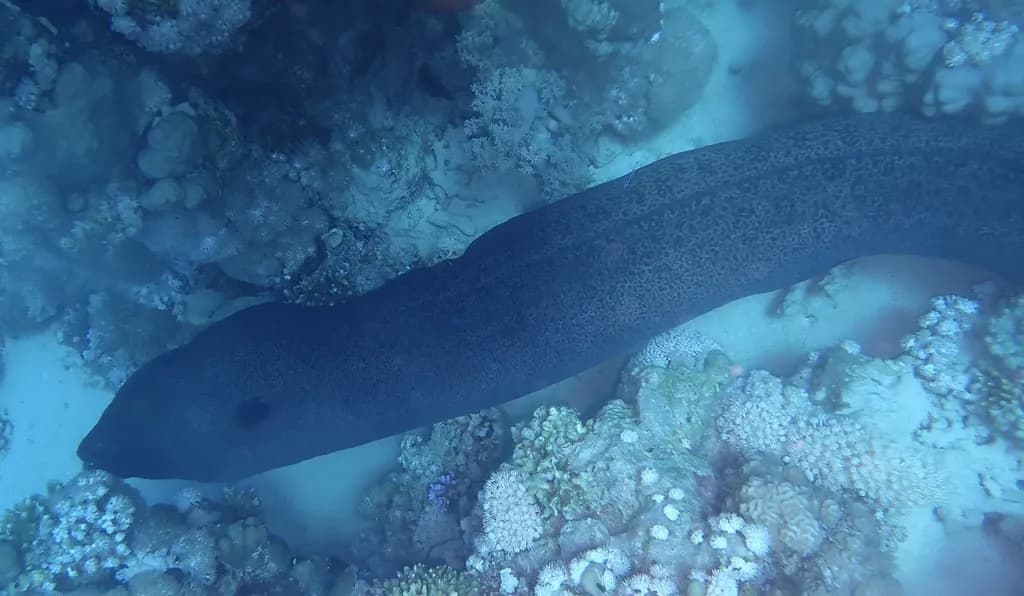
Eel
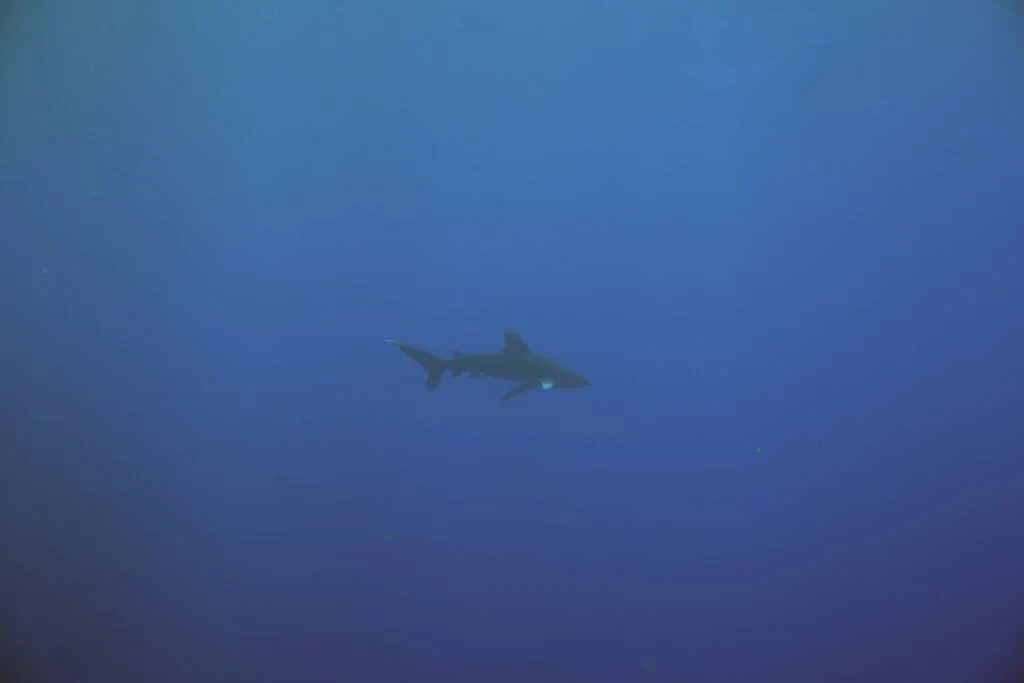
Oceanic Whitetip Shark
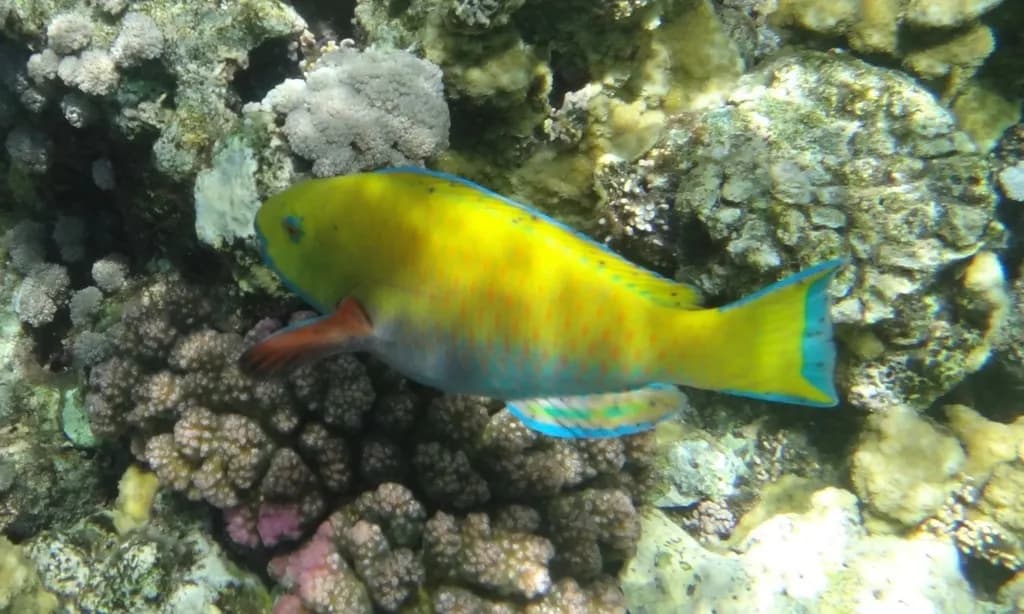
Steephead Parrotfish
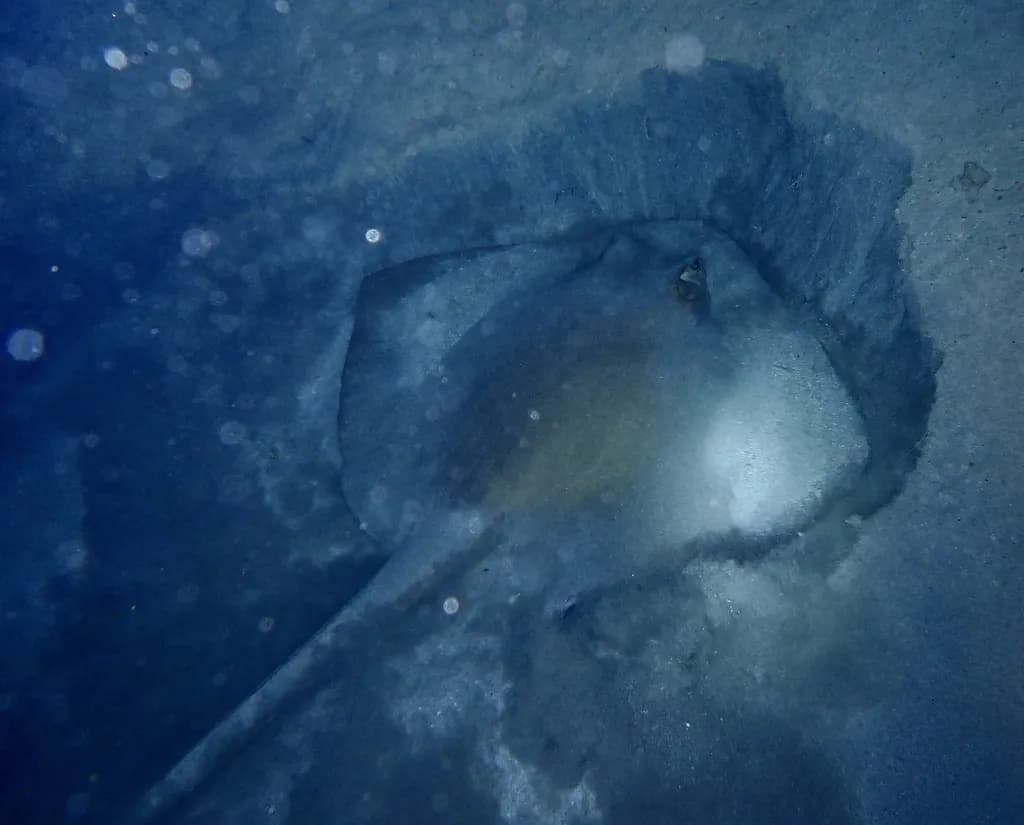
Feathertail Ray
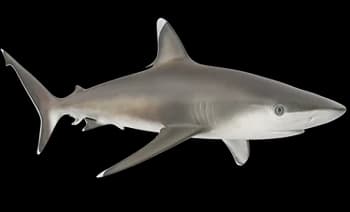
Whitetip Shark
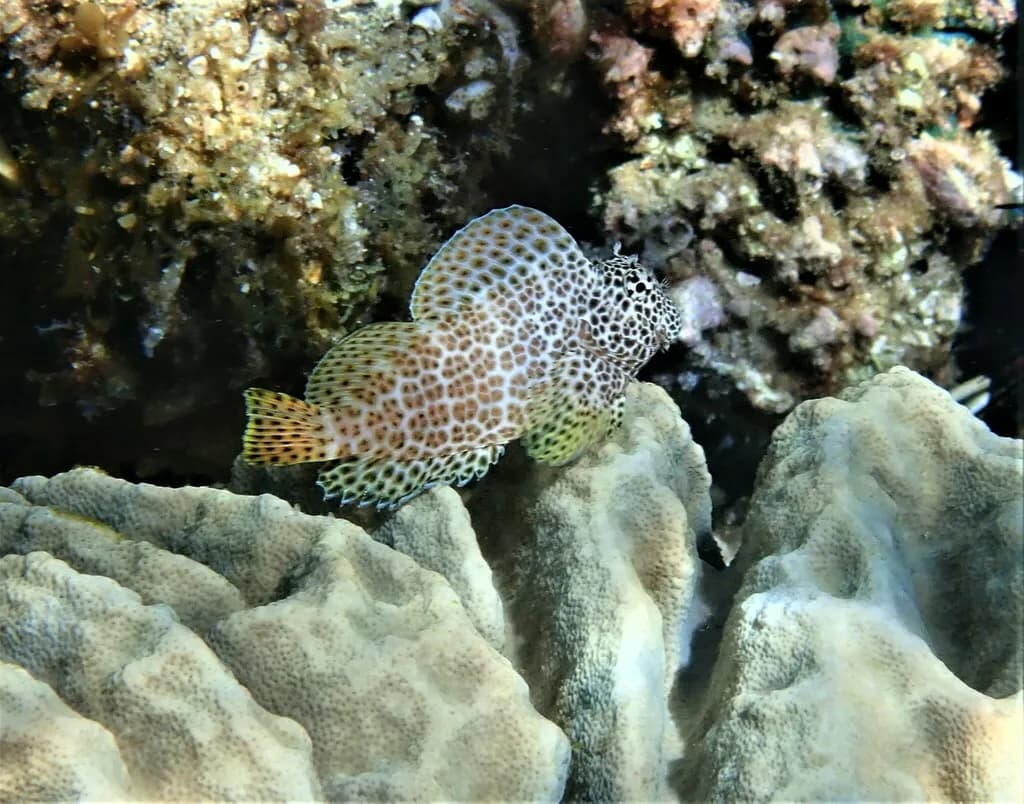
Leopard Blenny
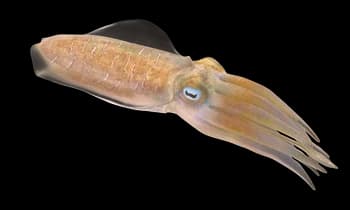
Squid
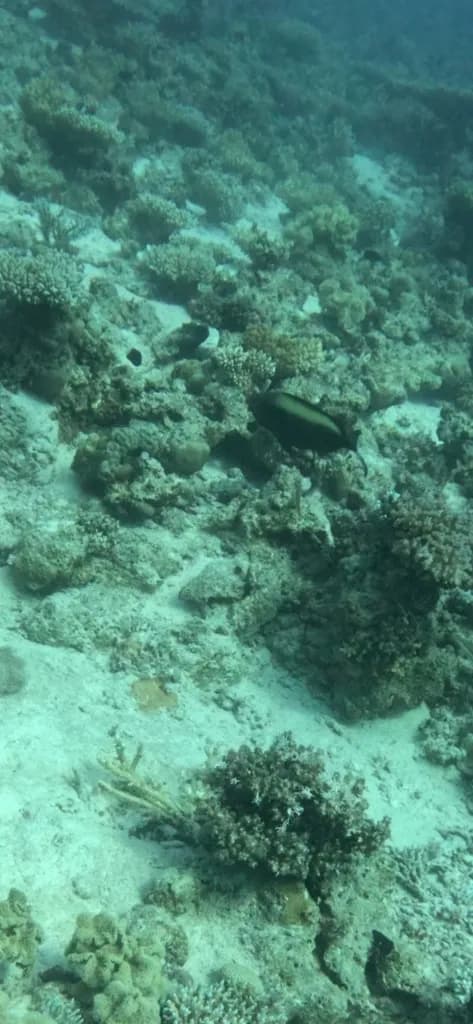
Bicolor Parrotfish
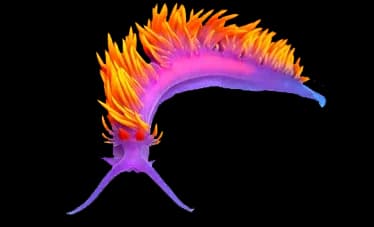
Nudibranch
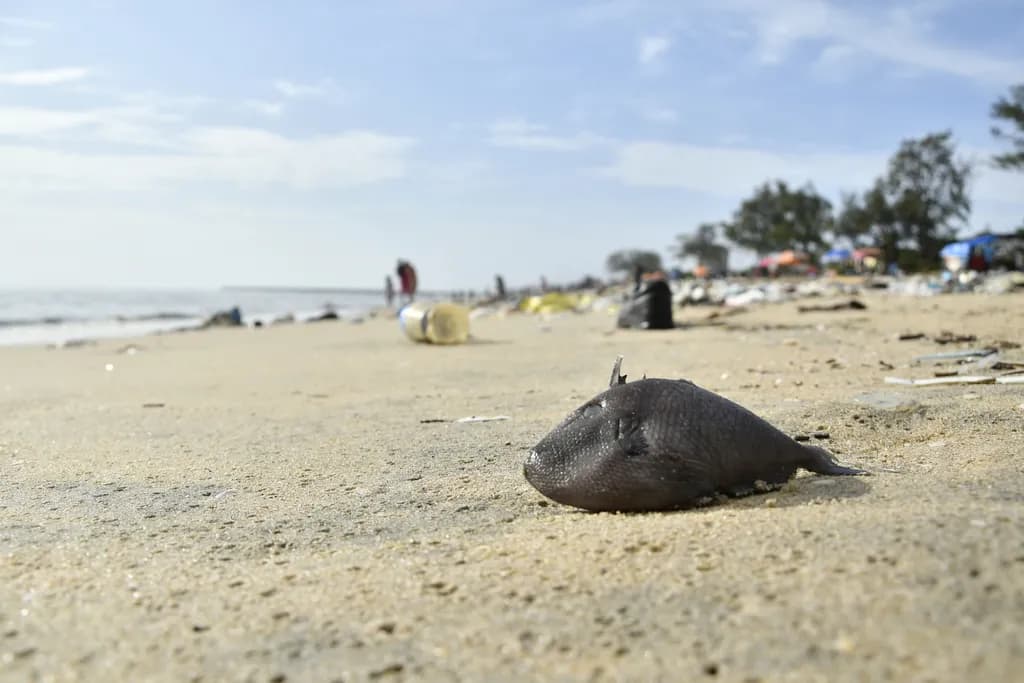
Redtooth Triggerfish
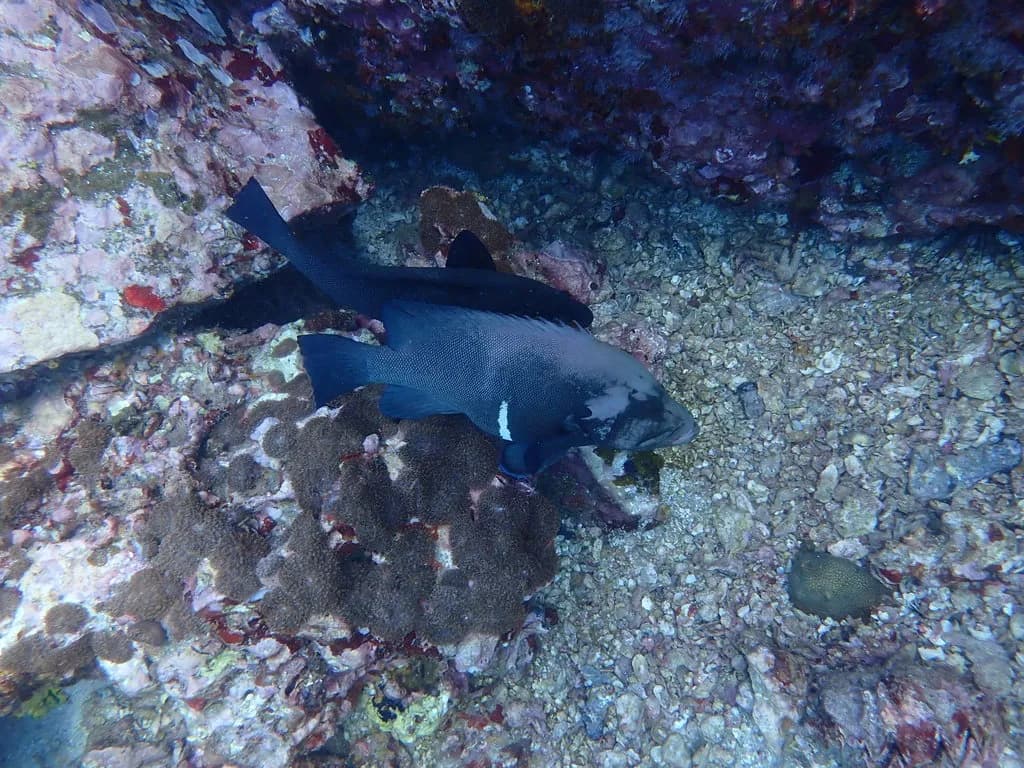
Redmouth Grouper
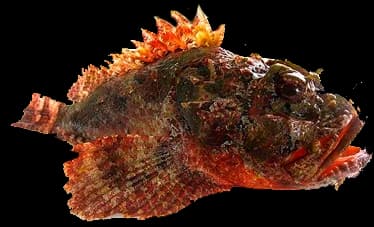
Scorpionfish
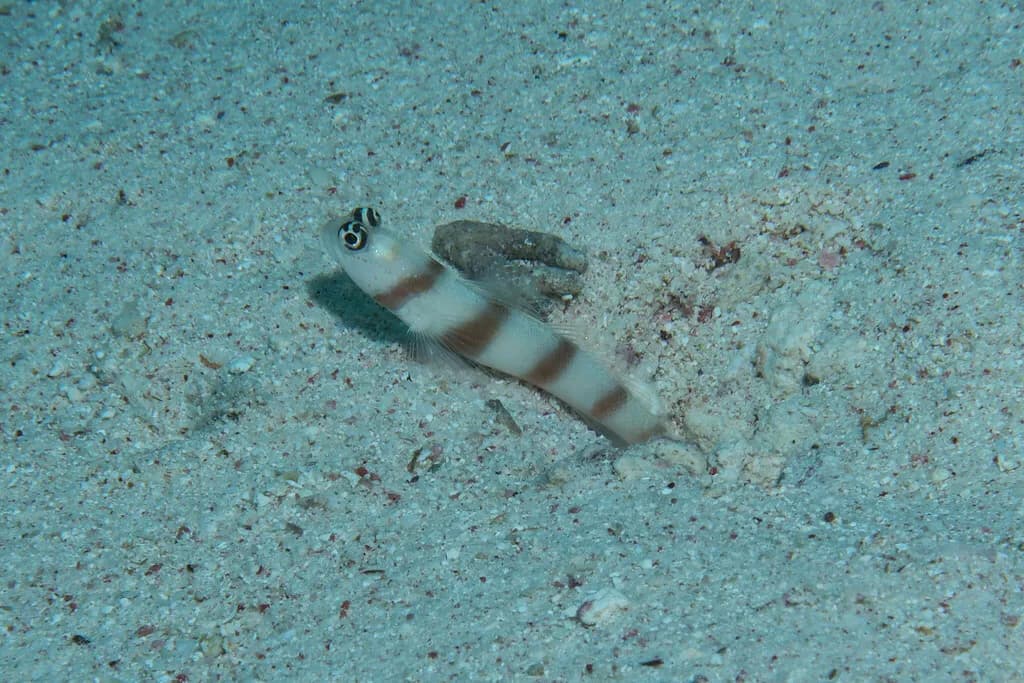
Gobie
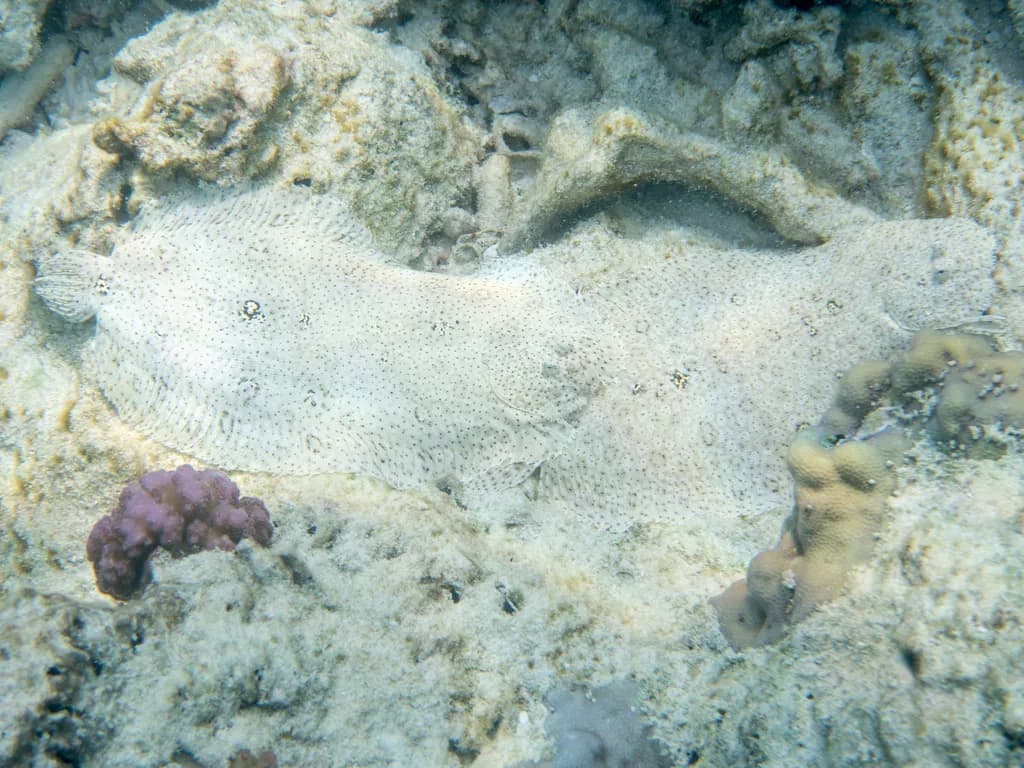
Moses Sole
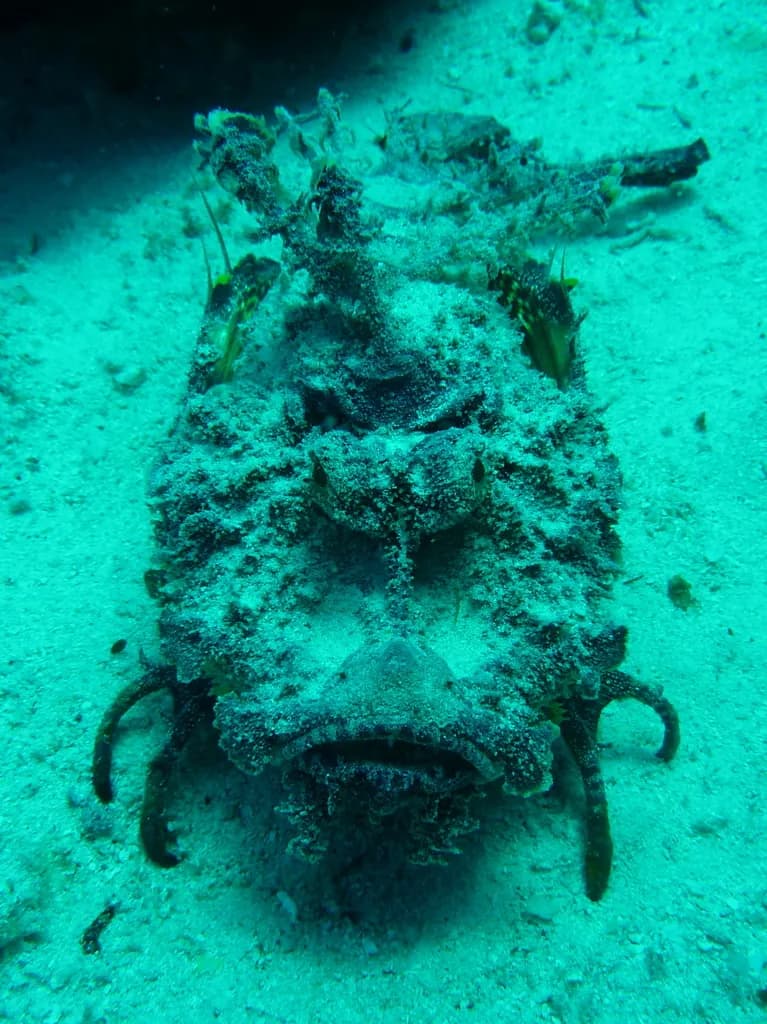
Spiny Devilfish
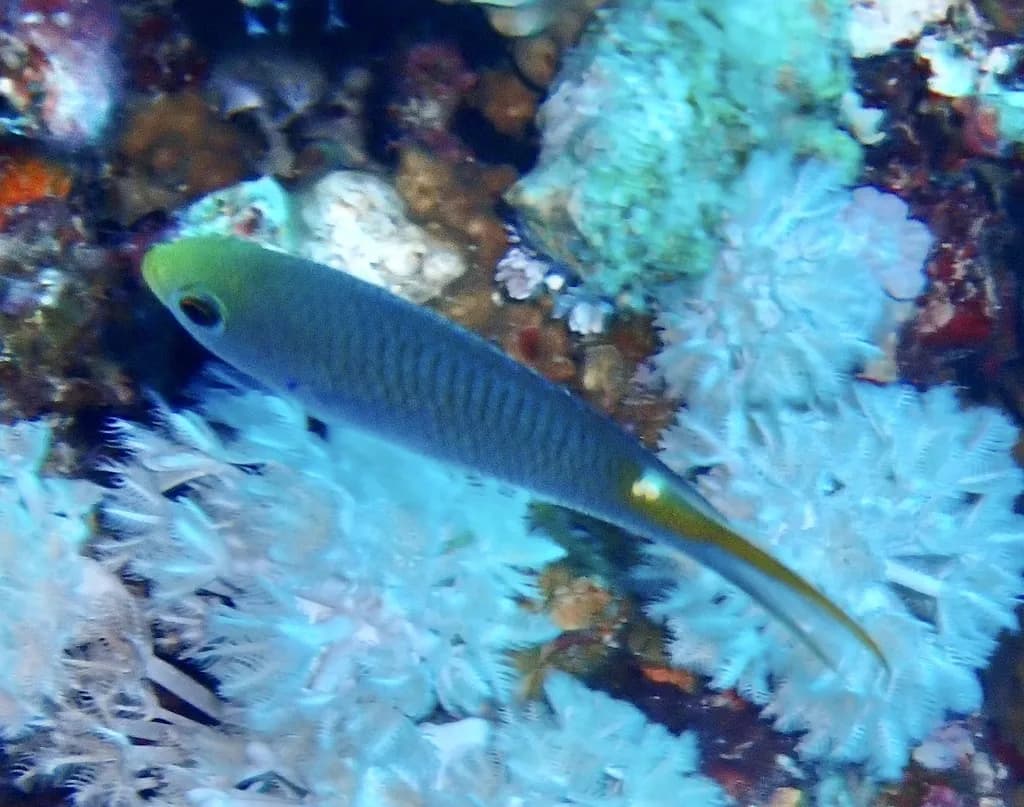
Arabian Damsel
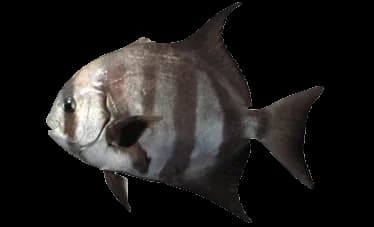
Spadefish
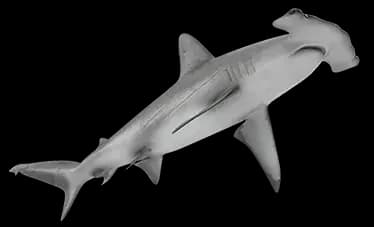
Hammerhead Shark
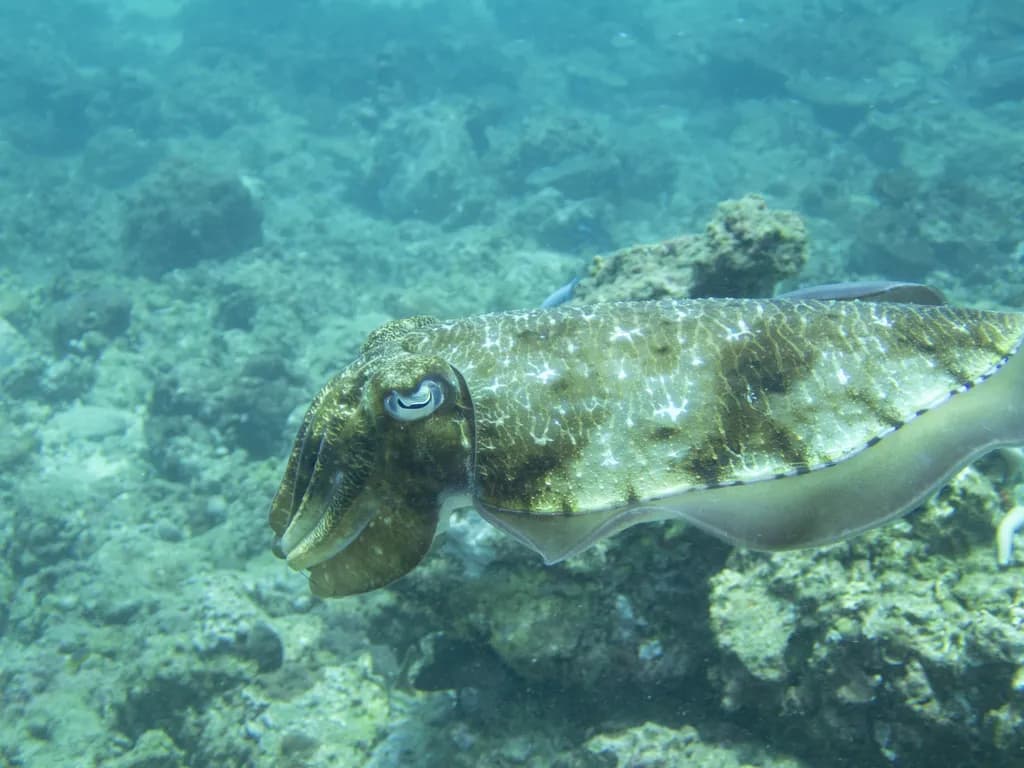
Cuttlefish
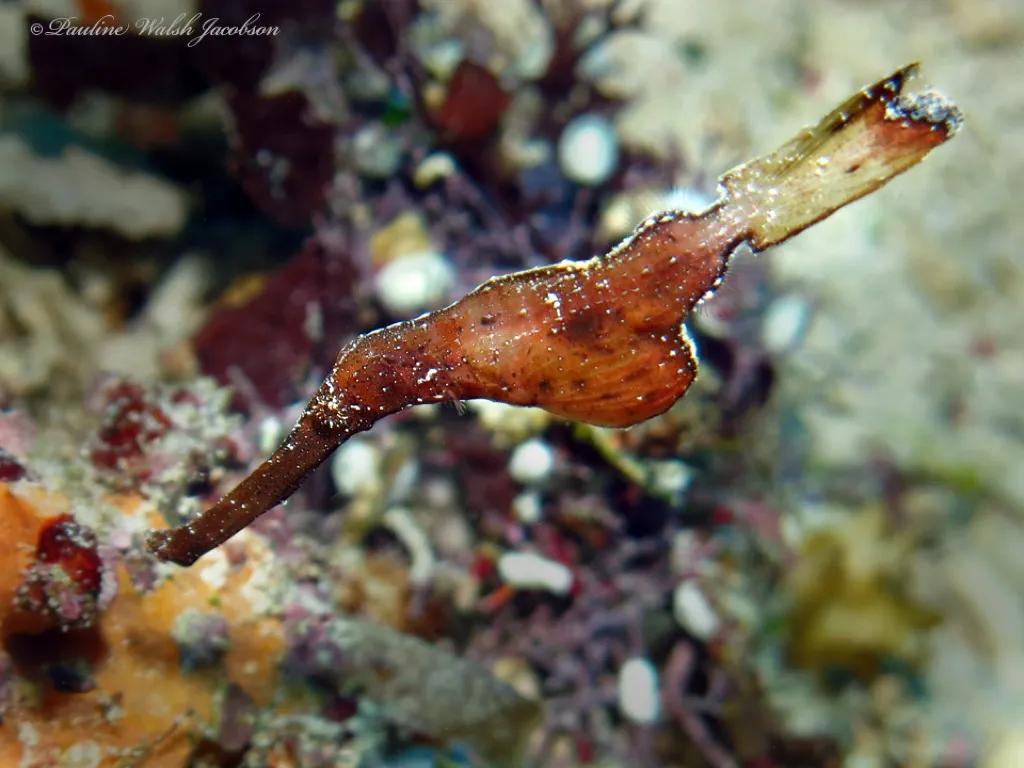
Ghost Pipefish
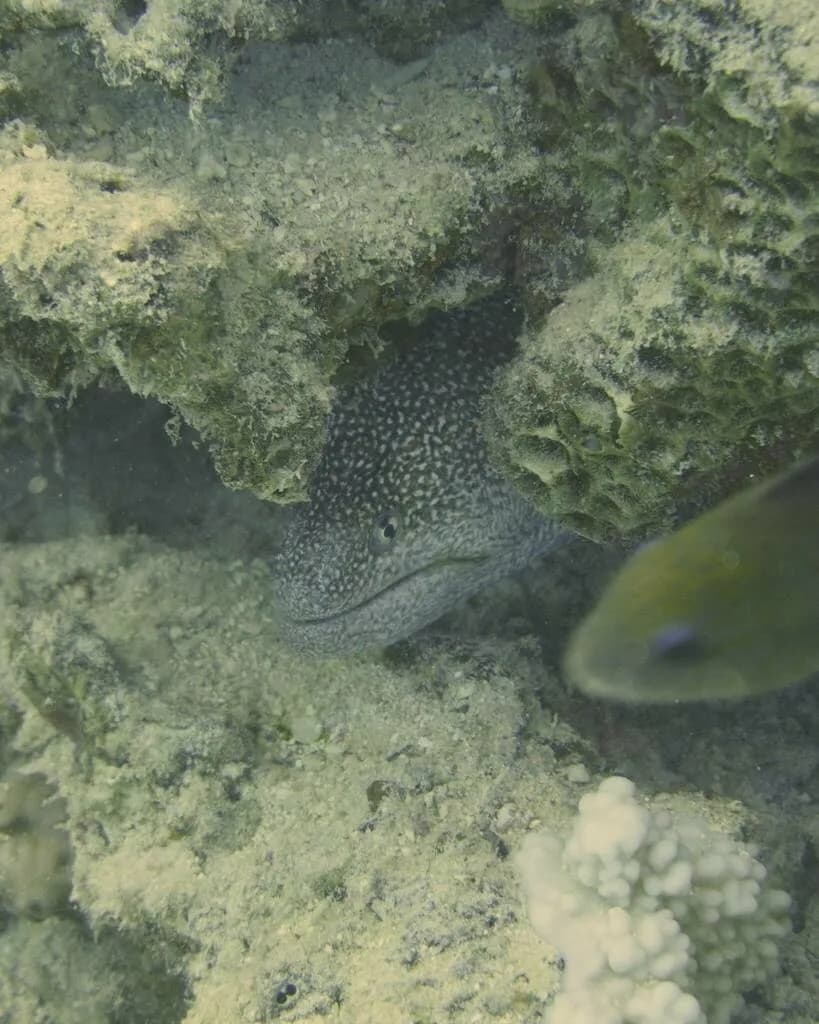
Yellowmouth Moray
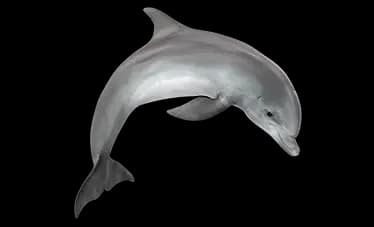
Dolphin
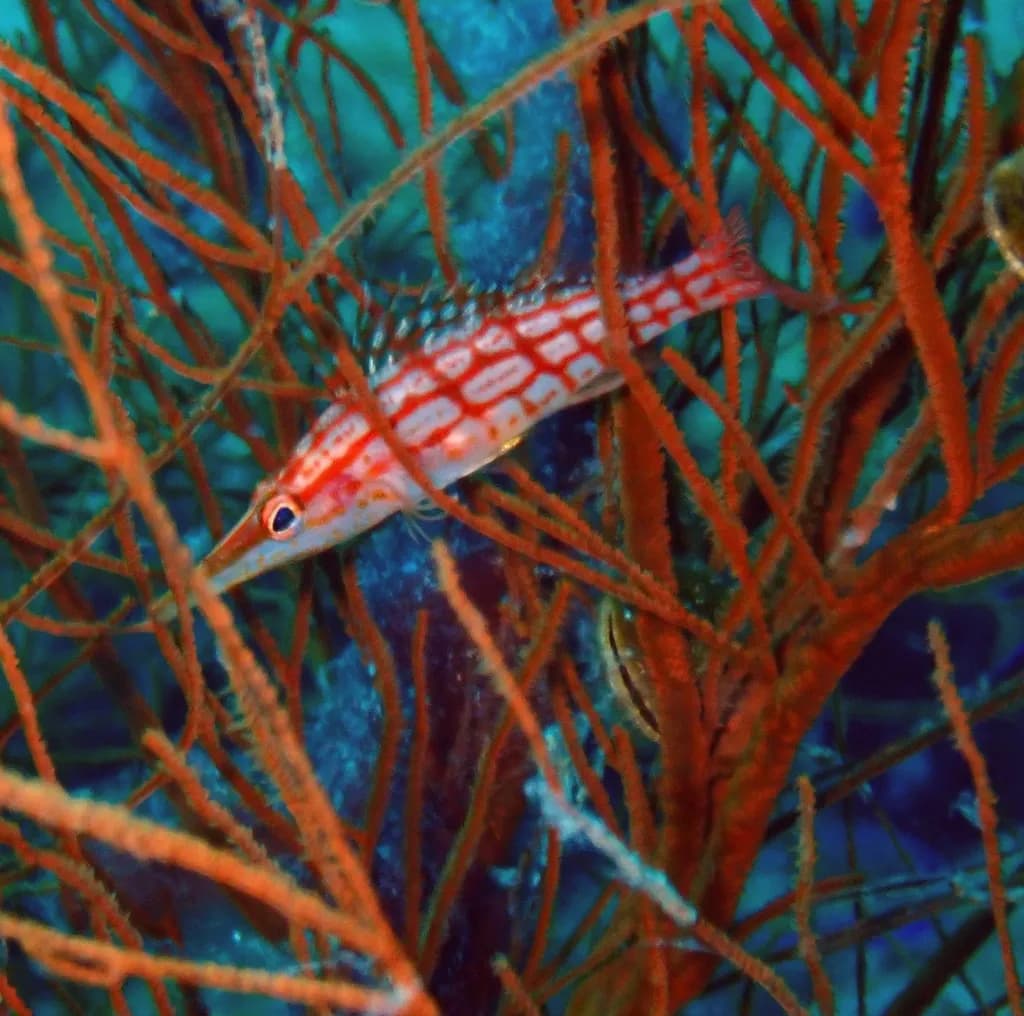
Longnose Hawkfish
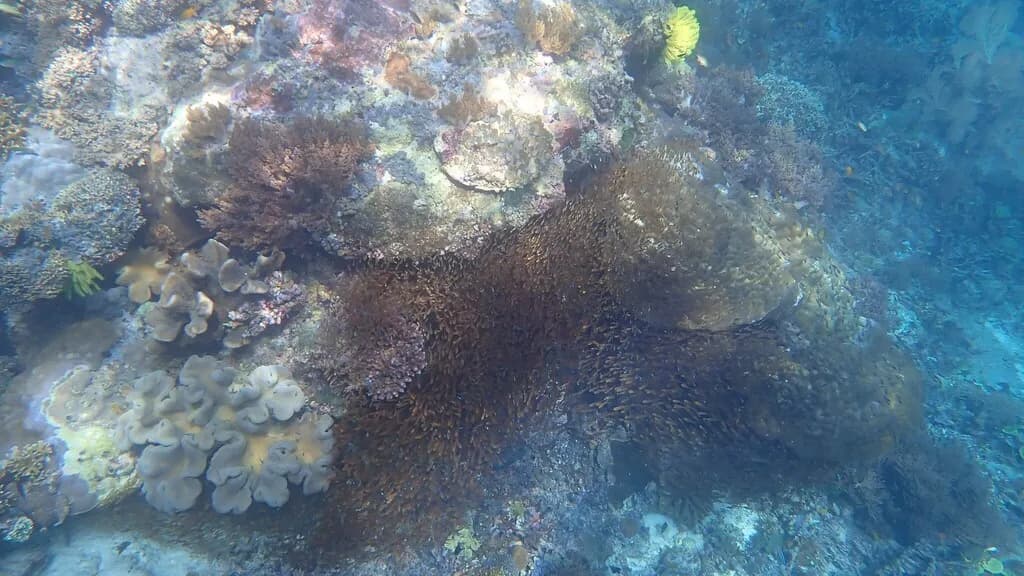
Pygmy Sweeper
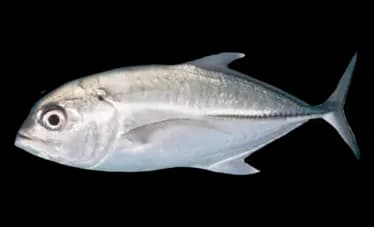
Jackfish
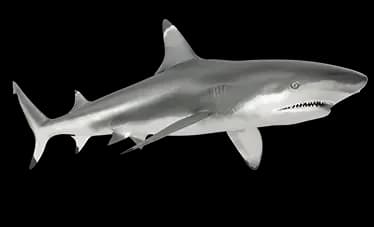
Blacktip Shark
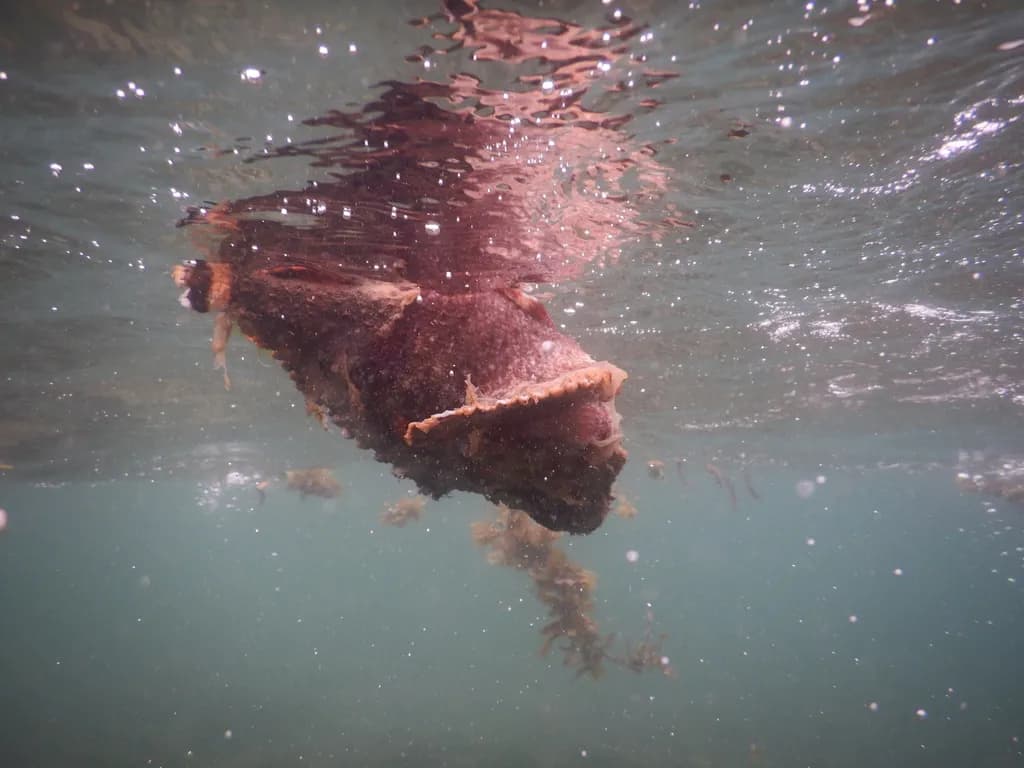
Stonefish
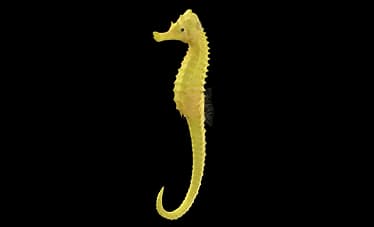
Seahorse
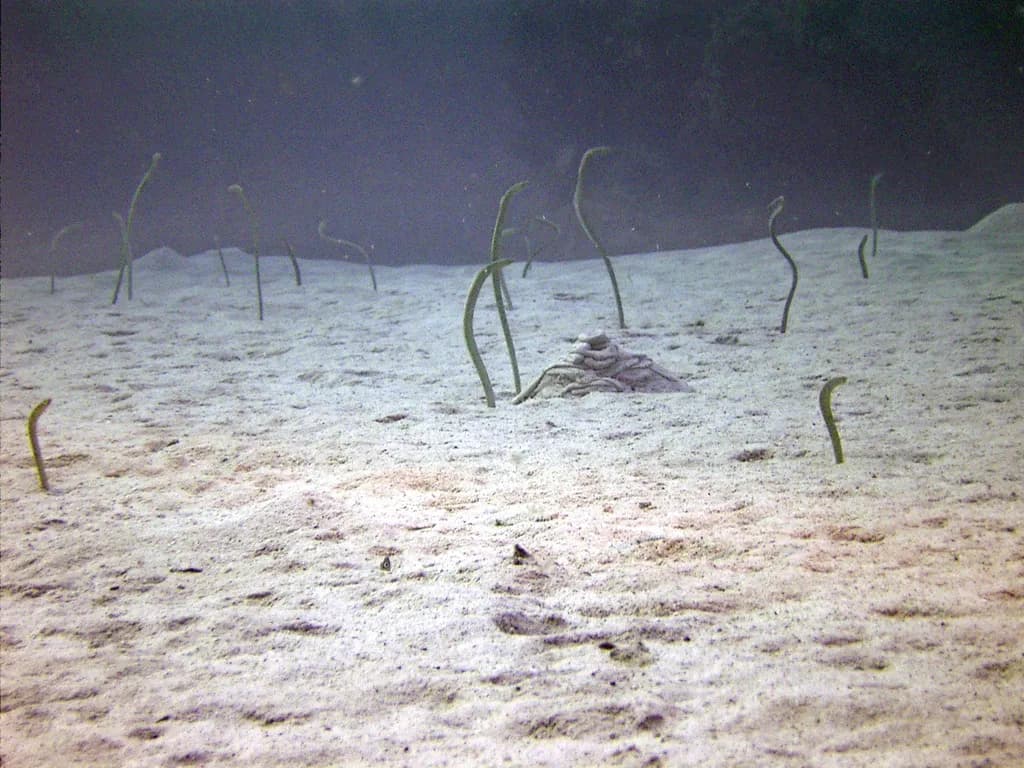
Garden Eel
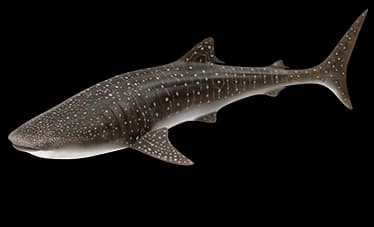
Whale Shark
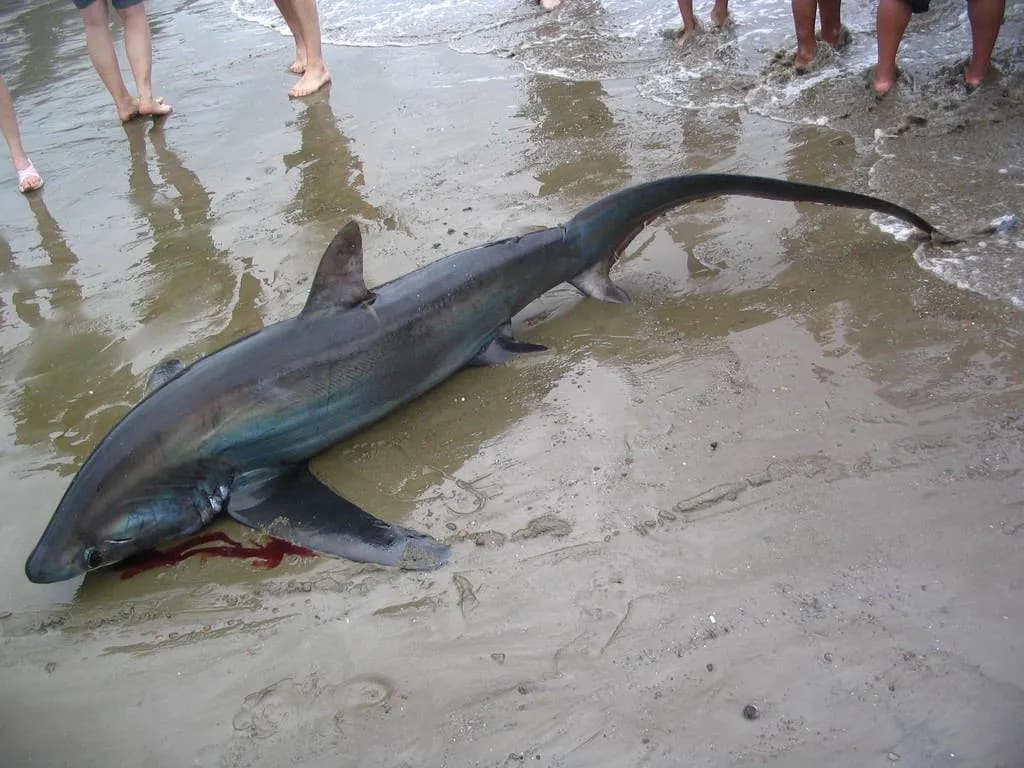
Thresher Shark
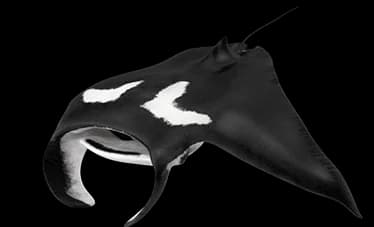
Manta Ray
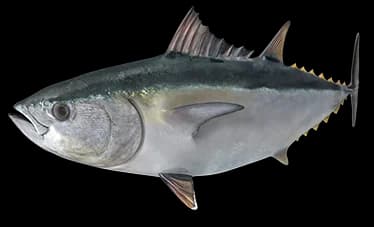
Tuna
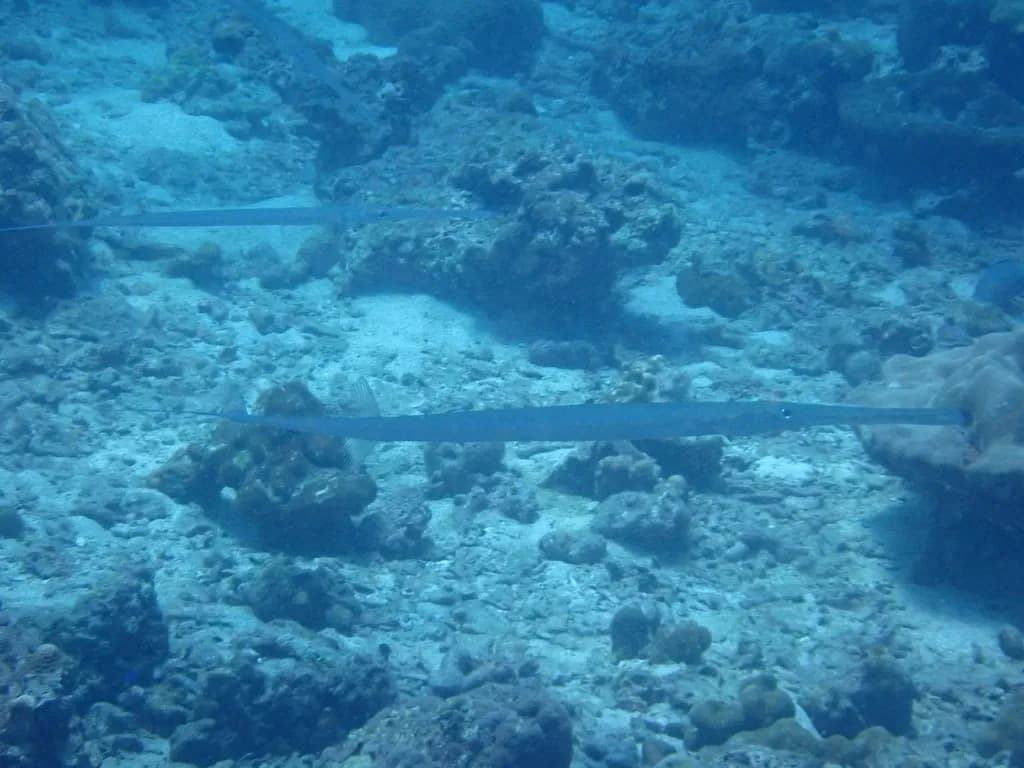
Cornetfish
Blackside Hawkfish
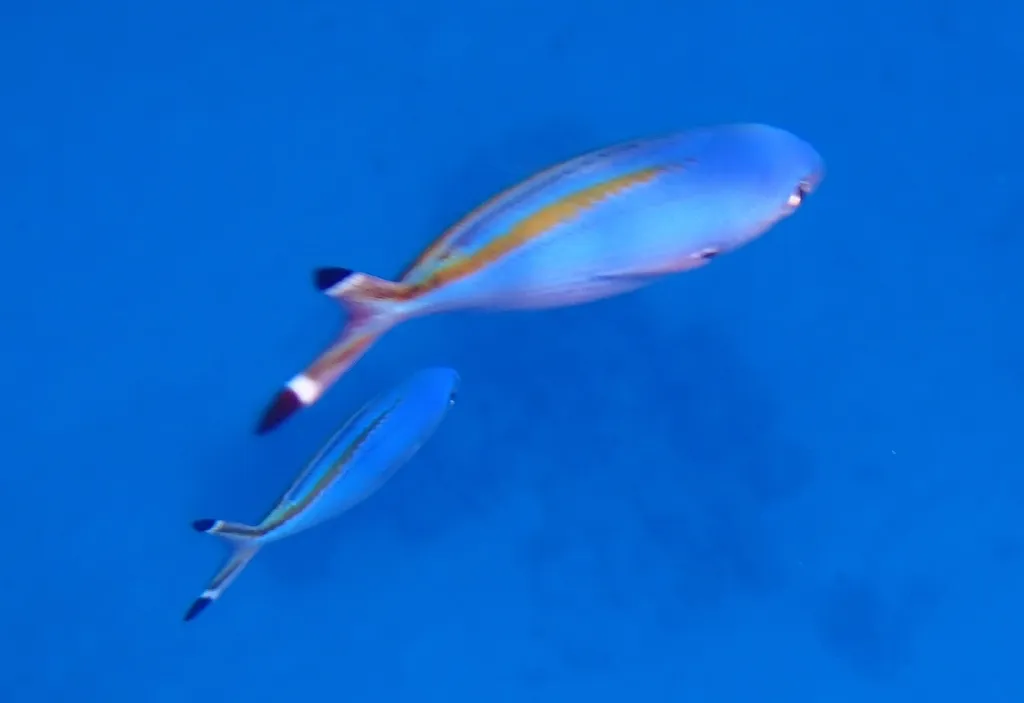
Fusilier
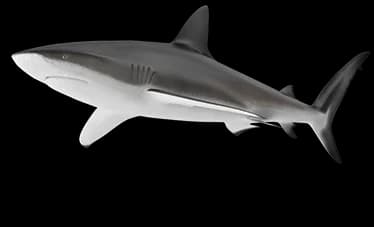
Grey Reef Shark
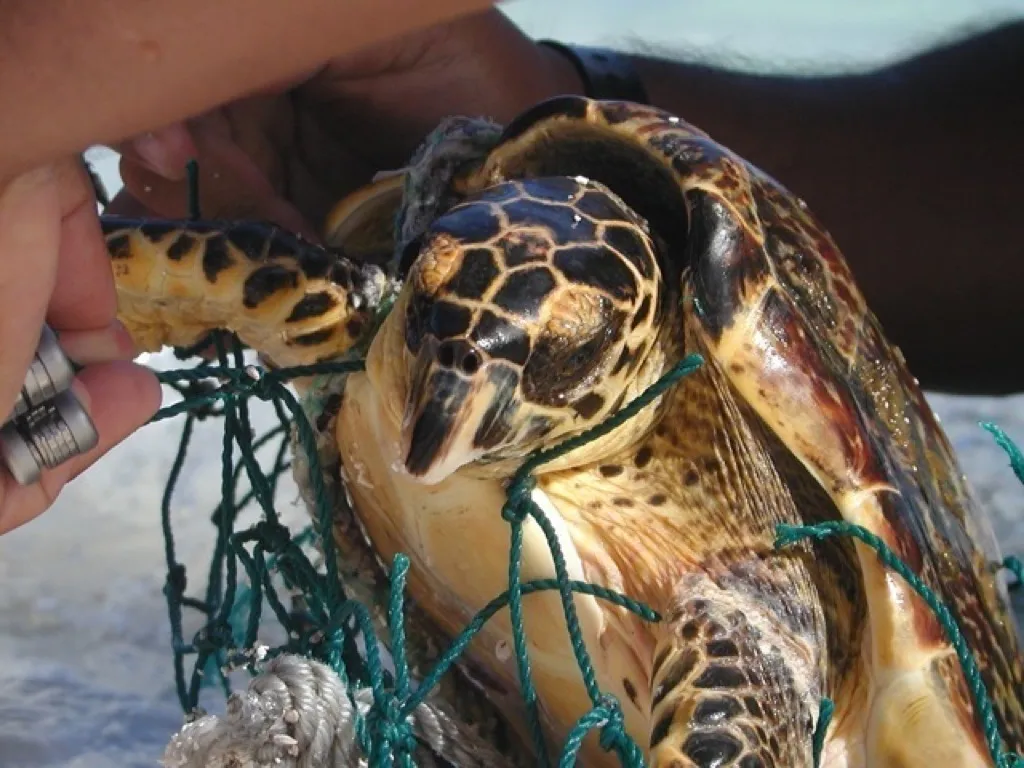
Hawksbill Turtle
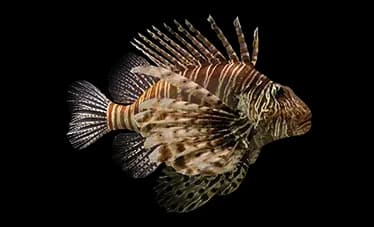
Lionfish
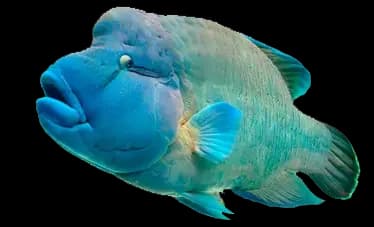
Napoleon Wrasse
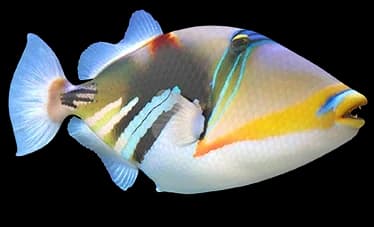
Picasso Triggerfish
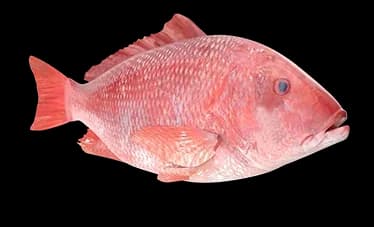
Red Snapper
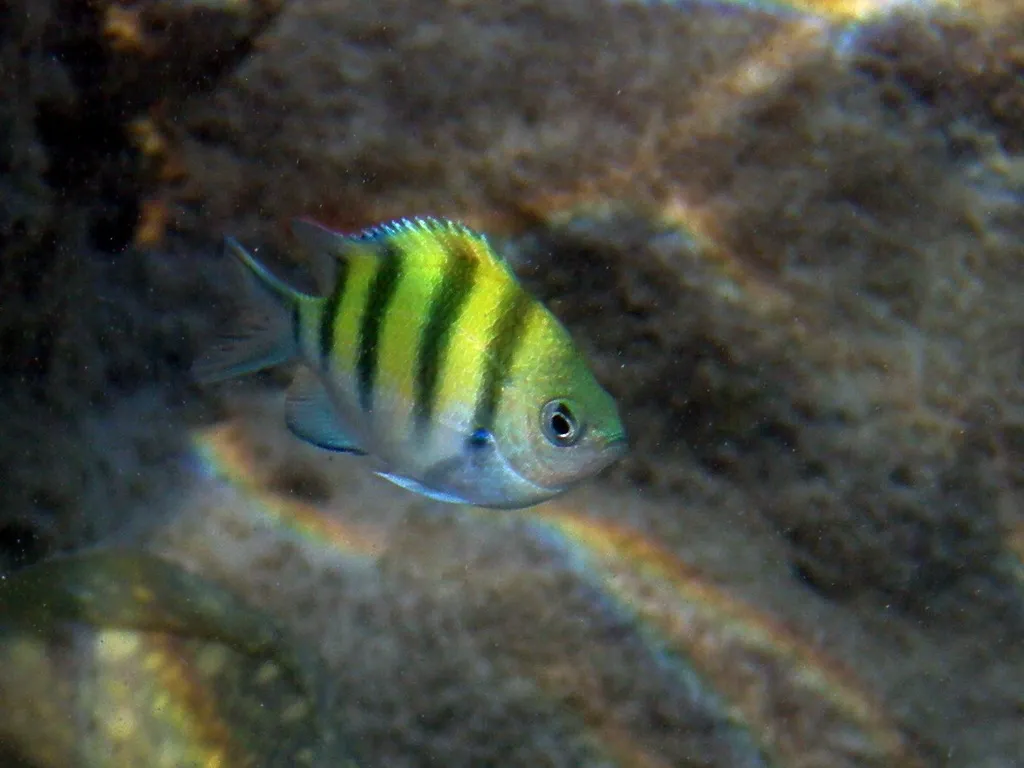
Sergeant Major
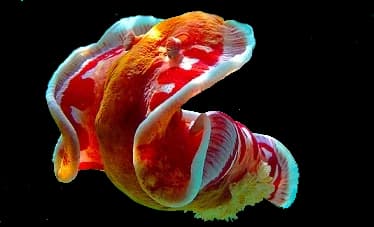
Spanish Dancer
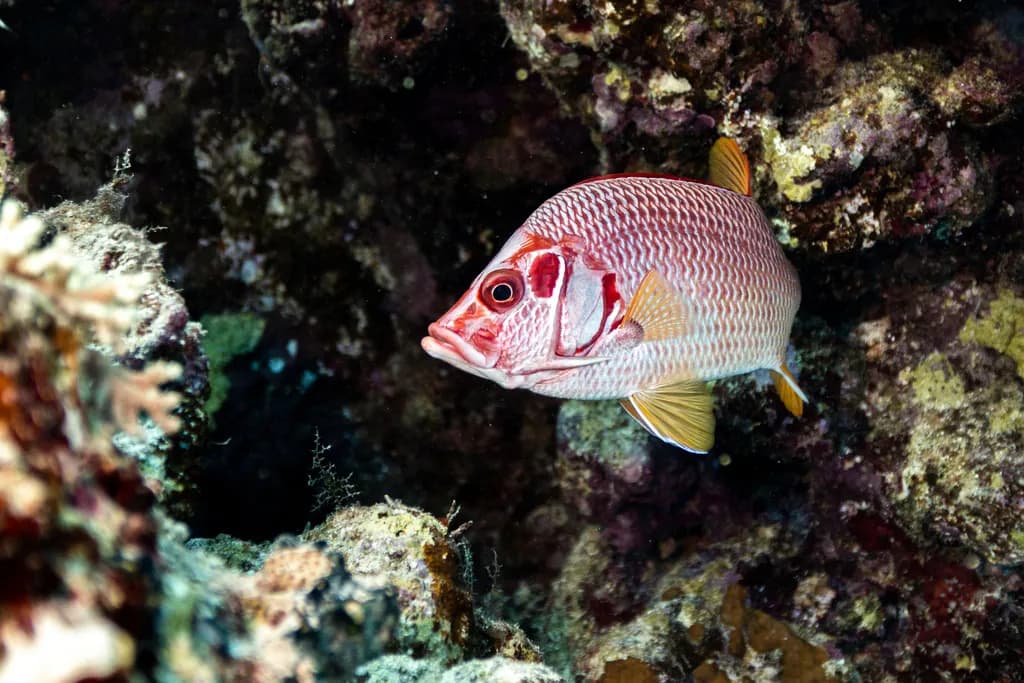
Squirrelfish
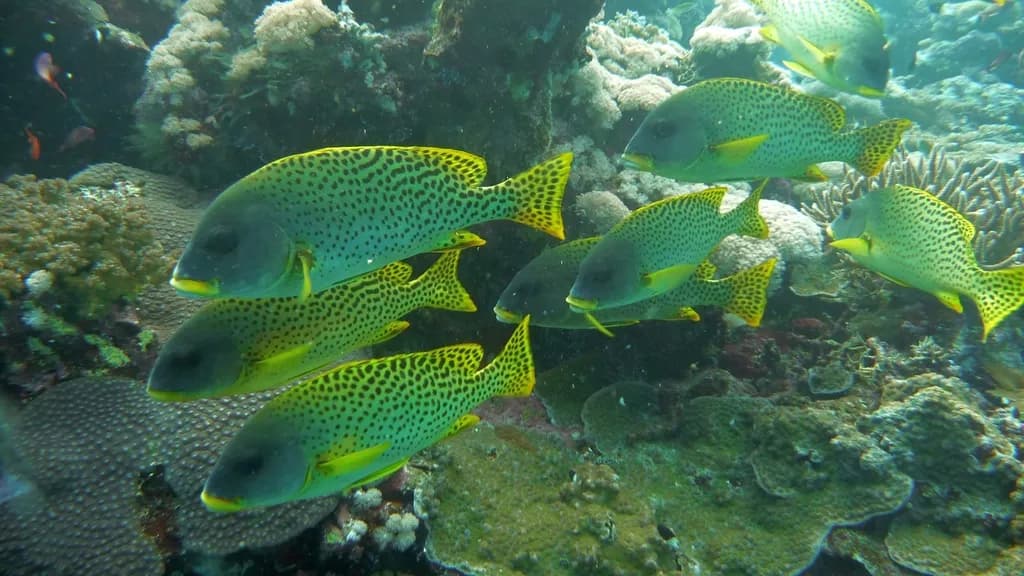
Sweetlip
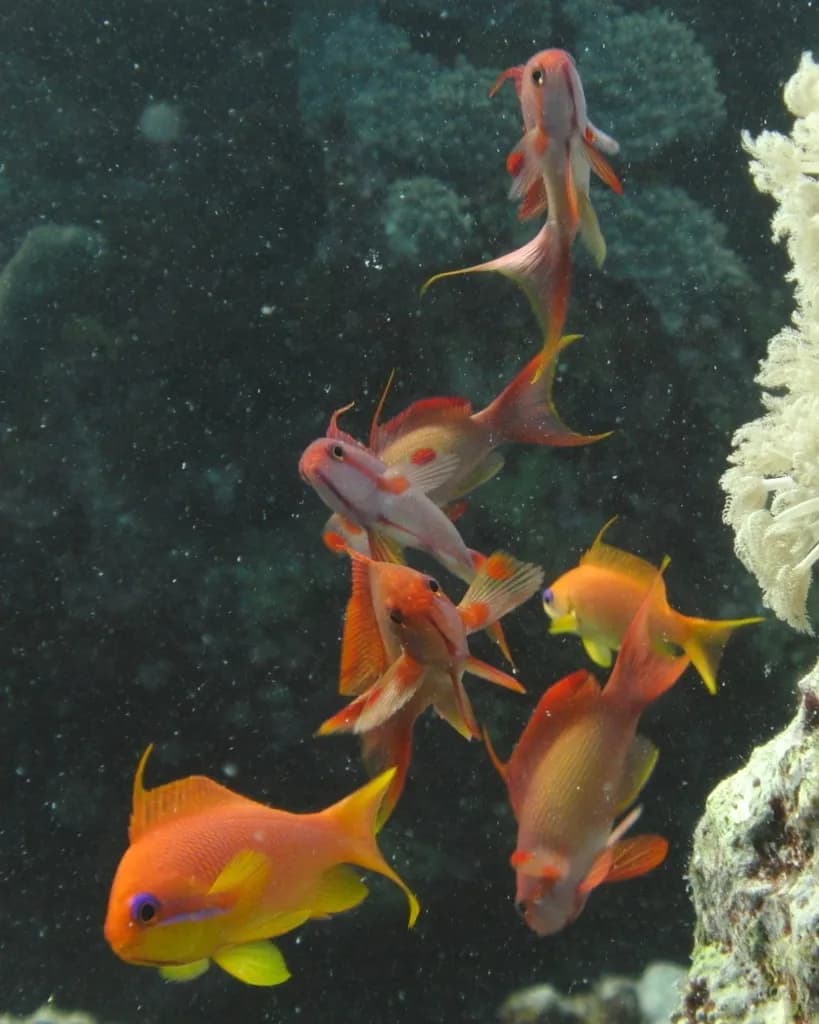
Anthias