
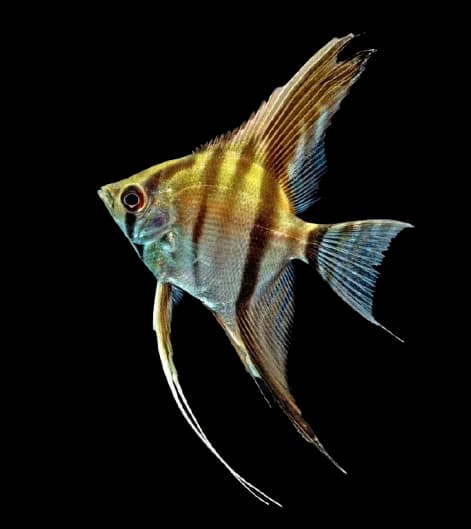
Angelfish
occasional · Year Round
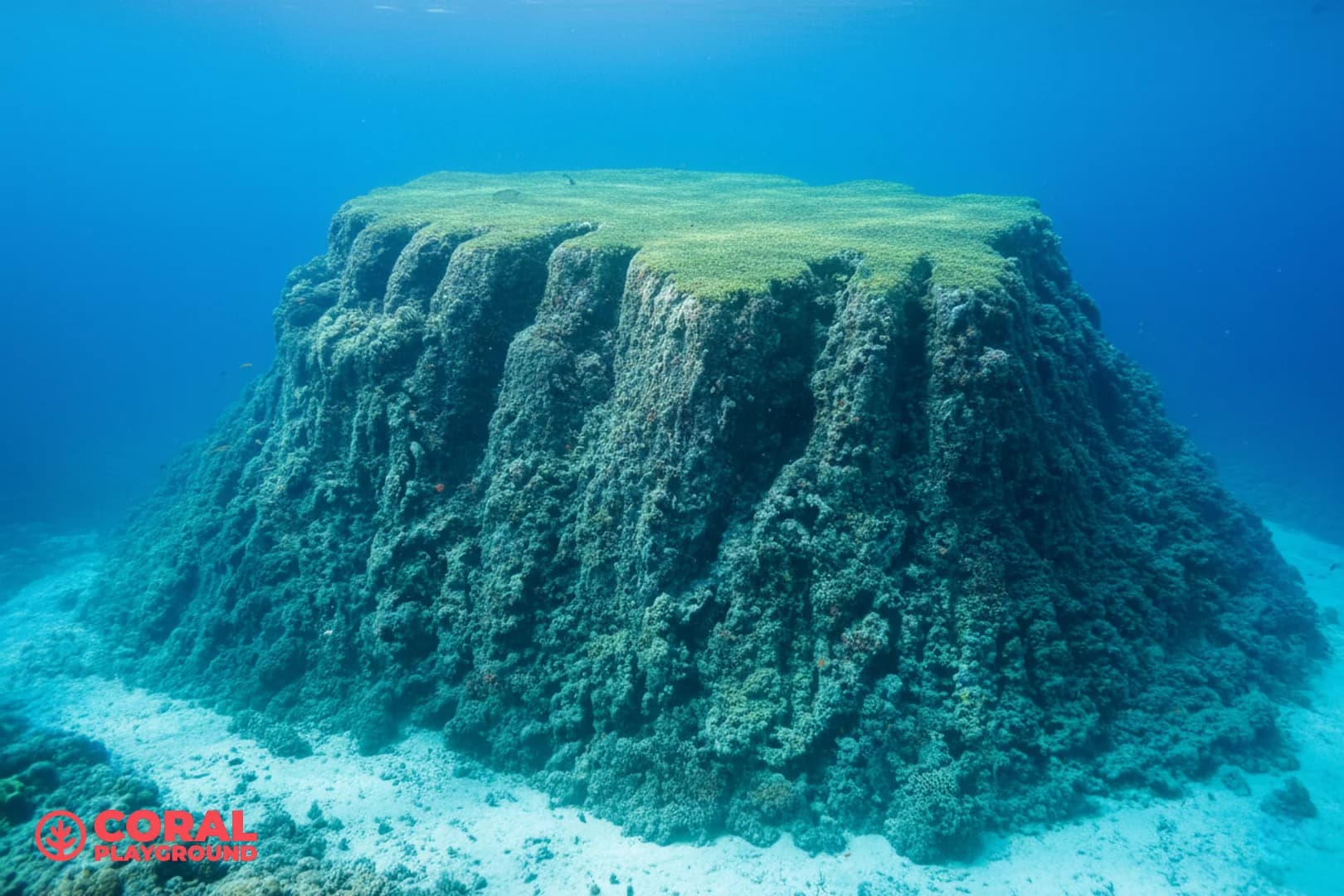
Marsa Alam · Red Sea
About the site
Habili Ali is the wild, current-swept easternmost reef of the St John's complex, far out in the deep south of the Egyptian Red Sea. A "habili" is a submerged reef that never breaks the surface, and this one — a small oval seamount 44km offshore, marooned between Zabargad Island and the open sea — is among the most exposed and exhilarating dives in the country. There is no shelter here: the reef pulls in current from every direction, and with it the big animals. This is a liveaboard-only site for confident divers who come for sharks, gorgonians and the sheer drama of a reef in the blue.
Habili Ali is a steep-walled pinnacle, roughly 270m long and 80m wide, with an average working depth past 30m and walls that plunge well beyond recreational limits — over 70m in places before vanishing into the deep. The reef top starts around 10–13m but often sits too close to the surface to use as a refuge, with breakers washing over it, so dives are planned down the walls. Those walls are the attraction: grooves, notches and overhangs encrusted with vivid soft and hard corals, big gorgonian fans and stands of black coral, all fed fat by the relentless current.
That current is the defining condition and the reason for the marine life. It can run weak to very strong and arrive from any direction, so a current check before the dive is mandatory and the plan adapts to whatever the reef is doing on the day. Dives are typically run as drifts along the walls with a sharp eye on the blue, ascending into the shallower southern slope where the reef narrows into a plateau. Habili Ali is unequivocally an advanced dive — exposure, depth and current together demand experience, solid air management and comfort with negative entries and drifting.
Habili Ali is shark country. The current draws grey reef sharks, hammerheads and oceanic whitetips, with eagle rays and the occasional manta sweeping through, and shoals of barracuda holding in the flow off the walls. The reef itself is a riot of soft coral, gorgonian fans and black coral, with anthias and reef fish blanketing the structure — the kind of lush, untouched growth that only a remote, well-flushed reef produces.
The deep south is a liveaboard destination, dived mainly in the warmer, calmer months of the southern season (roughly spring and autumn into early summer); visibility is usually excellent at 20–30m or more. Habili Ali is for advanced divers only — the combination of strong, unpredictable current, real depth and total exposure leaves no margin for the inexperienced. Expect negative entries, drift dives and a guide who will call the dive on the conditions, not the schedule.
Dive map & gallery
Marine life
Angelfish
occasional · Year Round
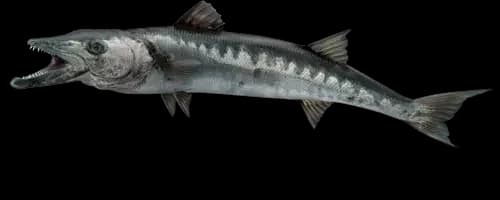
Barracuda
common · Year Round
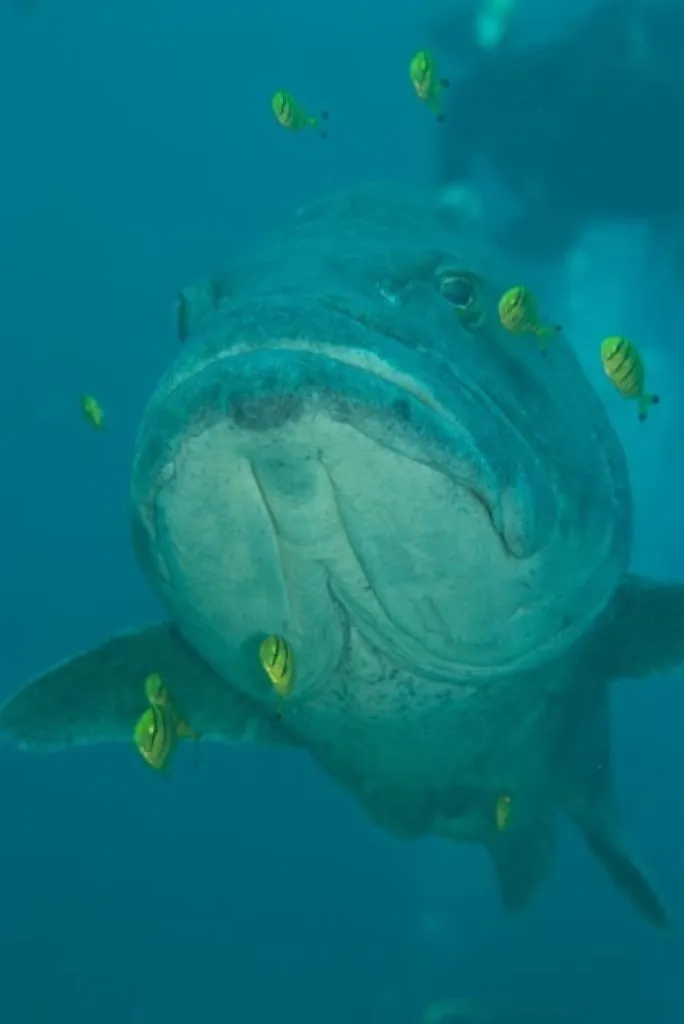
Black Grouper
common · Year Round
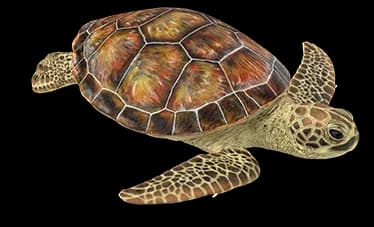
Turtle
abundant · Year Round
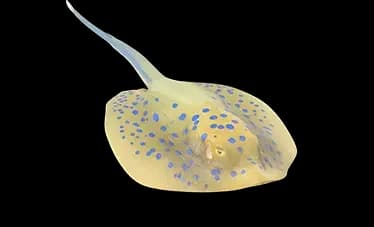
Blue Spotted Stingray
abundant · Year Round
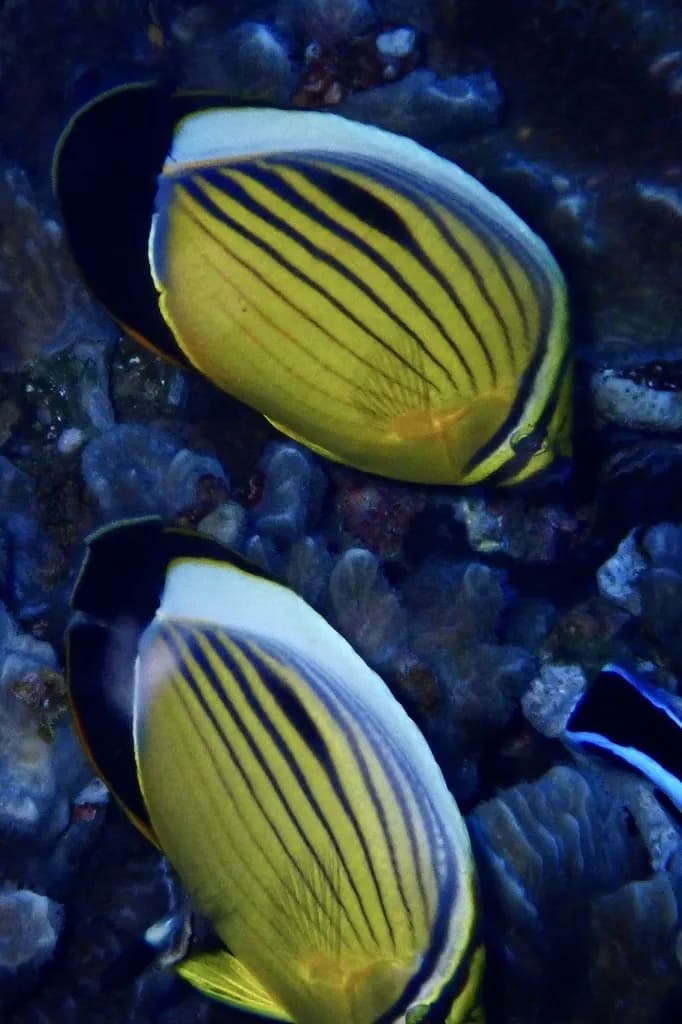
Butterflyfish
abundant · Year Round
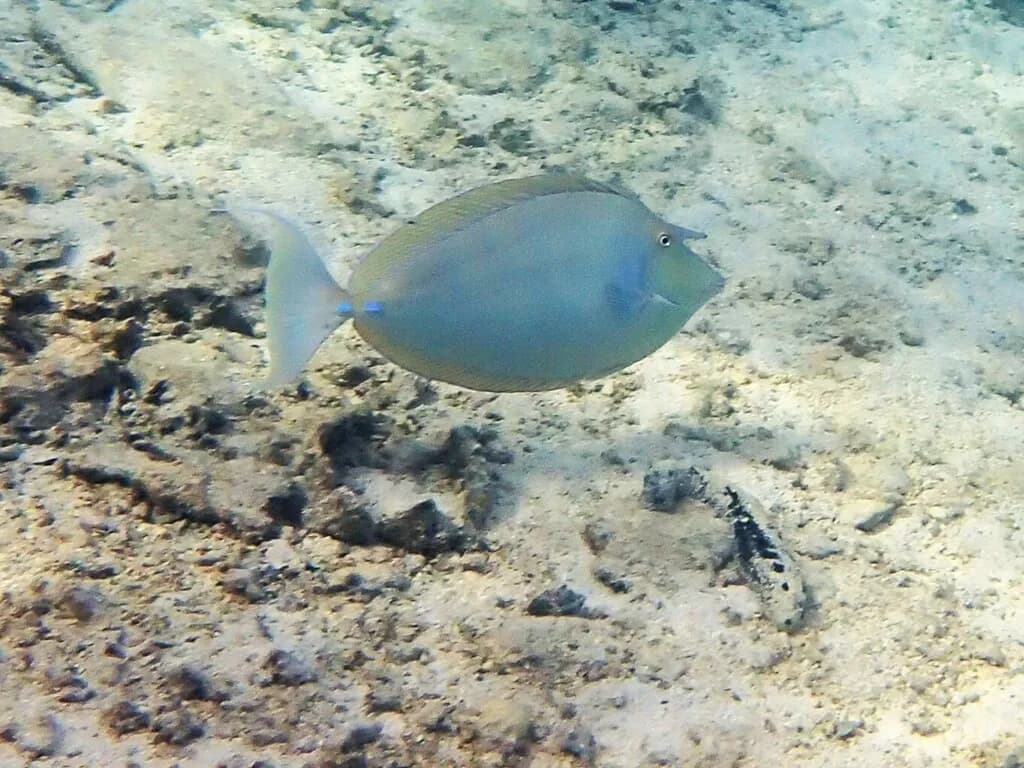
Unicorn Fish
abundant · Year Round
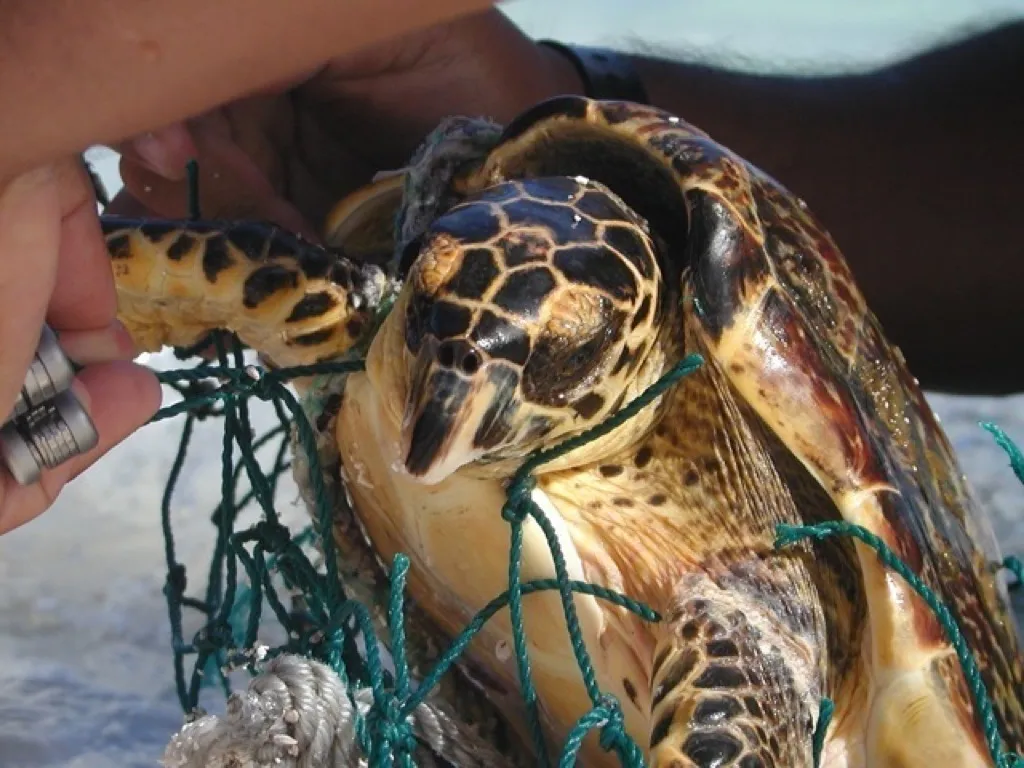
Hawksbill Turtle
abundant · Year Round
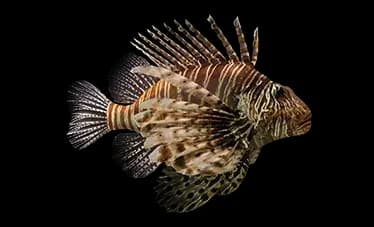
Lionfish
abundant · Year Round
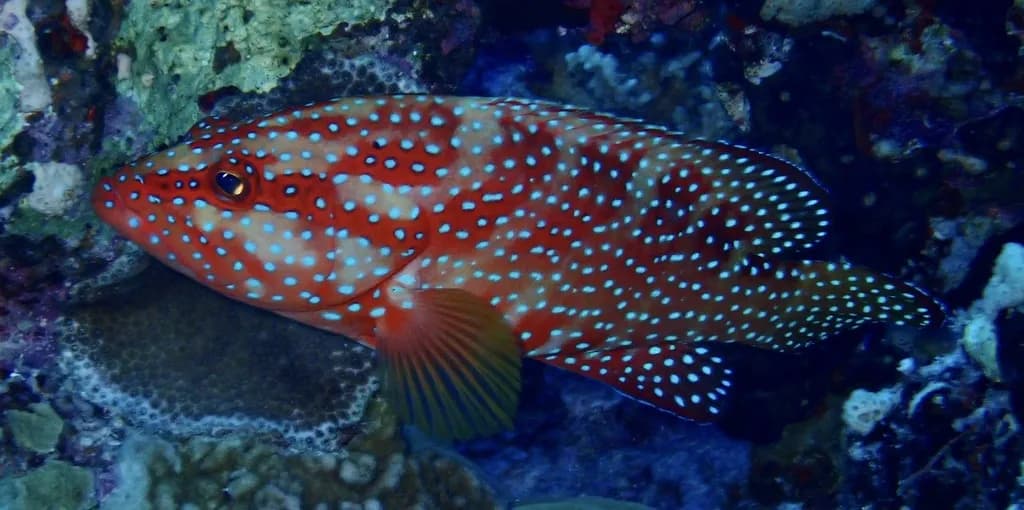
Coral Grouper
abundant · Year Round
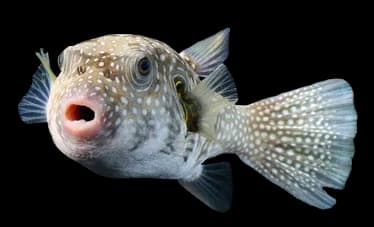
Pufferfish
abundant · Year Round
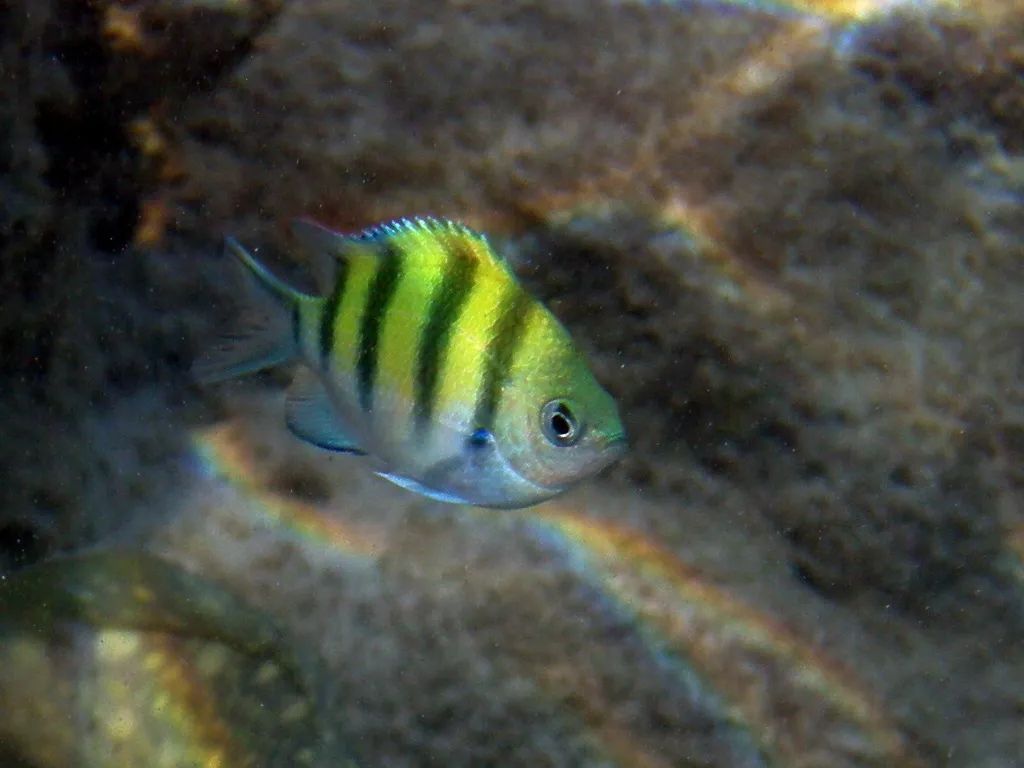
Sergeant Major
abundant · Year Round
Parrotfish
abundant · Year Round
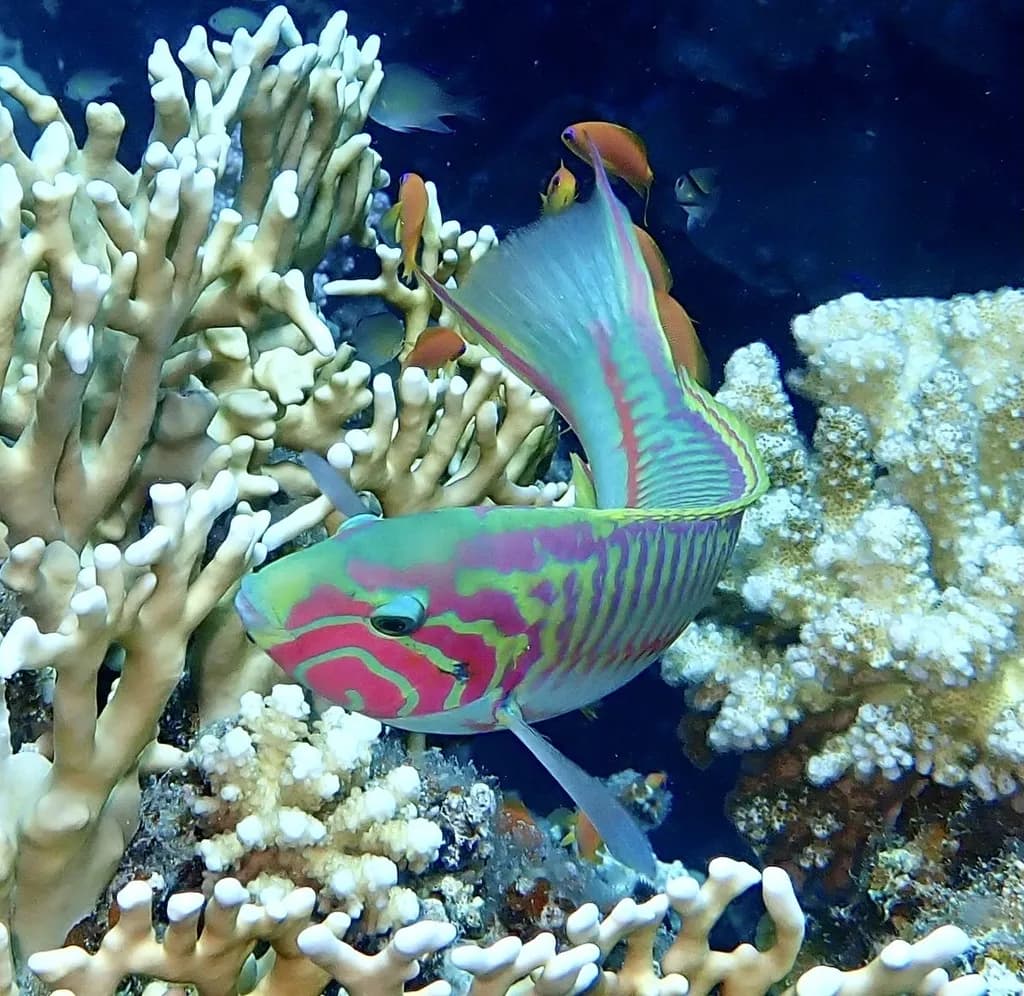
Klunzinger's Wrasse
abundant · Year Round
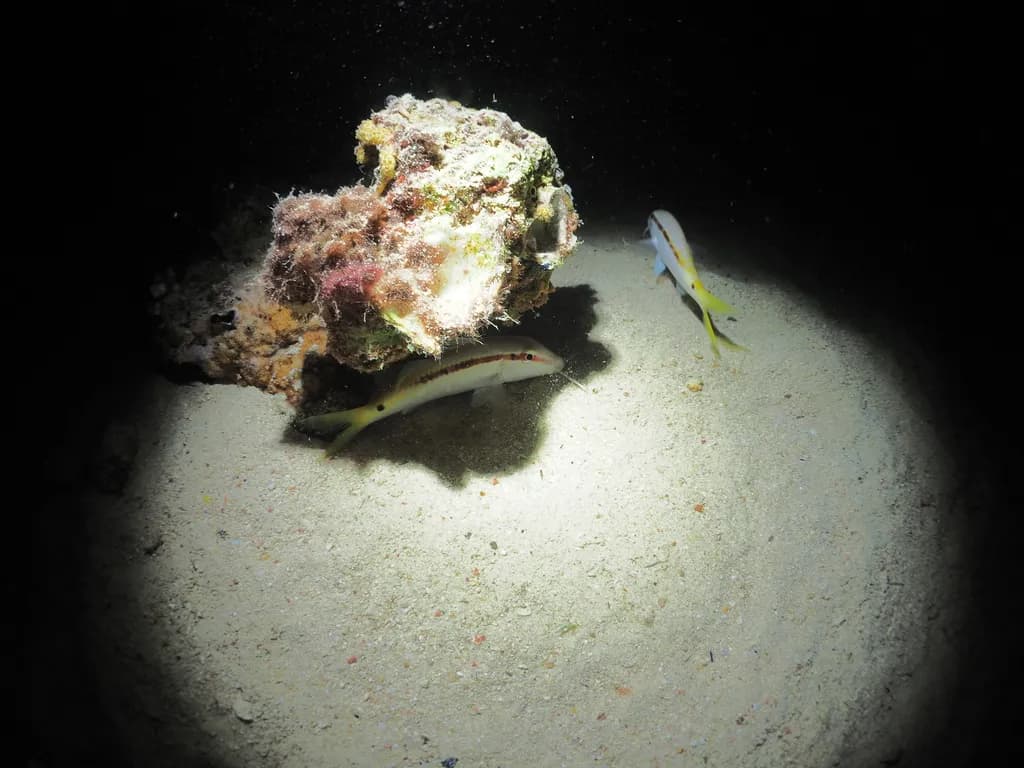
Goatfish
abundant · Year Round
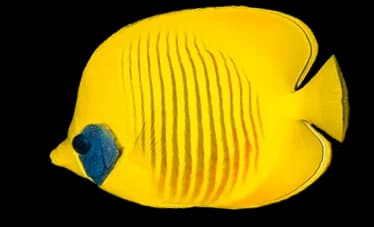
Masked Butterflyfish
abundant · Year Round
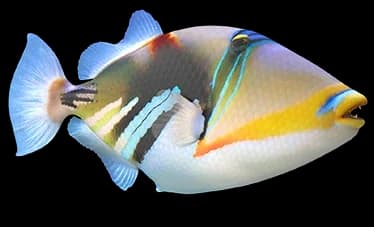
Picasso Triggerfish
common · Year Round
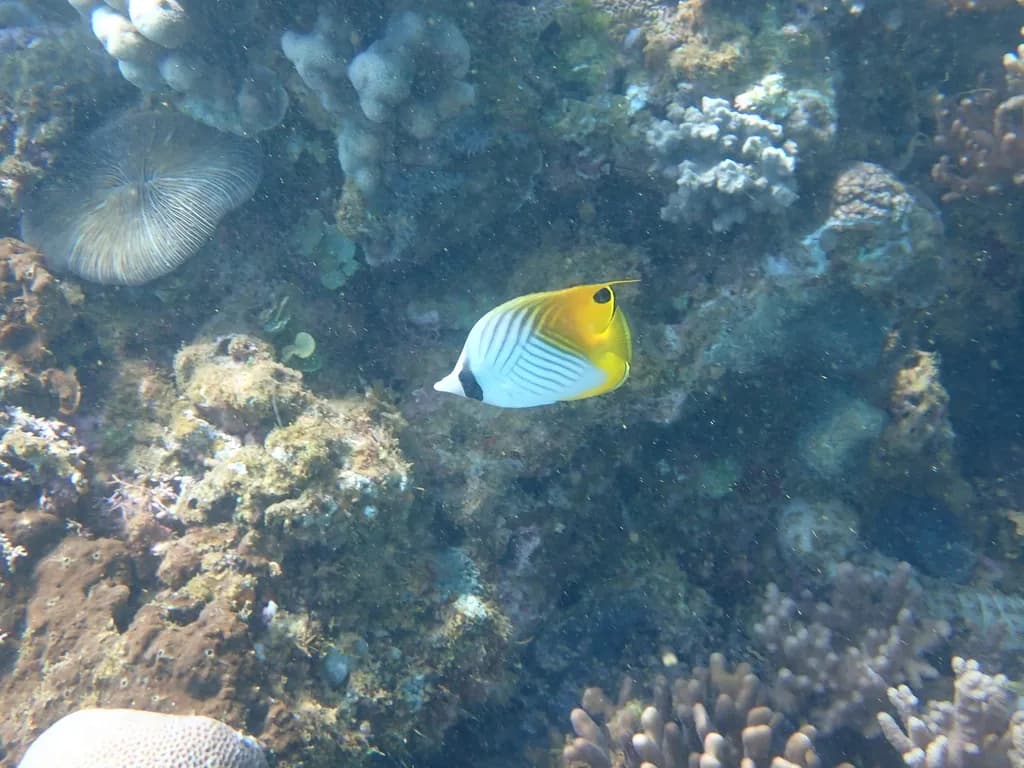
Threadfin Butterflyfish
common · Year Round
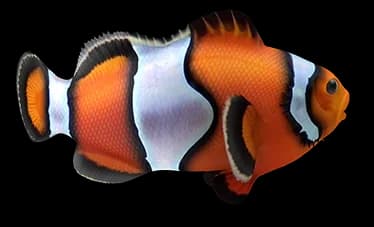
Clownfish
common · Year Round
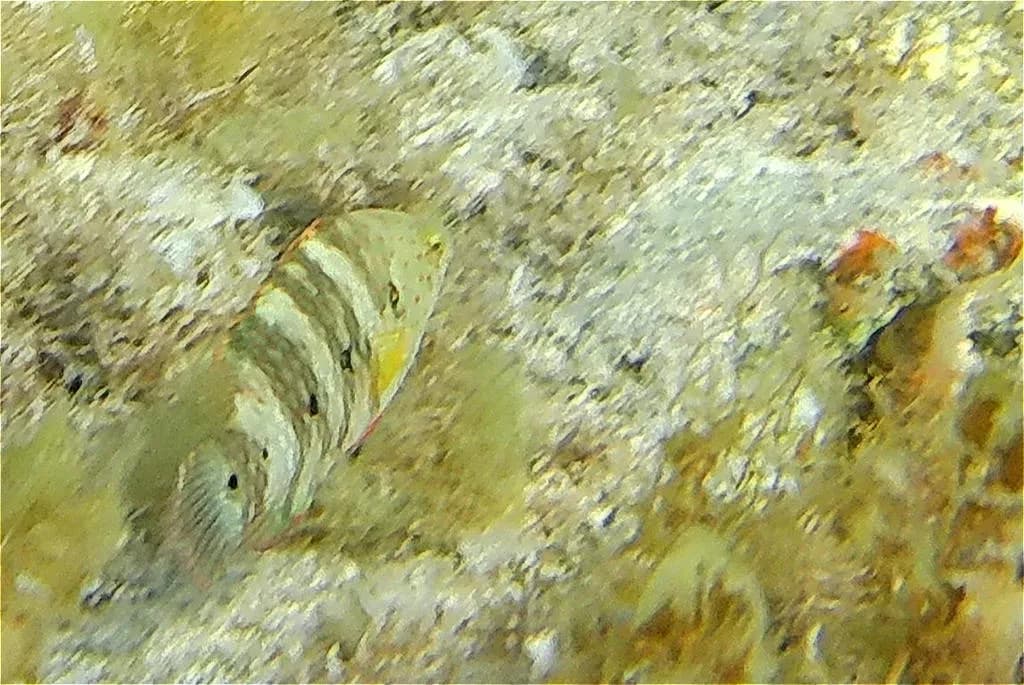
Splendour Wrasse
common · Year Round
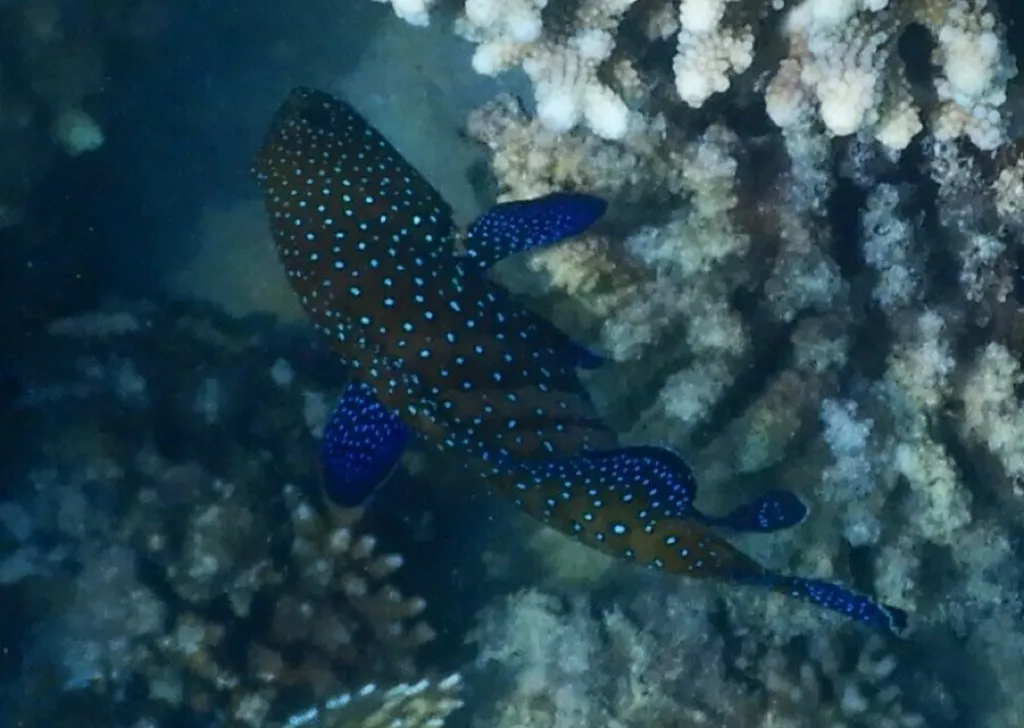
Peacock Grouper
common · Year Round
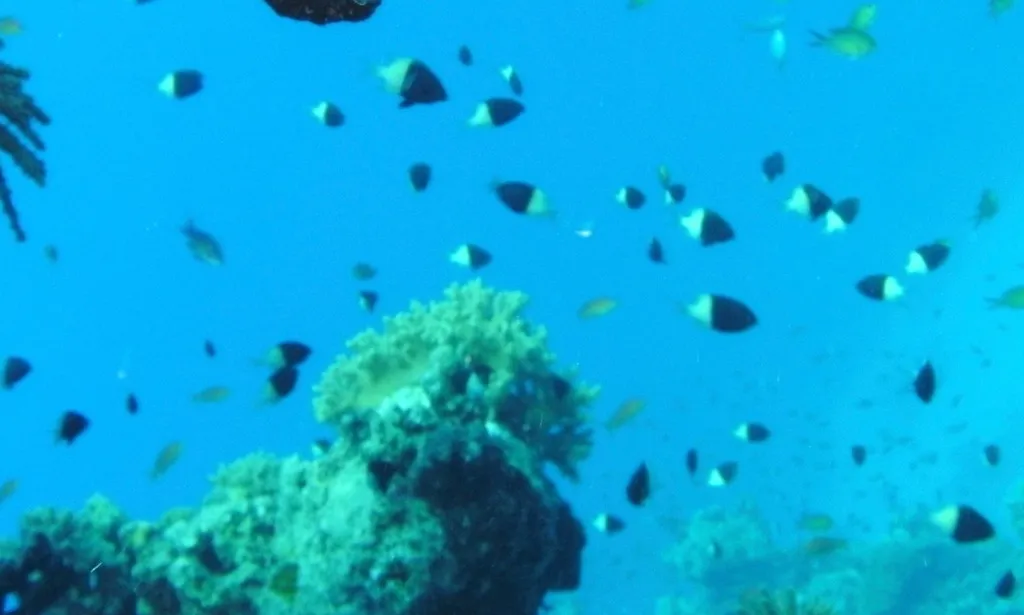
Bicolour Puller
common · Year Round
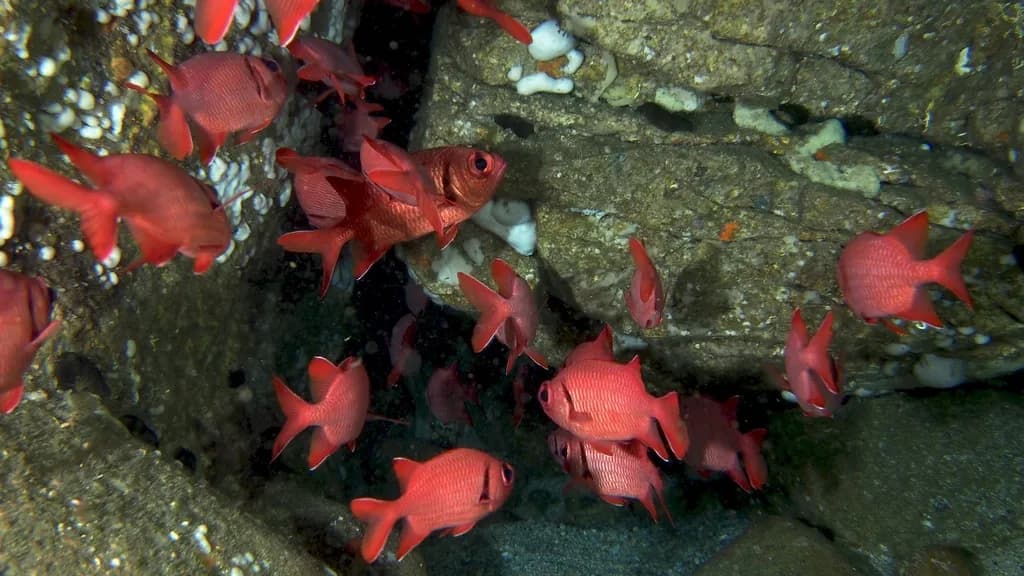
Soldierfish
common · Year Round
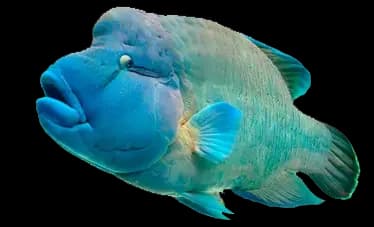
Napoleon Wrasse
common · Year Round
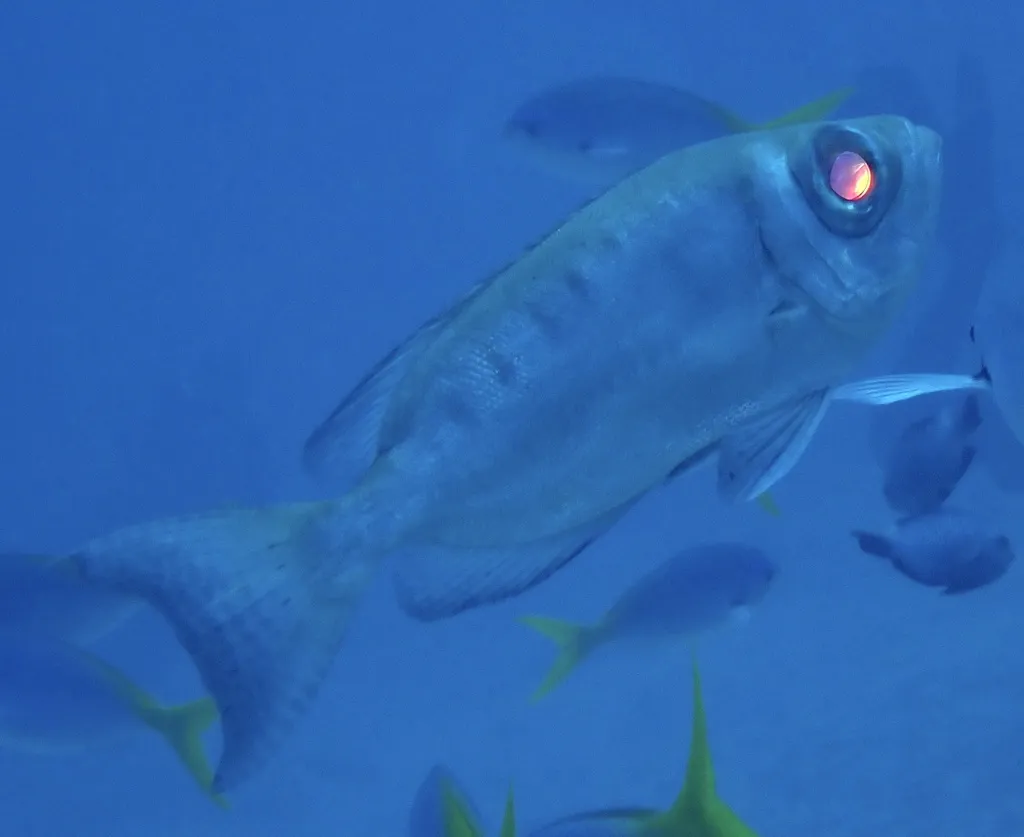
Bigeye
common · Year Round
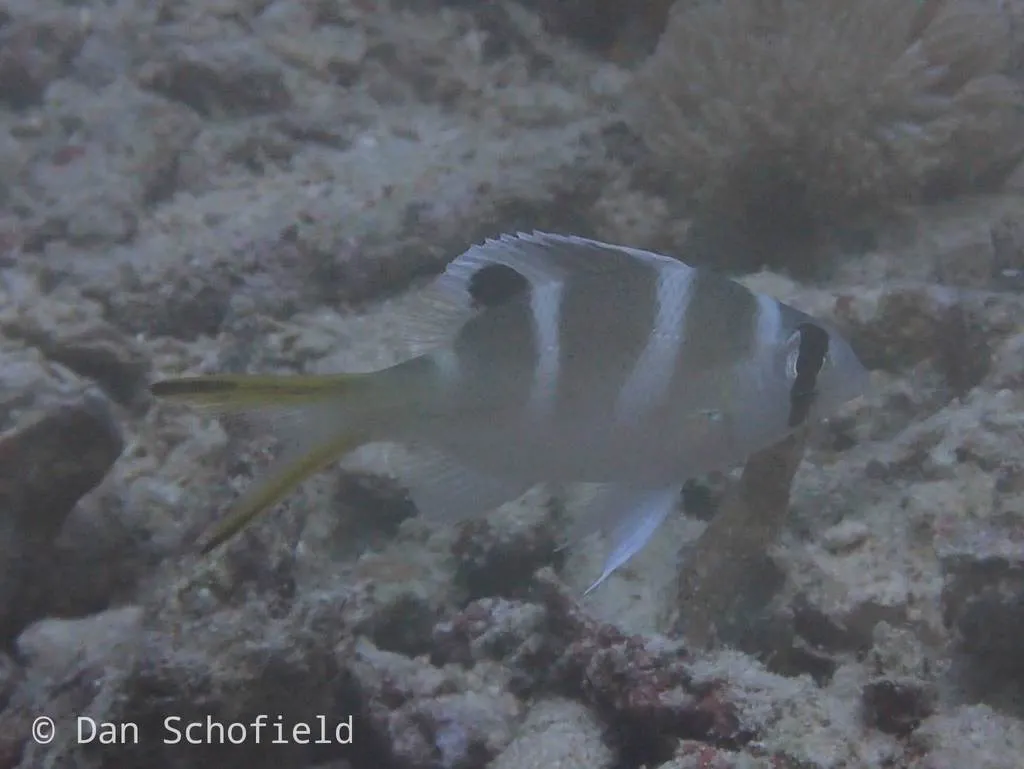
Bream
common · Year Round
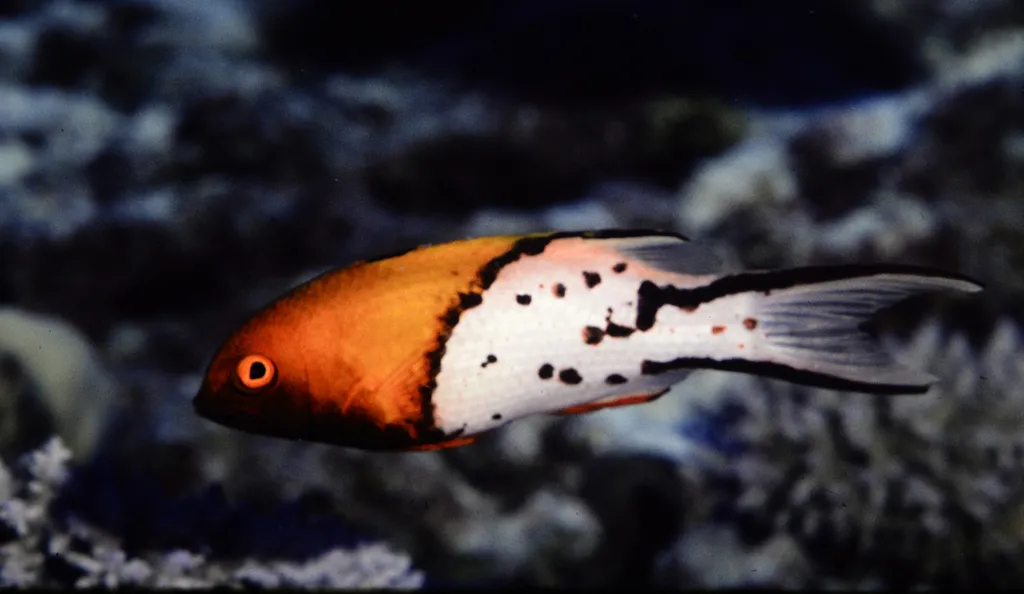
Lyretail Hogfish
common · Year Round

Trevally
common · Year Round
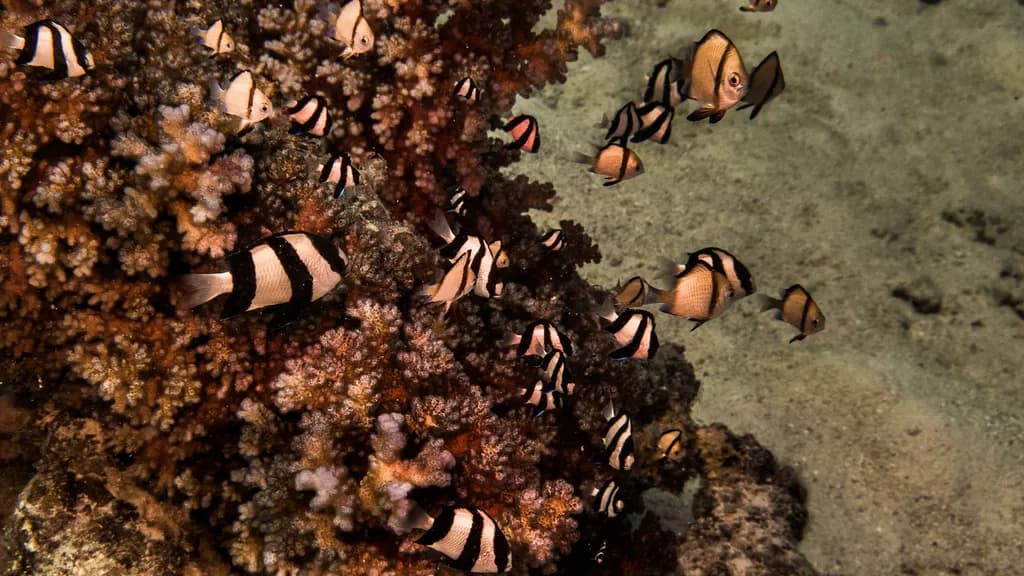
Humbug Damsel
common · Year Round
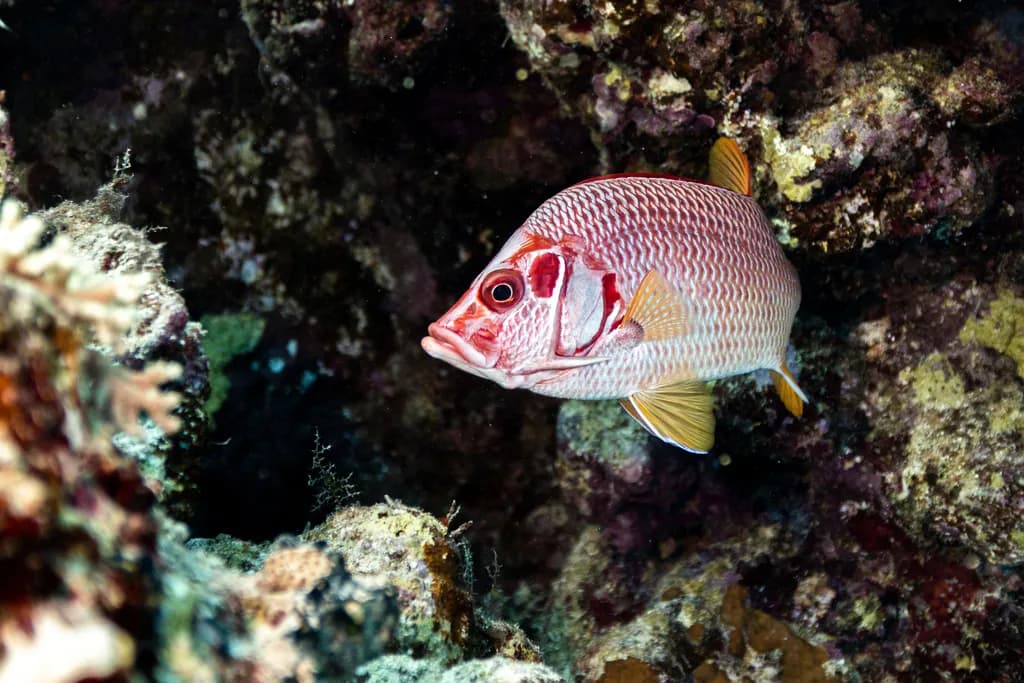
Squirrelfish
common · Year Round
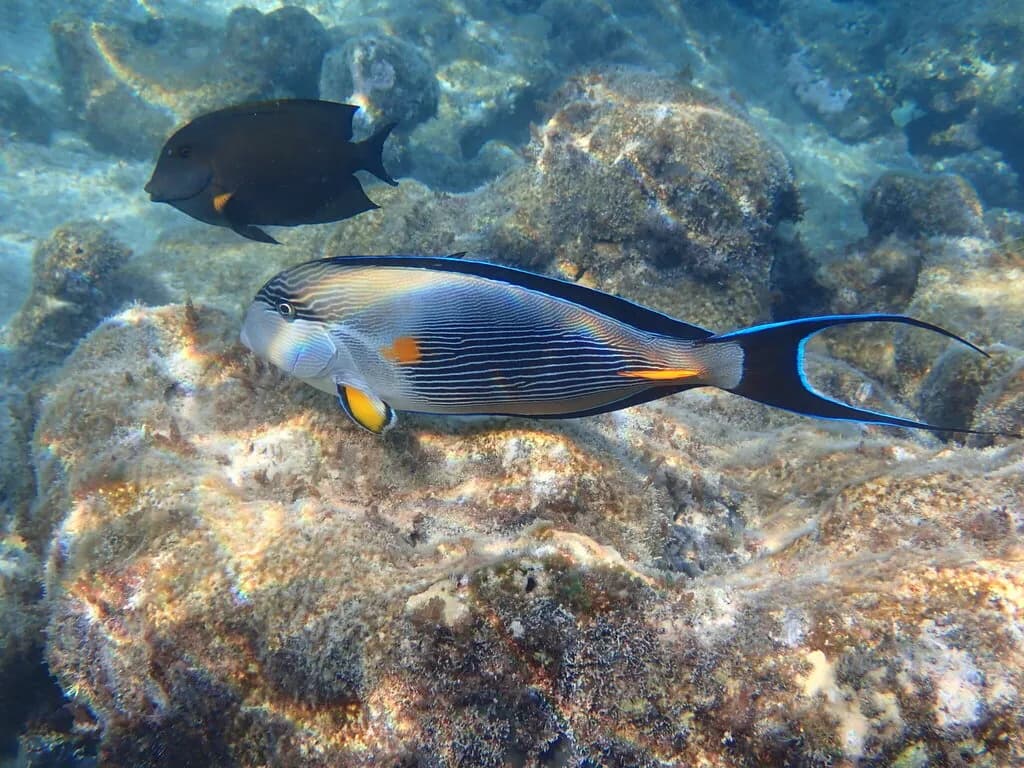
Surgeonfish
common · Year Round
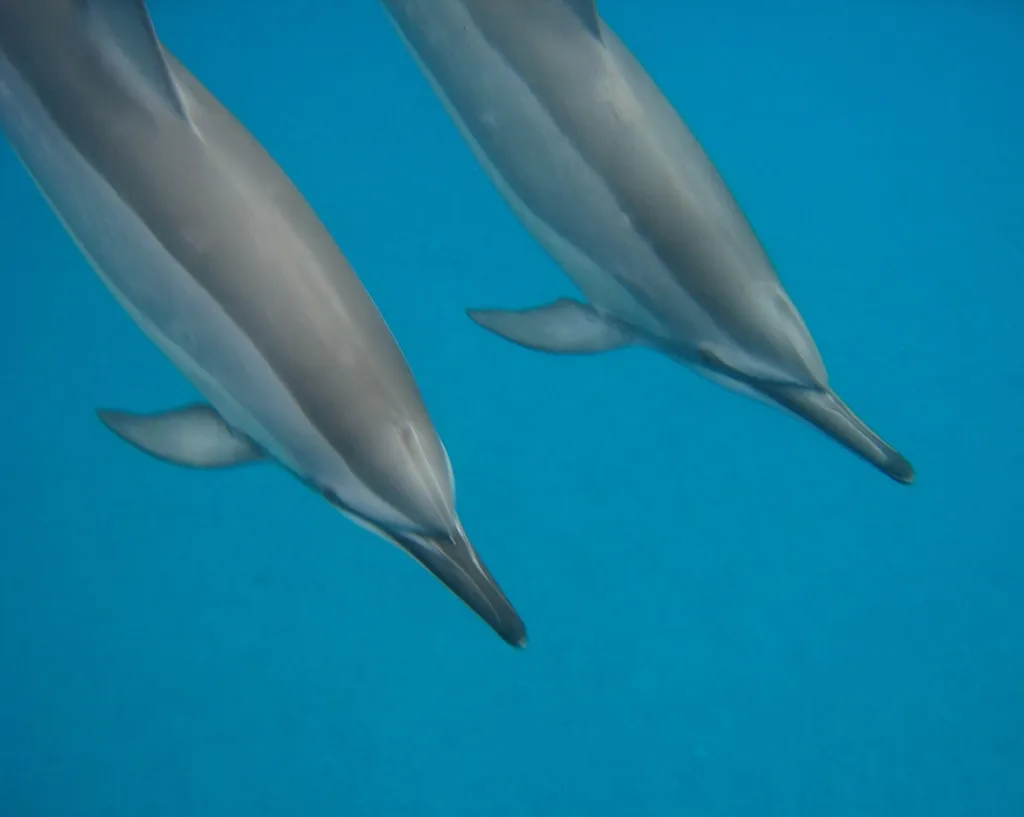
Spinner Dolphin
common · Year Round
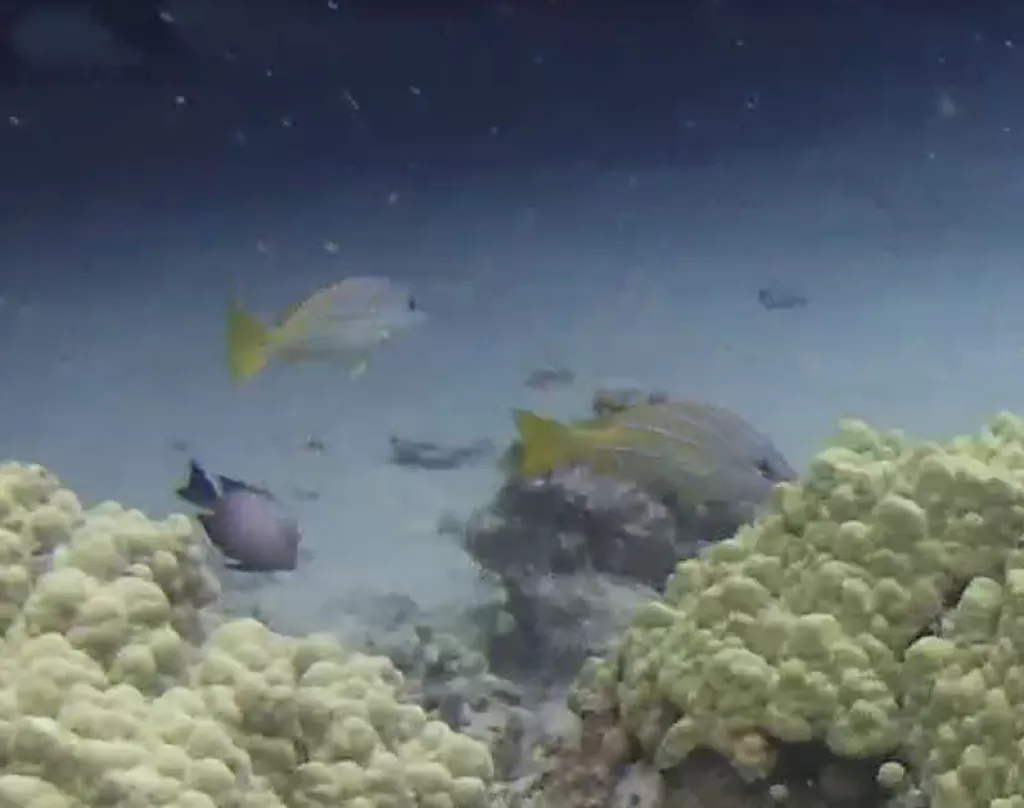
Snapper
common · Year Round
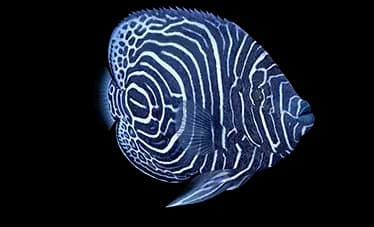
Emperor Angelfish
common · Year Round
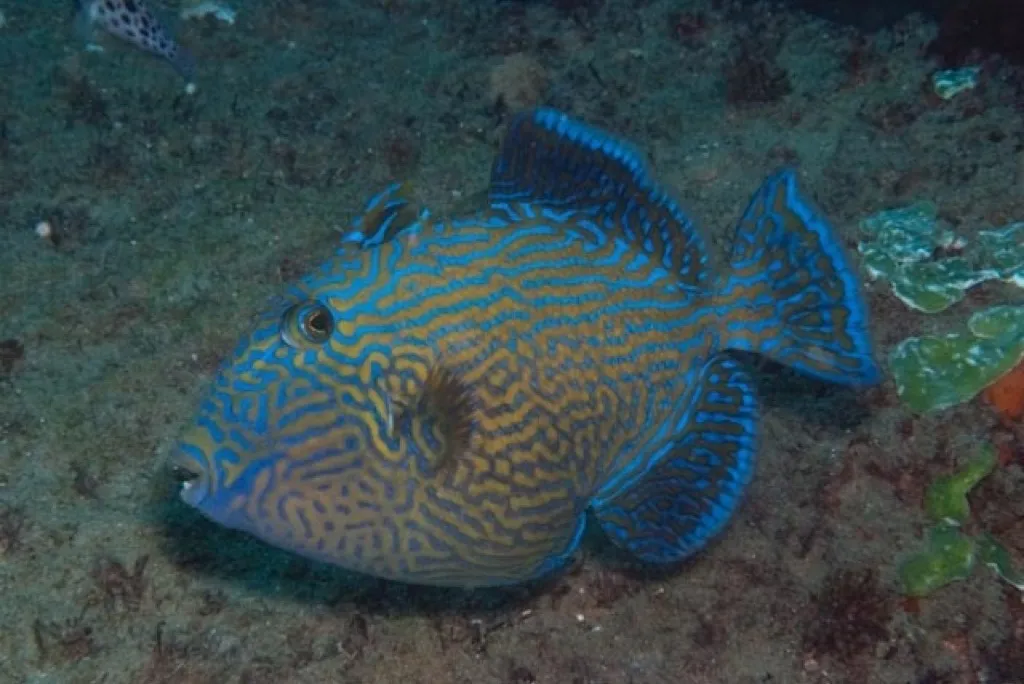
Blue Triggerfish
common · Year Round
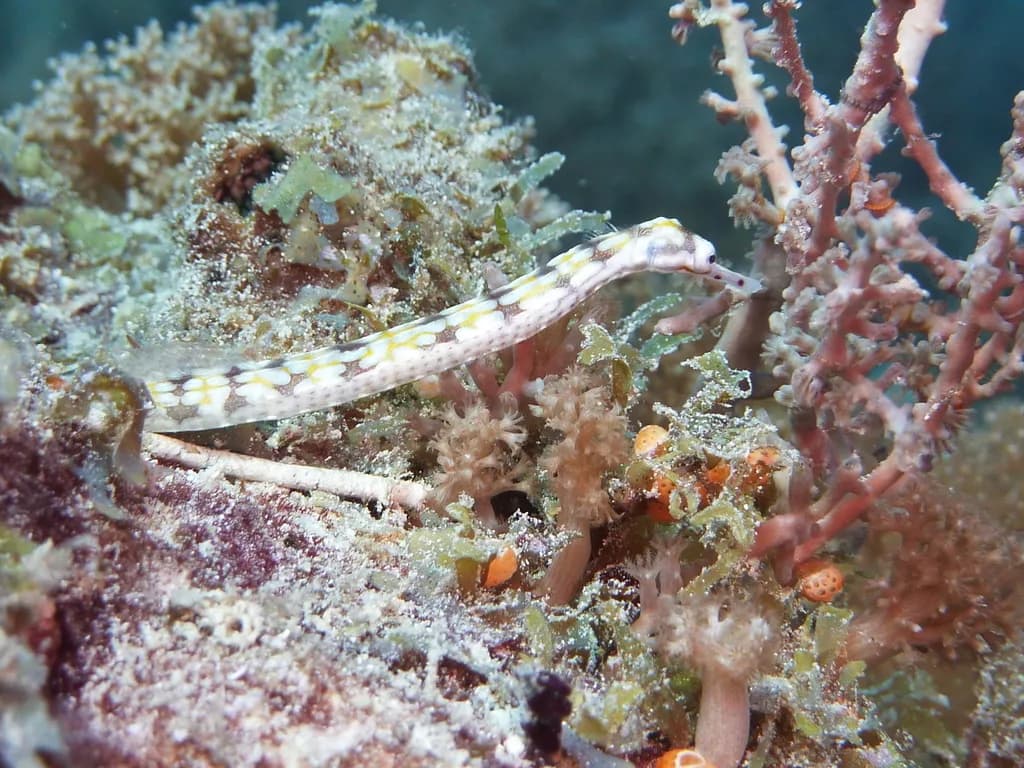
Pipefish
common · Year Round
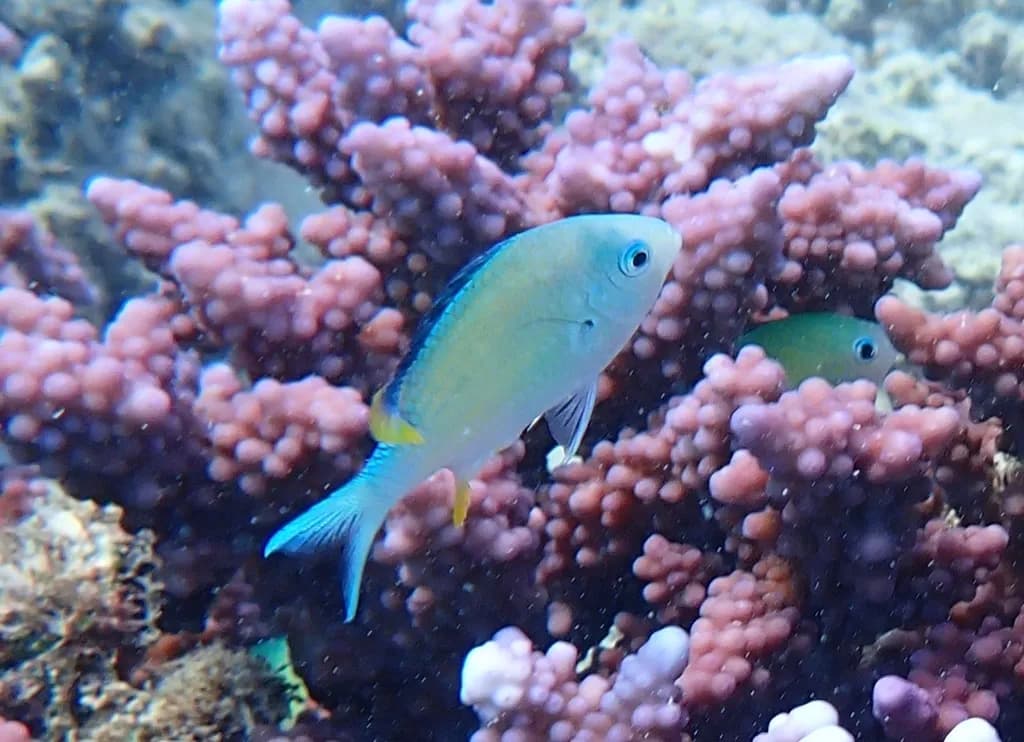
Bluegreen Puller
common · Year Round
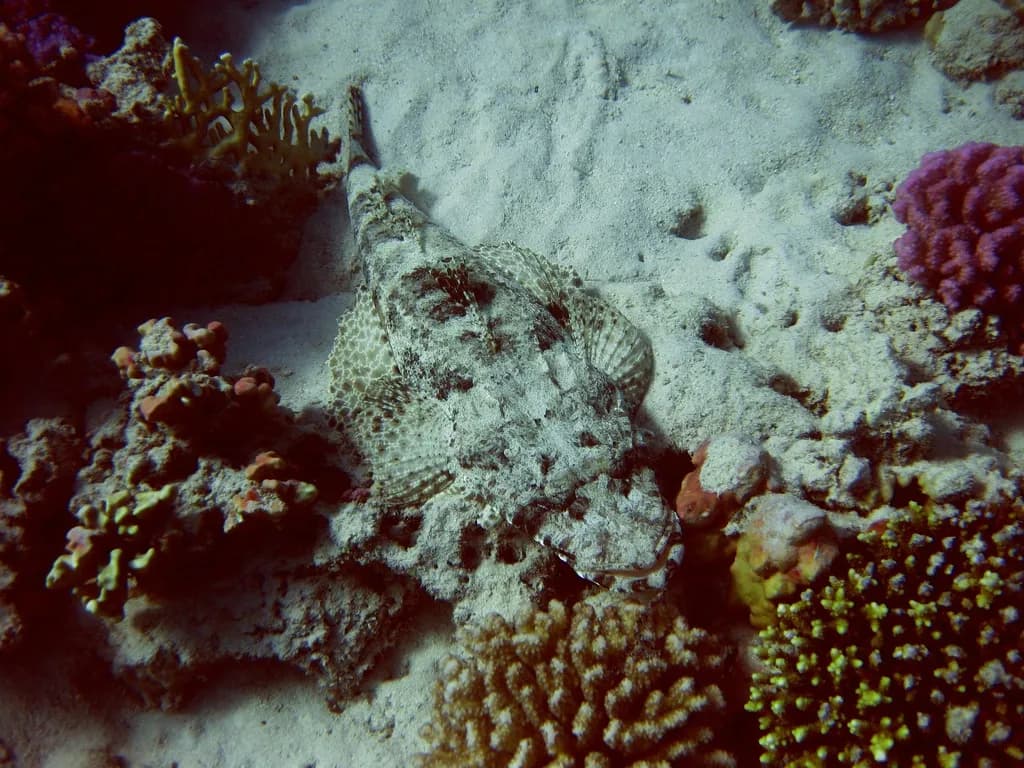
Crocodilefish
common · Year Round
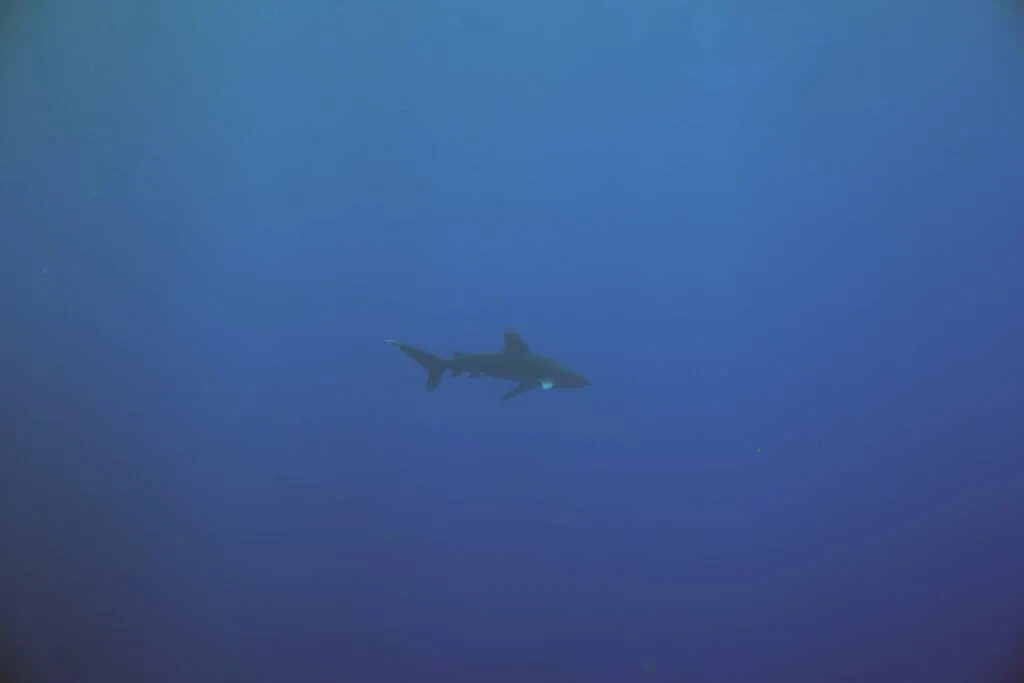
Oceanic Whitetip Shark
common · Oct–Jan
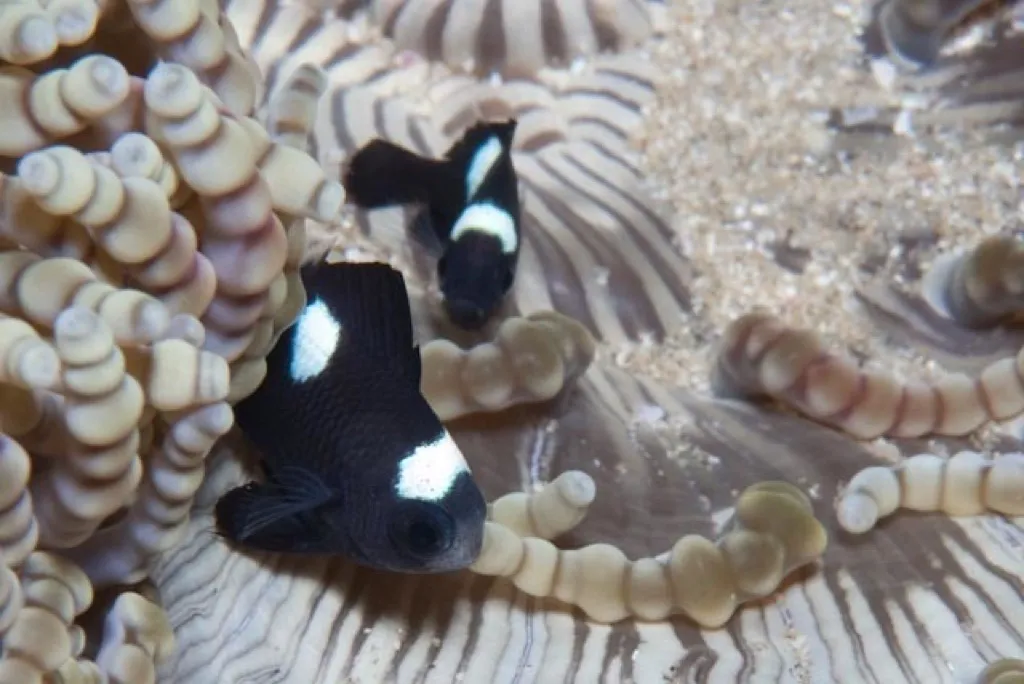
Domino Damsel
common · Year Round
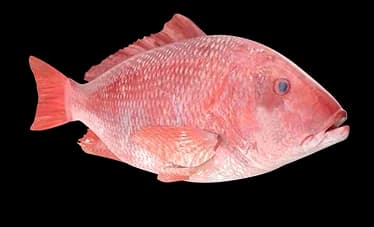
Red Snapper
common · Year Round
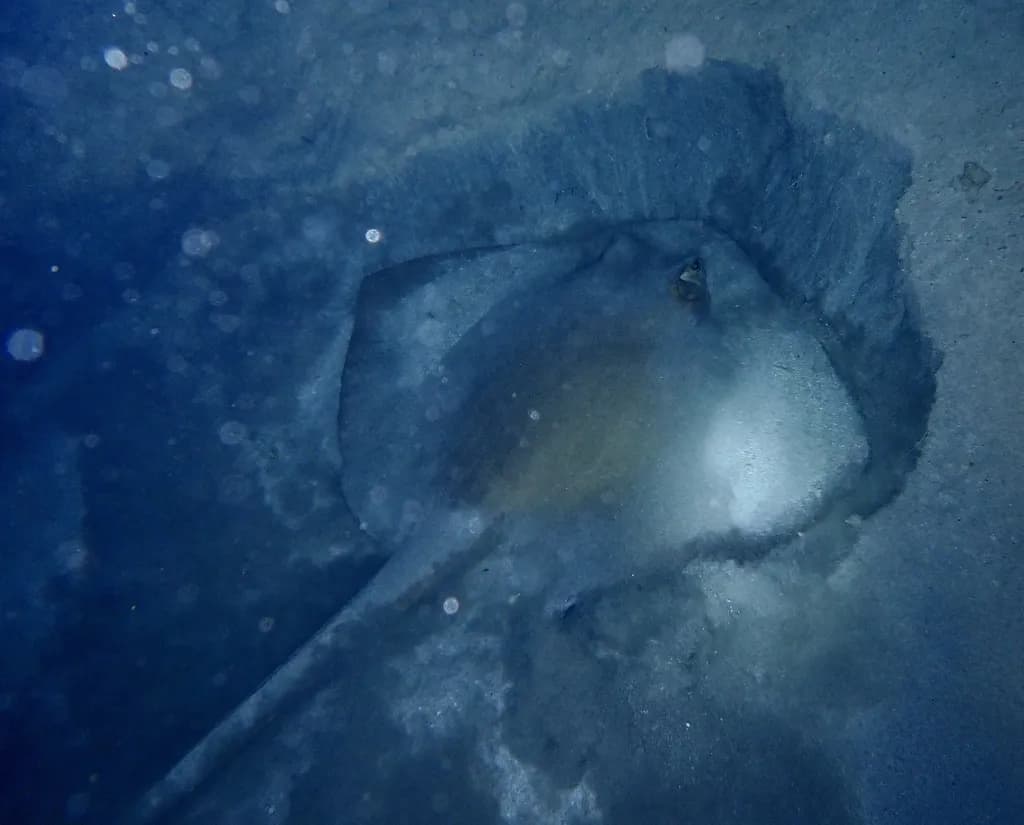
Feathertail Ray
common · Year Round
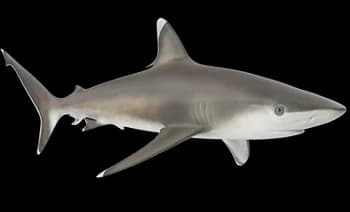
Whitetip Shark
common · Year Round
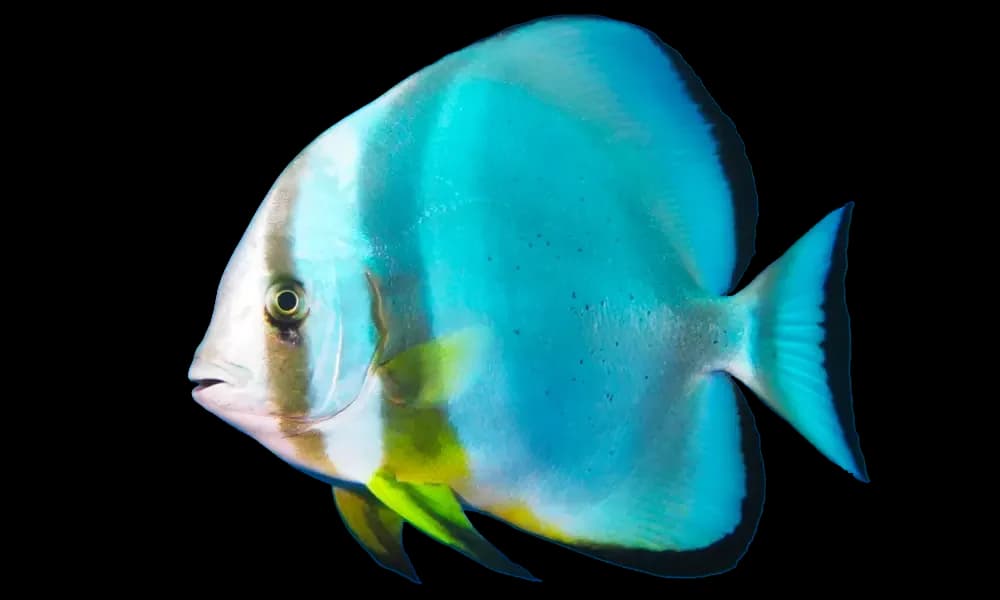
Batfish
occasional · Year Round
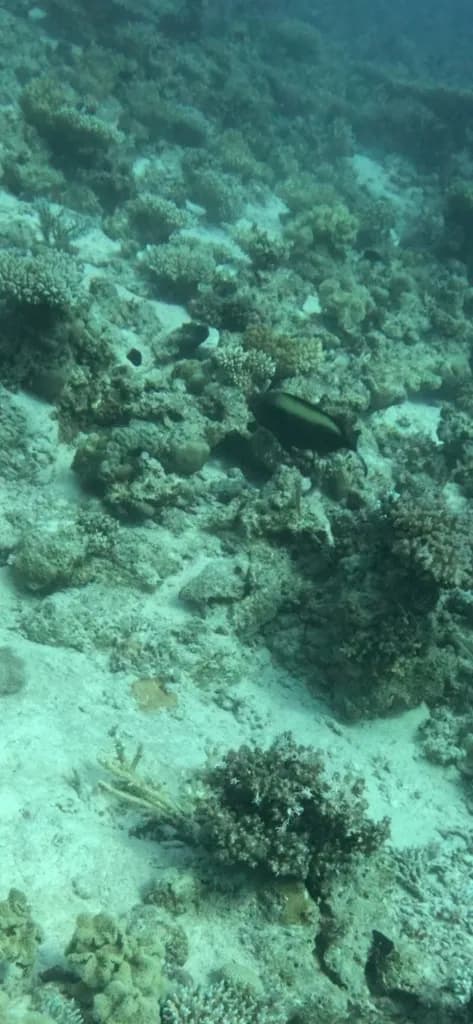
Bicolor Parrotfish
occasional · Year Round
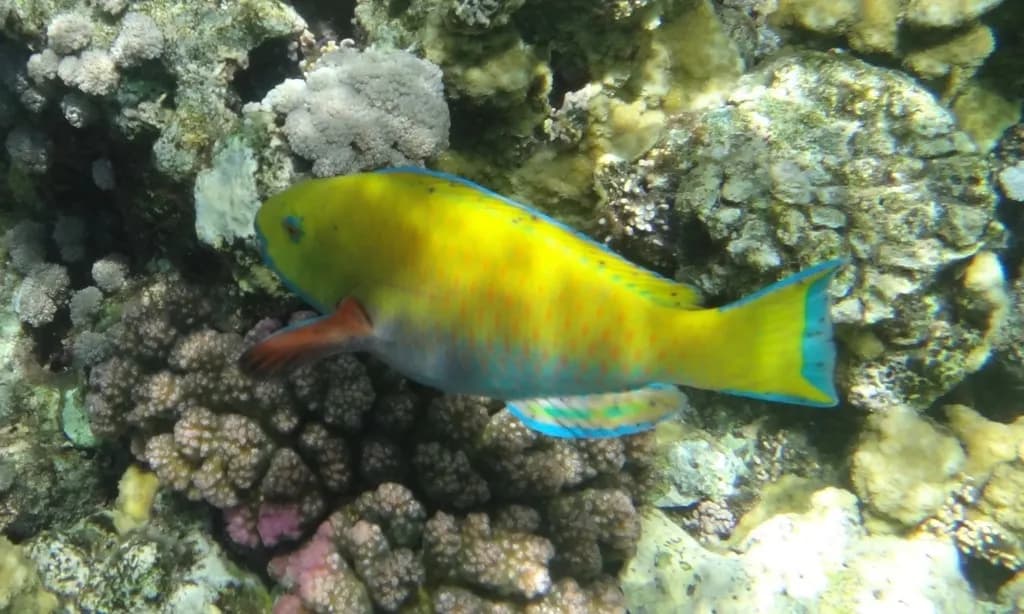
Steephead Parrotfish
occasional · Year Round
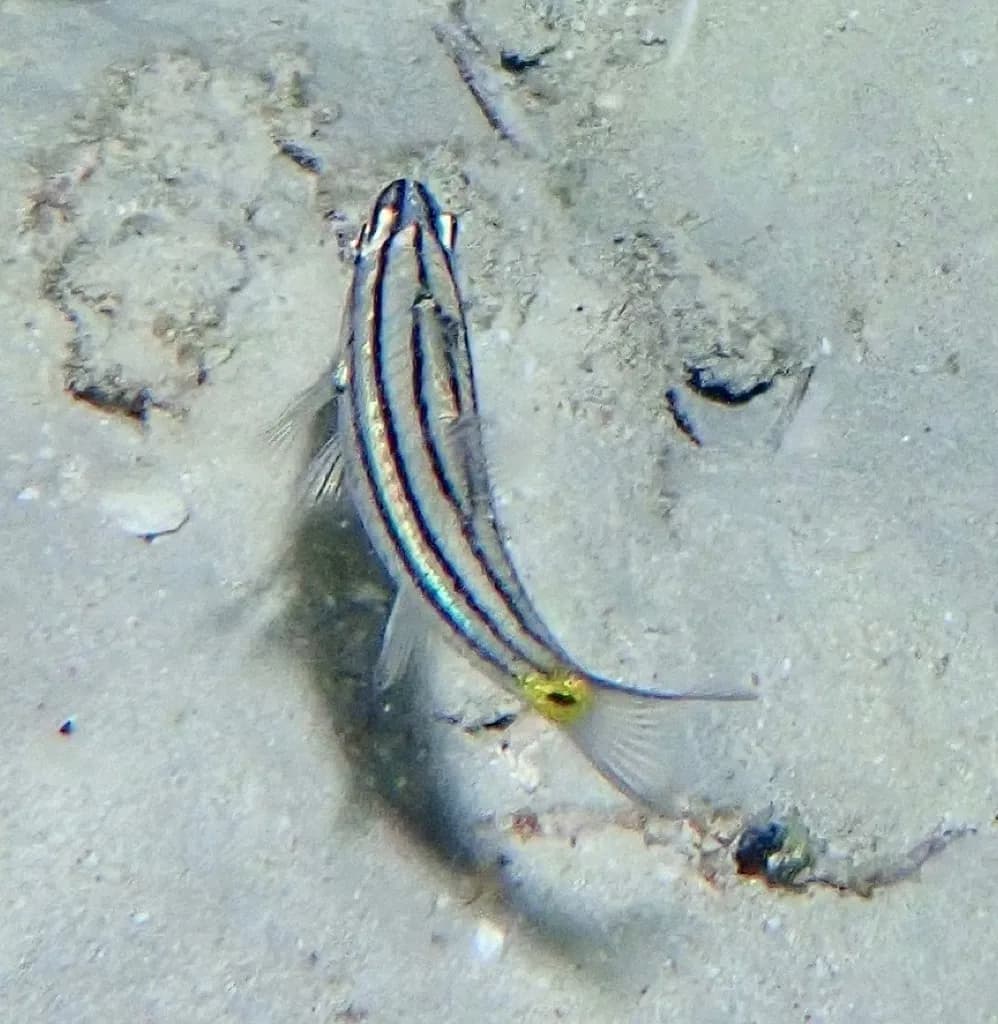
Cardinal Fish
occasional · Year Round
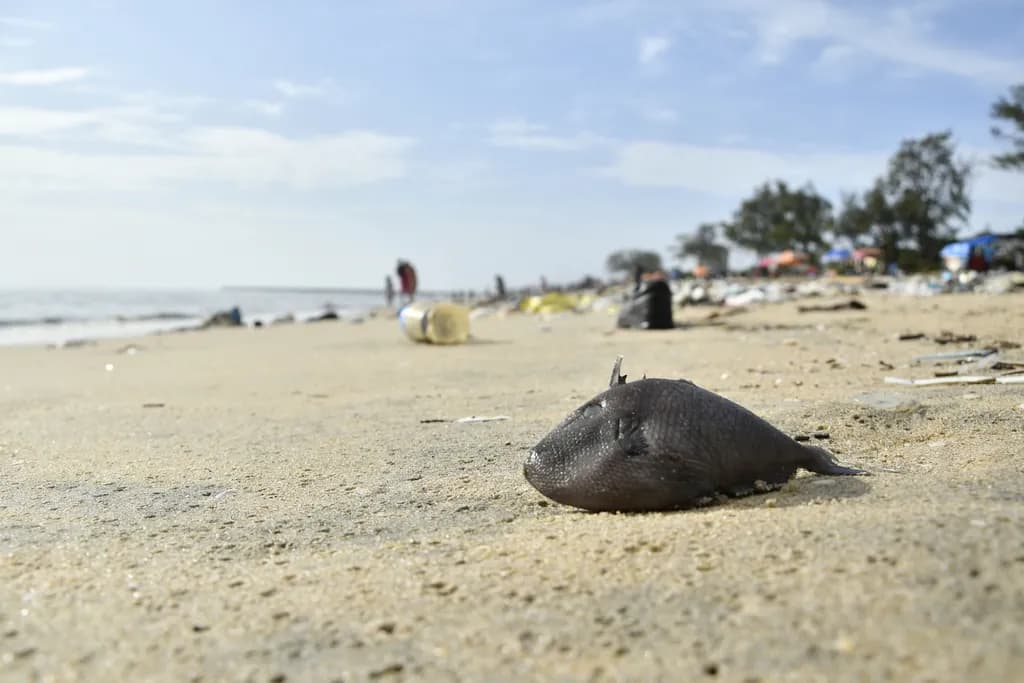
Redtooth Triggerfish
occasional · Year Round
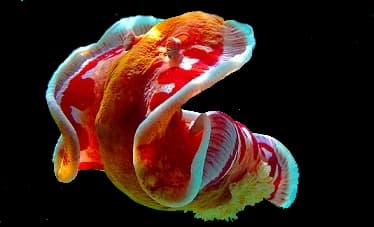
Spanish Dancer
occasional · Year Round
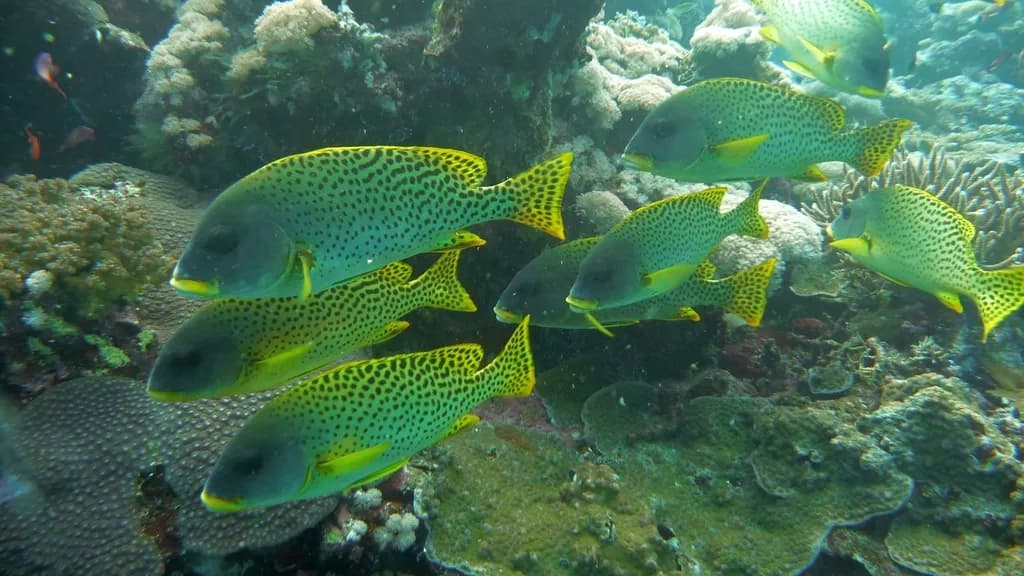
Sweetlip
occasional · Year Round
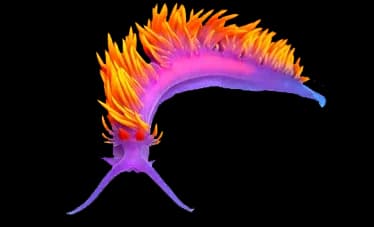
Nudibranch
occasional · Oct–May
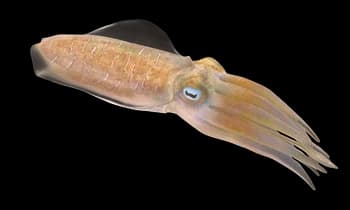
Squid
occasional · Year Round
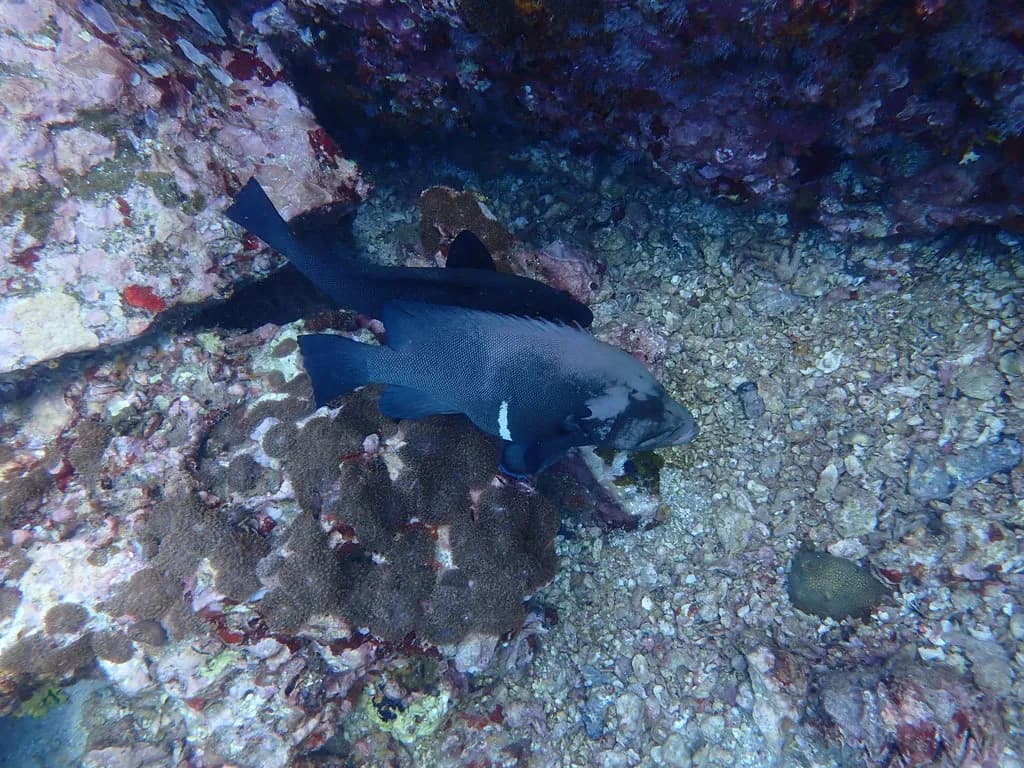
Redmouth Grouper
occasional · Year Round
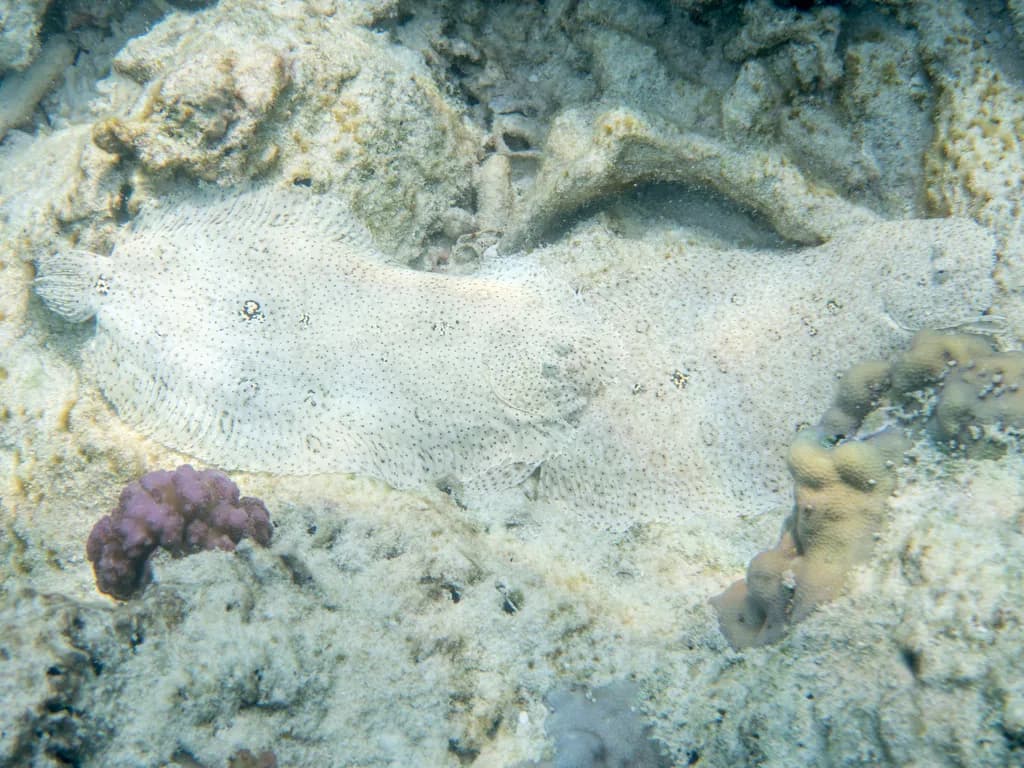
Moses Sole
occasional · Year Round
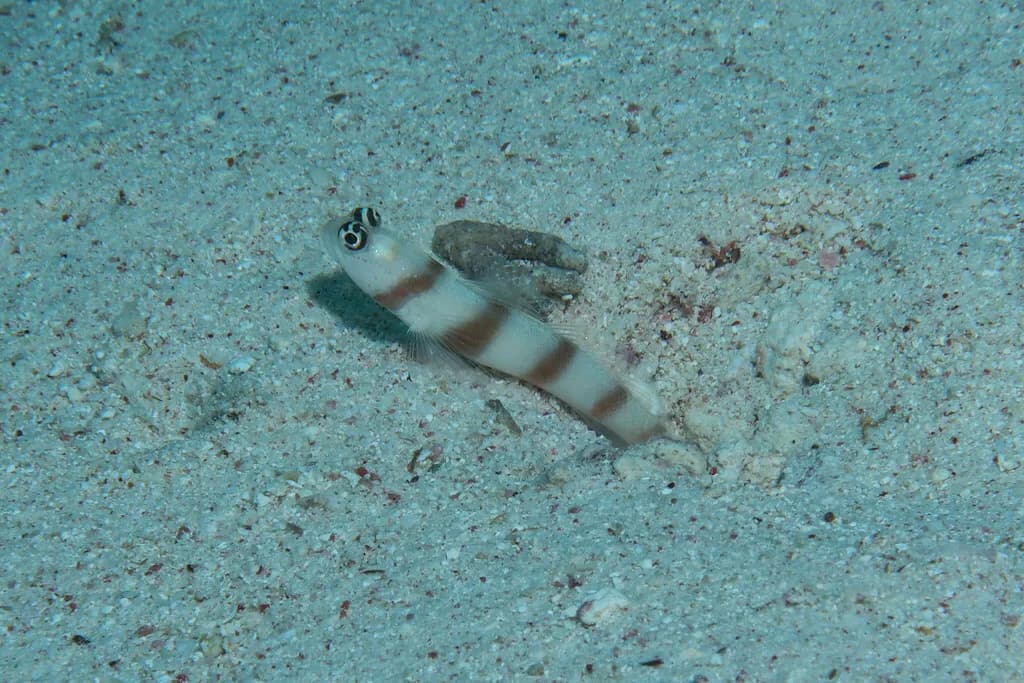
Gobie
occasional · Year Round
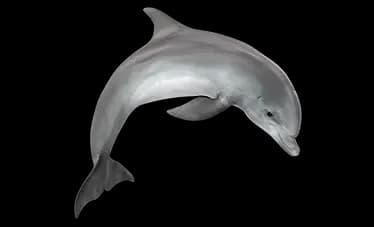
Dolphin
occasional · Year Round
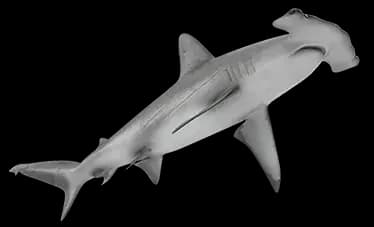
Hammerhead Shark
occasional · Jun–Sep
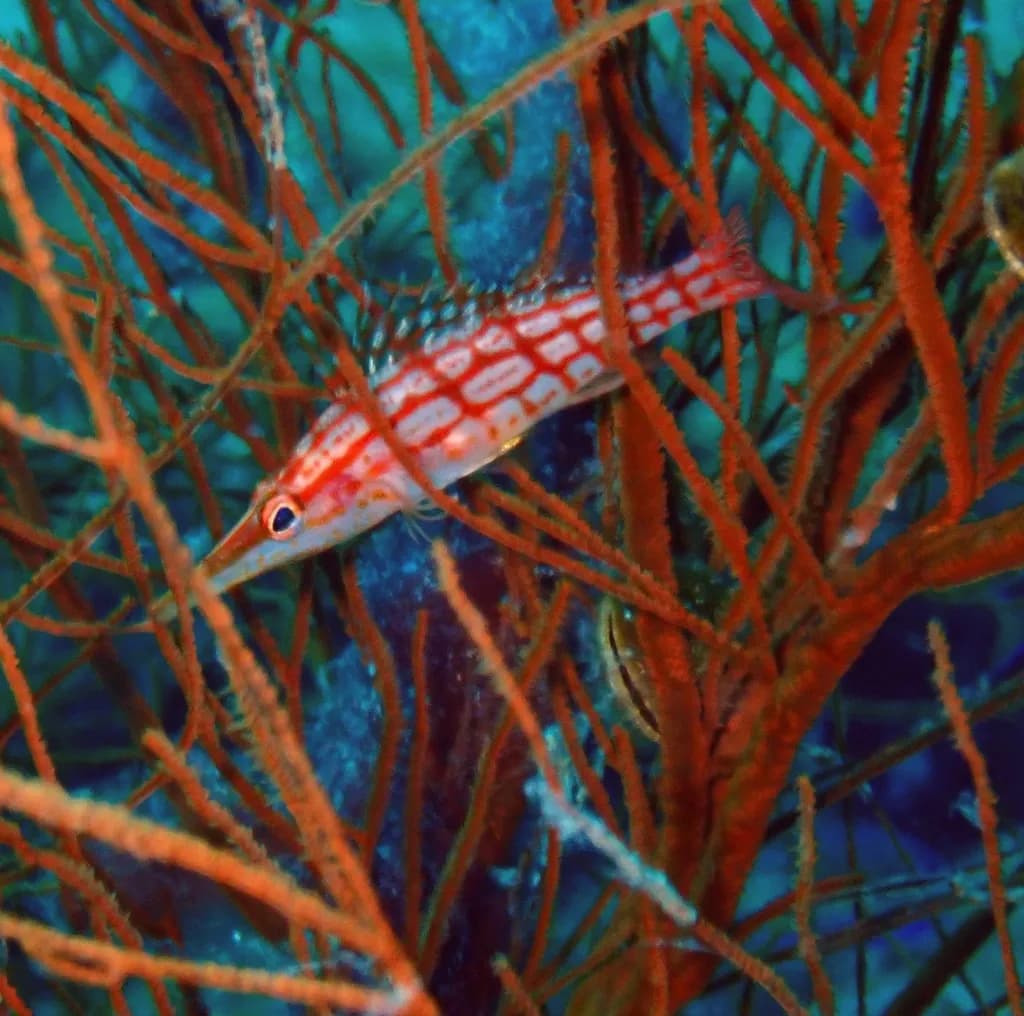
Longnose Hawkfish
occasional · Year Round
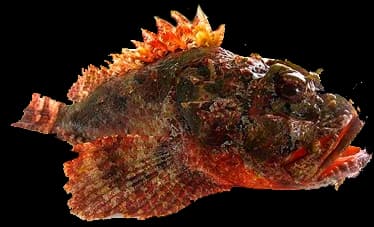
Scorpionfish
occasional · Year Round
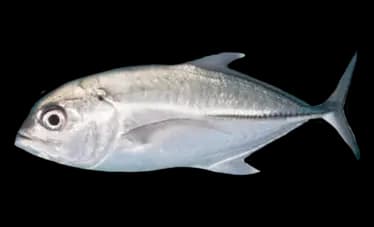
Jackfish
occasional · Year Round
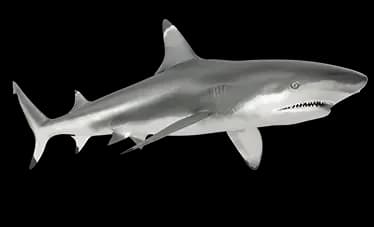
Blacktip Shark
occasional · Year Round
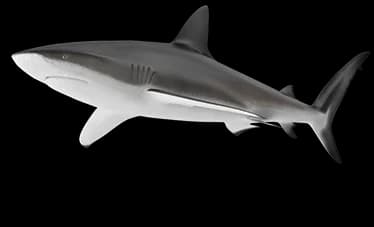
Grey Reef Shark
common · Year Round
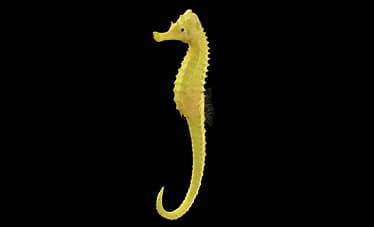
Seahorse
occasional · Year Round
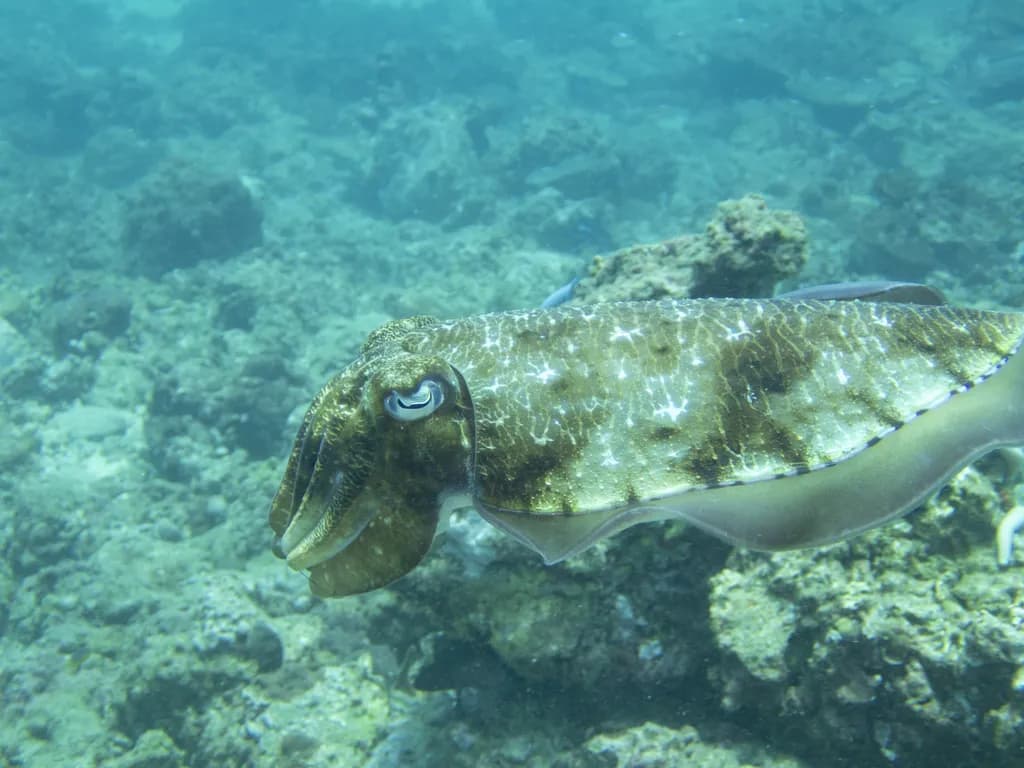
Cuttlefish
occasional · Year Round
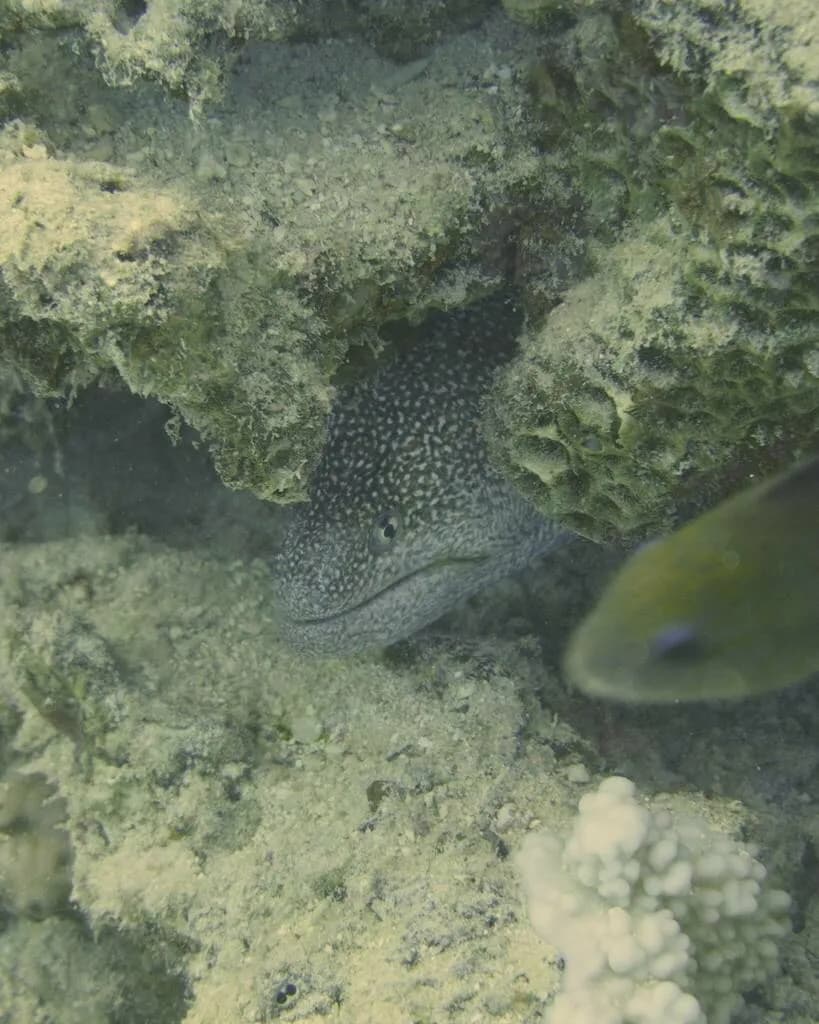
Yellowmouth Moray
occasional · Year Round
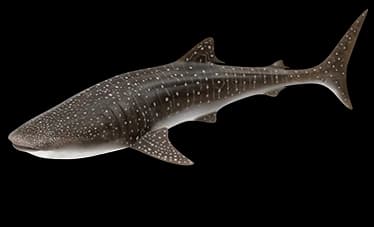
Whale Shark
occasional · May–July
Silky Shark
occasional · Jun–Oct
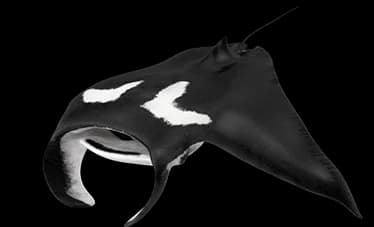
Manta Ray
occasional · Oct–Apr
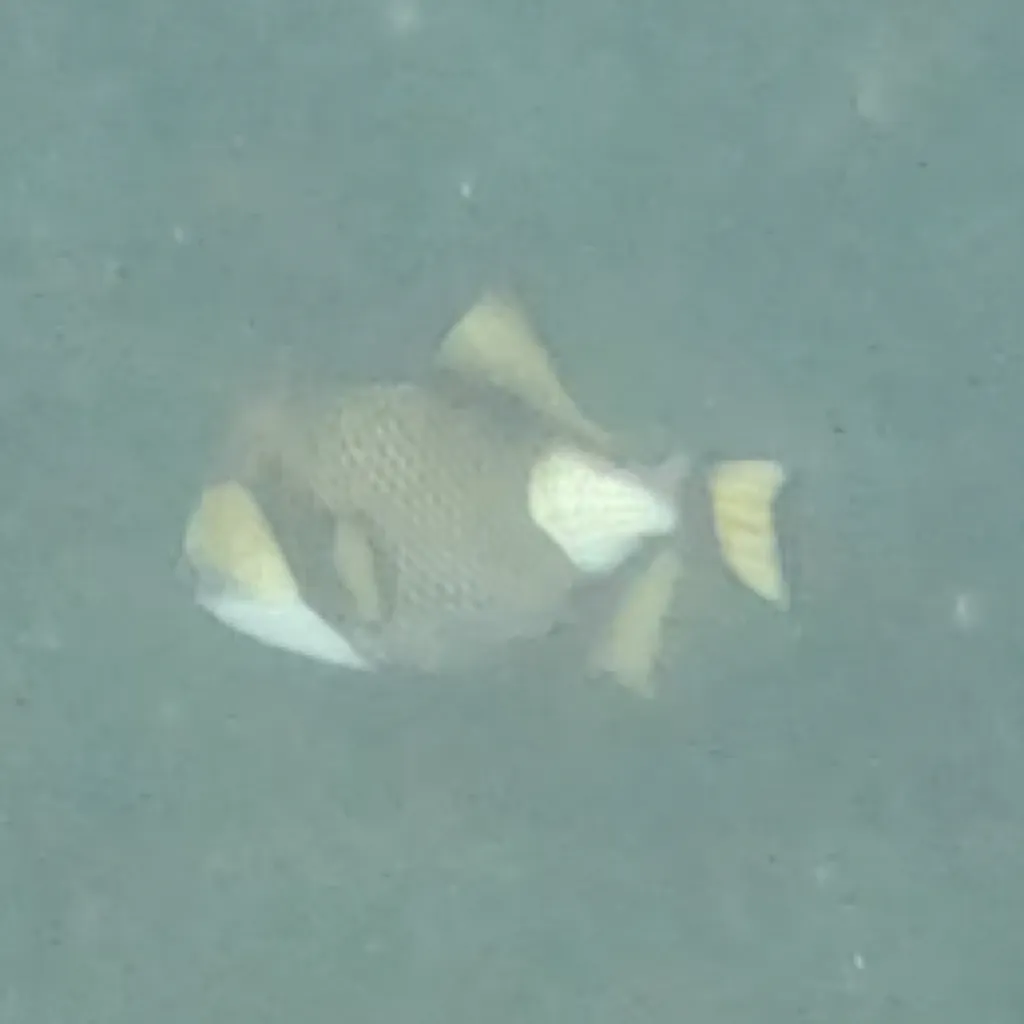
Titan Triggerfish
common · Year Round
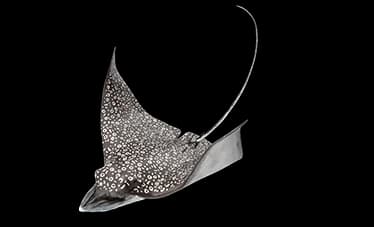
Eagle Ray
common · Year Round
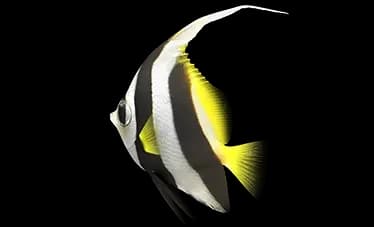
Bannerfish
abundant · Year Round
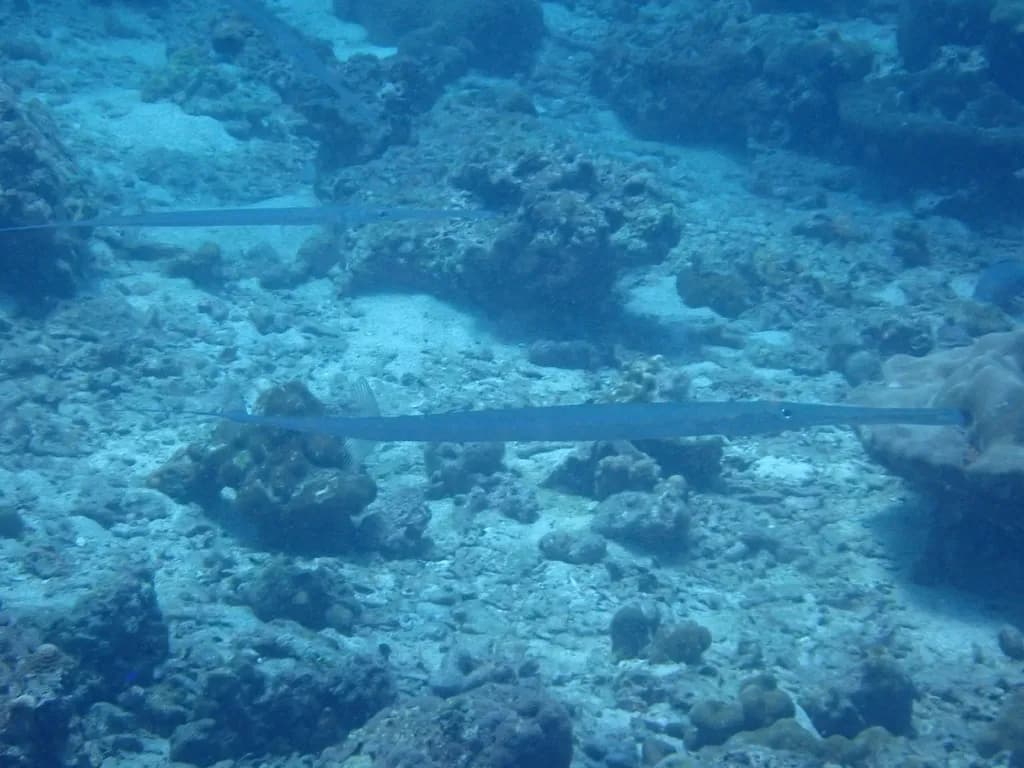
Cornetfish
common · Year Round
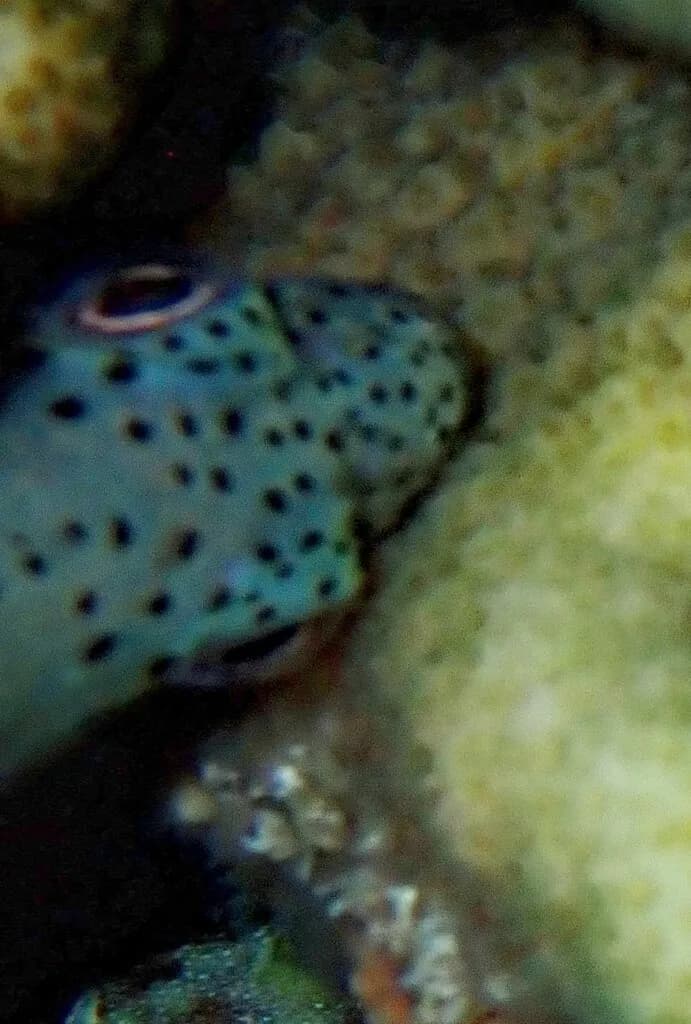
Blackside Hawkfish
abundant
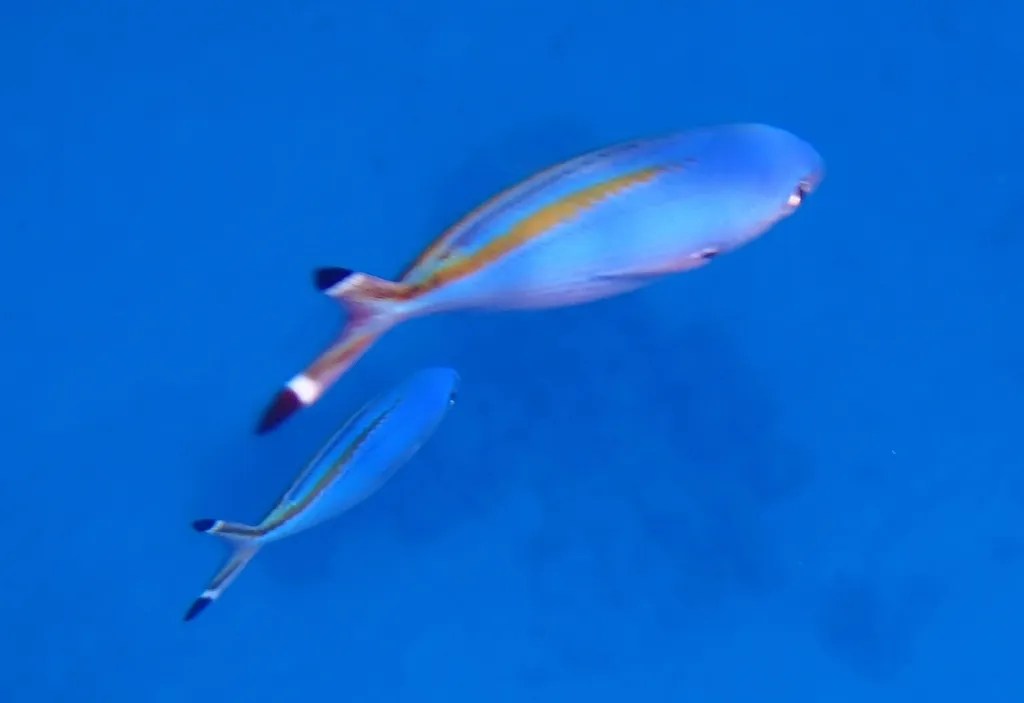
Fusilier
common · Year Round
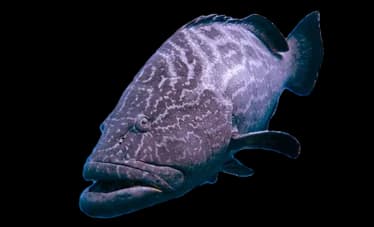
Grouper
occasional · Year Round
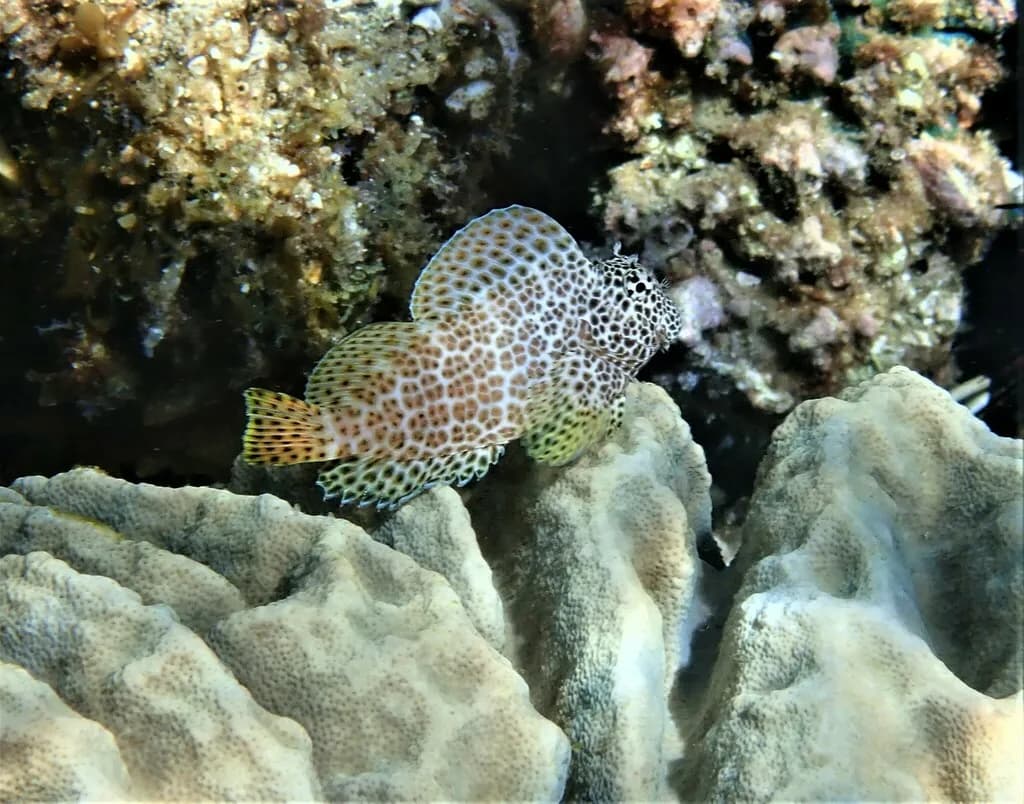
Leopard Blenny
occasional · Year Round
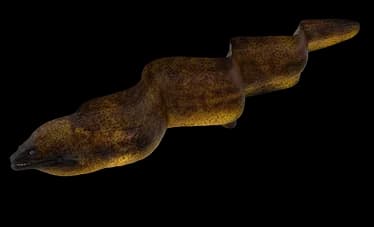
Moray Eel
abundant · Year Round
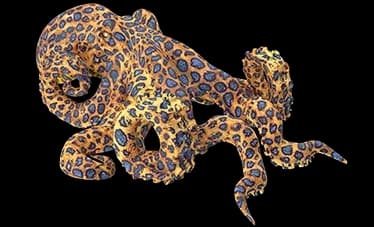
Octopus
occasional · Year Round
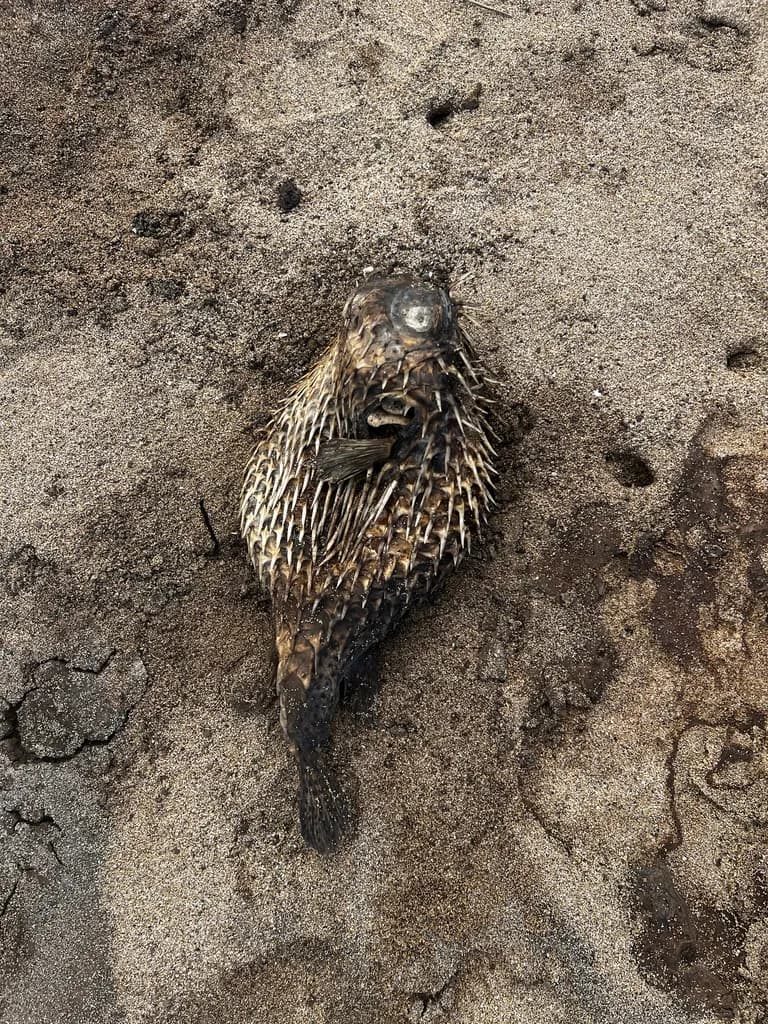
Porcupine Fish
abundant · Year Round
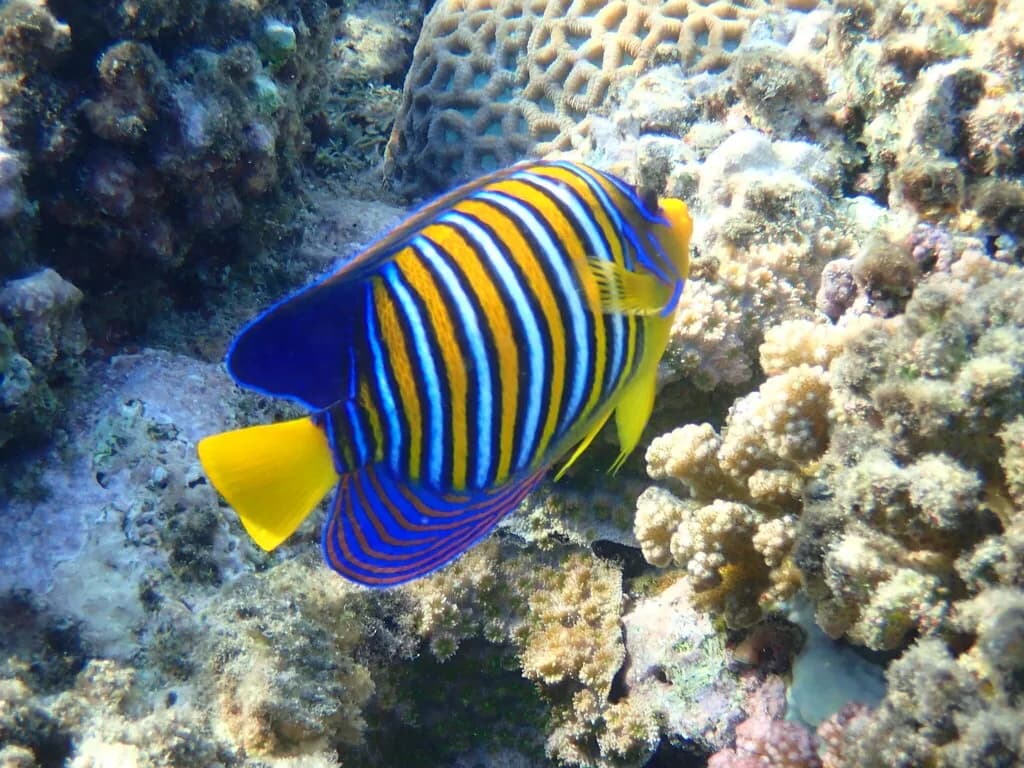
Regal Angelfish
common · Year Round
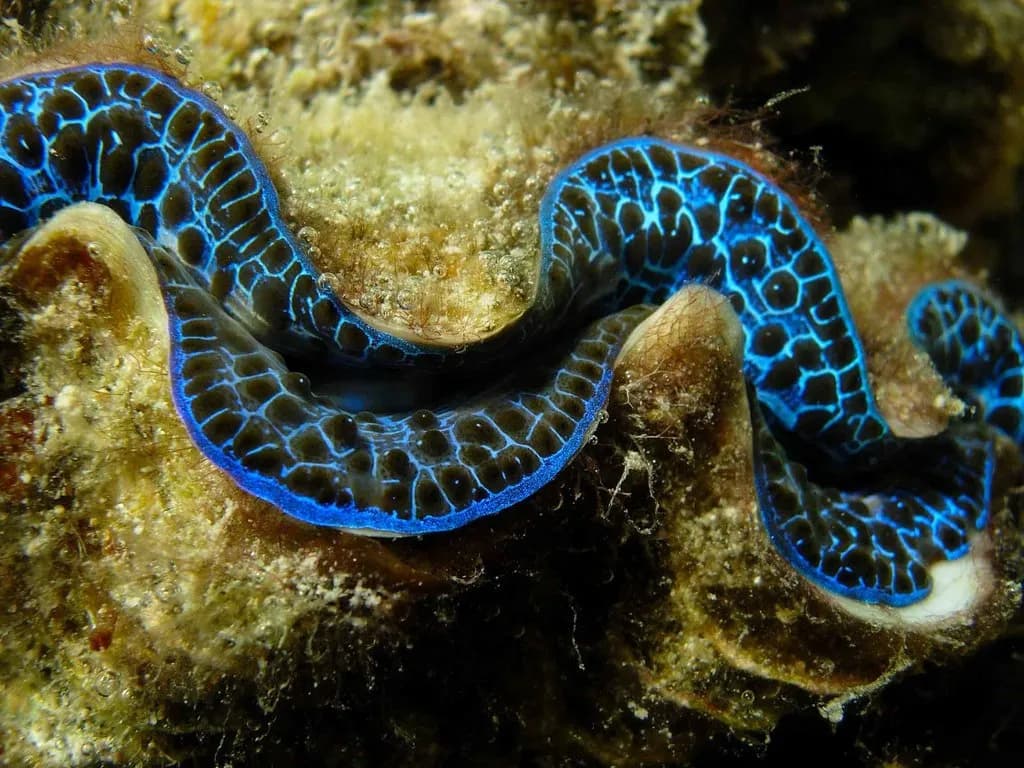
Snails
common · Year Round
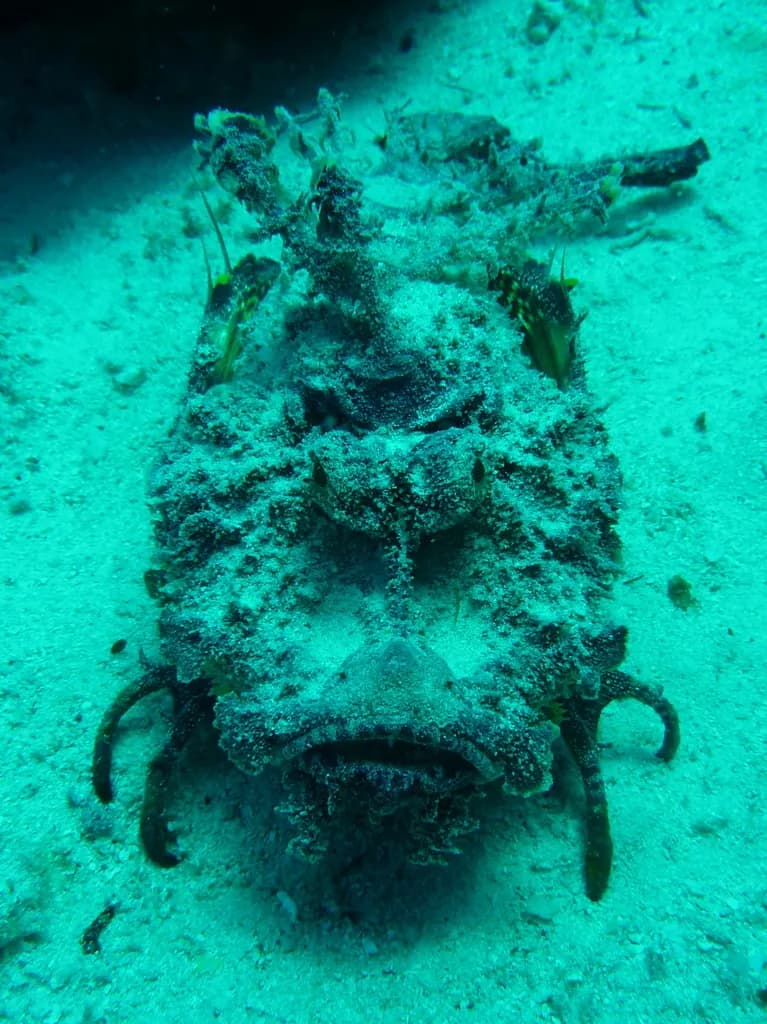
Spiny Devilfish
occasional · Year Round
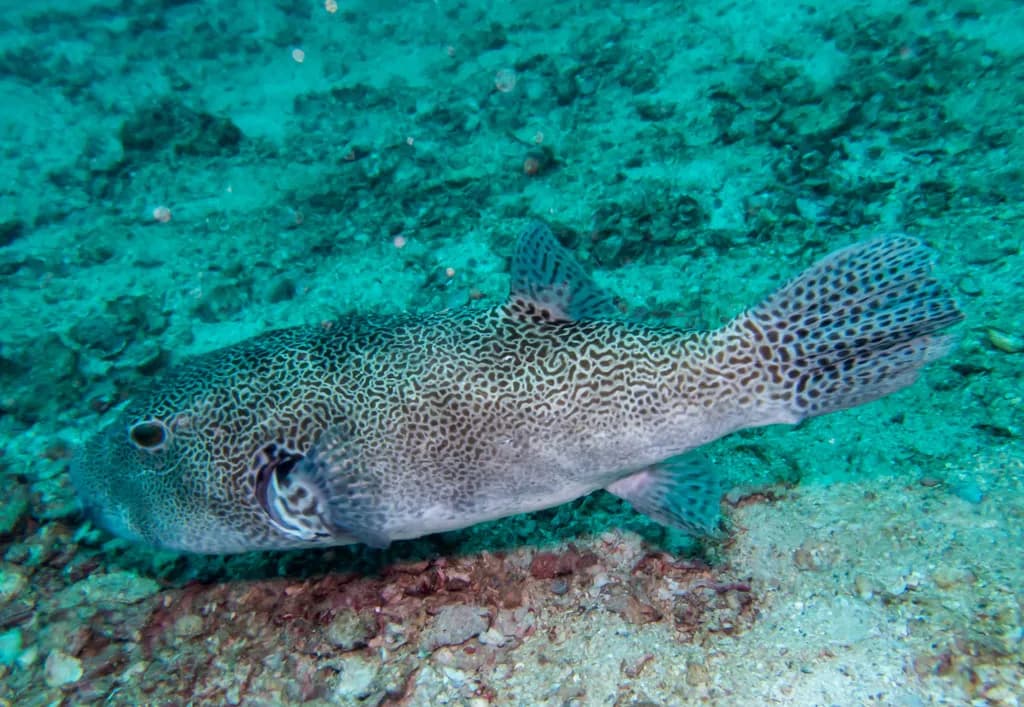
Starry Pufferfish
abundant · Year Round
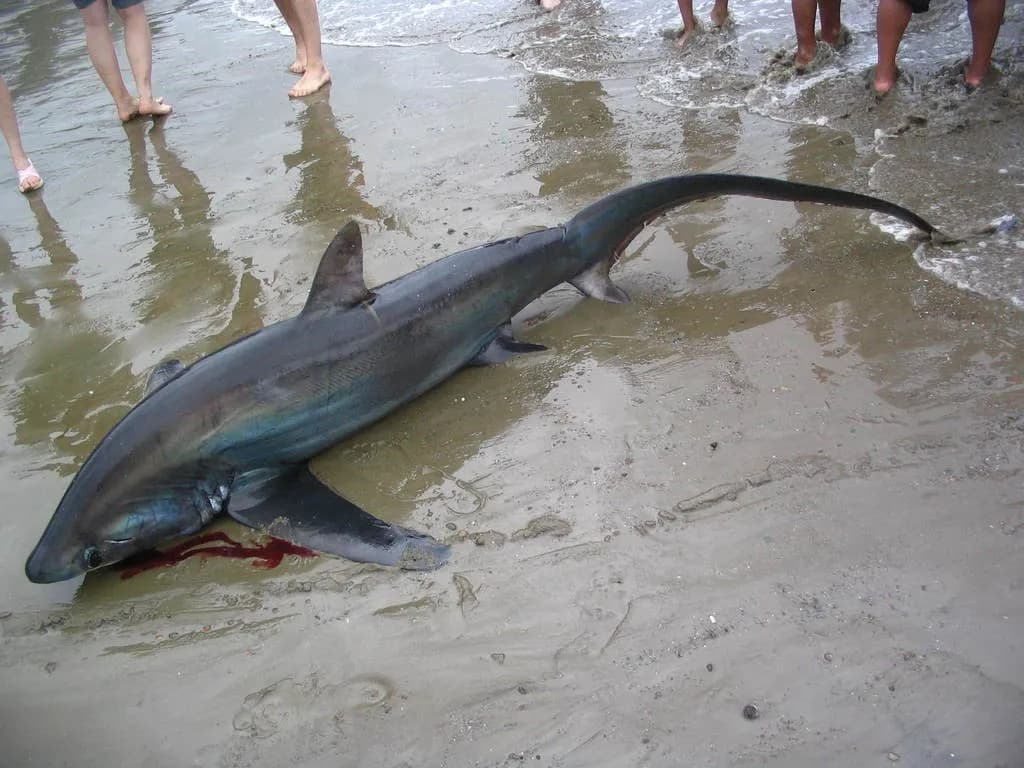
Thresher Shark
occasional · Sep–Feb
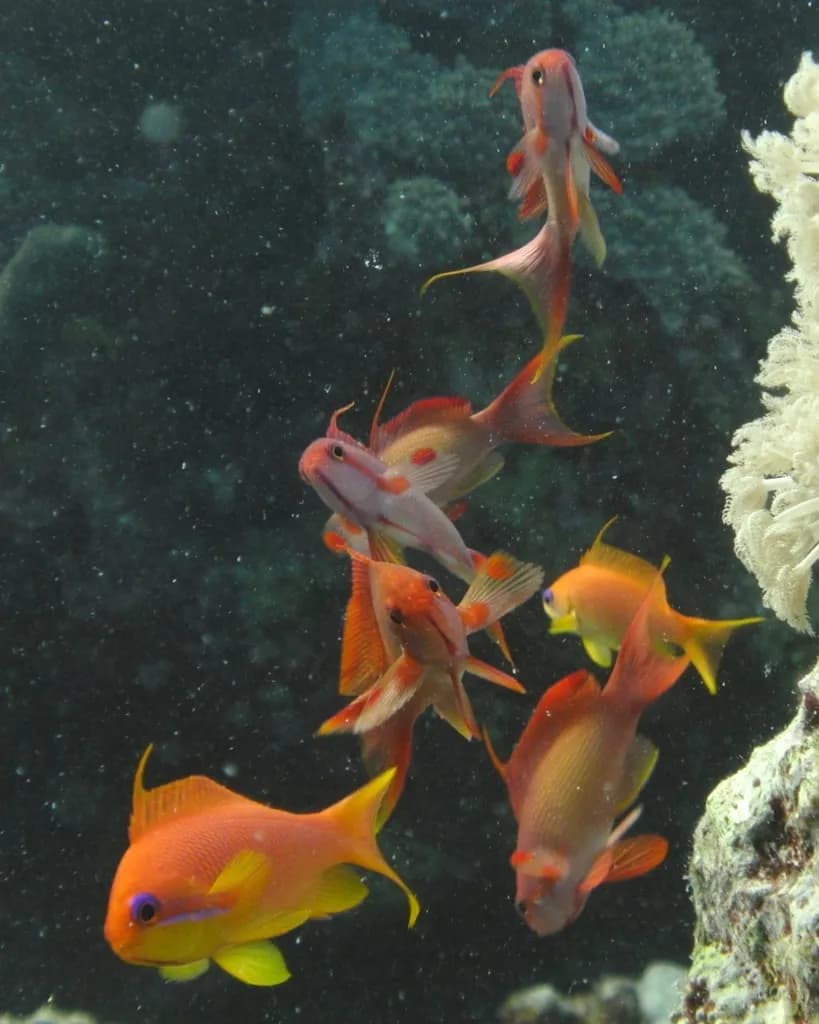
Anthias
abundant · Year Round
No reviews yet. Dived here? Be the first to share how it was.
Ask divers who know Habili Ali.
No questions yet. Ask about conditions, gear or anything else, and divers who have been here can answer.