
Rosalie Moller
Rosalie Moller
Overview
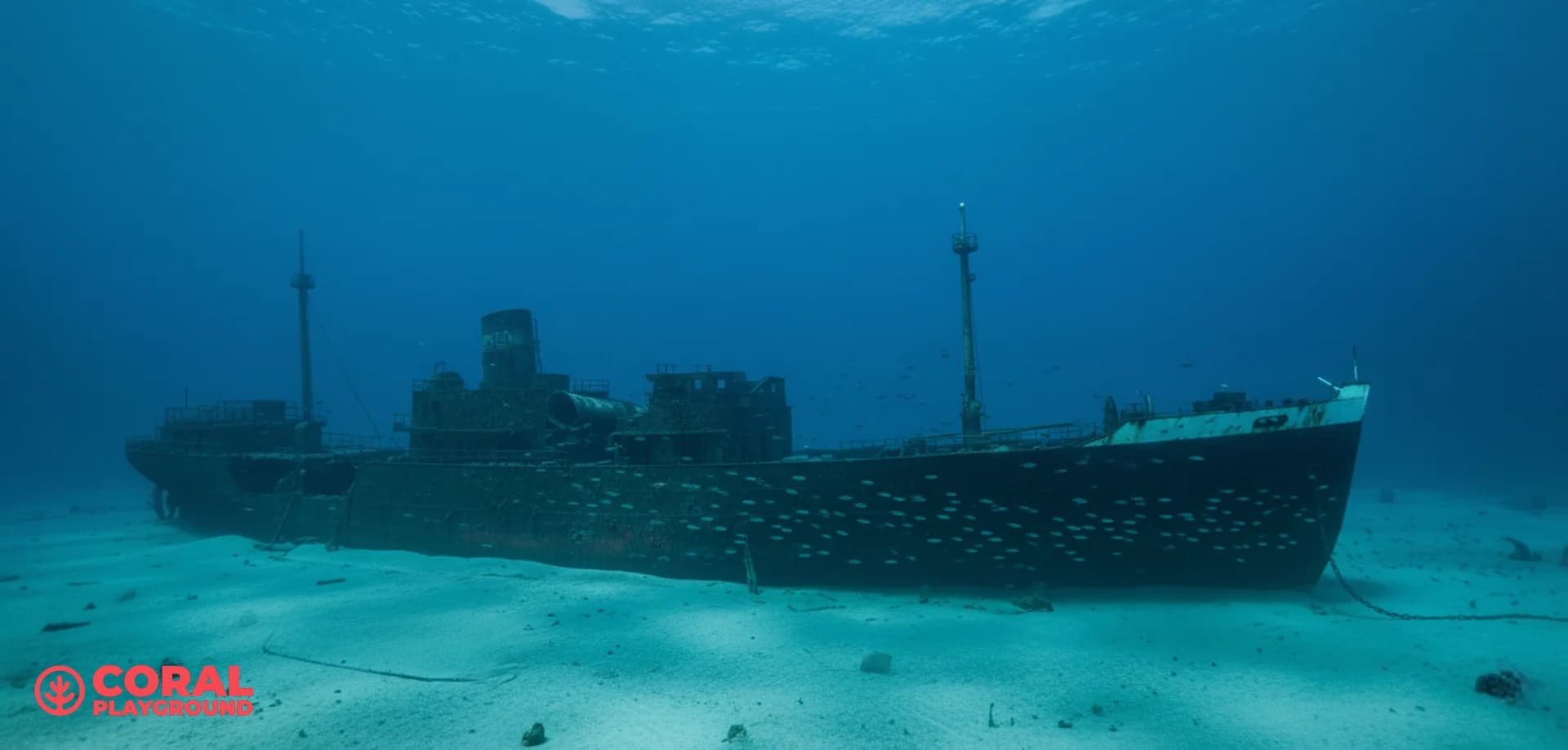
The Rosalie Moller is the Red Sea's connoisseur wreck: a 110m steamer sitting perfectly upright and astonishingly intact on the sand off Gubal Island, often mentioned in the same breath as the Thistlegorm but with a fraction of the crowds. The catch is depth. She rests deep, in frequently silty water, which keeps the casual day-tripper away and rewards experienced and technical divers with a hauntingly atmospheric, coral-encrusted ship to themselves. This is a serious dive, not a sightseeing stop.
The Dive
The wreck lies upright on a sandy seabed at around 50m, with the main deck near 35m and the tops of the masts rising to about 18m. Even the shallowest structure is at recreational-limit depth, and the holds, engine room, bridge and propeller sit deeper still, so this is firmly a deep dive: realistically a technical dive, or at the very least the domain of seasoned Advanced divers running nitrox or trimix with conservative planning, a descent line and full deco discipline. Visibility is often modest, between 10 and 20m, thanks to silt in the water, which only adds to the wreck's brooding atmosphere. Current is usually light to moderate but the depth leaves no margin, so dives are tightly planned around bottom time and gas.
Marine Life
Three quarters of a century underwater has turned the hull into an artificial reef, encrusted in soft and hard coral and busy with life. Schools of snapper, barracuda and glassfish hang around the superstructure, groupers hold station in the shadows, and lionfish and reef fish work the rails. The intact, coral-draped masts and deck make her as photogenic as she is historic, light permitting.
History
The ship began life in 1910 as the Francis, built by Barclay, Curle & Co. in Glasgow. In 1931 she was sold to the Moller Line and renamed Rosalie Moller, registered in Shanghai under the British flag. In October 1941, requisitioned for the war effort and carrying best Welsh coal, she was anchored in the Gubal Strait two nights after the Thistlegorm had been sunk nearby. On 8 October 1941 a German bomber found her; a bomb struck the number 3 hold and she went down, taking two of her crew with her. She lay undiscovered until 1993, and her relative inaccessibility has kept her one of the best-preserved wrecks in the Red Sea.
Good to Know
Best conditions run spring through autumn. She lies off the western side of Gubal Island and is reached almost exclusively by liveaboard on northern Red Sea wreck itineraries, frequently paired with the Thistlegorm. Given the depth, silt and penetration temptation, treat the Rosalie Moller with full respect: appropriate certification, gas planning and a war grave's due reverence are non-negotiable.
Depth
18-50m
Visibility
10-20m
Current
weak
Access
liveaboard
Certification
Tec/Technical
Species
Anthias
Reef Shark
Tuna
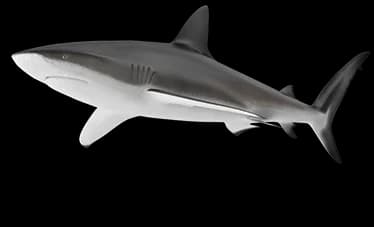
Grey Reef Shark
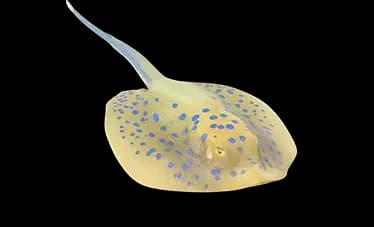
Blue Spotted Stingray
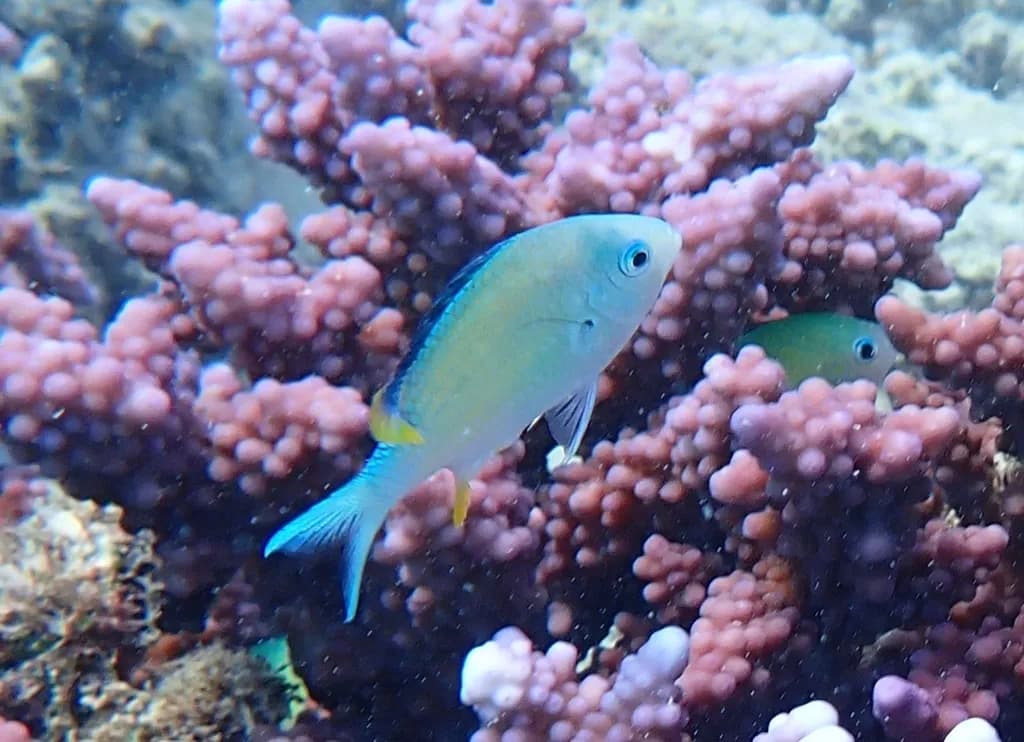
Bluegreen Puller
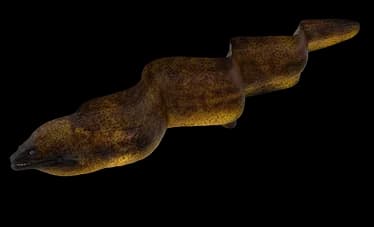
Moray Eel
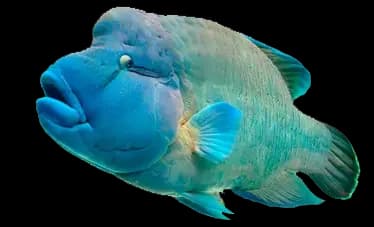
Napoleon Wrasse
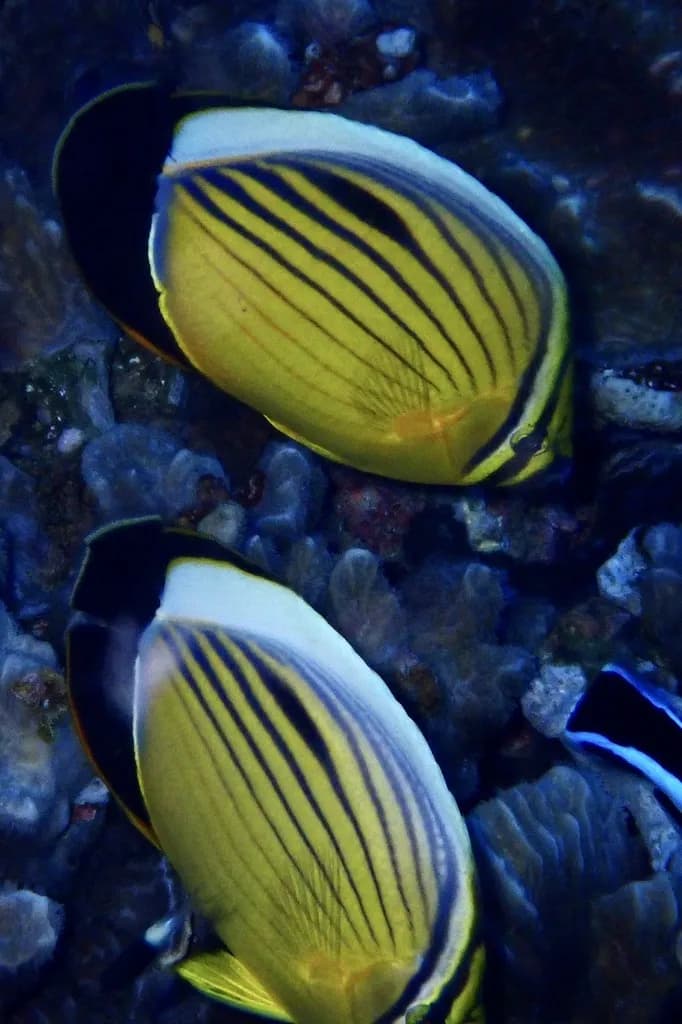
Butterflyfish
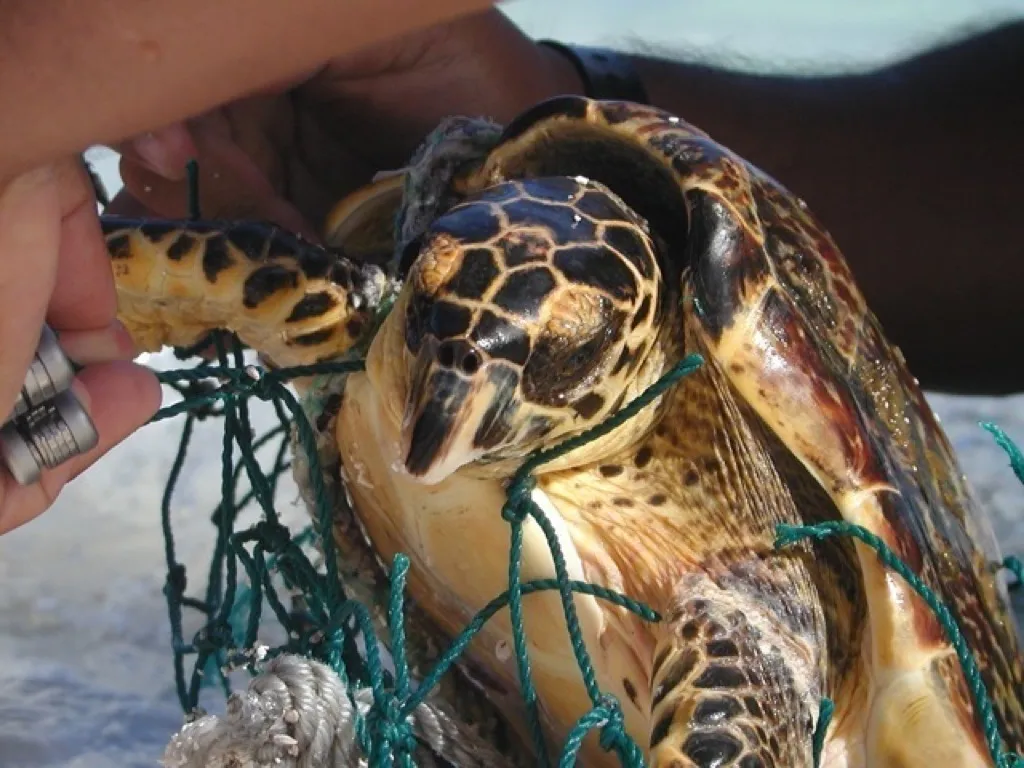
Hawksbill Turtle
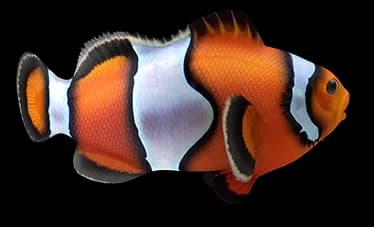
Clownfish

Trevally
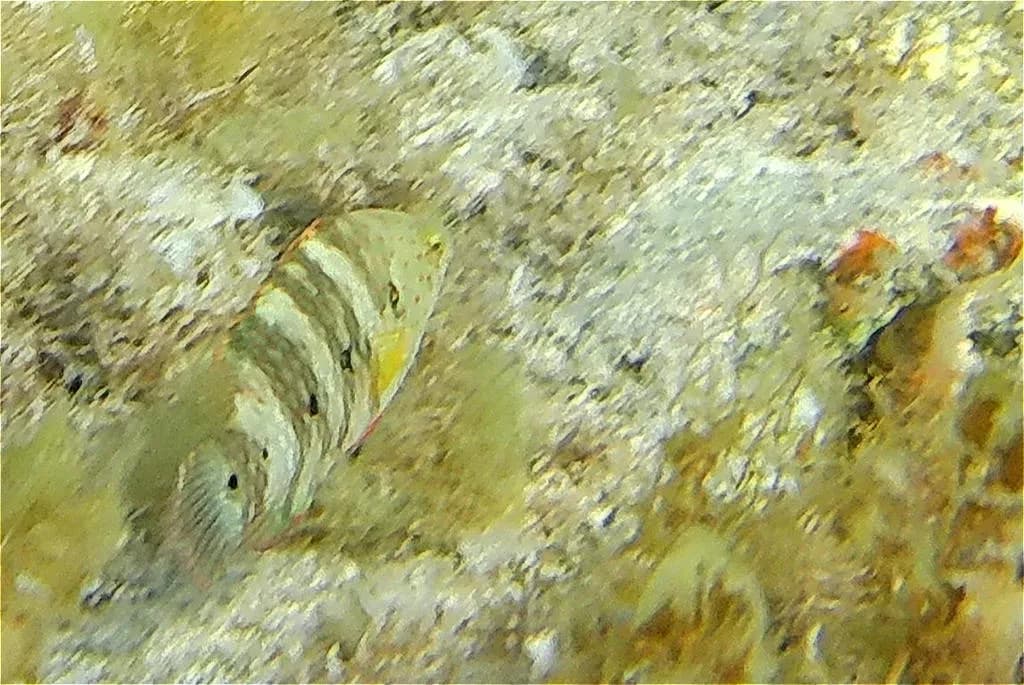
Splendour Wrasse
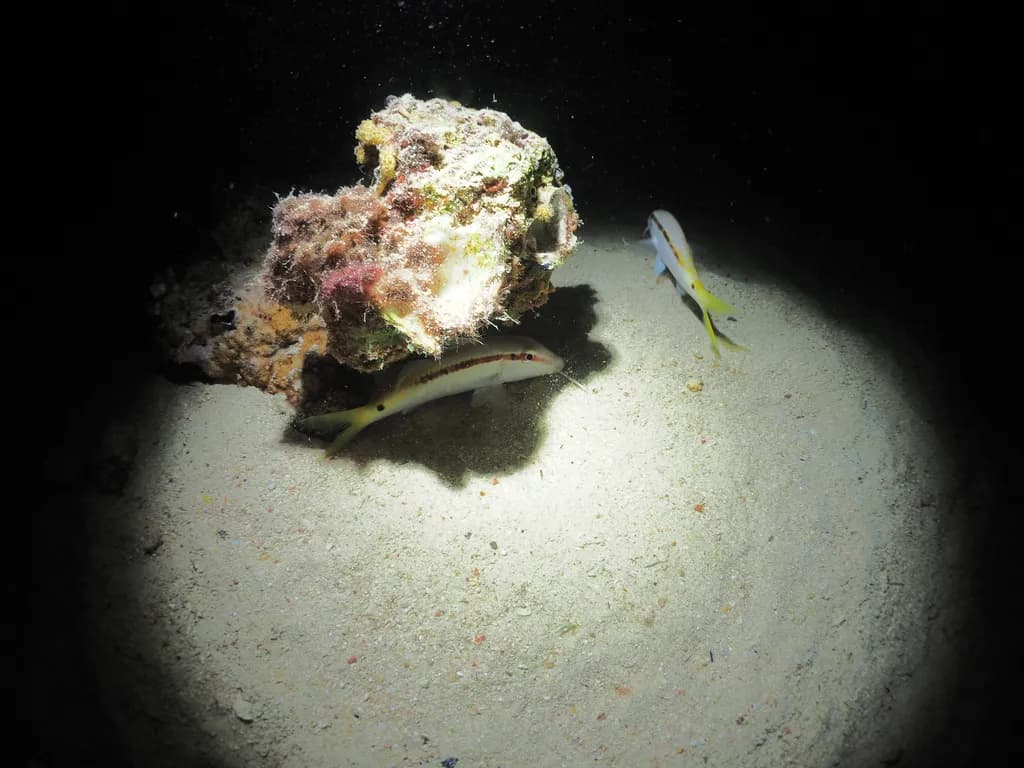
Goatfish
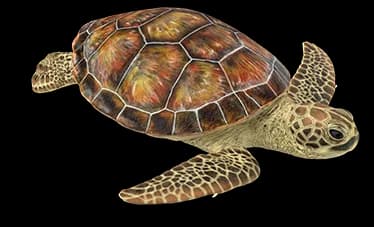
Turtle
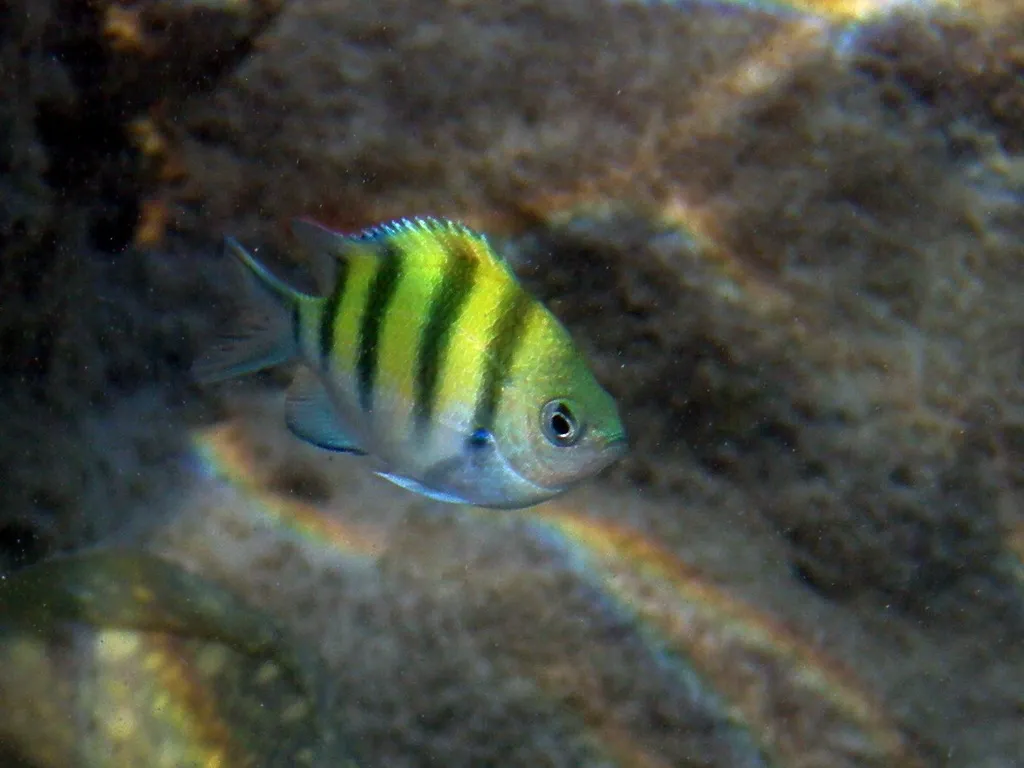
Sergeant Major
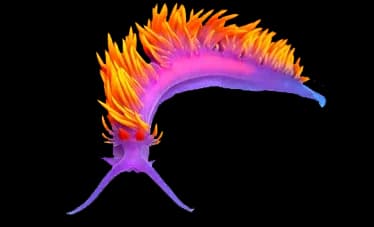
Nudibranch
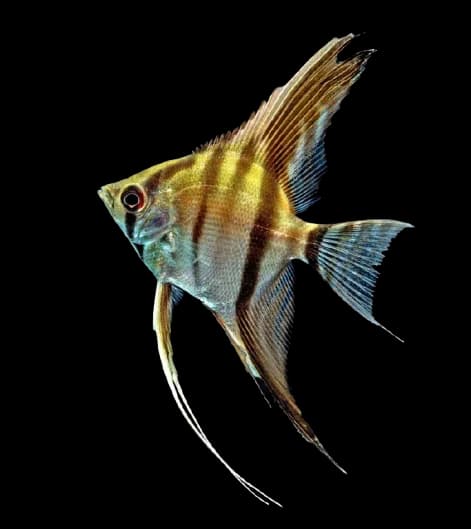
Angelfish
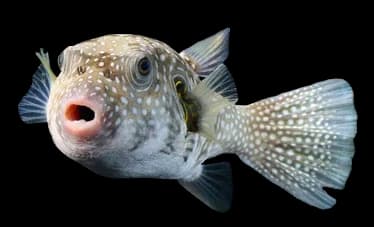
Pufferfish
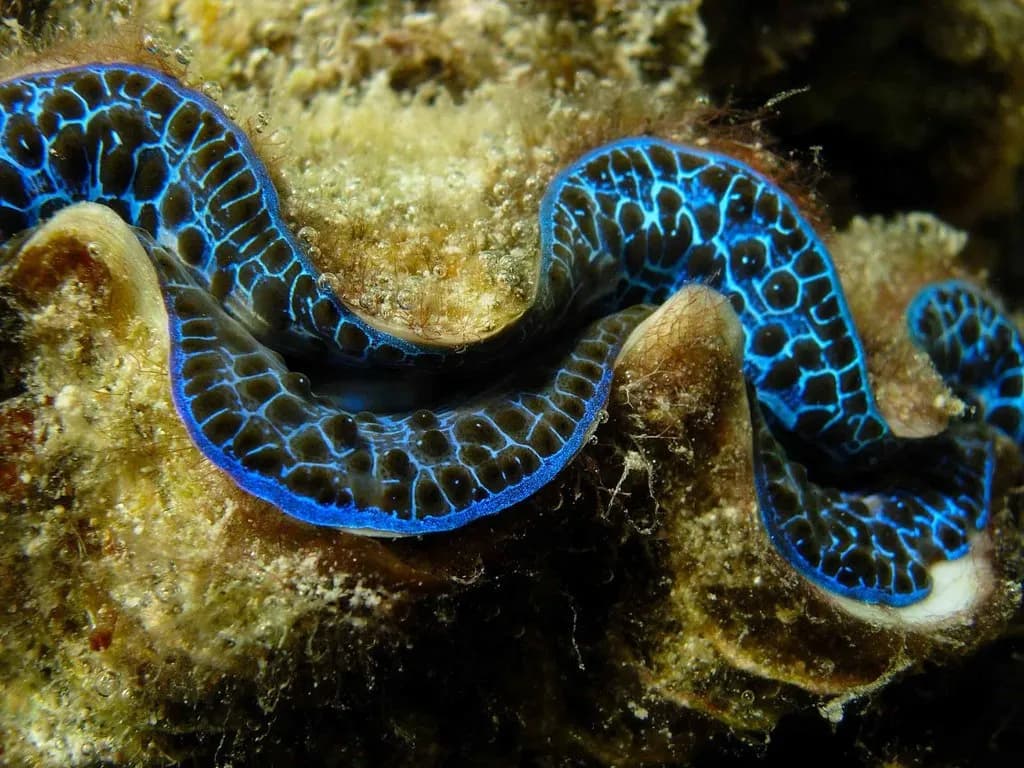
Snails
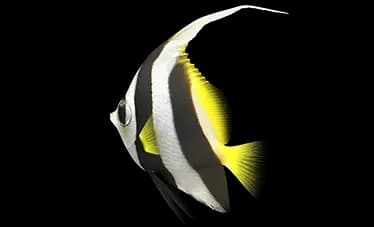
Bannerfish
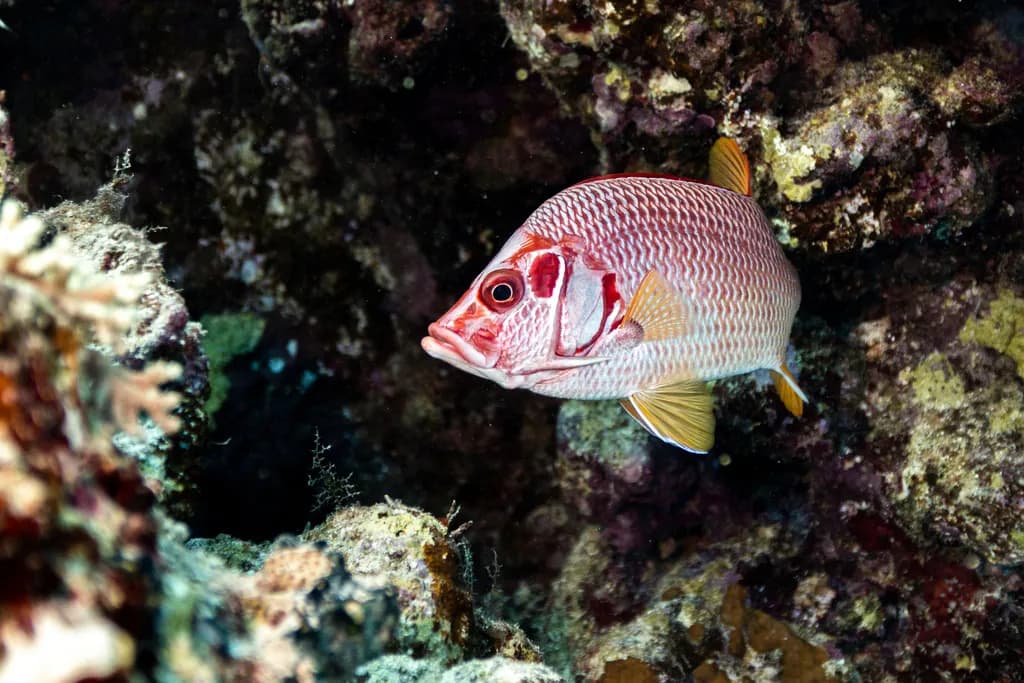
Squirrelfish
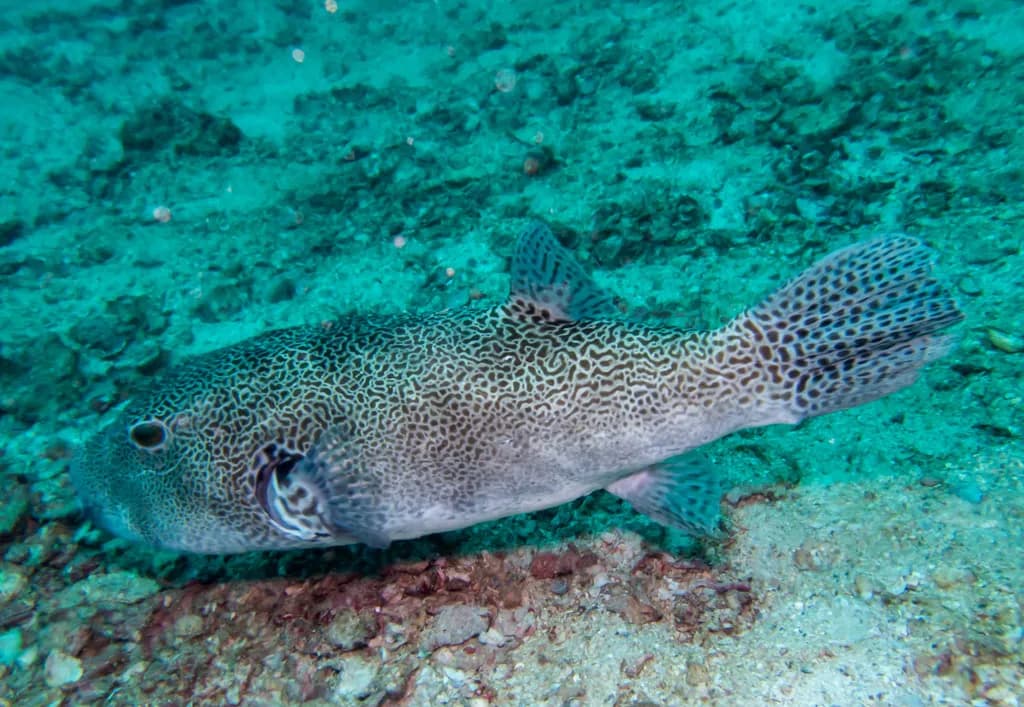
Starry Pufferfish
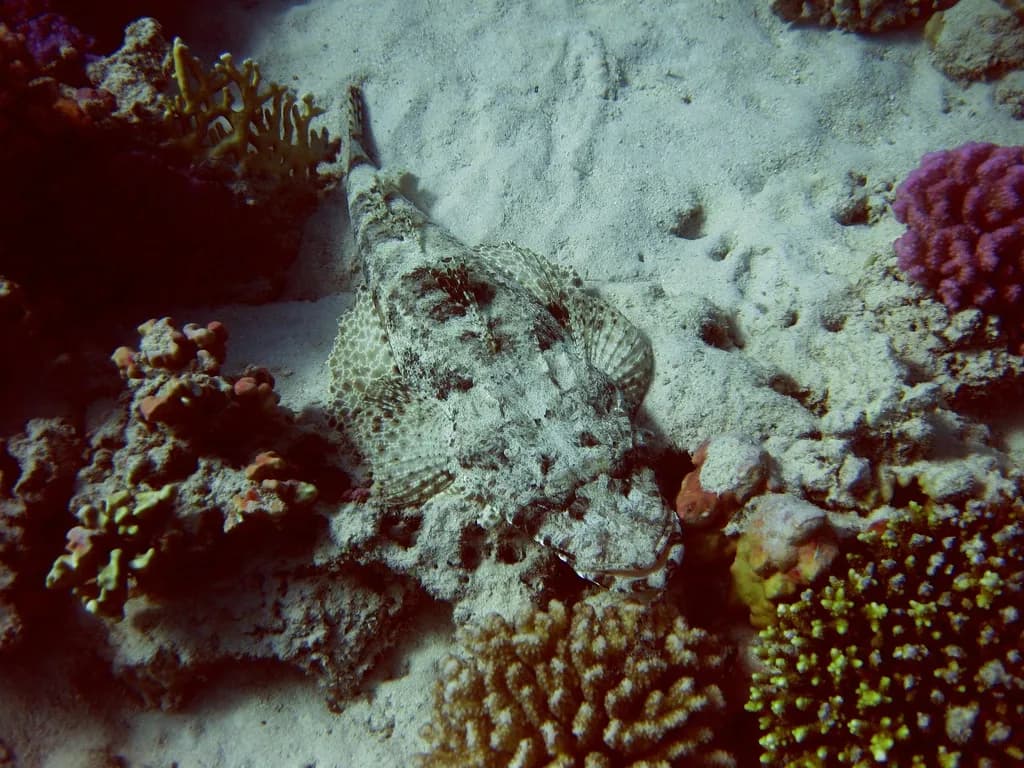
Crocodilefish
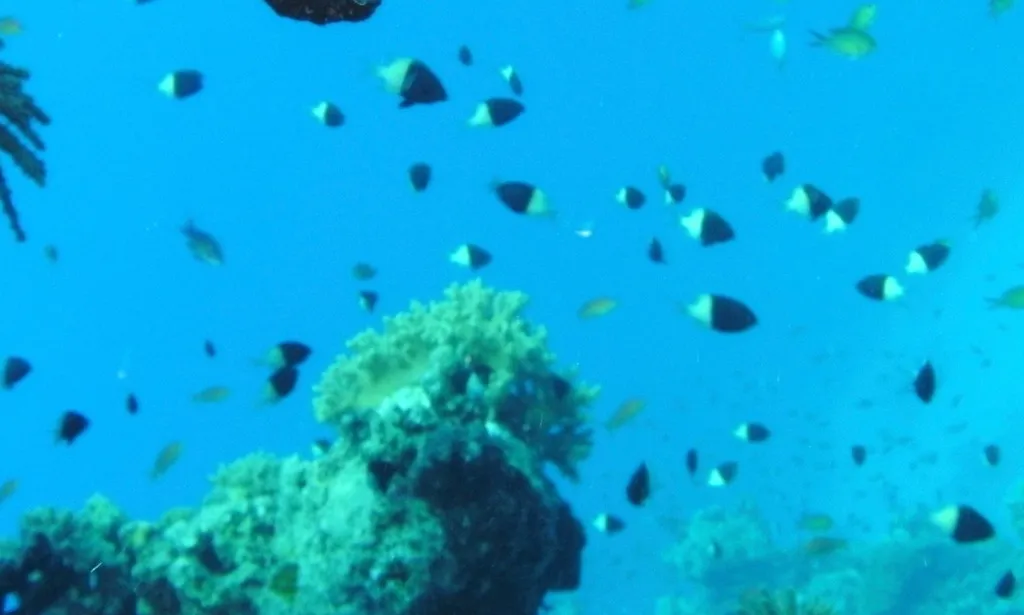
Bicolour Puller
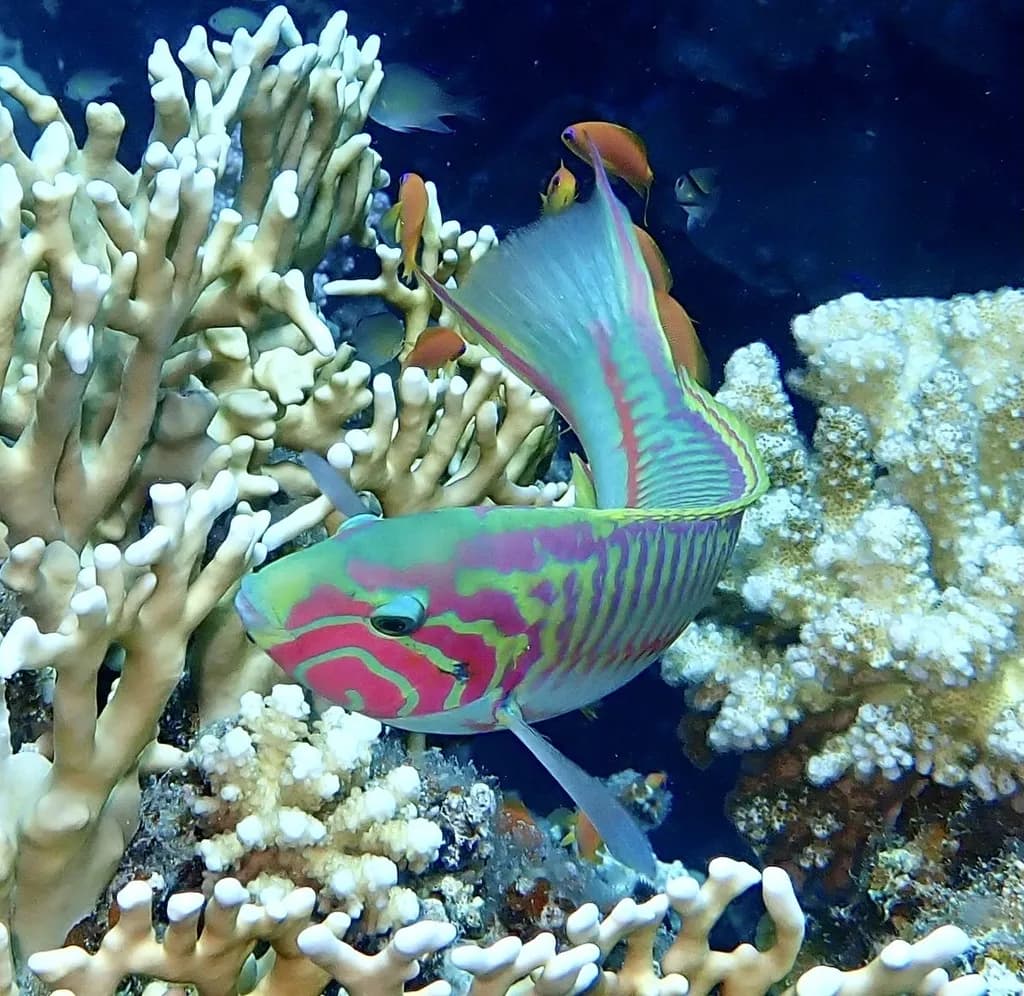
Klunzinger's Wrasse
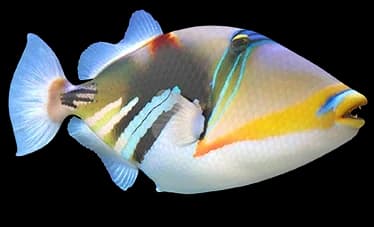
Picasso Triggerfish
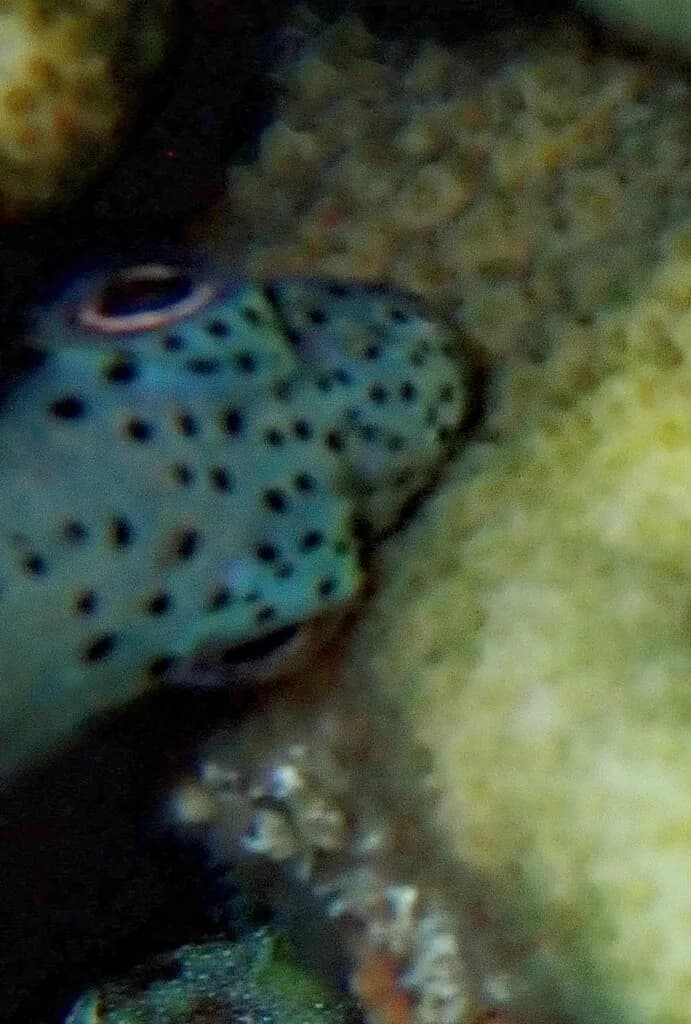
Blackside Hawkfish
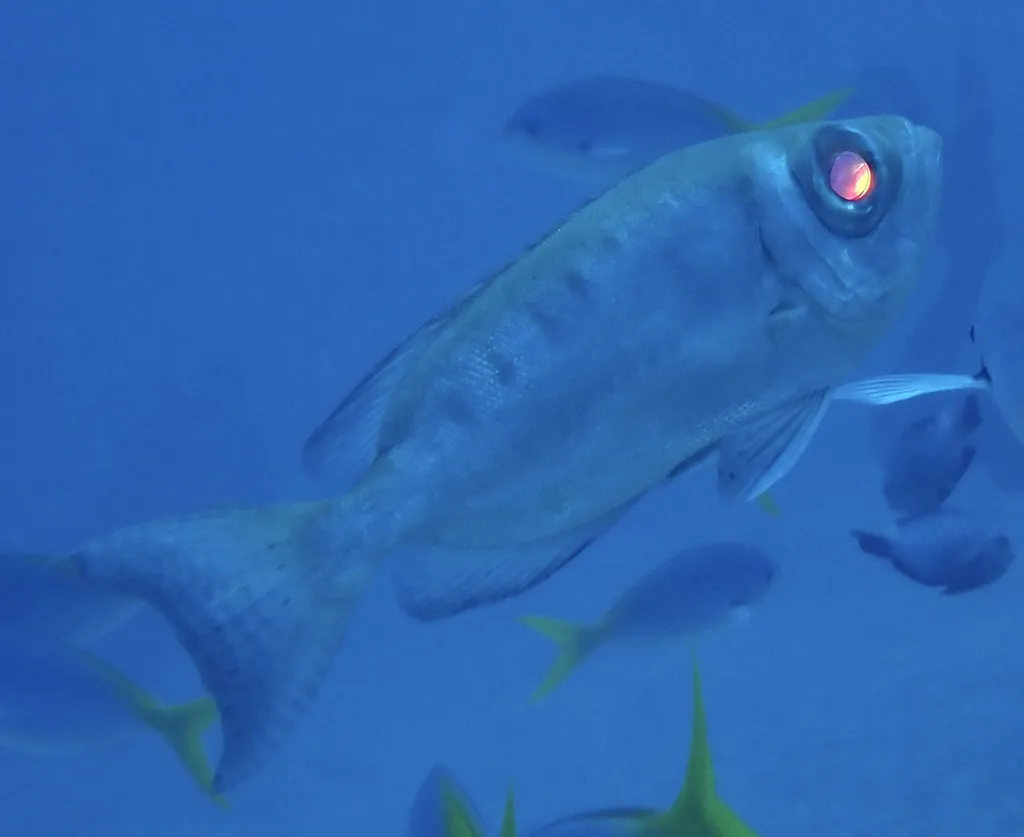
Bigeye
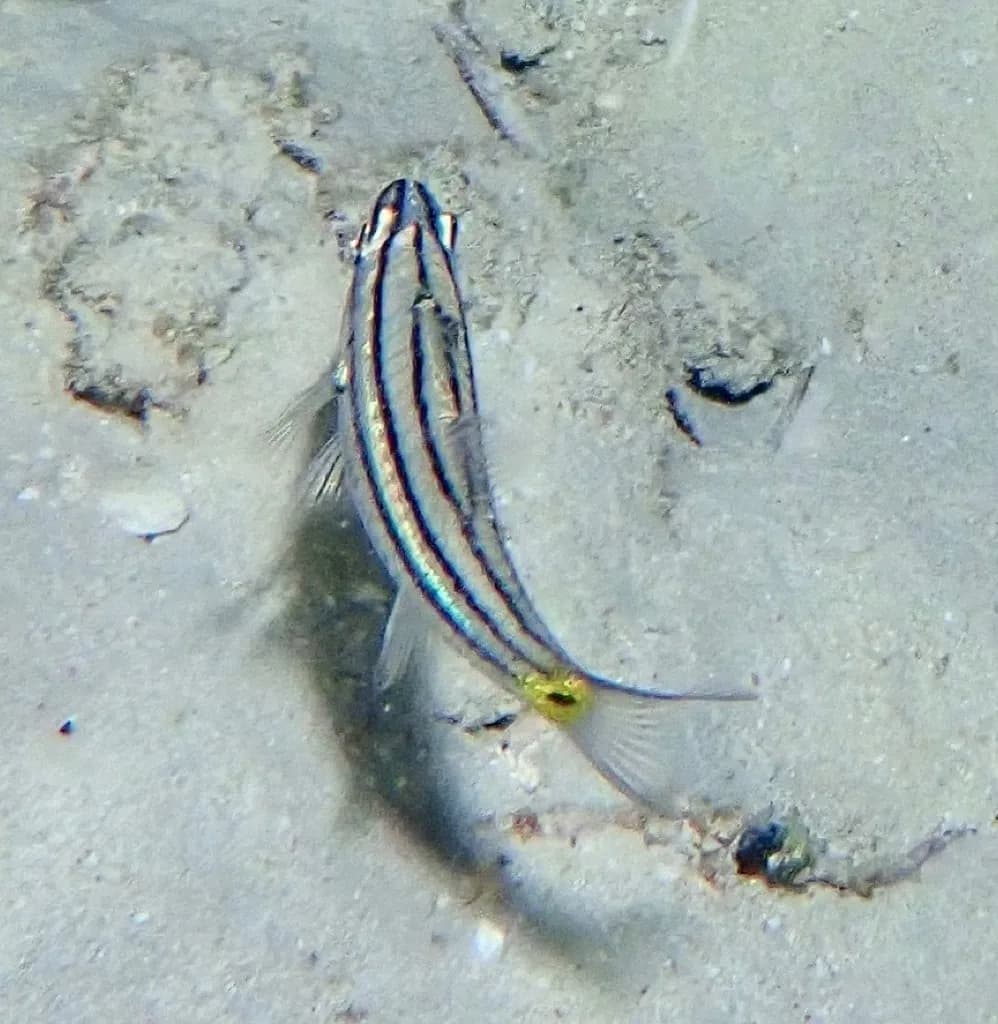
Cardinal Fish
Dolphin
Jackfish
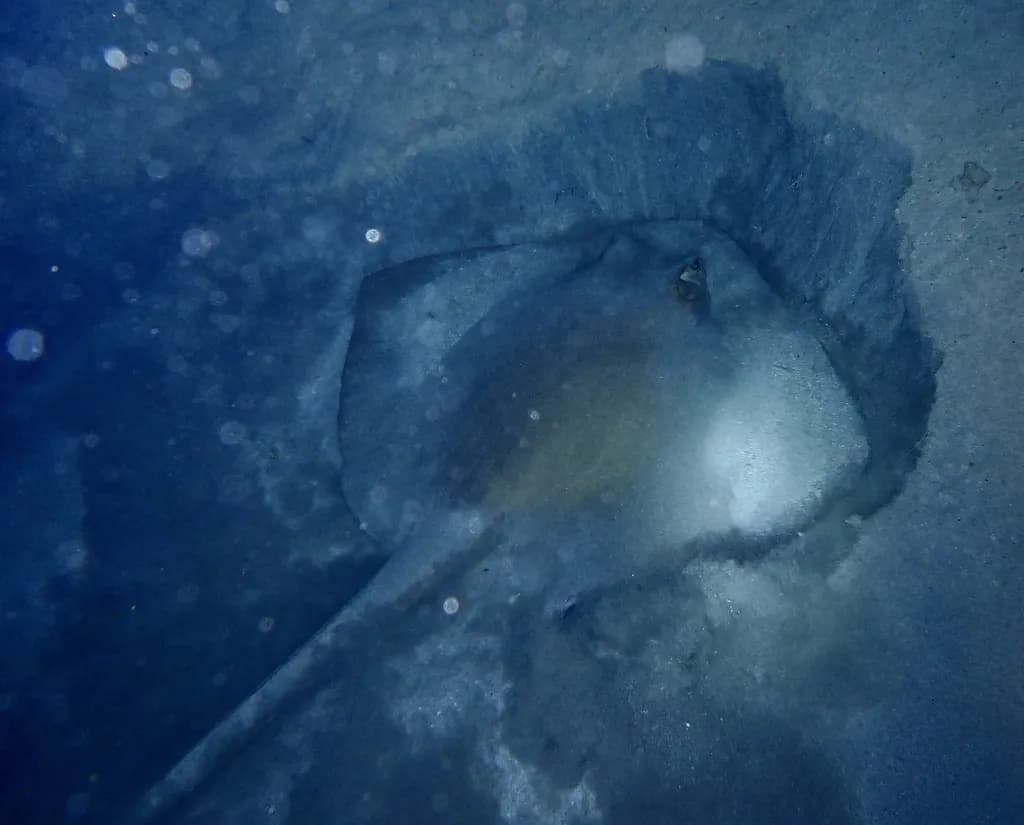
Feathertail Ray
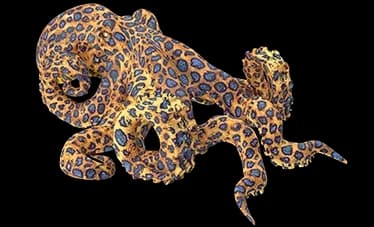
Octopus
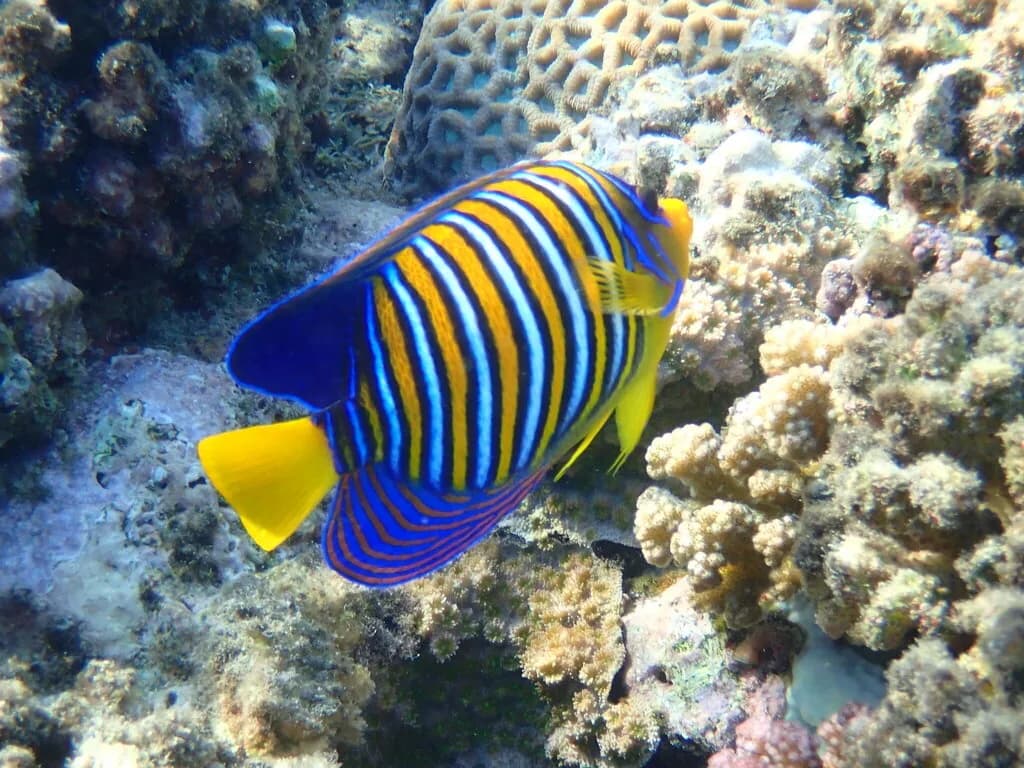
Regal Angelfish
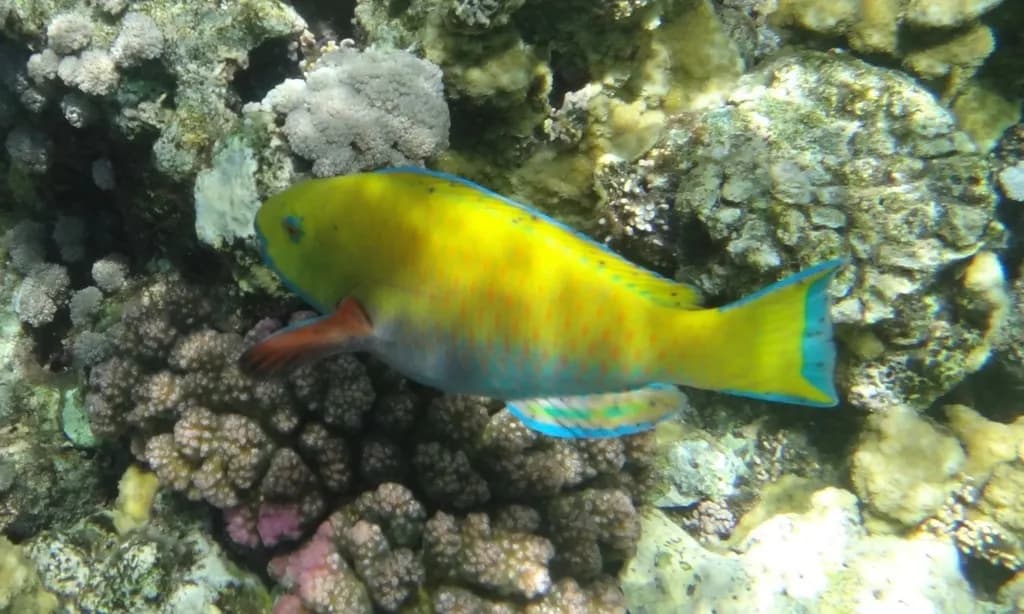
Steephead Parrotfish
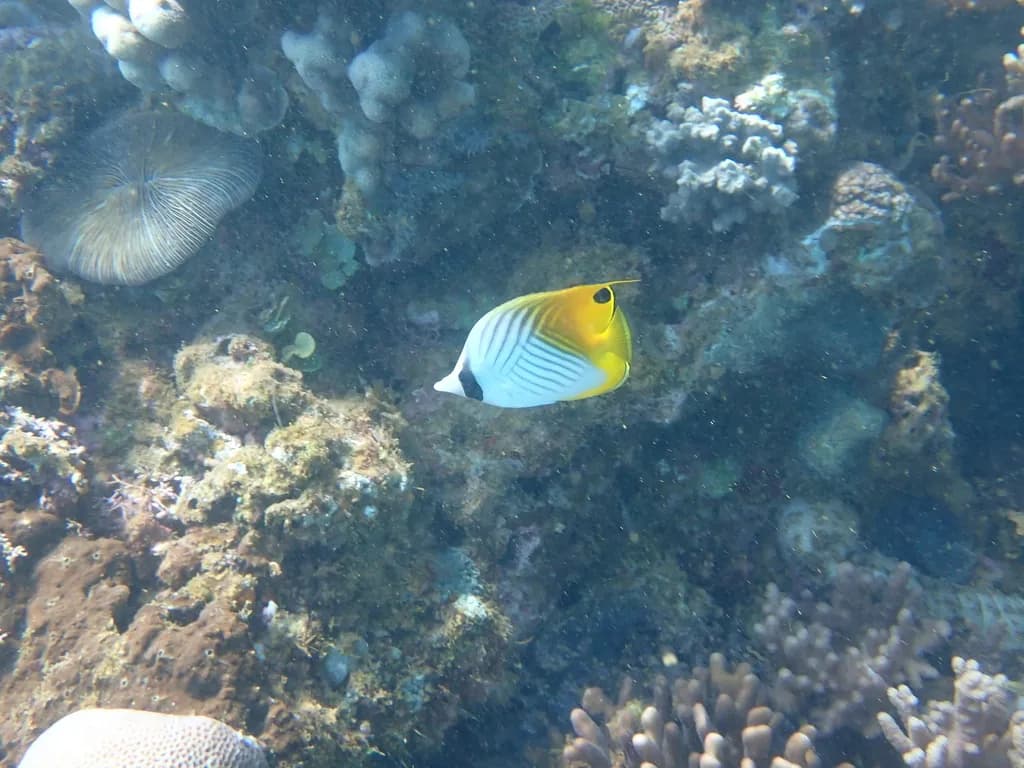
Threadfin Butterflyfish
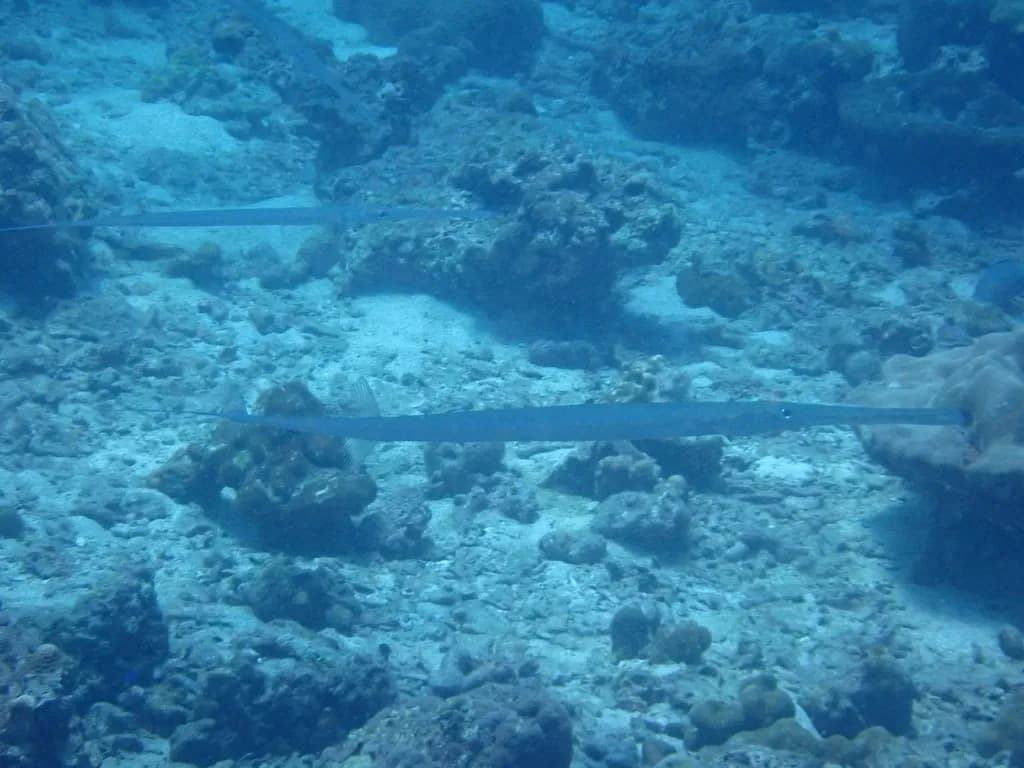
Cornetfish
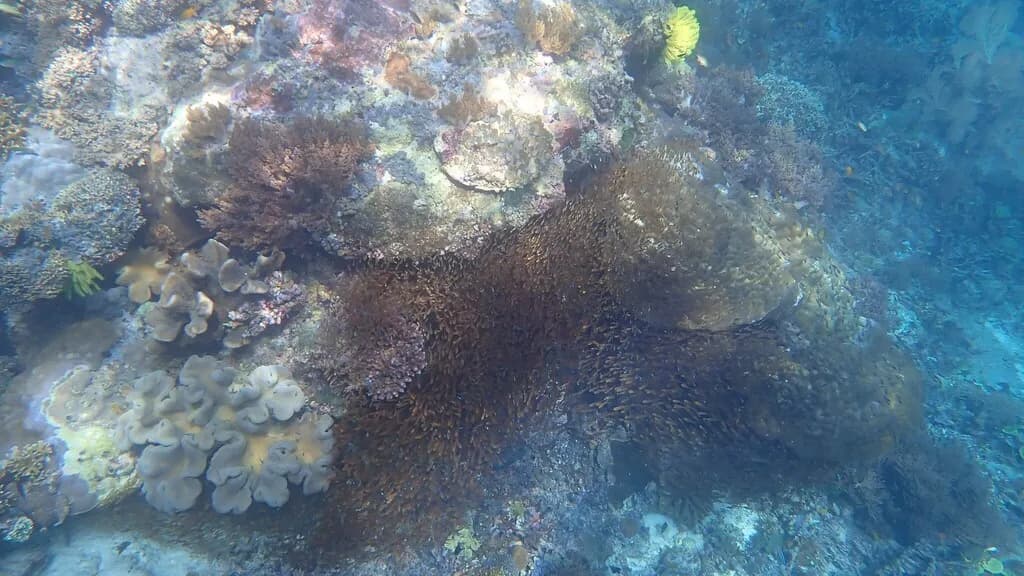
Pygmy Sweeper
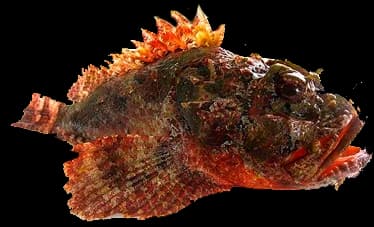
Scorpionfish
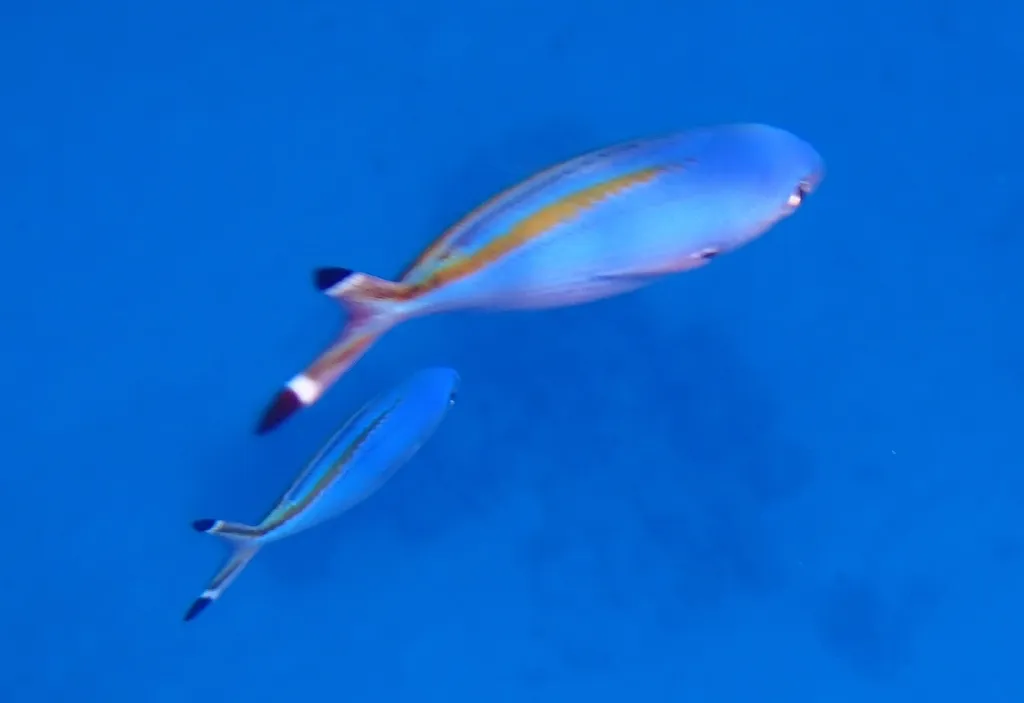
Fusilier
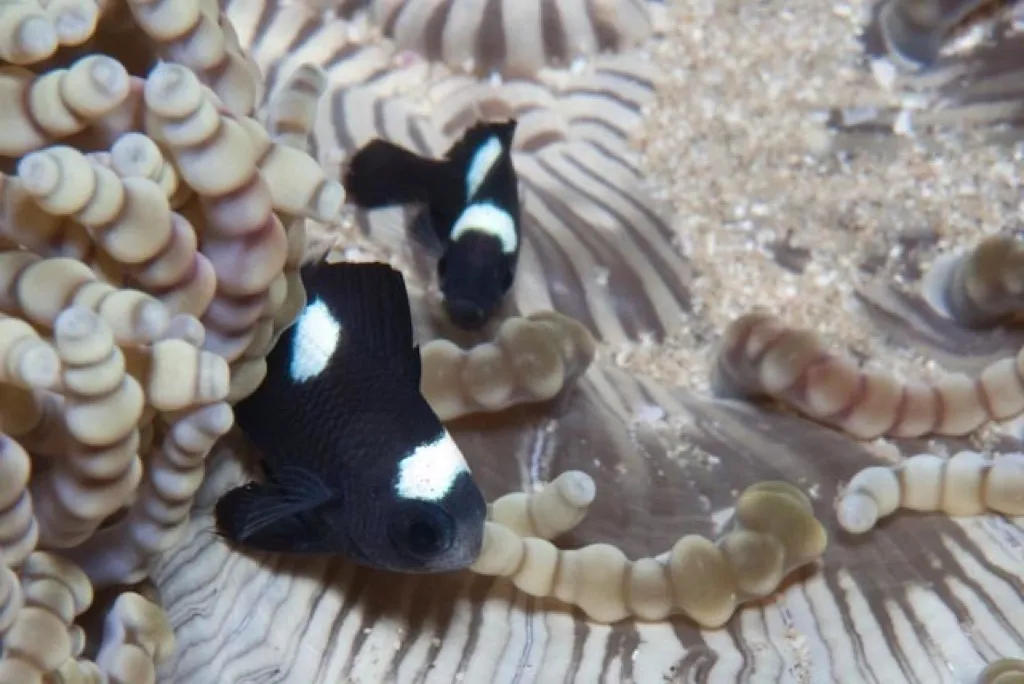
Domino Damsel
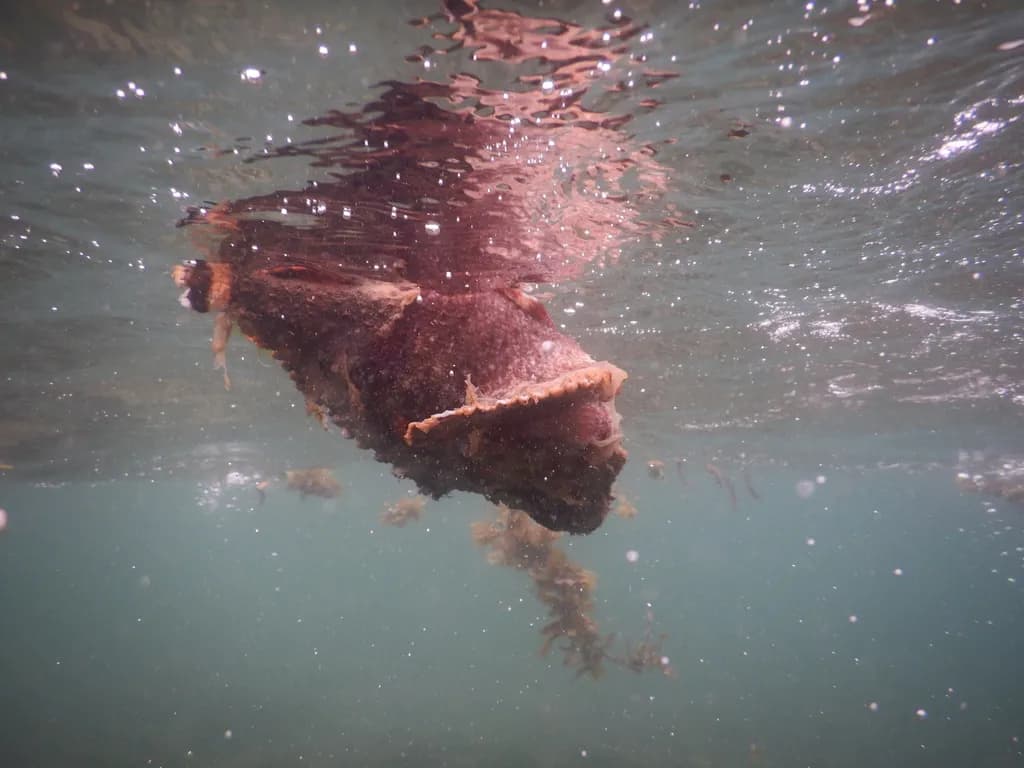
Stonefish
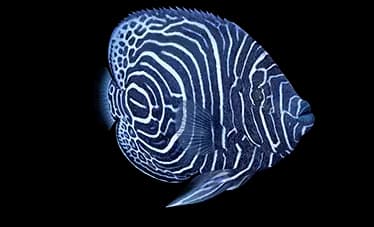
Emperor Angelfish
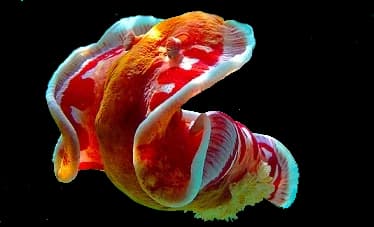
Spanish Dancer
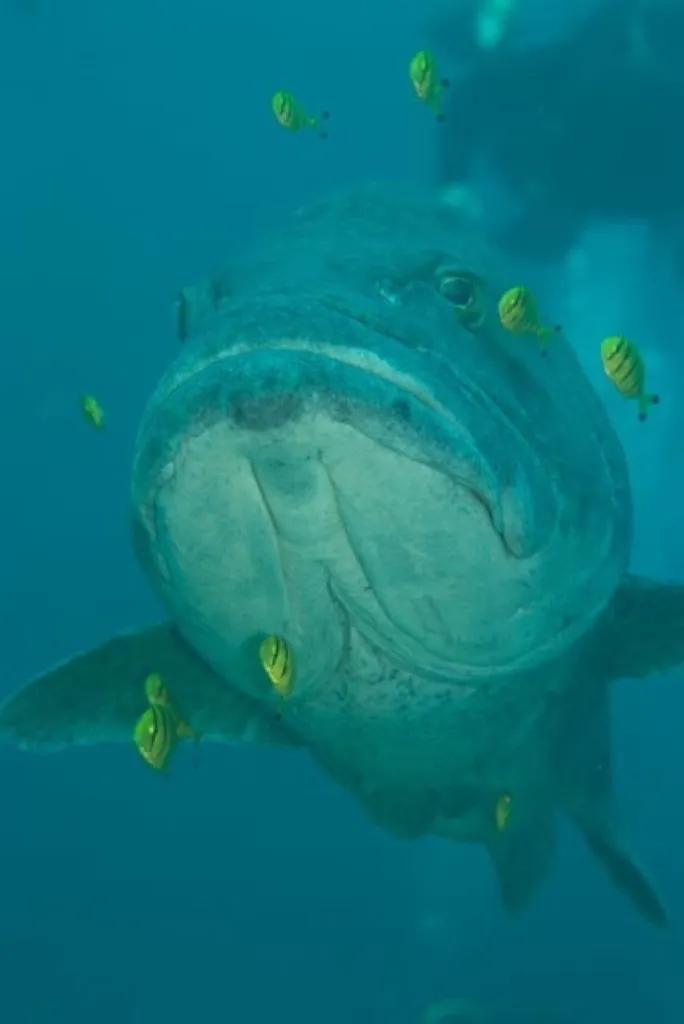
Black Grouper
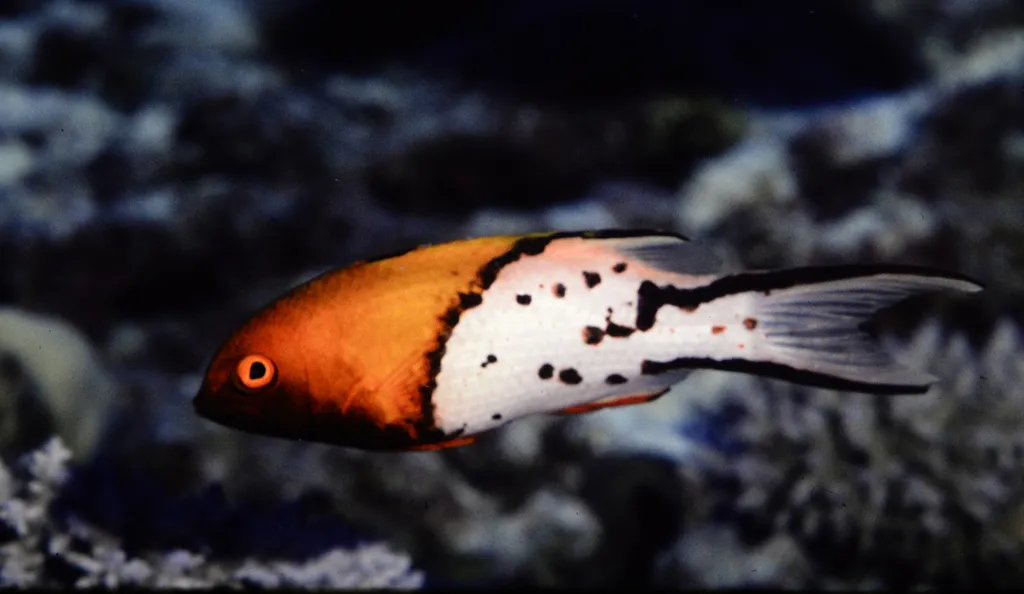
Lyretail Hogfish
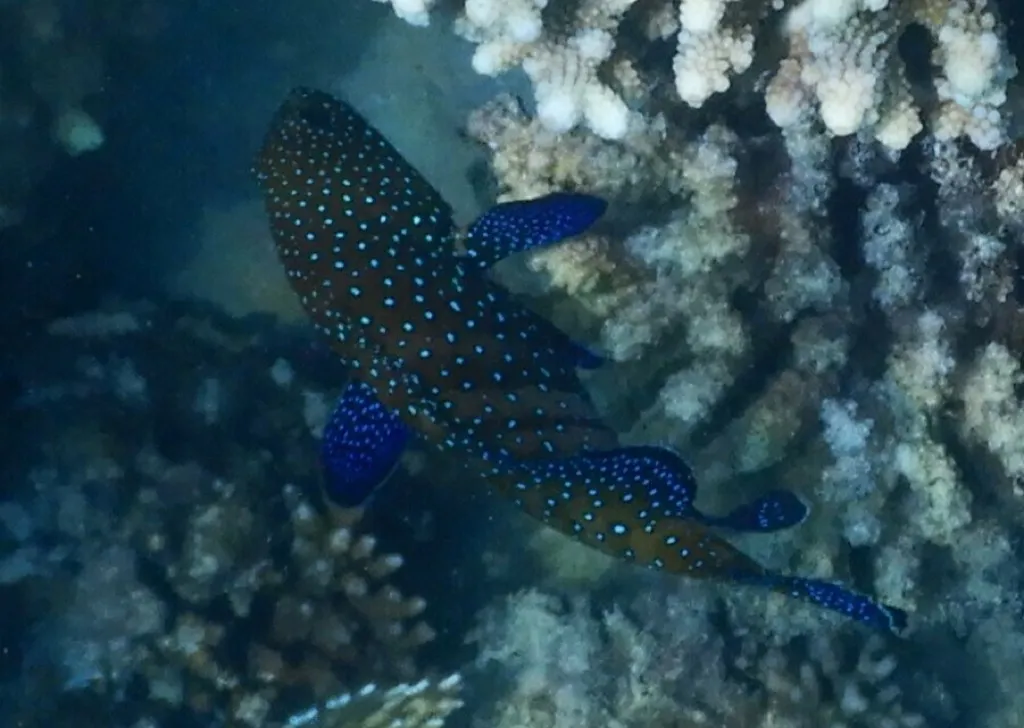
Peacock Grouper
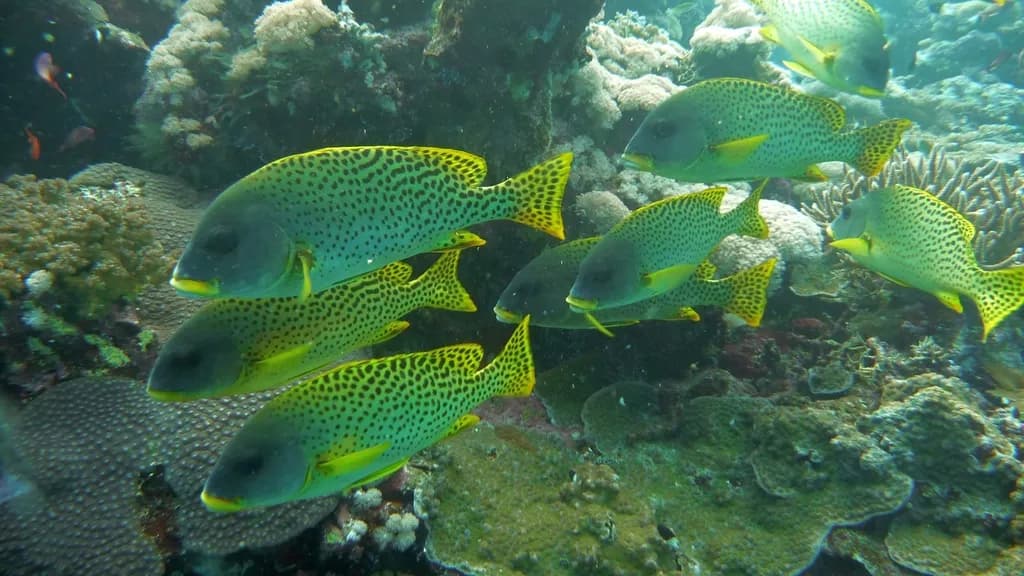
Sweetlip
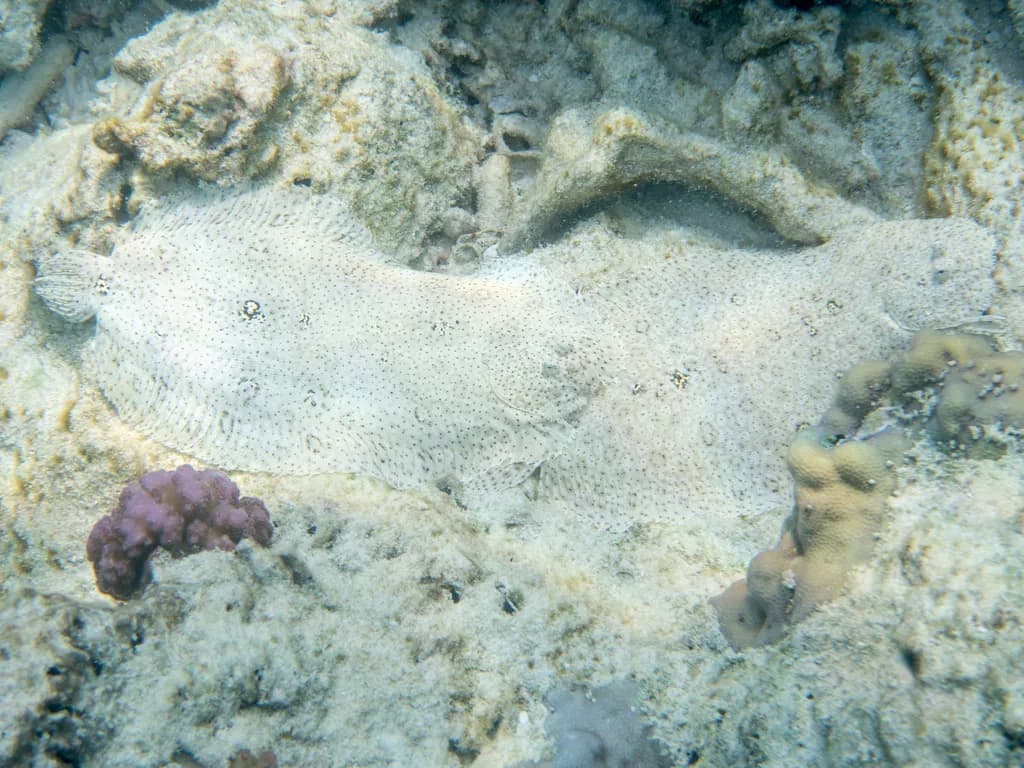
Moses Sole
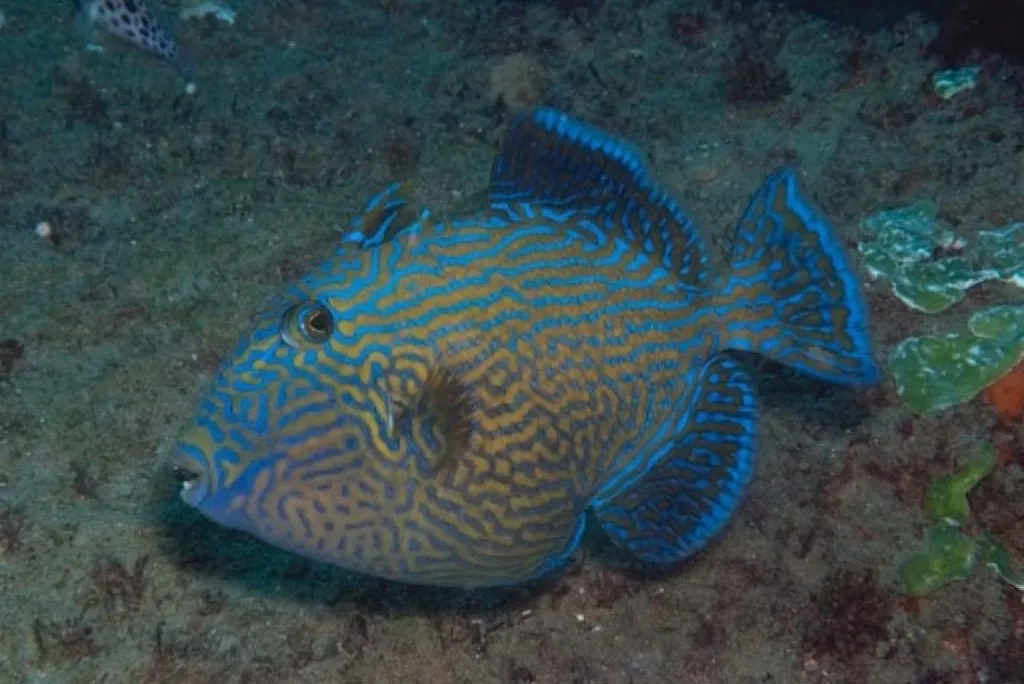
Blue Triggerfish
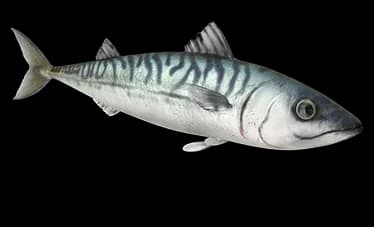
Mackerel
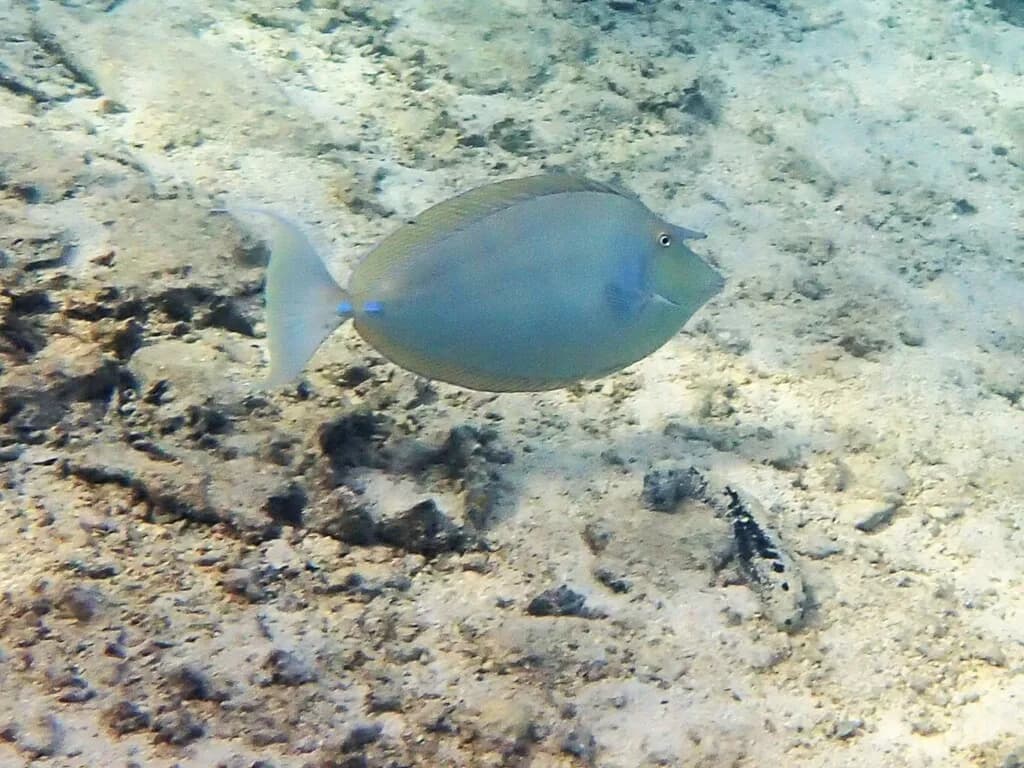
Unicorn Fish
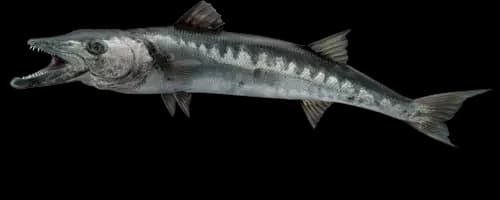
Barracuda
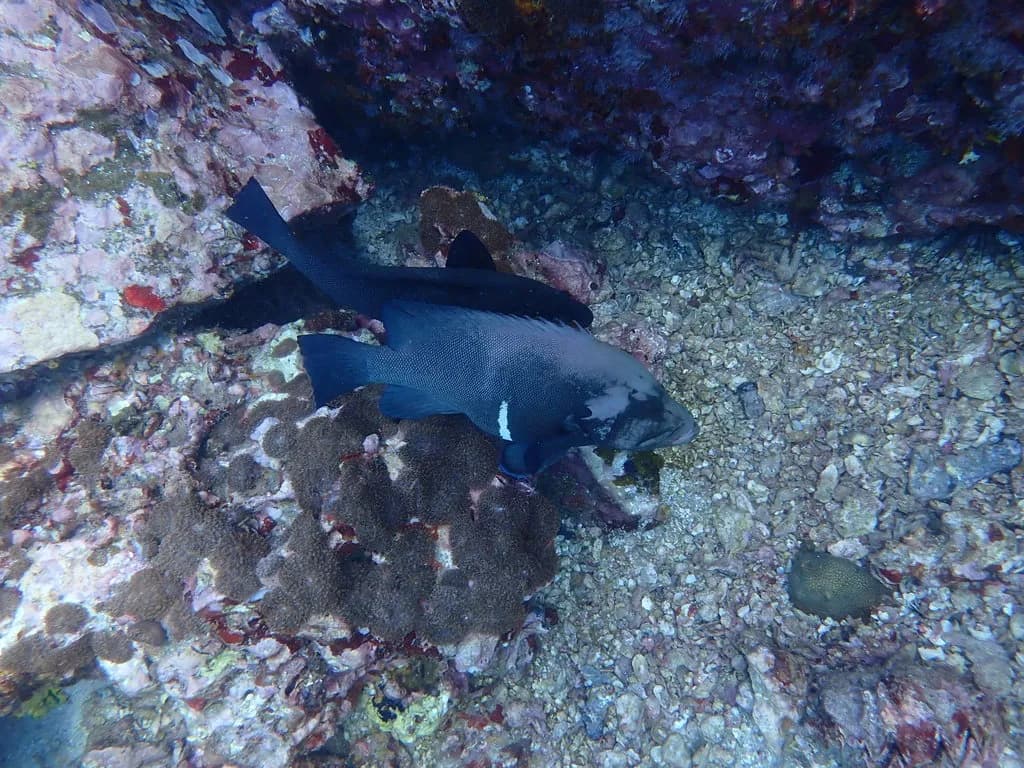
Redmouth Grouper
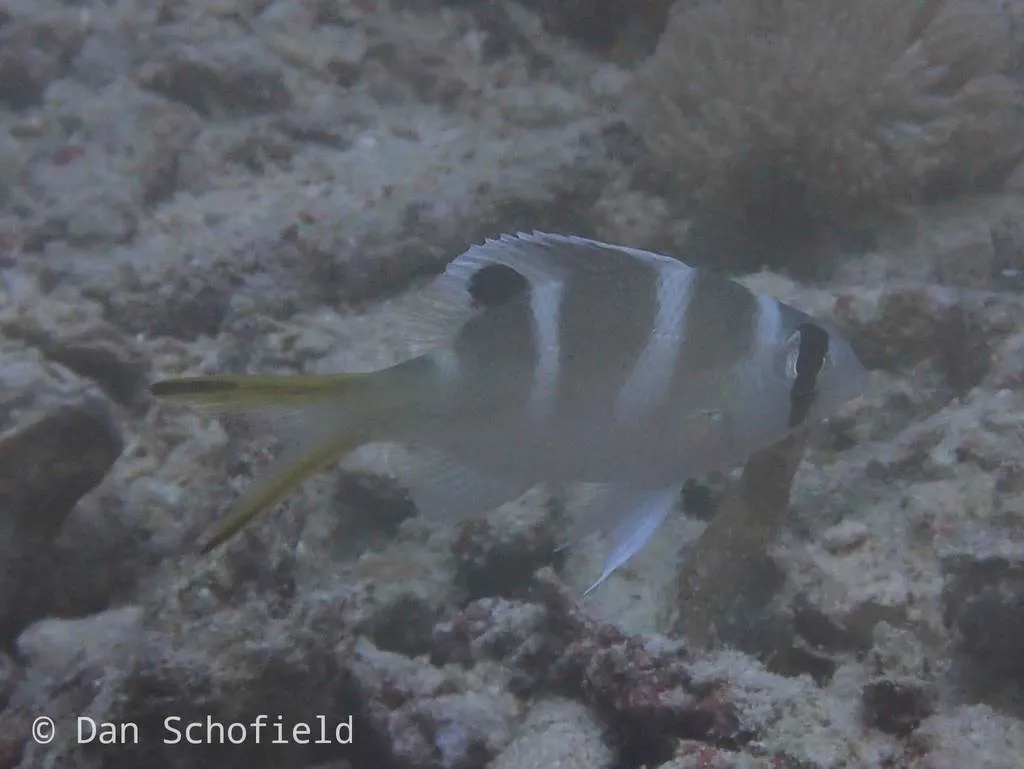
Bream
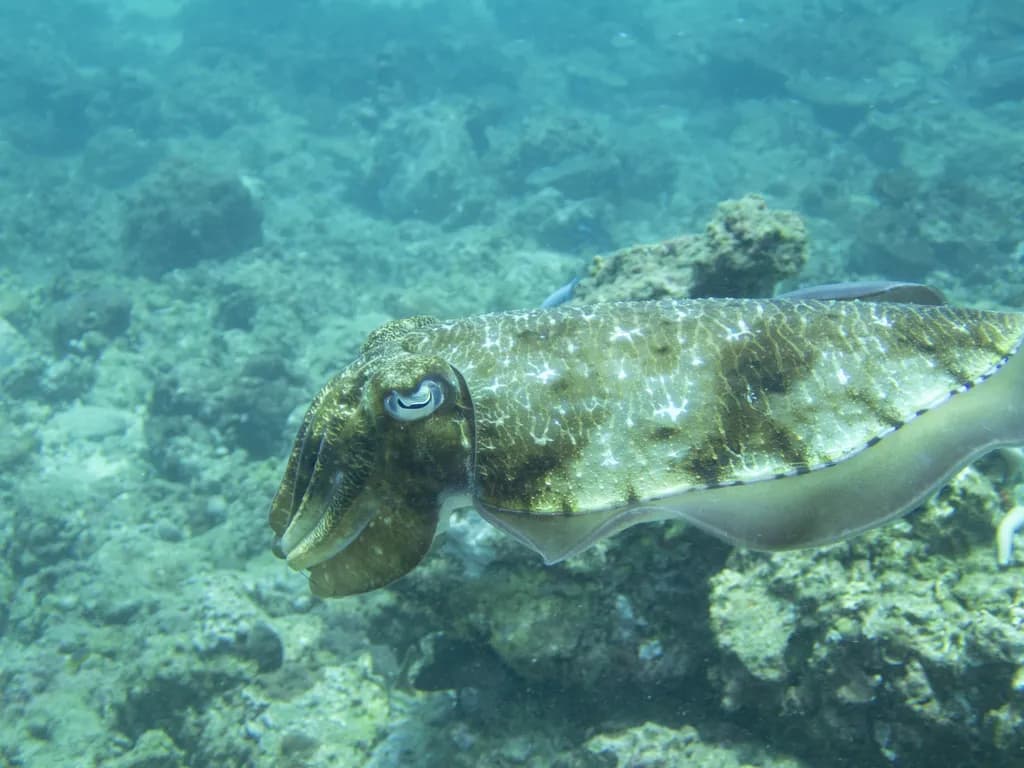
Cuttlefish
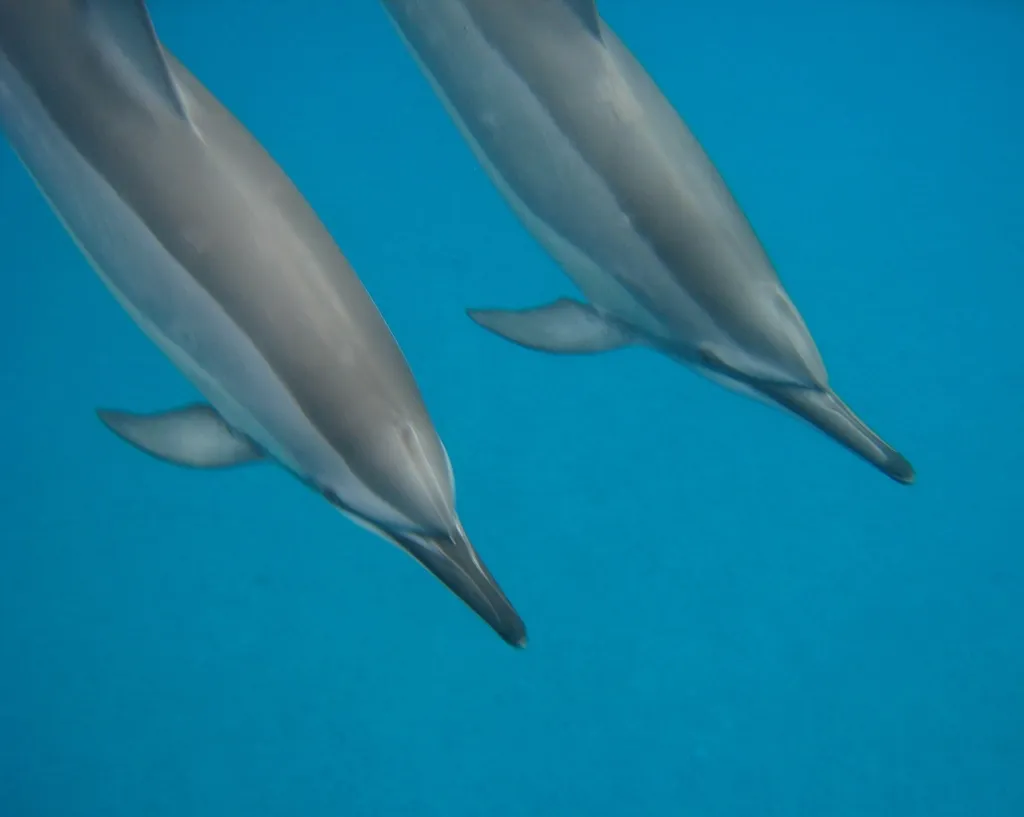
Spinner Dolphin
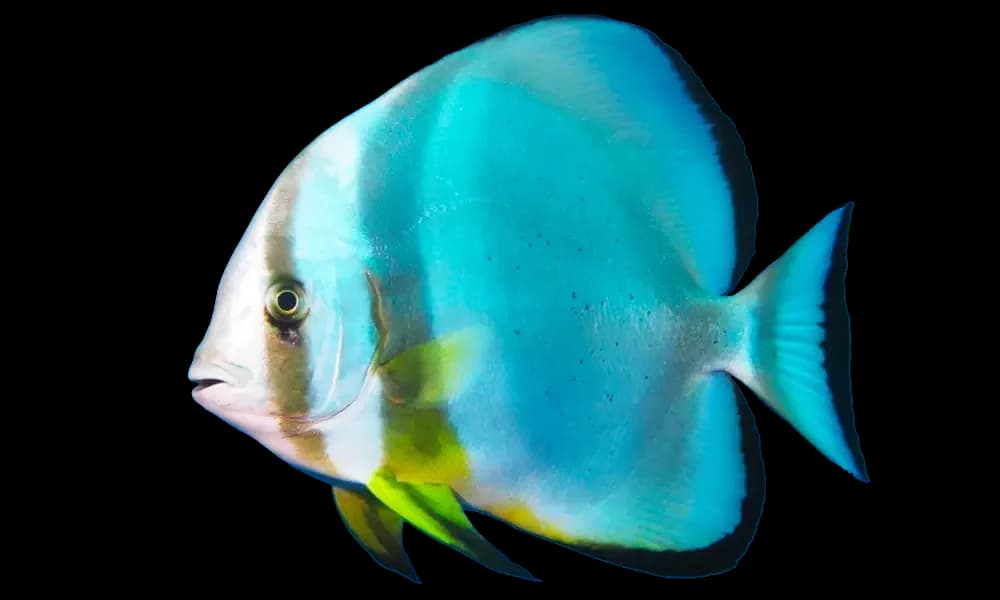
Batfish
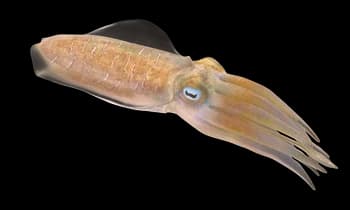
Squid
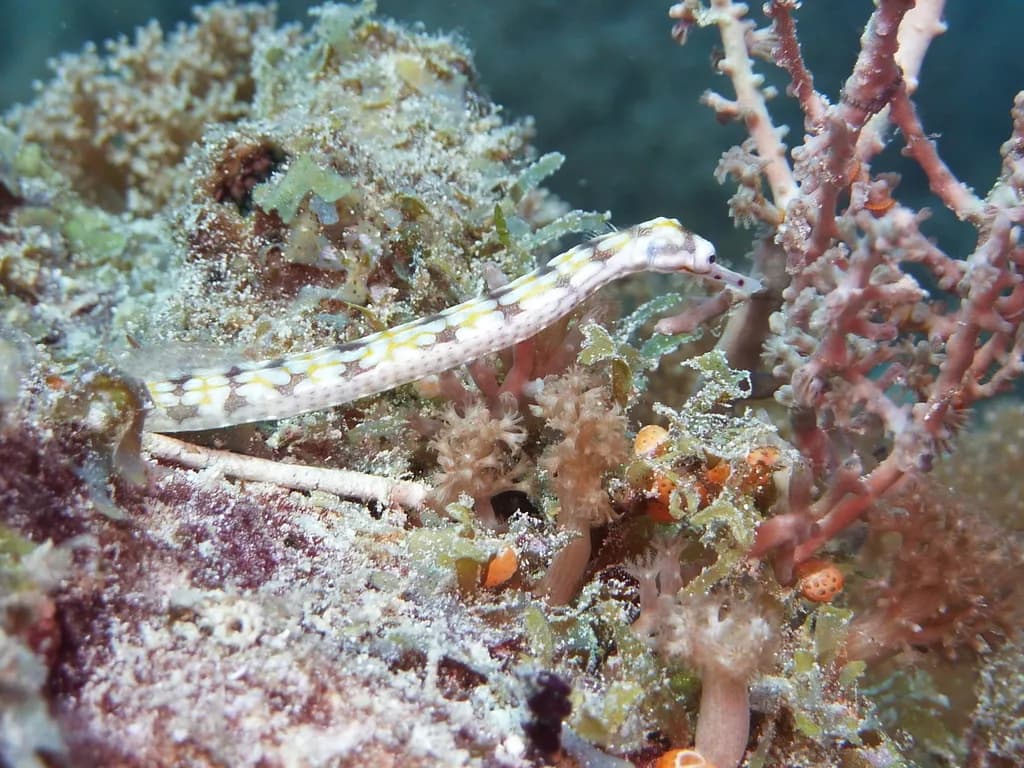
Pipefish
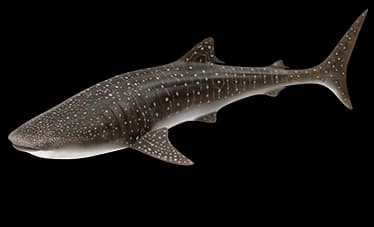
Whale Shark
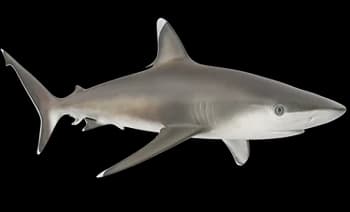
Whitetip Shark
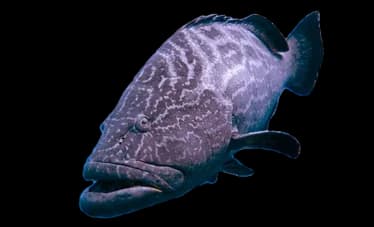
Grouper
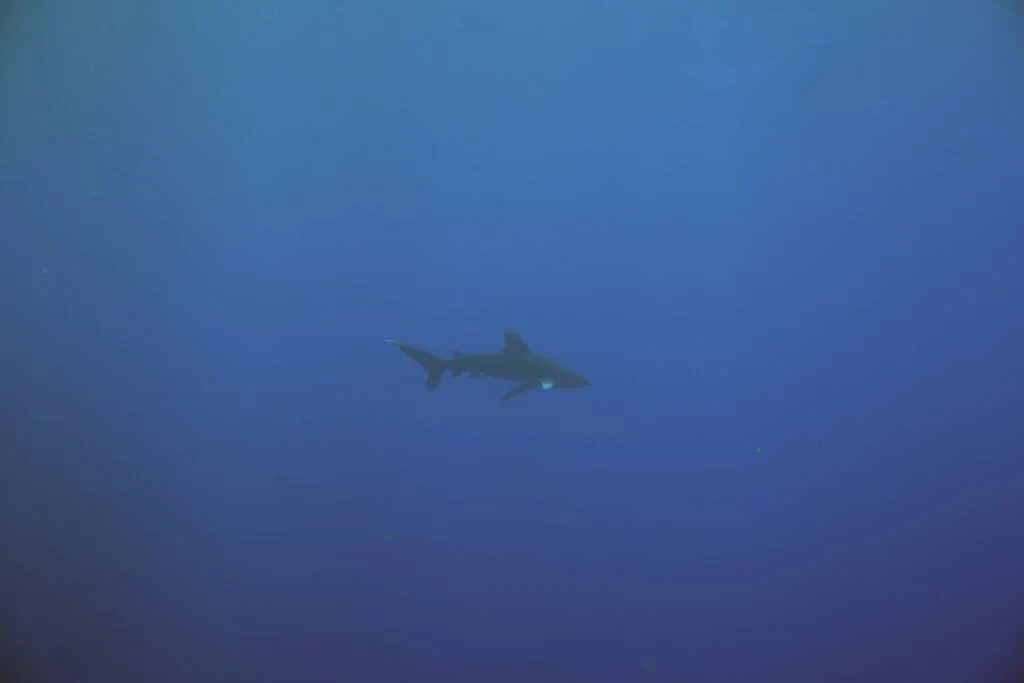
Oceanic Whitetip Shark
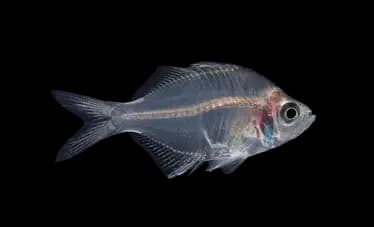
Glassfish
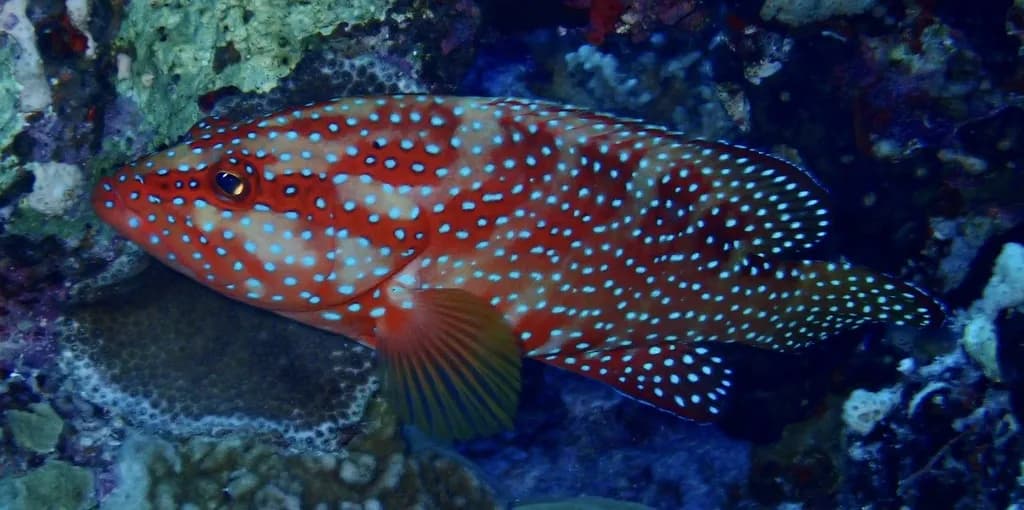
Coral Grouper
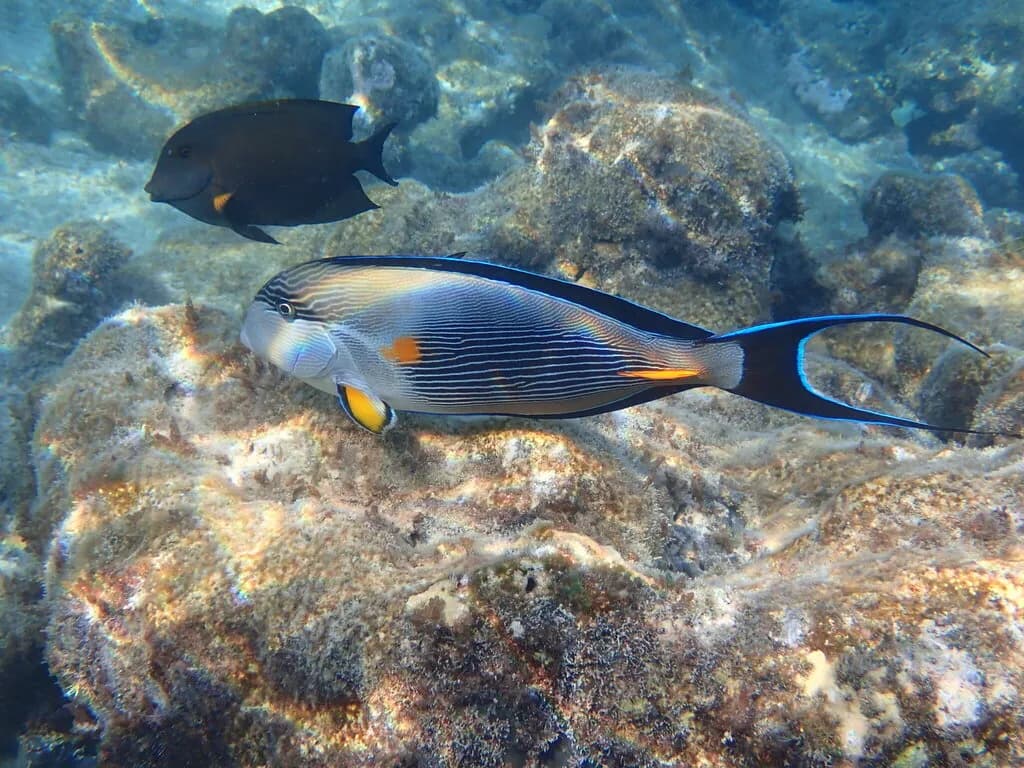
Doctor Fish
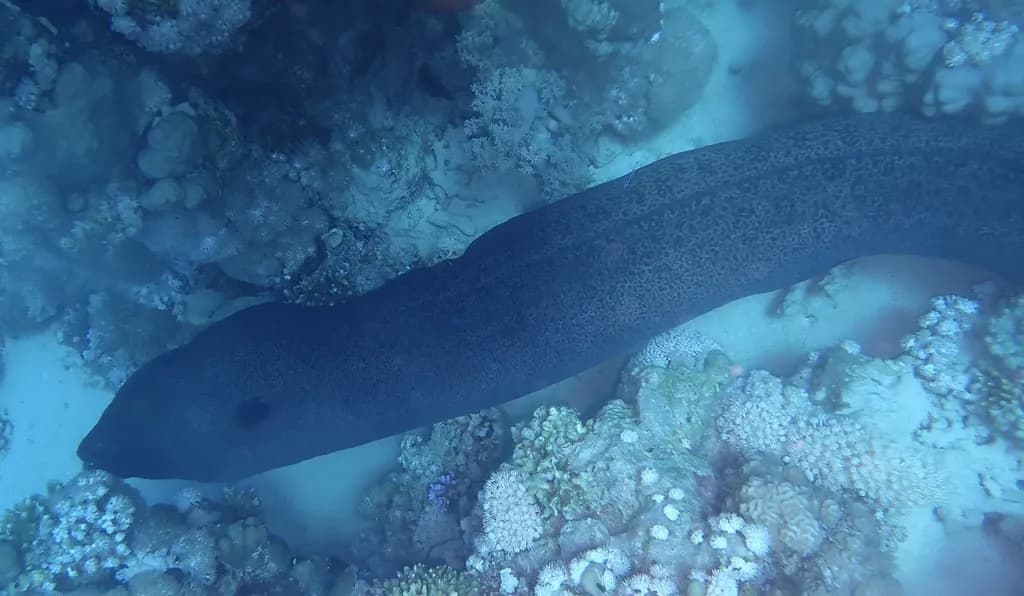
Eel
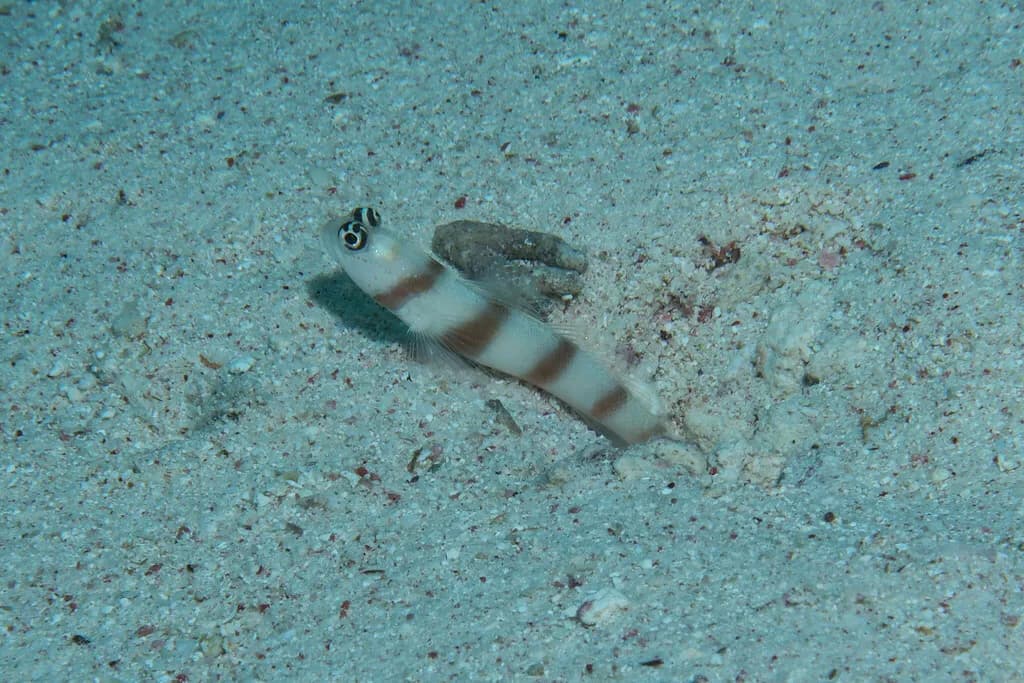
Gobie
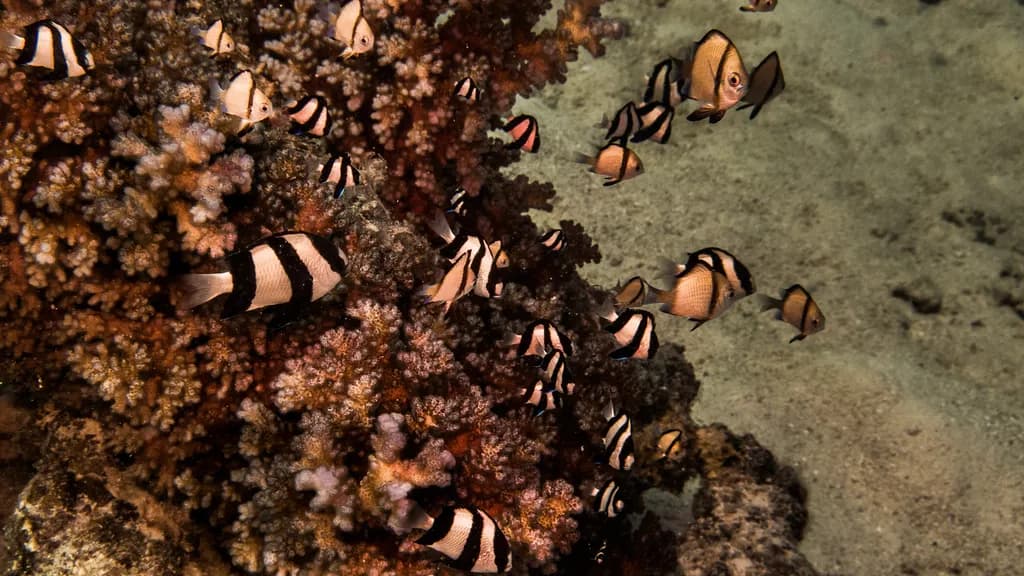
Humbug Damsel
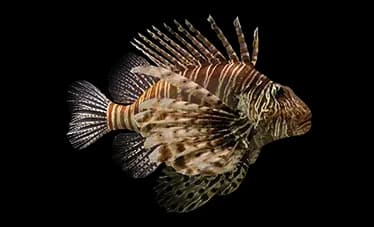
Lionfish
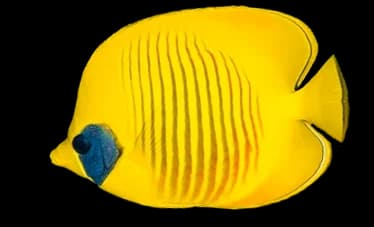
Masked Butterflyfish
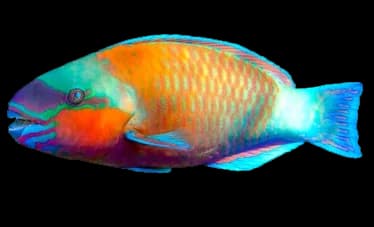
Parrotfish
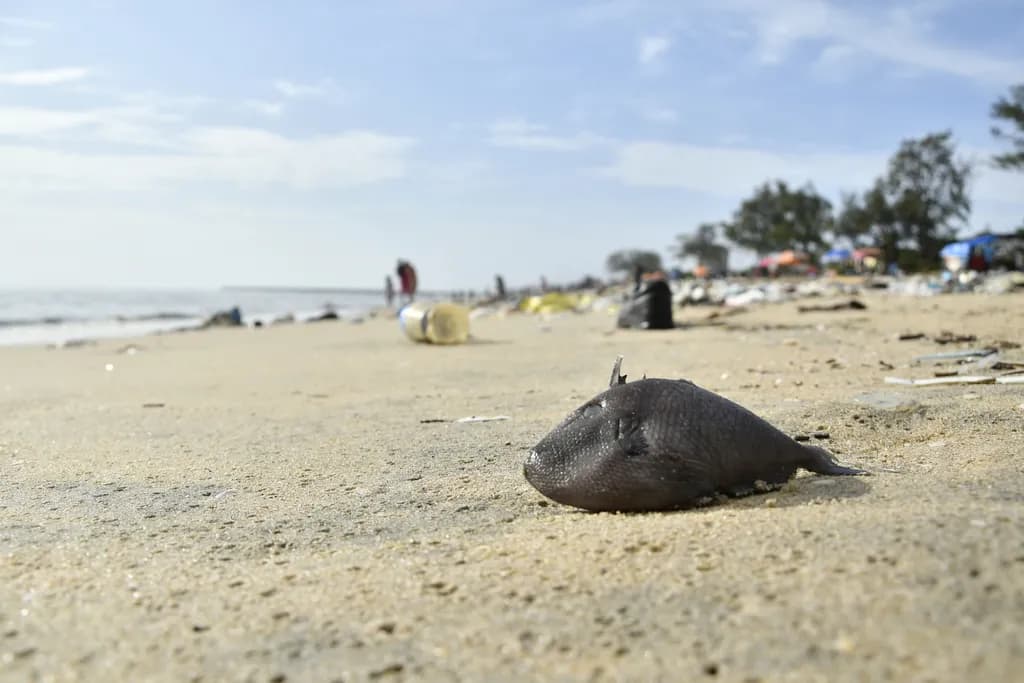
Redtooth Triggerfish
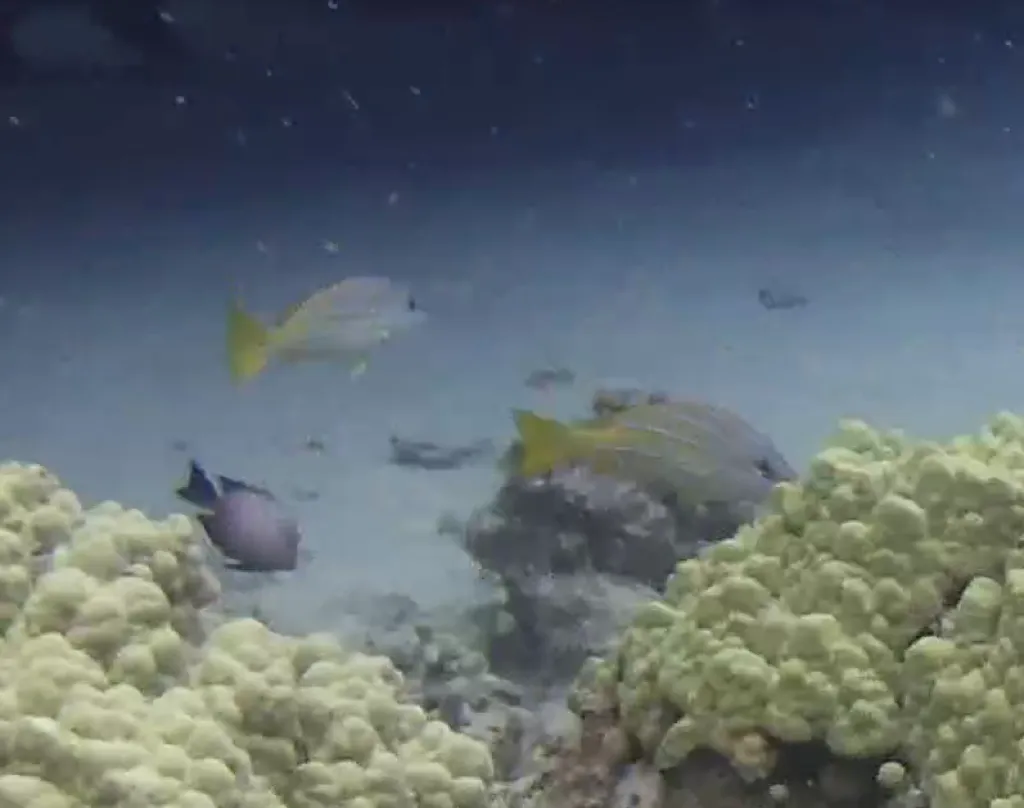
Snapper
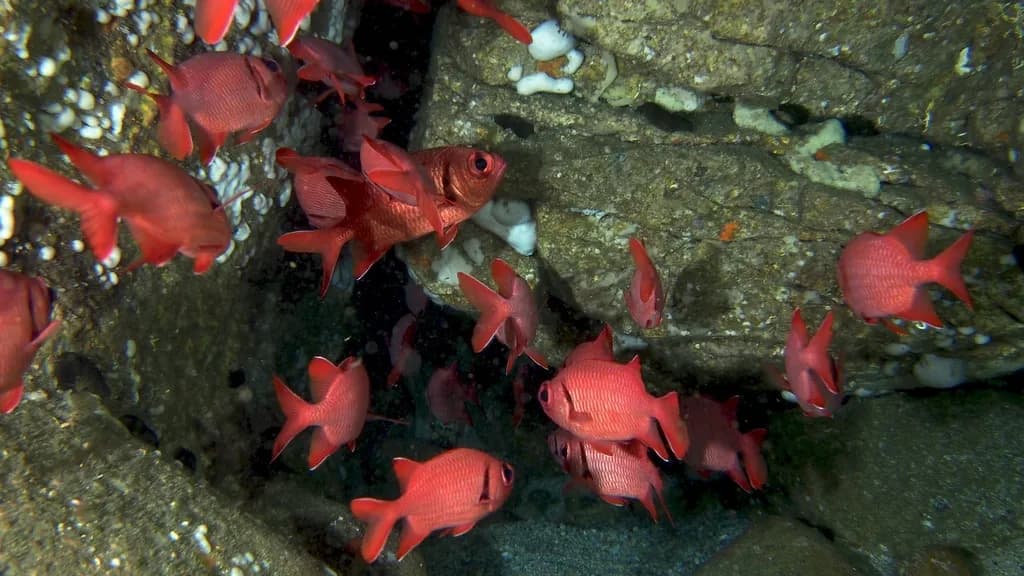
Soldierfish
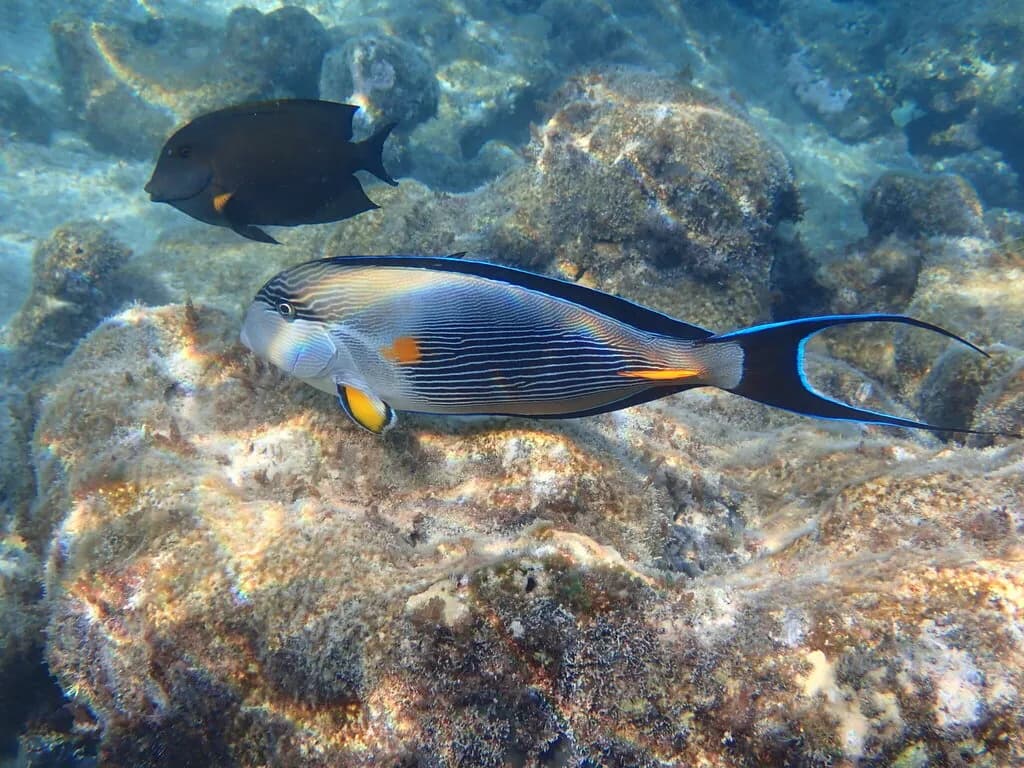
Surgeonfish
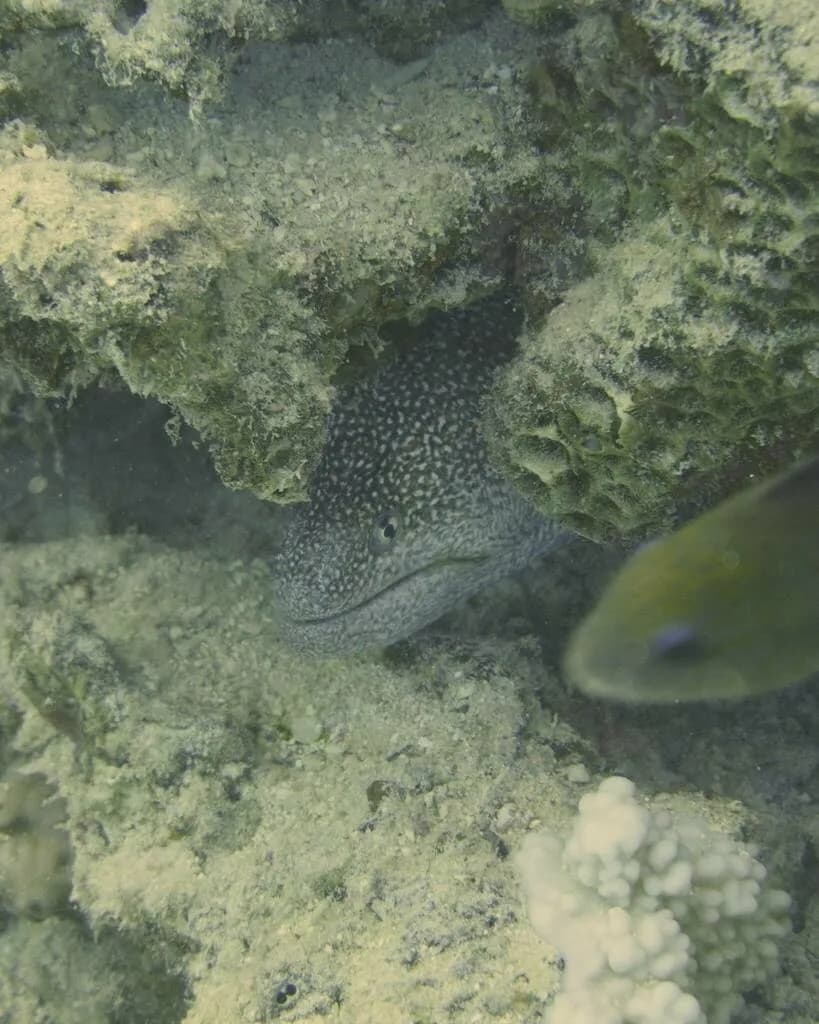
Yellowmouth Moray