
Abu Nuhas
Abu Nuhas
Overview
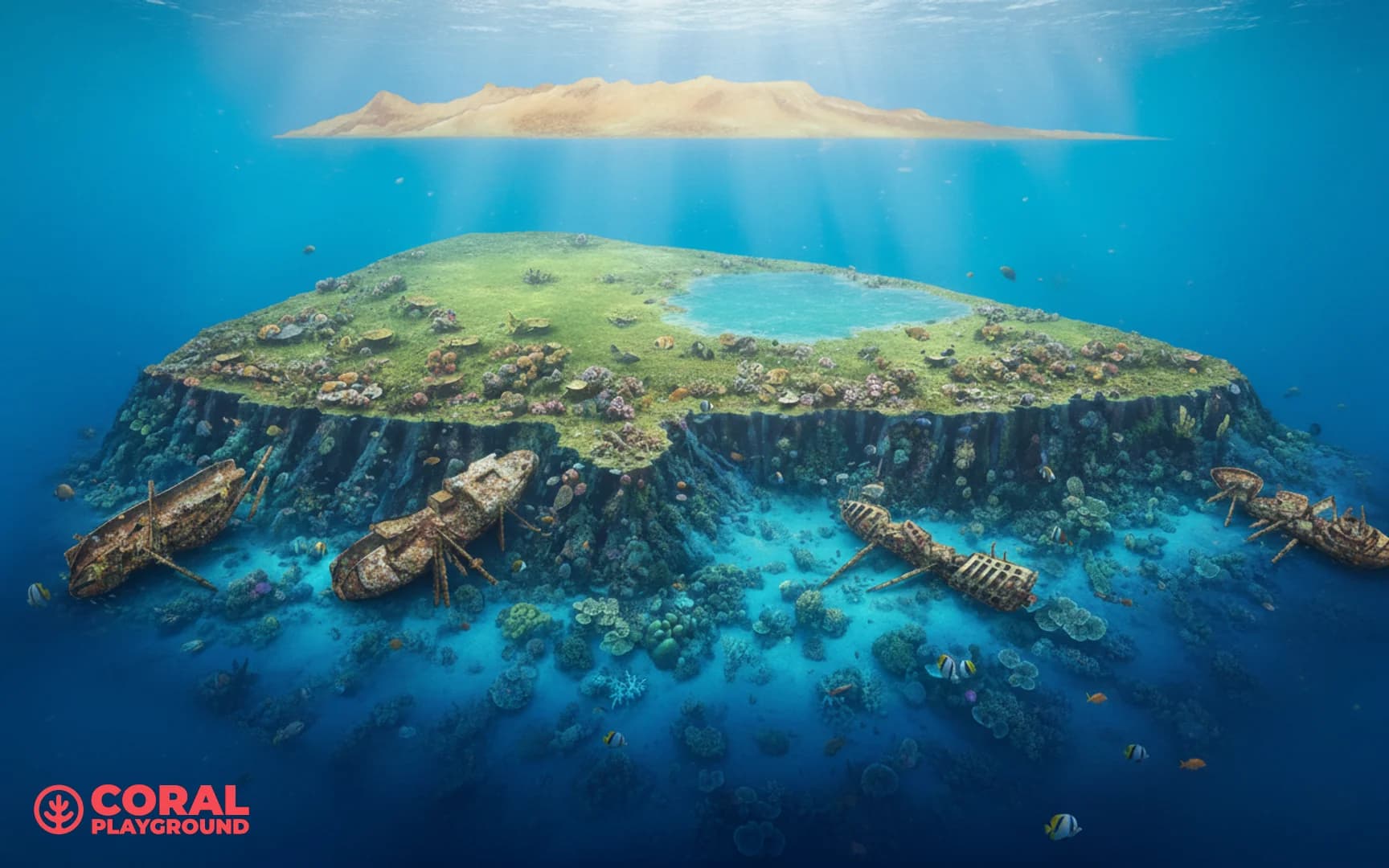
Abu Nuhas is the Red Sea's most famous shipwreck graveyard — a submerged triangular reef that has claimed cargo ship after cargo ship over the past century and a half. Lying in the Shadwan Channel just north of Shadwan Island, its northern slope holds a cluster of wrecks resting at sport-diving depths, four of which form the classic Abu Nuhas circuit. For wreck divers running out of Hurghada or cruising a northern liveaboard itinerary, this single reef offers more accessible iron than almost anywhere else in Egypt.
The Dive
The reef itself is a flat, sandy-topped triangle in open water, with the wrecks scattered along its rougher northern face from west to east: the Giannis D, the Carnatic, the Chrisoula K ("Tile Wreck") and the Kimon M ("Lentil Wreck"). Each is a dive in its own right, so a visit usually means moving between two or three of them over a day or an overnight stay rather than seeing the reef as one continuous site.
Depths are forgiving for a wreck site. The shallowest structure sits in just a few metres of water — the Chrisoula K's bow reaches almost to the surface, and the Giannis D's masts climb to around 4m — while the deepest sterns lie near 30m. That range means a typical dive spends most of its time in the 12–24m band, with the option to drop to the propellers and stern sections in the high 20s. The wrecks lie close enough to the reef wall that you can combine hull and coral on a single profile. The catch is exposure: this is open water on the windward side of the reef, so surface conditions are often choppy and current can run hard along the northern slope, occasionally with surge near the shallows. Penetration is possible on several of the wrecks — the Giannis D's engine room is a celebrated swim-through — but it calls for wreck training and a torch.
Marine Life
Three of these hulls have been underwater for forty years or more and the fourth far longer, so each is now an artificial reef in its own right. Interiors glitter with dense clouds of glassfish, and the structures host triggerfish, lionfish, pipefish, groupers, scorpionfish and the resident moray eels that tuck into the broken plating. Out in the blue off the reef, jacks and the occasional pod of dolphins pass through, and the coral-encrusted upper sections draw the usual reef community of anthias, butterflyfish and wrasse.
History
Abu Nuhas means "Father of Copper," and the reef has earned its reputation the hard way. Sitting submerged and unlit directly across a historic shipping approach to the Suez Canal, it has snagged vessels for over 150 years. The four headline wrecks span more than a century of maritime misfortune: the British steamer Carnatic struck the reef in 1869; the lentil-laden Kimon M went down in 1978; the tile-carrying Chrisoula K in 1981; and the timber-freighter Giannis D, the most photographed of them all, hit the reef at full speed in 1983. Each is documented in its own dedicated entry.
Good to Know
Diving runs year-round and visibility is reliably good, typically 20–30m. Conditions are the limiting factor rather than the diving itself: the northern wrecks face open sea, so a stiff wind can make the reef rough or even close it for the day, and currents can be strong. Most divers reach Abu Nuhas on a long day boat from Hurghada (roughly 2.5 hours) or, more comfortably, as part of a northern wrecks-and-reefs liveaboard out of Hurghada that may also include the Thistlegorm. Several of the wrecks suit confident Open Water divers, but anyone planning to go inside should have wreck experience.
Depth
4-30m
Visibility
20-30m
Current
strong
Access
boat
Certification
Advanced Open Water
Species
Angelfish

Trevally
Flatworm
Lionfish
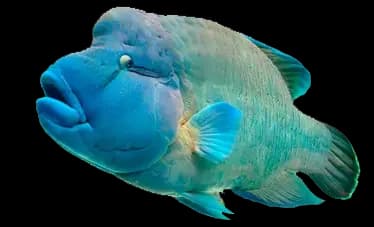
Napoleon Wrasse
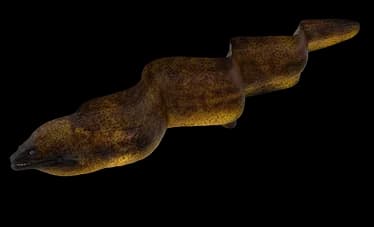
Moray Eel
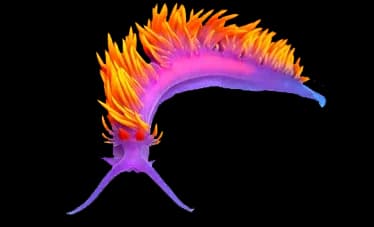
Nudibranch
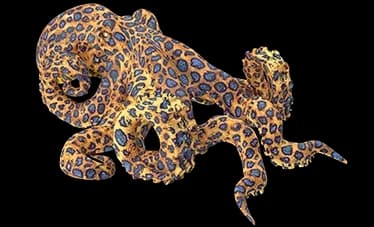
Octopus
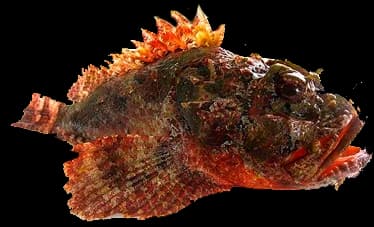
Scorpionfish
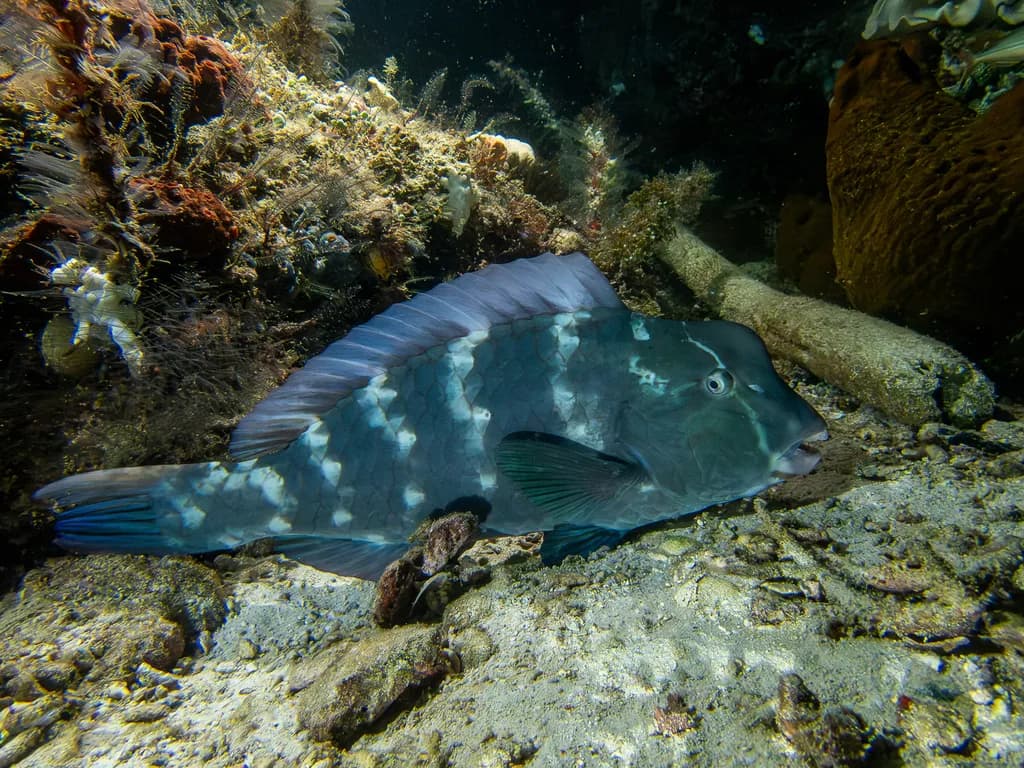
Bumphead Parrotfish
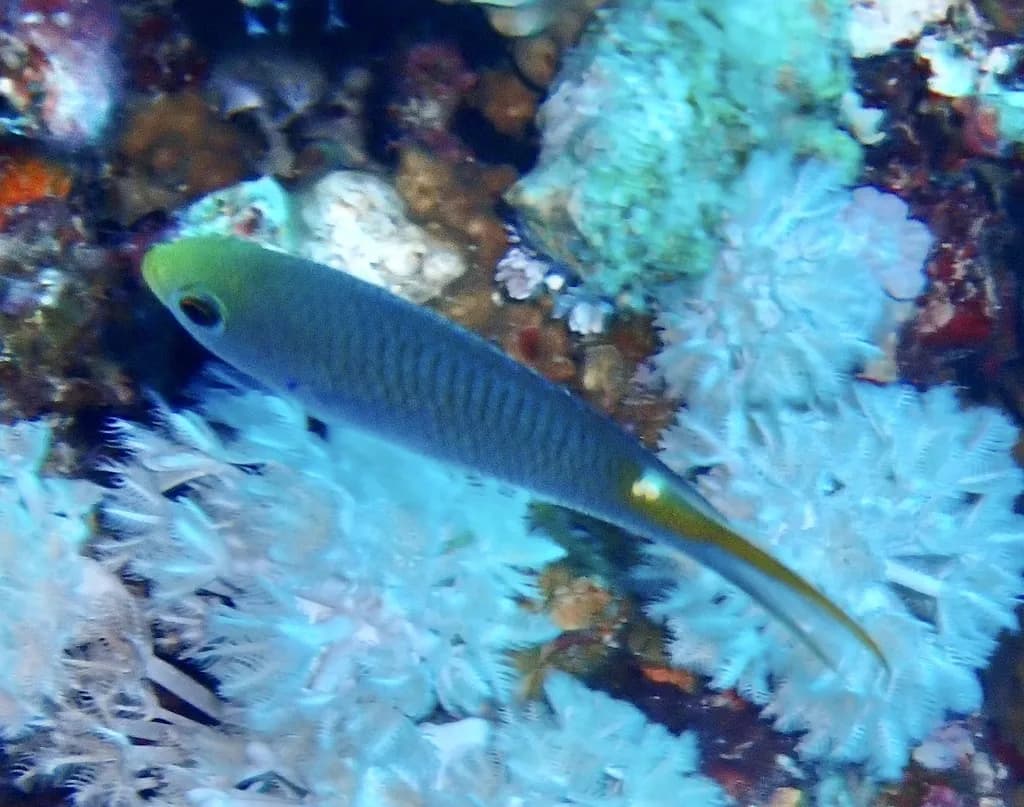
Arabian Damsel
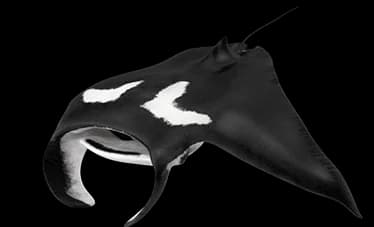
Manta Ray
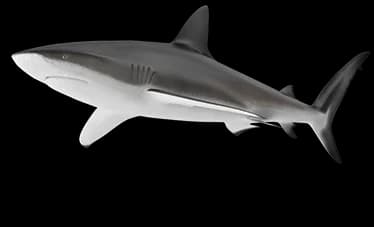
Grey Reef Shark
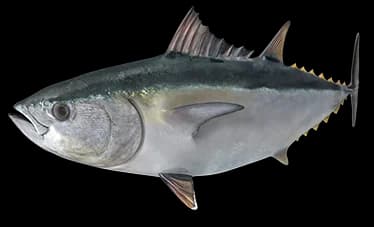
Tuna
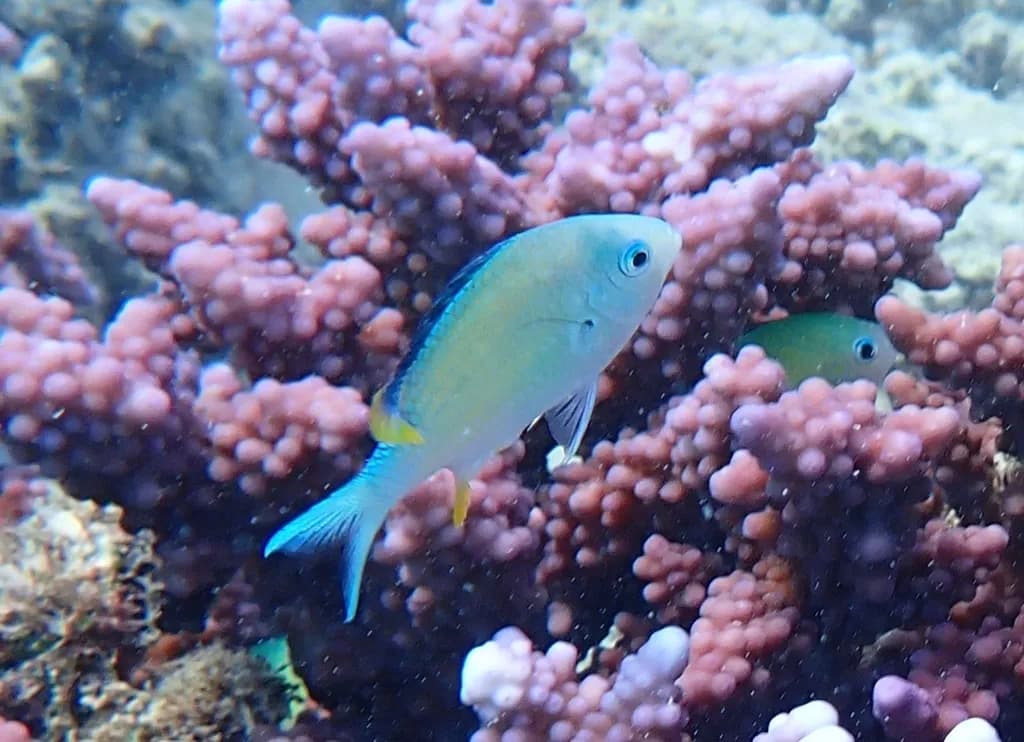
Bluegreen Puller
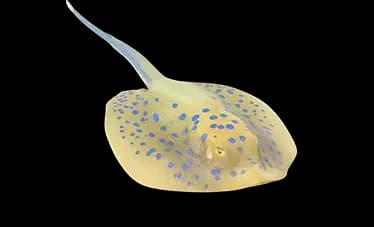
Blue Spotted Stingray
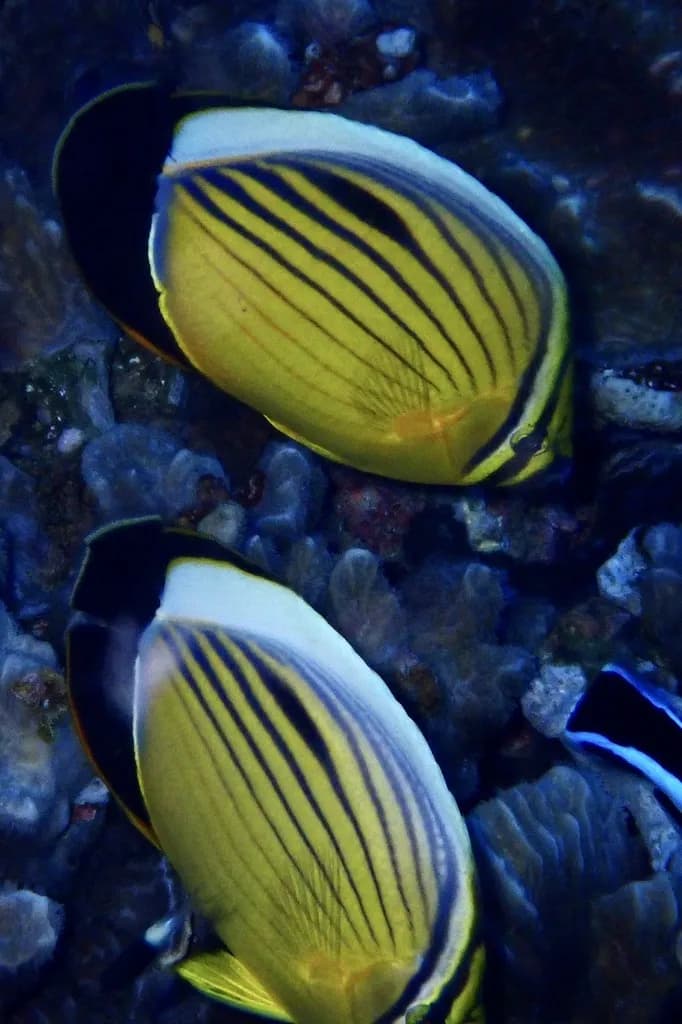
Butterflyfish
Clownfish
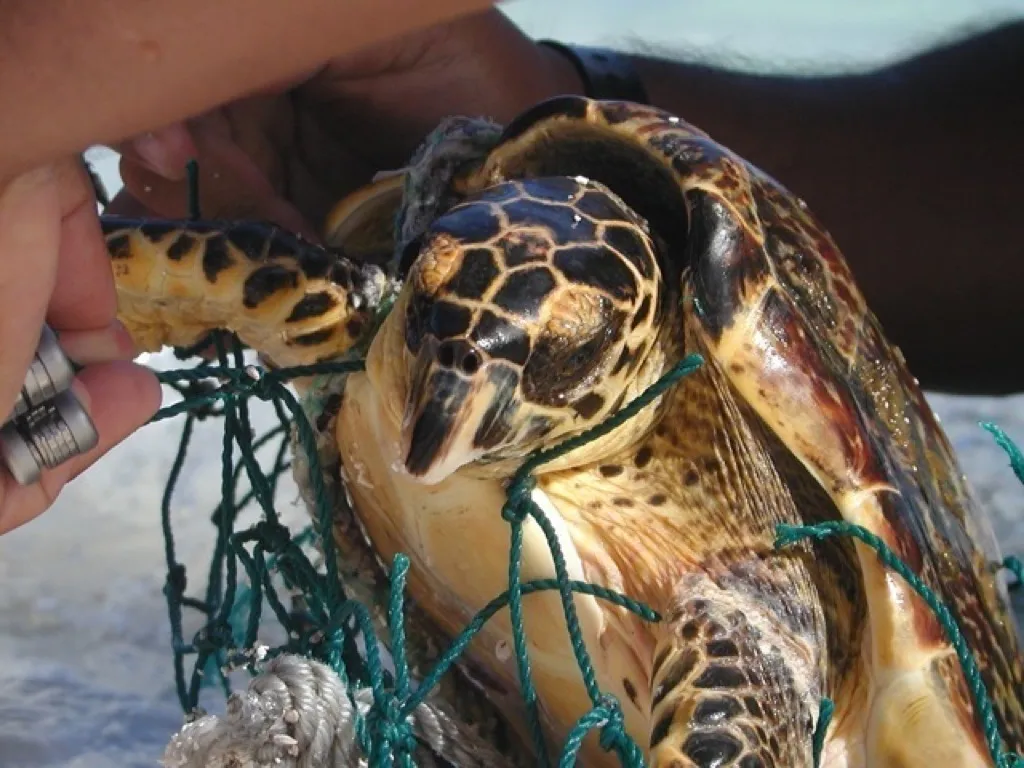
Hawksbill Turtle
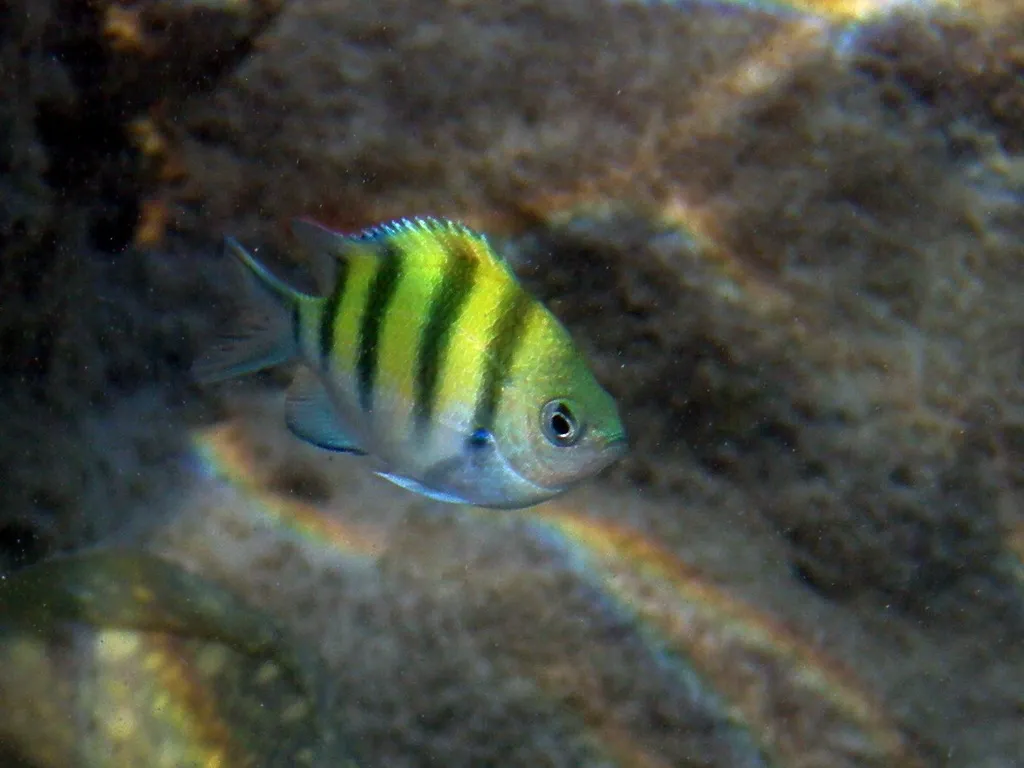
Sergeant Major
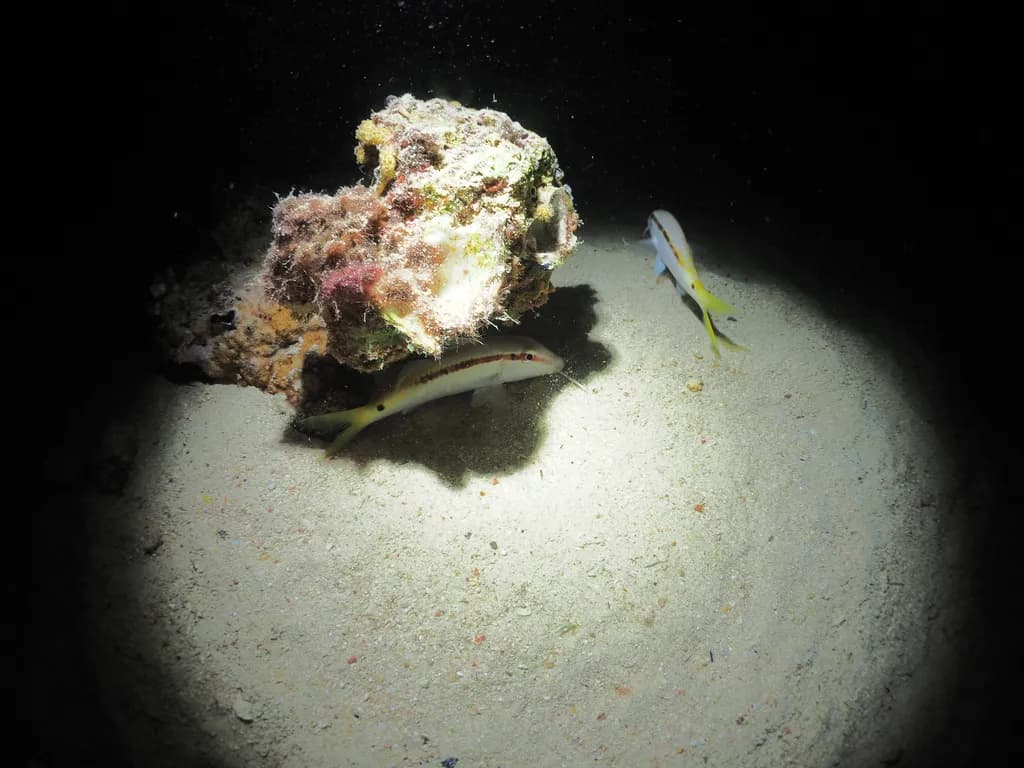
Goatfish
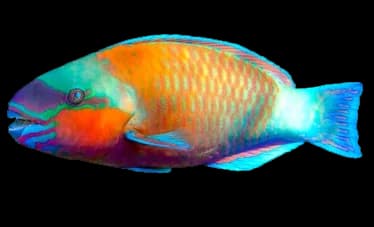
Parrotfish
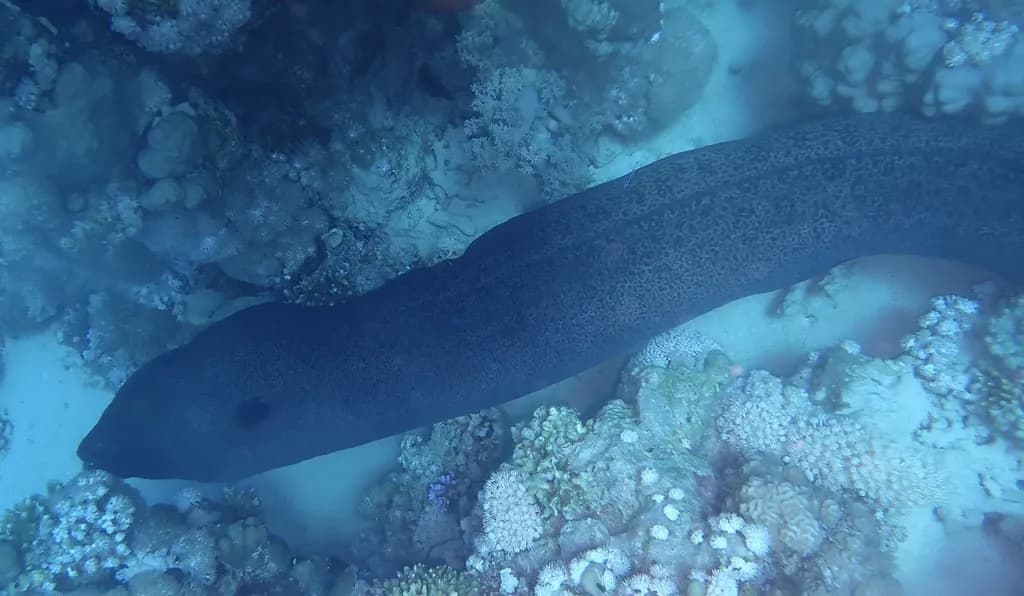
Eel
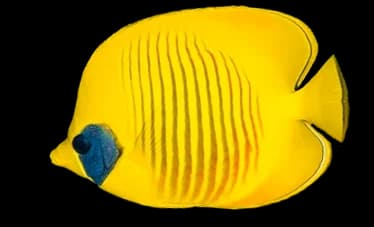
Masked Butterflyfish
Blackside Hawkfish
Snails
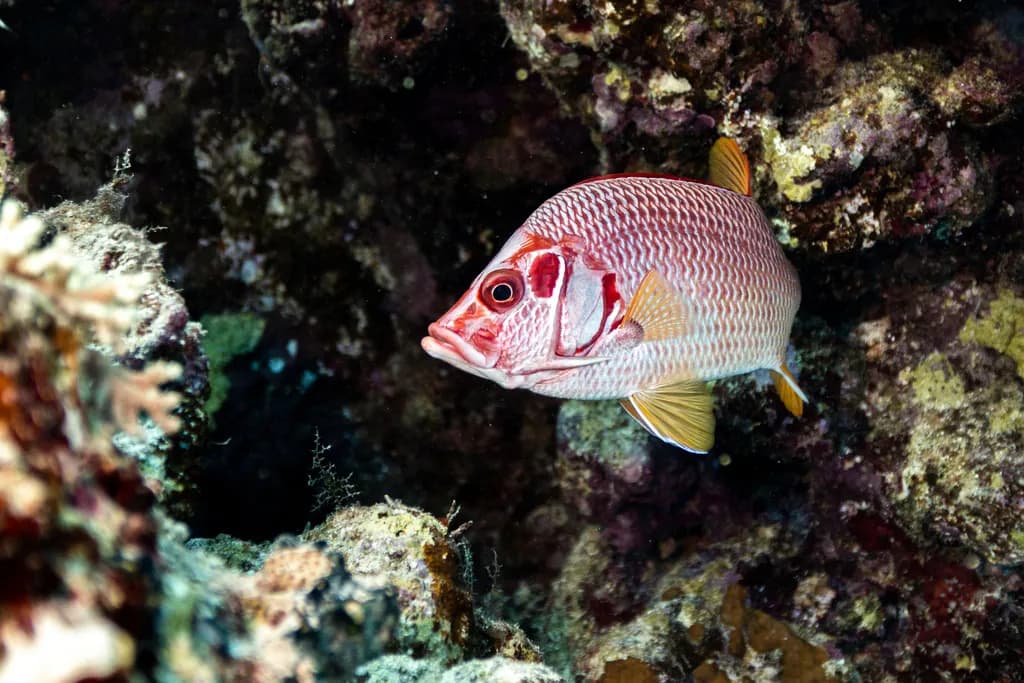
Squirrelfish
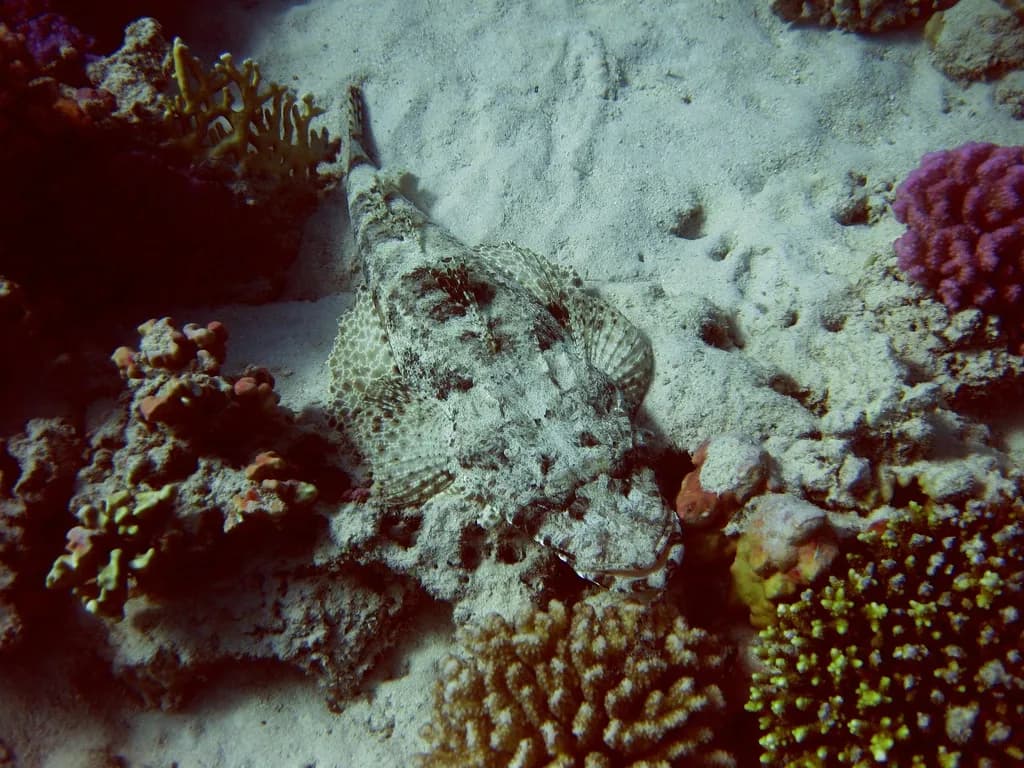
Crocodilefish
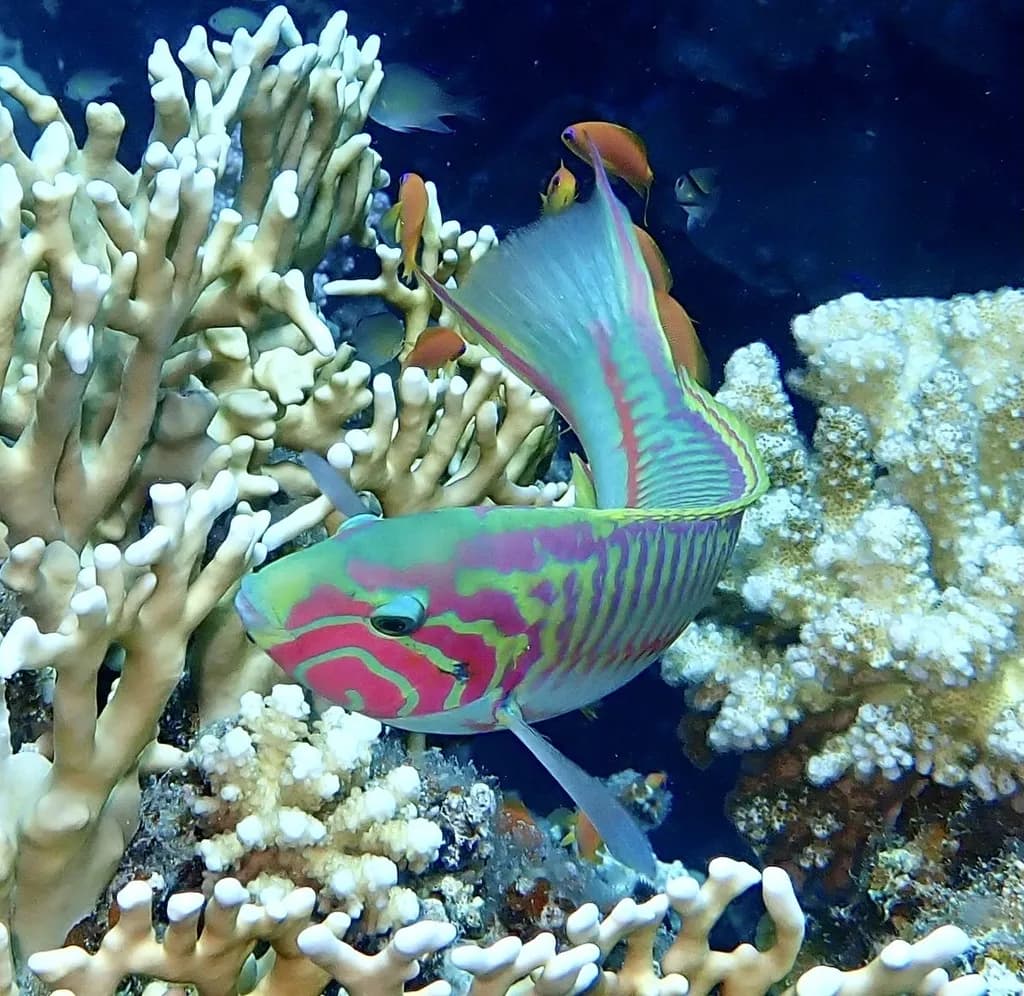
Klunzinger's Wrasse
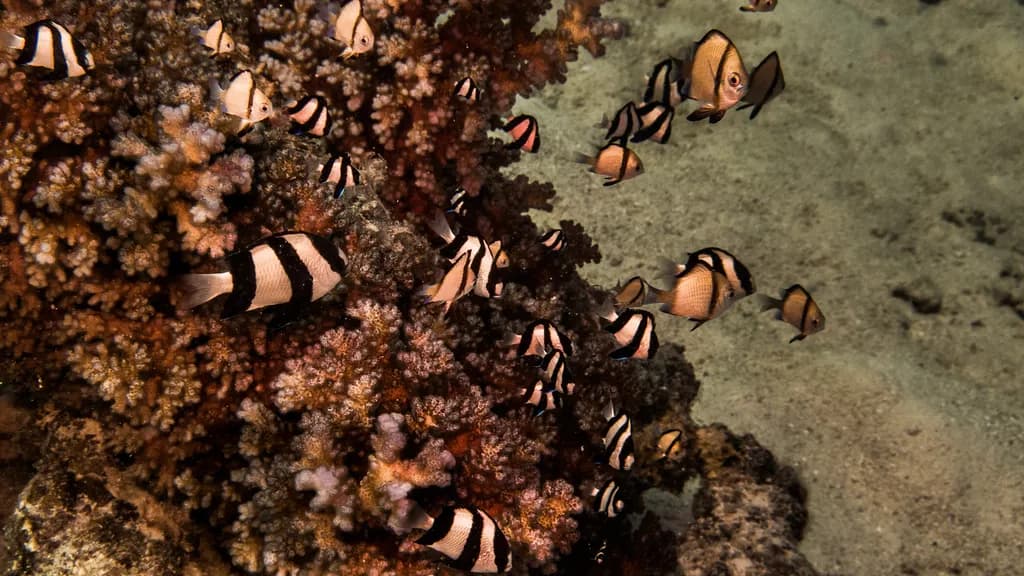
Humbug Damsel
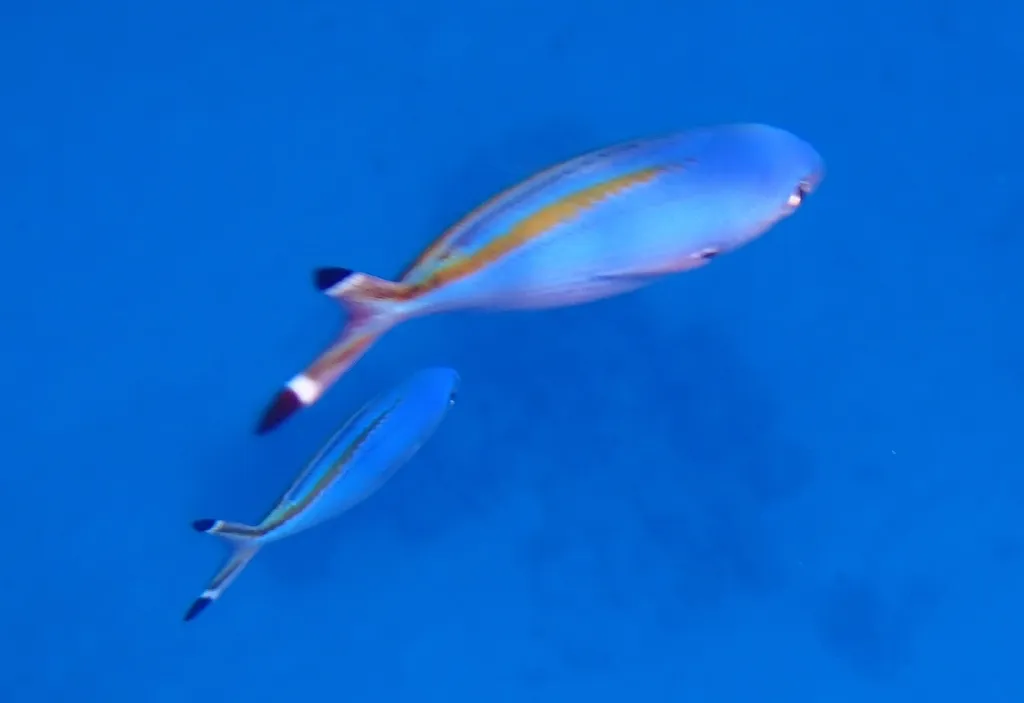
Fusilier
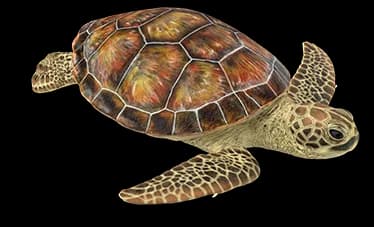
Turtle
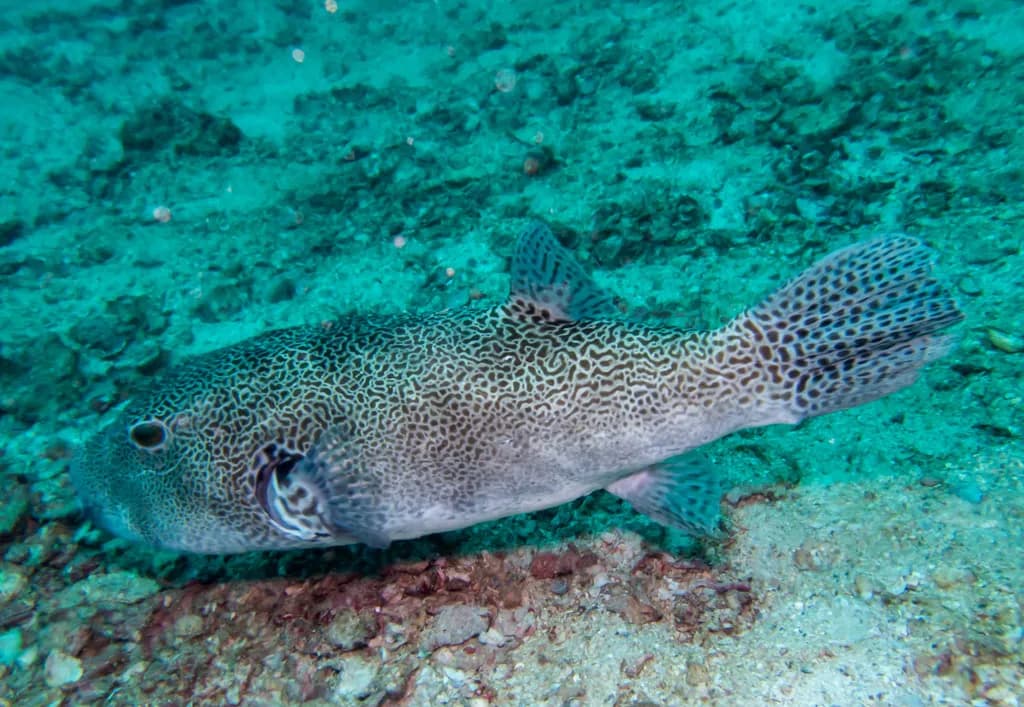
Starry Pufferfish
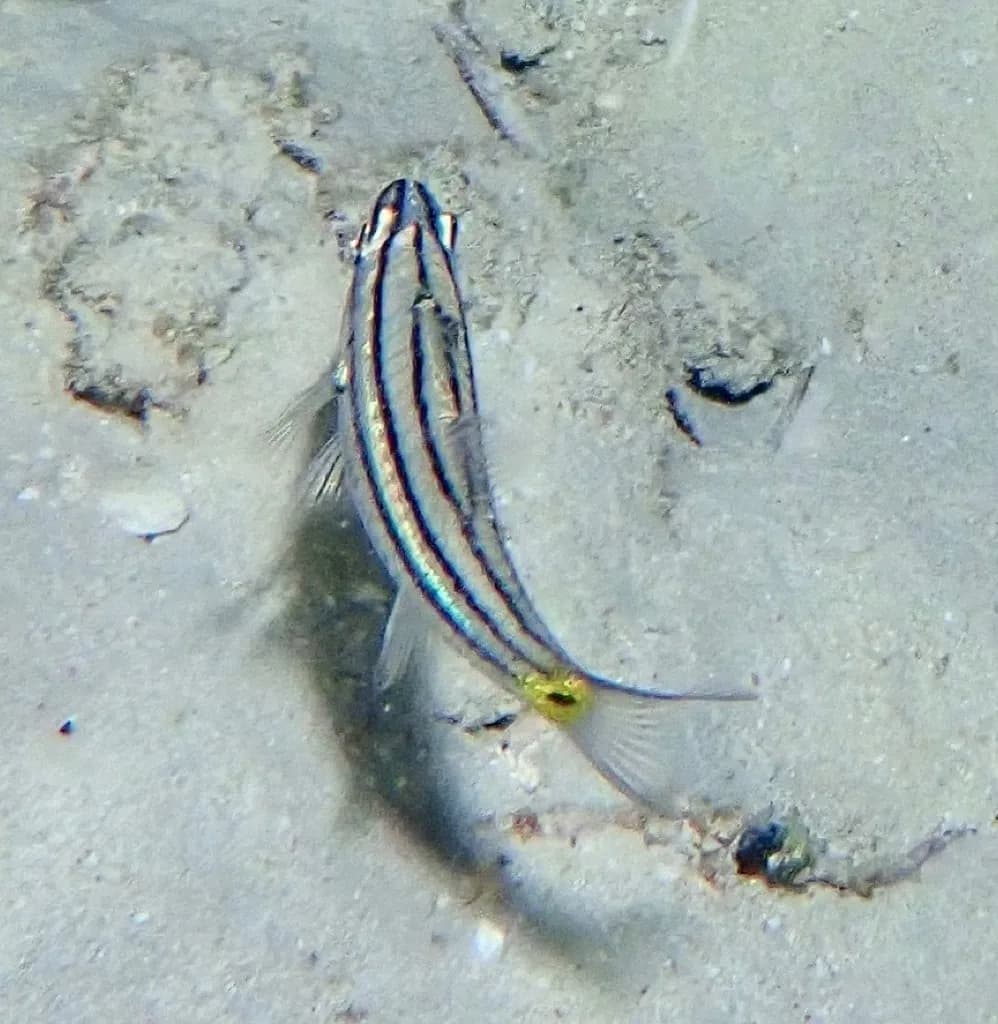
Cardinal Fish
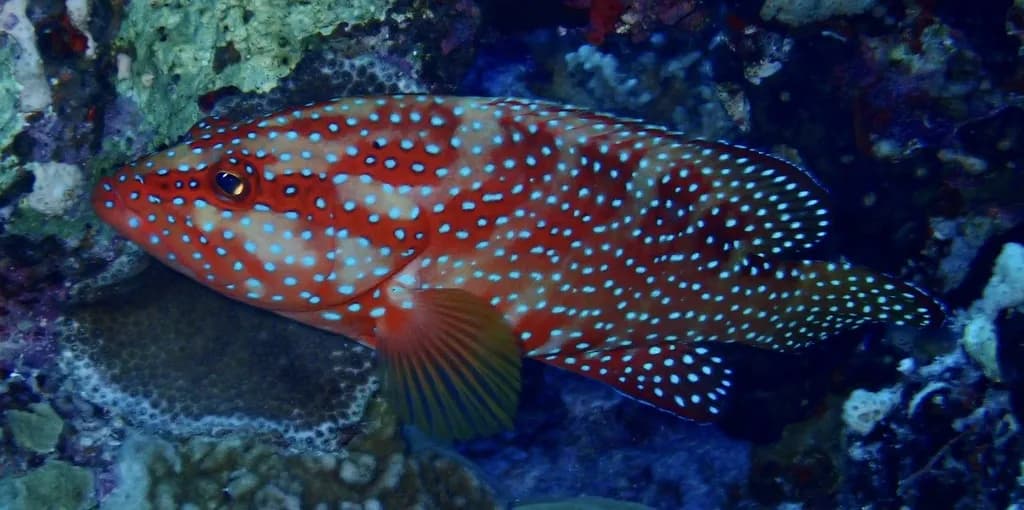
Coral Grouper
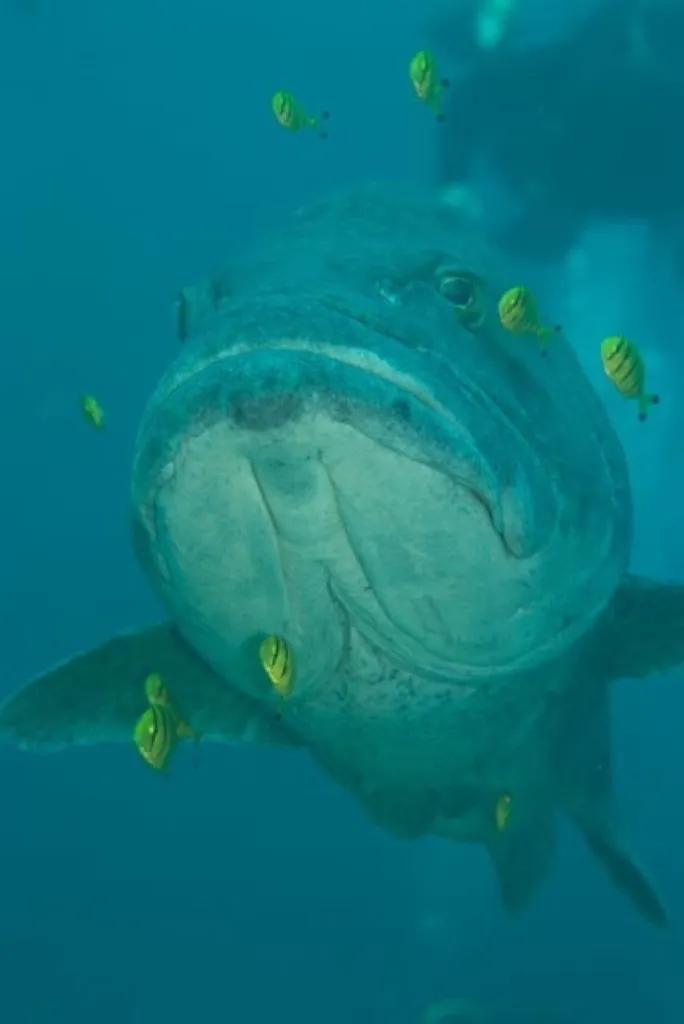
Black Grouper
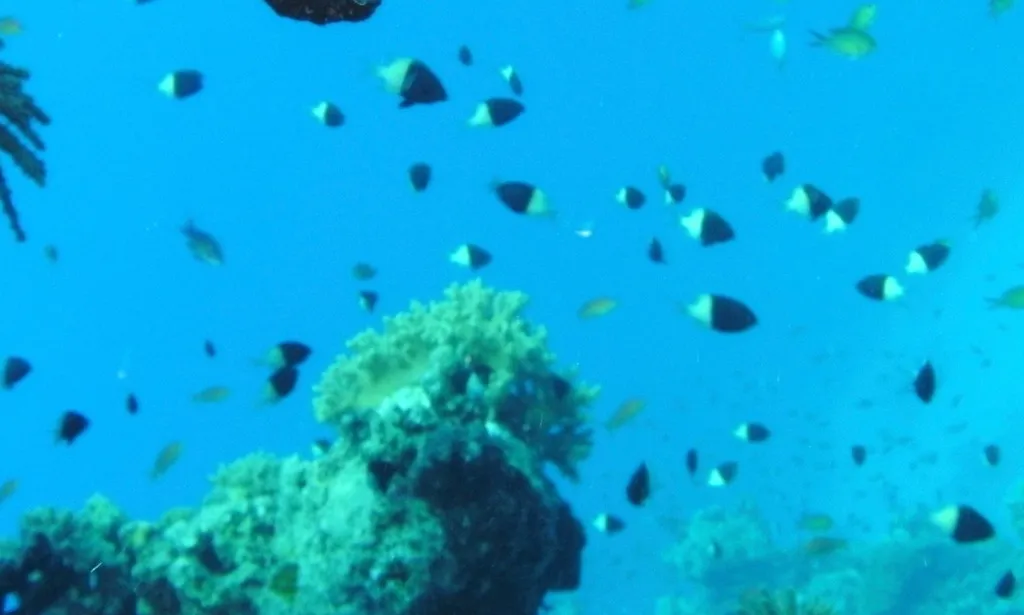
Bicolour Puller
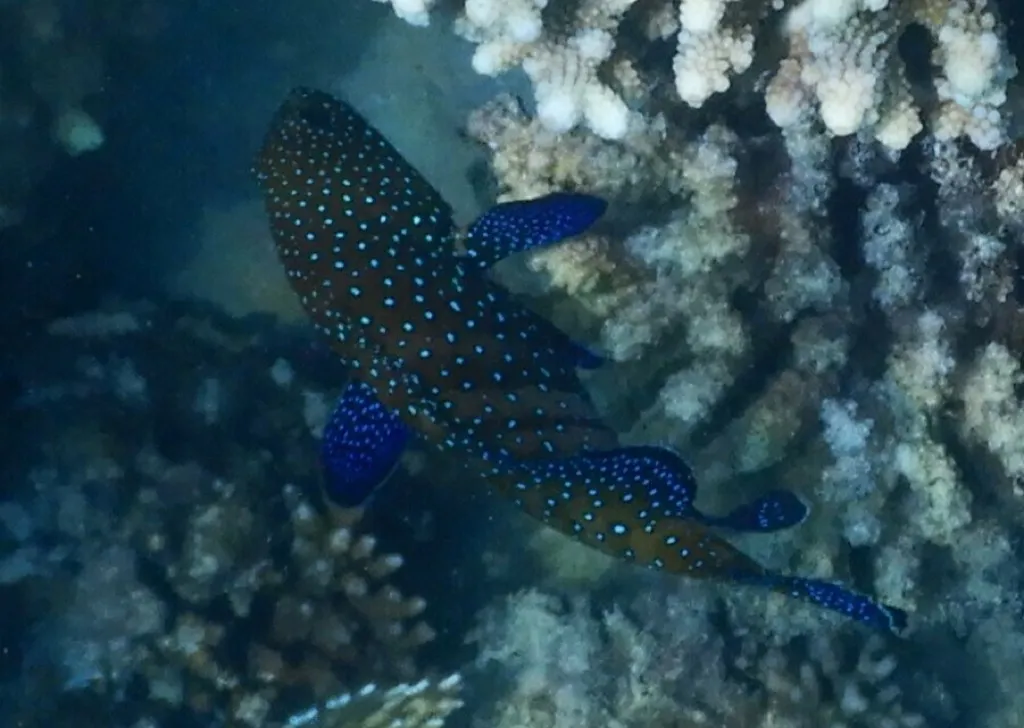
Peacock Grouper
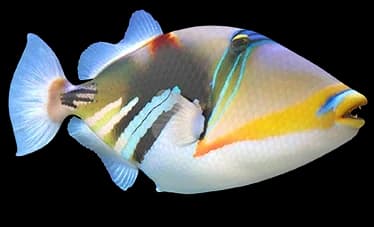
Picasso Triggerfish
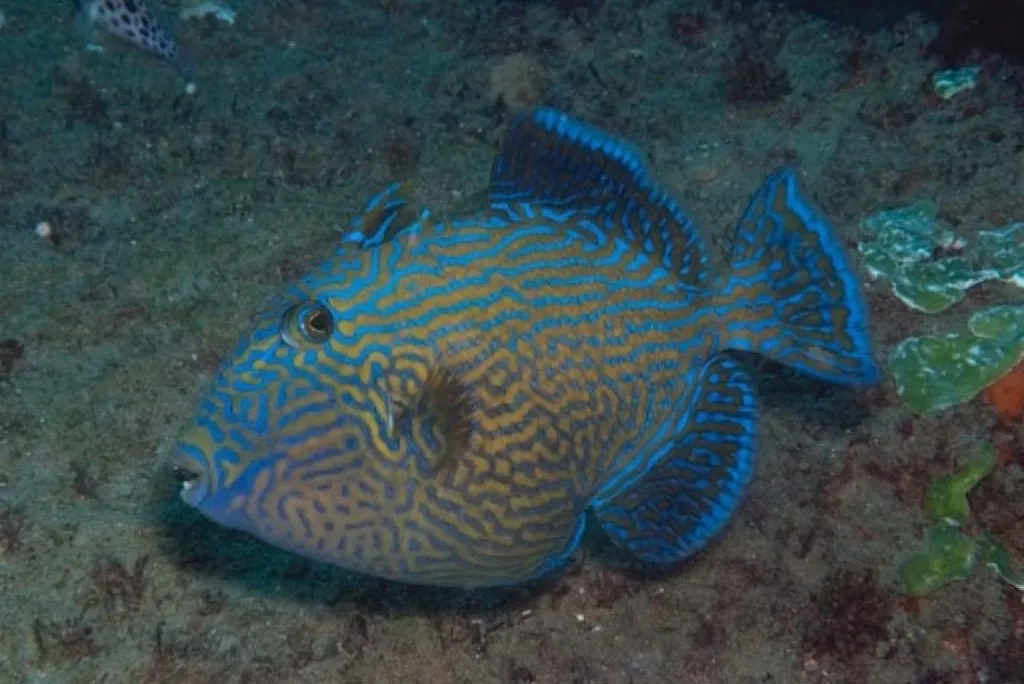
Blue Triggerfish
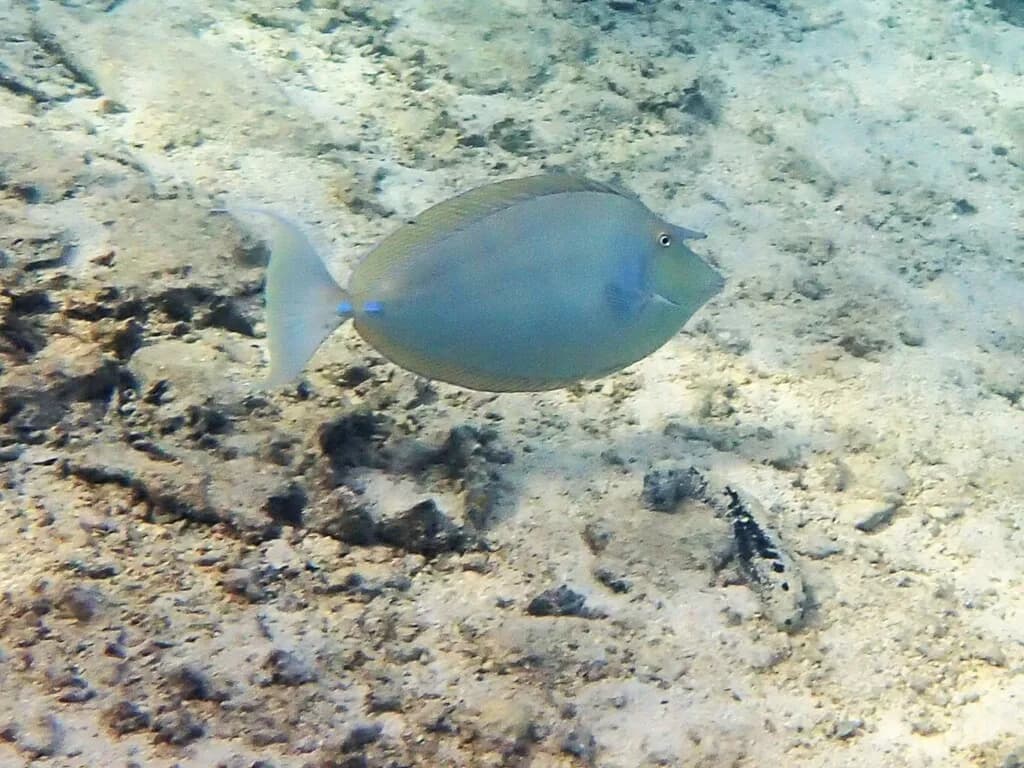
Unicorn Fish
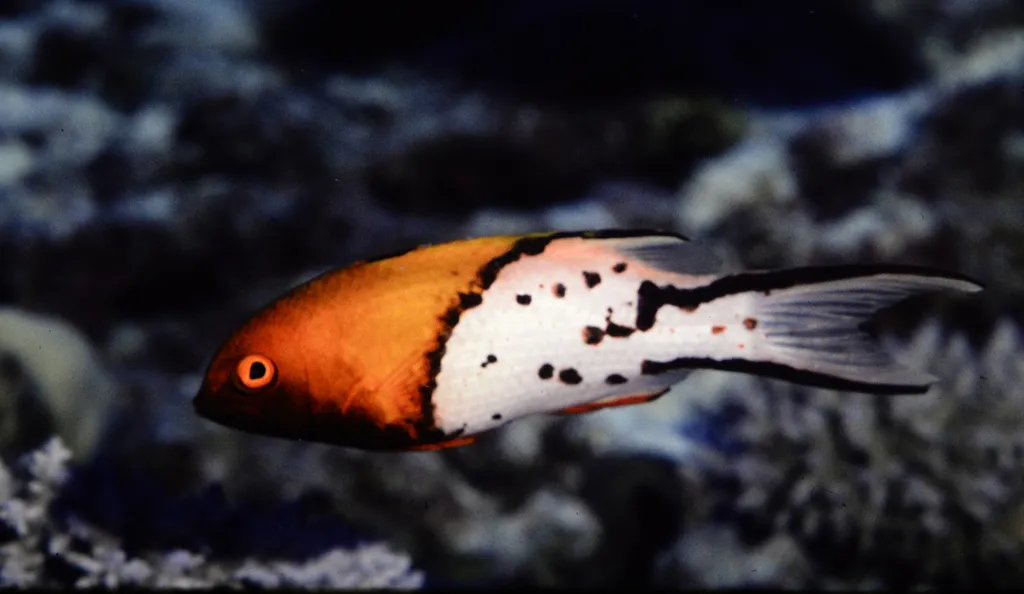
Lyretail Hogfish
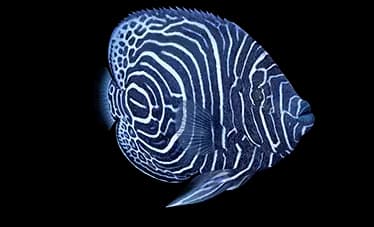
Emperor Angelfish
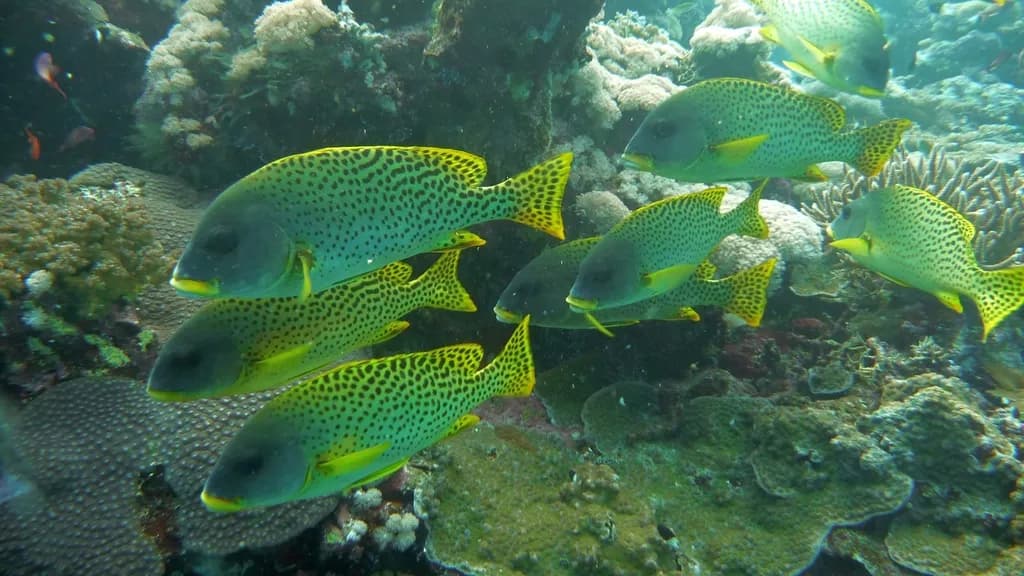
Sweetlip
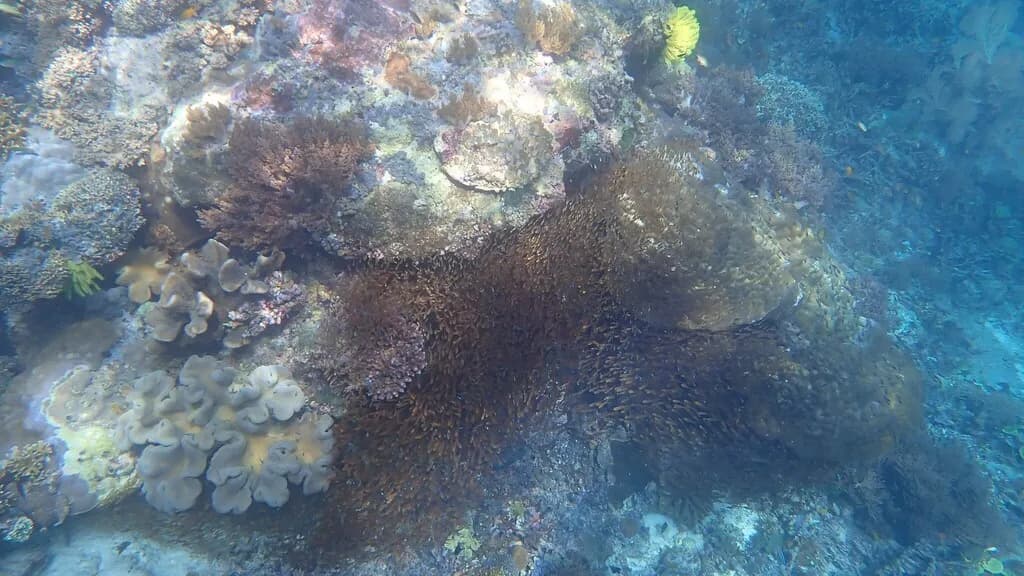
Pygmy Sweeper
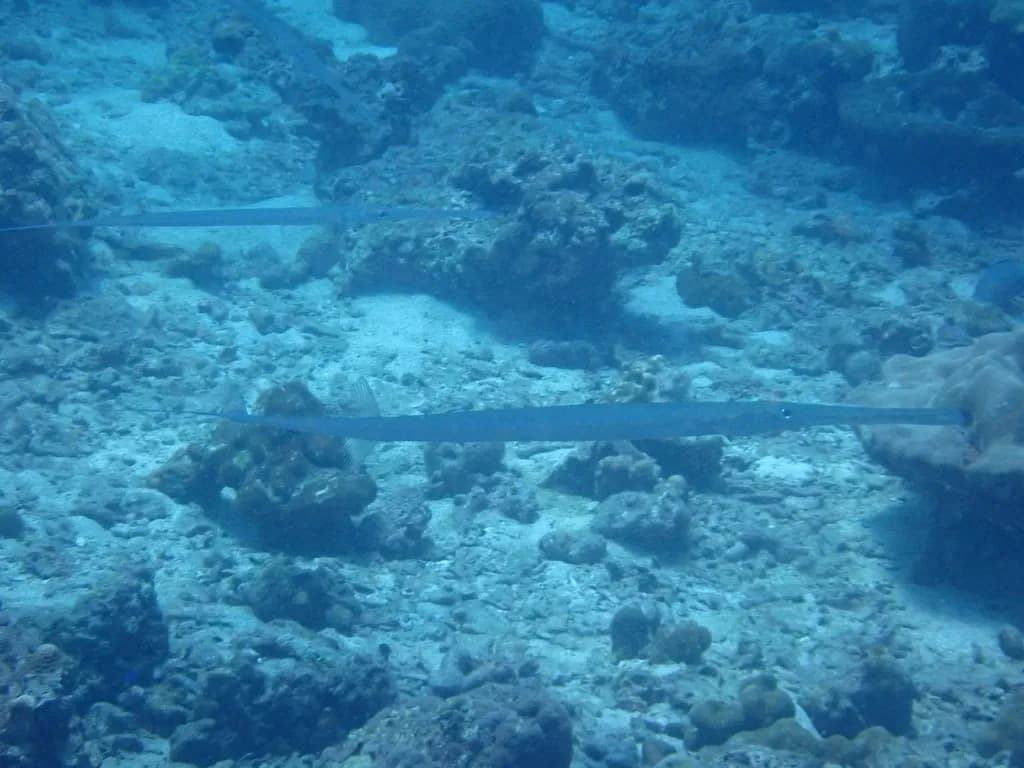
Cornetfish
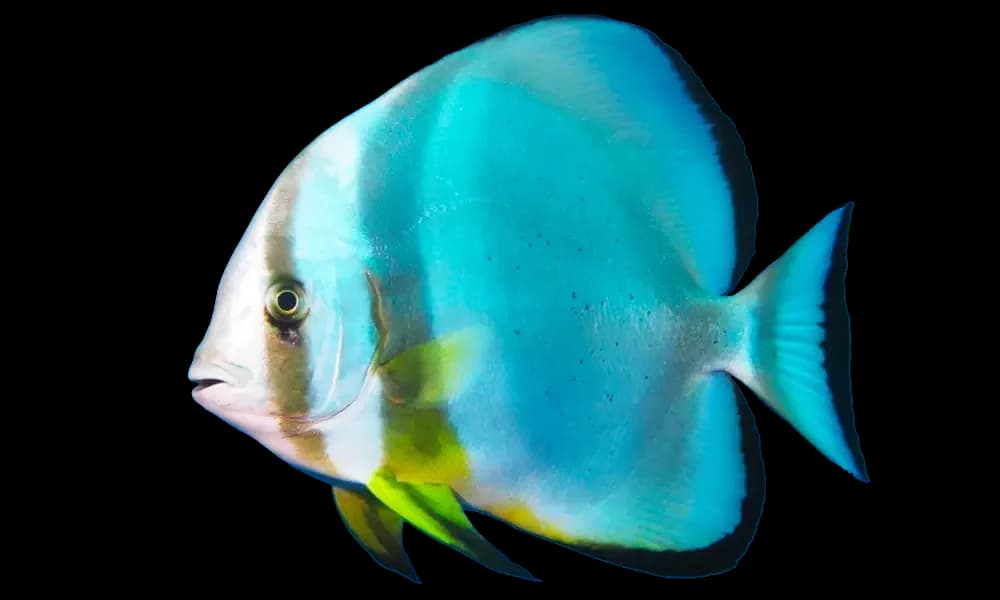
Batfish
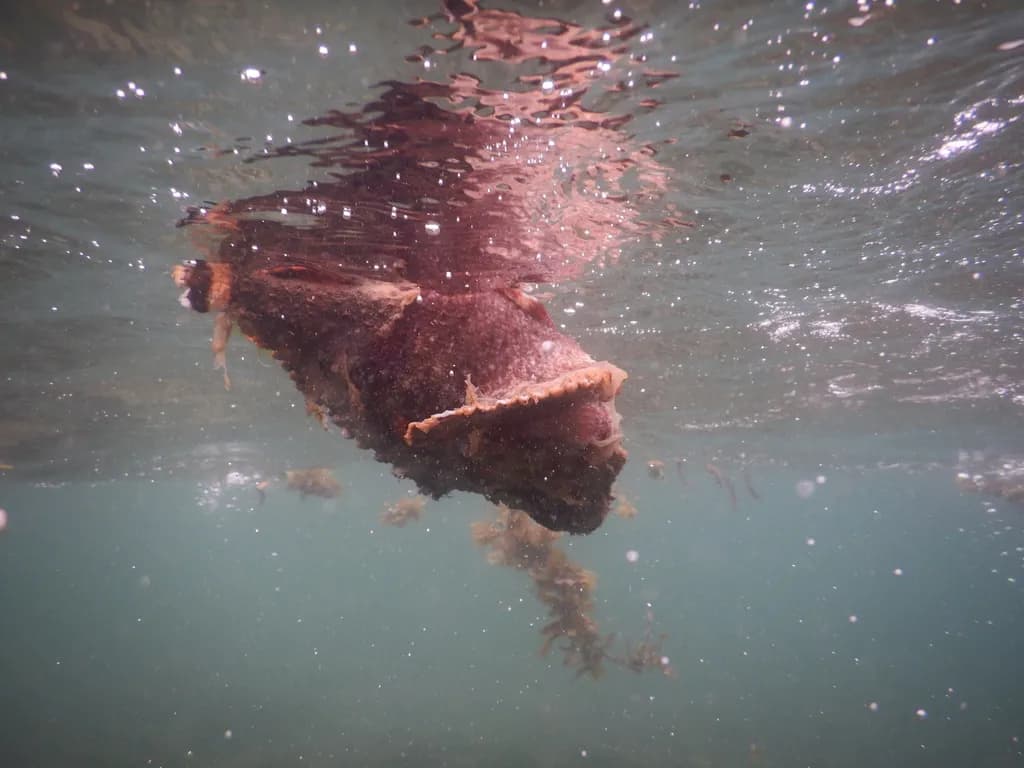
Stonefish
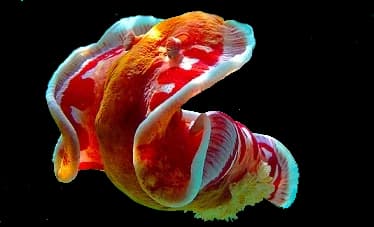
Spanish Dancer
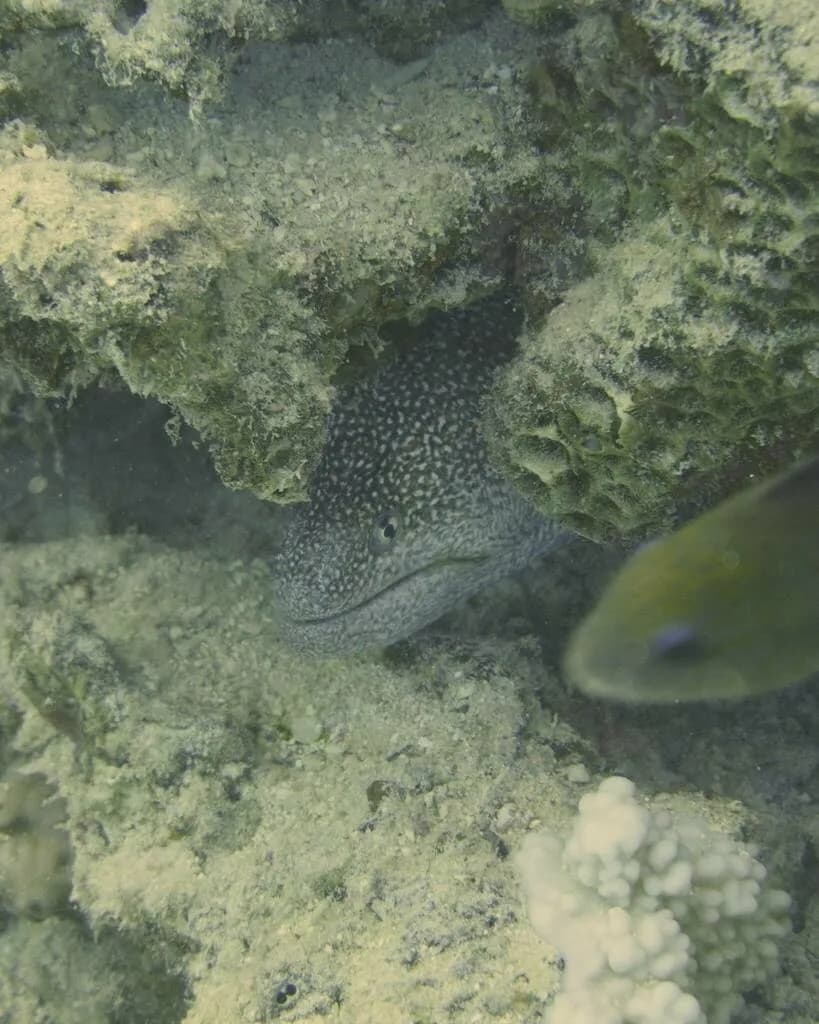
Yellowmouth Moray
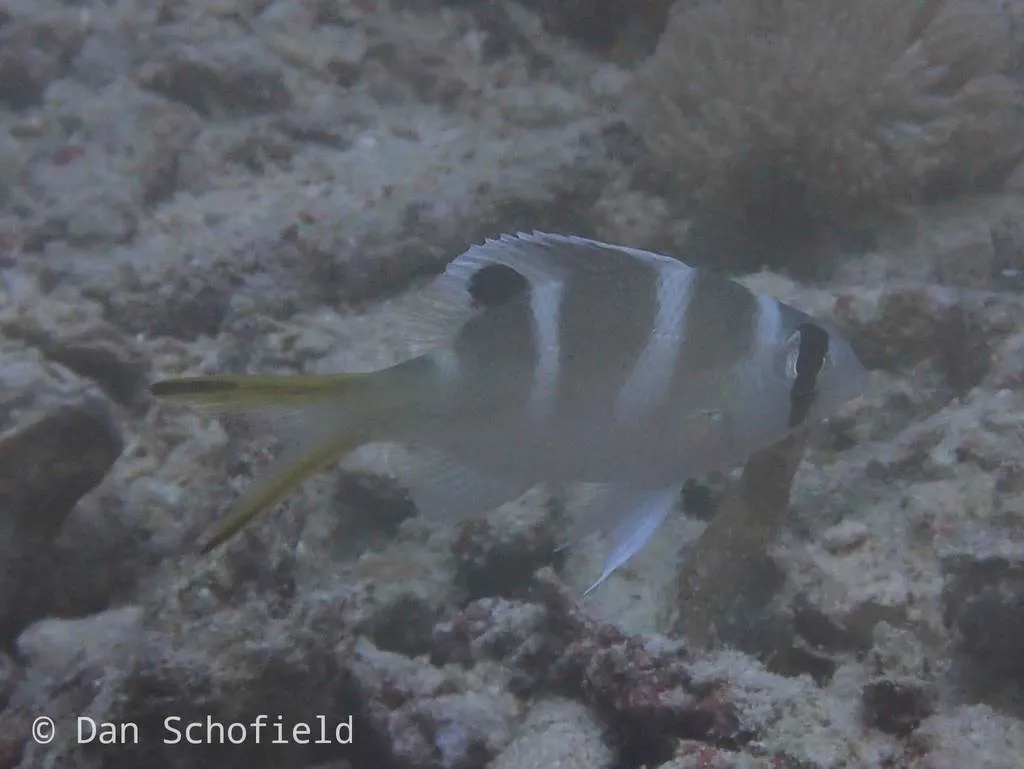
Bream
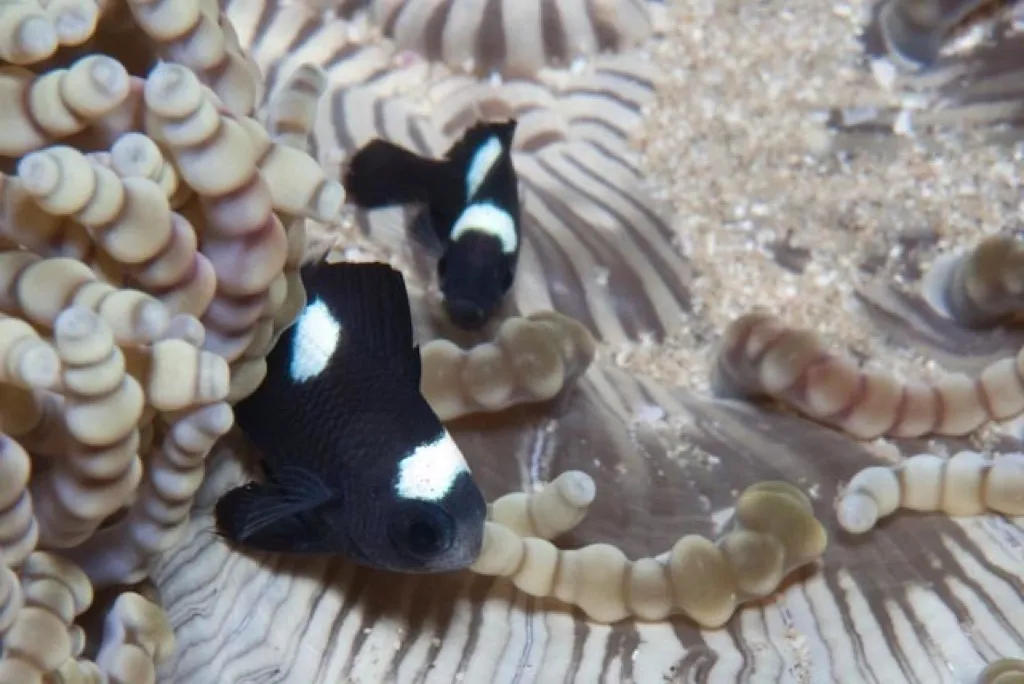
Domino Damsel
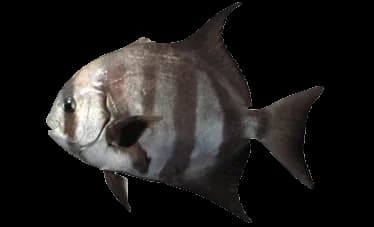
Spadefish
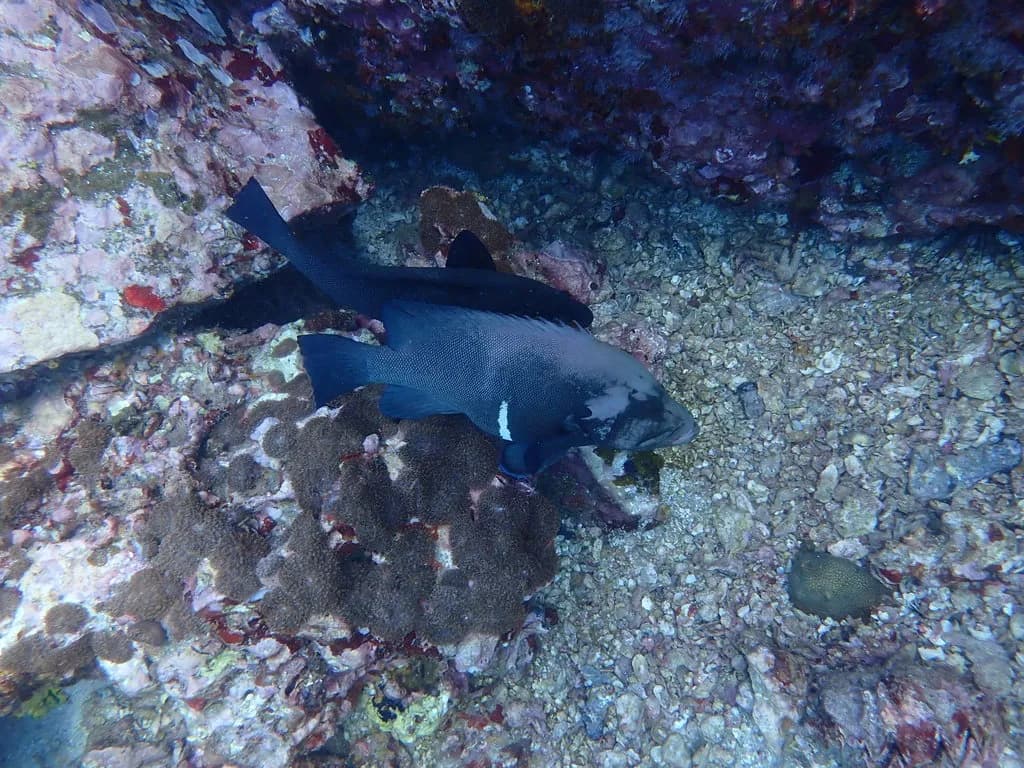
Redmouth Grouper
Snapper
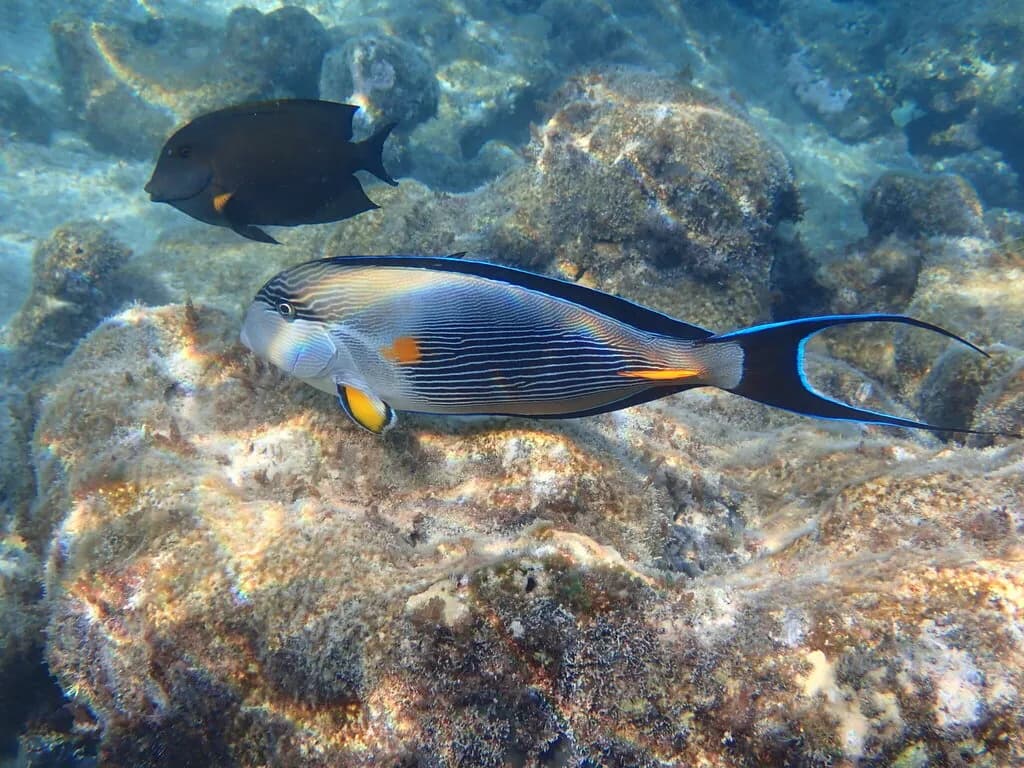
Surgeonfish
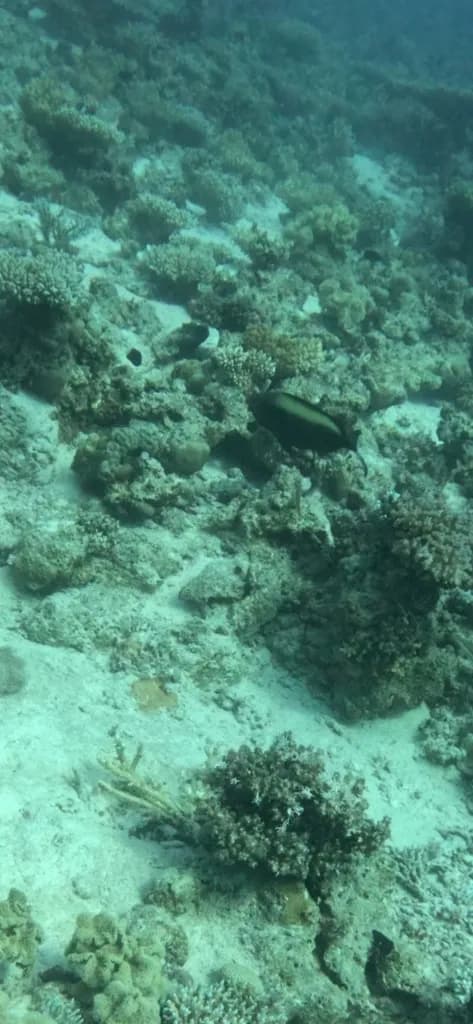
Bicolor Parrotfish
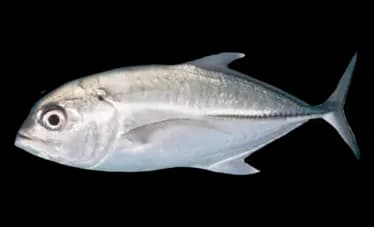
Jackfish
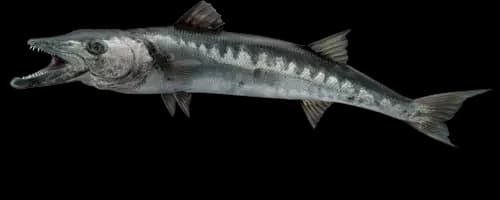
Barracuda
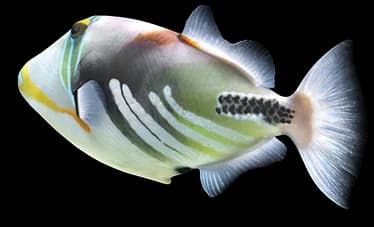
Triggerfish
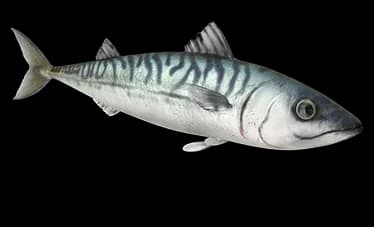
Mackerel
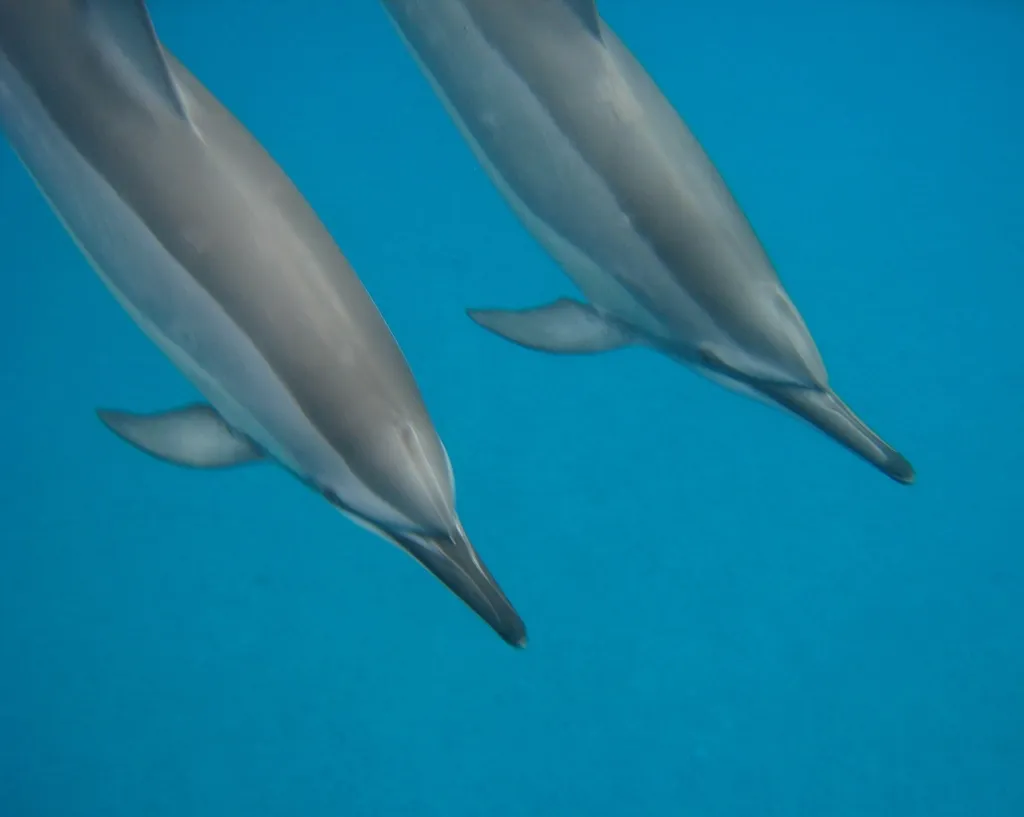
Spinner Dolphin
Redtooth Triggerfish
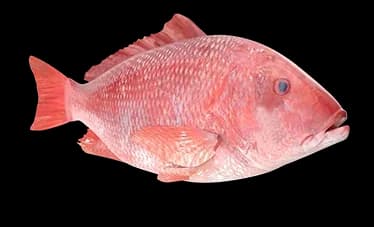
Red Snapper
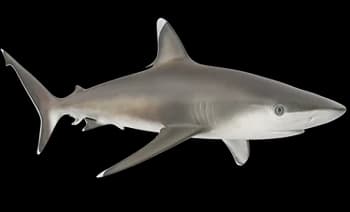
Whitetip Shark
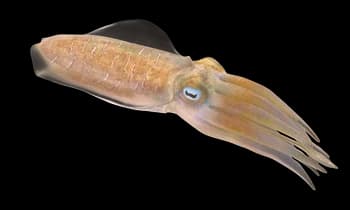
Squid
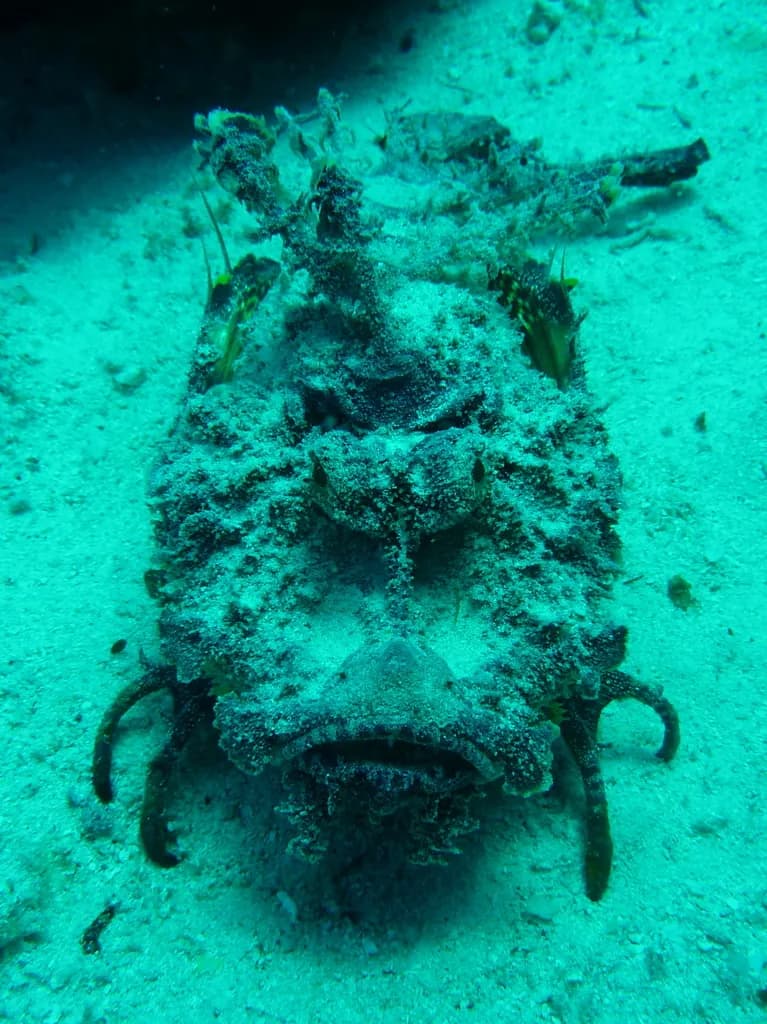
Spiny Devilfish
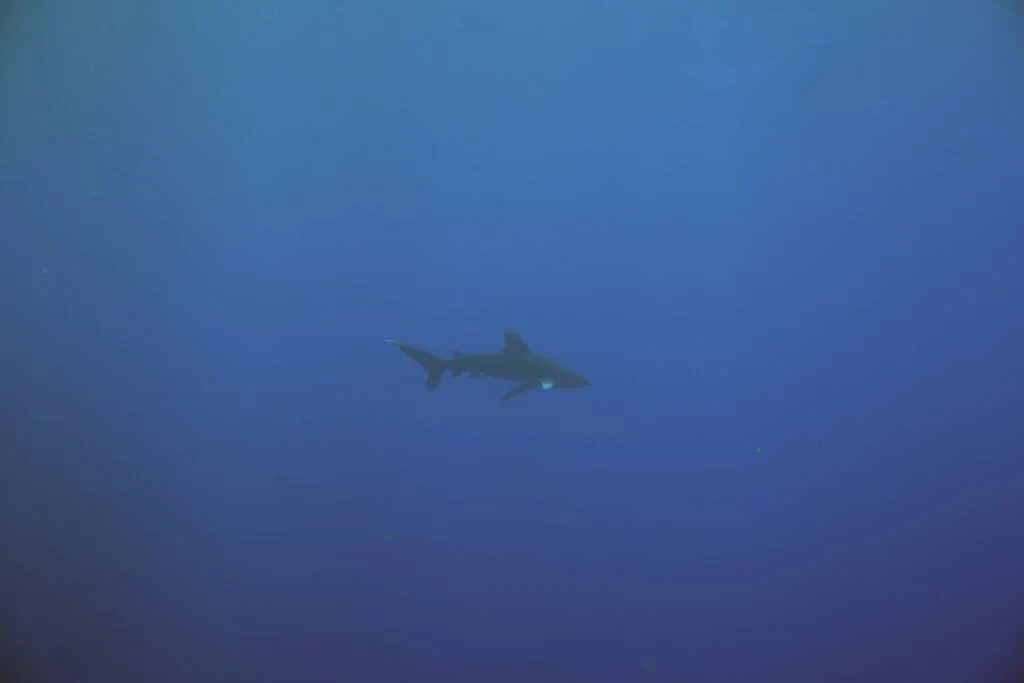
Oceanic Whitetip Shark
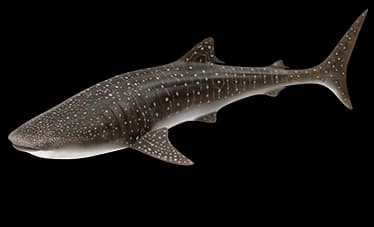
Whale Shark
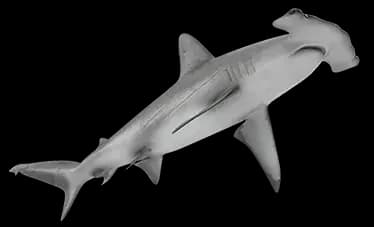
Hammerhead Shark
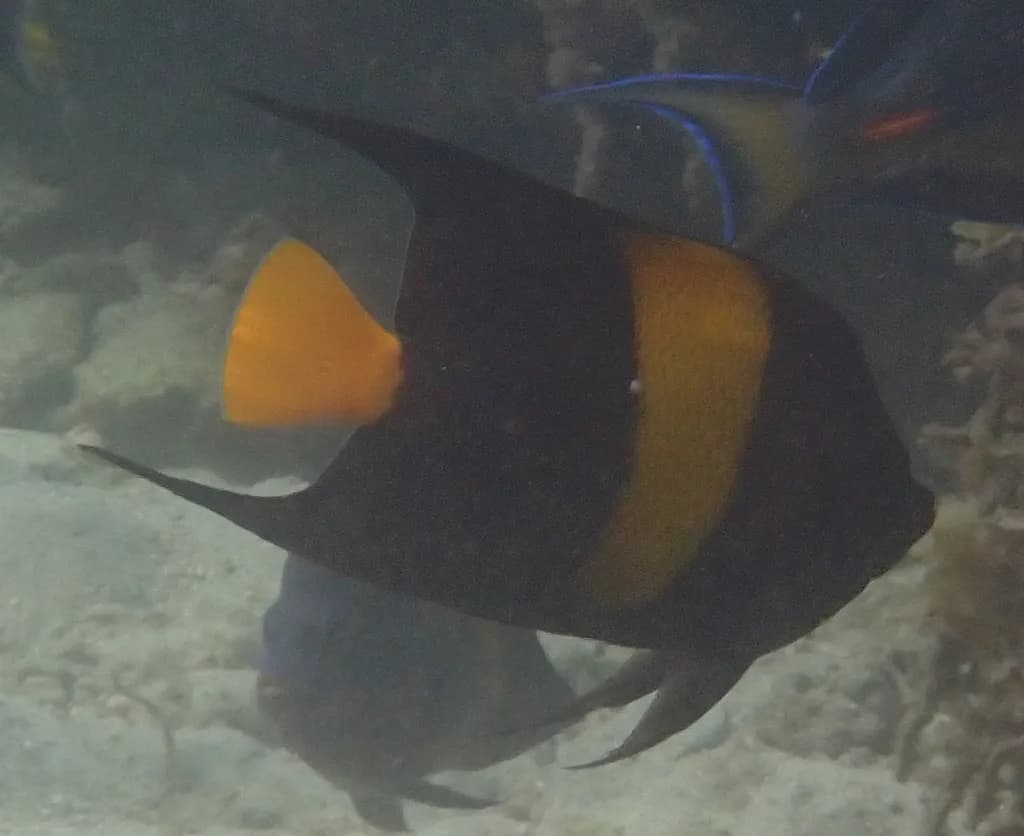
Arabian Angelfish
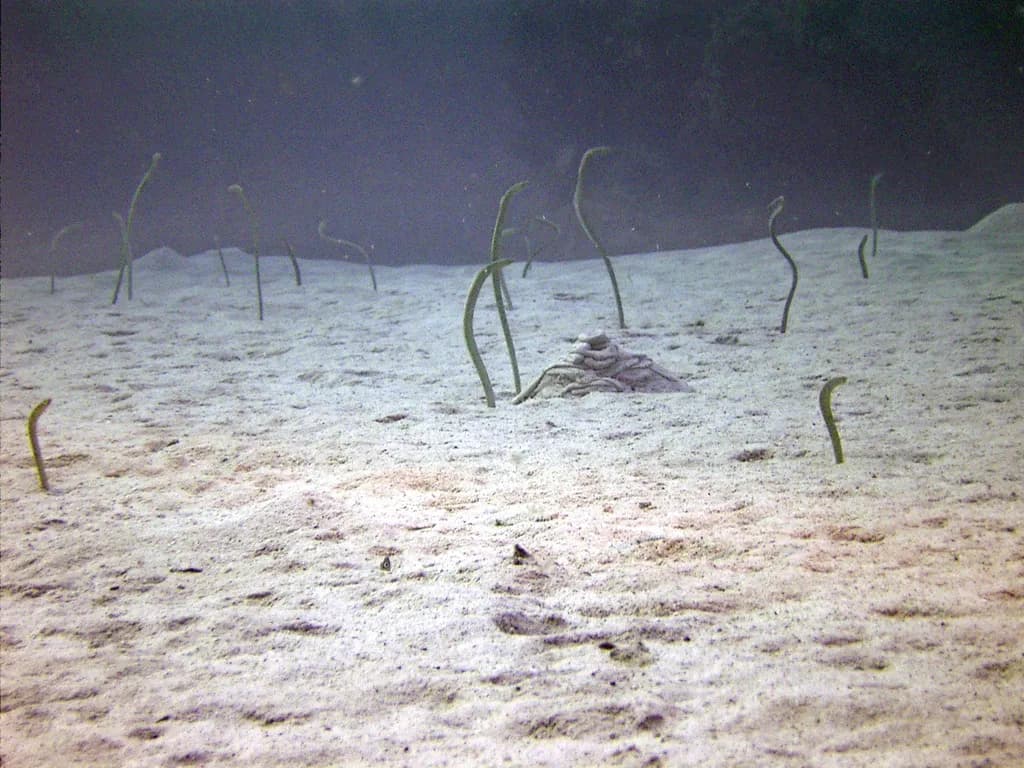
Garden Eel
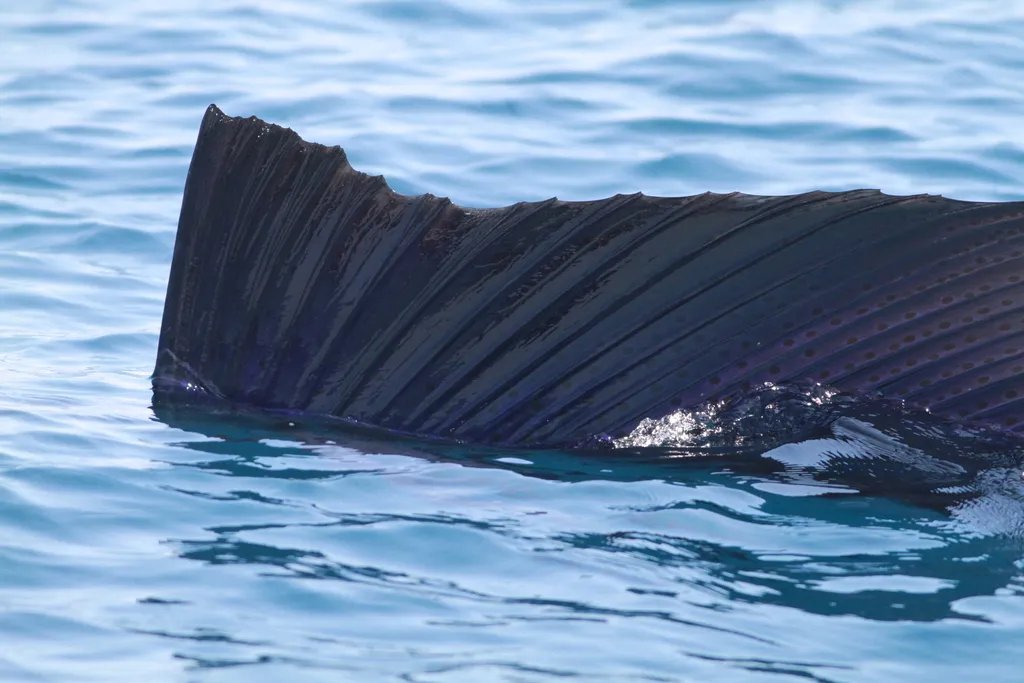
Sailfish
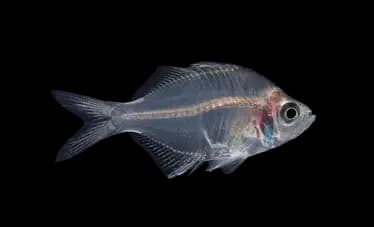
Glassfish
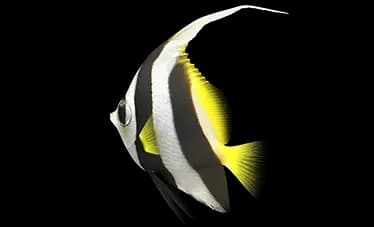
Bannerfish
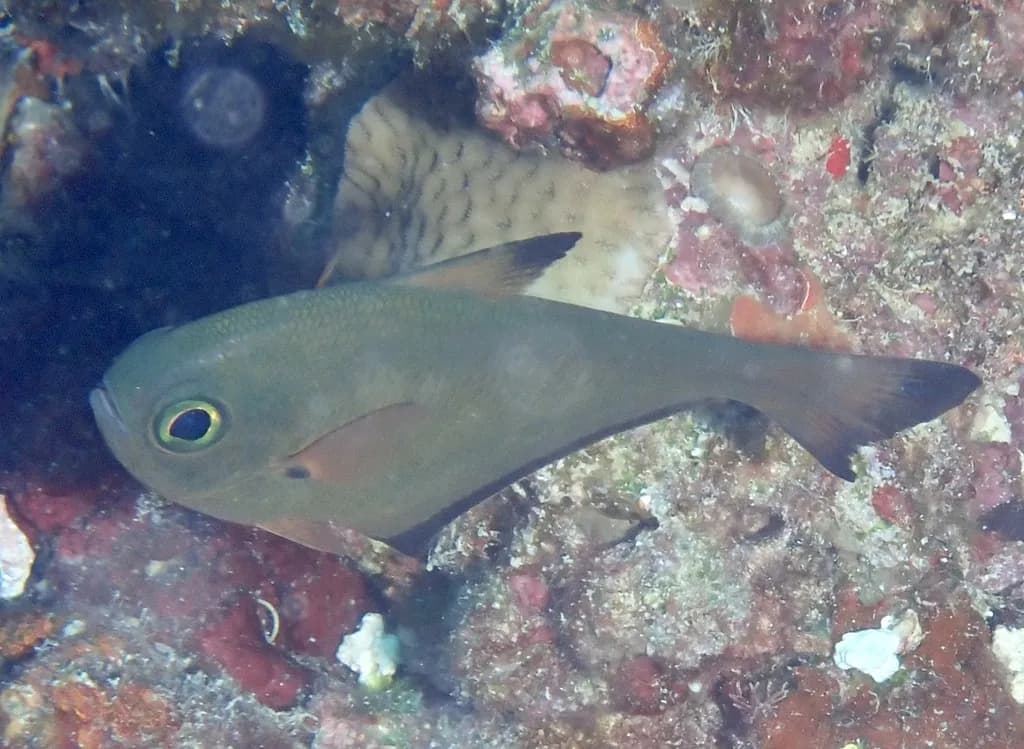
Cave Sweeper
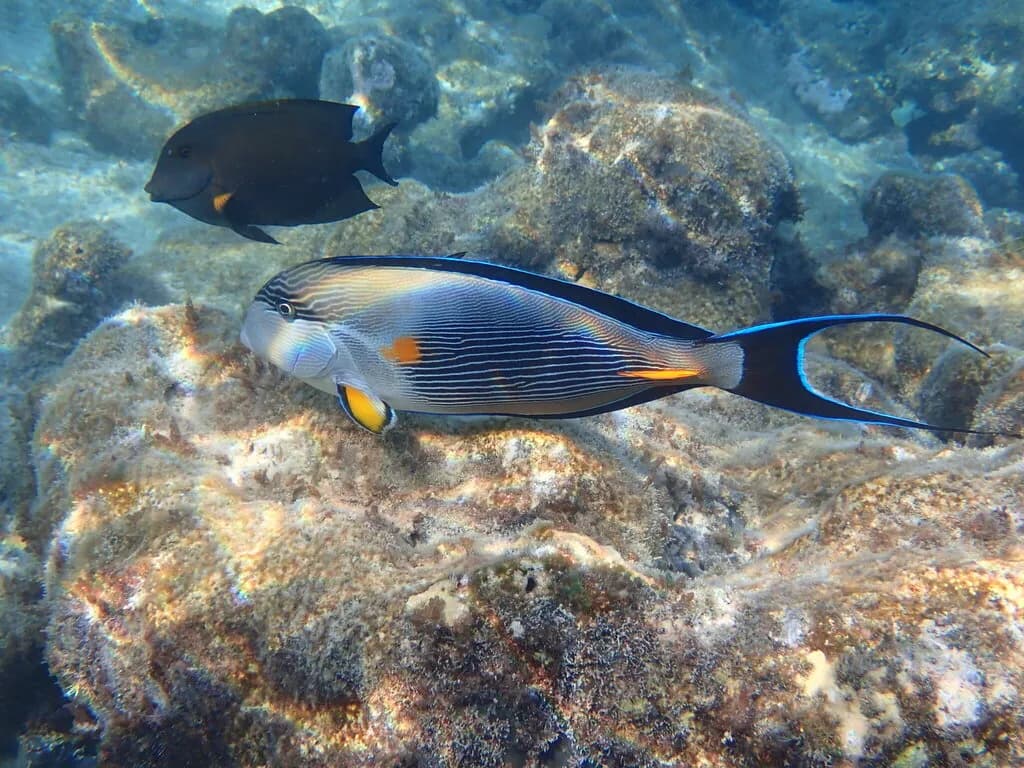
Doctor Fish
Dolphin
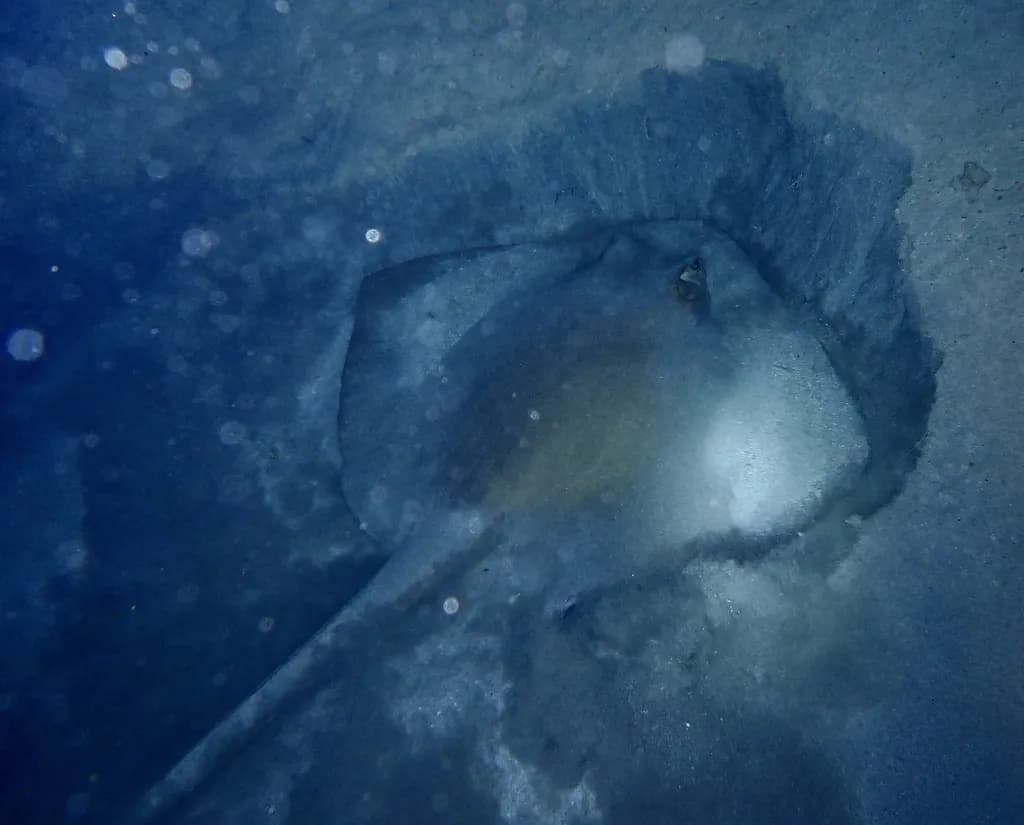
Feathertail Ray
Grouper
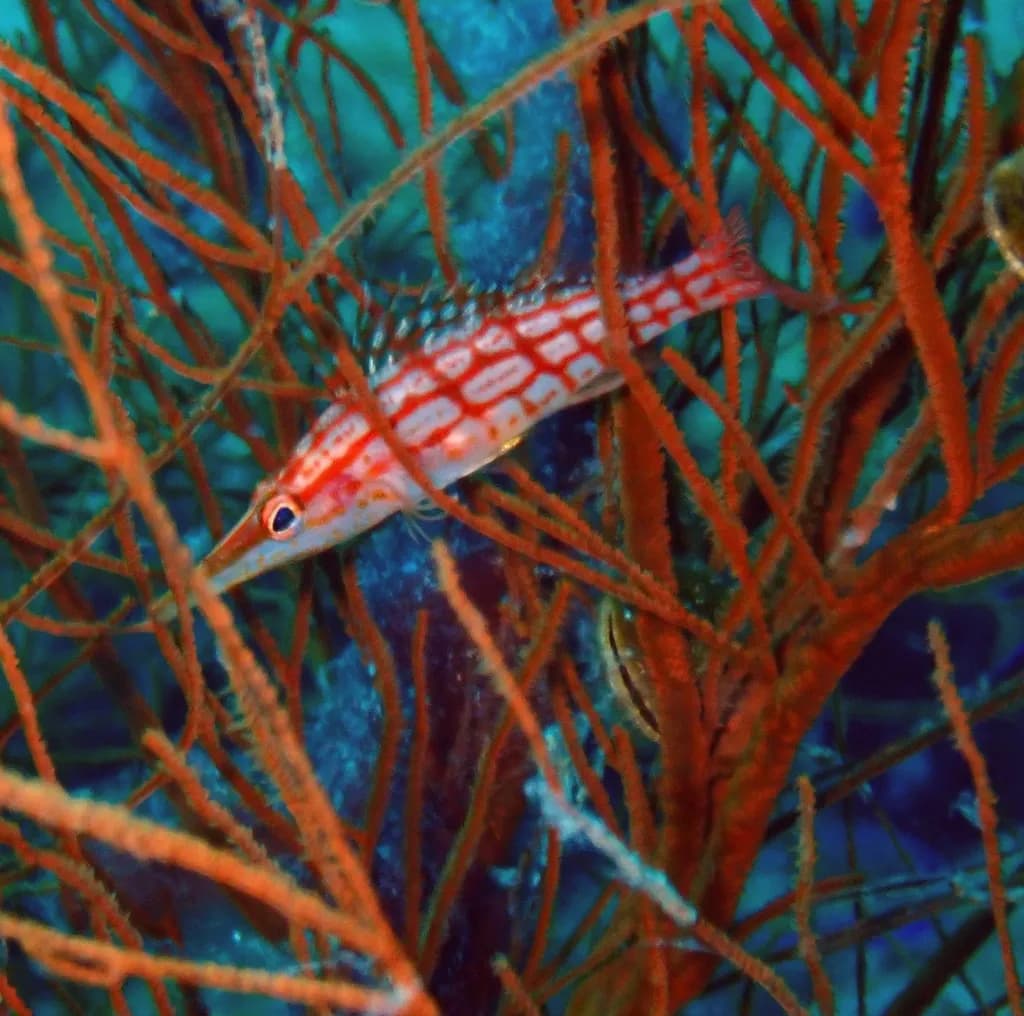
Longnose Hawkfish
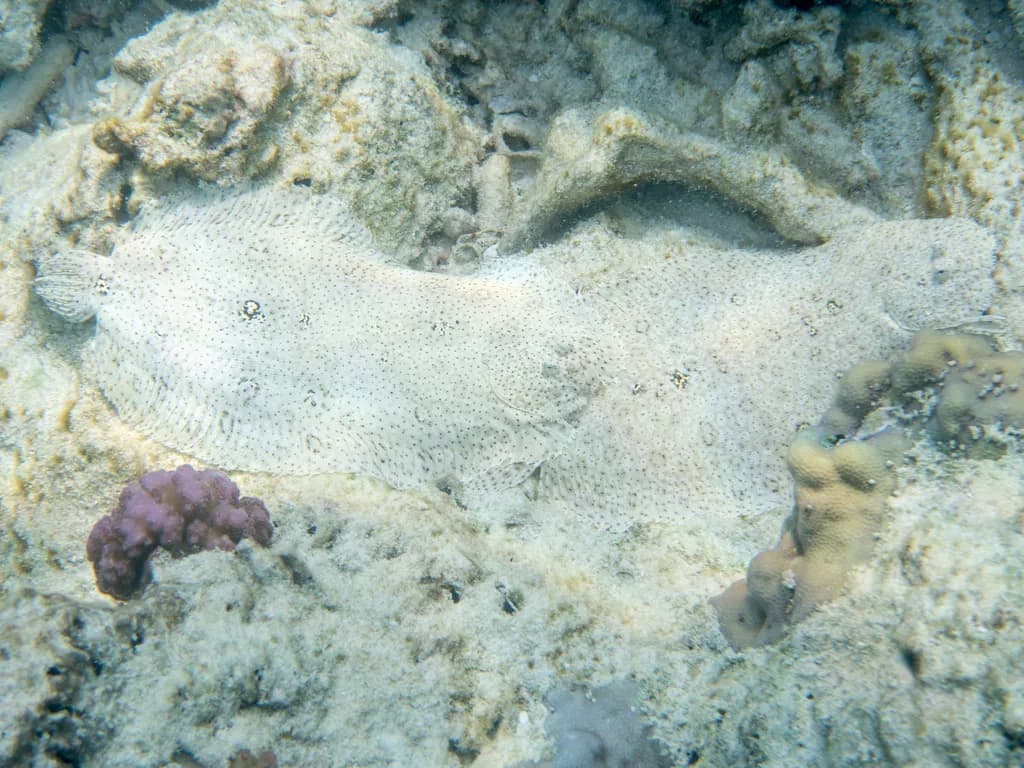
Moses Sole
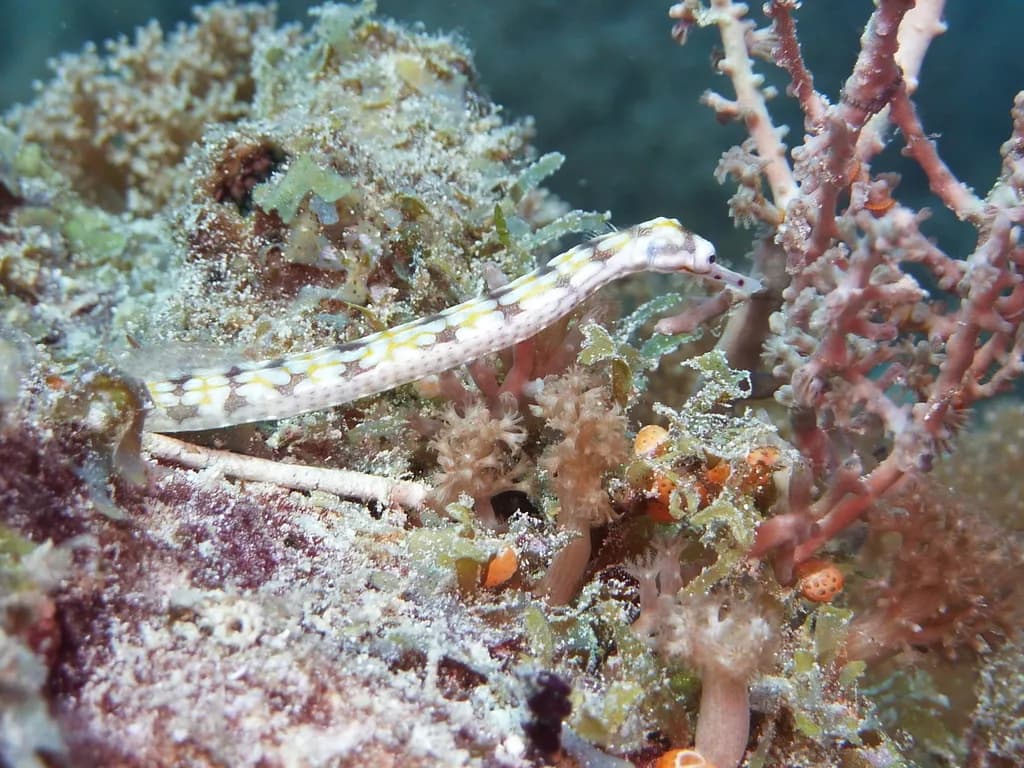
Pipefish
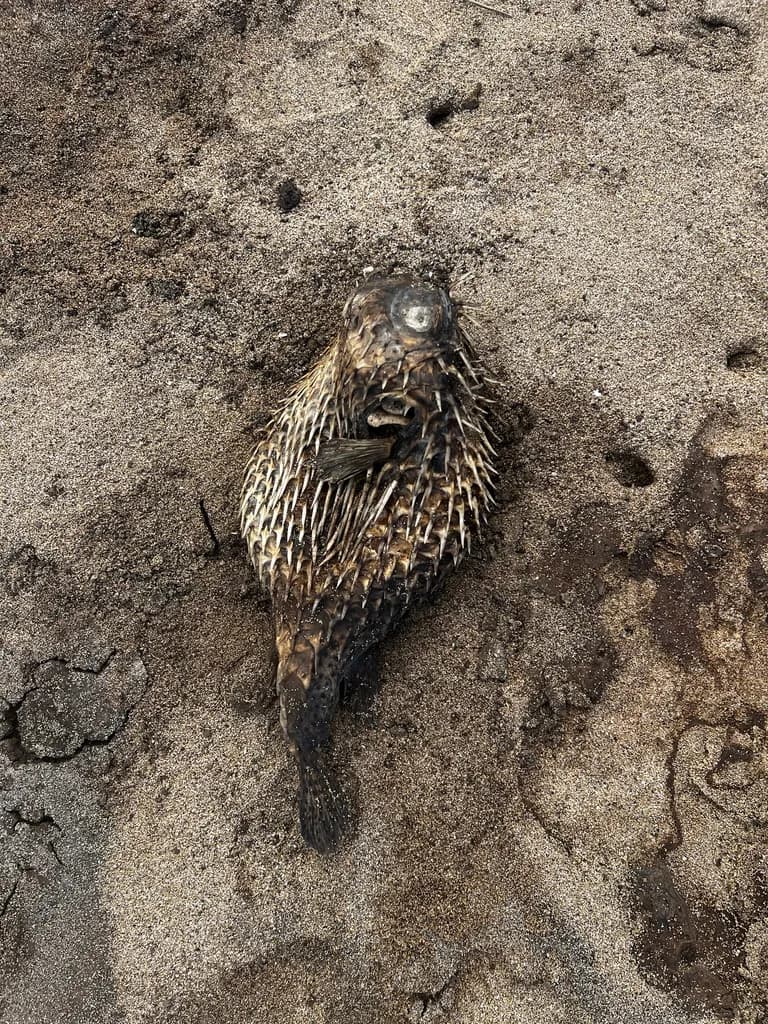
Porcupine Fish
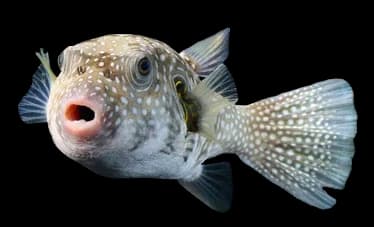
Pufferfish
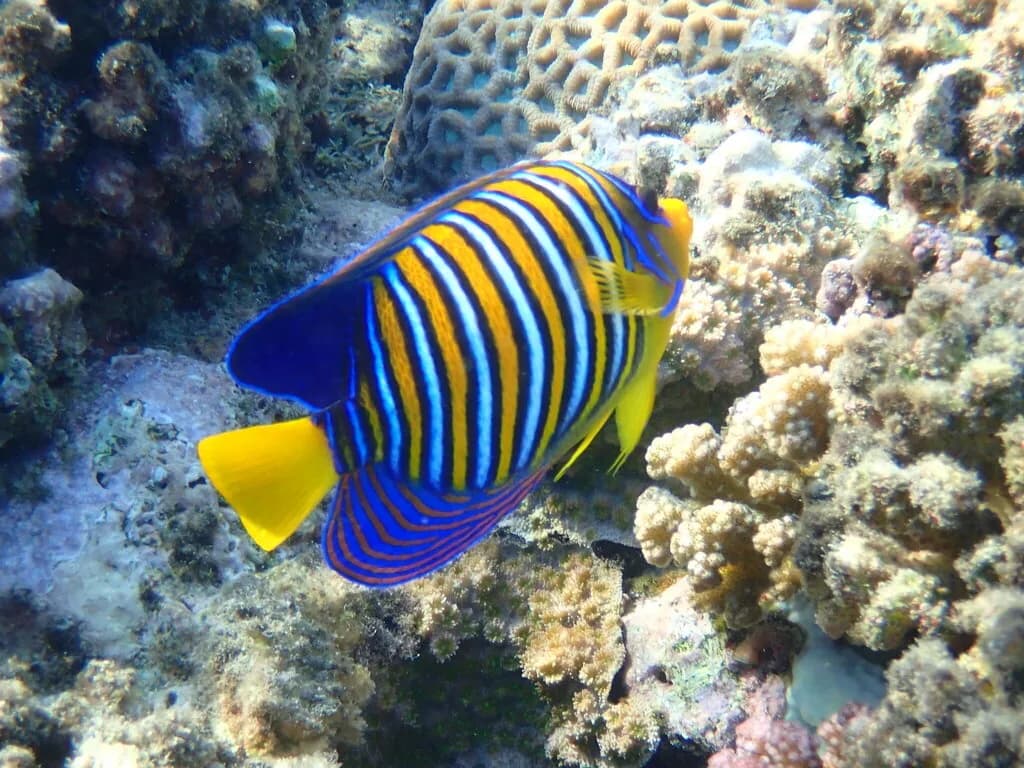
Regal Angelfish
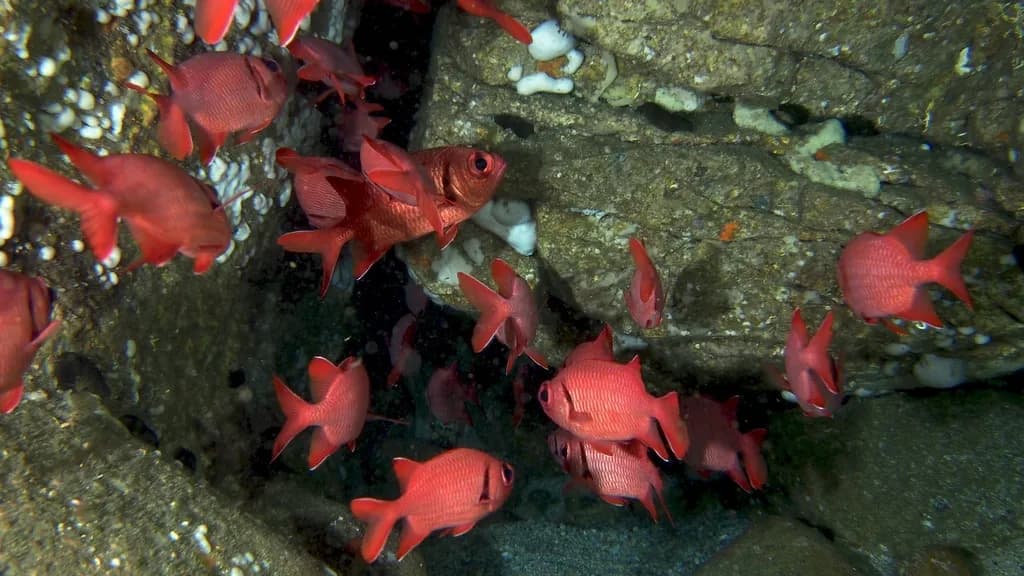
Soldierfish
Splendour Wrasse
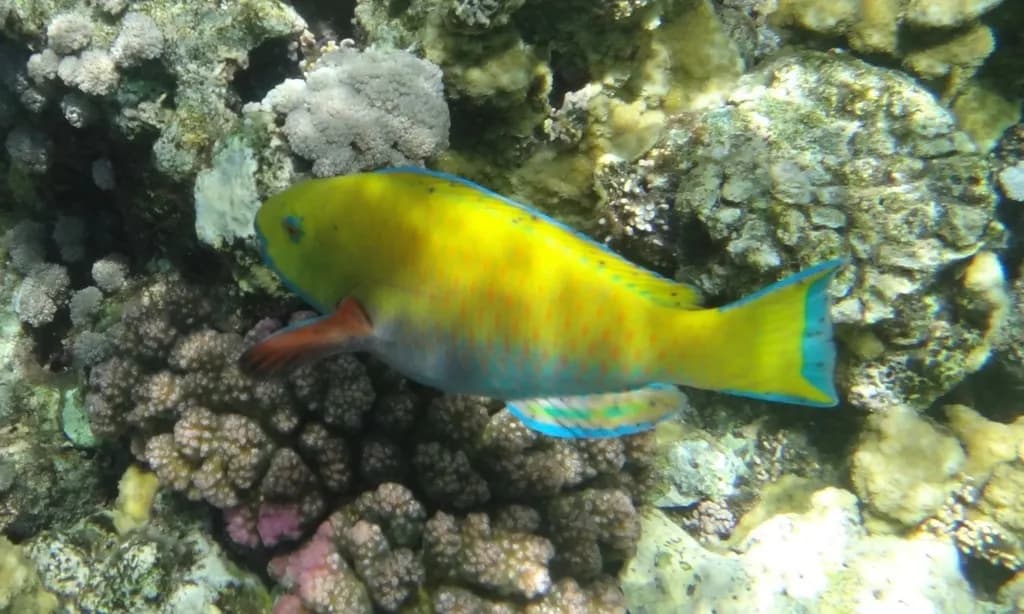
Steephead Parrotfish
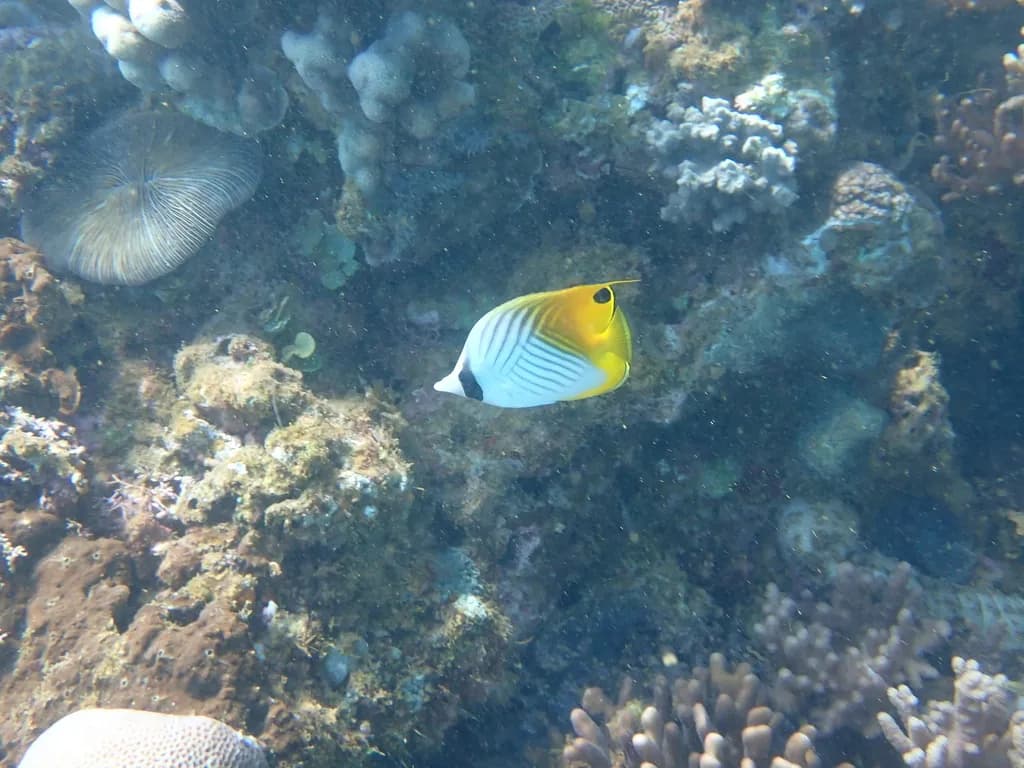
Threadfin Butterflyfish
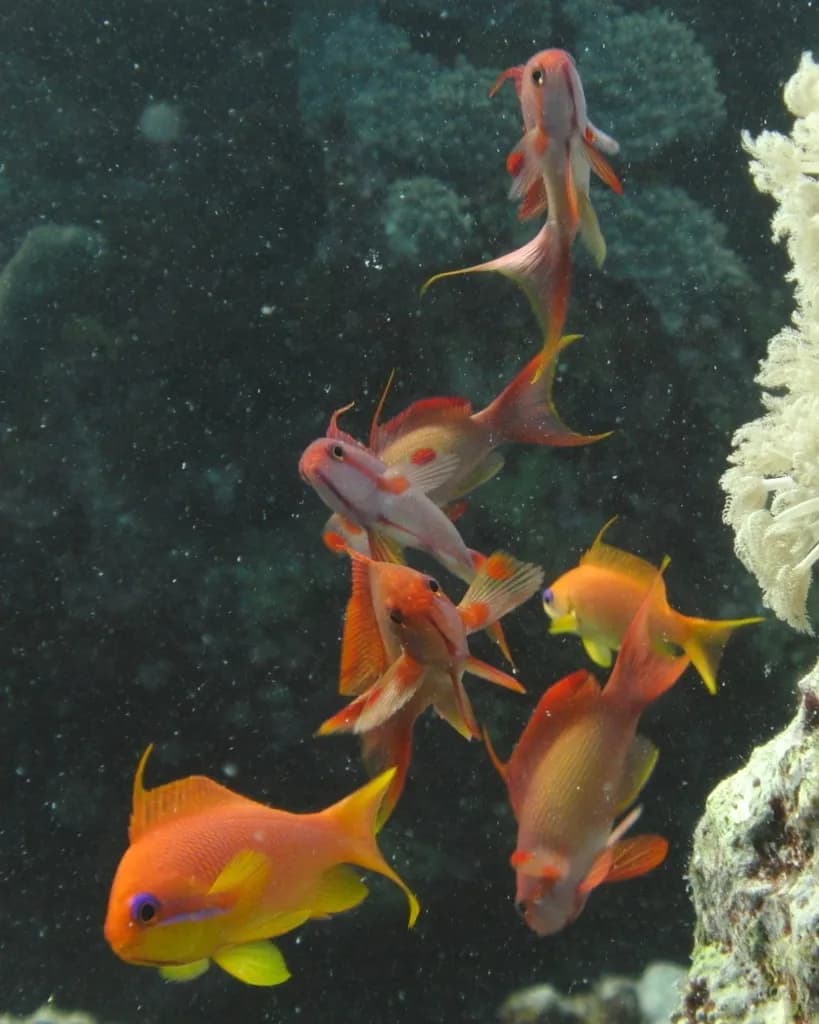
Anthias
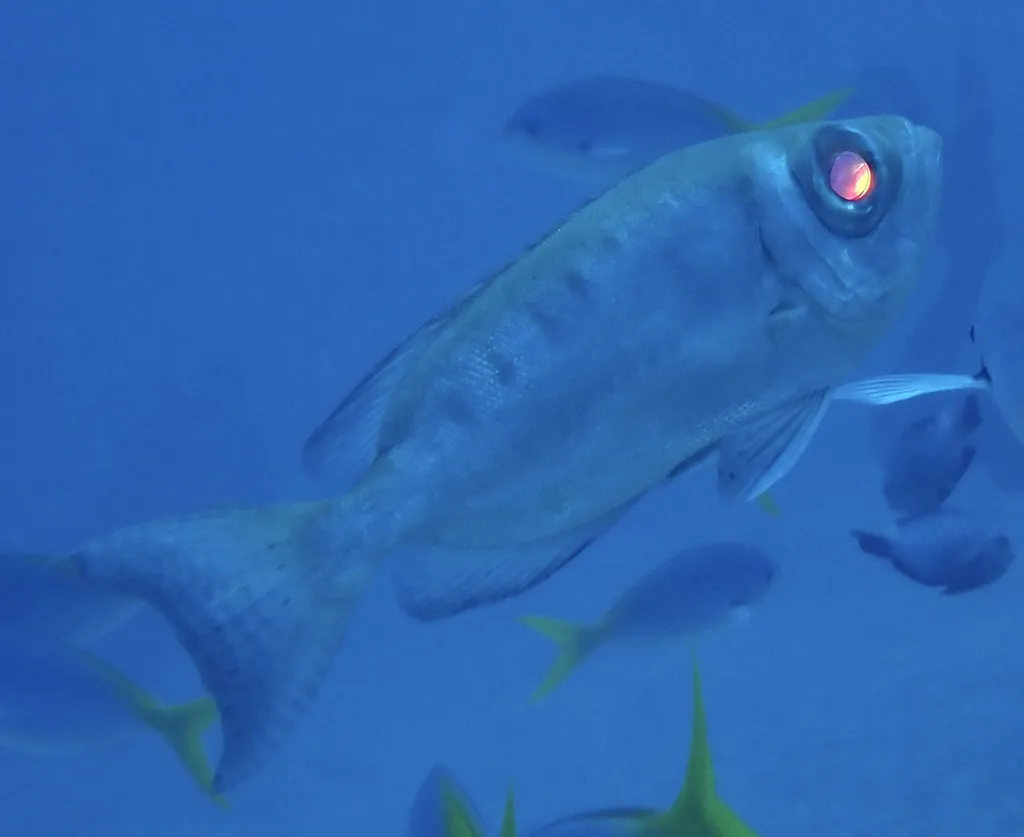
Bigeye
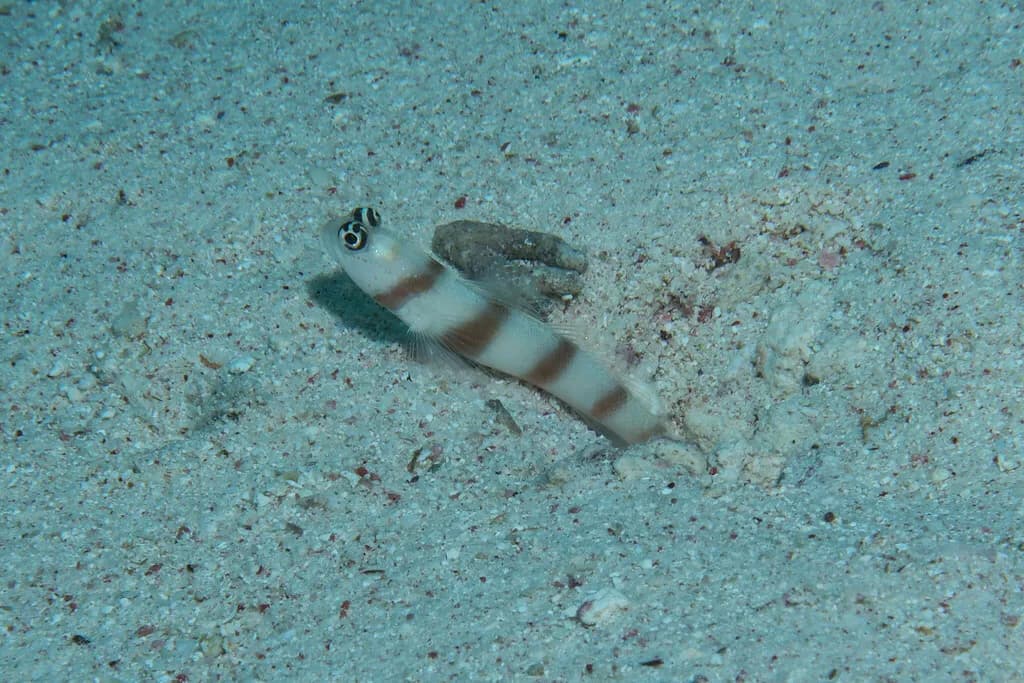
Gobie