
Nudibranch
Chromodoris quadricolor
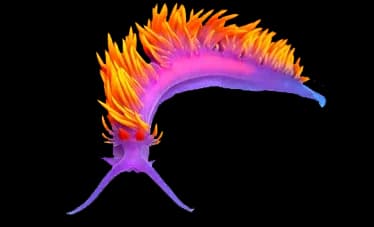
Chromodoris quadricolor is a strikingly coloured sea slug, a dorid nudibranch and marine gastropod mollusc. Its species name, quadricolor, means "four-coloured" and refers to its yellow, white, blue and black markings.
Family
Chromodorididae
Avg Size
4-7 cm
Habitat
This nudibranch was first described from the Red Sea, where it is one of the commonest species, and it has since been reported from other parts of the Western Indian Ocean.
Behaviour
It feeds on the red sponge Negombata magnifica.
Where & When to See It
Abu Dabbab
Elphinstone
Habili Ali
Shark's Bay
Ras Bob
Jackson Reef
Ras Ghamila
Thomas Reef
Soma Bay Garden
Ras Nasrani
Laguna Reef
Fury Shoals
Sha'ab Sharm
Gordon Reef
Sha'ab Samadai (Dolphin House)
El Fanadir
El Fanous West
El Mina Wreck
Erg Abu Ramada
Erg Sabina
Far Garden
Gota Kebir
Gota Soraya
Habili Gaffar
Jackfish Alley
Kormoran
Lighthouse
Middle Garden
Napoleon Reef
Near Garden
Panorama Reef
Pinky Wall
Ras Abu Helal
Ras Disha
Ras Ghozlani
Ras Katy
Ras Um Sid
Ras Zaatar
Salem Express
The Alternatives
Shaab Claudia
Abu Ghalawa
Abu Hashish
Abu Kifan
Abu Ramada North
Abu Ramada South
Banana Reef
Belina Wreck
Big Giftun
Blue Hole - El Bells
Careless Reef
Dunraven (Beacon Rock)
Eel Gardens
El Erug
Erg Somaya
Fiddle Garden
Gota Abu Ramada
Hamda
Moray Garden - Golden Blocks
North Gabr El Bint
North Ras Abu Galum
Paradise
Ras Burg
Shaab Maksur
Shaab Sabina
South Ras Abu Galum
Temple
The Islands
Shaab Abu Nugar
Shaab Eissa
Shaab Eshta
Shaab Petra
Shaab Sataya
Shabrur Um Gamar
Shark & Yolanda Reef
Shark Observatory
Small Crack
Small Giftun
Sodfa
The Canyon
The Caves
Three Pools
Tower
Turft El Shahed
Turtle Bay
Turtle Reef
Umm Gamar North
Umm Gamar South
Umm Kharalim
White Knight
Woodhouse Reef
Amphoras
Eel Garden
Bluff Point
The Barge at Bluff Point
Carnatic
Shaab El Erg
The Ulysses
Thistlegorm
Kimon M
Shag Rock (Kingston)
Rosalie Moller
Giannis D
Siyul Kebira
Abu Nuhas
Chrisoula K
Little Brother Island