
Abu Ramada North
Abu Ramada North
Overview
Abu Ramada North is the wilder, current-swept end of Abu Ramada Island, an exposed reef south of the Giftun National Park about 60–90 minutes from Hurghada. Where the island's southern side is famous as a gentle "aquarium," the north is a proper drift dive — strong water, a sweeping plateau and a wall with a dramatic chimney — and it's the side experienced divers come for.
The Dive
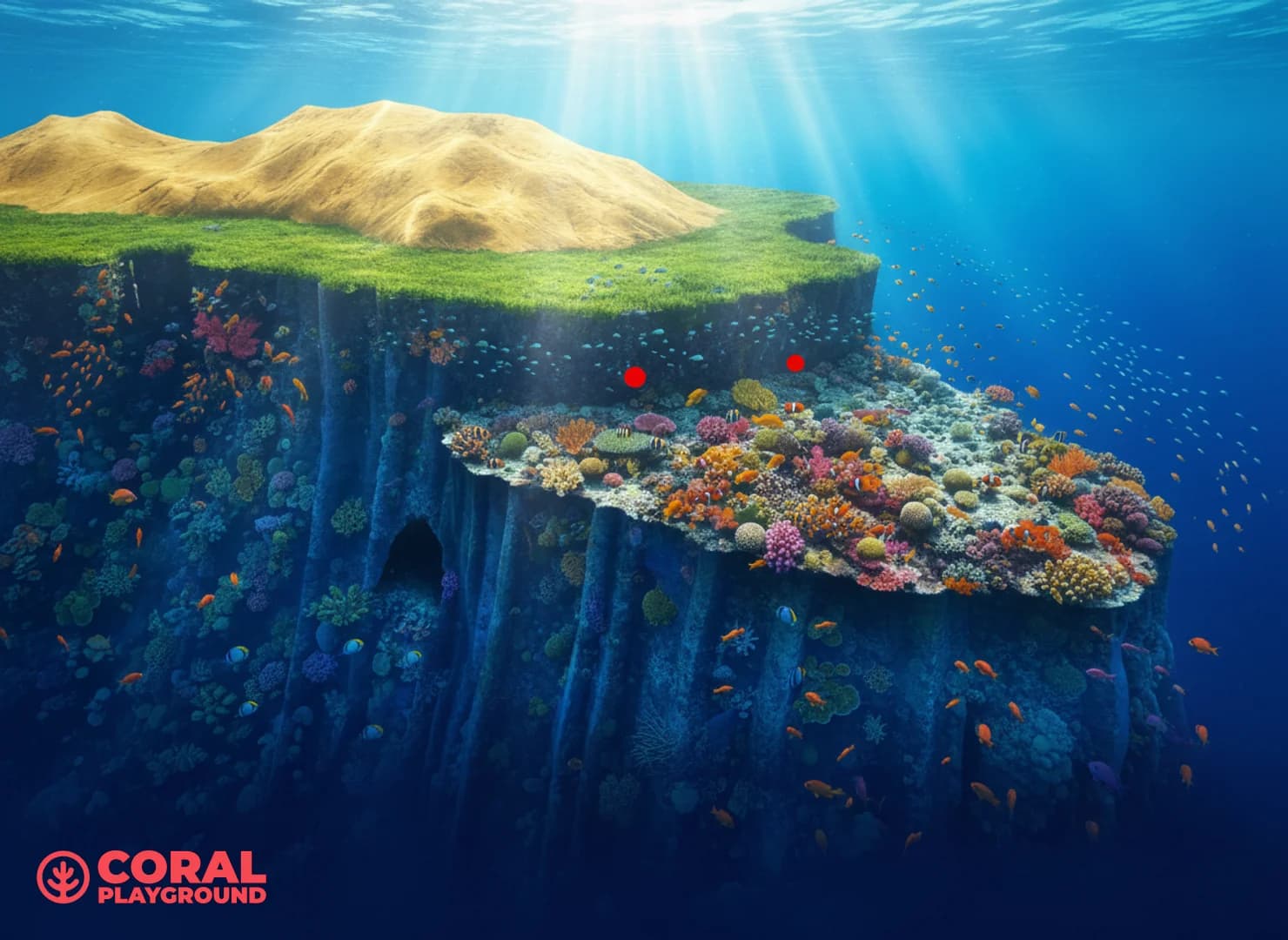
A long plateau runs off the northern end of the island in the 20–30m range before tipping over into a drop-off, and the current here is usually strong enough that docking is awkward and a drift is the only sensible plan. You drop in, let the water carry you along the plateau edge, and ride the wall as it falls away. The signature feature is a chimney — a vertical cut in the reef adorned with gorgonian fans — that breaks up the wall and makes a memorable swim-through. A coral garden sits up on the plateau around 20m, busy with reef life and worth slowing down for between the deeper sections. Most of the dive lives in the 20–30m band along the plateau and upper wall; the strong, reliable current is the defining condition and the reason this side rewards confident divers.
Marine Life
The current that makes this side demanding also feeds it. The coral garden and plateau hold bannerfish, blue-spotted stingrays and big moray eels, with the chimney's gorgonians sheltering smaller reef life. Out over the drop-off, the open water brings the occasional shark cruising the current line, along with the schooling fish that gather where the water moves. It's a livelier, more dynamic dive than the placid southern side, with a good chance of something bigger passing through.
Good to Know
Abu Ramada North is an advanced drift dive — the strong current and the 20–30m working depth make it best suited to Advanced Open Water divers and confident drift divers, not beginners. Visibility is typically very good, around 15–30m. It's a day-boat trip from Hurghada, often paired with the sheltered southern side of the same island so a group can match each dive to conditions and experience. As an exposed site, it's weather-dependent and the north face in particular can be too restless to dive when the wind is up.
Depth
18-30m
Visibility
15-30m
Current
strong
Access
boat
Certification
Advanced Open Water
Species
Angelfish
Anthias
Batfish
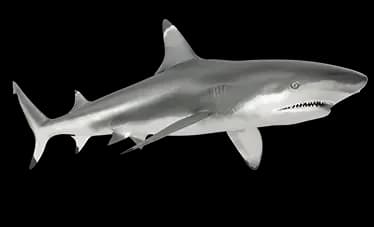
Blacktip Shark
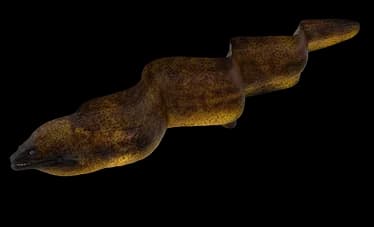
Moray Eel
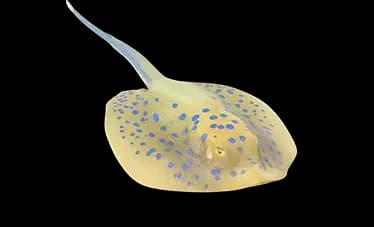
Blue Spotted Stingray
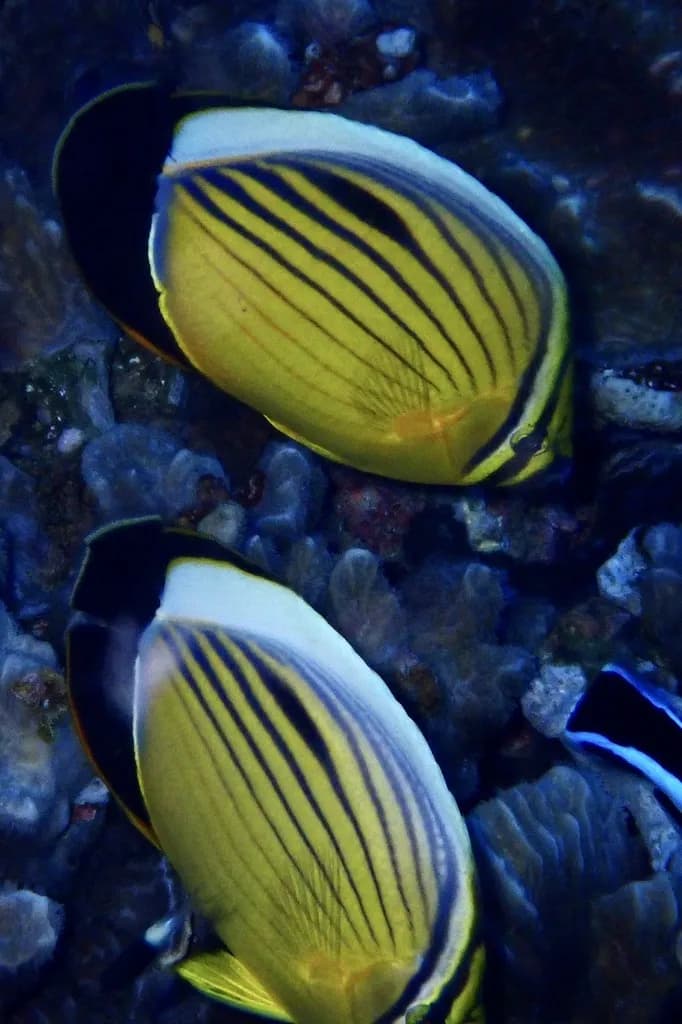
Butterflyfish
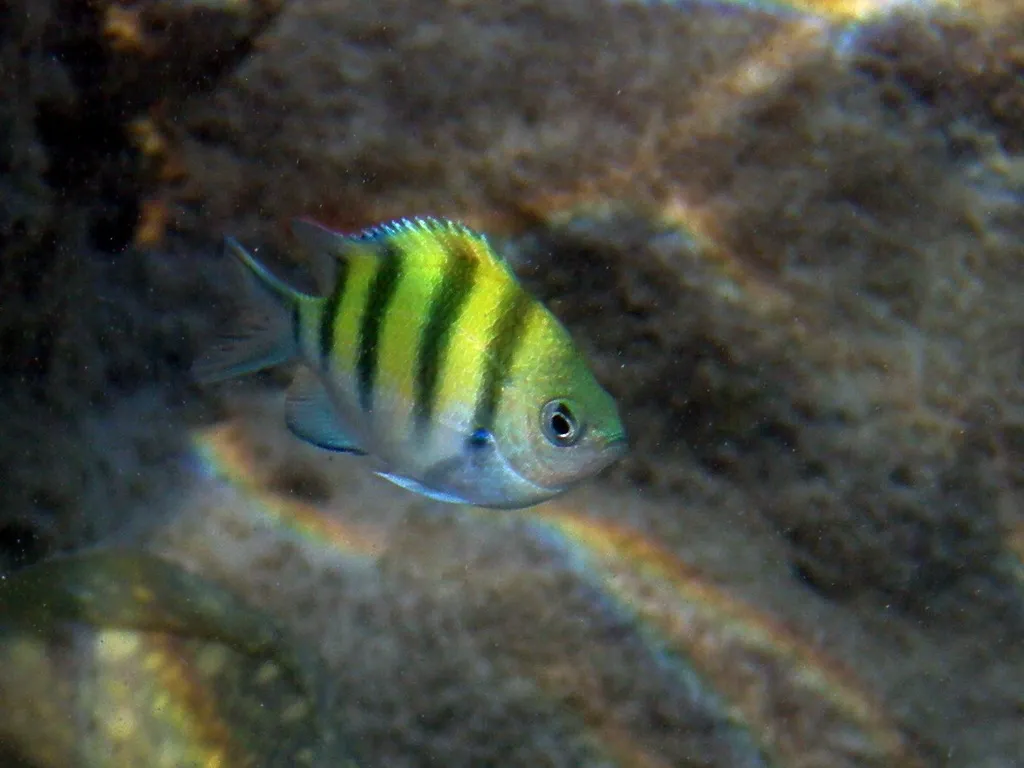
Sergeant Major
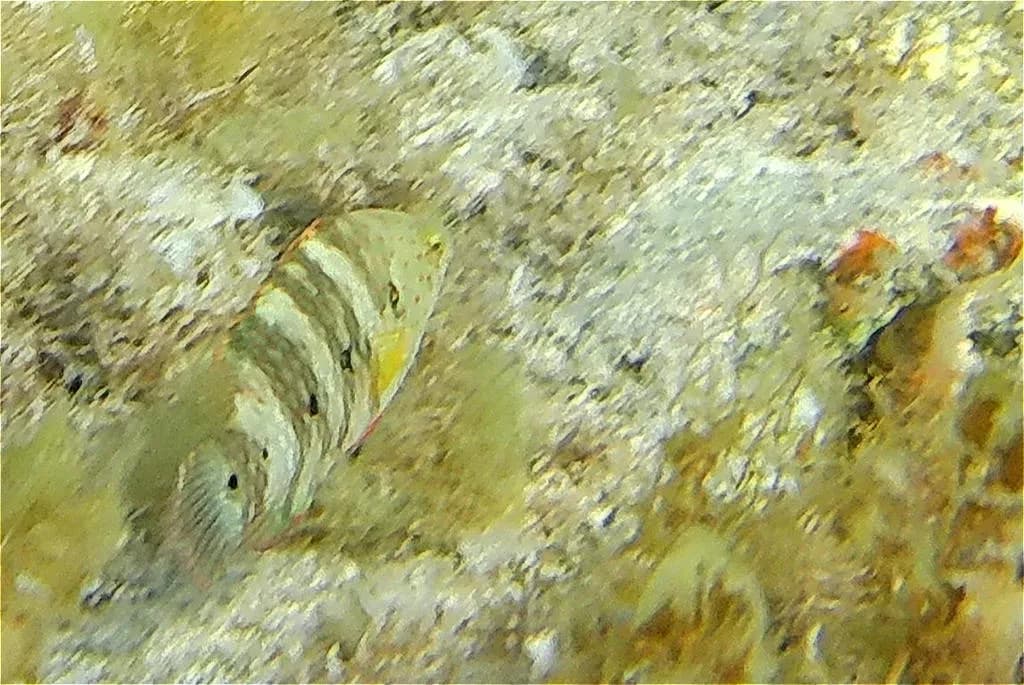
Splendour Wrasse
Clownfish
Parrotfish
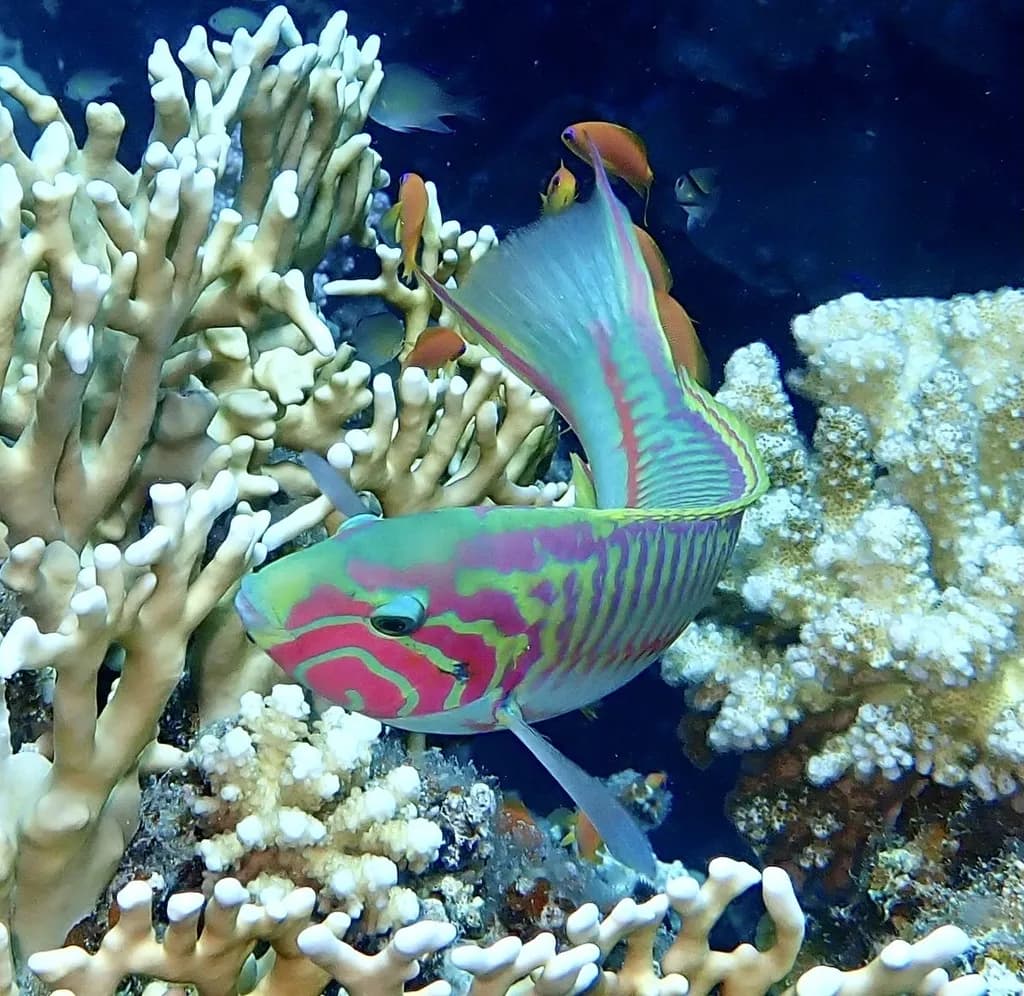
Klunzinger's Wrasse
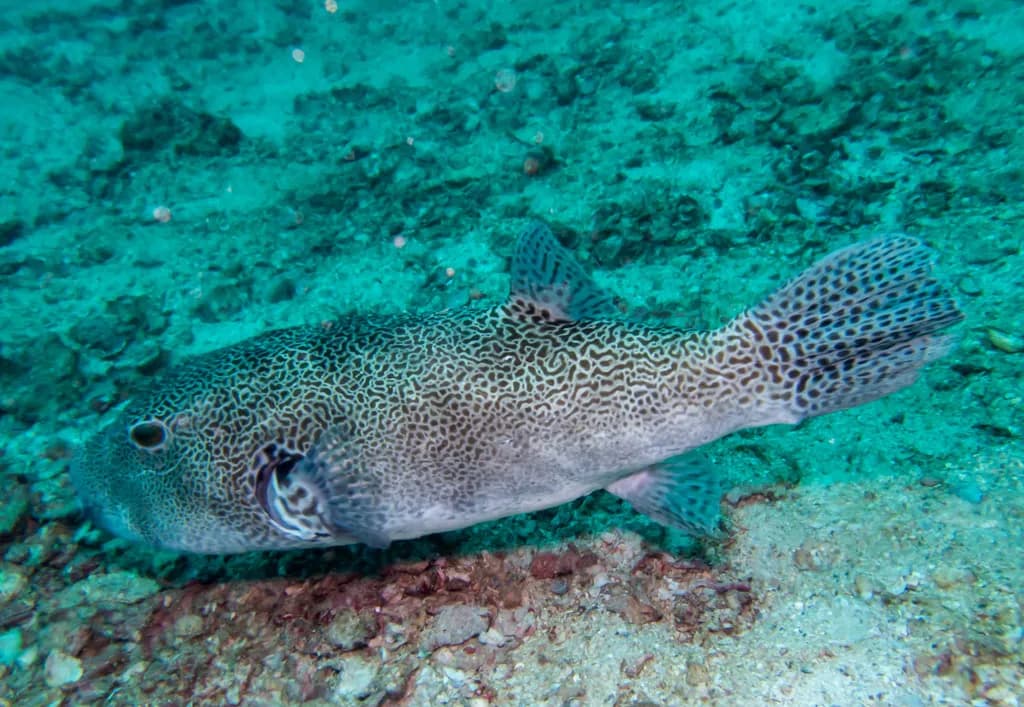
Starry Pufferfish
Lionfish
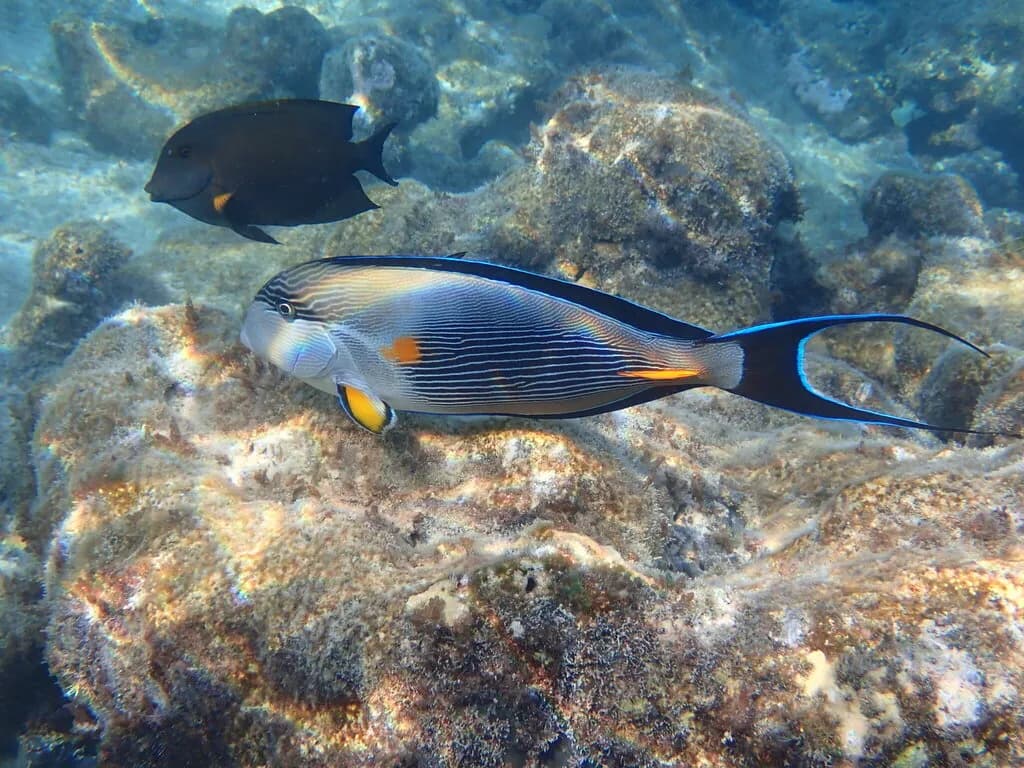
Doctor Fish
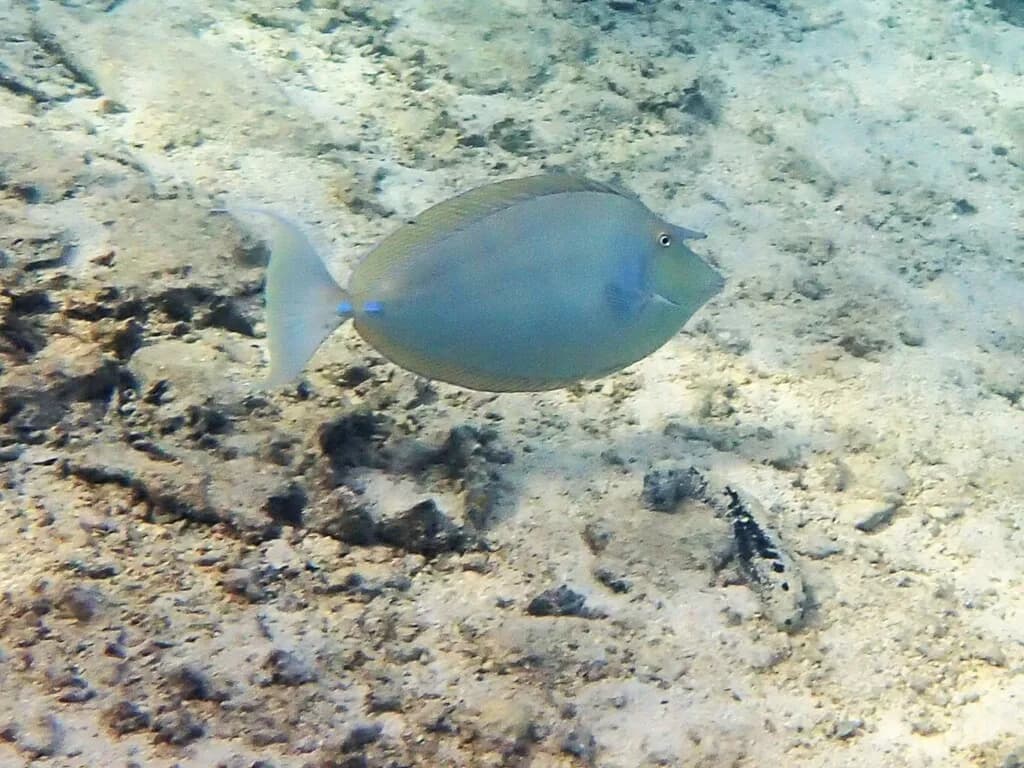
Unicorn Fish
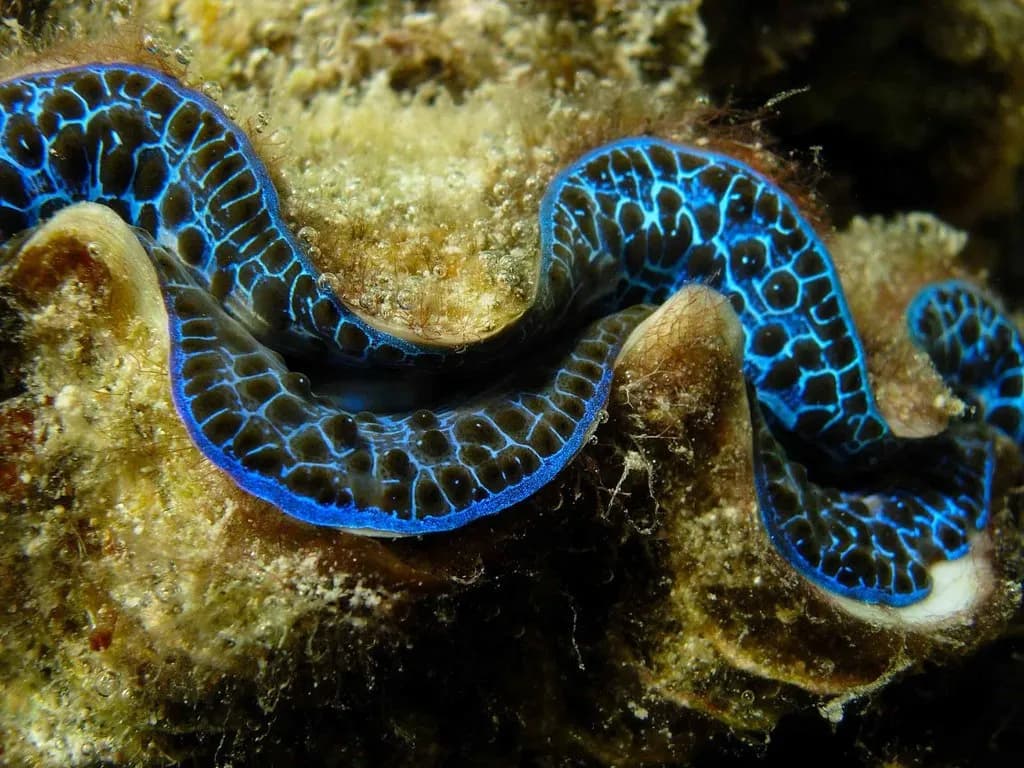
Snails
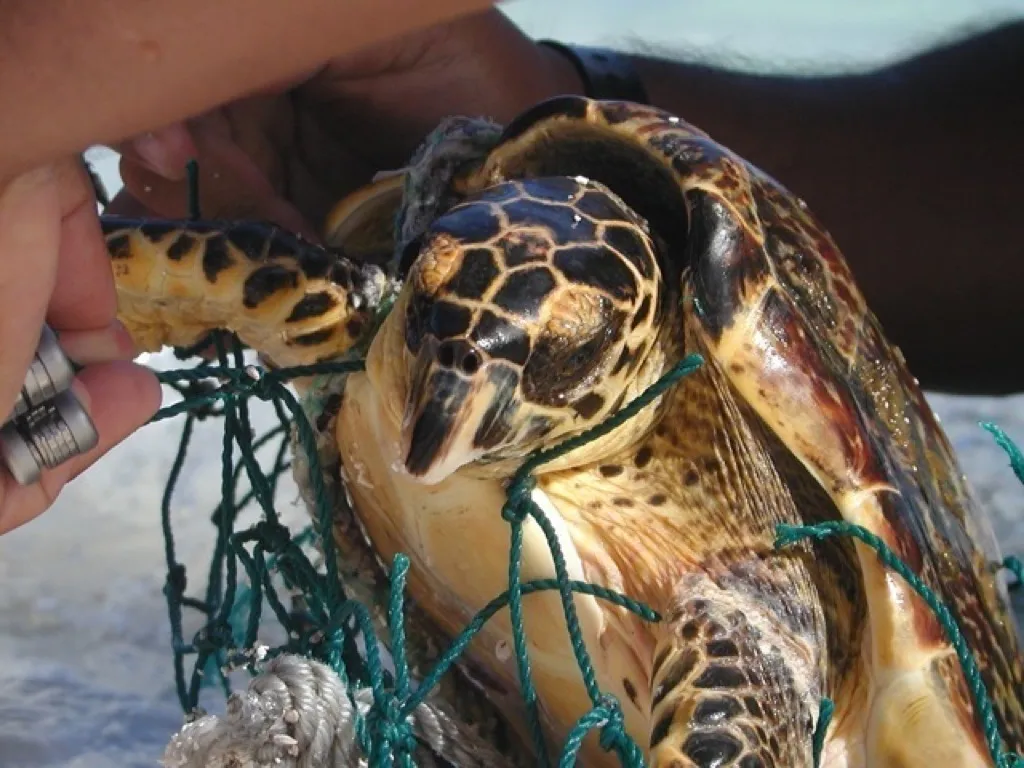
Hawksbill Turtle
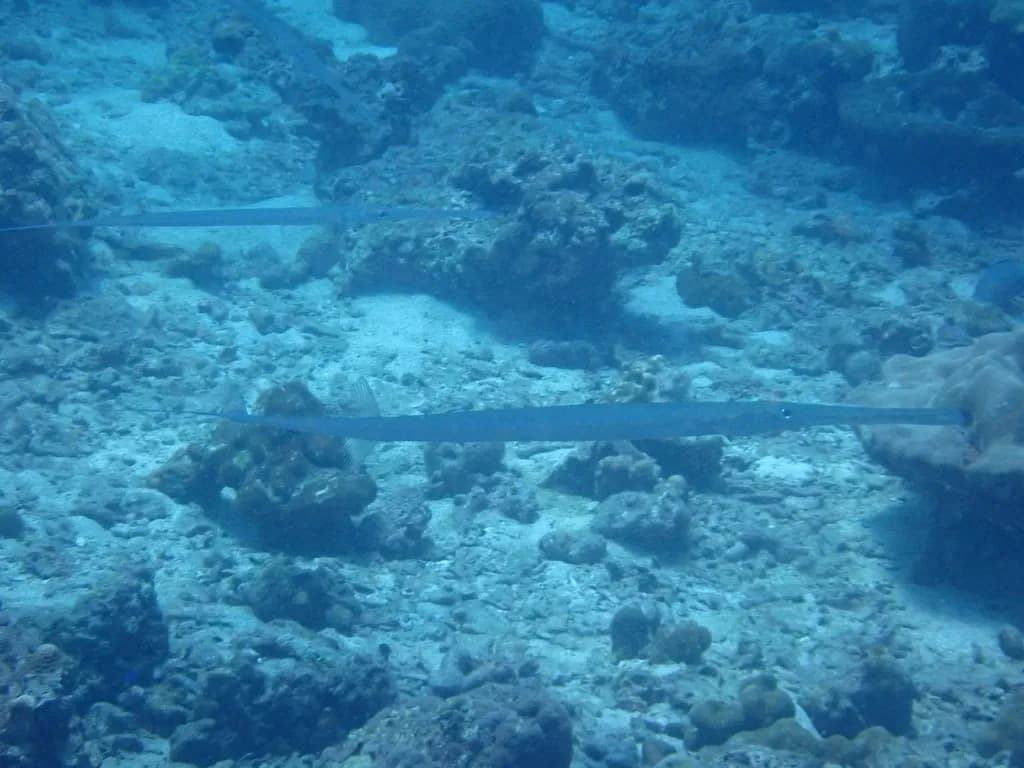
Cornetfish
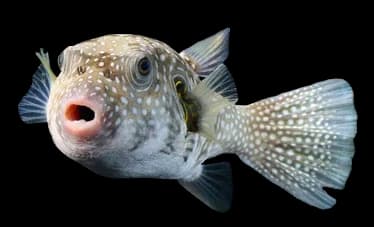
Pufferfish
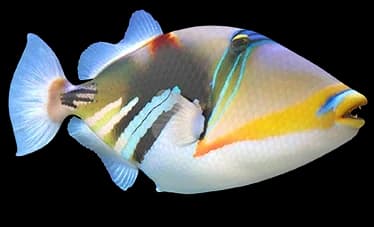
Picasso Triggerfish
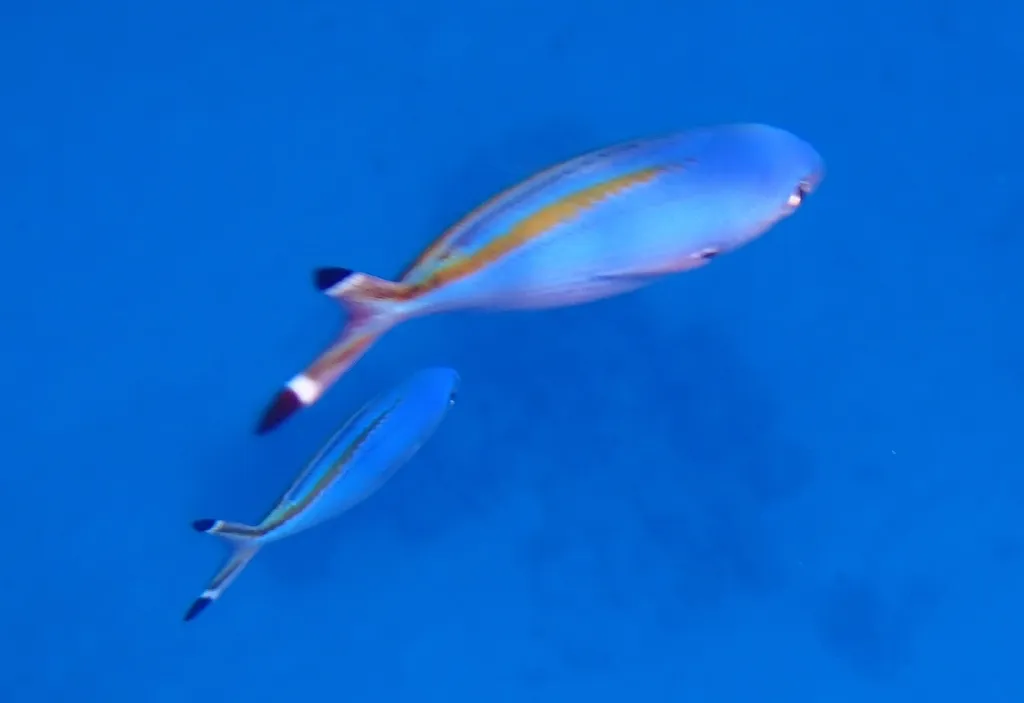
Fusilier
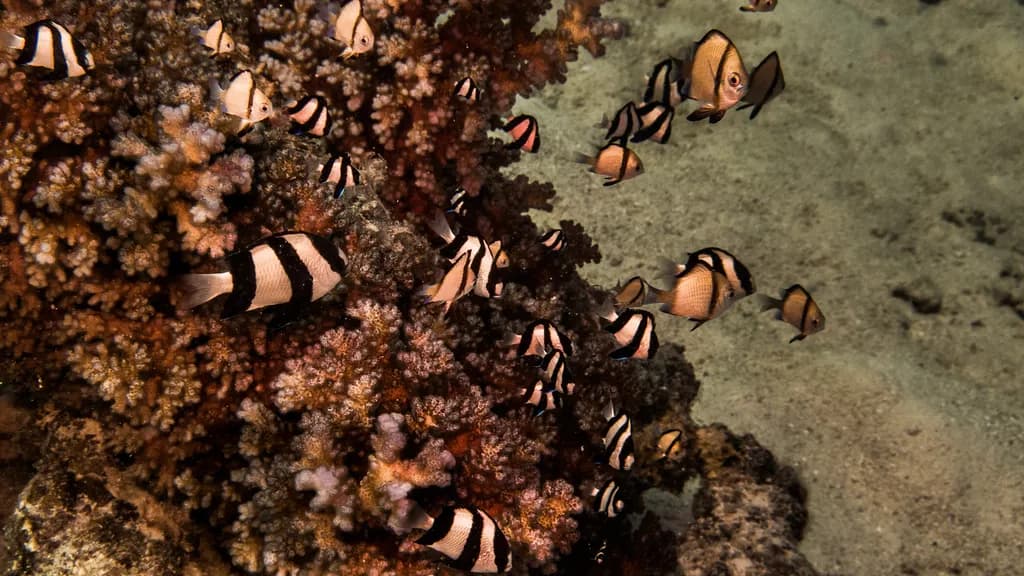
Humbug Damsel
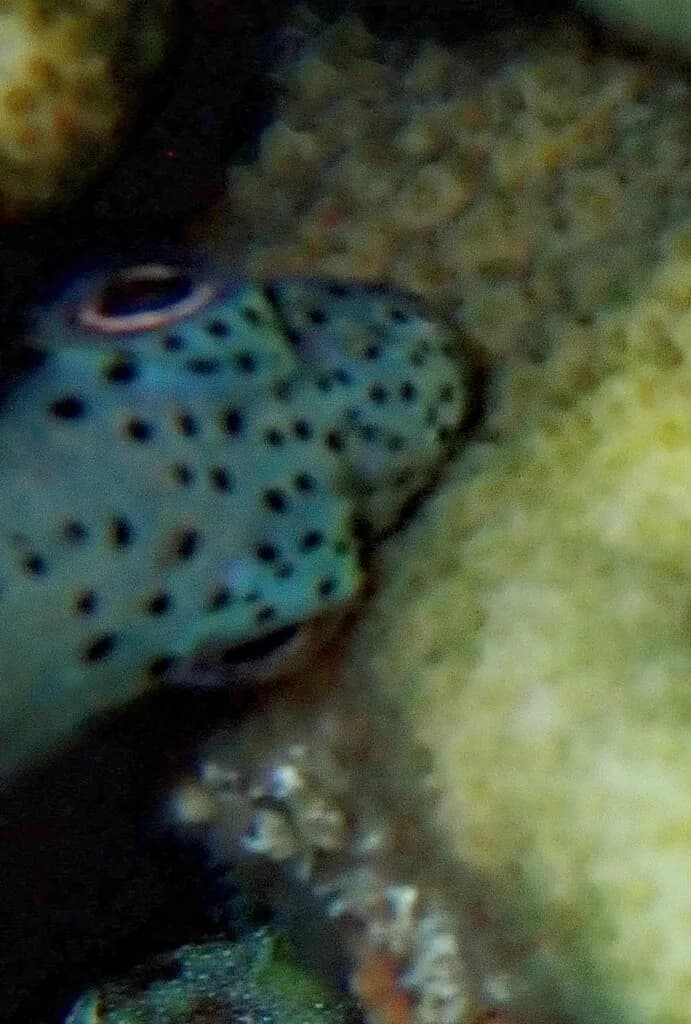
Blackside Hawkfish
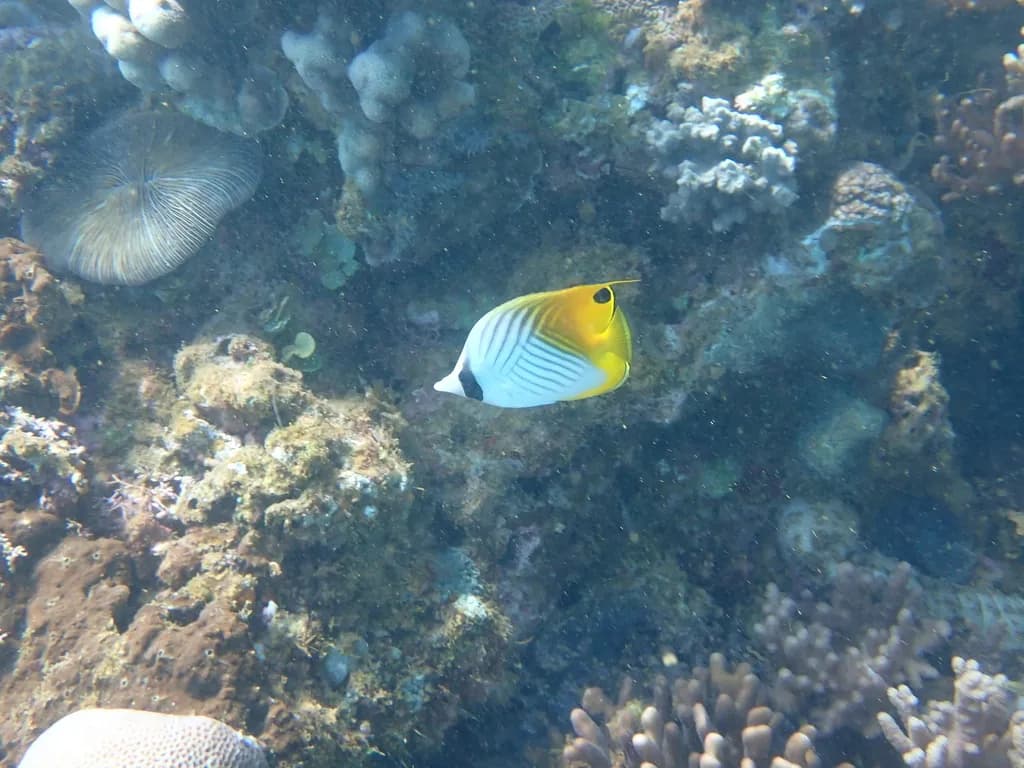
Threadfin Butterflyfish
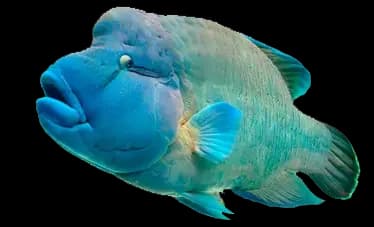
Napoleon Wrasse
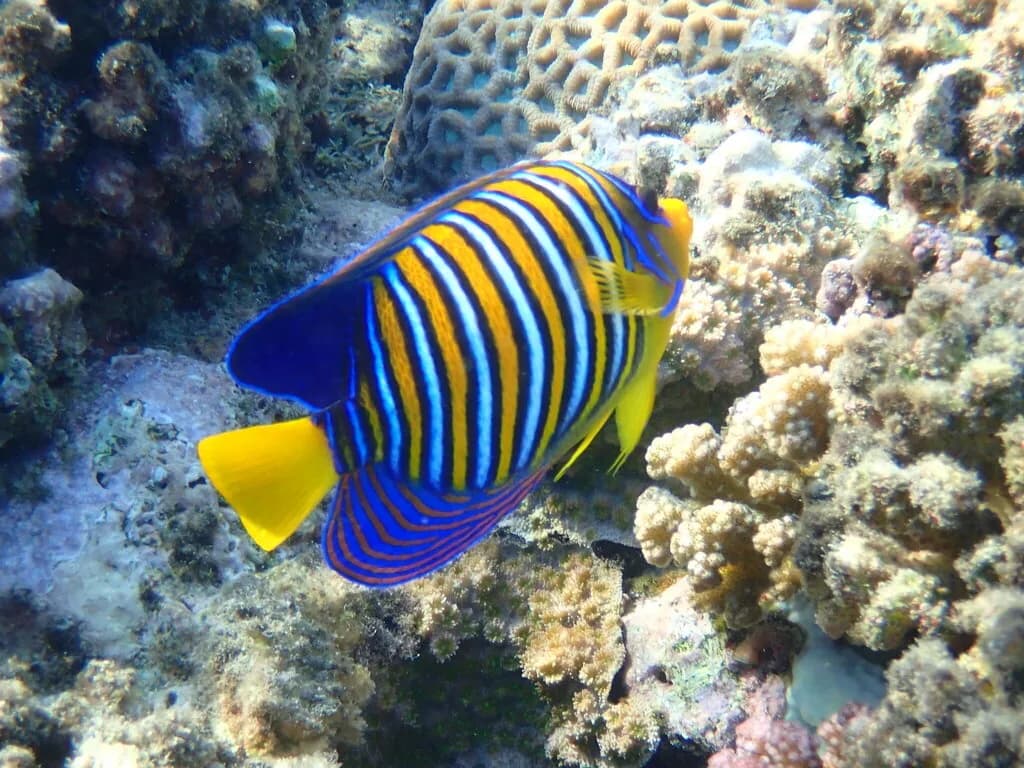
Regal Angelfish
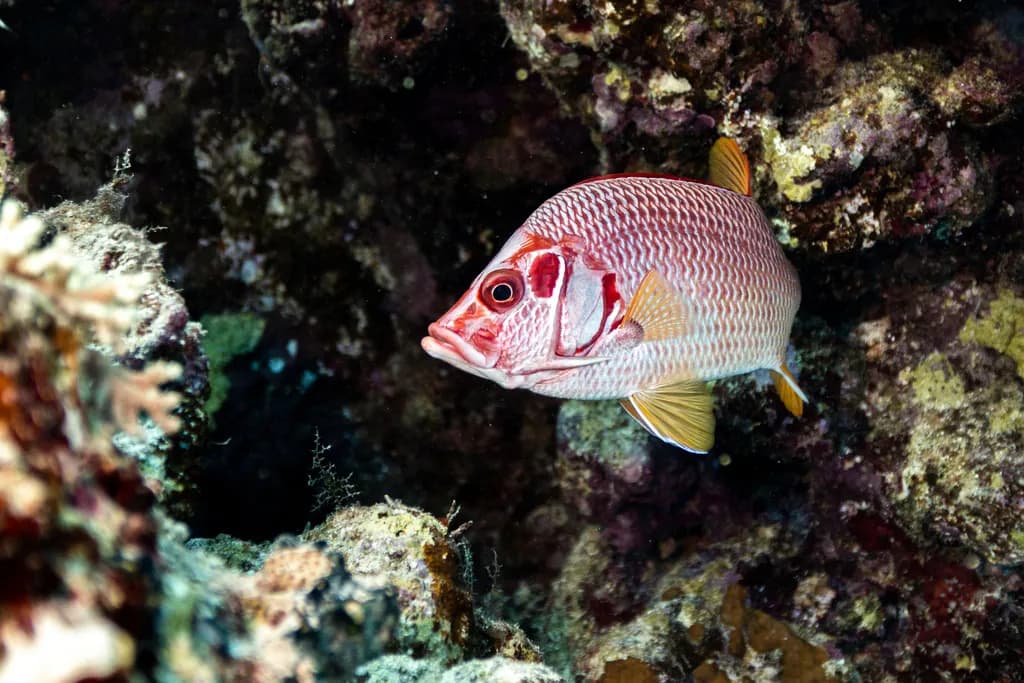
Squirrelfish
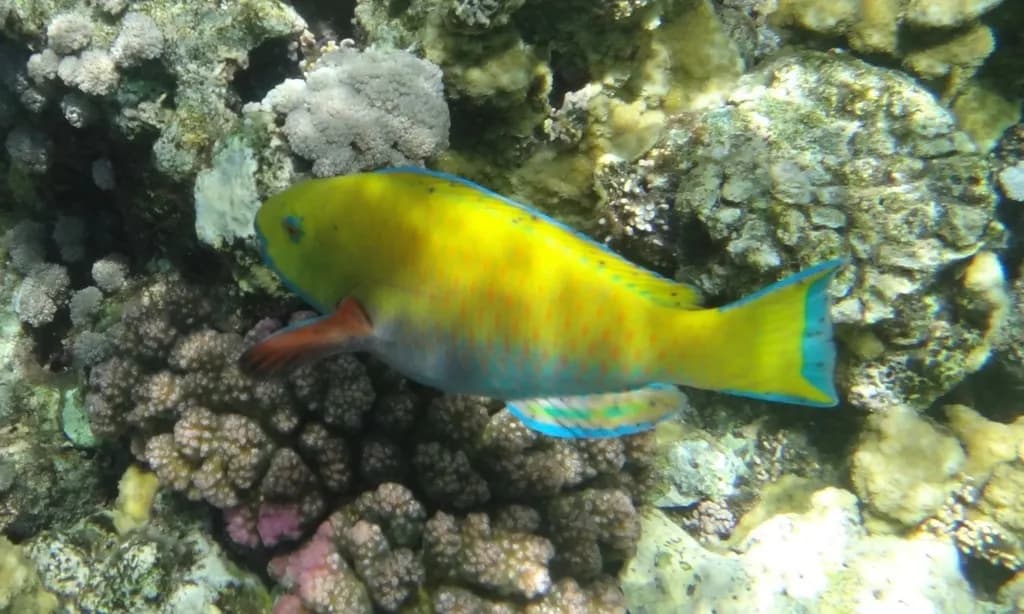
Steephead Parrotfish
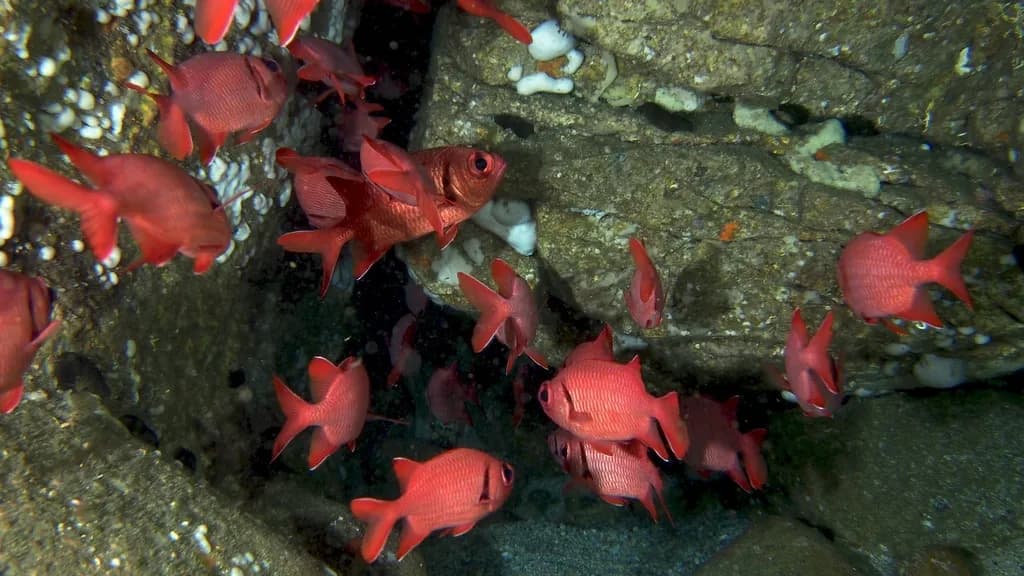
Soldierfish
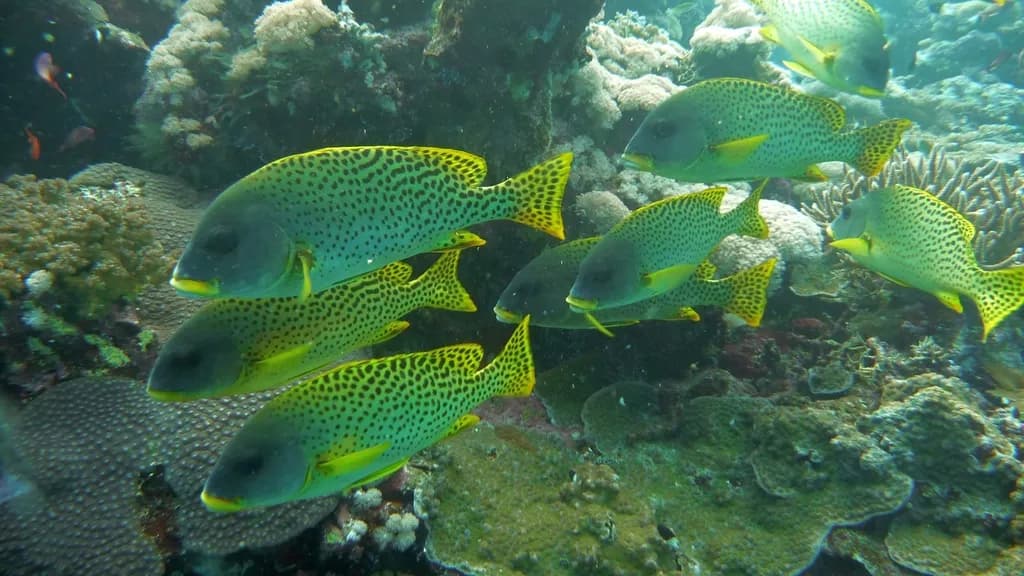
Sweetlip
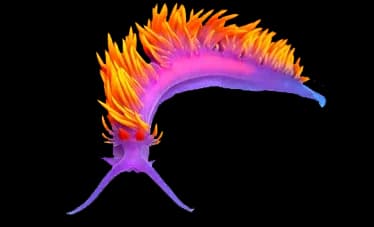
Nudibranch
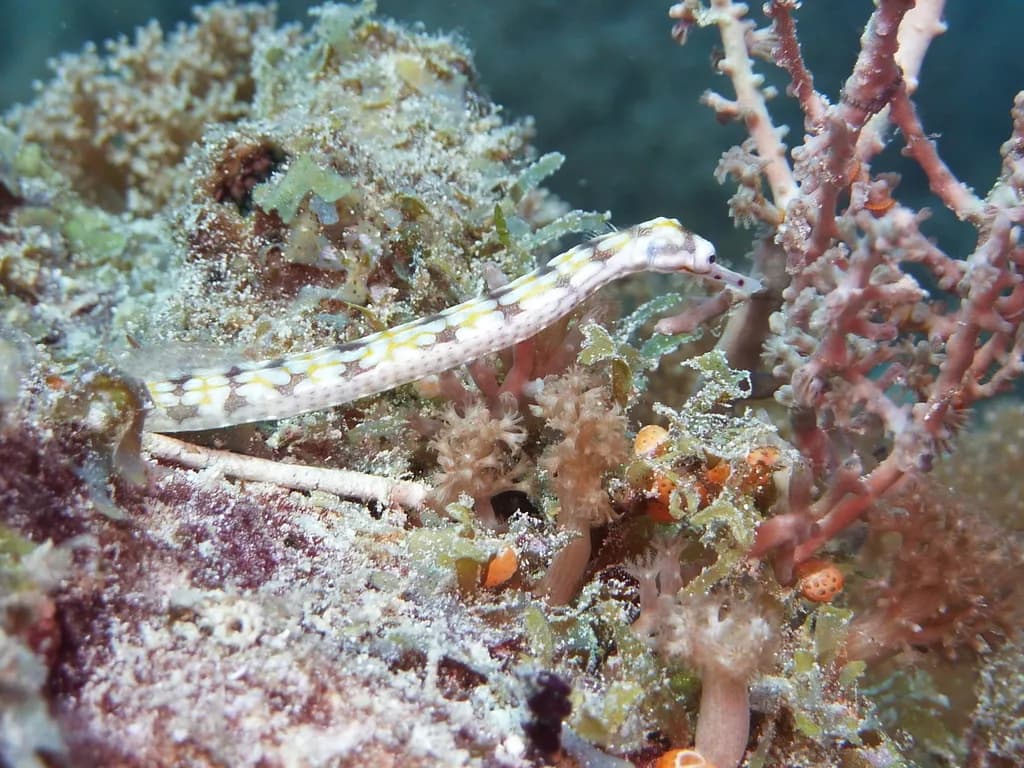
Pipefish
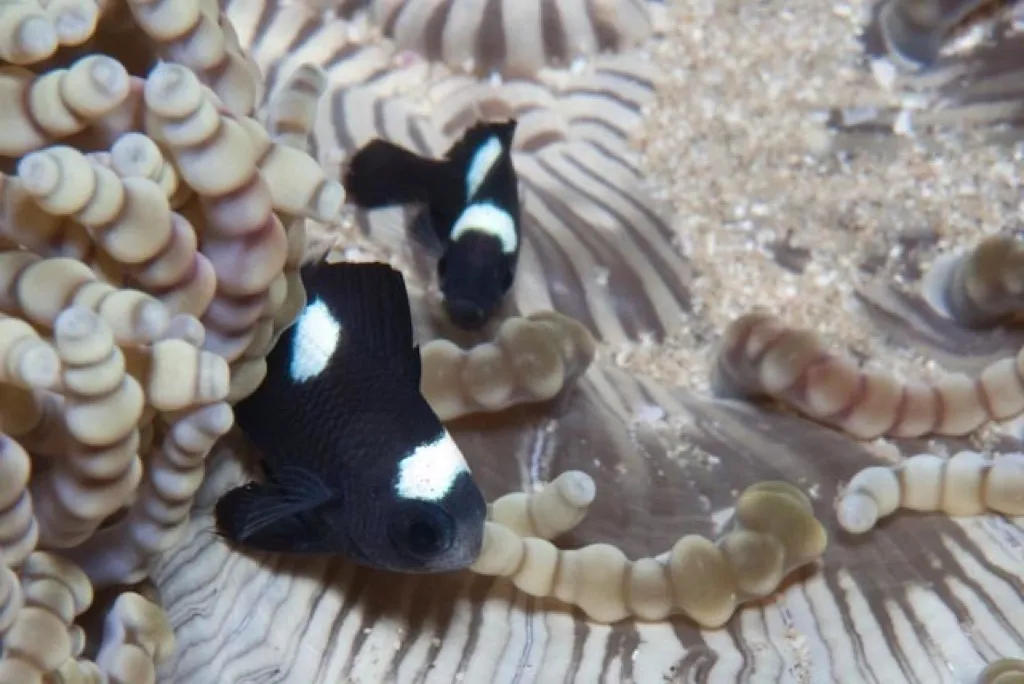
Domino Damsel
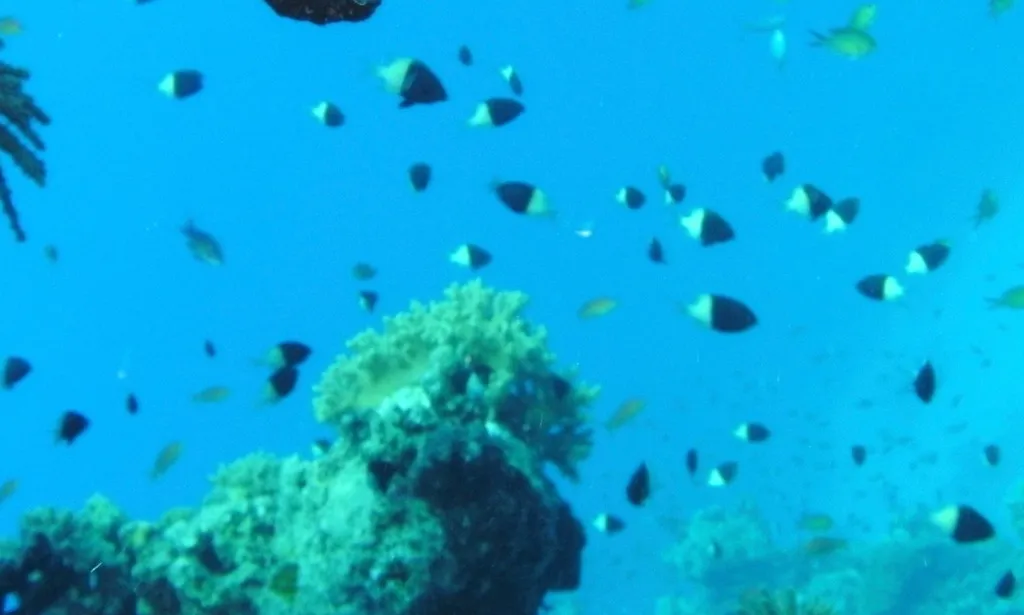
Bicolour Puller
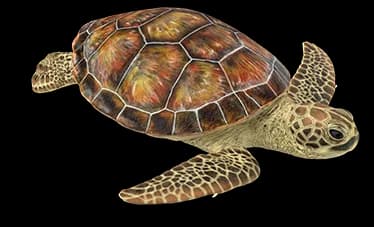
Turtle
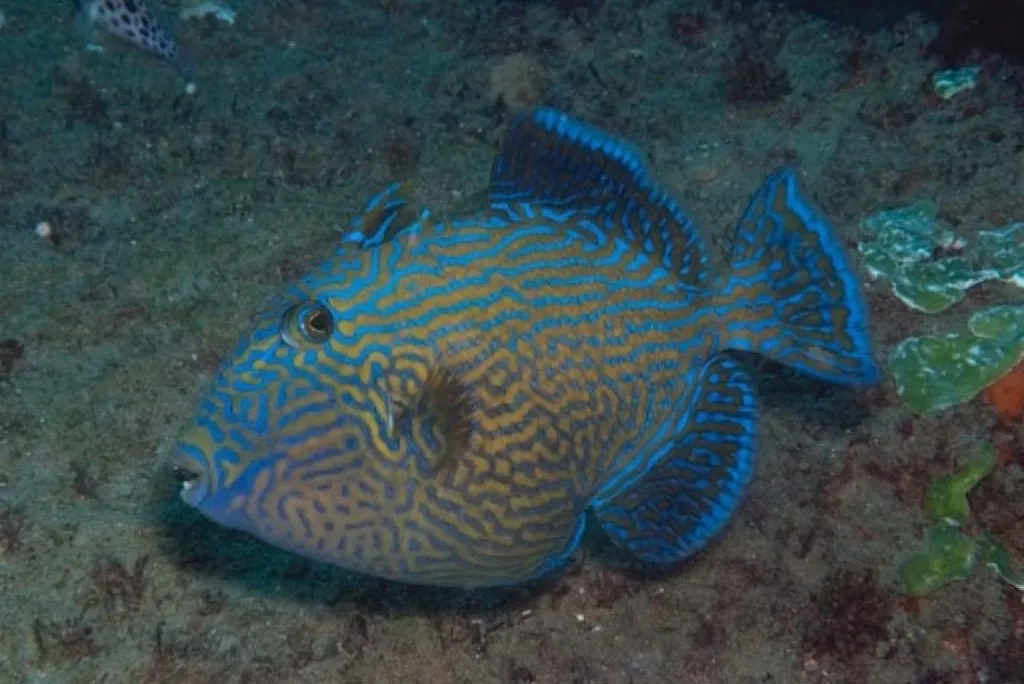
Blue Triggerfish
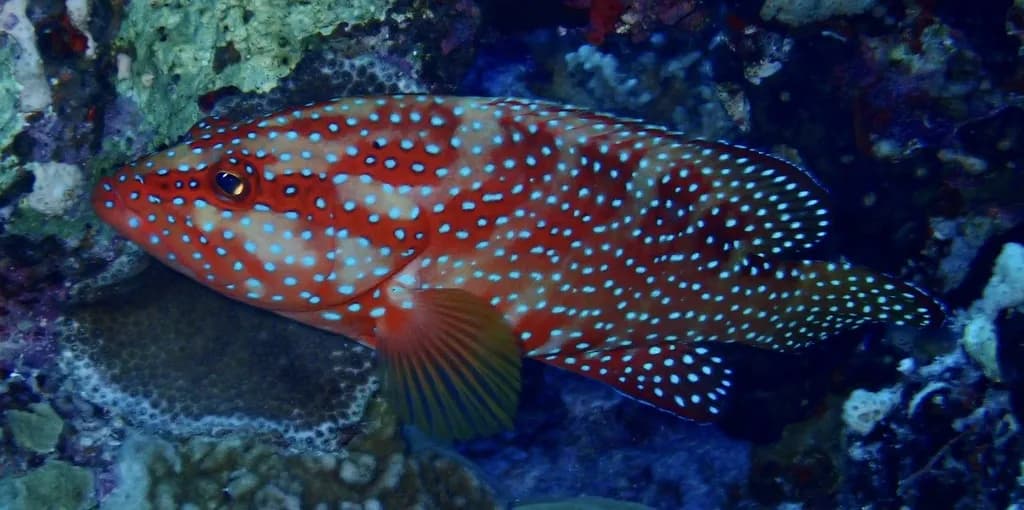
Coral Grouper
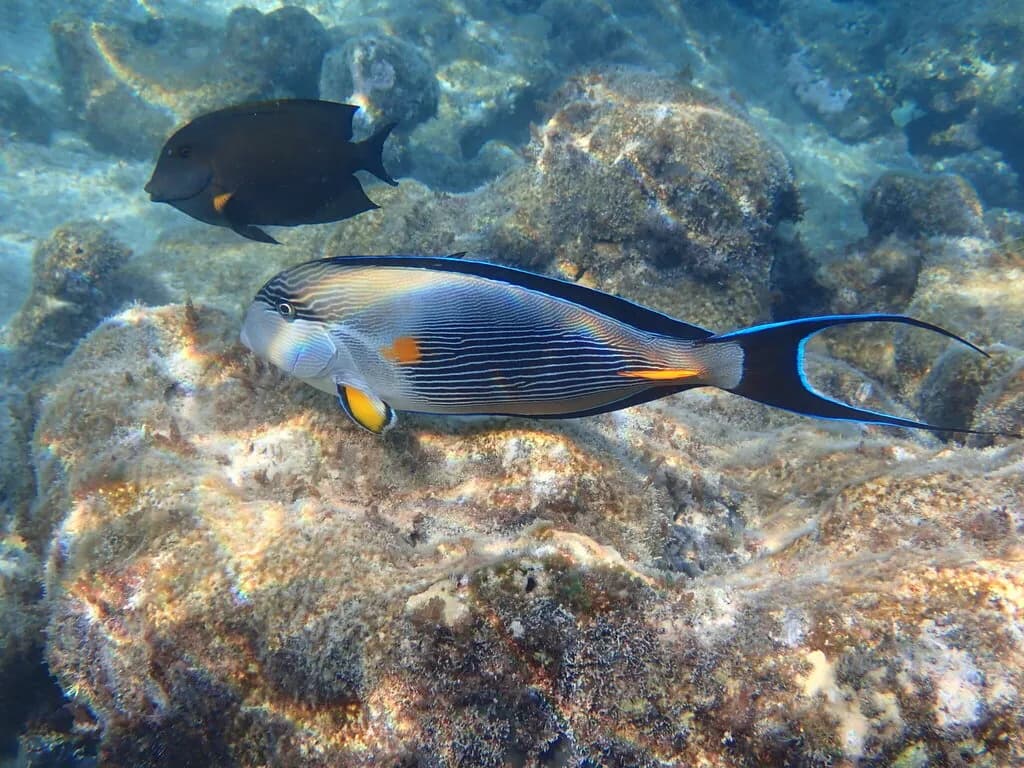
Surgeonfish
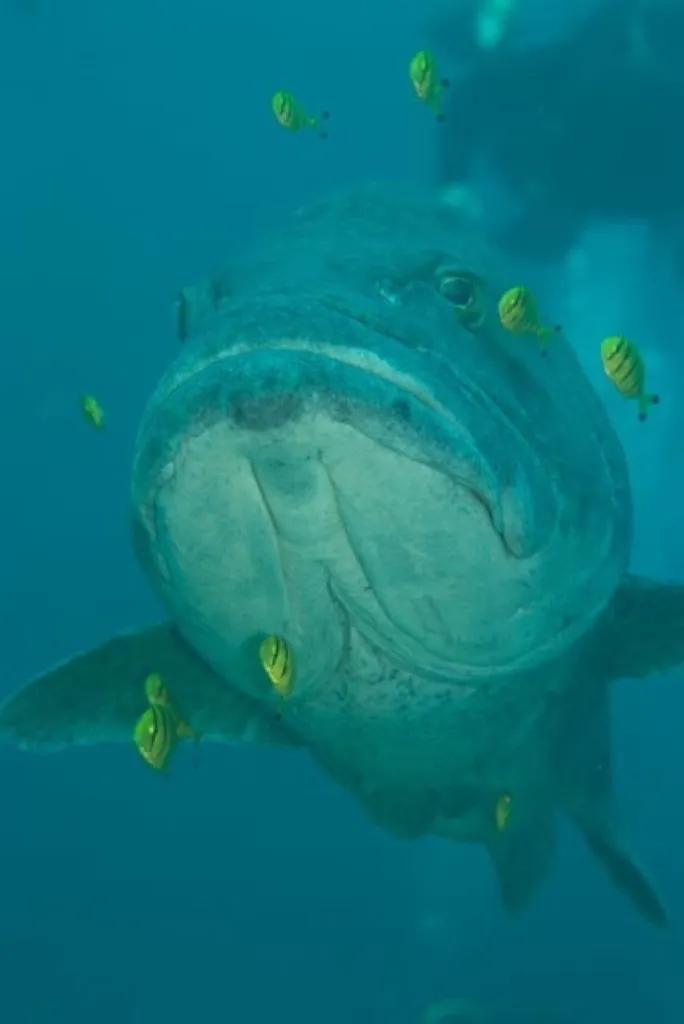
Black Grouper
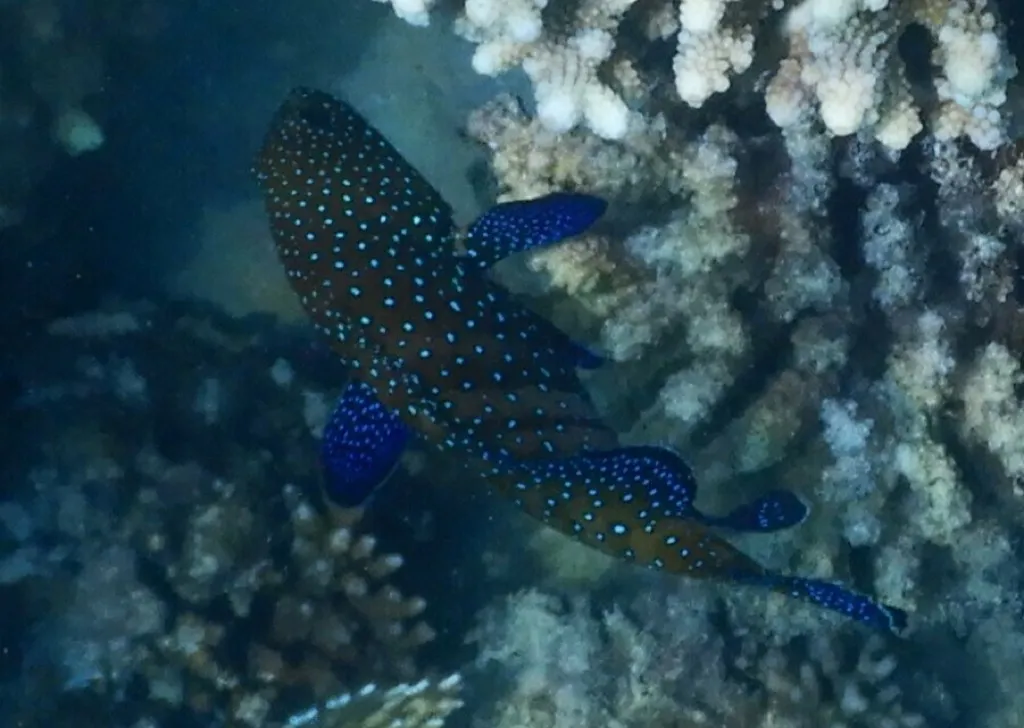
Peacock Grouper
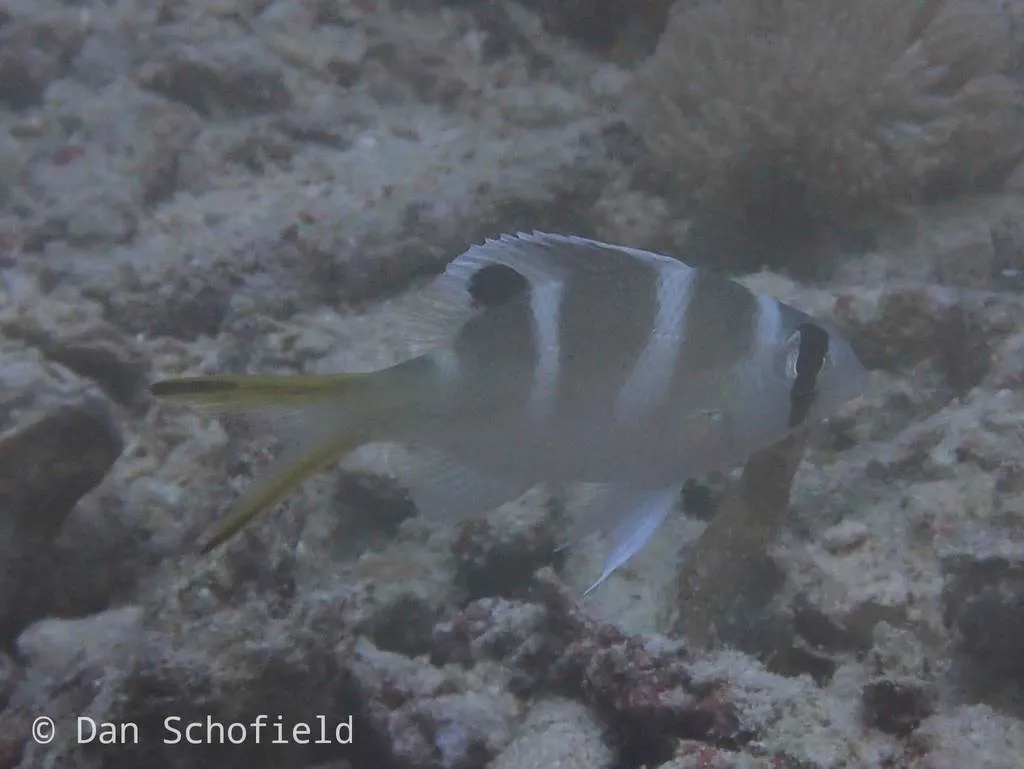
Bream
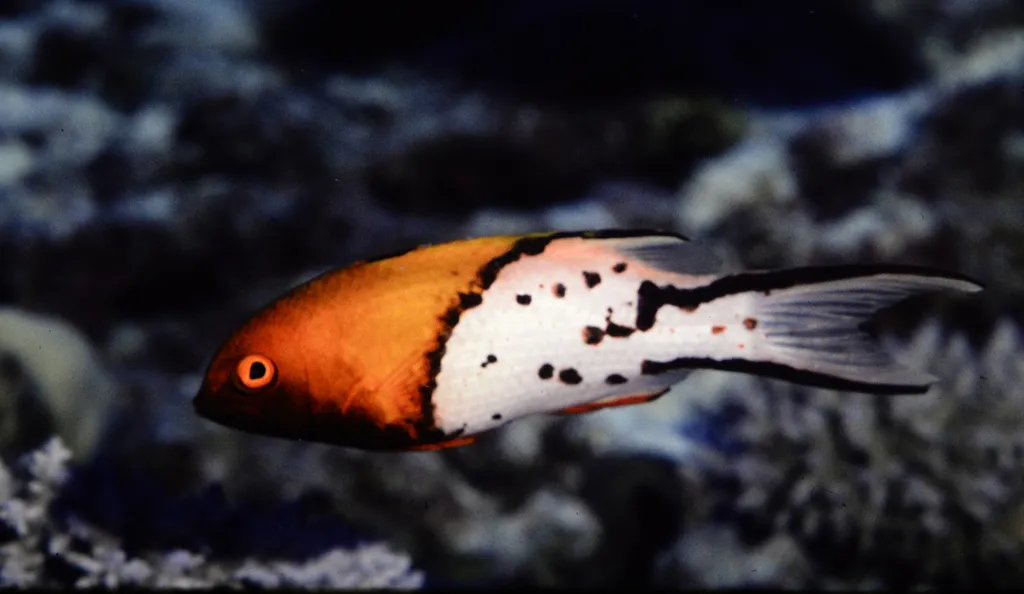
Lyretail Hogfish
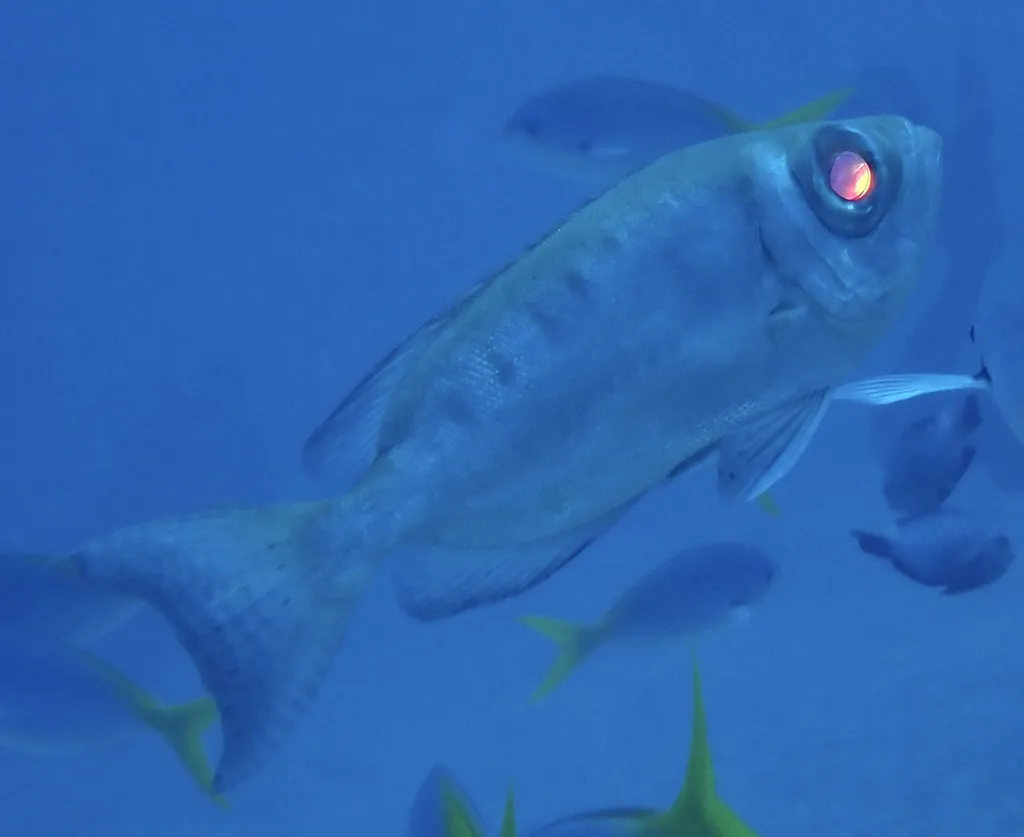
Bigeye
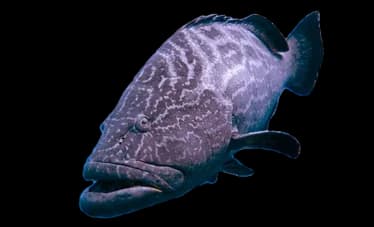
Grouper
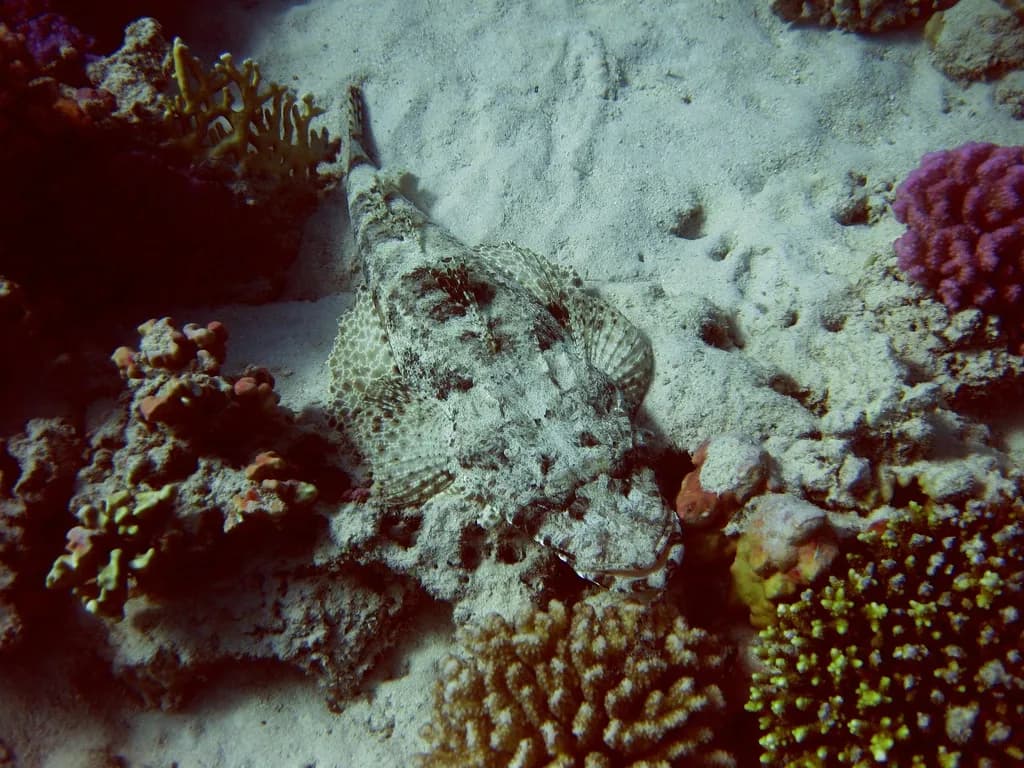
Crocodilefish
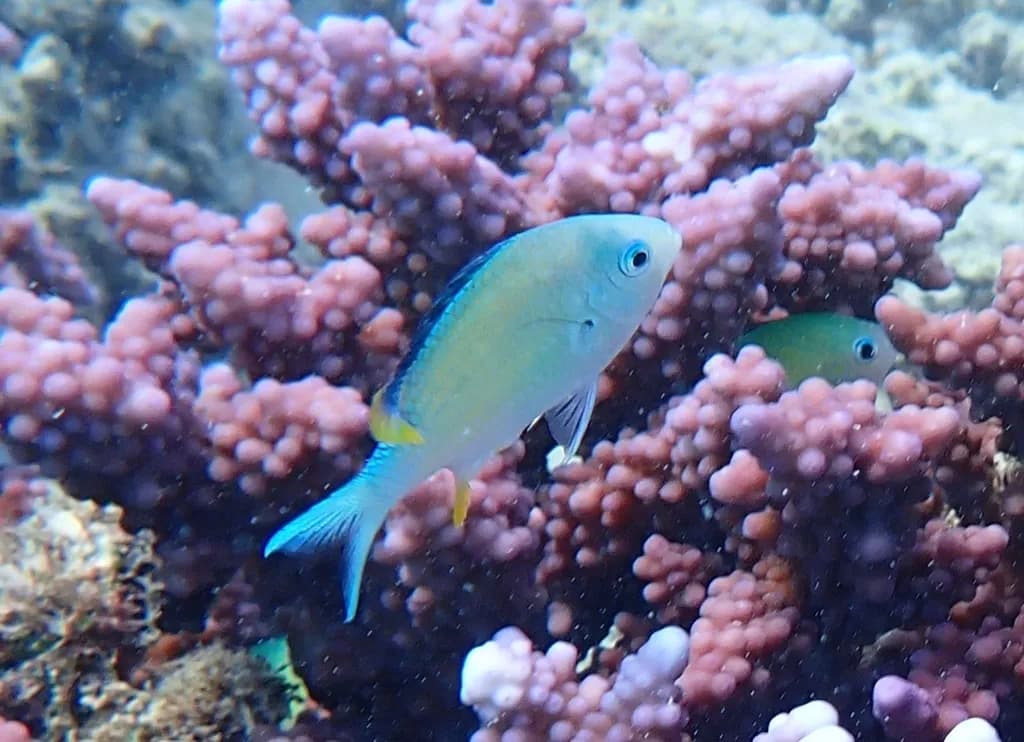
Bluegreen Puller
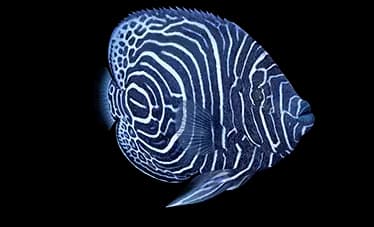
Emperor Angelfish
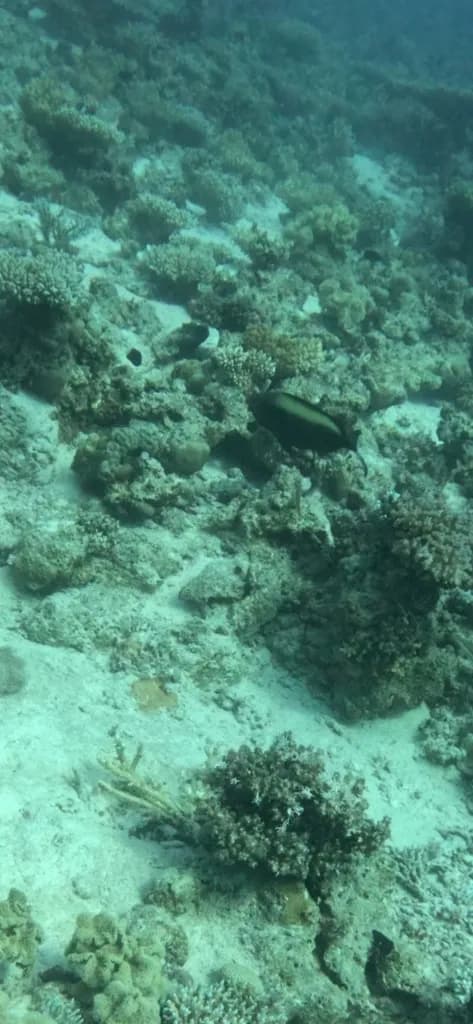
Bicolor Parrotfish
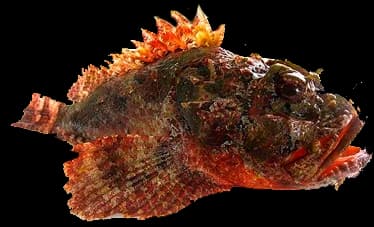
Scorpionfish
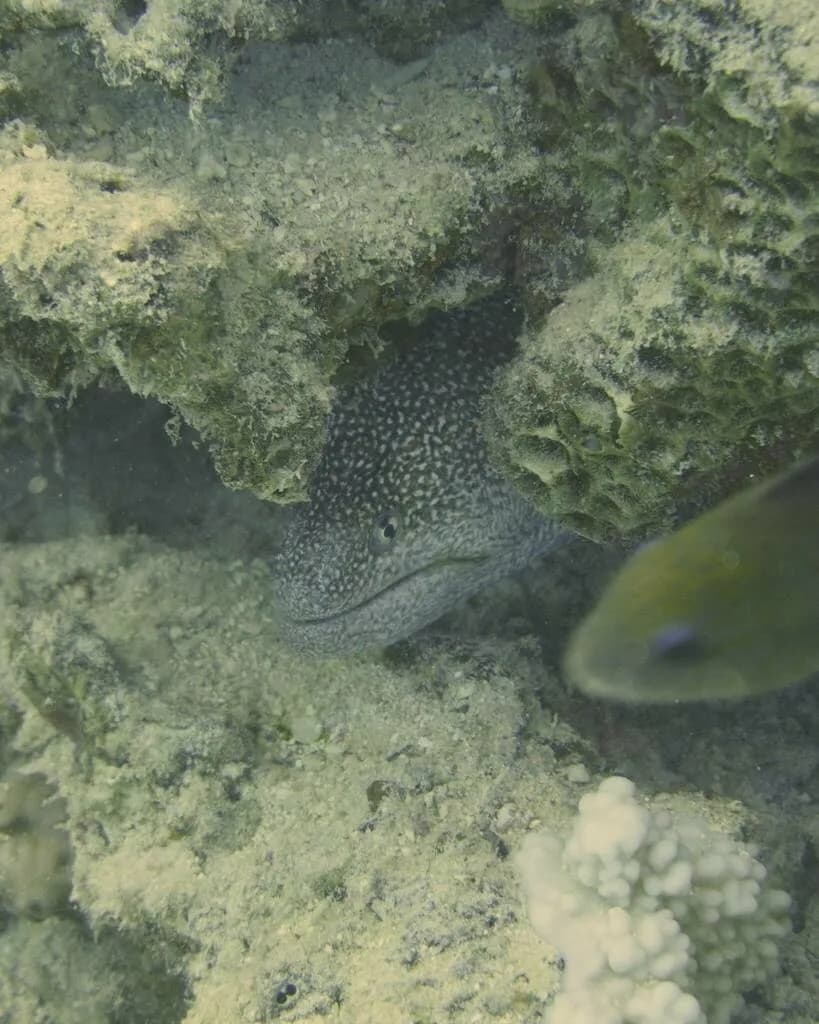
Yellowmouth Moray
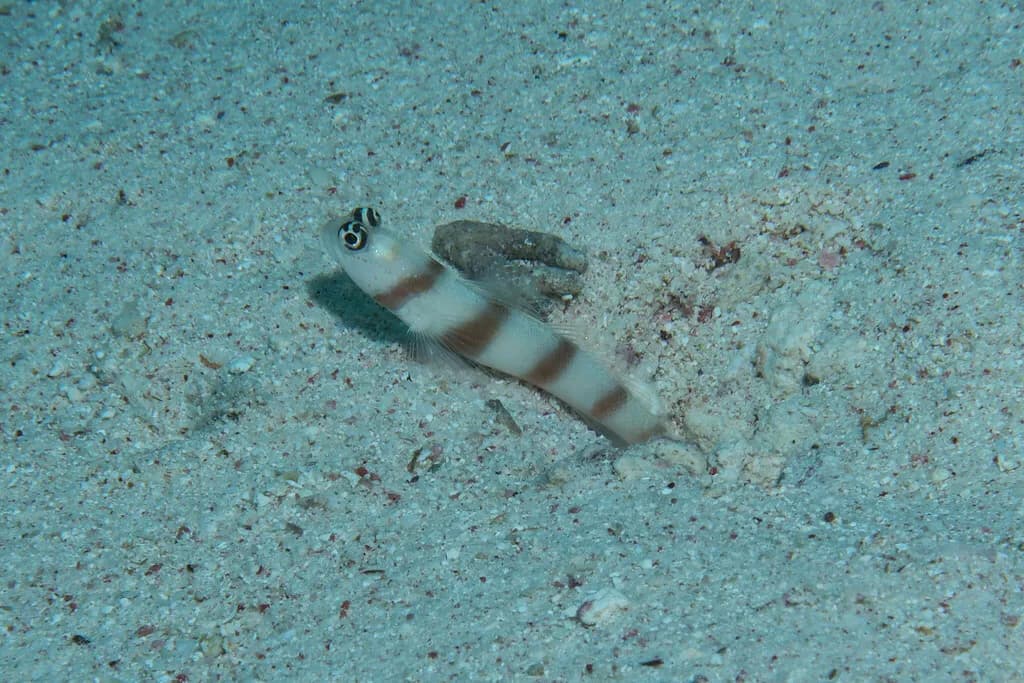
Gobie
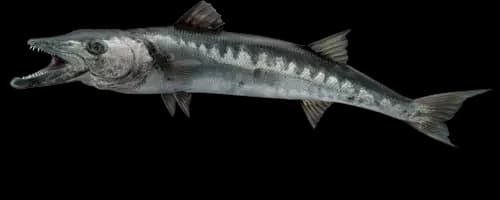
Barracuda
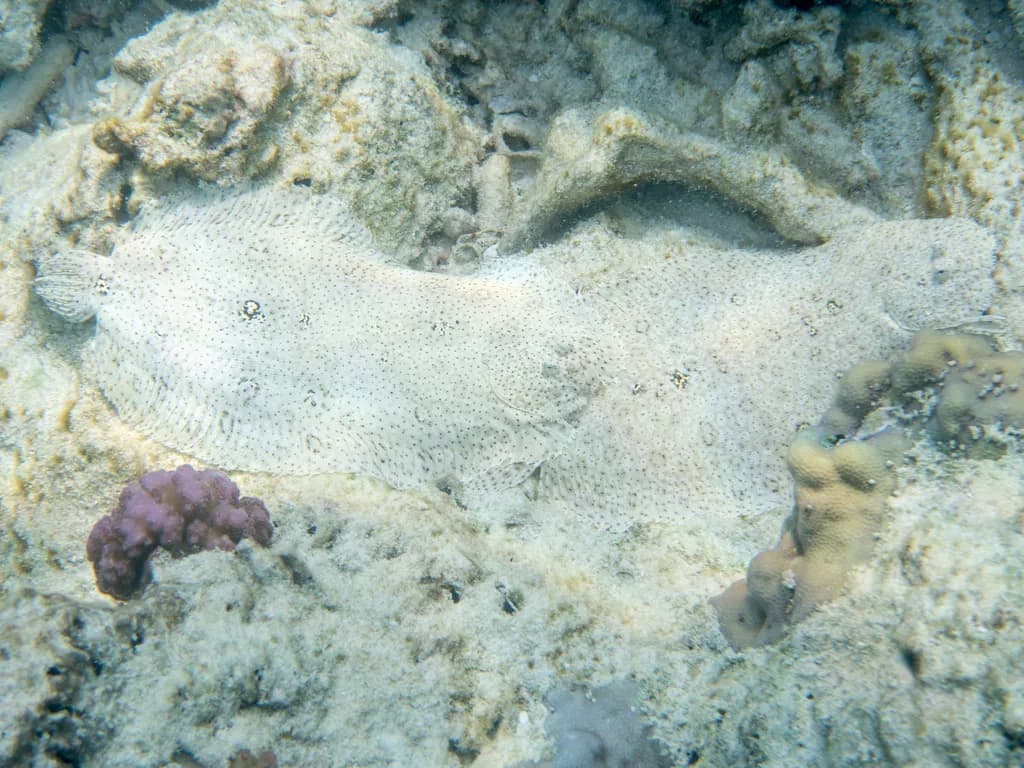
Moses Sole
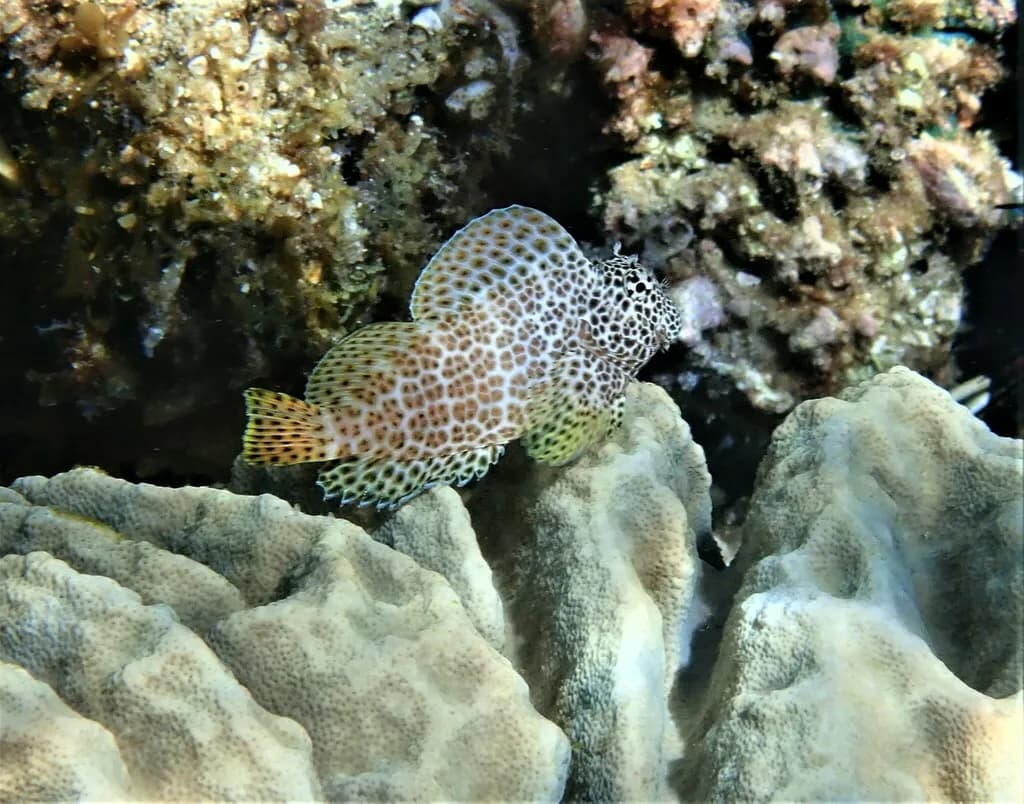
Leopard Blenny
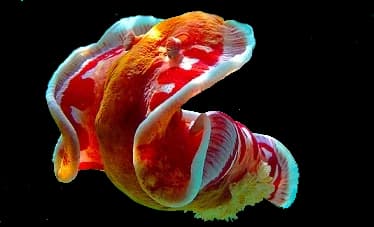
Spanish Dancer
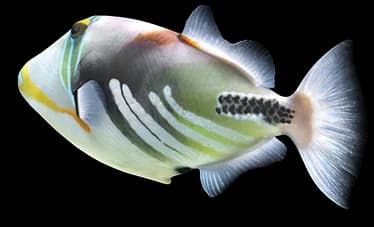
Triggerfish
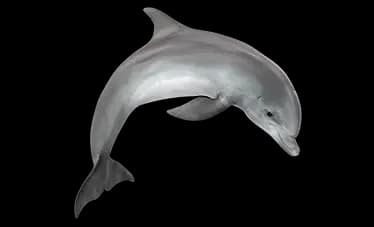
Dolphin
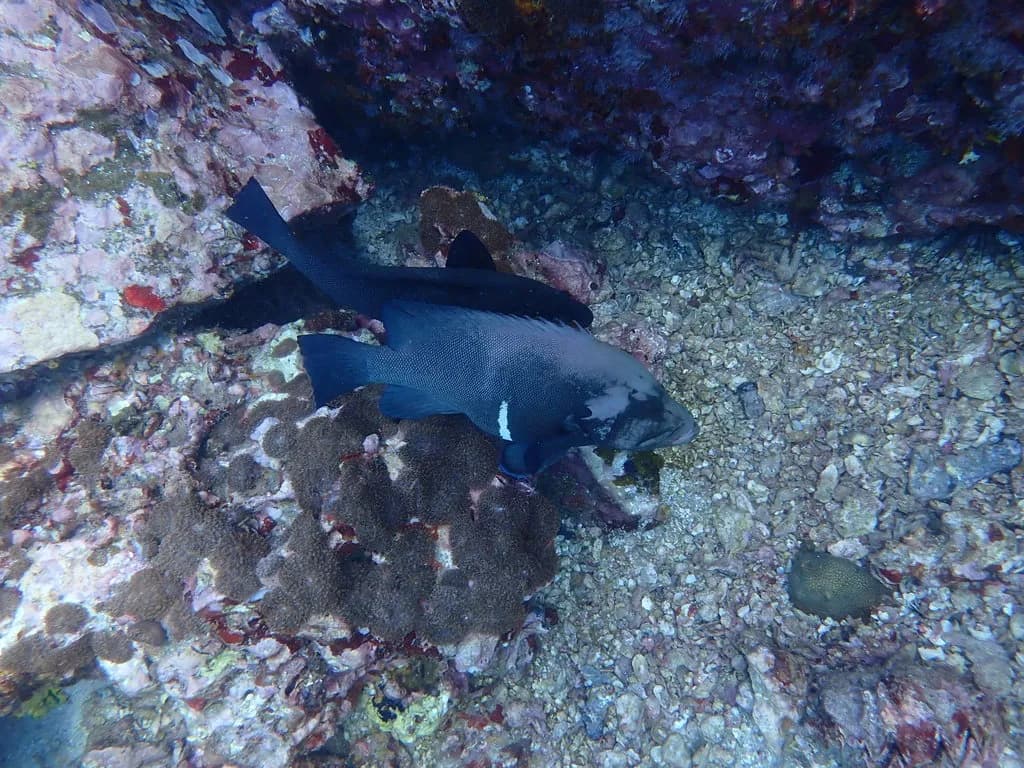
Redmouth Grouper
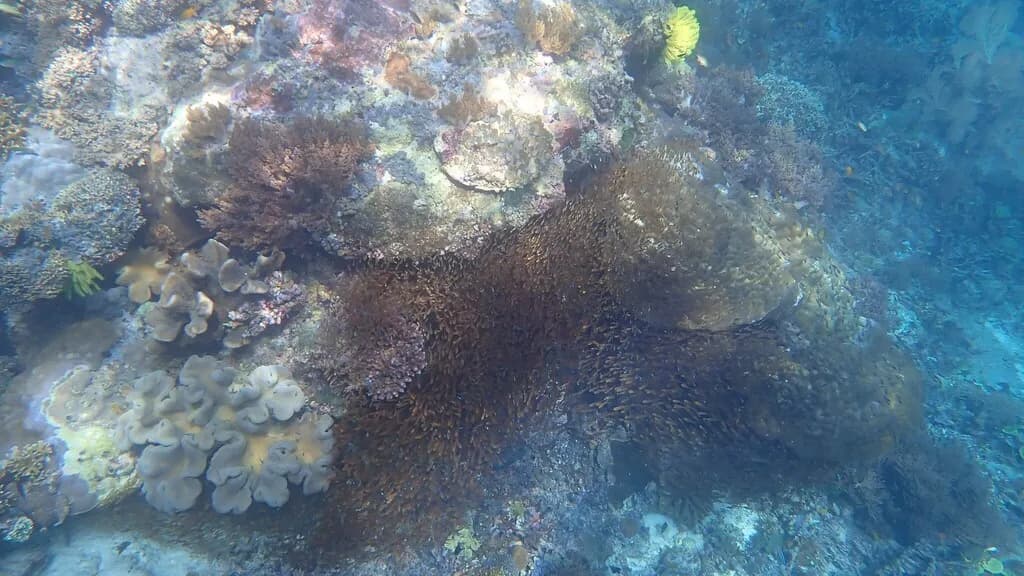
Pygmy Sweeper
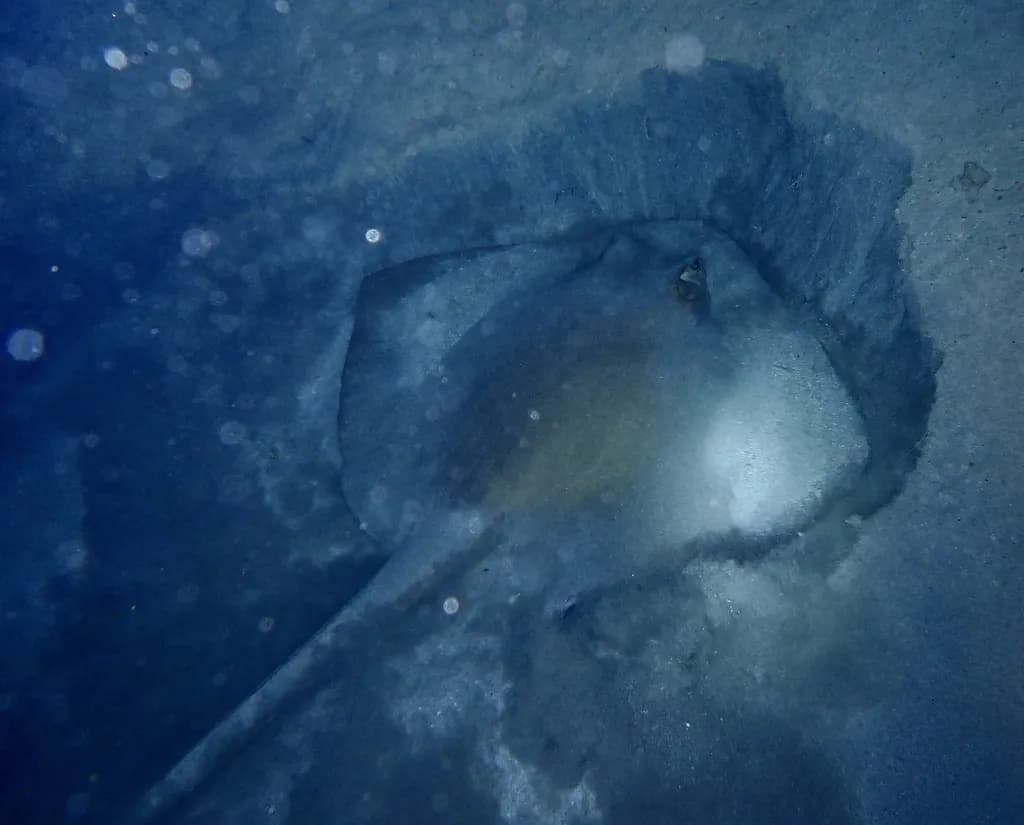
Feathertail Ray
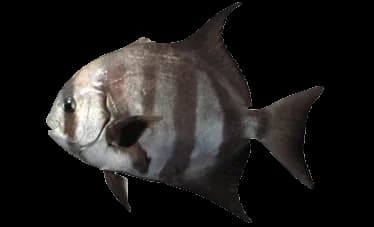
Spadefish
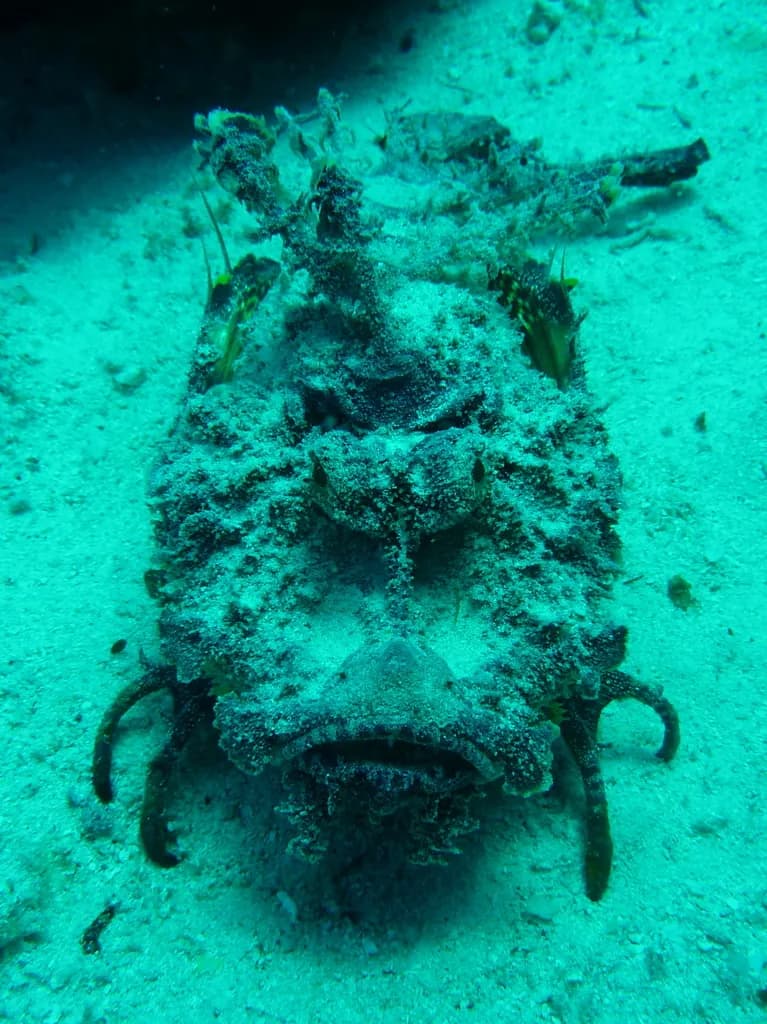
Spiny Devilfish
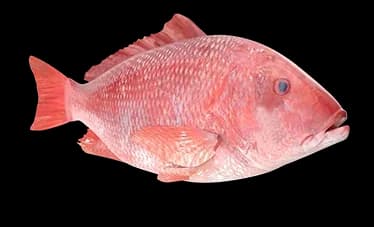
Red Snapper
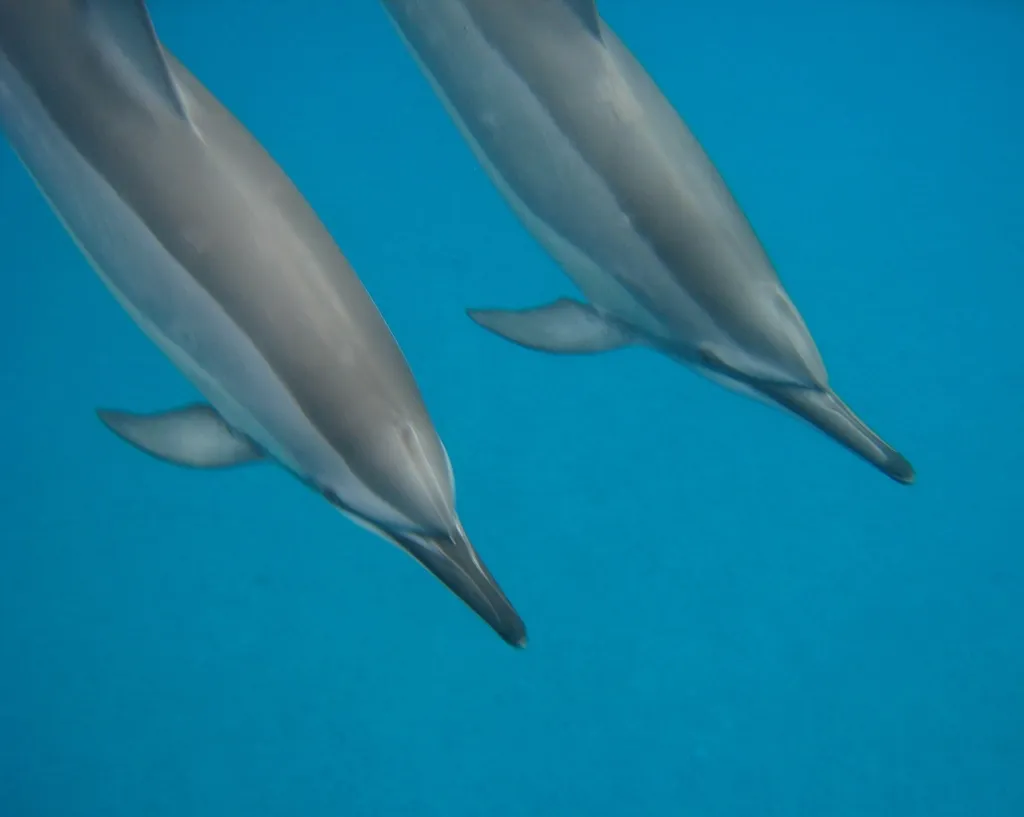
Spinner Dolphin
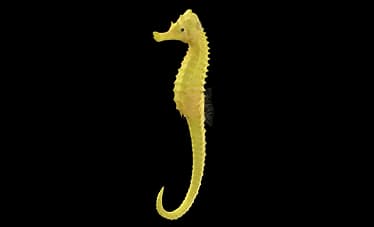
Seahorse
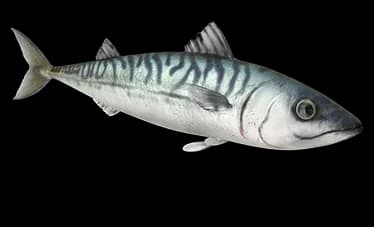
Mackerel
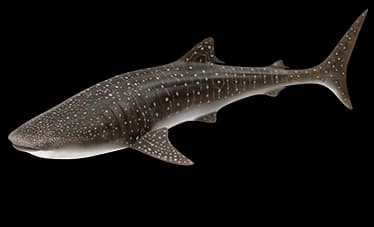
Whale Shark
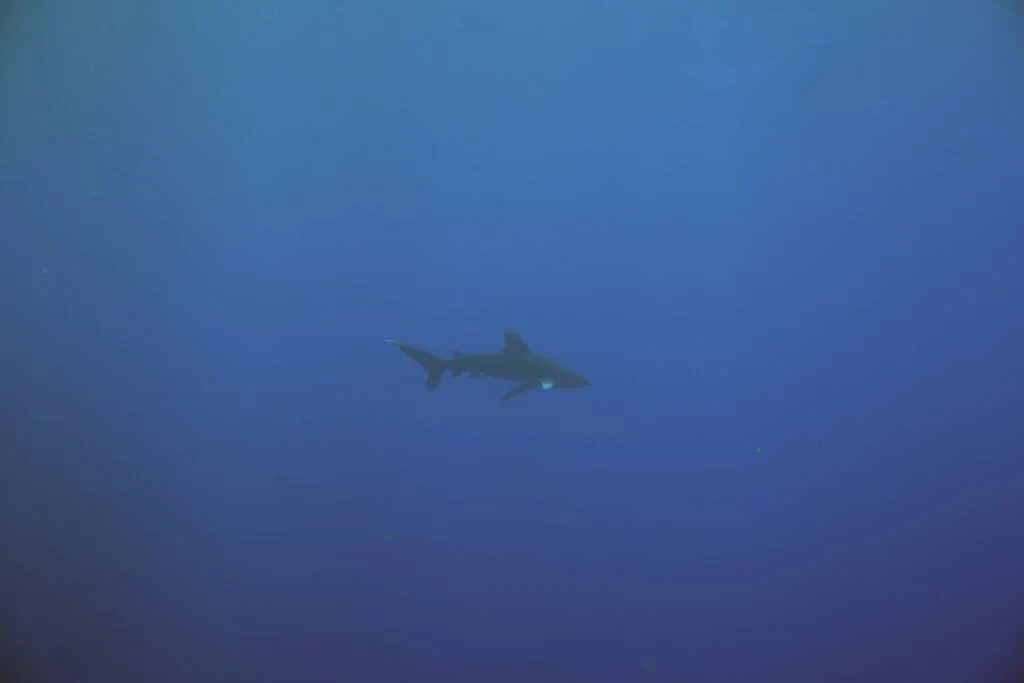
Oceanic Whitetip Shark
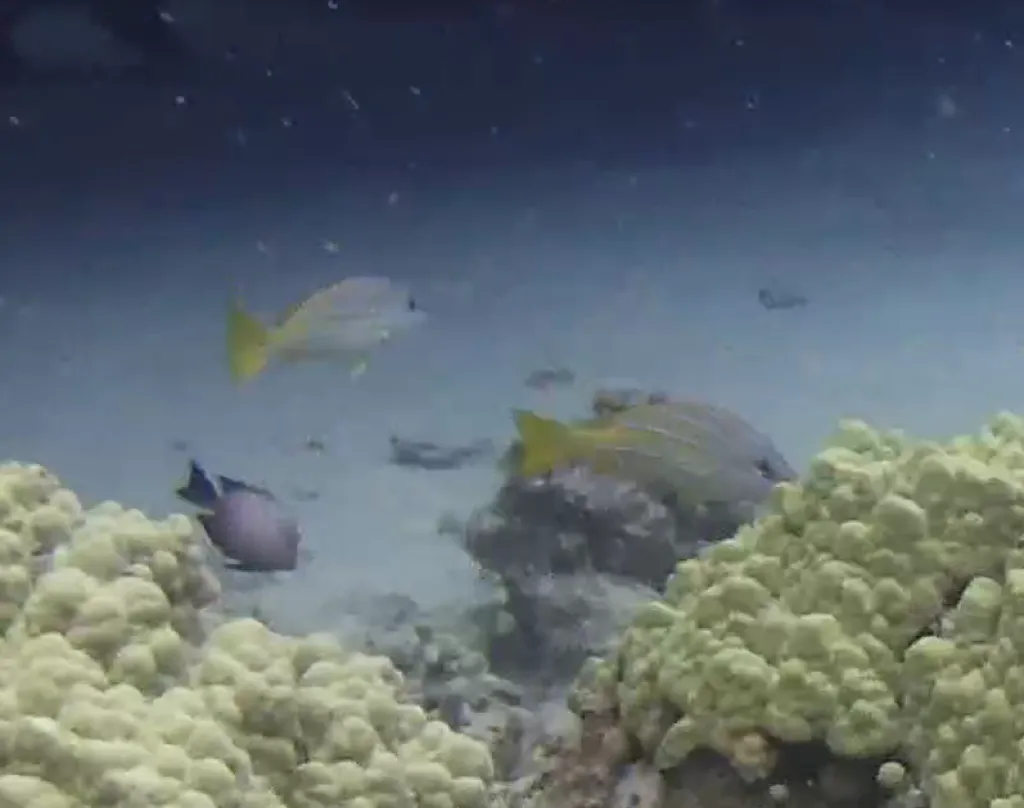
Bluelined Emperorfish
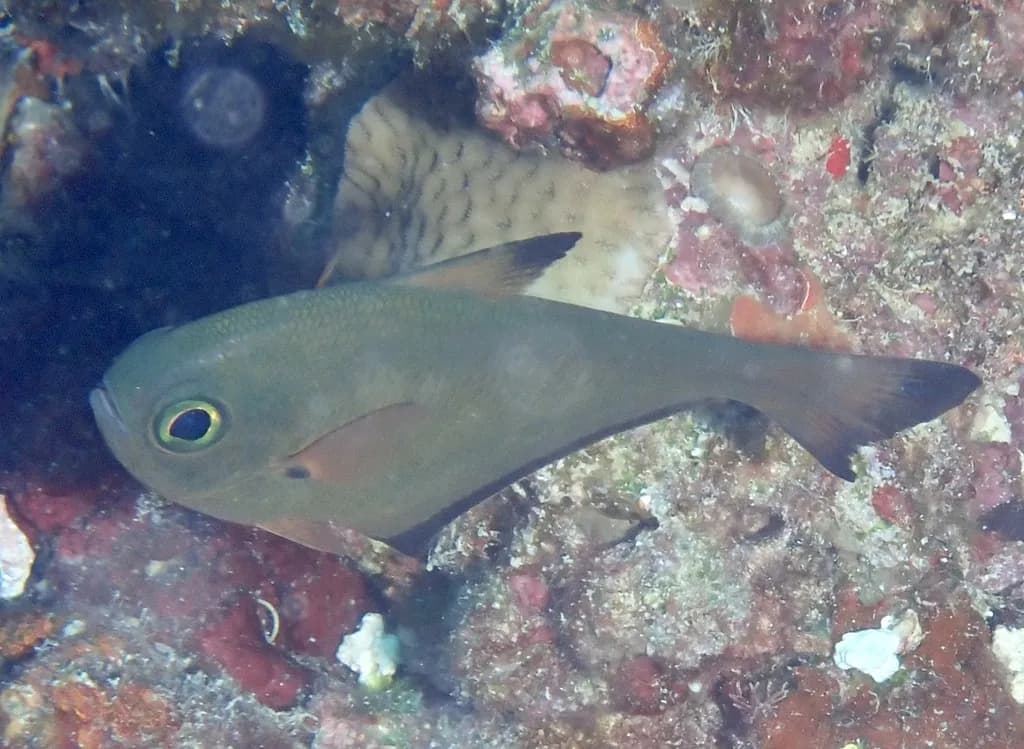
Cave Sweeper
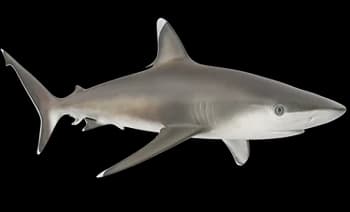
Whitetip Shark
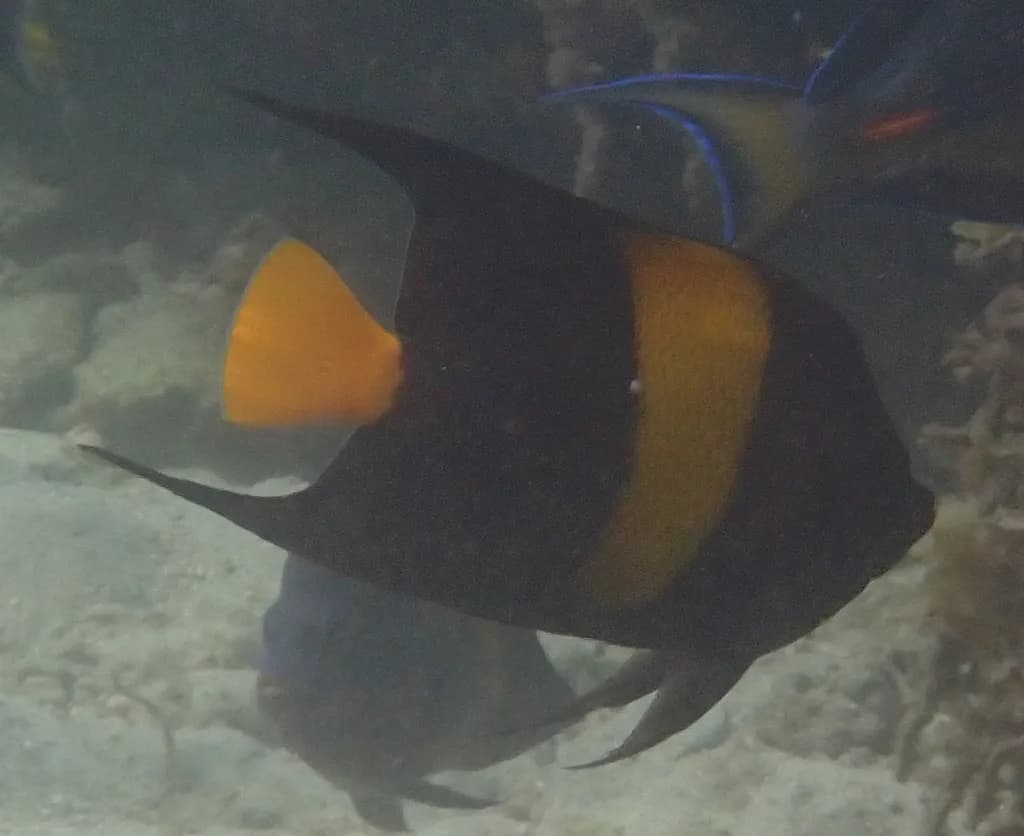
Arabian Angelfish
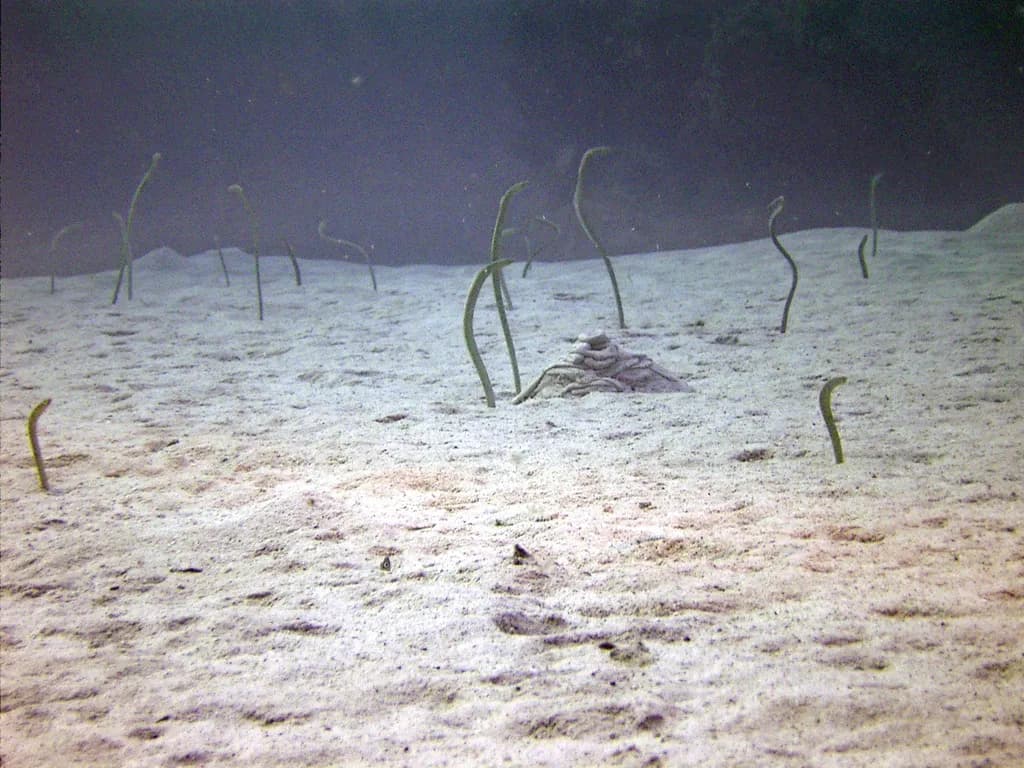
Garden Eel
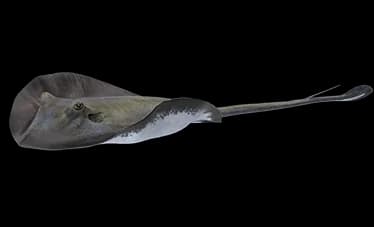
Stingray
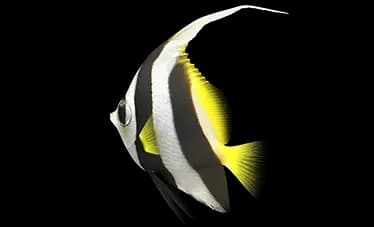
Bannerfish
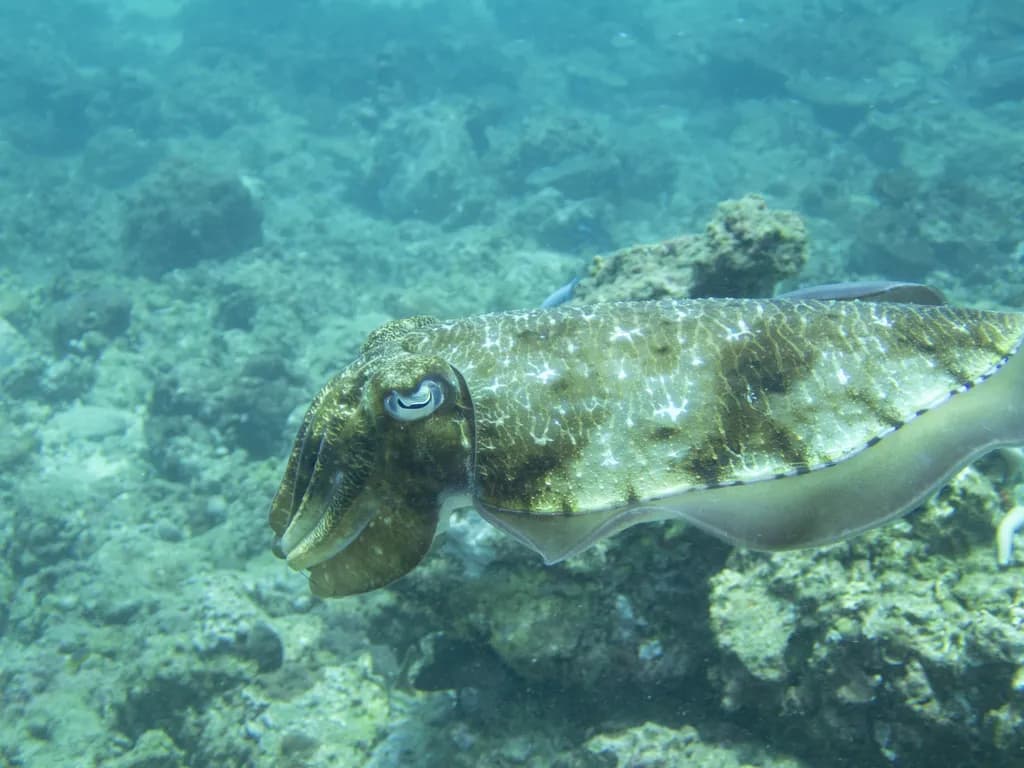
Cuttlefish
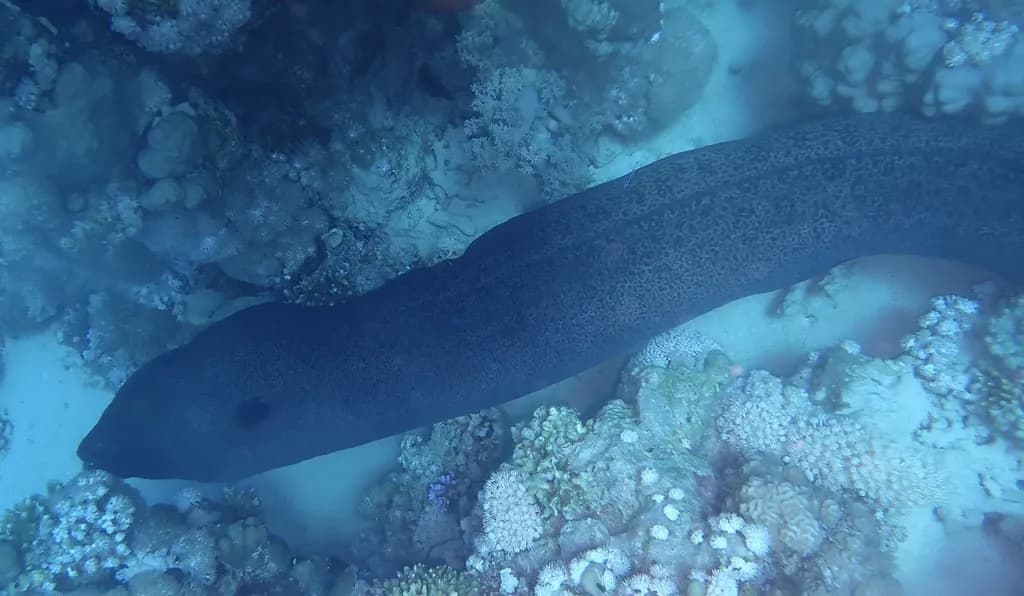
Eel
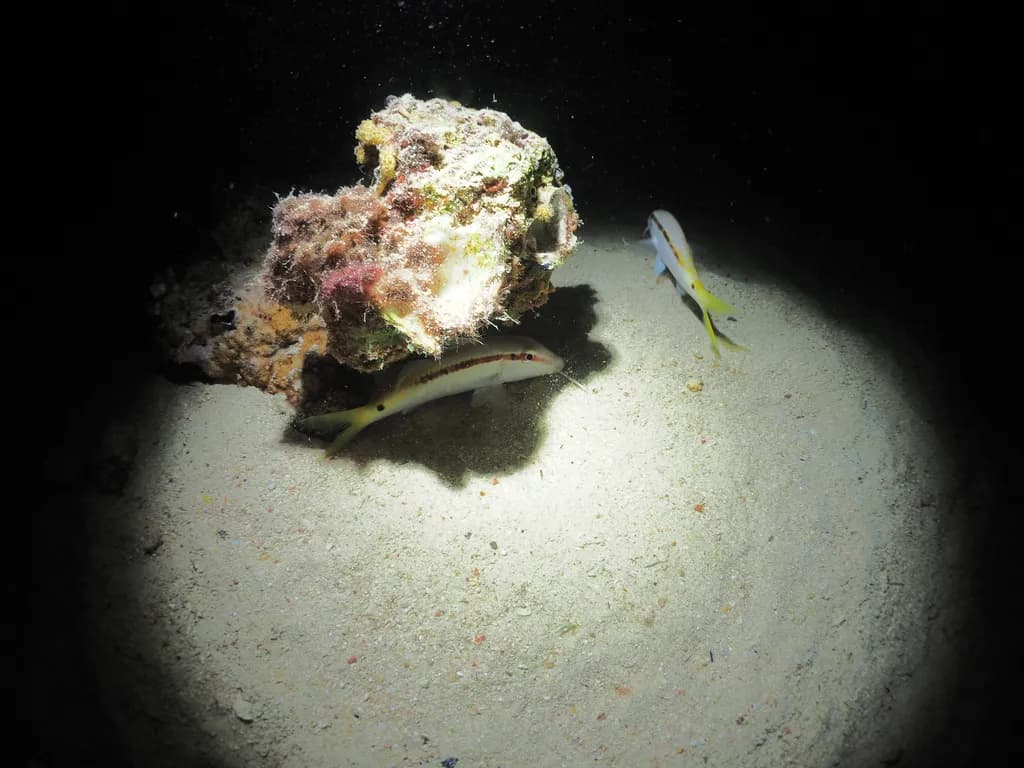
Goatfish
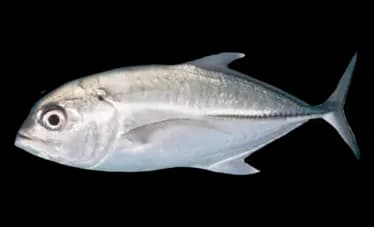
Jackfish
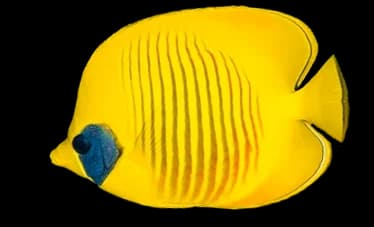
Masked Butterflyfish
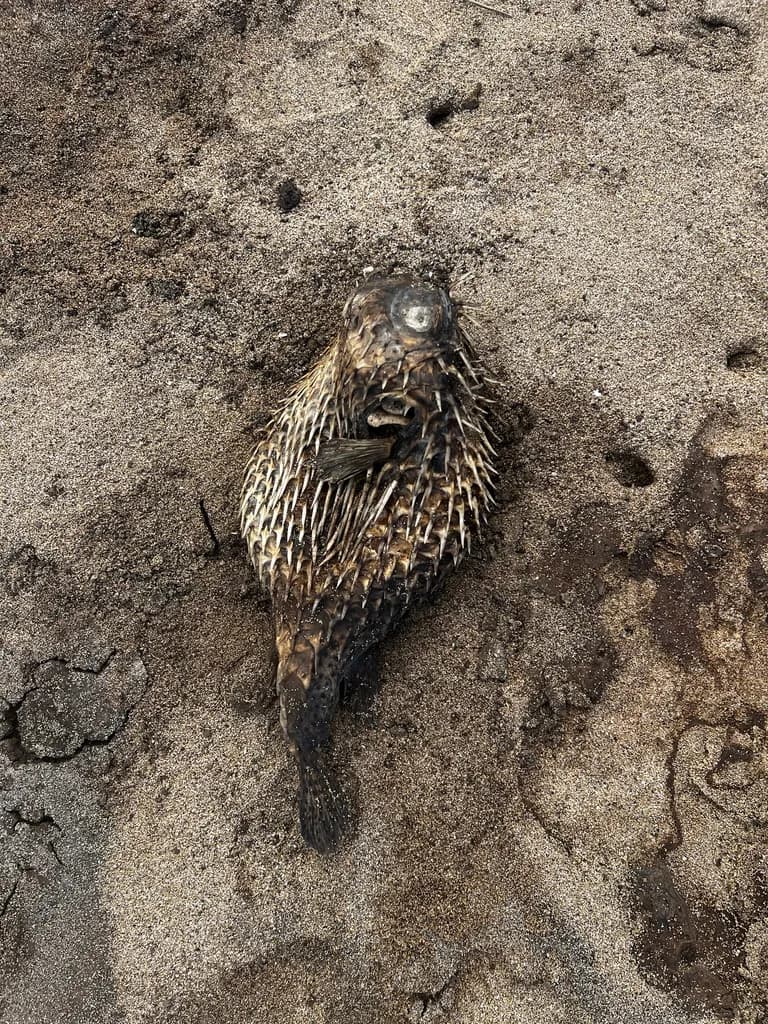
Porcupine Fish
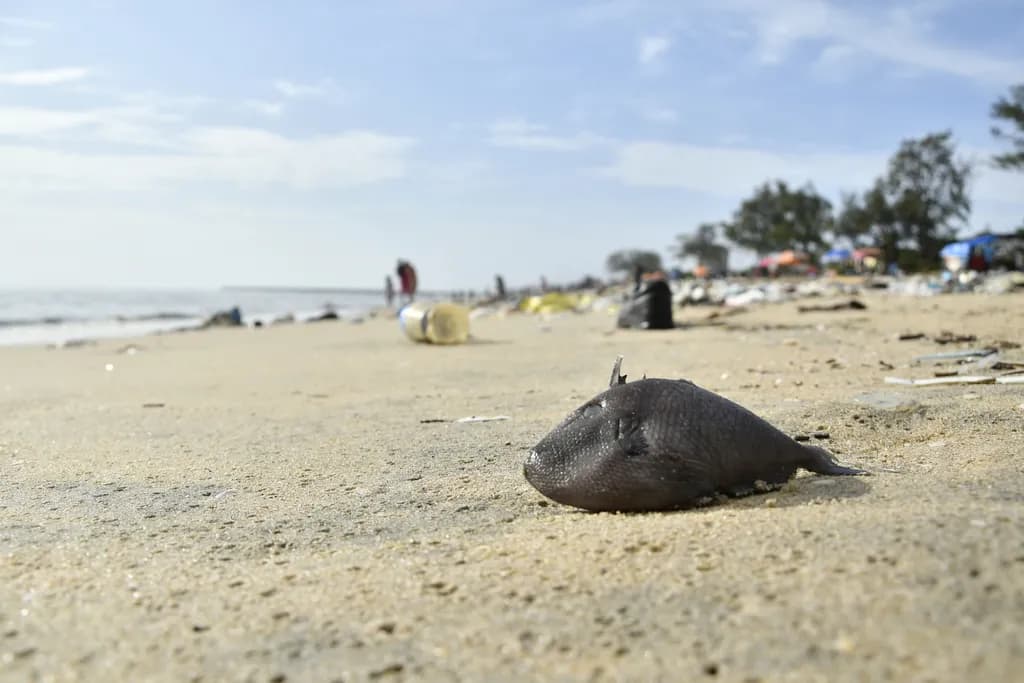
Redtooth Triggerfish
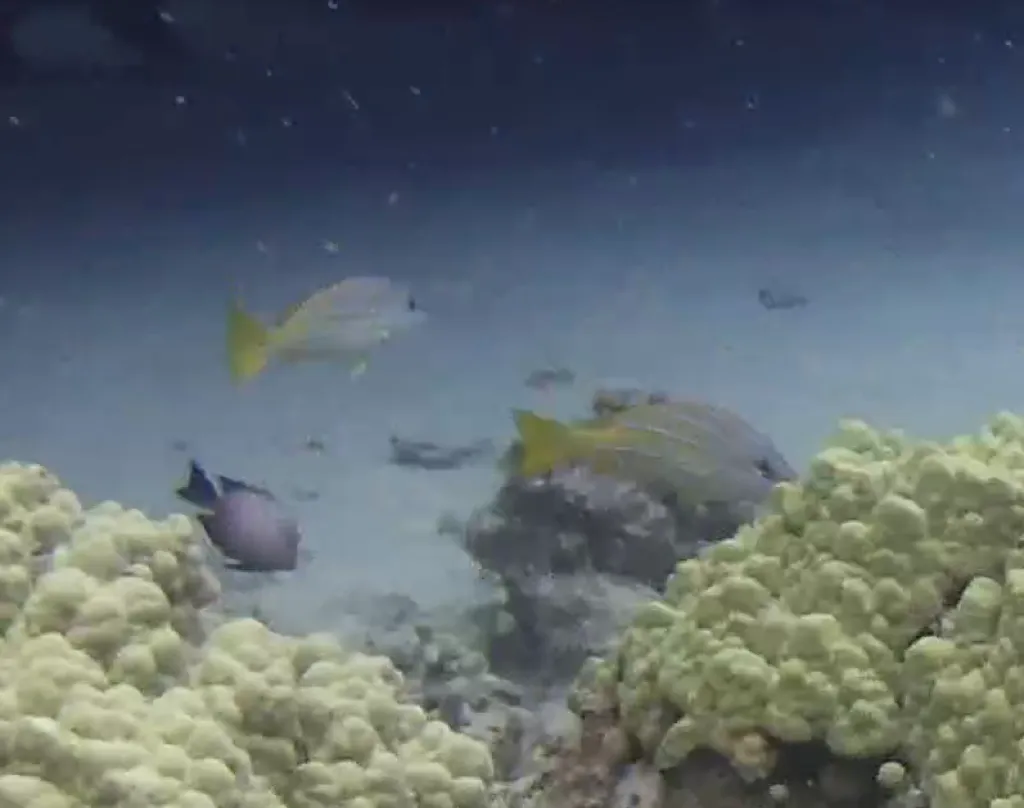
Snapper
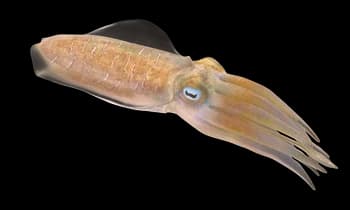
Squid
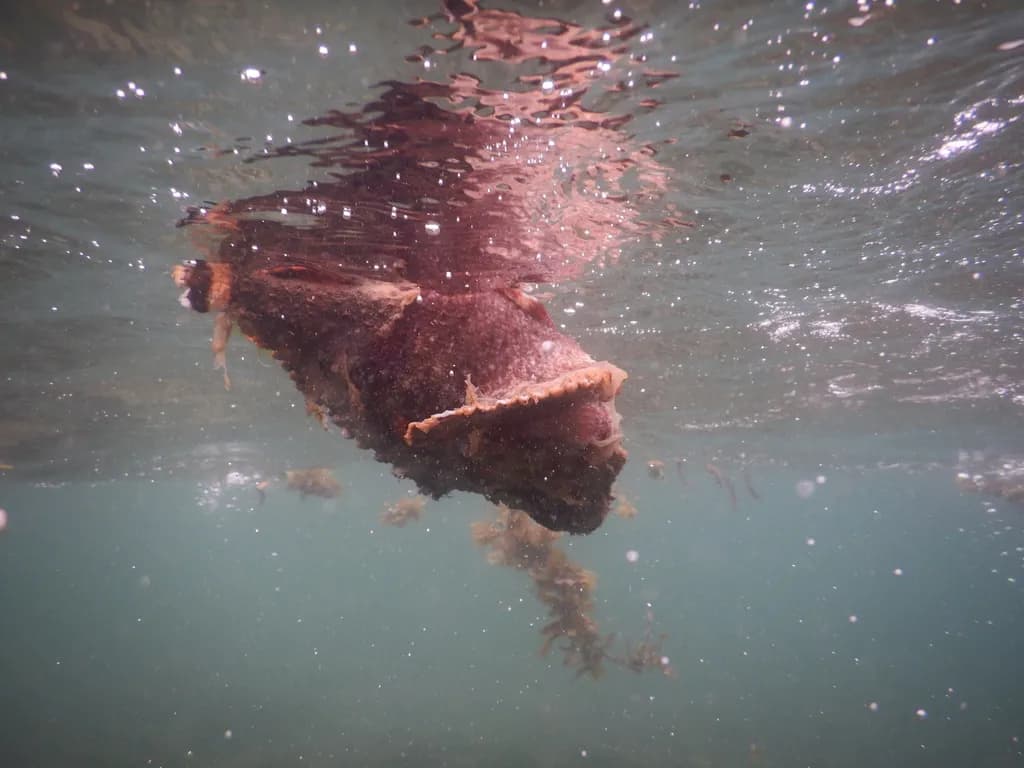
Stonefish

Trevally
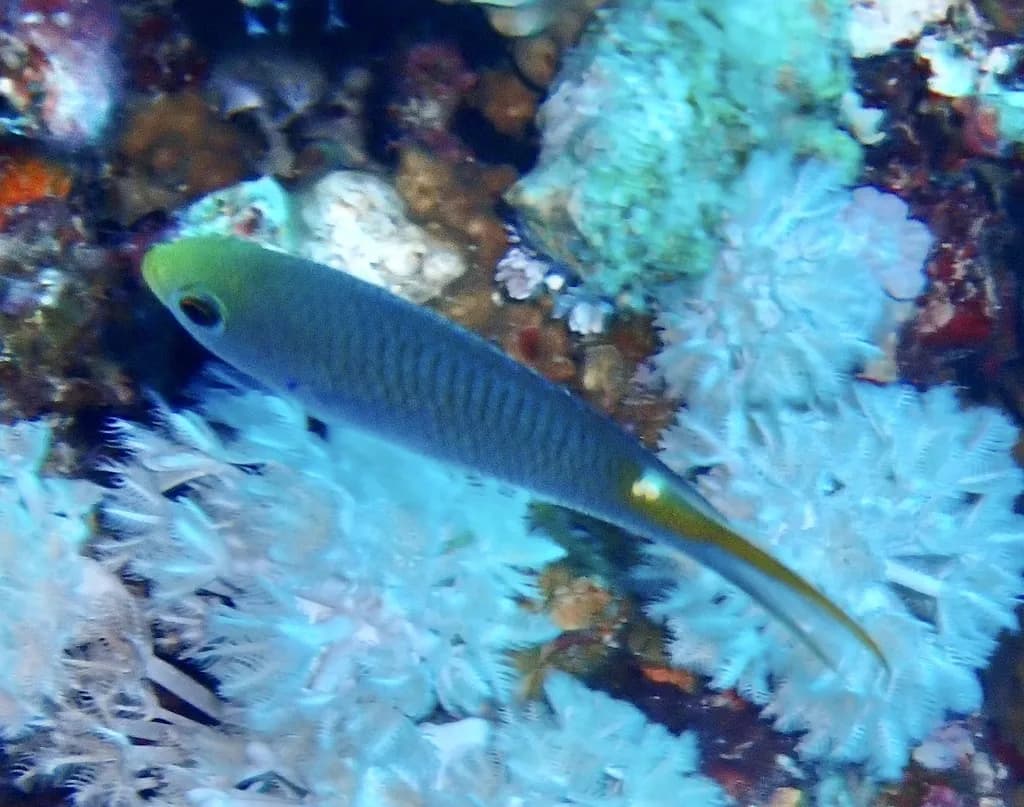
Arabian Damsel
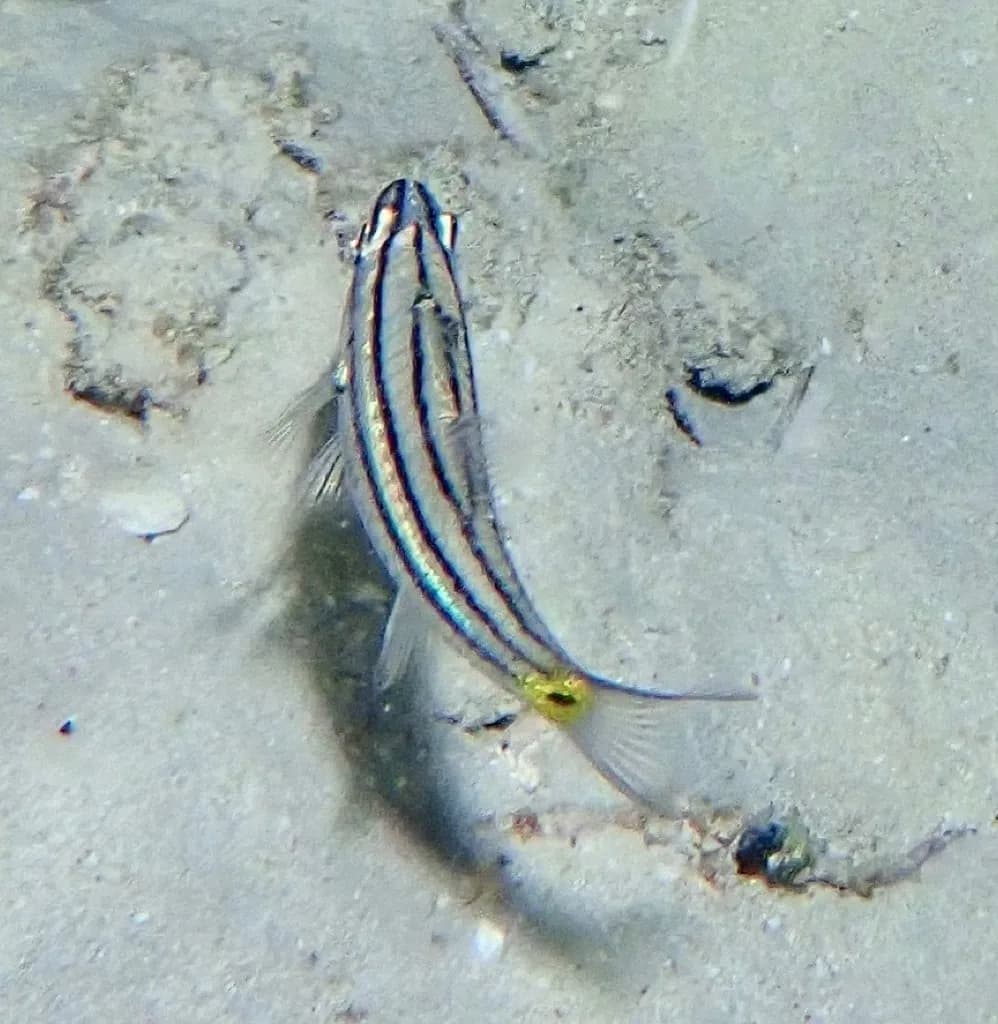
Cardinal Fish
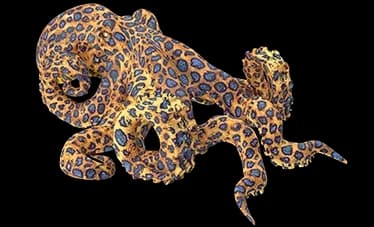
Octopus