
Shag Rock (Kingston)
Shag Rock (Kingston)
Overview
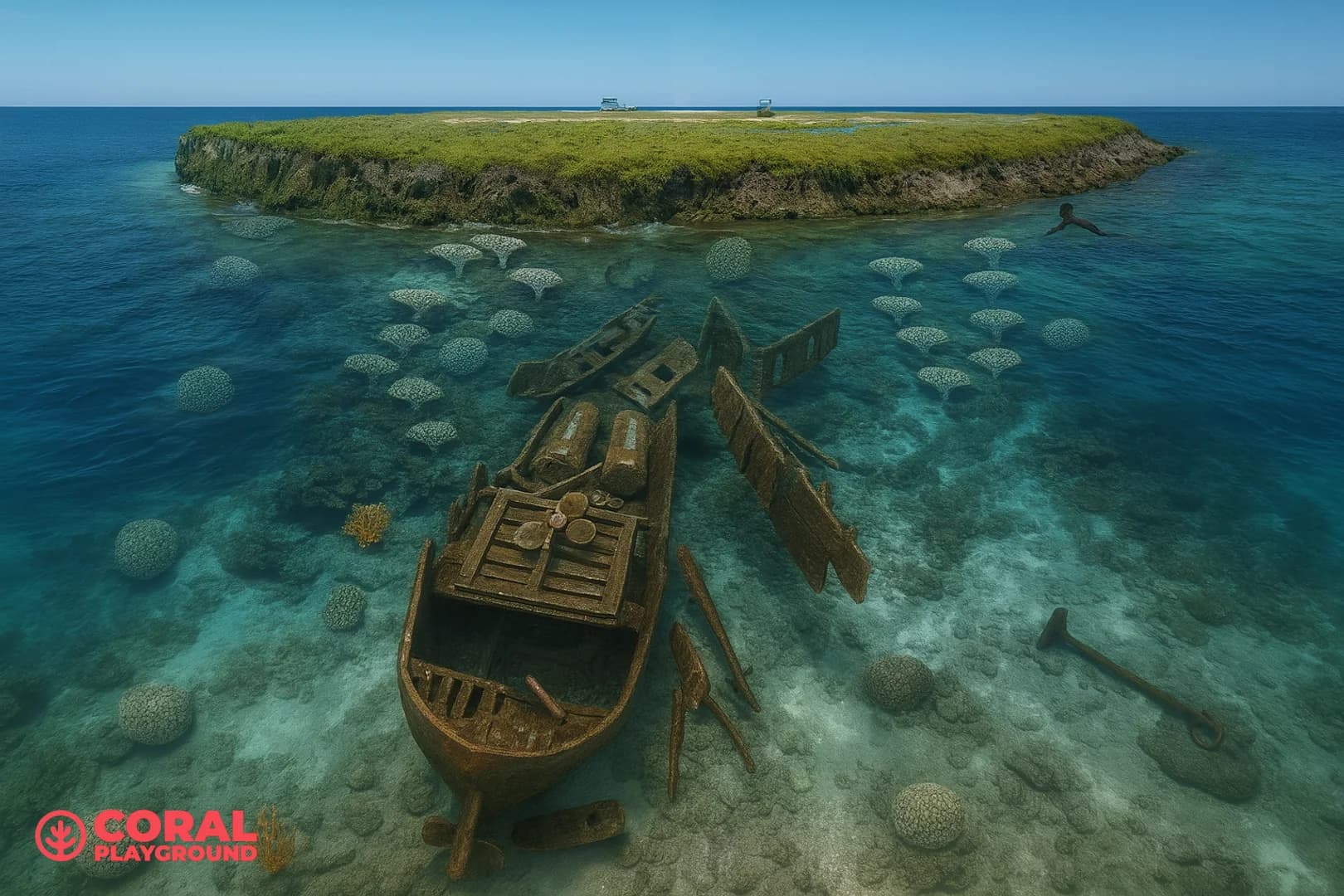
Shag Rock is a sprawling horseshoe reef in the Strait of Gubal, marked by a small metal lighthouse and best known for the wreck wedged into its eastern flank: the Kingston, a Victorian steamer that struck the reef in 1881 and has been quietly turning into coral ever since. The wreck sits shallow and bathed in light, which makes Shag Rock a relaxed, photogenic second dive on the northern wreck-and-reef circuit out of Sharm El Sheikh or Hurghada.
The Dive
The reef itself is a shallow, sun-flooded plateau that drops away on its outer edges, and the dive is usually run as a gentle drift along the coral before finishing over the wreck. The Kingston lies on the eastern side of the southern of the two main reef bodies, settled upright and broken open across a gently sloping bottom. The stern and propeller sit deepest at around 18-20m, the midship boilers and engine room are the most intact and characterful section in the 12-15m range, and the collapsed bow lies shallowest at roughly 4-10m. Because nothing on the wreck is much below 20m, it suits a long, unhurried profile and divers still building experience. Sunlight pours straight through the open holds and ribs, so a torch is a bonus rather than a necessity. Current over the reef ranges from slack to moderate depending on the tide.
Marine Life
Decades of growth have wrapped the Kingston in hard and soft coral, and the broken hull now works as an artificial reef. Glassfish shimmer inside the engine room, lionfish and scorpionfish hold station on the plating, and morays tuck into the gaps in the structure. Hawksbill turtles are a regular sight grazing along the adjacent coral, and the usual Red Sea reef cast — anthias, butterflyfish, groupers and the occasional patrolling jack — works the plateau above.
History
The Kingston was an 80m twin-masted British steamship built in 1871. On 22 February 1881, carrying a cargo of coal bound for Aden, she ran onto Shag Rock and was lost — fortunately with no loss of life. For decades she was misidentified and dived as the "Sarah H"; it was only in 1996 that British wreck diver Peter Collings gathered enough evidence to restore her true name, Kingston. Today she is one of the oldest accessible wrecks in the Strait of Gubal.
Good to Know
Shag Rock dives year-round, with the most settled surface conditions from spring through autumn; visibility is typically good but can drop when current and silt are up. The site sits in open water in the Strait of Gubal, reached by day boat or, more often, as a stop on a northern wrecks-and-reefs liveaboard itinerary, frequently paired with Bluff Point or the Thistlegorm. The shallow, well-lit wreck makes it forgiving, but the exposed location means dive plans still hinge on the tide.
Depth
4-20m
Visibility
15-30m
Current
variable
Access
liveaboard
Certification
Open Water
Species
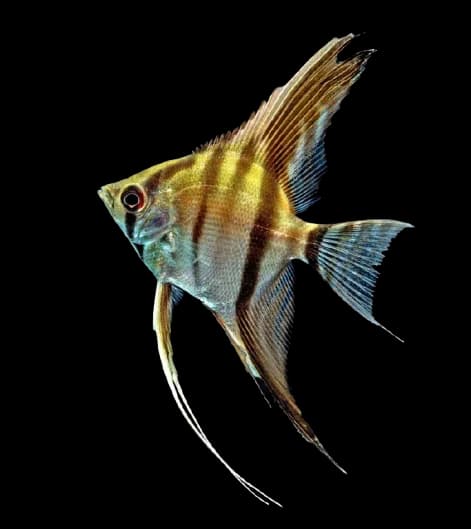
Angelfish
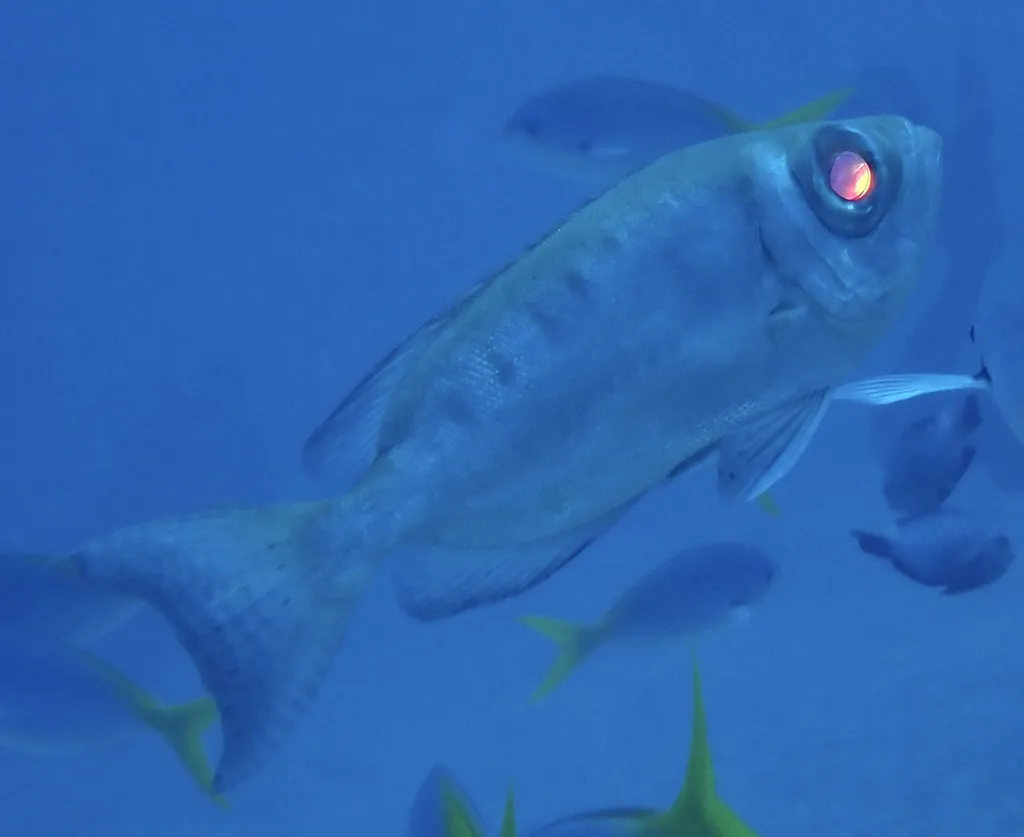
Bigeye
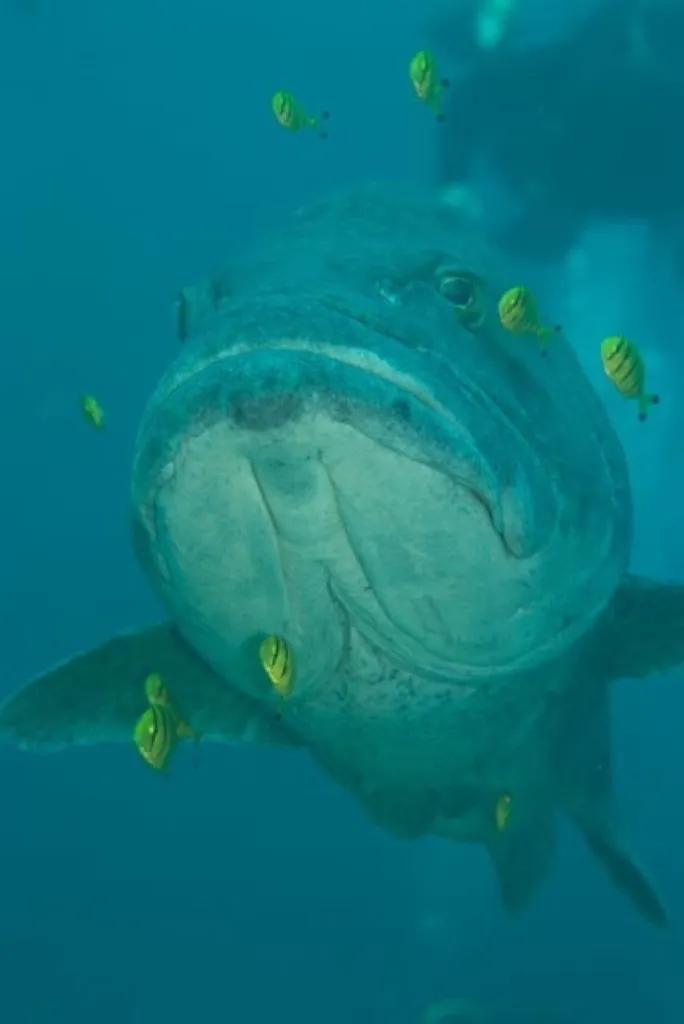
Black Grouper
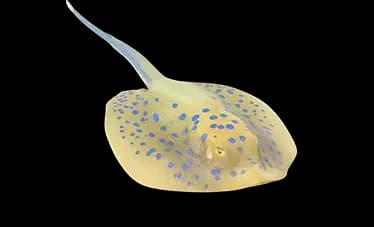
Blue Spotted Stingray
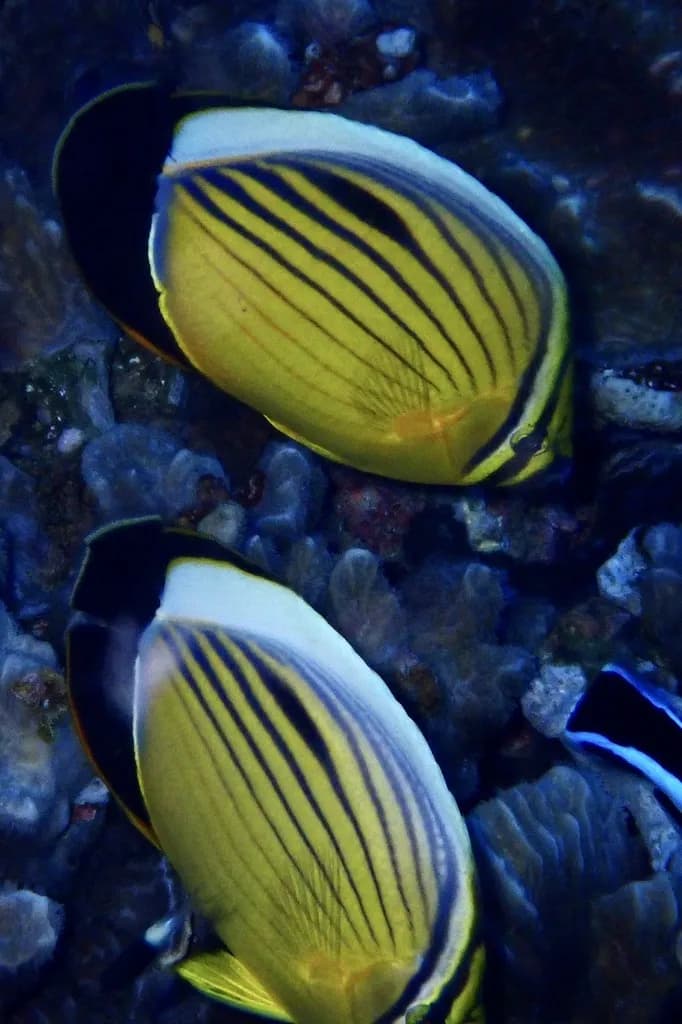
Butterflyfish
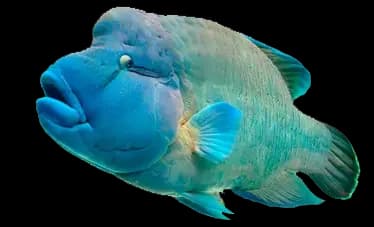
Napoleon Wrasse
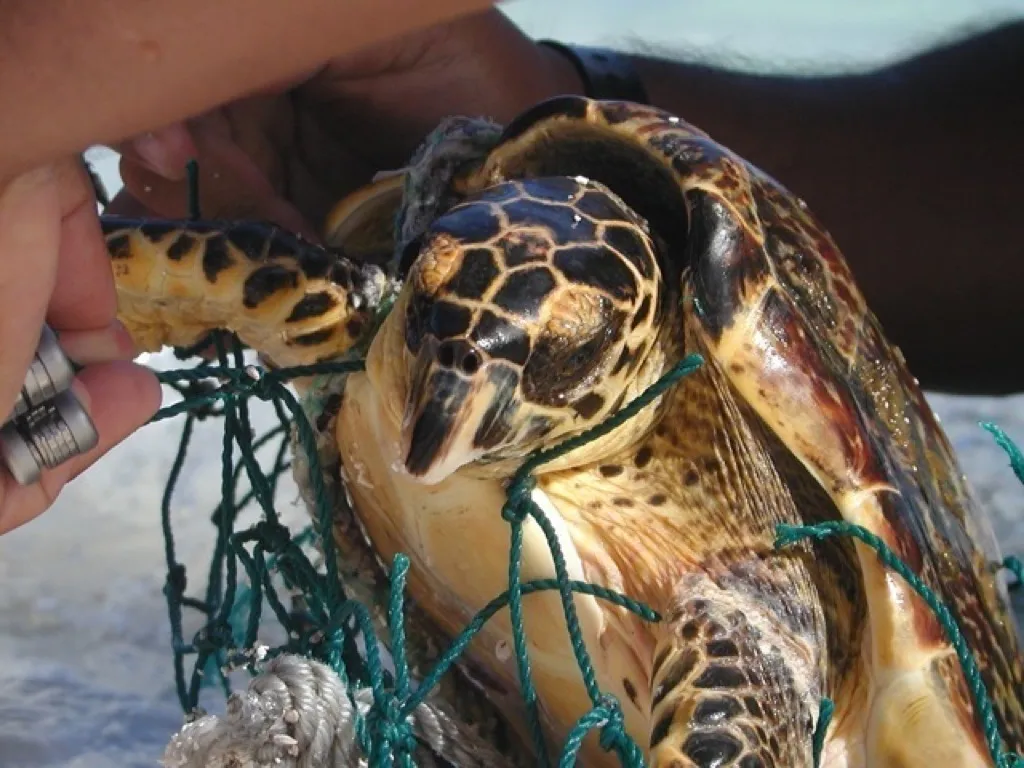
Hawksbill Turtle
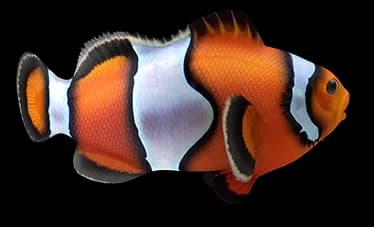
Clownfish
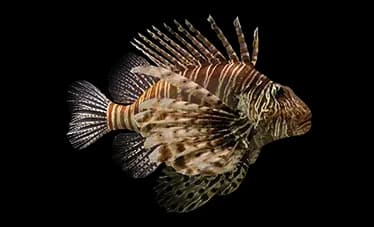
Lionfish
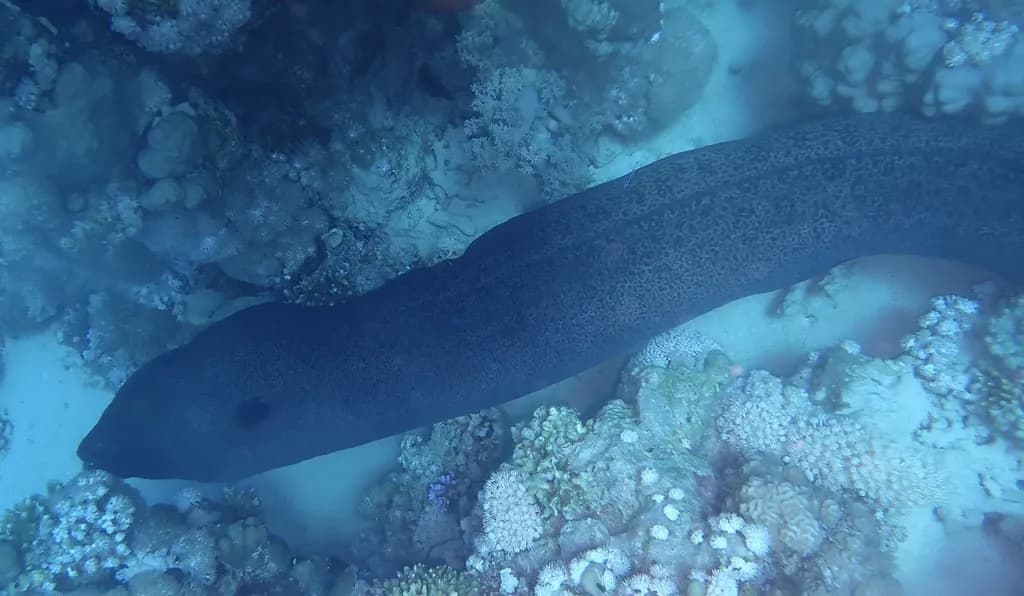
Eel
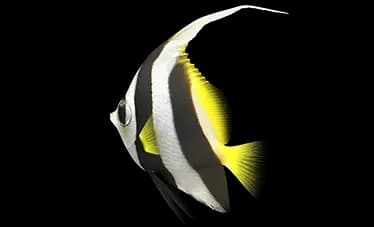
Bannerfish
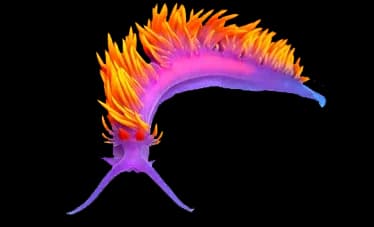
Nudibranch
Splendour Wrasse

Trevally
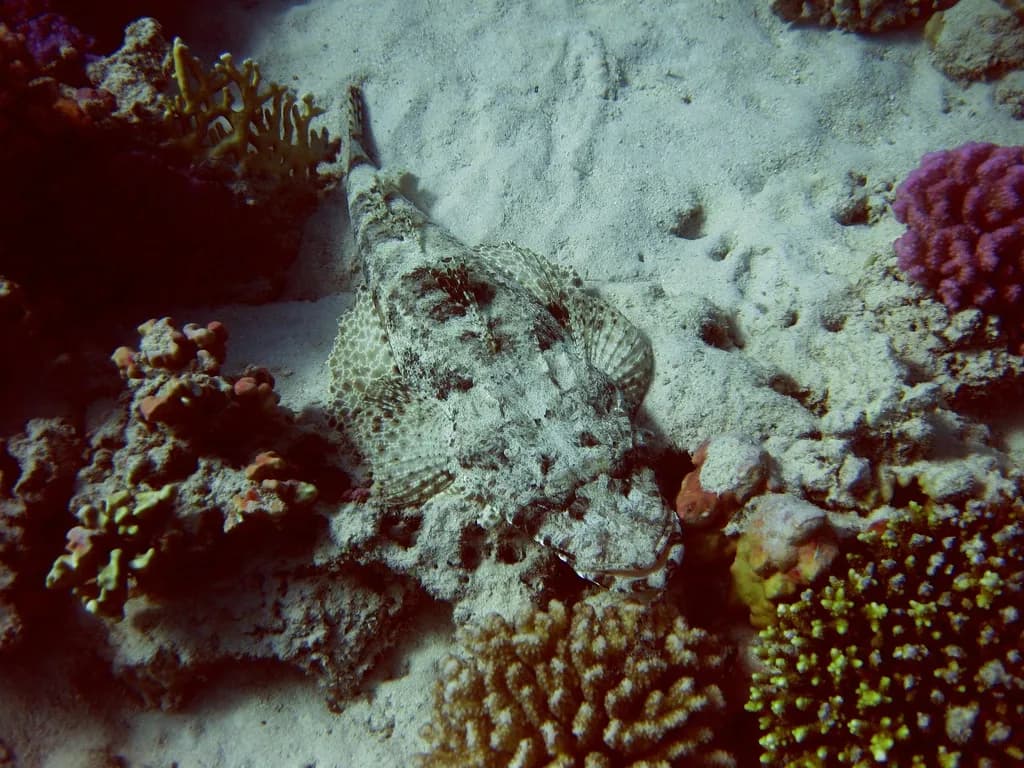
Crocodilefish
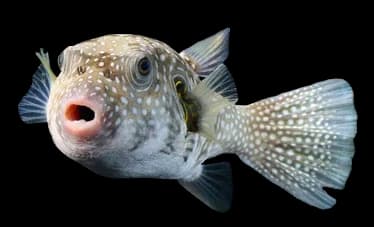
Pufferfish
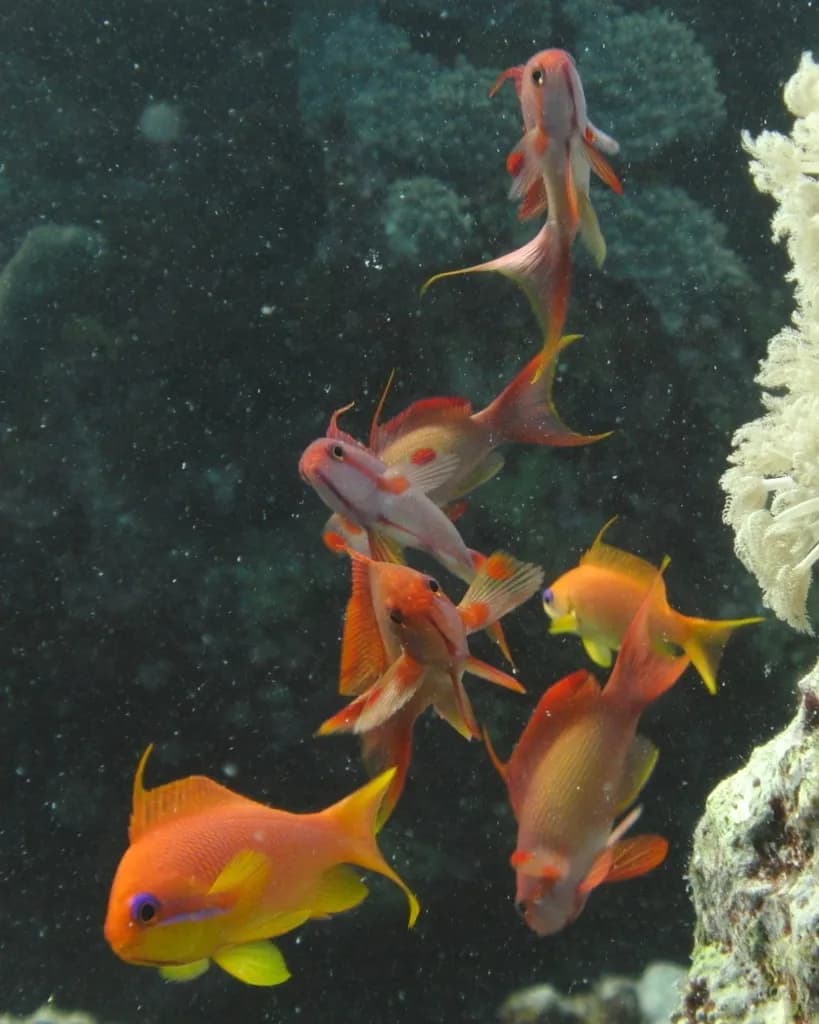
Anthias
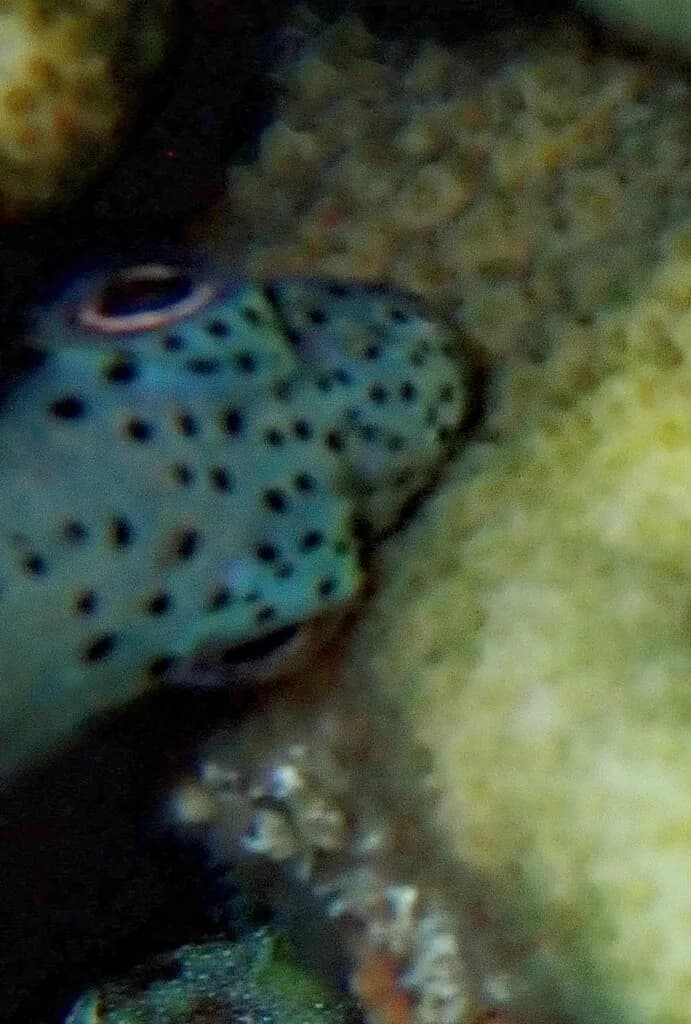
Blackside Hawkfish
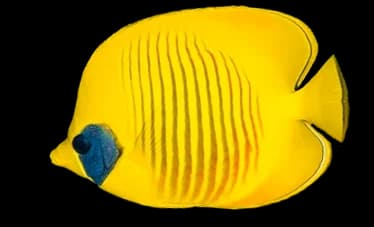
Masked Butterflyfish
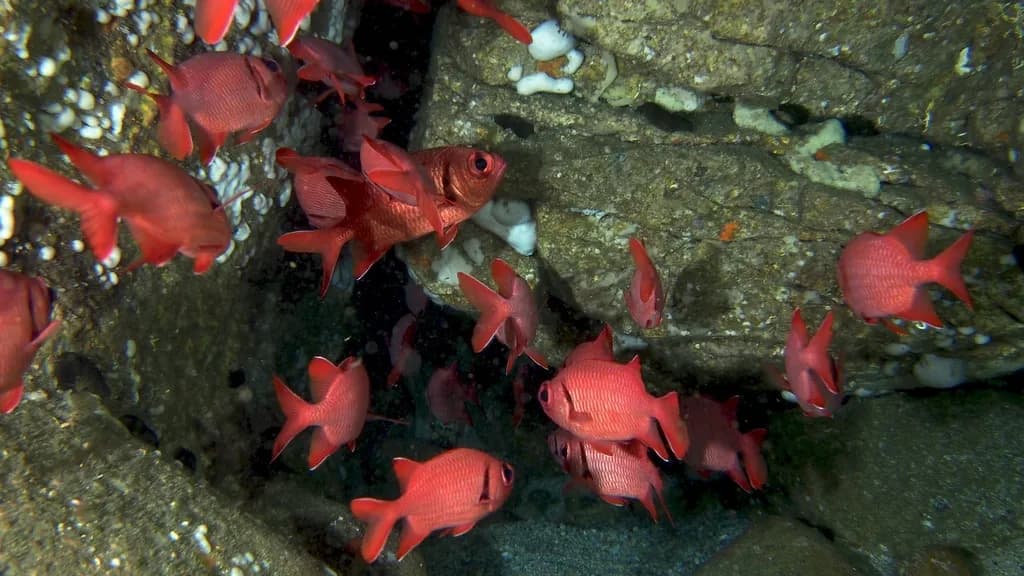
Soldierfish
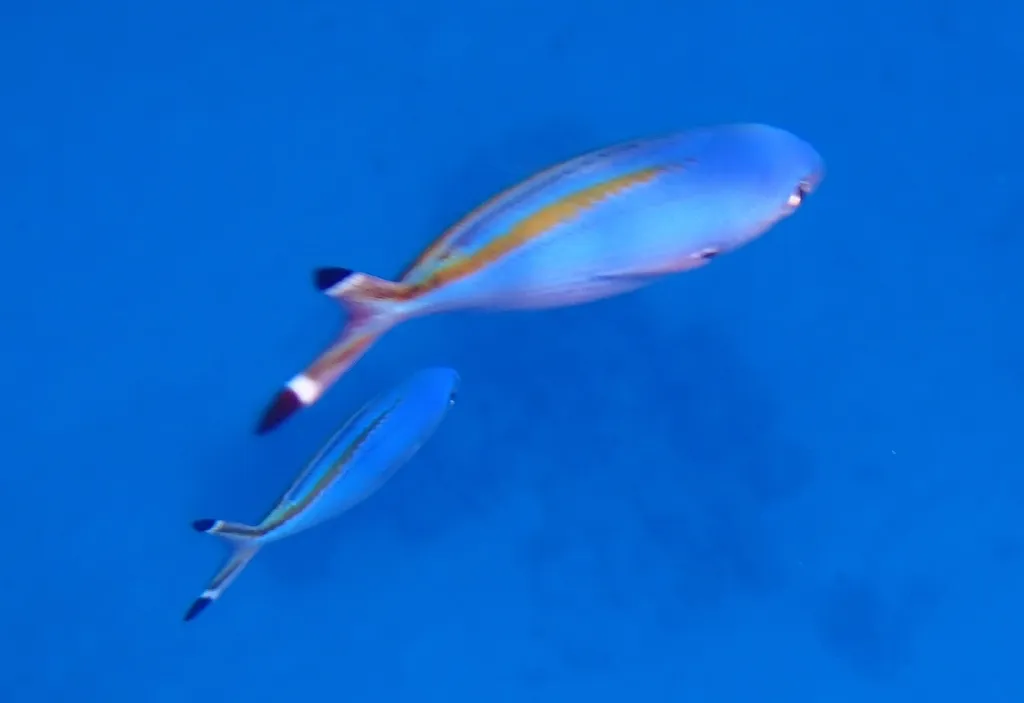
Fusilier
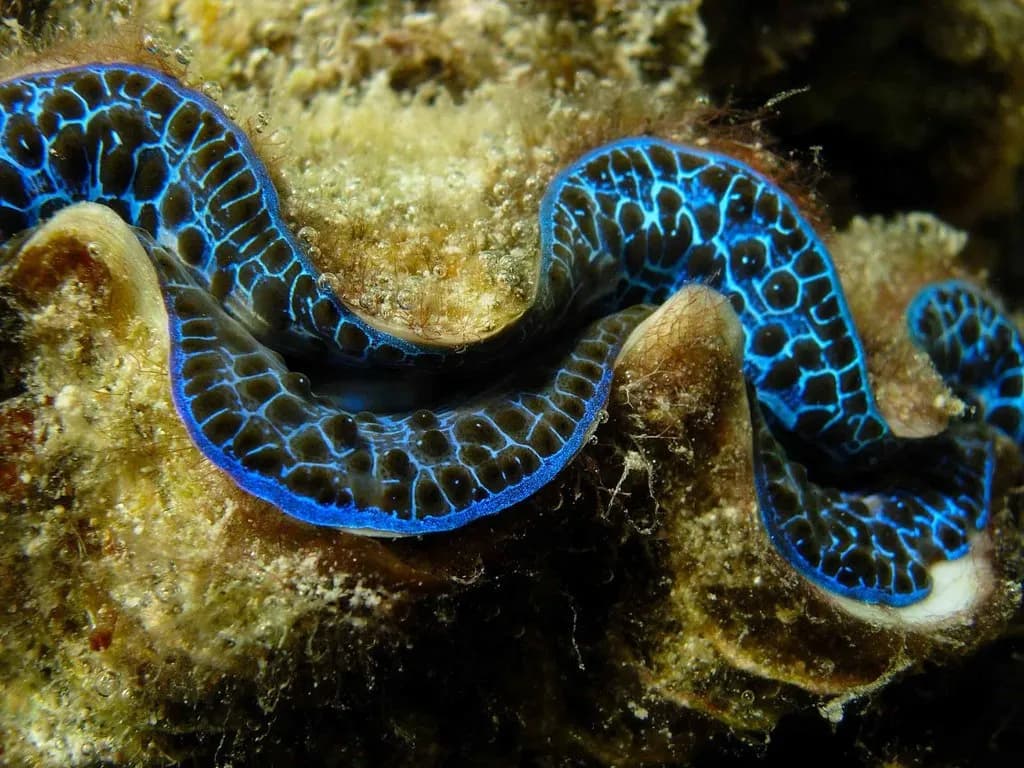
Snails
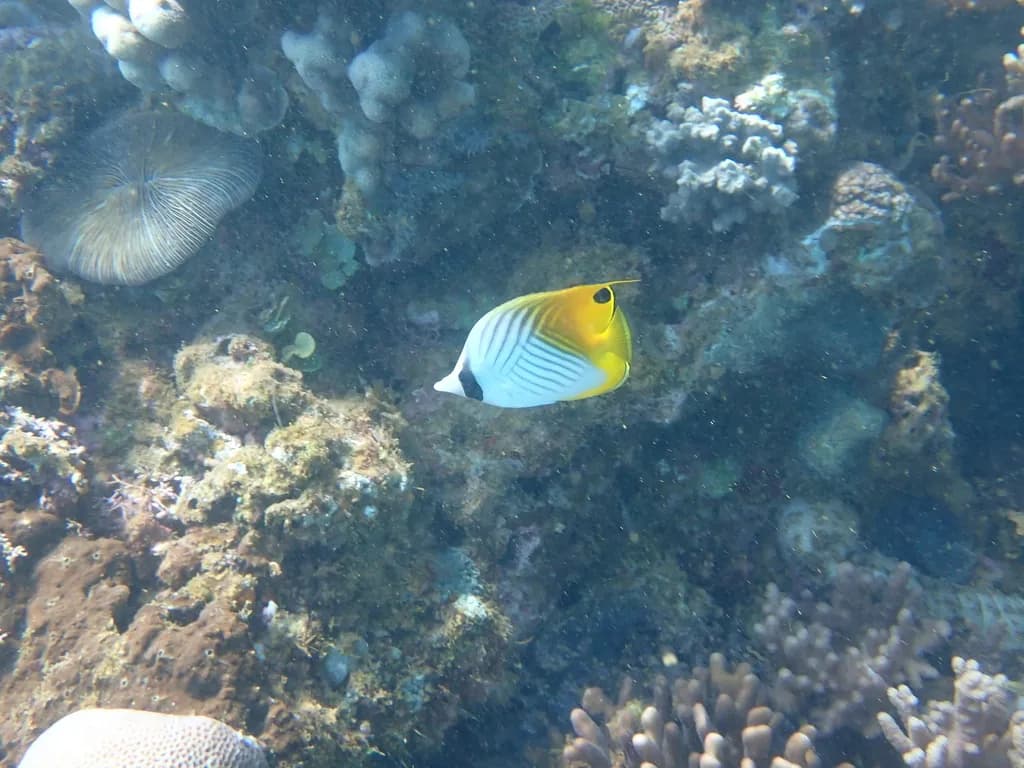
Threadfin Butterflyfish
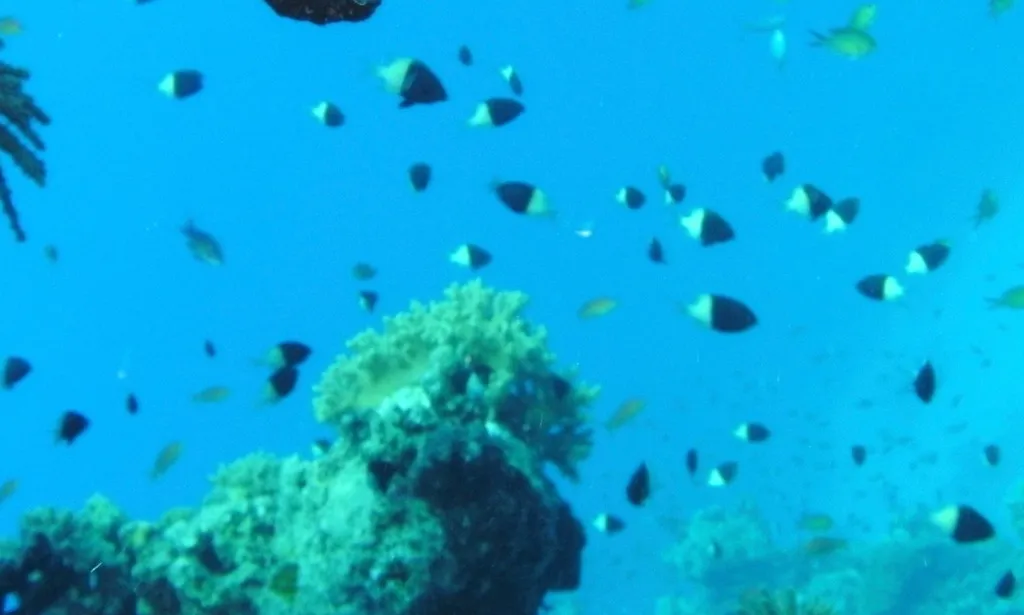
Bicolour Puller
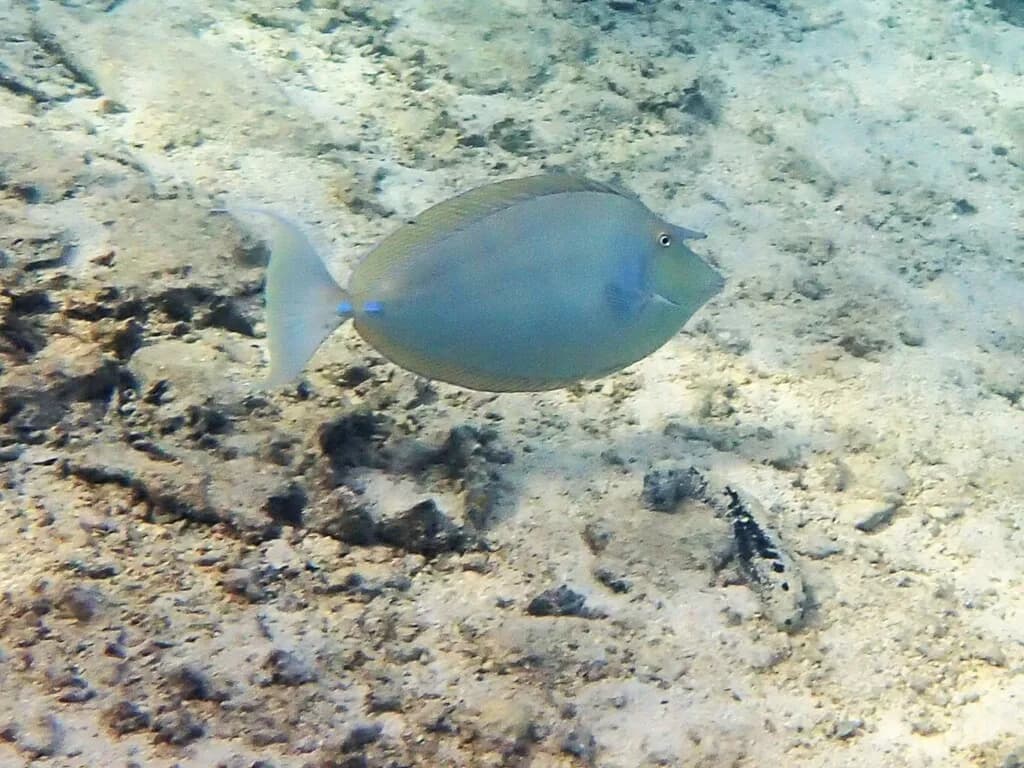
Unicorn Fish
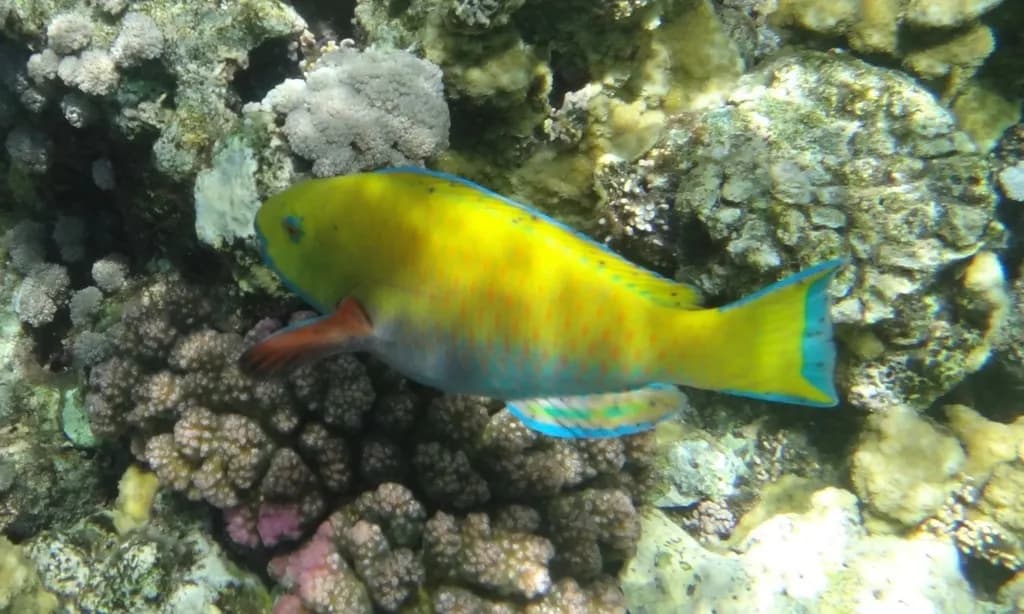
Steephead Parrotfish
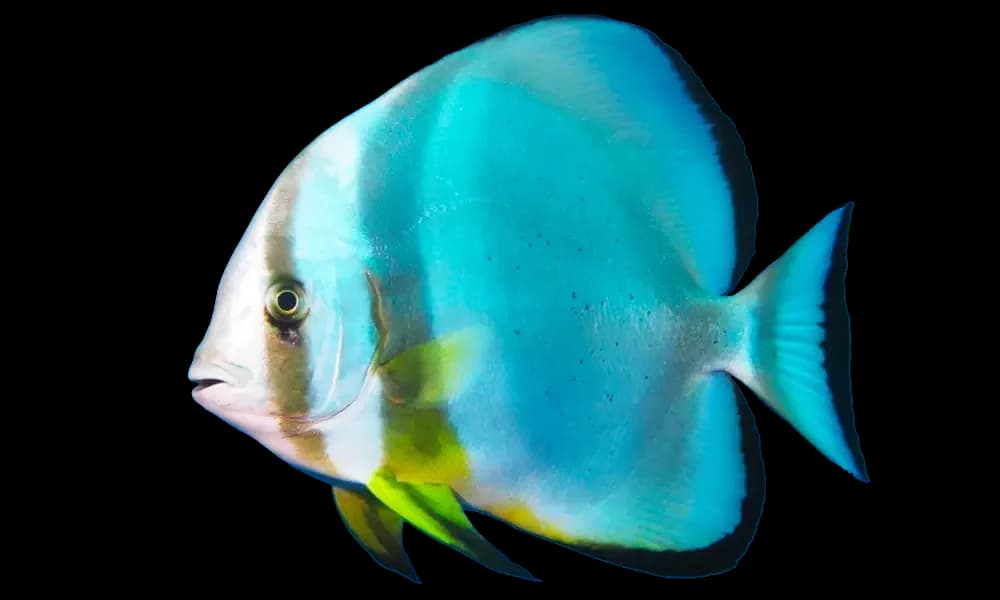
Batfish
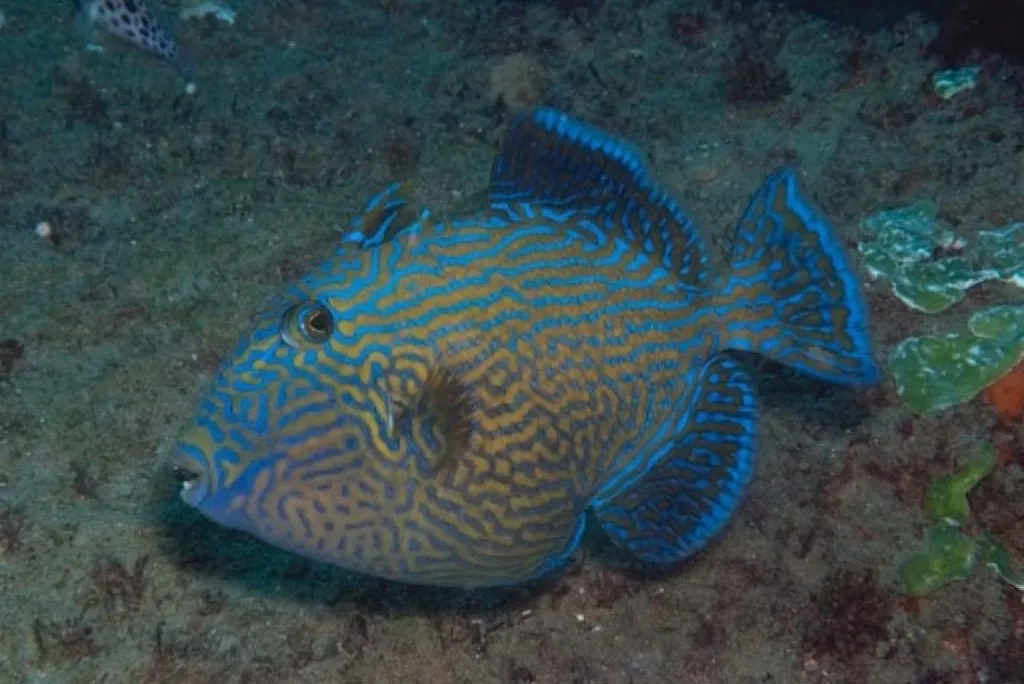
Blue Triggerfish
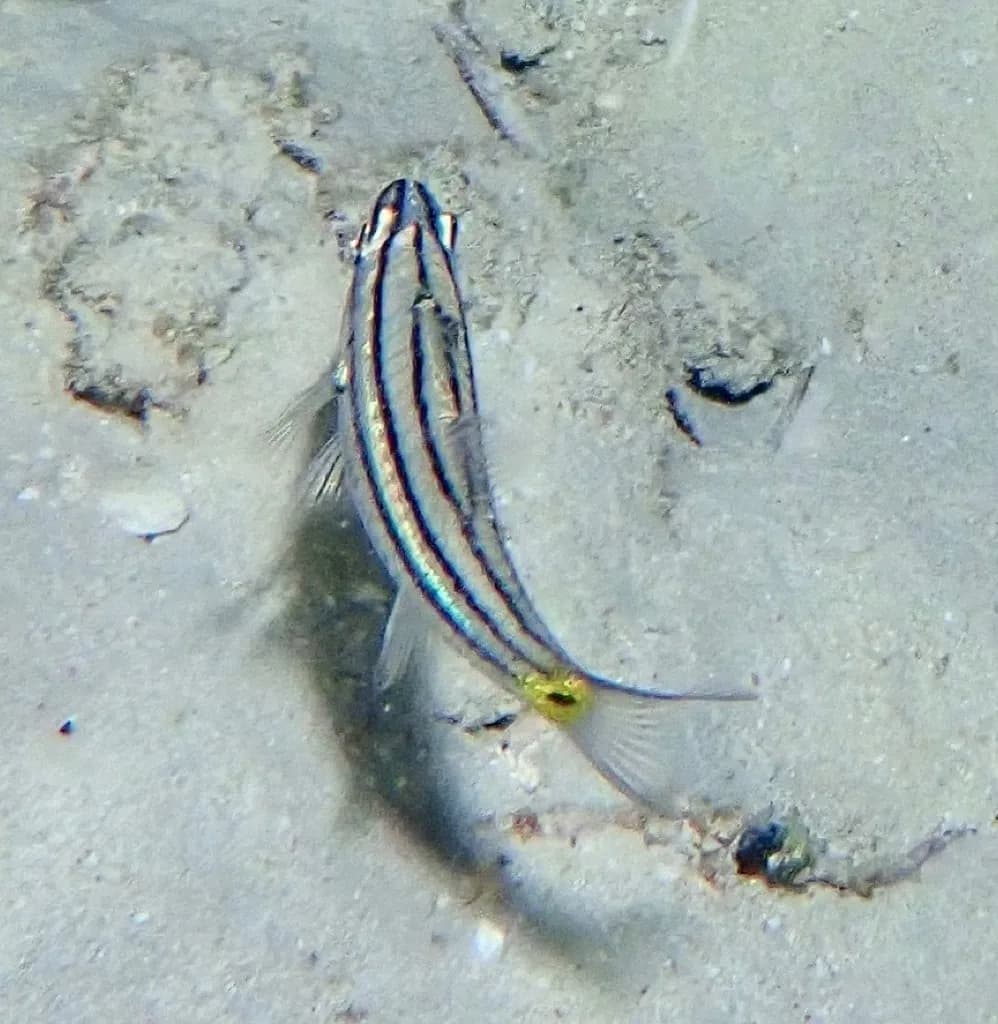
Cardinal Fish
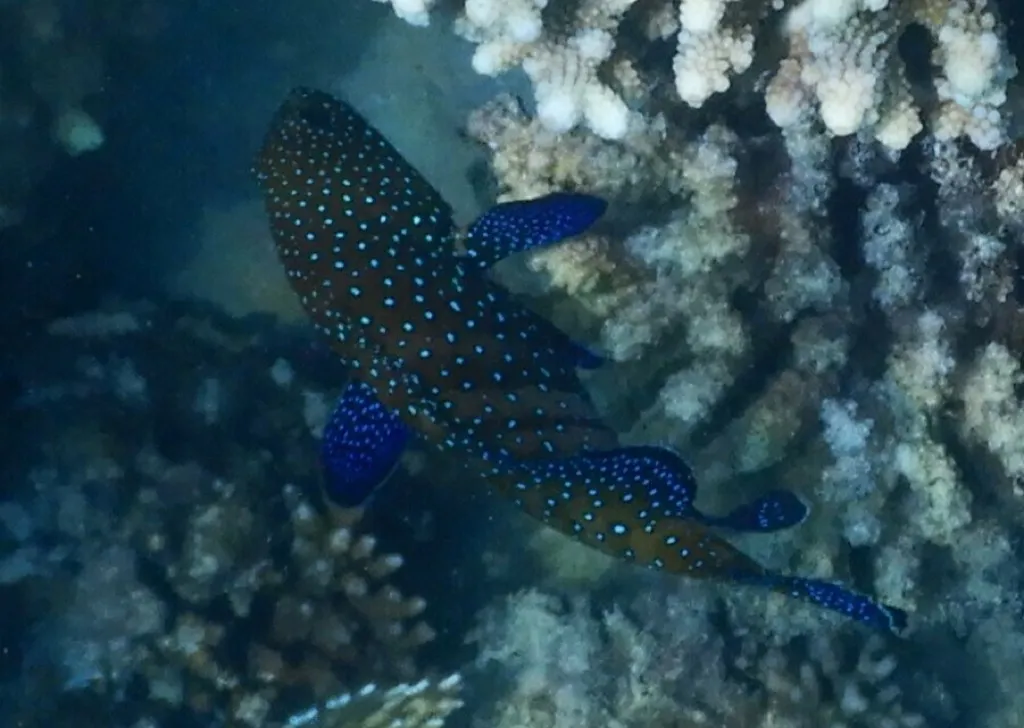
Peacock Grouper
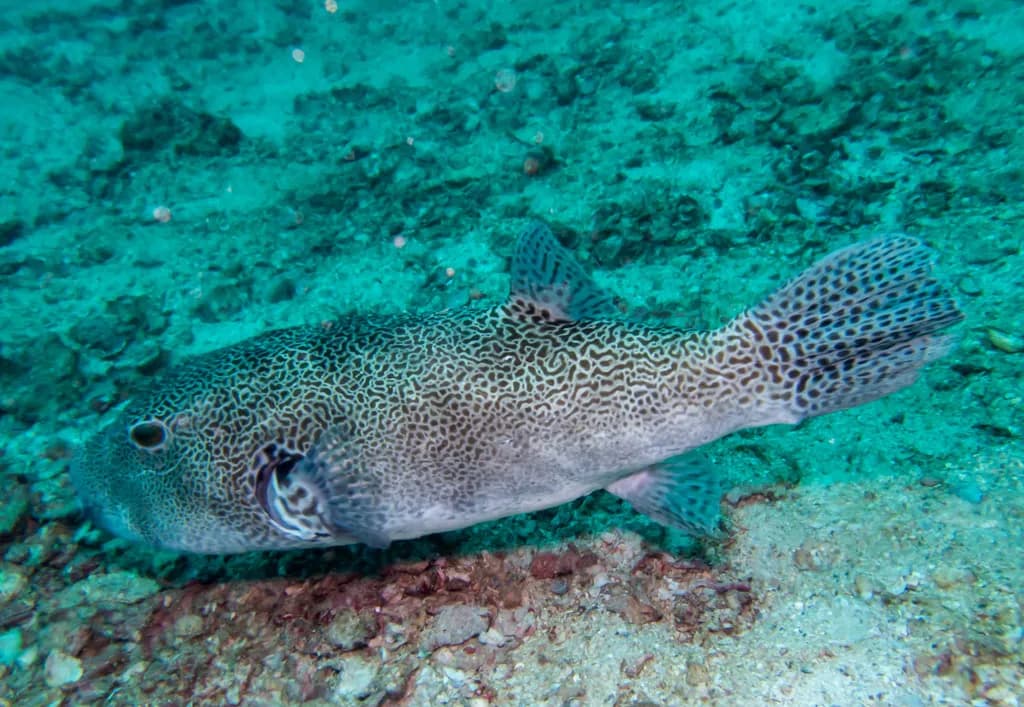
Starry Pufferfish
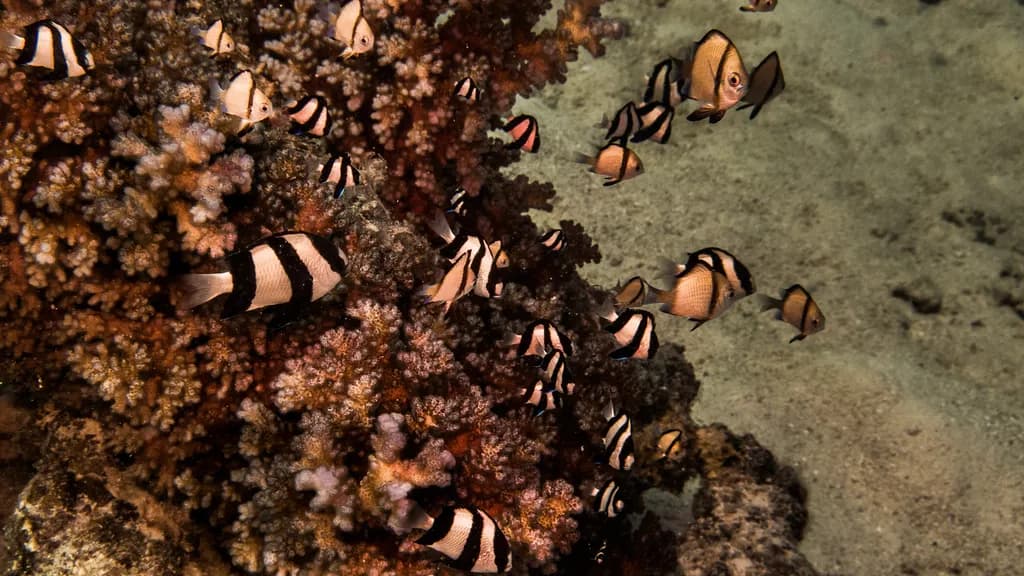
Humbug Damsel
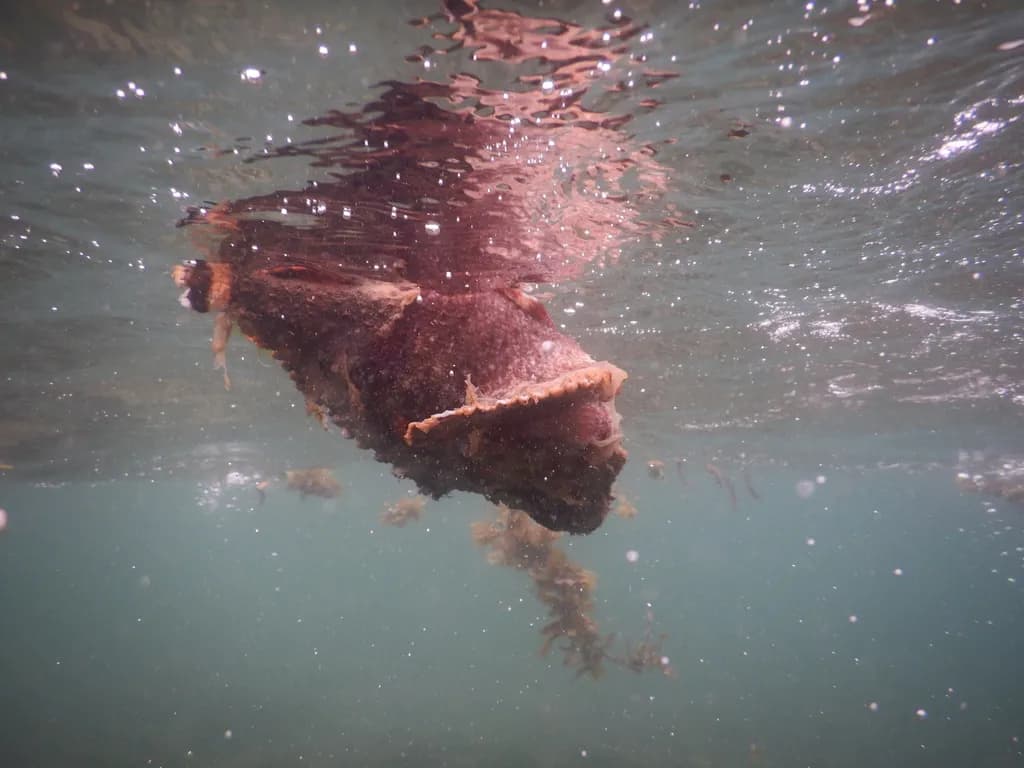
Stonefish
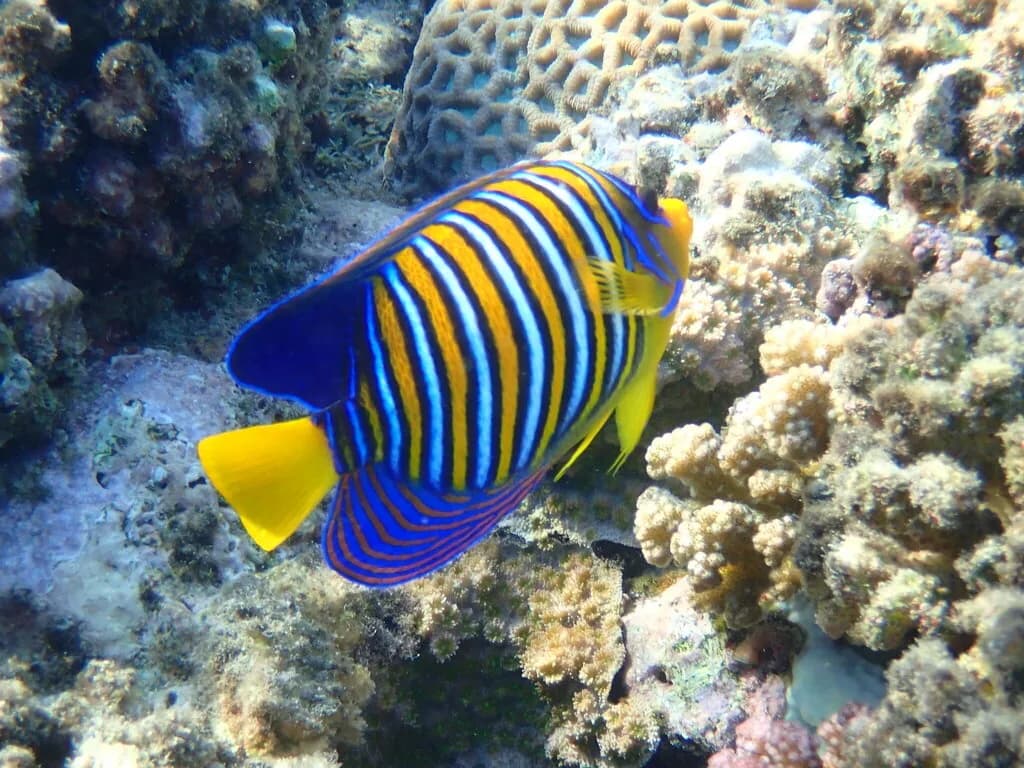
Regal Angelfish
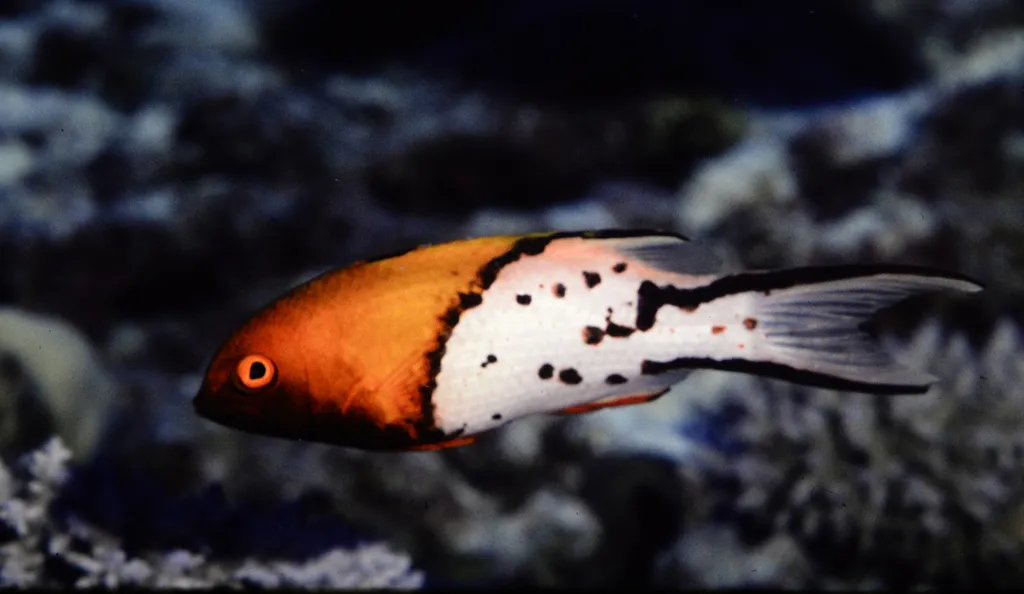
Lyretail Hogfish
Octopus
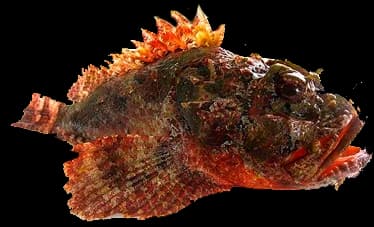
Scorpionfish
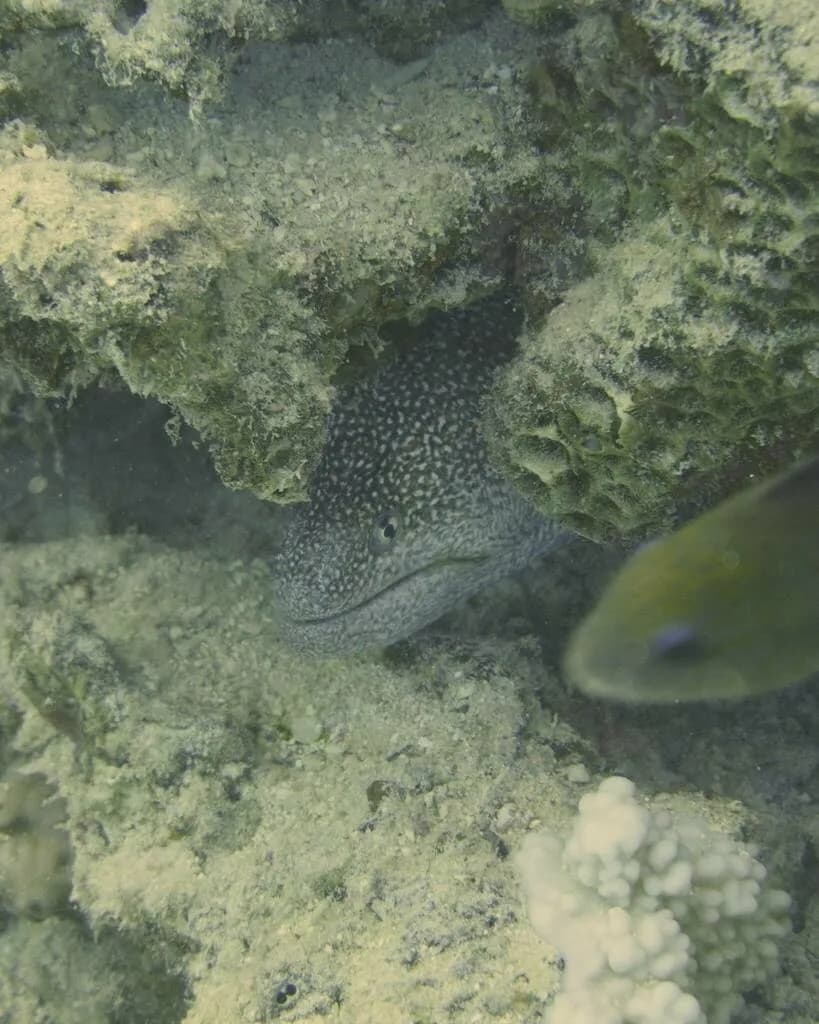
Yellowmouth Moray
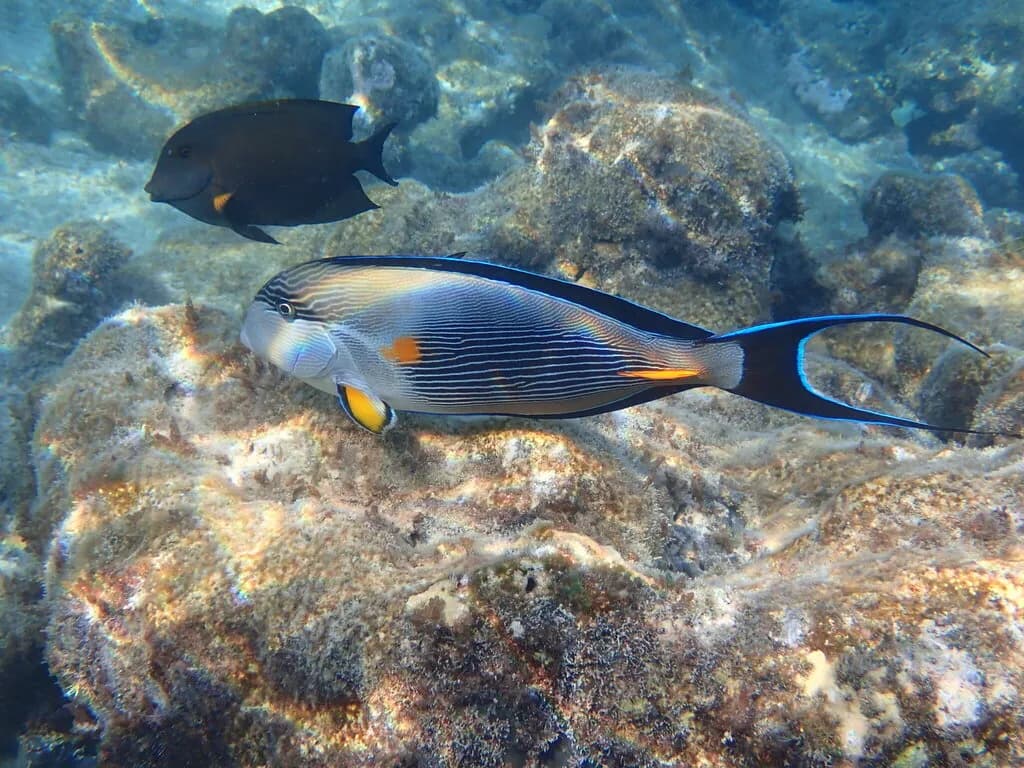
Doctor Fish
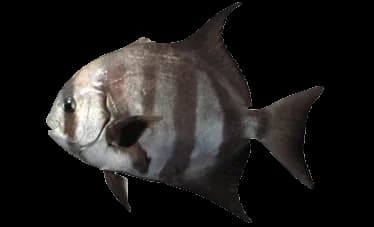
Spadefish
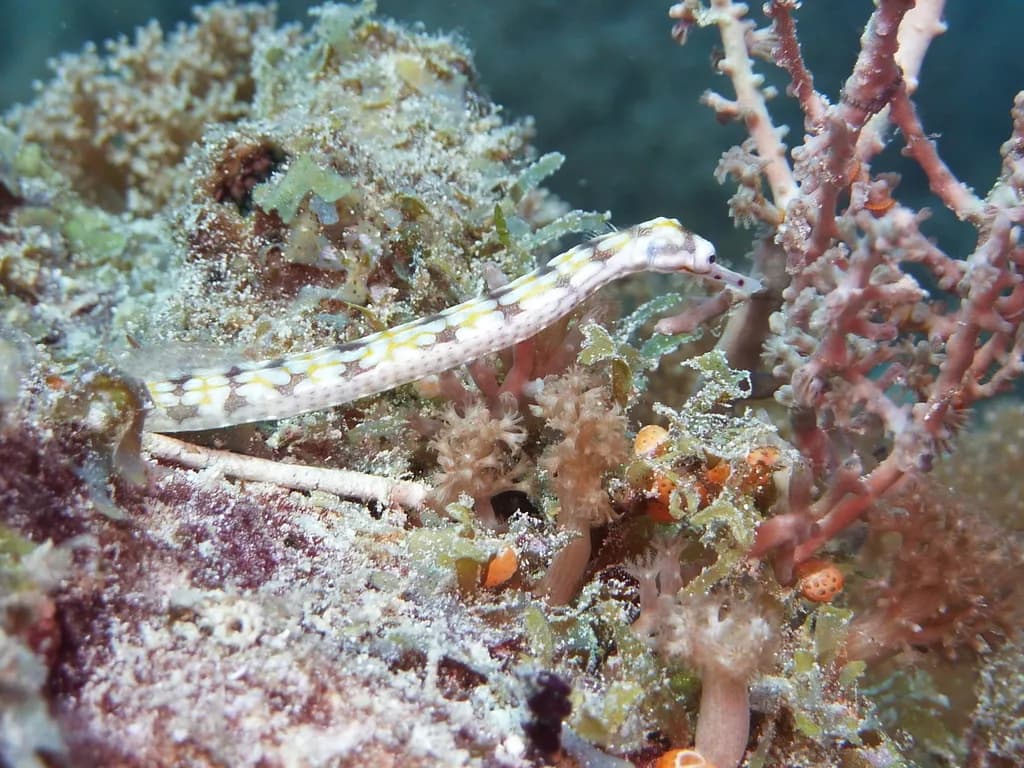
Pipefish
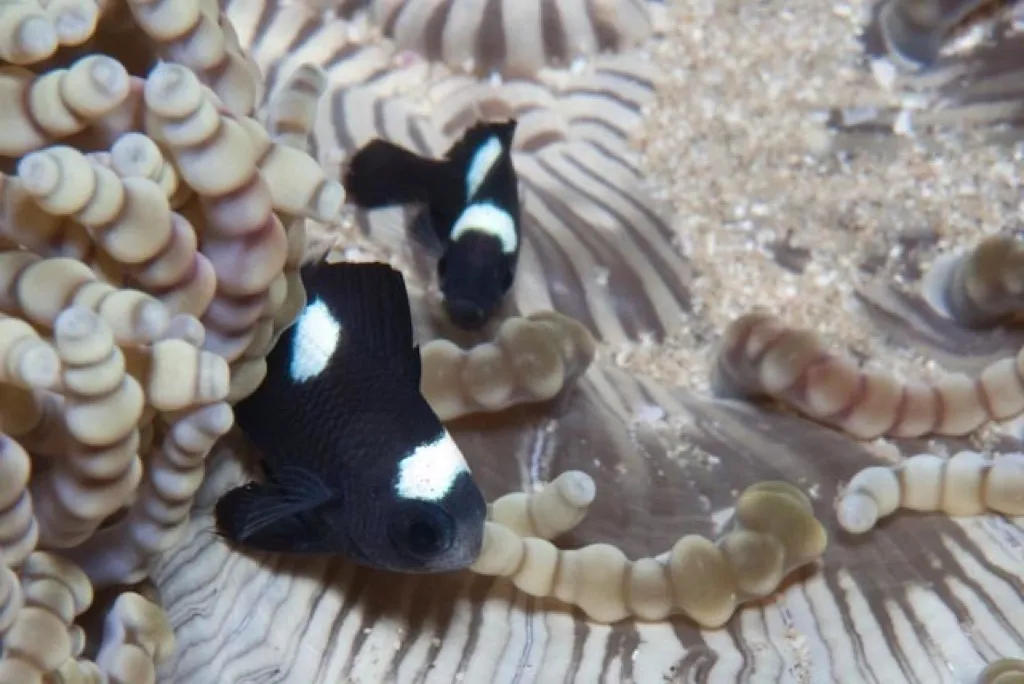
Domino Damsel
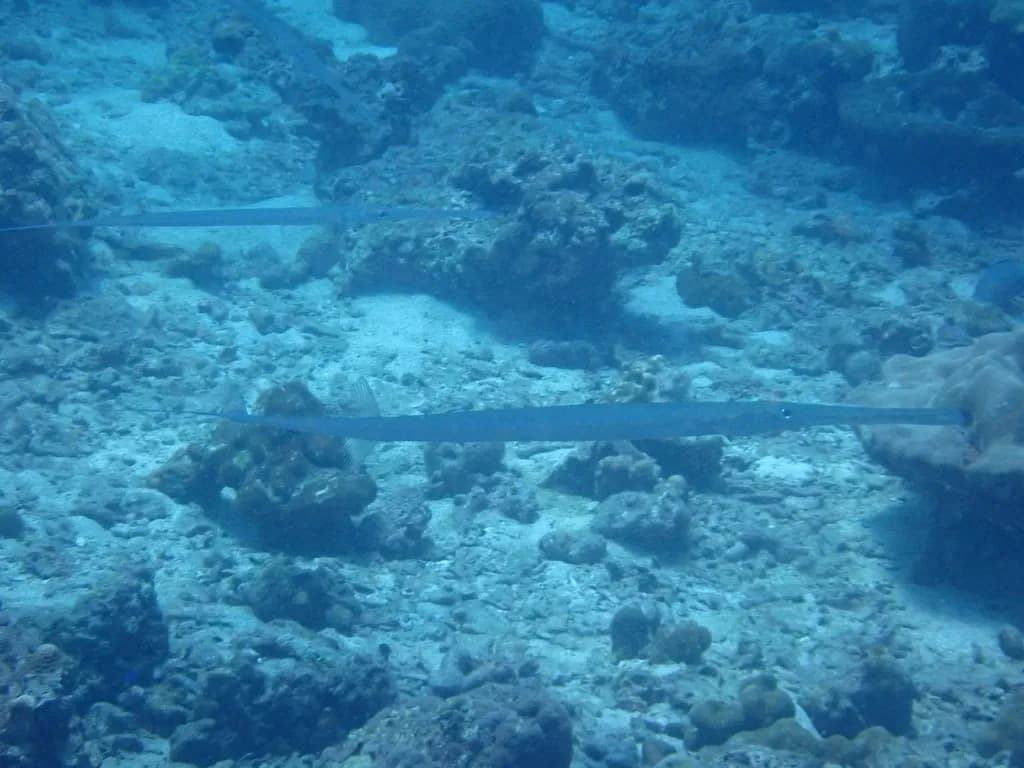
Cornetfish
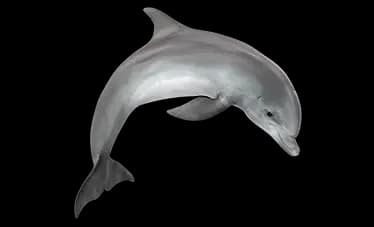
Dolphin
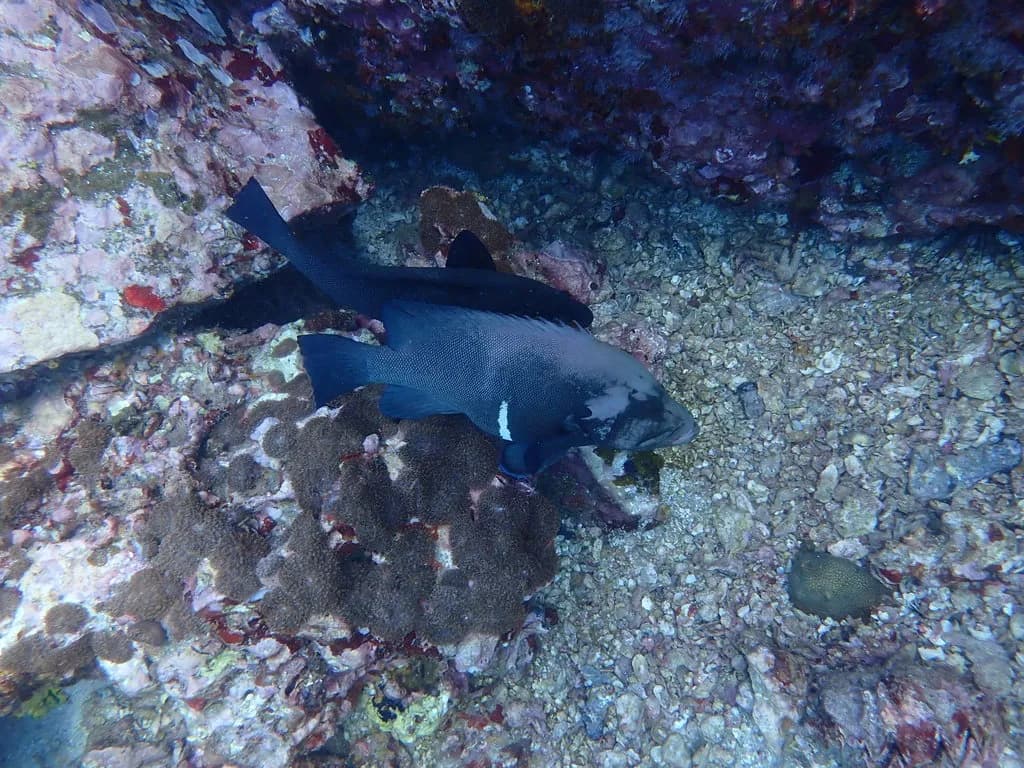
Redmouth Grouper
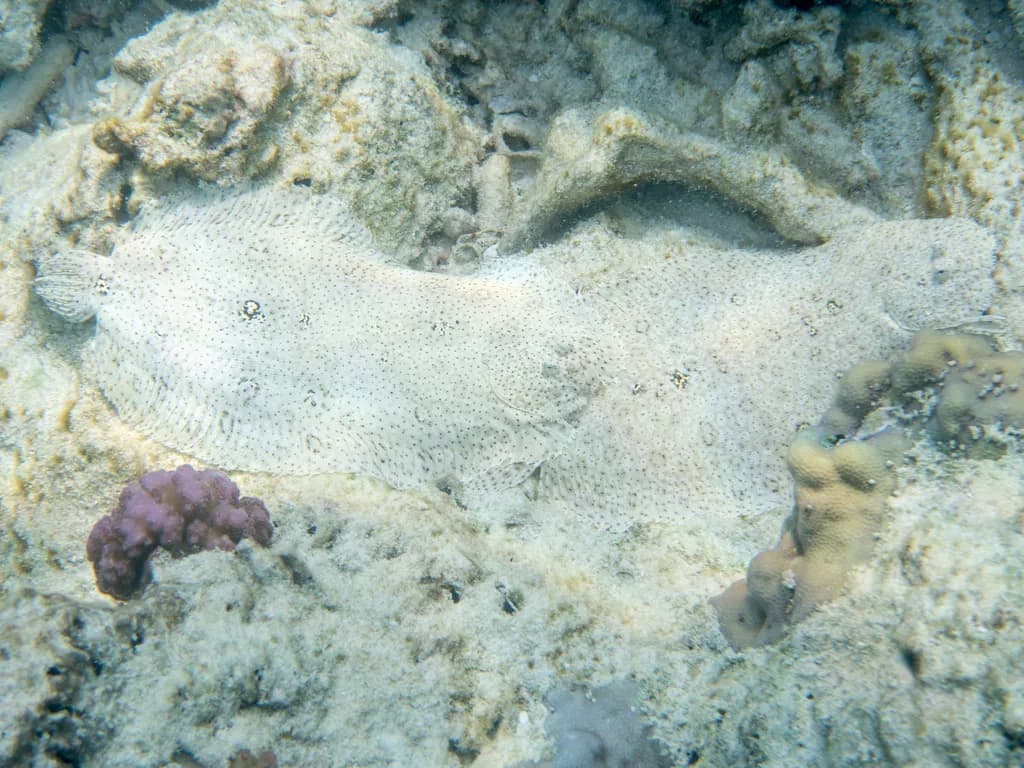
Moses Sole
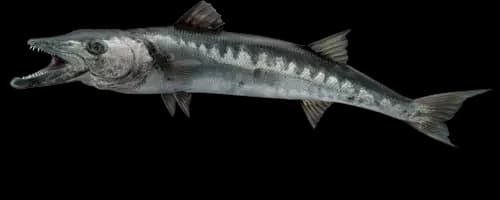
Barracuda
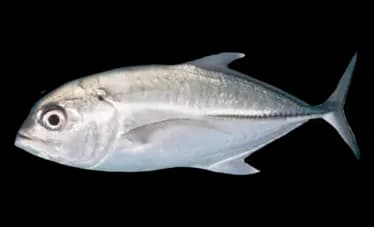
Jackfish
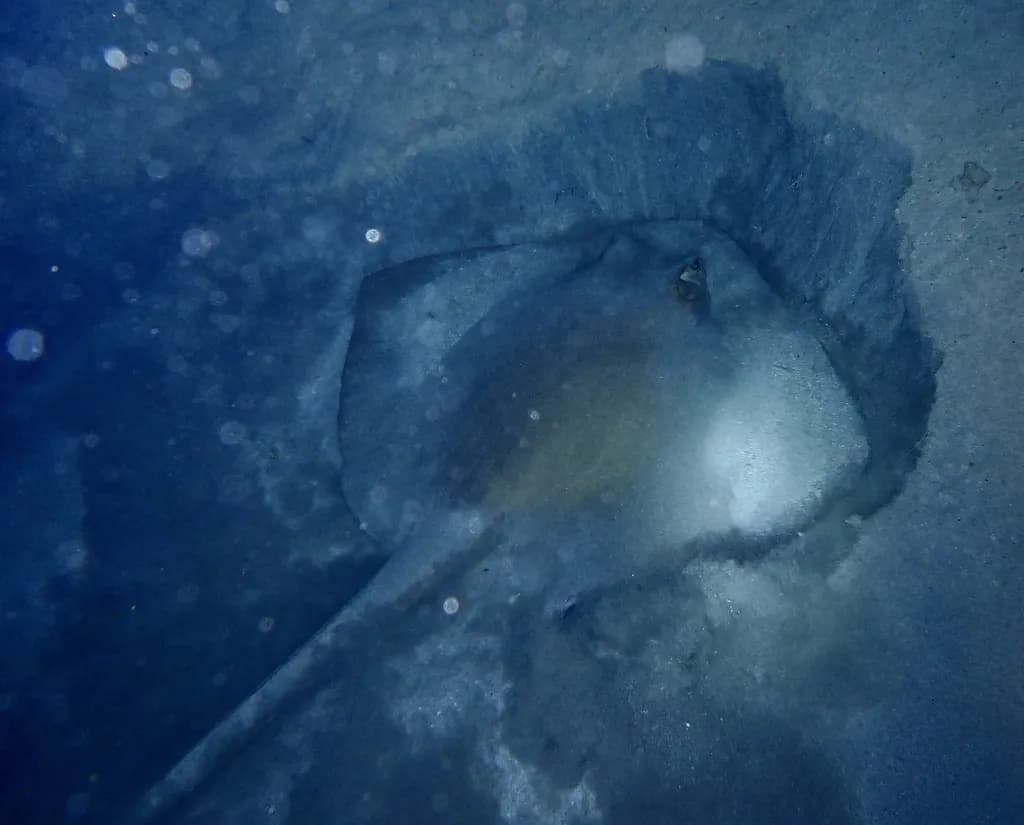
Feathertail Ray
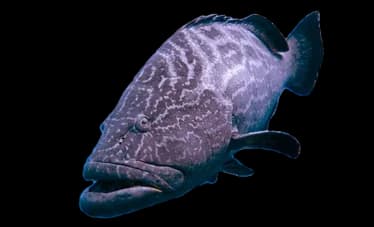
Grouper
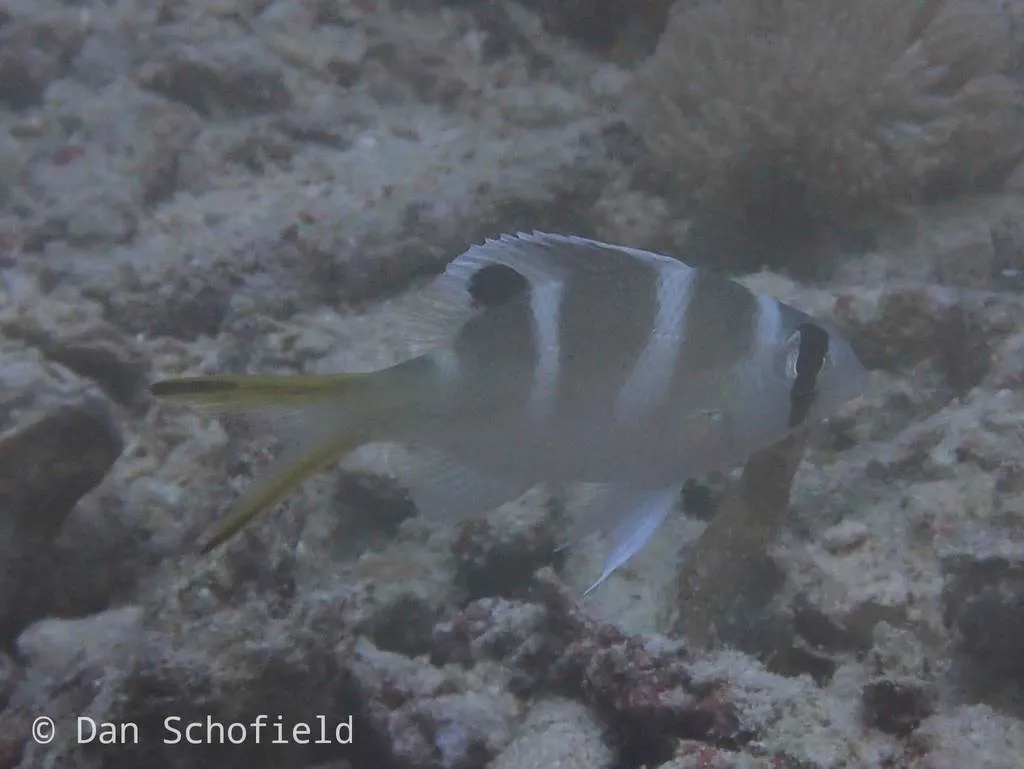
Bream
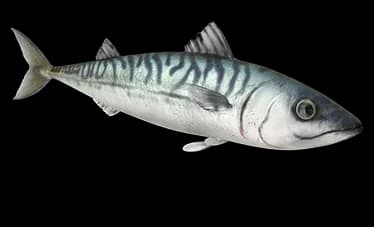
Mackerel
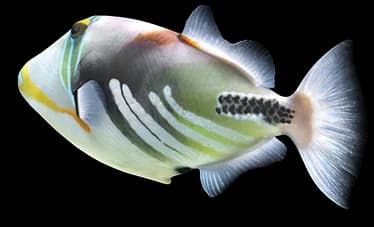
Triggerfish
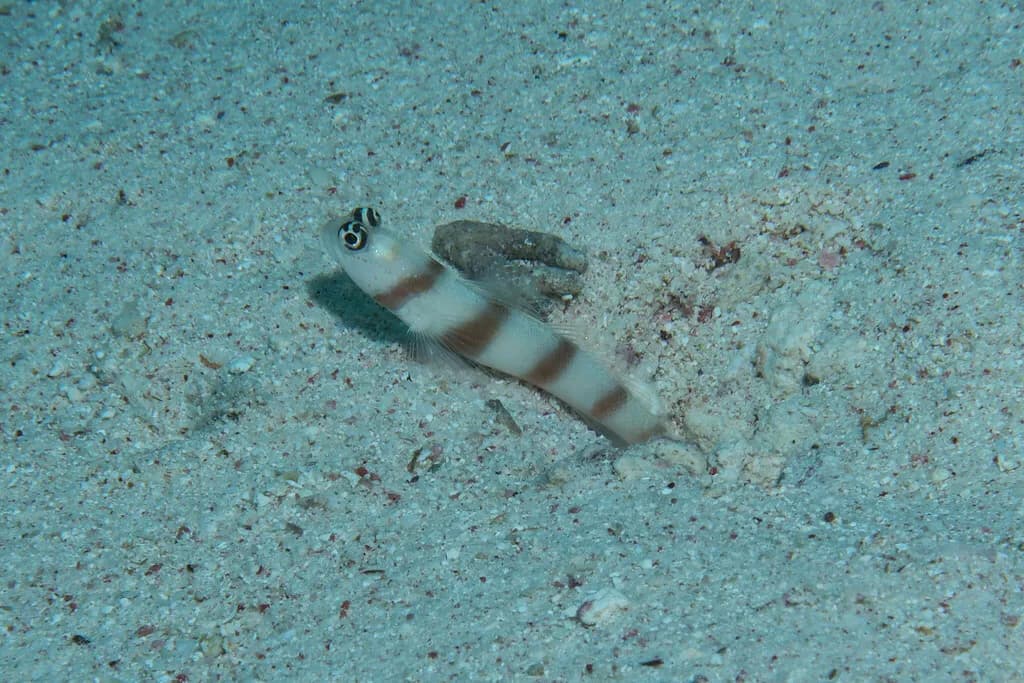
Gobie
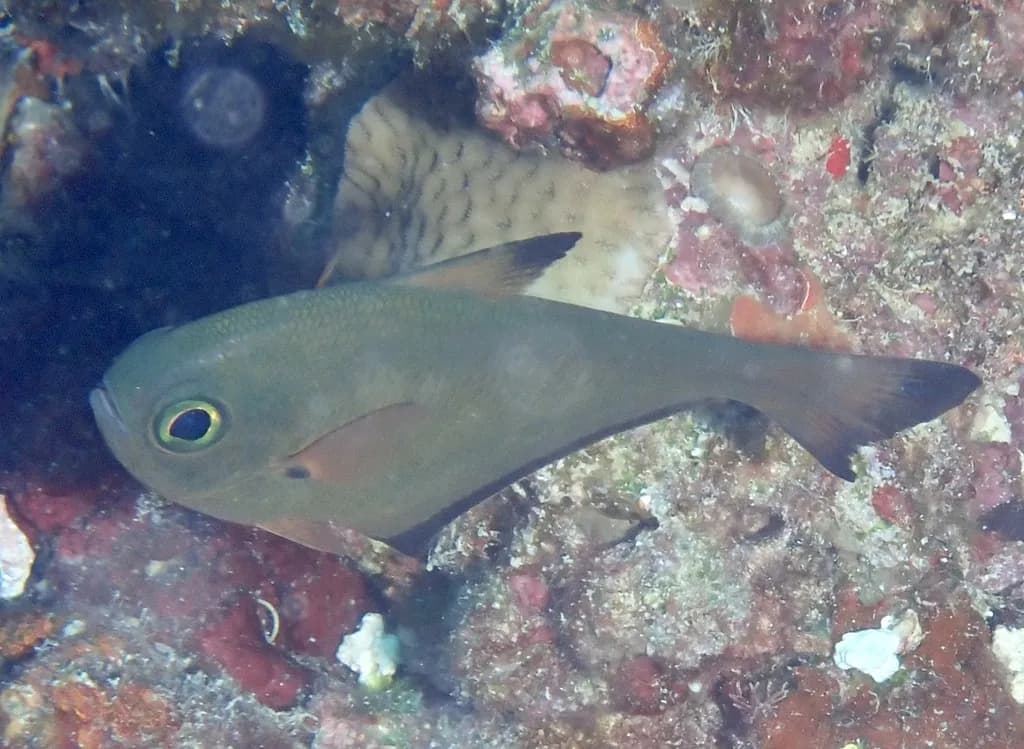
Cave Sweeper
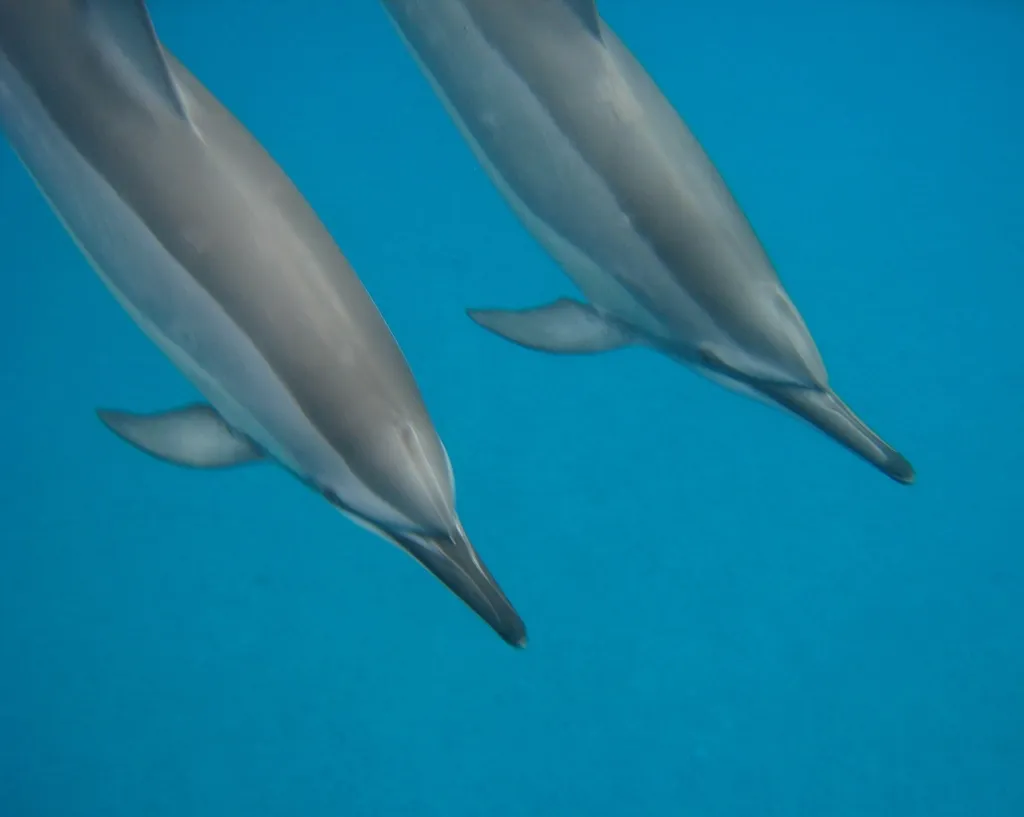
Spinner Dolphin
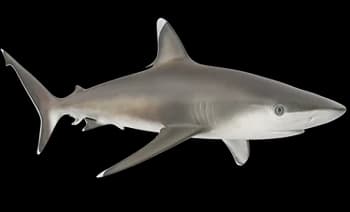
Whitetip Shark
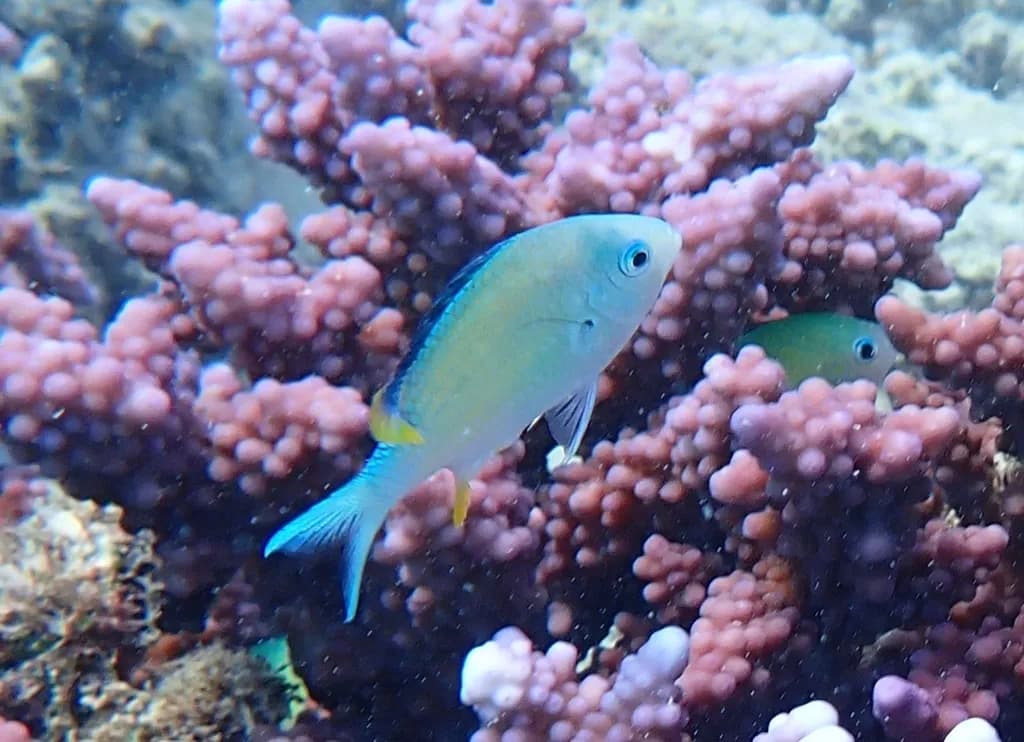
Bluegreen Puller
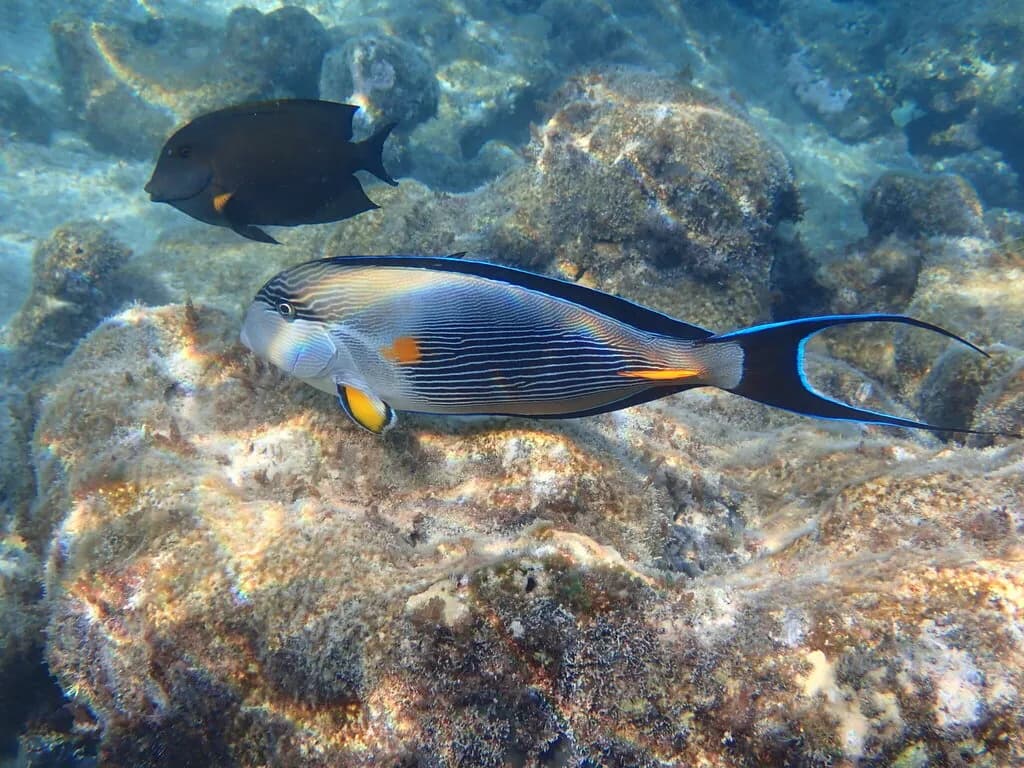
Surgeonfish
Snapper
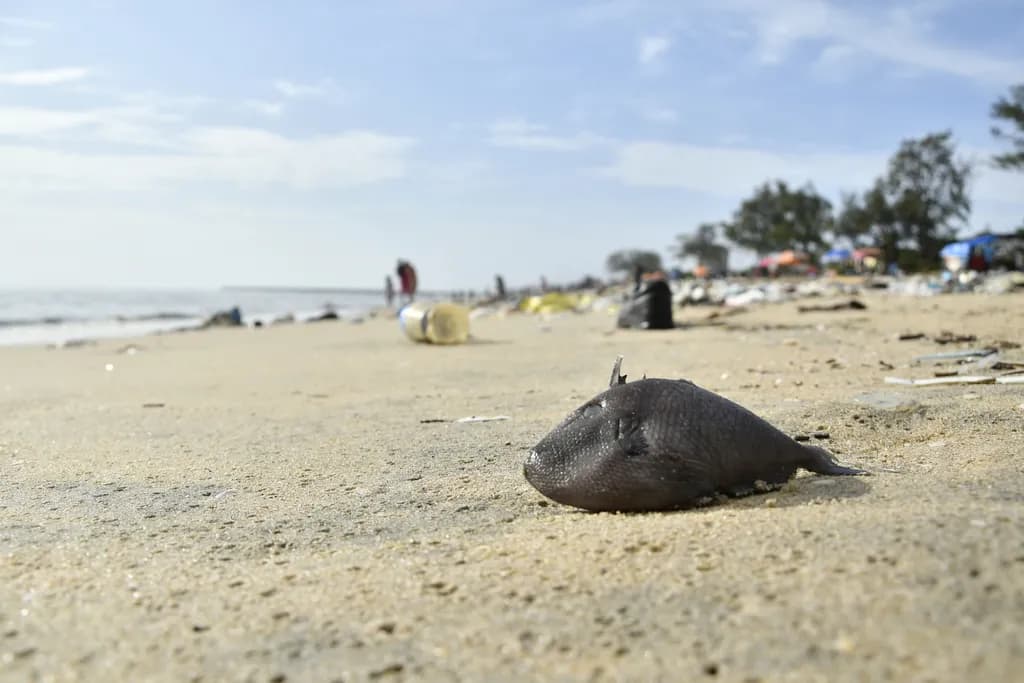
Redtooth Triggerfish
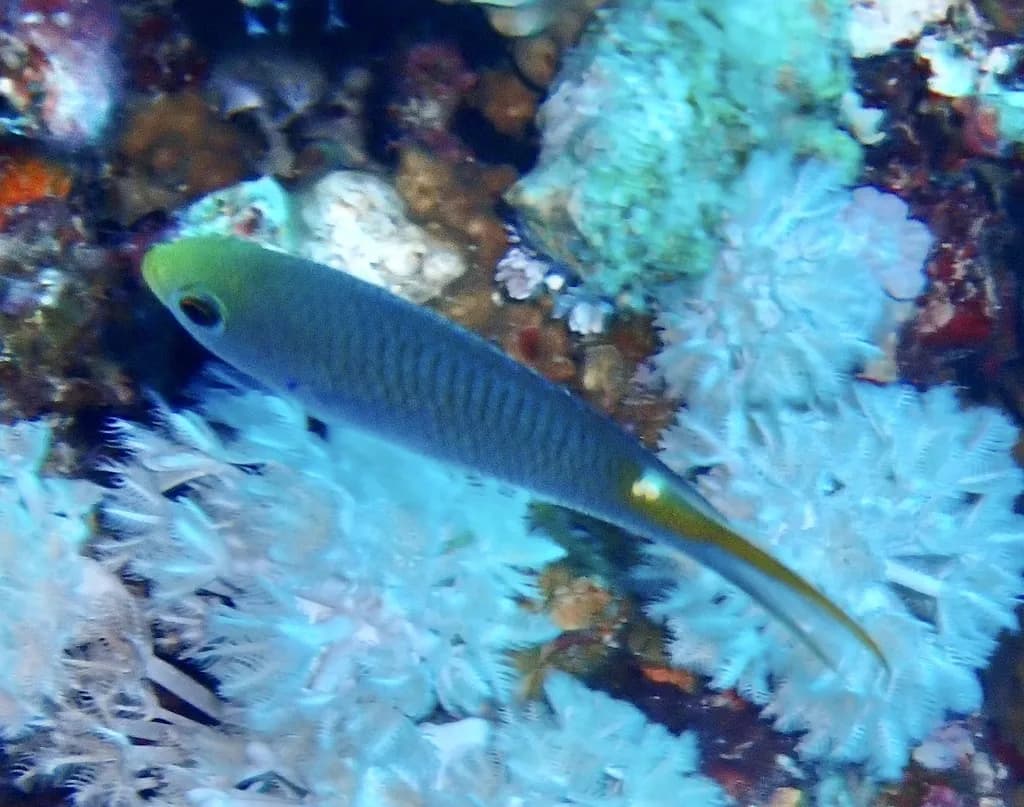
Arabian Damsel
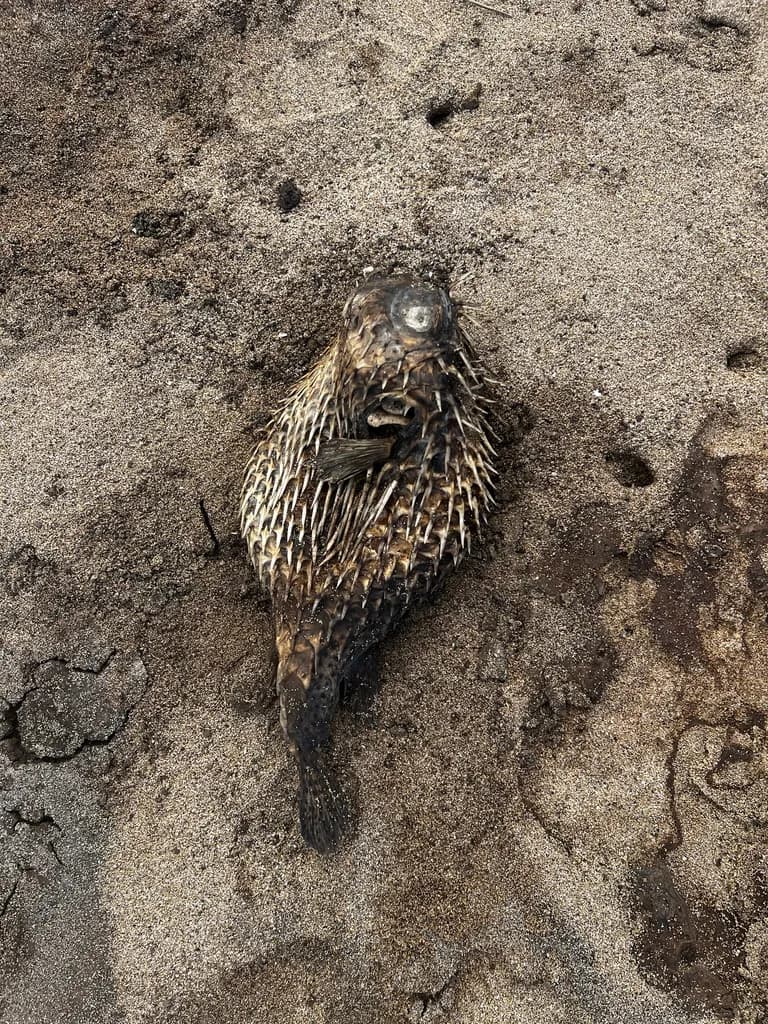
Porcupine Fish
Squid
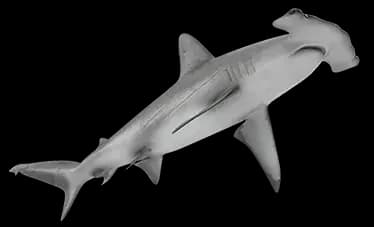
Hammerhead Shark
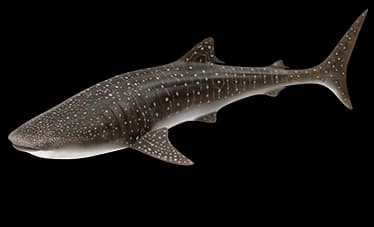
Whale Shark
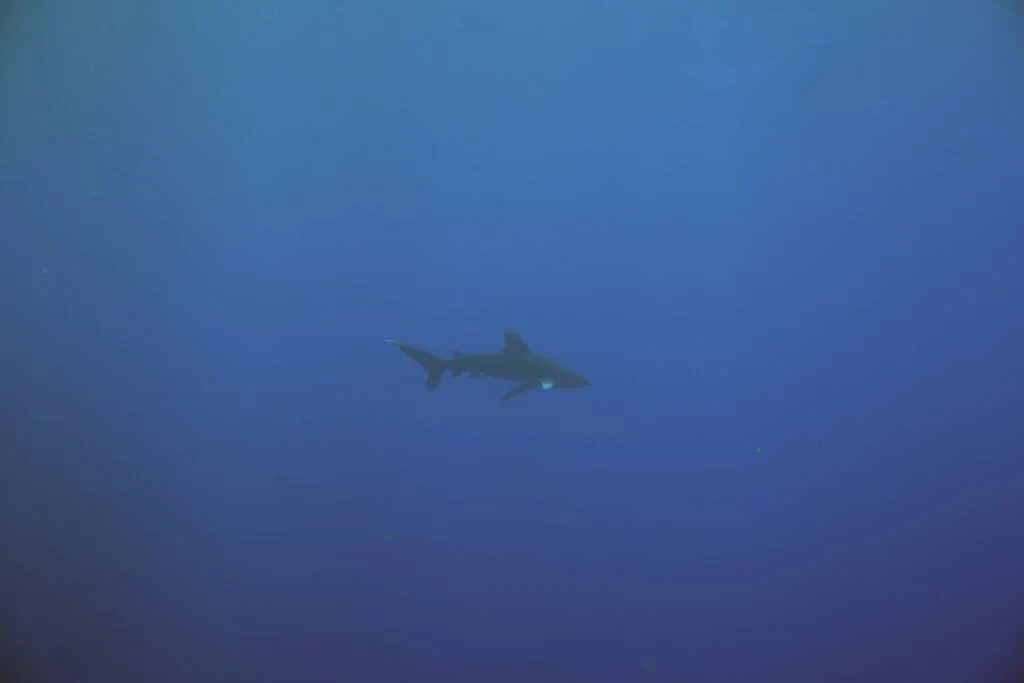
Oceanic Whitetip Shark
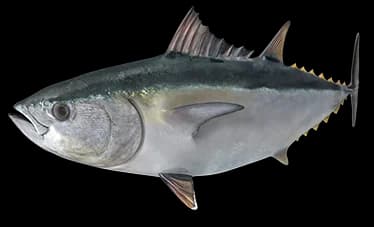
Tuna
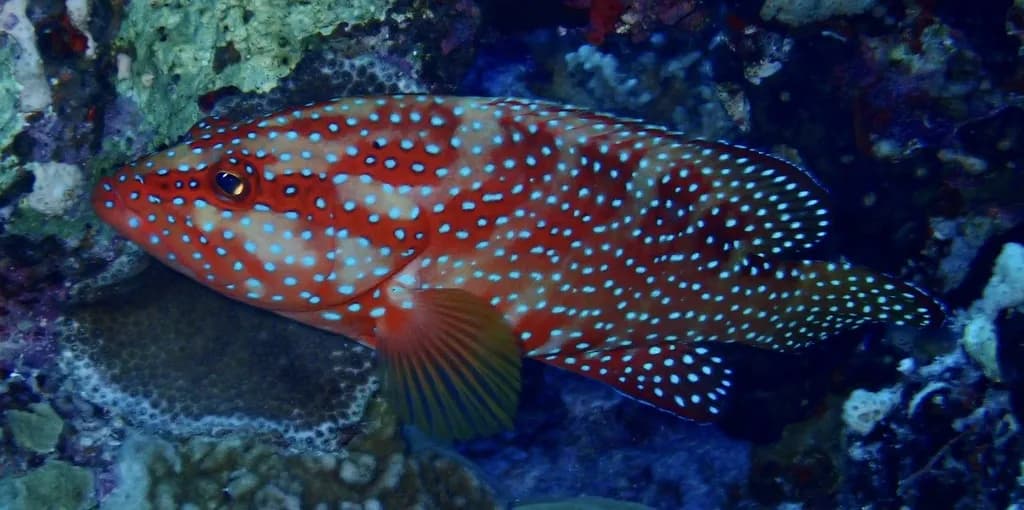
Coral Grouper
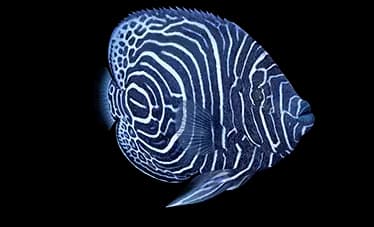
Emperor Angelfish
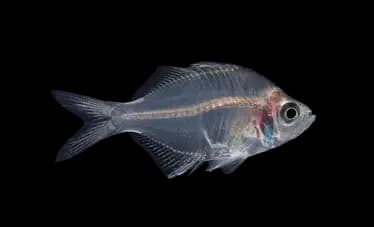
Glassfish
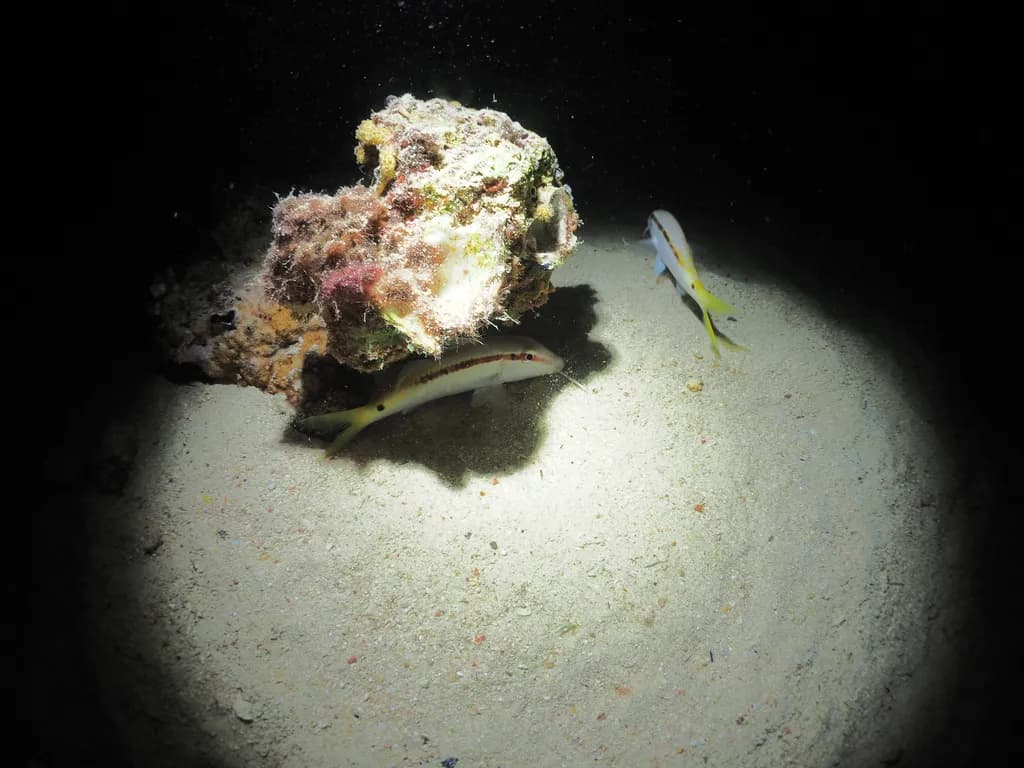
Goatfish
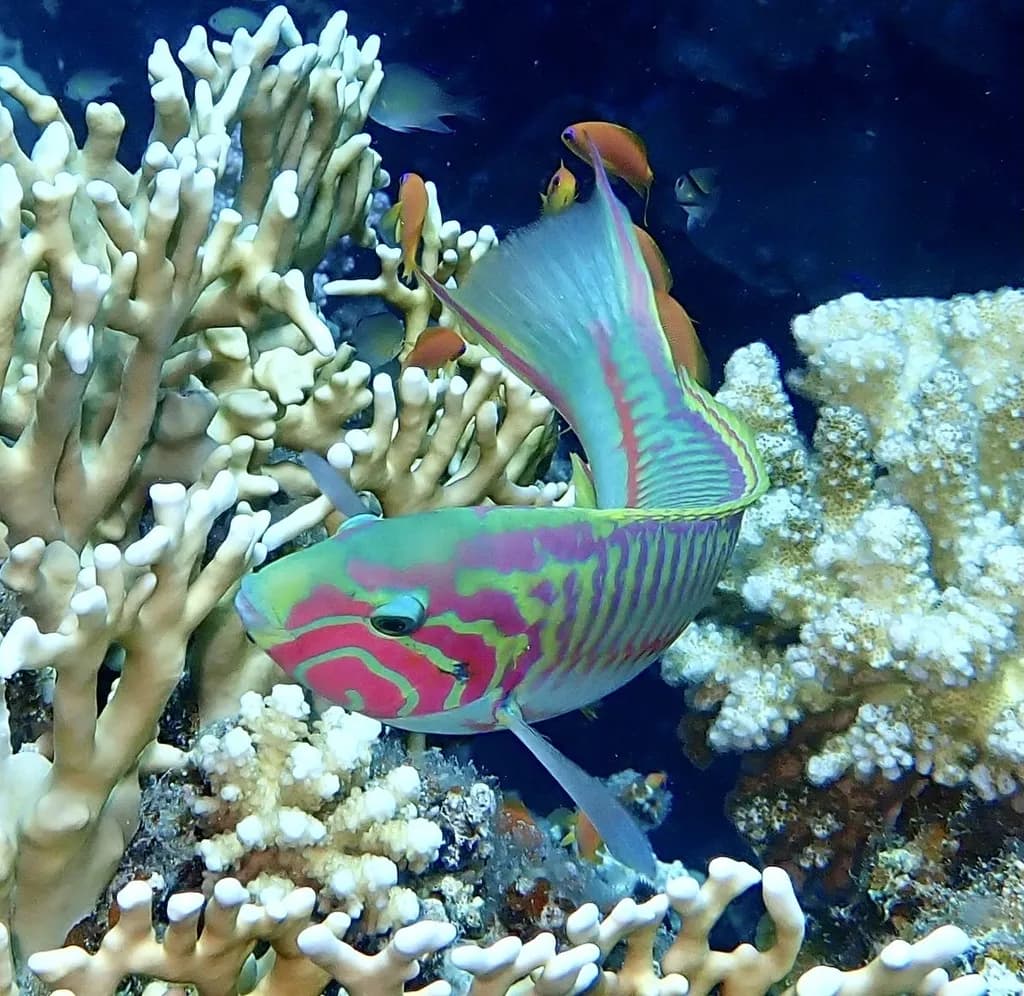
Klunzinger's Wrasse
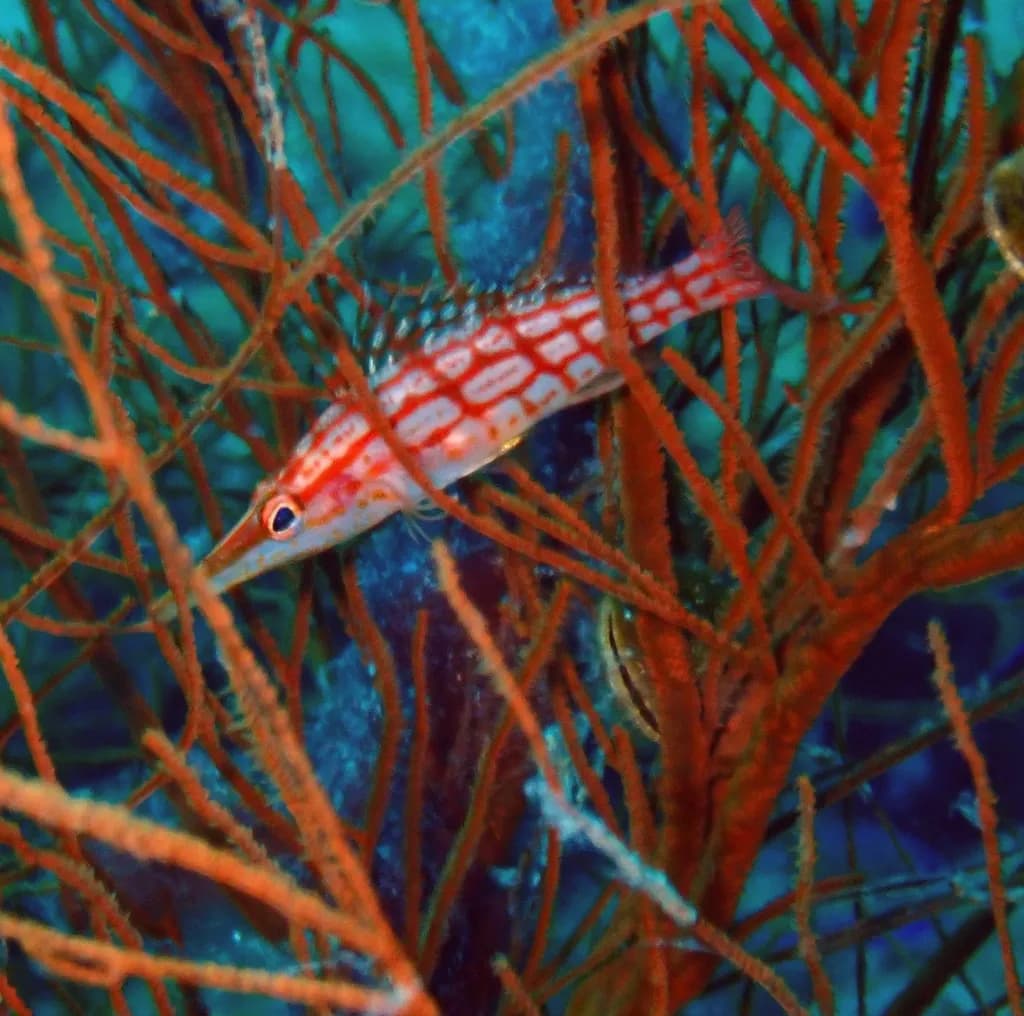
Longnose Hawkfish
Moray Eel
Parrotfish
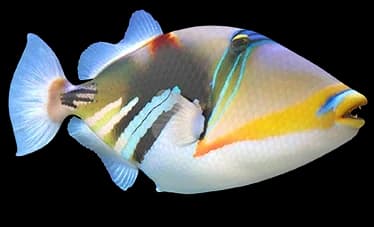
Picasso Triggerfish
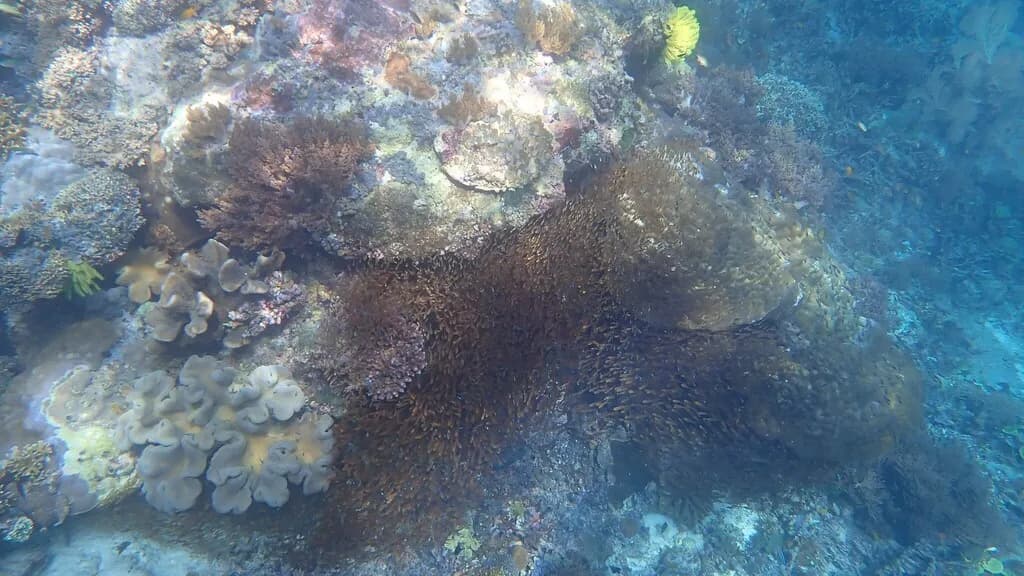
Pygmy Sweeper
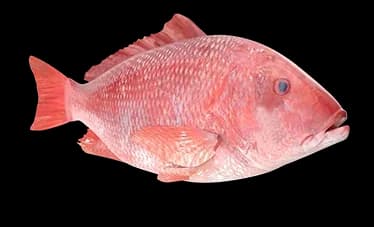
Red Snapper
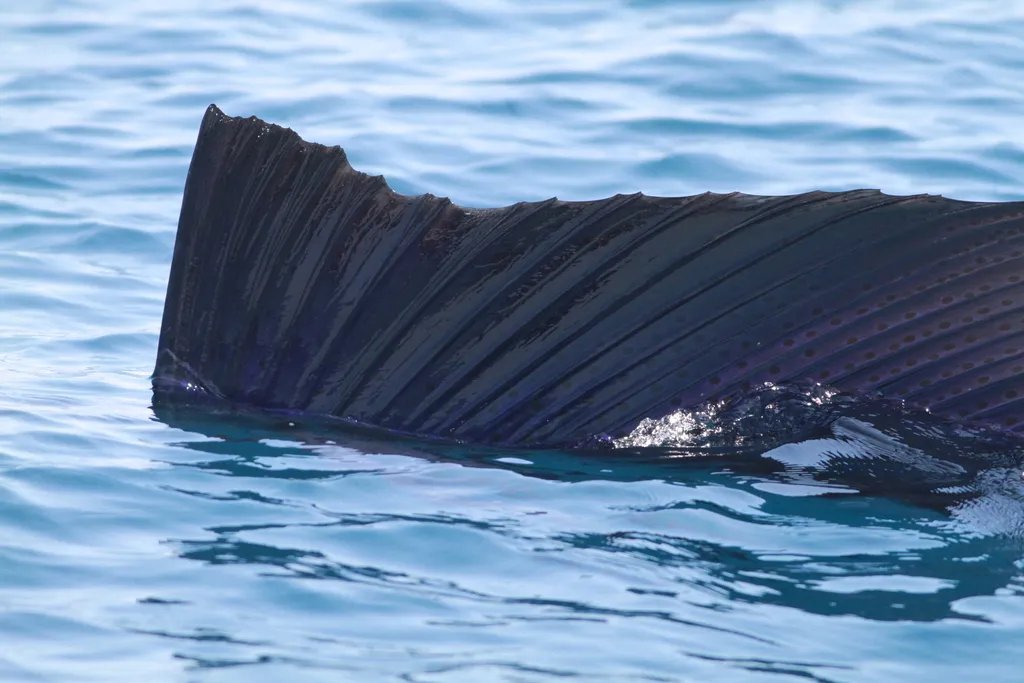
Sailfish
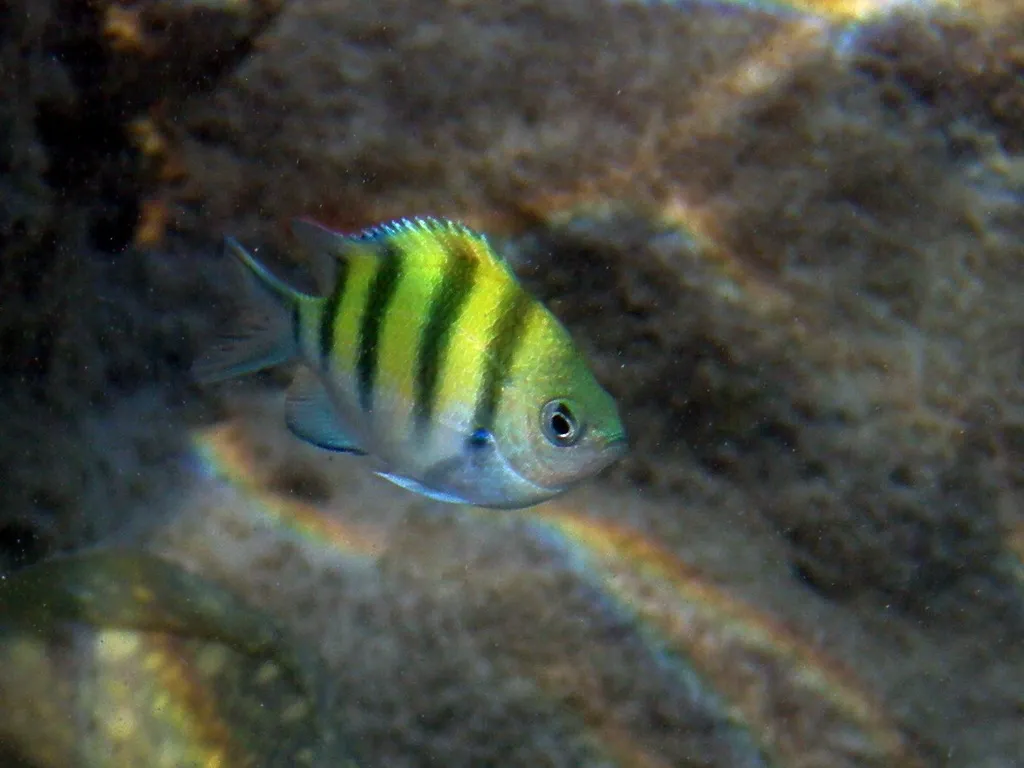
Sergeant Major
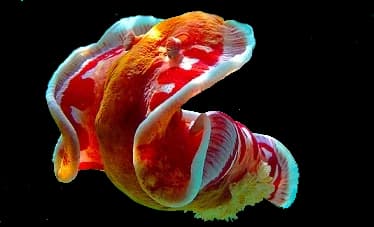
Spanish Dancer
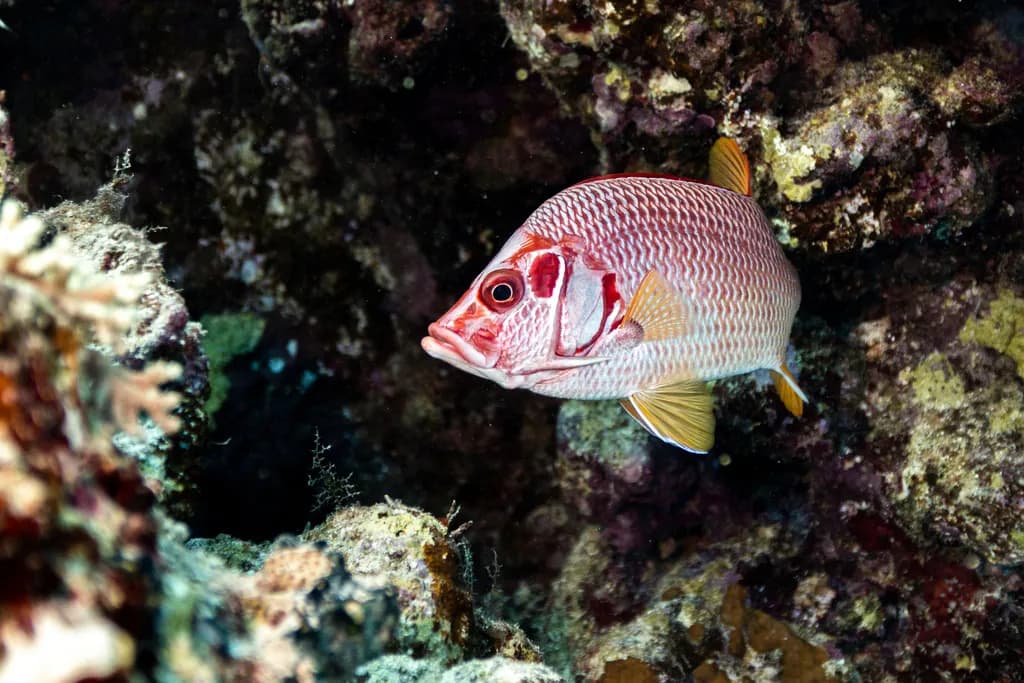
Squirrelfish
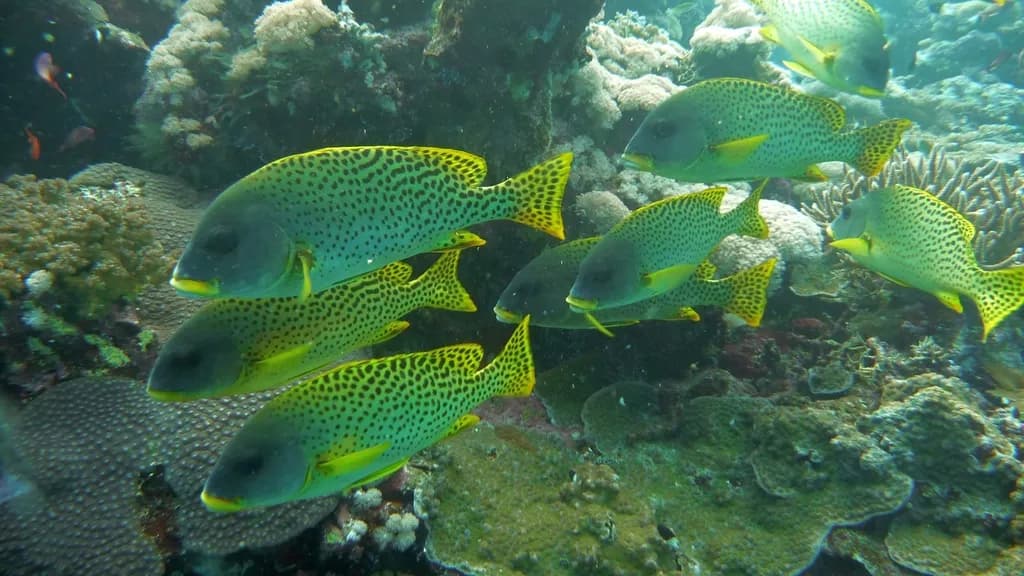
Sweetlip
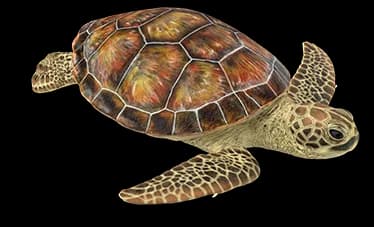
Turtle