
Amphoras
Amphoras
Overview
Amphoras is a relaxed afternoon drift on the Sharm El Sheikh coast, named for the scatter of ancient clay jars that gives it away as a wreck site — the remains of a 17th-century Turkish ship that went down here with a cargo of mercury. Sitting where the dramatic Ras Mohammed wall gives way to the gentle slope of Mersa Bareika, just southwest of the neighbouring Tower site, it pairs easy reef topography with a genuine slice of maritime archaeology.
The Dive
The topography is simple and forgiving: a sandy slope begins at around 12m and is dotted with coral pinnacles, with the most interesting ground lying between 18m and 25m. It's usually dived in the afternoon as a gentle drift, following the slope while the light angles across the coral towers. The historic cargo is the reason to come — amphorae remnants rest on the reef bed around 22m, and behind the coral towers you can find the ship's original anchor stock, marked with old inscriptions, alongside scattered jars. Current is generally light, depth stays well within recreational limits, and the open, uncomplicated layout makes it an unintimidating dive with a real sense of discovery. The pinnacles themselves reward a slow, close look for the small stuff hiding in their nooks.
Marine Life
This is a macro-leaning dive. The coral pinnacles shelter pipefish, nudibranchs and well-camouflaged scorpionfish, schools of glassfish hang in the overhangs, and feather stars cling to the coral heads. The sandy slope and reef host the everyday Sharm reef community, and the gentle pace makes it a good site for divers who like to work a camera over coral towers rather than chase pelagics in the blue.
History
The amphorae that name the site came from a Turkish vessel lost here in the 17th century, carrying a cargo of mercury. When the ship broke up, the mercury spilled across the reef bed, famously pooling into bright, mirror-like beads on the sea floor. The wooden hull itself has long since vanished, but the clay jars, the inscribed anchor stock and the story of that quicksilver cargo remain — a small, atmospheric piece of Red Sea maritime history rather than a structured wreck to penetrate.
Good to Know
Amphoras is an easy, all-levels site — shallow, gentle current and simple navigation make it suitable for newer divers while the history and macro keep experienced divers interested. Visibility is typically very good, around 10–30m. It's reached as a boat dive from Sharm El Sheikh, commonly run as the afternoon dive of a day trip and paired with the adjacent Tower site.
Depth
12-25m
Visibility
15-30m
Current
weak
Access
boat
Certification
Open Water
Species
Angelfish
Bicolour Puller
Bluegreen Puller
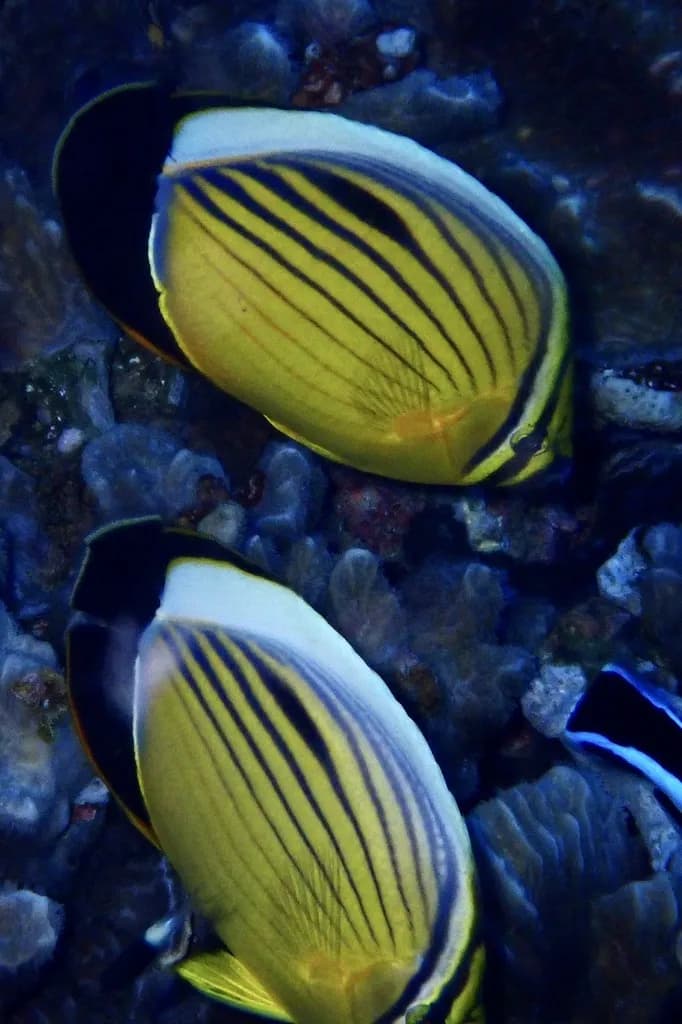
Butterflyfish
Blue Spotted Stingray
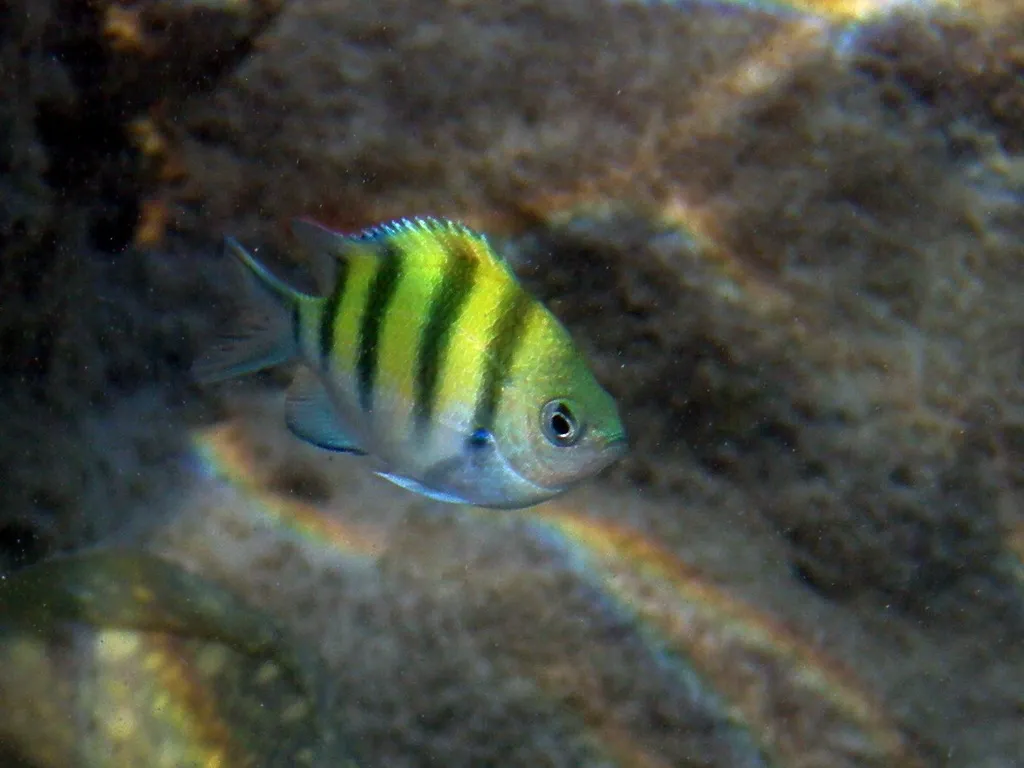
Sergeant Major
Parrotfish
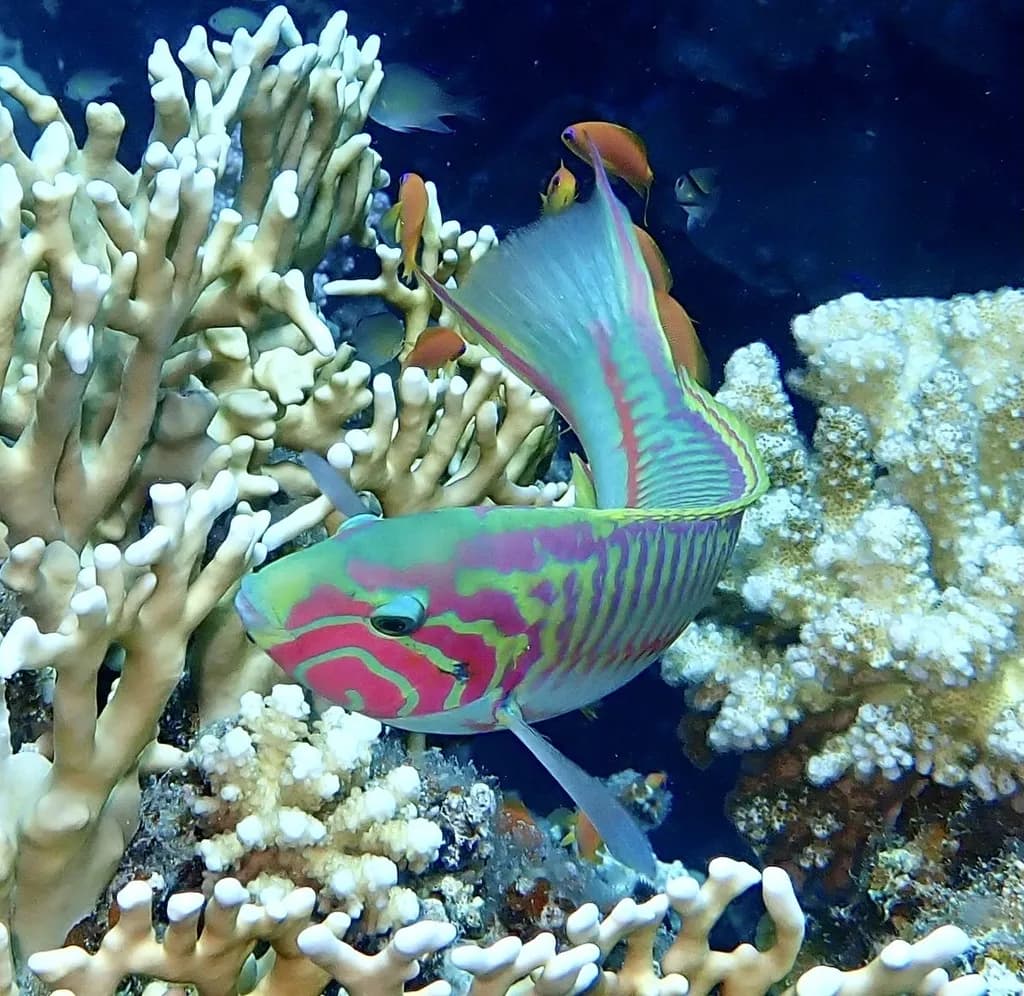
Klunzinger's Wrasse
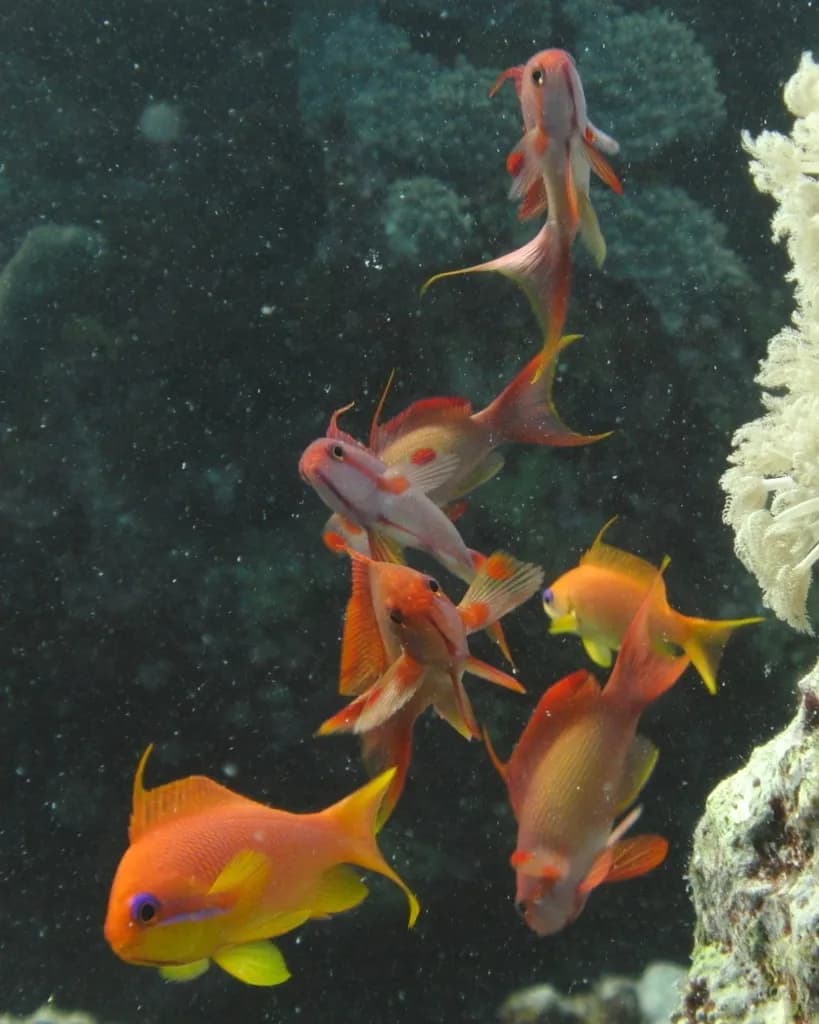
Anthias
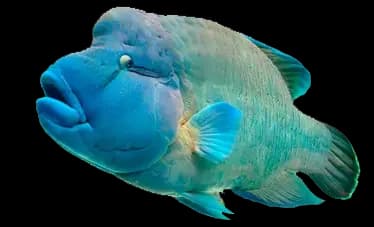
Napoleon Wrasse
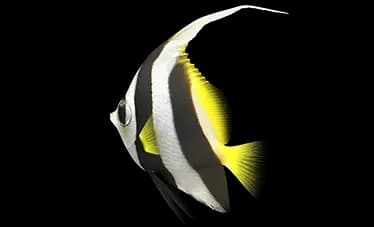
Bannerfish
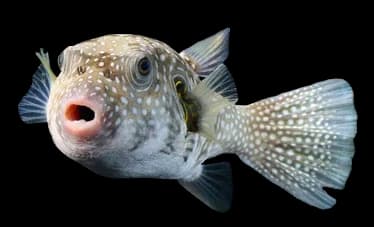
Pufferfish
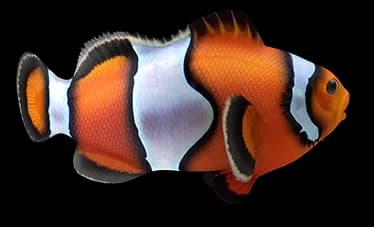
Clownfish
Blackside Hawkfish
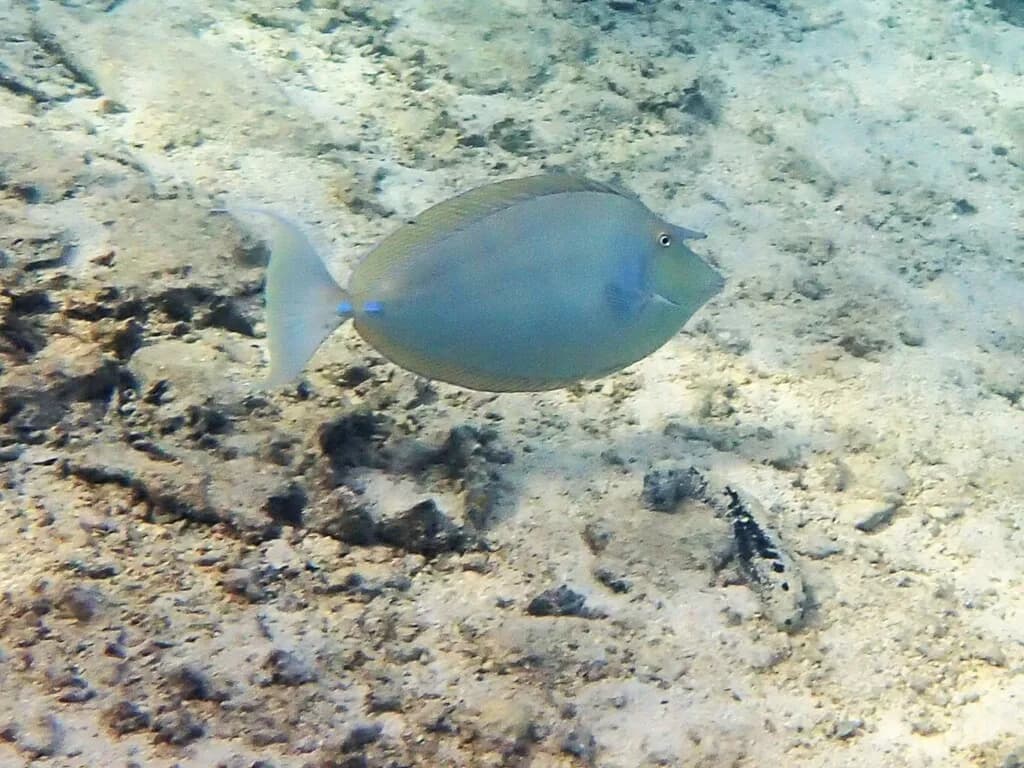
Unicorn Fish
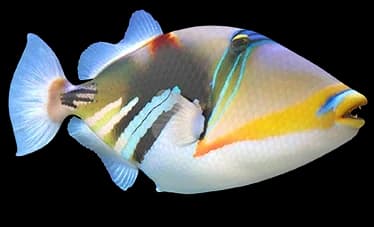
Picasso Triggerfish
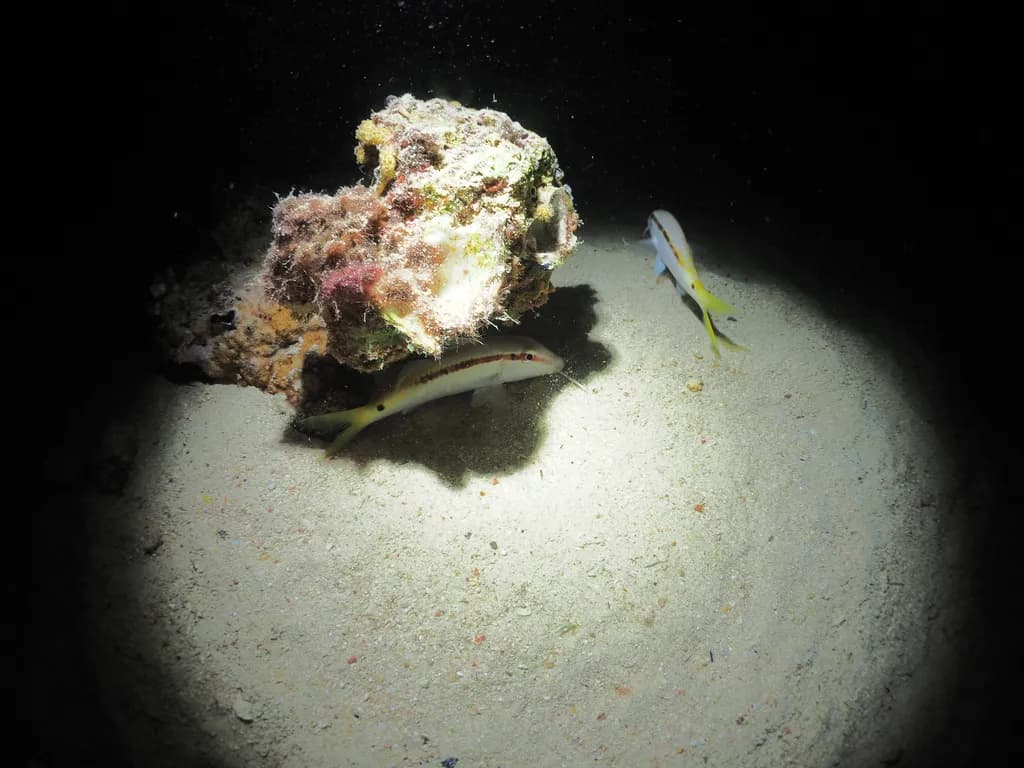
Goatfish
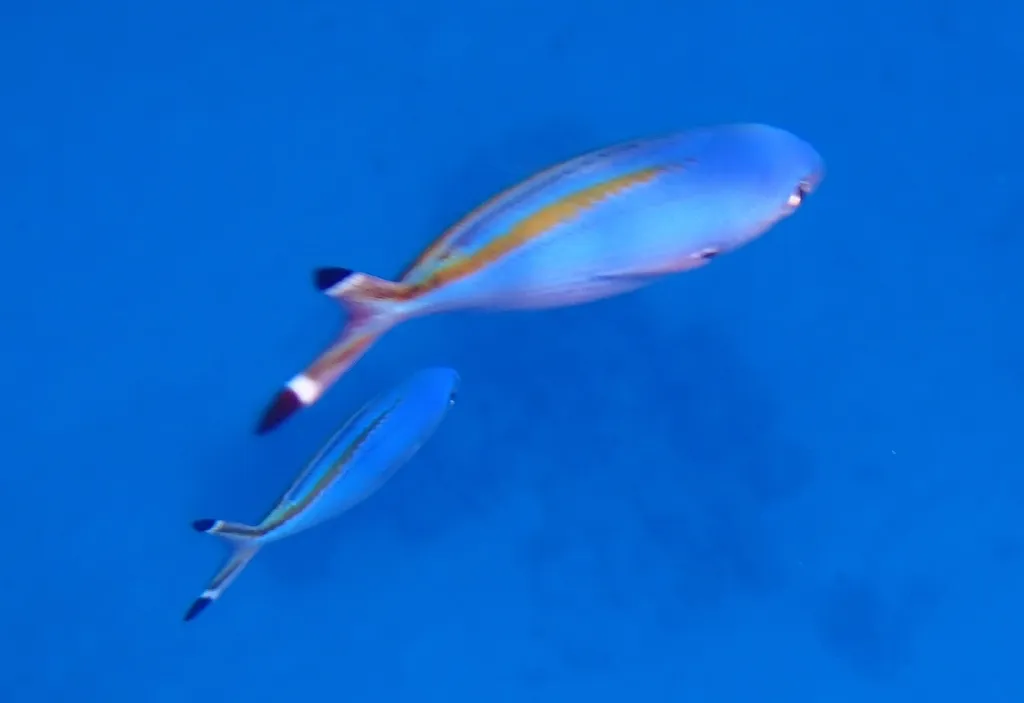
Fusilier
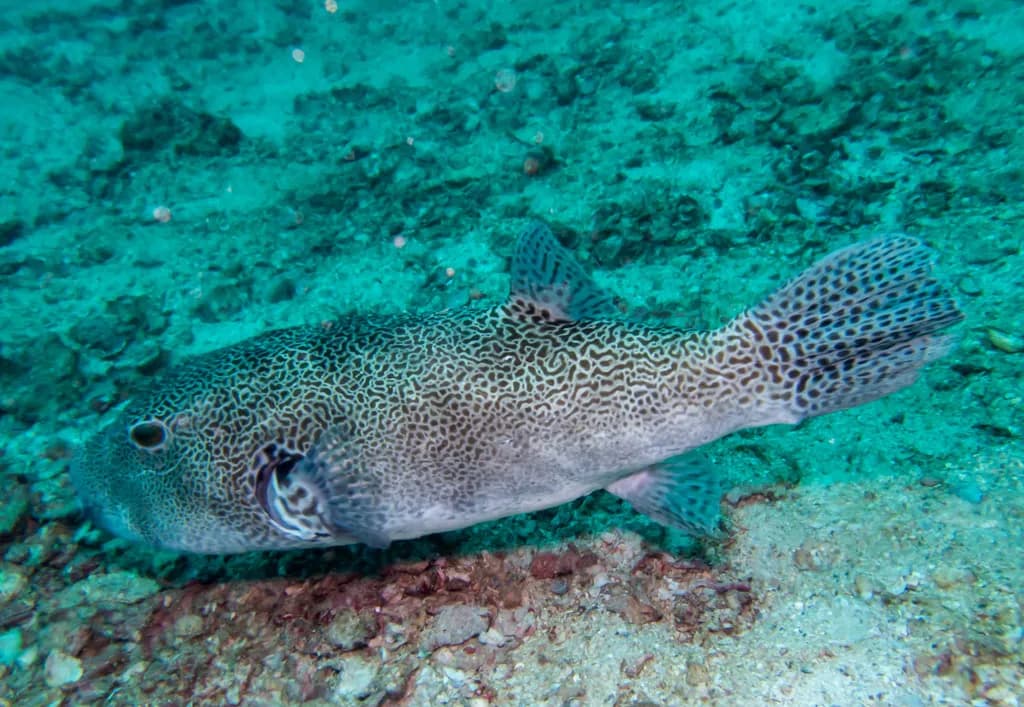
Starry Pufferfish
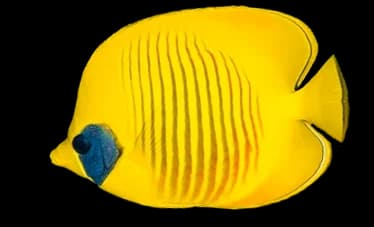
Masked Butterflyfish
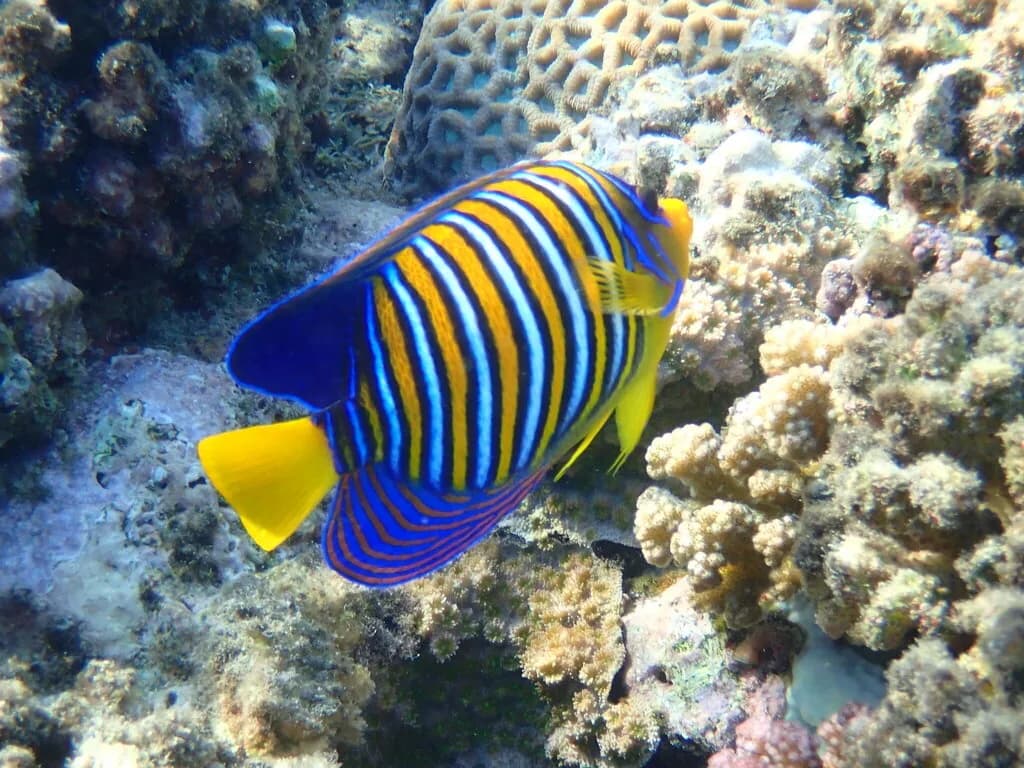
Regal Angelfish
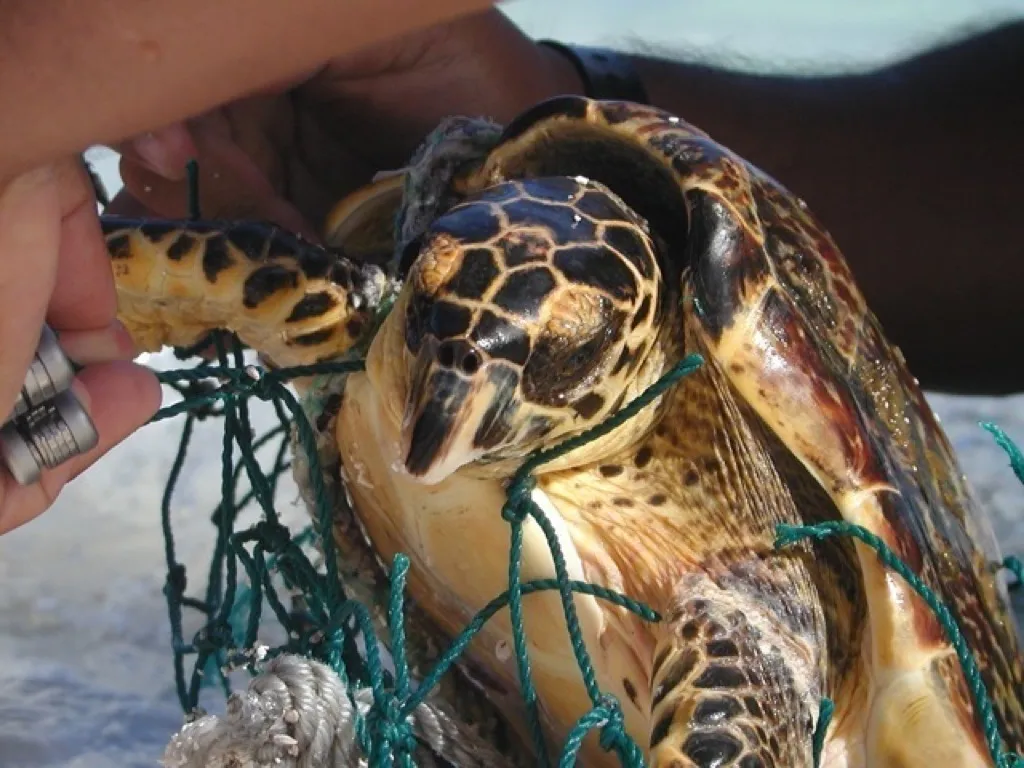
Hawksbill Turtle
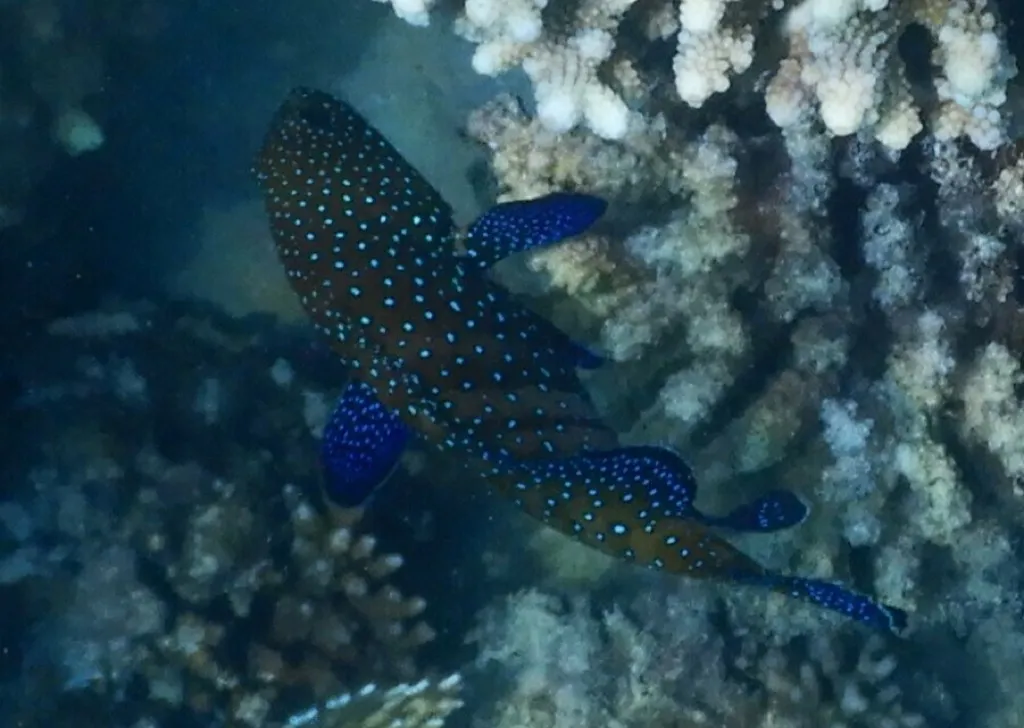
Peacock Grouper
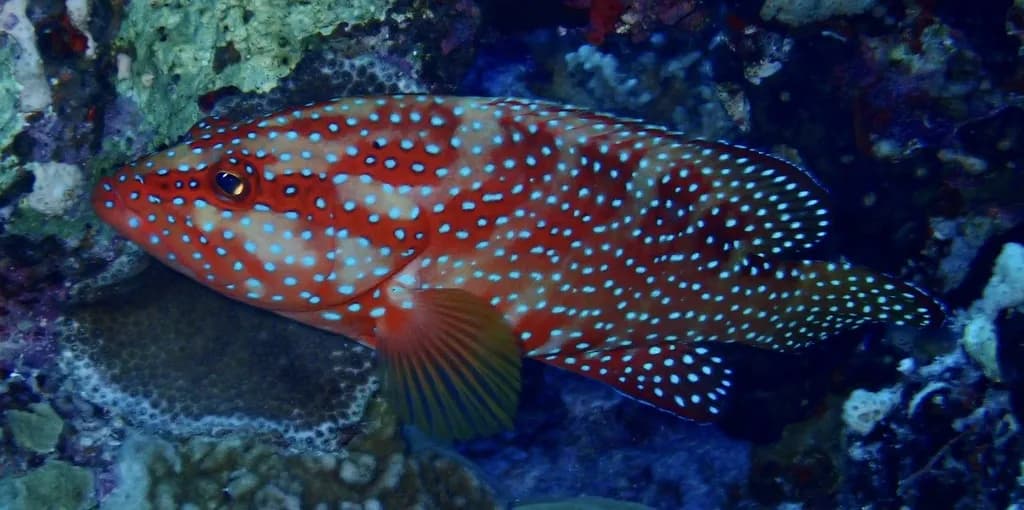
Coral Grouper
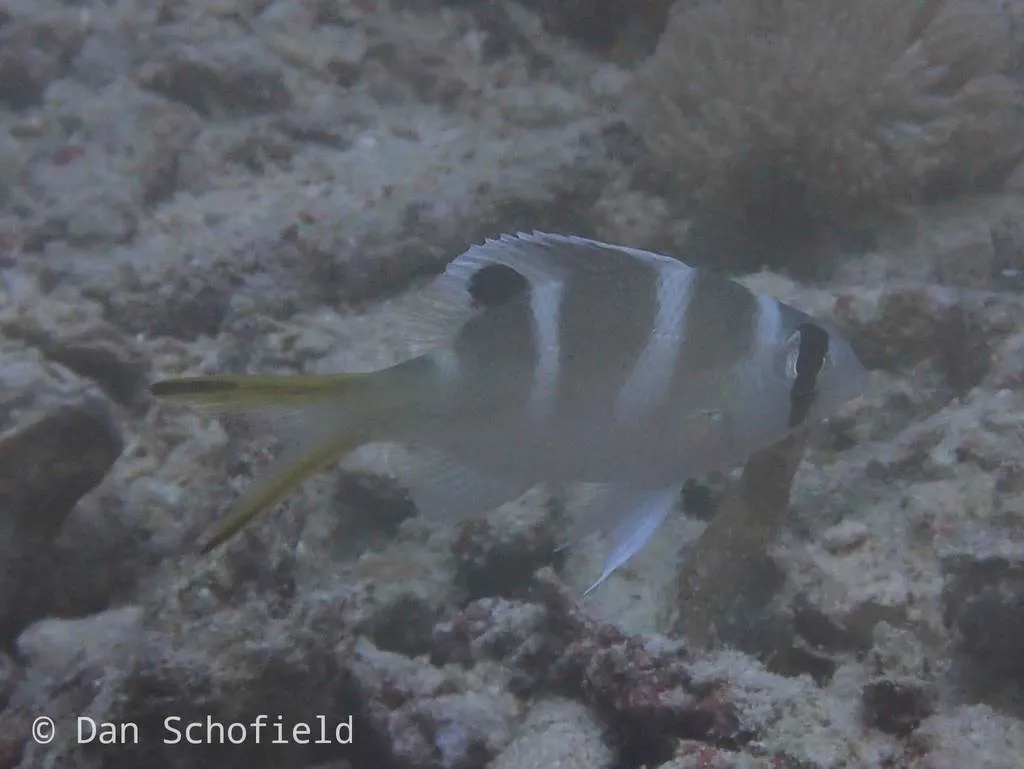
Bream
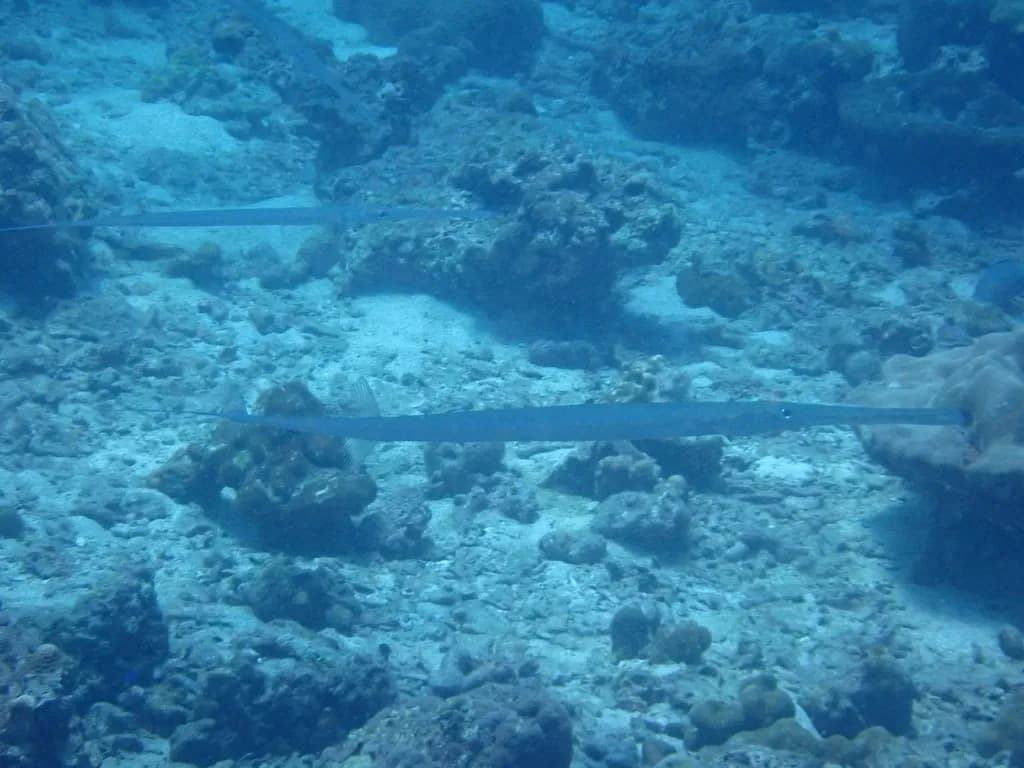
Cornetfish
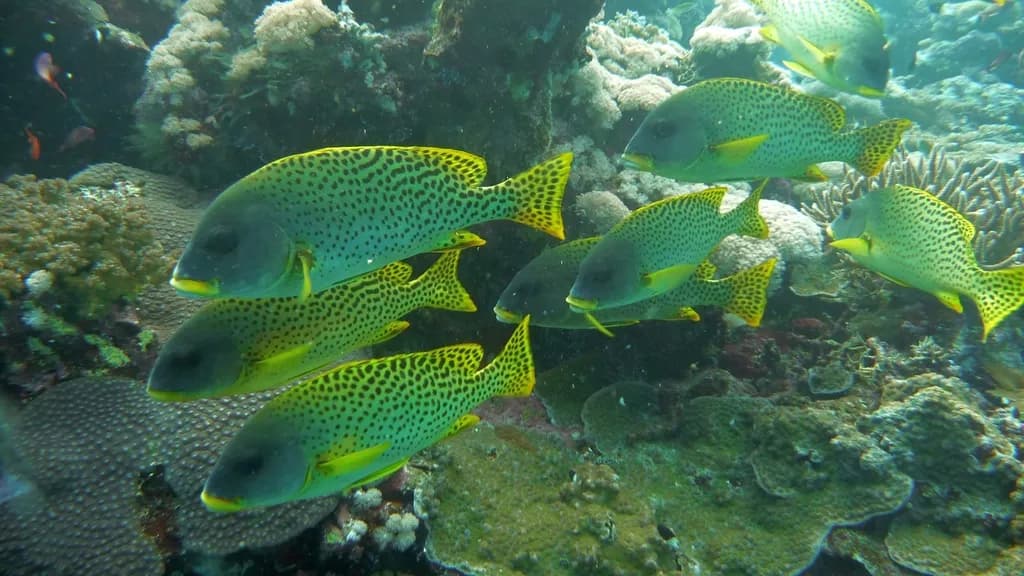
Sweetlip
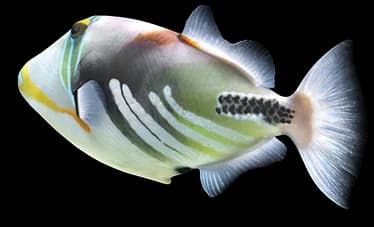
Triggerfish
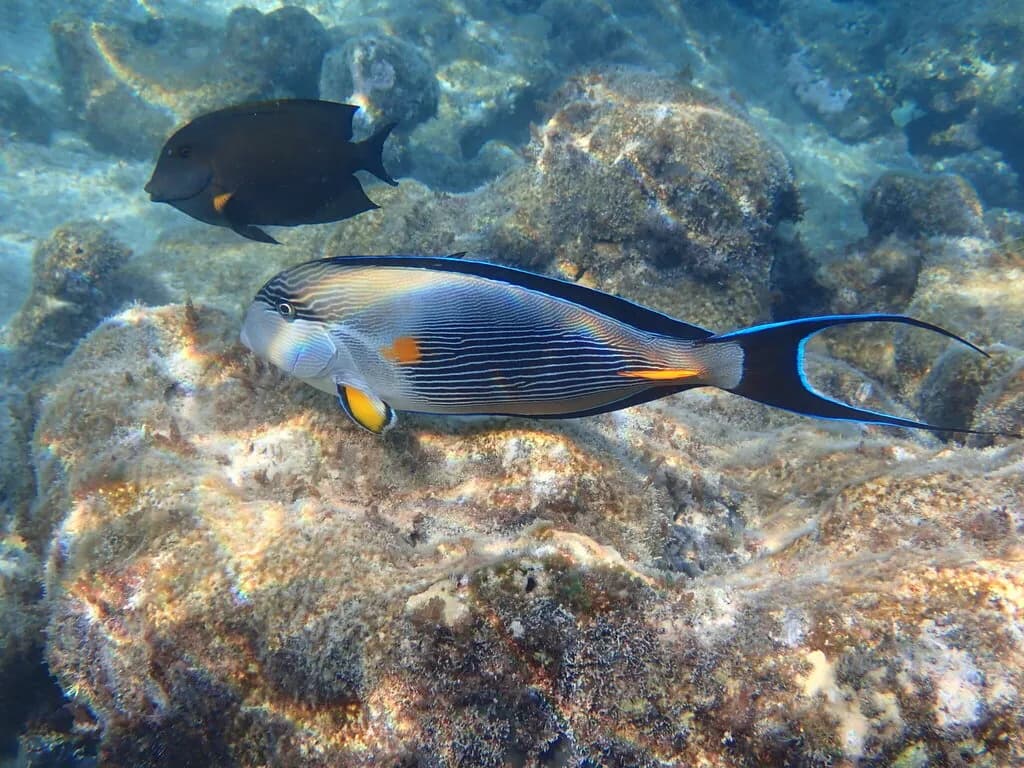
Surgeonfish
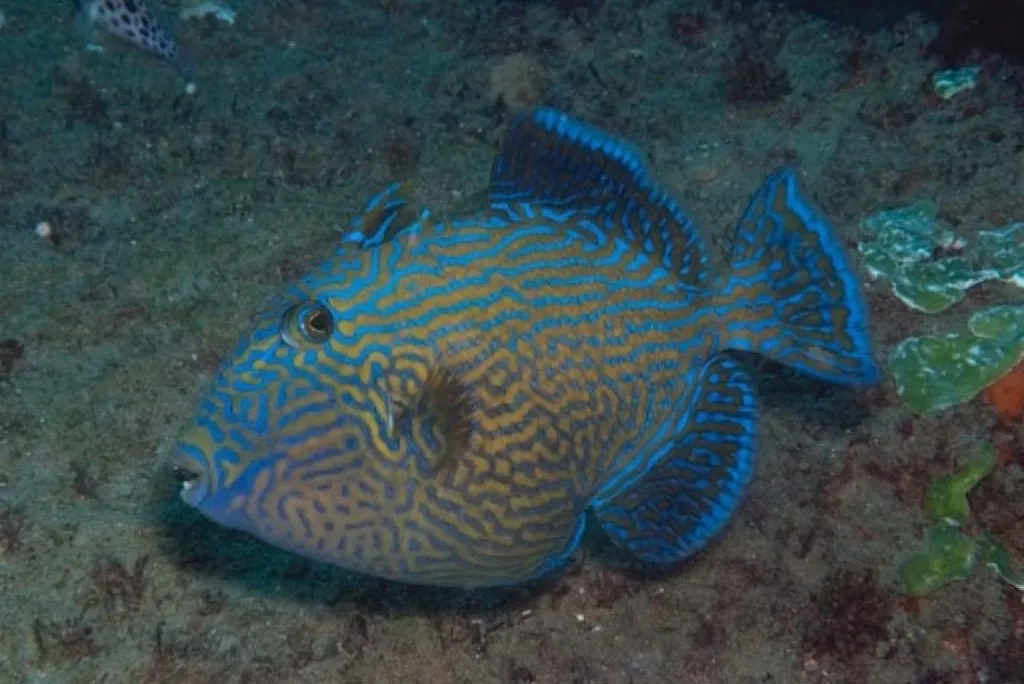
Blue Triggerfish
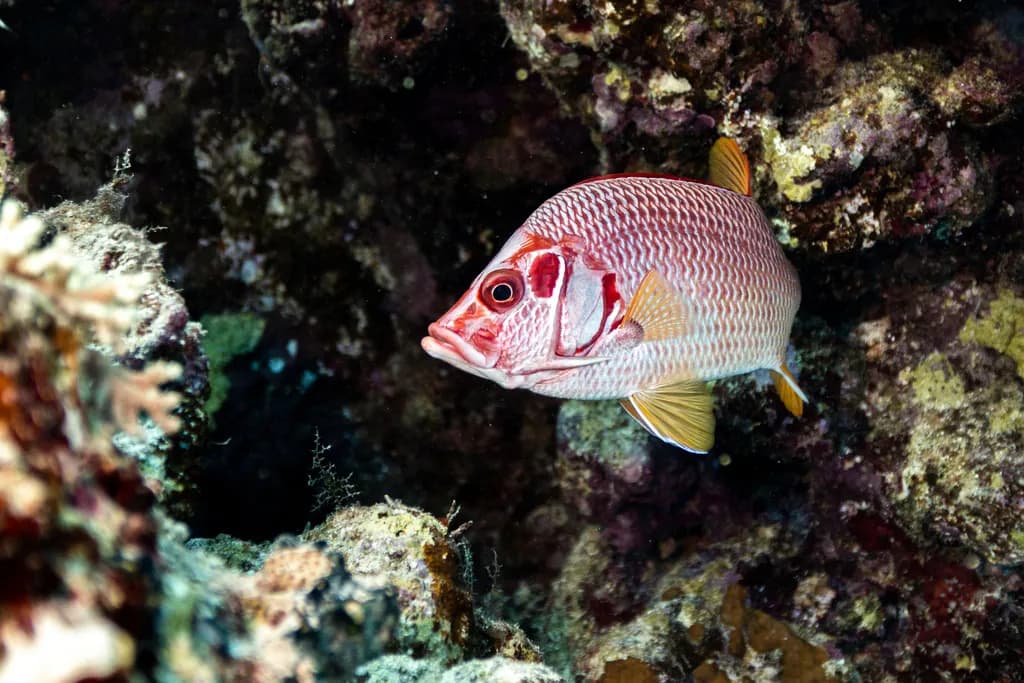
Squirrelfish
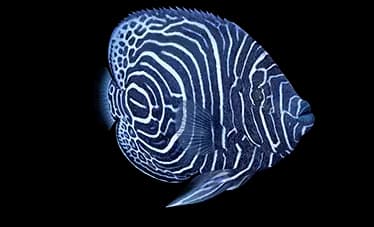
Emperor Angelfish
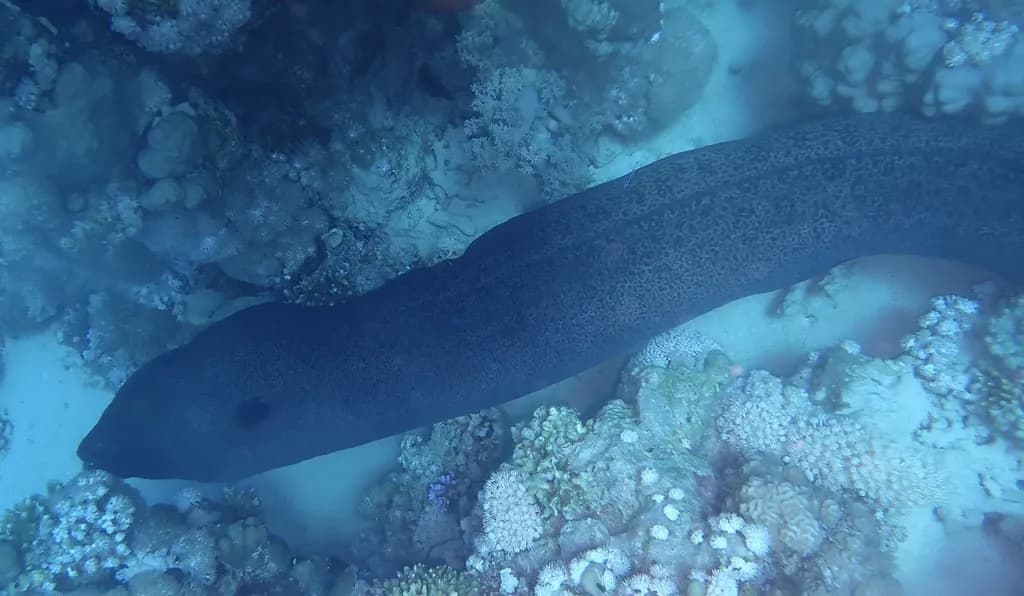
Eel
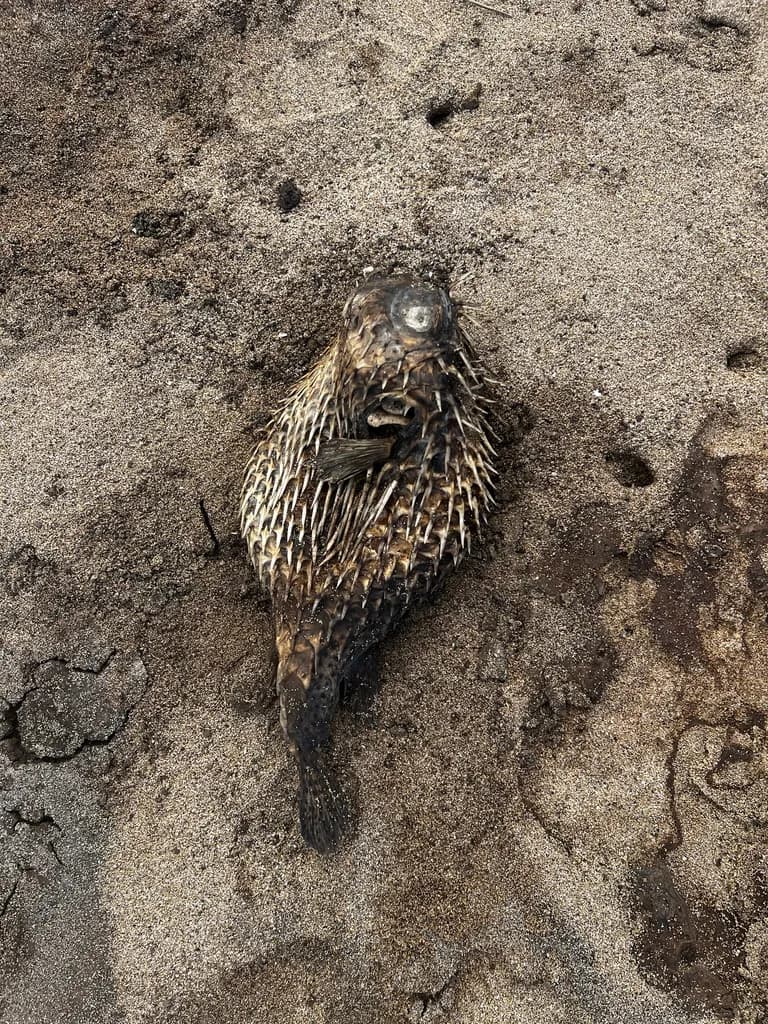
Porcupine Fish
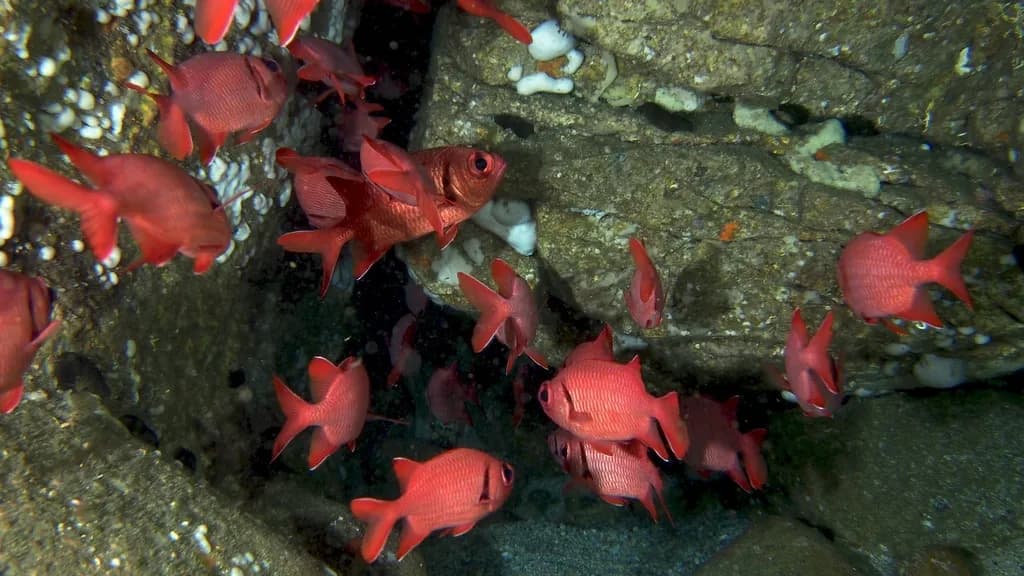
Soldierfish
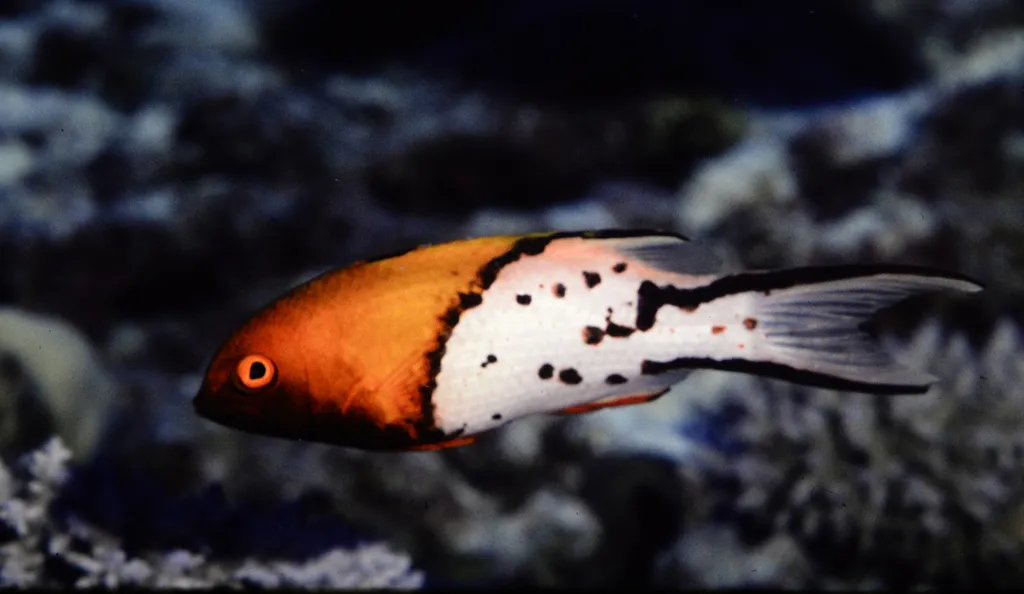
Lyretail Hogfish
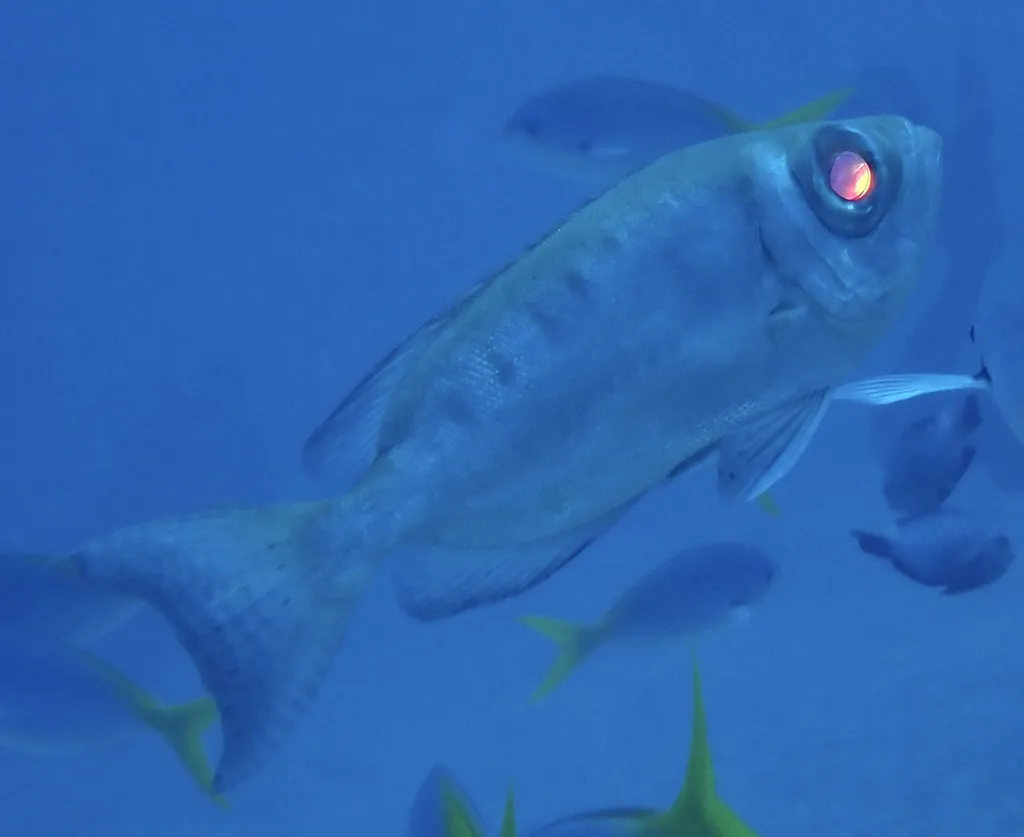
Bigeye
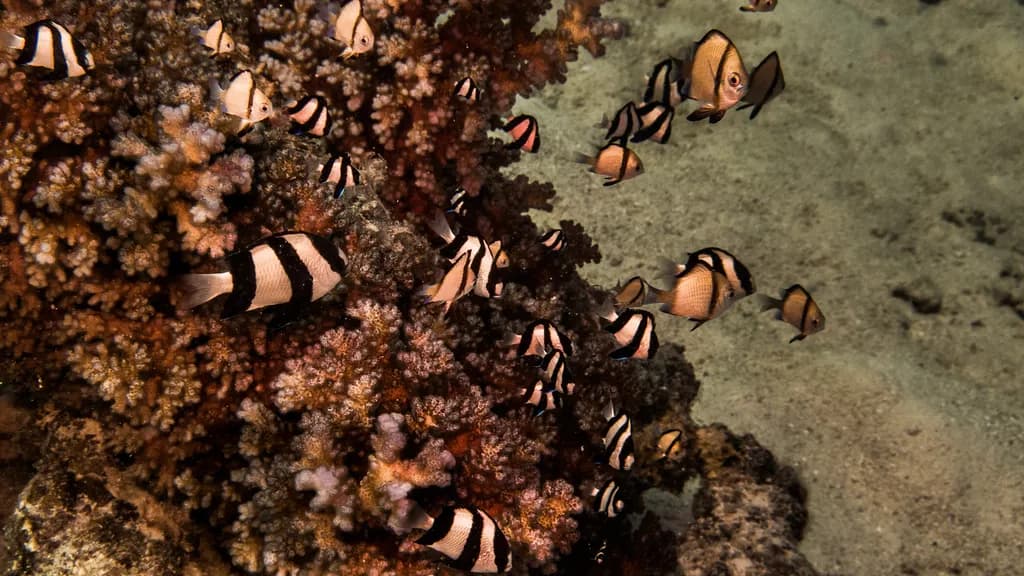
Humbug Damsel
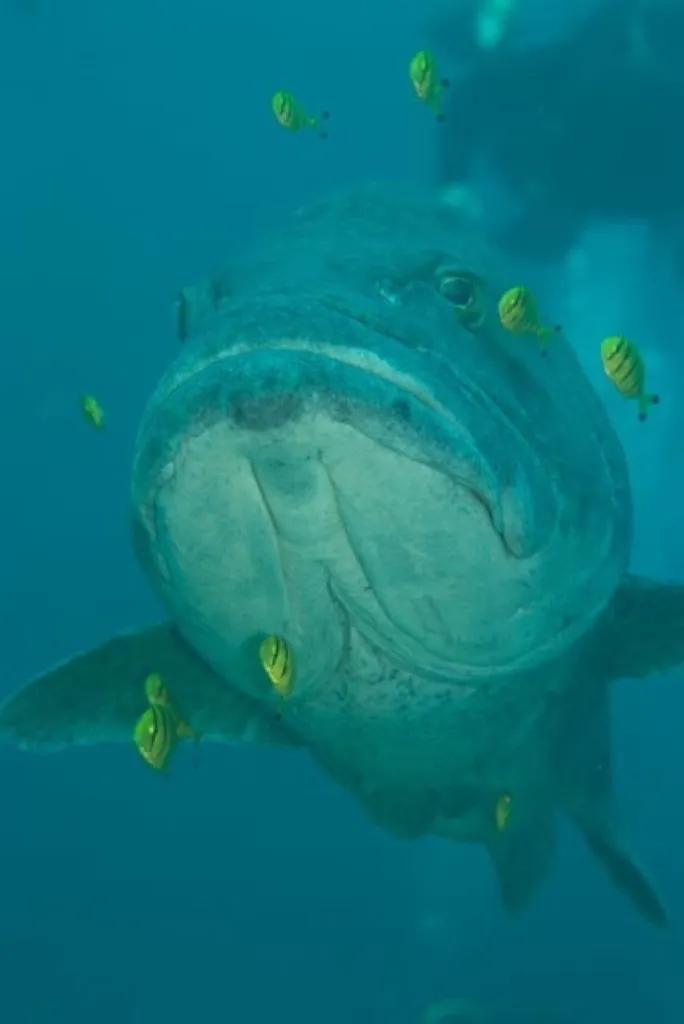
Black Grouper
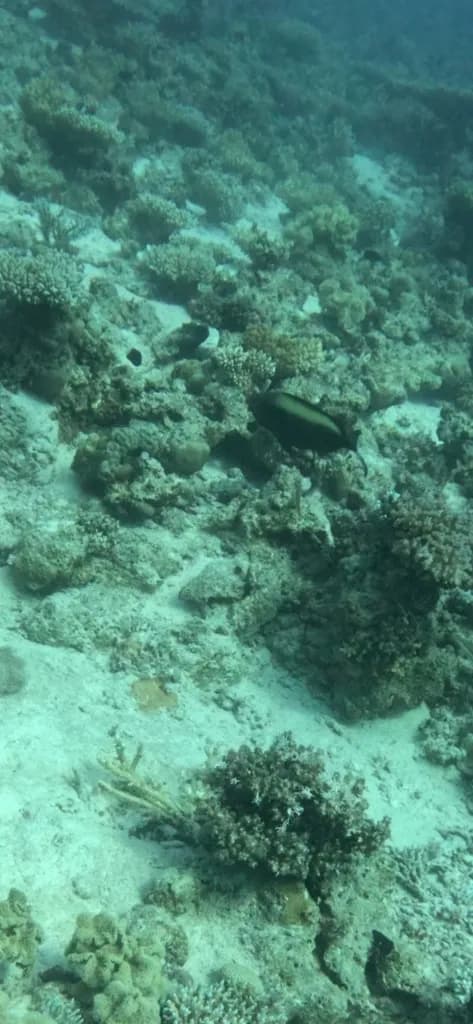
Bicolor Parrotfish
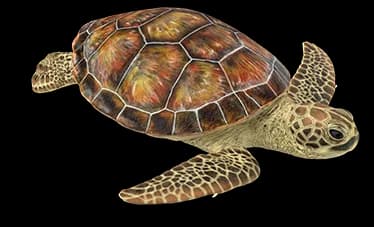
Turtle
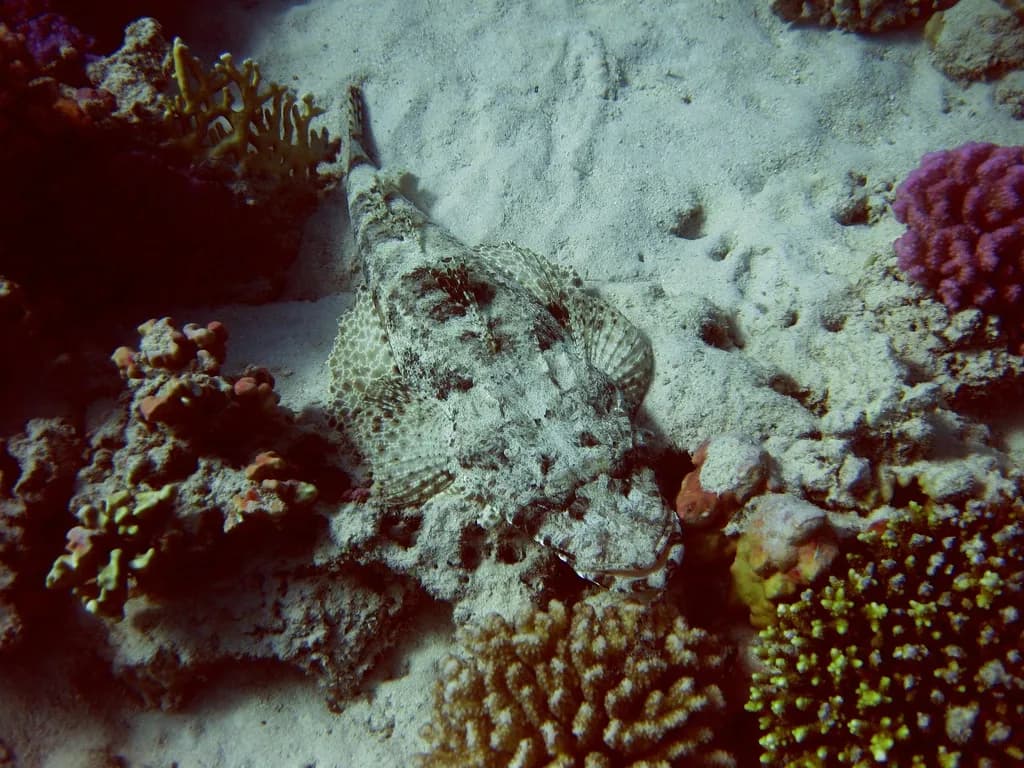
Crocodilefish
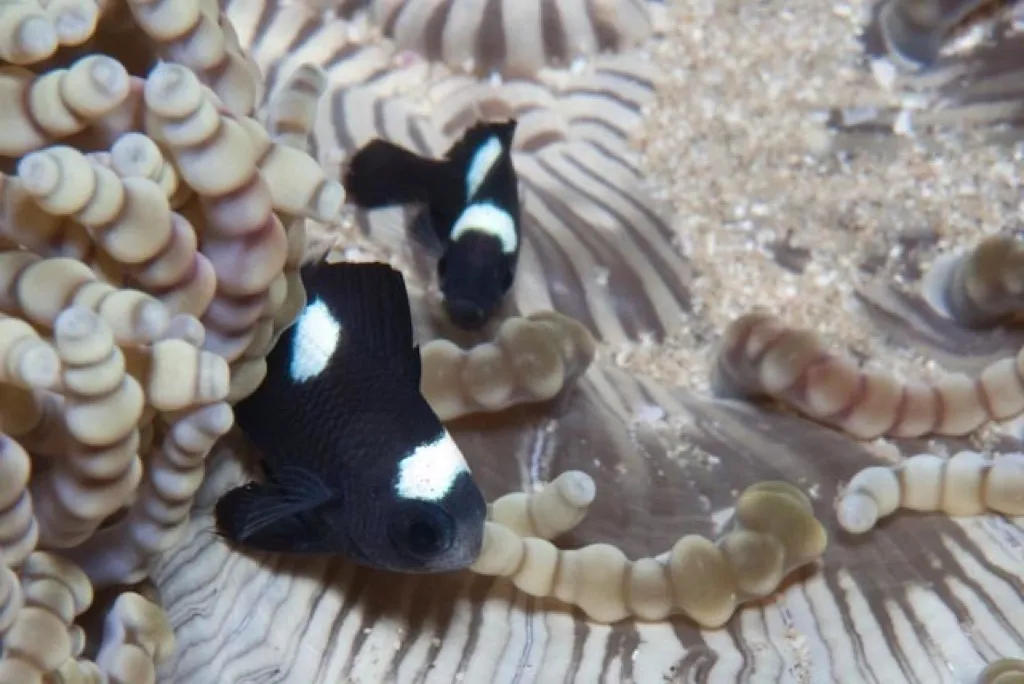
Domino Damsel
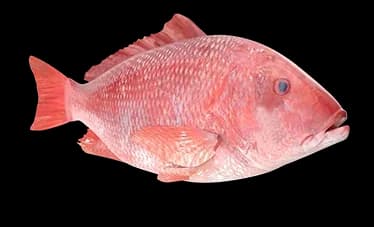
Red Snapper
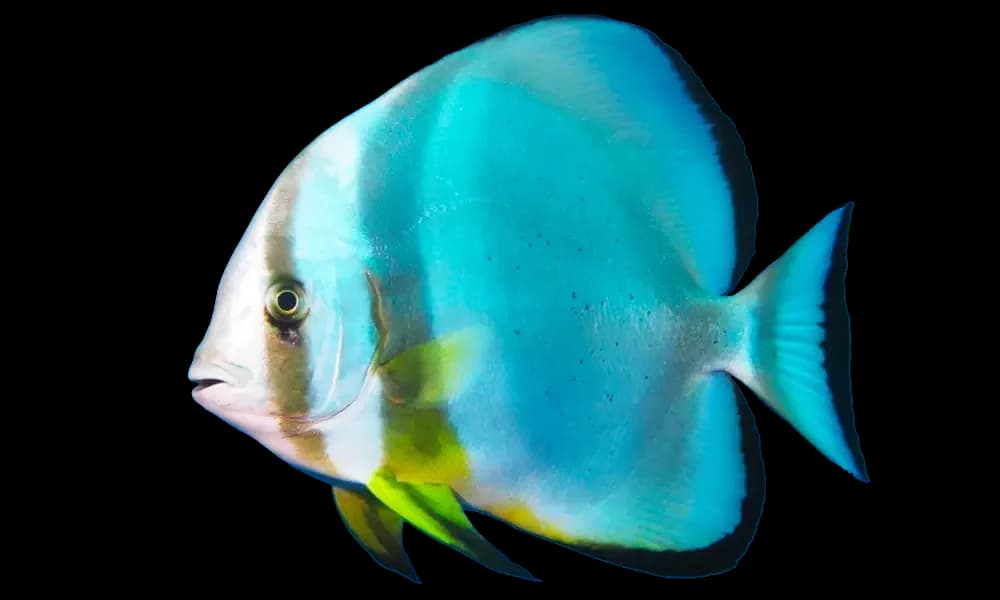
Batfish
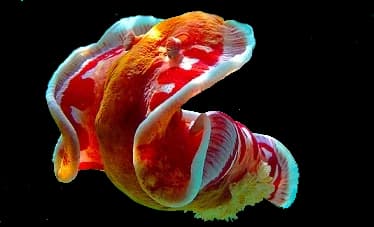
Spanish Dancer
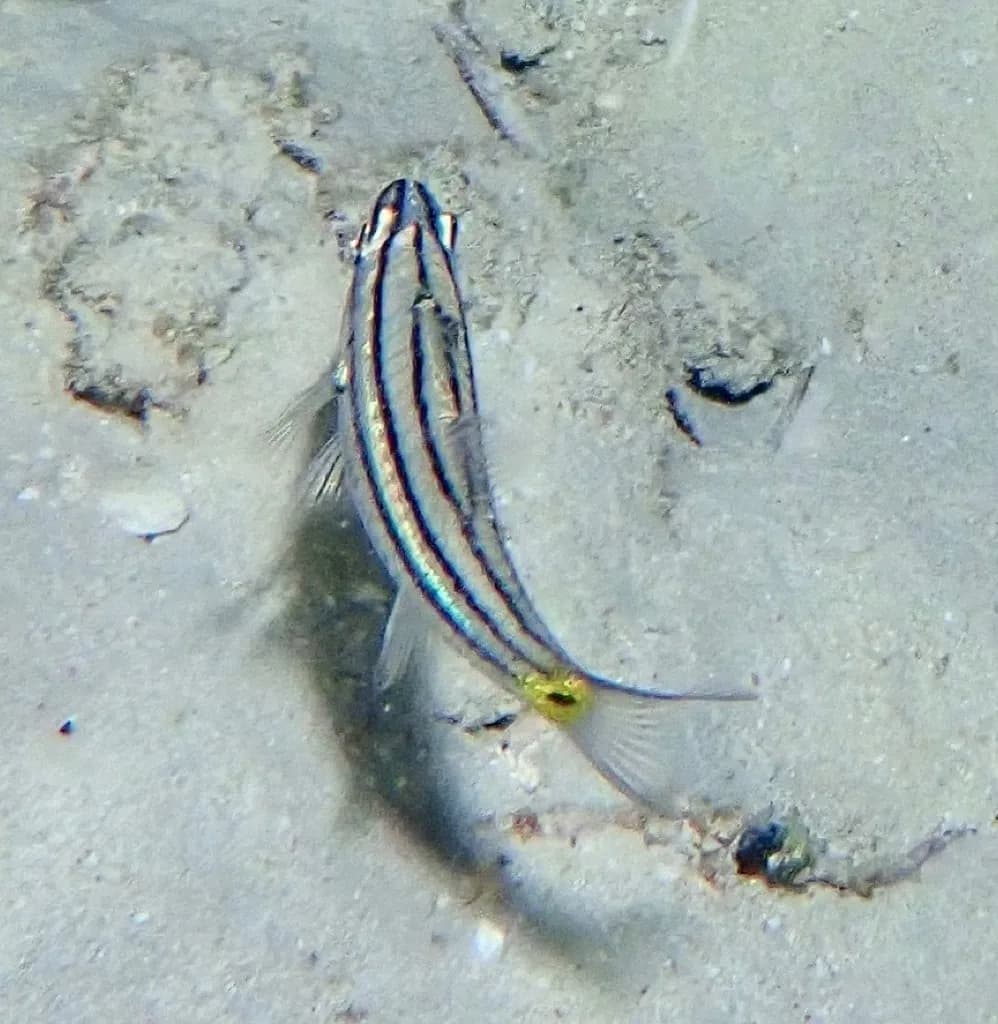
Cardinal Fish
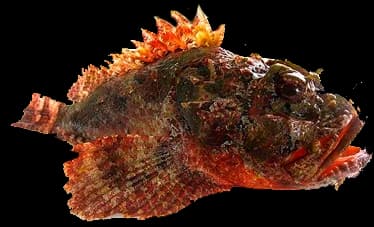
Scorpionfish
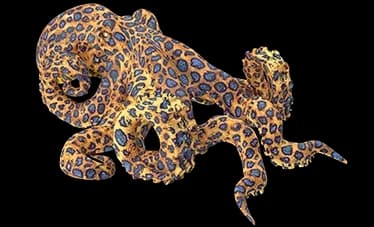
Octopus
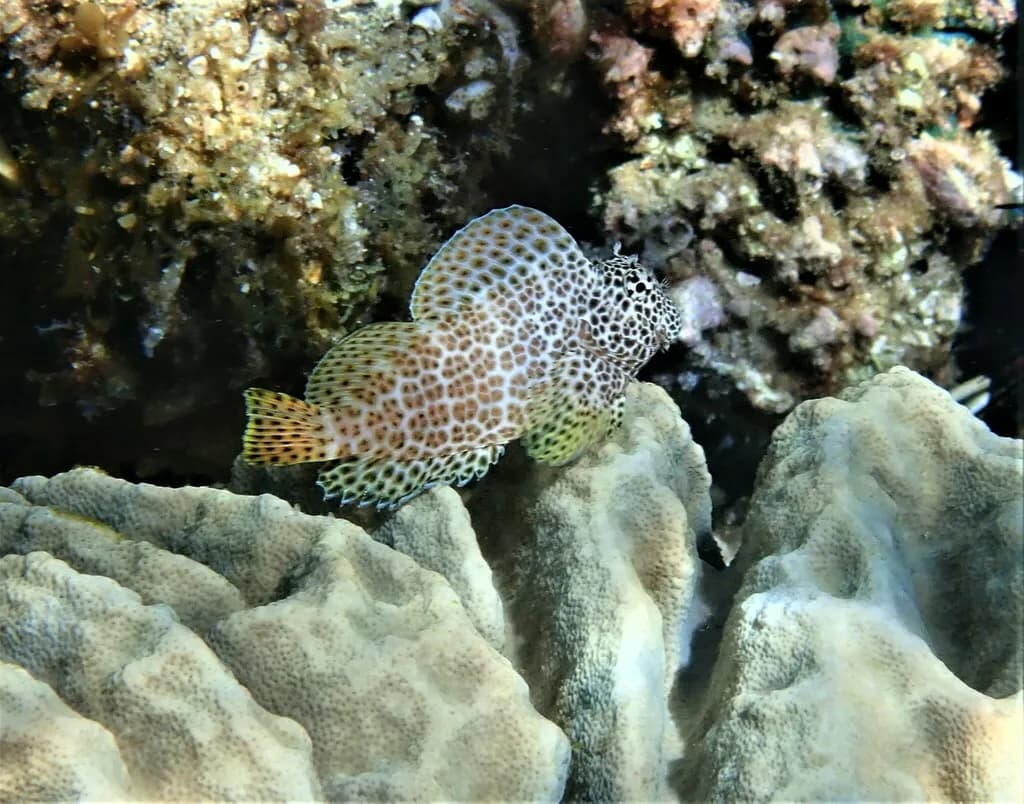
Leopard Blenny
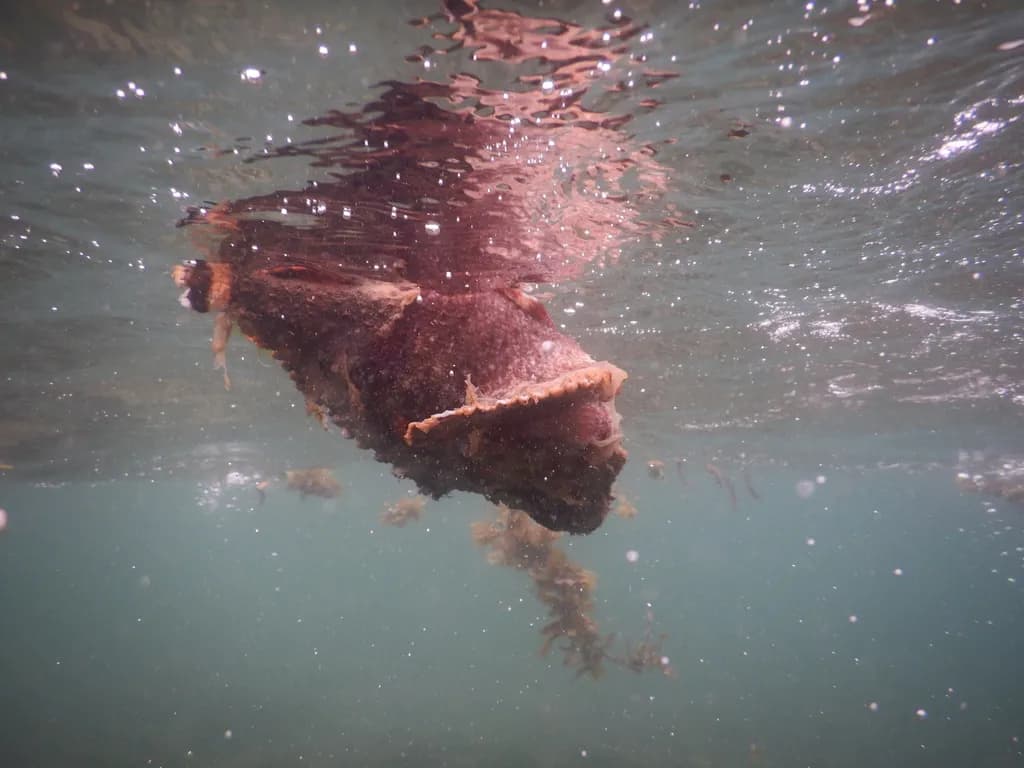
Stonefish
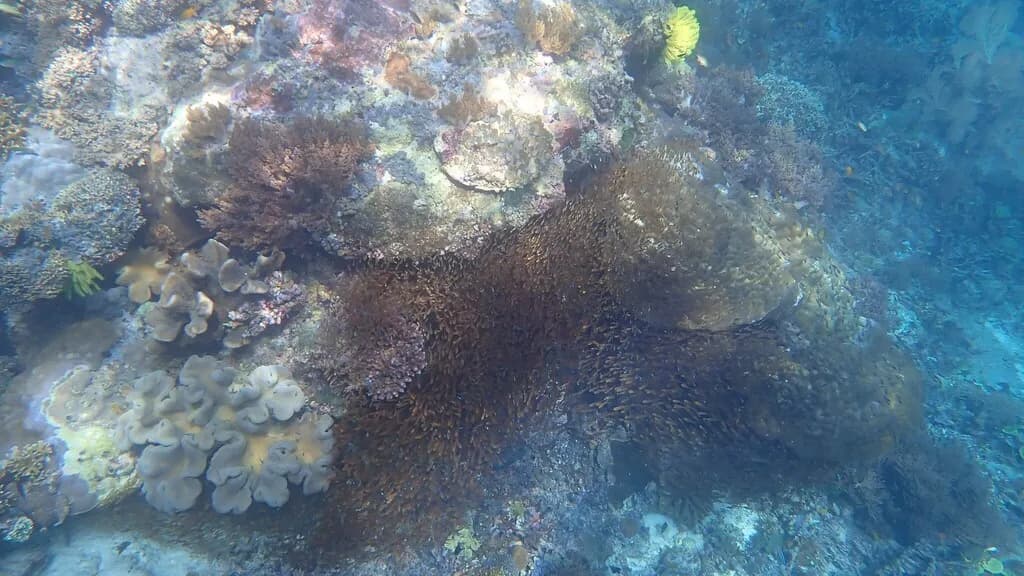
Pygmy Sweeper
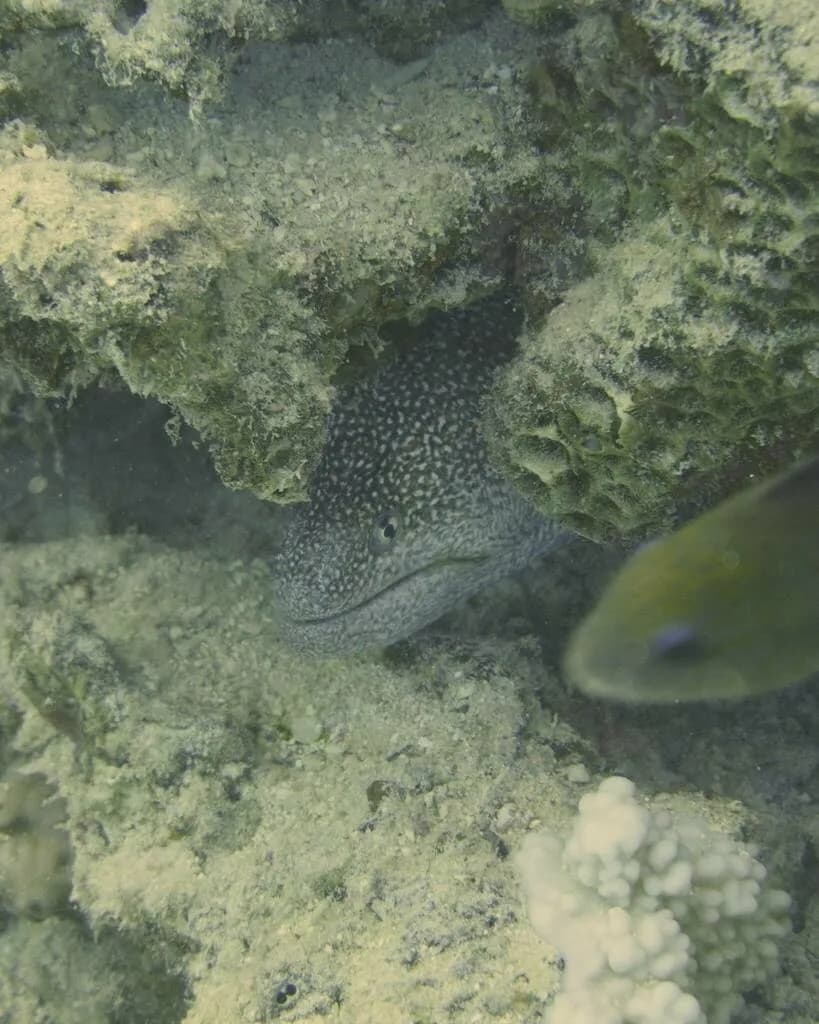
Yellowmouth Moray
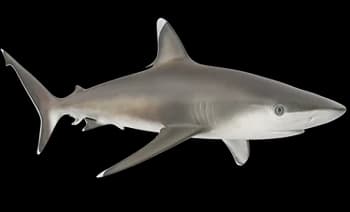
Whitetip Shark
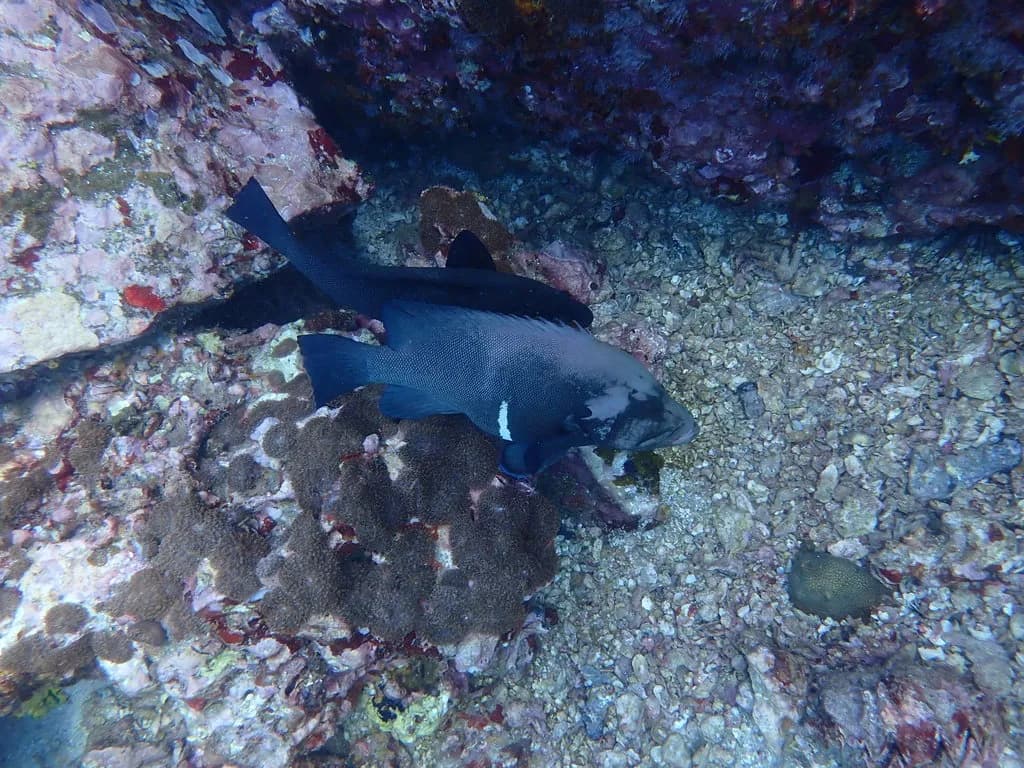
Redmouth Grouper
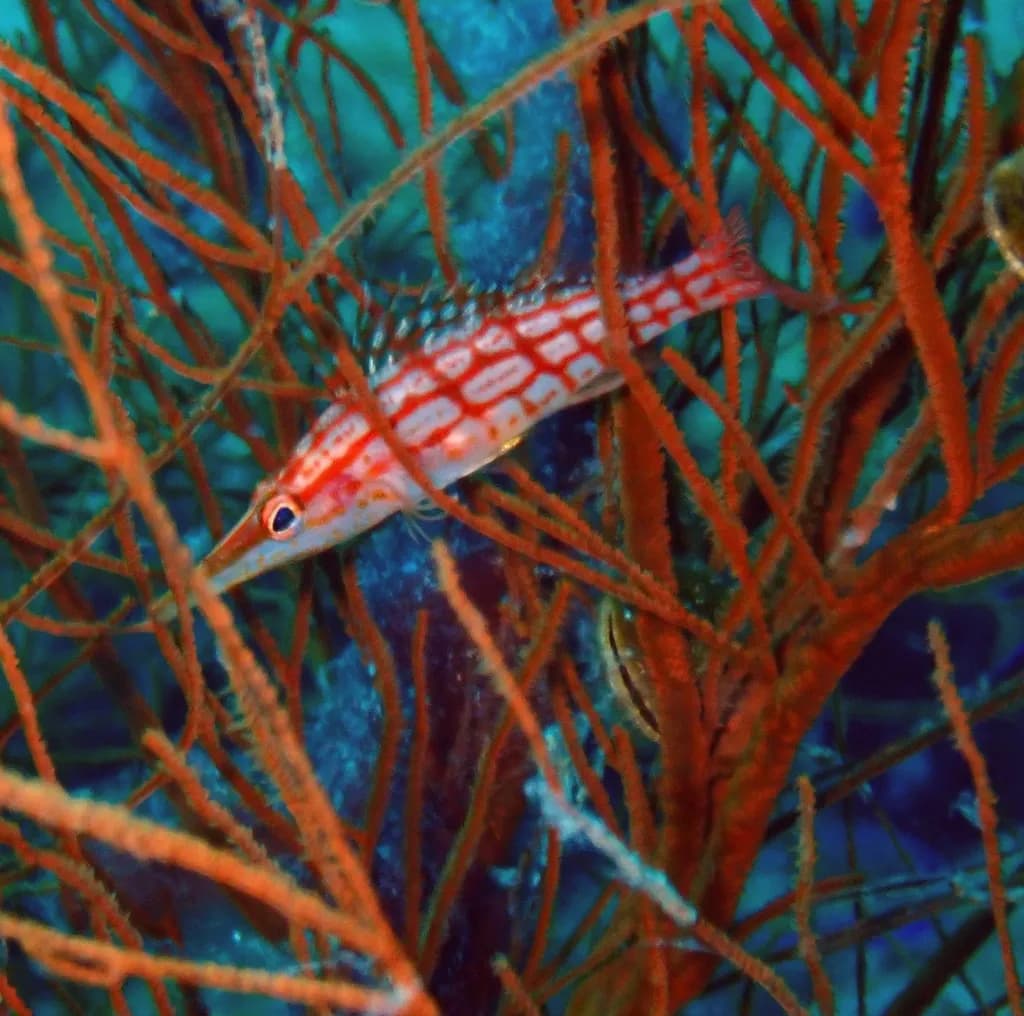
Longnose Hawkfish
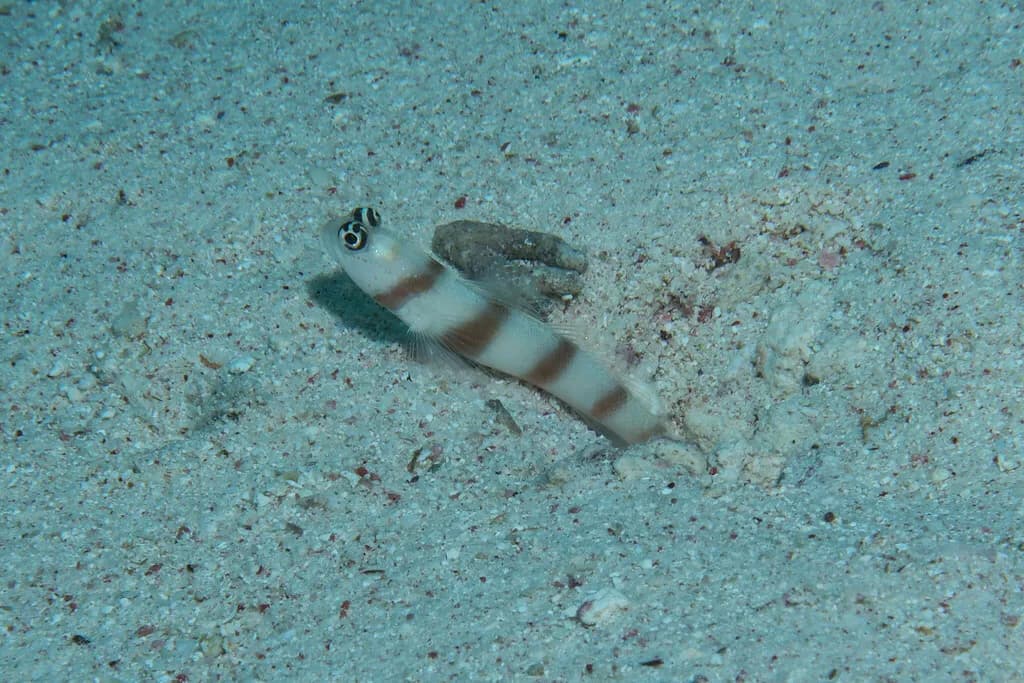
Gobie
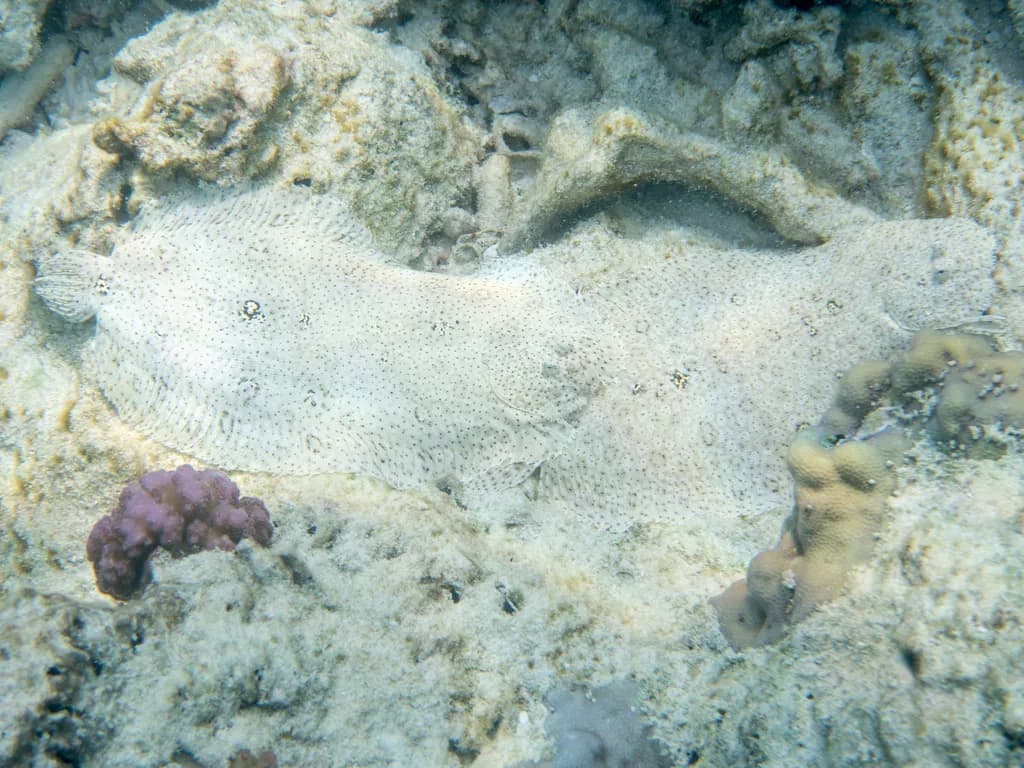
Moses Sole
Whale Shark
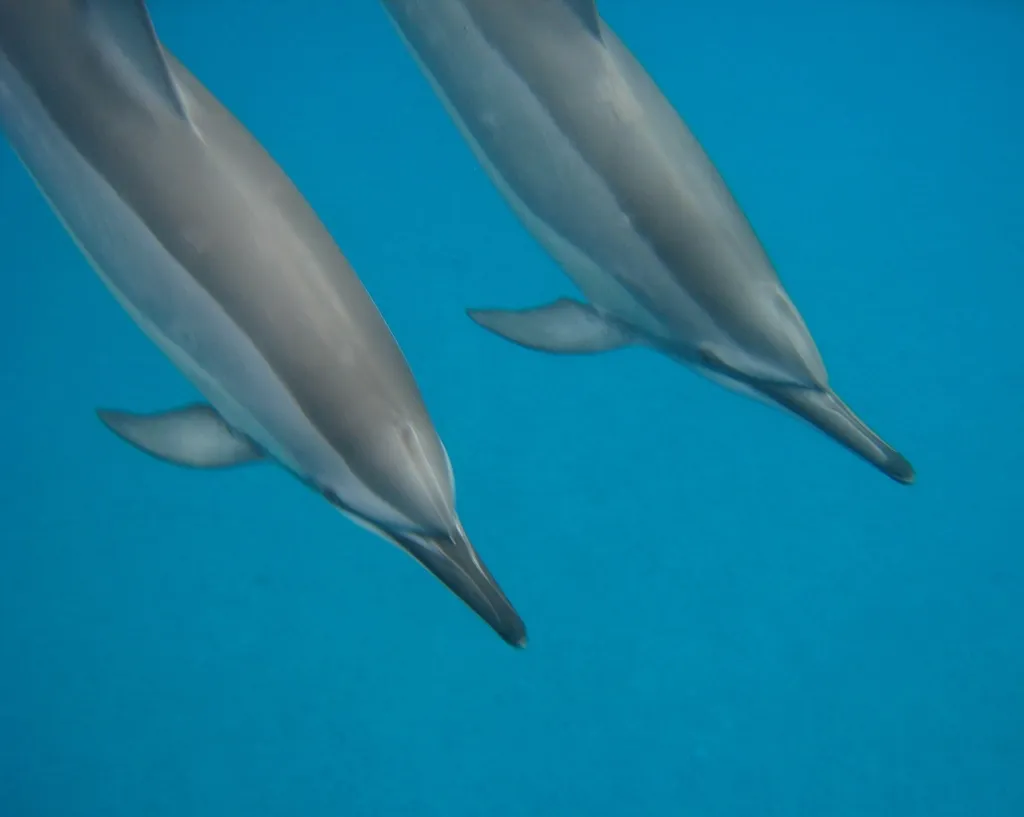
Spinner Dolphin
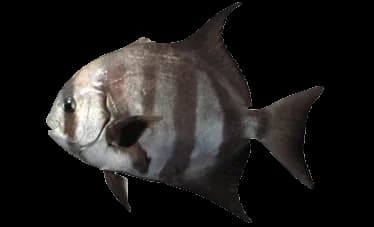
Spadefish
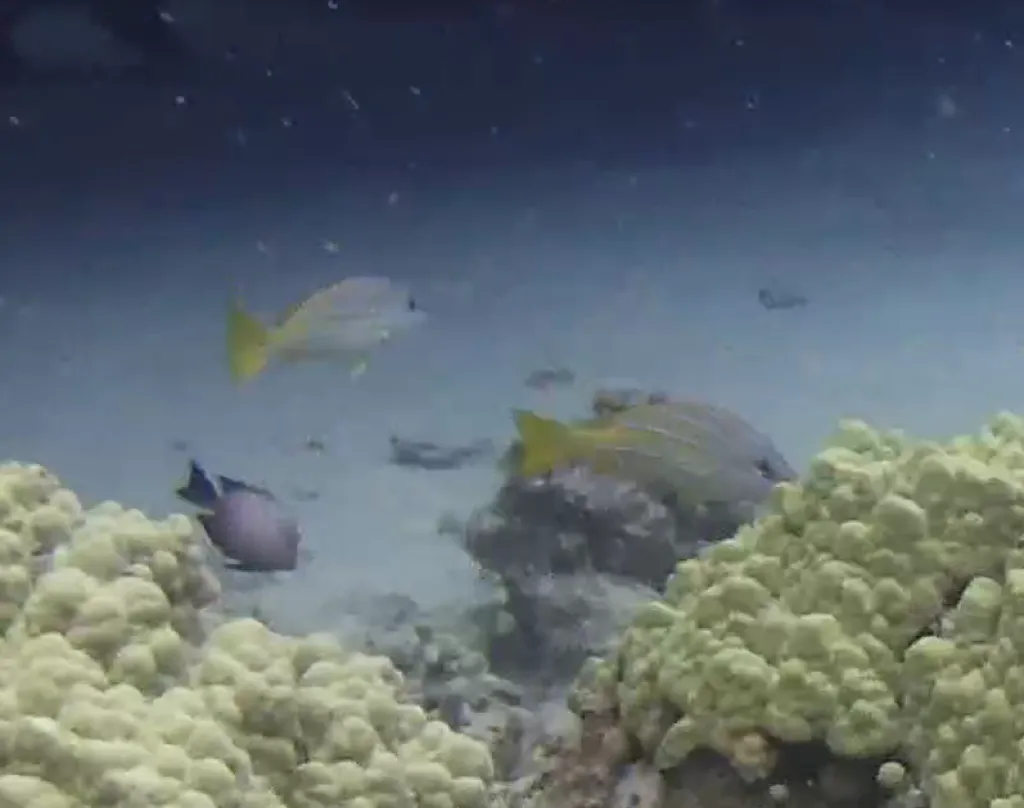
Bluelined Emperorfish
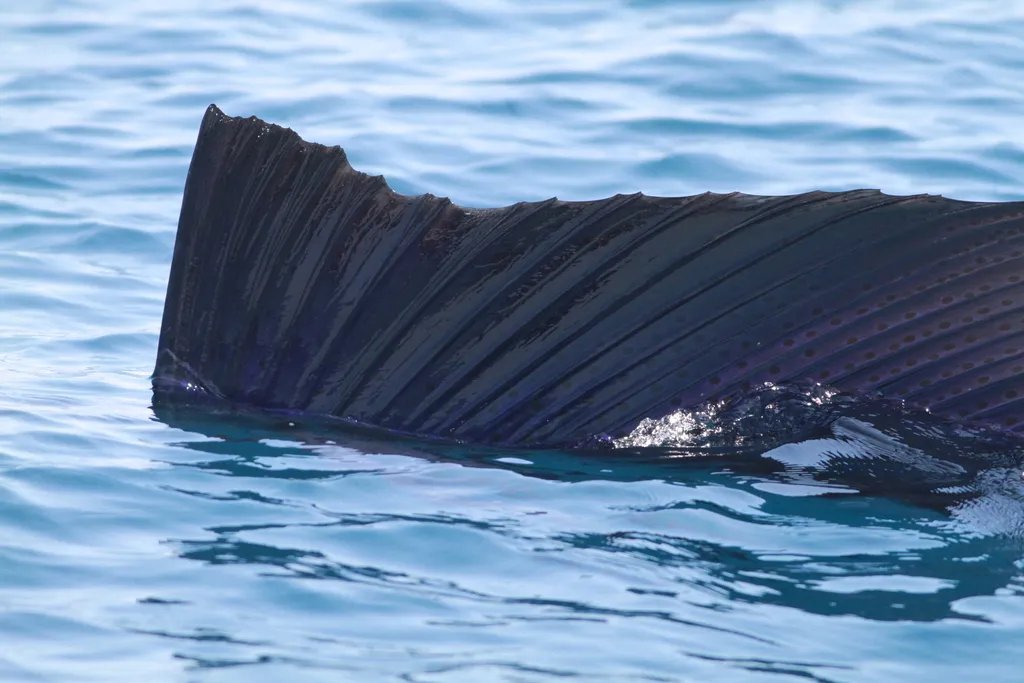
Sailfish
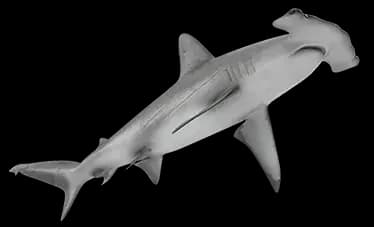
Hammerhead Shark
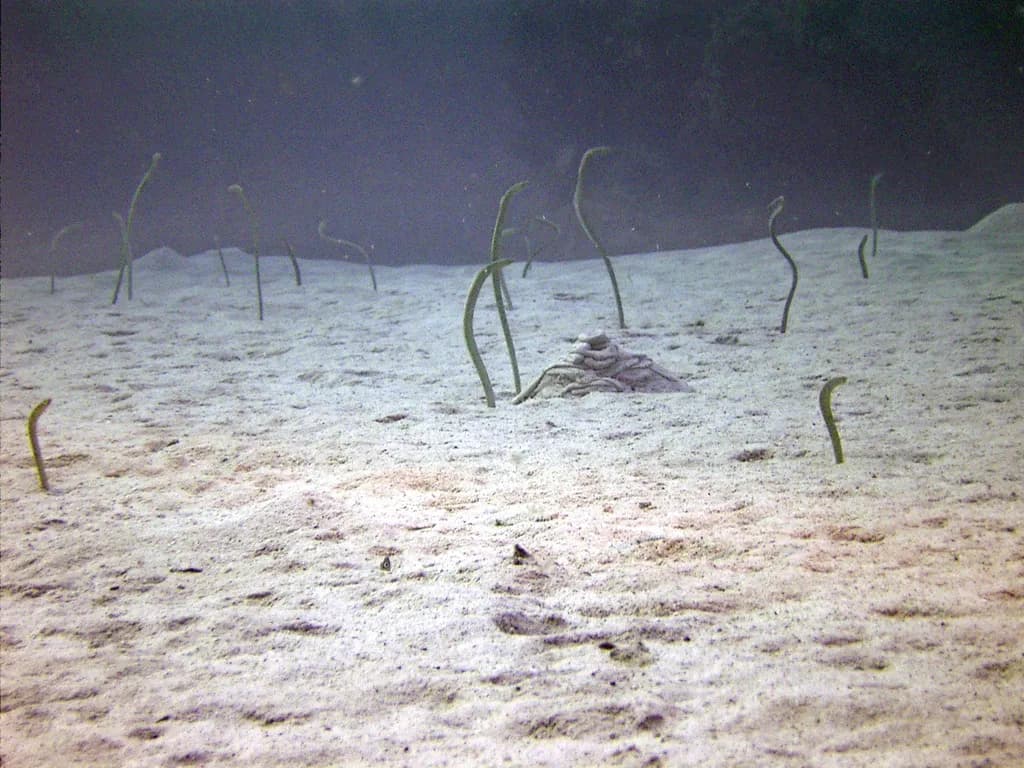
Garden Eel
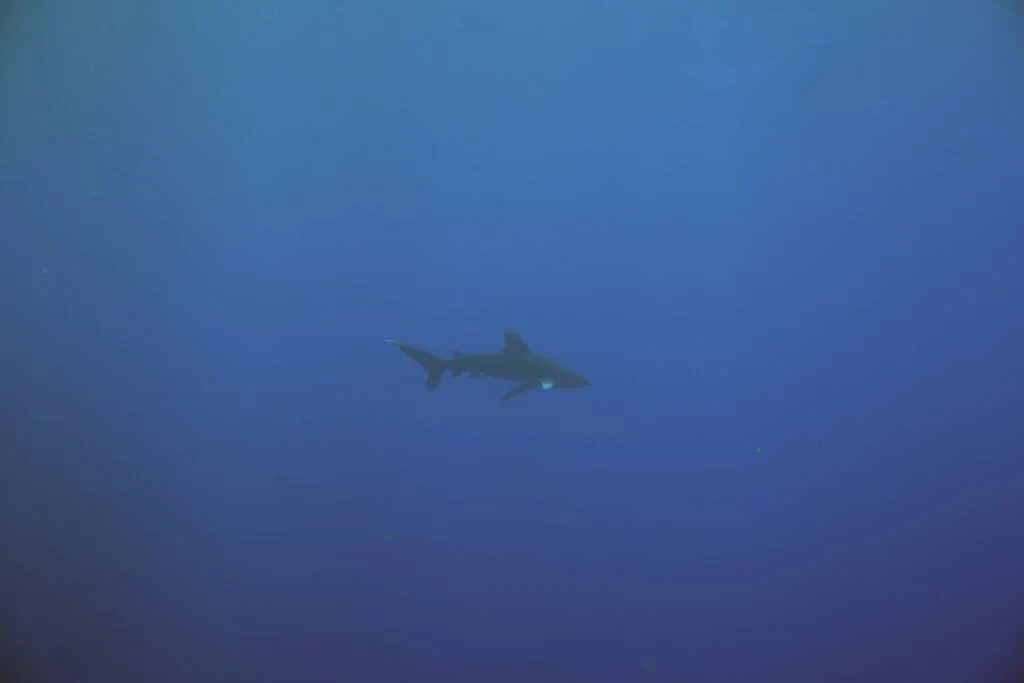
Oceanic Whitetip Shark
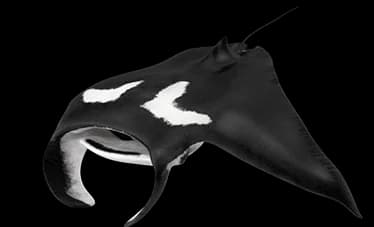
Manta Ray
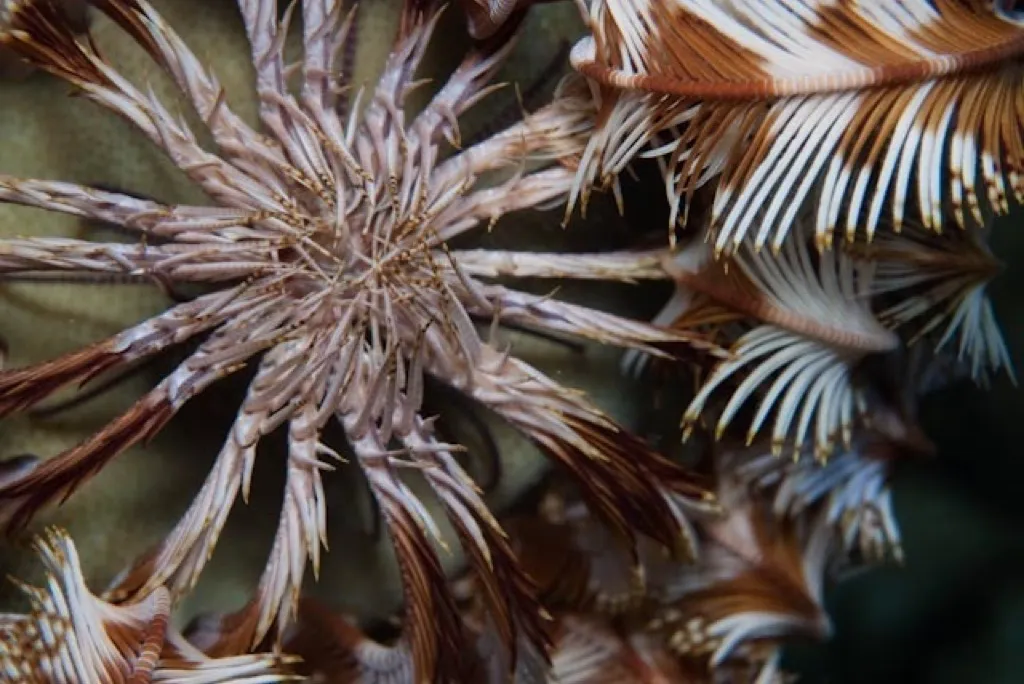
Feather Star
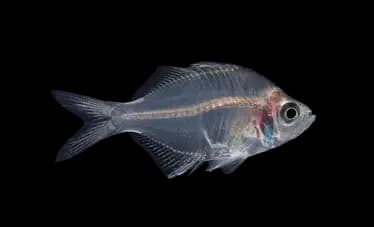
Glassfish
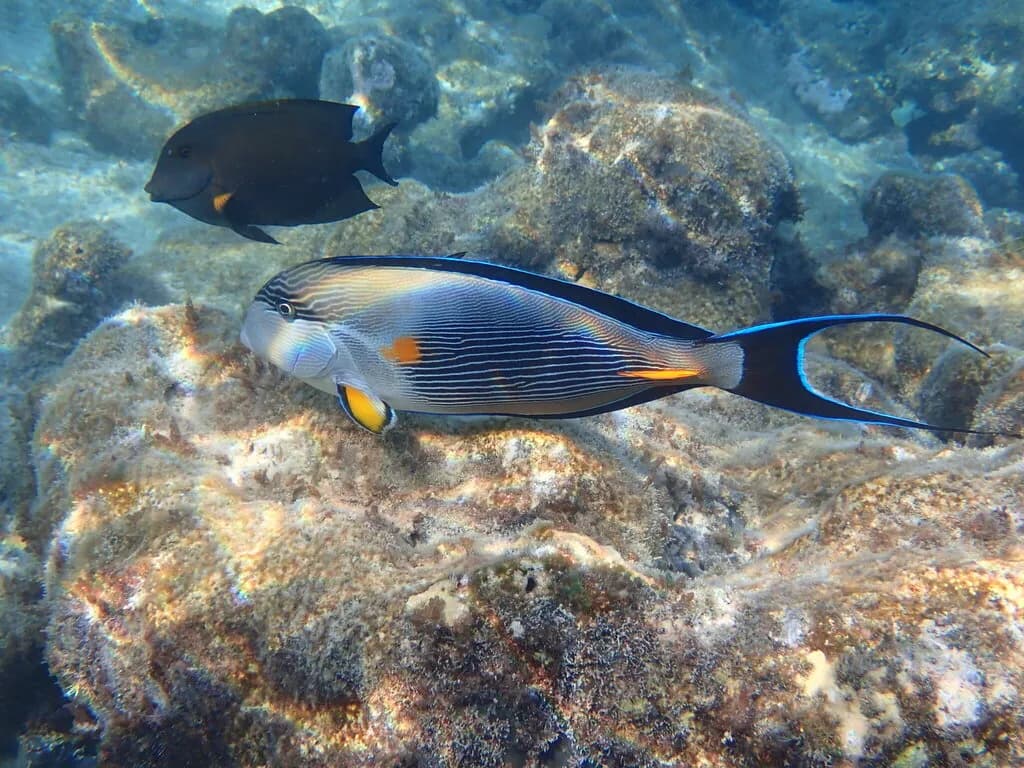
Doctor Fish
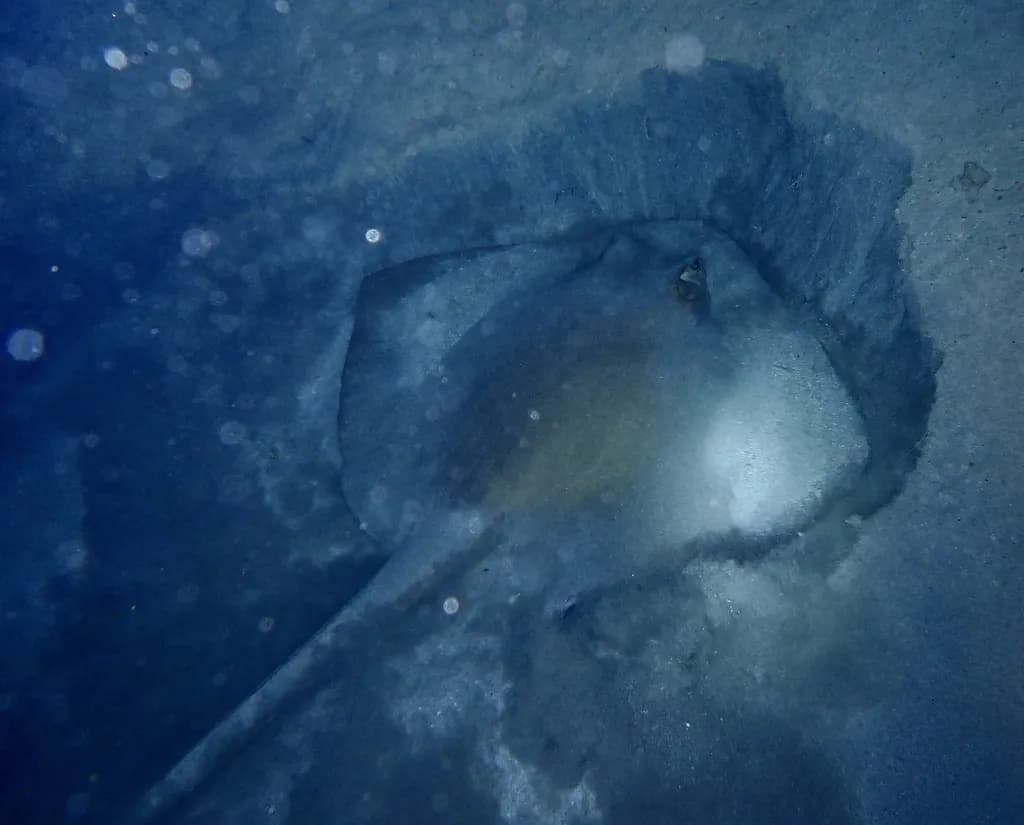
Feathertail Ray
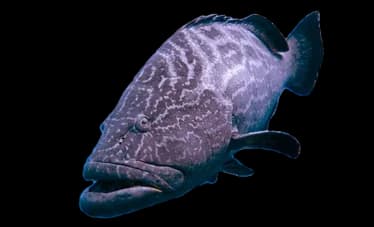
Grouper
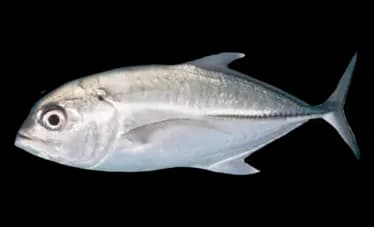
Jackfish
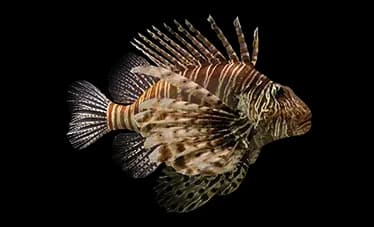
Lionfish
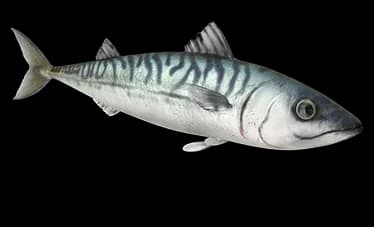
Mackerel
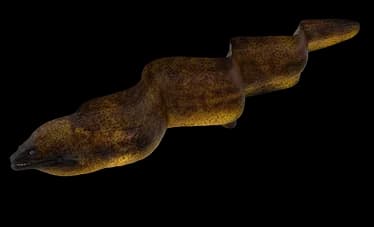
Moray Eel
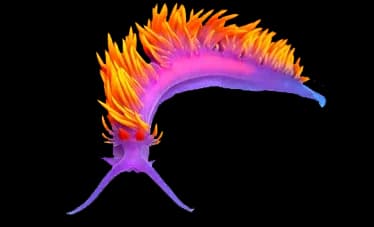
Nudibranch
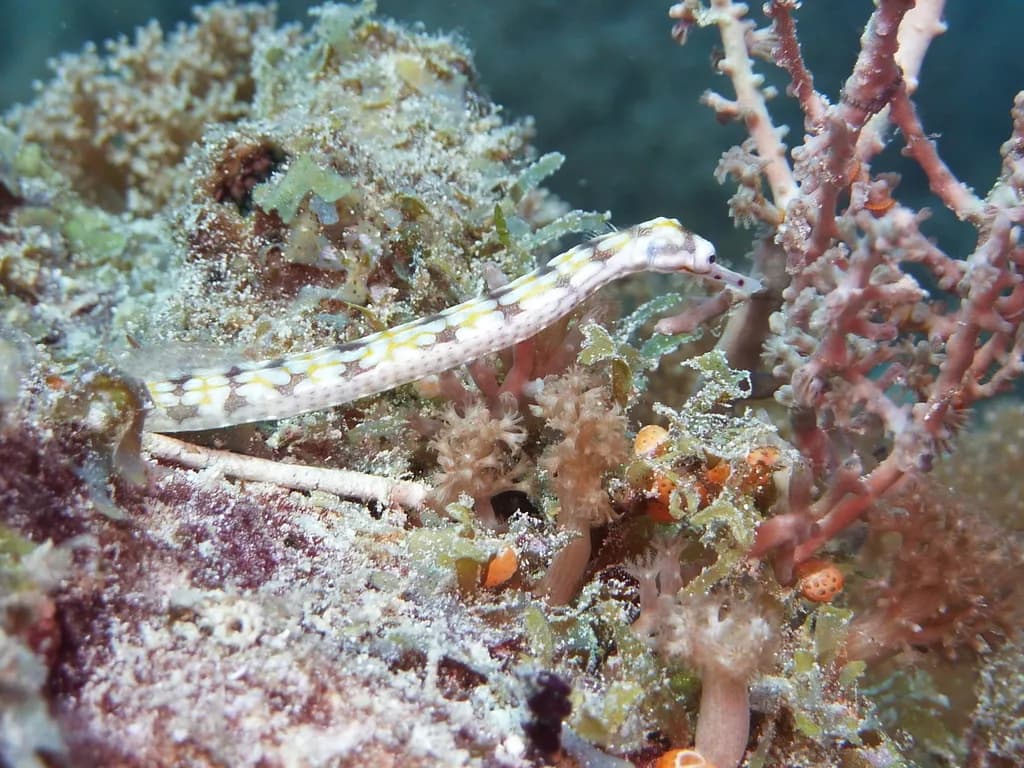
Pipefish
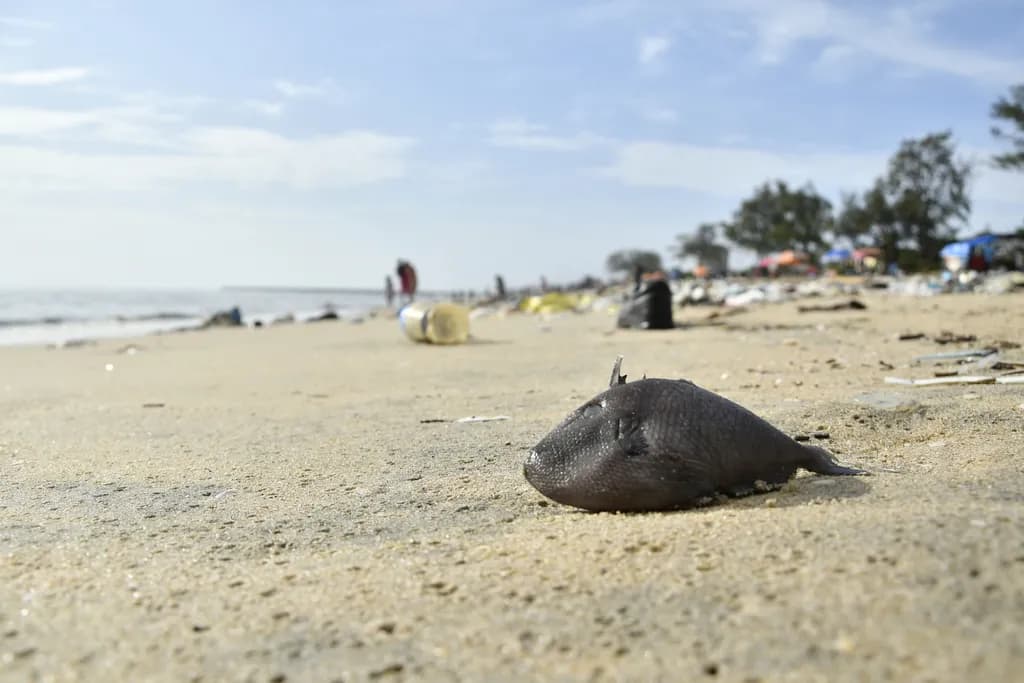
Redtooth Triggerfish
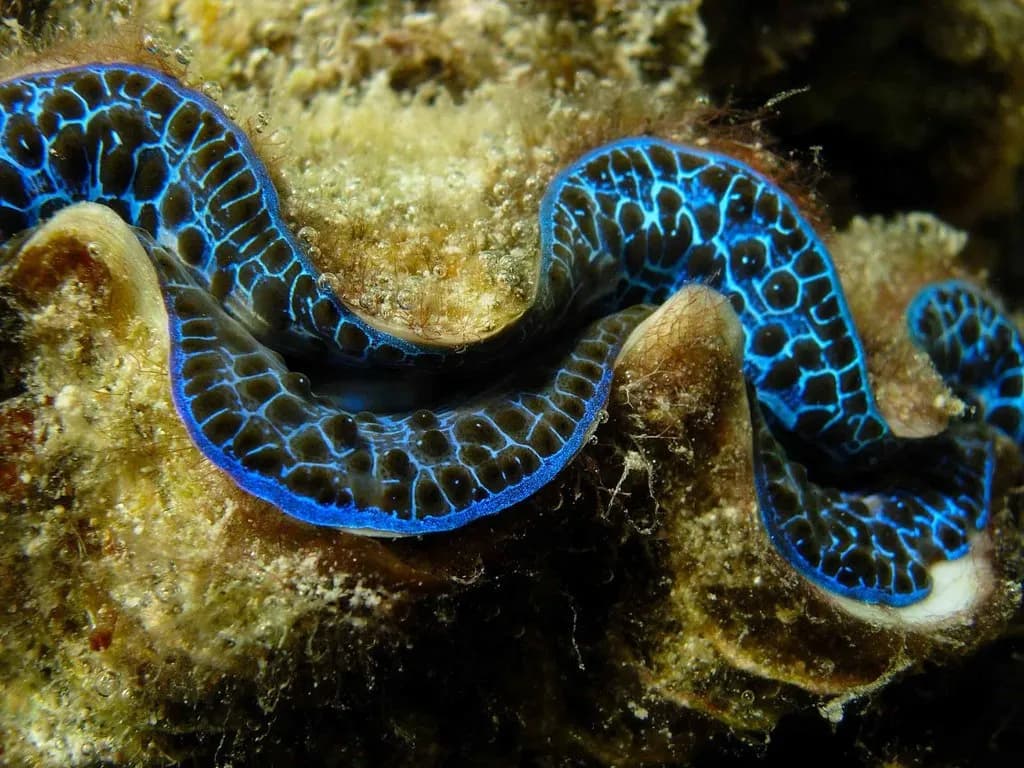
Snails
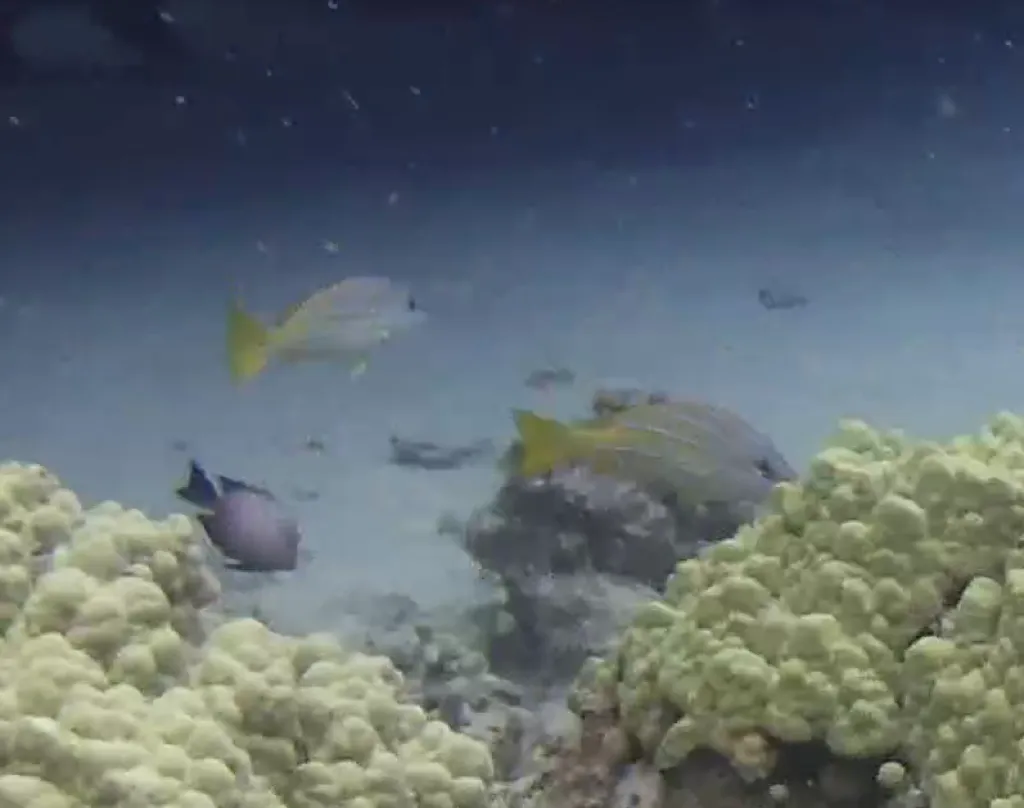
Snapper
Splendour Wrasse
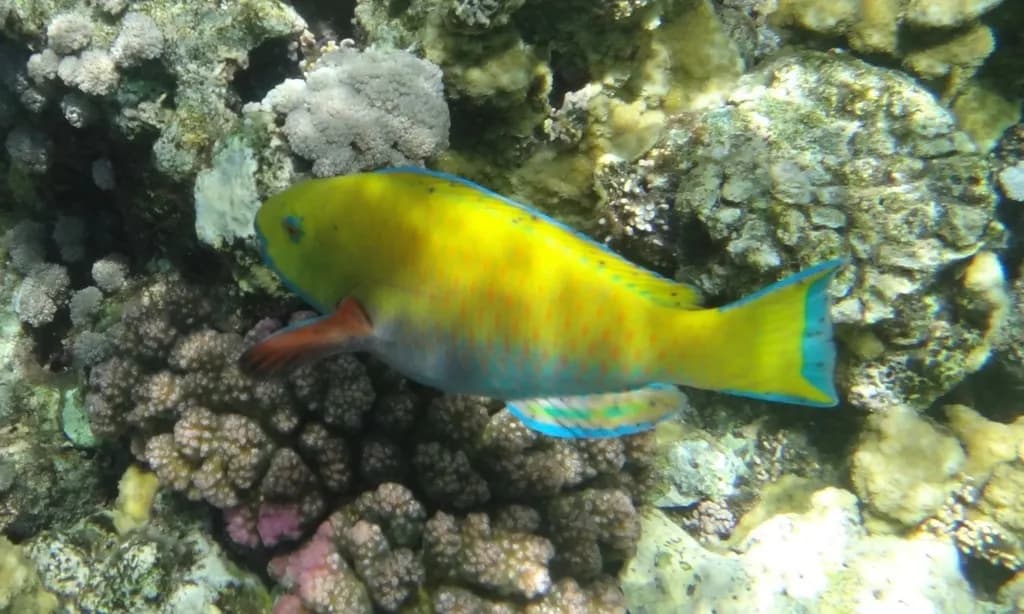
Steephead Parrotfish
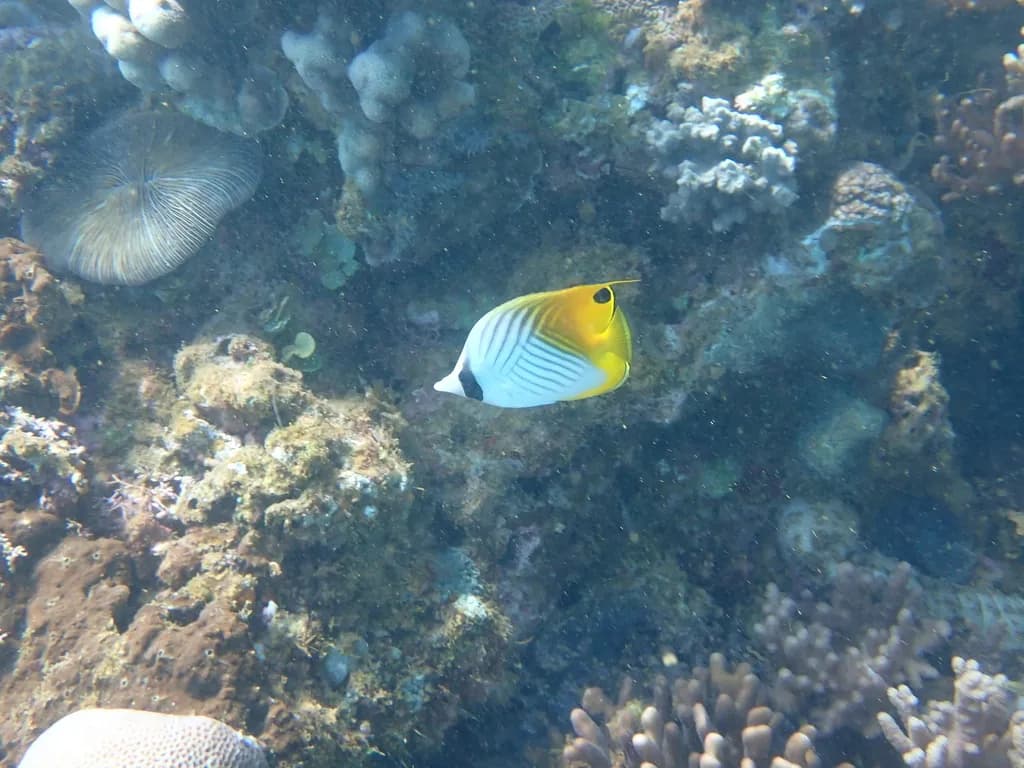
Threadfin Butterflyfish
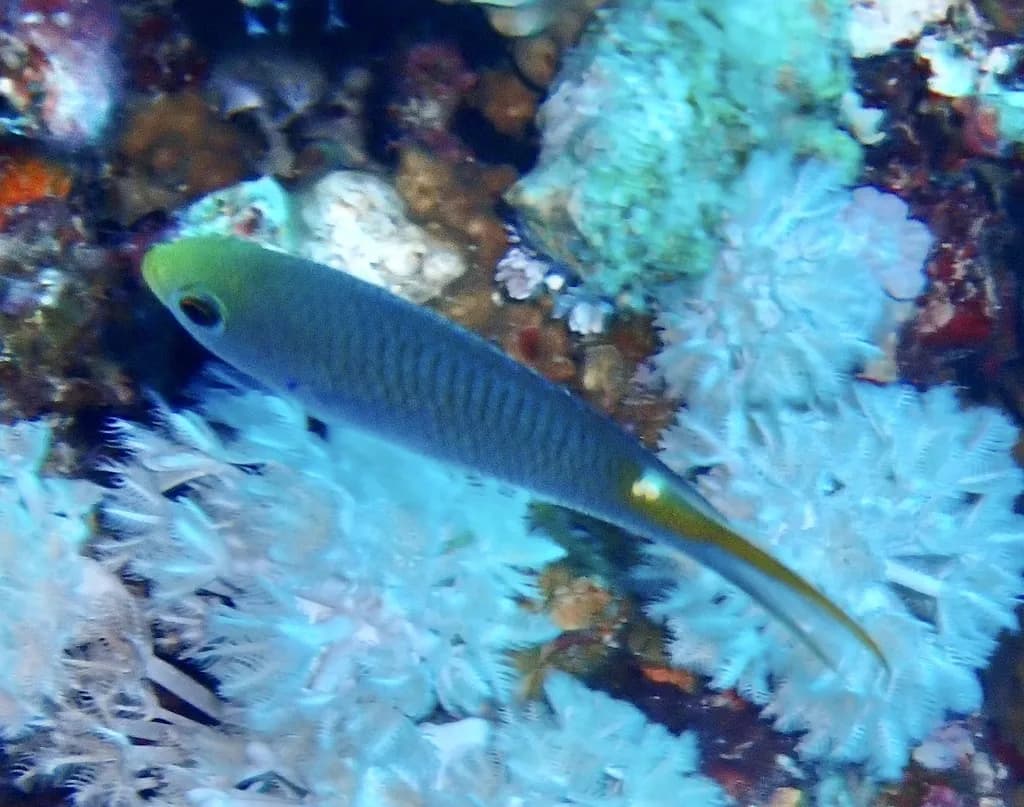
Arabian Damsel
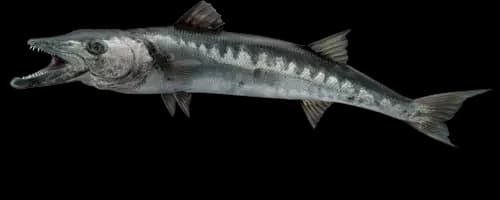
Barracuda
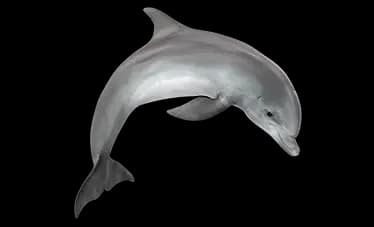
Dolphin

Trevally