
Thistlegorm
Thistlegorm
Overview
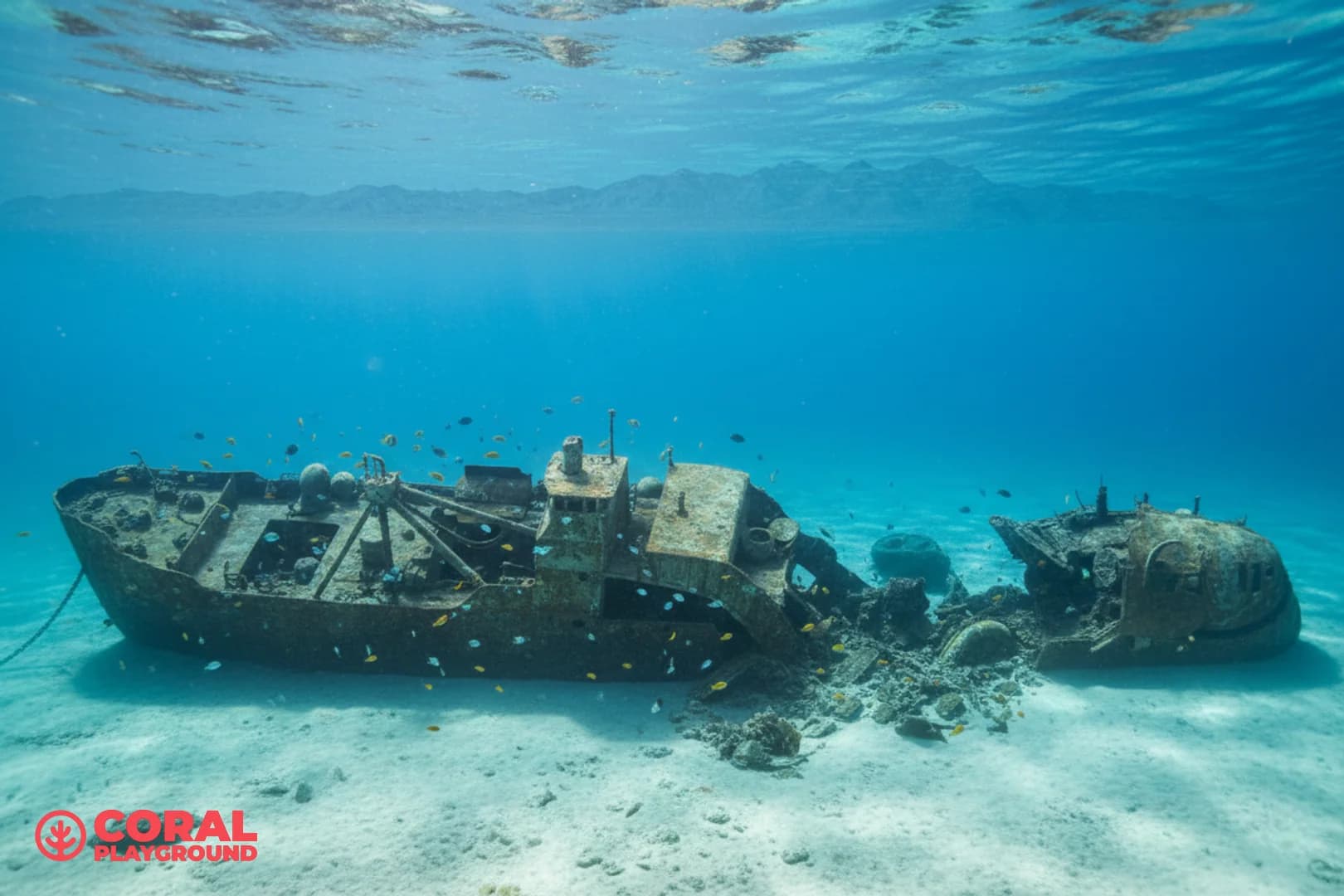
The SS Thistlegorm is the dive that put the Red Sea on the world wreck-diving map, and most divers who make the pilgrimage come away calling it the best wreck dive of their lives. A British armed merchant ship sunk in 1941 with her wartime cargo still in the holds, she sits upright on a sandy bottom in the Strait of Gubal, close enough to Sharm El Sheikh for a long day trip and a staple of every northern liveaboard itinerary. Motorcycles, trucks, rifles and railway locomotives frozen mid-voyage make this as much an underwater museum as a dive.
The Dive
The wreck lies upright on the seabed at around 30m, but the profile is far gentler than that number suggests. The shallowest structure — the upraised superstructure and railings — sits at about 16m, and the main decks run between roughly 15m and 18m, so most of the dive is spent in the comfortable mid-water range with the deck cargo. Penetration into the holds takes you to 25–30m, where ranks of Bedford trucks, BSA and Norton motorcycles, aircraft parts and stacked Lee-Enfield rifles wait in the gloom. The two railway locomotives, blown clear by the explosion that sank her, rest on the sand either side of the hull near 30m, and the propeller and stern reach the deepest point at about 32m.
Current is the deciding factor here: it ranges from negligible to strong and can rip across the exposed wreck, so dives are planned around the tide and a descent line is standard. Good buoyancy and an Advanced Open Water certification are the realistic minimum; hold penetration calls for wreck experience and a torch.
Marine Life
Three quarters of a century underwater has turned the Thistlegorm into a living reef. Glassfish swarm the holds in shimmering clouds, batfish hang in formation off the stern, and big schools of jacks and barracuda patrol the open deck. Lionfish, scorpionfish, moray eels and the occasional turtle work the structure, and at dawn the resident trevally hunt the baitfish in fast, dramatic passes.
History
The Thistlegorm was a 126m armed Merchant Navy steamship built in Sunderland in 1940. On the night of 6 October 1941, anchored in the Strait of Gubal while waiting to transit the Suez Canal, she was spotted by two German Heinkel He 111 bombers hunting for an Allied troopship. Two bombs struck Hold 4, detonating the ammunition stored there; the blast tore the ship apart and sank her within minutes, killing nine crew. She lay forgotten until Jacques Cousteau located and dived her in the early 1950s, then faded from view again until the mid-1990s, when she was rediscovered and became the Red Sea's most celebrated wreck.
Good to Know
Best conditions run April to November, when surface weather is most reliable; visibility typically sits between 15m and 25m but drops when current and silt are up. Reaching the site means a three-hour-plus boat crossing from Sharm El Sheikh or, more comfortably, an overnight liveaboard out of Hurghada — many operators run a dawn dive to beat the crowds and the current. It is a genuinely demanding site for its depth, exposure and the temptation to penetrate, so build in conservative gas planning and treat it with the respect a war grave deserves.
Depth
16-32m
Visibility
15-25m
Current
variable
Access
boat
Certification
Advanced Open Water
Species
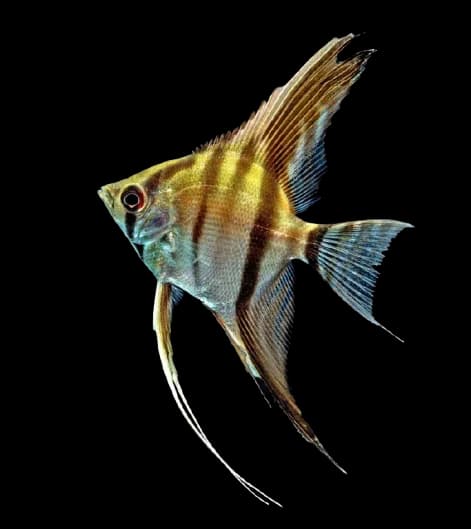
Angelfish
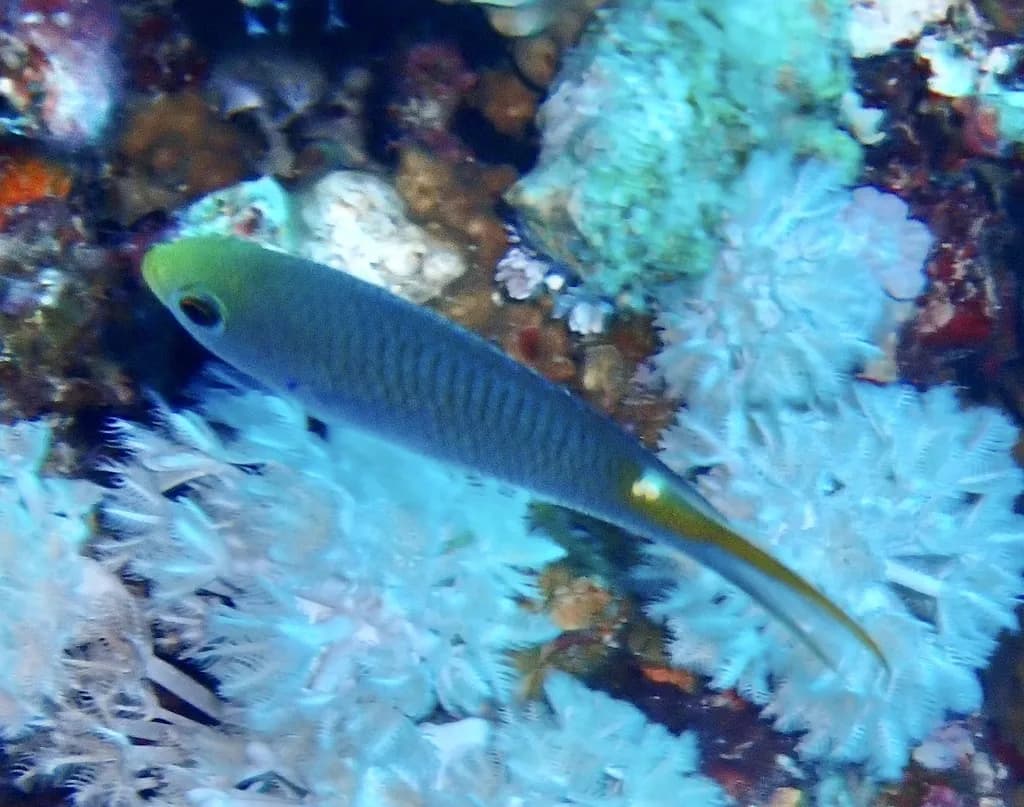
Arabian Damsel
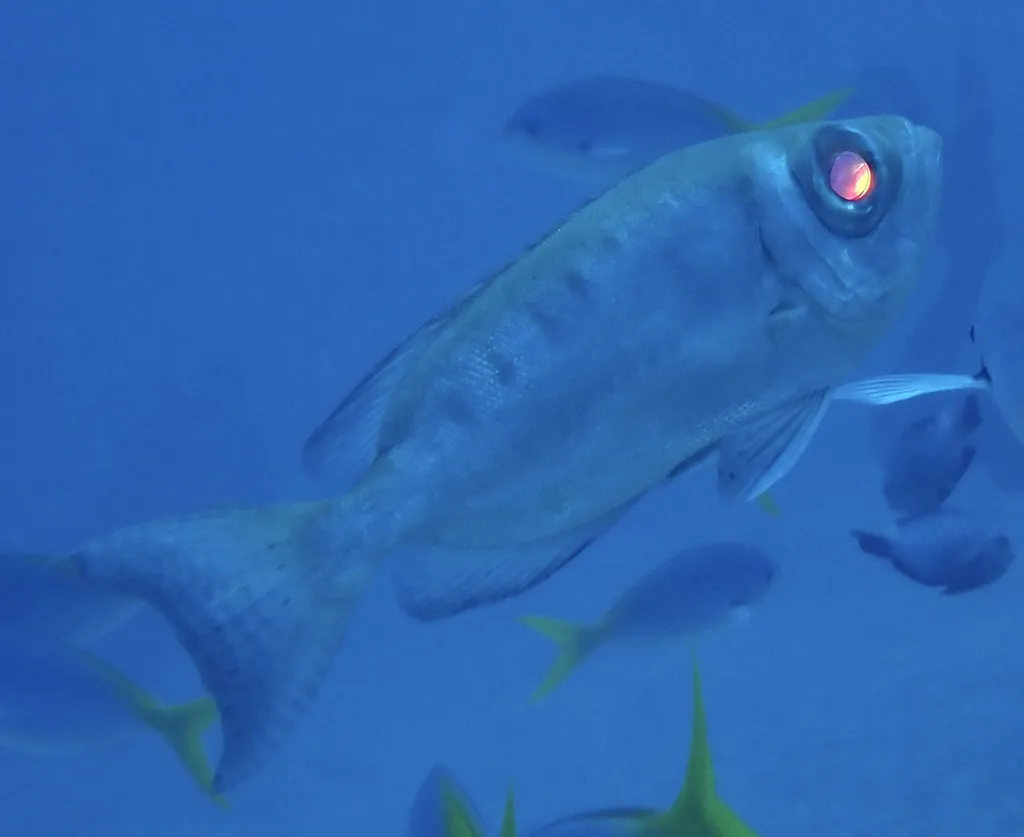
Bigeye
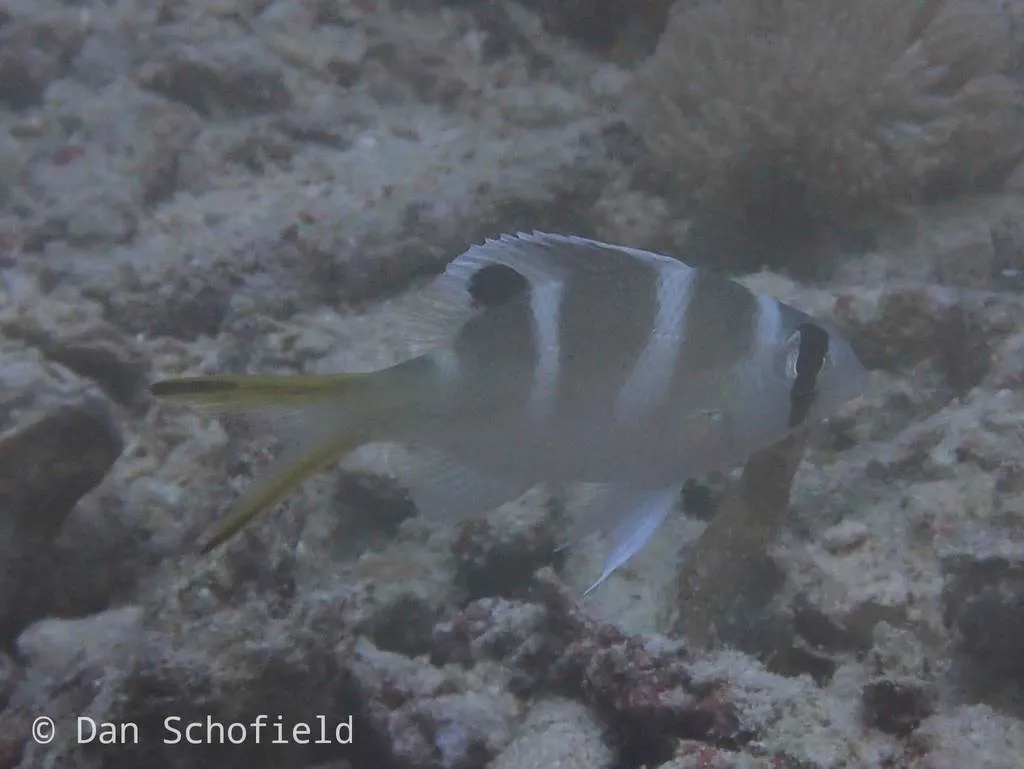
Bream
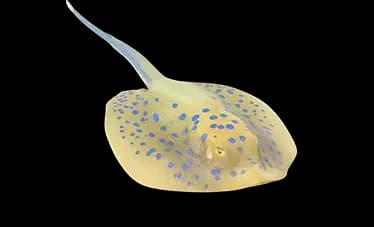
Blue Spotted Stingray
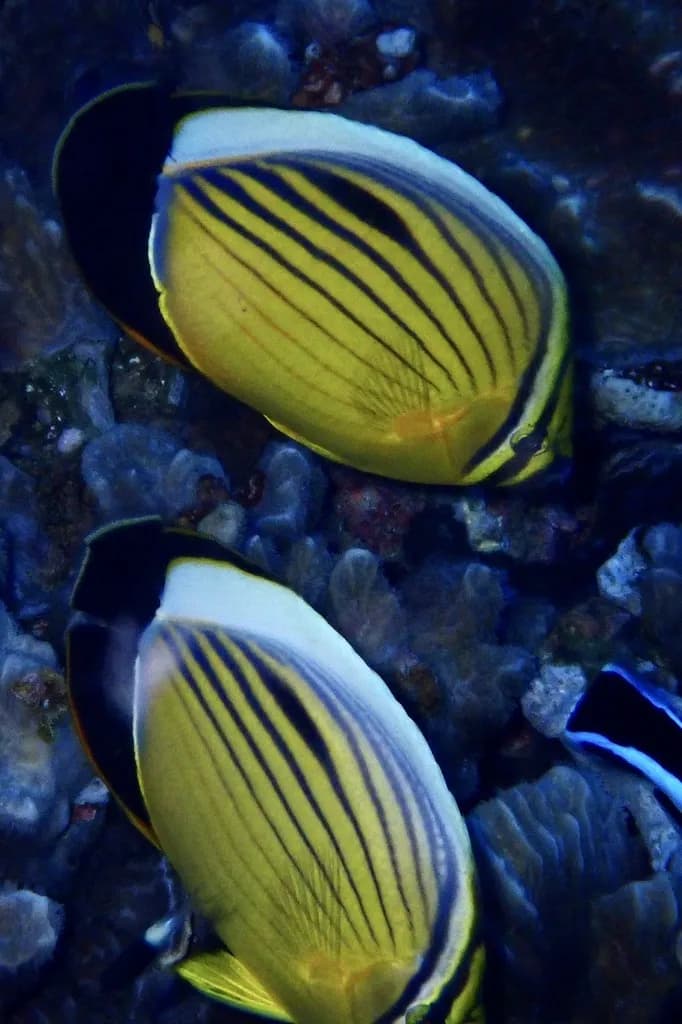
Butterflyfish
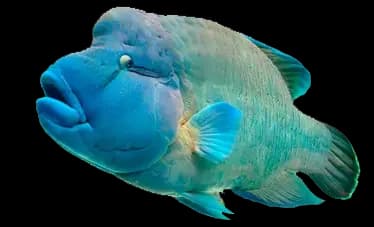
Napoleon Wrasse
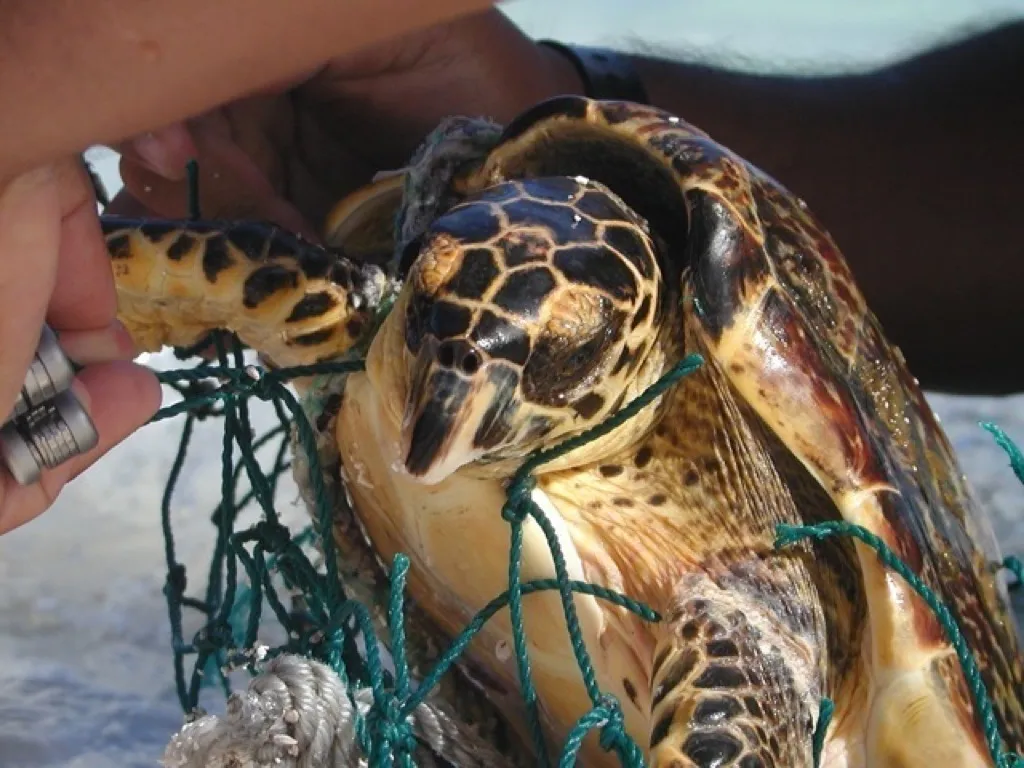
Hawksbill Turtle
Clownfish
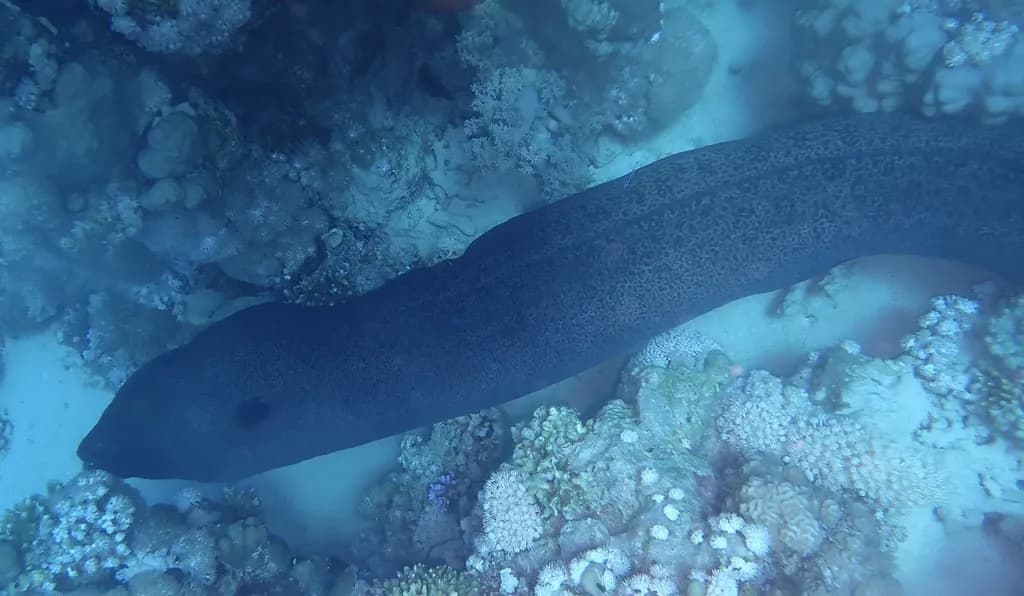
Eel
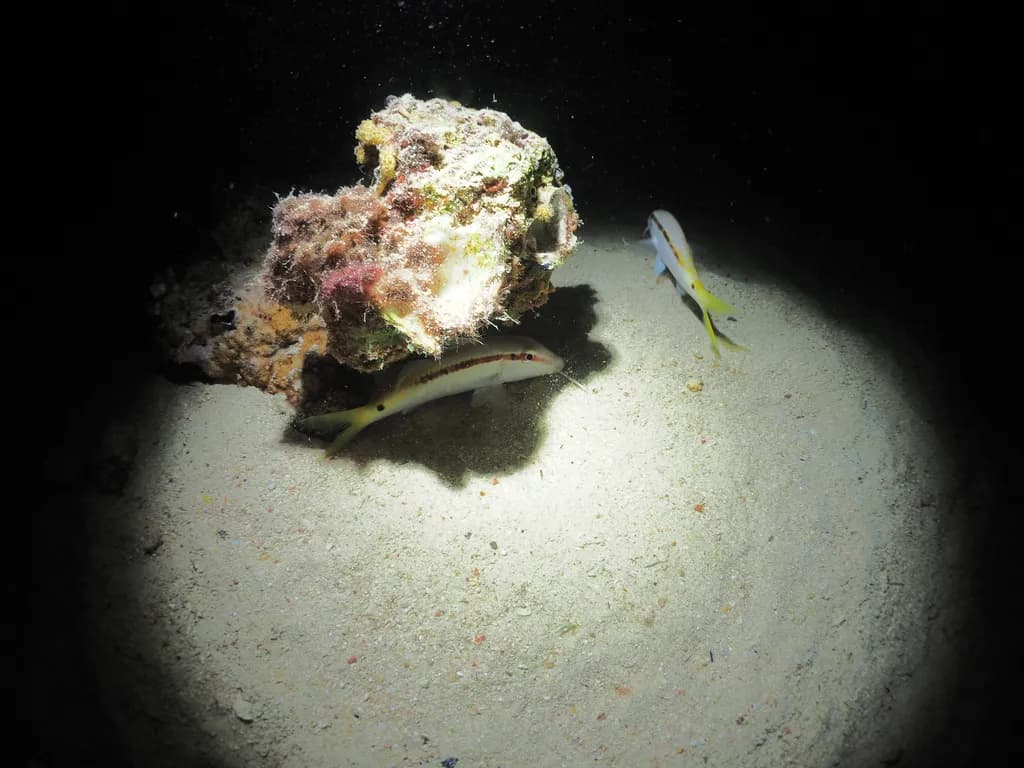
Goatfish
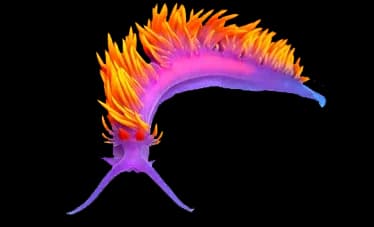
Nudibranch
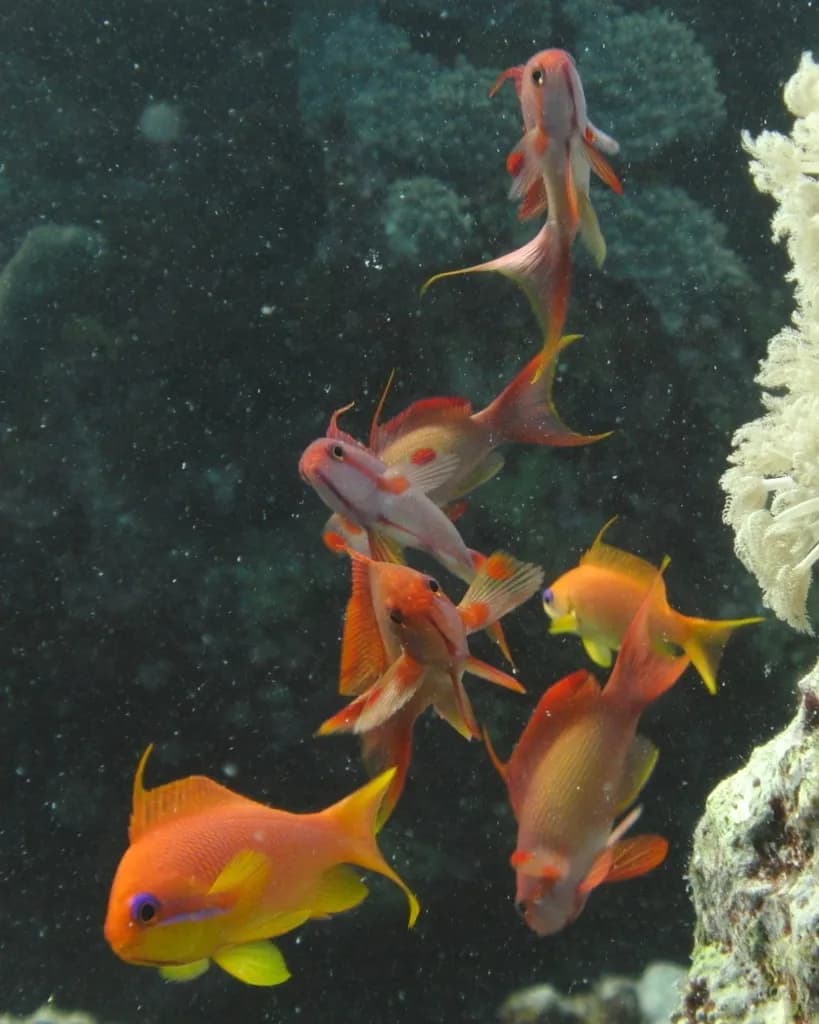
Anthias
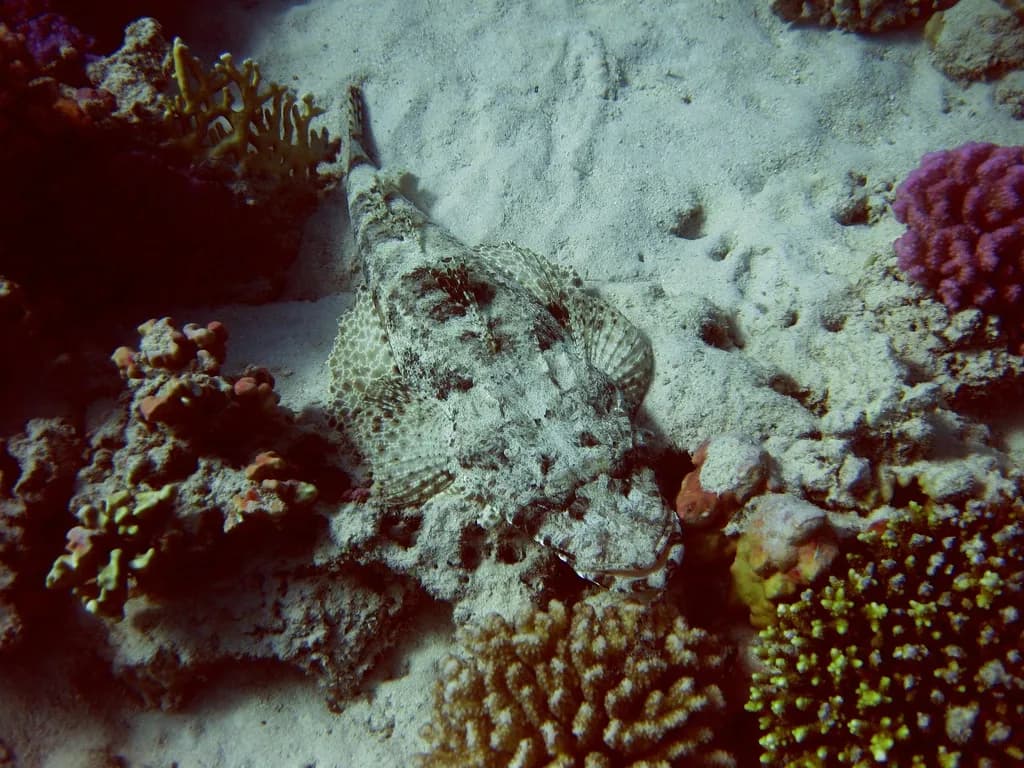
Crocodilefish
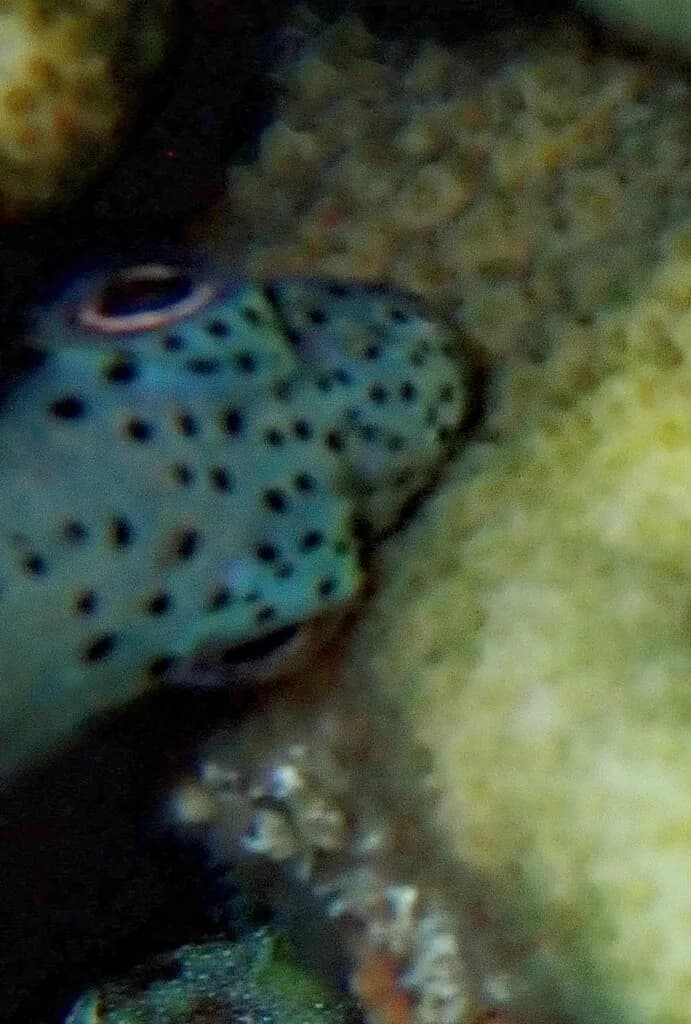
Blackside Hawkfish
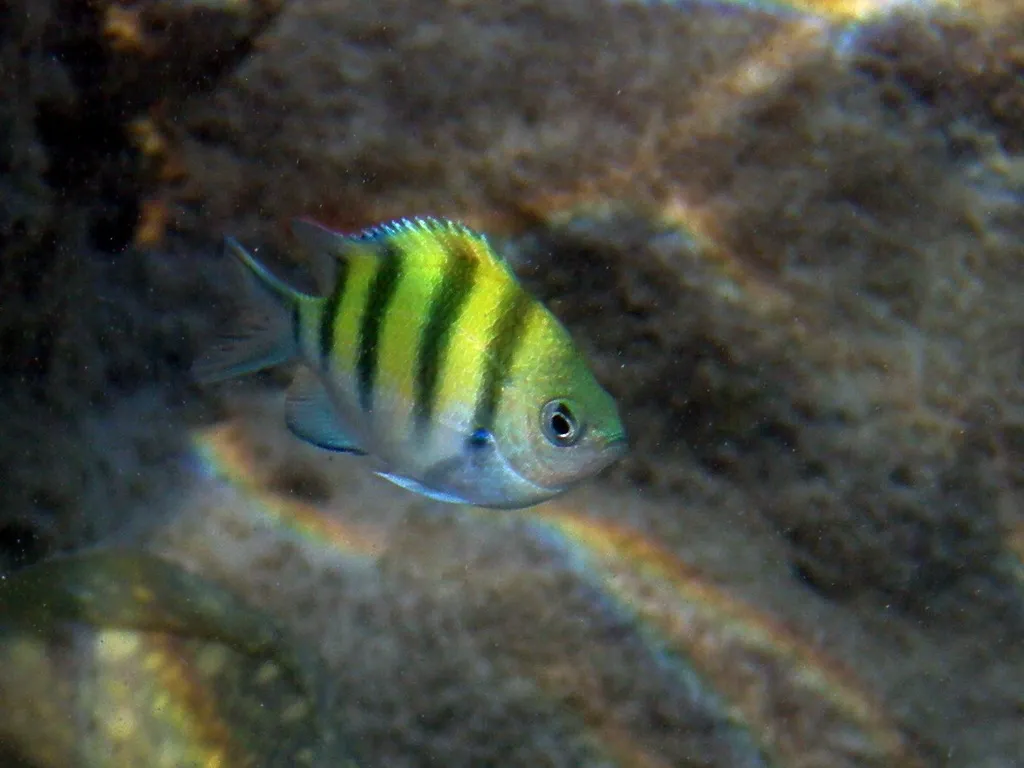
Sergeant Major
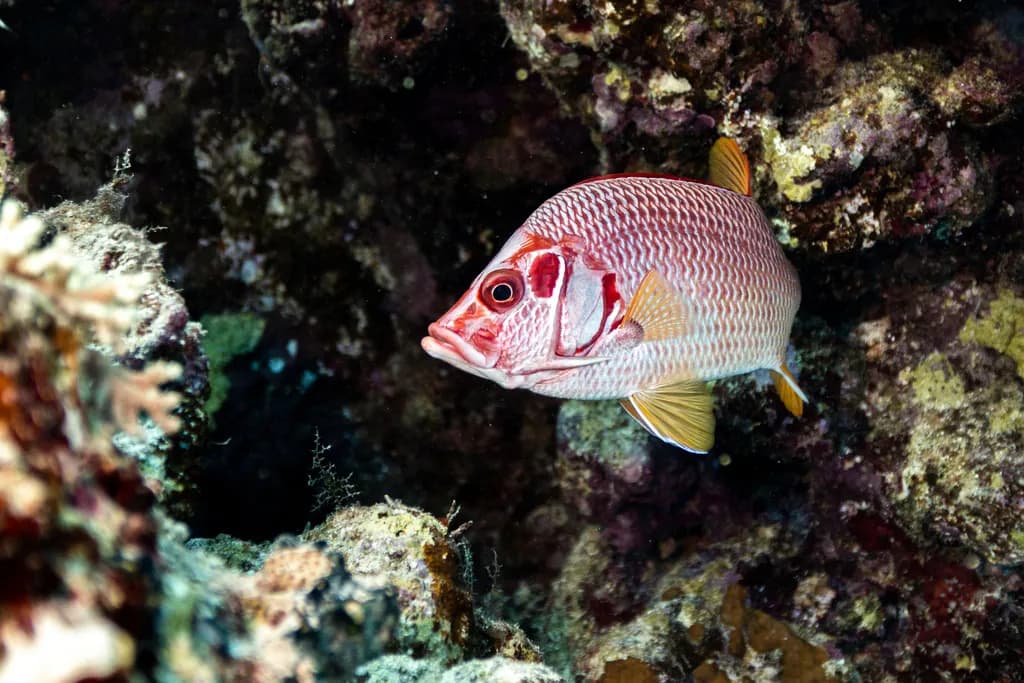
Squirrelfish
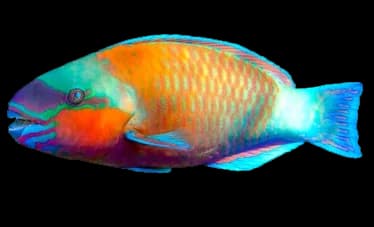
Parrotfish
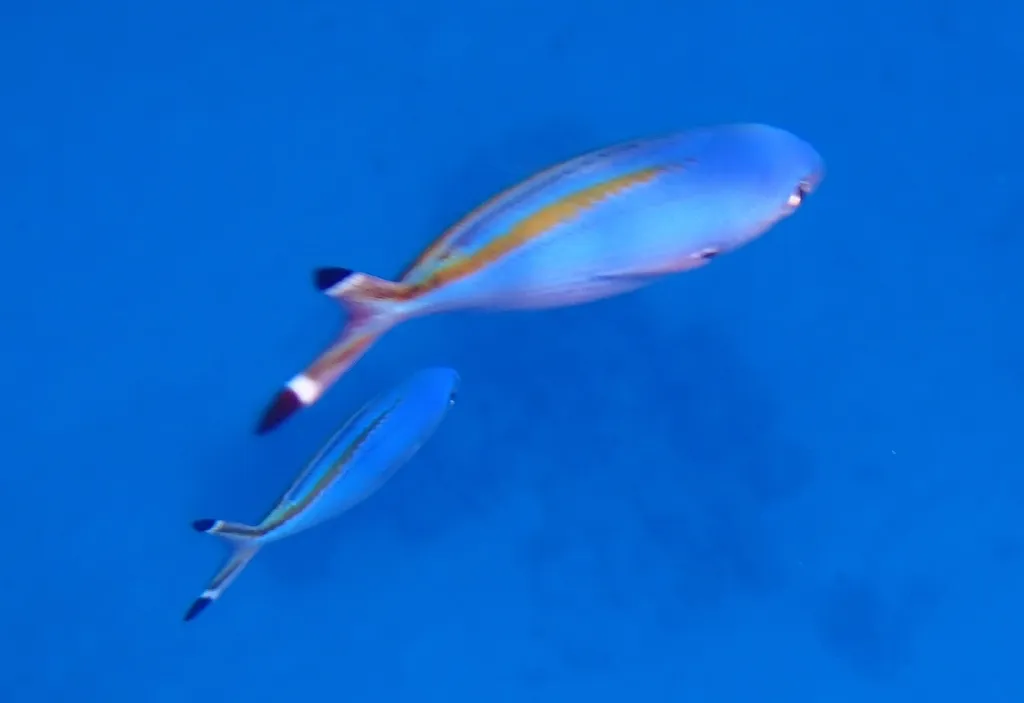
Fusilier
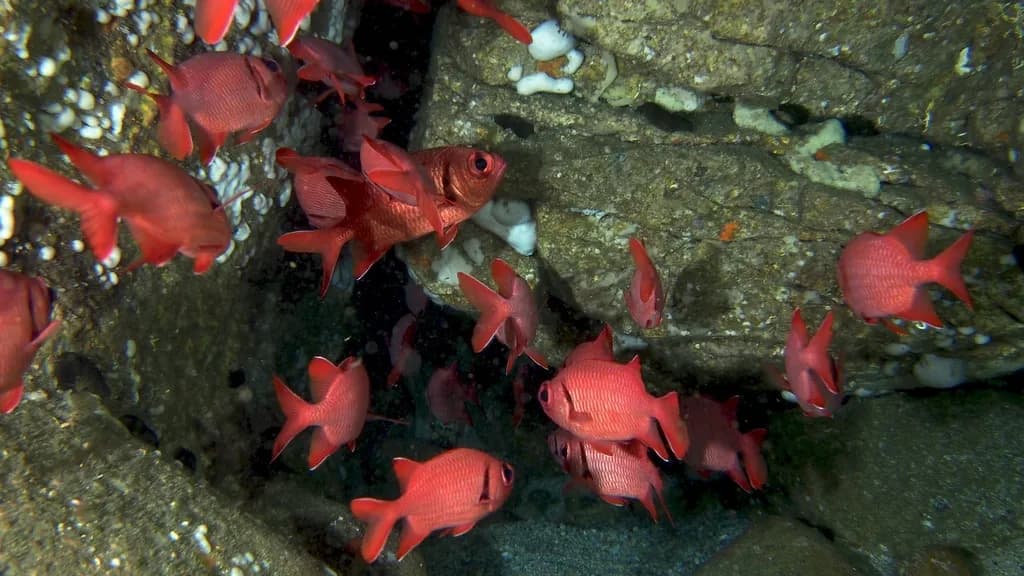
Soldierfish
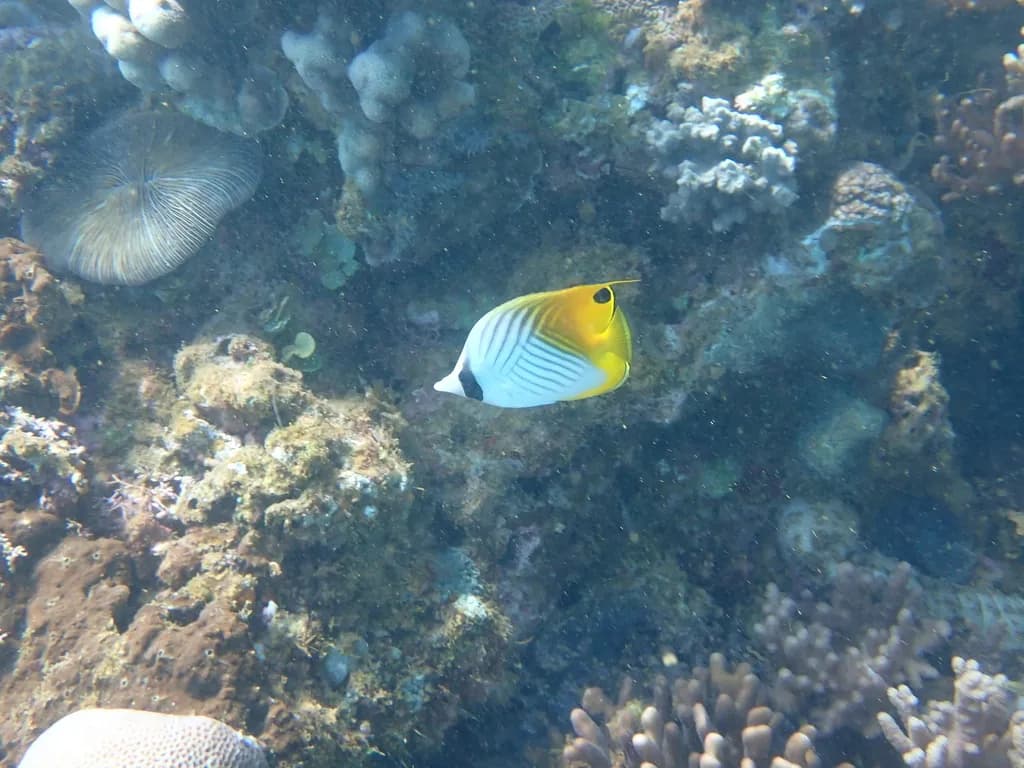
Threadfin Butterflyfish
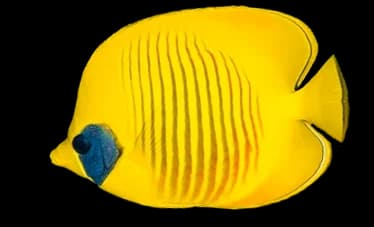
Masked Butterflyfish
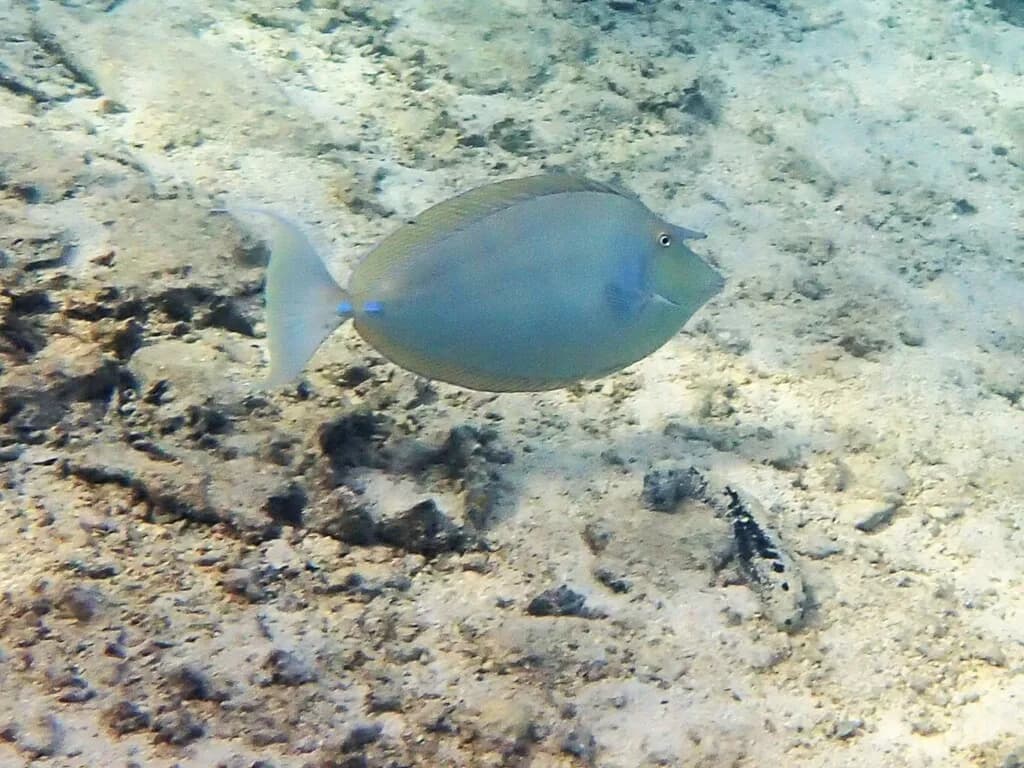
Unicorn Fish
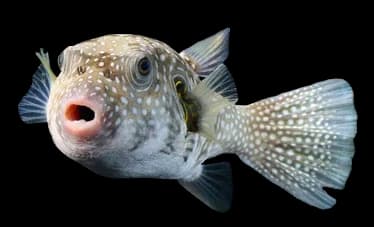
Pufferfish
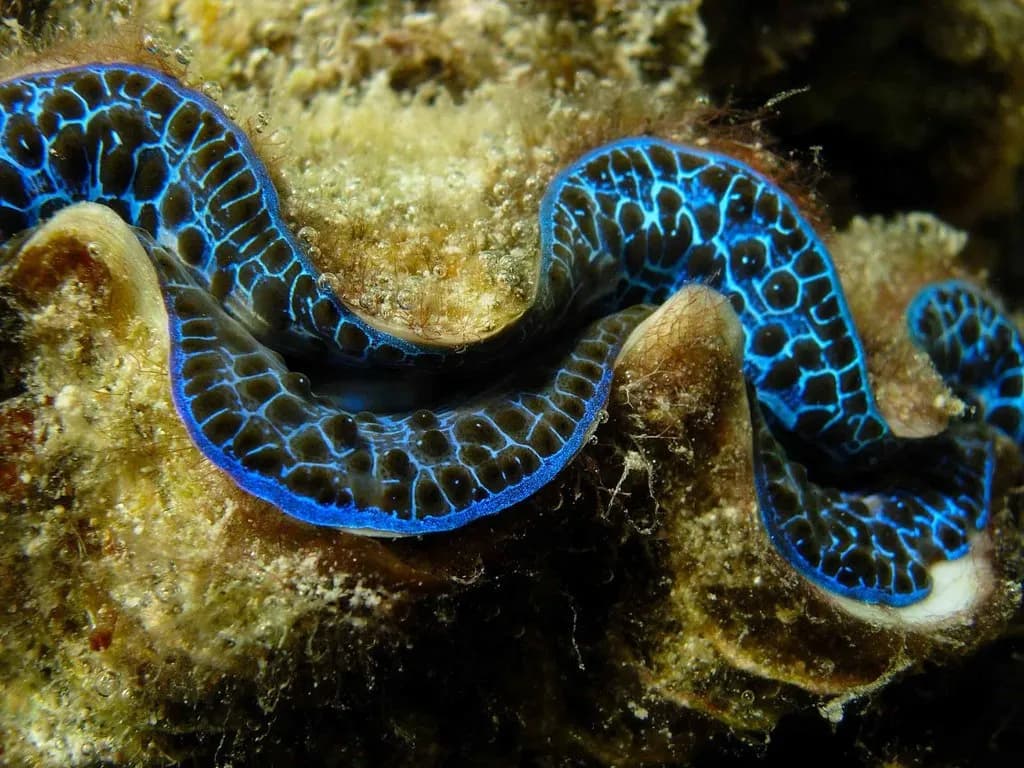
Snails
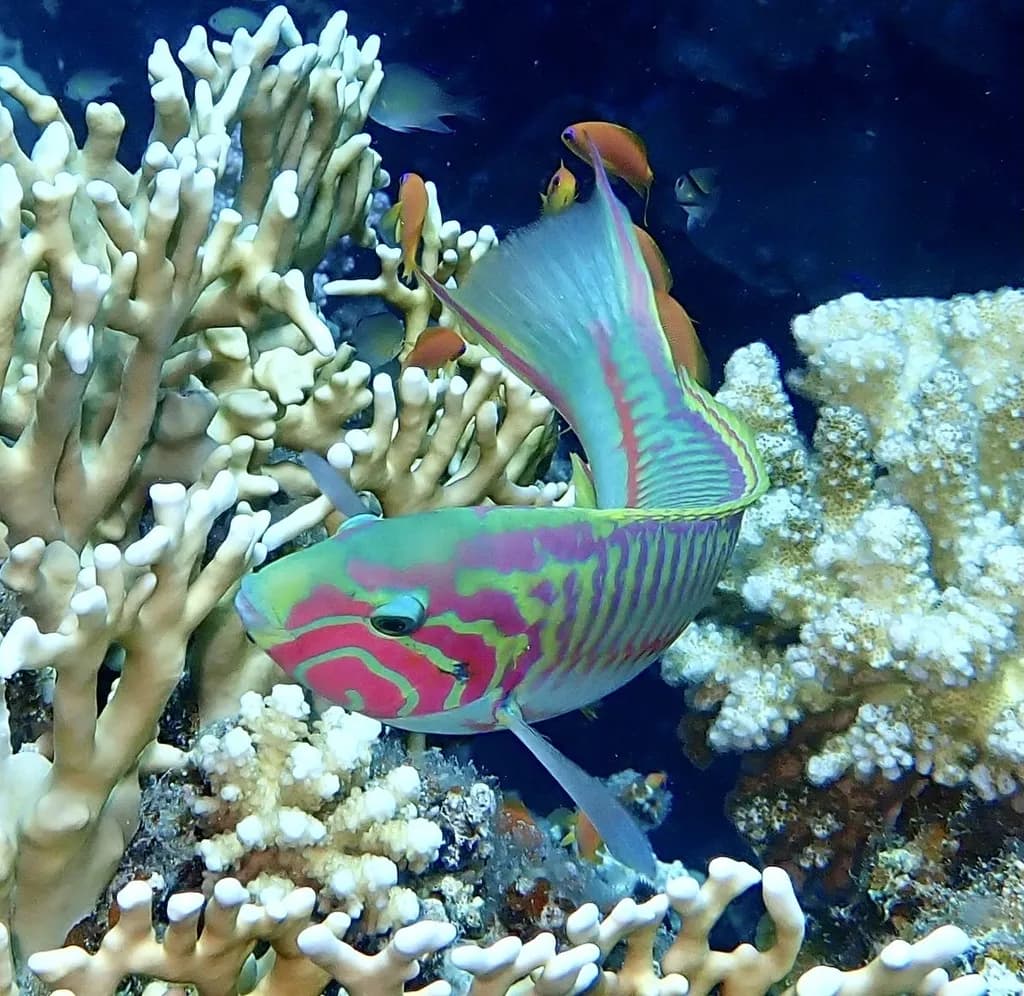
Klunzinger's Wrasse
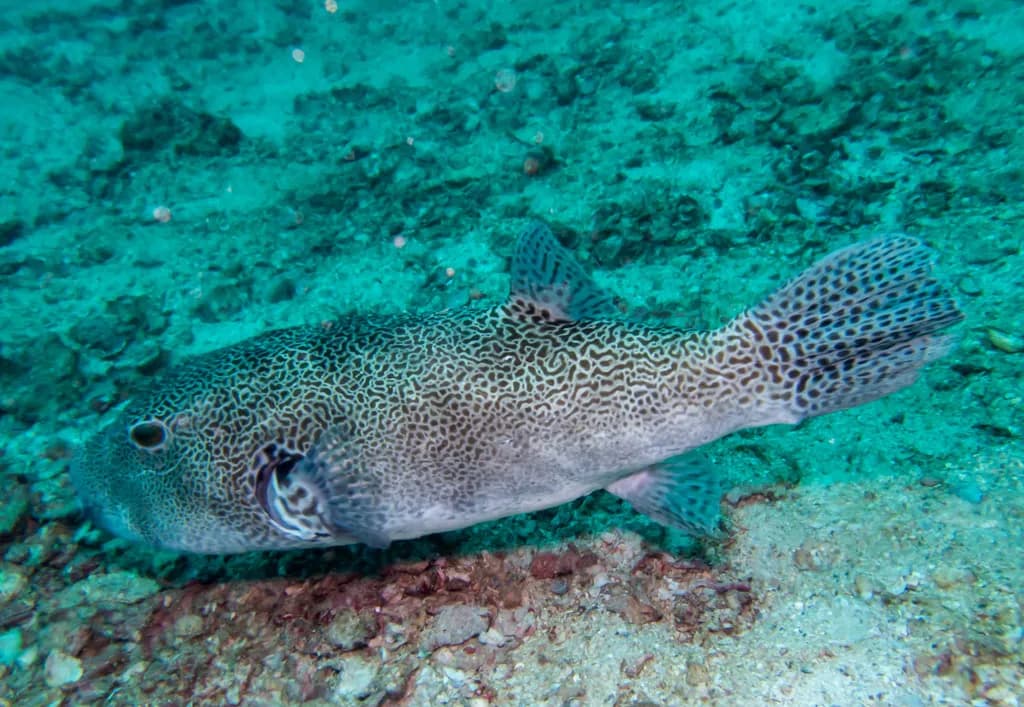
Starry Pufferfish
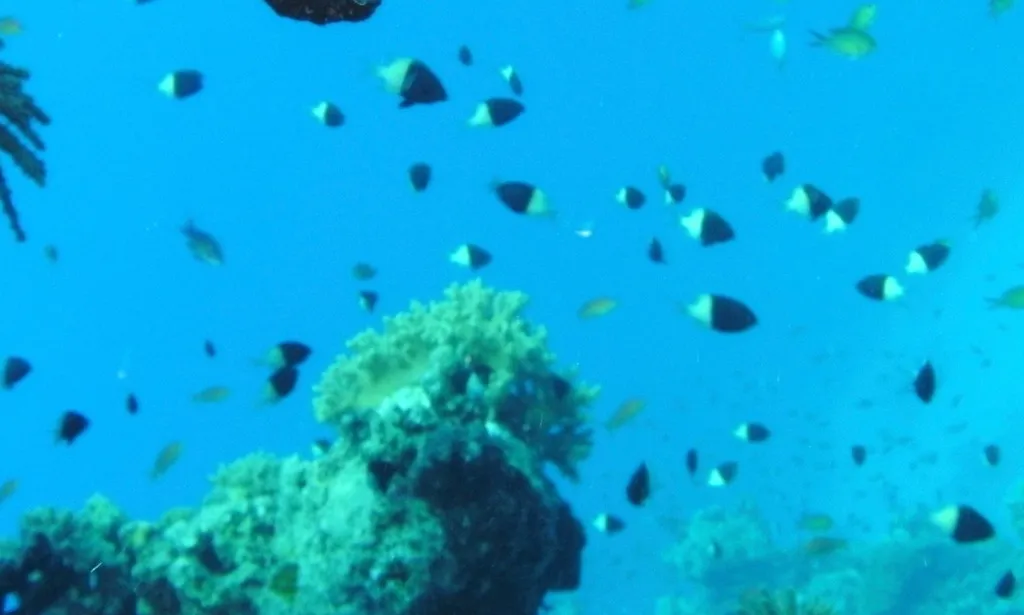
Bicolour Puller
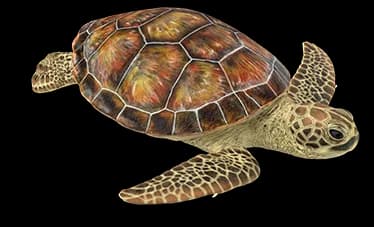
Turtle
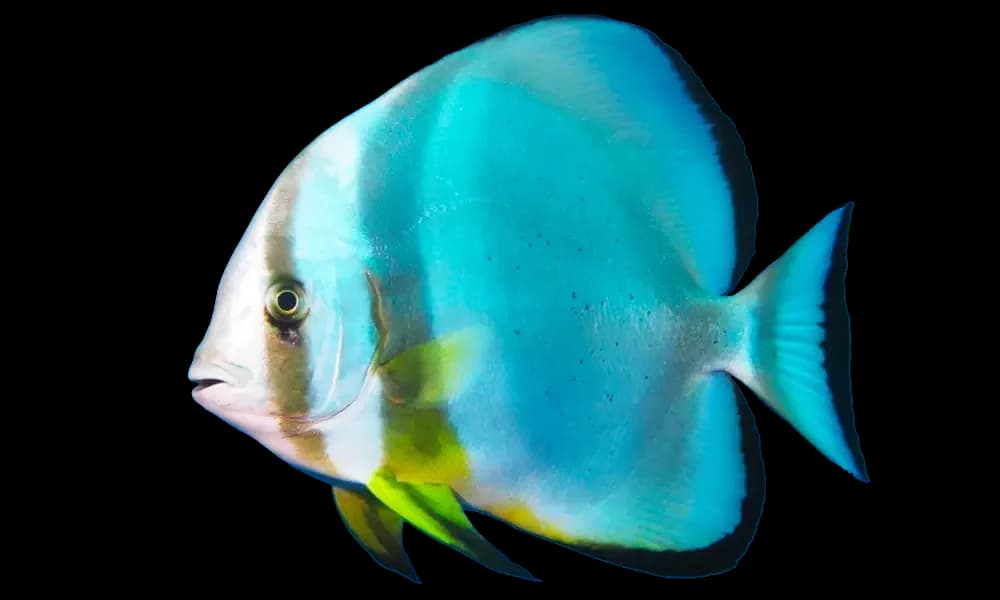
Batfish
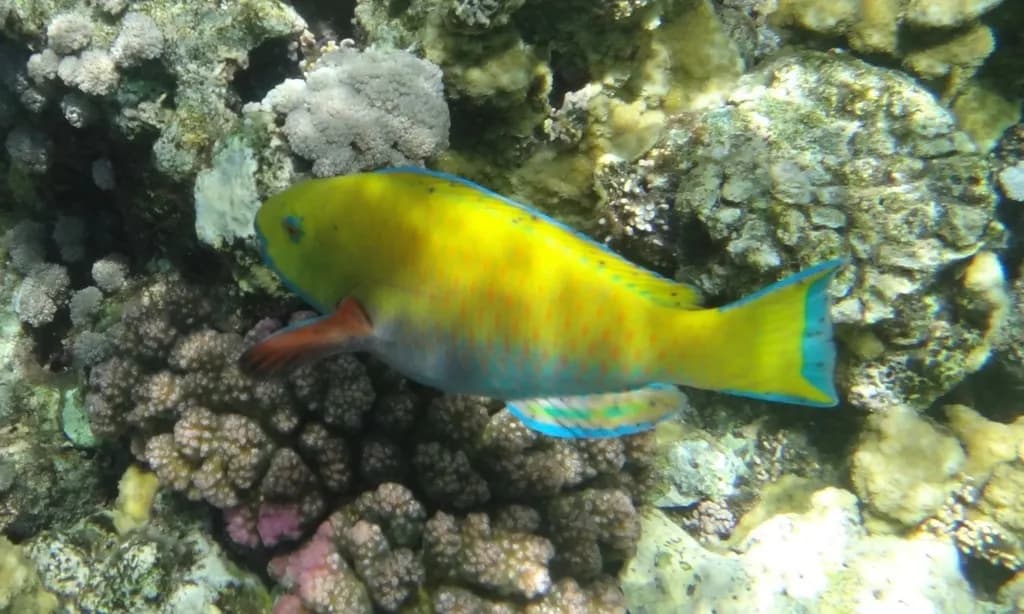
Steephead Parrotfish
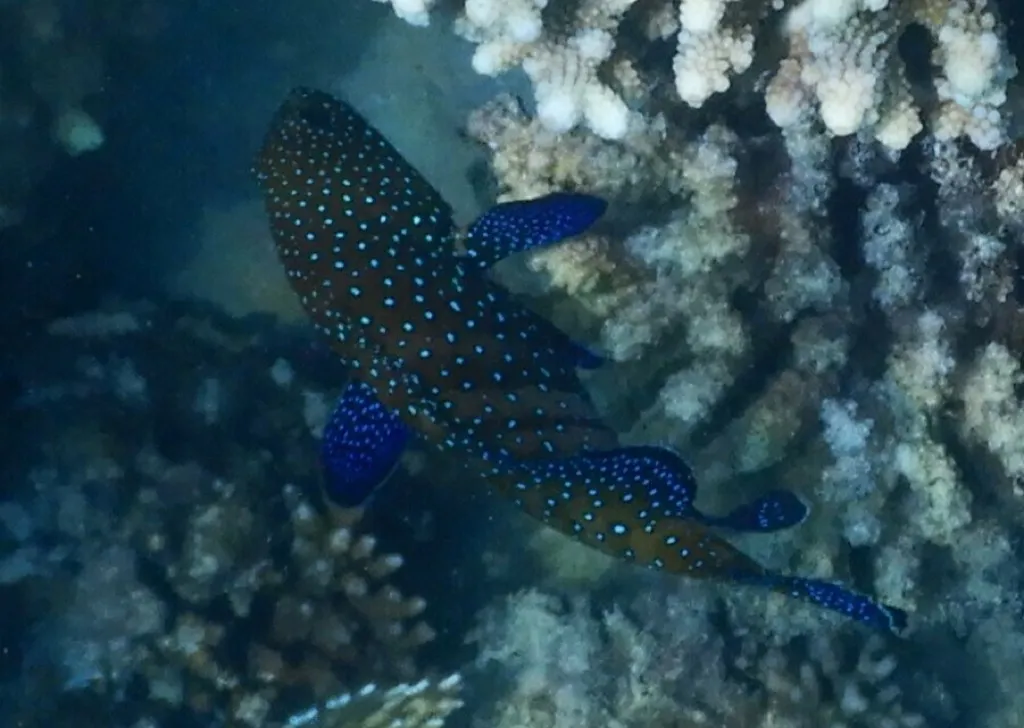
Peacock Grouper
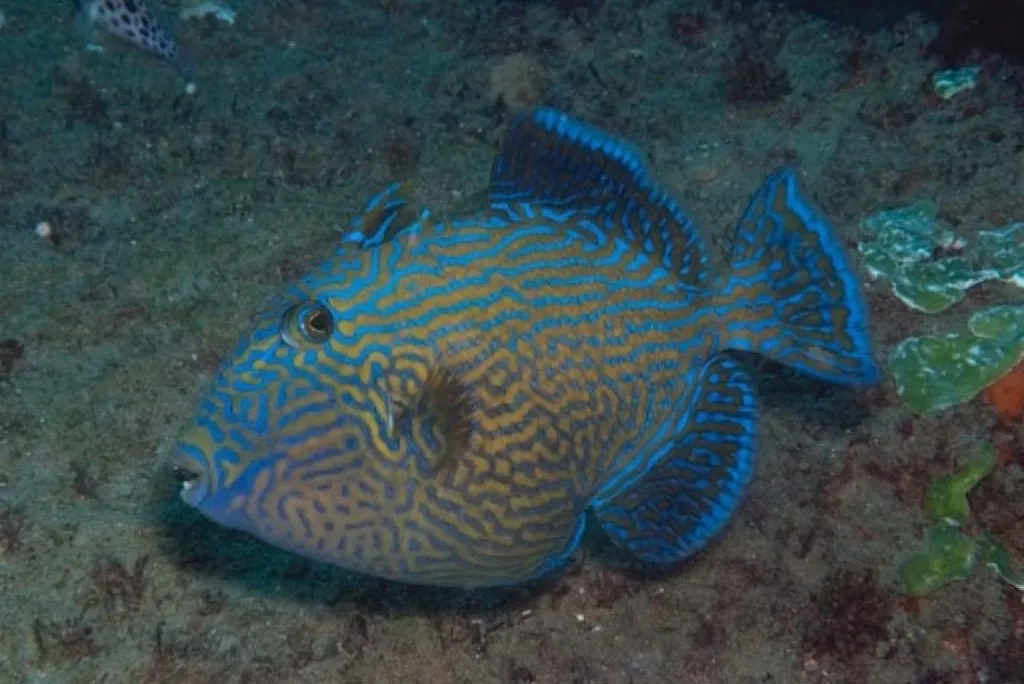
Blue Triggerfish
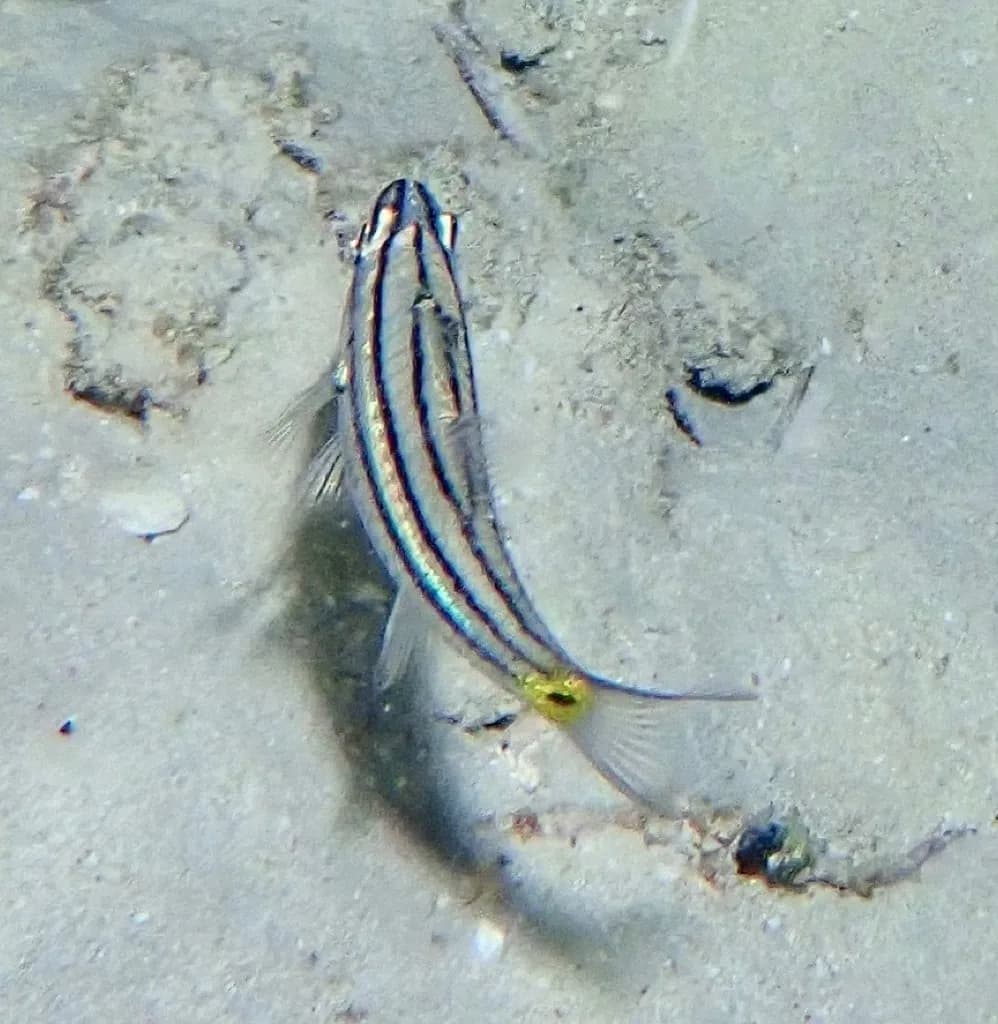
Cardinal Fish
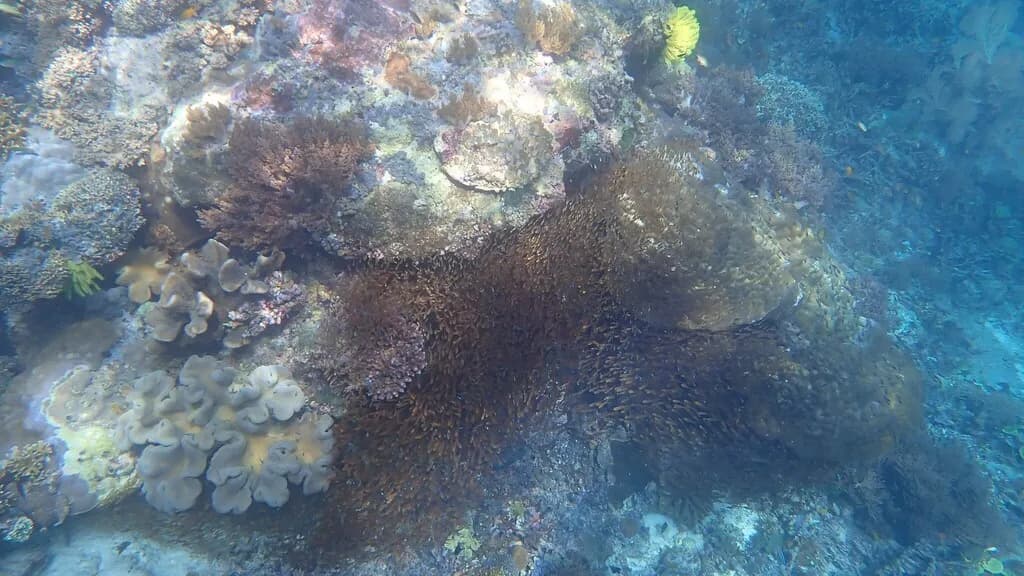
Pygmy Sweeper
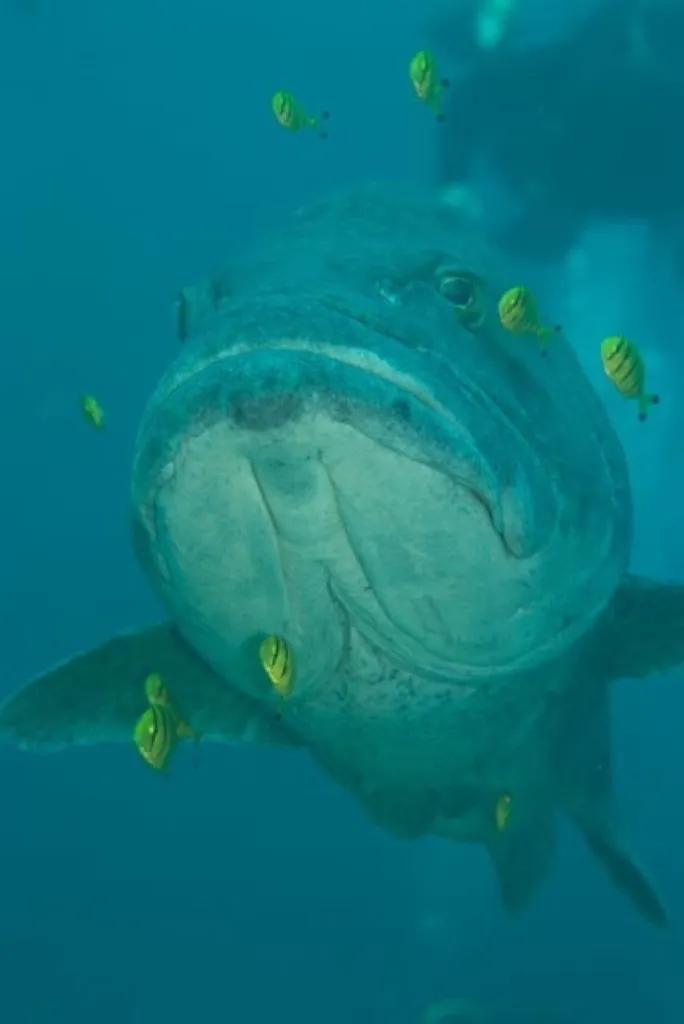
Black Grouper
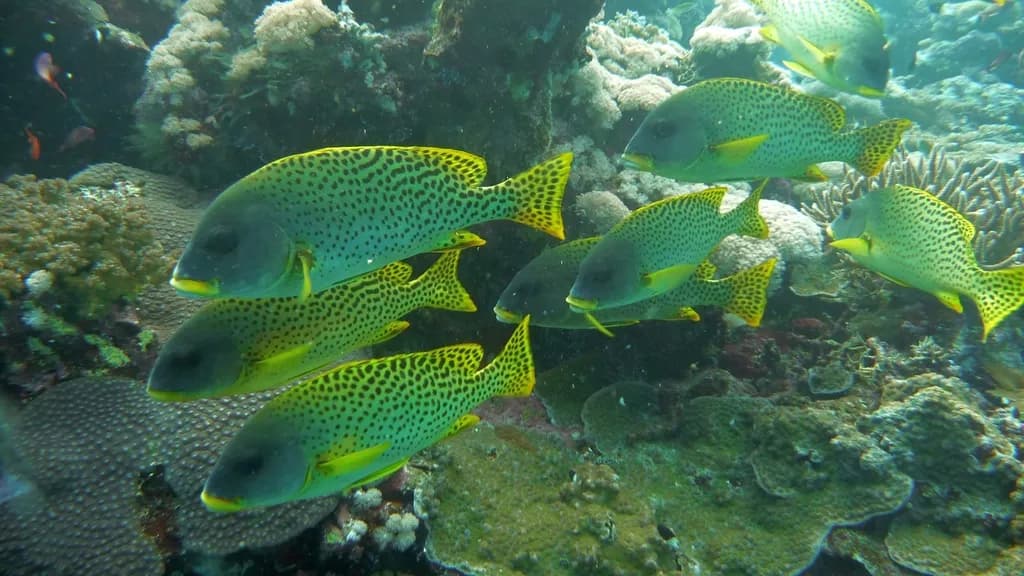
Sweetlip
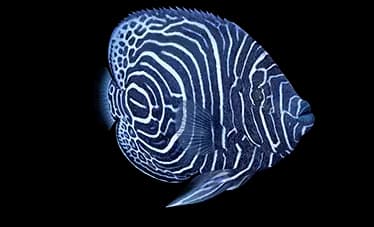
Emperor Angelfish
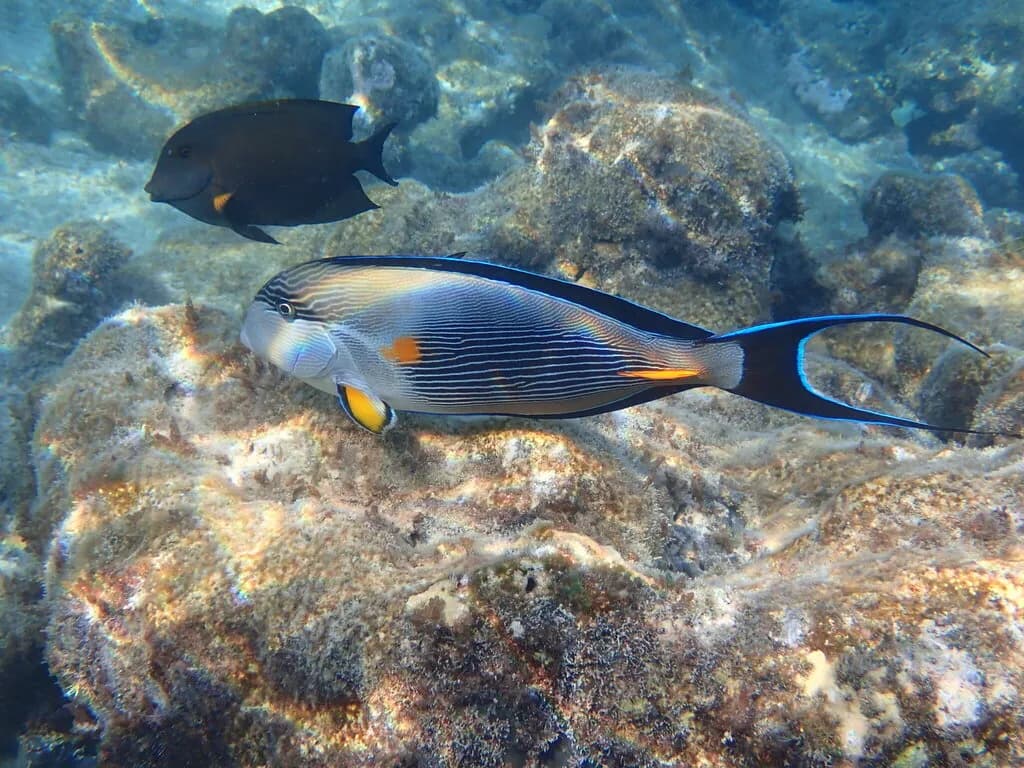
Doctor Fish
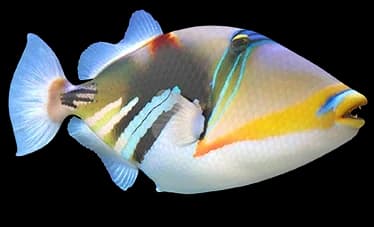
Picasso Triggerfish
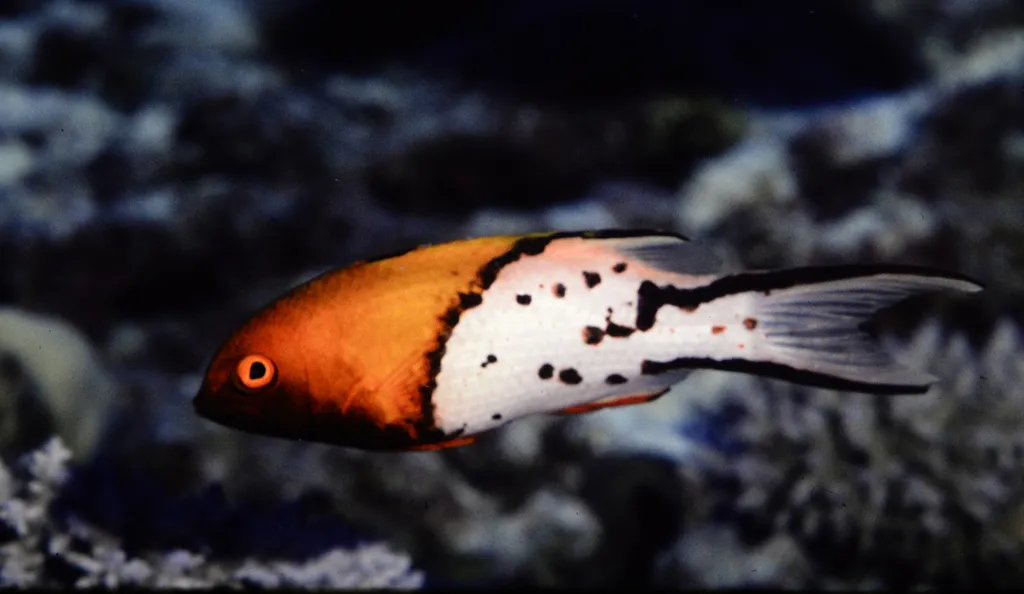
Lyretail Hogfish
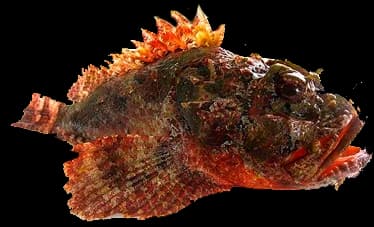
Scorpionfish
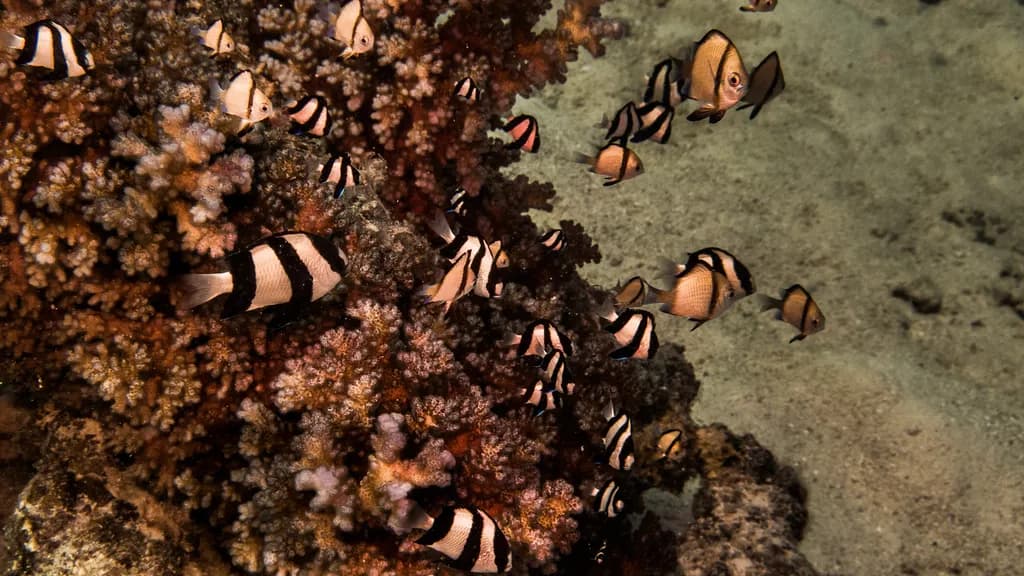
Humbug Damsel
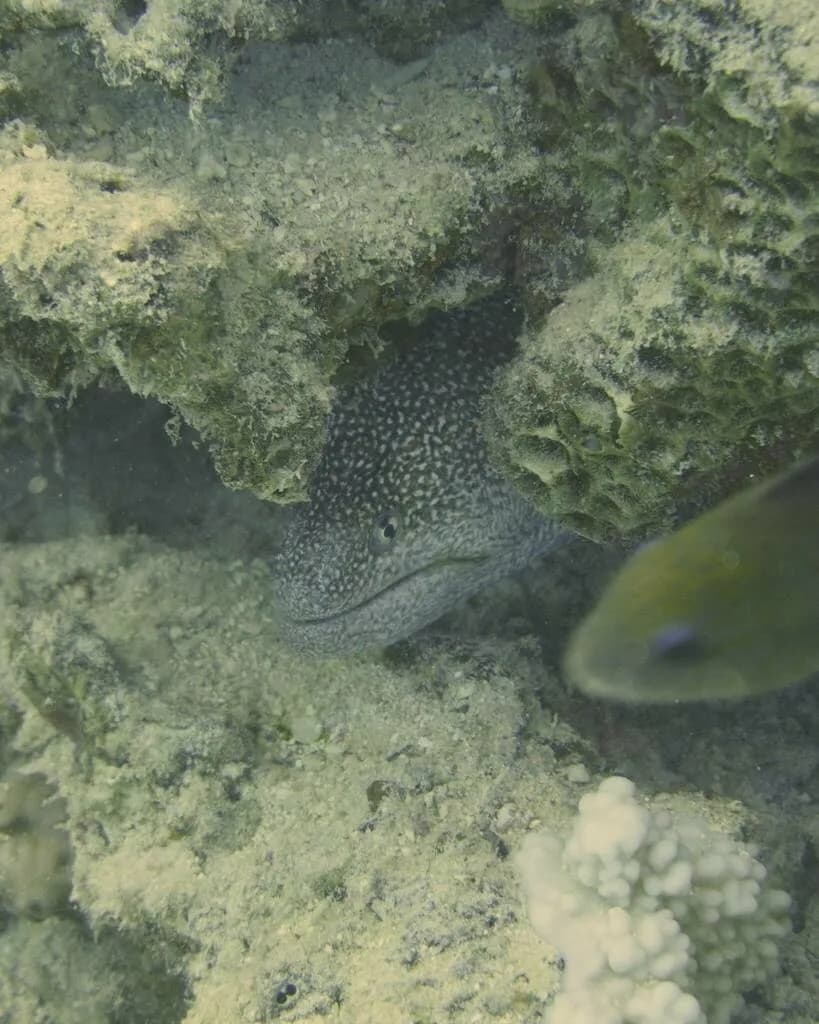
Yellowmouth Moray
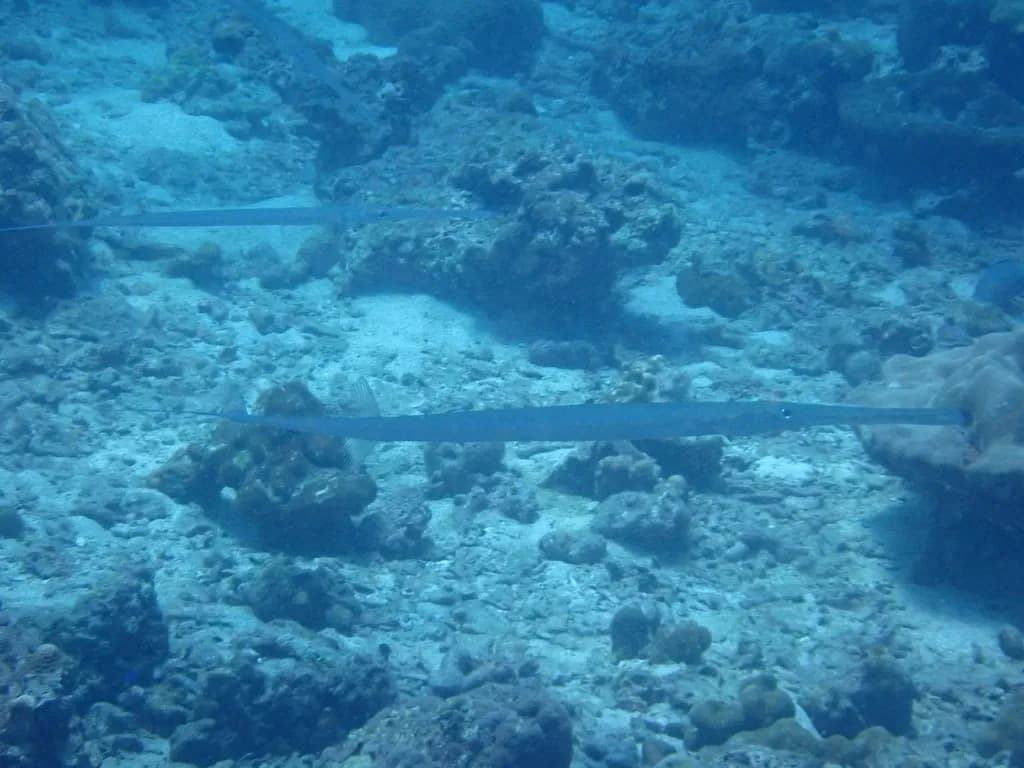
Cornetfish
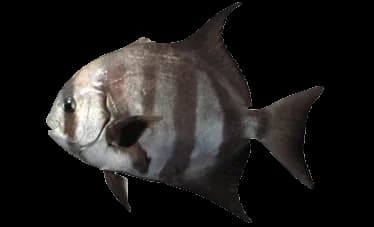
Spadefish
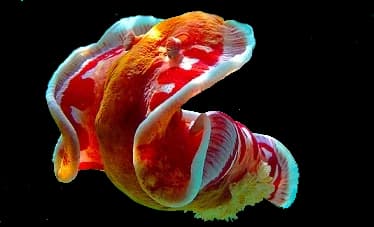
Spanish Dancer
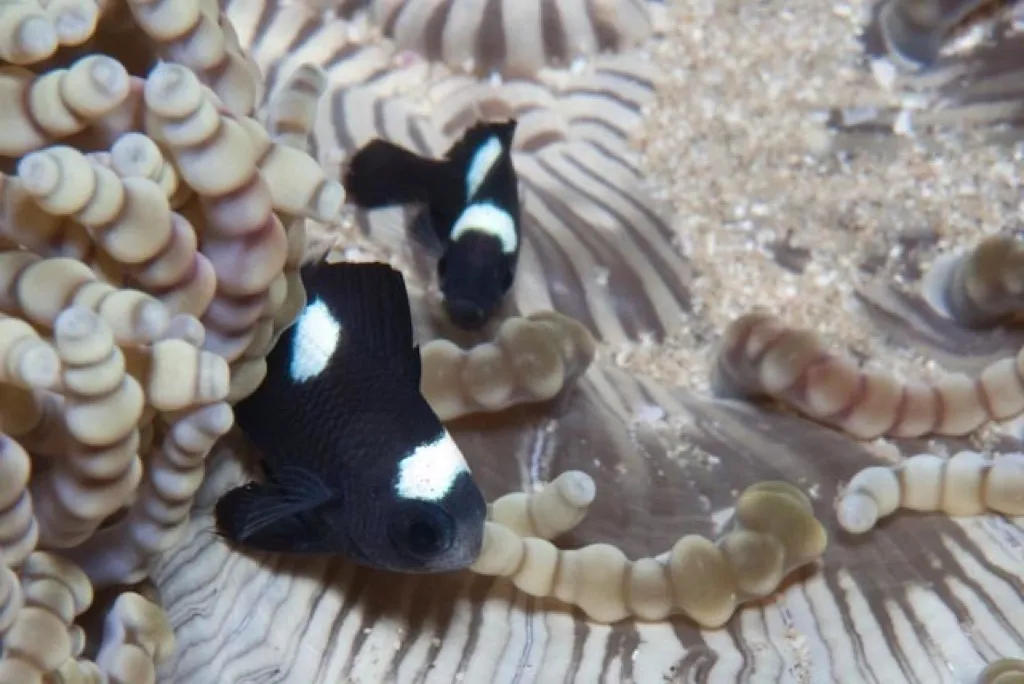
Domino Damsel
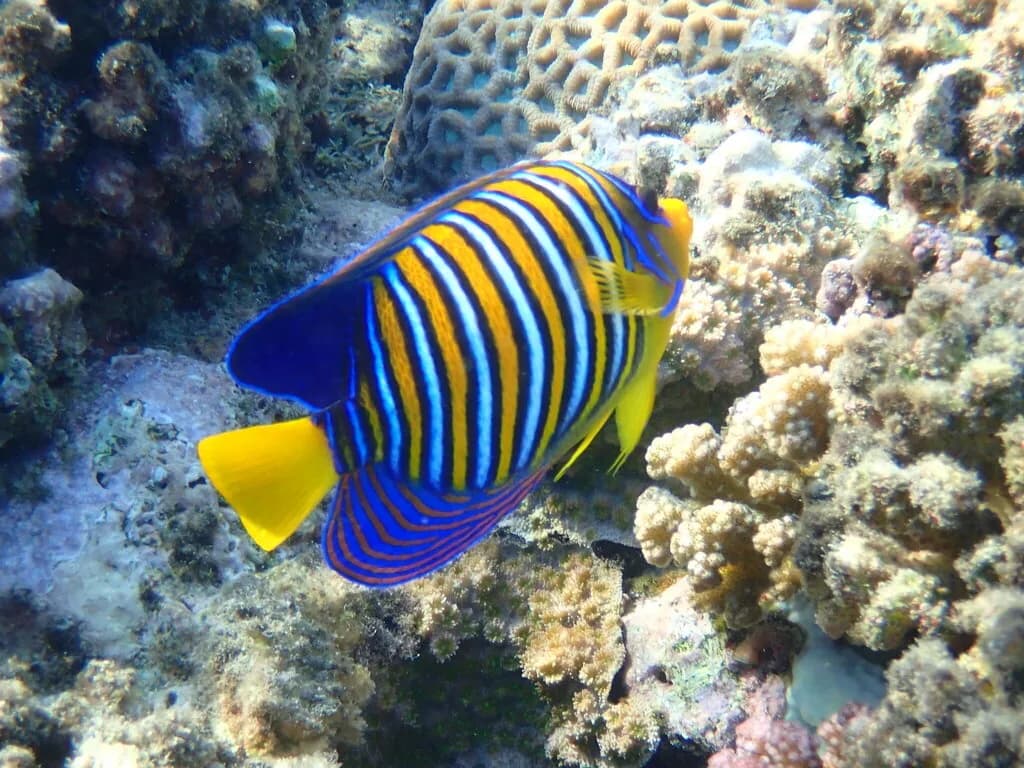
Regal Angelfish
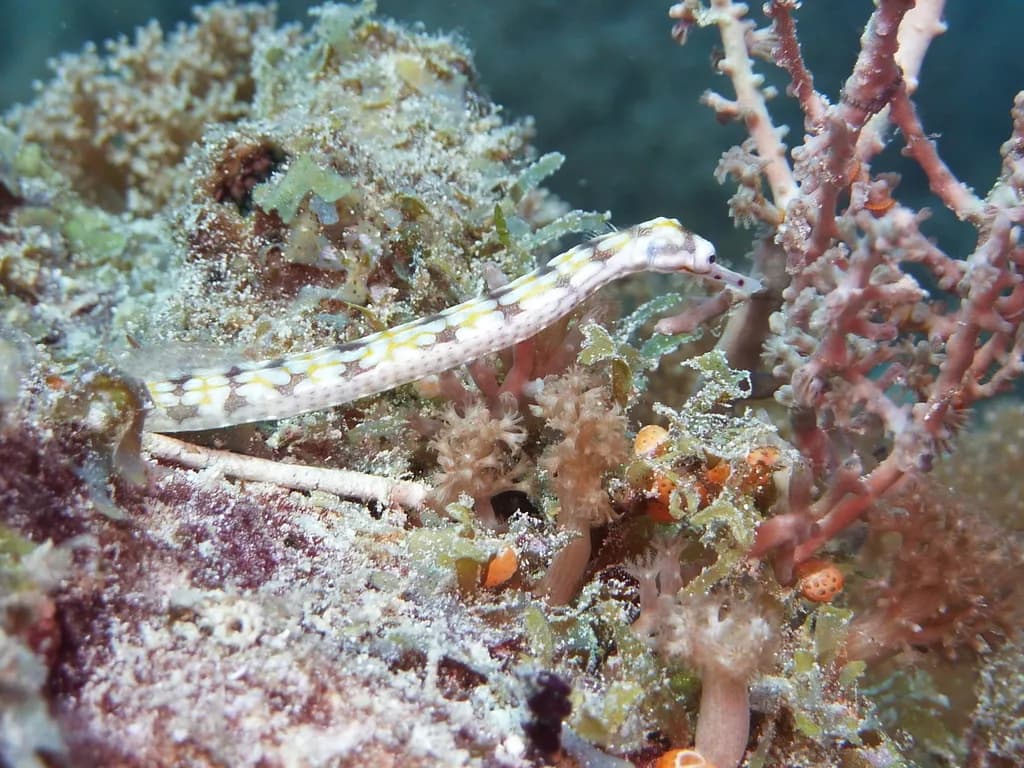
Pipefish
Grouper
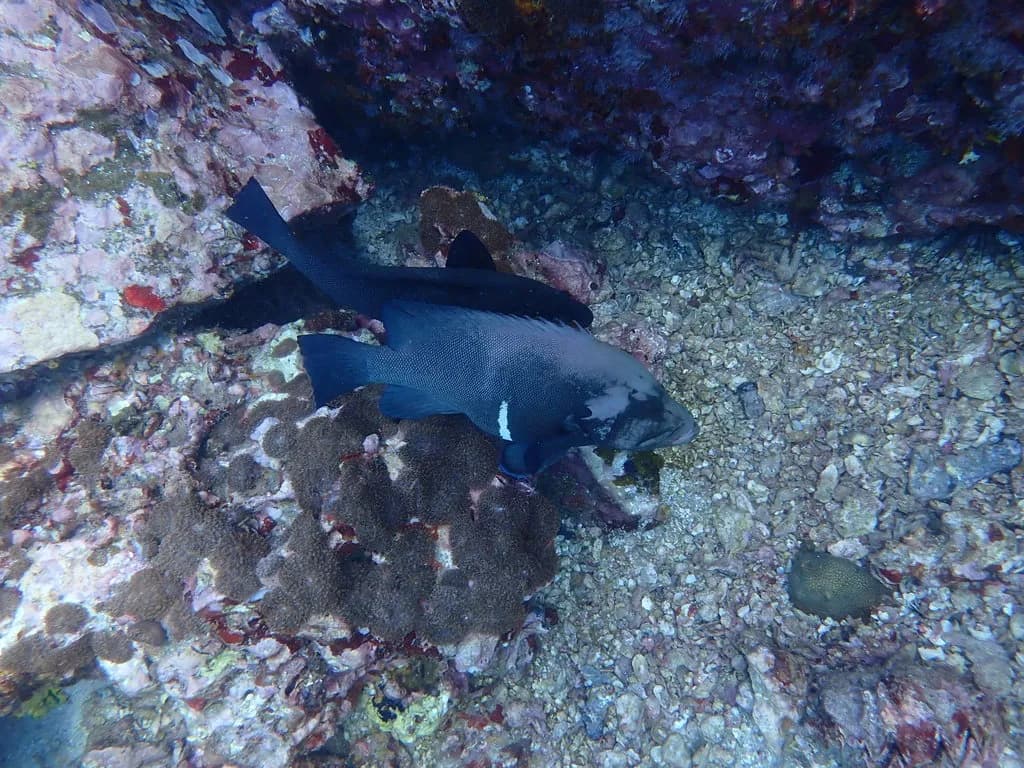
Redmouth Grouper
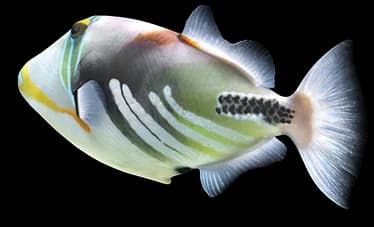
Triggerfish
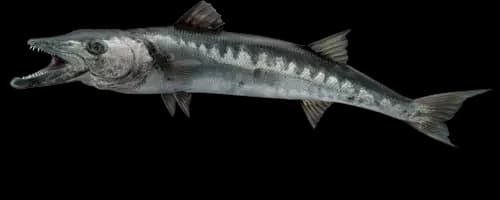
Barracuda
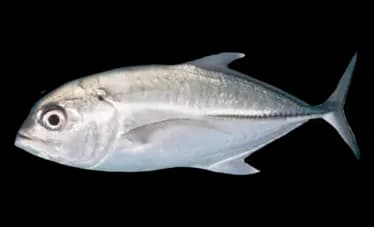
Jackfish
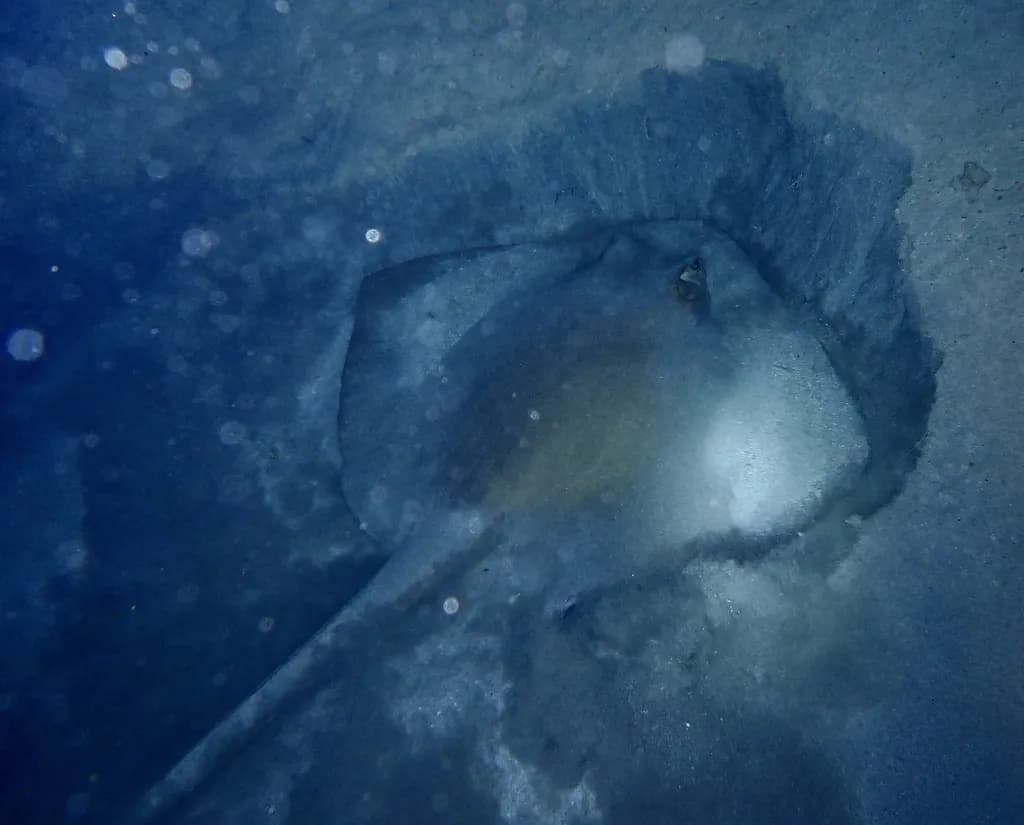
Feathertail Ray
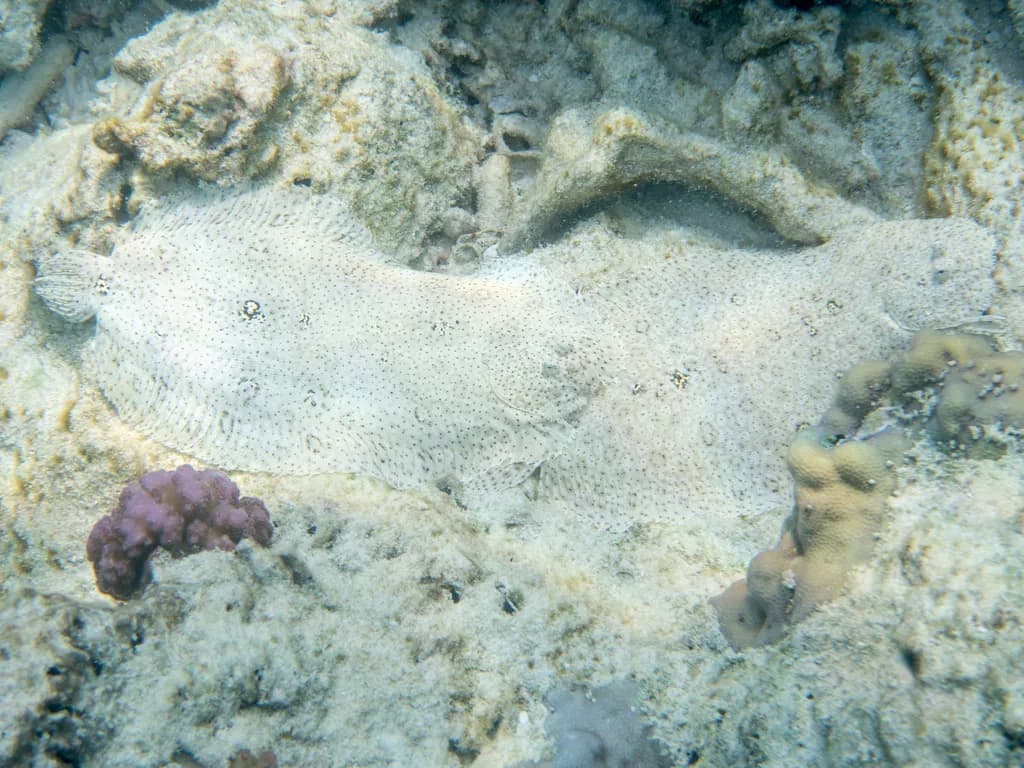
Moses Sole
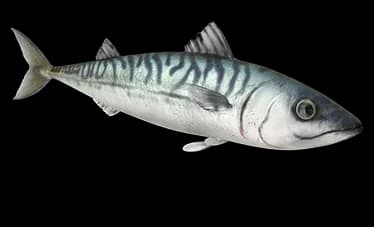
Mackerel
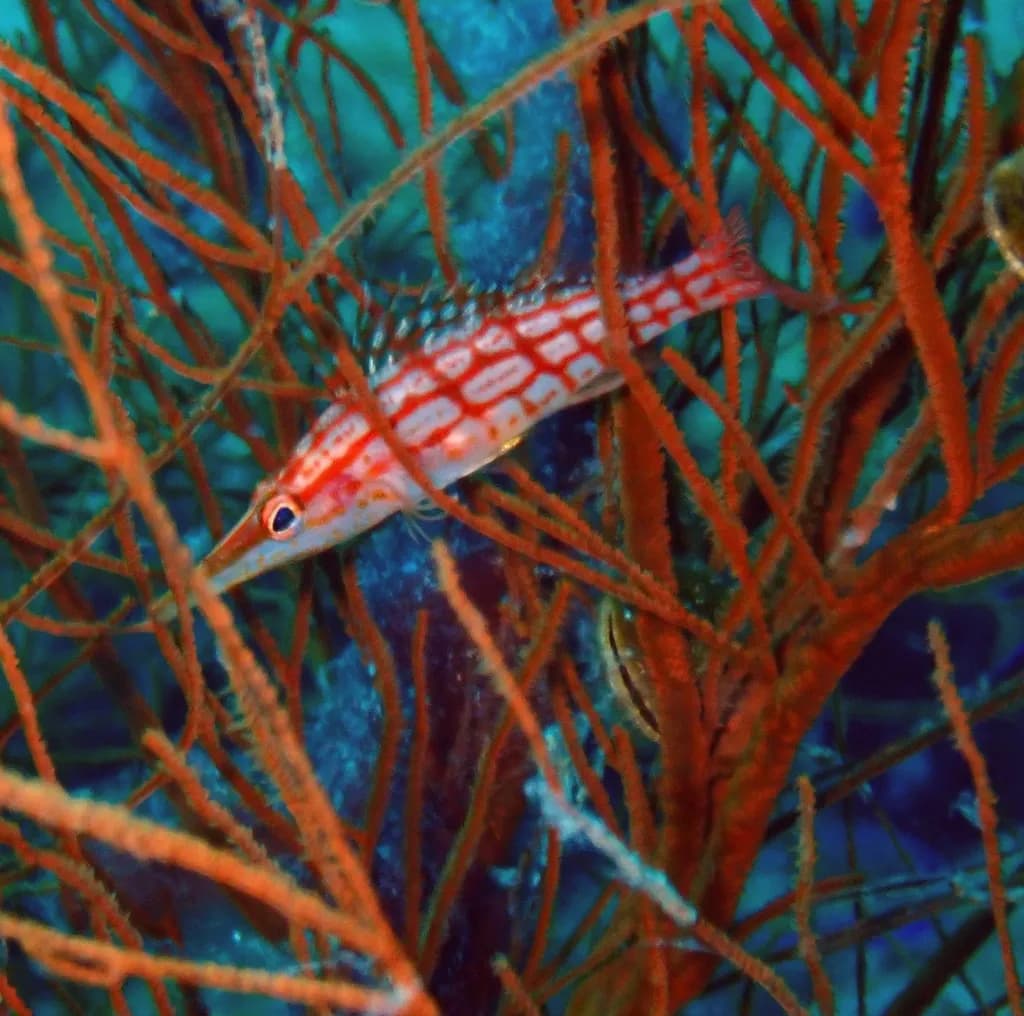
Longnose Hawkfish
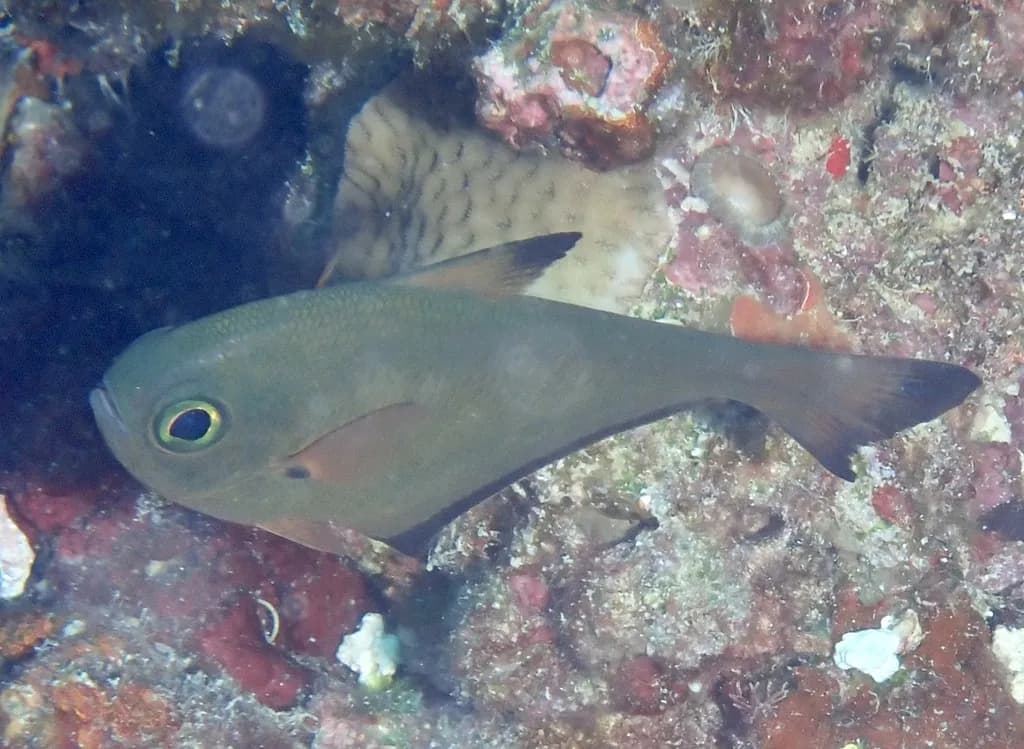
Cave Sweeper
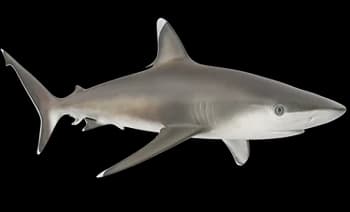
Whitetip Shark
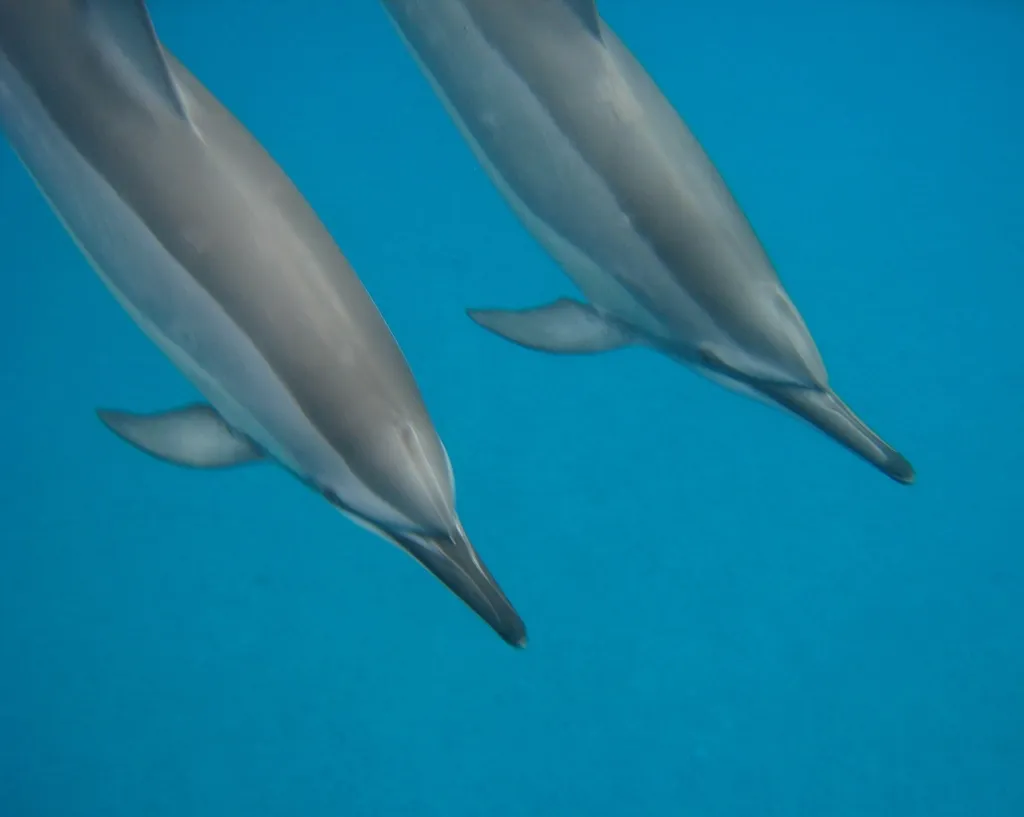
Spinner Dolphin
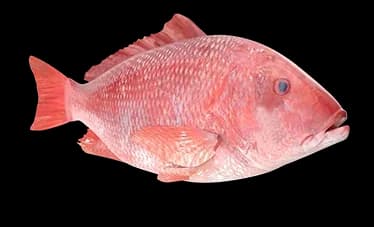
Red Snapper
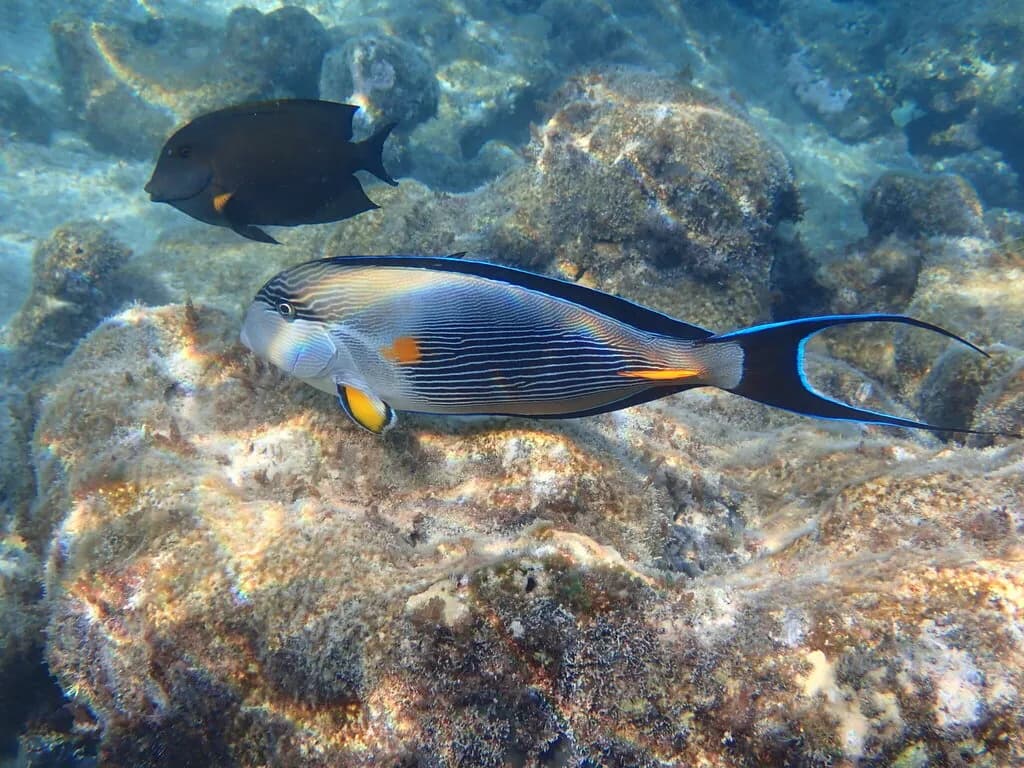
Surgeonfish
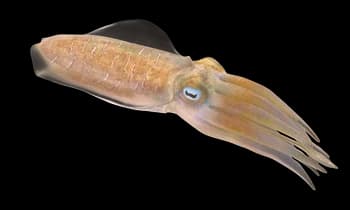
Squid
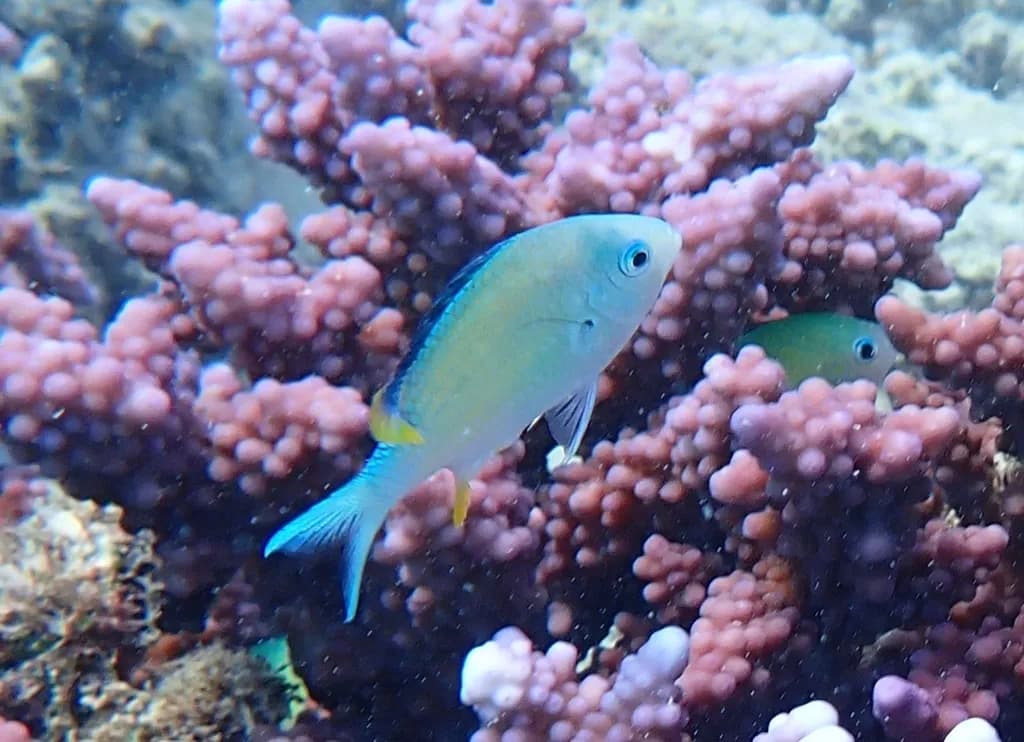
Bluegreen Puller
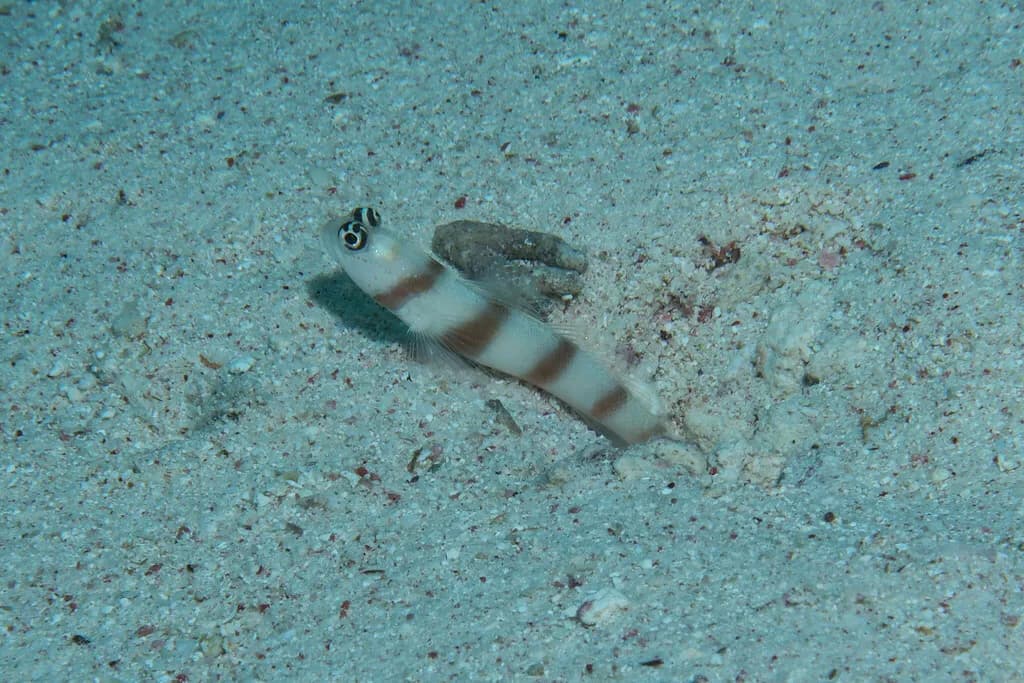
Gobie
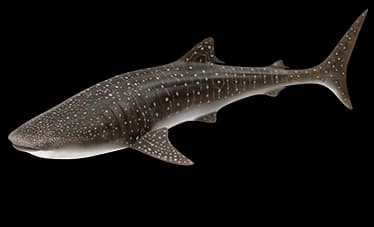
Whale Shark
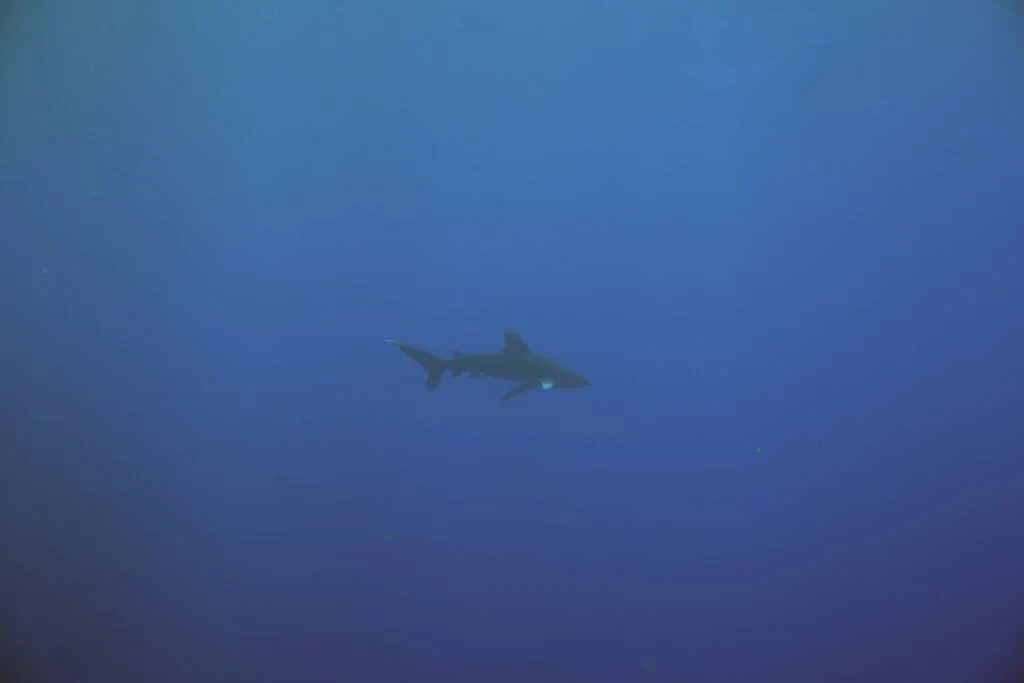
Oceanic Whitetip Shark
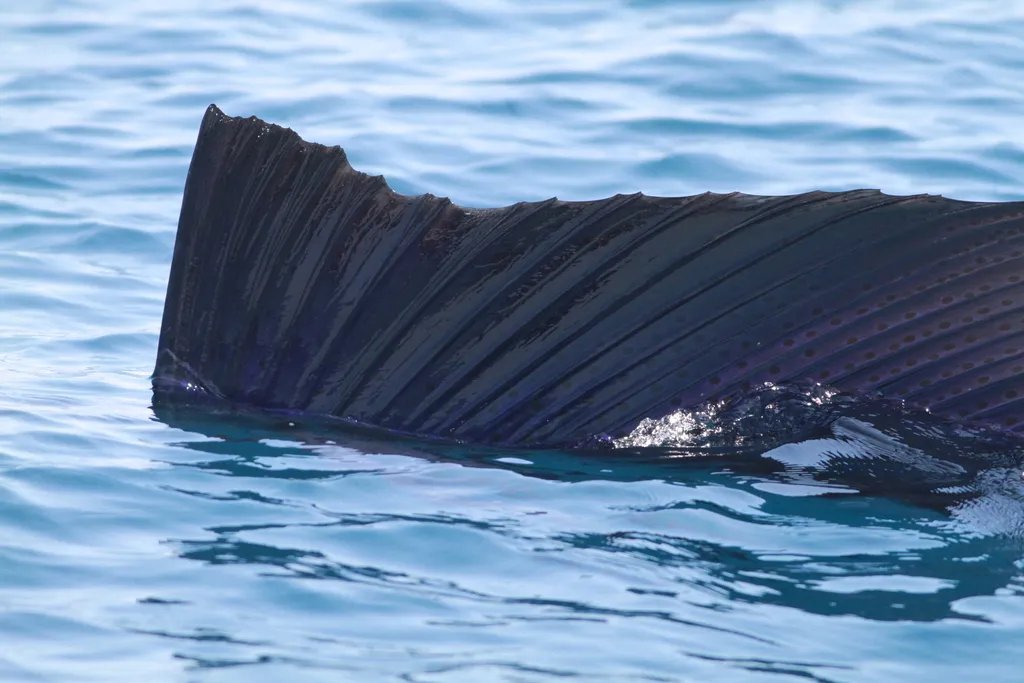
Sailfish
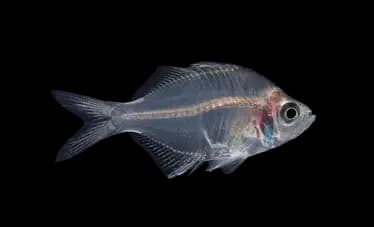
Glassfish
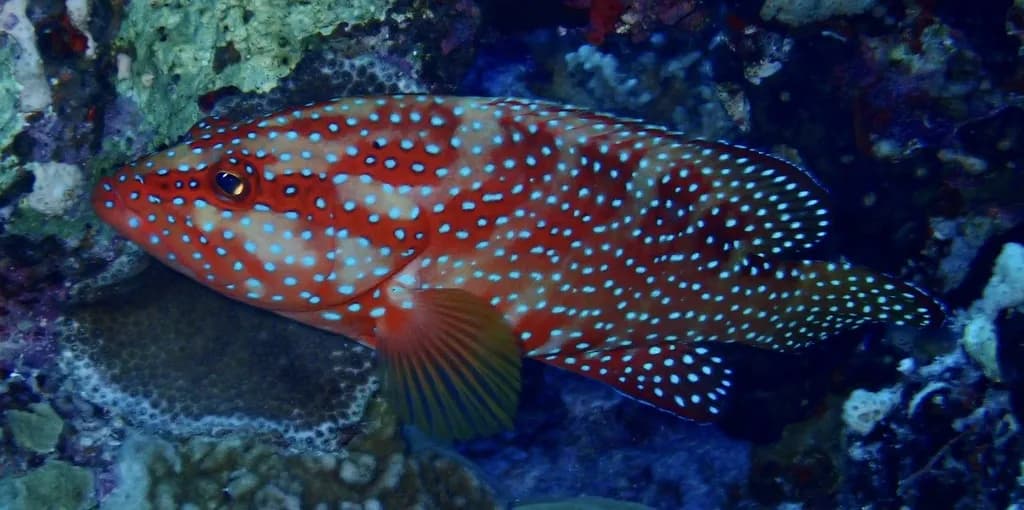
Coral Grouper
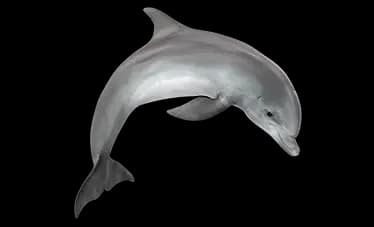
Dolphin
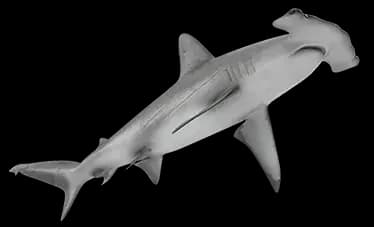
Hammerhead Shark
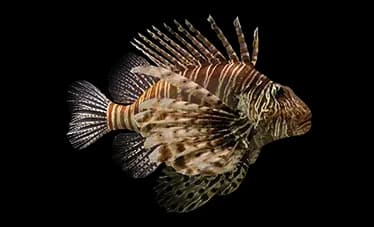
Lionfish
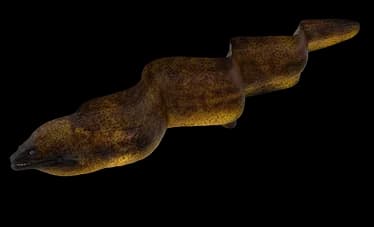
Moray Eel
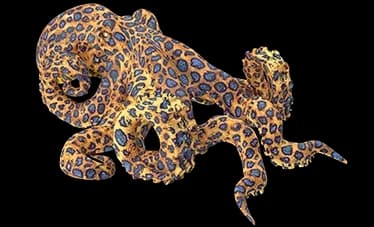
Octopus
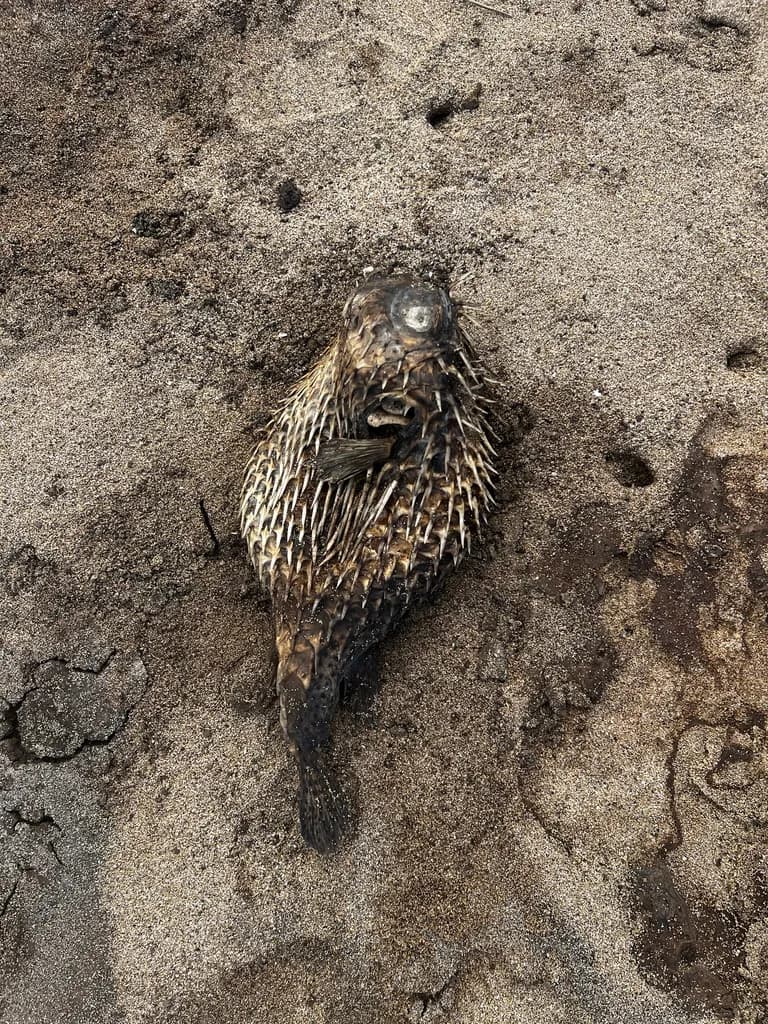
Porcupine Fish
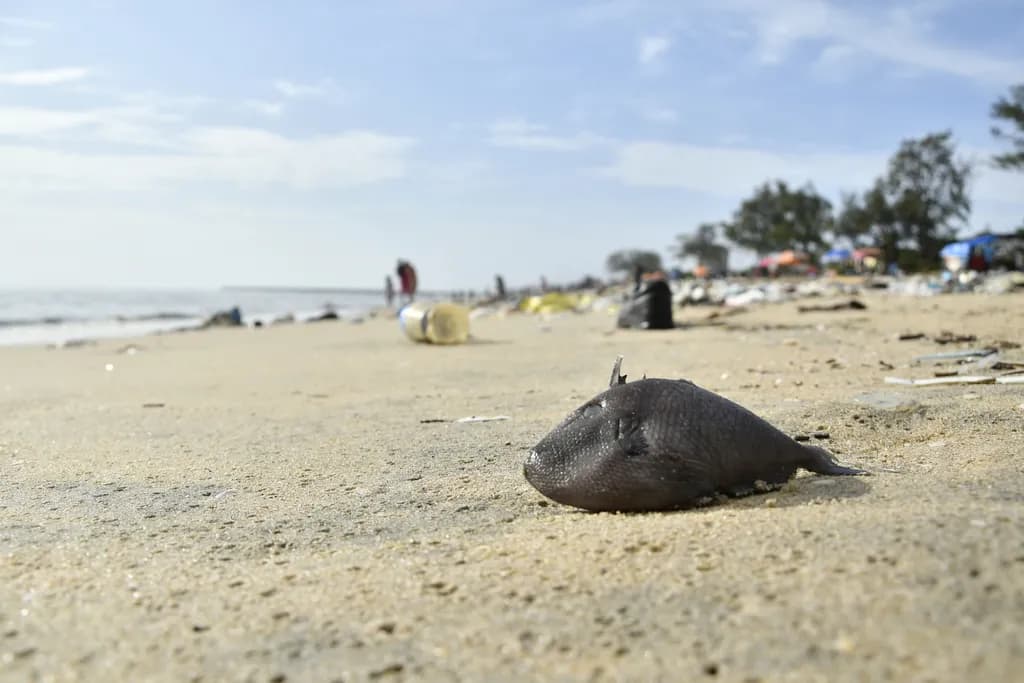
Redtooth Triggerfish
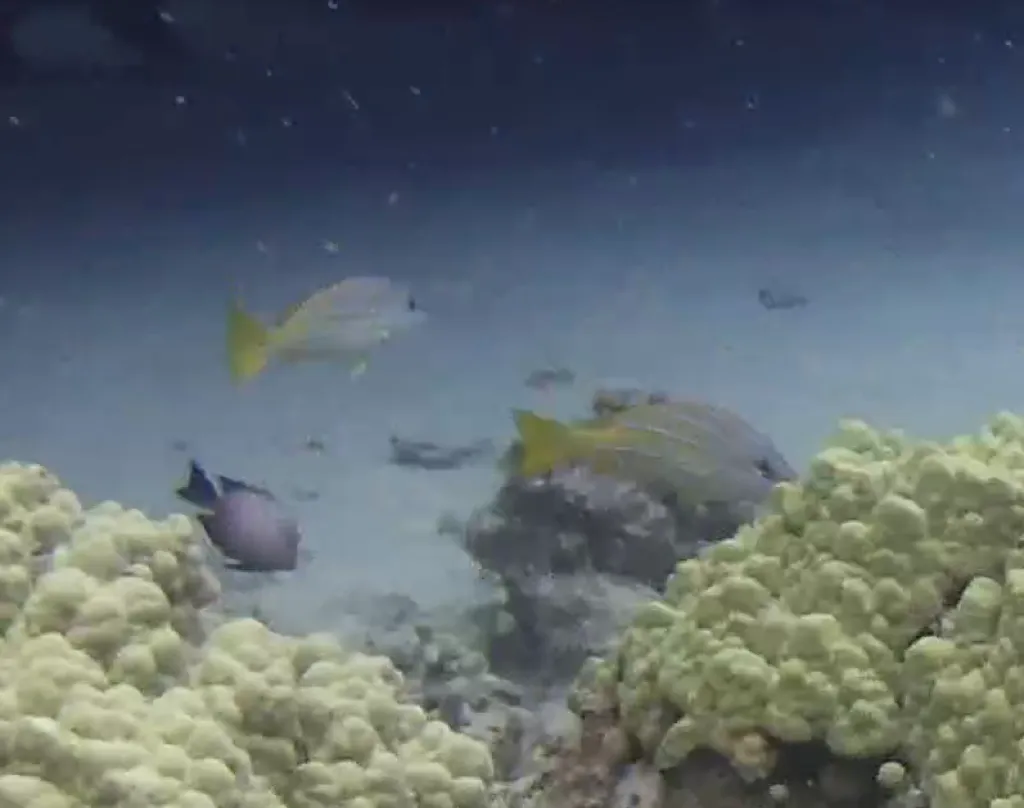
Snapper
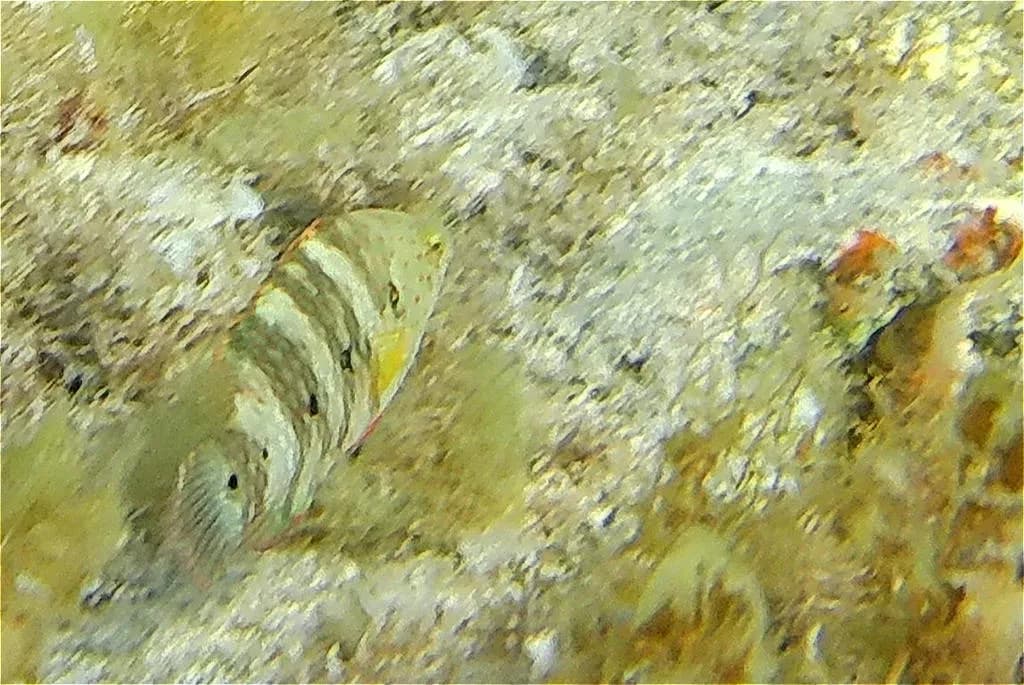
Splendour Wrasse
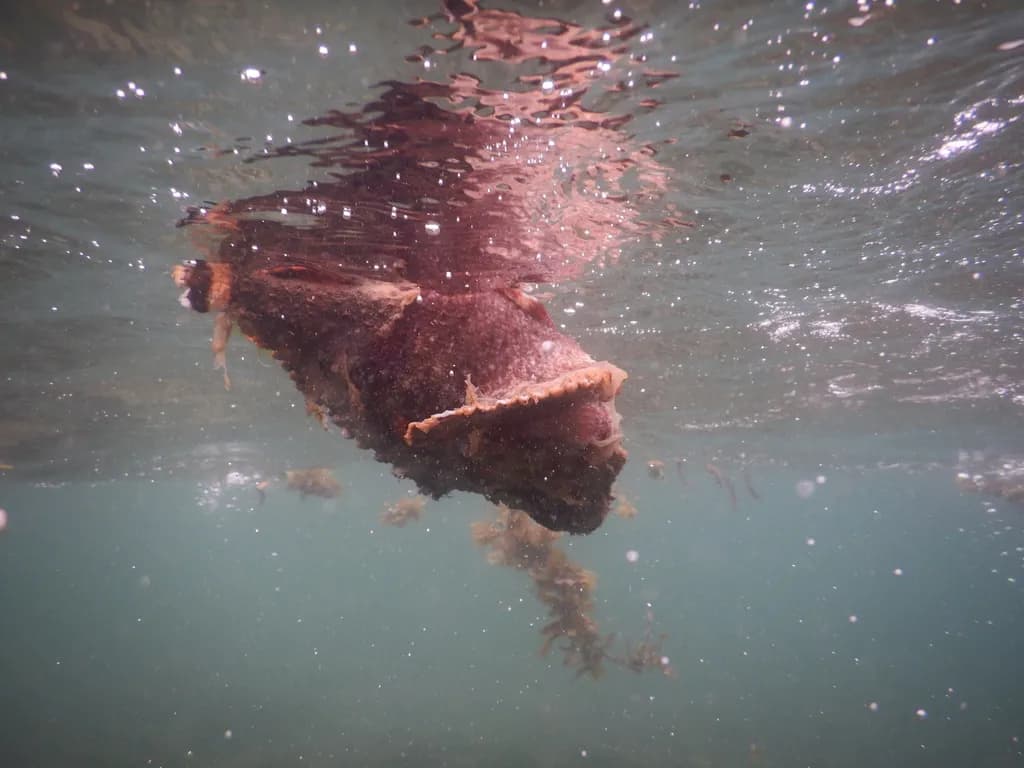
Stonefish

Trevally
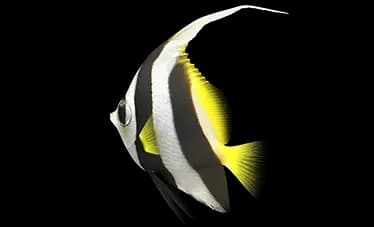
Bannerfish