
Big Brother Island
Big Brother Island
Overview
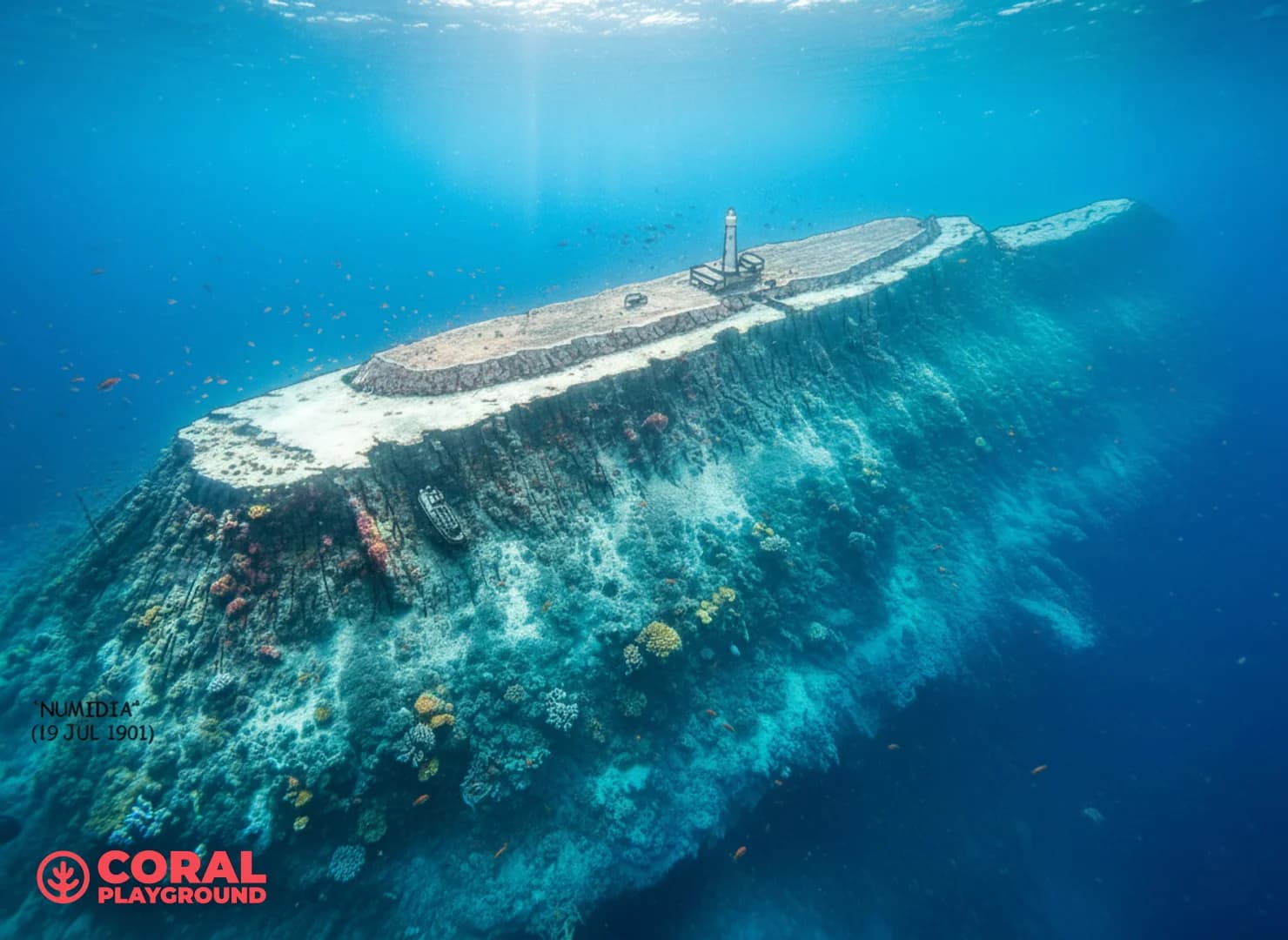
Big Brother is the larger of the two Brother Islands (El Akhawein), a pair of tiny, isolated volcanic peaks rising from deep water far offshore in the central Red Sea. Crowned by a Victorian-era stone lighthouse and ringed by sheer coral walls, two historic wrecks and a near-constant parade of sharks, it is widely regarded as one of the finest dives in Egypt — and, because the islands lie well out to sea, it is reachable only by liveaboard. Declared a marine protectorate in 1983, the Brothers reward the long crossing with big animals, vertical reef and an end-of-the-earth atmosphere.
The Dive
The island is essentially a steep-sided cone, so every dive is a wall dive descending into very deep water, and depth is dictated by your plan rather than any bottom in sight. Recreational dives typically work the walls and the upper sections of the two wrecks between about 15m and 40m. On the north-west side lies the Numidia, a British cargo ship sunk in 1901: her bow sits shallow at around 8m and the coral-encrusted hull drops steeply down the wall, with the aft holds near 40m marking the sensible recreational limit before the stern continues into technical depths past 80m. The Aida, a supply ship lost in 1957, rests on the southern wall with her bow at about 30m and her stern falling away below 60m.
Strong current is the norm and is what funnels the sharks past the reef. This is firmly an Advanced Open Water dive, and most operators expect logged experience, good air consumption and solid drift and wall skills before bringing divers here.
Marine Life
The Brothers are a shark dive first and foremost. Scalloped hammerheads school off the plateaus, grey reef and oceanic whitetip sharks patrol the walls, and in the cooler months thresher sharks rise from the depths. The wrecks and walls themselves are smothered in some of the healthiest hard and soft coral in the Red Sea, with gorgonian fans, anthias, fusiliers, tuna and barracuda completing one of the richest reef scenes anywhere in Egypt.
Good to Know
The Brothers are typically accessible from spring to late autumn, when sea conditions allow the offshore crossing; the islands can close in rough weather. Visibility is usually outstanding, often 20–40m or more. Access is liveaboard-only, generally on dedicated "Brothers, Daedalus & Elphinstone" itineraries sailing from Hurghada, Marsa Alam or Port Ghalib. Currents can be ferocious and the walls are unforgiving — this is a destination for experienced divers who respect the conditions.
Depth
5-40m
Visibility
20-40m
Current
strong
Access
liveaboard
Certification
Advanced Open Water
Species
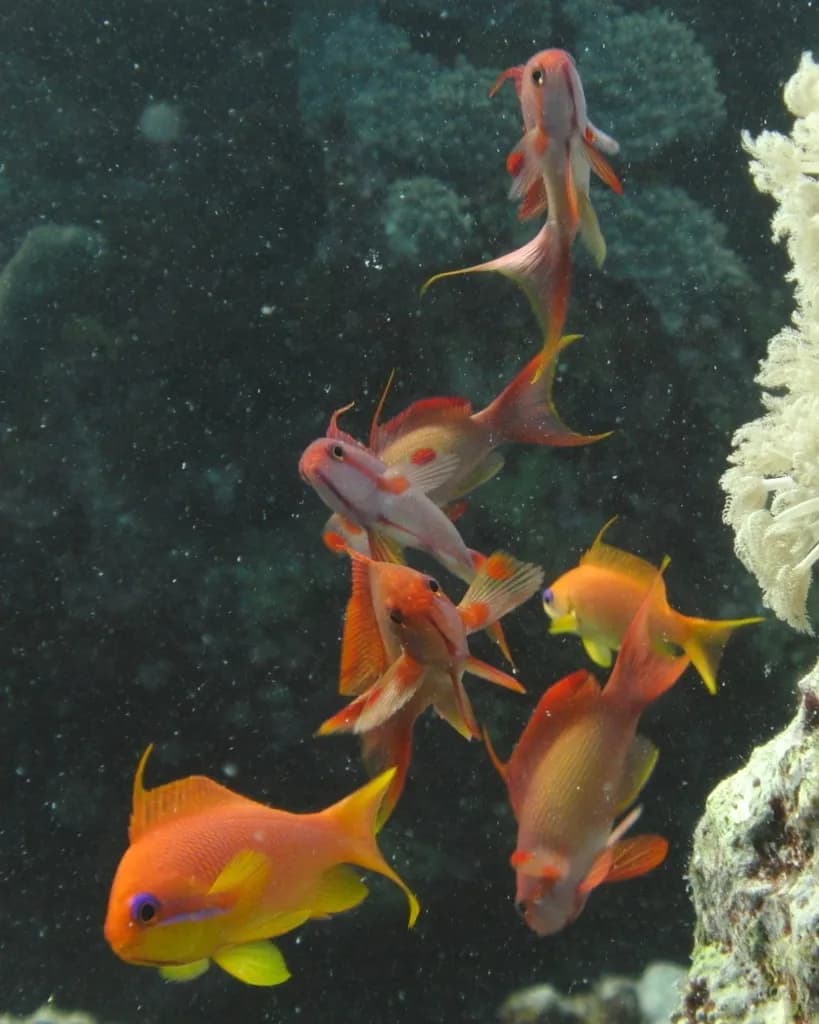
Anthias
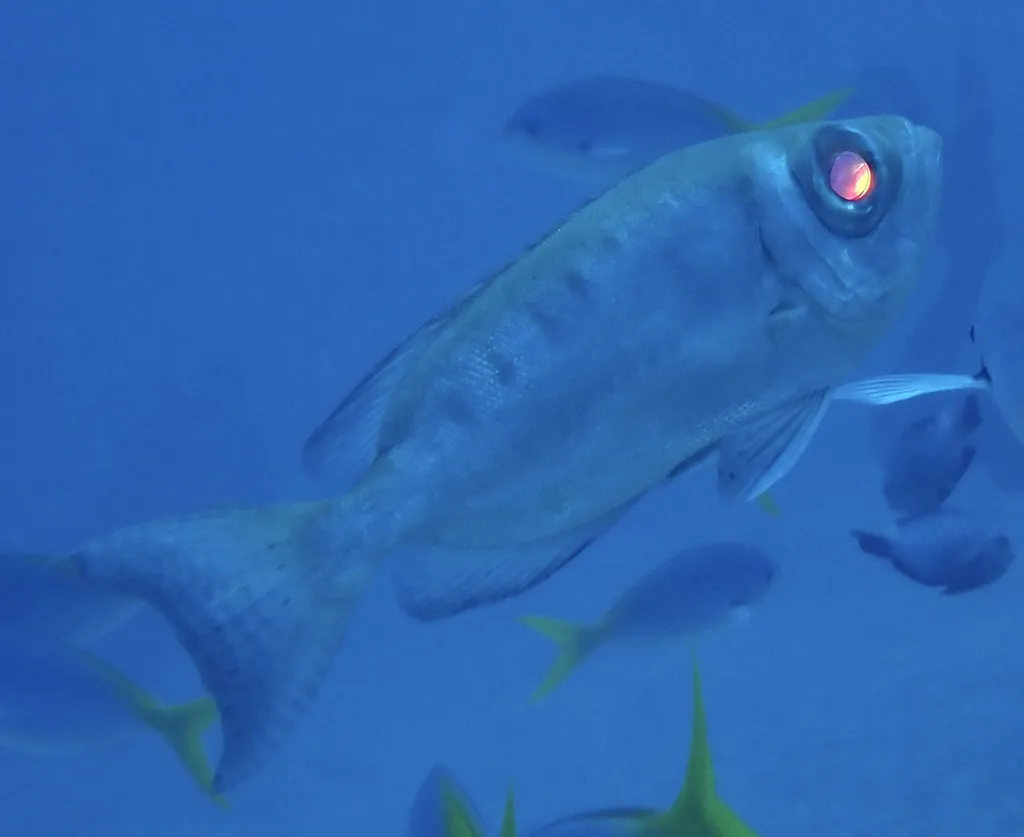
Bigeye
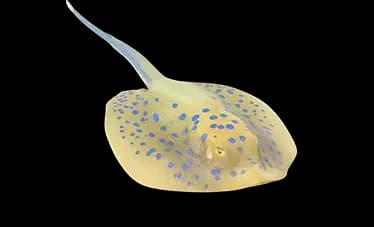
Blue Spotted Stingray
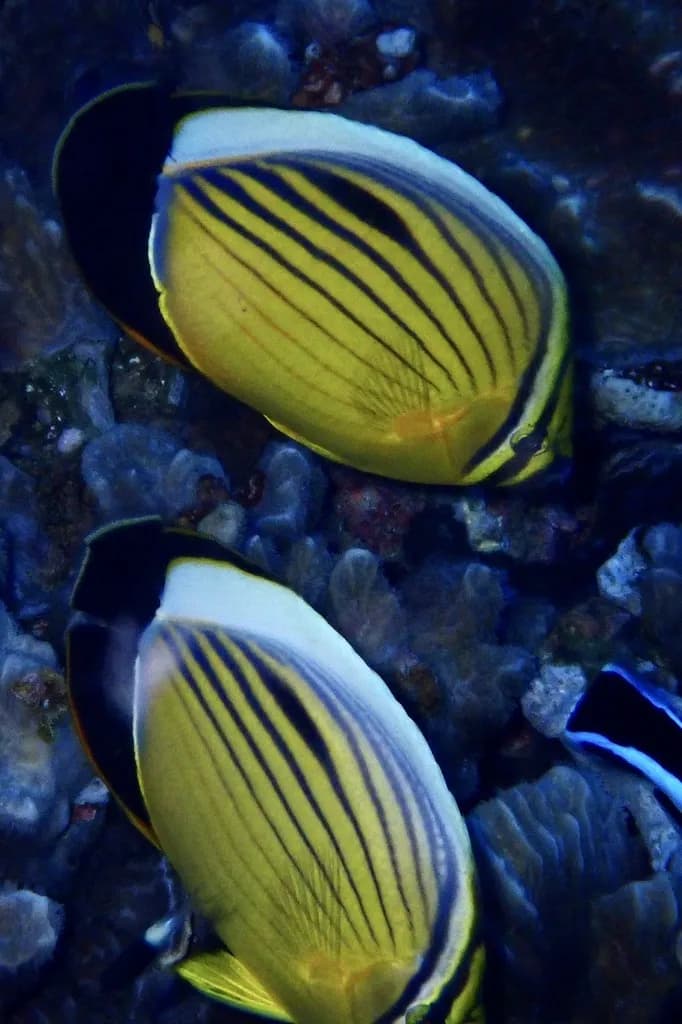
Butterflyfish
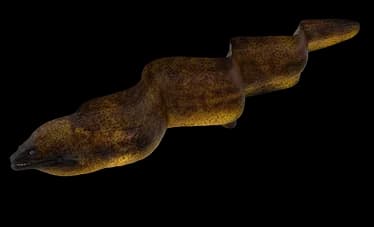
Moray Eel
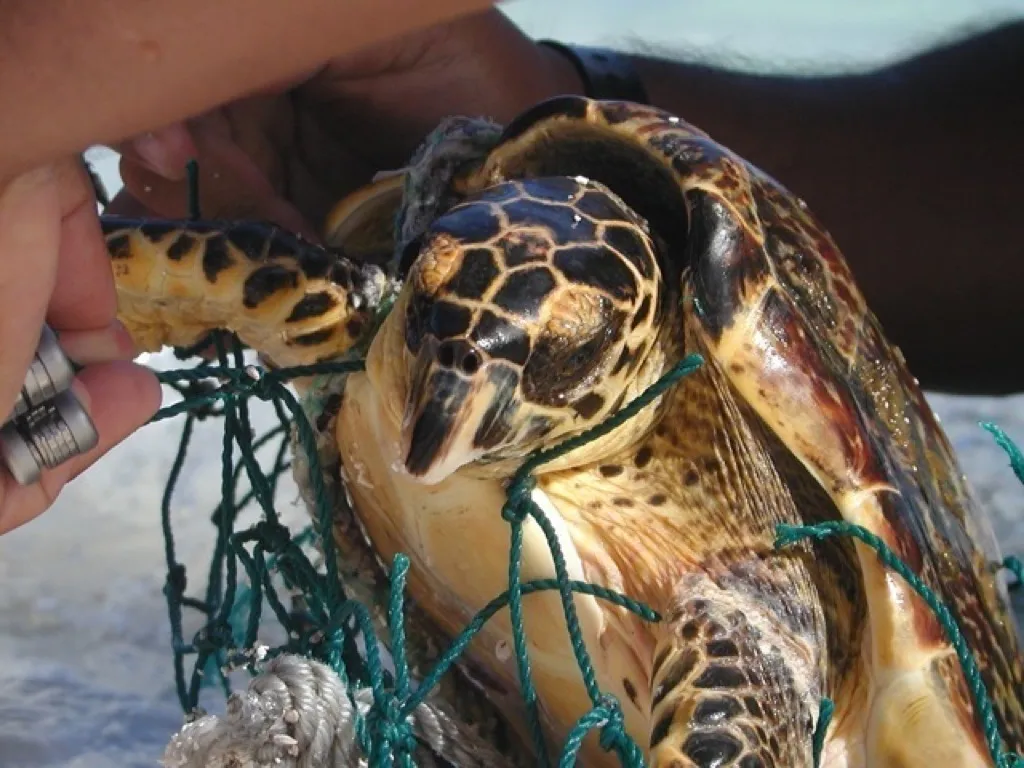
Hawksbill Turtle
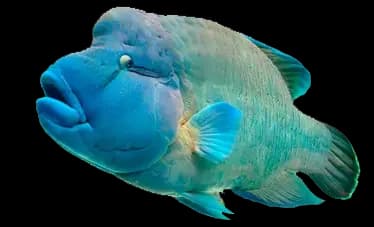
Napoleon Wrasse
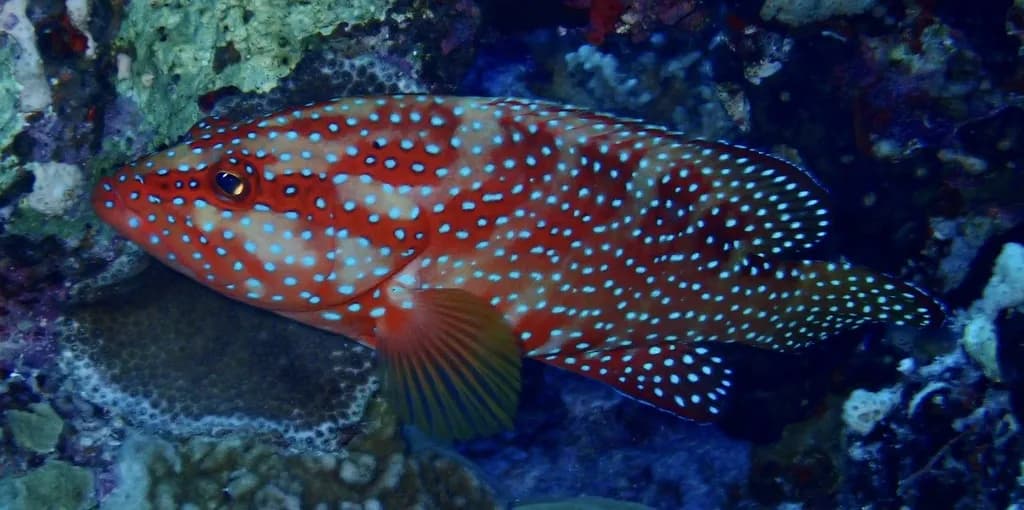
Coral Grouper
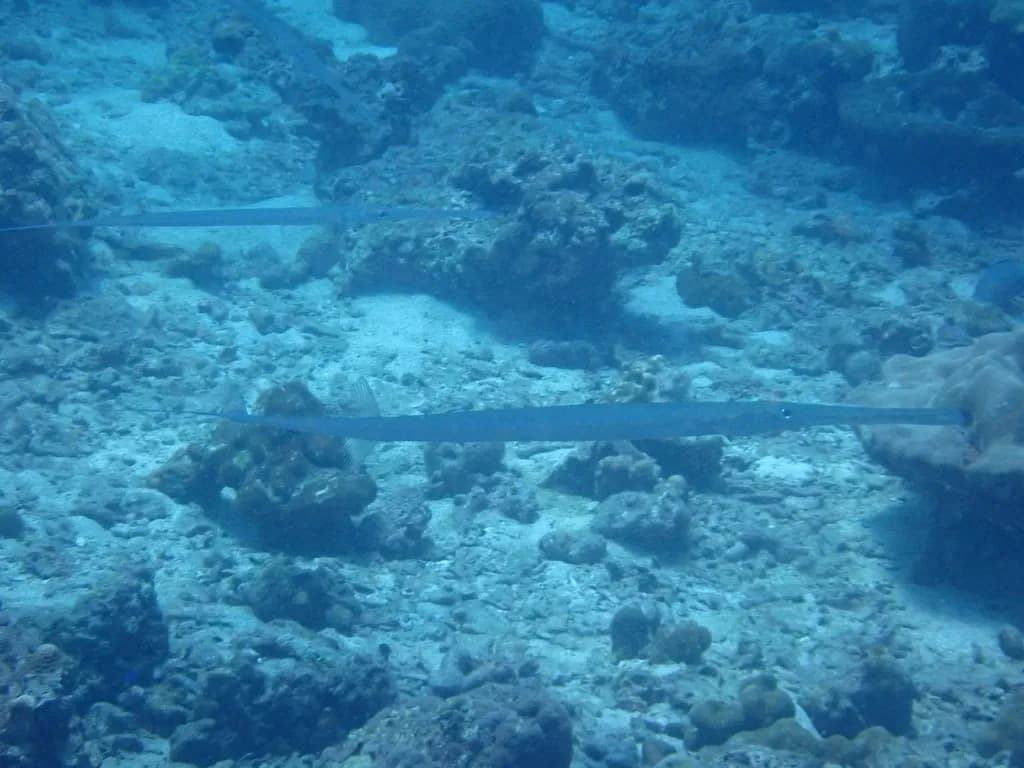
Cornetfish
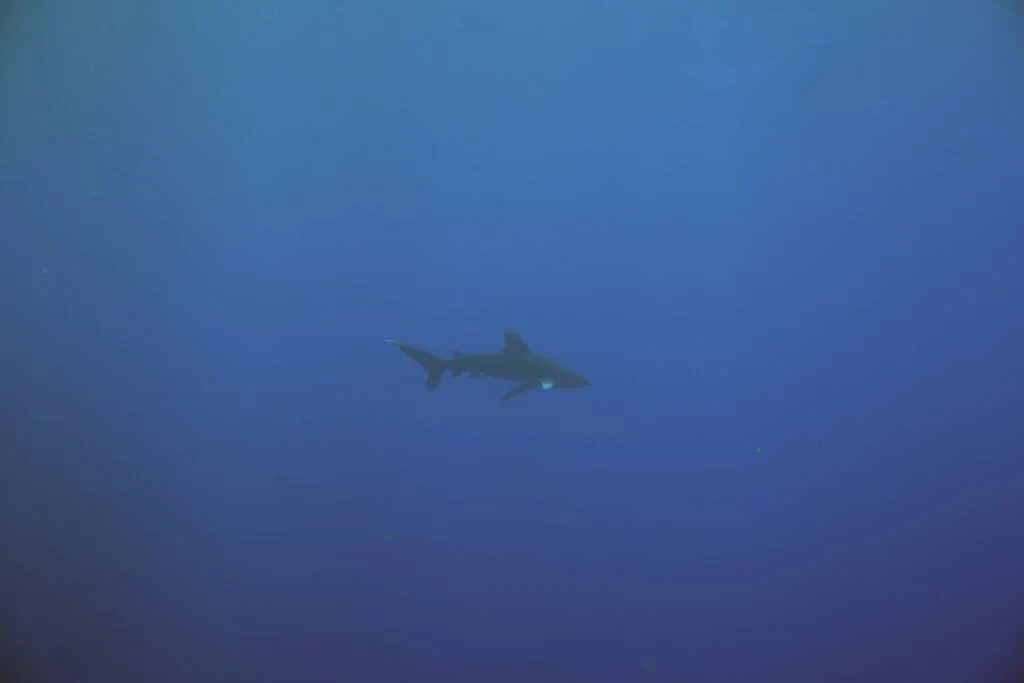
Oceanic Whitetip Shark

Trevally
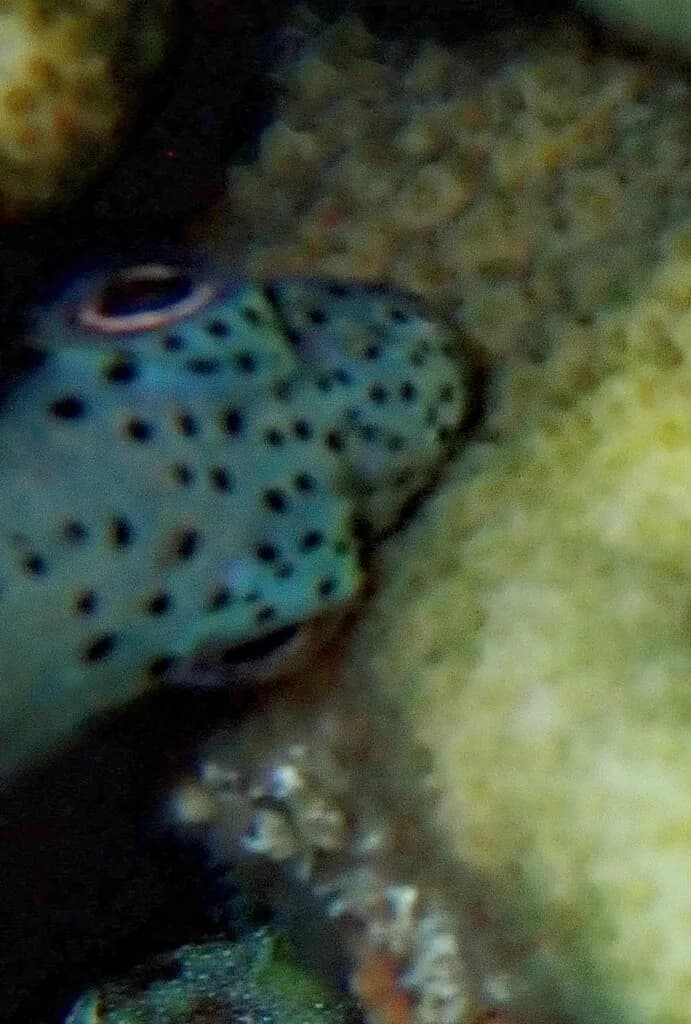
Blackside Hawkfish
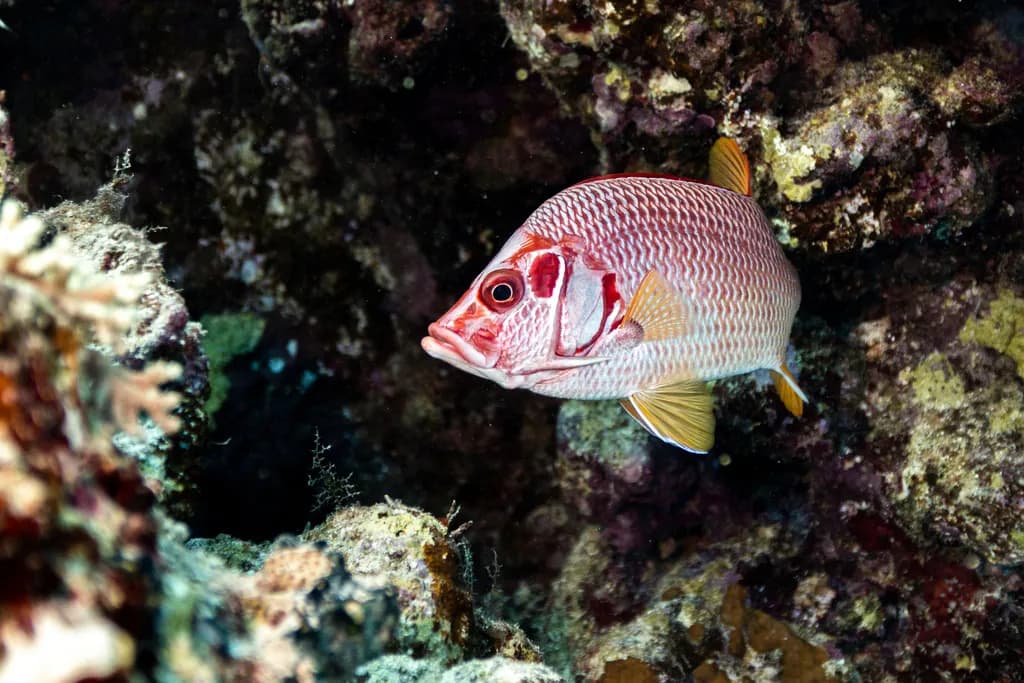
Squirrelfish
Masked Butterflyfish
Pufferfish
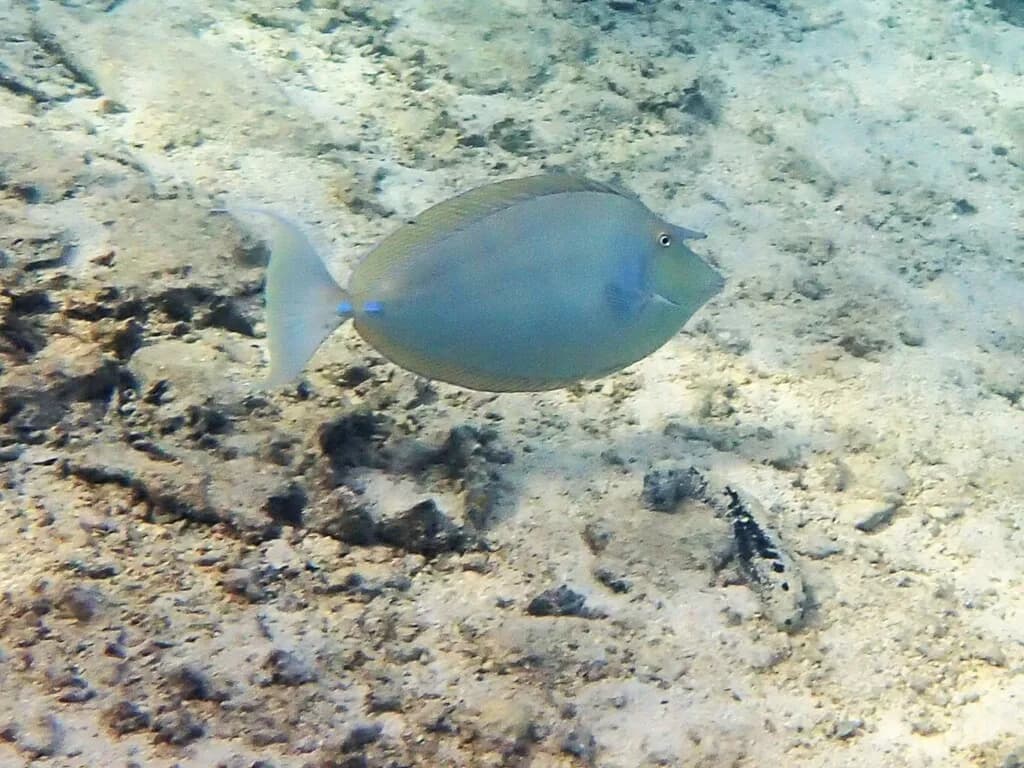
Unicorn Fish
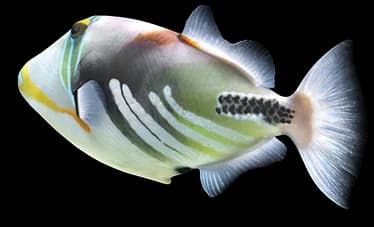
Triggerfish
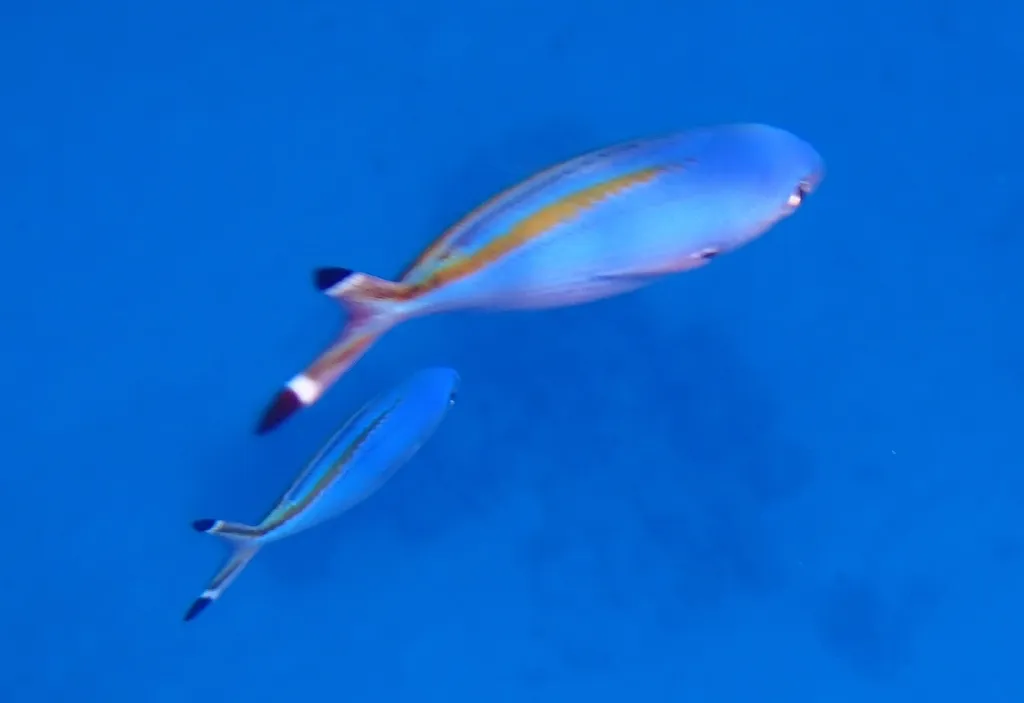
Fusilier
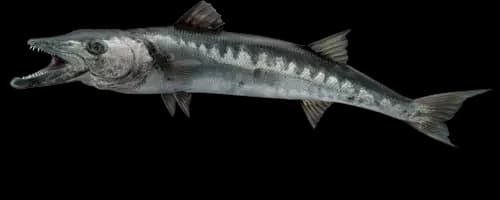
Barracuda
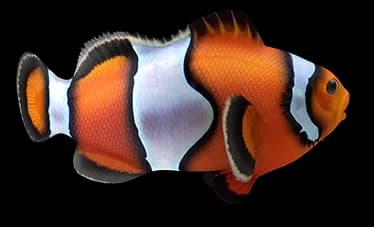
Clownfish
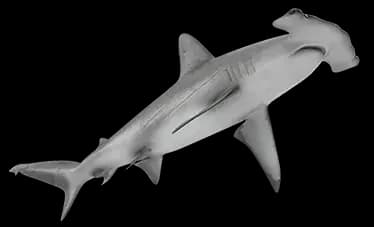
Hammerhead Shark
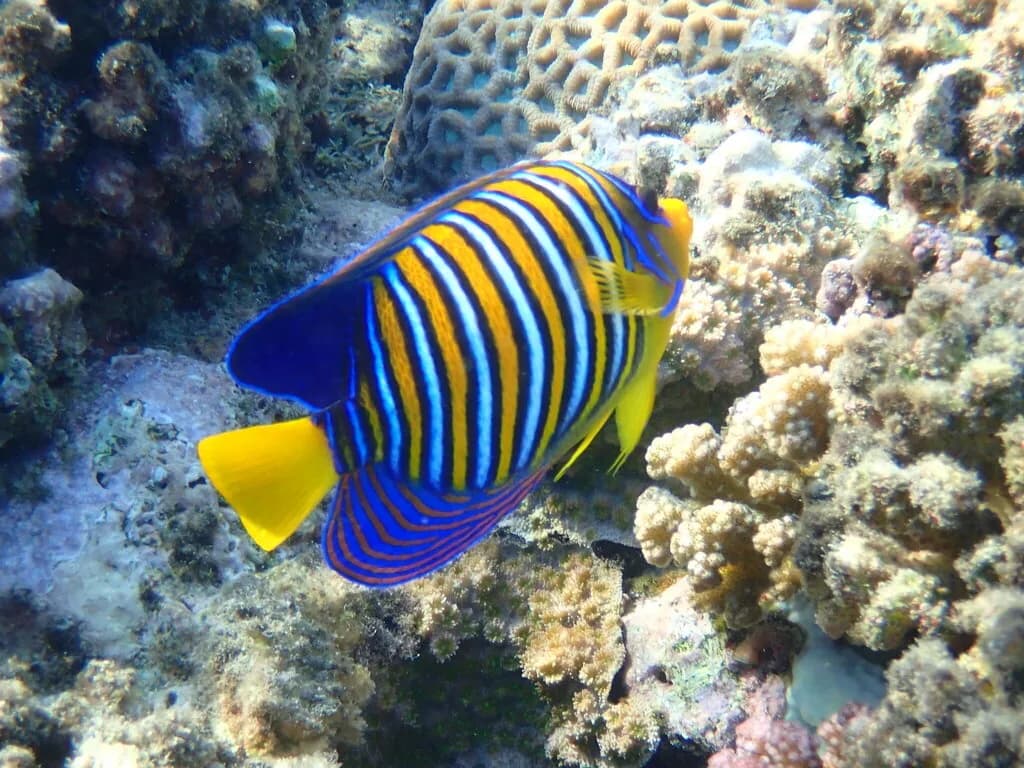
Regal Angelfish
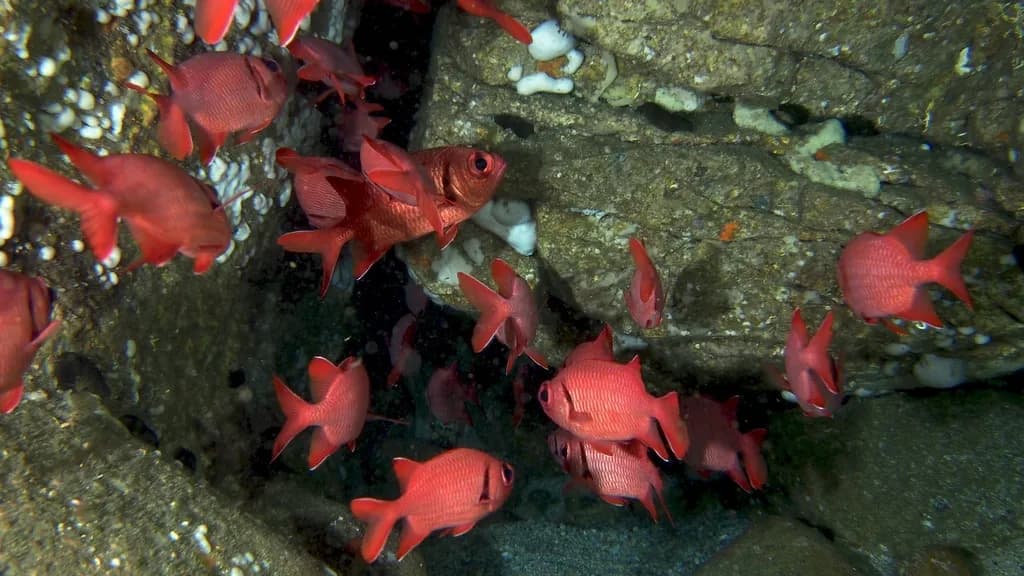
Soldierfish
Bicolour Puller
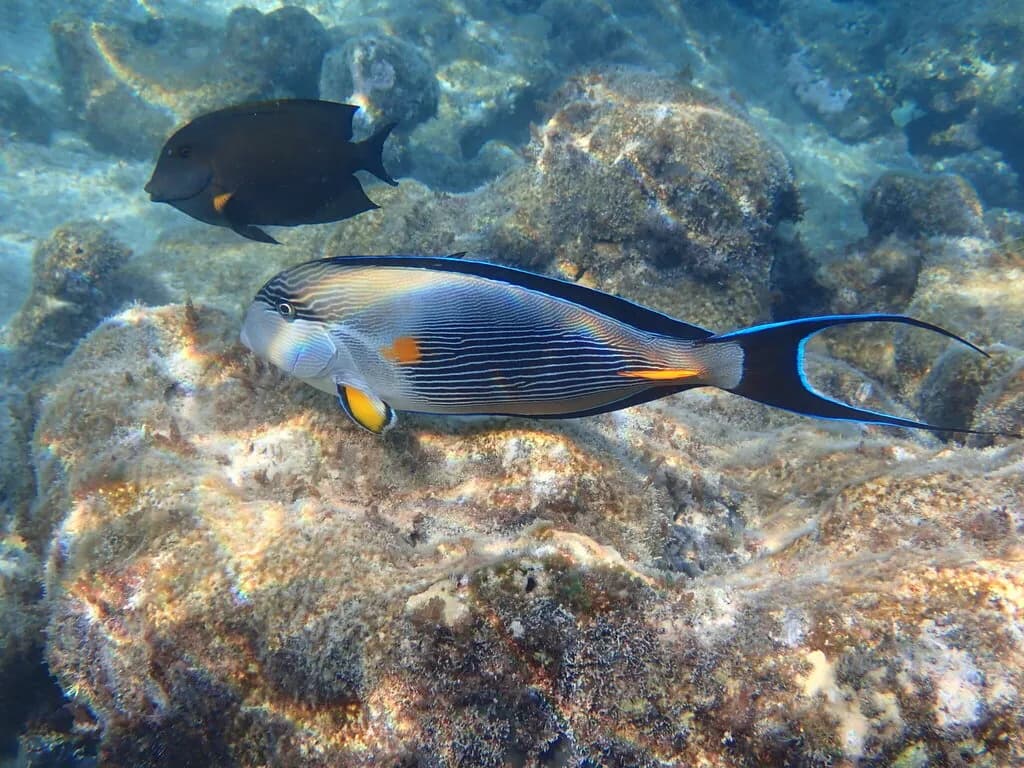
Surgeonfish
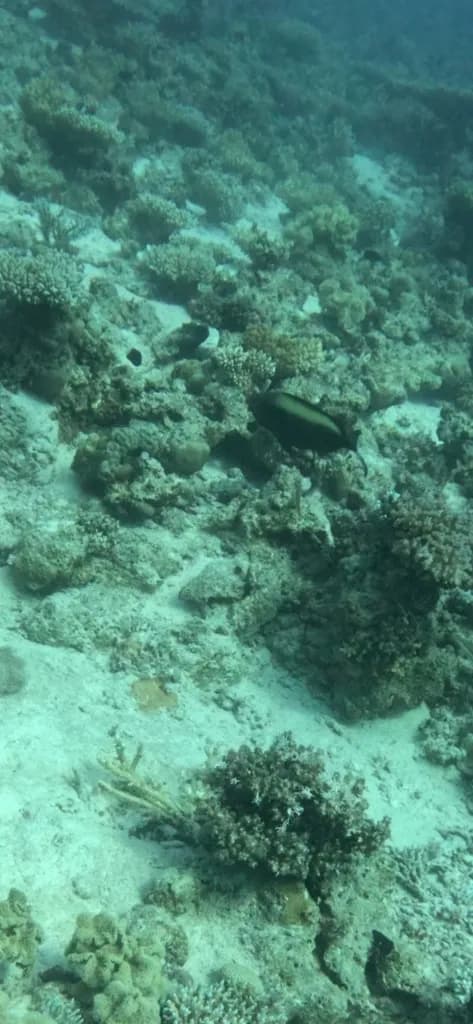
Bicolor Parrotfish
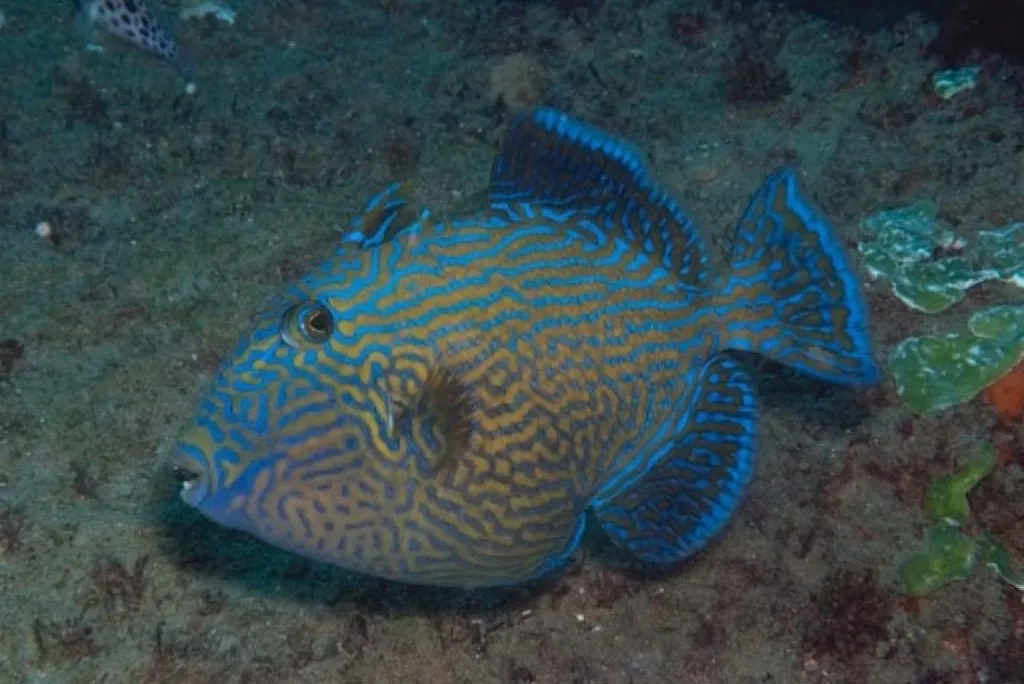
Blue Triggerfish
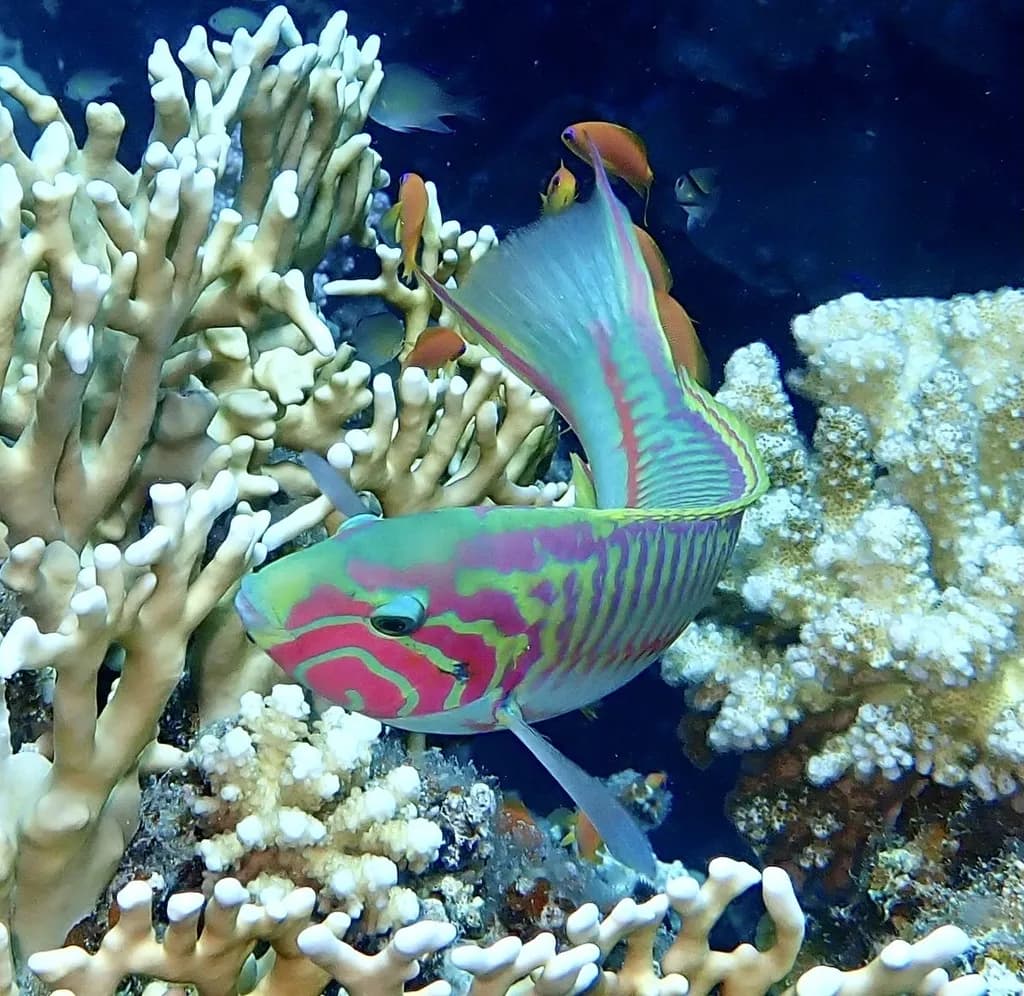
Klunzinger's Wrasse
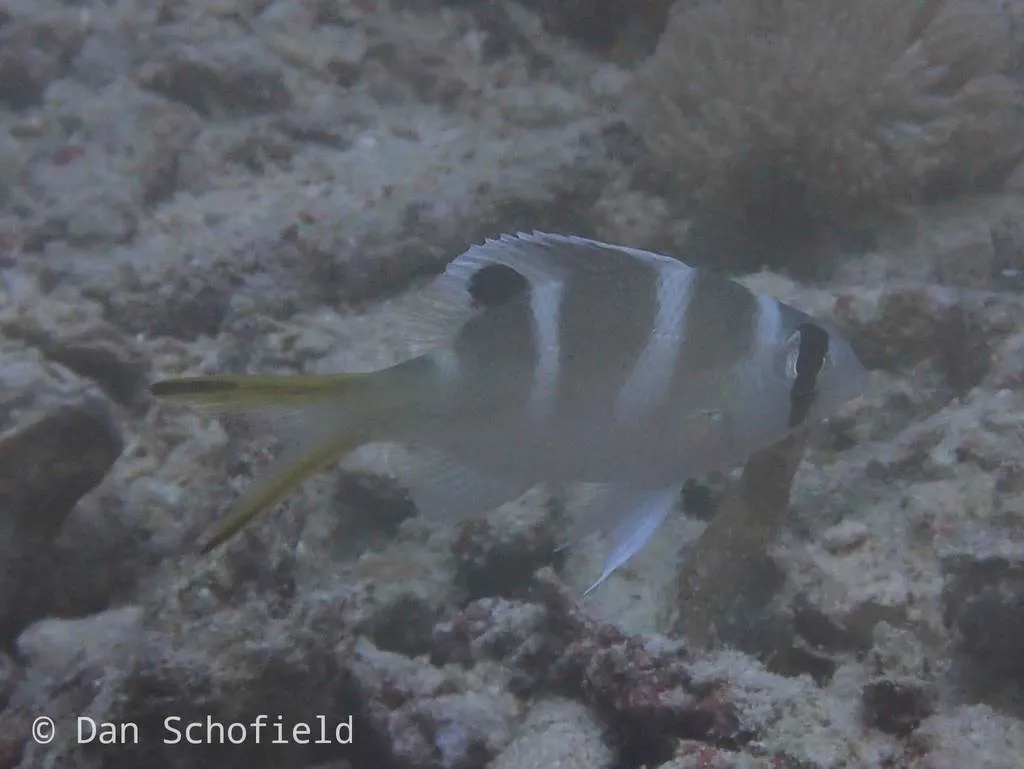
Bream
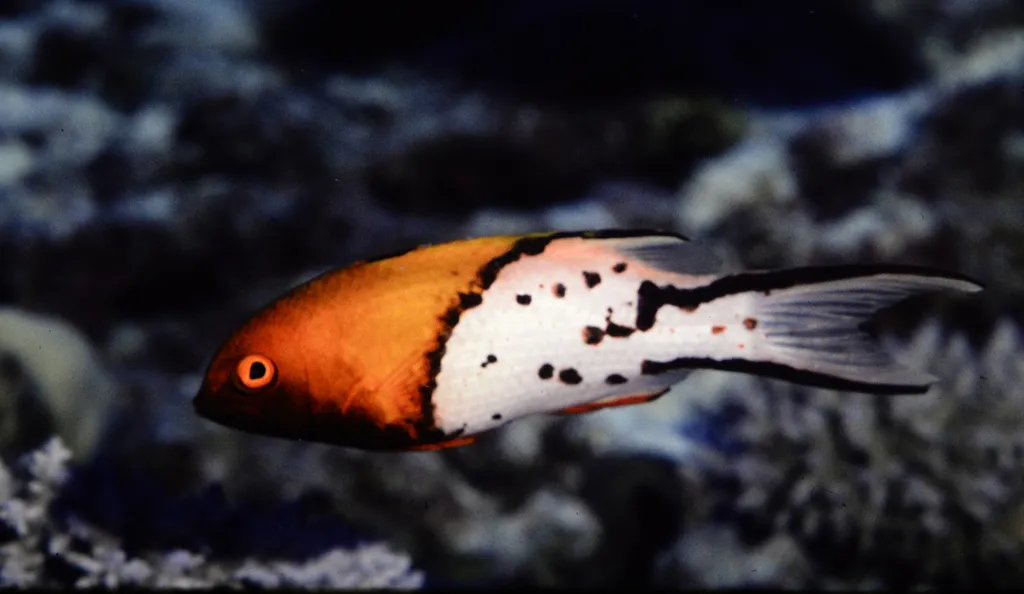
Lyretail Hogfish
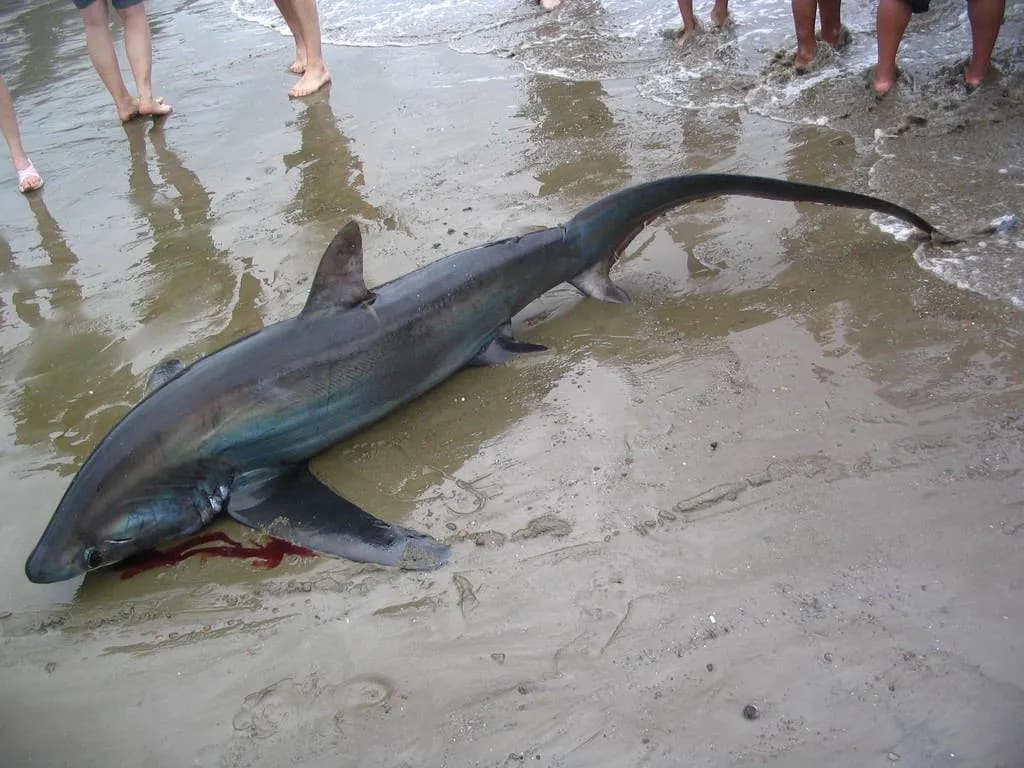
Thresher Shark
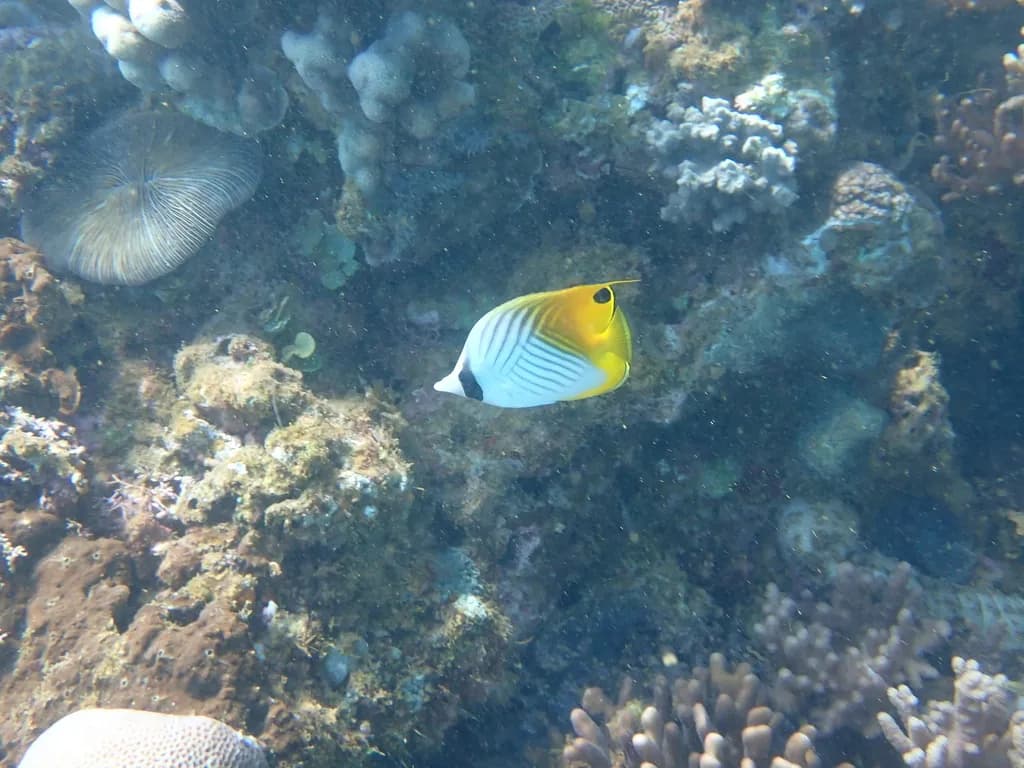
Threadfin Butterflyfish
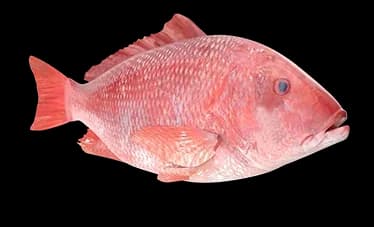
Red Snapper
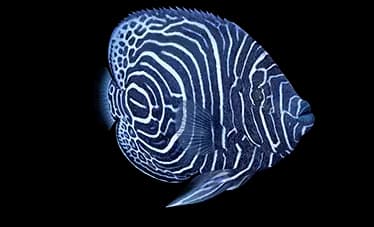
Emperor Angelfish
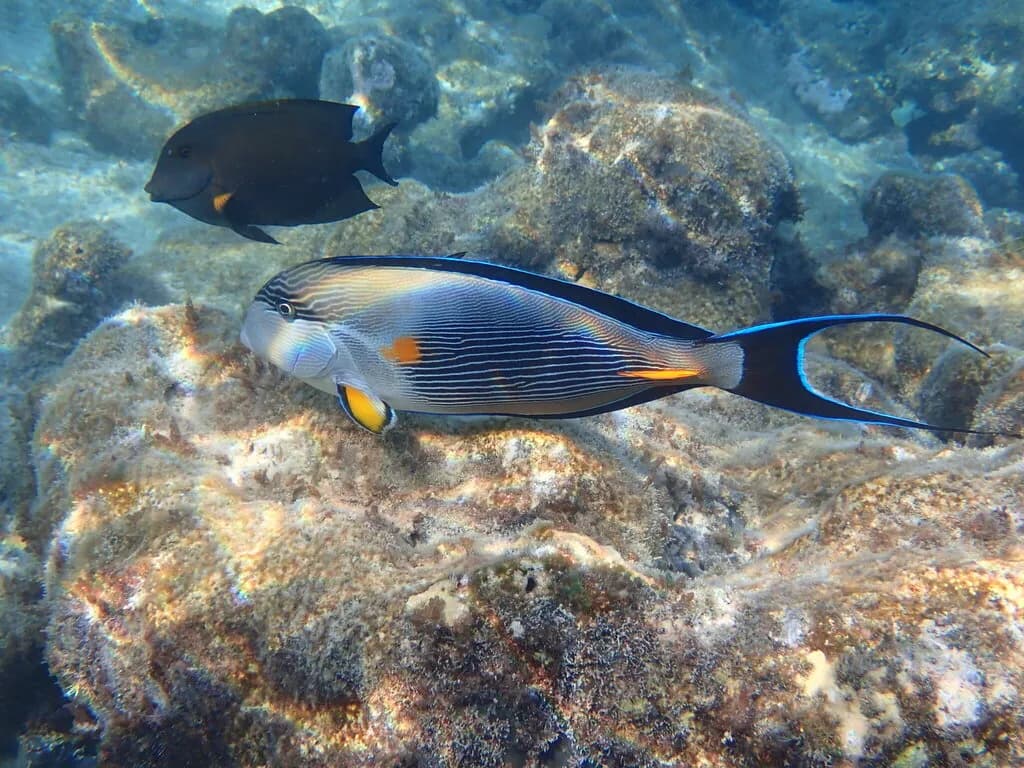
Doctor Fish
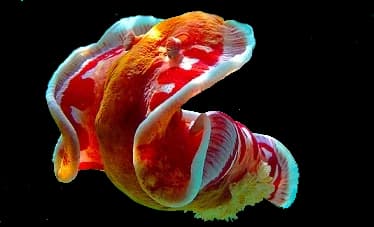
Spanish Dancer
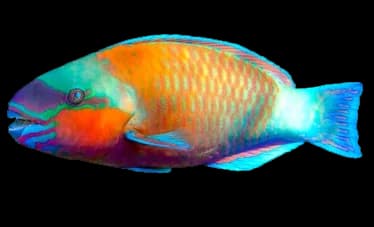
Parrotfish
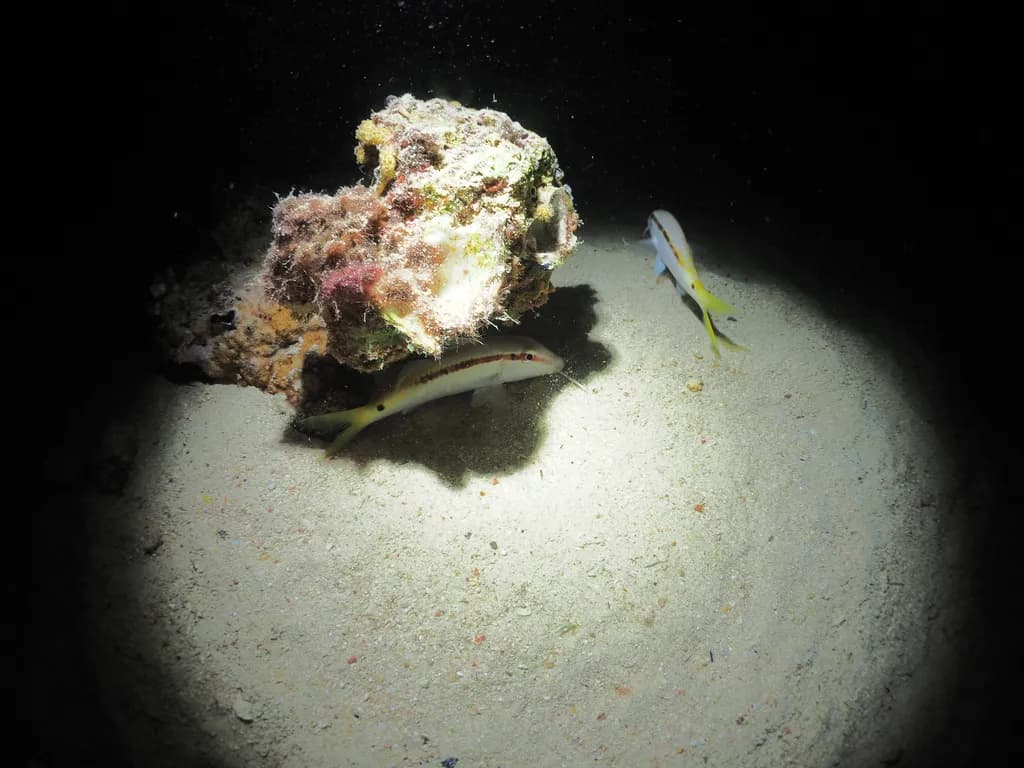
Goatfish
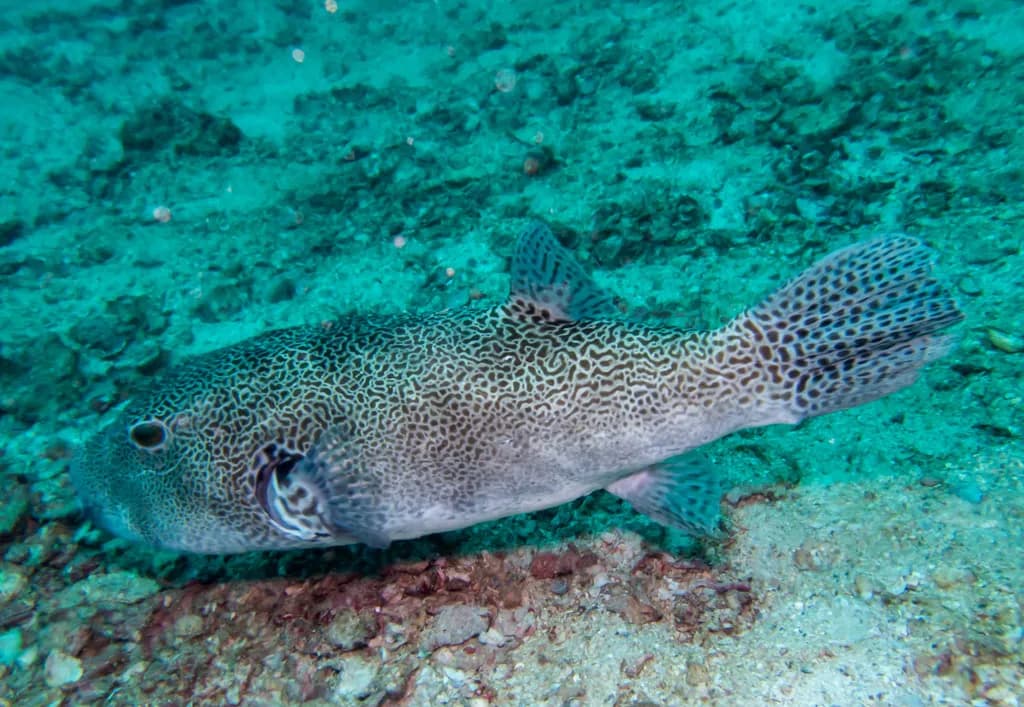
Starry Pufferfish
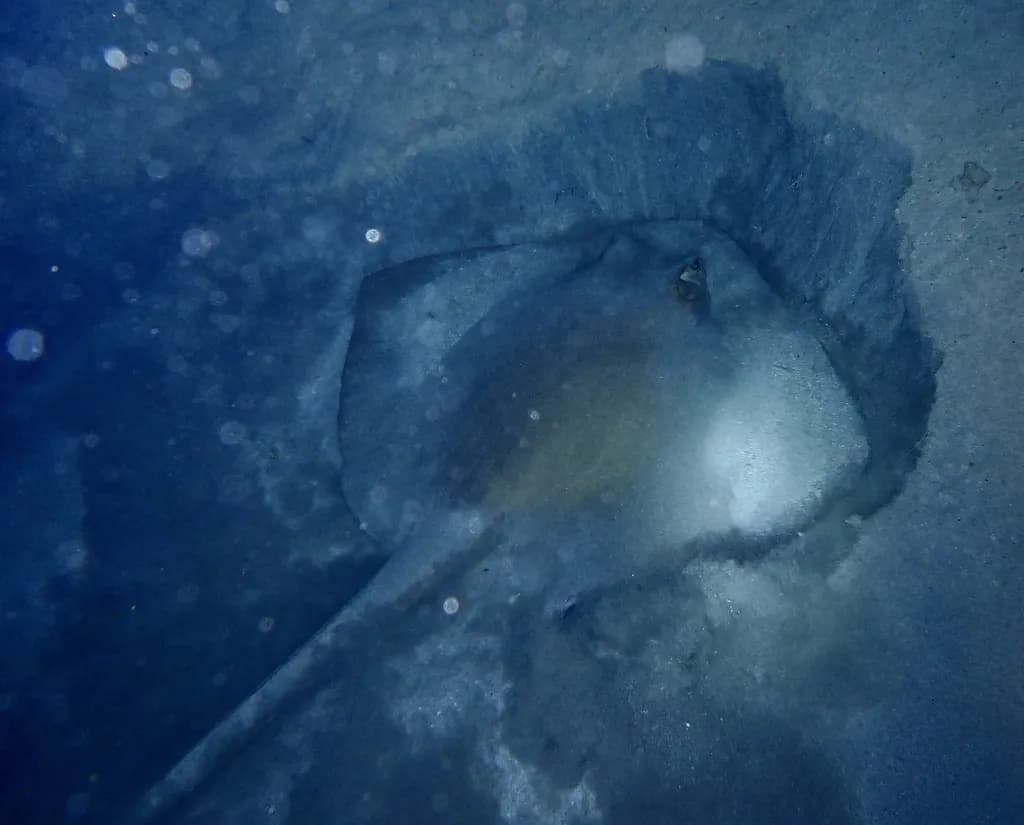
Feathertail Ray
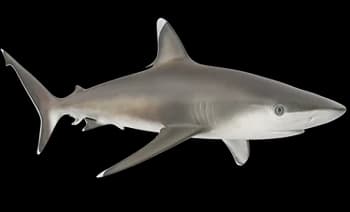
Whitetip Shark
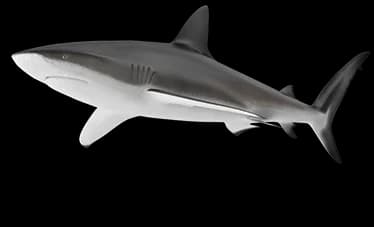
Grey Reef Shark
Silky Shark
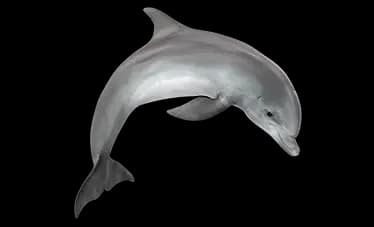
Dolphin
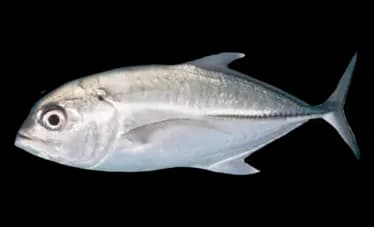
Jackfish
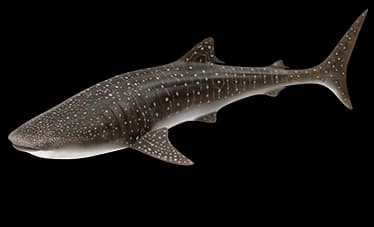
Whale Shark
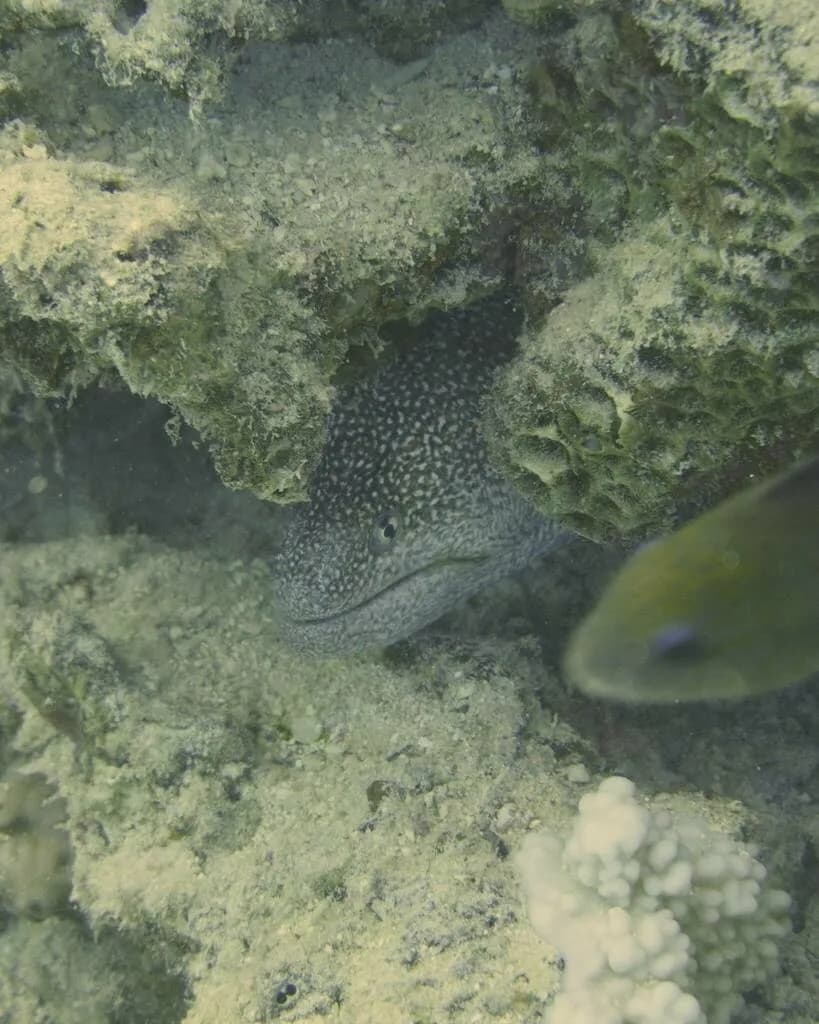
Yellowmouth Moray
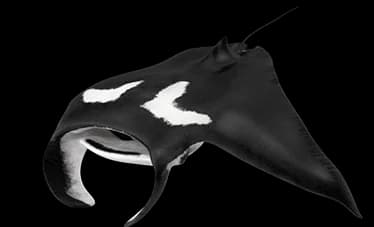
Manta Ray
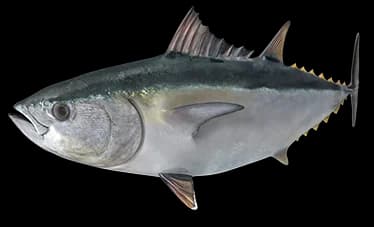
Tuna
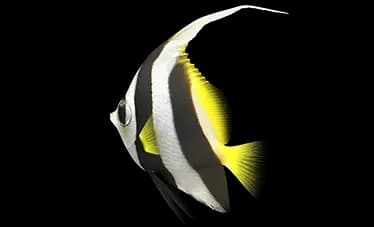
Bannerfish
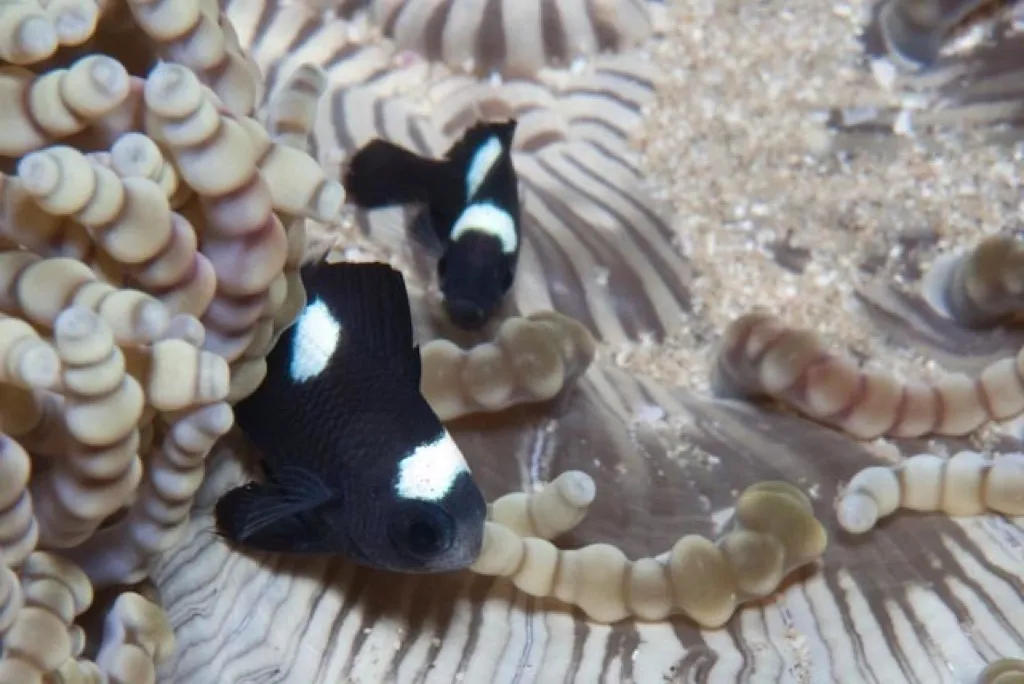
Domino Damsel
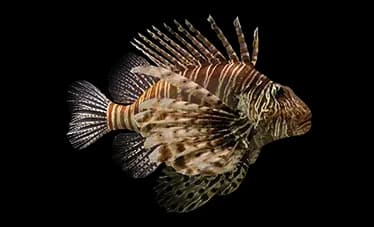
Lionfish
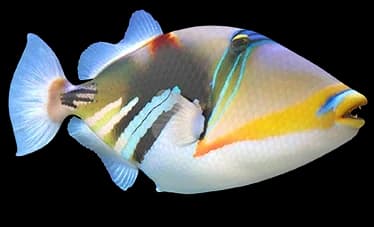
Picasso Triggerfish
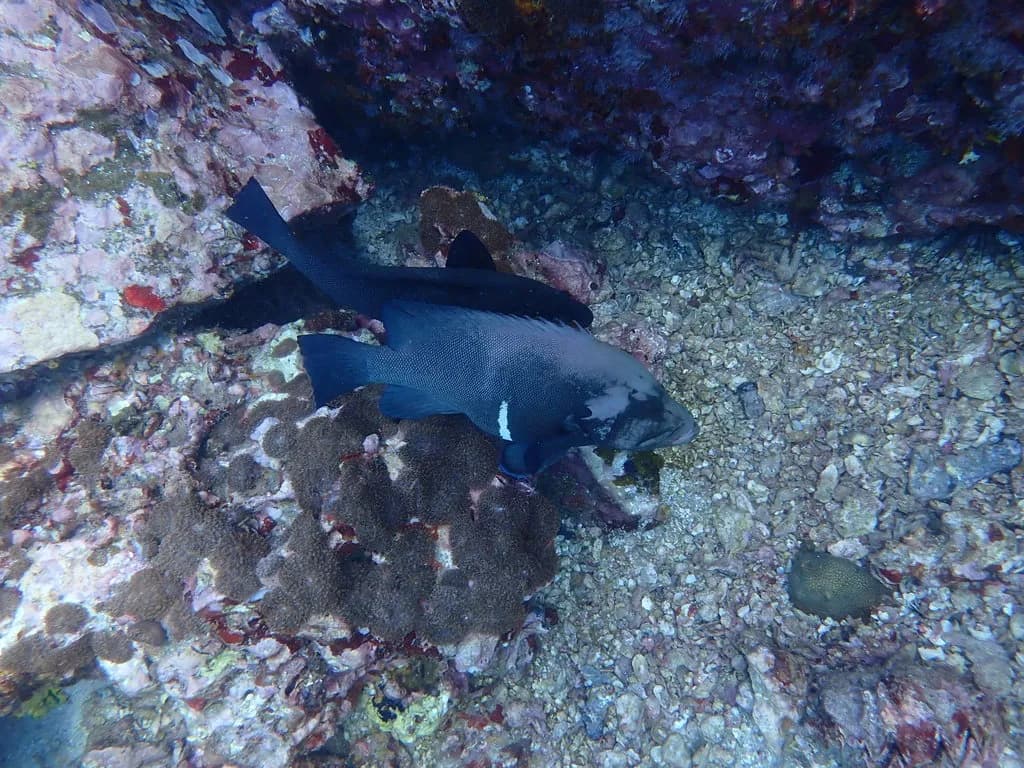
Redmouth Grouper
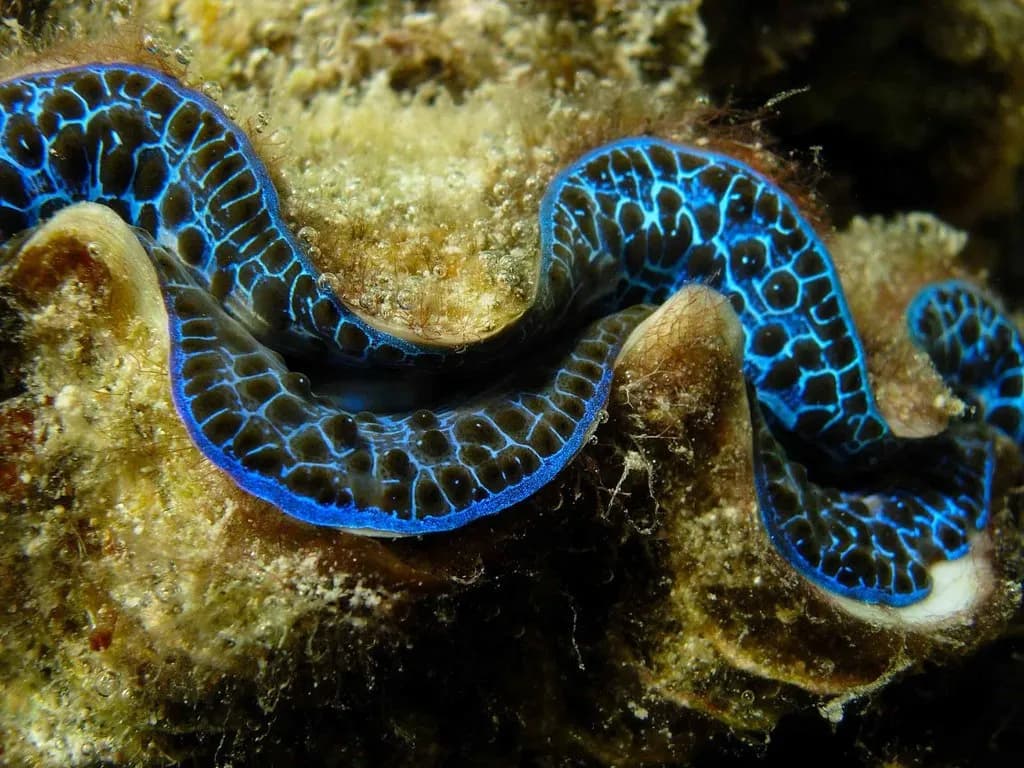
Snails
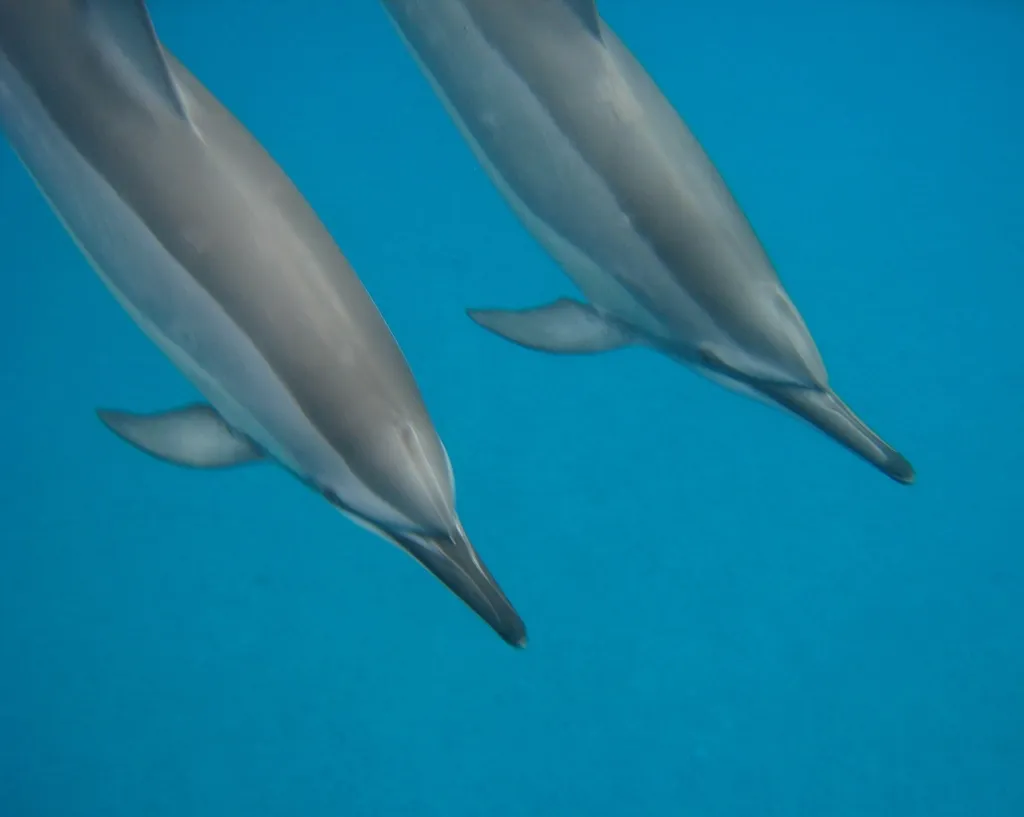
Spinner Dolphin
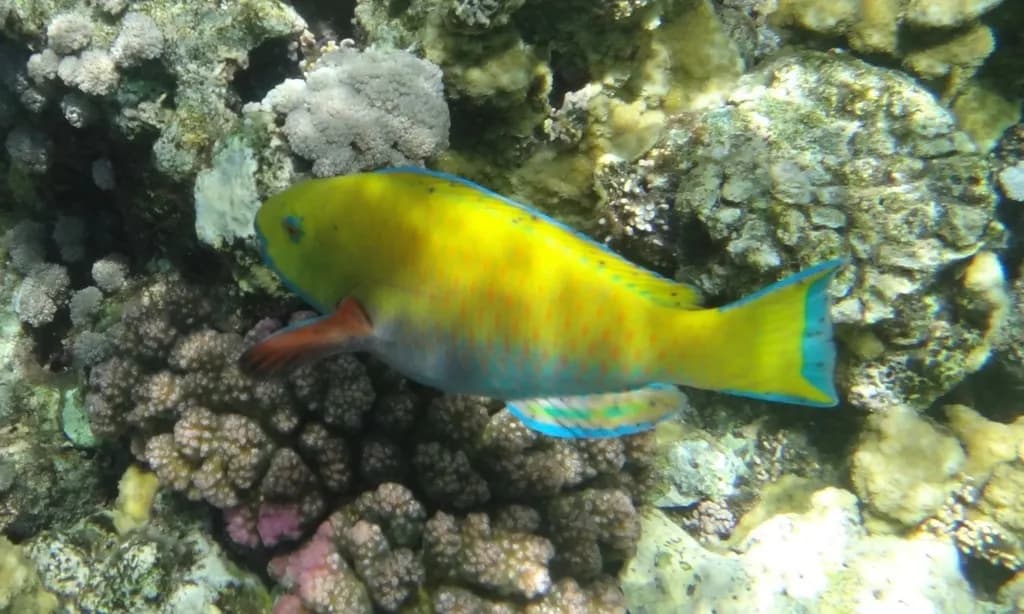
Steephead Parrotfish
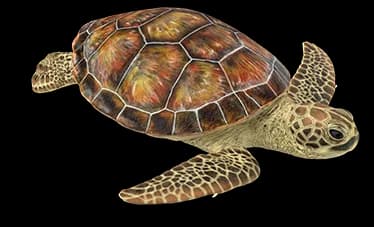
Turtle