
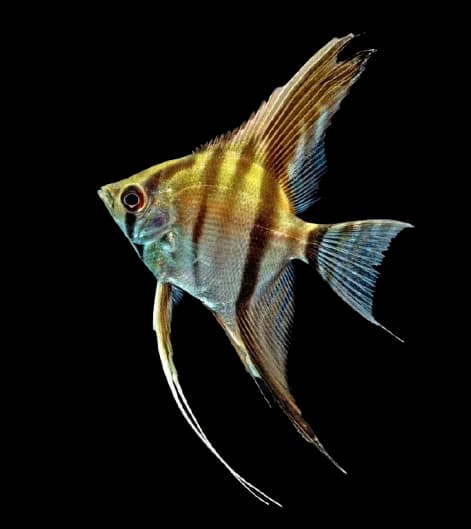
Angelfish
abundant · Year Round

Hurghada · Red Sea
About the site
The Carnatic is the grand old lady of the Red Sea wreck fleet — a Victorian steam-and-sail passenger ship that has rested on the Abu Nuhas reef since 1869, making her one of the oldest accessible wrecks in Egypt. More than a century and a half underwater has stripped her wooden planking and left an elegant open skeleton of iron ribs draped in coral, and many divers who work the Abu Nuhas wrecks name the Carnatic their favourite of the four.
She lies on her port side on the northern slope of Abu Nuhas, her bow pointing into the reef, with the hull running from around 18m at the shallowest down to 27m at the stern on the sand. Because the timber decking has long since gone, the dive is unusually open and airy for a wreck: sunlight pours through the gaps between the surviving iron frames and cross-members, so you can drift the length of two former deck levels without the enclosed feel of a steel hull. The most photographed details are concentrated towards the stern — the row of square stern windows, the splendid rudder and propeller, the lifeboat davits still arching overhead, and old wine bottles and barrels from her cargo settled in the structure. Current along this exposed northern face can be brisk and is the main thing to plan around; the broken, see-through hull makes genuine penetration unnecessary and is best admired from outside or through its many openings.
The open ironwork is a perfect coral trellis, thickly grown with soft and hard corals and patrolled by the standard Abu Nuhas reef cast: groupers holding station in the shadows, lionfish hanging under the frames, glassfish shoaling in the more sheltered pockets, and anthias clouding the coral-covered uppers. Moray eels and scorpionfish work the structure, and out over the nearby reef you'll see the usual butterflyfish, wrasse and the odd passing pelagic.
The SS Carnatic was a 90m iron-framed, planked steamer of the Peninsular & Oriental Steam Navigation Company (P&O), built in 1862–63 and rigged for both steam and sail. On 12 September 1869, en route from Suez to Bombay with passengers, mail, cotton, copper sheeting, wine and a reported consignment of gold, she ran onto Abu Nuhas reef in calm conditions. The captain, believing her secure, kept everyone aboard overnight rather than evacuating to the nearby island — a fateful decision. Some thirty-odd hours after grounding the hull broke in two and sank quickly, and 27 of the roughly 230 people aboard were lost. Salvage divers recovered much of the gold soon afterwards, and the wreck faded into legend before becoming one of the Red Sea's best-loved dives.
Conditions mirror the rest of Abu Nuhas: visibility is generally excellent at 25–35m, water is comfortable most of the year, and the open Shadwan Channel position means surface chop and current can be significant. The wreck is reached on a long day boat from Hurghada (about 2.5 hours) or as a stop on a northern liveaboard. The depth and current put it just beyond a true beginner site — solid buoyancy and ideally an Advanced Open Water certification make for a relaxed dive, though the lack of overhead environment makes it one of the friendlier deeper wrecks in the region.
Dive map & gallery
Marine life
Angelfish
abundant · Year Round
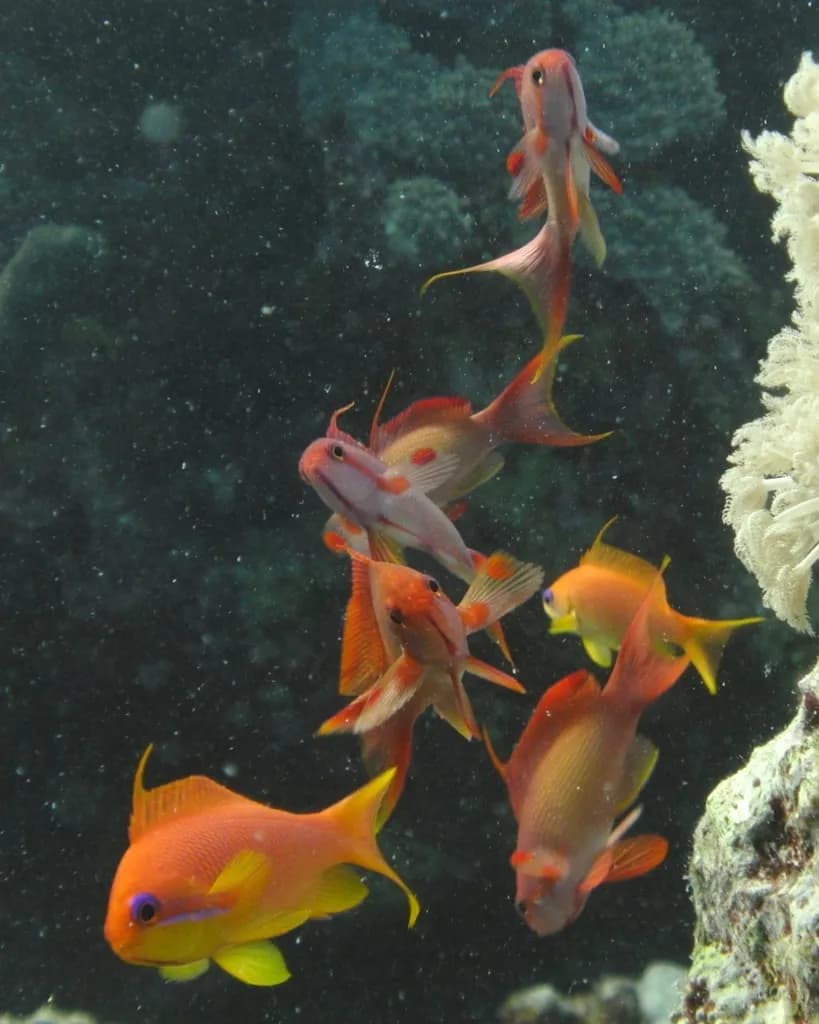
Anthias
abundant · Year Round
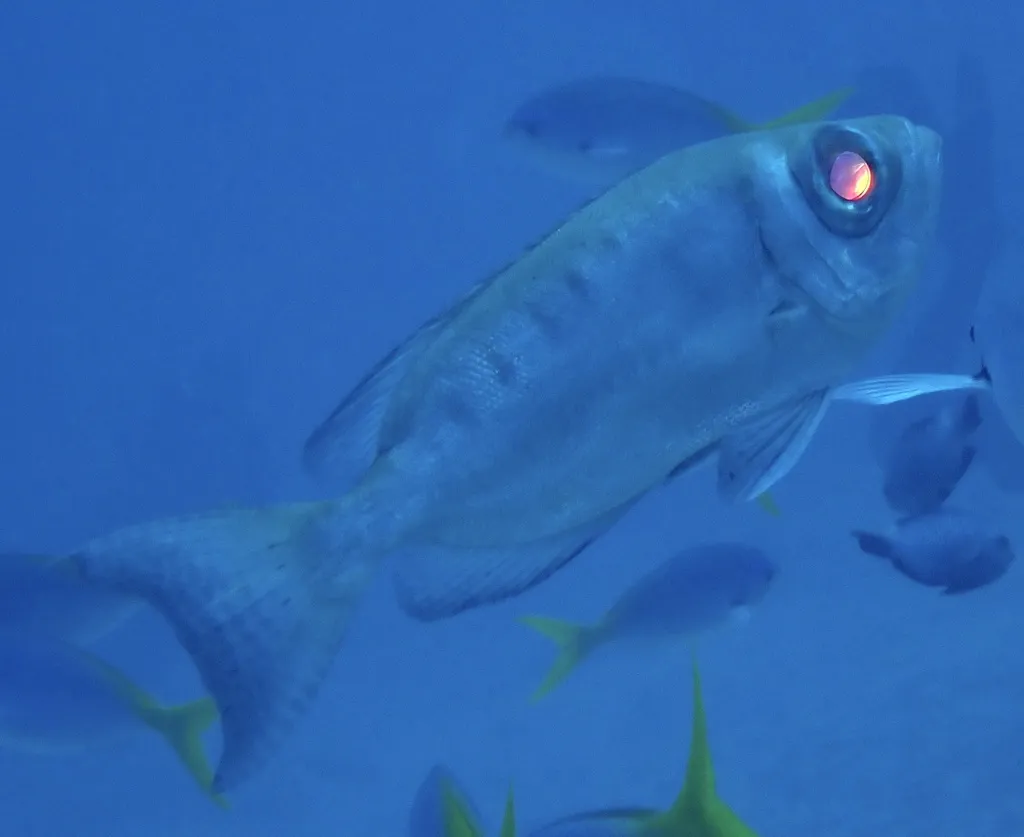
Bigeye
common · Year Round
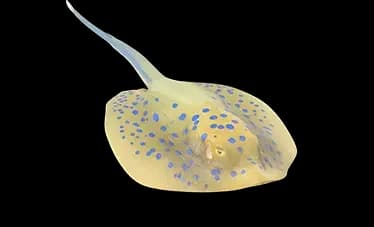
Blue Spotted Stingray
abundant · Year Round
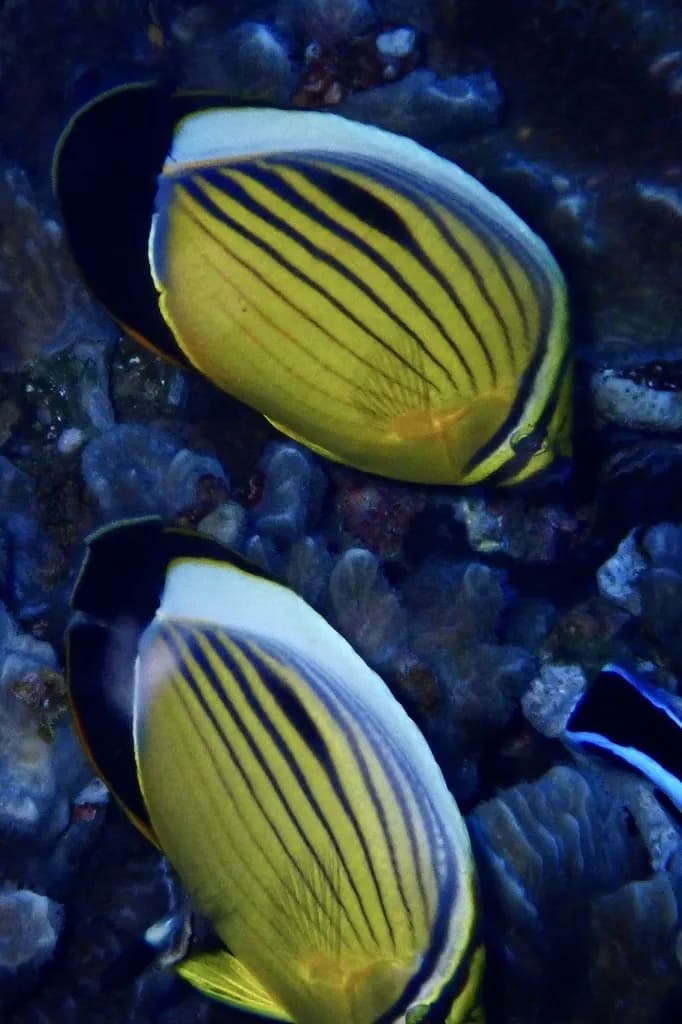
Butterflyfish
abundant · Year Round
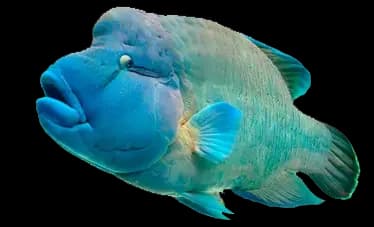
Napoleon Wrasse
abundant · Year Round
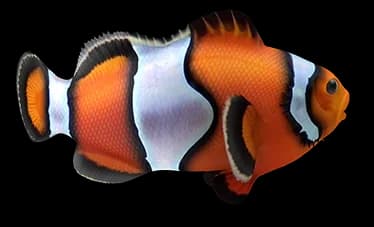
Clownfish
abundant · Year Round
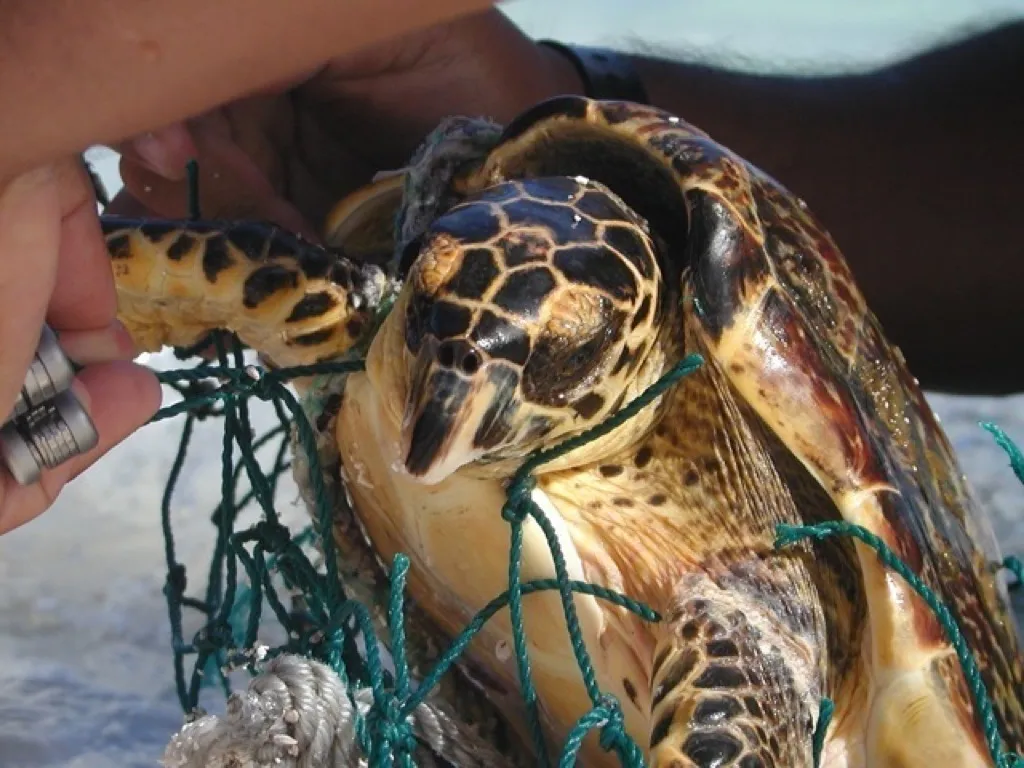
Hawksbill Turtle
abundant · Year Round
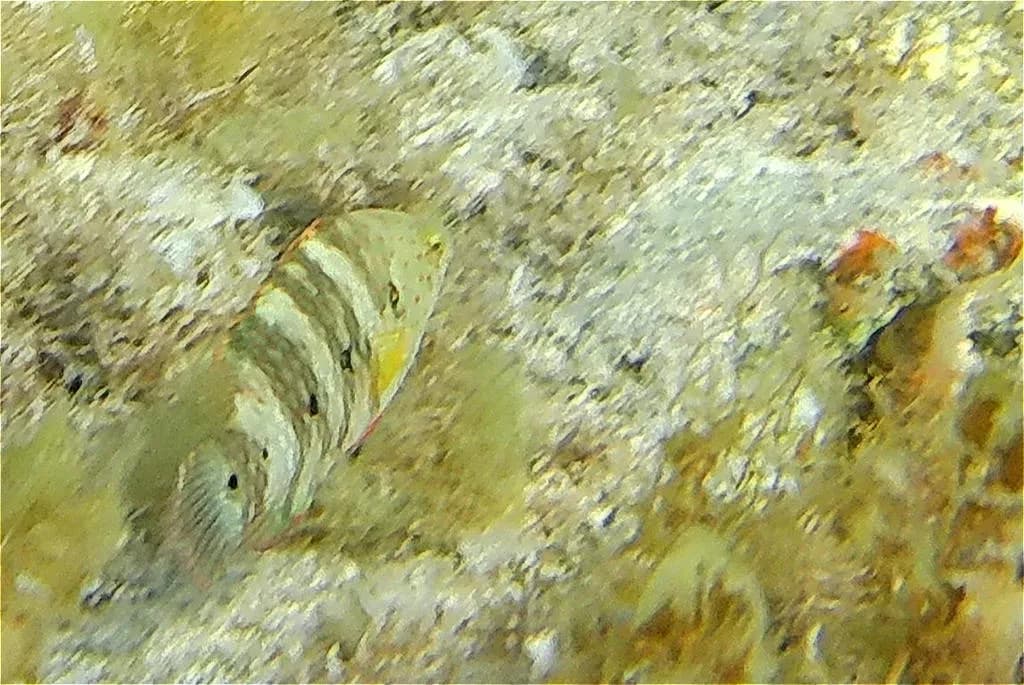
Splendour Wrasse
abundant · Year Round
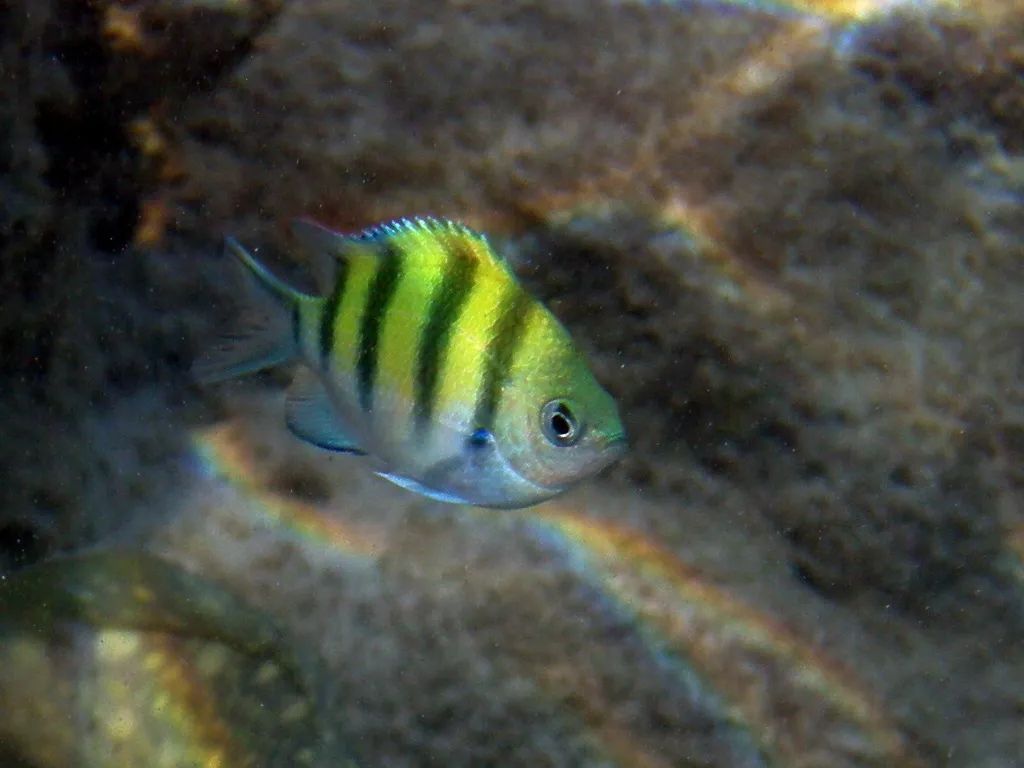
Sergeant Major
abundant · Year Round
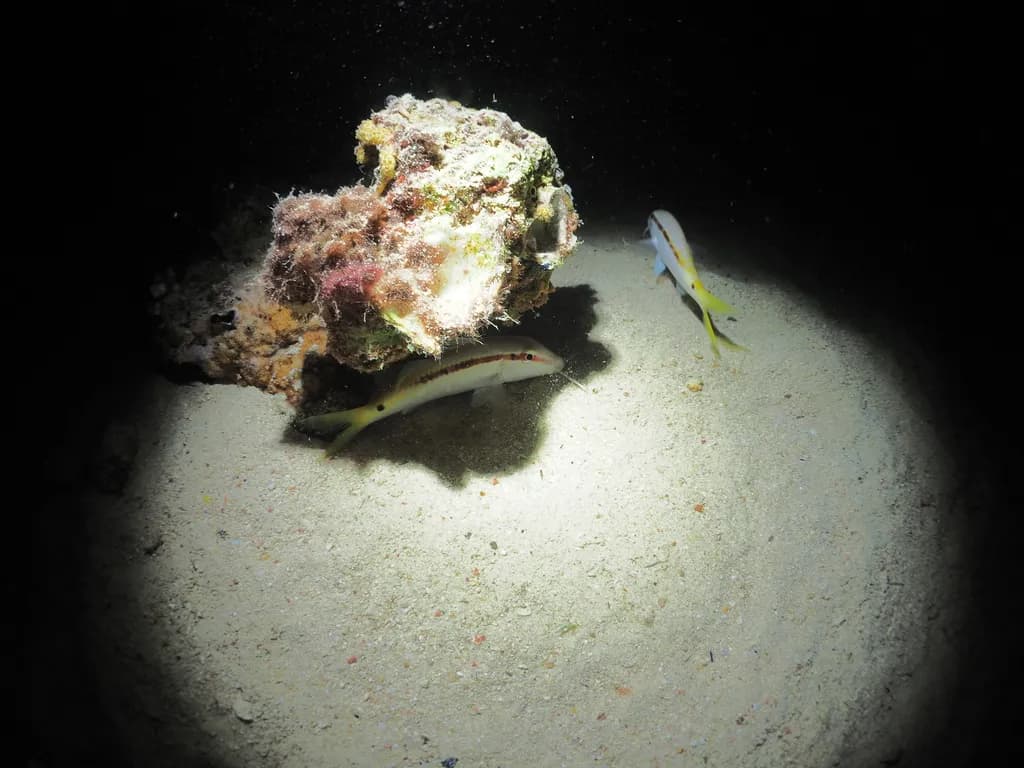
Goatfish
abundant · Year Round
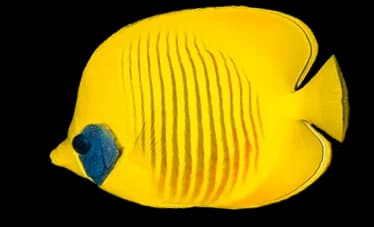
Masked Butterflyfish
abundant · Year Round
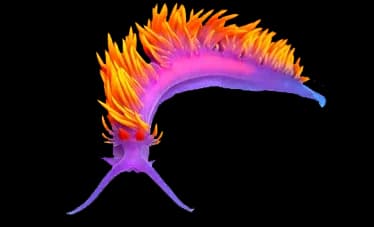
Nudibranch
abundant · Oct–May
Blackside Hawkfish
abundant
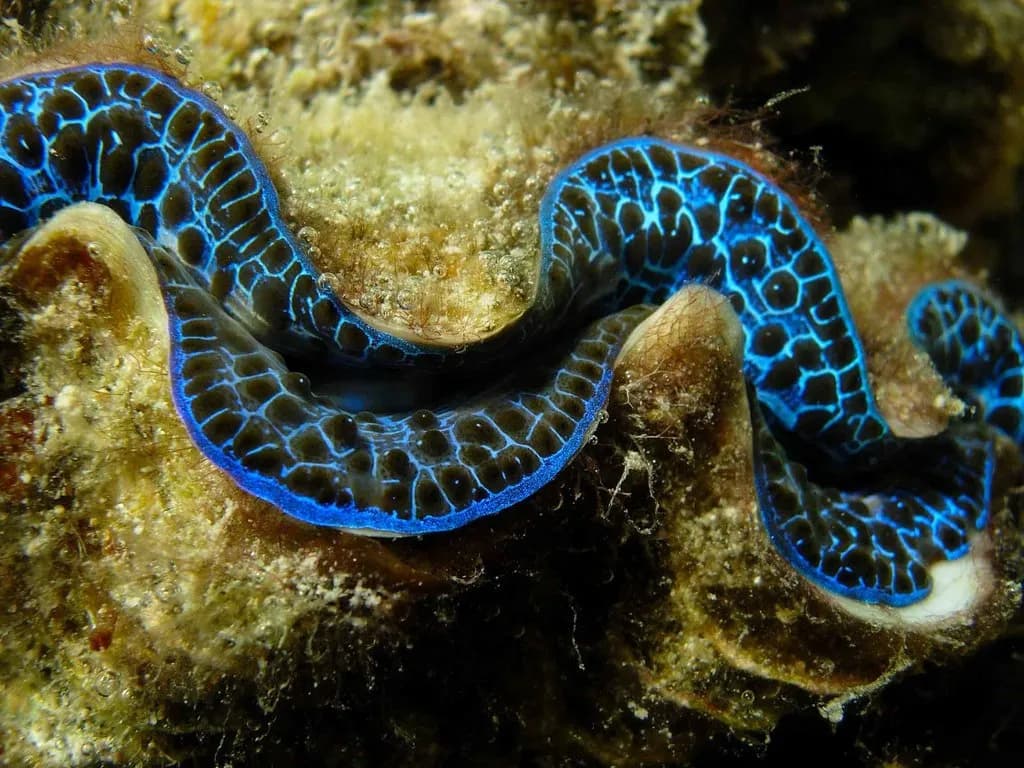
Snails
abundant · Year Round

Trevally
abundant · Year Round
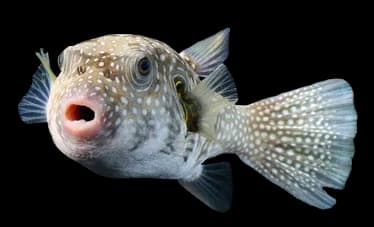
Pufferfish
common · Year Round
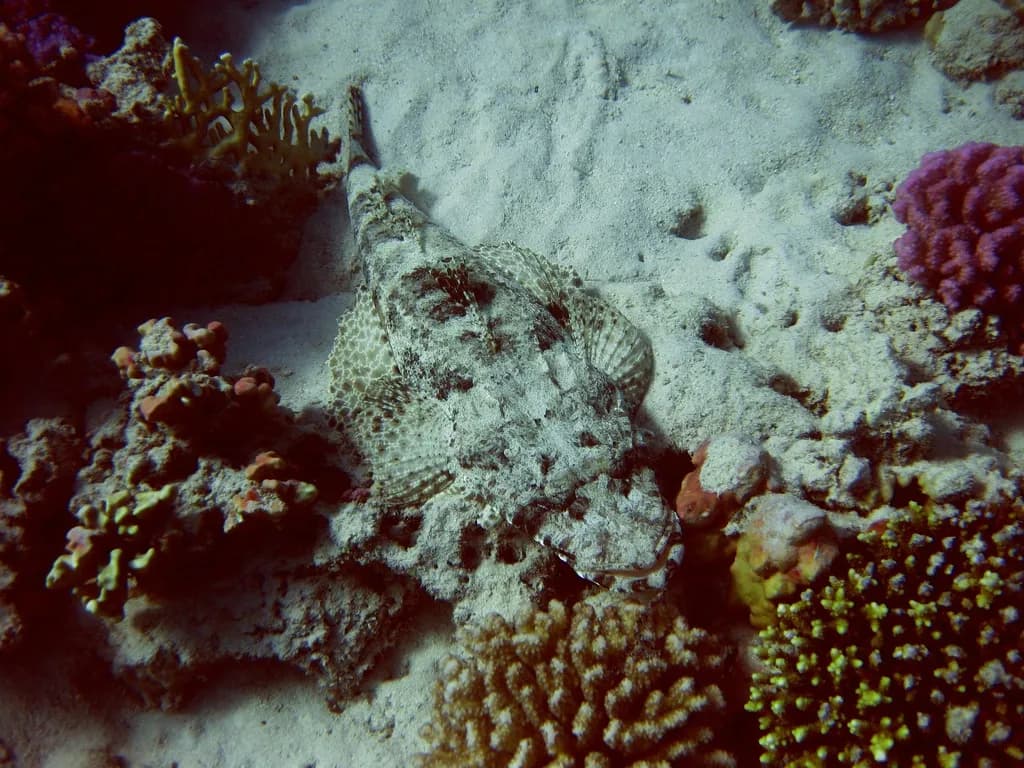
Crocodilefish
common · Year Round
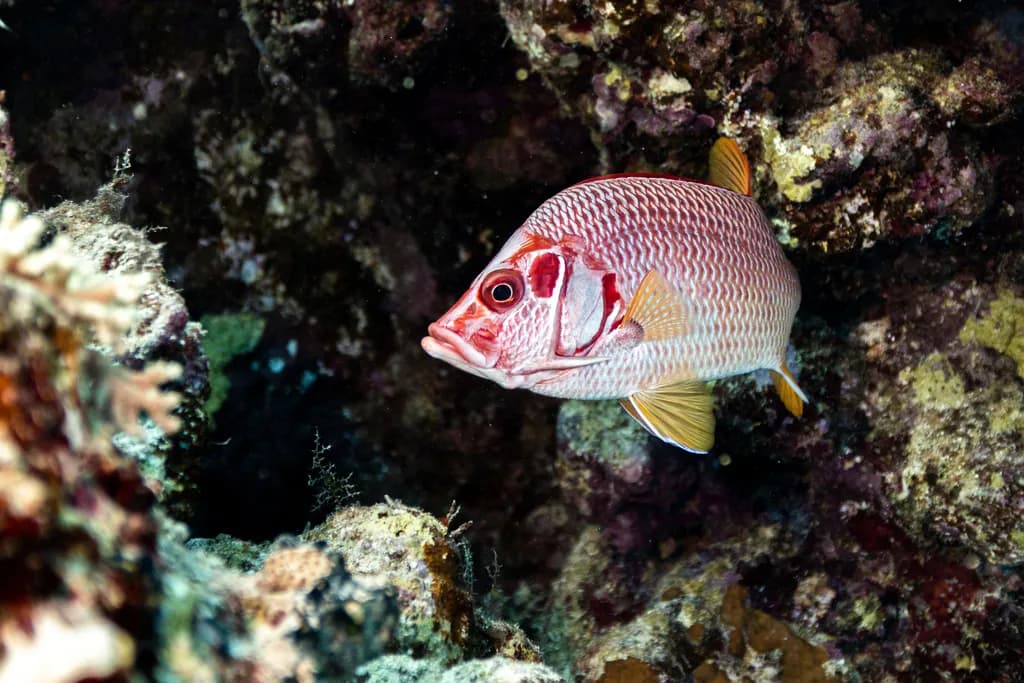
Squirrelfish
common · Year Round
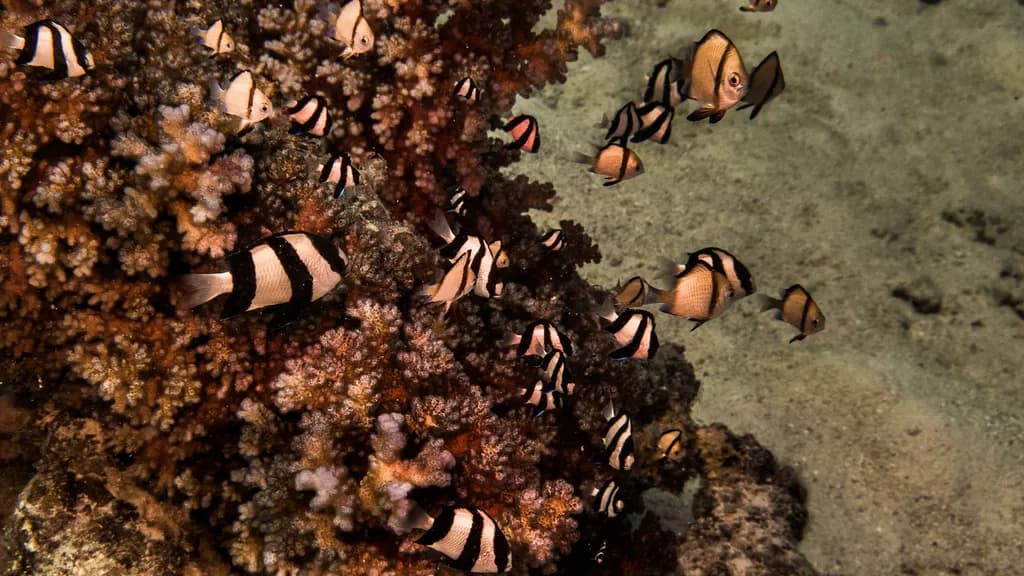
Humbug Damsel
common · Year Round
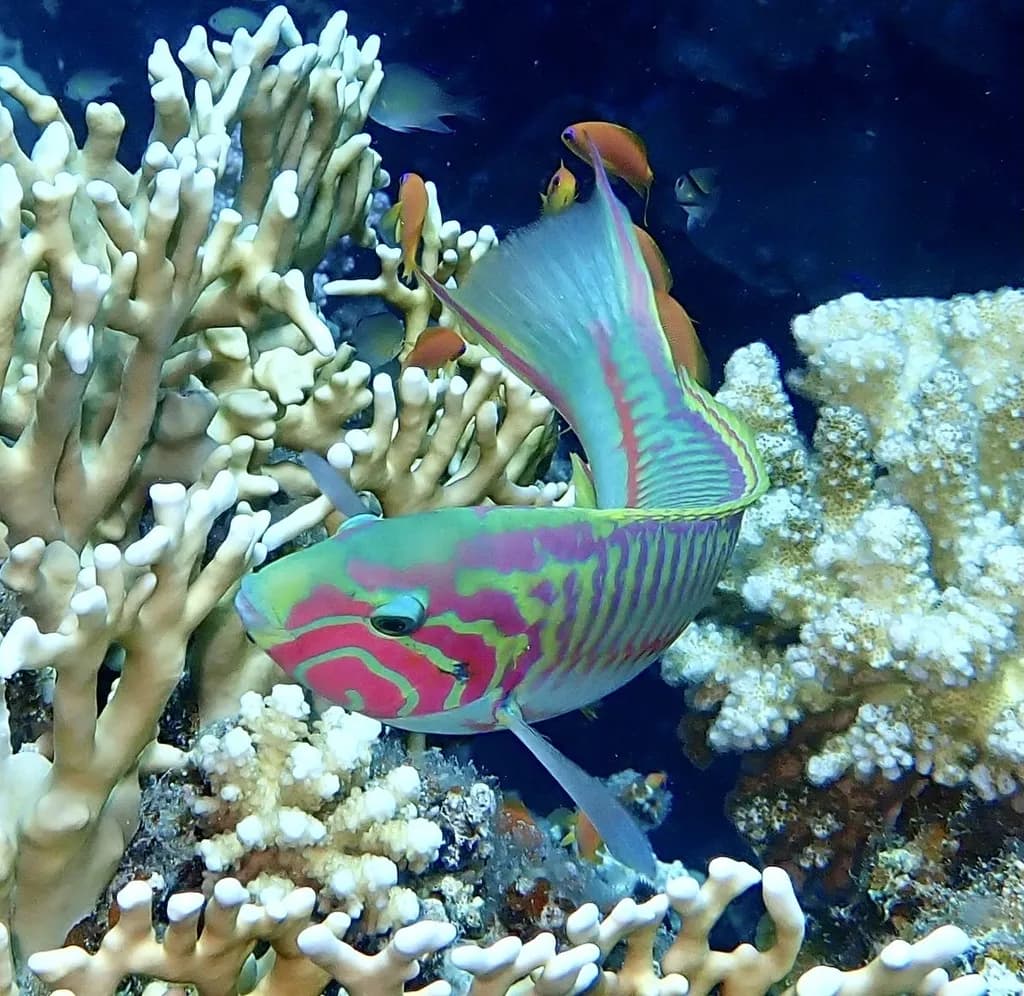
Klunzinger's Wrasse
common · Year Round
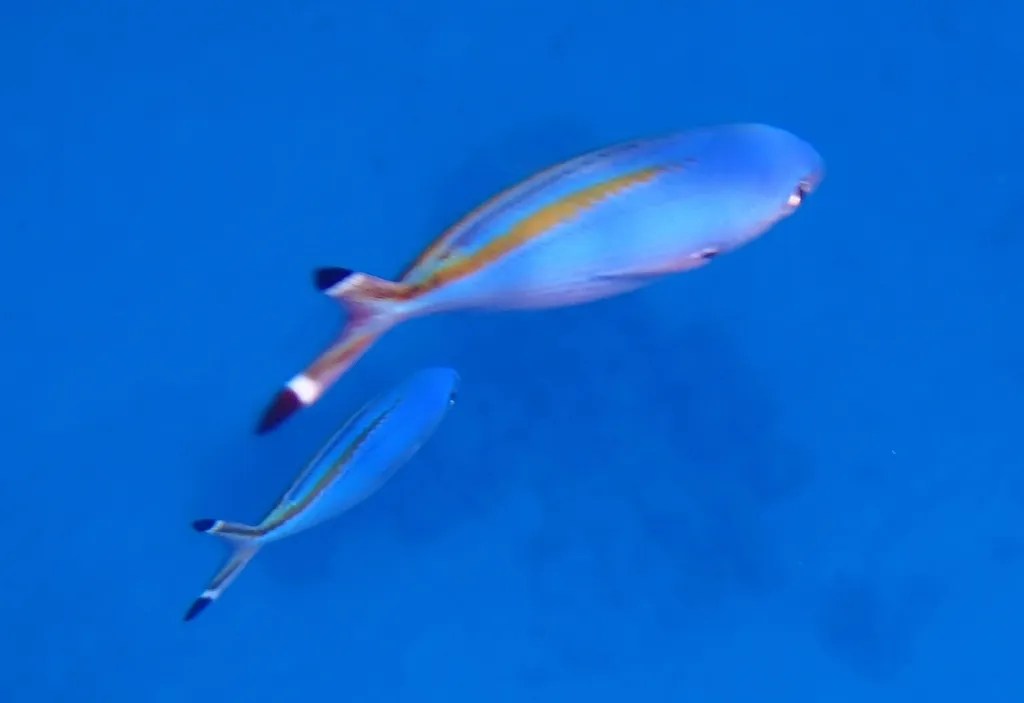
Fusilier
common · Year Round
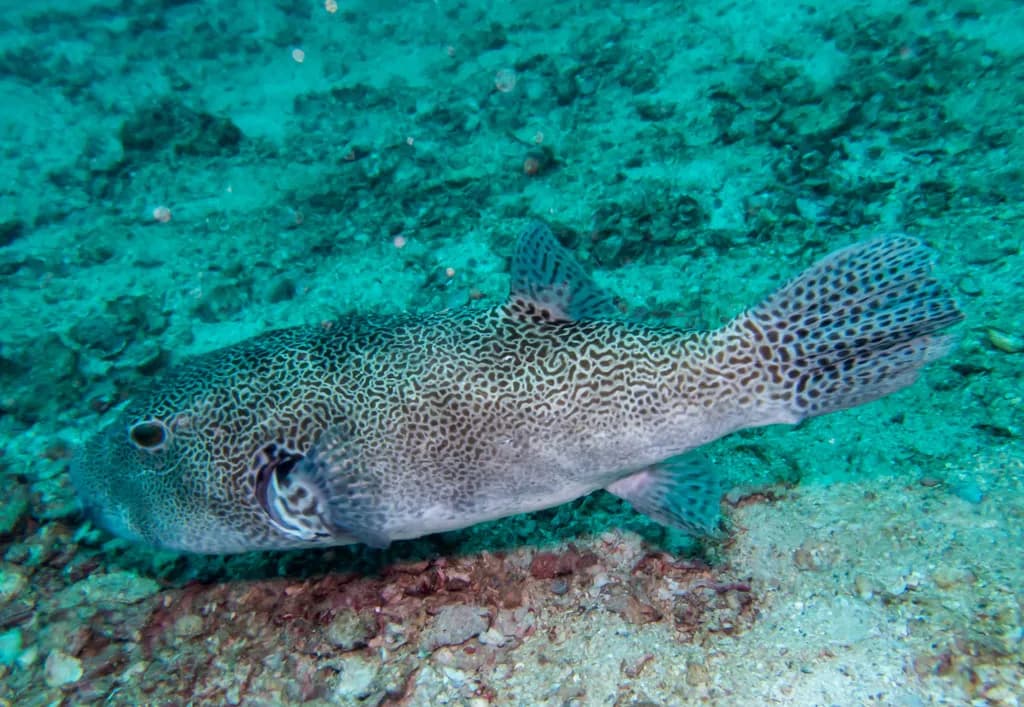
Starry Pufferfish
common · Year Round
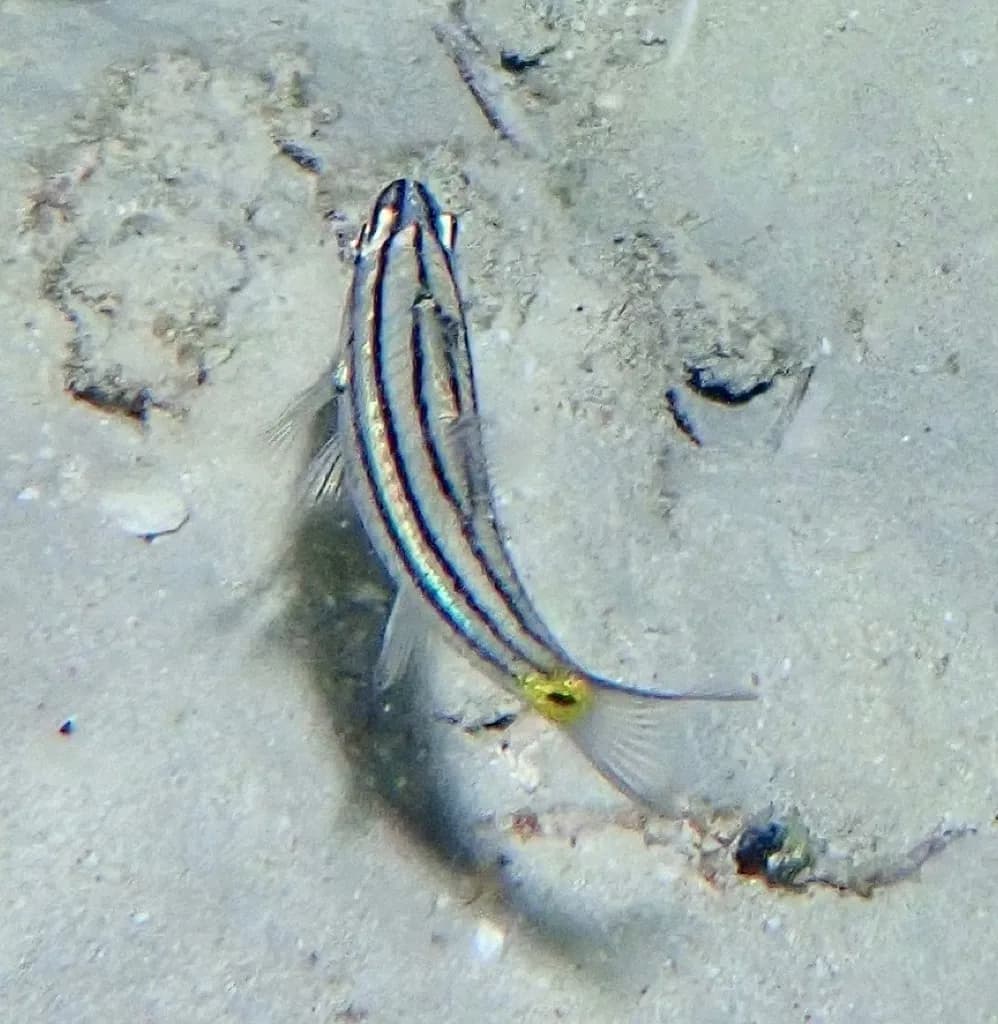
Cardinal Fish
common · Year Round
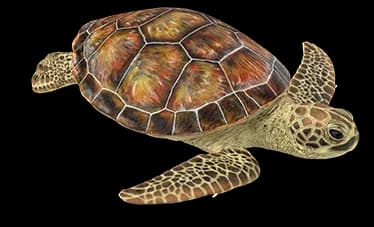
Turtle
common · Year Round
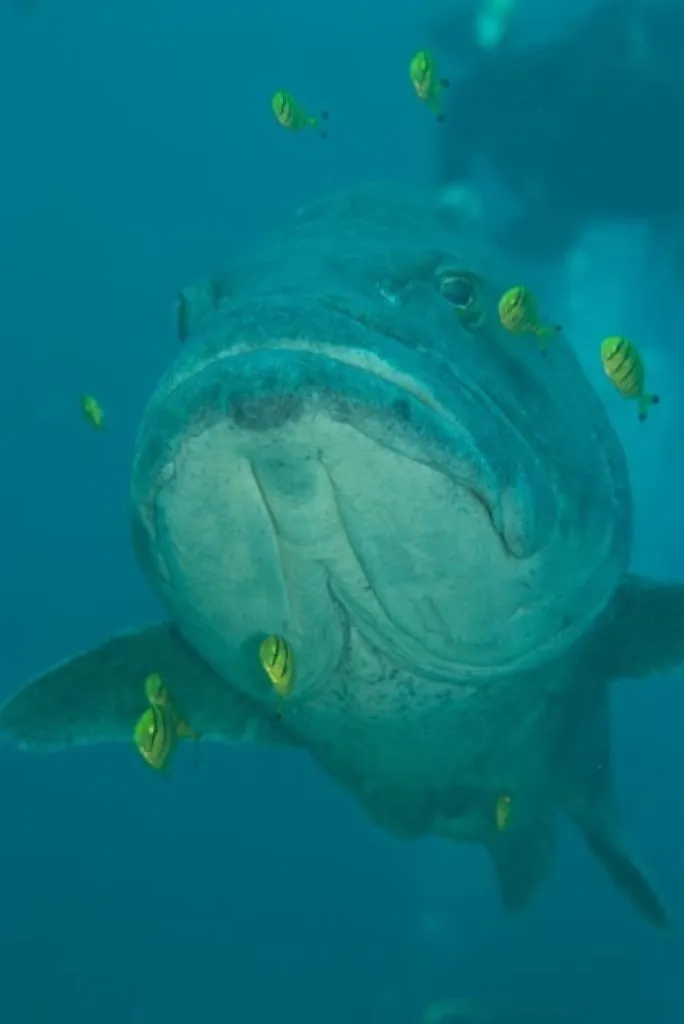
Black Grouper
common · Year Round
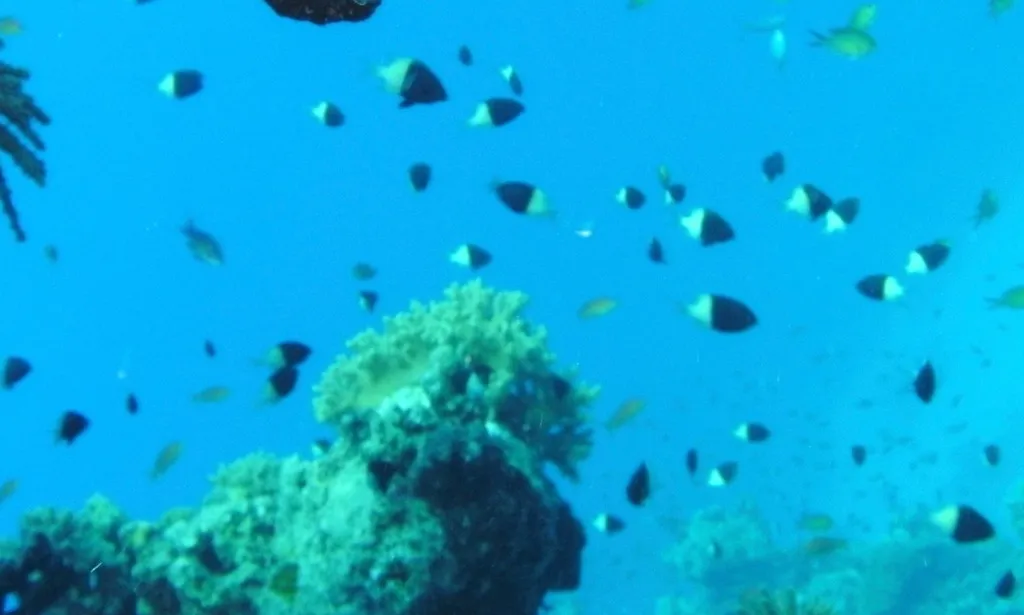
Bicolour Puller
common · Year Round
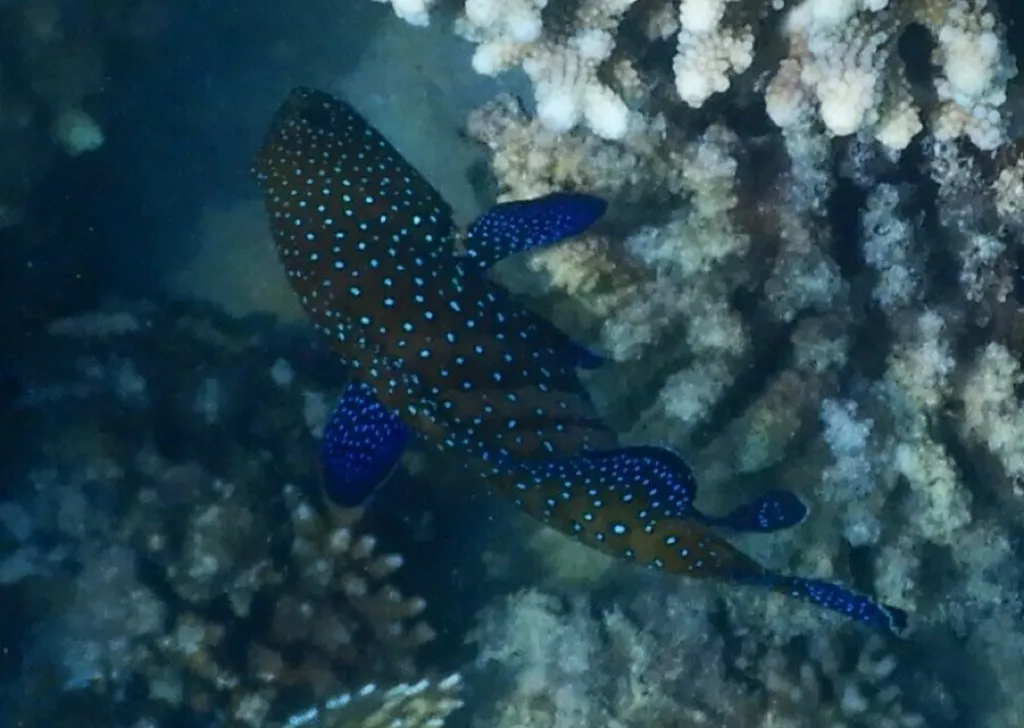
Peacock Grouper
common · Year Round
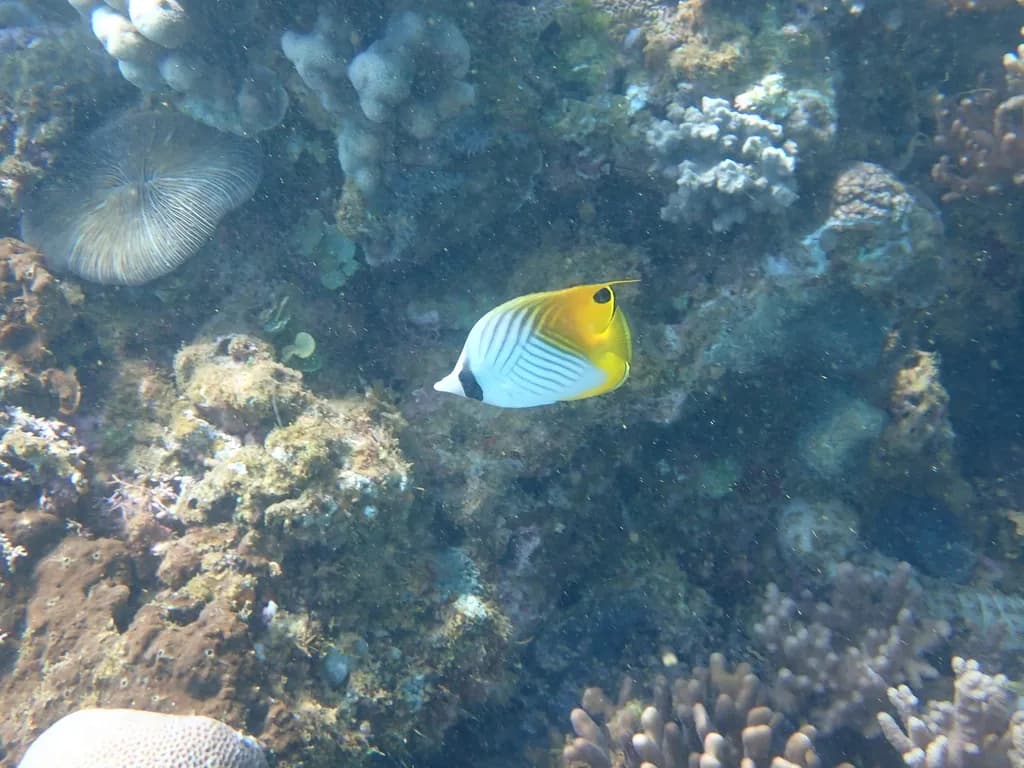
Threadfin Butterflyfish
common · Year Round
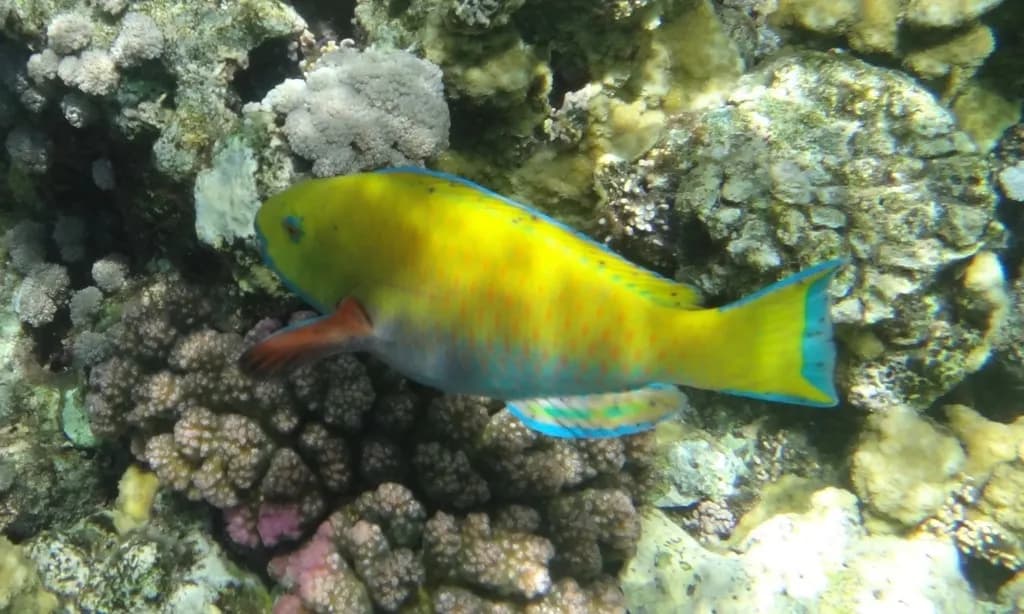
Steephead Parrotfish
common · Year Round
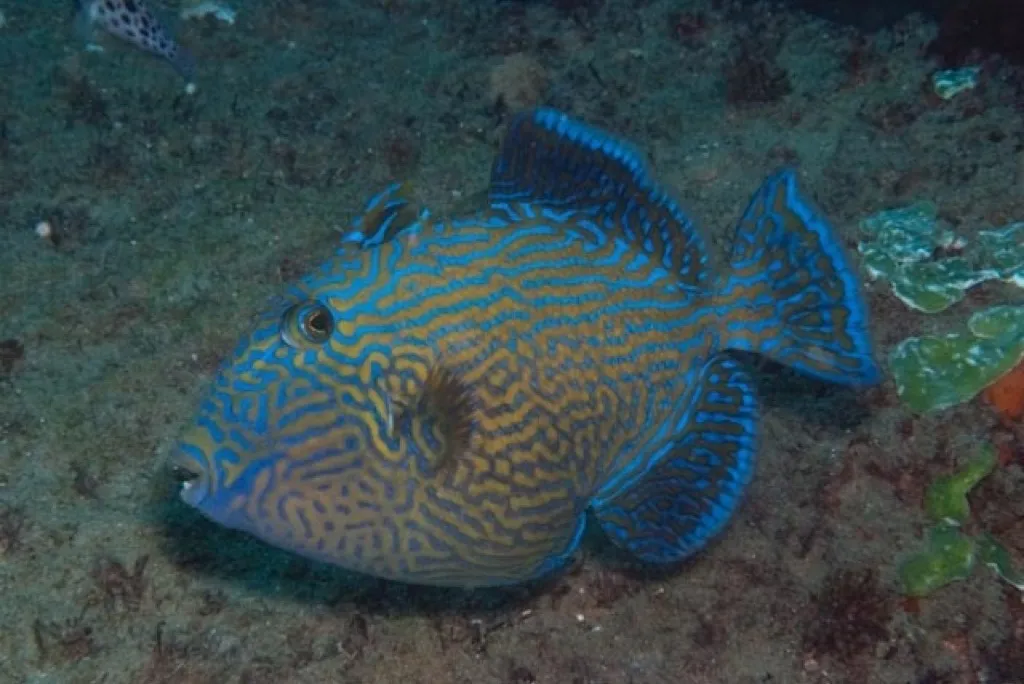
Blue Triggerfish
common · Year Round
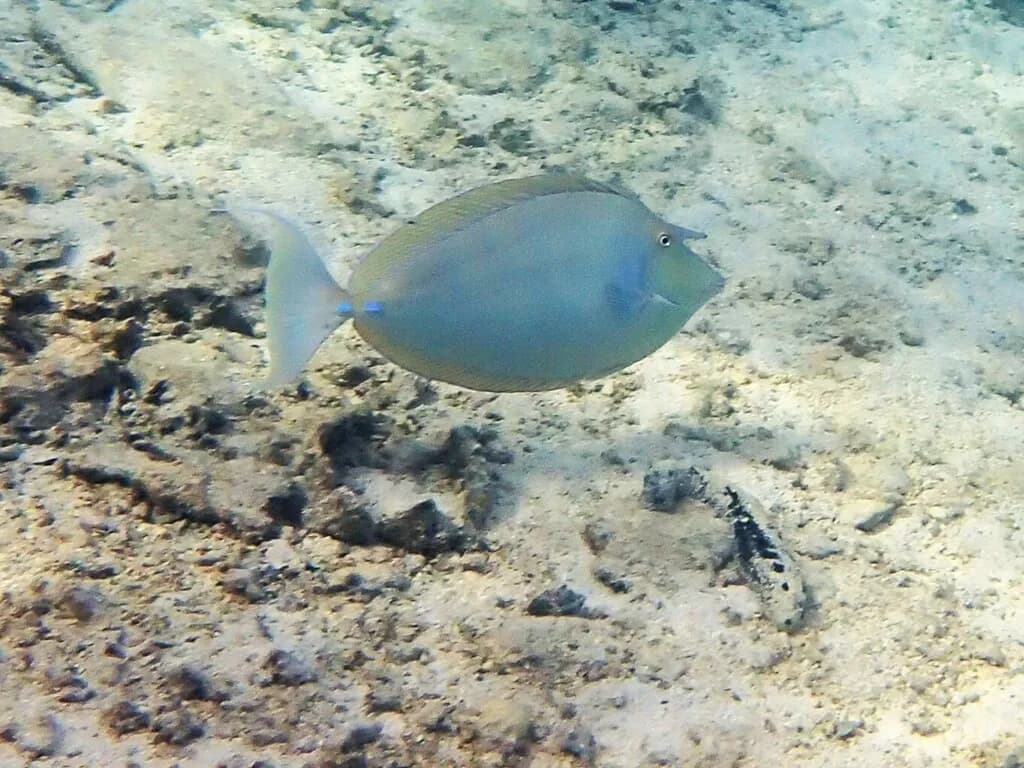
Unicorn Fish
common · Year Round
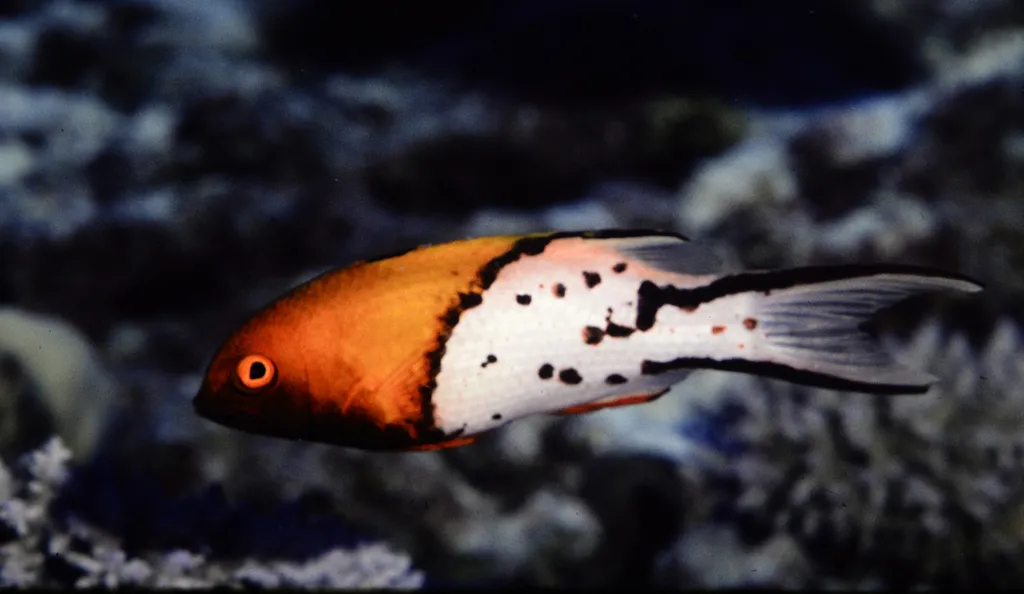
Lyretail Hogfish
common · Year Round
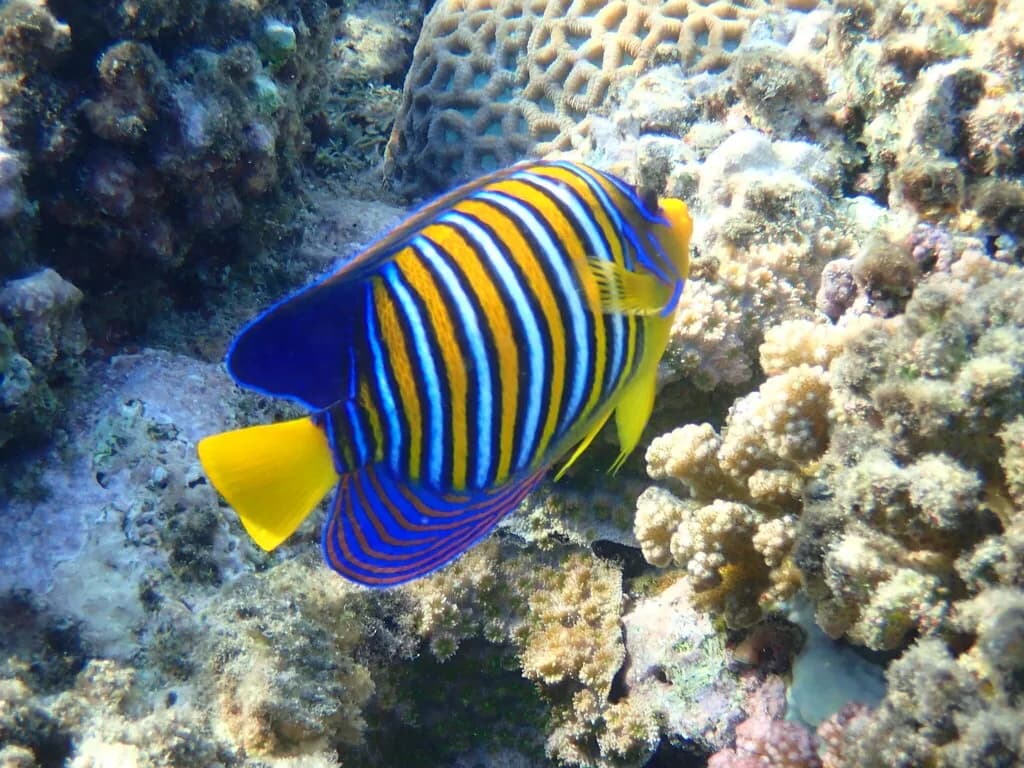
Regal Angelfish
common · Year Round
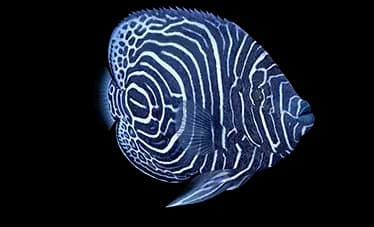
Emperor Angelfish
common · Year Round
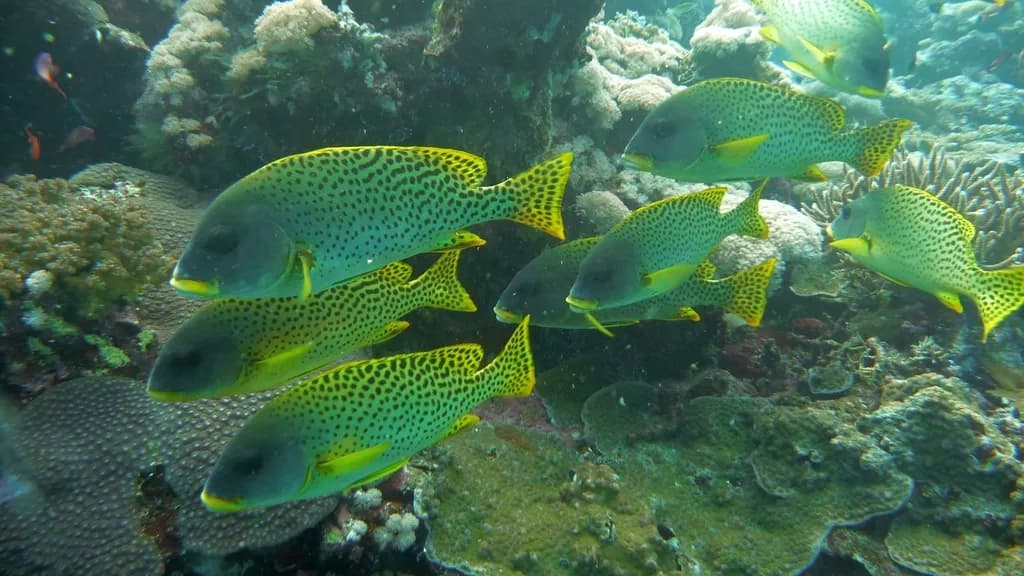
Sweetlip
common · Year Round
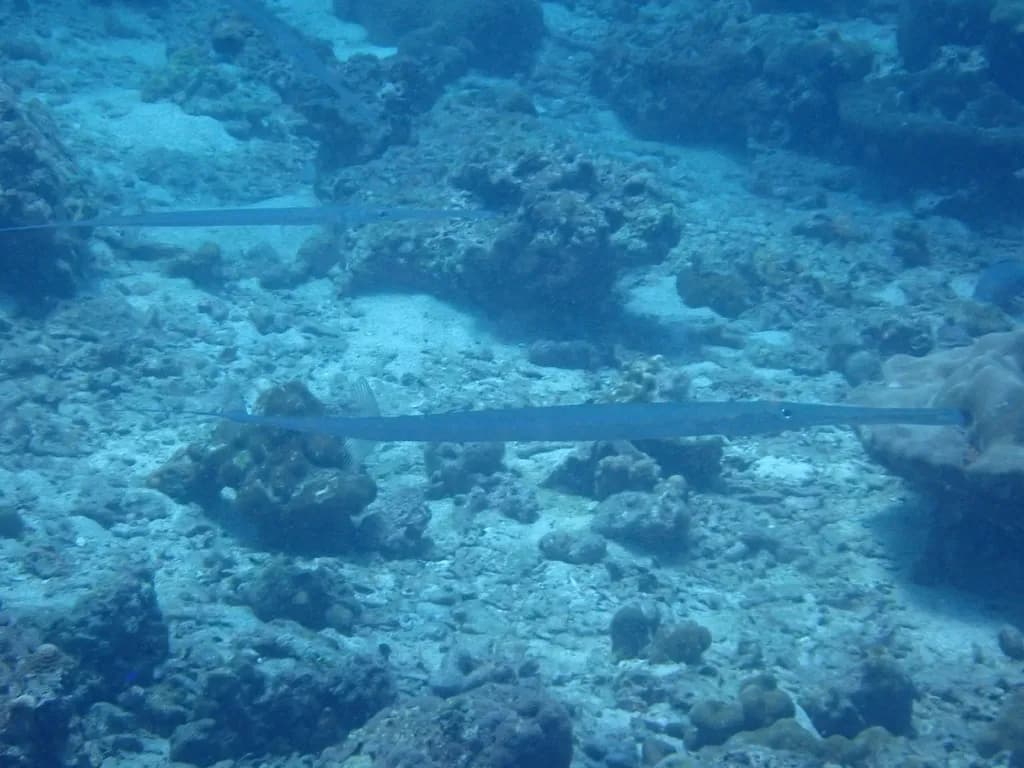
Cornetfish
common · Year Round
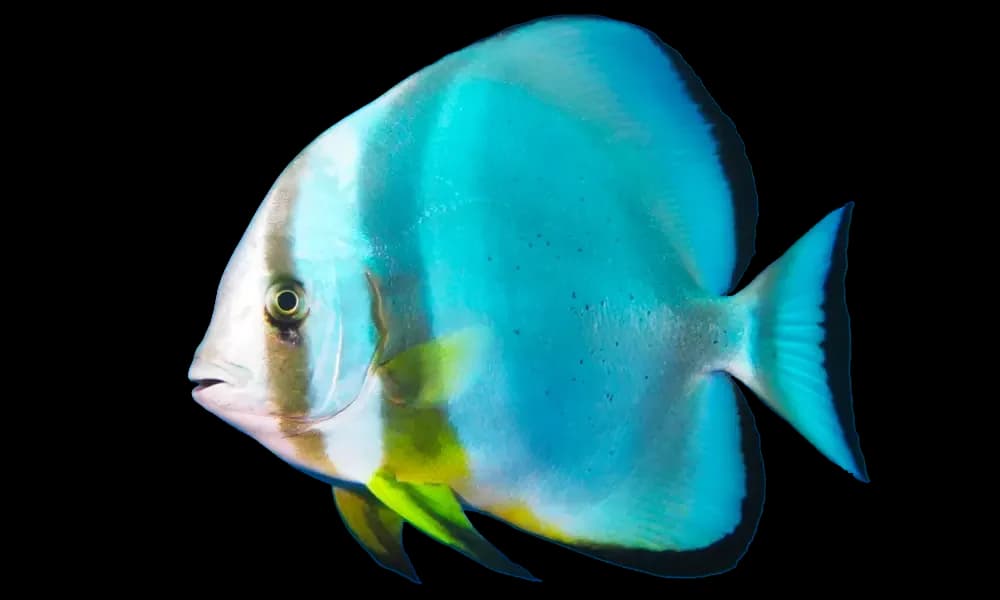
Batfish
common · Year Round
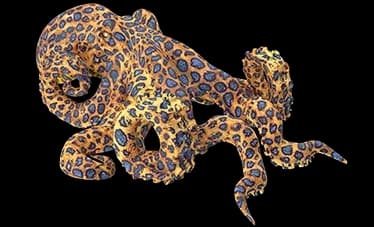
Octopus
common · Year Round
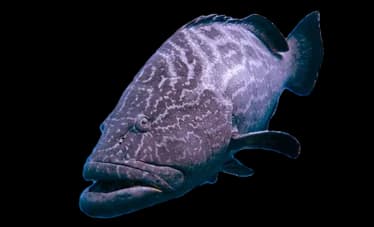
Grouper
common · Year Round
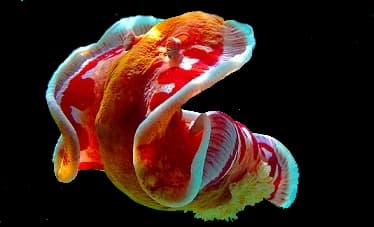
Spanish Dancer
common · Year Round
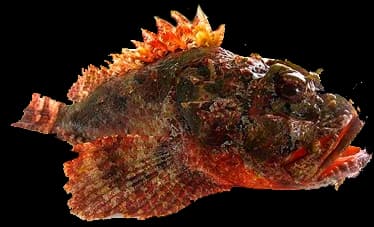
Scorpionfish
common · Year Round
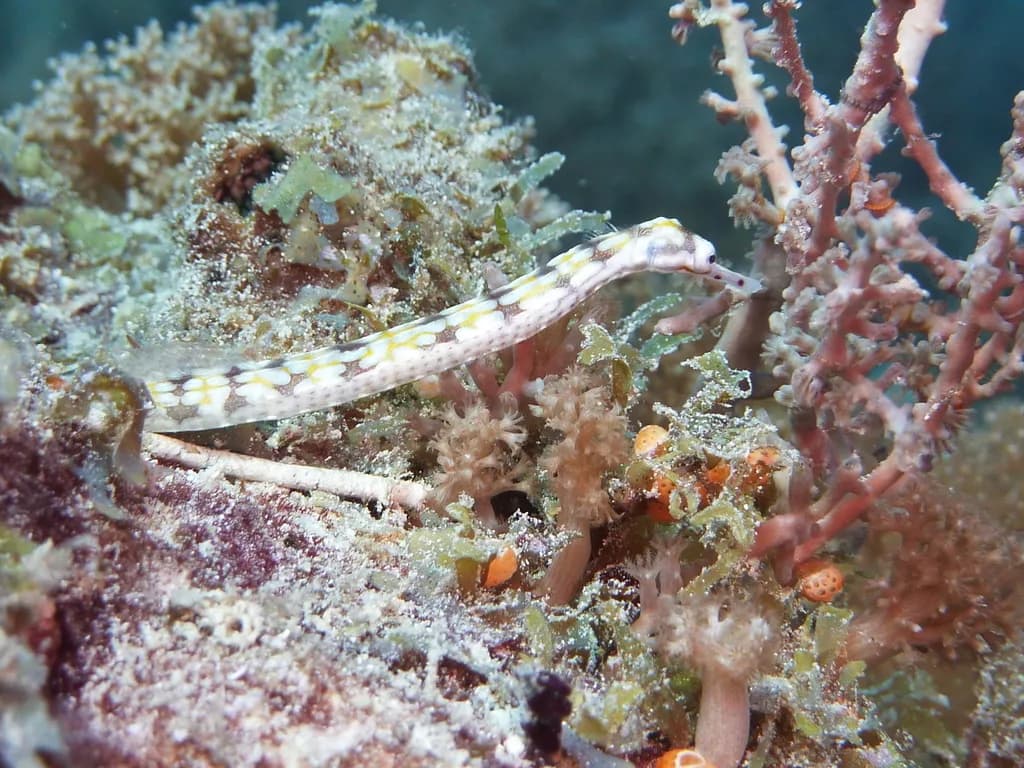
Pipefish
common · Year Round
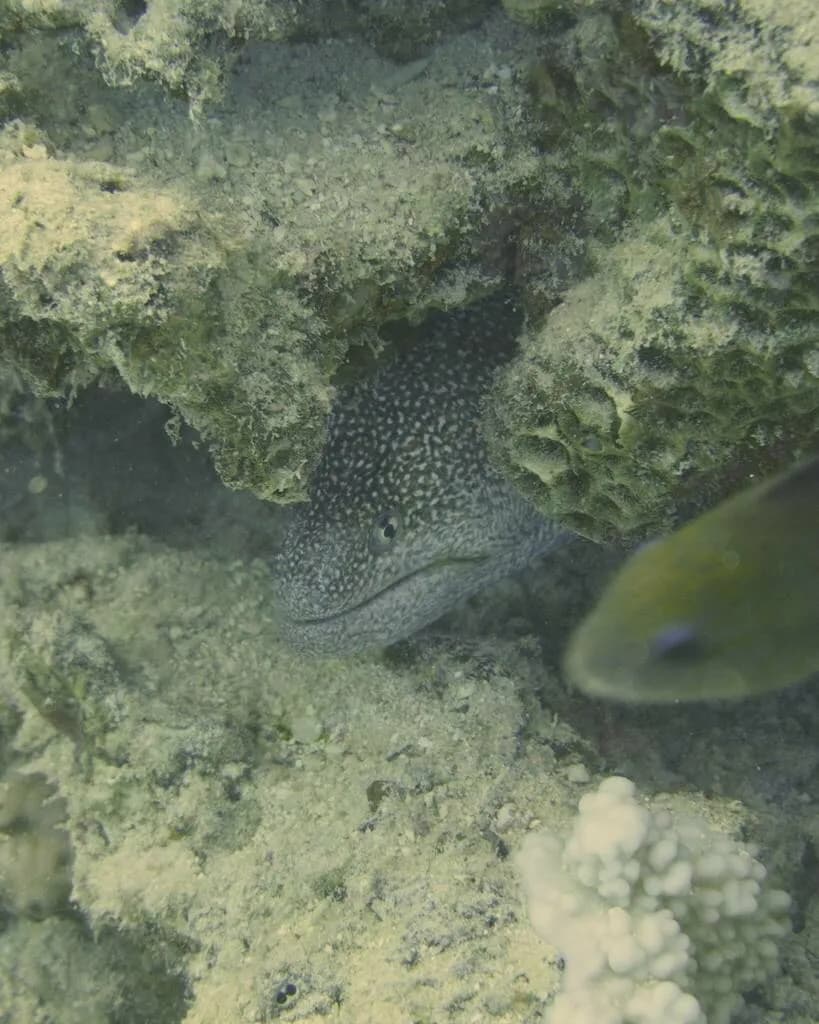
Yellowmouth Moray
common · Year Round
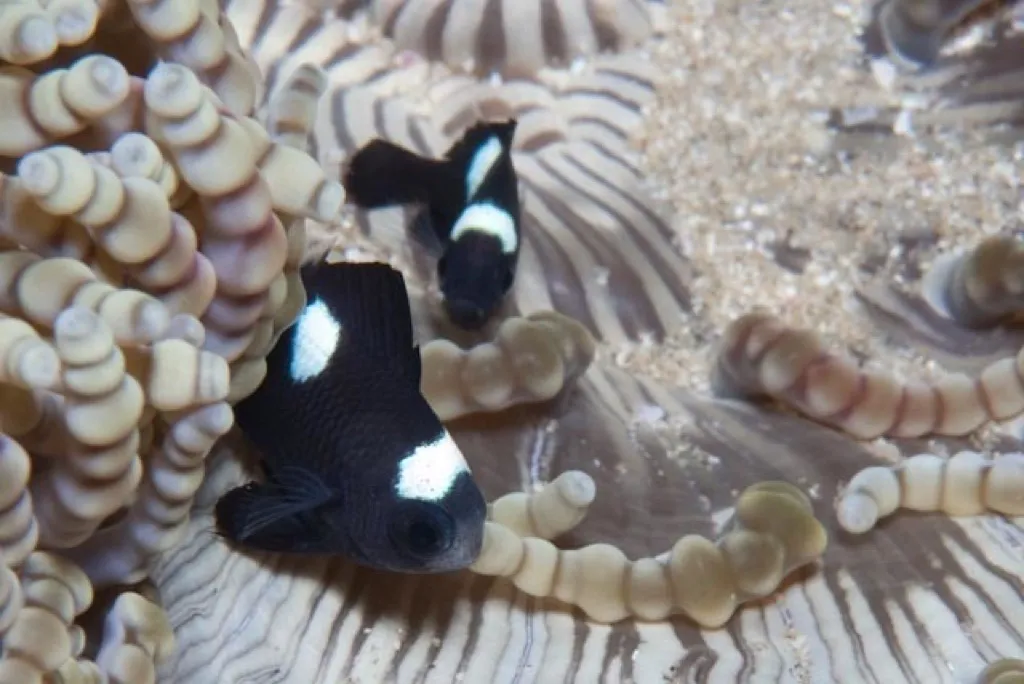
Domino Damsel
occasional · Year Round
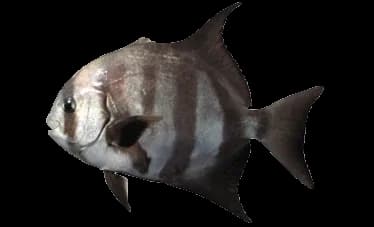
Spadefish
occasional · Year Round
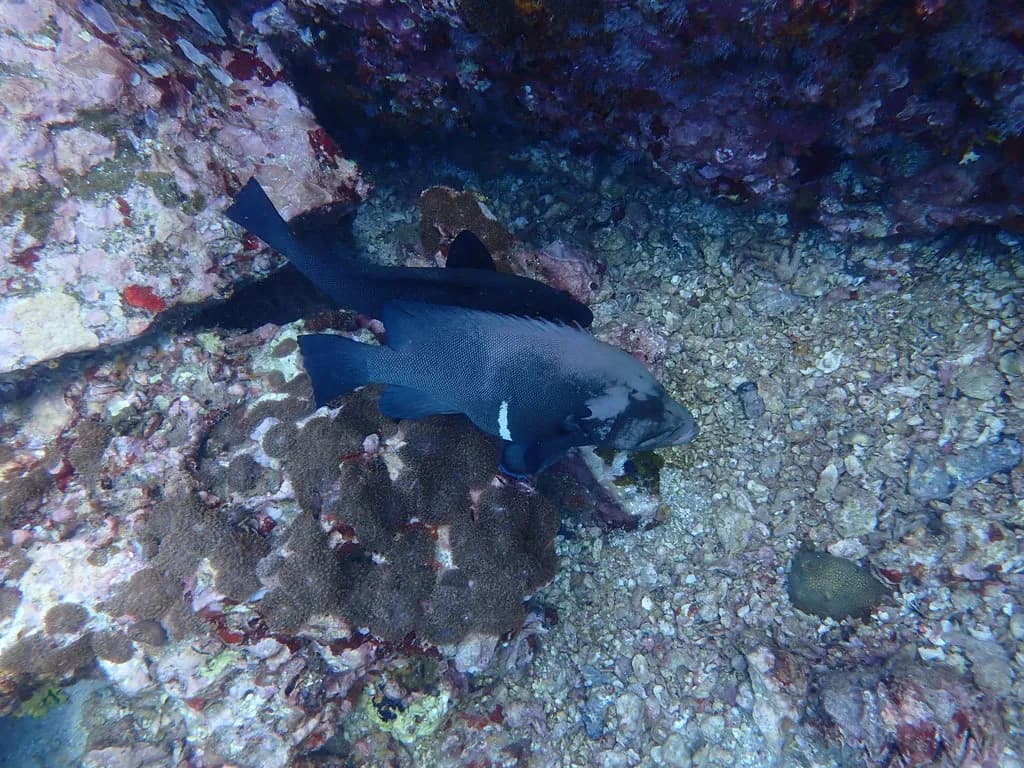
Redmouth Grouper
occasional · Year Round
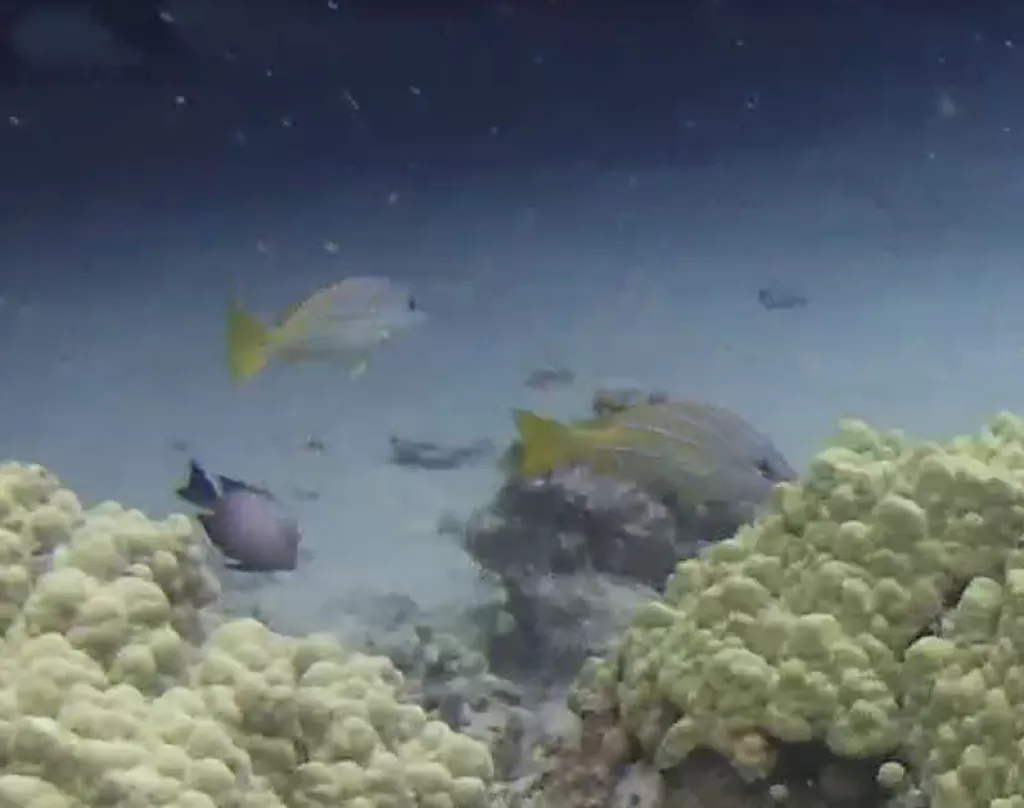
Snapper
occasional · Year Round
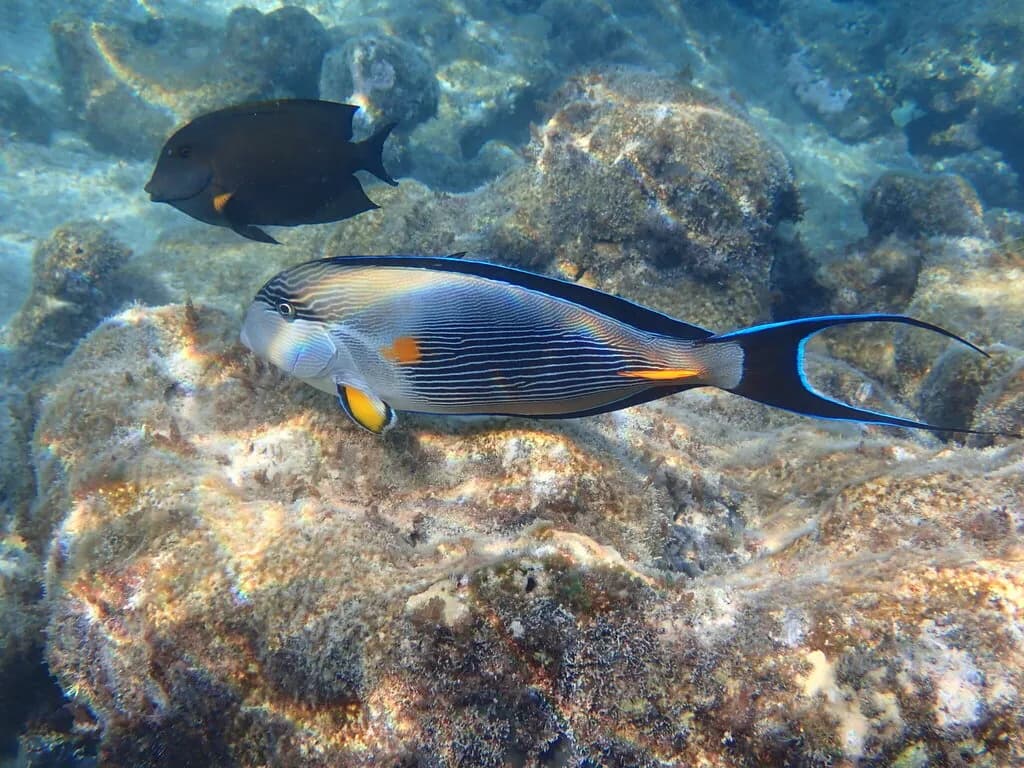
Surgeonfish
occasional · Year Round
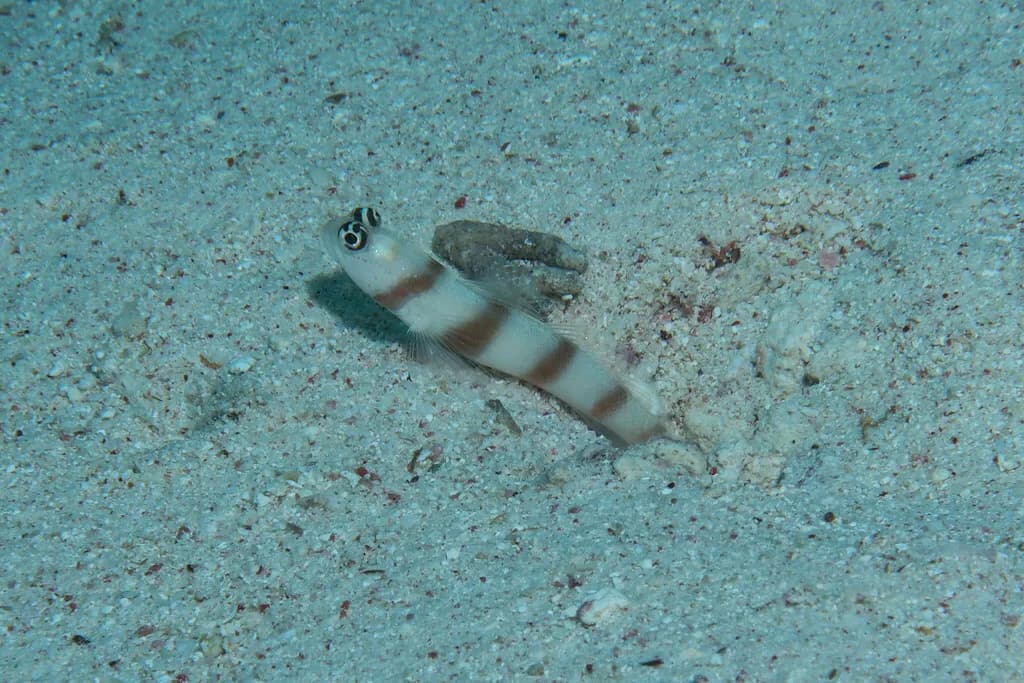
Gobie
occasional · Year Round
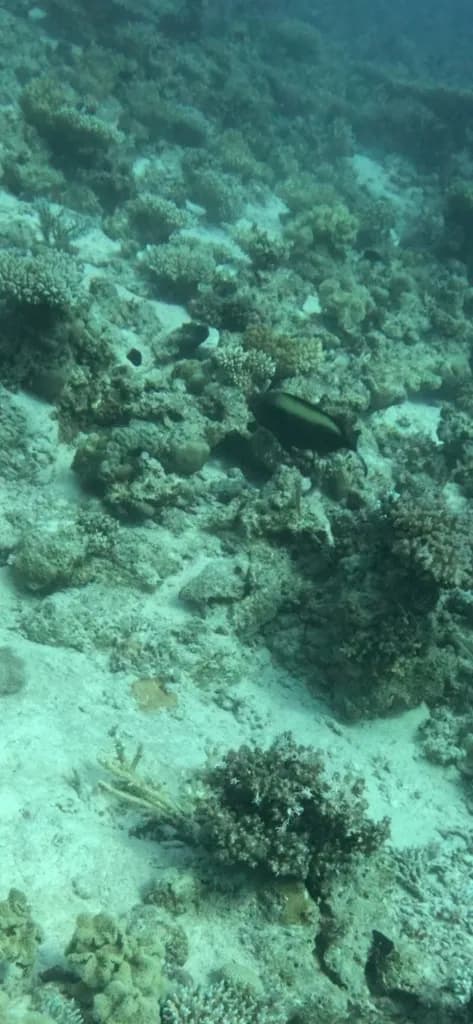
Bicolor Parrotfish
occasional · Year Round
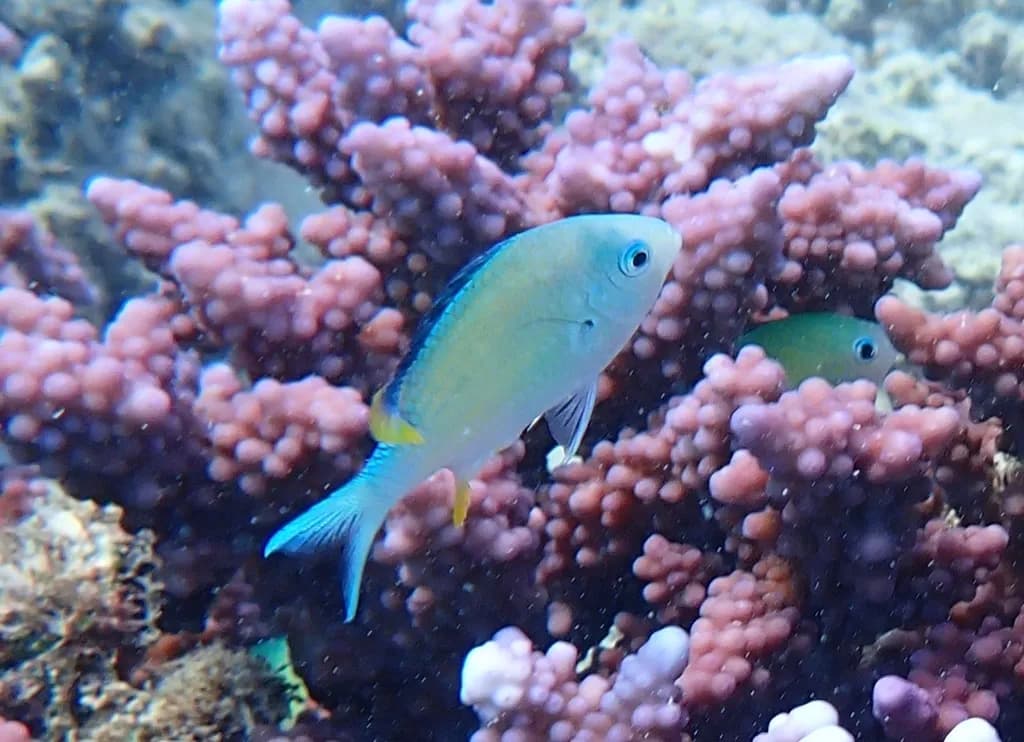
Bluegreen Puller
occasional · Year Round
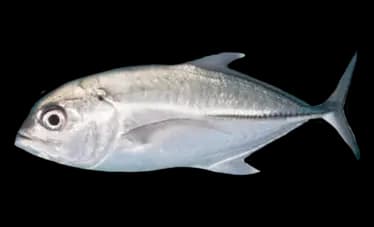
Jackfish
occasional · Year Round
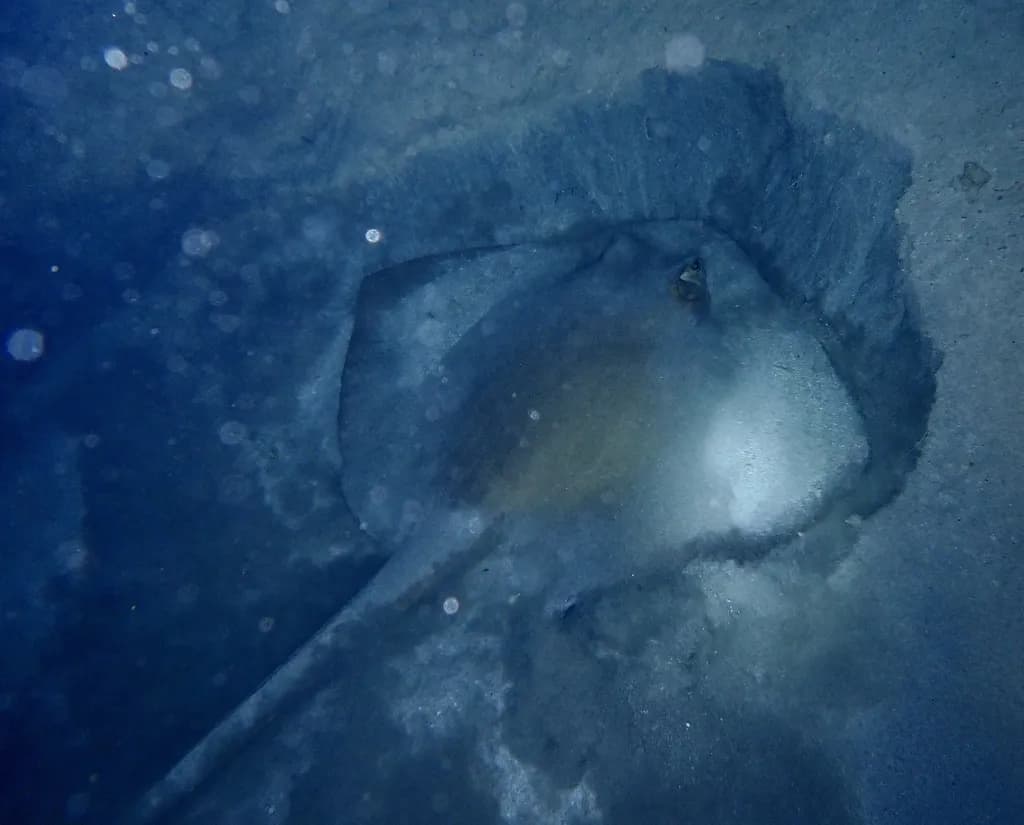
Feathertail Ray
occasional · Year Round
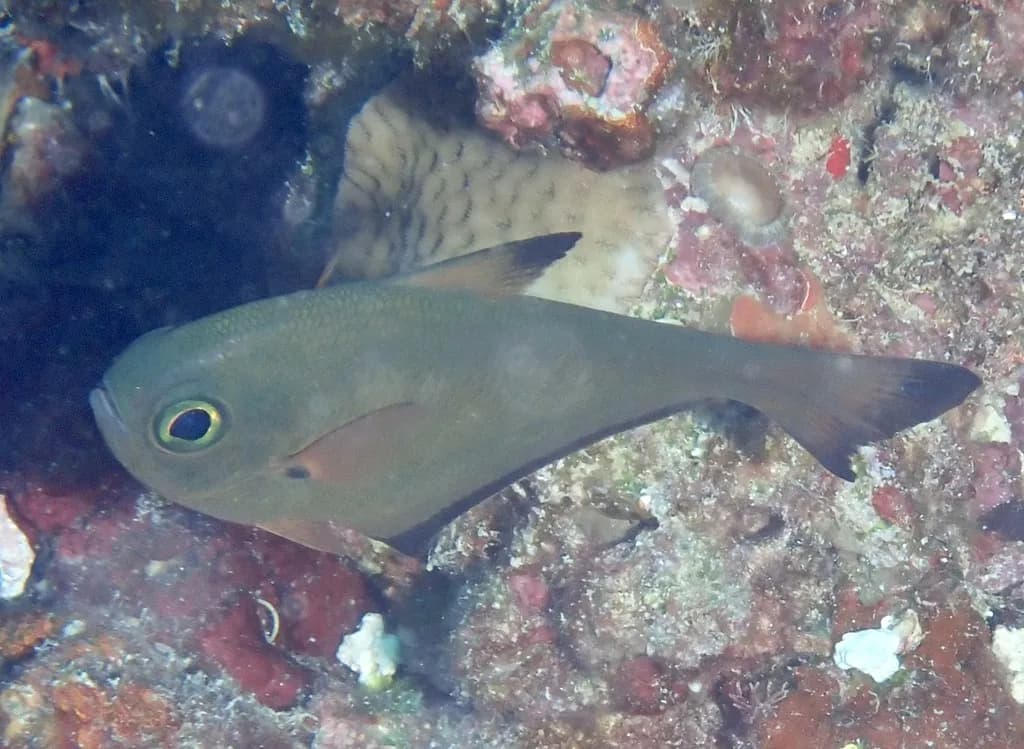
Cave Sweeper
occasional · Year Round
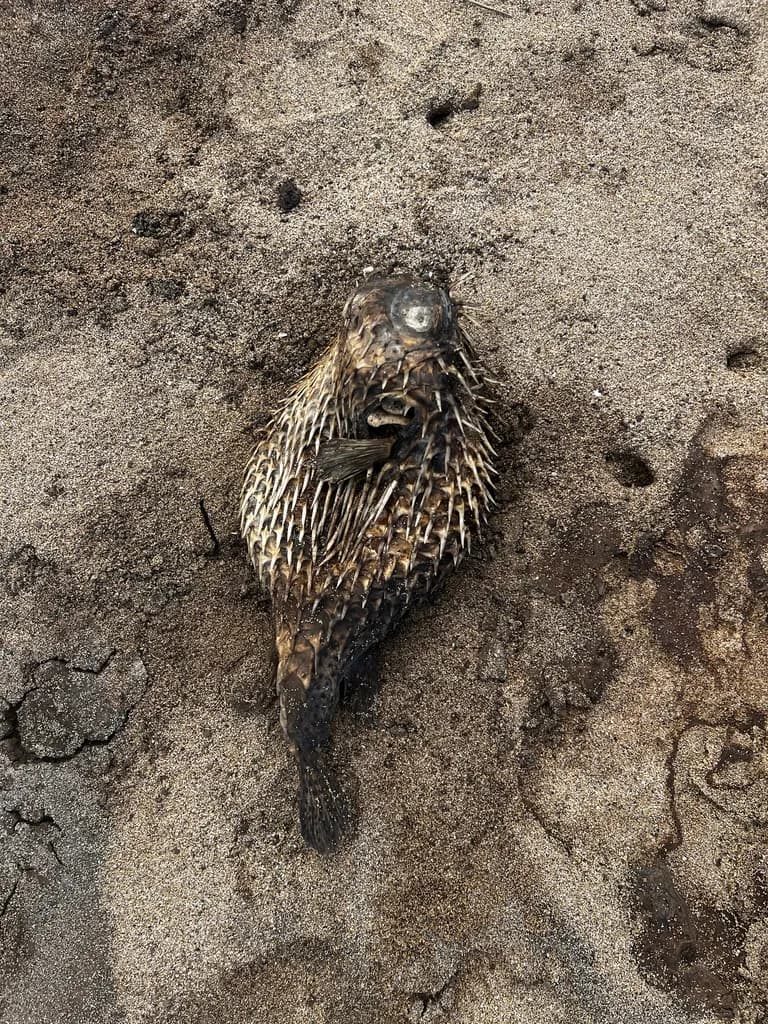
Porcupine Fish
occasional · Year Round
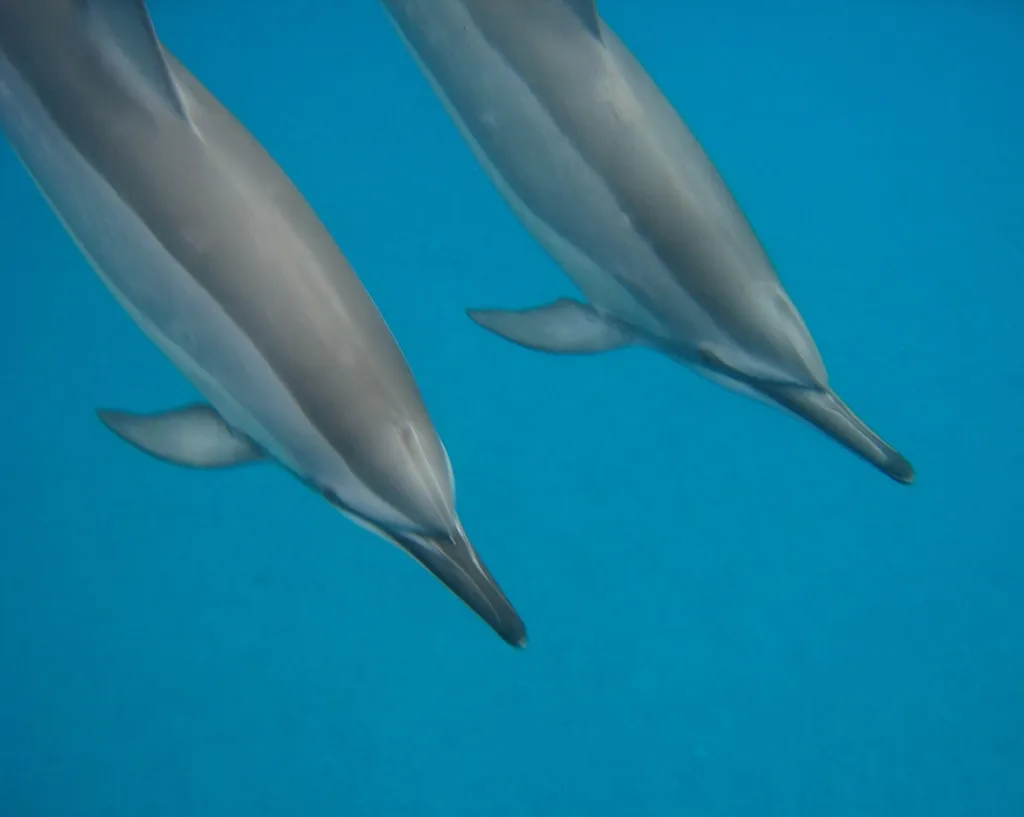
Spinner Dolphin
occasional · Year Round
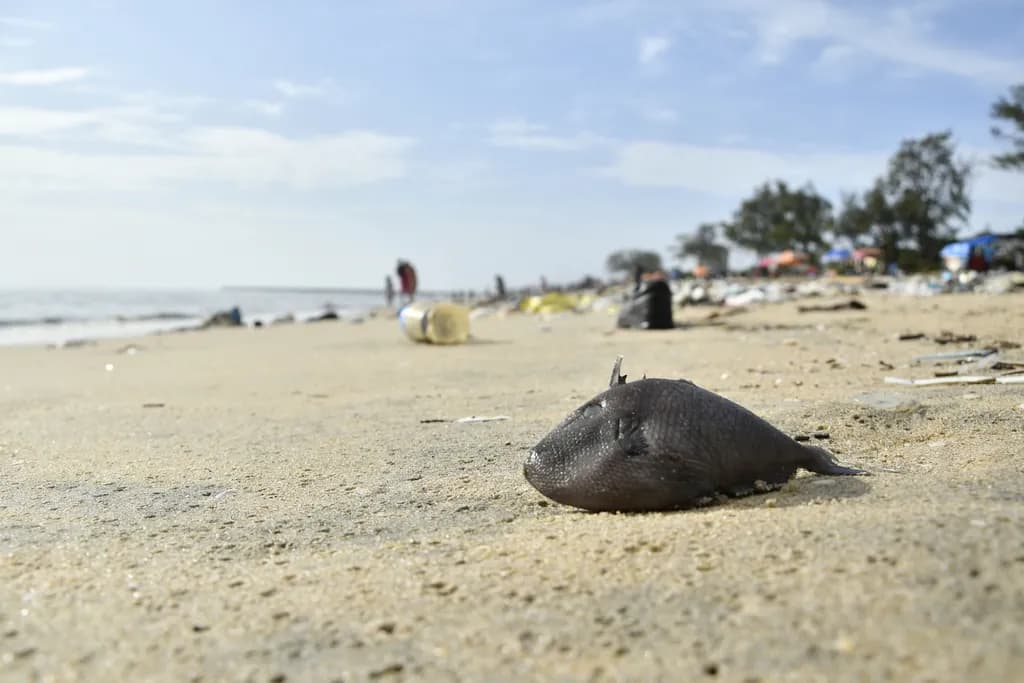
Redtooth Triggerfish
occasional · Year Round
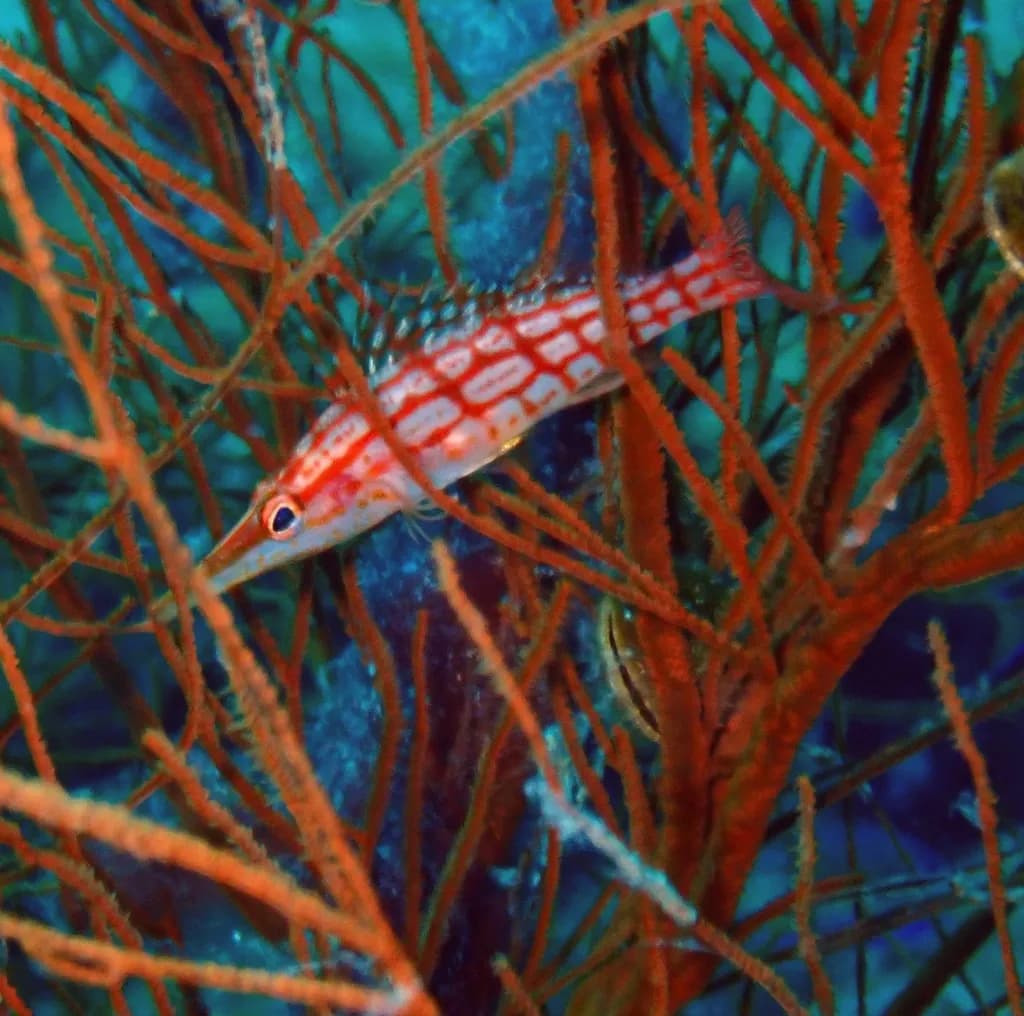
Longnose Hawkfish
occasional · Year Round
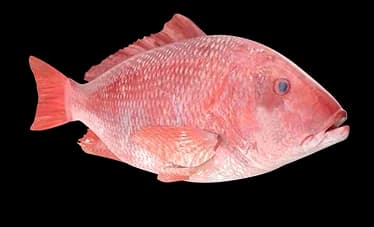
Red Snapper
occasional · Year Round
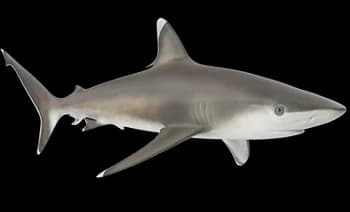
Whitetip Shark
occasional · Year Round
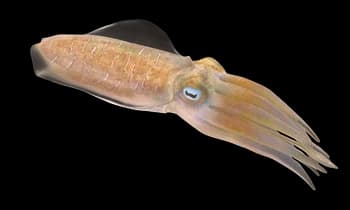
Squid
occasional · Year Round
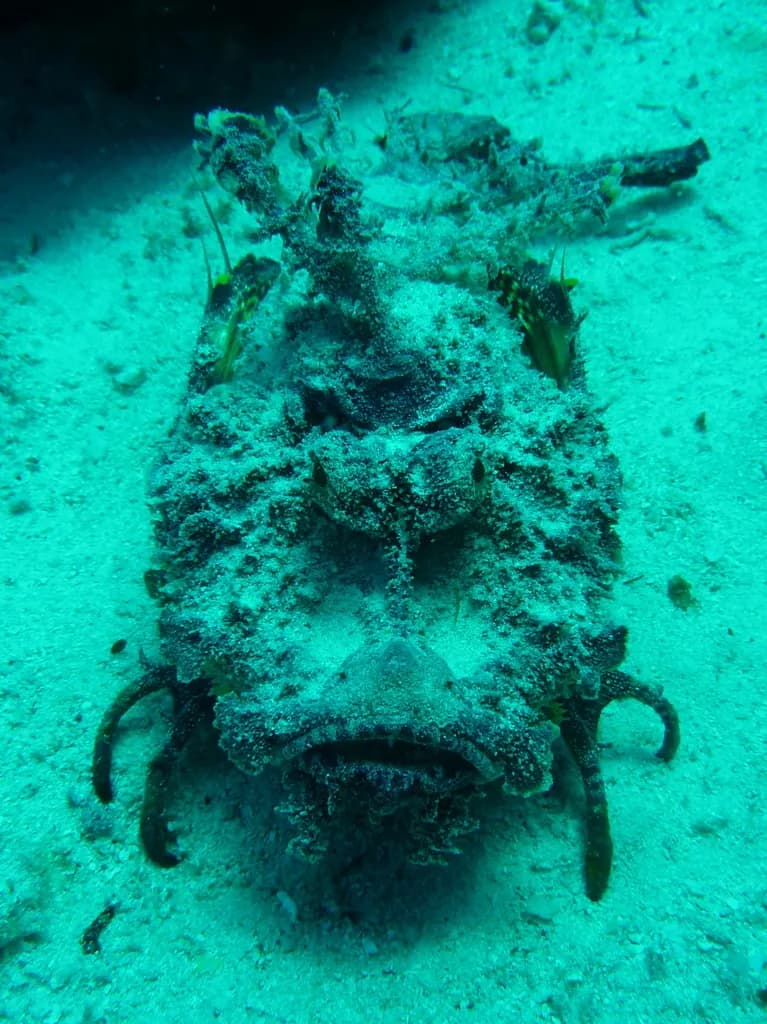
Spiny Devilfish
occasional · Year Round
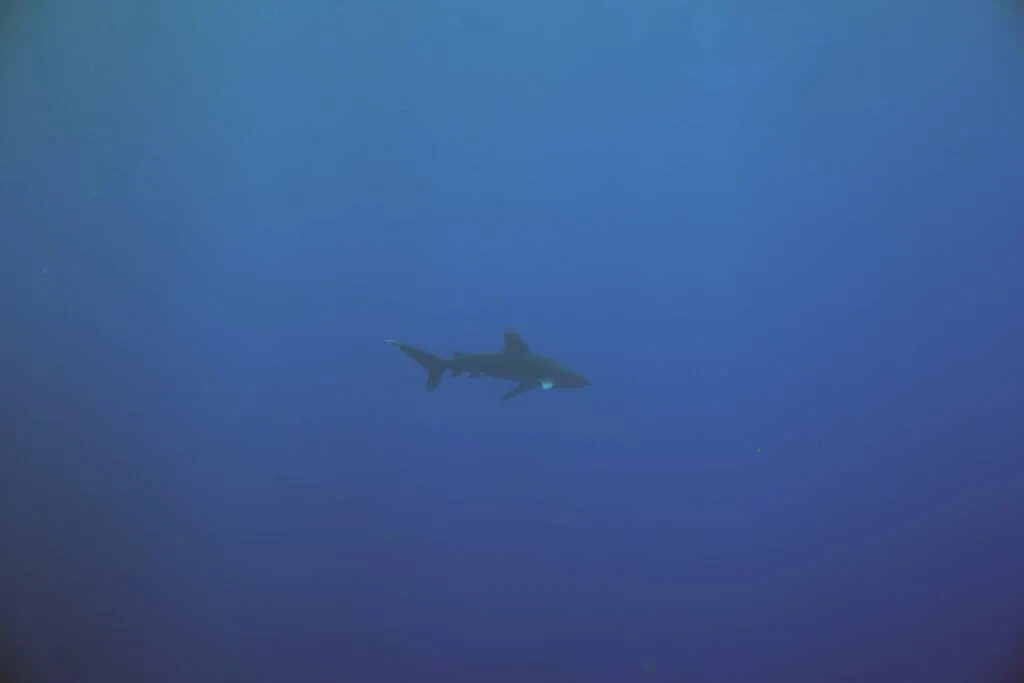
Oceanic Whitetip Shark
occasional · Oct–Jan
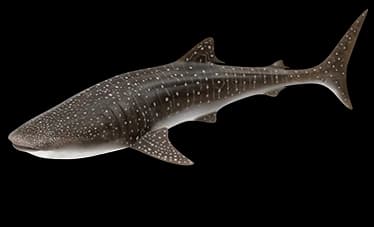
Whale Shark
occasional · May–July
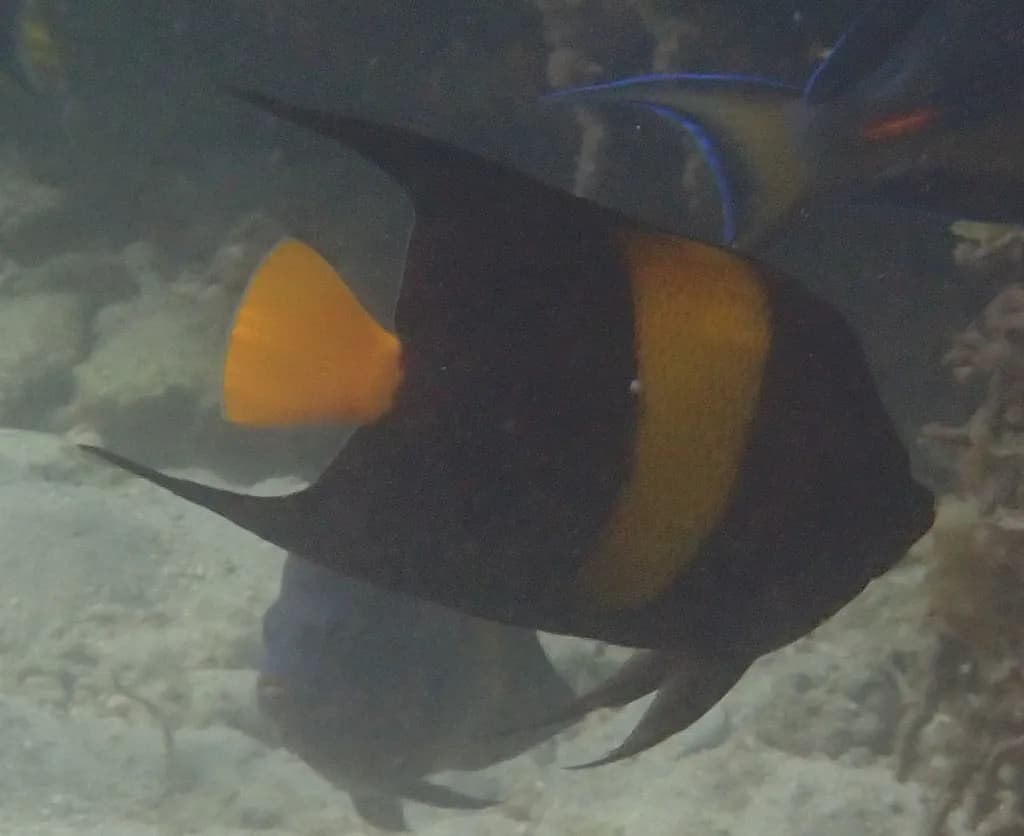
Arabian Angelfish
occasional · Year Round

Spanish Mackerel
occasional · Oct–Apr
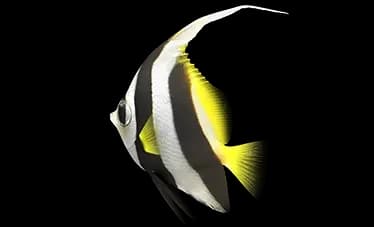
Bannerfish
abundant · Year Round
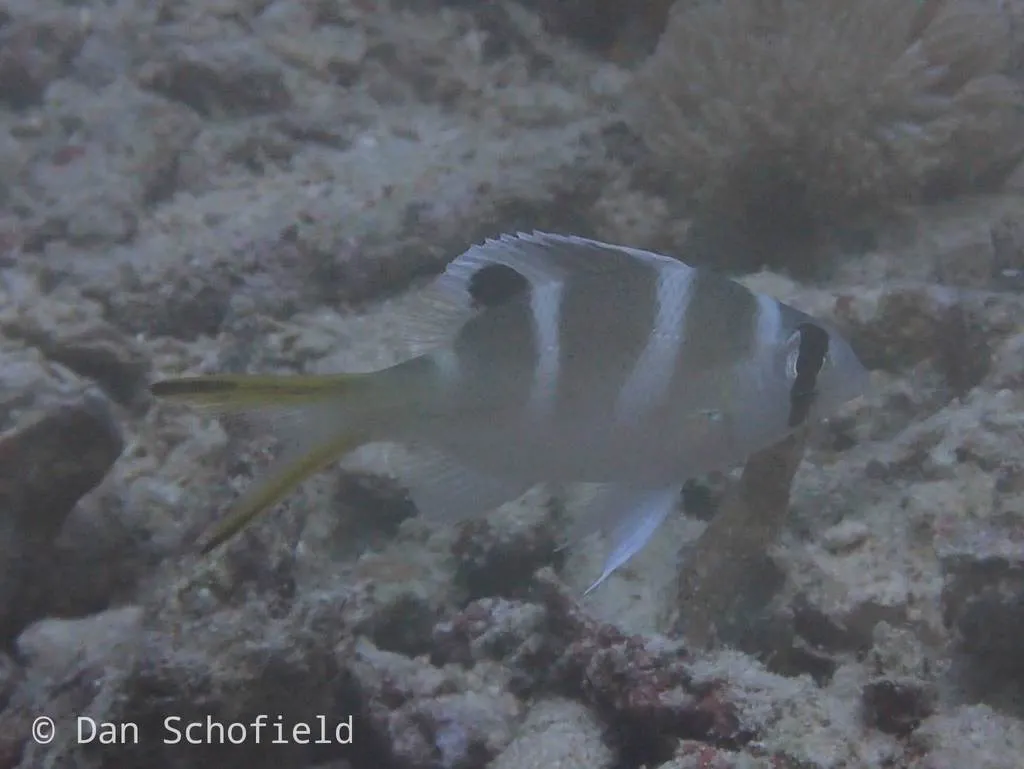
Bream
occasional · Year Round
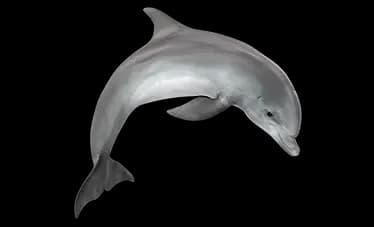
Dolphin
occasional · Year Round
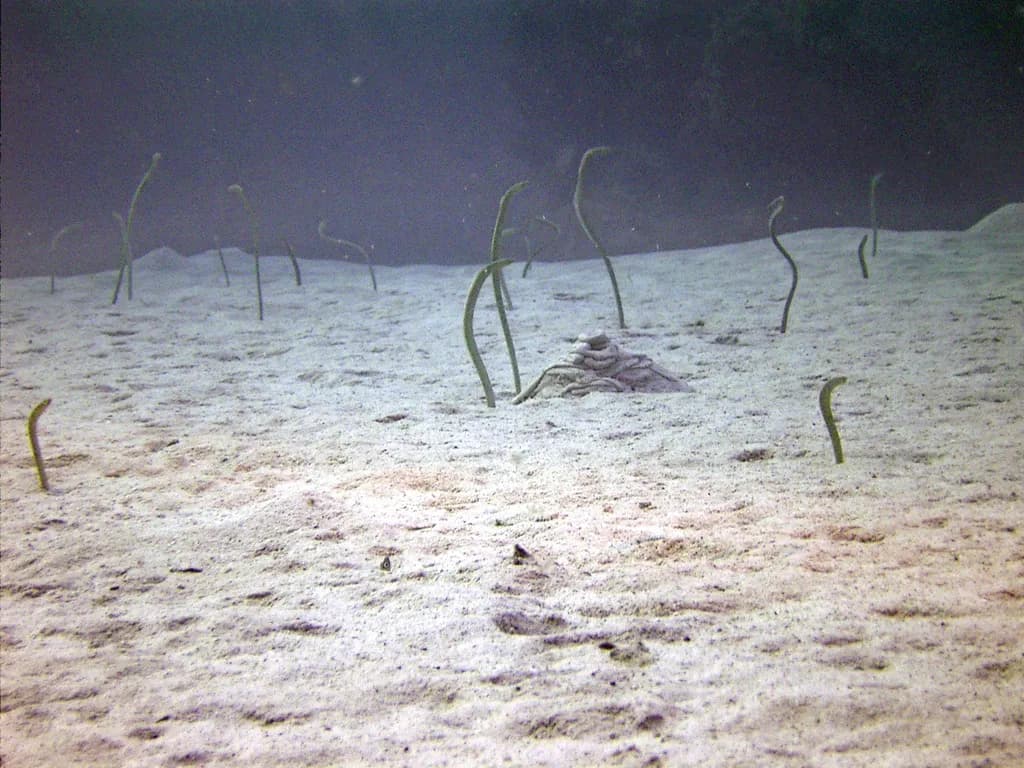
Garden Eel
occasional · Year Round
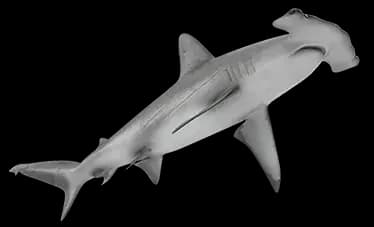
Hammerhead Shark
occasional · Jun–Sep
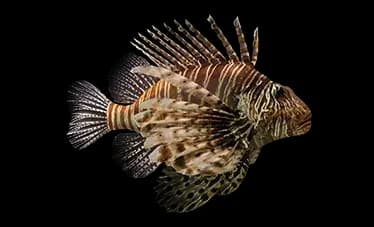
Lionfish
abundant · Year Round
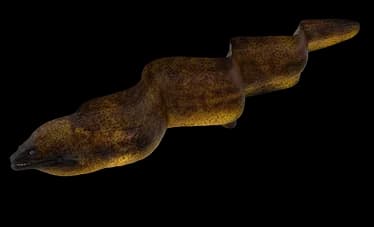
Moray Eel
abundant · Year Round
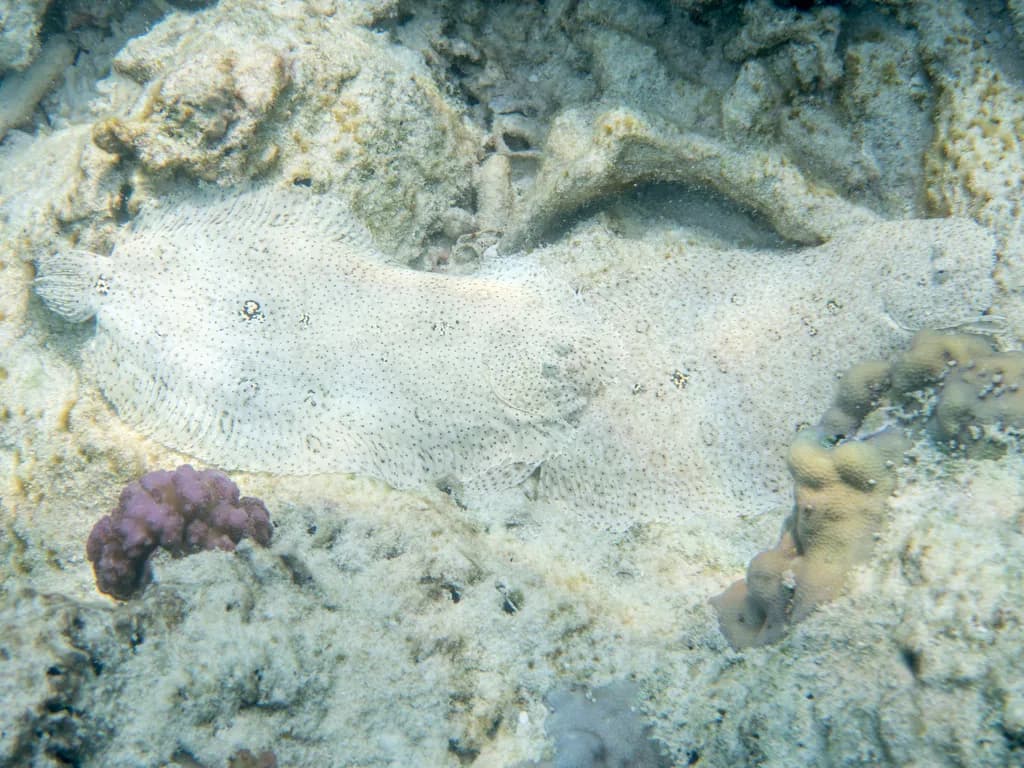
Moses Sole
occasional · Year Round
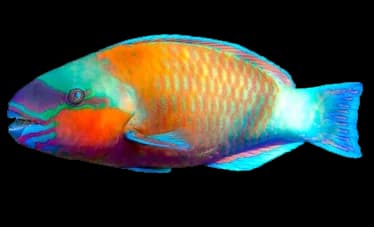
Parrotfish
abundant · Year Round
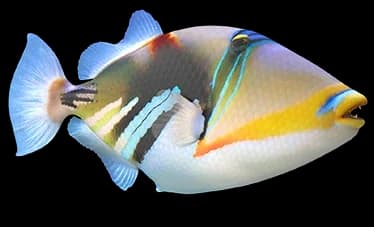
Picasso Triggerfish
common · Year Round
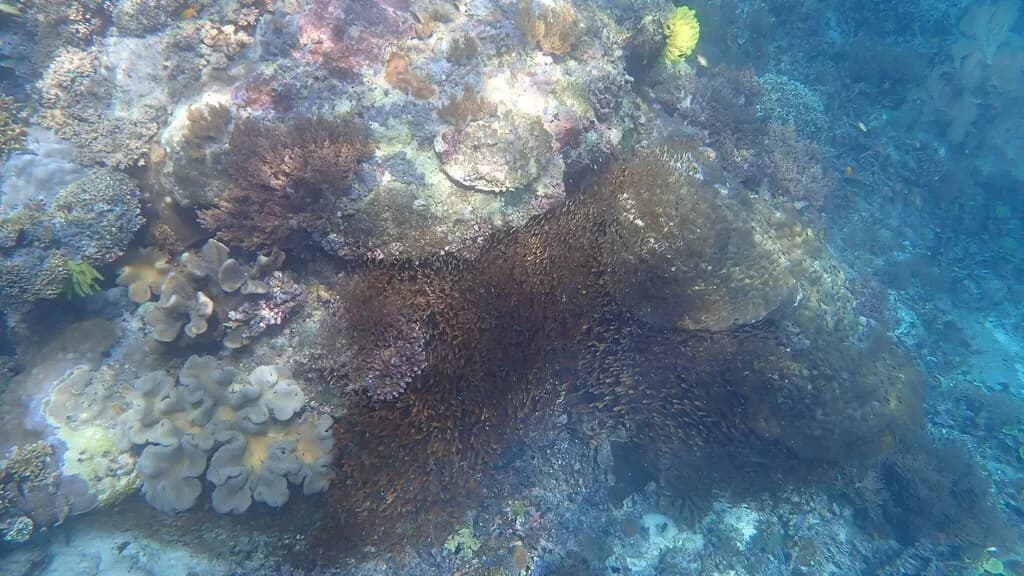
Pygmy Sweeper
common · Year Round
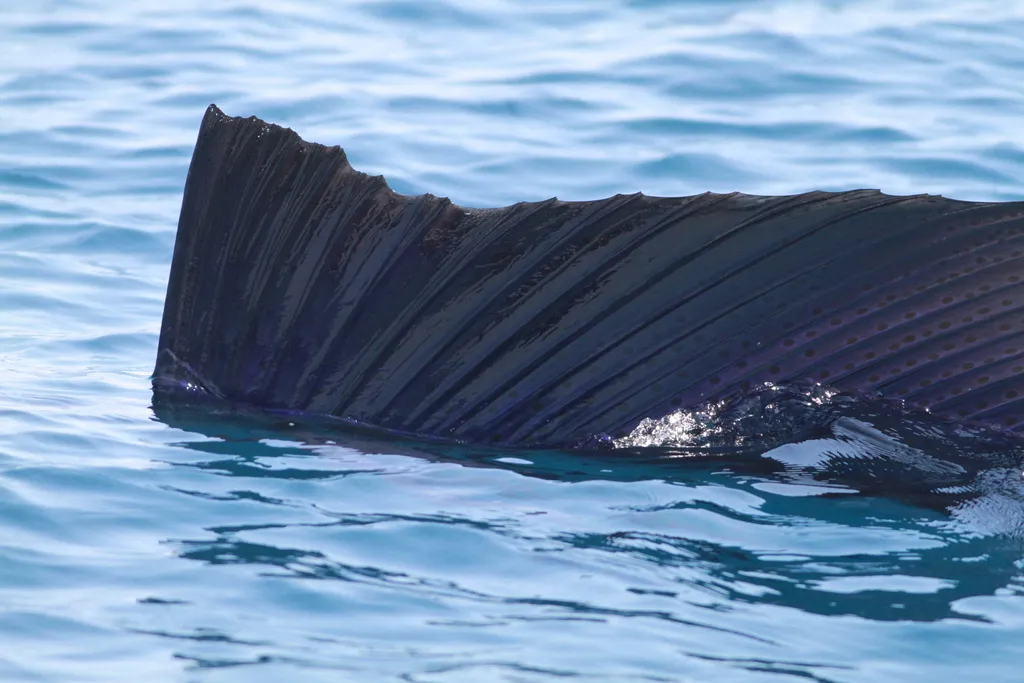
Sailfish
occasional · Nov–Mar
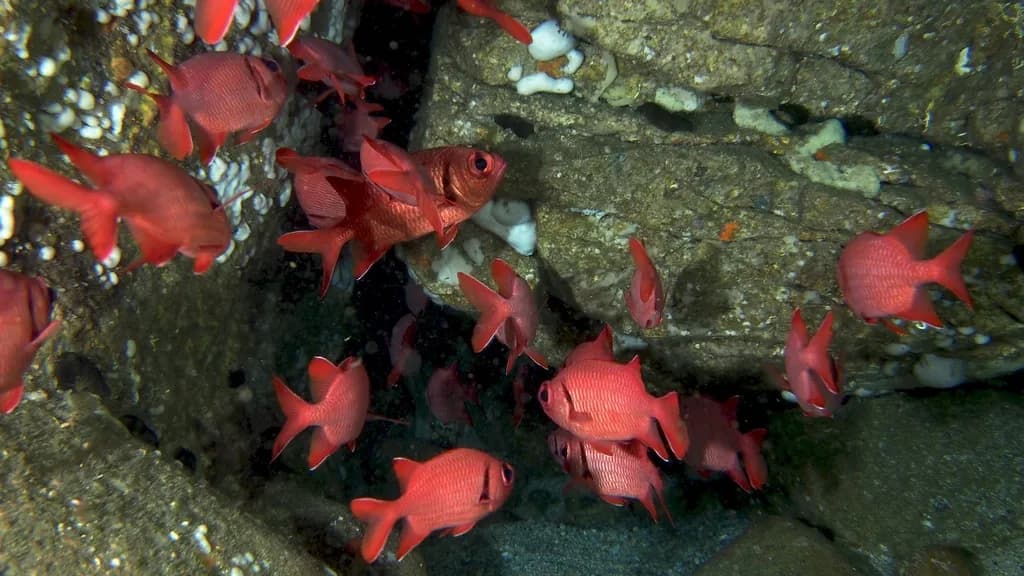
Soldierfish
common · Year Round
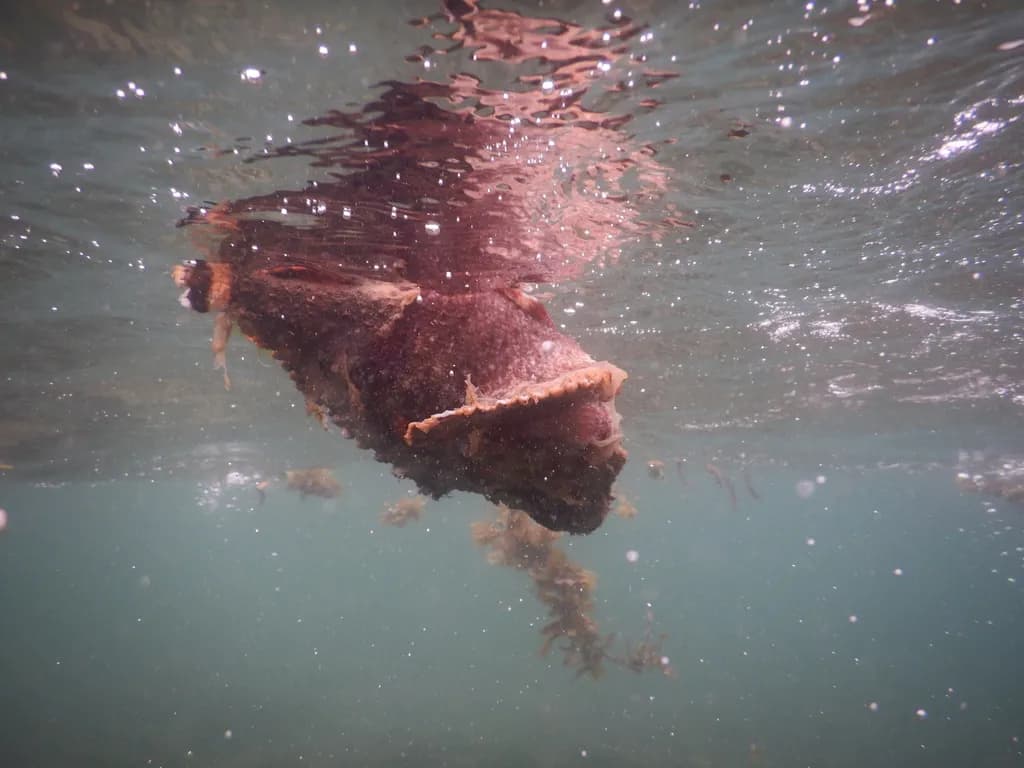
Stonefish
common · Year Round
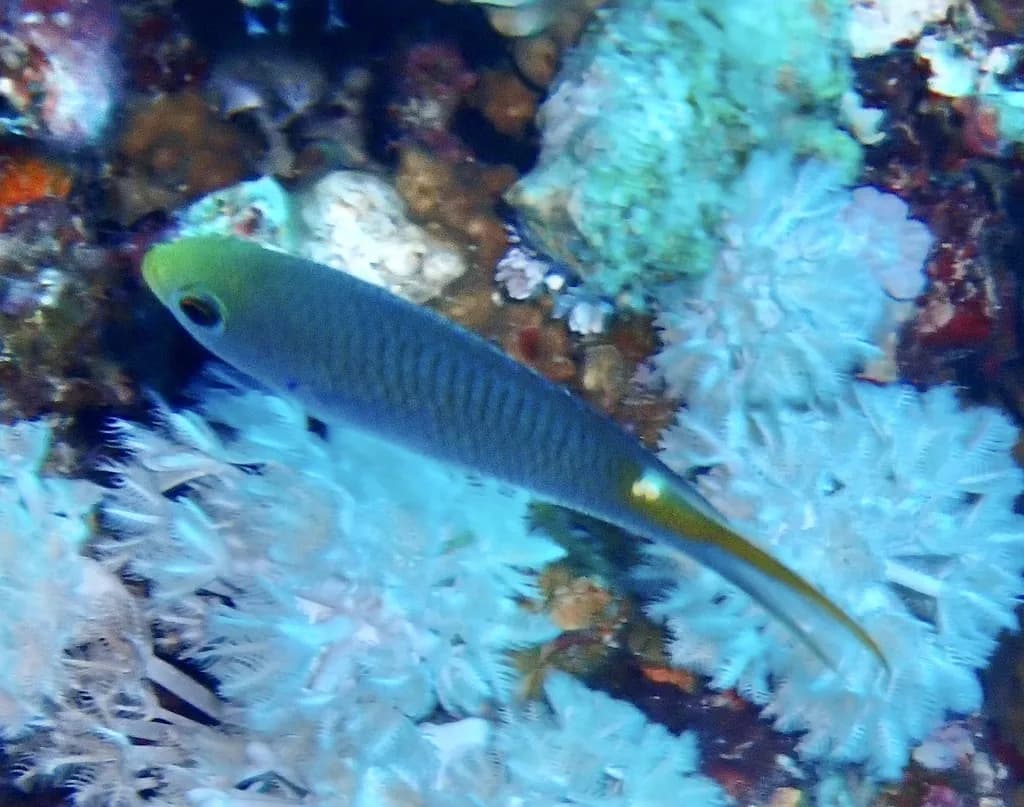
Arabian Damsel
occasional · Year Round
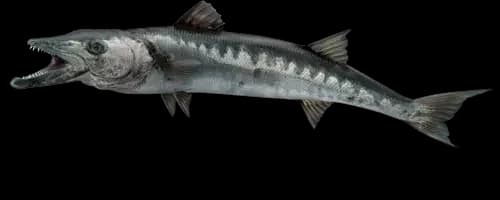
Barracuda
occasional · Year Round
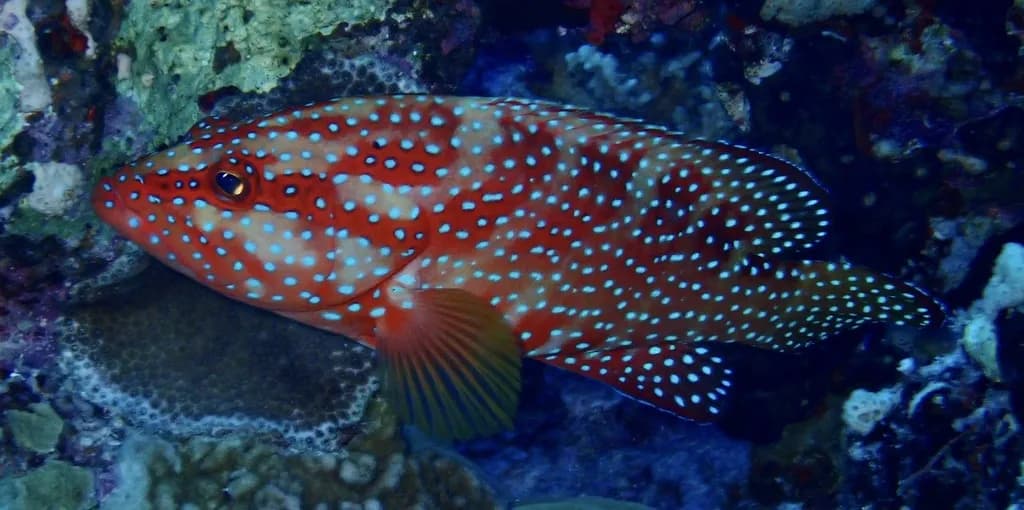
Coral Grouper
common · Year Round

Titan Triggerfish
occasional · Year Round
No reviews yet. Dived here? Be the first to share how it was.
Ask divers who know Carnatic.
No questions yet. Ask about conditions, gear or anything else, and divers who have been here can answer.