
Kormoran
Kormoran
Overview
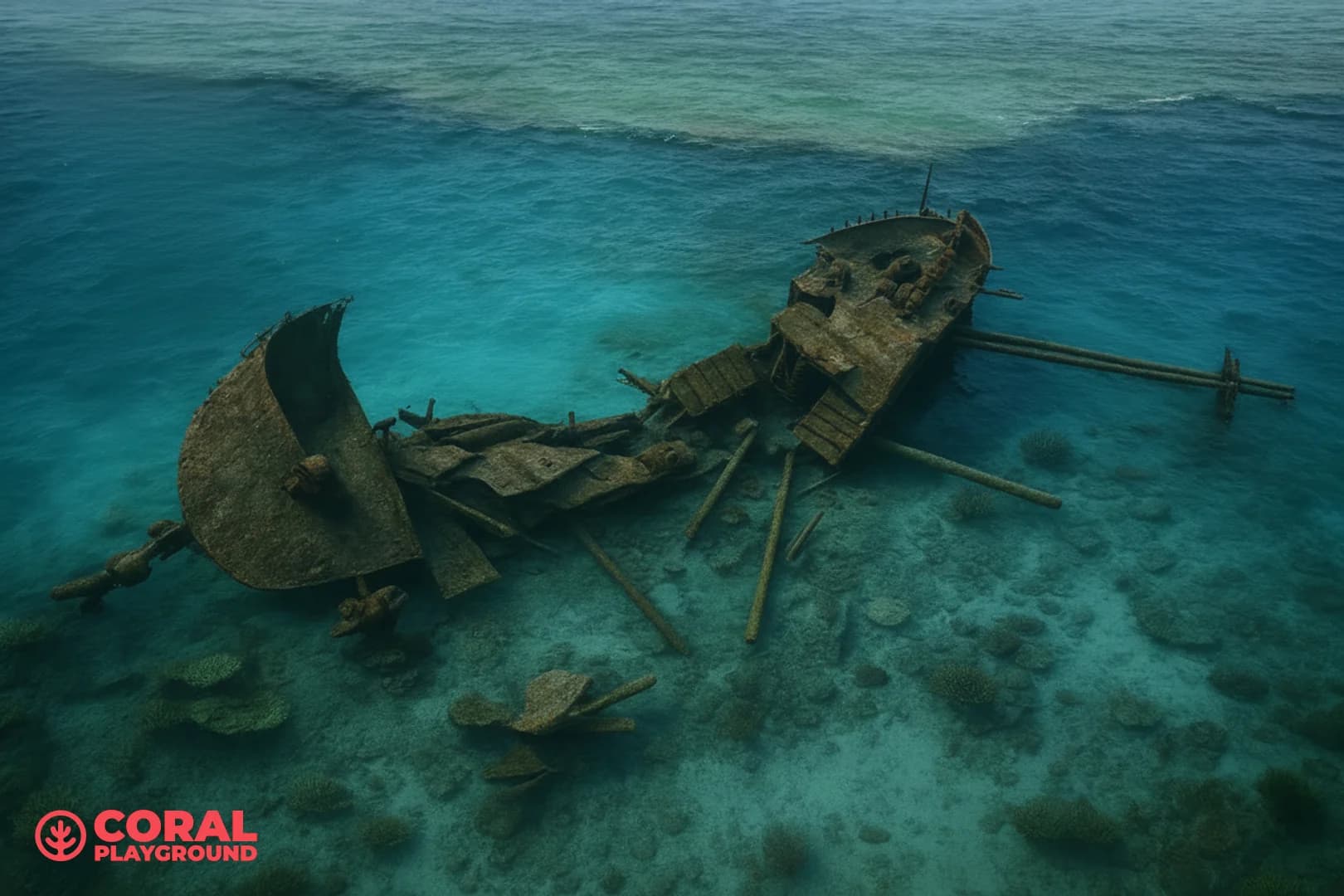
The Kormoran is the wreck that most divers have never heard of — a German cargo ship lying in the shallows off Laguna Reef on the Tiran side of the strait, a stone's throw from the busy reefs but rarely on the day-boat schedule. That obscurity is its charm. With her stern broken near the surface and her remains scattered over a coral seabed in less than 15m of water, she makes a relaxed, light-filled wreck dive far from the crowds.
The Dive
The Kormoran sits in shallow water, with the wreckage running from around 10m down to about 15m, and parts of the stern reaching nearly to the surface. The 1984 grounding tore her apart — the bow was lost, the hull split by two large cracks on the port side, and the superstructure left a mangled ruin — so this is a debris-field dive rather than an intact-hull penetration. What that buys you is easy, well-lit diving over broken plating now thoroughly colonised by coral, with the surrounding seabed dotted with attractive hard-coral formations.
Because she lies on the exposed reef edge bordering Laguna, the Kormoran is best dived when the sea is calm — conditions that keep visibility high and current manageable. The shallow depth and absence of overhead penetration make it an approachable wreck for divers building experience, while wreck enthusiasts enjoy ticking off one of Tiran's least-visited sites.
Marine Life
The shallow, sunlit wreckage is good macro territory: stonefish, scorpionfish, morays, nudibranchs and the occasional stingray work the broken structure, with lionfish, snappers and boxfish patrolling above. Soft corals have taken hold across the plating, turning the debris field into a low, colourful reef in its own right.
History
The Kormoran was an 80m cargo vessel built in 1963 at the Rostock shipyards in East Germany. Over two decades she changed names twice — sailing as Adamastos and later Zingara — and on 21 August 1984 she was bound from Aqaba with a cargo of phosphate when a navigation error put her onto the northern reef bordering Tiran Island, beside Laguna Reef. The impact ripped off her bow, cracked her hull and wrecked the superstructure; she settled in the shallows where she lies today, slowly becoming reef.
Good to Know
Best dived on calm days, ideally in the afternoon when the tide turns and the current slackens; visibility is typically 20–25m. The Kormoran is reached by day boat from Sharm El Sheikh as part of a Tiran day, though it is dived far less often than the headline reefs — worth asking for if you want a quiet wreck. The shallow profile suits divers of modest experience, with no demanding penetration involved.
Depth
10-15m
Visibility
20-25m
Current
variable
Access
boat
Certification
Open Water
Species
Angelfish
Anthias
Bicolor Parrotfish
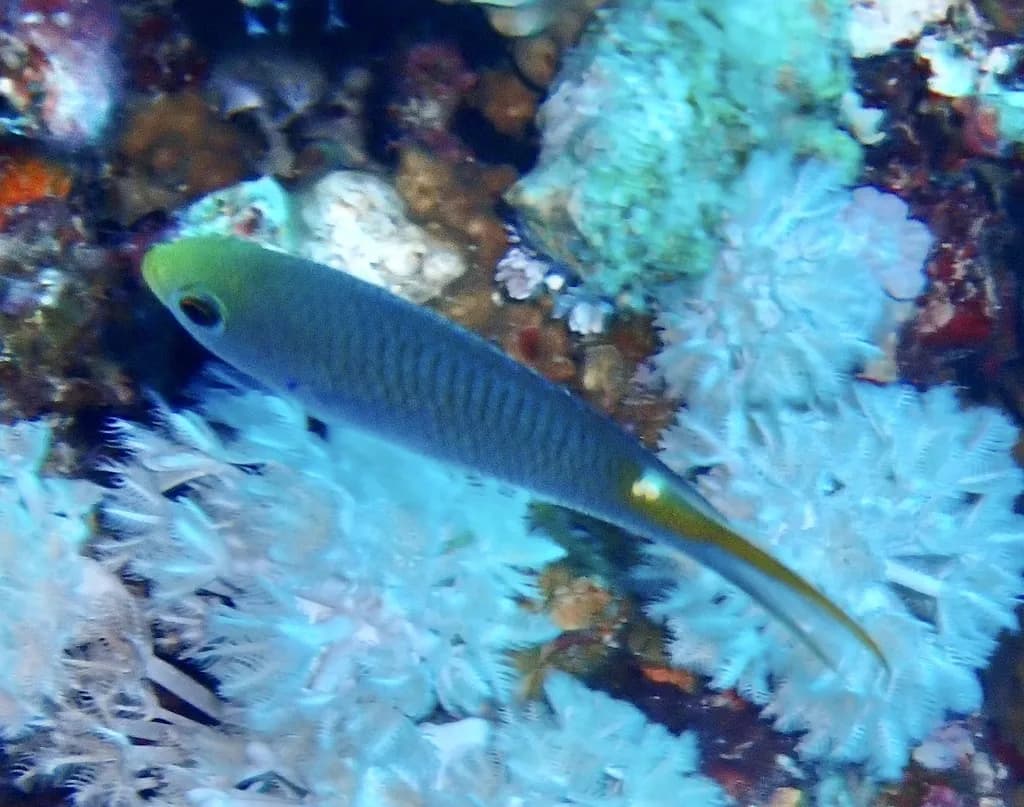
Arabian Damsel
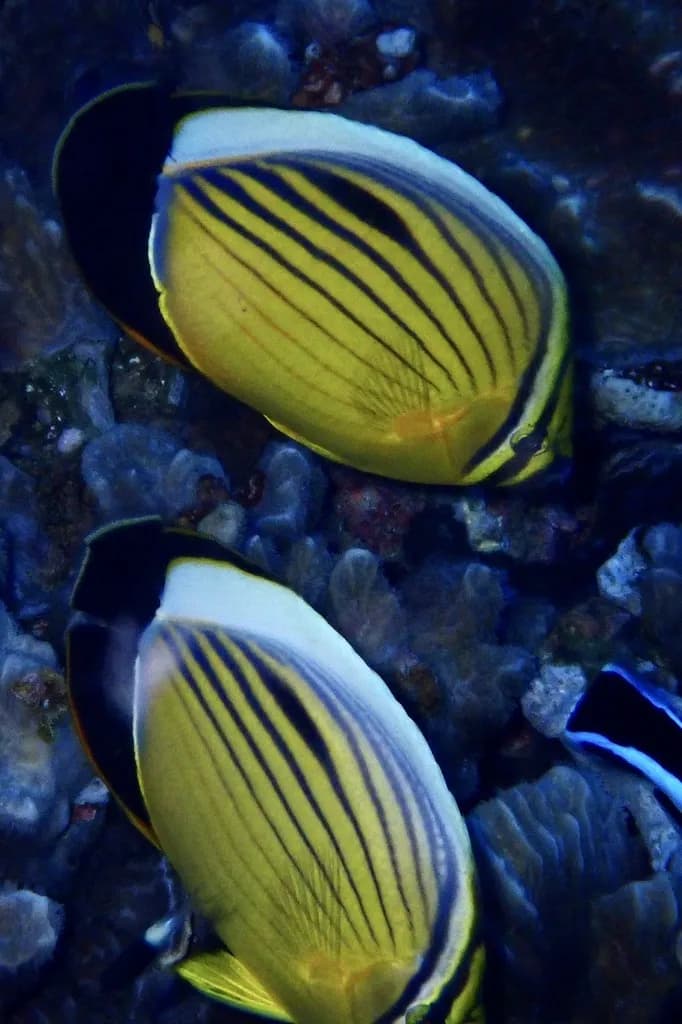
Butterflyfish
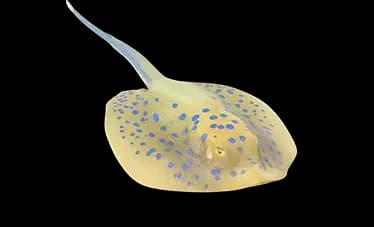
Blue Spotted Stingray
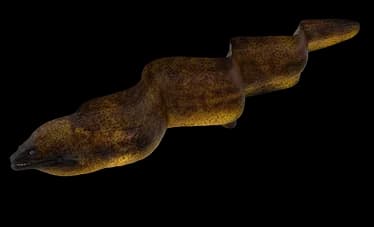
Moray Eel
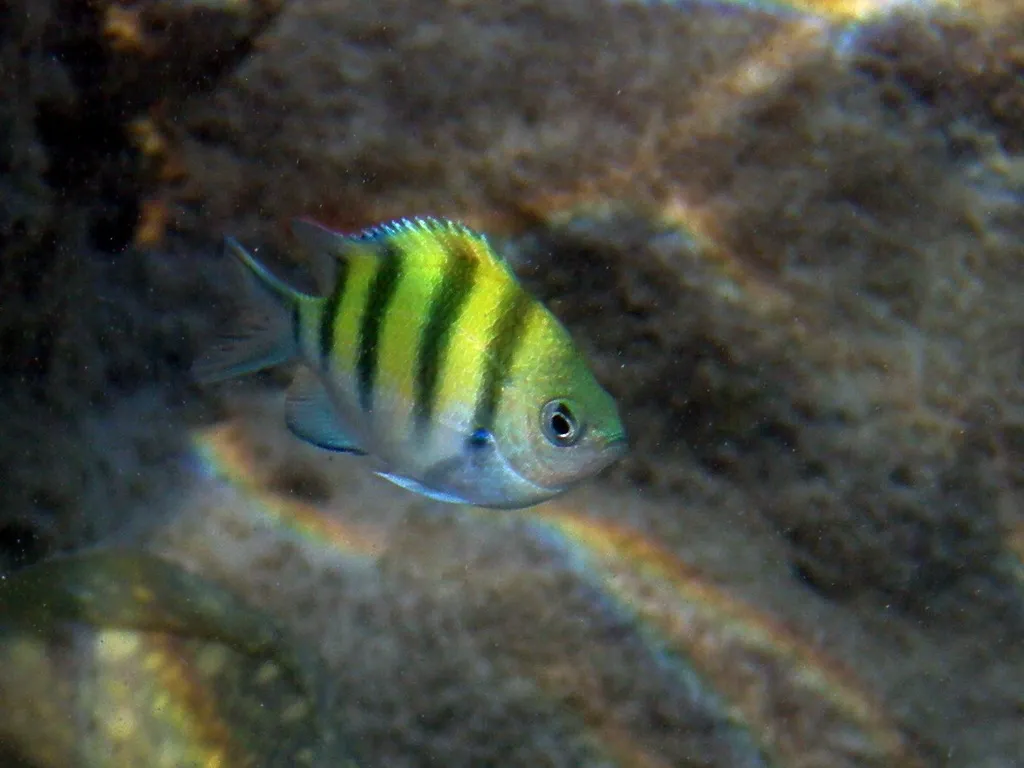
Sergeant Major
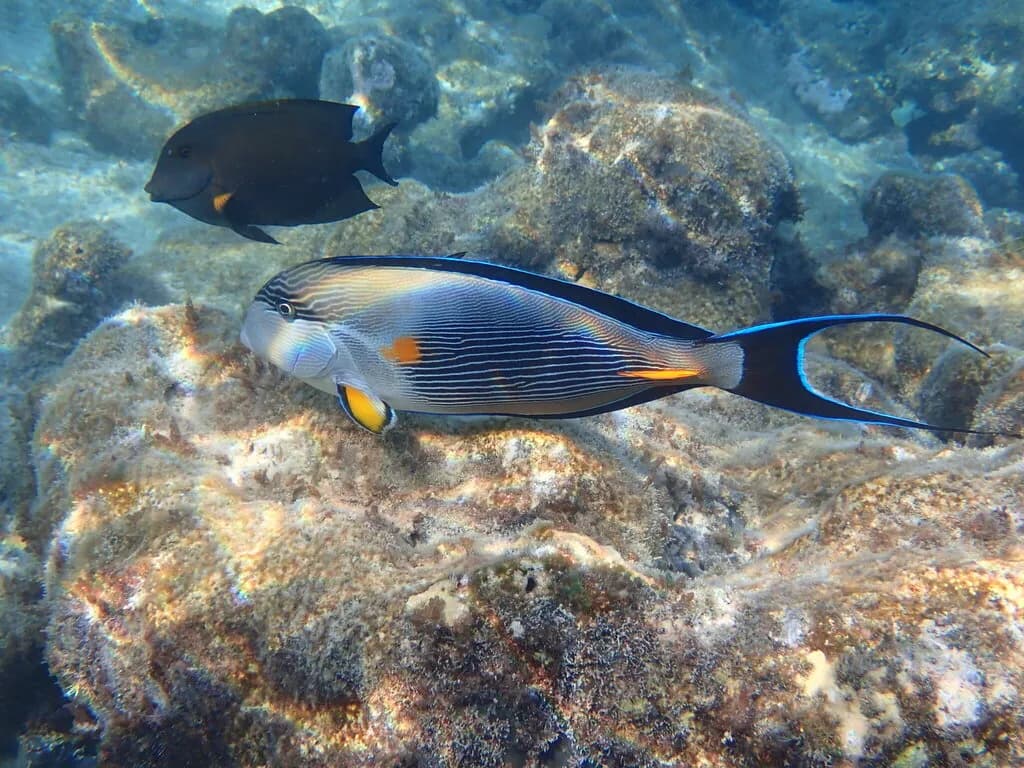
Doctor Fish
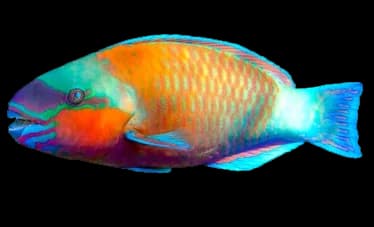
Parrotfish
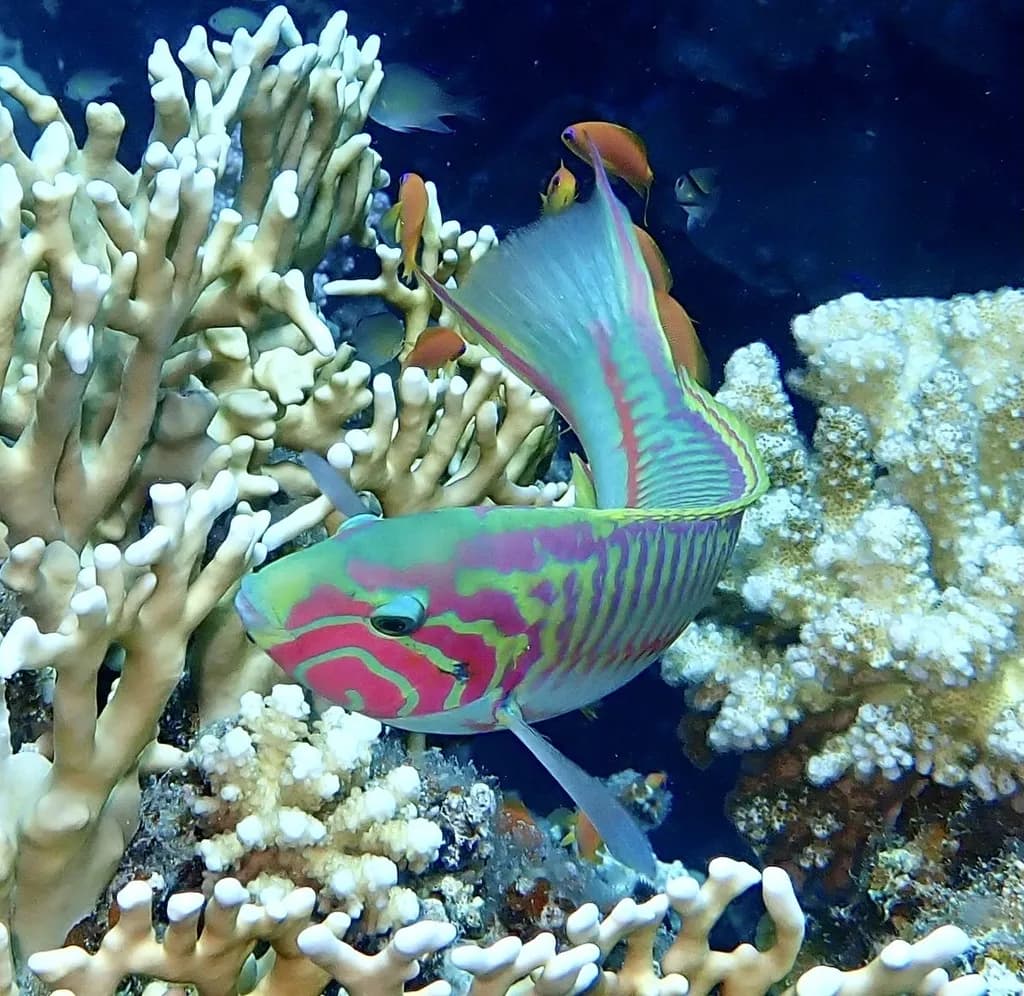
Klunzinger's Wrasse
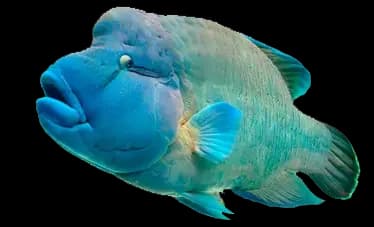
Napoleon Wrasse
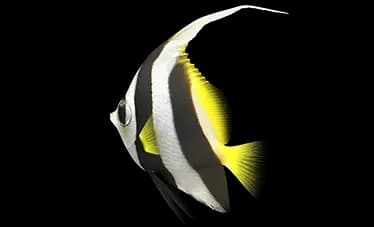
Bannerfish
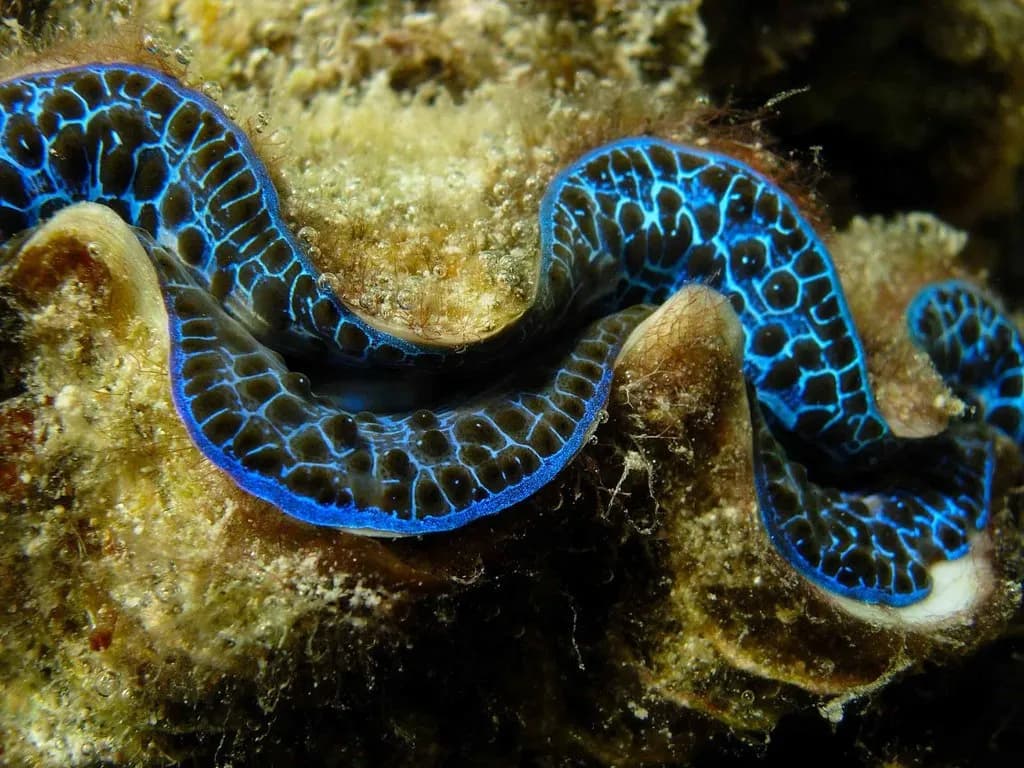
Snails
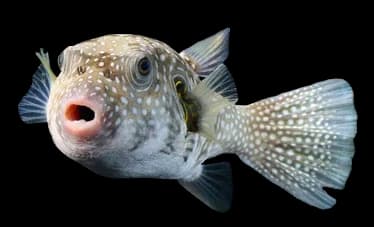
Pufferfish
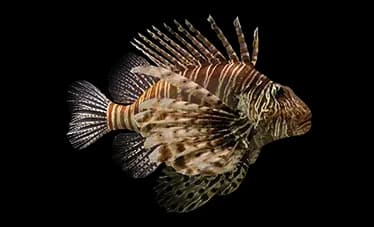
Lionfish
Blackside Hawkfish
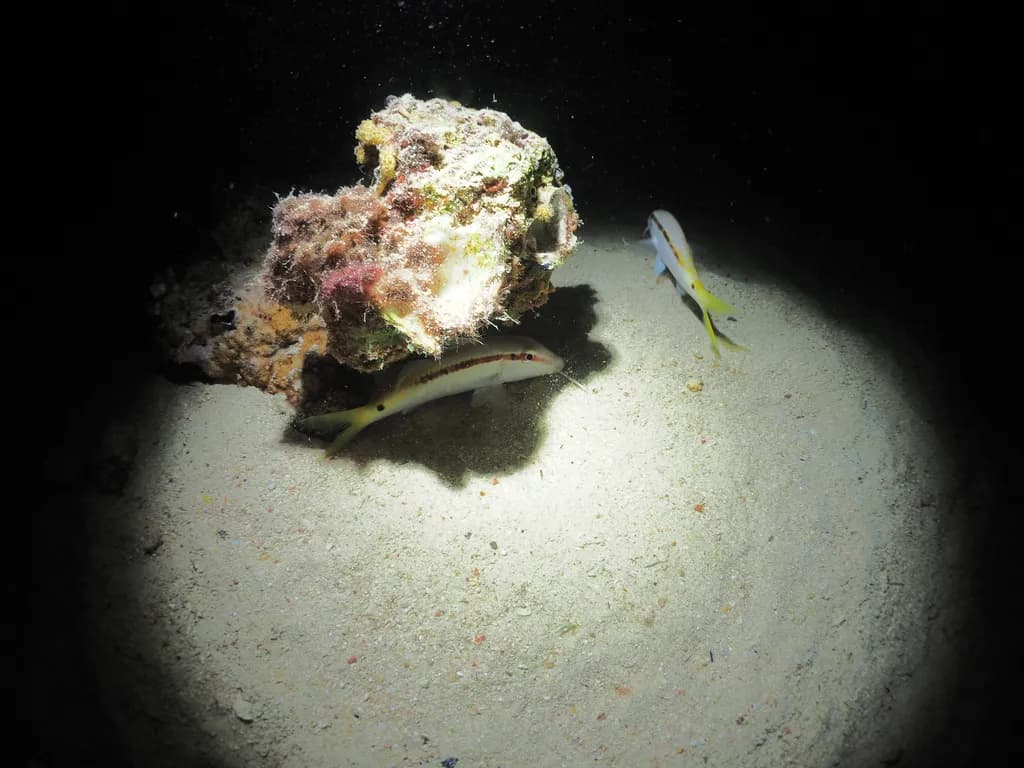
Goatfish
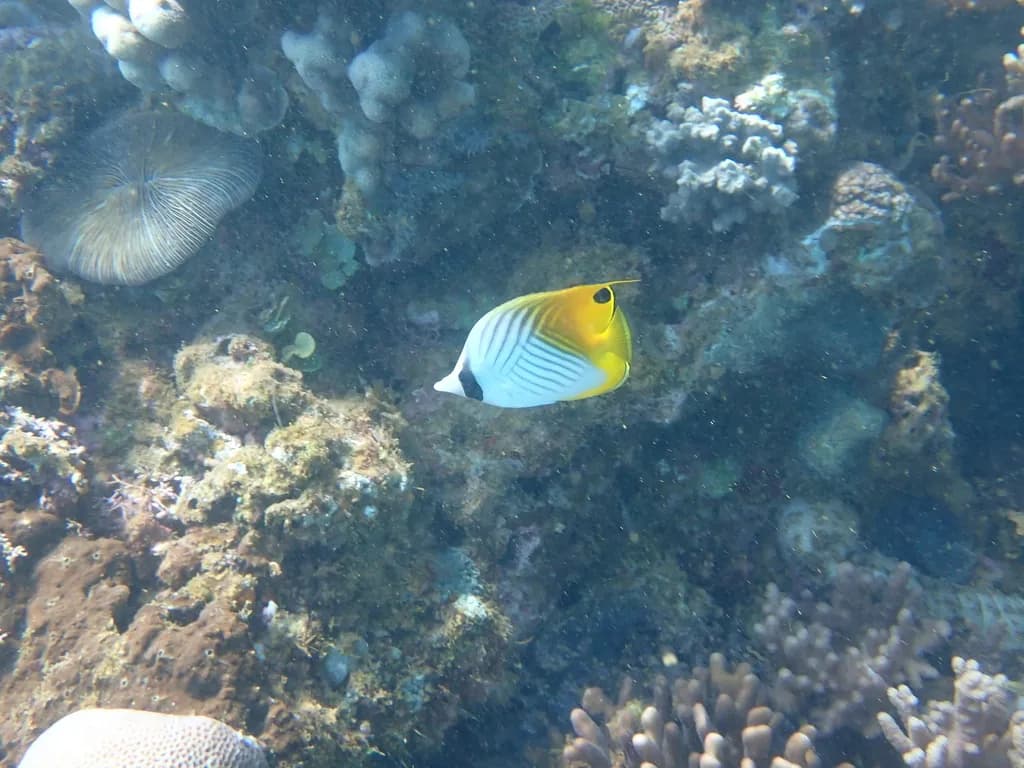
Threadfin Butterflyfish
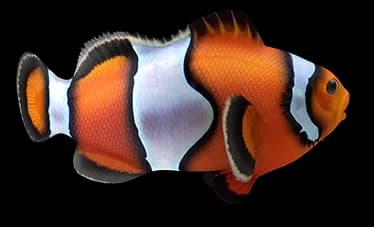
Clownfish
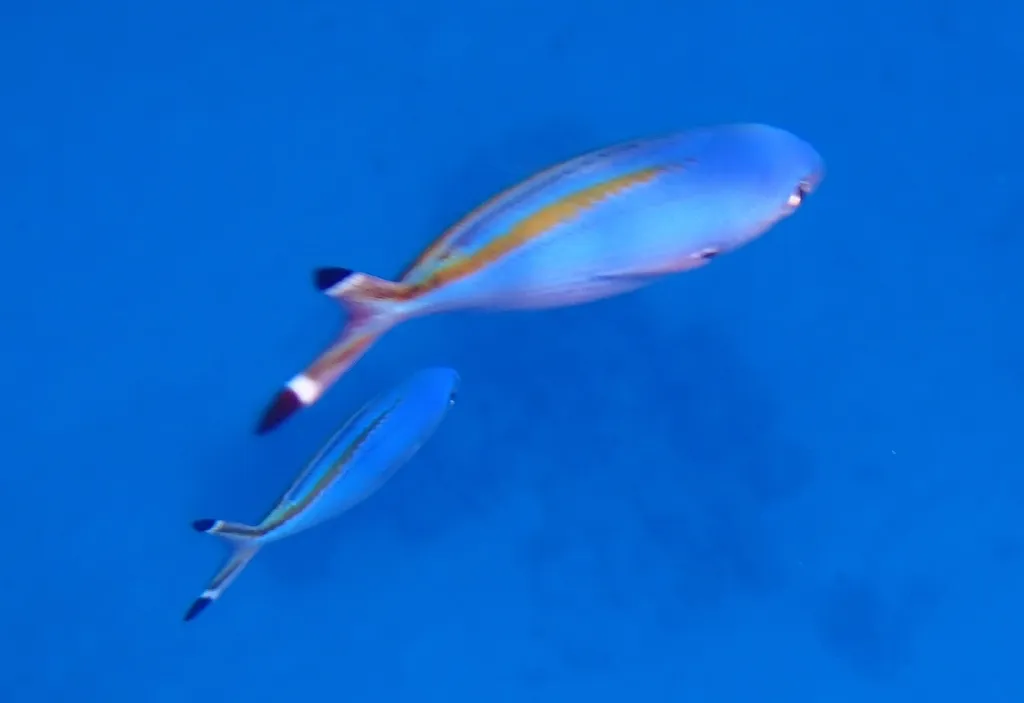
Fusilier
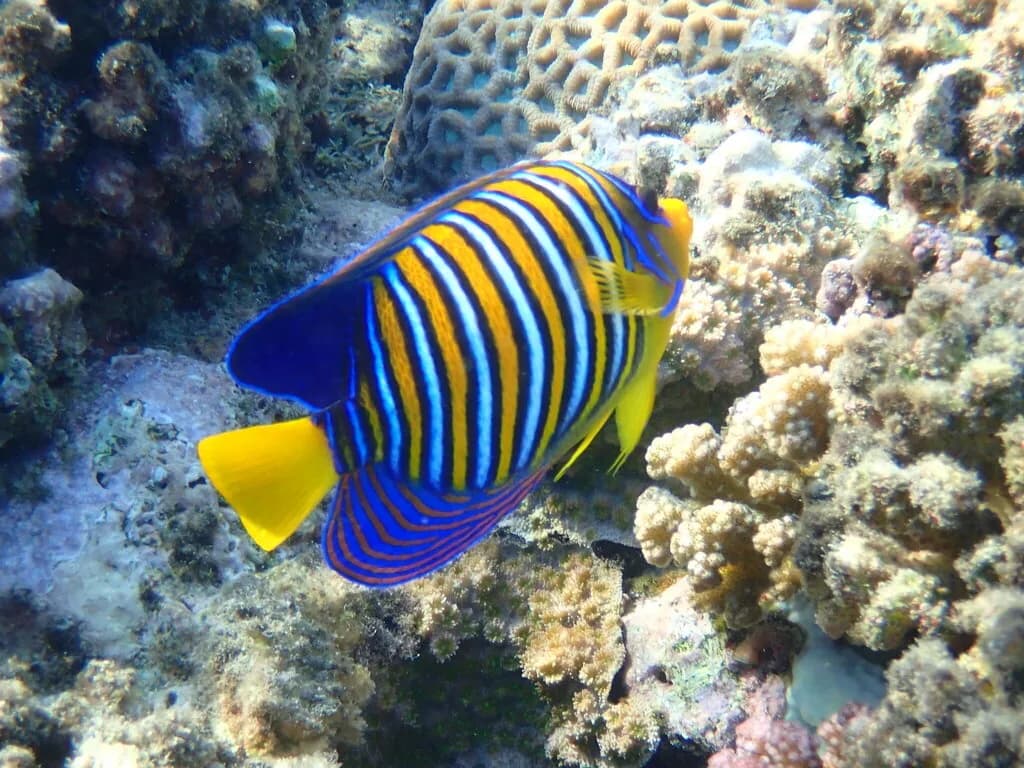
Regal Angelfish
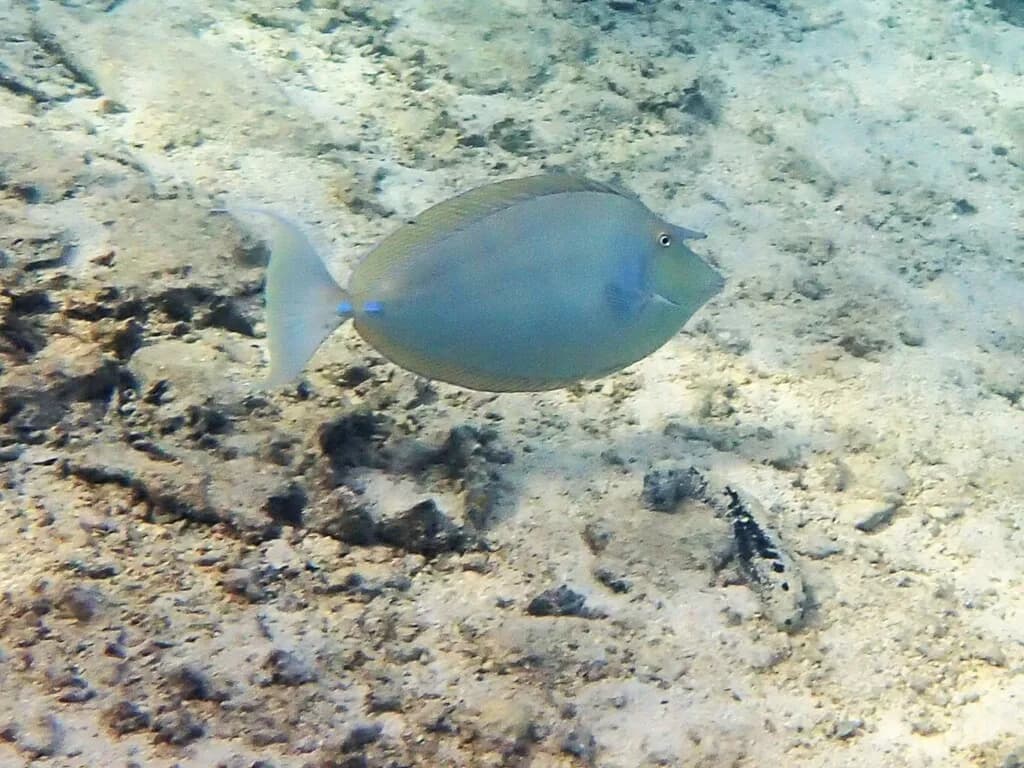
Unicorn Fish
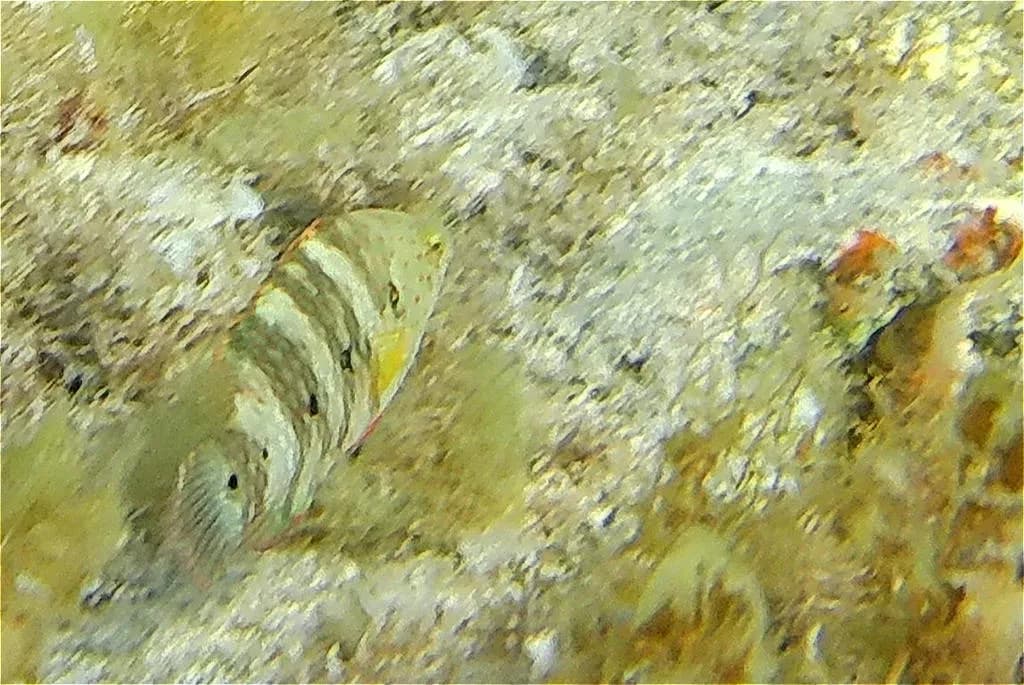
Splendour Wrasse
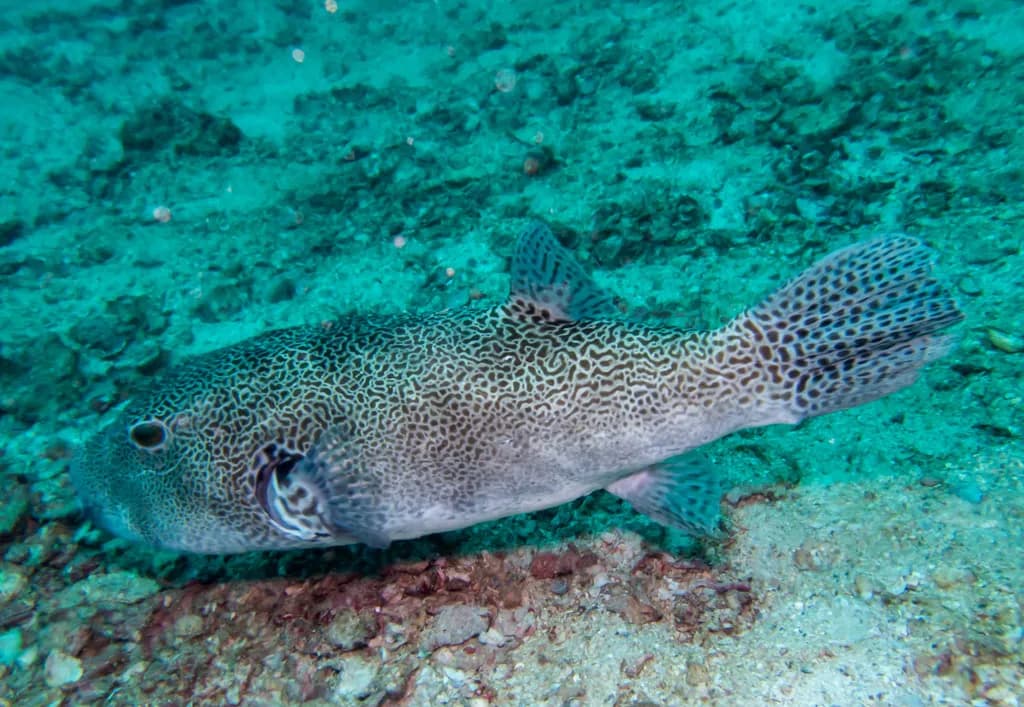
Starry Pufferfish
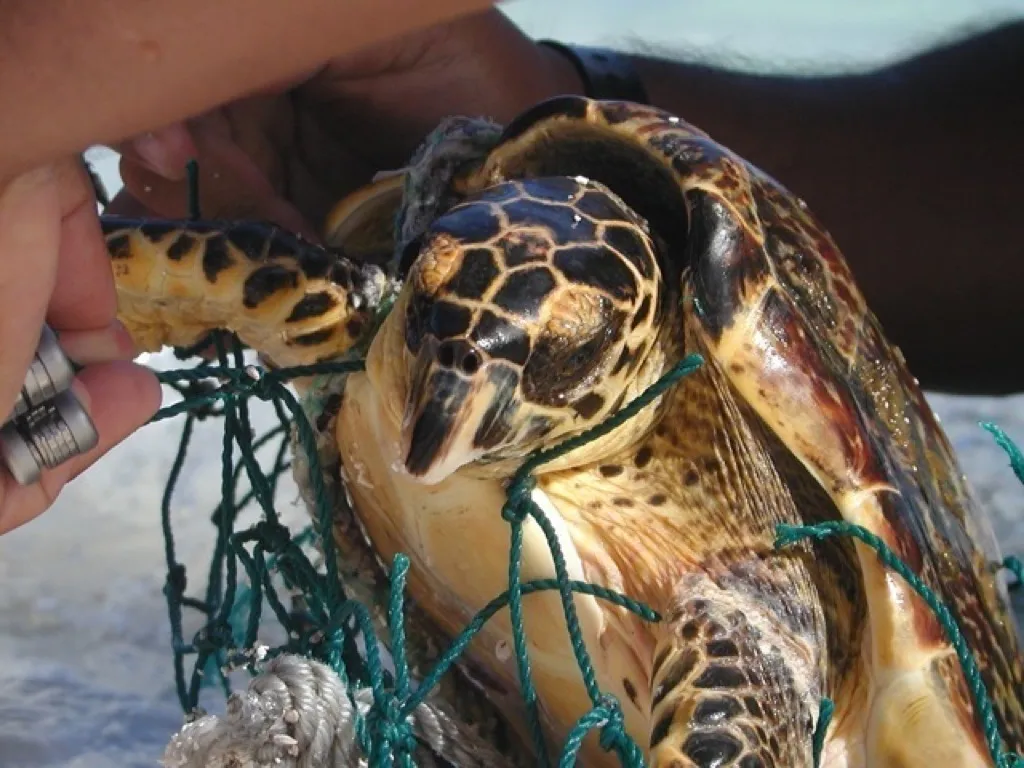
Hawksbill Turtle
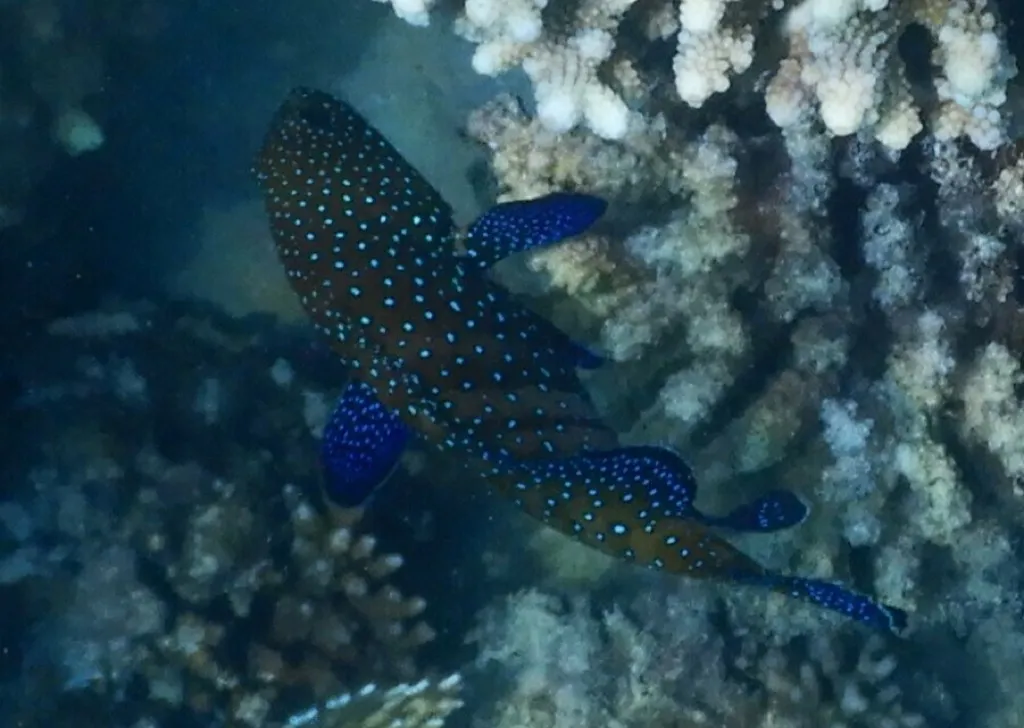
Peacock Grouper
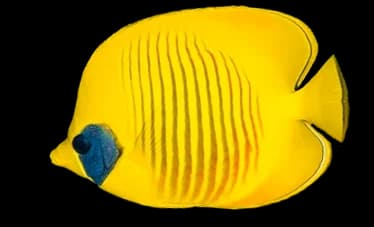
Masked Butterflyfish
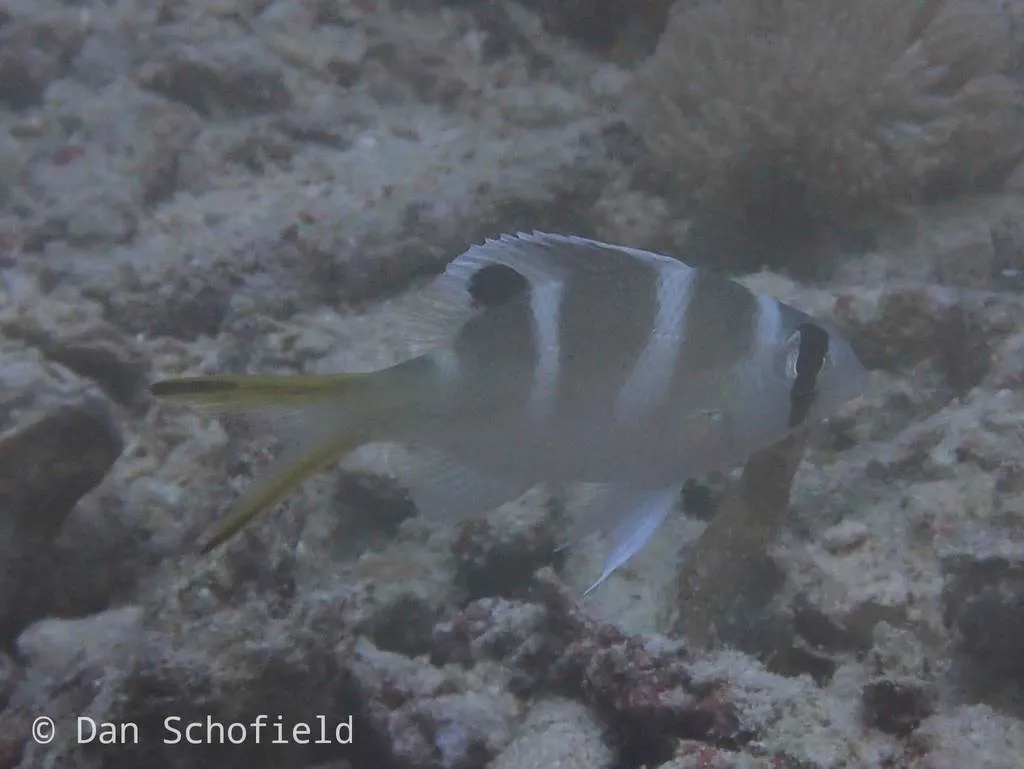
Bream
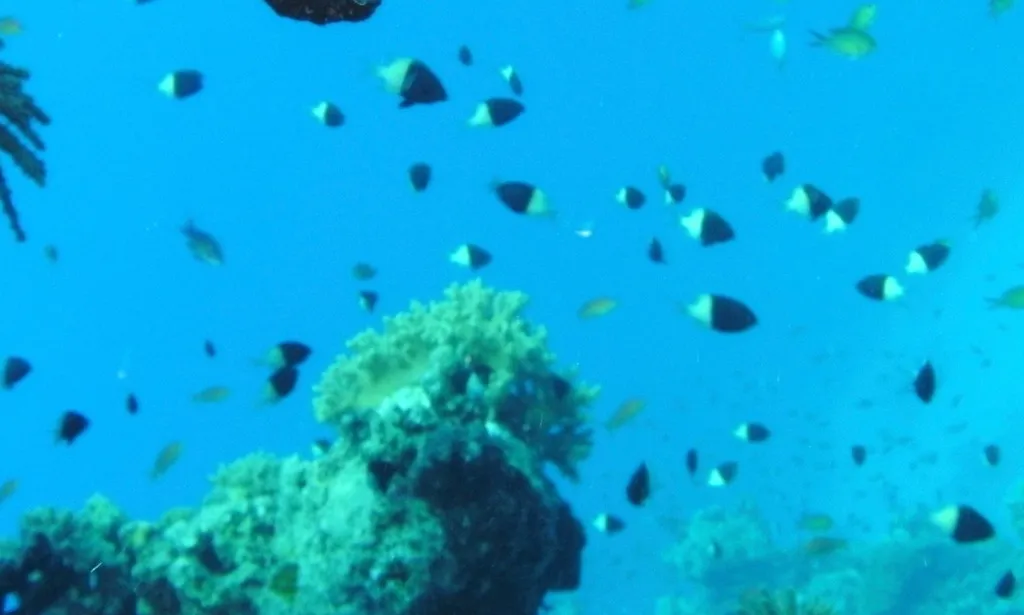
Bicolour Puller
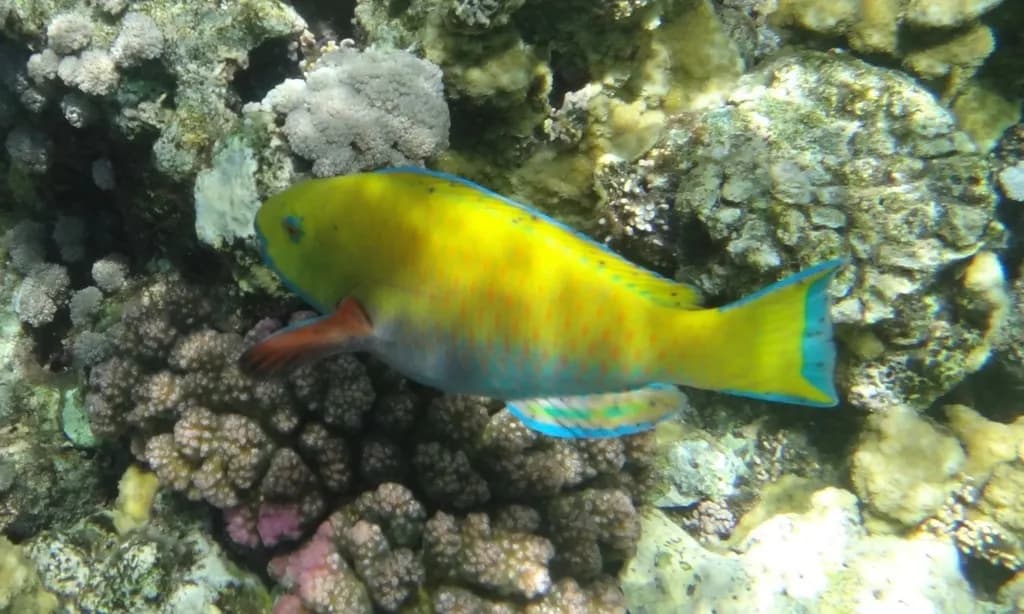
Steephead Parrotfish
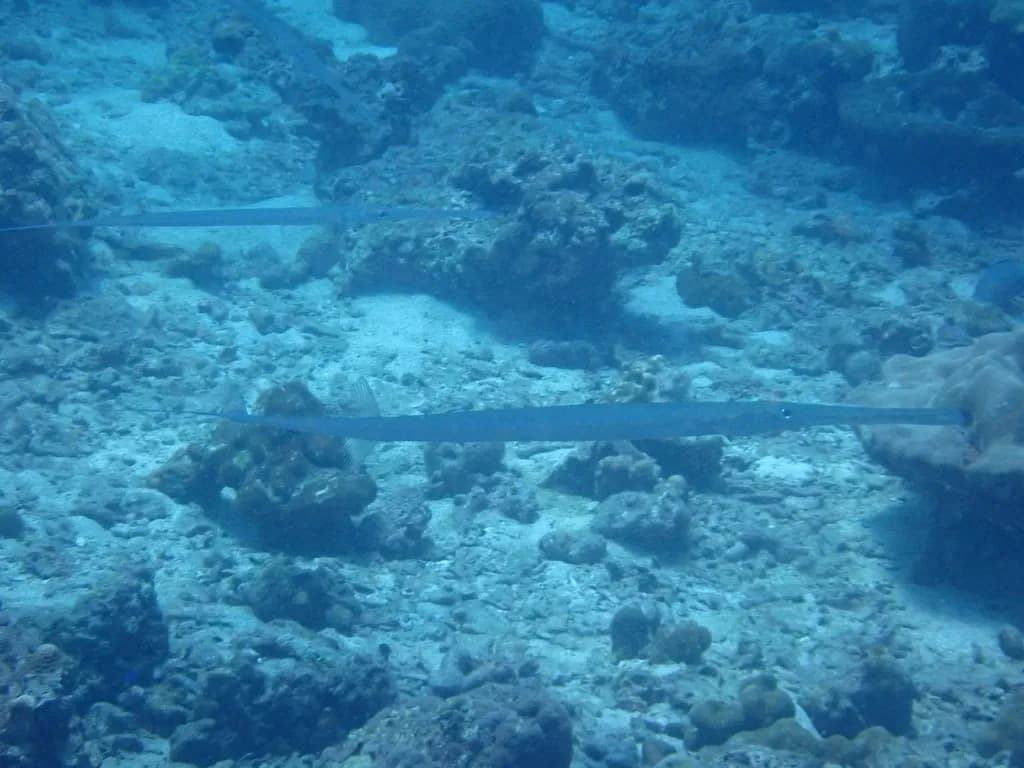
Cornetfish
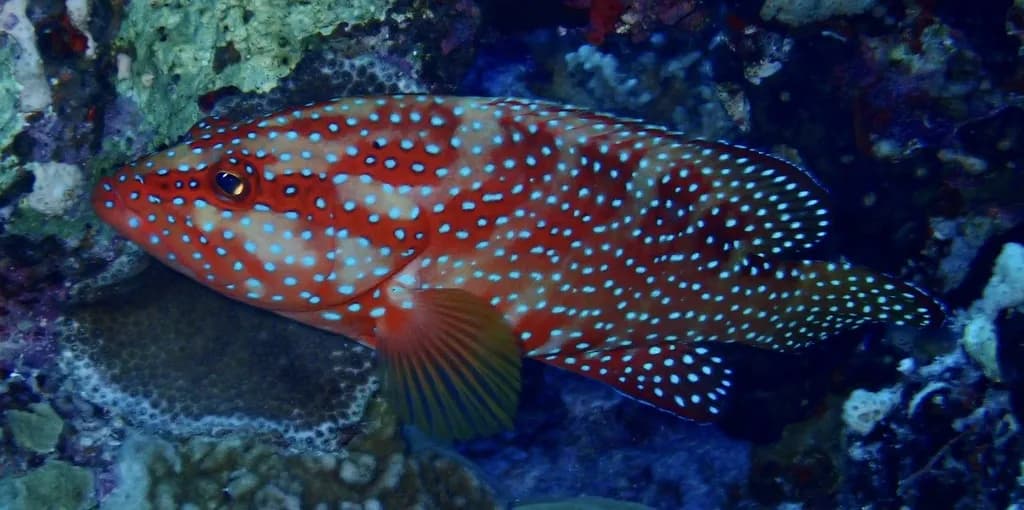
Coral Grouper

Trevally
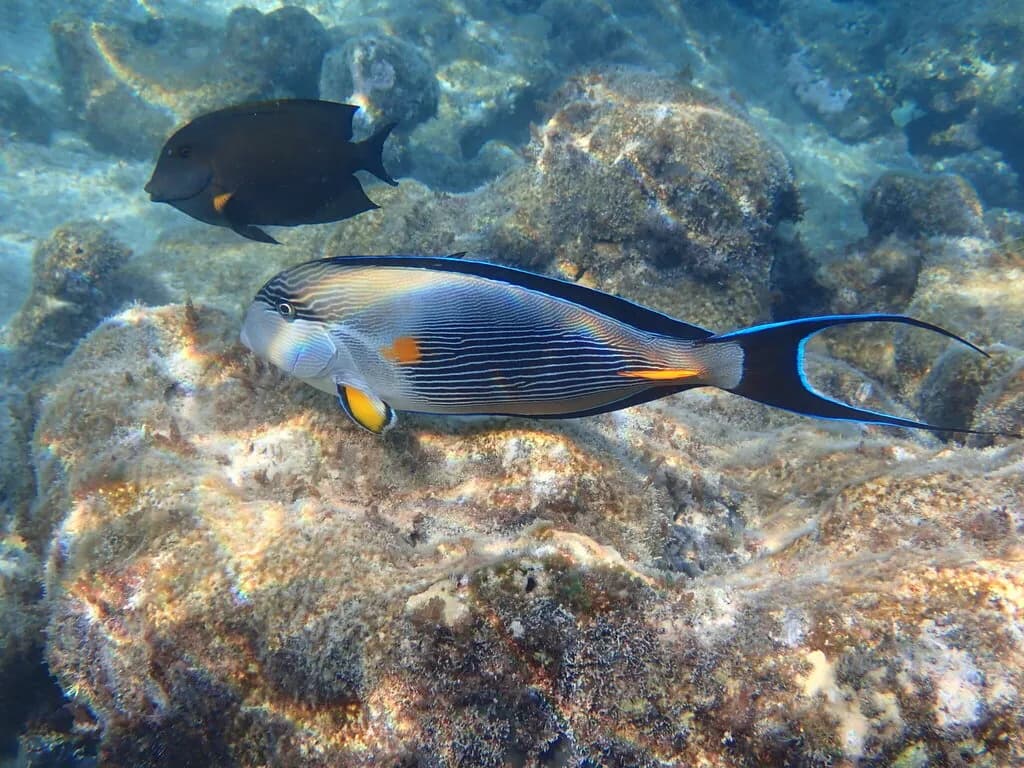
Surgeonfish
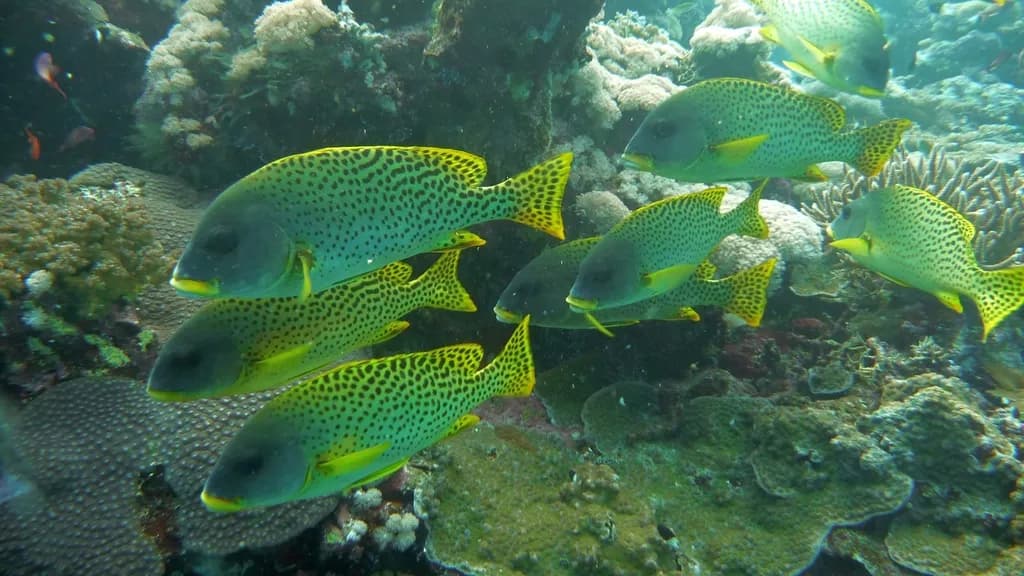
Sweetlip
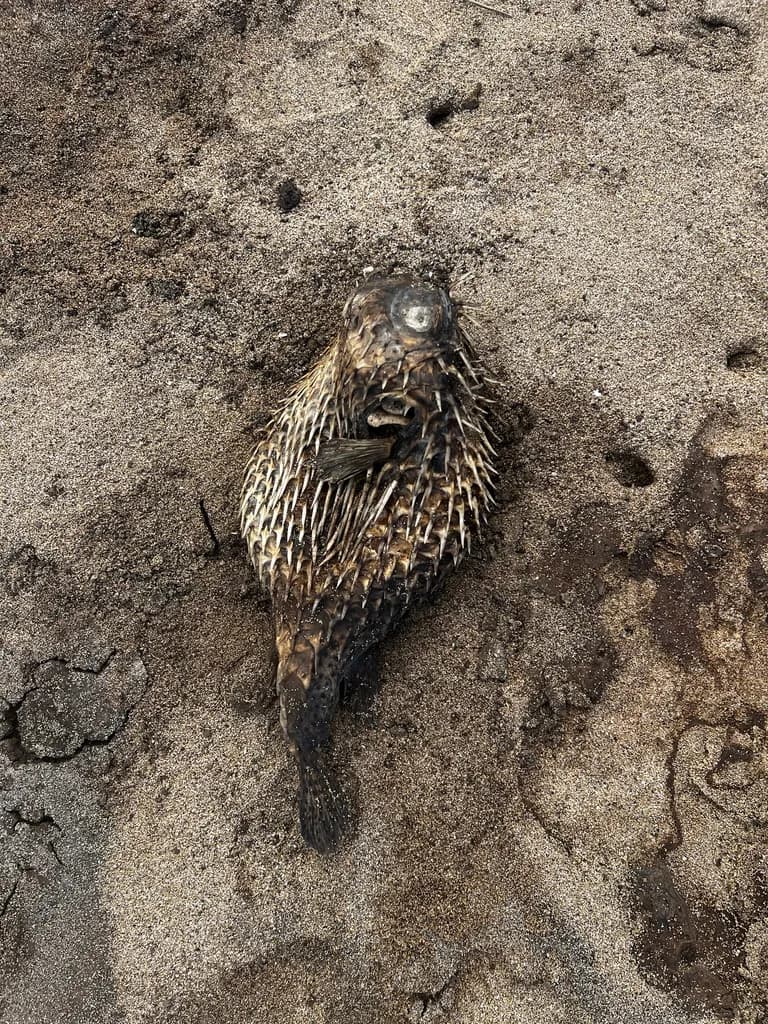
Porcupine Fish
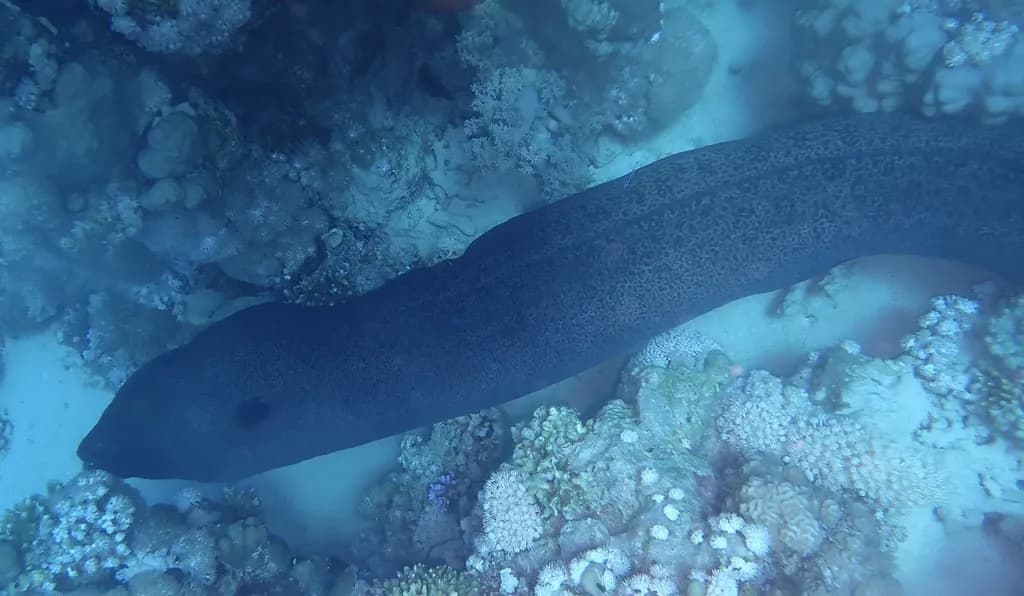
Eel
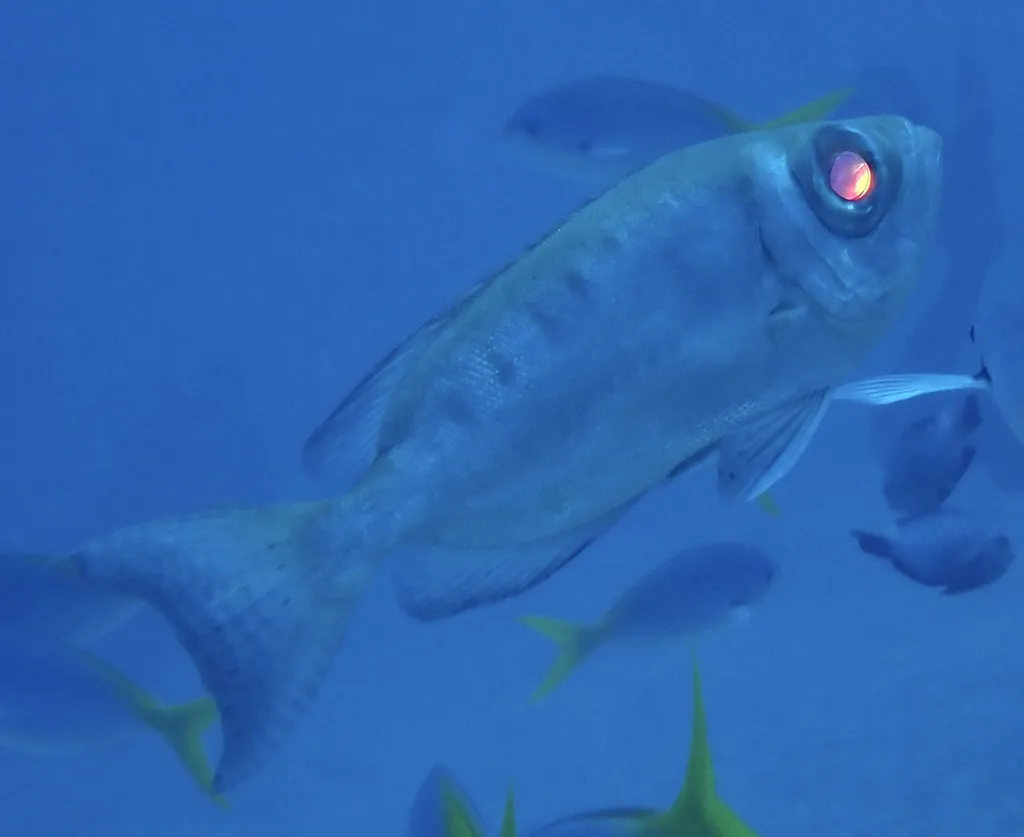
Bigeye
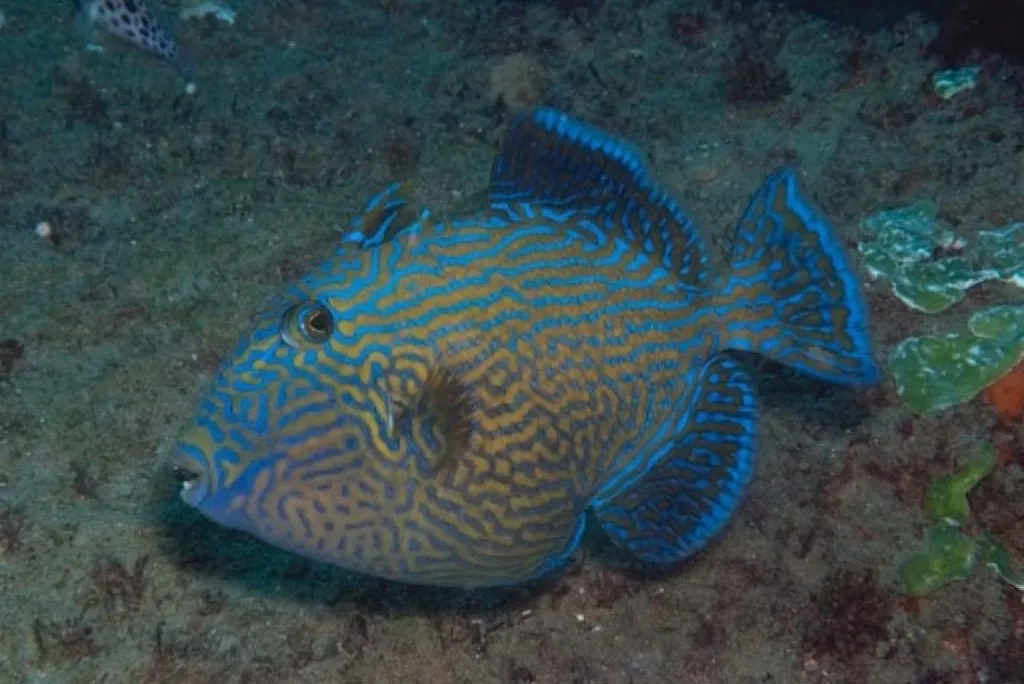
Blue Triggerfish
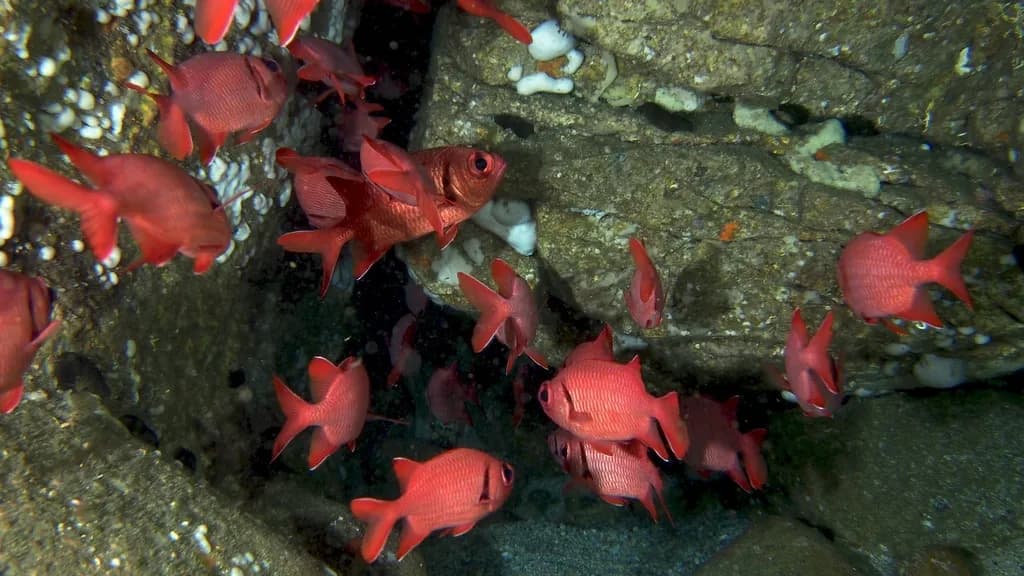
Soldierfish
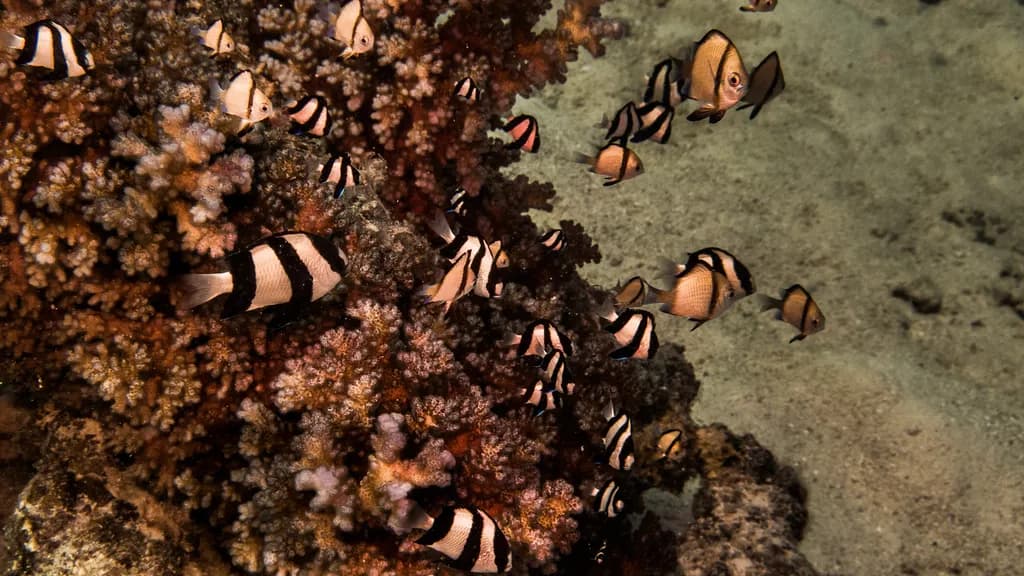
Humbug Damsel
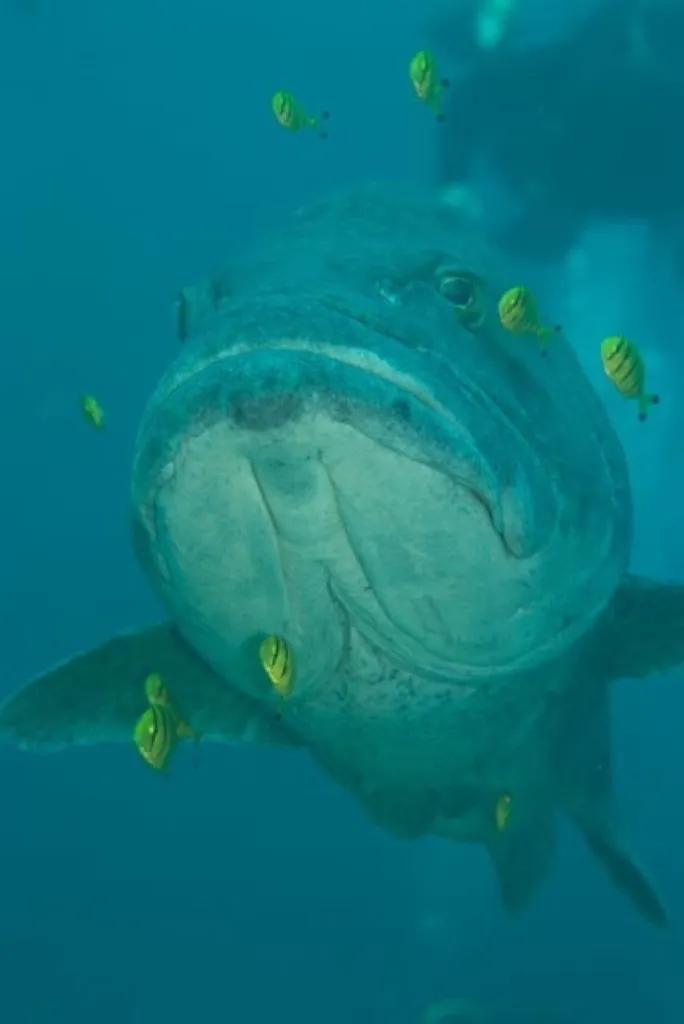
Black Grouper
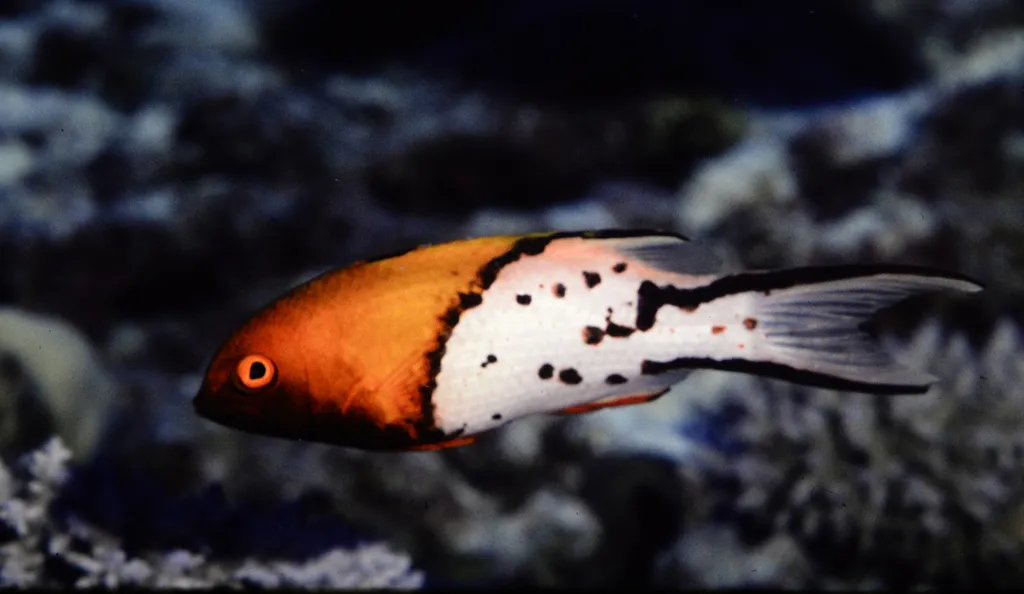
Lyretail Hogfish
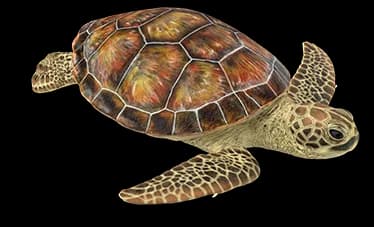
Turtle
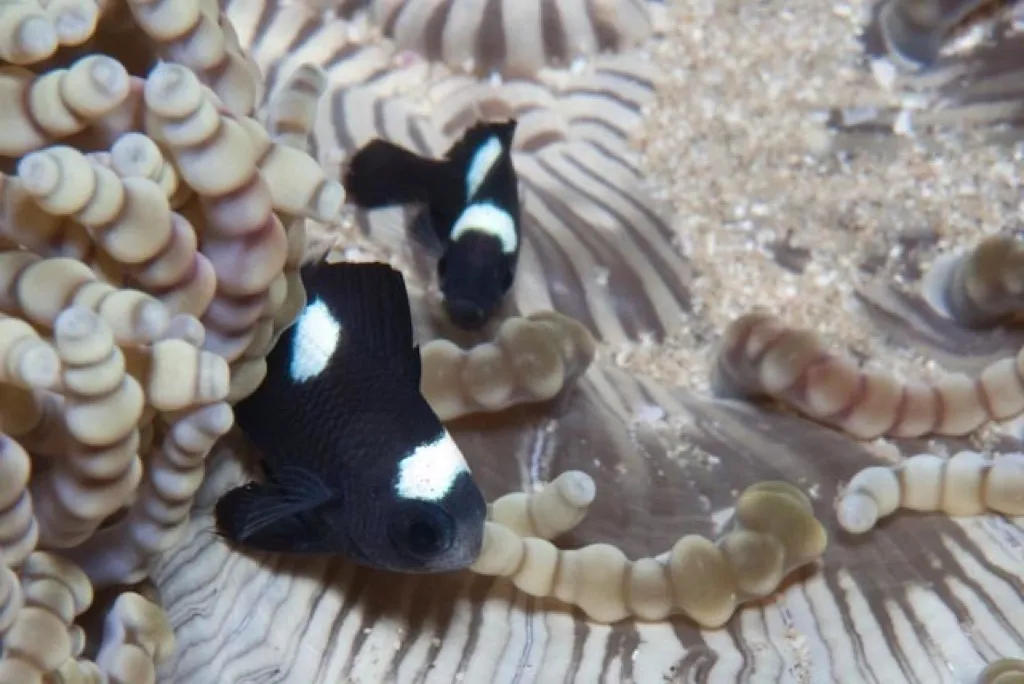
Domino Damsel
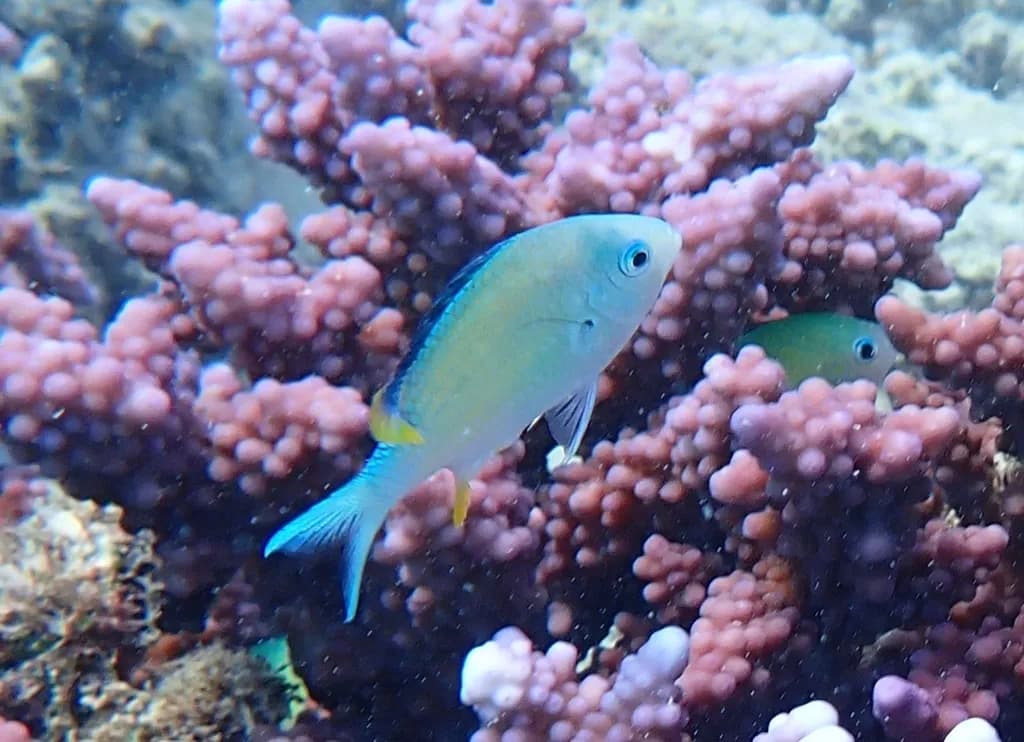
Bluegreen Puller
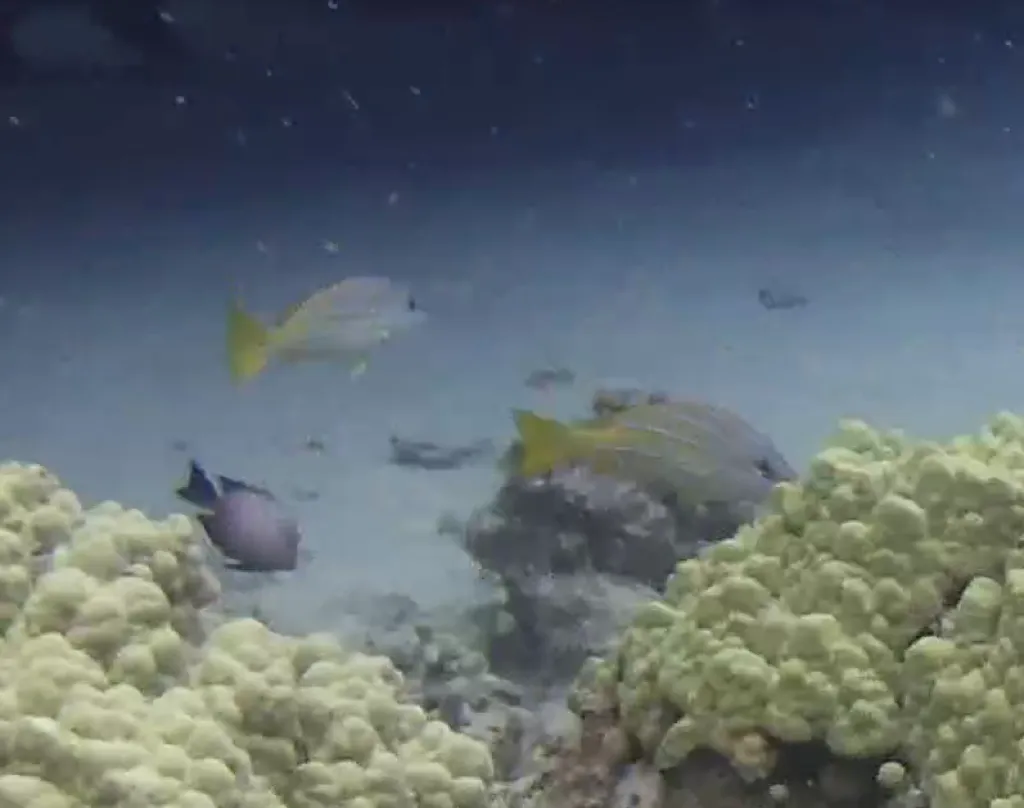
Snapper
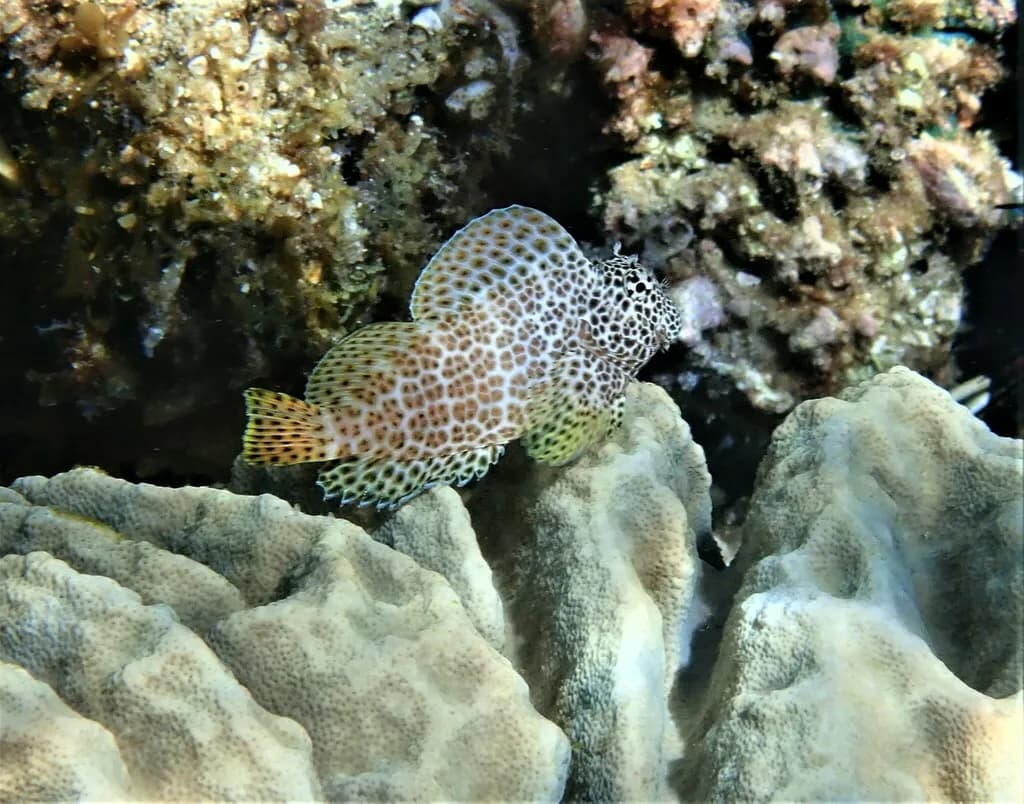
Leopard Blenny
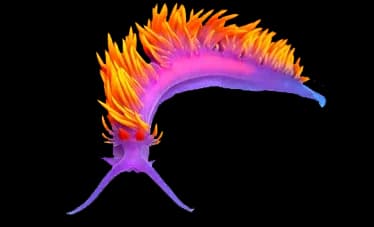
Nudibranch
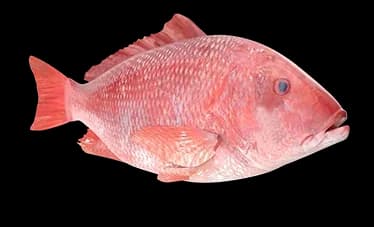
Red Snapper
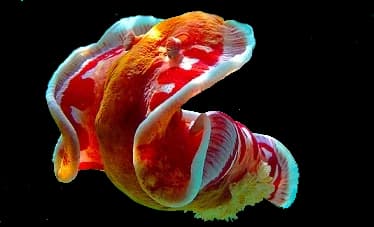
Spanish Dancer
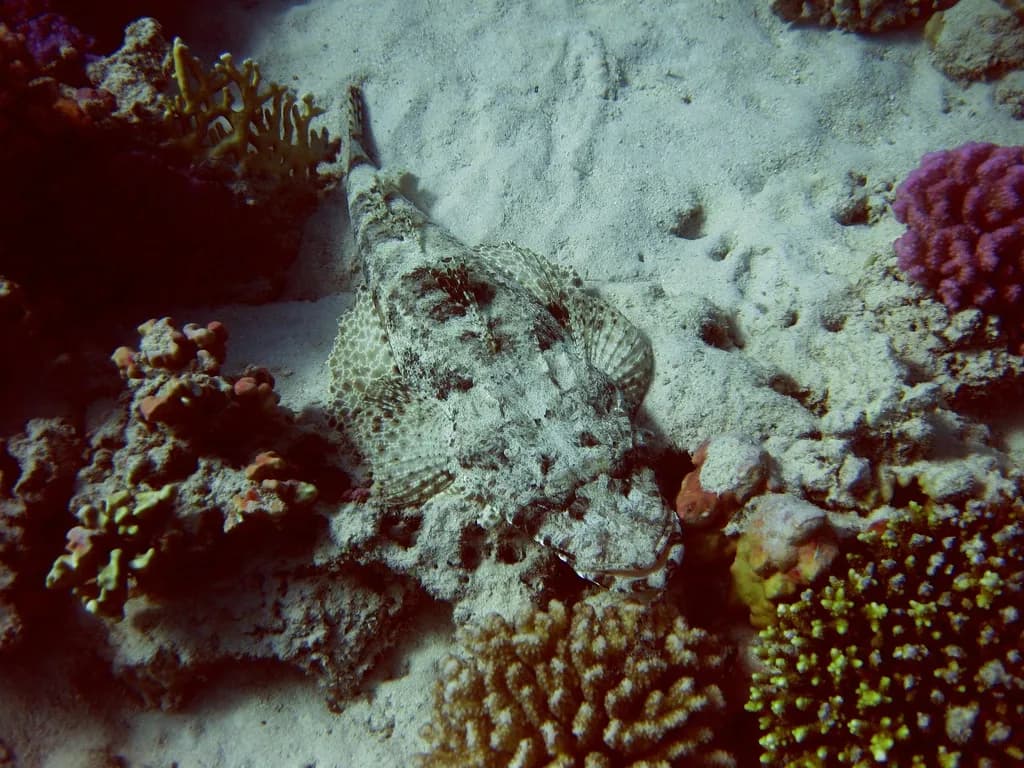
Crocodilefish
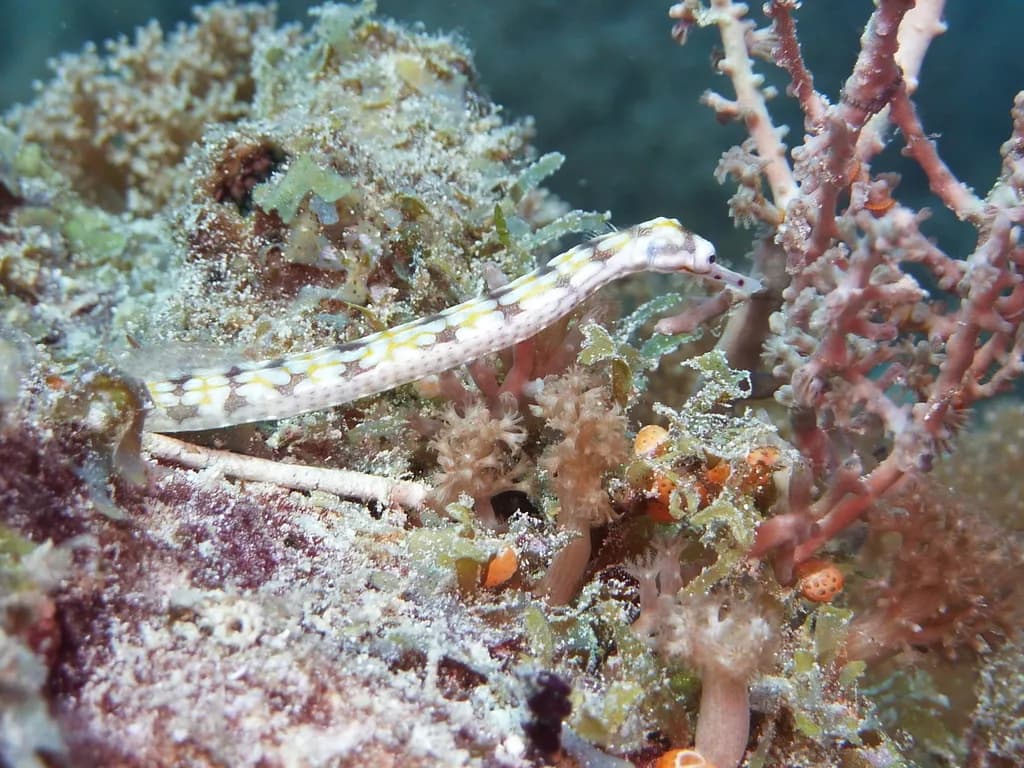
Pipefish
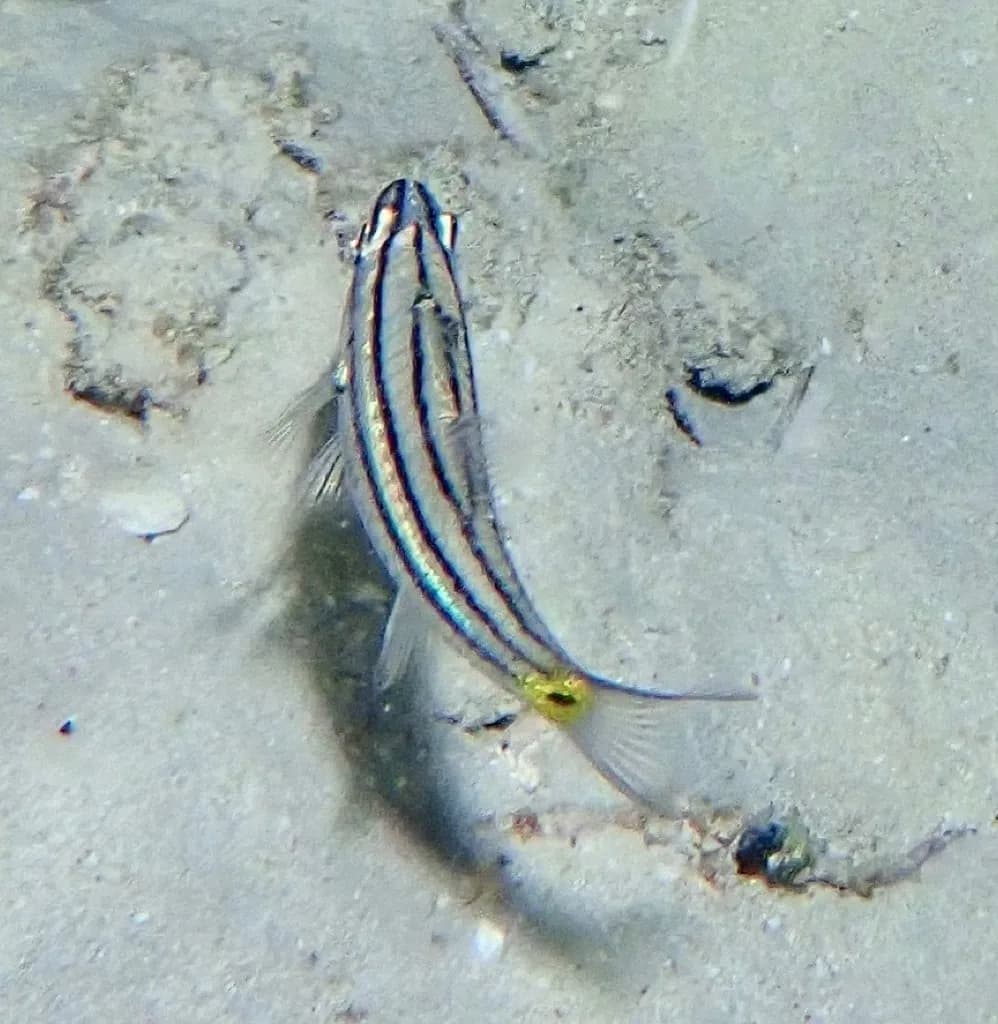
Cardinal Fish
Barracuda
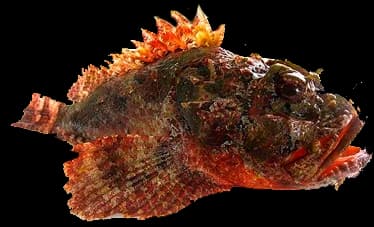
Scorpionfish
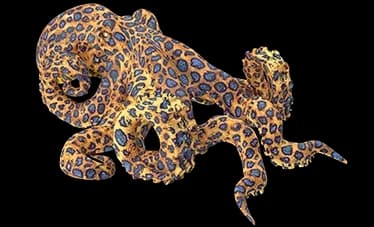
Octopus
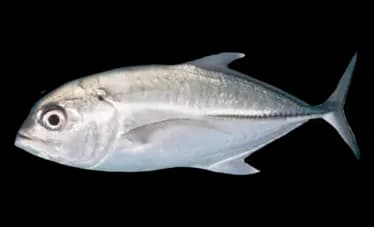
Jackfish
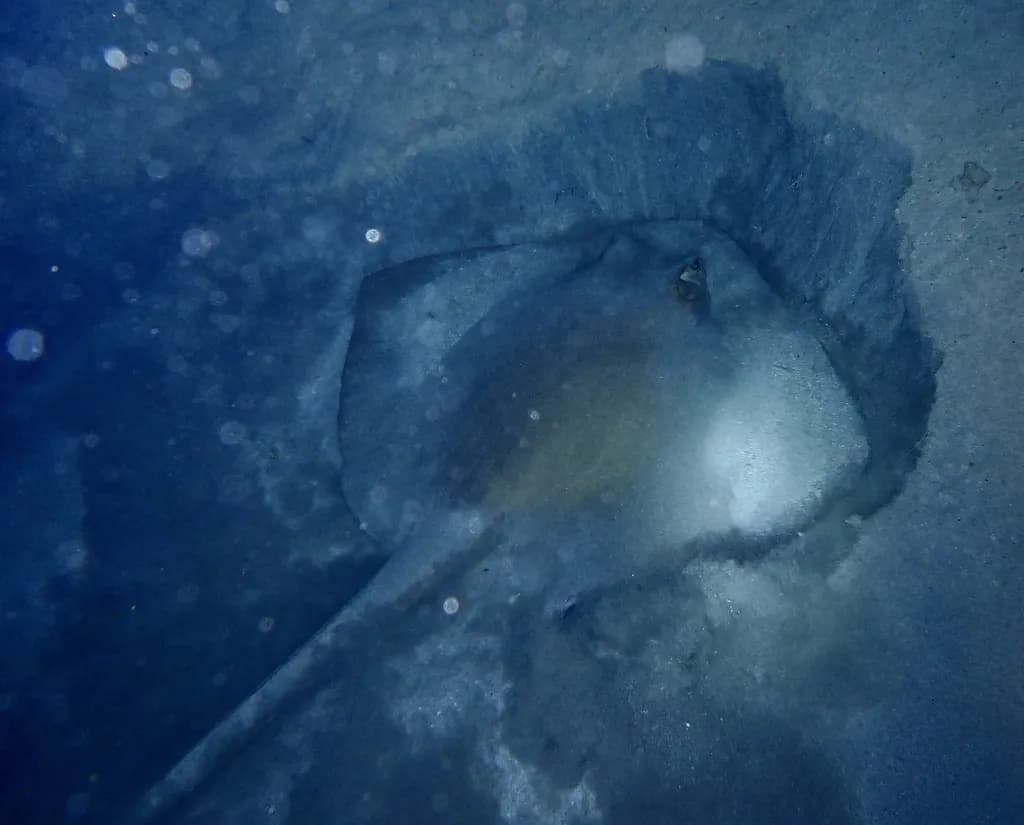
Feathertail Ray
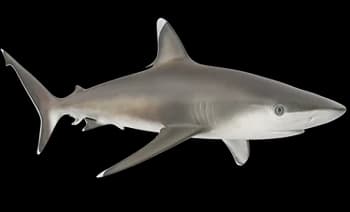
Whitetip Shark
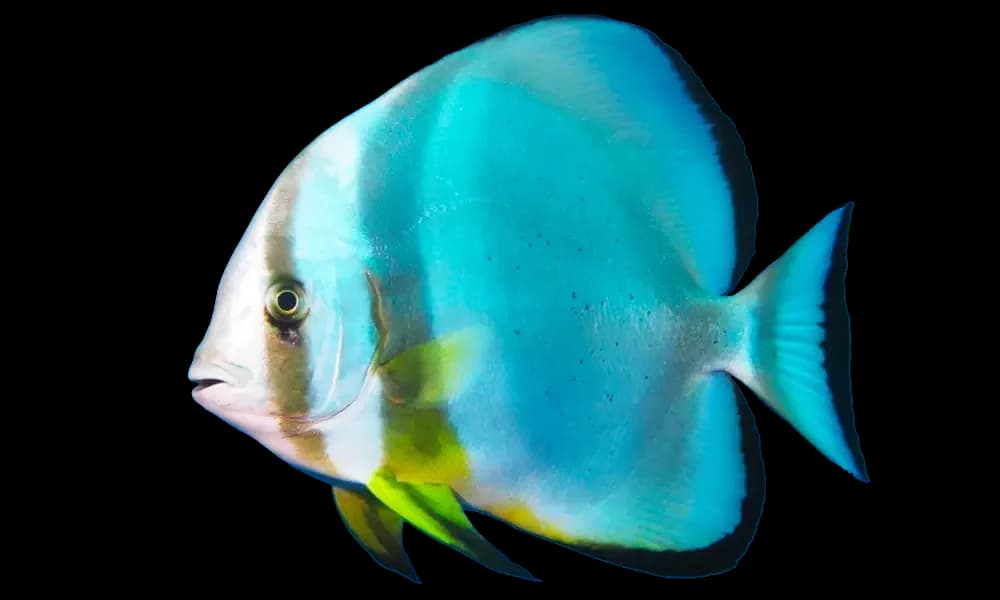
Batfish
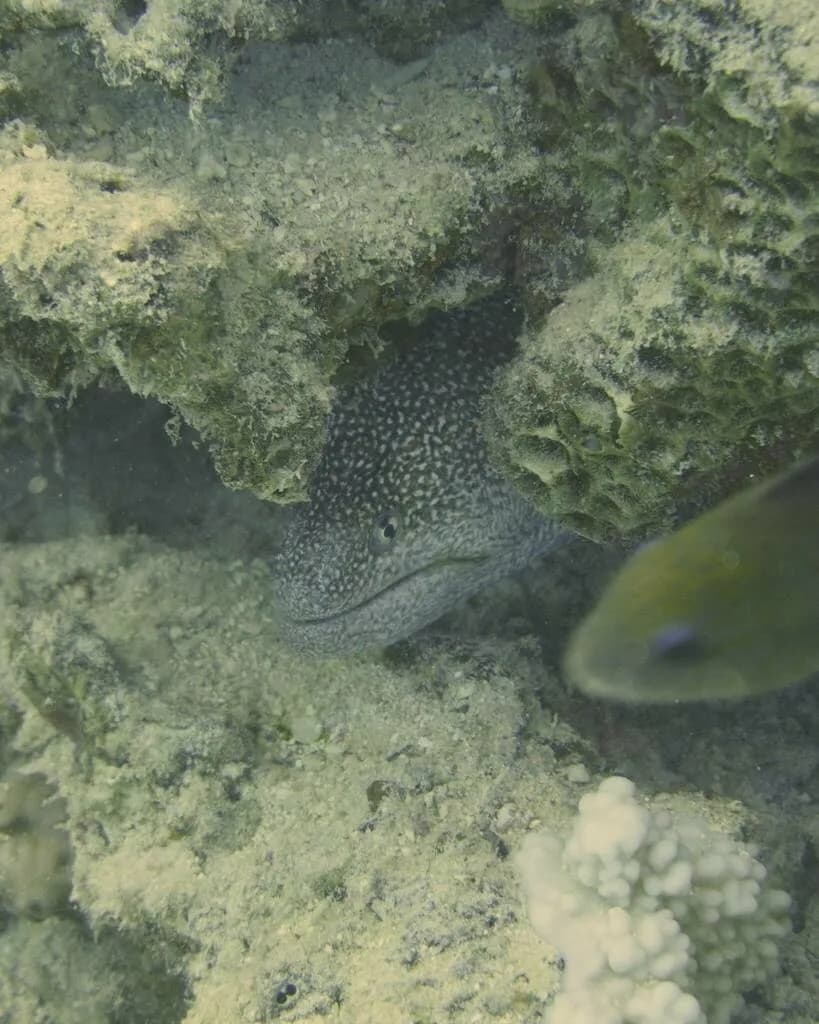
Yellowmouth Moray
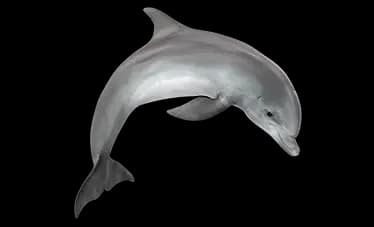
Dolphin
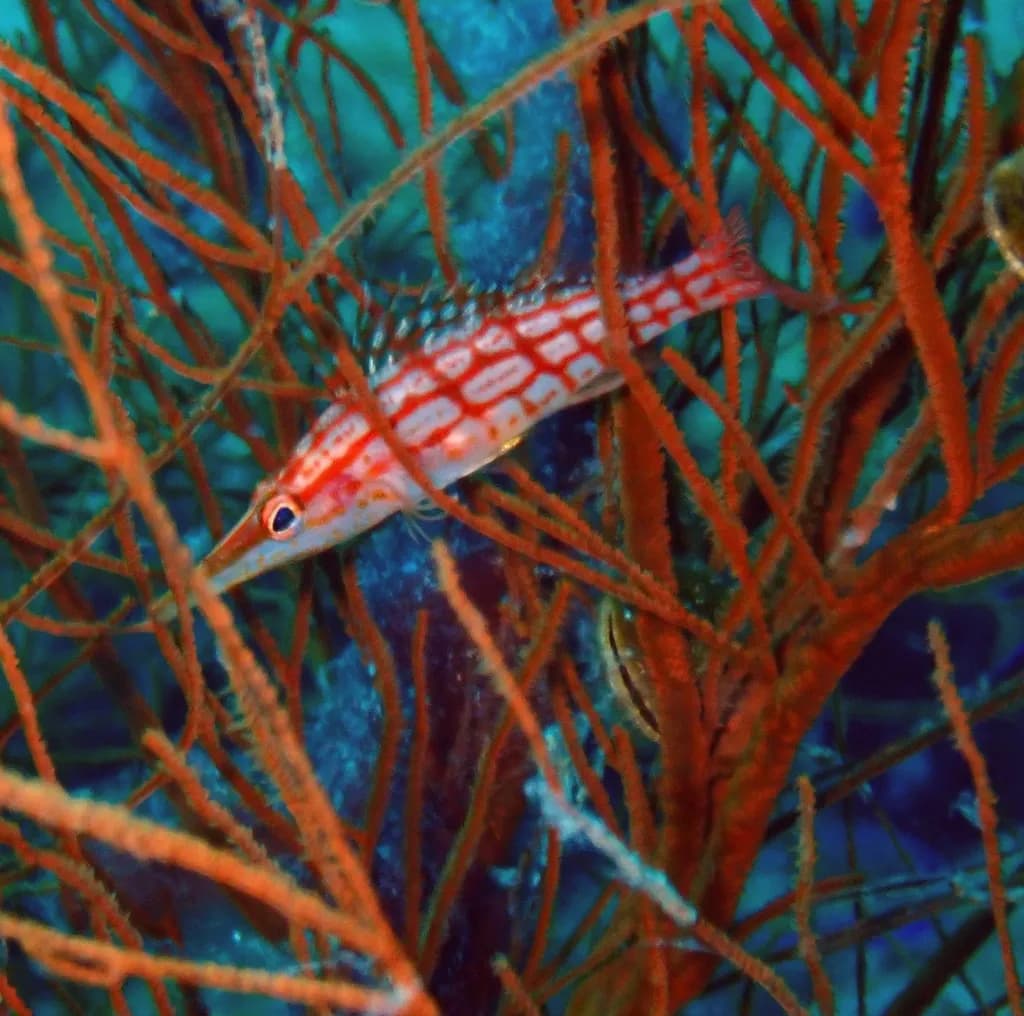
Longnose Hawkfish
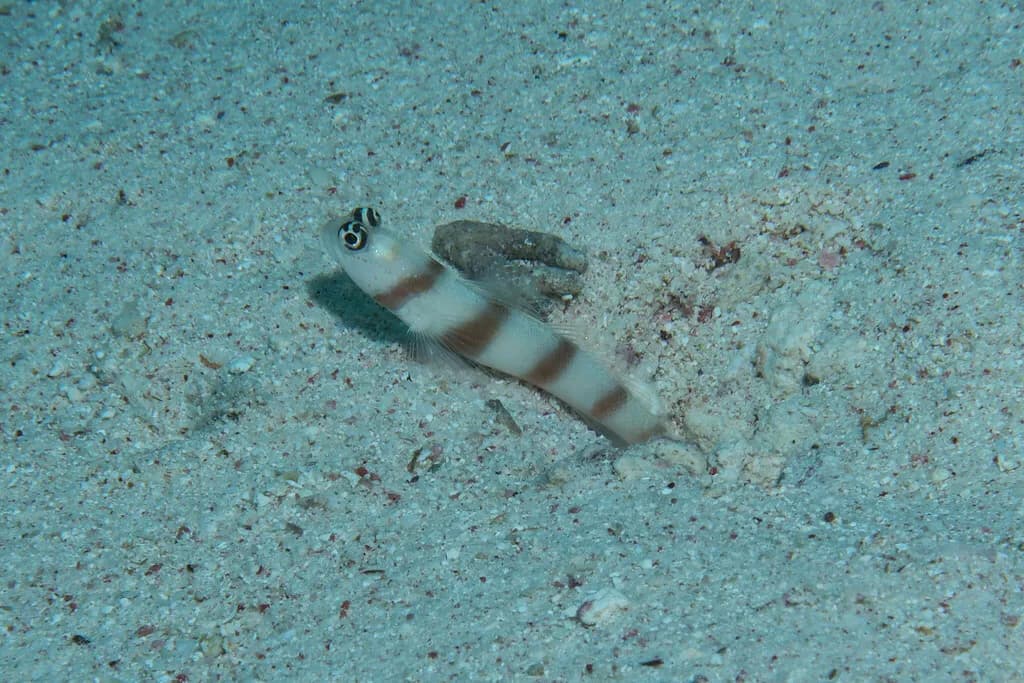
Gobie
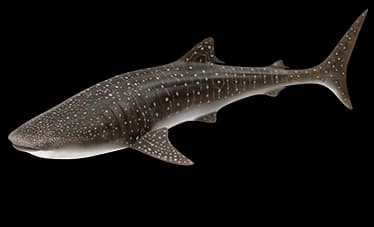
Whale Shark
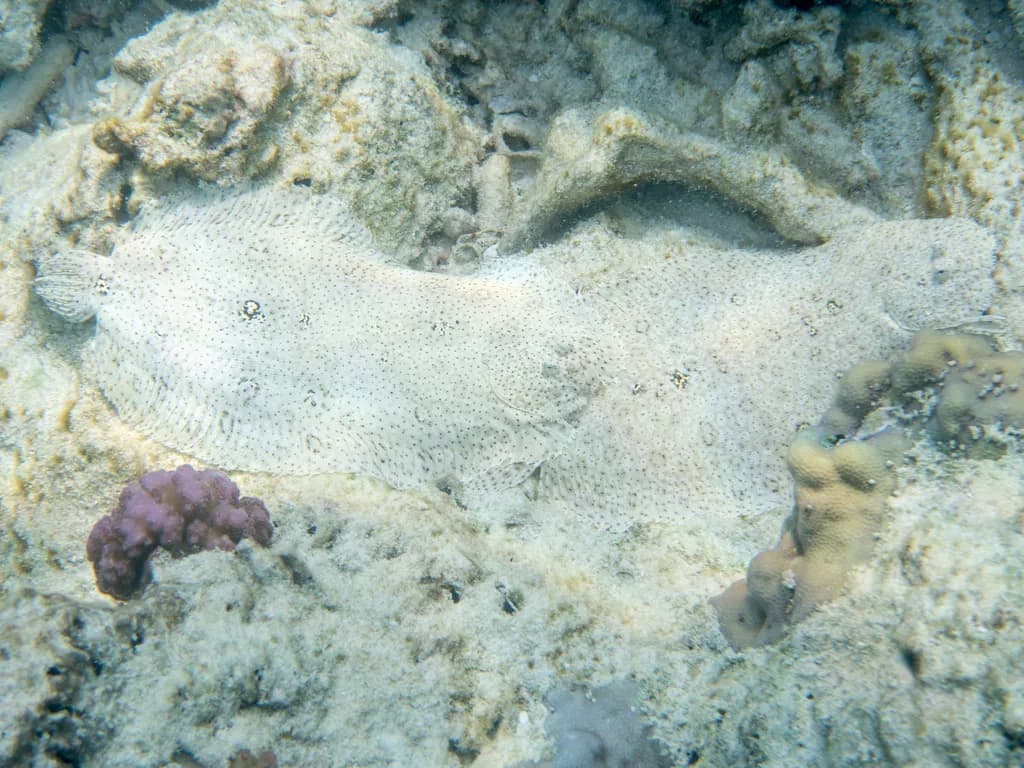
Moses Sole
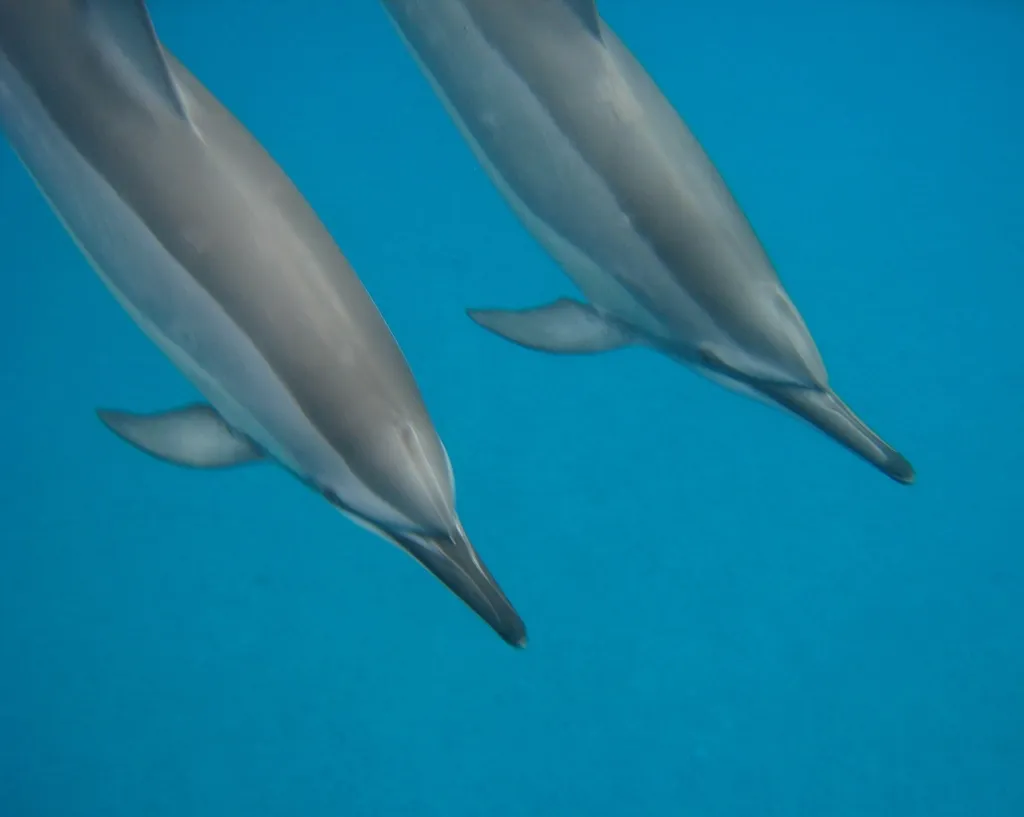
Spinner Dolphin
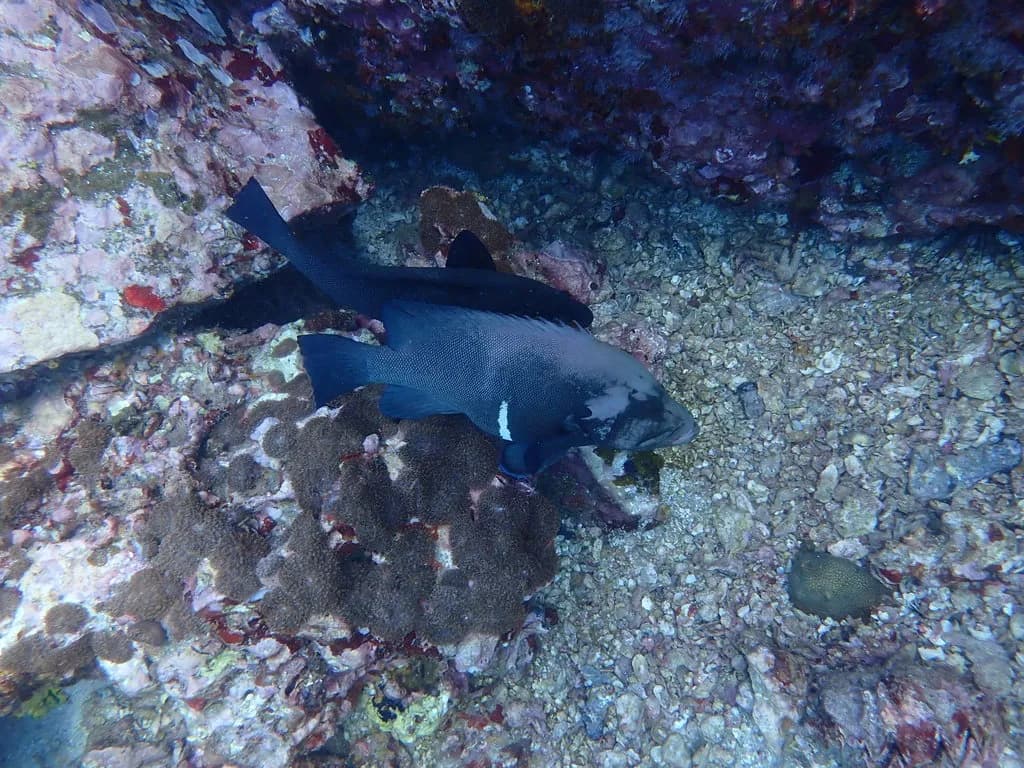
Redmouth Grouper
Bluelined Emperorfish
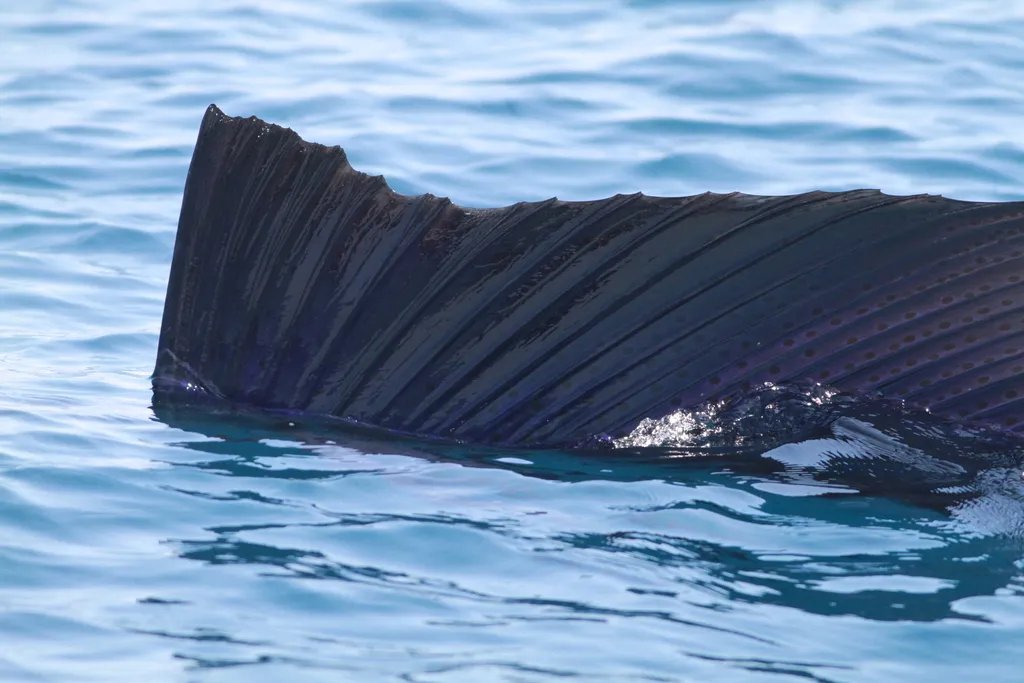
Sailfish
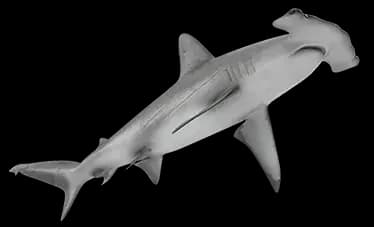
Hammerhead Shark
Oceanic Whitetip Shark
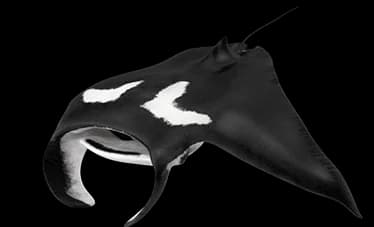
Manta Ray
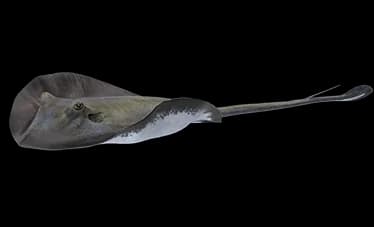
Stingray
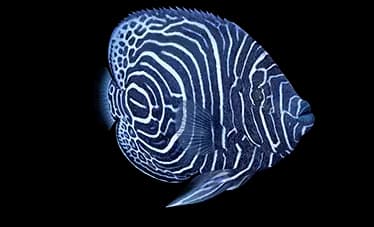
Emperor Angelfish
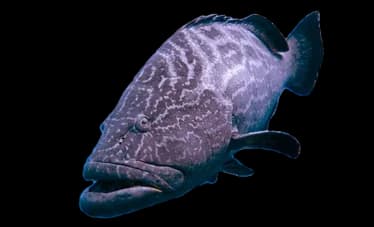
Grouper
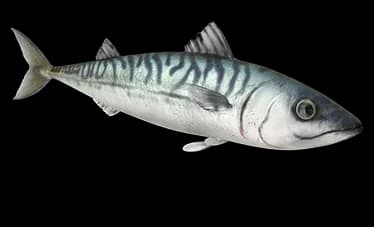
Mackerel
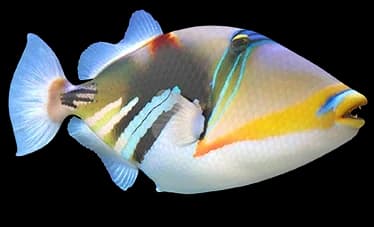
Picasso Triggerfish
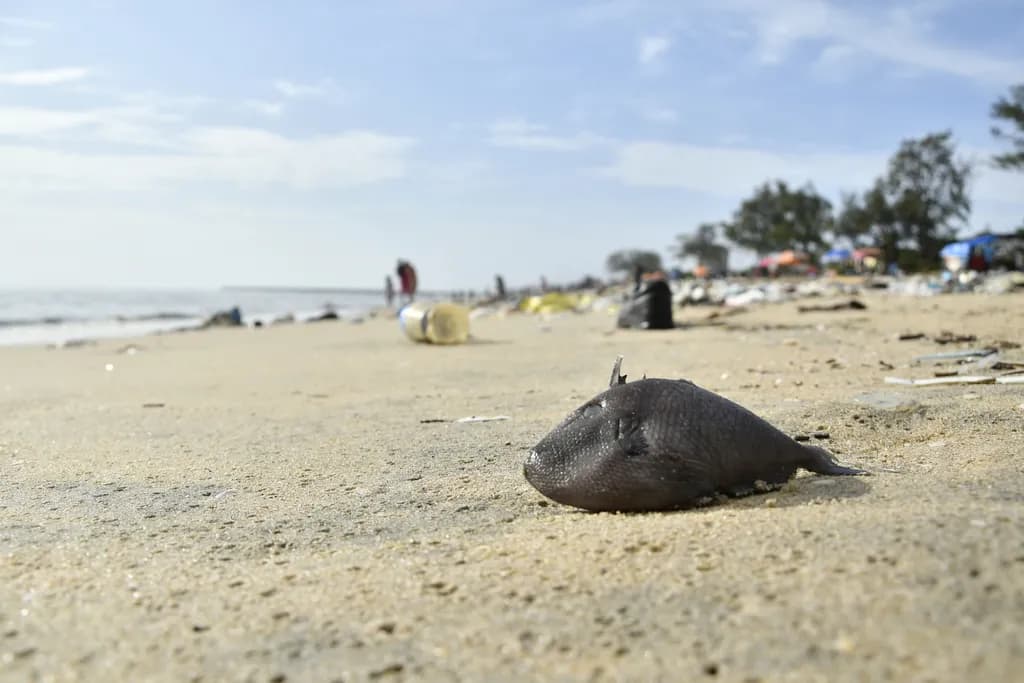
Redtooth Triggerfish
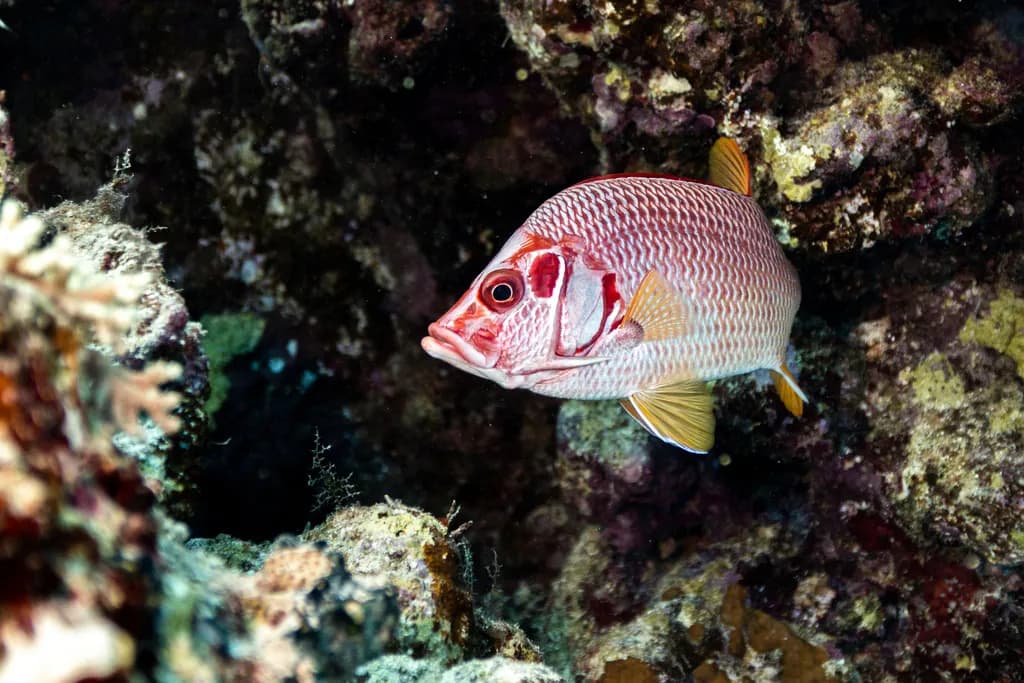
Squirrelfish
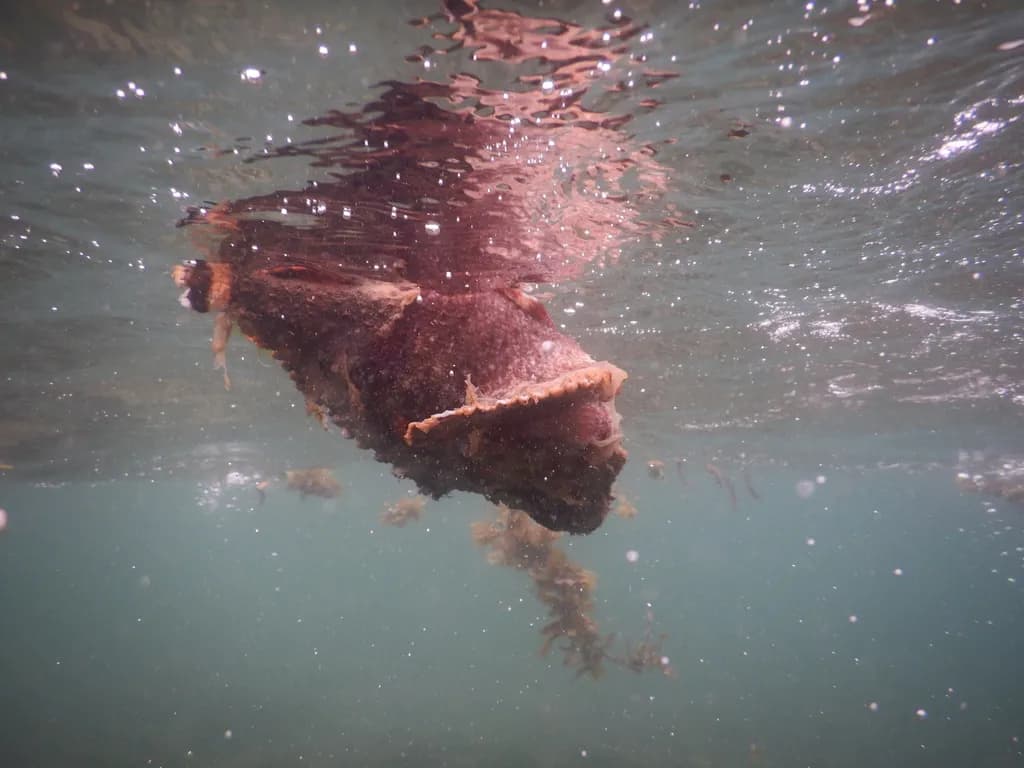
Stonefish
Triggerfish