
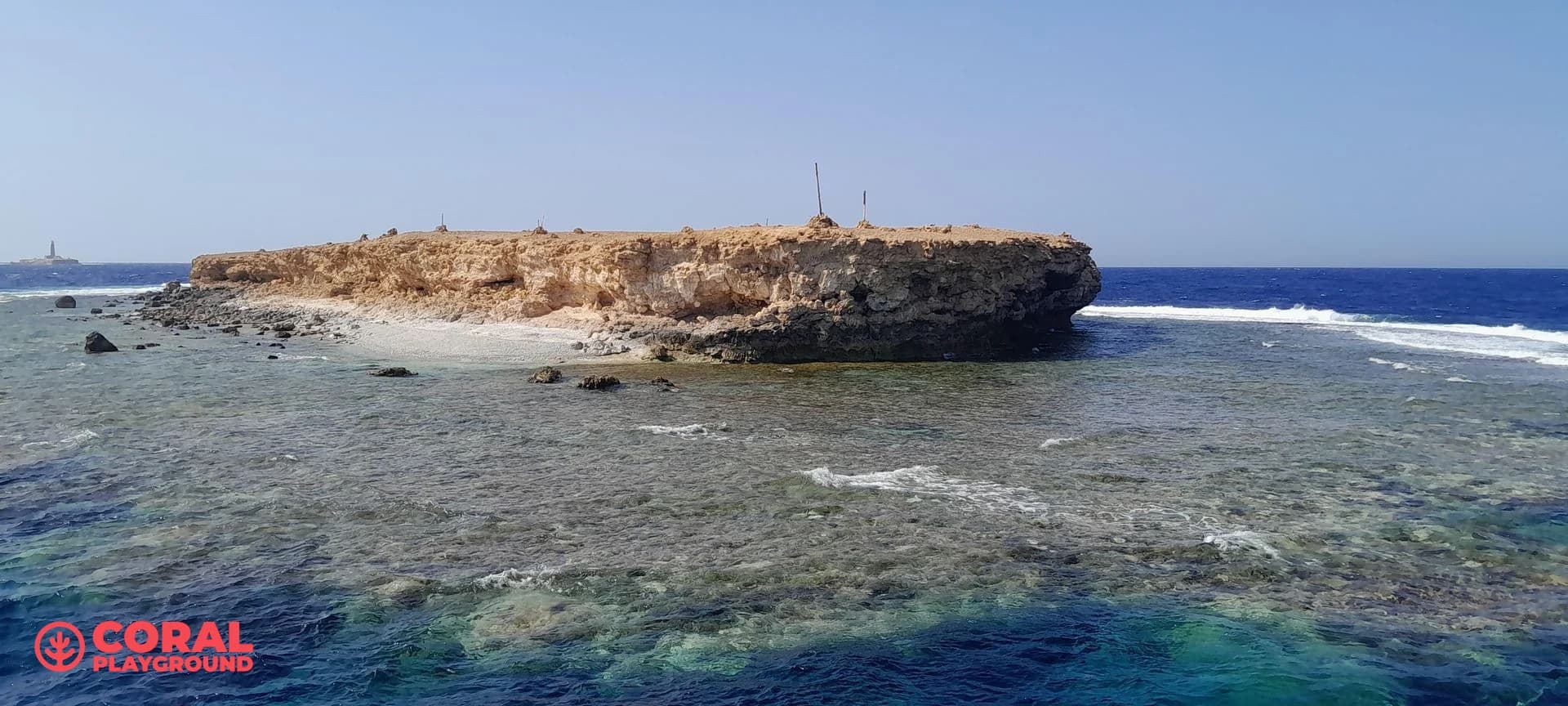
Little Brother Island
Little Brother Island
Overview
Little Brother is the smaller of the two Brothers — a pair of tiny, isolated islands rising from deep water some 60km off the Egyptian coast, reachable only by liveaboard. Tear-shaped and ringed by sheer walls, it is consistently rated among the finest dives in the Red Sea: a vertical reef cloaked in gorgonians and soft coral, falling away into hundreds of metres of blue, with a deep plateau that is one of the most reliable shark stations in Egypt. This is big-animal, big-wall diving for experienced divers who don't mind that the seabed is the better part of a kilometre down.
The Dive
Little Brother is essentially one continuous wall dive. Sheer drop-offs surround the island on every side, plunging past recreational depth into water more than 700m deep, so there is no bottom to speak of — you dive the face, with the reef on one shoulder and open blue on the other. The exception is the northern point, where the reef slopes away more gently before dropping to a plateau at around 40m, right at the edge of recreational limits. That plateau is the place to be for sharks, and dives are usually planned to work it early and then drift the walls back, shallowing as you go.
Current is a constant and can be strong, which is exactly why the corals are so spectacular and the pelagics so present. Dives are run as drifts, typically from negative entries off the liveaboard's zodiacs, and the depth and exposure make Little Brother firmly an advanced site. The walls themselves are the reward on every dive — a near-vertical garden of colour you ascend slowly, the shallows alive with anthias and reef fish as you off-gas.
Marine Life
The deep plateau and adjacent blue are shark magnets: grey reef and silvertip sharks frequent the area, thresher and scalloped hammerheads rise from the depths, and in autumn the Brothers are famous for oceanic whitetips patrolling the surface waters. Whale sharks pass through in season. The walls are a feast in their own right — mammoth gorgonian fans, black and soft corals in every colour — backed by huge napoleon wrasse, barracuda and clouds of reef fish.
Good to Know
The Brothers are a liveaboard-only destination and a marine park, with access subject to seasonal permits; the islands are typically dived from spring through autumn, and the oceanic whitetip season peaks in the late-year months. Visibility is usually superb at 20–40m. This is an advanced dive throughout — strong current, sheer walls and a plateau at the very edge of recreational depth demand experience with drift diving, negative entries and disciplined gas and depth management.
Depth
5-40m
Visibility
20-40m
Current
strong
Access
liveaboard
Certification
Advanced Open Water
Species
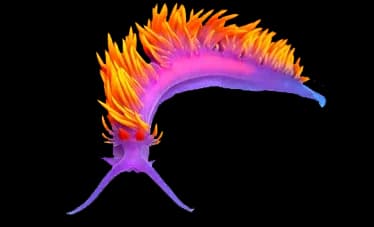
Nudibranch
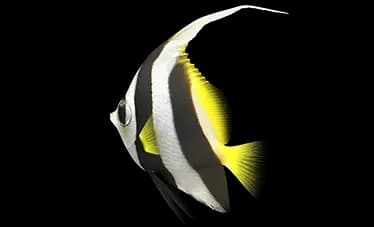
Bannerfish
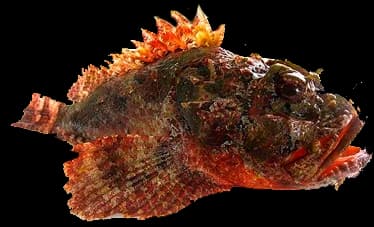
Scorpionfish
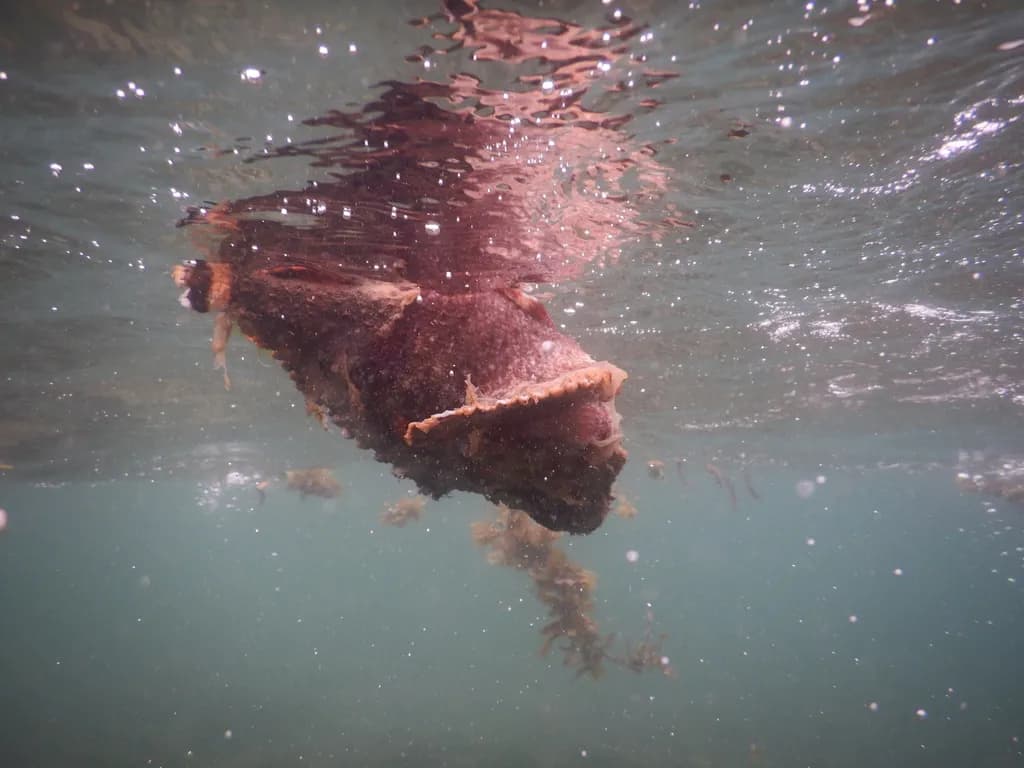
Stonefish
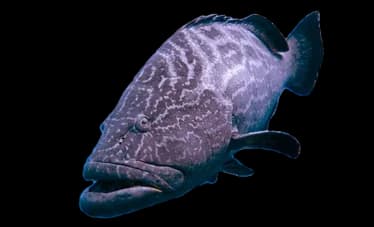
Grouper
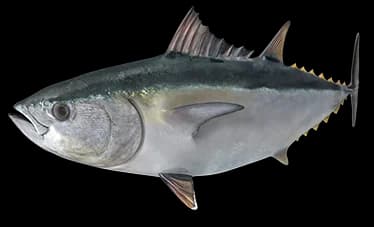
Tuna
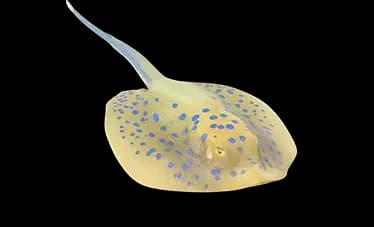
Blue Spotted Stingray
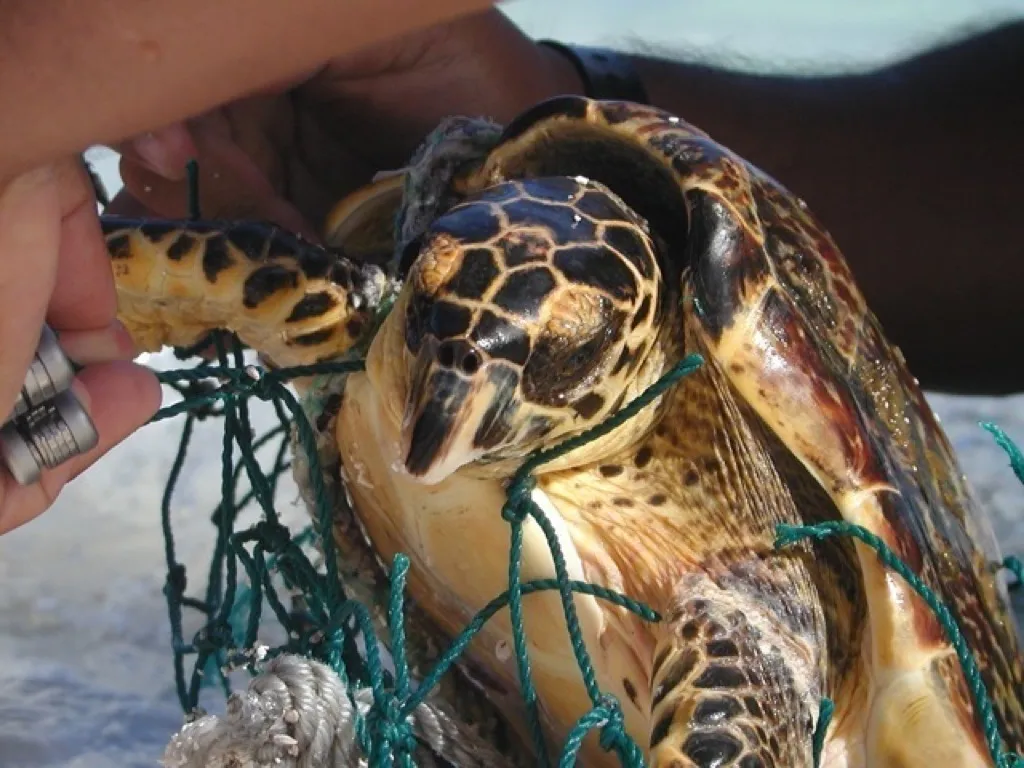
Hawksbill Turtle
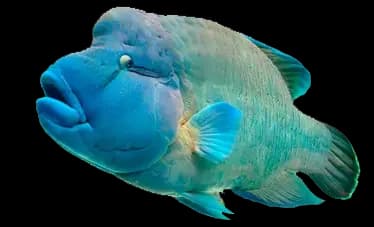
Napoleon Wrasse
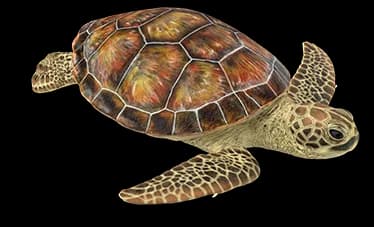
Turtle
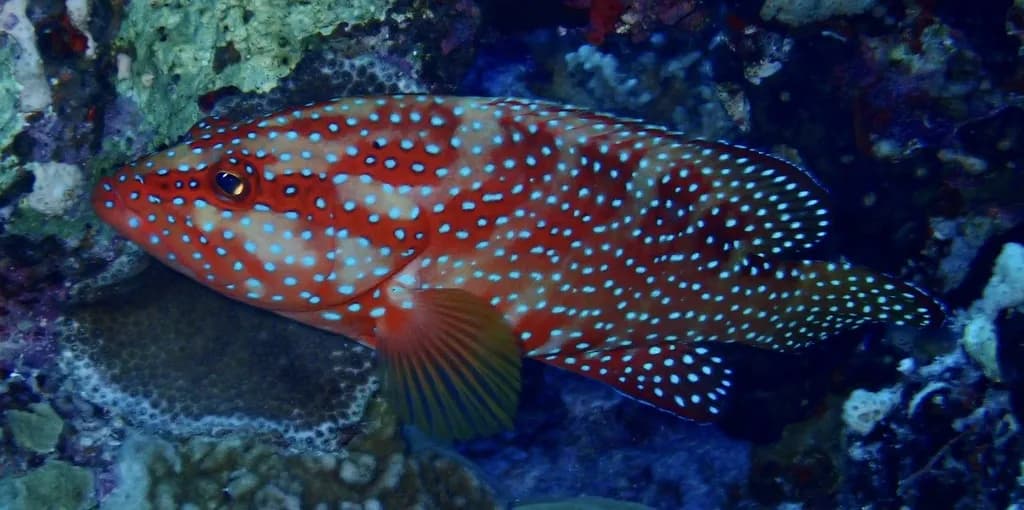
Coral Grouper
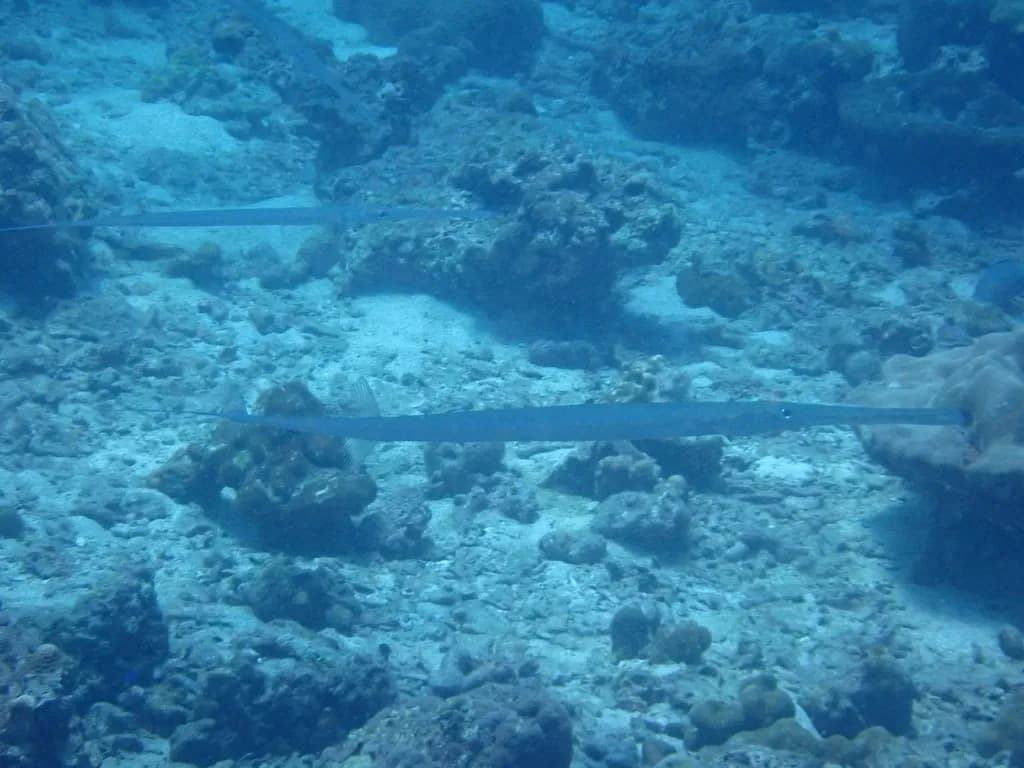
Cornetfish
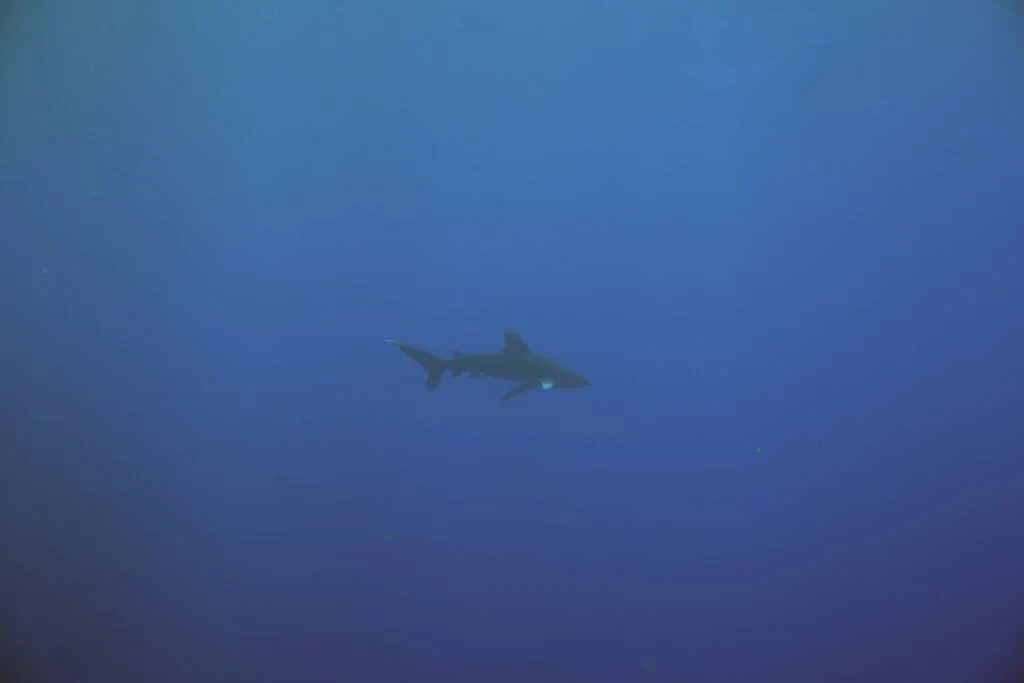
Oceanic Whitetip Shark
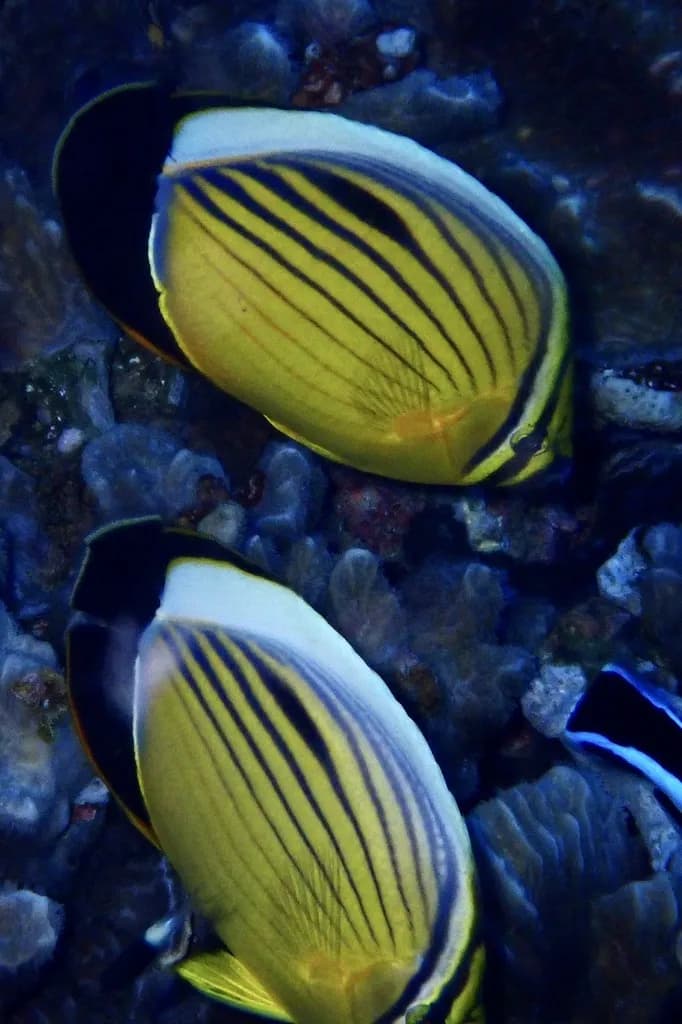
Butterflyfish
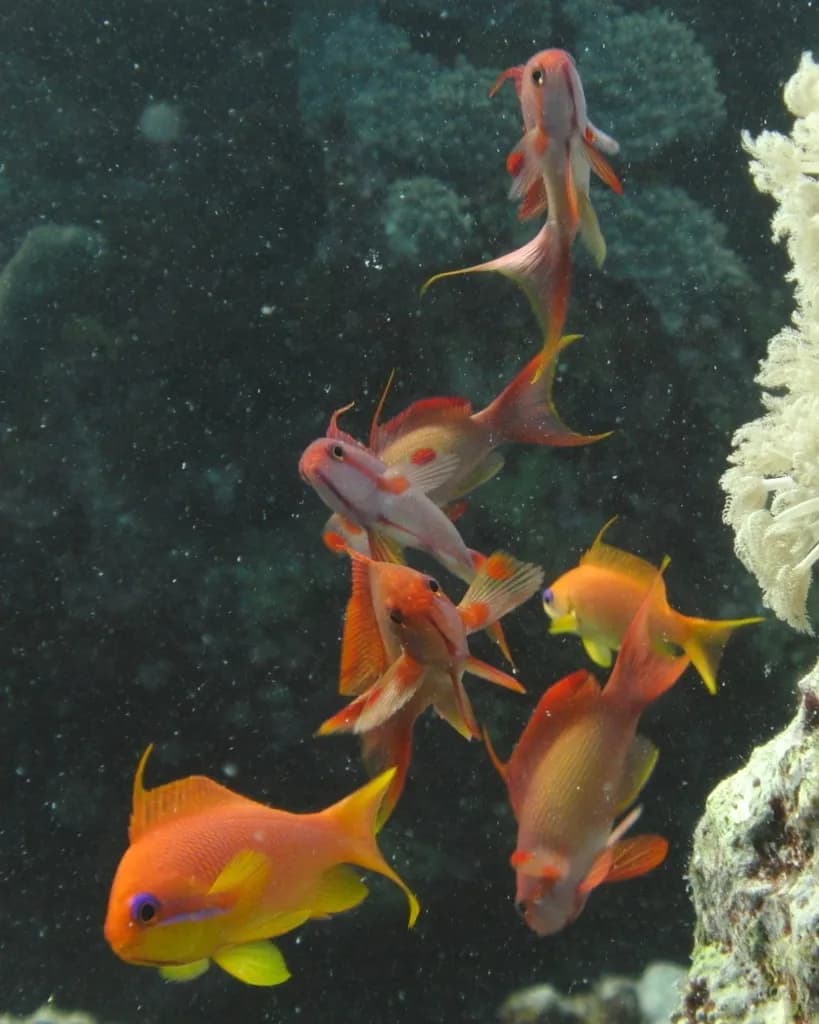
Anthias

Trevally
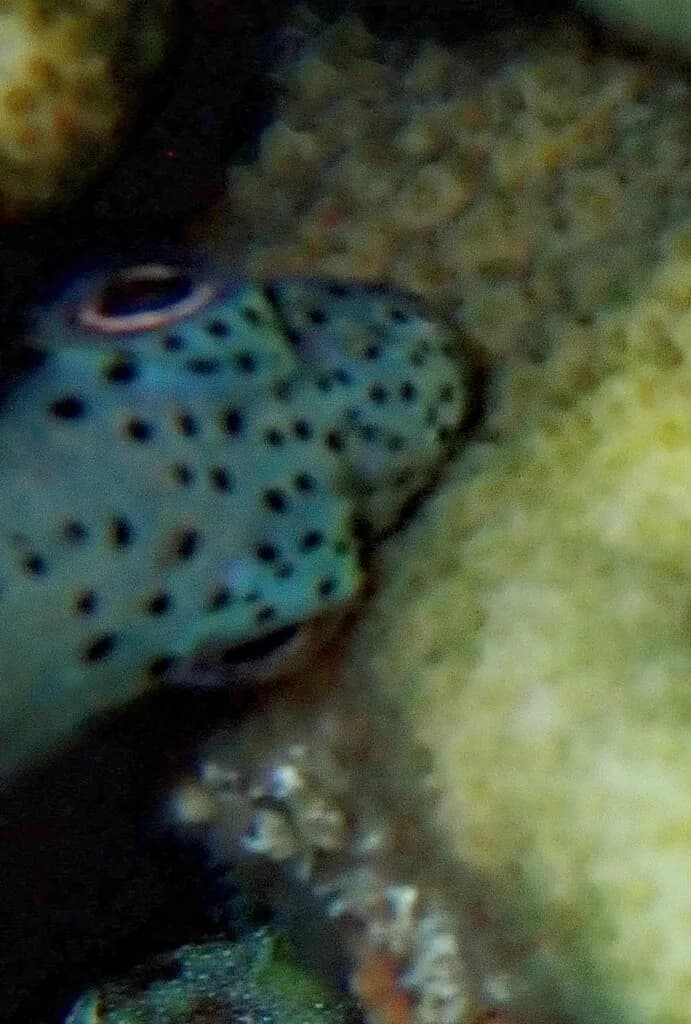
Blackside Hawkfish
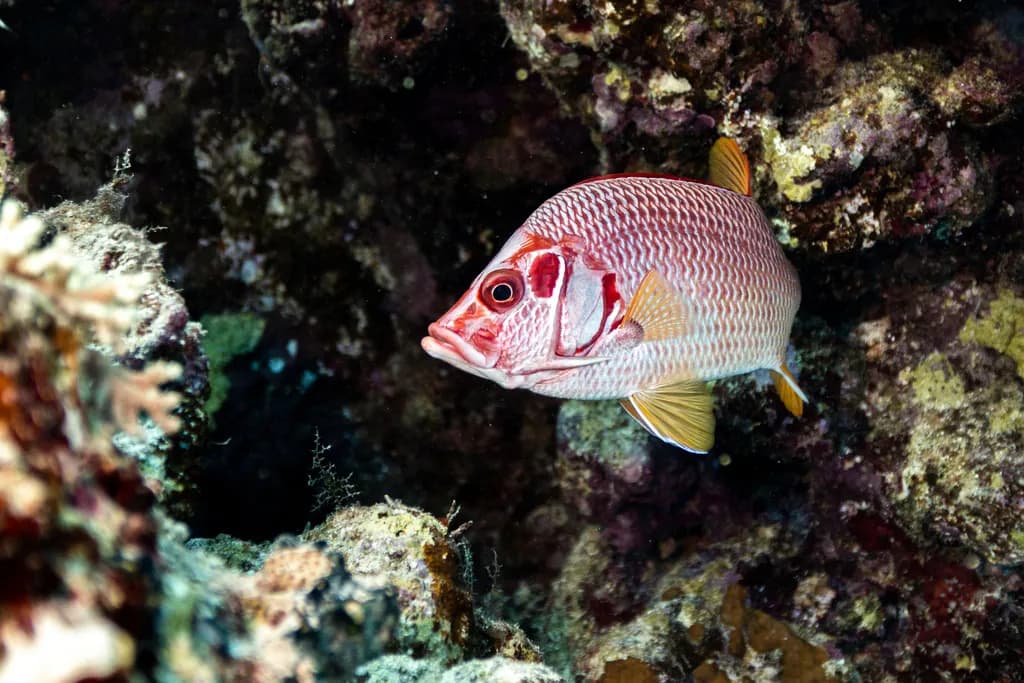
Squirrelfish
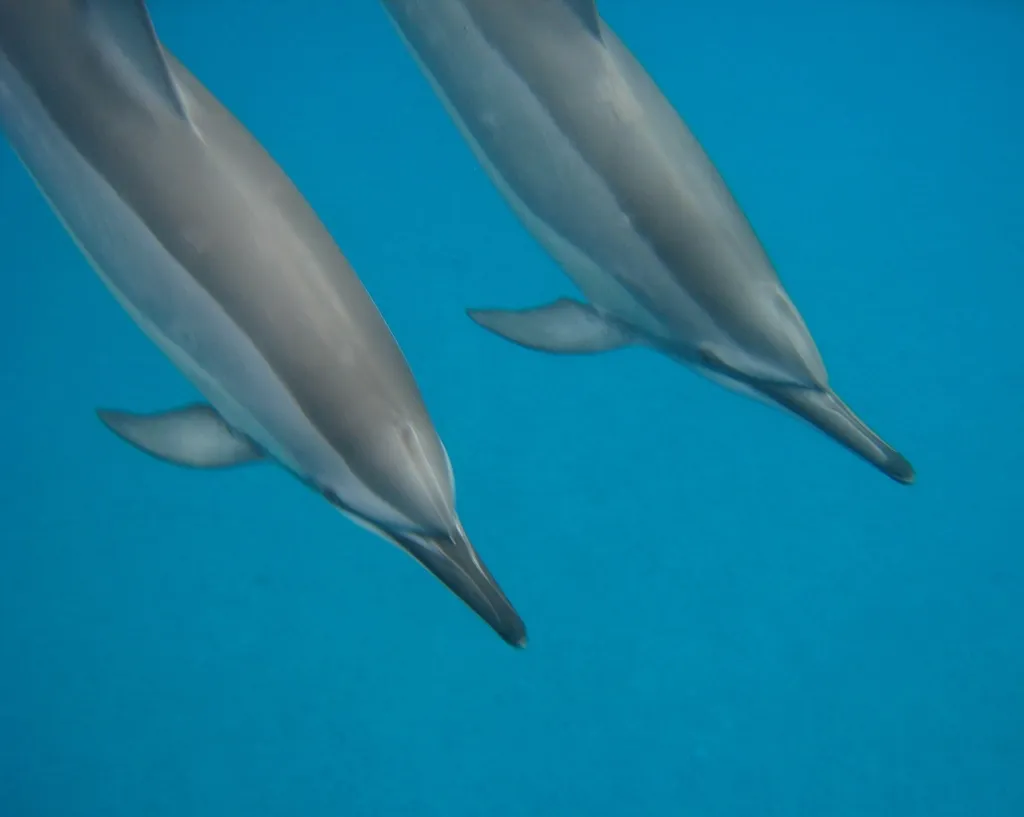
Spinner Dolphin
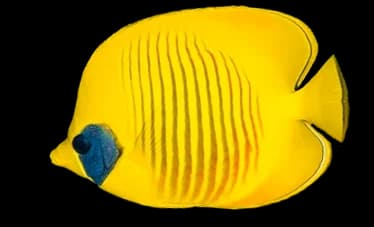
Masked Butterflyfish
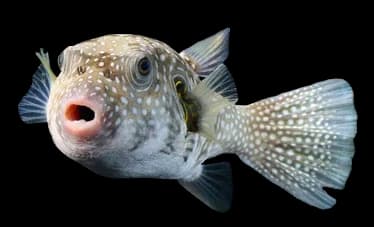
Pufferfish
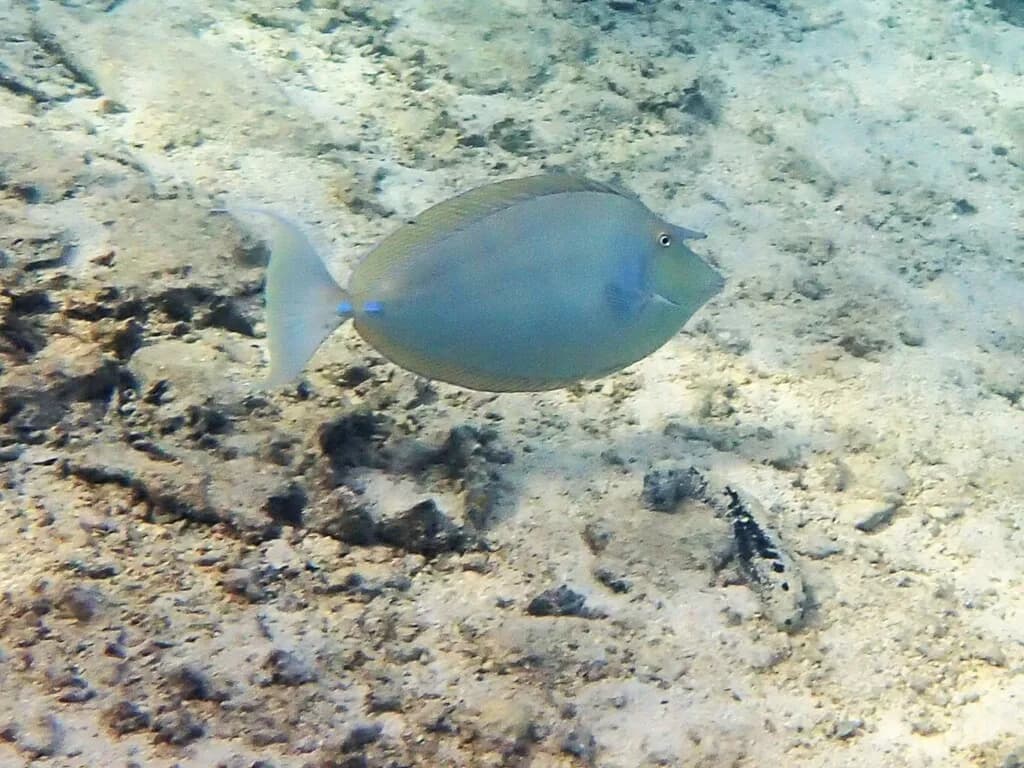
Unicorn Fish
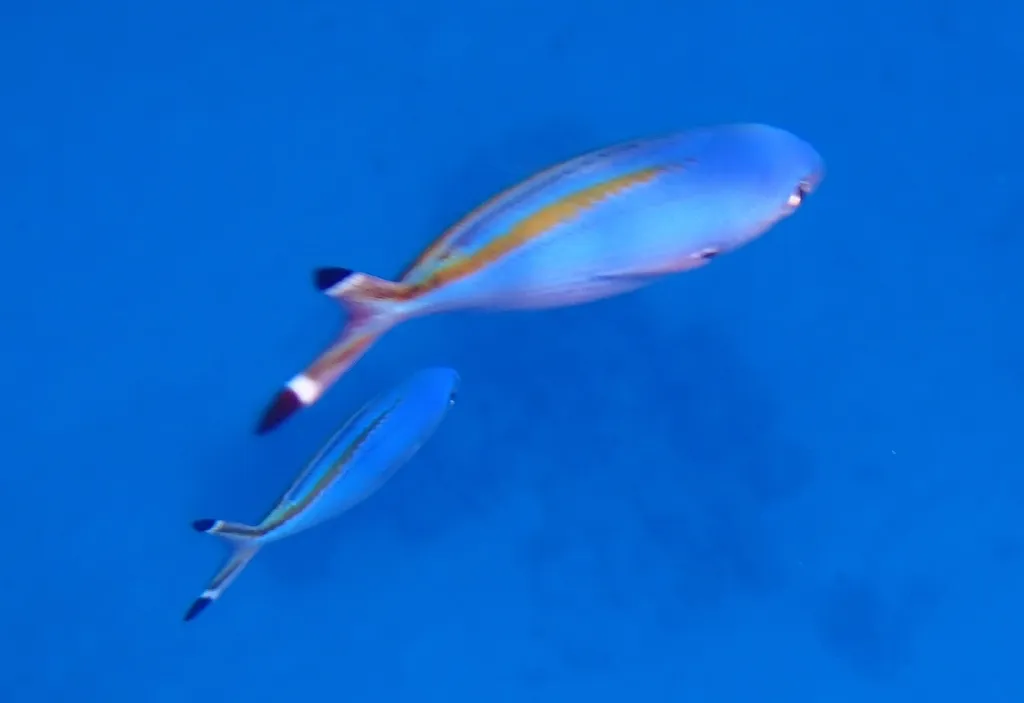
Fusilier
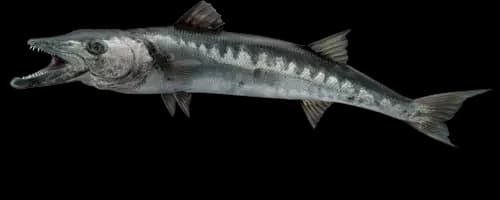
Barracuda
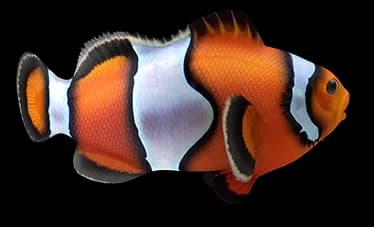
Clownfish
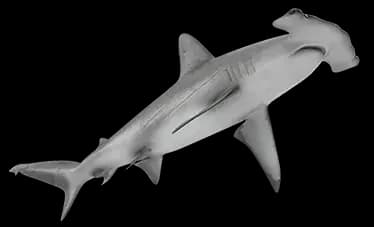
Hammerhead Shark
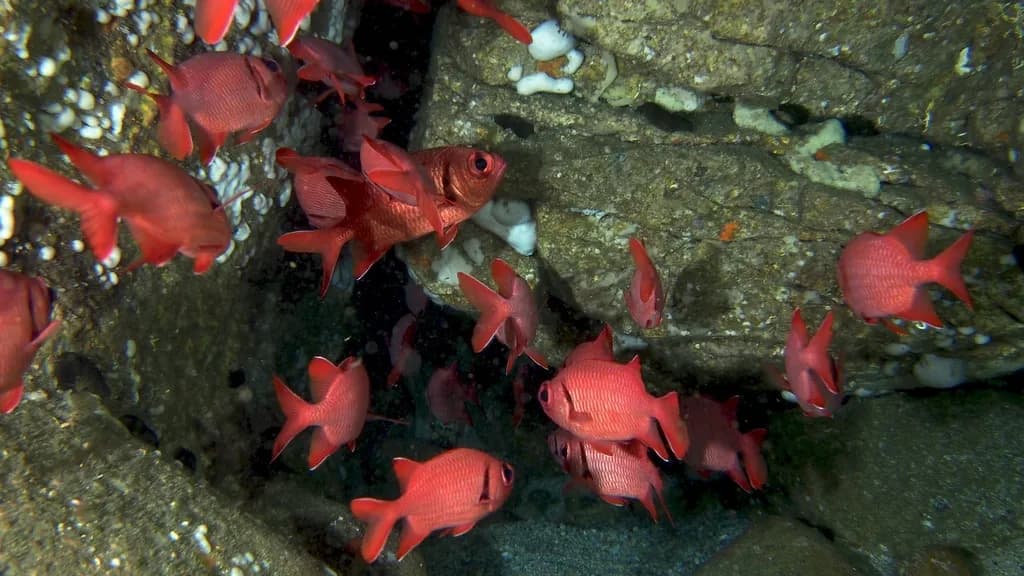
Soldierfish
Bicolour Puller
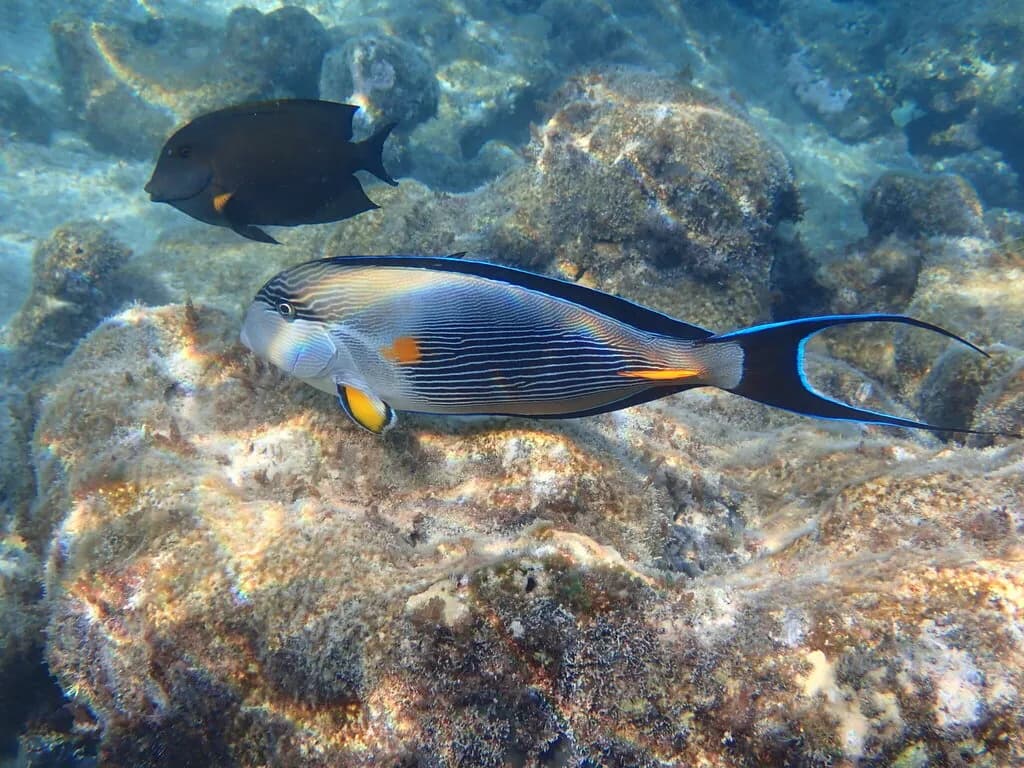
Surgeonfish
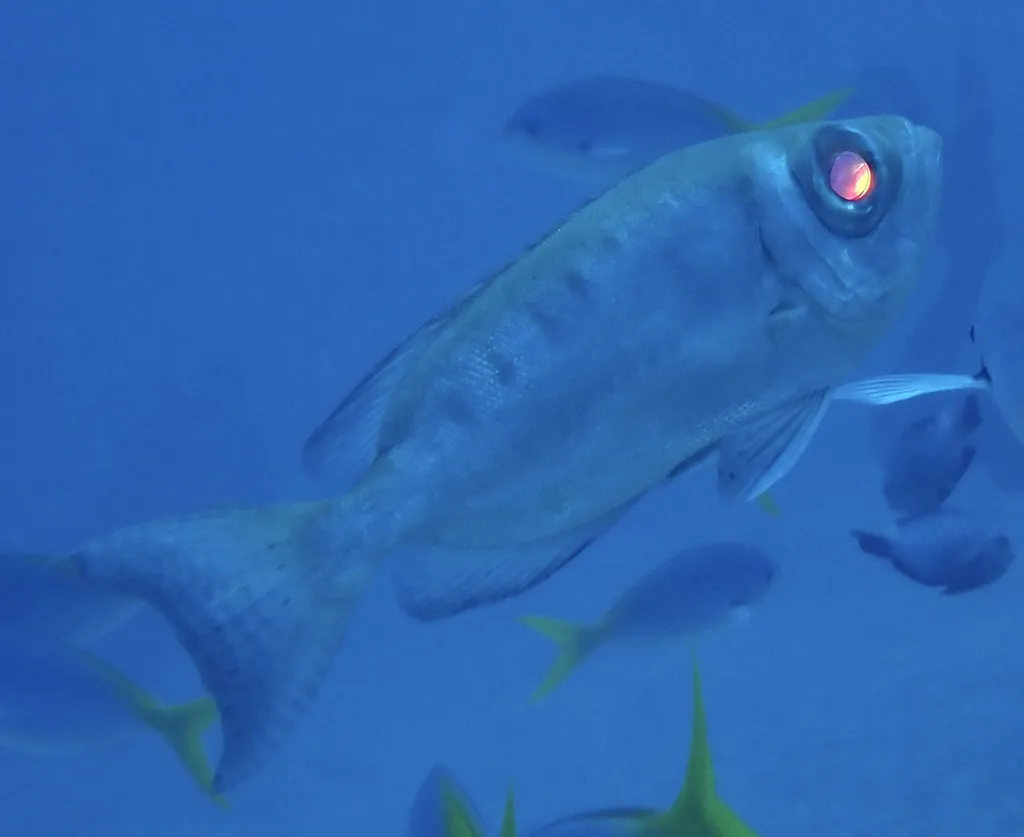
Bigeye
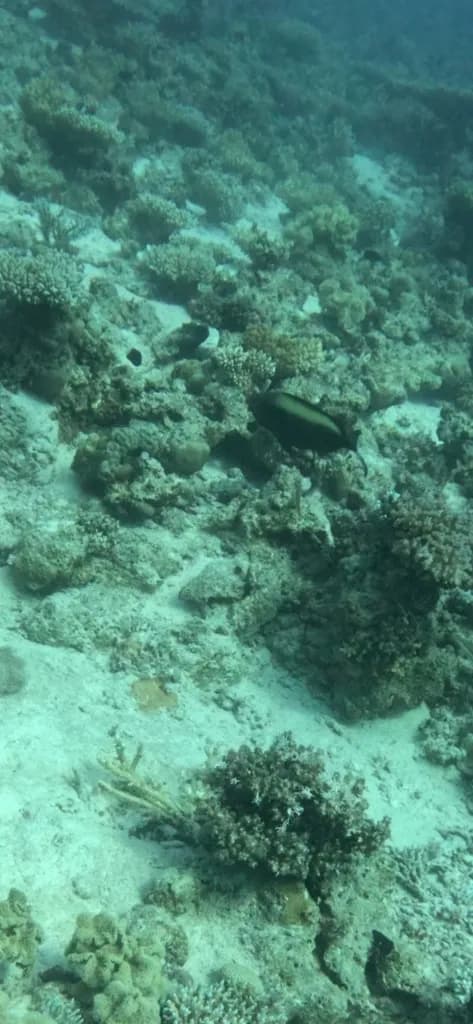
Bicolor Parrotfish
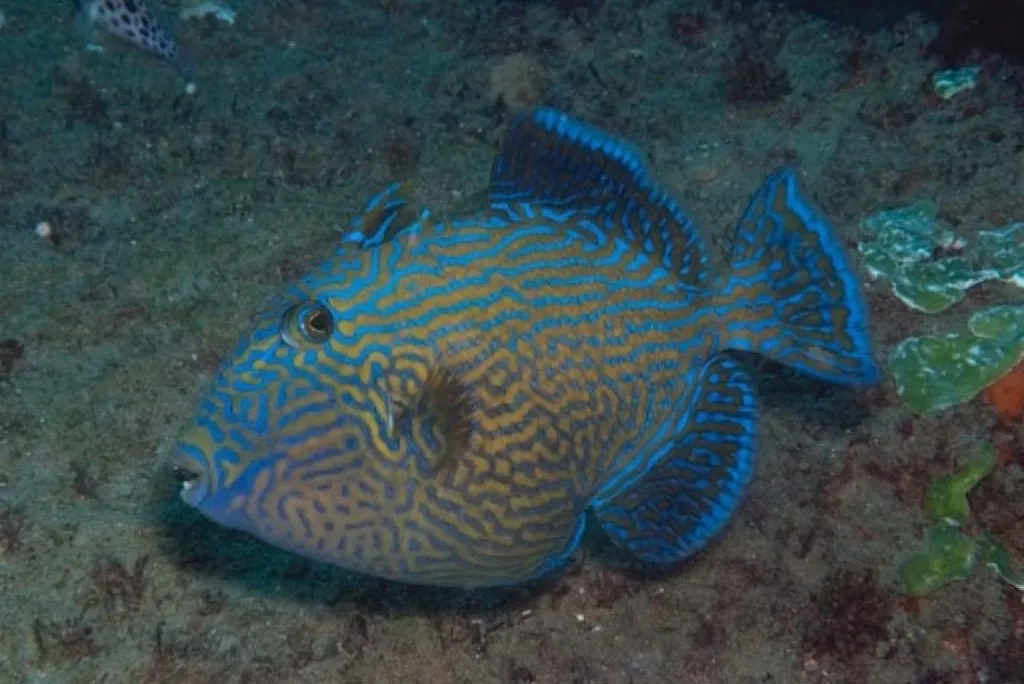
Blue Triggerfish
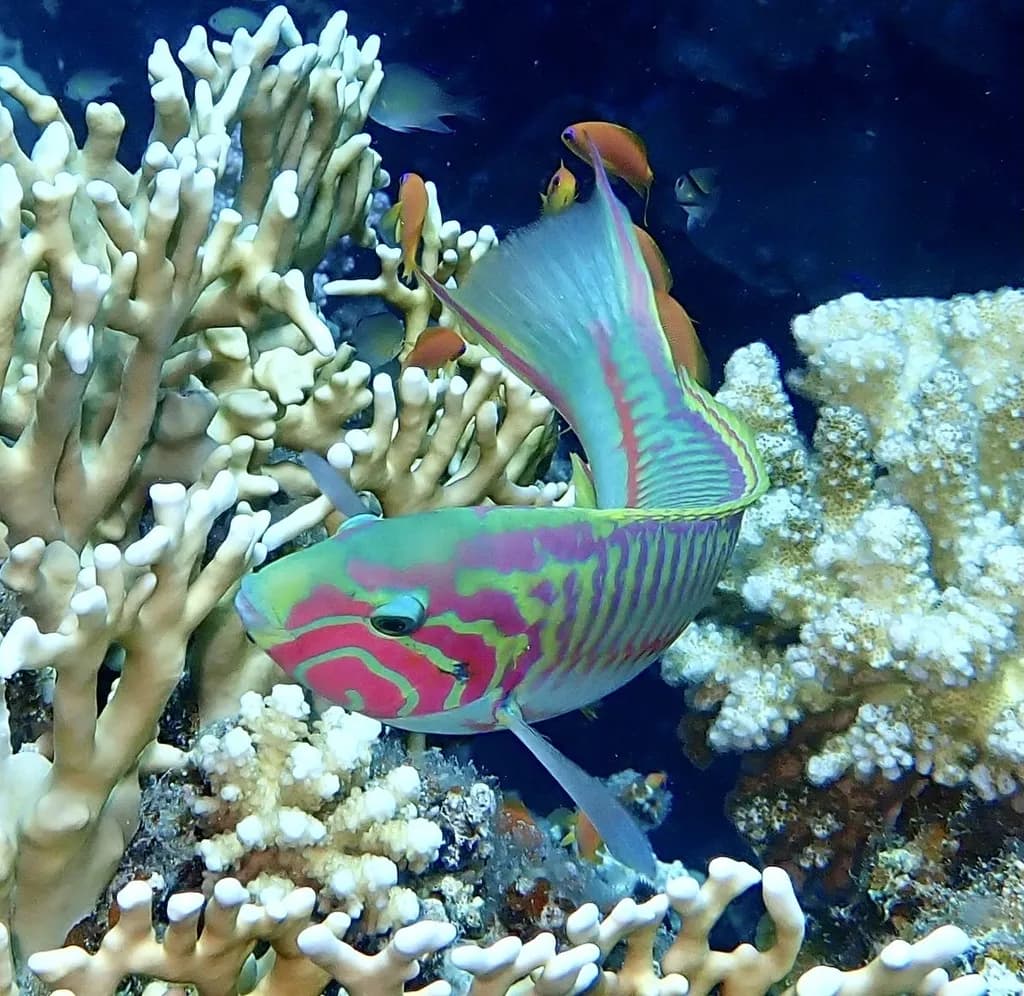
Klunzinger's Wrasse
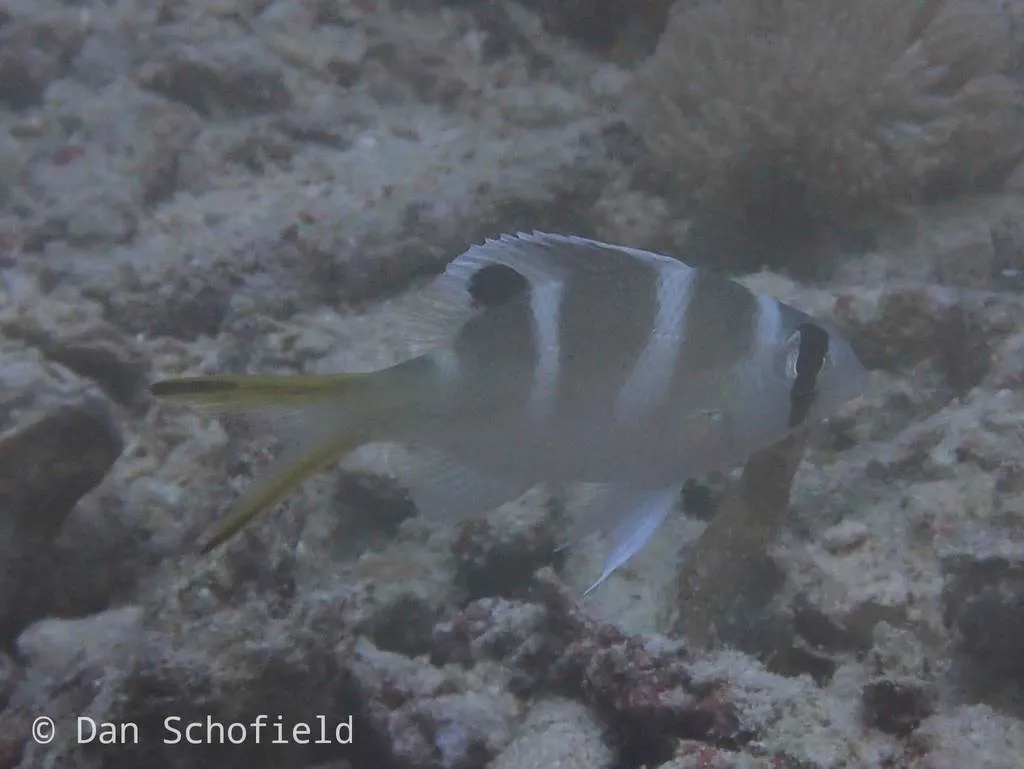
Bream
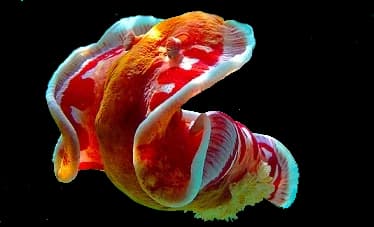
Spanish Dancer
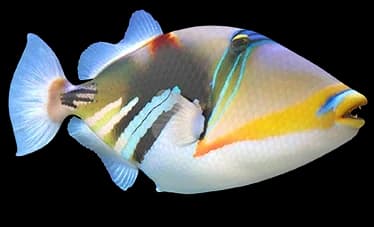
Picasso Triggerfish
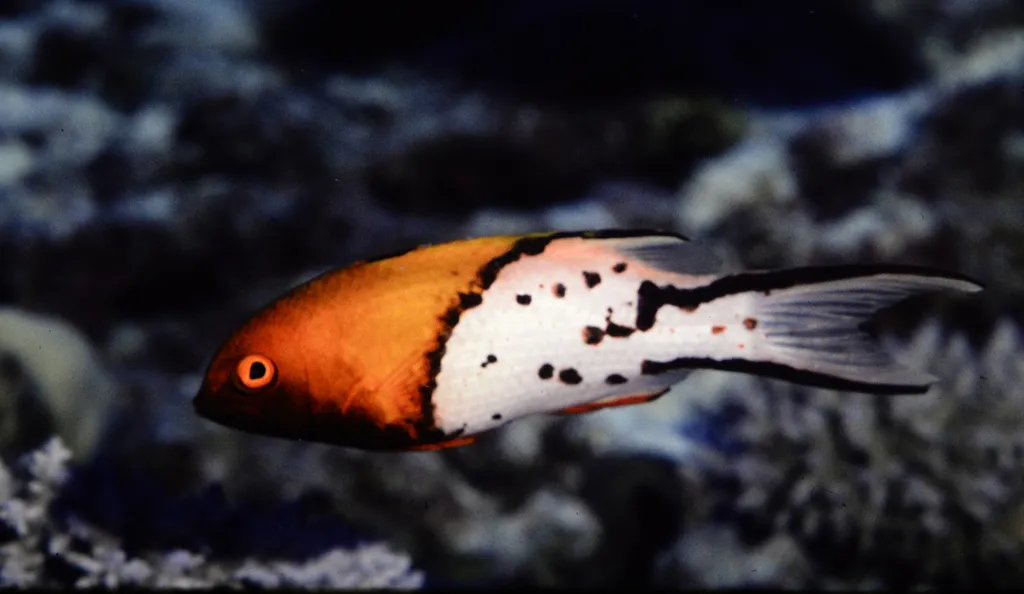
Lyretail Hogfish
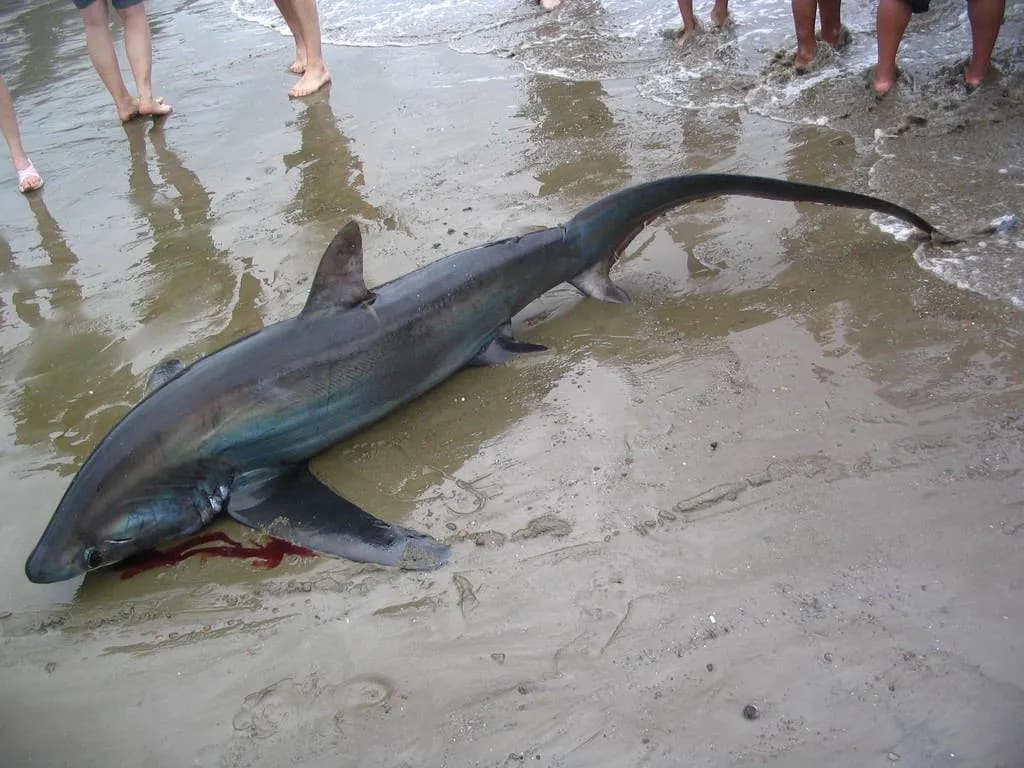
Thresher Shark
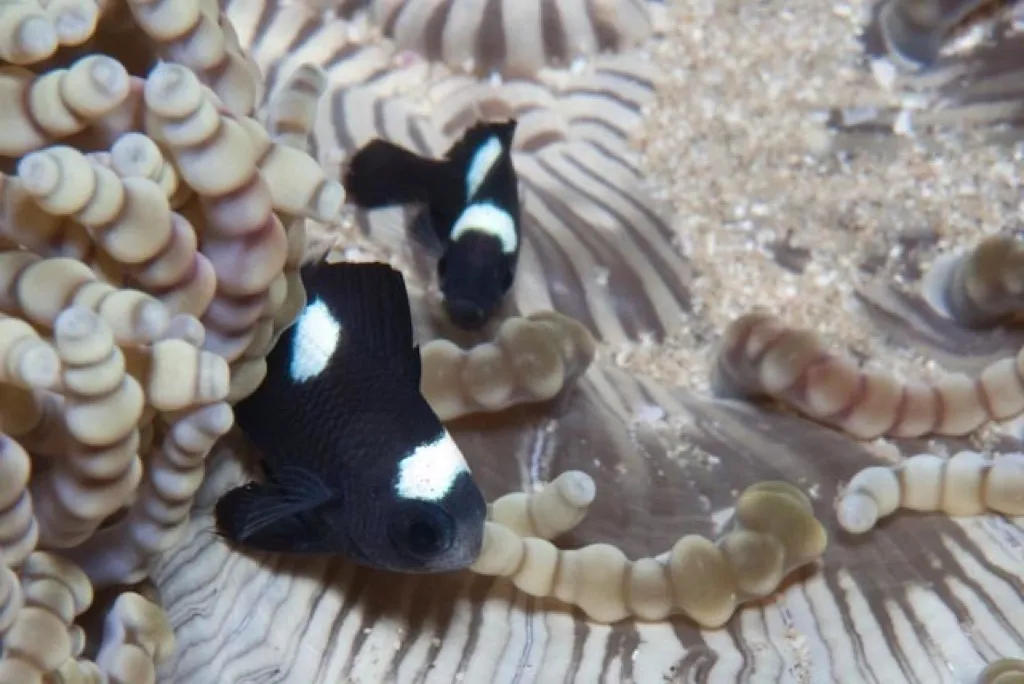
Domino Damsel
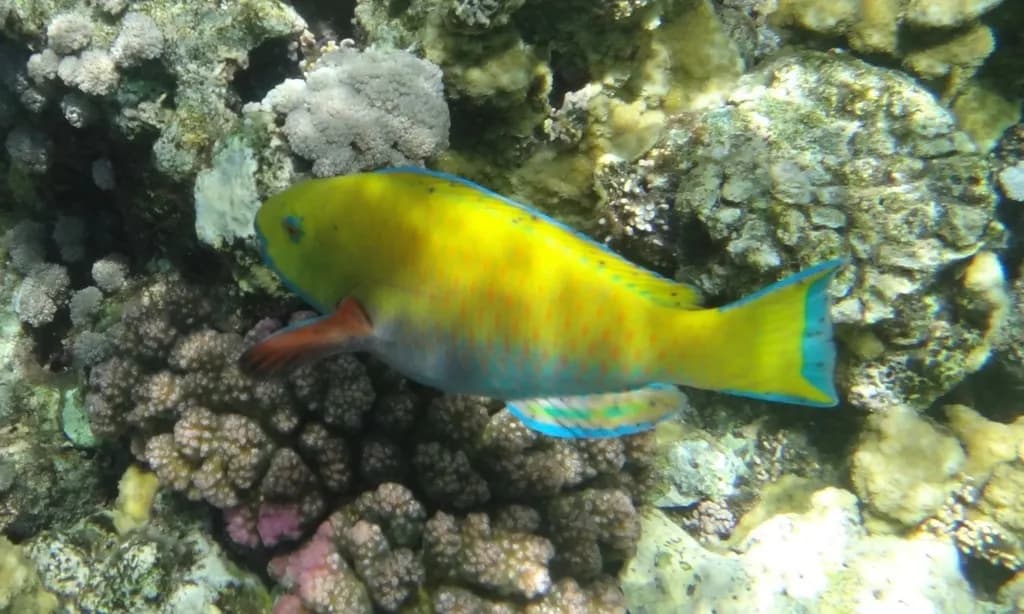
Steephead Parrotfish
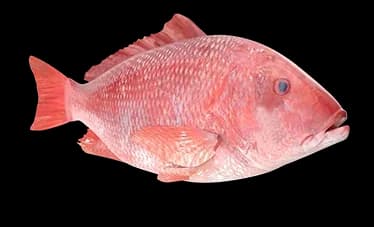
Red Snapper
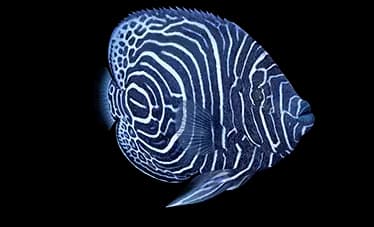
Emperor Angelfish
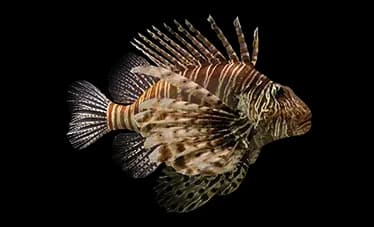
Lionfish
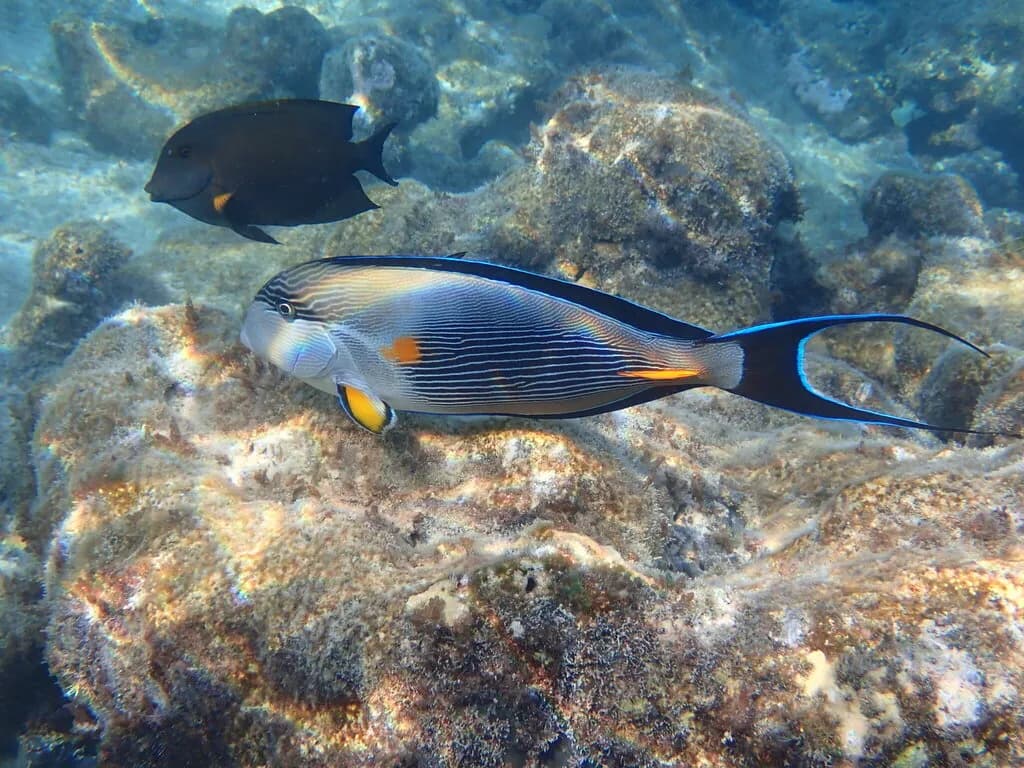
Doctor Fish
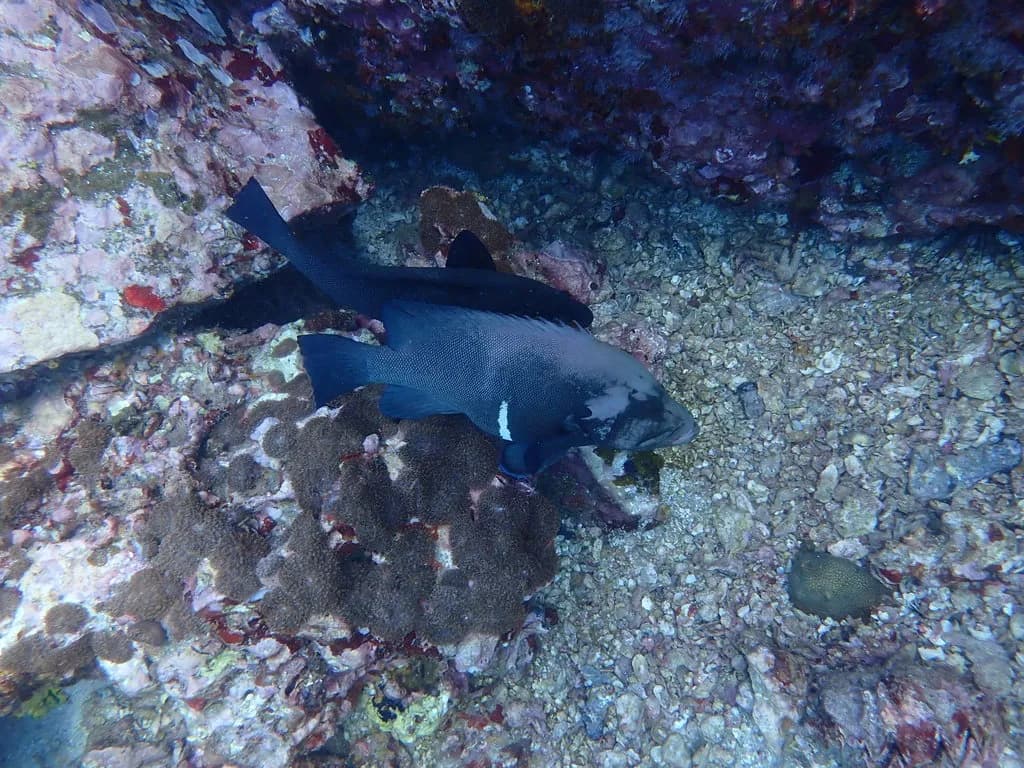
Redmouth Grouper
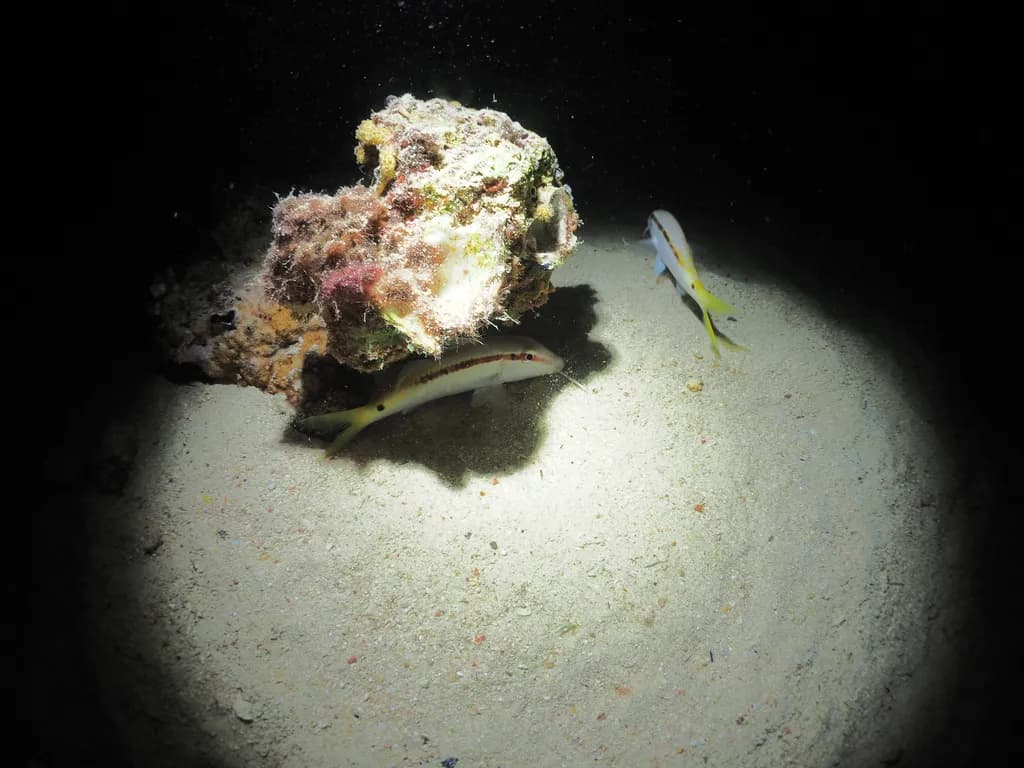
Goatfish
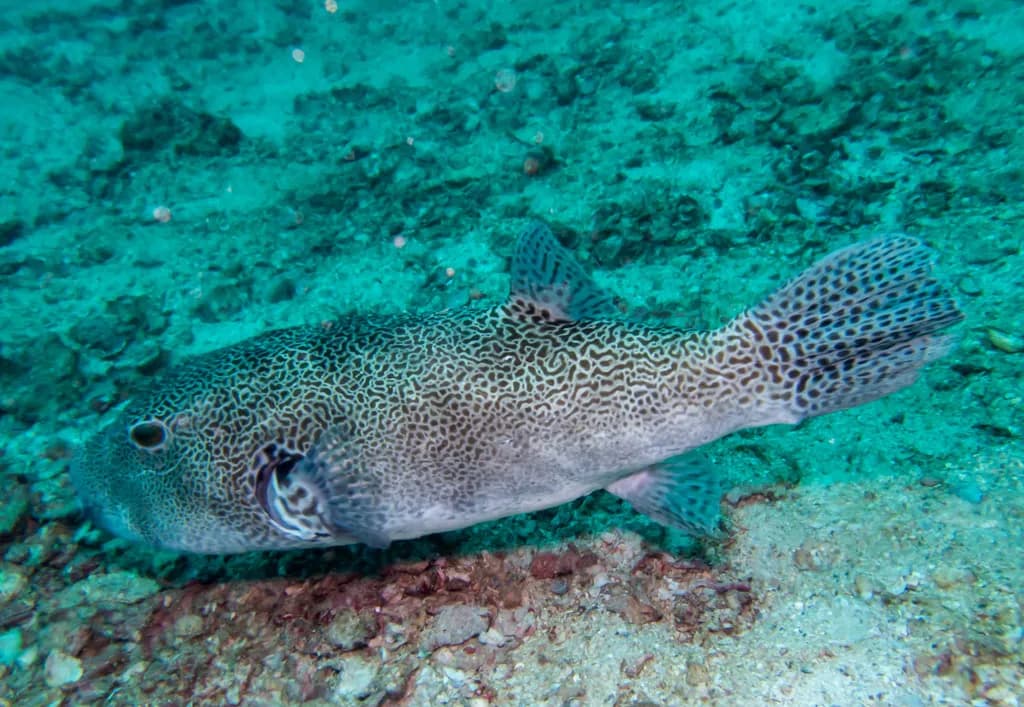
Starry Pufferfish
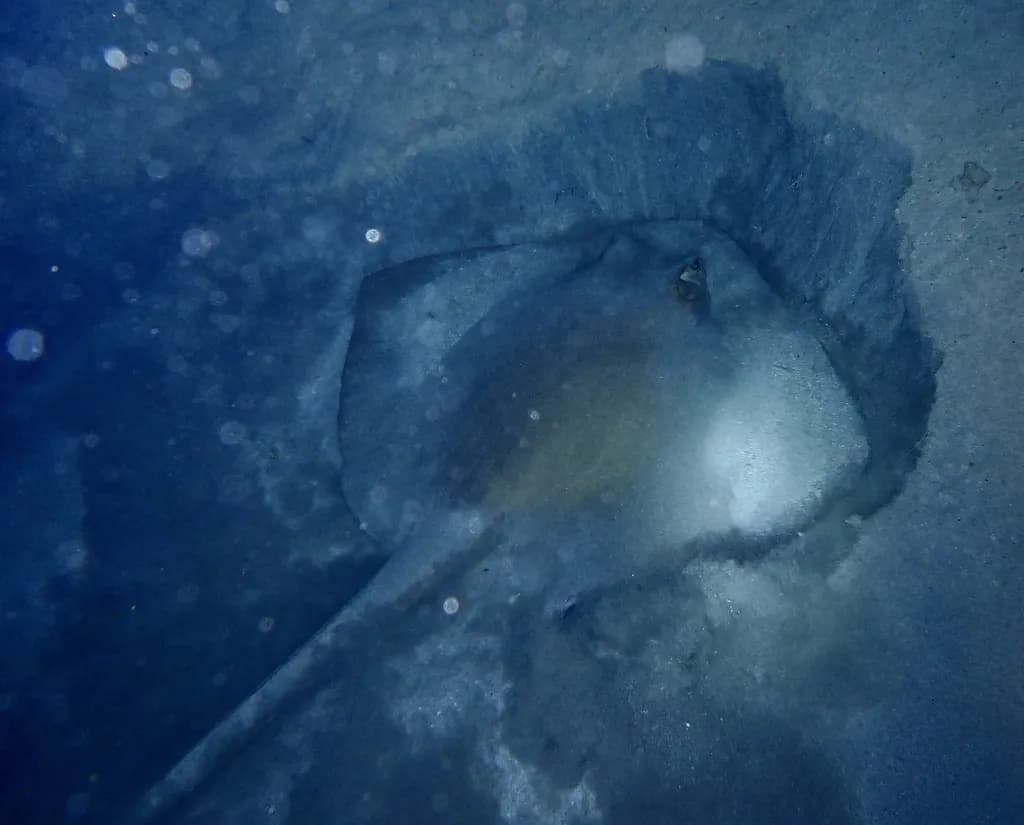
Feathertail Ray
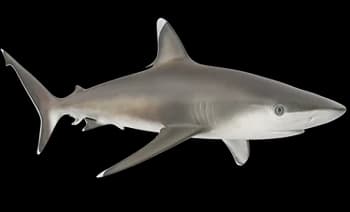
Whitetip Shark
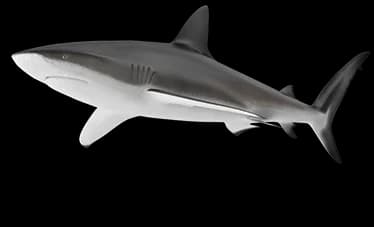
Grey Reef Shark
Silky Shark
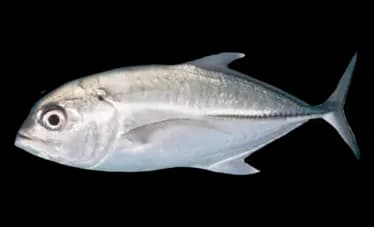
Jackfish
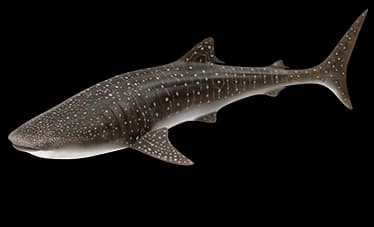
Whale Shark
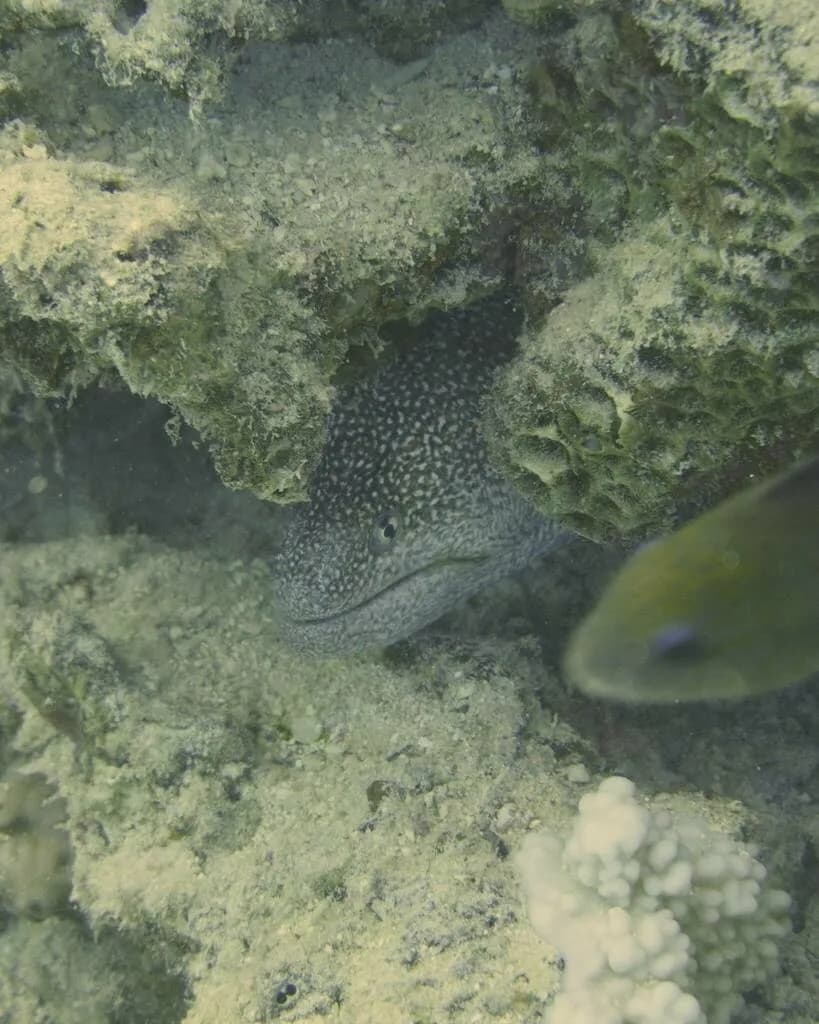
Yellowmouth Moray
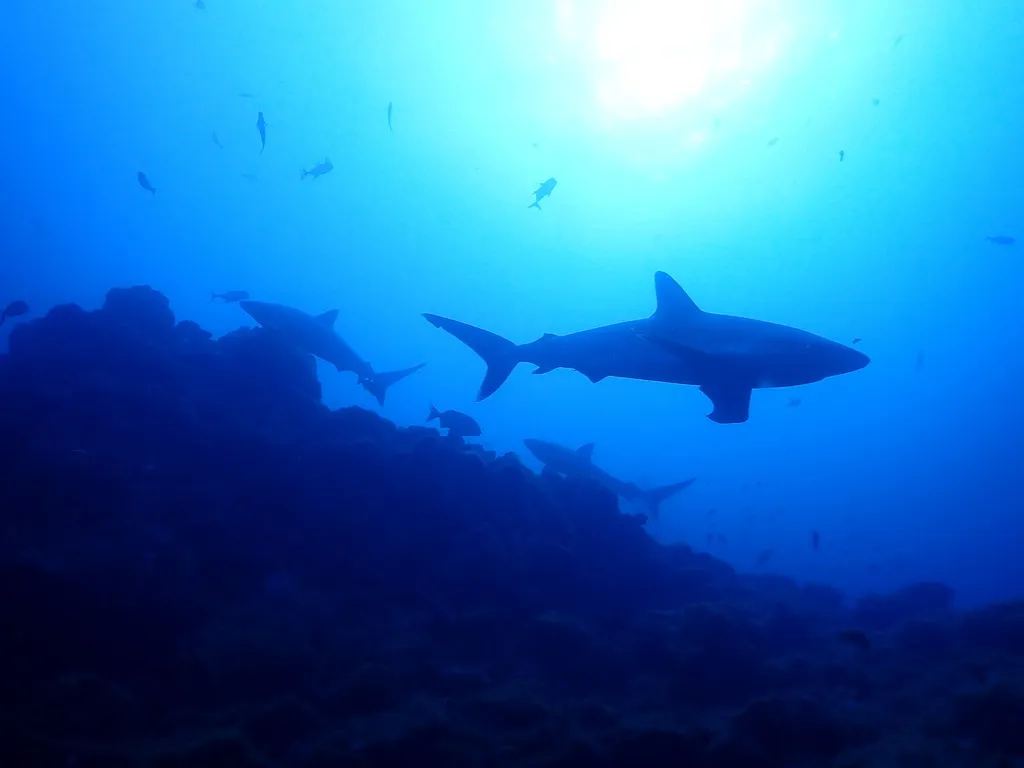
Silvertip Shark
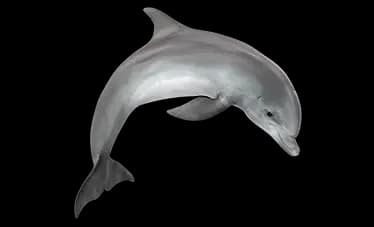
Dolphin
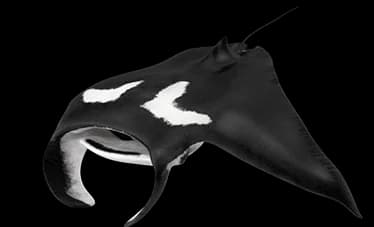
Manta Ray
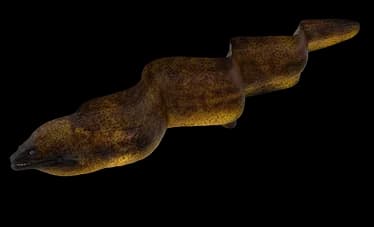
Moray Eel
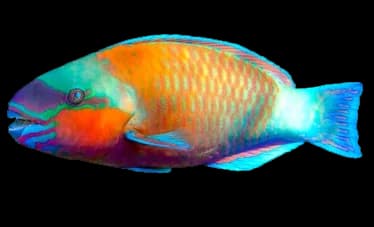
Parrotfish
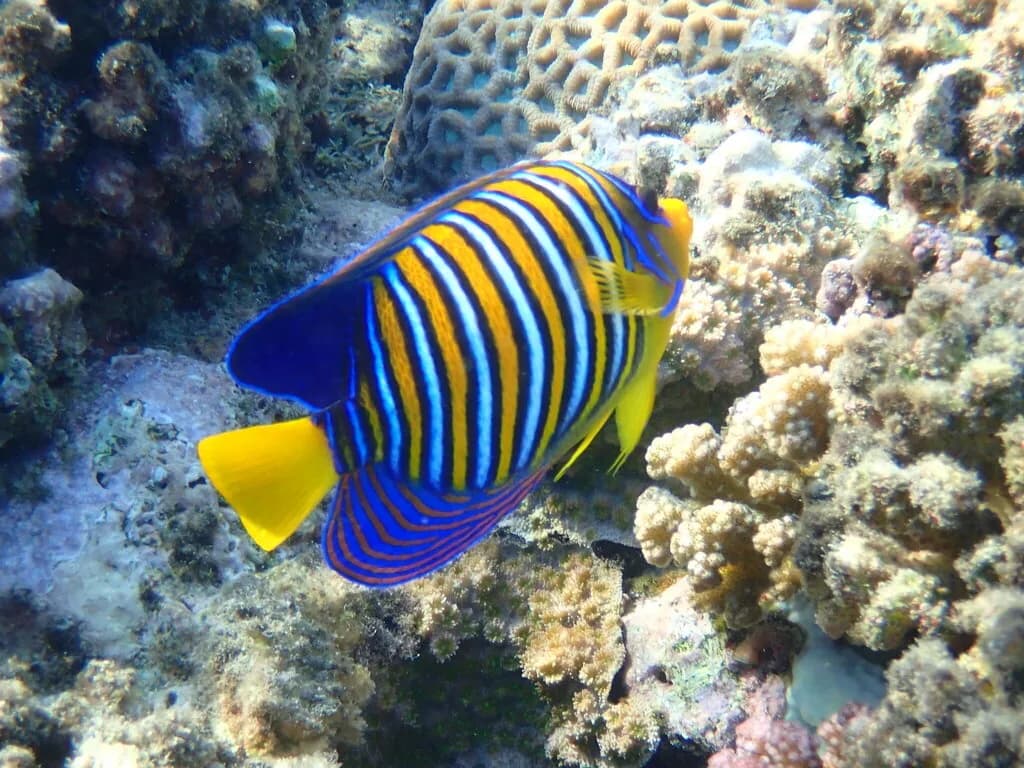
Regal Angelfish
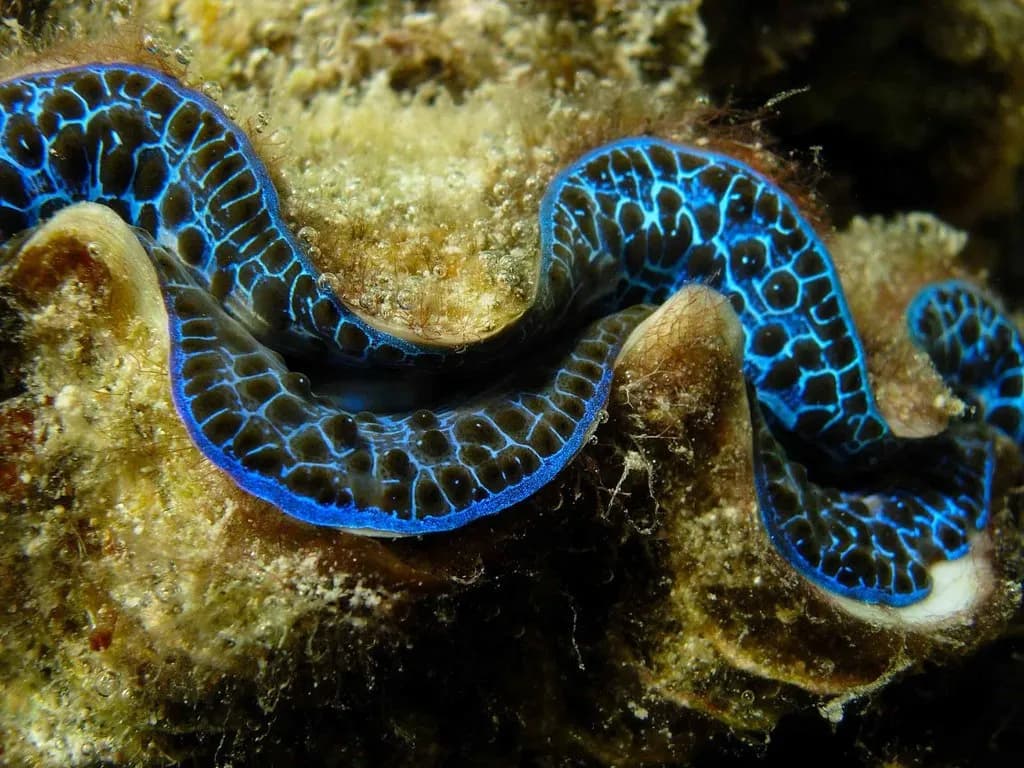
Snails
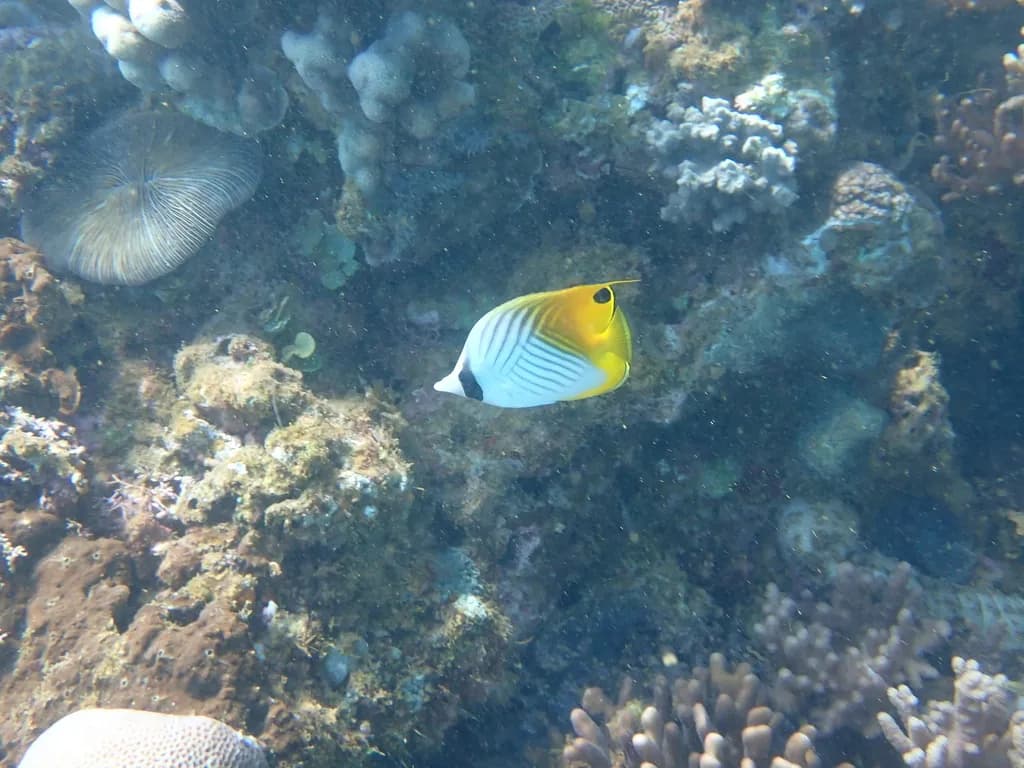
Threadfin Butterflyfish
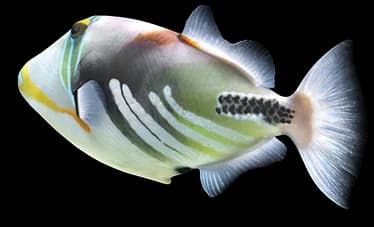
Triggerfish