
El Fanous West
El Fanous West
Overview
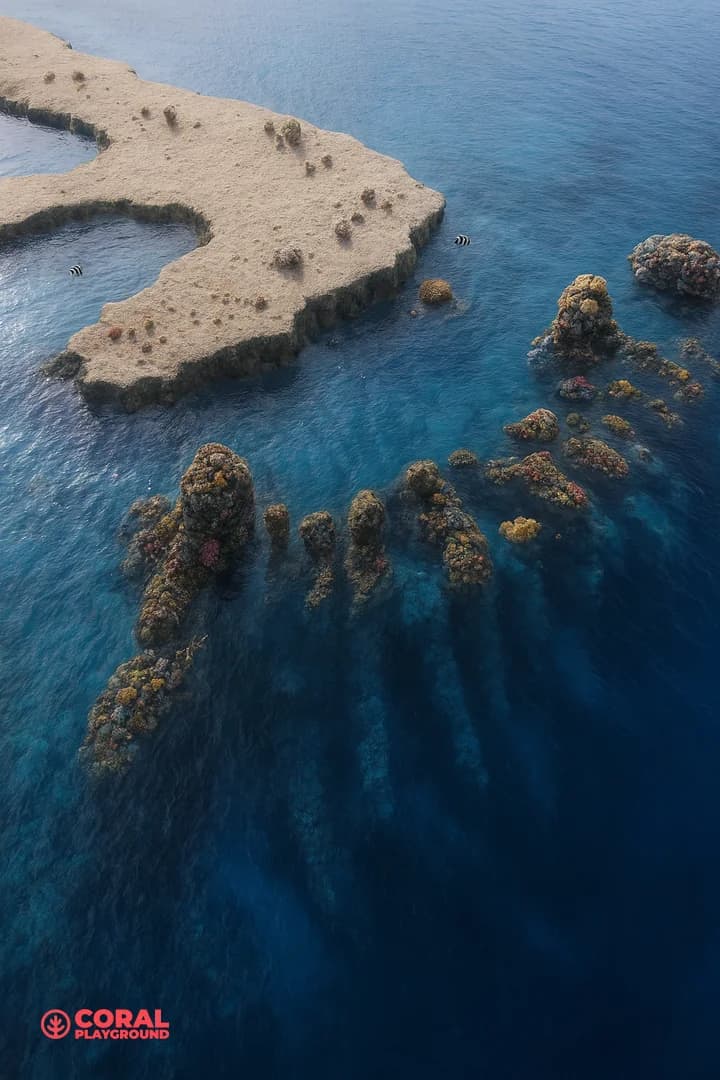
El Fanous West is an easy, dolphin-famous reef a short boat ride north of Hurghada, named for the beacon (fanous) perched on top of the main reef. The western side is the gentler, sandier half of the Fanous reef complex: a sheltered lagoon, coral pinnacles and a couple of soft-coral ergs that make it a relaxed dive for all levels and a regular training site. Its real claim to fame is the dolphins that stop here to feed and play.
The Dive
Dropping in over a seabed of around 6–7m beside the boat, the dive crosses a canal into a sandy lagoon, passing small coral pinnacles on the way. Heading northwest you reach an erg dressed in hard coral at the northern edge of the lagoon, then loop back along the far side past the second main reef. On the eastern flank a shallow wall rises from a sloping sandy bottom, decorated with coral blocks and two attractive ergs densely carpeted in soft coral. Most of the dive stays shallow, in the 6–18m range, with the deeper sand sloping to around 30m for those who want it.
This is calm, forgiving diving — gentle current, easy navigation, plenty of shallow time — which is what makes it such a good site for beginners, courses and check dives. The pinnacles are natural fish magnets and reward a slow, patient circuit.
Marine Life
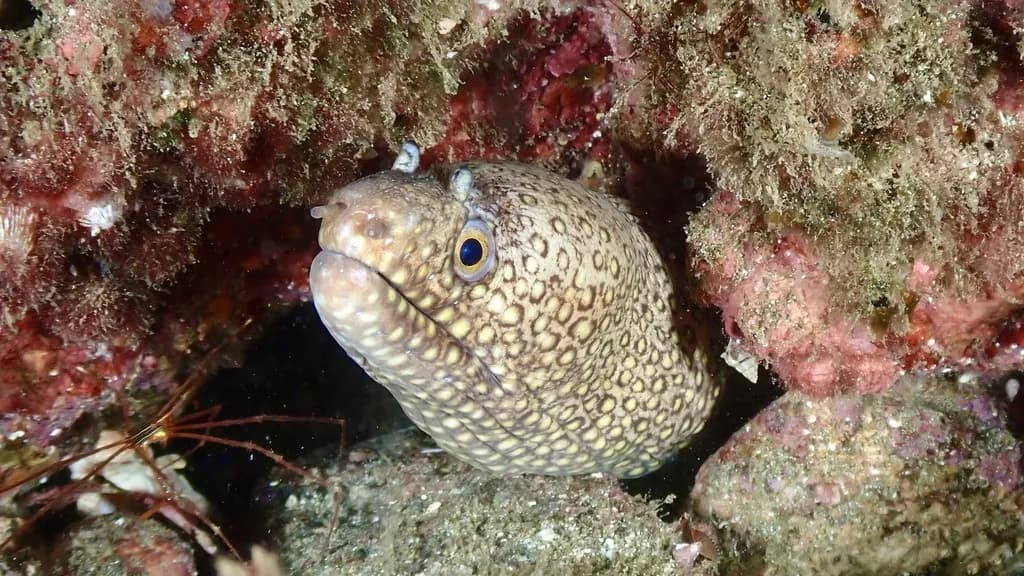
The sandy western character brings blue-spotted stingrays, the occasional larger sand ray, and stonefish lurking on the bottom. Around the ergs and pinnacles look for giant moray eels, silversides, jackfish hunting, lionfish, Picasso and other triggerfish (nesting and aggressive in August–September), butterflyfish, octopus and even squid. Turtles feed in the coral gardens here, and pods of dolphins regularly pass through to play.
Good to Know
El Fanous West is roughly 30 minutes by boat from Hurghada. Visibility is variable depending on conditions and the sandy bottom, commonly 10–25m. With its calm lagoon, shallow profile and dolphin reputation it is a favourite gentle dive and snorkel site, and a dependable choice for newer divers. Best in calm weather; the triggerfish are best given a wide berth in late summer.
Depth
6-30m
Visibility
15-25m
Current
weak
Access
boat
Certification
Open Water
Species
Angelfish
Anthias
Roman Eel
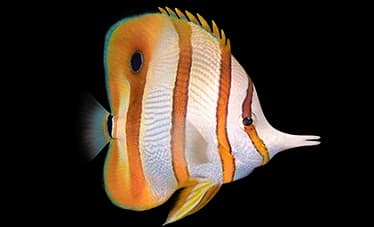
Copperband Butterflyfish
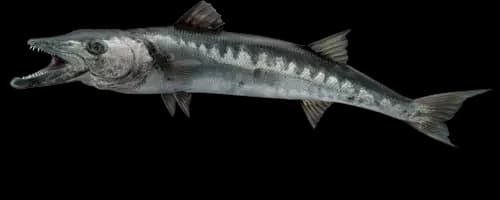
Barracuda
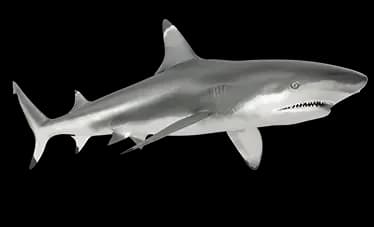
Blacktip Shark
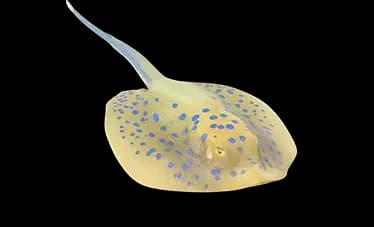
Blue Spotted Stingray
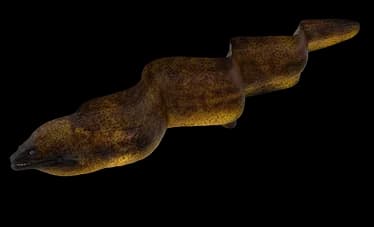
Moray Eel
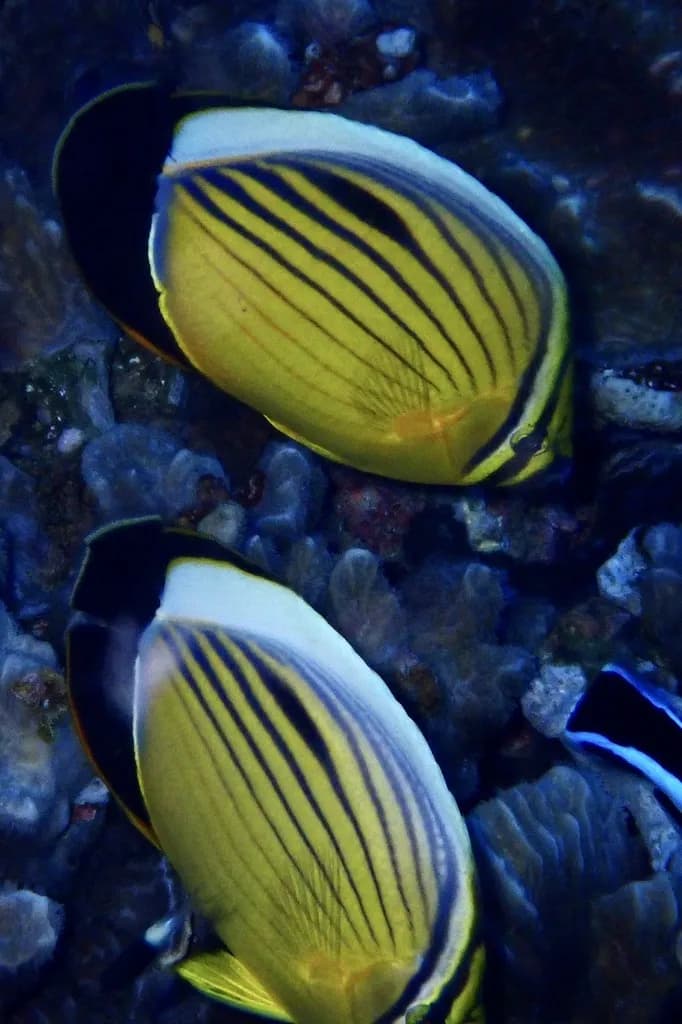
Butterflyfish
Clownfish
Splendour Wrasse
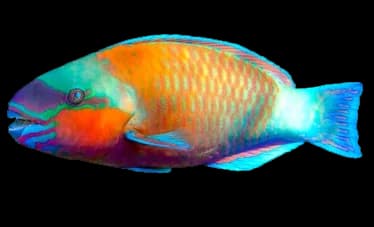
Parrotfish
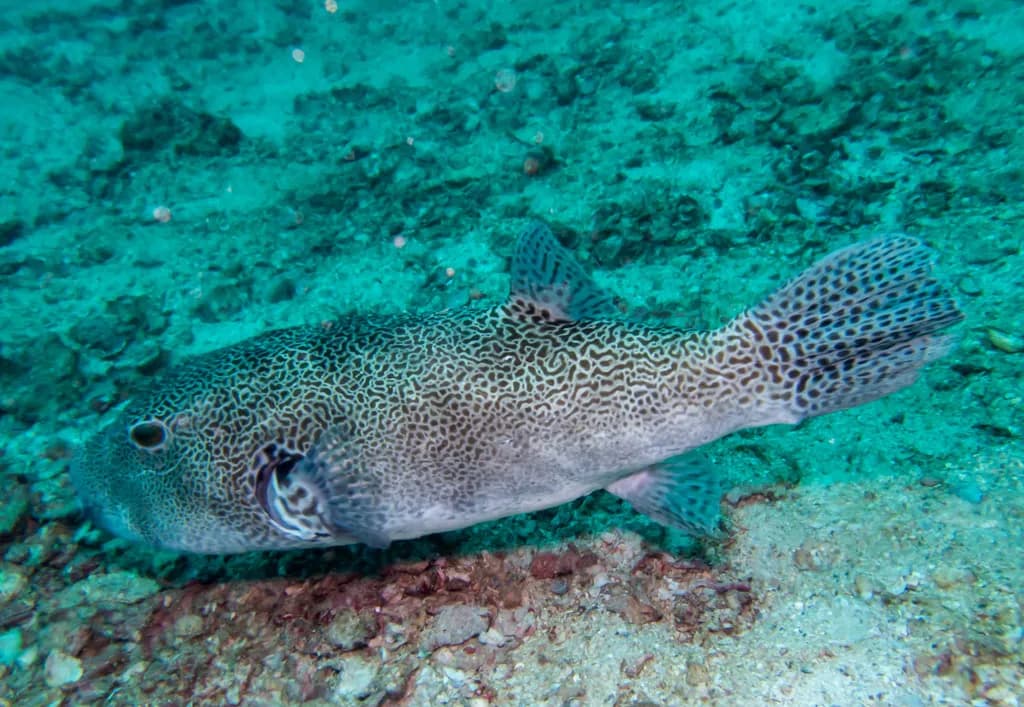
Starry Pufferfish
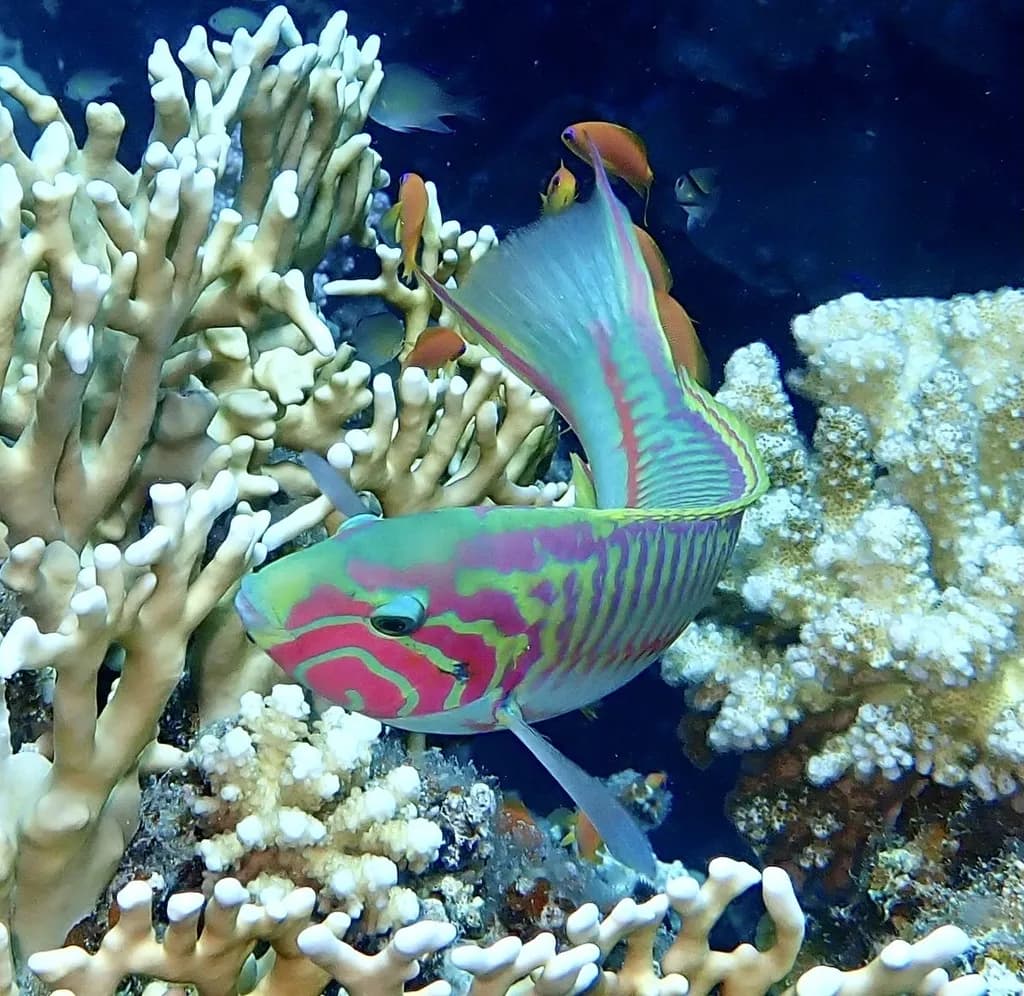
Klunzinger's Wrasse
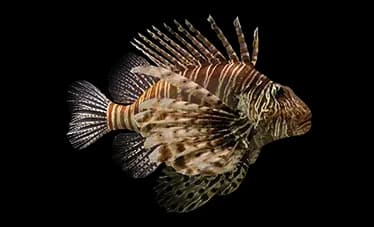
Lionfish
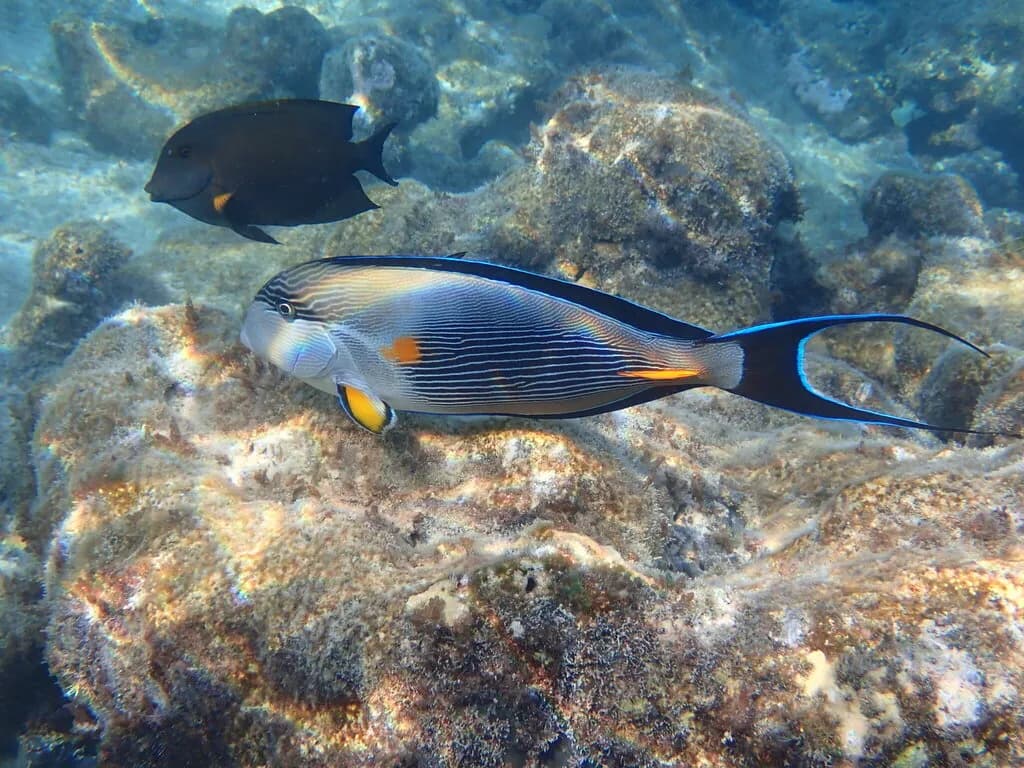
Doctor Fish
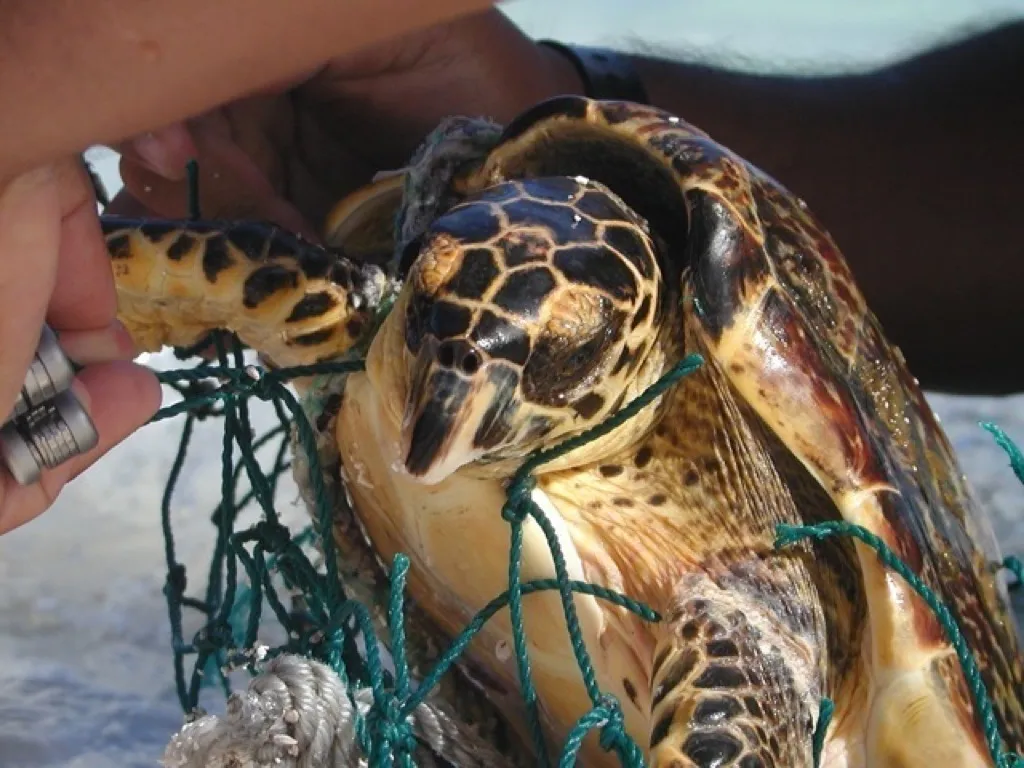
Hawksbill Turtle
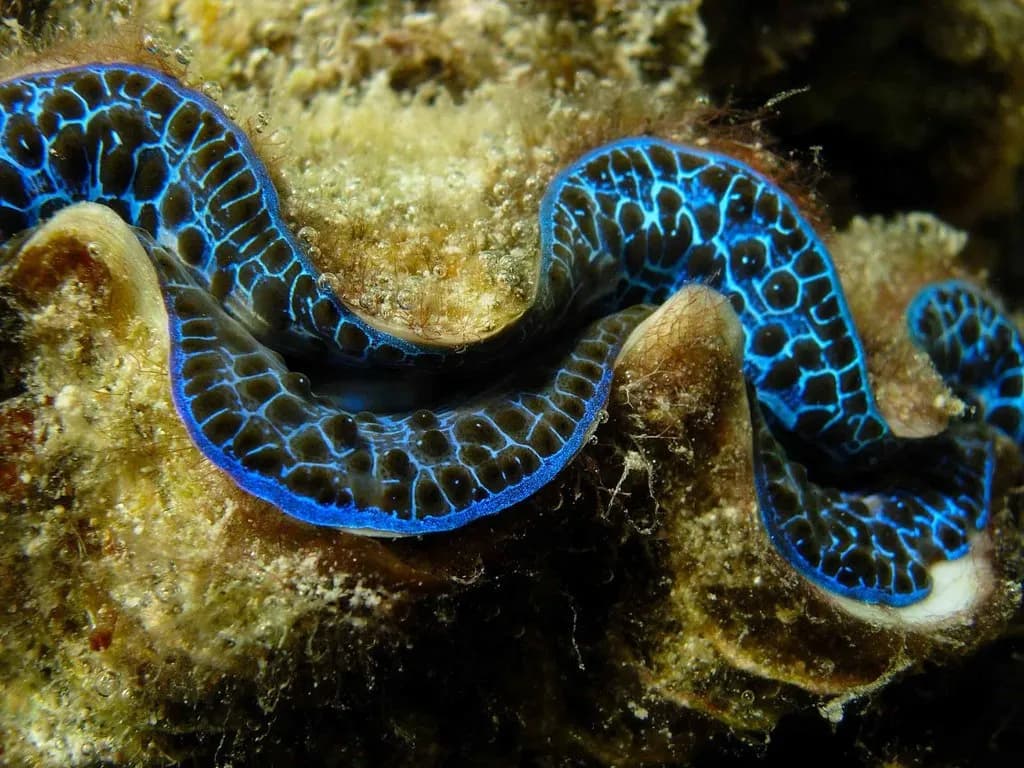
Snails
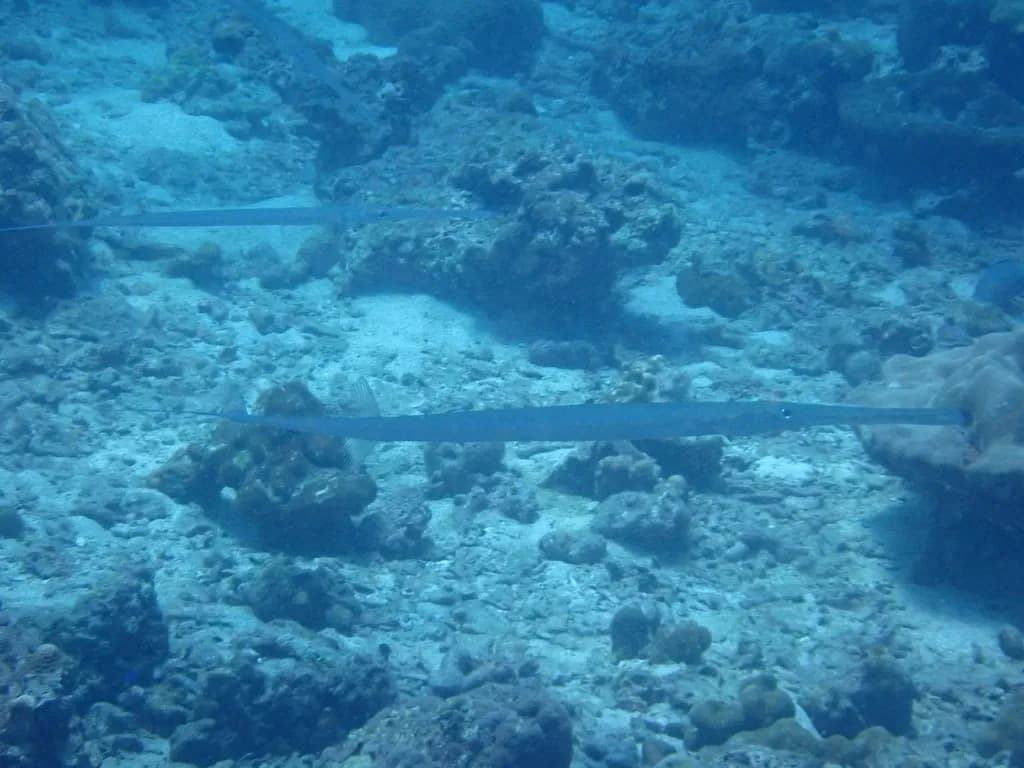
Cornetfish
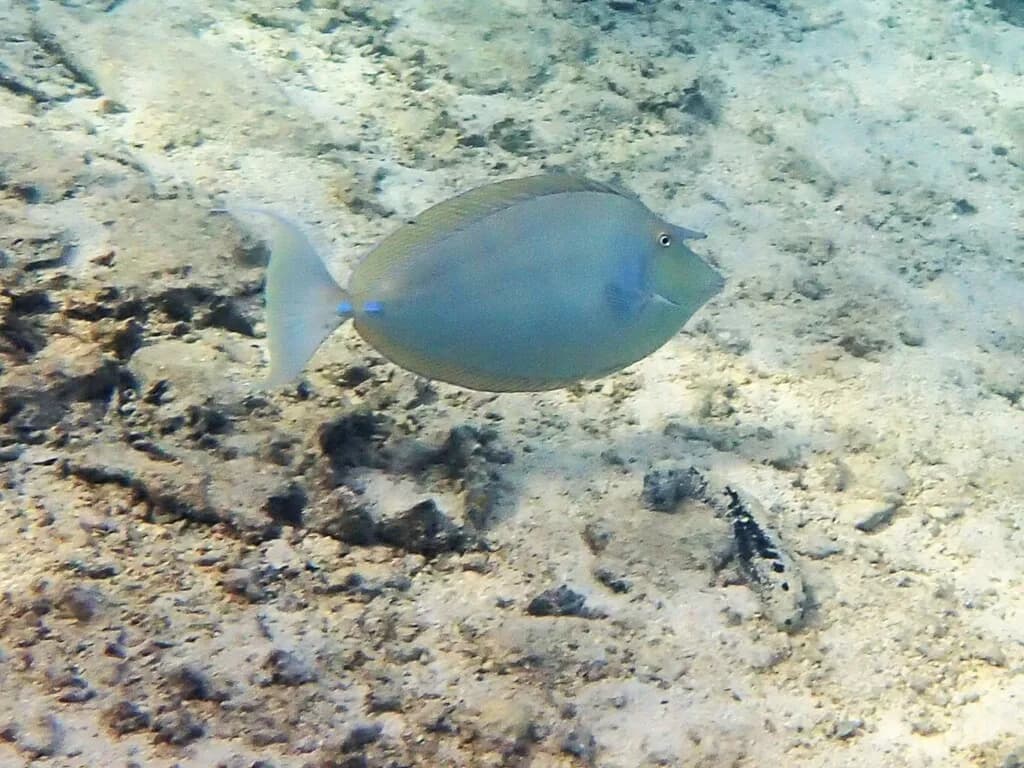
Unicorn Fish
Napoleon Wrasse
Bannerfish
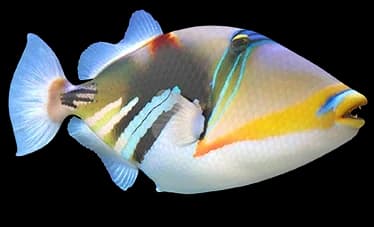
Picasso Triggerfish
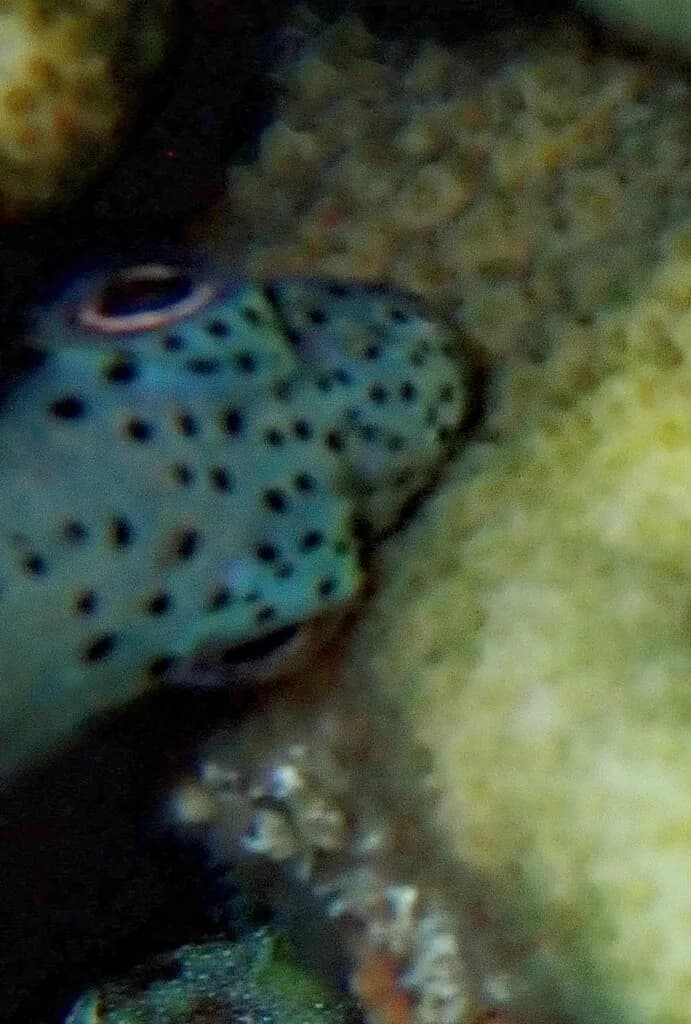
Blackside Hawkfish
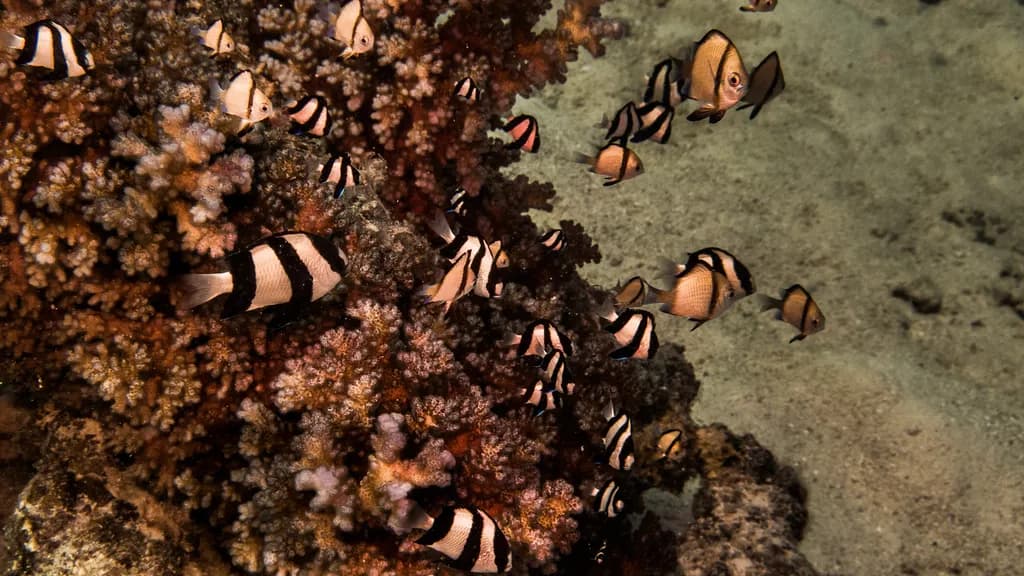
Humbug Damsel
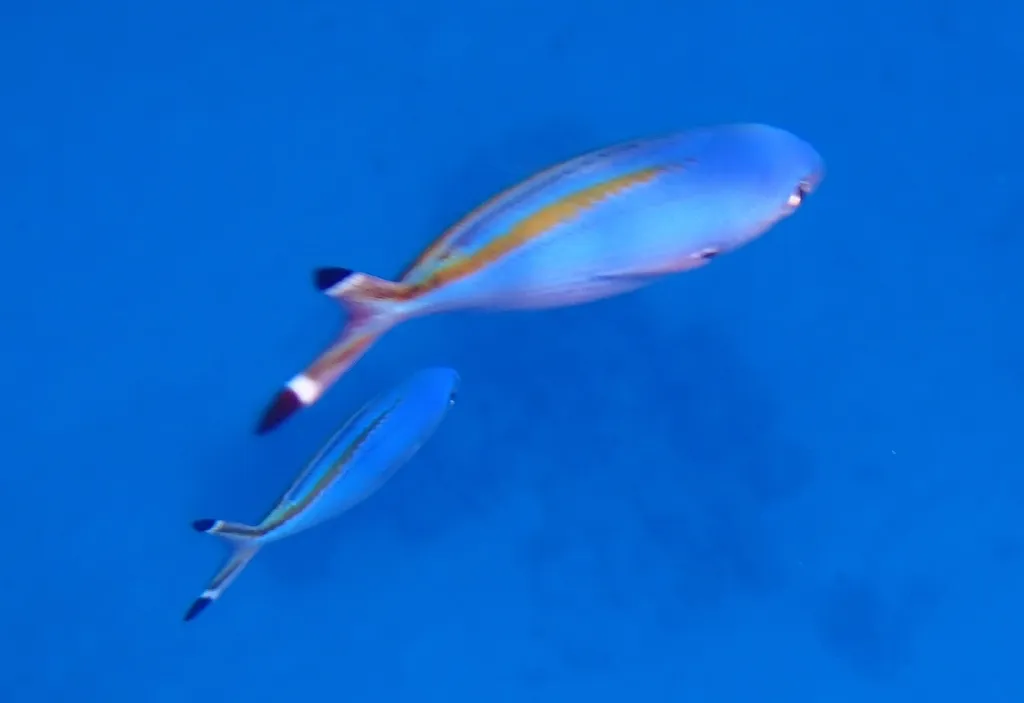
Fusilier
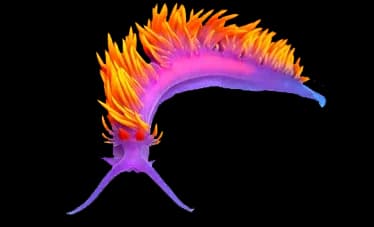
Nudibranch
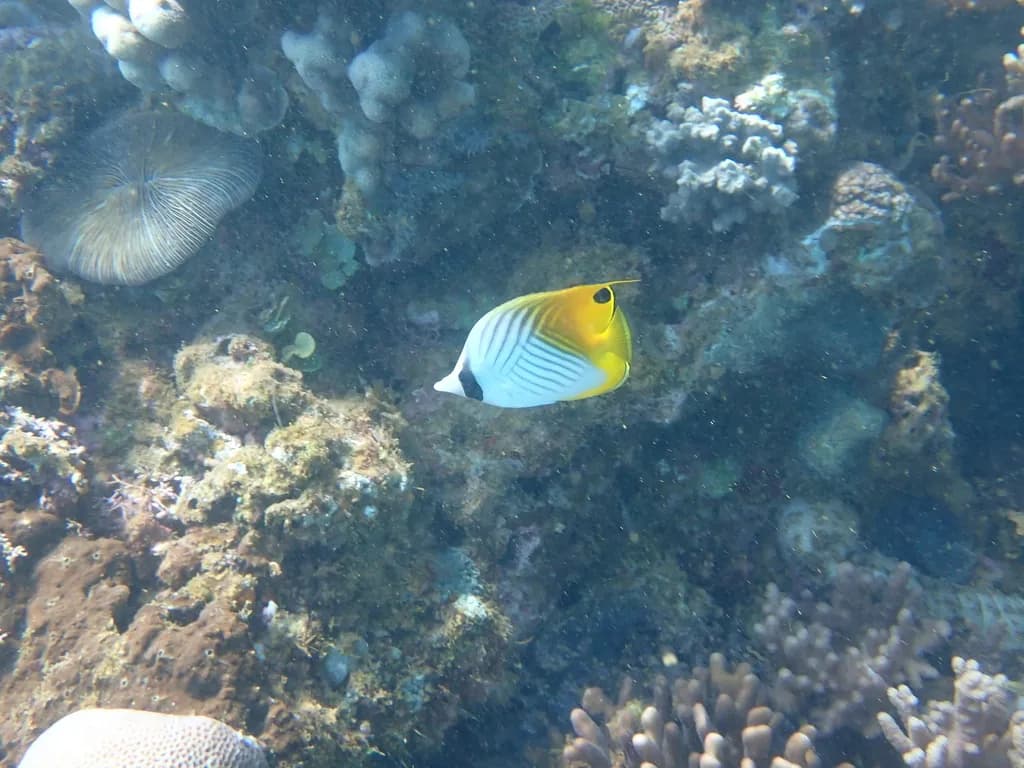
Threadfin Butterflyfish
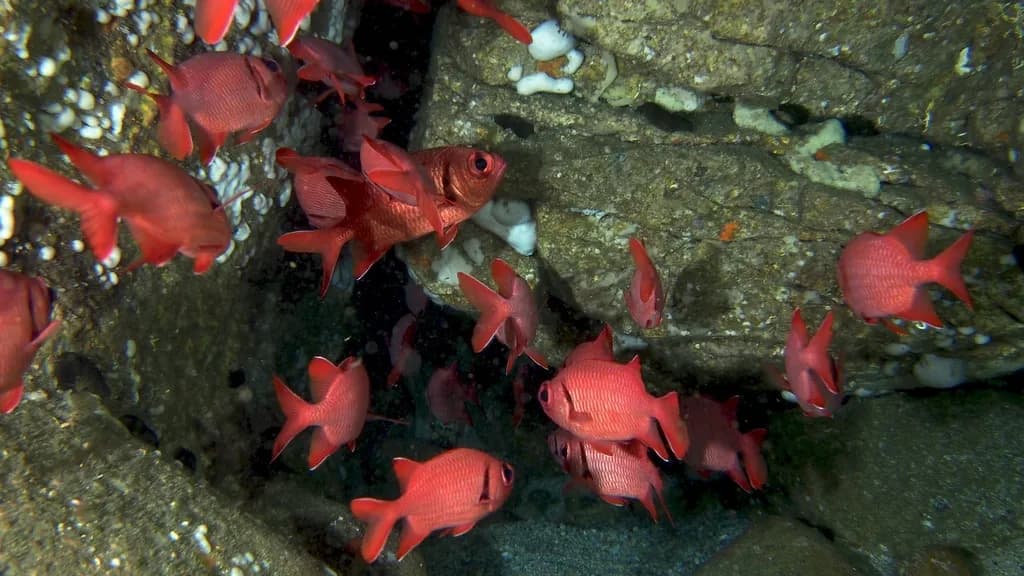
Soldierfish
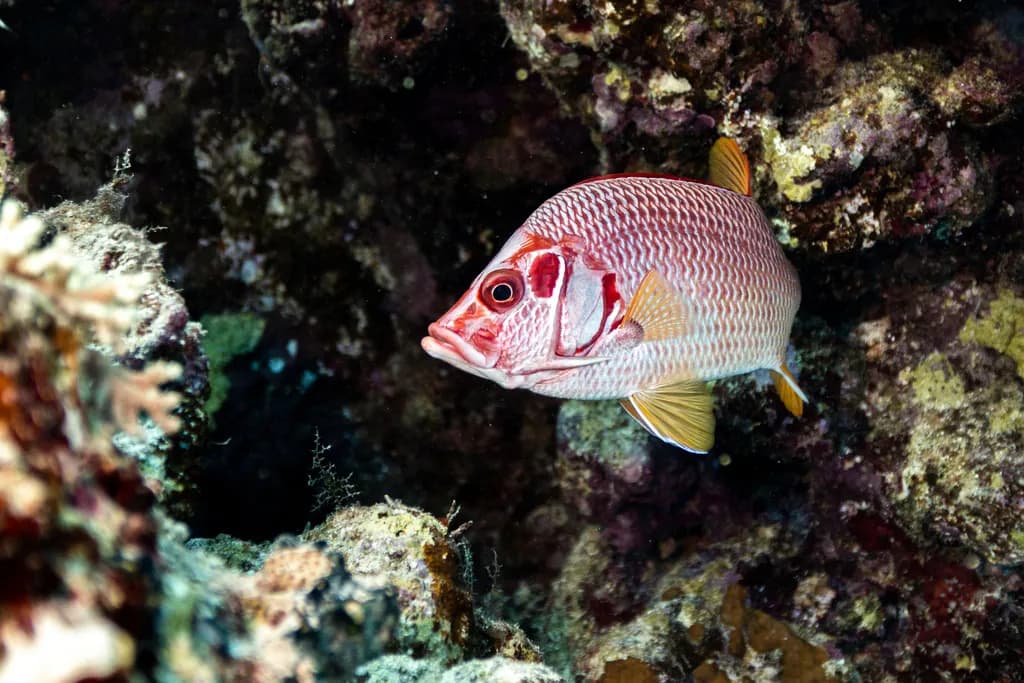
Squirrelfish
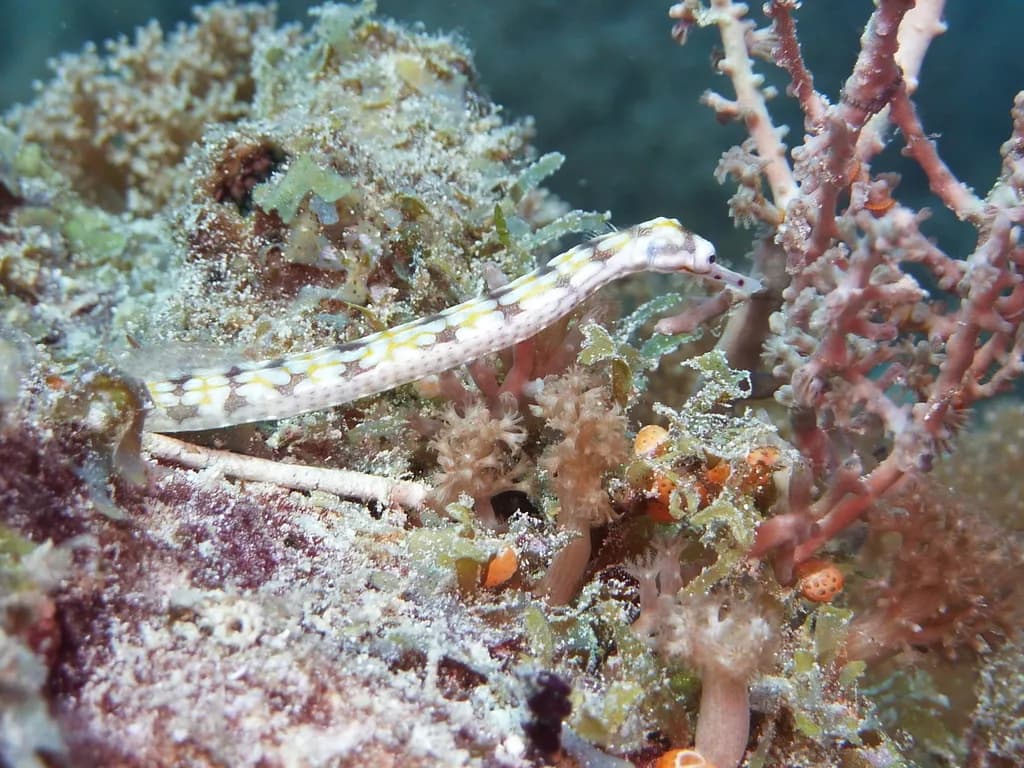
Pipefish
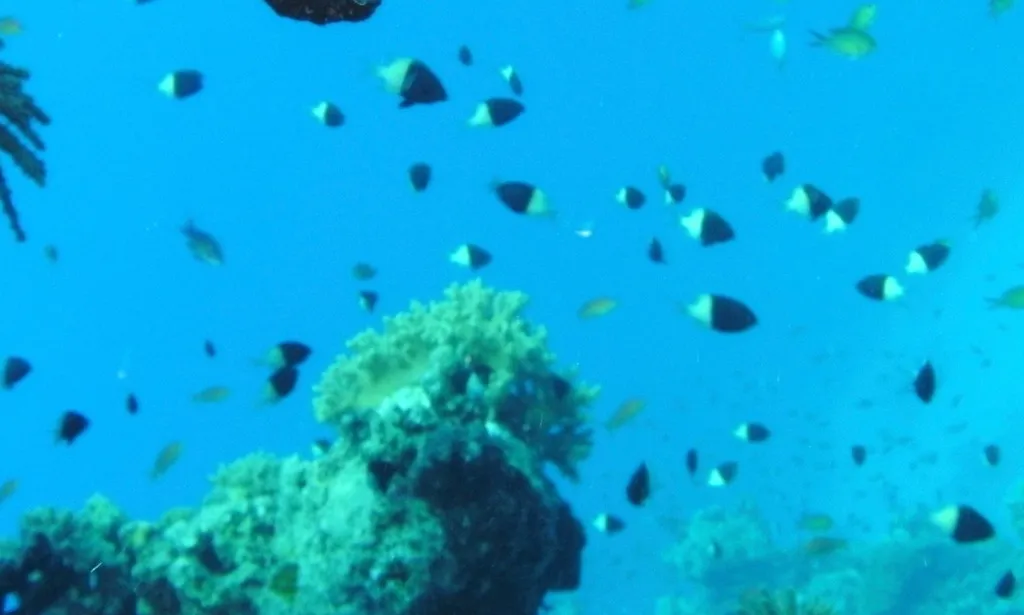
Bicolour Puller
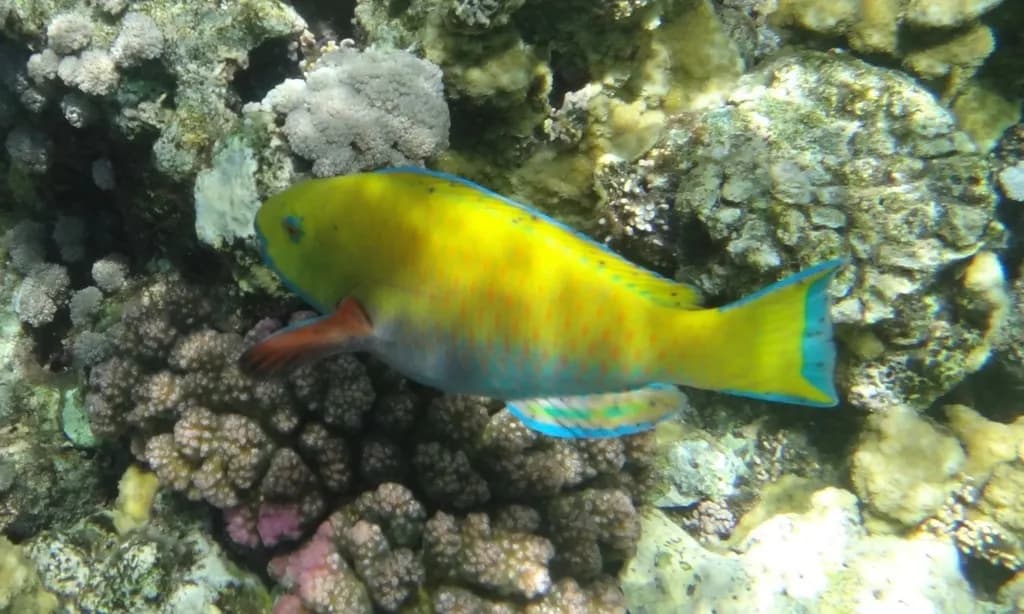
Steephead Parrotfish
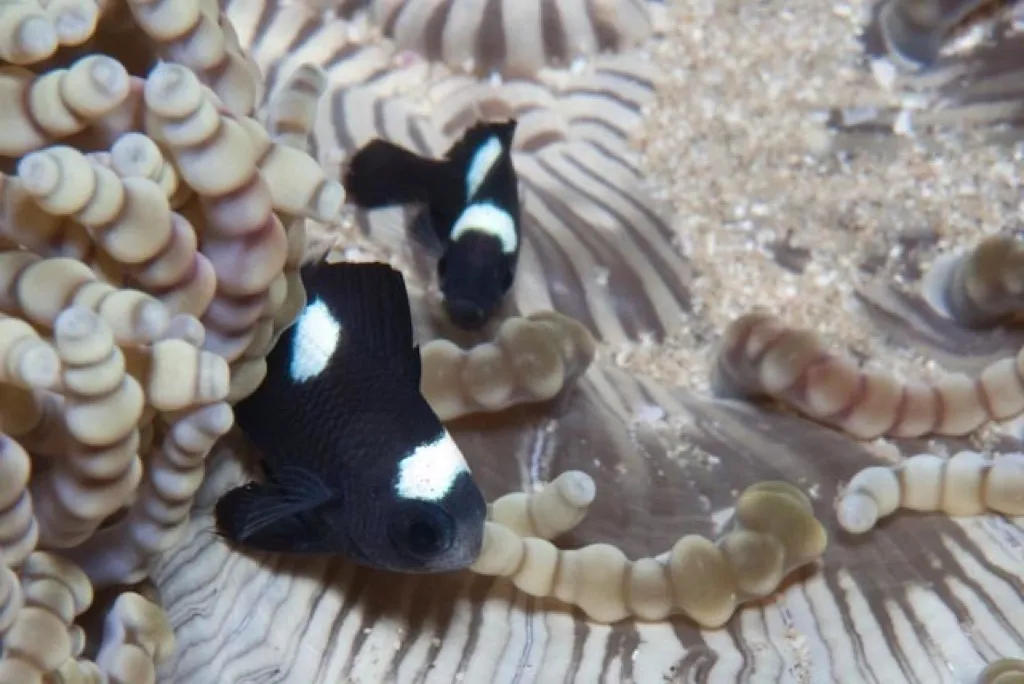
Domino Damsel
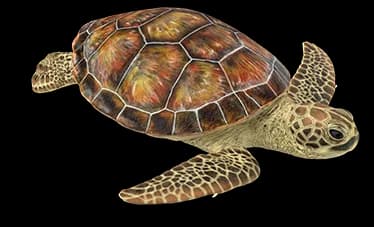
Turtle
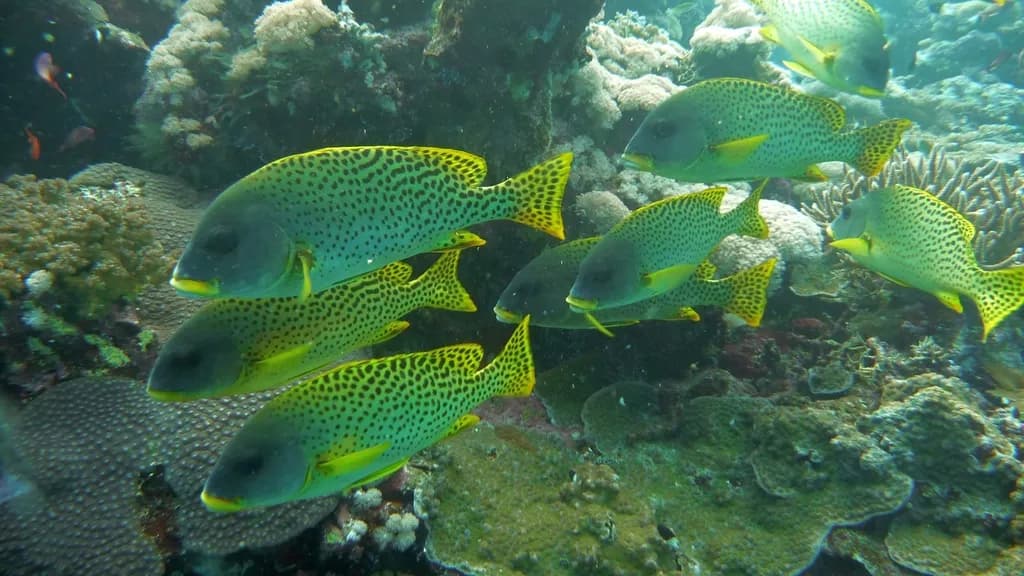
Sweetlip
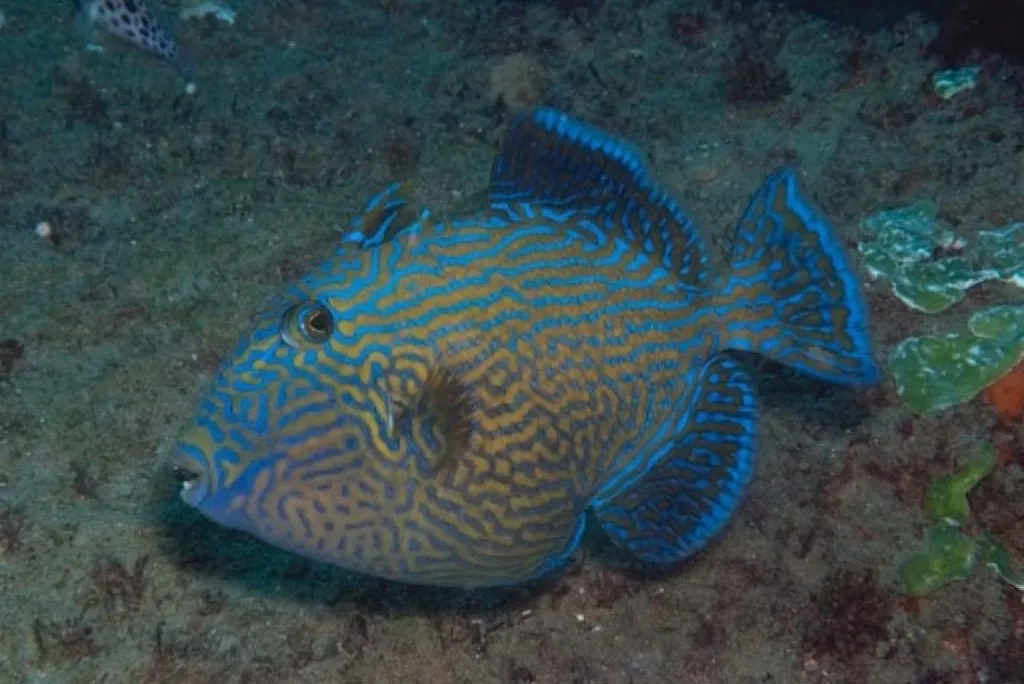
Blue Triggerfish
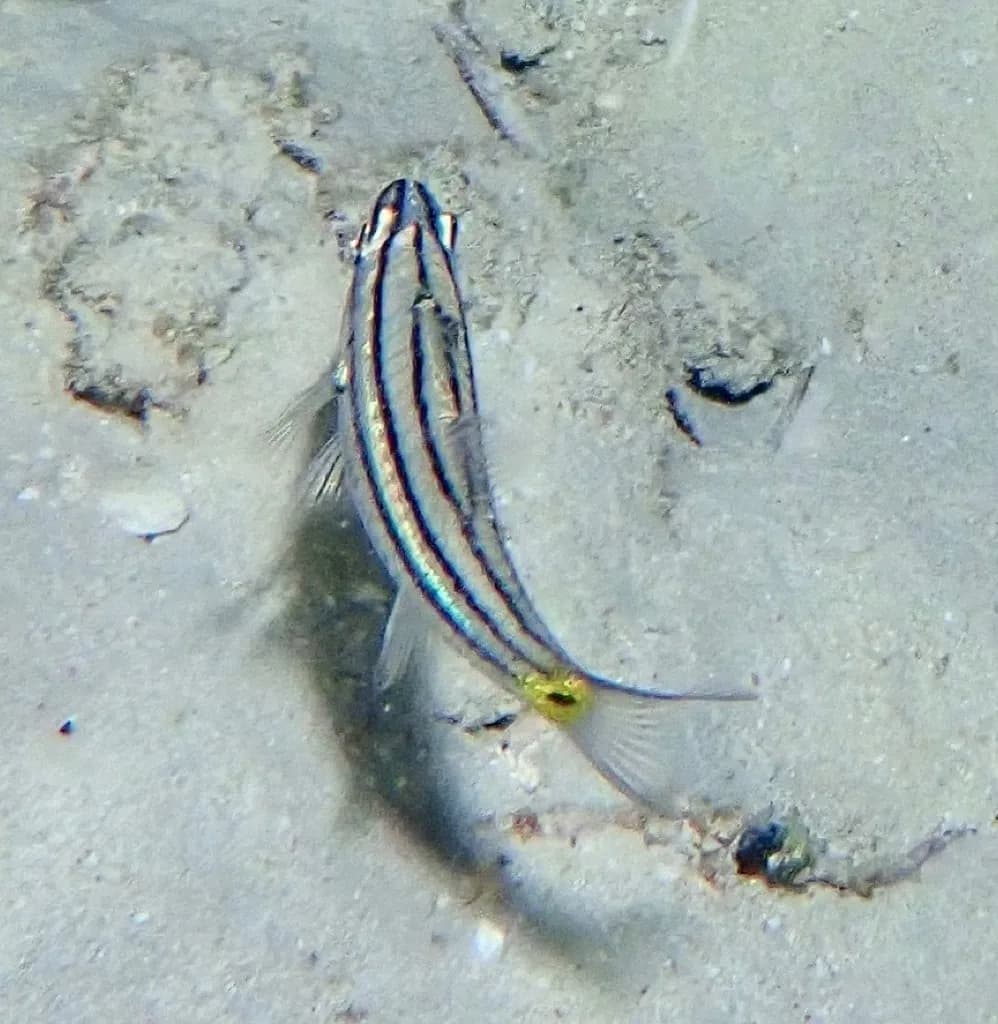
Cardinal Fish
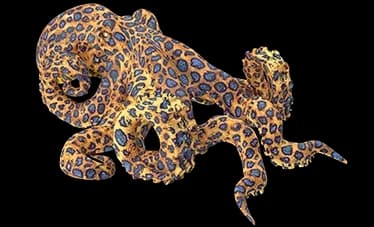
Octopus
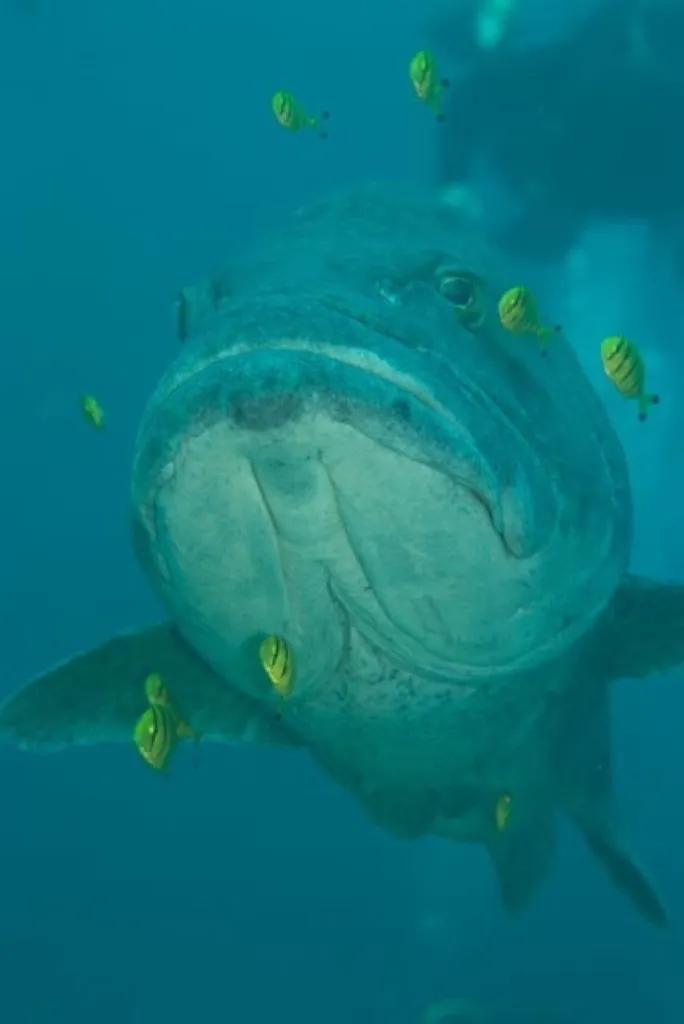
Black Grouper
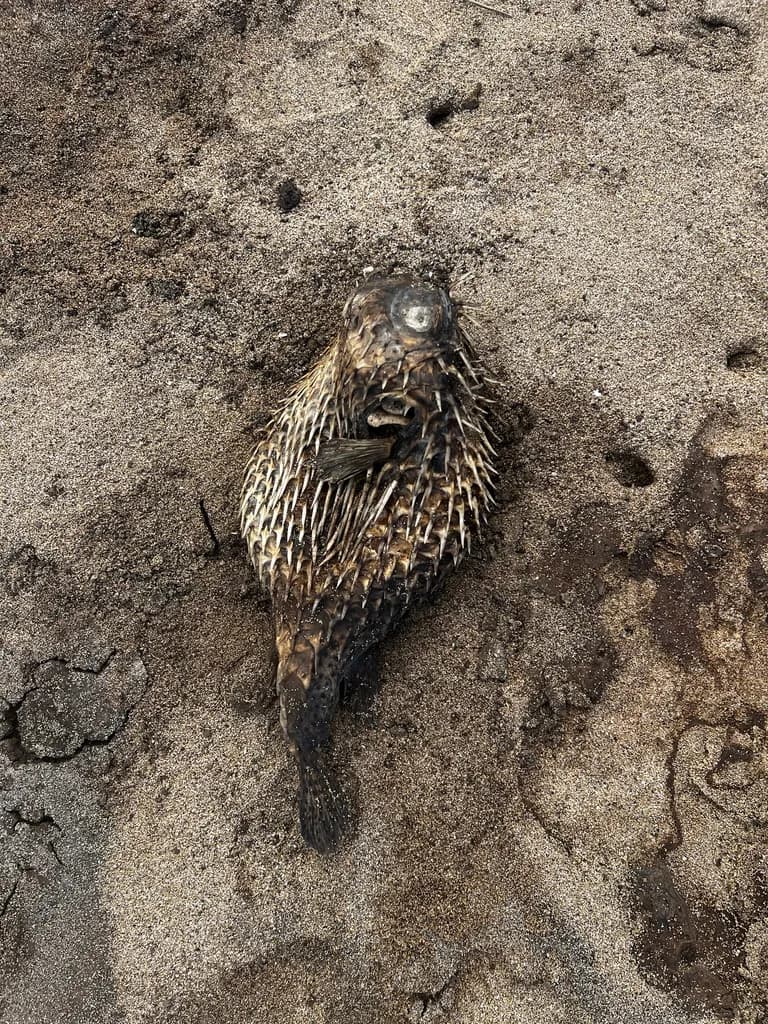
Porcupine Fish
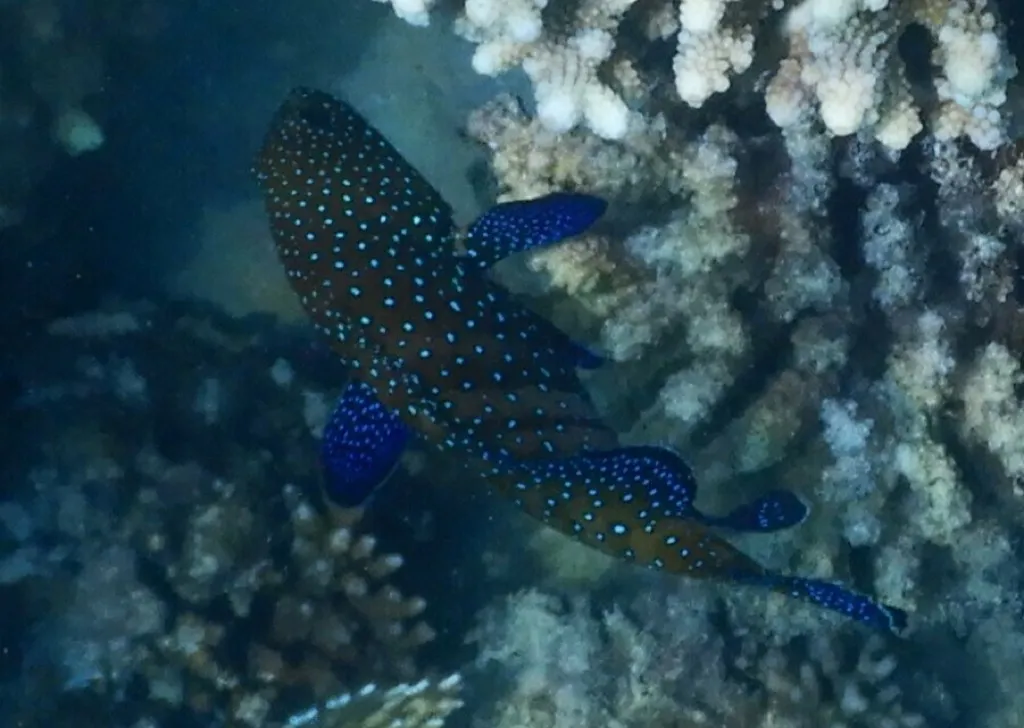
Peacock Grouper
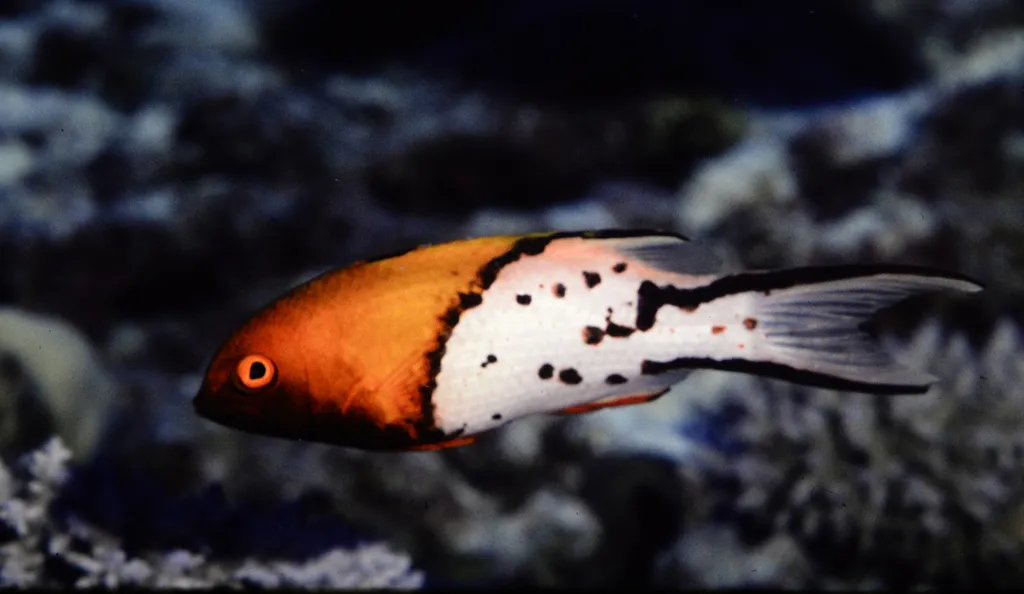
Lyretail Hogfish
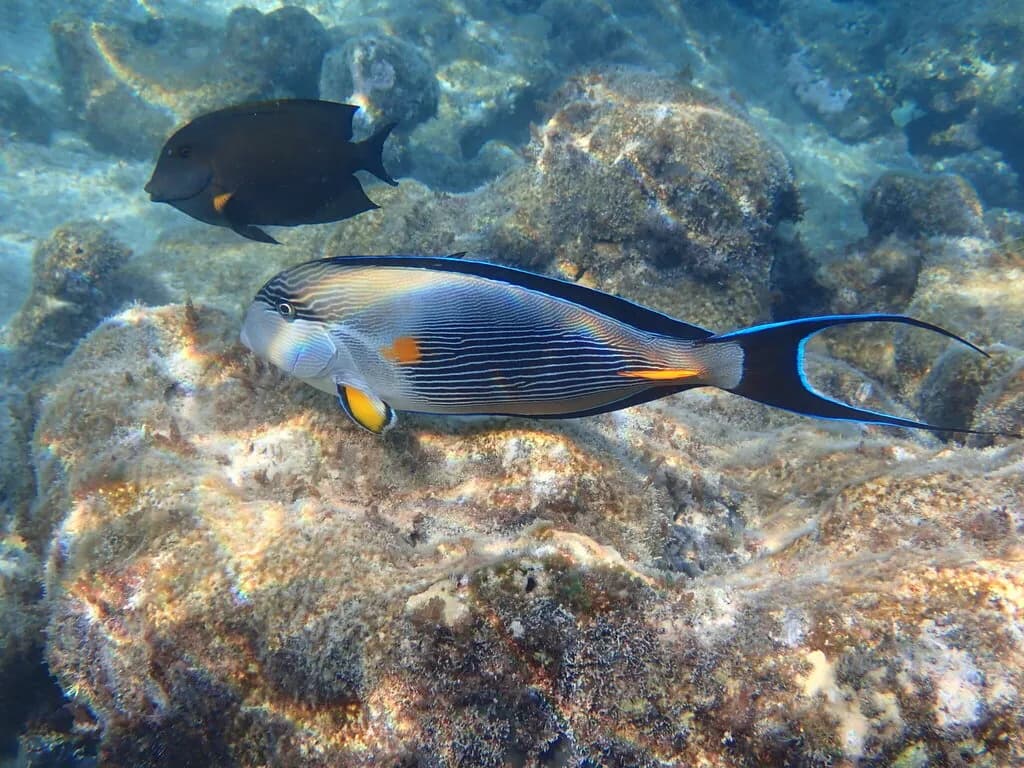
Surgeonfish
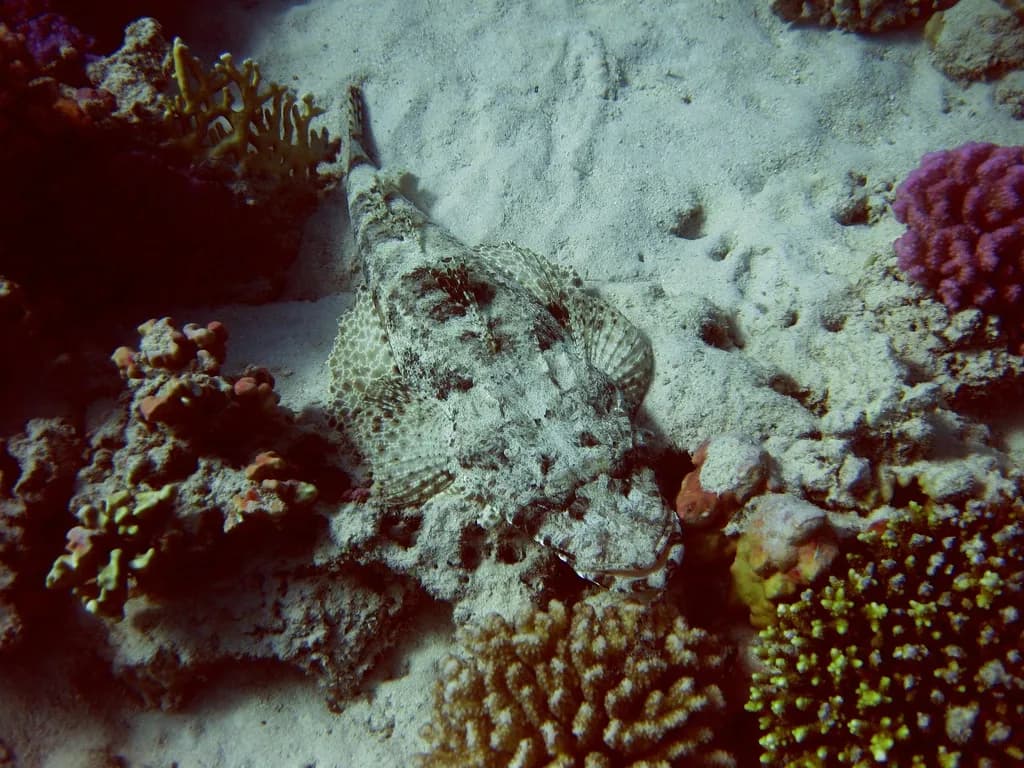
Crocodilefish
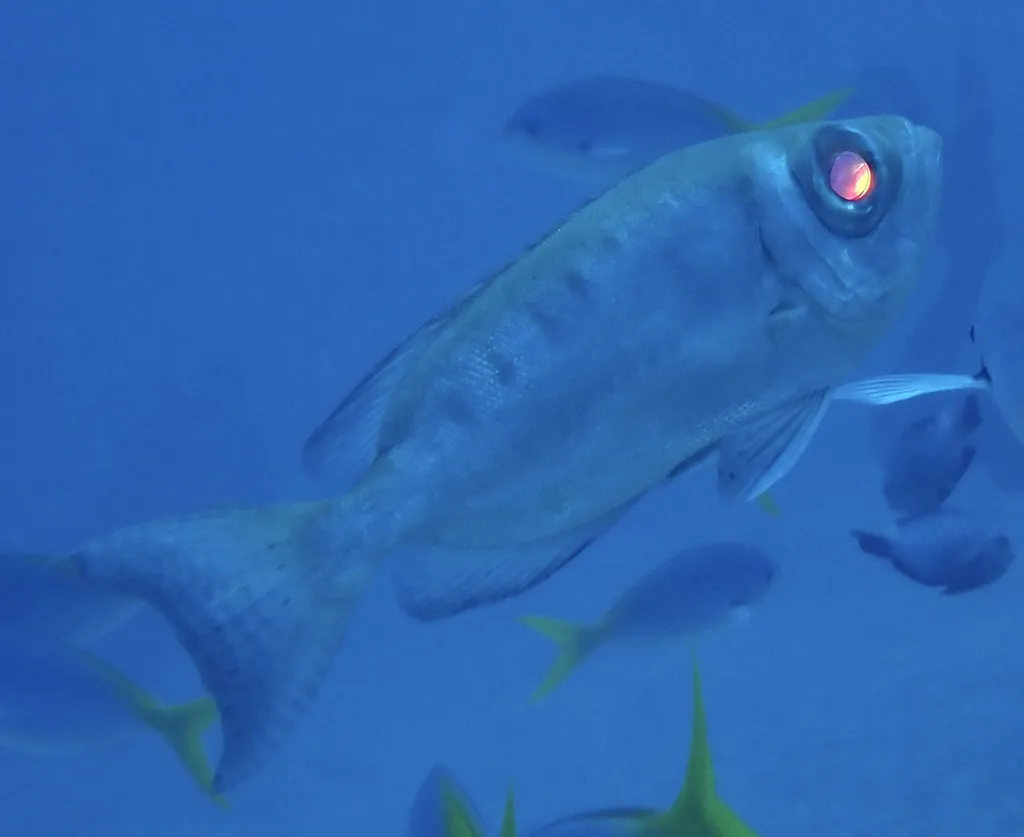
Bigeye
Grouper
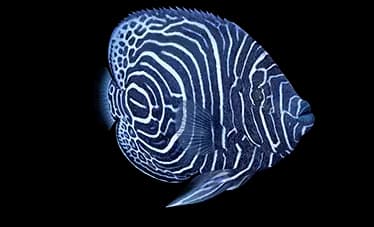
Emperor Angelfish
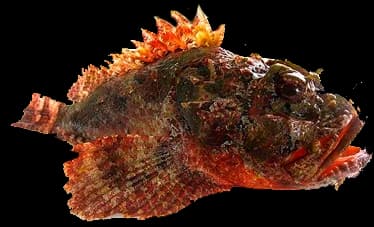
Scorpionfish
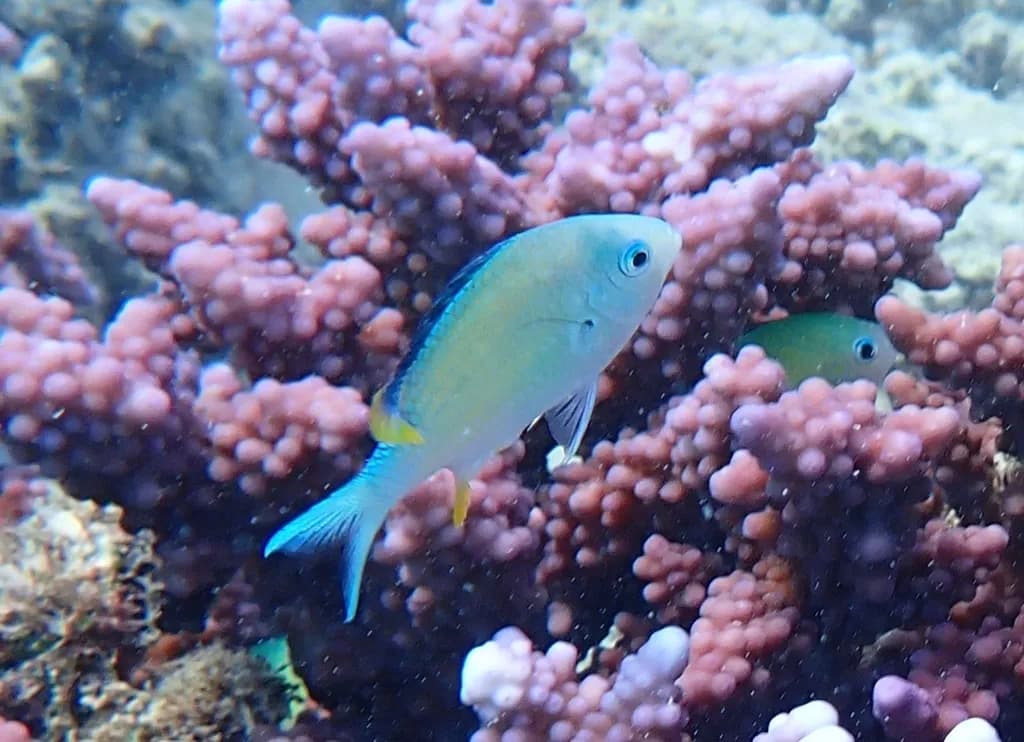
Bluegreen Puller
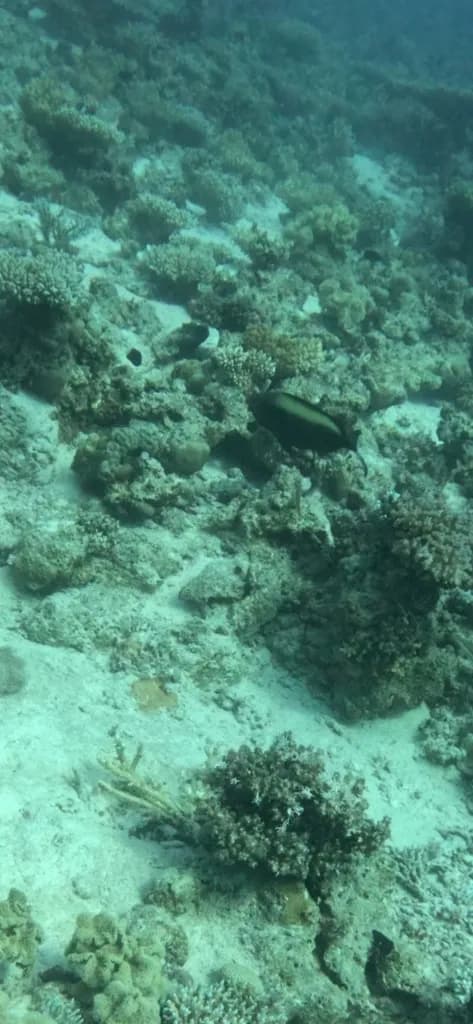
Bicolor Parrotfish
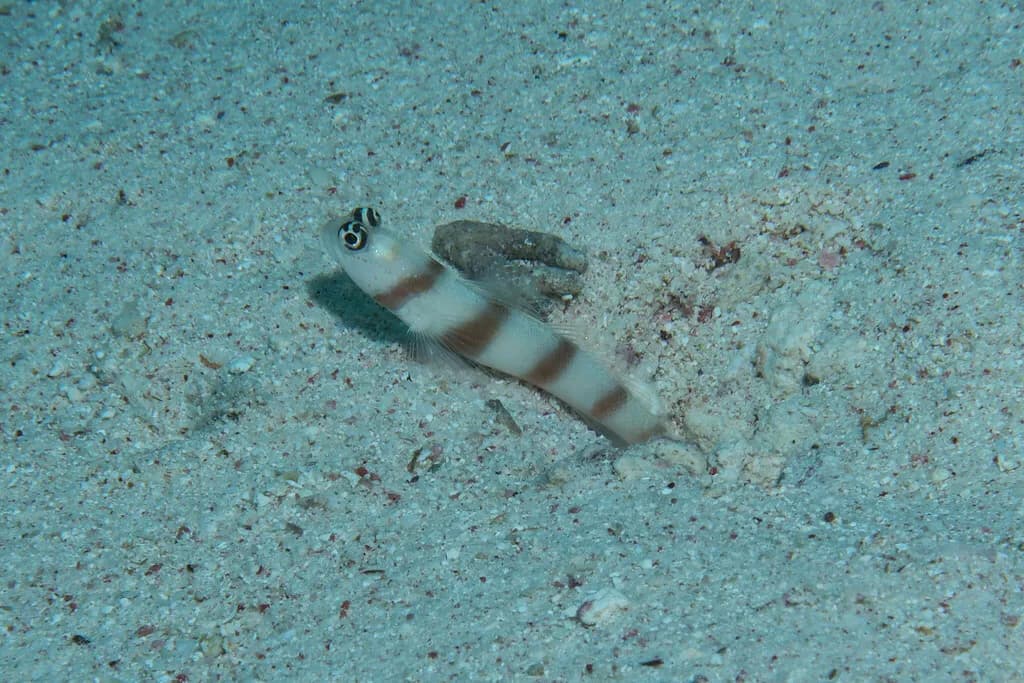
Gobie
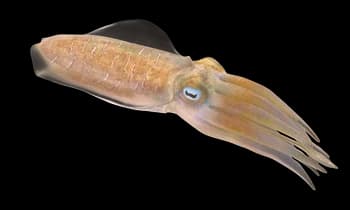
Squid
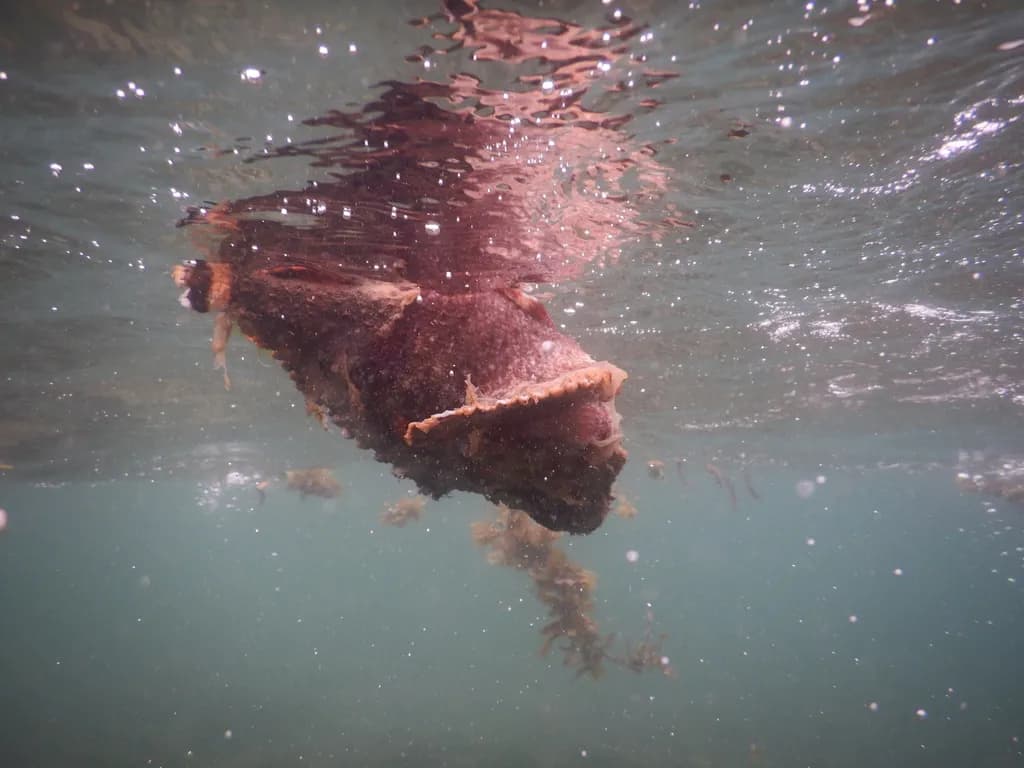
Stonefish
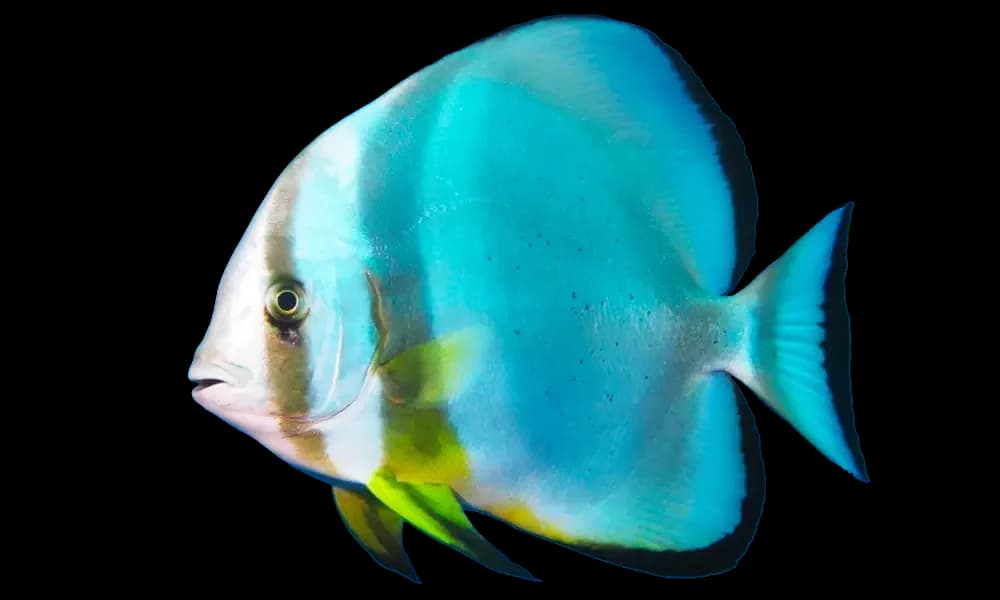
Batfish
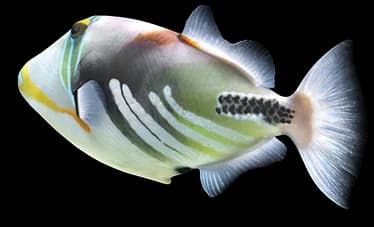
Triggerfish
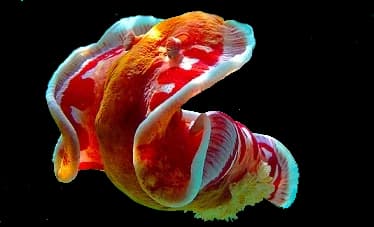
Spanish Dancer
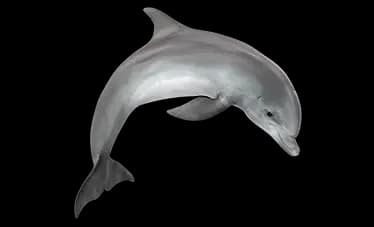
Dolphin
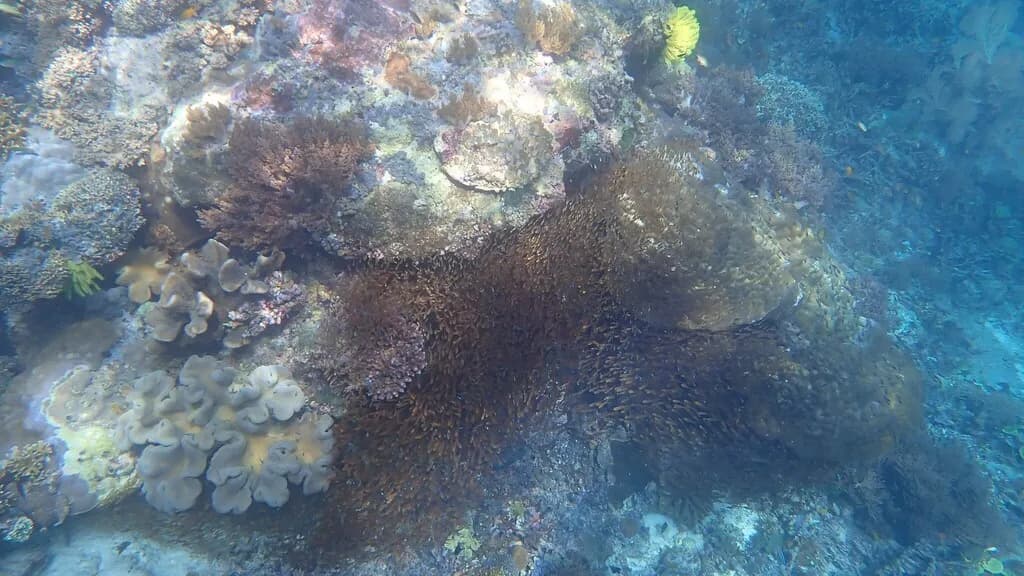
Pygmy Sweeper
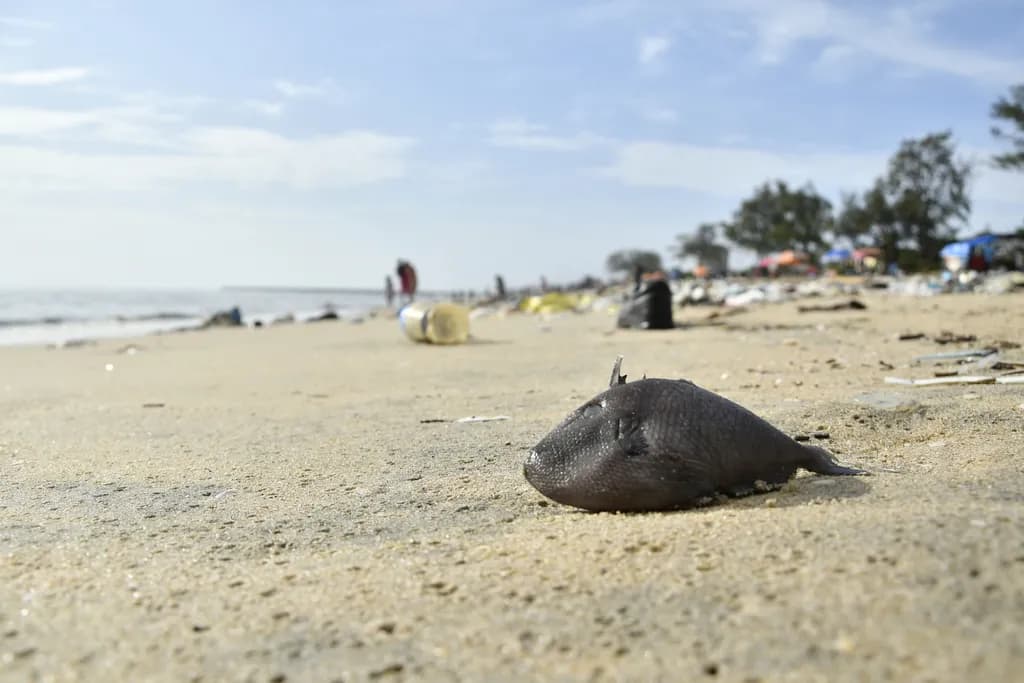
Redtooth Triggerfish
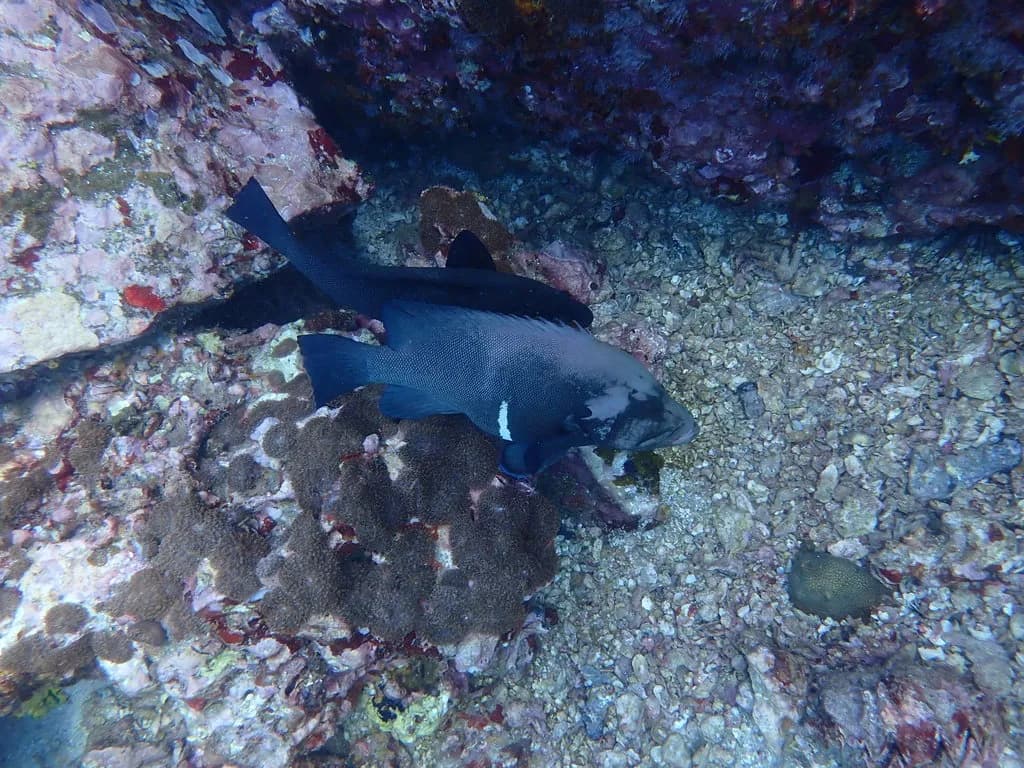
Redmouth Grouper
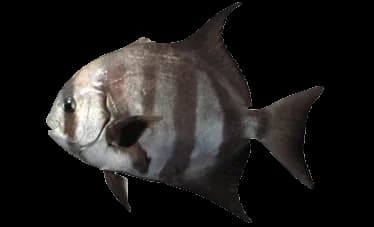
Spadefish
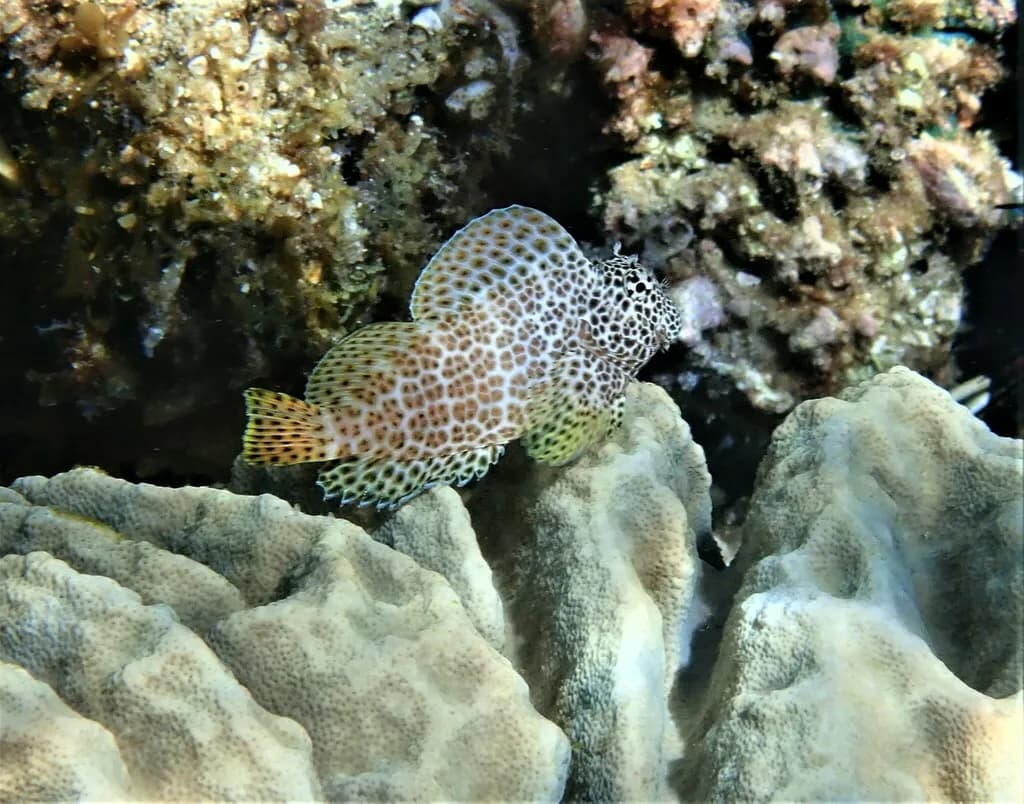
Leopard Blenny
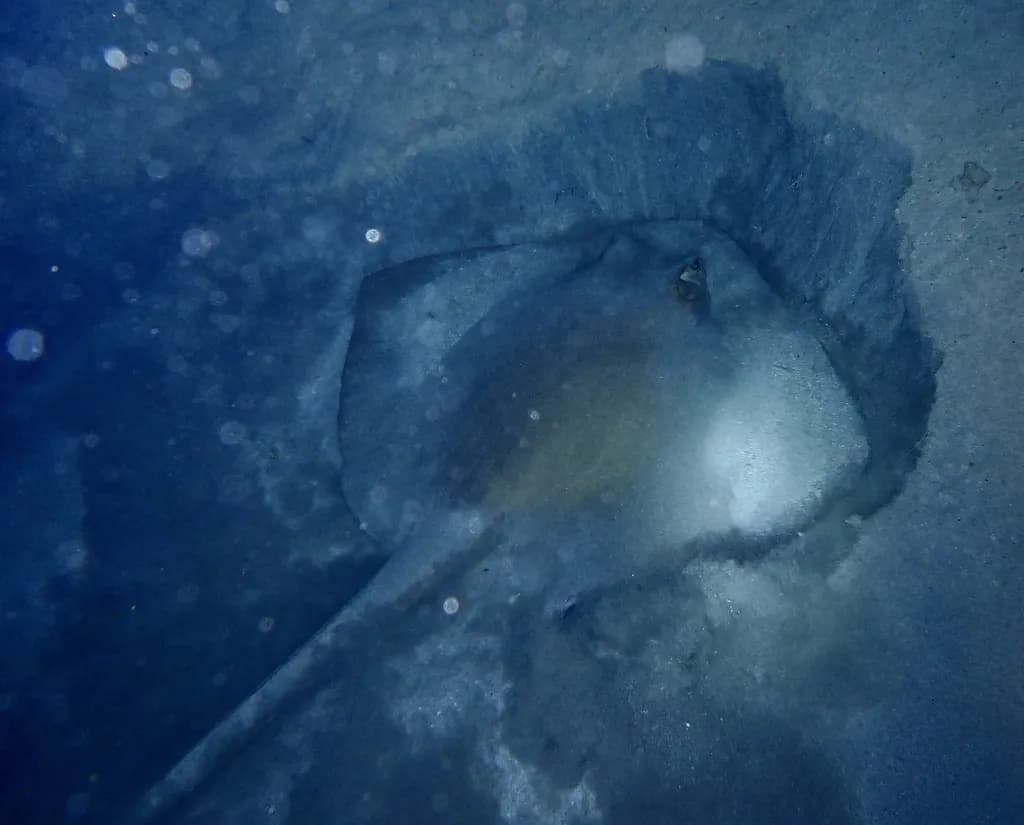
Feathertail Ray
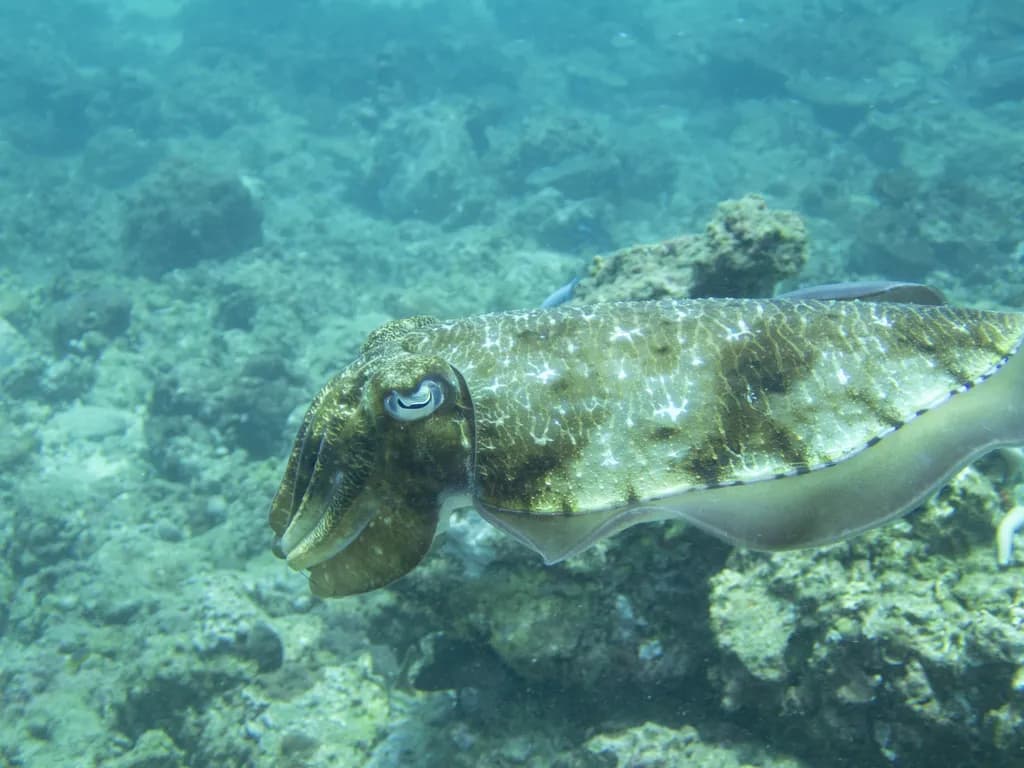
Cuttlefish
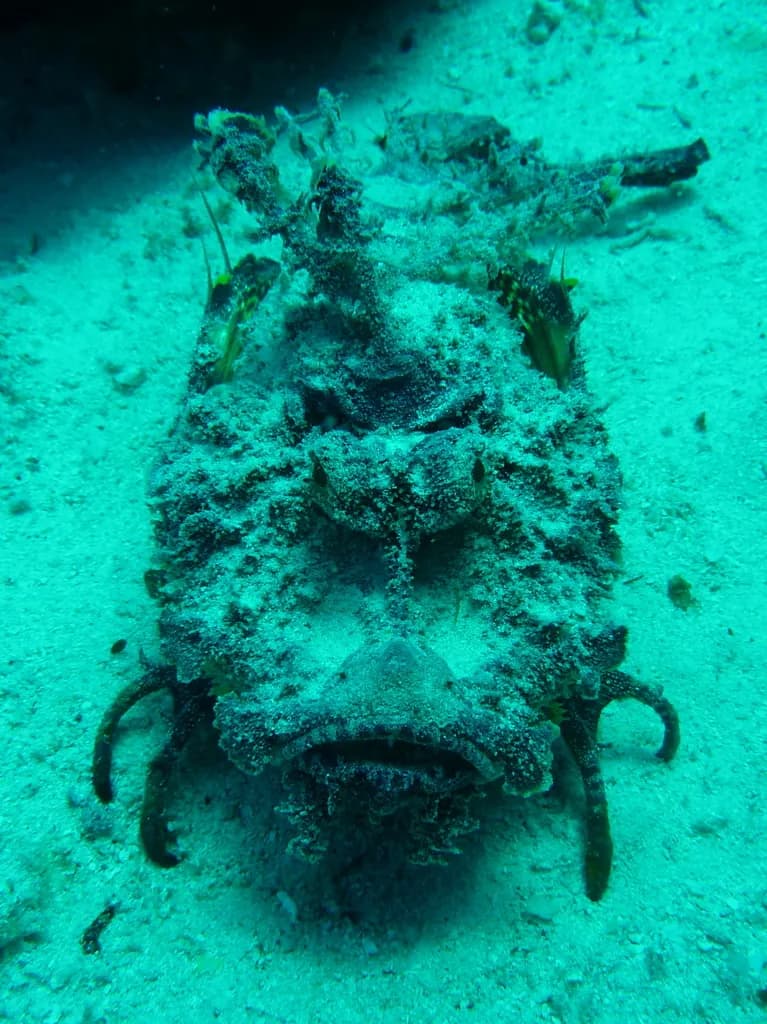
Spiny Devilfish
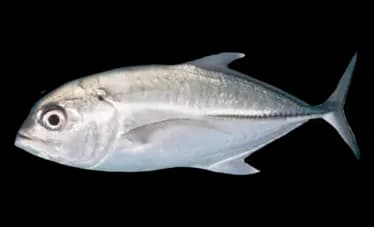
Jackfish
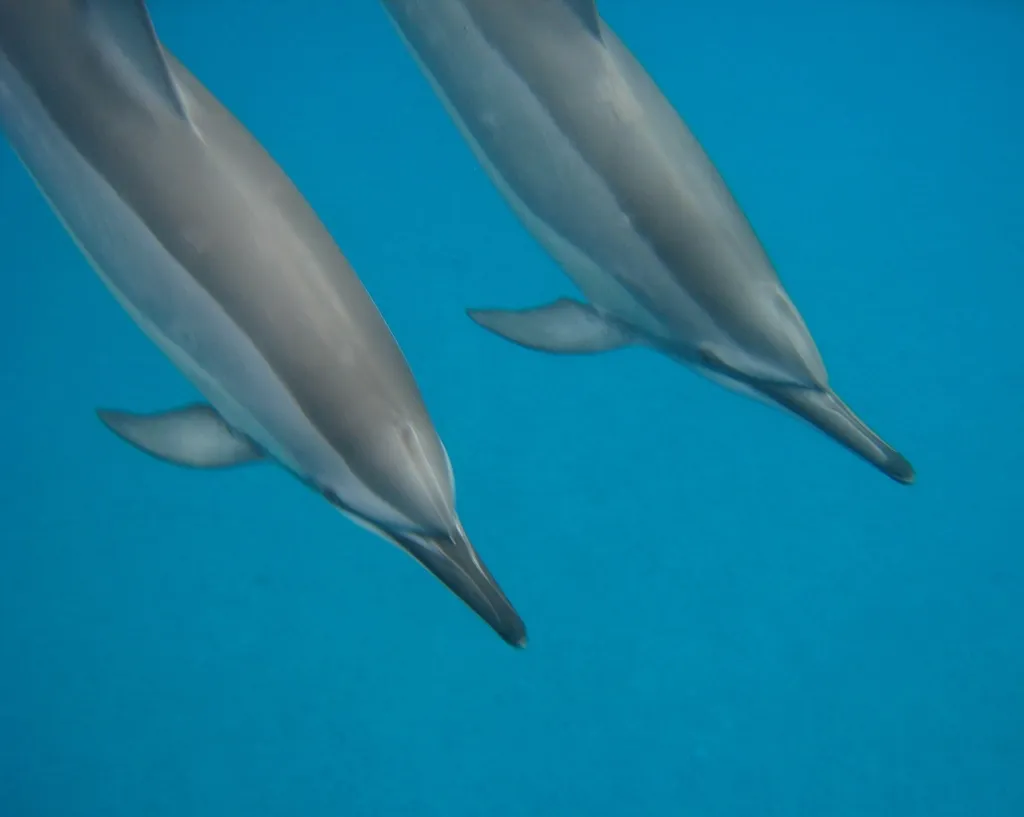
Spinner Dolphin
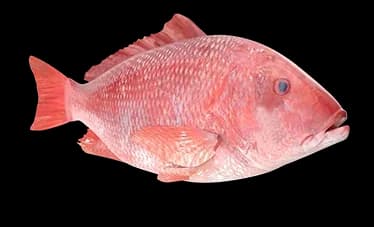
Red Snapper
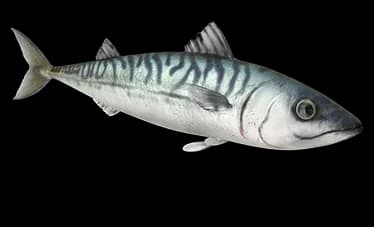
Mackerel
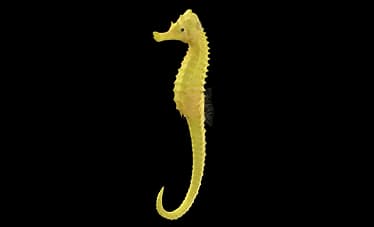
Seahorse
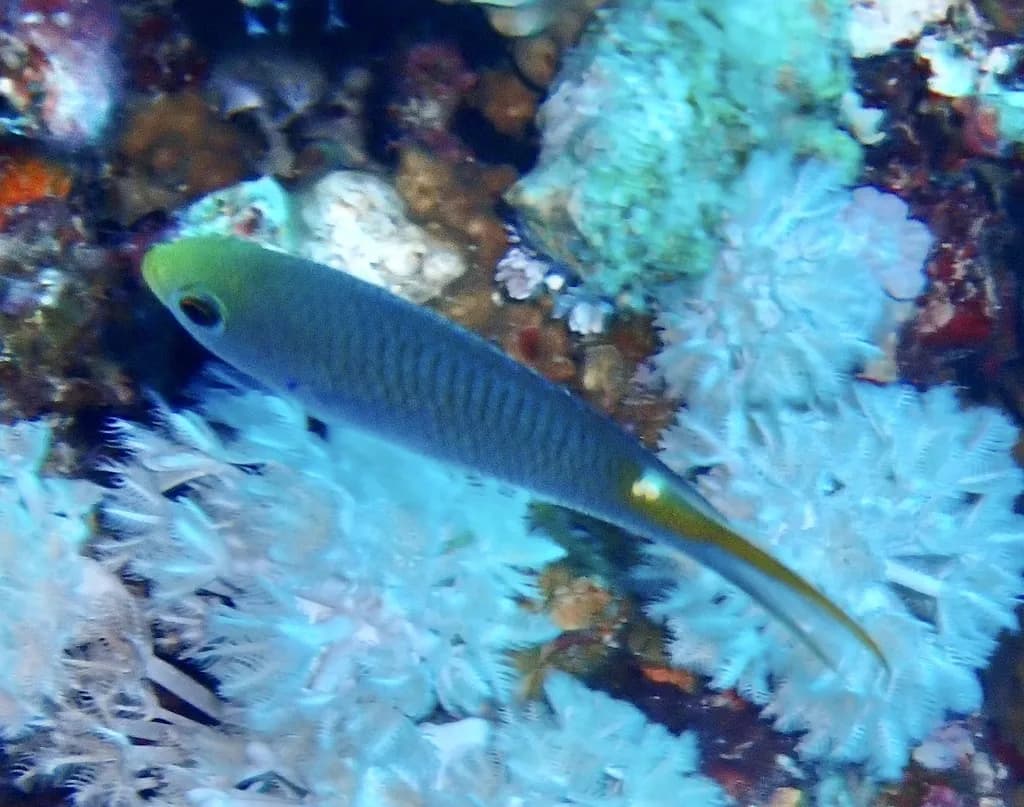
Arabian Damsel
Whale Shark
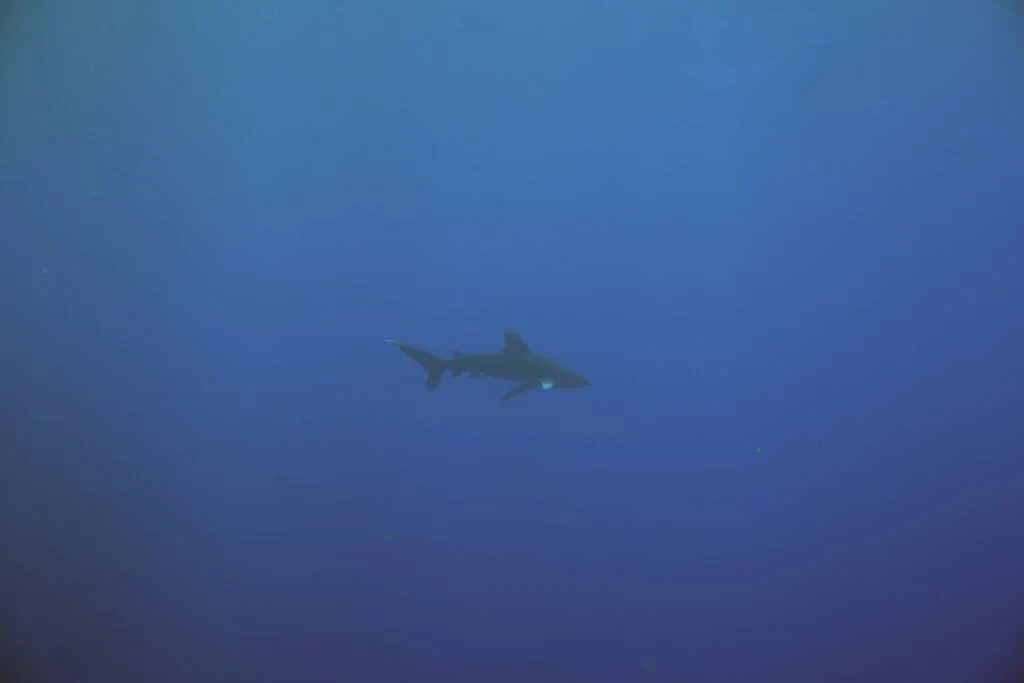
Oceanic Whitetip Shark
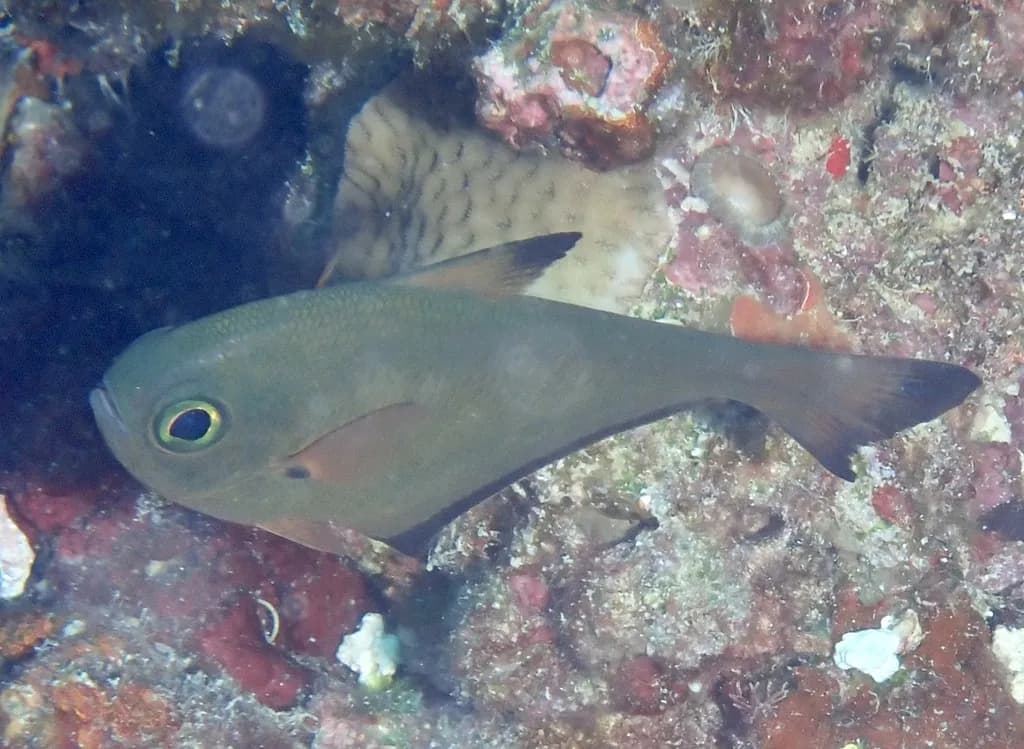
Cave Sweeper
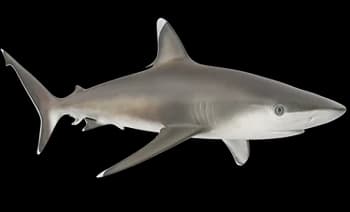
Whitetip Shark
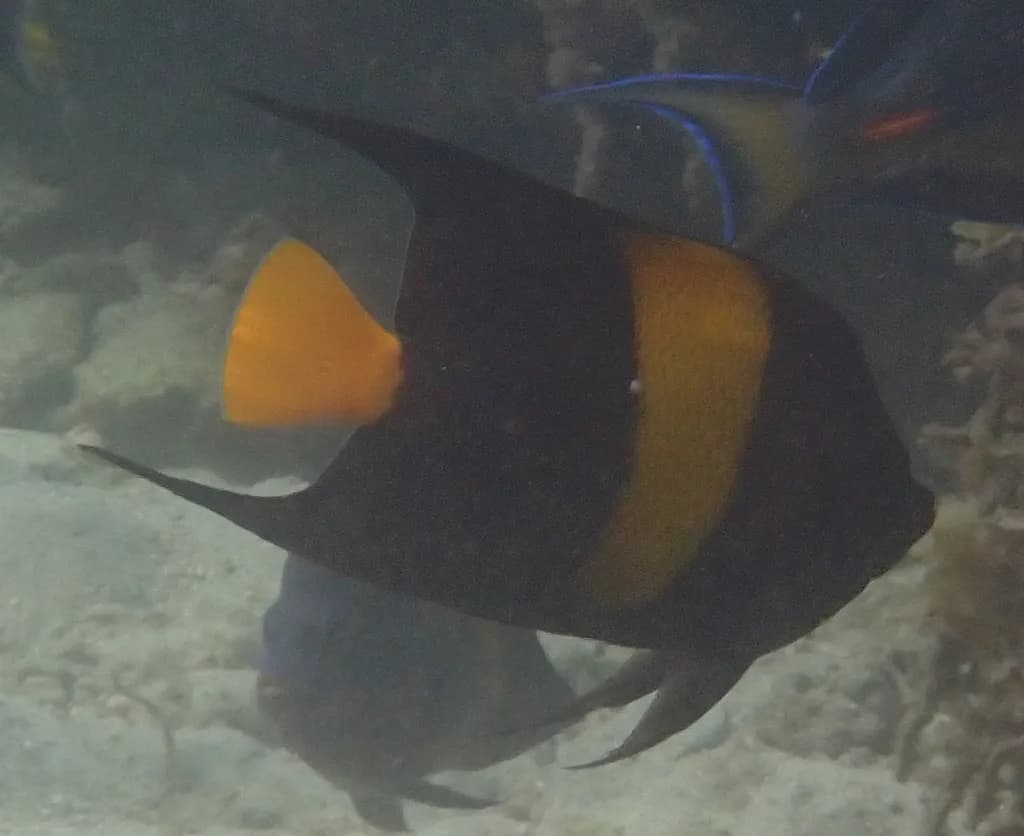
Arabian Angelfish
Bluelined Emperorfish
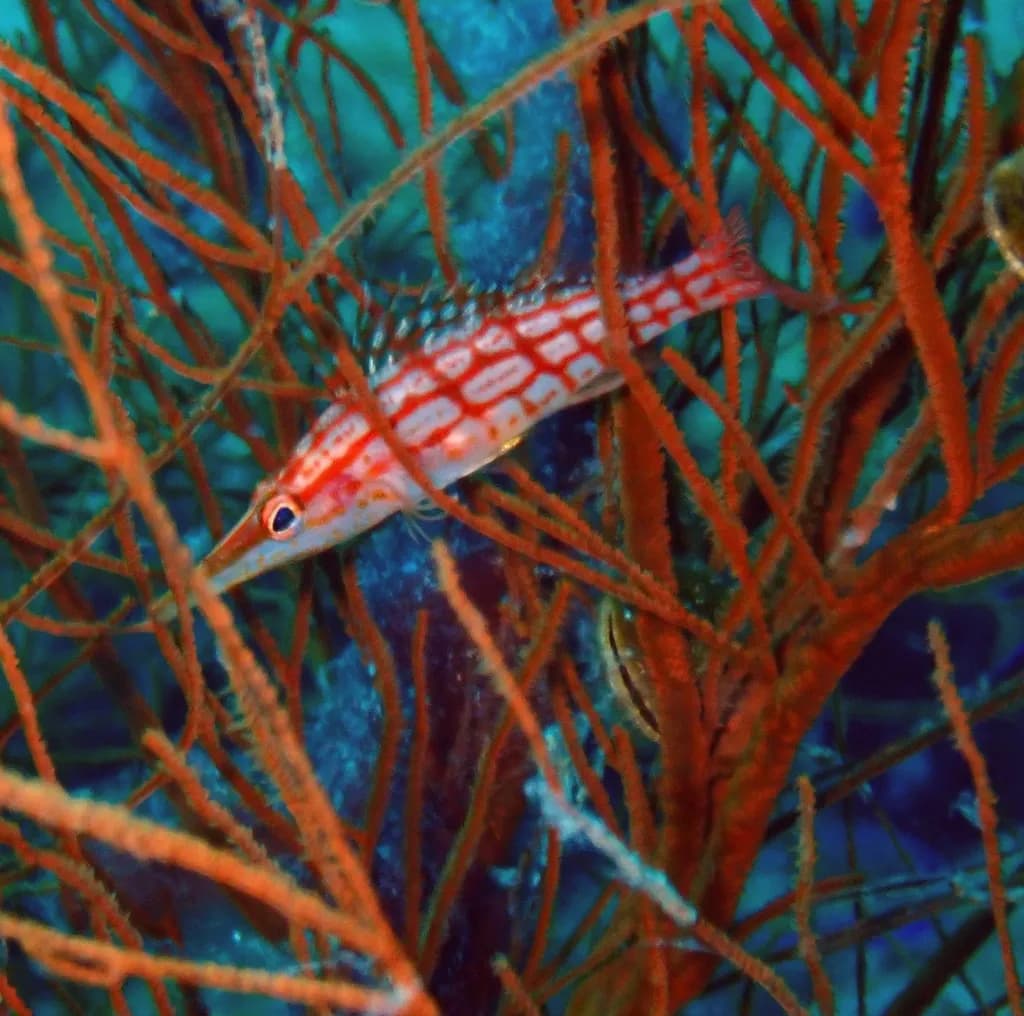
Longnose Hawkfish
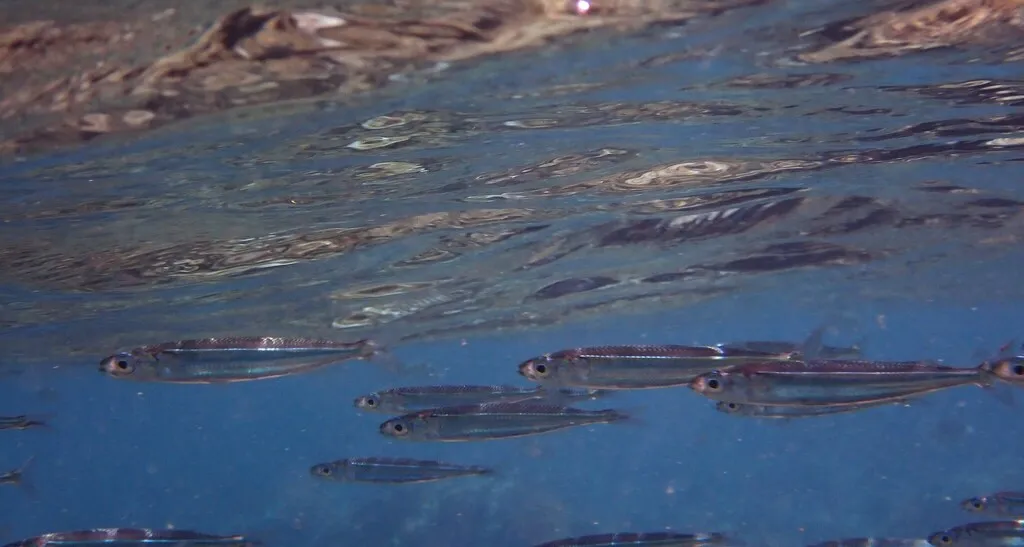
Silverside
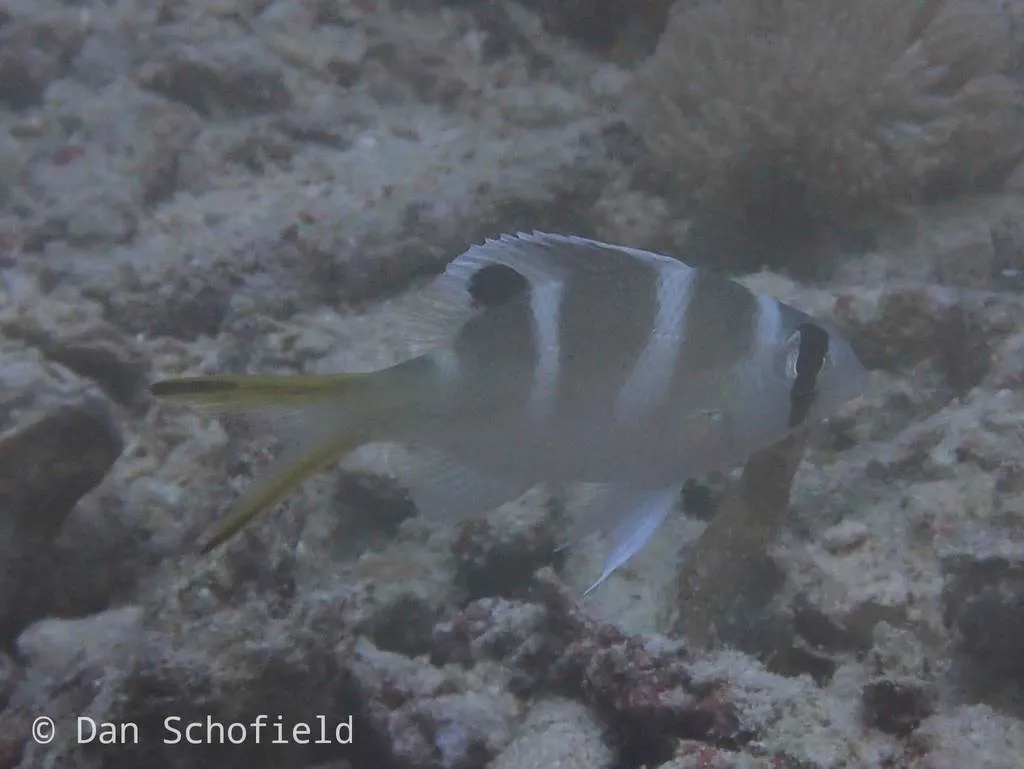
Bream
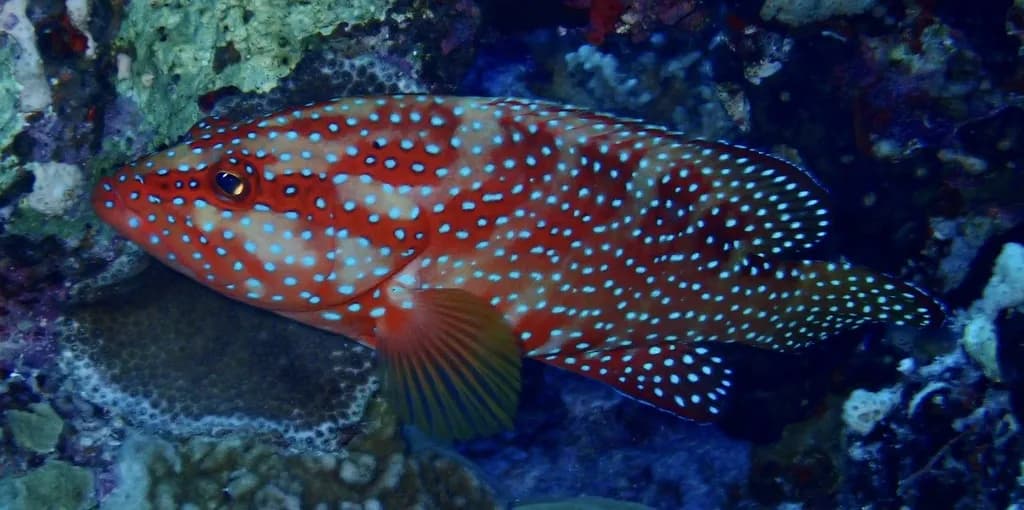
Coral Grouper
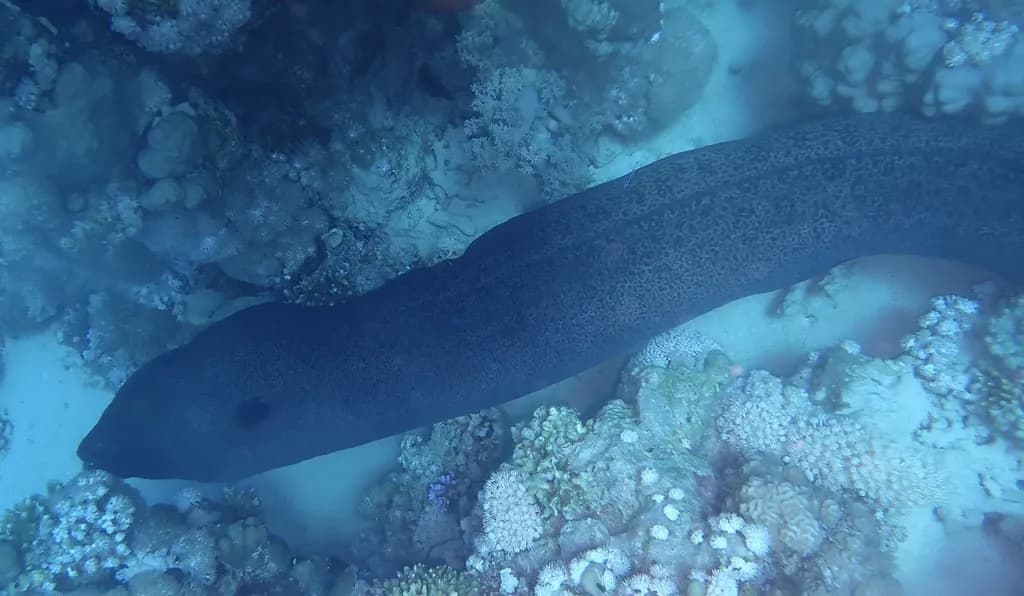
Eel
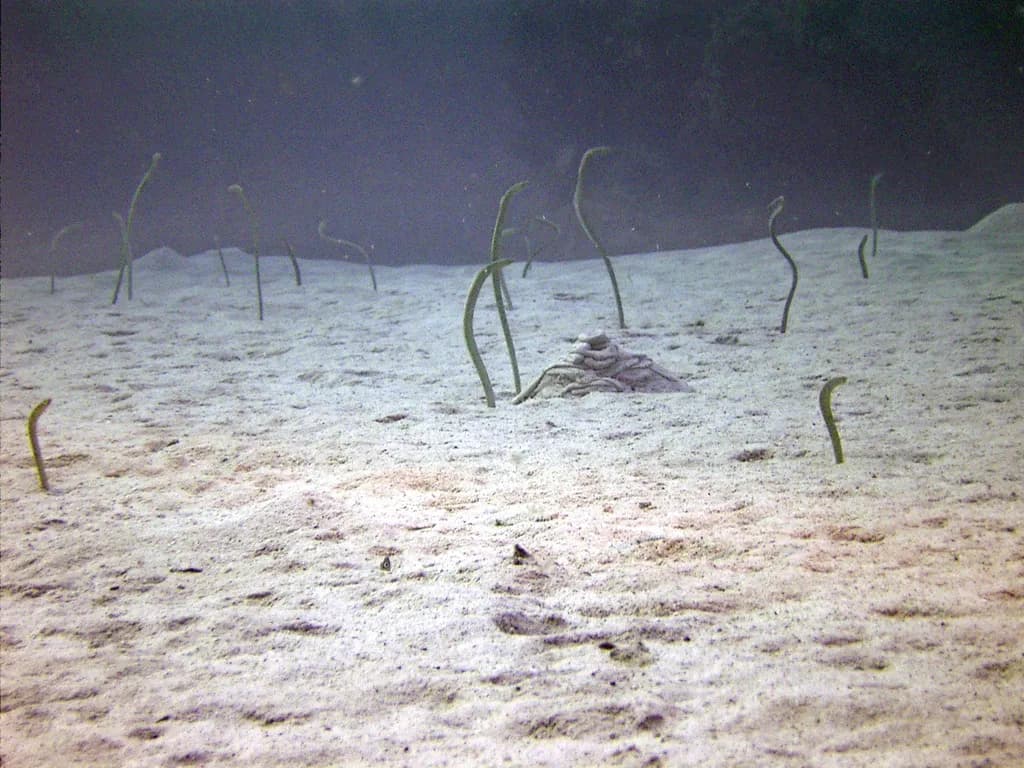
Garden Eel
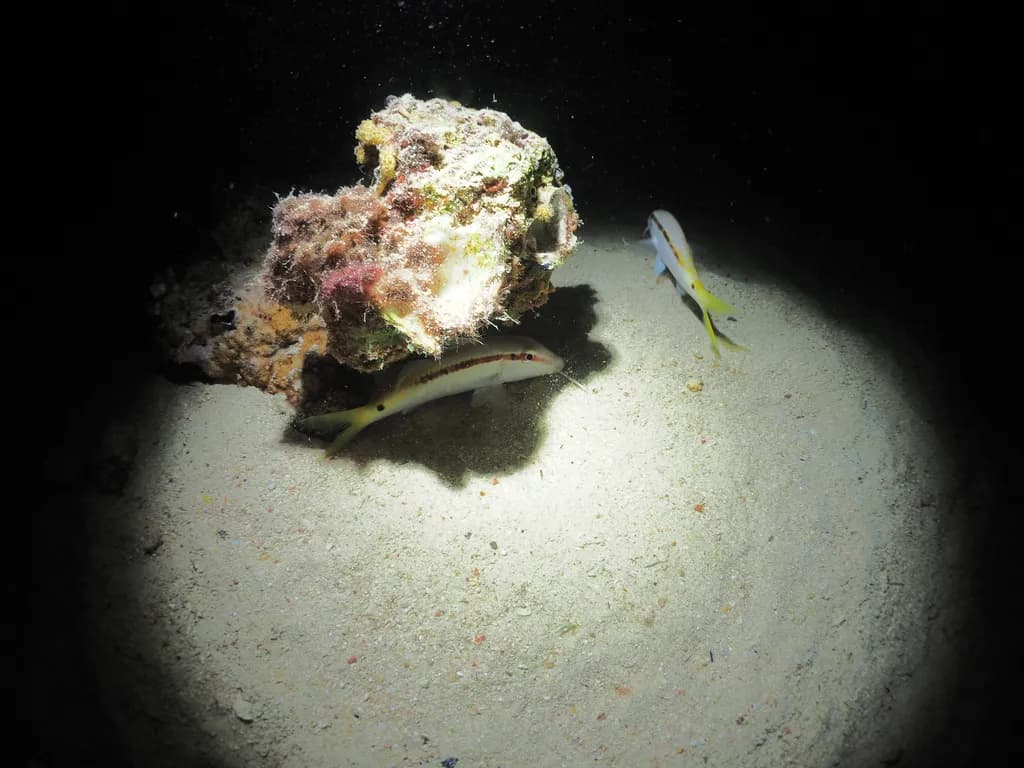
Goatfish
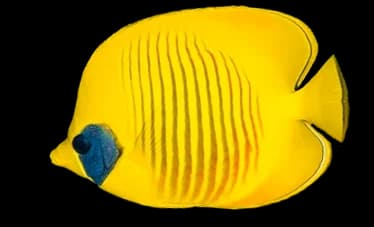
Masked Butterflyfish
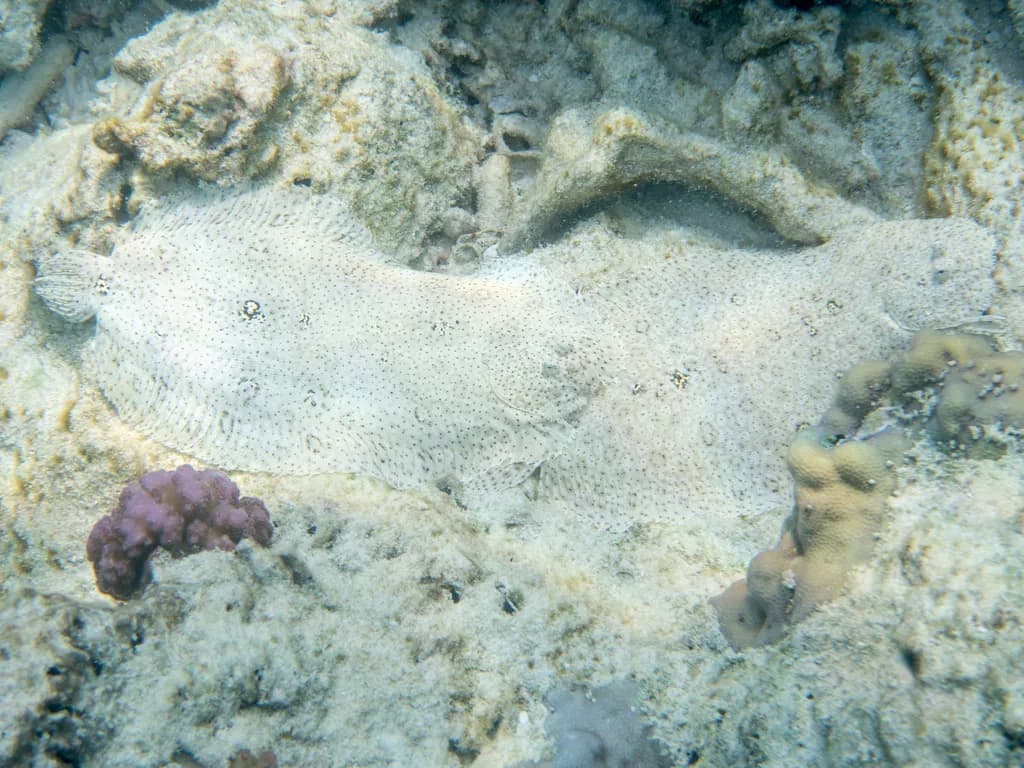
Moses Sole
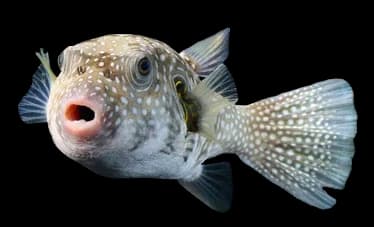
Pufferfish
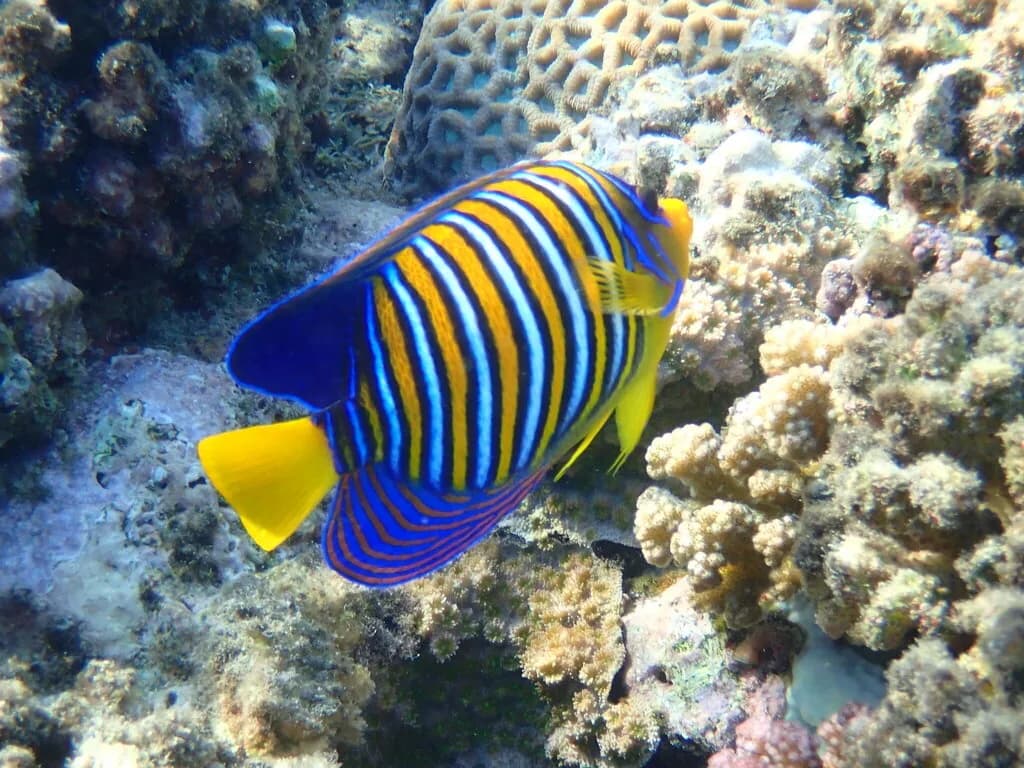
Regal Angelfish
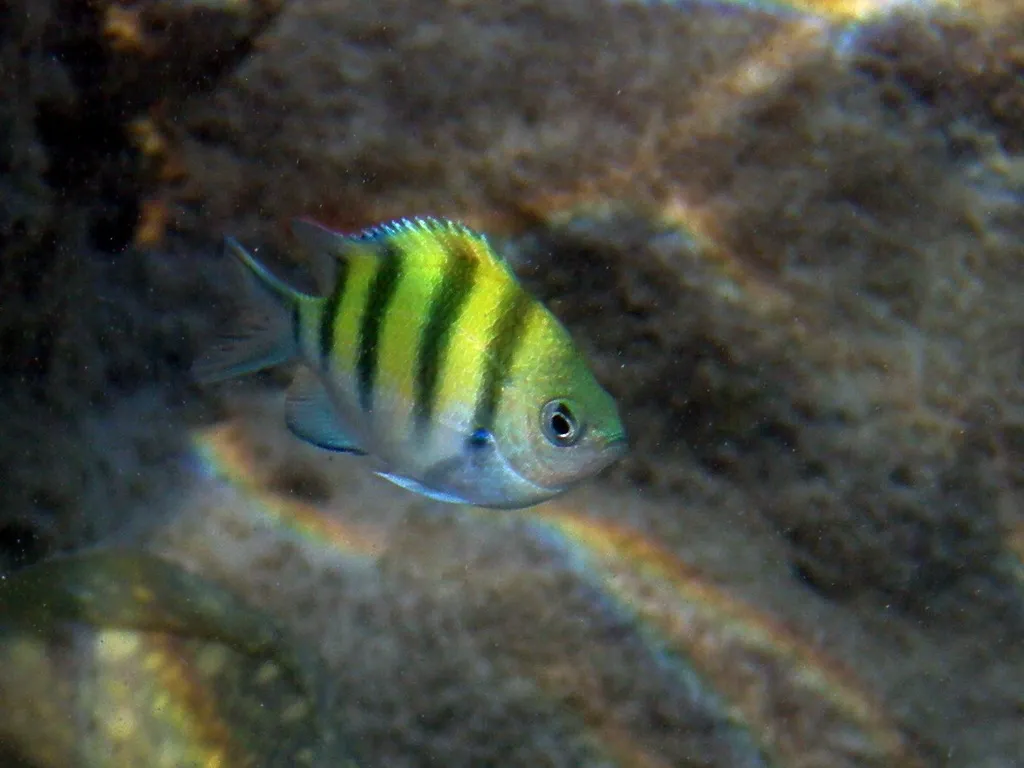
Sergeant Major
Snapper
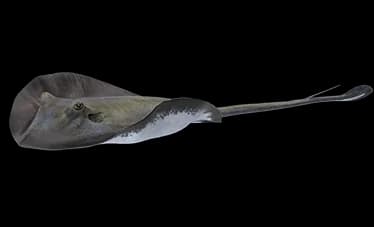
Stingray

Trevally
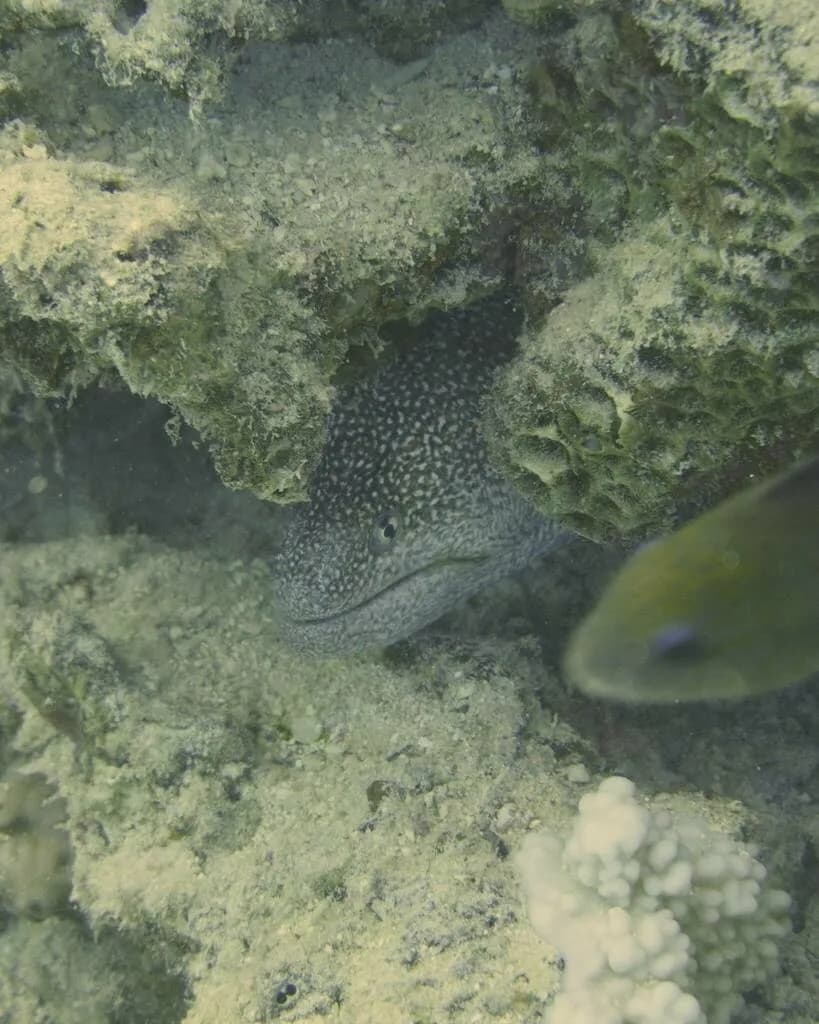
Yellowmouth Moray